The Organised Community: What 10,000+ Members Are Talking About
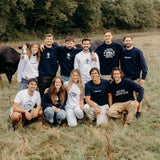
There are now over 10,000 people in the Organised community. They're not there because they have to be. They're there because they're learning something. Or teaching something. Or just knowing that somewhere, someone else is choosing real food too.
By Niall Kiddle, Founder, Organised

Reviewed by Pedro Rodrigues, Agronomist (farming and sourcing only) ·
5 min read · Published · Updated · 1 cited source
Makers of the Organised Daily blend, a grass-fed beef organ supplement from regenerative UK farms
There are now over 10,000 people in the Organised community.1 They're not there because they have to be. They're there because they're learning something. Or teaching something. Or just knowing that somewhere, someone else is choosing real food too.
The conversations are rarely about the product itself. The product is simple. You take it. You feel better. That's the story. What's more interesting is everything around it. The questions. The realisations. The small rebellions against the mainstream food narrative.
What people actually ask
The most common question isn't about organs. It's about food. How do I source organs? Where do I find a butcher? What does liver actually taste like? Is it safe to eat raw milk? Can my kids have this?
These aren't product questions. These are sovereignty questions. People are starting to think about where their food comes from. They're realising how separated they've become from the source. They're asking, can I do this differently?
The community answers them. People share their favourite butchers. Their sourcing strategies. Their recipes. Sometimes the answers are local. Sometimes they're about mail order. Increasingly, they're about finding farms and building relationships directly.
The recipe conversations
There's a thread that's become almost famous within the community. Someone posts a liver recipe. Then another. Then someone posts a way to hide liver in meatballs so their kids will eat it. Then someone posts a liver pâté method that doesn't taste like liver pâté.
The thread spirals. By the time it's done, there are 200 comments. Techniques. Tips. Stories of children who tried liver and didn't hate it. Stories of partners who were converted. The theme is always the same: I thought I wouldn't like this. I was wrong.
This is where the real culture shift happens. Not in people reading articles. In people realising that whole foods, organs included, don't have to be punishment. They can be delicious. They require skill. But skill is learnable.
The kid-feeding dilemma
The question that comes up constantly is how to feed real food to children who've grown up on processed options. Kids who've been conditioned to expect sweetness. Kids who trust nothing with a colour that doesn't come from a package.
Parents share strategies. Not forcing. Never forcing. Building familiarity. Starting with foods that are already accepted and slowly introducing new things. Eating the real food yourself, demonstrating that it's normal. Letting kids help prepare food so they become invested in eating it.
The conversation is never judgmental. There are no perfect parents here. There are just people trying to do something different. Trying to break the cycle of ultra-processed nutrition. Trying to raise kids who know what food actually is.
And there are success stories. Kids who came around. Kids who now prefer real food. Kids who think organs are normal because in their household, they are.
The 'wait, that's possible' moments
These are the breakthroughs that ripple through the community. Someone posts about reversing their energy levels. Someone else posts that their digestion improved dramatically. A third posts that they no longer need the antacids they'd taken for years. A fourth talks about their skin clearing up for the first time in a decade.
The responses are never sceptical. They're curious. How long did it take? What exactly did you change? What's different now? Did you change anything else? And underneath the questions is the subtext: if it happened for you, could it happen for me?
Sometimes the answer is yes. Someone tries the same approach and gets the same result. The community celebrates. Sometimes the answer is more complex. Everyone's different. The metabolism is individual. But the attempt is encouraged. The willingness to experiment with whole food instead of resigning yourself to symptoms is celebrated.
This is where beliefs shift. Not from articles. From people like them reporting real results. From a friend of a friend saying their energy came back. From a community member saying they finally slept through the night. These aren't marketing claims. They're human experiences, shared honestly, over and over.
Get stories from the community, free
Two short reads a week on the farmers, the standards, and the return to real food.
By signing up you agree to receive emails from us. No spam, unsubscribe anytime.
Why community matters
The supplement industry is isolating. You take your pill alone in your kitchen. You feel different but you have no framework for understanding why. The experience is individual, proprietary, disconnected from anything larger. You're alone with your results.
Real food creates community. It requires sourcing, cooking, feeding other people. It requires conversations. It requires the knowledge that somewhere, someone else is choosing the same thing you're choosing. That you're not alone in thinking the mainstream food system is broken. You're part of something bigger.
The community is where the culture actually shifts. It's where people realise this isn't fringe. It's where they learn to source properly. Where they pick up cooking skills. Where they become evangelists not because they're marketing the product, but because the product worked and now they want everyone they love to know.
It's also where something deeper happens. People realise they're not broken. The food is. Their body's response to poor nutrition wasn't a personal failing. It was appropriate. It was their body screaming for nutrition that never came. And the moment you fix the nutrition, the body responds exactly as it should.
That's a powerful realisation to share with 10,000 other people who've had it too.
1 of 9
Daily blend
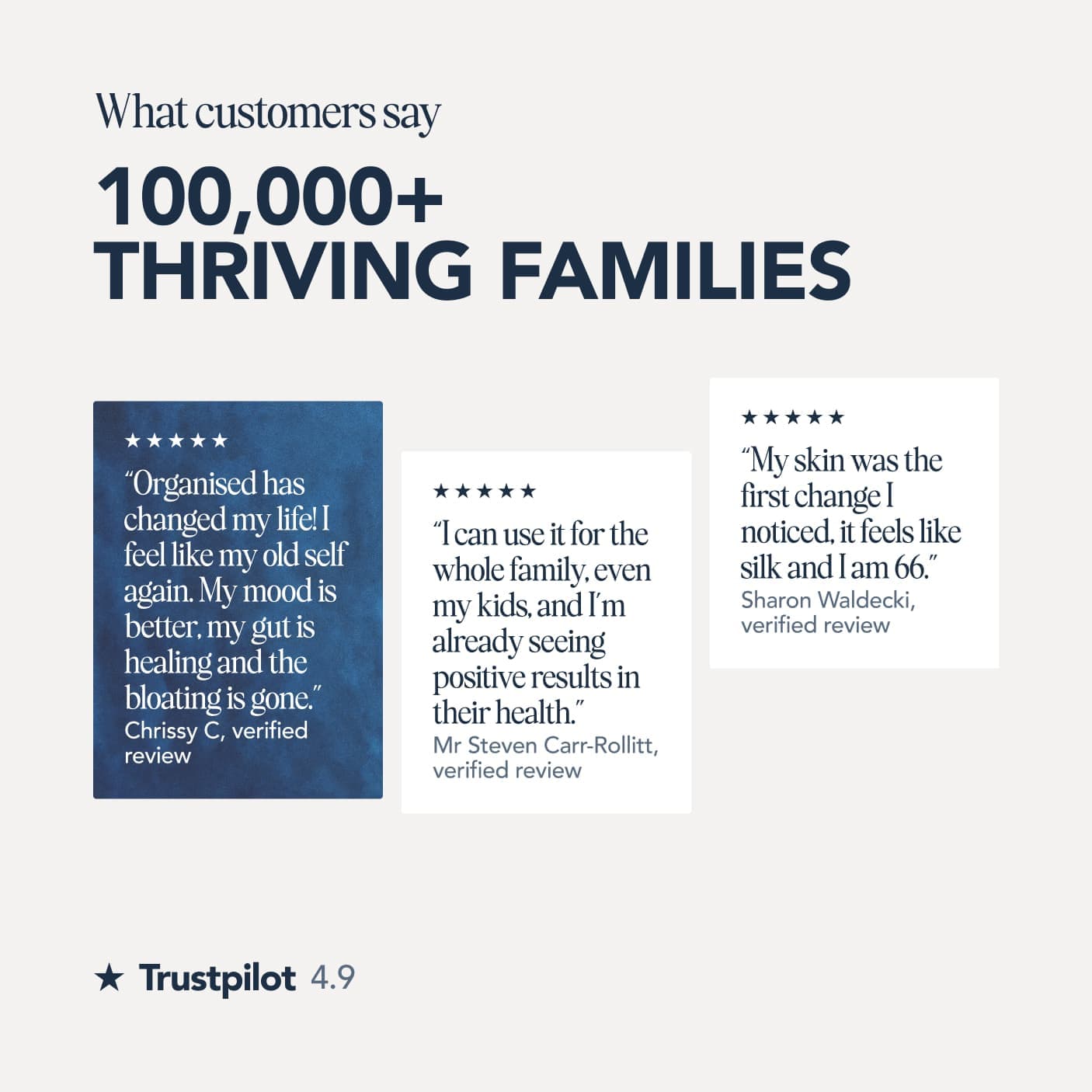
100,000+ thriving families4.9 on Trustpilot
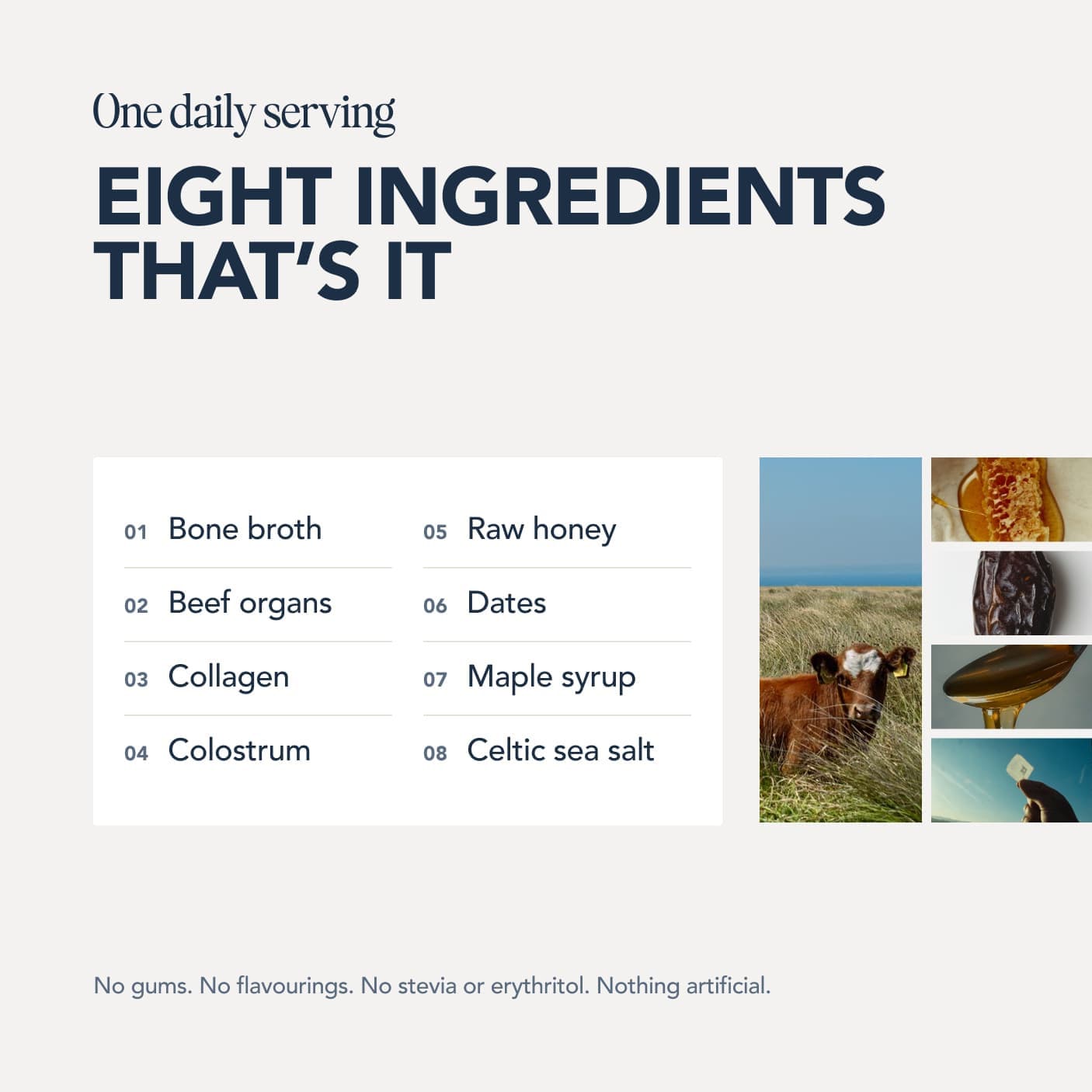
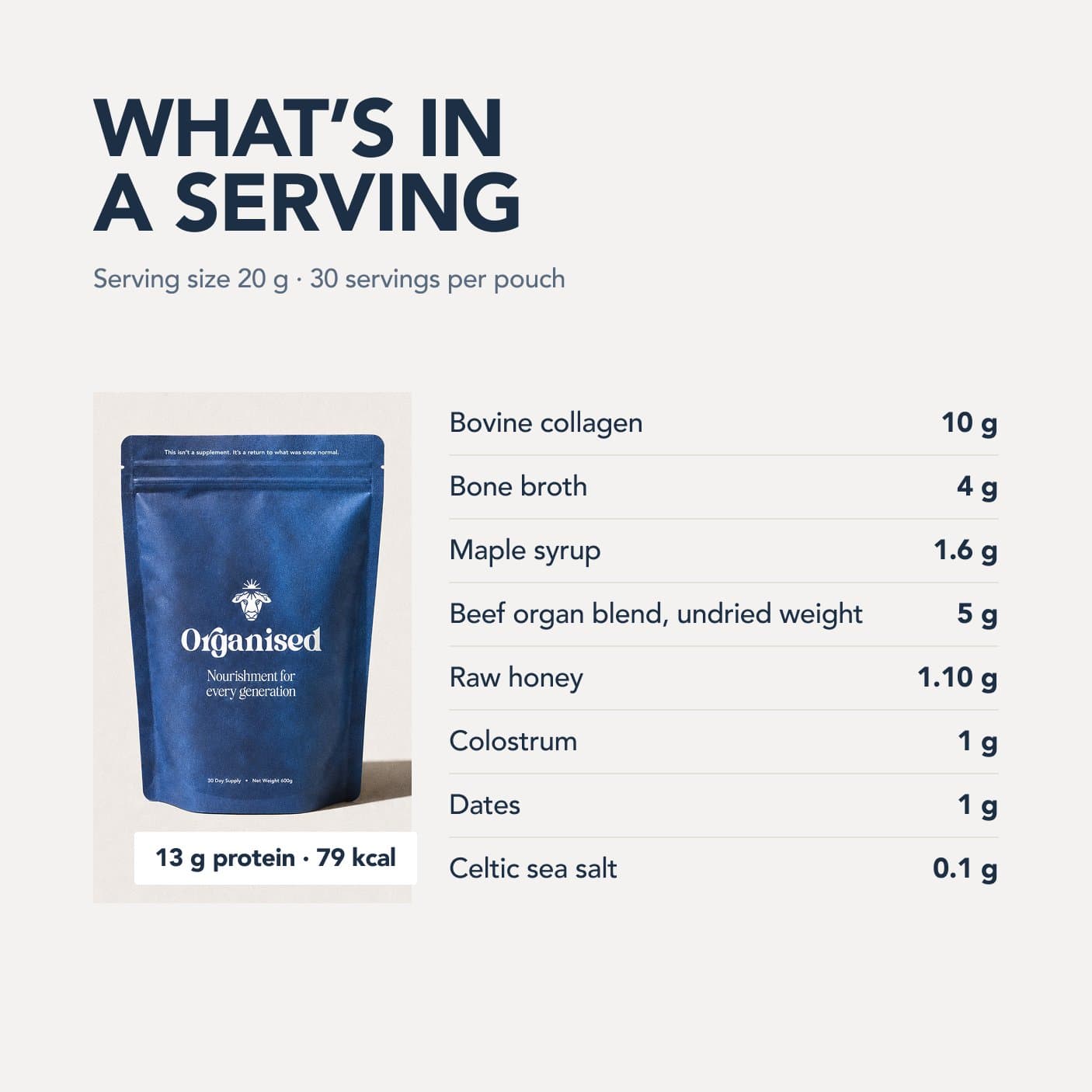
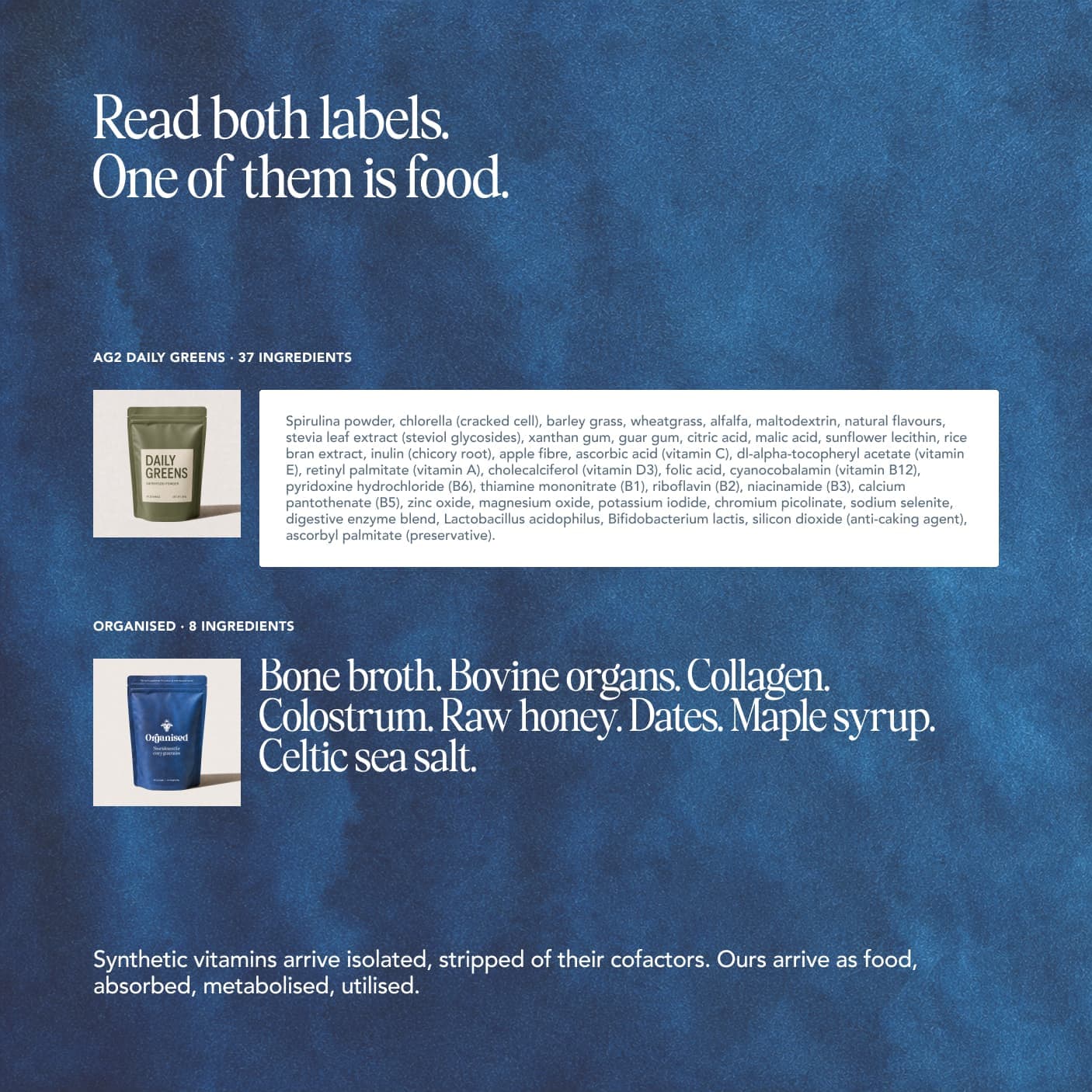
Eight real ingredients built around grass-fed beef organs, collagen and colostrum. Nothing synthetic added.
Free with your first order, worth £38. Plus £10 off the pouch with a subscription.
Free UK shipping · Made in England · 100 day money back guarantee on your first pouch · Skip, pause or cancel anytime
The real gift
The Organised community exists because people want to talk about something real. Not product features. Not marketing claims. Real food. Real health. Real transformation. Not lonely testimonials. Collective conversations.
It's where people ask the questions they're too embarrassed to ask elsewhere. Where they share their wins. Where they learn from each other. Where they realise they're not crazy for thinking the mainstream narrative is incomplete.
It's also where the pressure to perform disappears. You don't have to pretend you love organ meat if you're still getting used to it. You can ask questions without judgment. You can fail and start again and nobody is there to shame you.
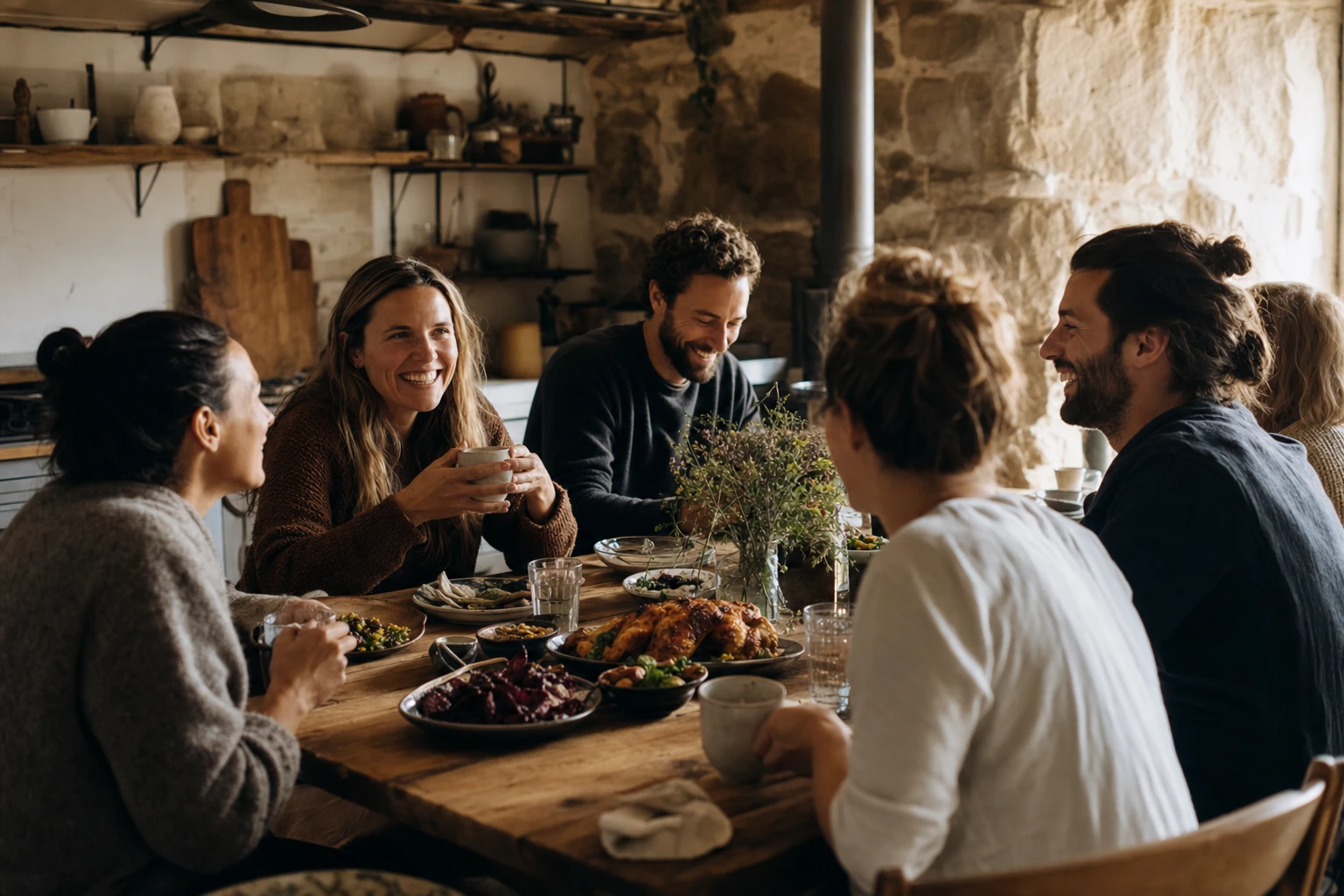
That's the heart of it. A place where people choosing real food aren't weird. They're home.
The culture that's building
What's remarkable is that the Organised community isn't separate from the larger food movement. It's part of something bigger. A cultural shift back toward real food. Toward knowing where food comes from. Toward cooking. Toward understanding that what you eat becomes you.
This shift is quiet but undeniable. Young people are learning to cook organs from their parents. People are building relationships with local farmers. Small farms are thriving again because there's finally market demand for what they produce. Food has become a conversation again instead of just convenience.
That's not a product feature. That's a culture being restored.
References
Every source below was checked on 27 August 2026. Each link was requested and read. Where a citation and its identifier disagreed, the citation was corrected to the record or the reference was deleted along with the sentence marker that pointed at it, and where the resolved paper turned out not to support the sentence, the sentence was cut back to what it does support. Borrowed authority is worse than none, because it looks like rigour.
- Organised. Internal community membership data, 2025. (Brand-reported figure.)
Who wrote and reviewed this guide
Niall Kiddle
Author · Founder, Organised
Niall is the founder of Organised. He started the company in 2024 after fixing his own health the slow way: in 2022 he swapped a cupboard of synthetic supplements for real food, raw milk, organ meats, bone broth and honey, and felt the difference within months.
Areas of expertise: Ancestral nutrition, Organ meats, Whole-food supplementation, Gut health, Regenerative sourcing
Read Niall's full profile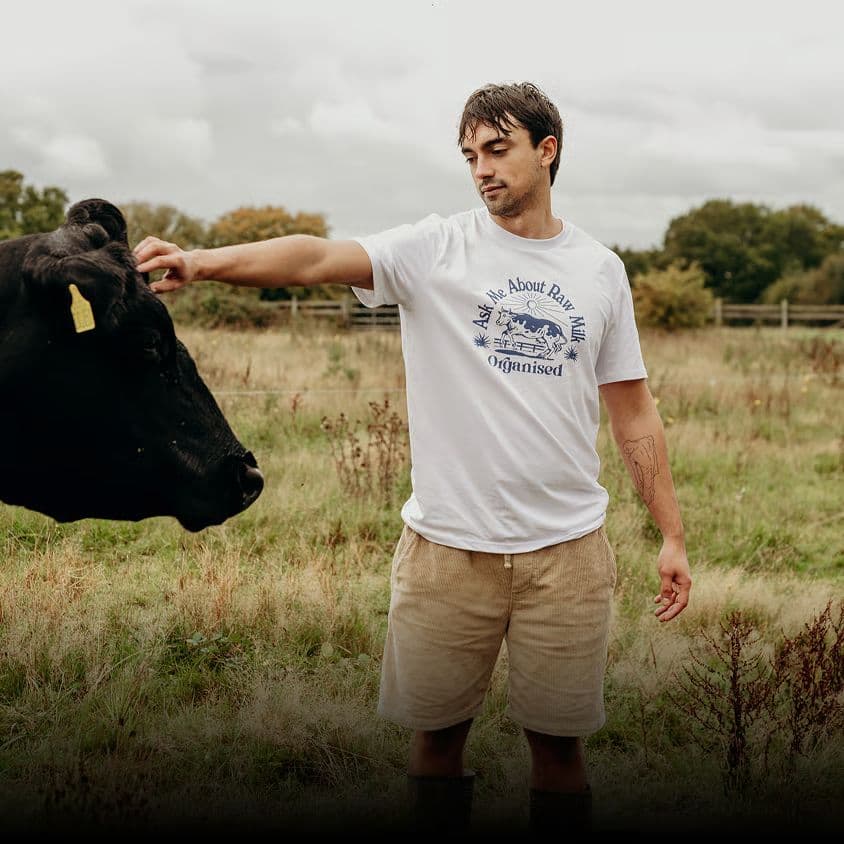
Pedro Rodrigues
Reviewer · Agronomist (farming and sourcing only)
Pedro is the agronomist Organised works with on farming and sourcing. His job on the guides is to keep the science honest: he reviews what we publish about soil health, regenerative agriculture, grazing and the way food is actually produced.
Areas of expertise: Regenerative agriculture, Agronomy, Soil health, Grass-fed farming, Food sourcing
Reviewed this guide on
Read Pedro's full profileMore on community
View allBrowse the guides library
All guidesKeep reading
Culture & community
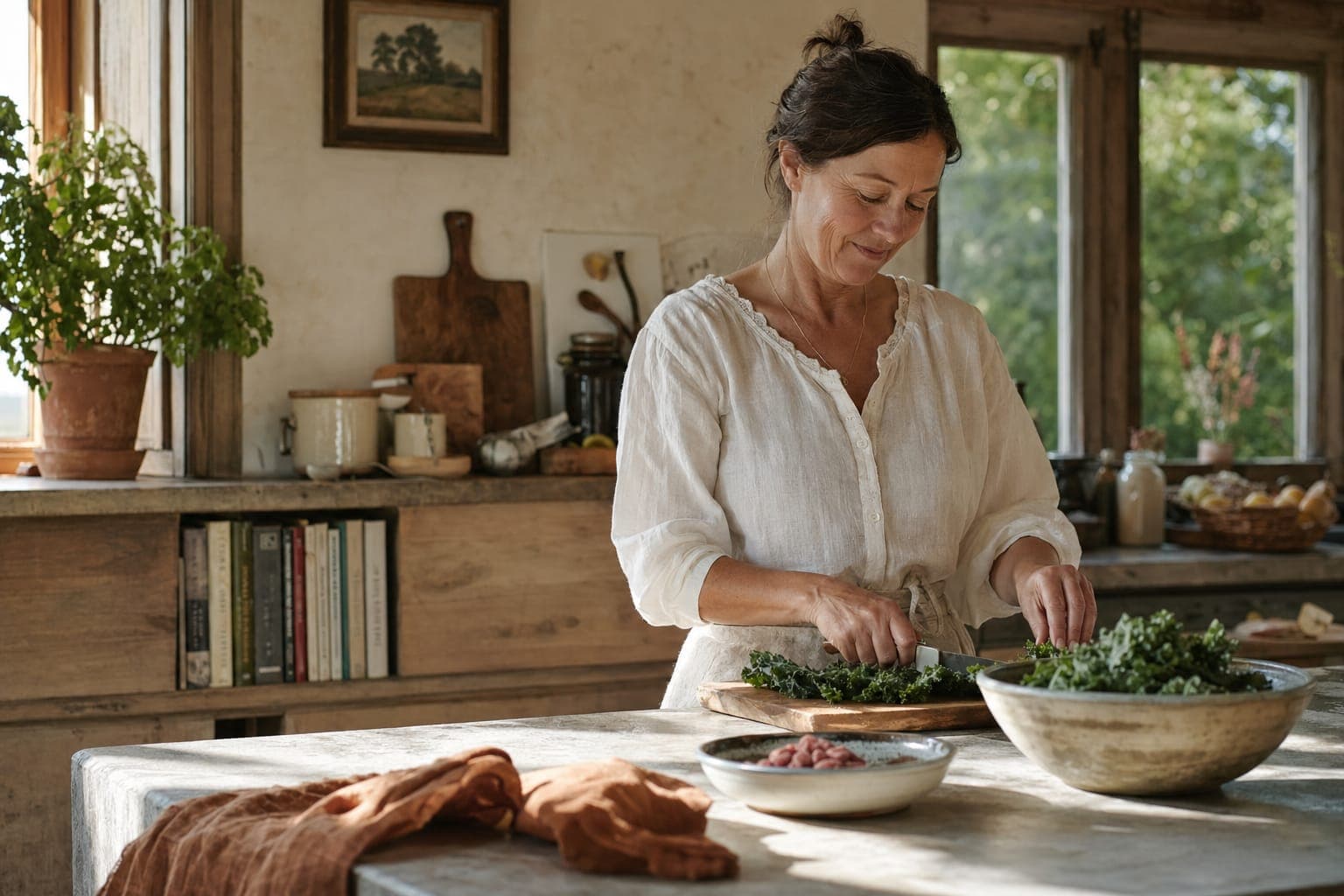
How Niall's Mum Reversed 15 Years of IBS
Niall's mum lived with IBS for 15 years before her symptoms eased after adding organs and collagen back to her diet. The story behind Organised.
Culture & community
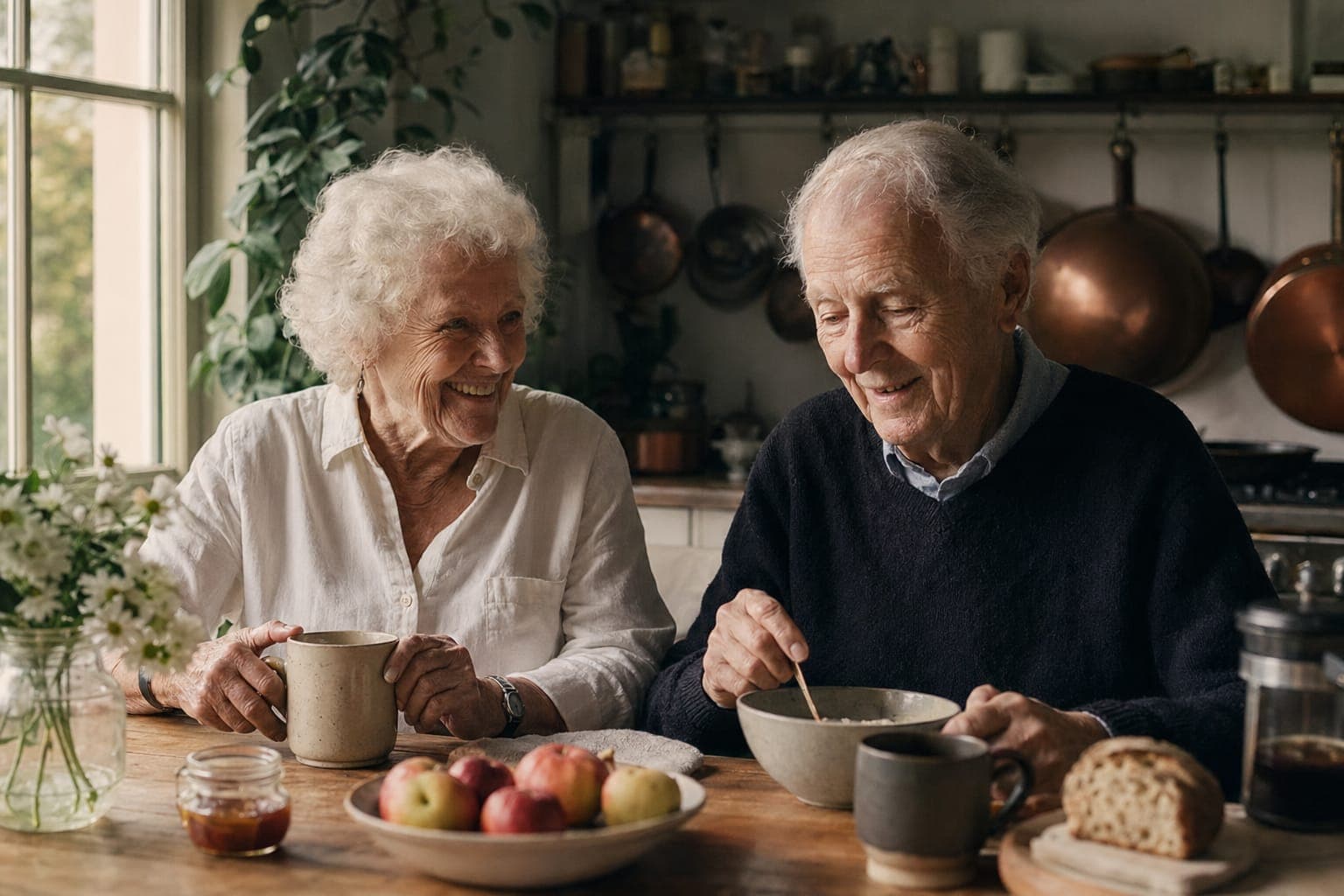
Niall's Grandparents Take Organised Daily (In Their 90s)
Niall's grandmother grew up on an Irish raw dairy farm eating organs, eggs, and nose-to-tail. Now in their 90s, his grandparents take Organised daily.
Culture & community
The Rise of Ancestral Eating in the UK
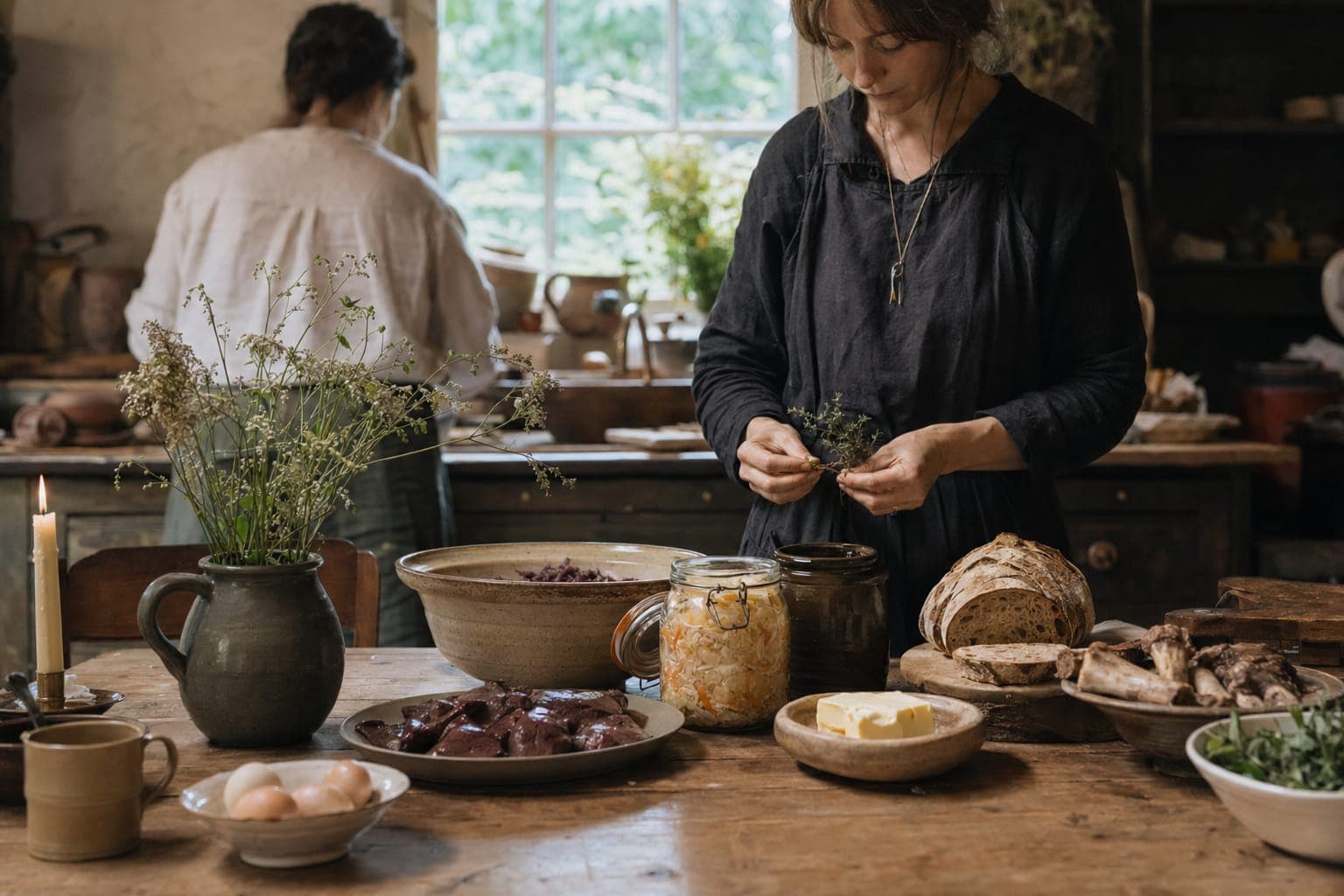
British foodways are returning. Organ meats, fermented foods, and regenerative farming are being reclaimed. Here's the movement reshaping UK nutrition.
Real food, made effortless
Shop the blendA few ways to use it
All recipes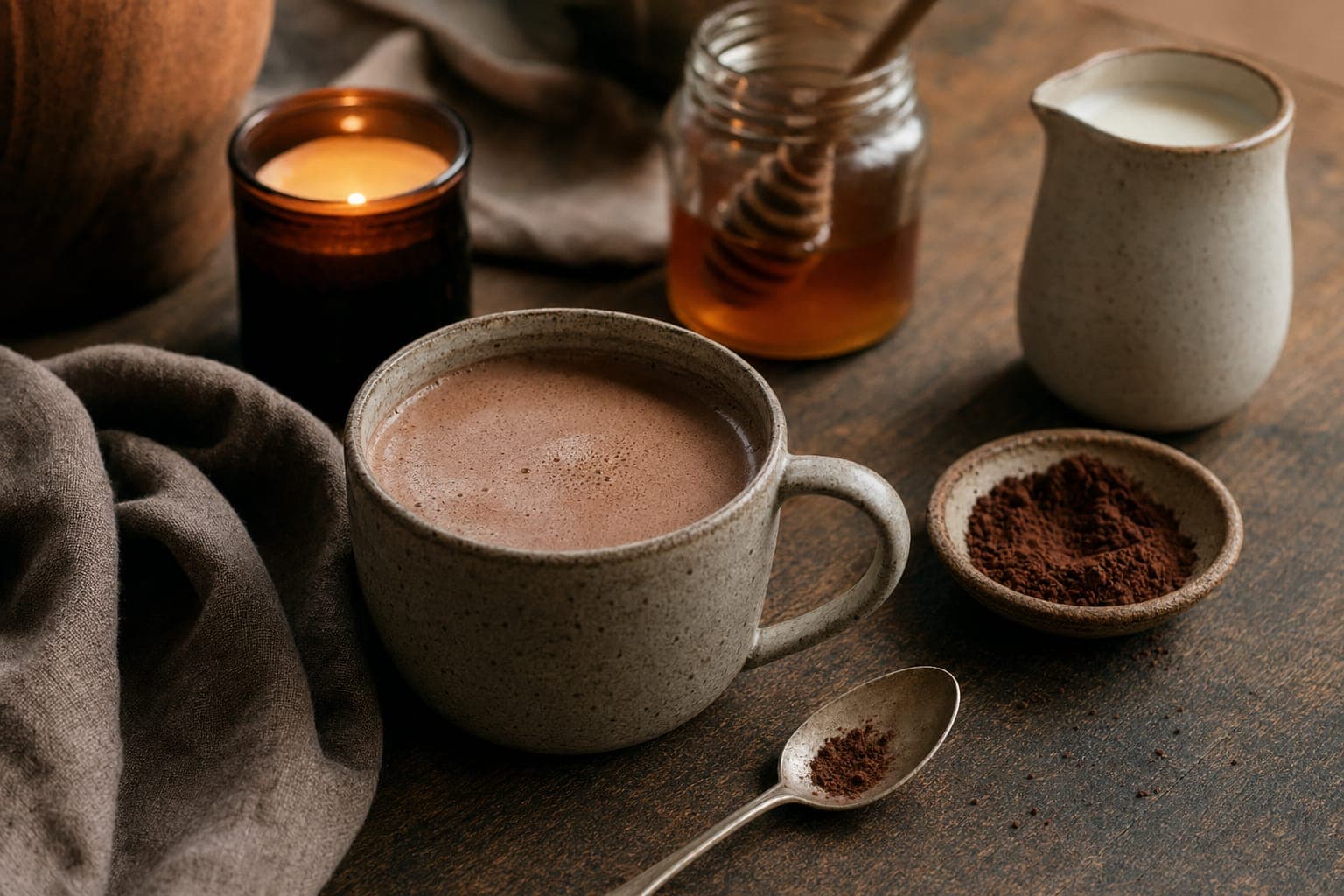
Raw Milk Hot Chocolate with Collagen
A nourishing evening hot chocolate made with raw milk, grass-fed collagen, raw cacao, and honey. A nighttime ritual that supports sleep and gut health.
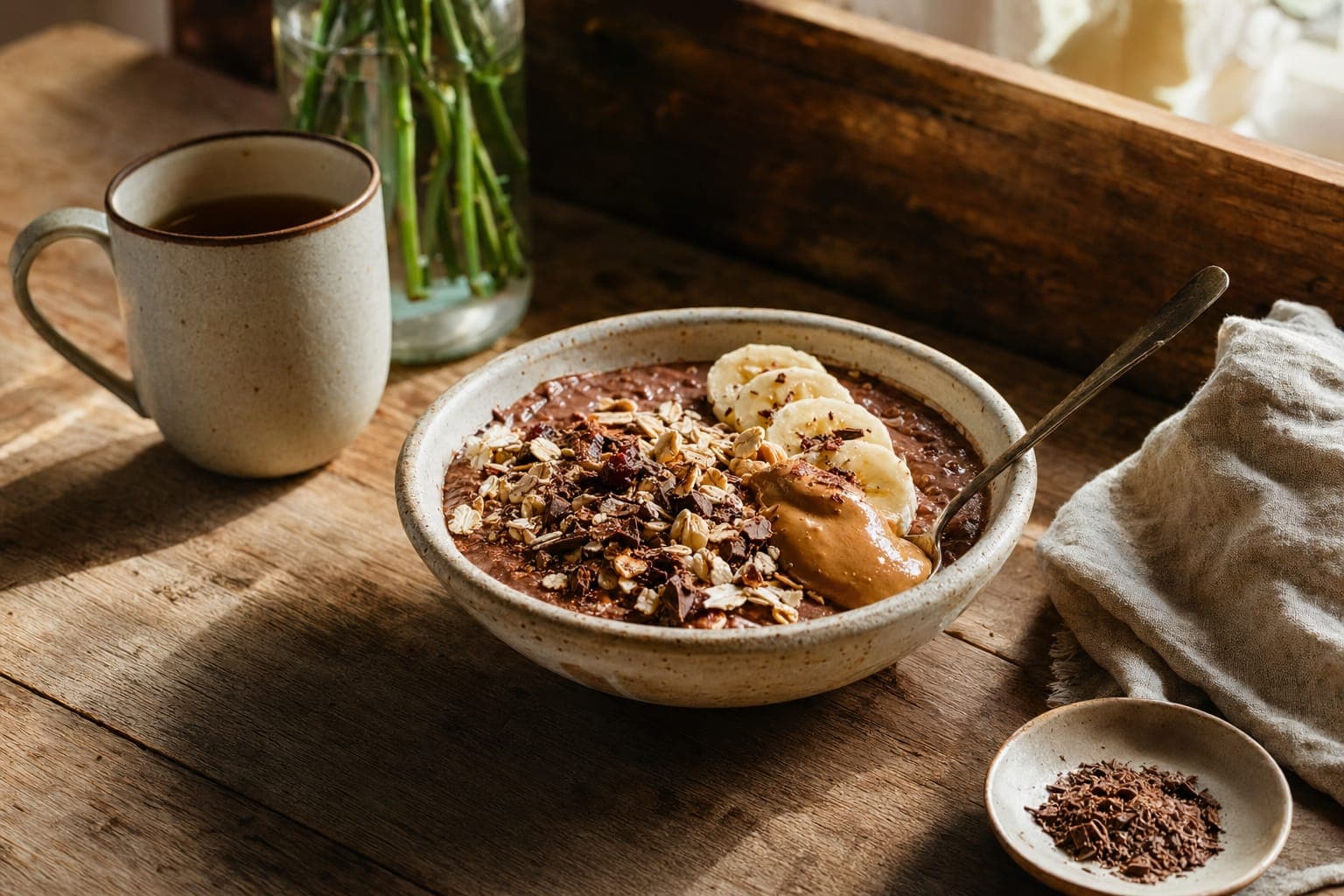
10 Ways to Use Organised That Aren't Just a Shake
Move beyond the basic shake. Discover 10 creative ways to use Organised in smoothie bowls, oats, yoghurt, baking, and more.
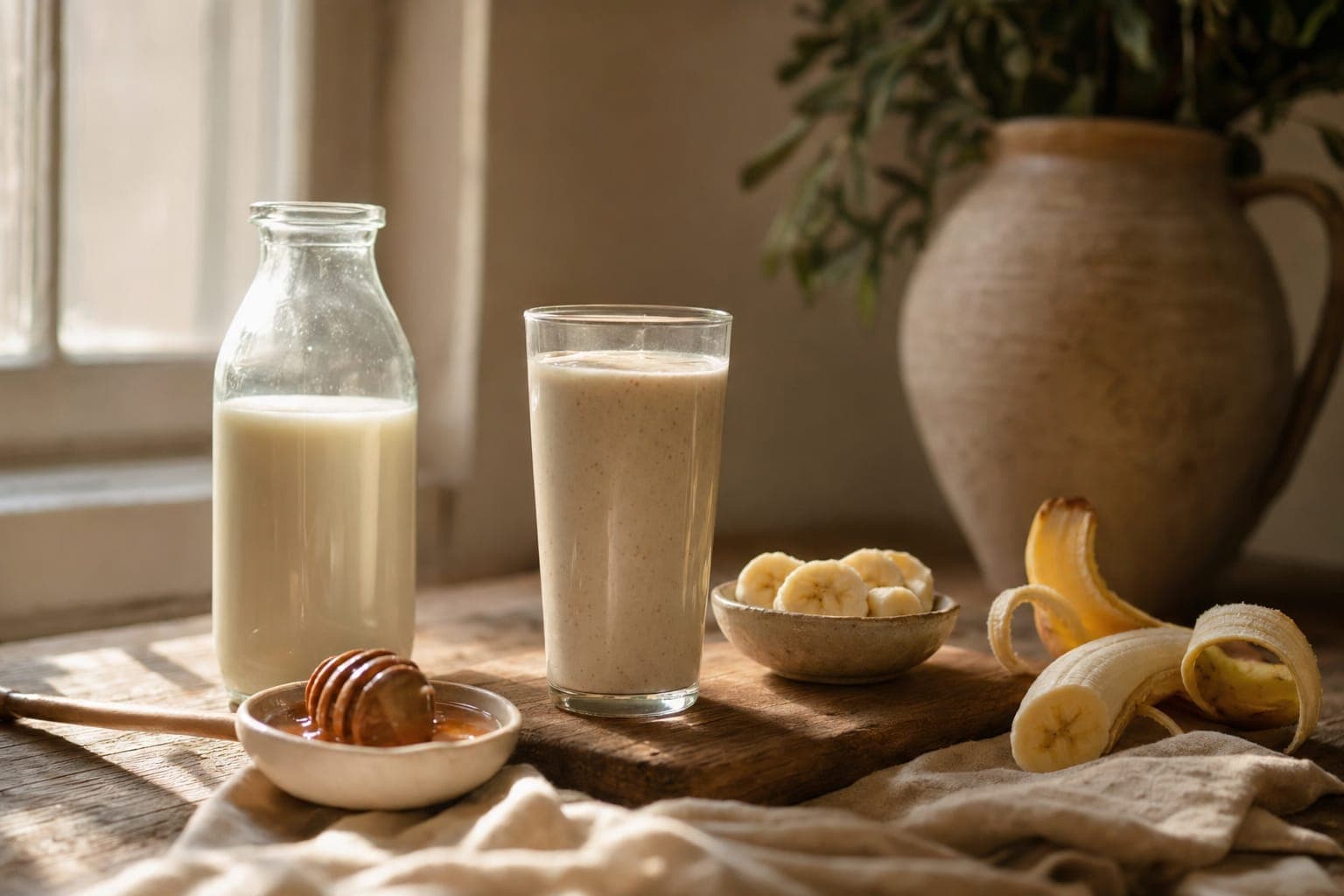
The Perfect Organised Morning Shake: Our Favourite Recipe
Our signature morning shake: Organised, raw milk, banana, honey. Simple, nourishing, and optimised for an empty stomach.


 Join over 100,000+ members
Build a better food system with us
The Organised community is thousands of people choosing real food and backing the farmers who grow it, all of us trying to leave the world a little better than we found it. If that is what you care about too, you belong here.