Niall's Grandparents Take Organised Daily (In Their 90s)
Niall's grandmother grew up on a raw dairy farm in Ireland. Liver, eggs, whole animals nose to tail. Raw milk straight from the cow. Bone broth that had been simmering on the stove since the previous day. None of it was a protocol. It was just how her family ate. Now in their 90s, she and Niall's grandfather take Organised every day, and they continue to thrive. They're not the proof that something new works. They're the proof that something old still does.
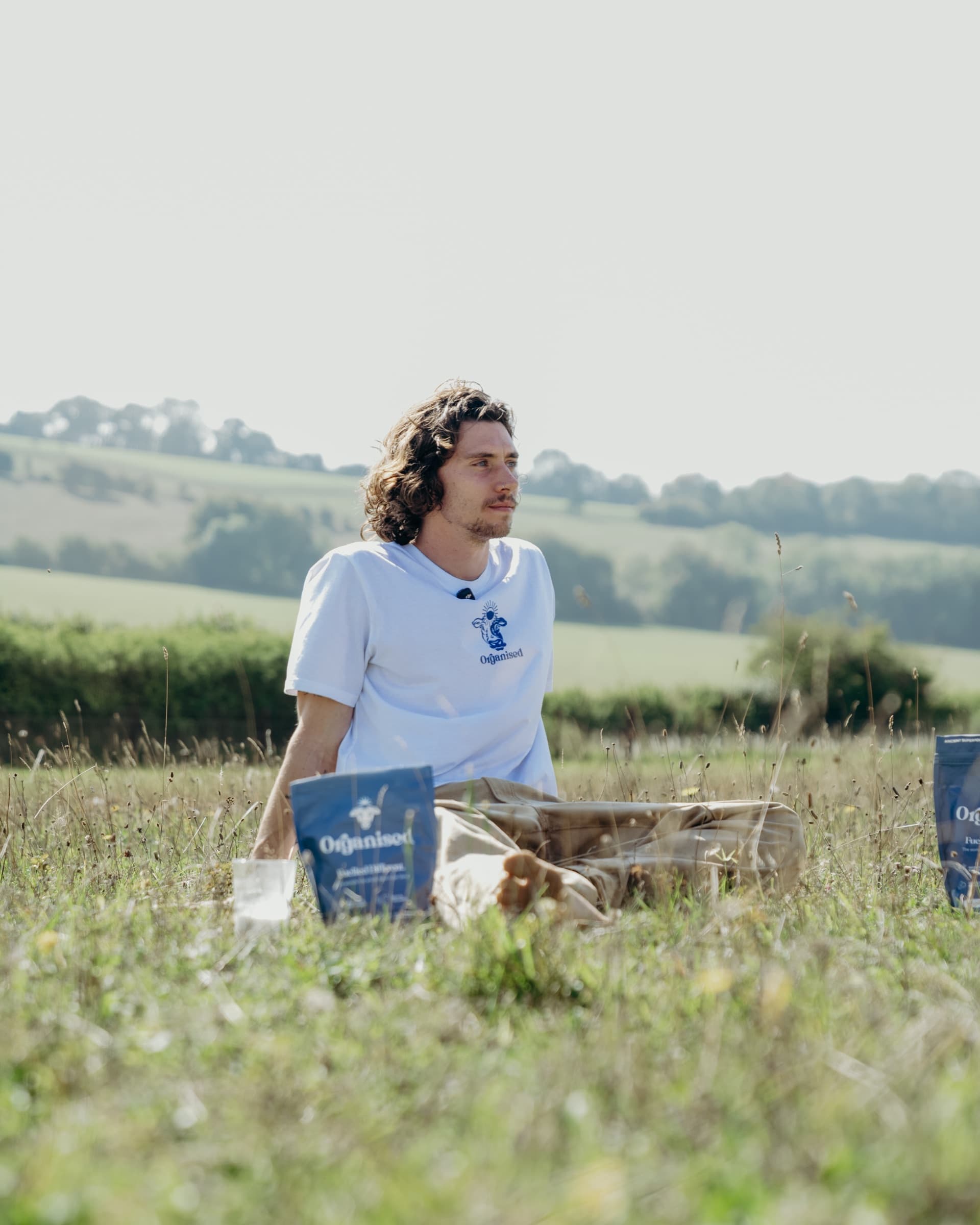
By Niall Kiddle, Founder, Organised

Reviewed by Pedro Rodrigues, Agronomist (farming and sourcing only) ·
5 min read · Published · Updated · 2 cited sources
Makers of the Organised Daily blend, a grass-fed beef organ supplement from regenerative UK farms
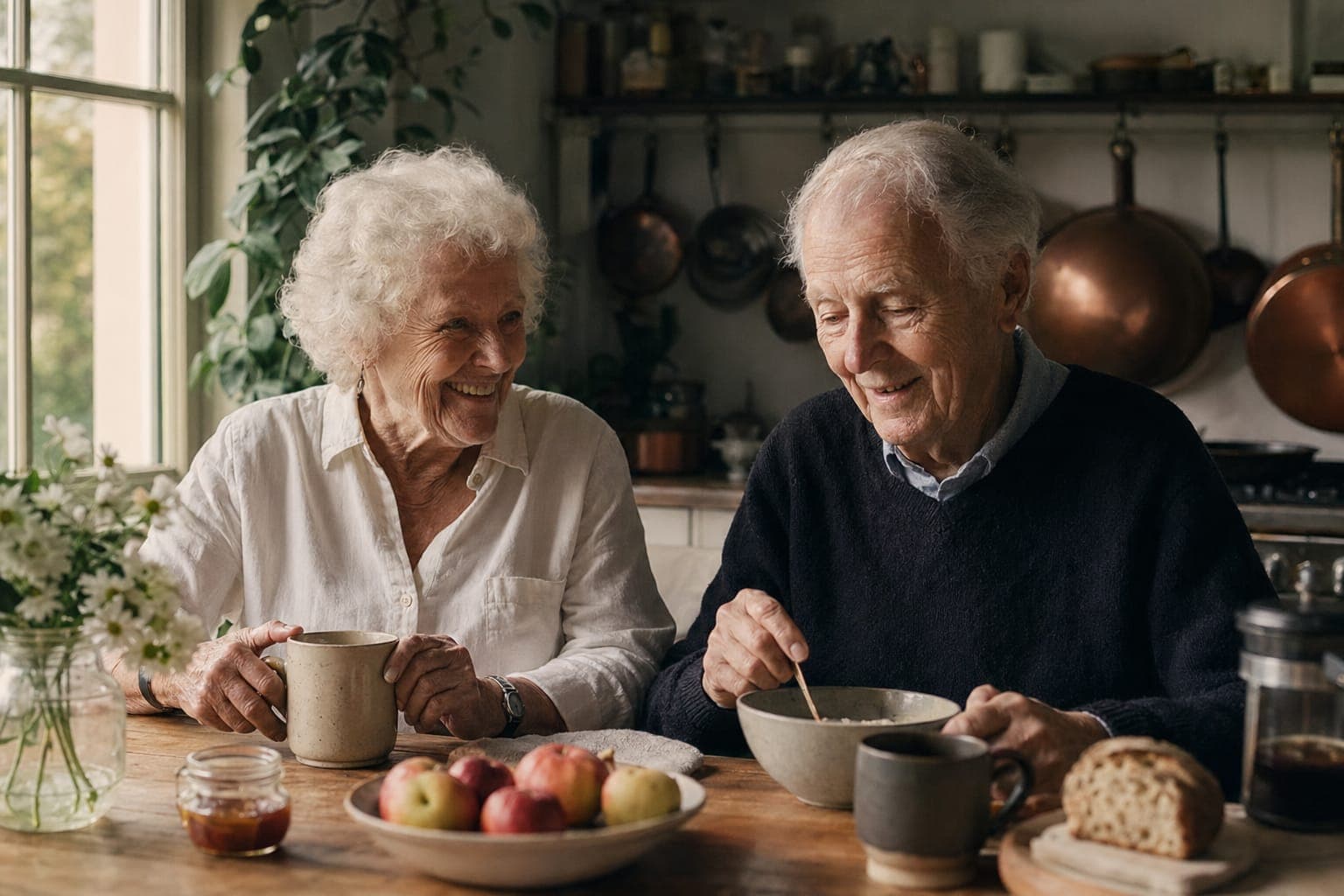
Niall's grandmother grew up on a raw dairy farm in Ireland.
Liver. Eggs. Whole animals, nose to tail. Raw milk straight from the cow. Bone broth that had been simmering on the stove since the previous day. None of it was a protocol. None of it was a brand. It was just how her family had been eating for generations on a small Irish farm, and it was how she ate herself, every day, for the first eighty-something years of her life.
Now in their 90s, she and Niall's grandfather take Organised every day. They continue to thrive.
They're not the proof that something new works. They're the proof that something old still does.
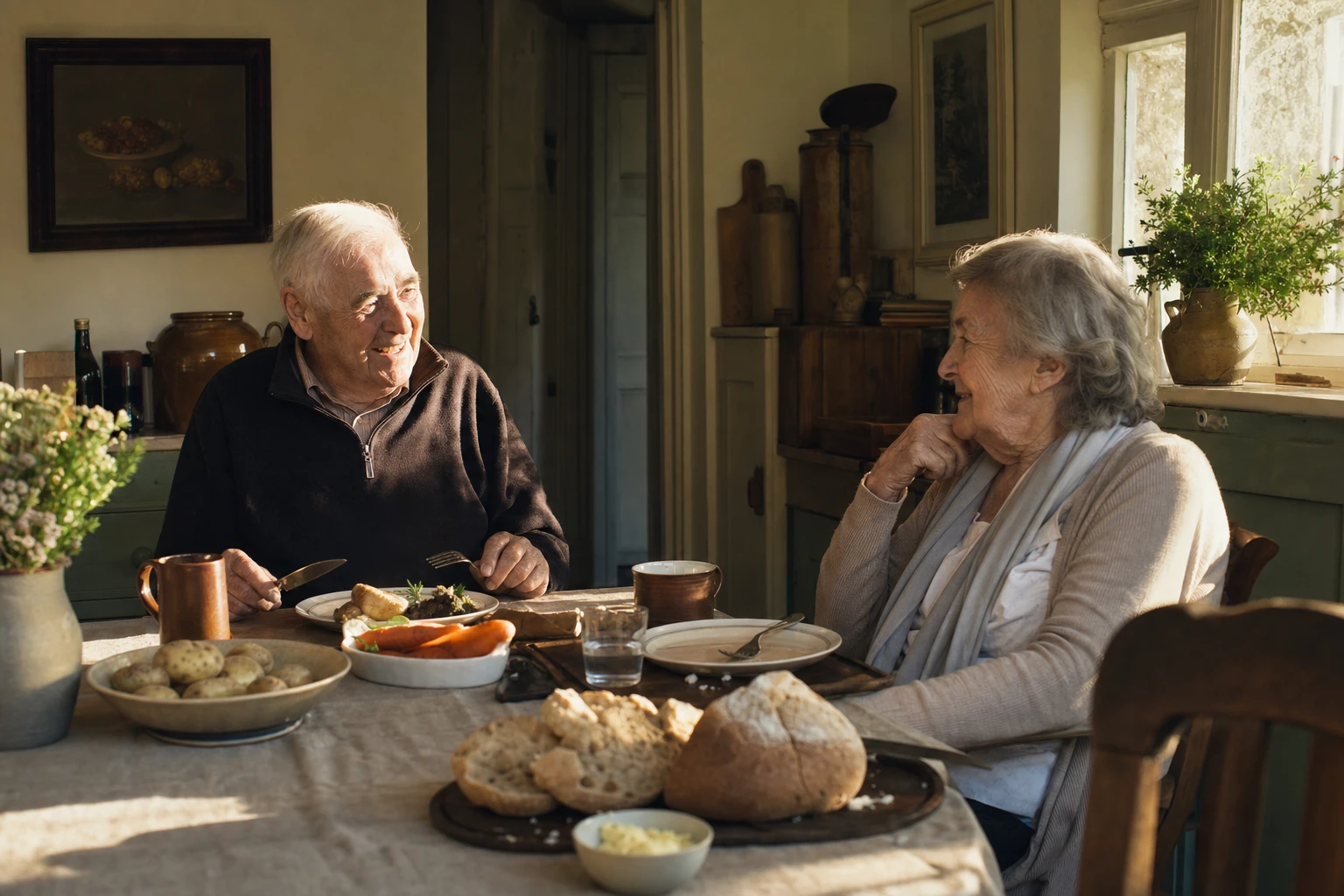
The grandmother who already knew
Most brand stories about ageing start with someone who was unwell and got better. This one is the opposite.
Niall's grandmother had never had the conditions her grandchildren were quietly developing in their 20s and 30s. No chronic gut issues. No metabolic warning signs. No slow drift into the kind of low-grade inflammation that's now treated as a normal part of being a working adult. Whatever was making younger generations sick had passed her by, and the only meaningful difference between her life and theirs was the food.
She didn't think of any of it as nutrition science. She didn't think of liver as a superfood. There was no podcast in the background telling her what to eat. There was a farm. There were animals. There was the way her own mother had cooked. And there was a body that, well into a long life, was still getting what it needed.
That observation is what set the work in motion. Not a new discovery. A remembering.
A farm in Ireland, before any of this had a name
The farm itself wasn't unusual for its time. Small. Mixed. Cows for milk. Hens for eggs. The kind of place where animals had names, where the rhythm of the year was set by what was being calved or harvested, and where every part of the animal had a use.
The food that came off that farm was, by accident of being decades early, exactly what we now spend a lot of money trying to recreate. Raw dairy from cattle on diverse pasture. Eggs from hens that lived outdoors. Organ meats eaten as routine, not as a marketing line. Bone broth made from the bones of animals you'd known the entire life of.
Modern nutrition science is slowly catching up to why that combination works. The bioavailable iron and B vitamins concentrated in liver. The choline and fat-soluble vitamins in egg yolks. The glycine in bone broth that supports the gut lining and connective tissue.1 The minerals that come through milk from properly fed cattle.
But Niall's grandmother didn't need the science. She had the receipts. They were the children, and the grandchildren, and now the great-grandchildren that the food had quietly built.
What 90s look like when nutrition was right from the start
There's a concept in gerontology called healthspan. It's not how long you live. It's how many of those years you live well.2 How many years you're independent. How many years your mind is clear, your body responds, and your sense of yourself is intact.
This is what's striking about Niall's grandparents in their 90s. The years are obviously long. The healthspan is the part that's unusual.
They live independently. They cook. They garden. They follow conversations. They have opinions about books, the weather, and which of their grandchildren is making good decisions. None of this is given at this age. Most people, by their late 80s, have been quietly reclassified by the people around them. Decisions get made for them. Conversations slow down for them. The world contracts.
Theirs hasn't. And while a lot of factors contribute to that, the family-level evidence is hard to argue with. The generation that ate organs and raw milk on a real farm for their entire lives is the generation that arrived at 90 still looking like themselves.
Most of what we call ageing is actually decades of slow malnutrition catching up with the body. Feed it properly from the start, and ageing looks different.
Get stories from the community, free
Two short reads a week on the farmers, the standards, and the return to real food.
By signing up you agree to receive emails from us. No spam, unsubscribe anytime.
The same blend, four generations
When Niall built Organised, the test was never going to be a marketing focus group. It was the family.
His grandparents take it daily, in their 90s, and continue to thrive. The food they grew up on, freeze-dried into a form that still works for them now that the family kitchen on the farm in Ireland is no longer doing the work.
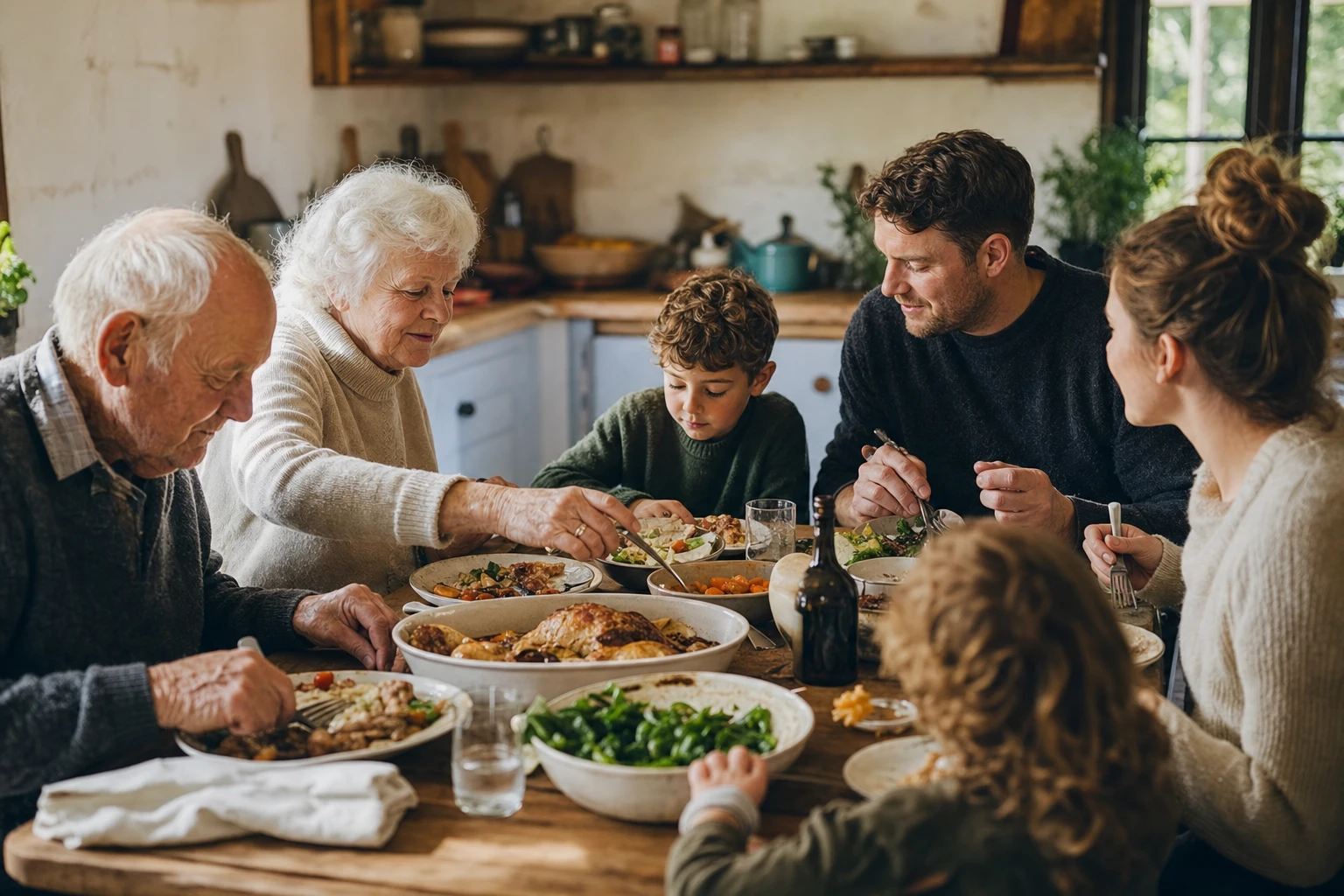
His mum, who reversed fifteen years of IBS by adding organs and collagen back into her diet, uses it every day. Niall himself uses it every day. His four younger brothers have grown up on it, taking it through their teens and early adulthood as the same blend their great-grandmother would have recognised on sight, just delivered in a way that fits the way they actually live.
That's four generations of the same family on the same blend. Not because anyone is paid to take it. Because the food works the way it always did, and now that it's portable, there's no reason not to use it.
1 of 9
Daily blend
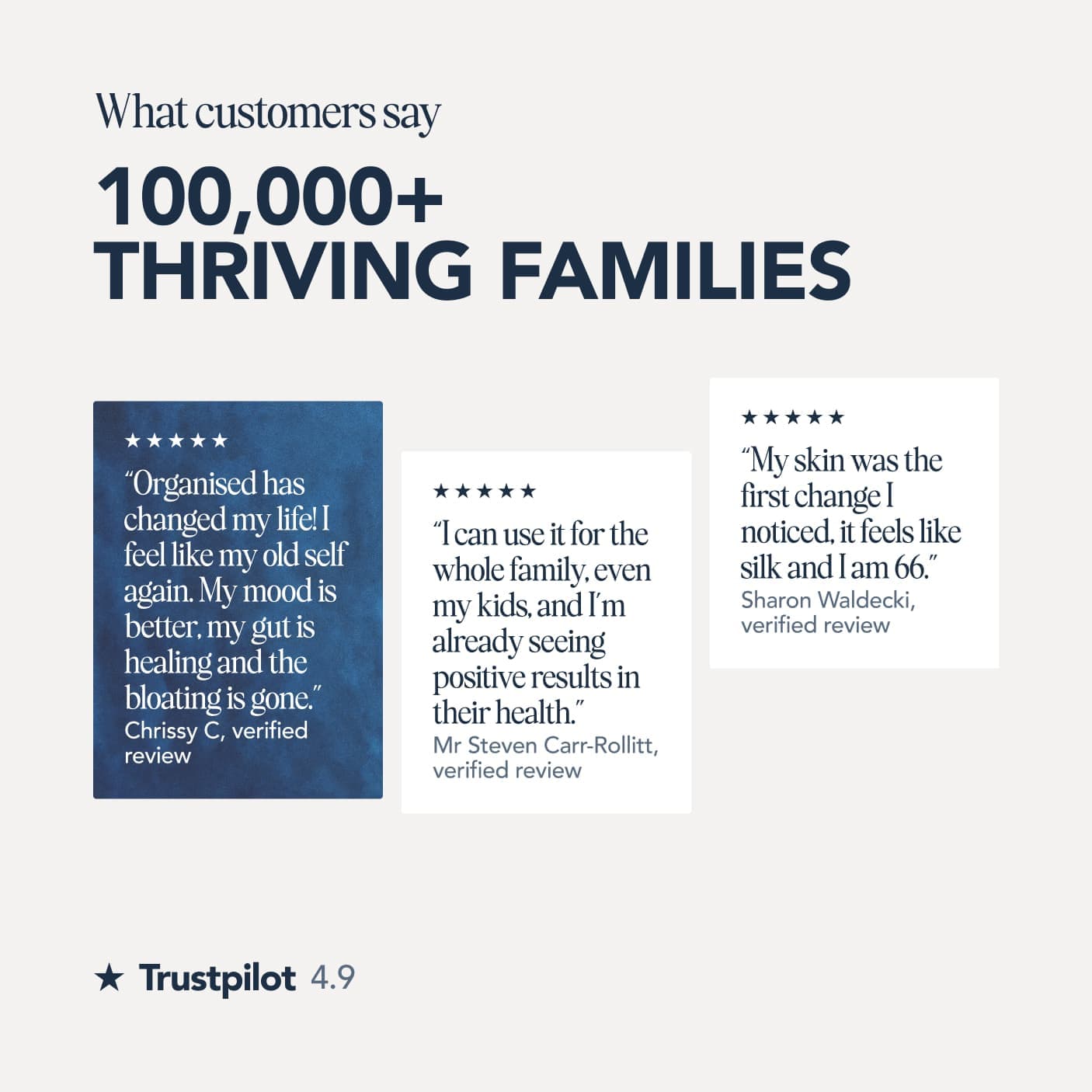
100,000+ thriving families4.9 on Trustpilot
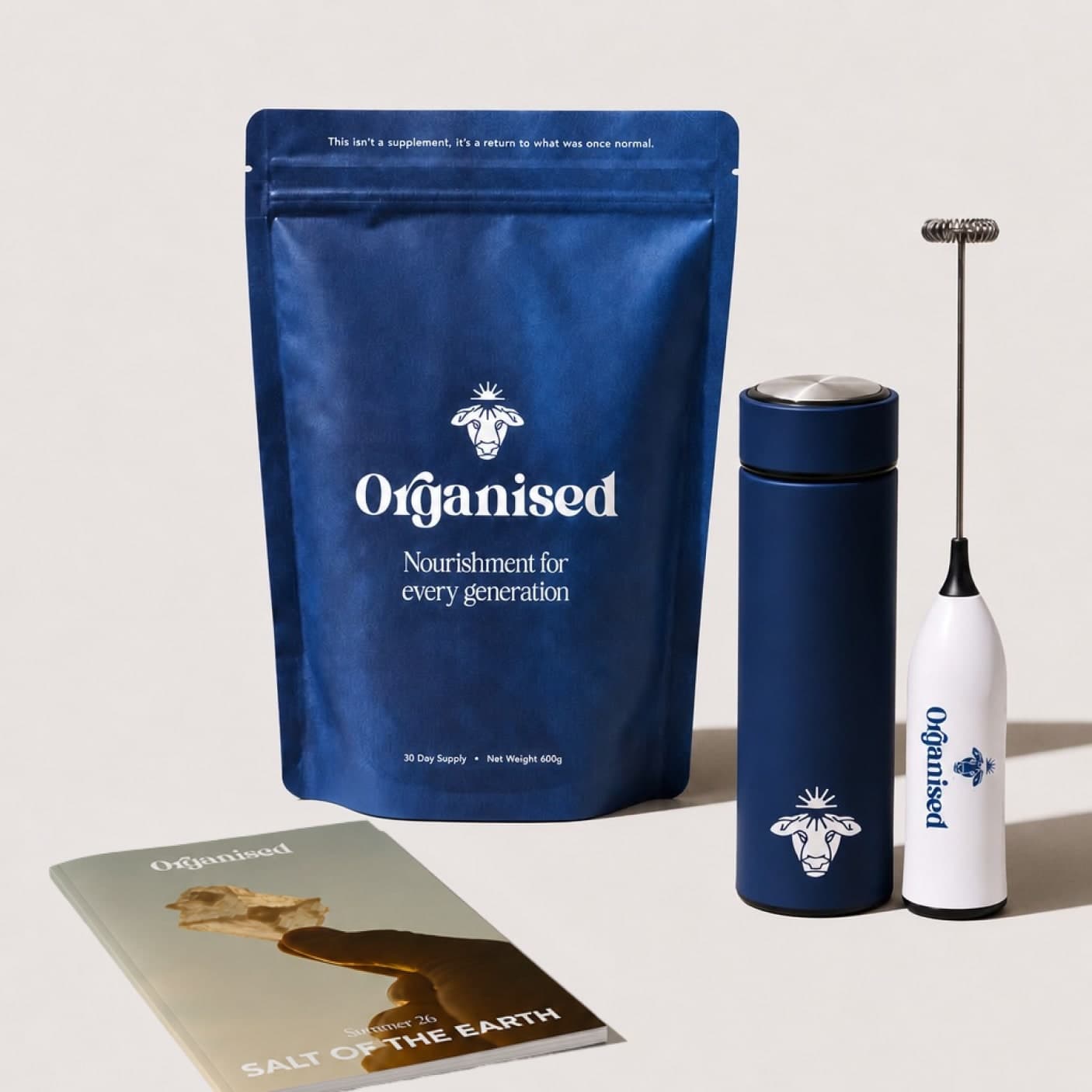
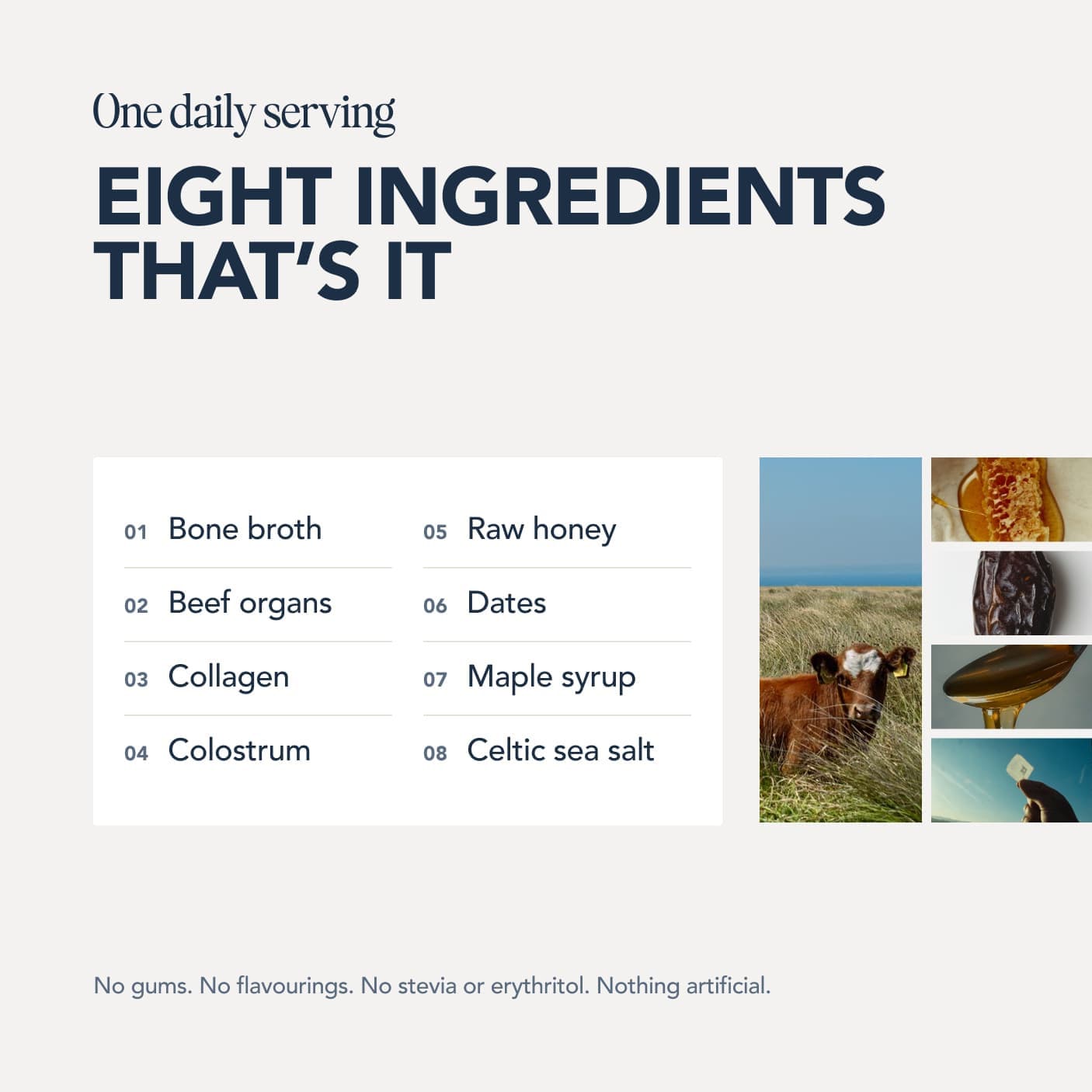
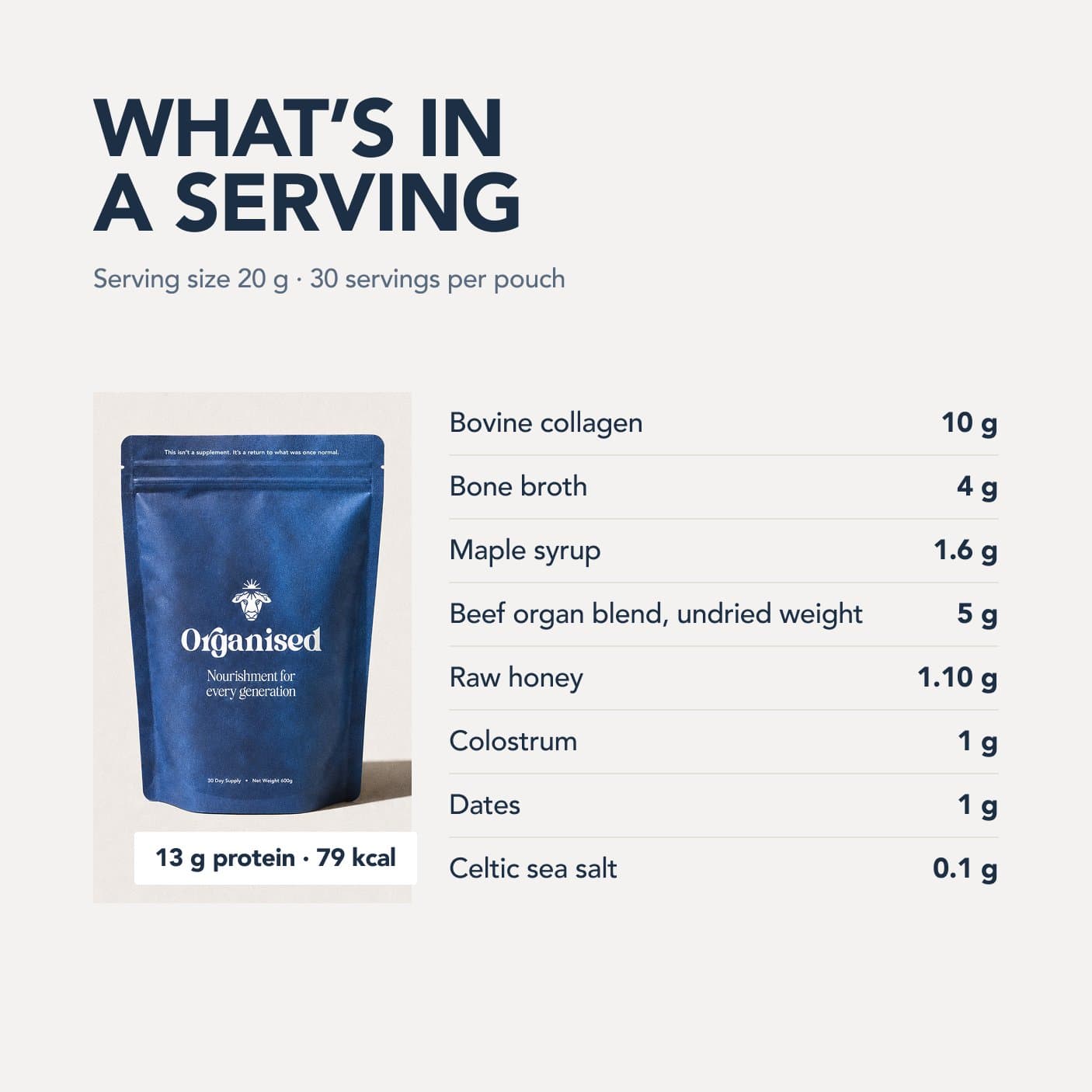
Eight real ingredients built around grass-fed beef organs, collagen and colostrum. Nothing synthetic added.
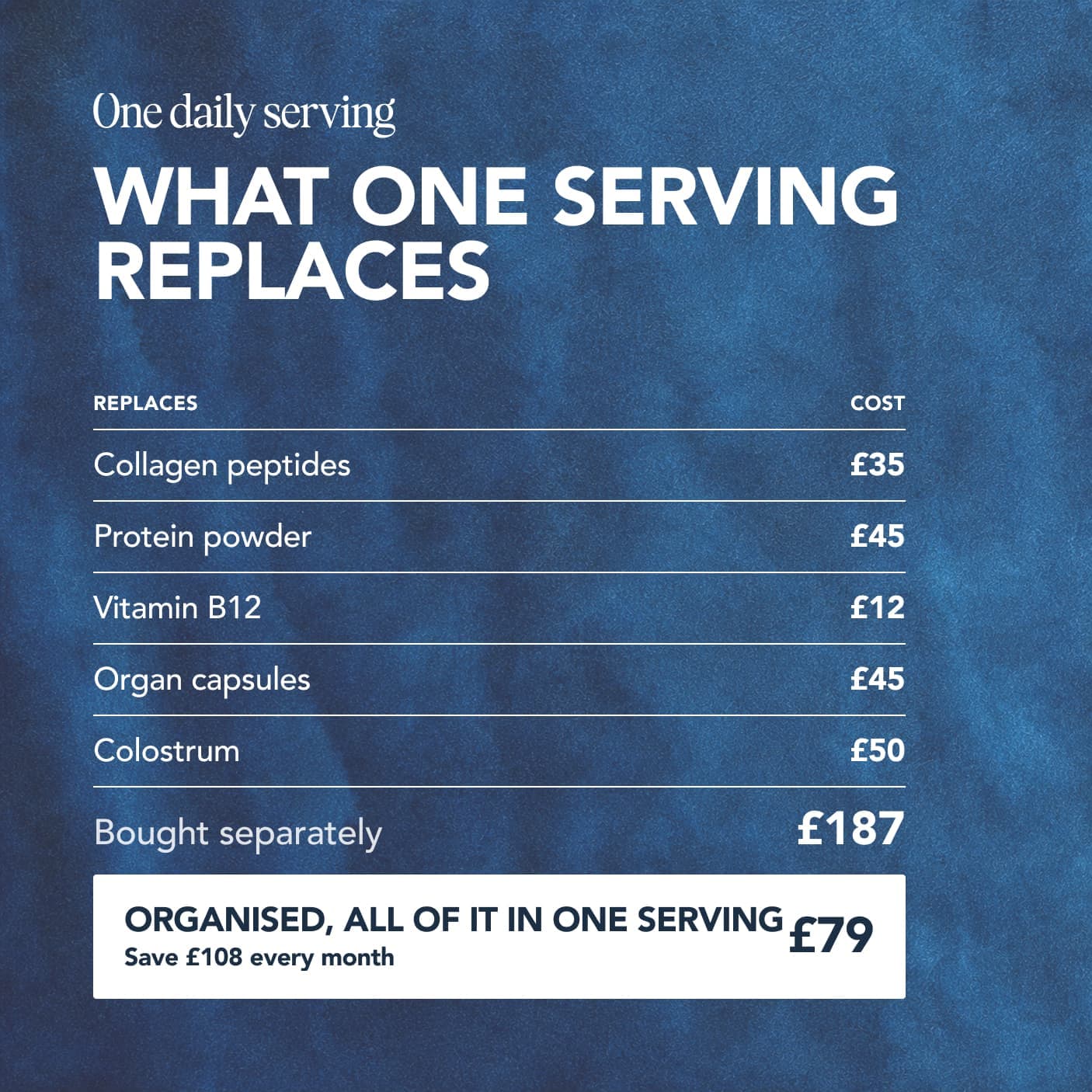
Free with your first order, worth £38. Plus £10 off the pouch with a subscription.
Free UK shipping · Made in England · 100 day money back guarantee on your first pouch · Skip, pause or cancel anytime
Why we measure ourselves against this standard
The reason this matters for anyone outside Niall's family is simple. The standard the brand is held to is the standard set by his grandparents in their 90s.
That standard isn't optimisation. It isn't a biomarker. It's whether the blend, used over decades, still delivers what real food has always delivered, the kind of energy, clarity and physical resilience that lets people stay themselves into very late life. That's the test. Not how it makes you feel in week one. How a 92-year-old who's been eating real food her whole life feels using it now.
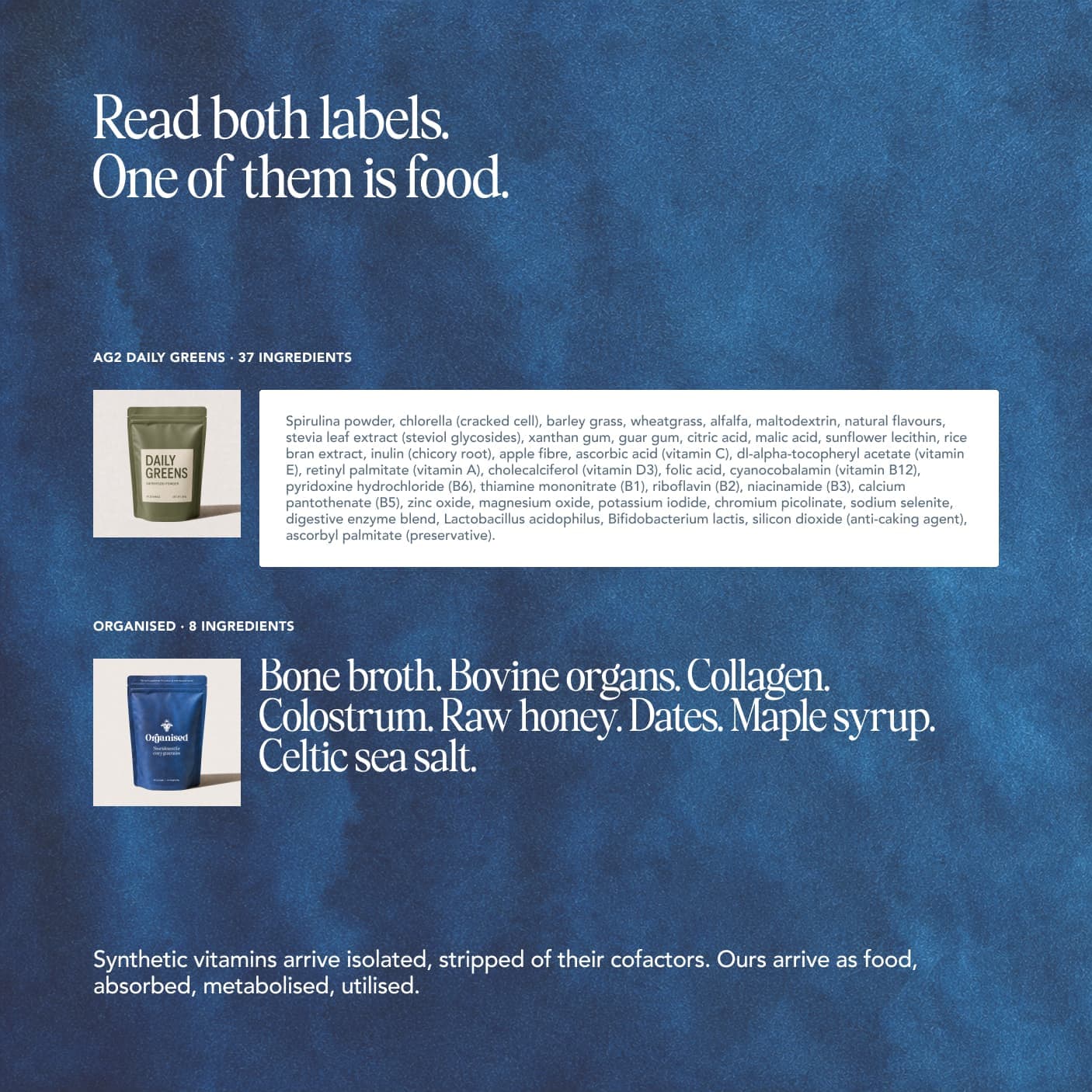
Organised launched in 2024 as the world's first entirely whole food organ blend. The grandparents are part of why the formulation looks the way it does. Eight ingredients. No fillers. No flavourings. No isolated synthetic vitamins. The kind of thing she would have recognised as food, not the kind of thing she would have looked at suspiciously and politely declined.
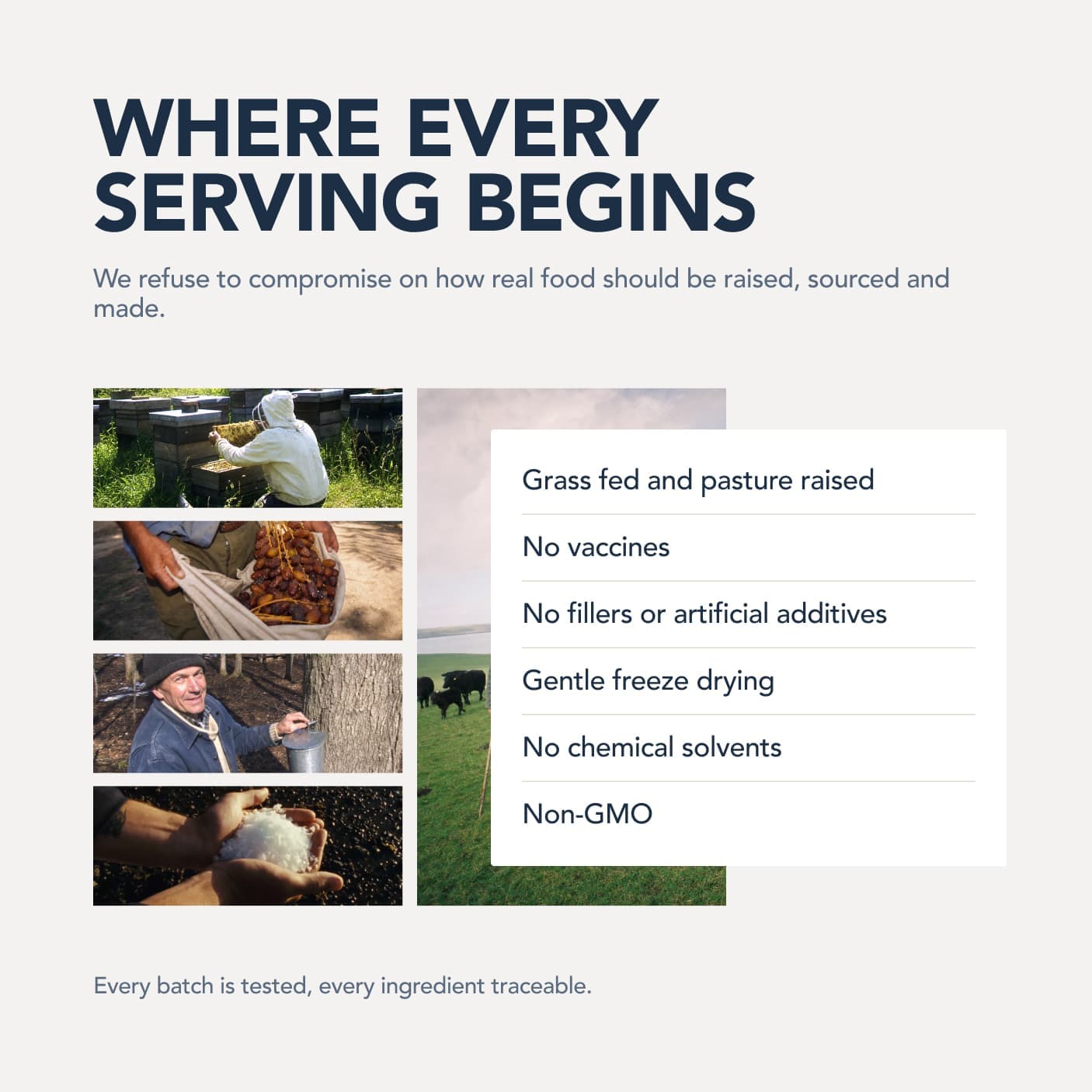
If we ever stopped meeting that test, the family would be the first to say so. They haven't. Two years on, the blend they take every day is the same blend you can take every day. Made from the kind of food humans were meant to eat, sourced from regenerative farms doing the work her family's farm did instinctively, brought forward into a form that fits the way modern people actually live.
Returning to real food, the way humans were meant to eat. The grandparents have been doing it the whole time. We're just trying to keep up.
References
Every source below was checked on 27 August 2026. Each PubMed, PMC and DOI identifier was resolved against NCBI or Crossref, and what it opens is printed under the citation, so you can see the link goes where the citation says without leaving the page. Where a citation and its identifier disagreed, the citation was corrected to the record or the reference was deleted along with the sentence marker that pointed at it, and where the resolved paper turned out not to support the sentence, the sentence was cut back to what it does support. Borrowed authority is worse than none, because it looks like rigour.
- National Institutes of Health Office of Dietary Supplements. Vitamin B12 - Health Professional Fact Sheet. NIH ODS Vitamin B12.
- Olshansky SJ. From Lifespan to Healthspan. JAMA. PubMed PMID: 30242384.Checked 27 August 2026: PMID 30242384 opens Olshansky SJ, From Lifespan to Healthspan. JAMA 2018;320(13):1323-1324. PubMed indexes it as: Historical Article.
Who wrote and reviewed this guide
Niall Kiddle
Author · Founder, Organised
Niall is the founder of Organised. He started the company in 2024 after fixing his own health the slow way: in 2022 he swapped a cupboard of synthetic supplements for real food, raw milk, organ meats, bone broth and honey, and felt the difference within months.
Areas of expertise: Ancestral nutrition, Organ meats, Whole-food supplementation, Gut health, Regenerative sourcing
Read Niall's full profile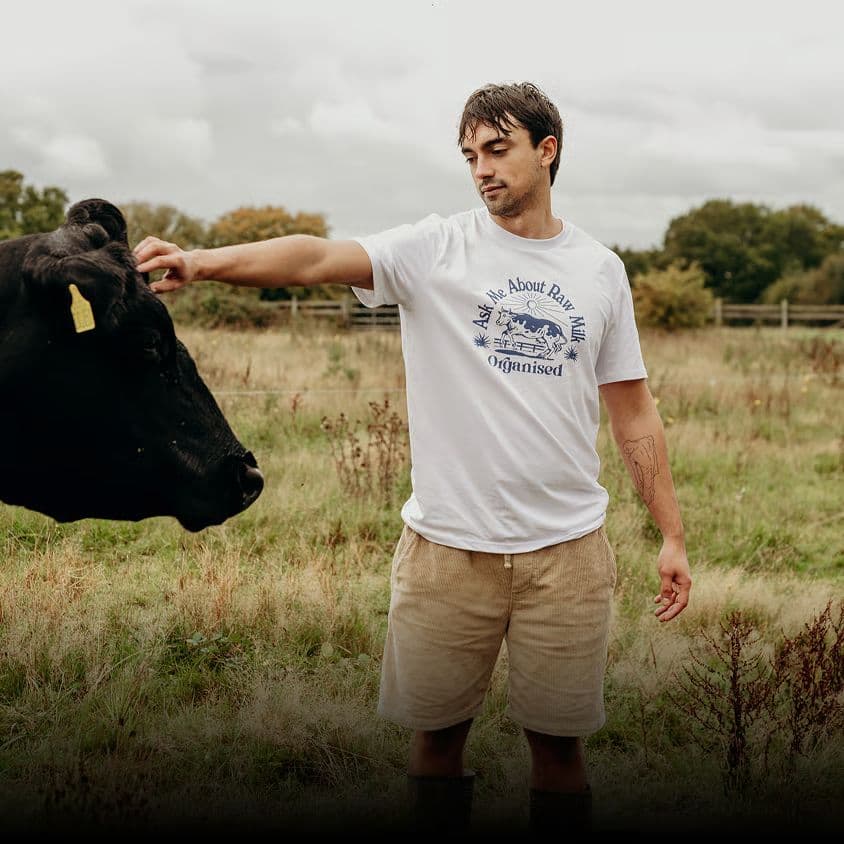
Pedro Rodrigues
Reviewer · Agronomist (farming and sourcing only)
Pedro is the agronomist Organised works with on farming and sourcing. His job on the guides is to keep the science honest: he reviews what we publish about soil health, regenerative agriculture, grazing and the way food is actually produced.
Areas of expertise: Regenerative agriculture, Agronomy, Soil health, Grass-fed farming, Food sourcing
Reviewed this guide on
Read Pedro's full profileMore on brand story
View allBrowse the guides library
All guidesKeep reading
Culture & community
Where It All Started: The Organised Origin Story
The Organised origin story: founder Niall on supplements that fell short, an Irish grandmother who knew better, and the first whole food organ blend.
Culture & community
From Kitchen Experiment to the World's First Whole Food Organ Blend
See how a 2022 kitchen experiment with raw milk, organs and bone broth became the world's first entirely whole food organ blend. This is the Organised story.
Culture & community
Social Media and Nutrition: Navigating the Noise
Learn how to evaluate nutrition claims on social media. Build critical thinking skills to separate science from marketing hype.
Real food, made effortless
Shop the blendA few ways to use it
All recipes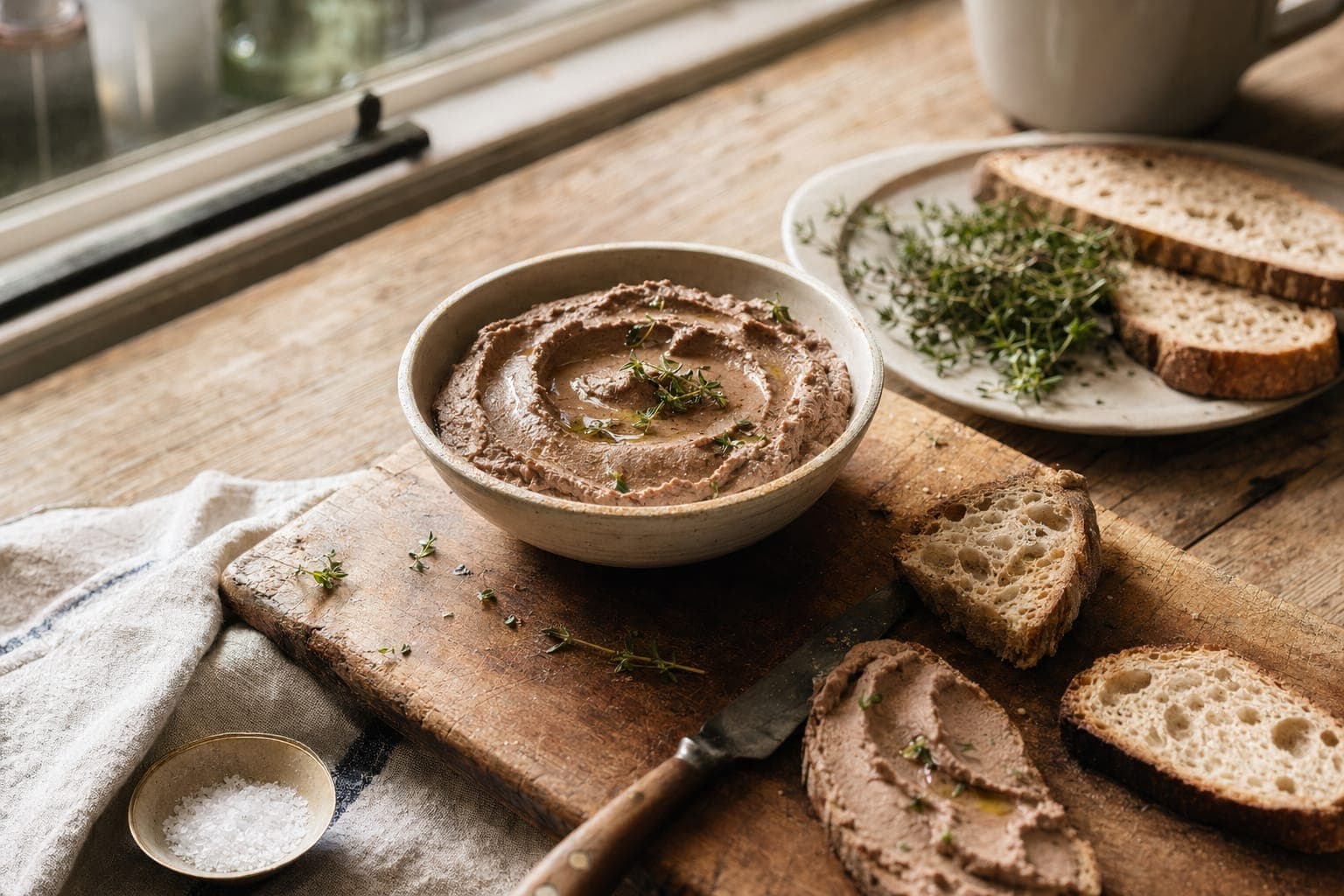
Liver Pate for Beginners: A Gentle Introduction to Organ Meats
Simple liver pate recipe to start eating organ meats. Chicken liver, butter, and herbs. Gentle introduction to nutrient-dense whole foods.
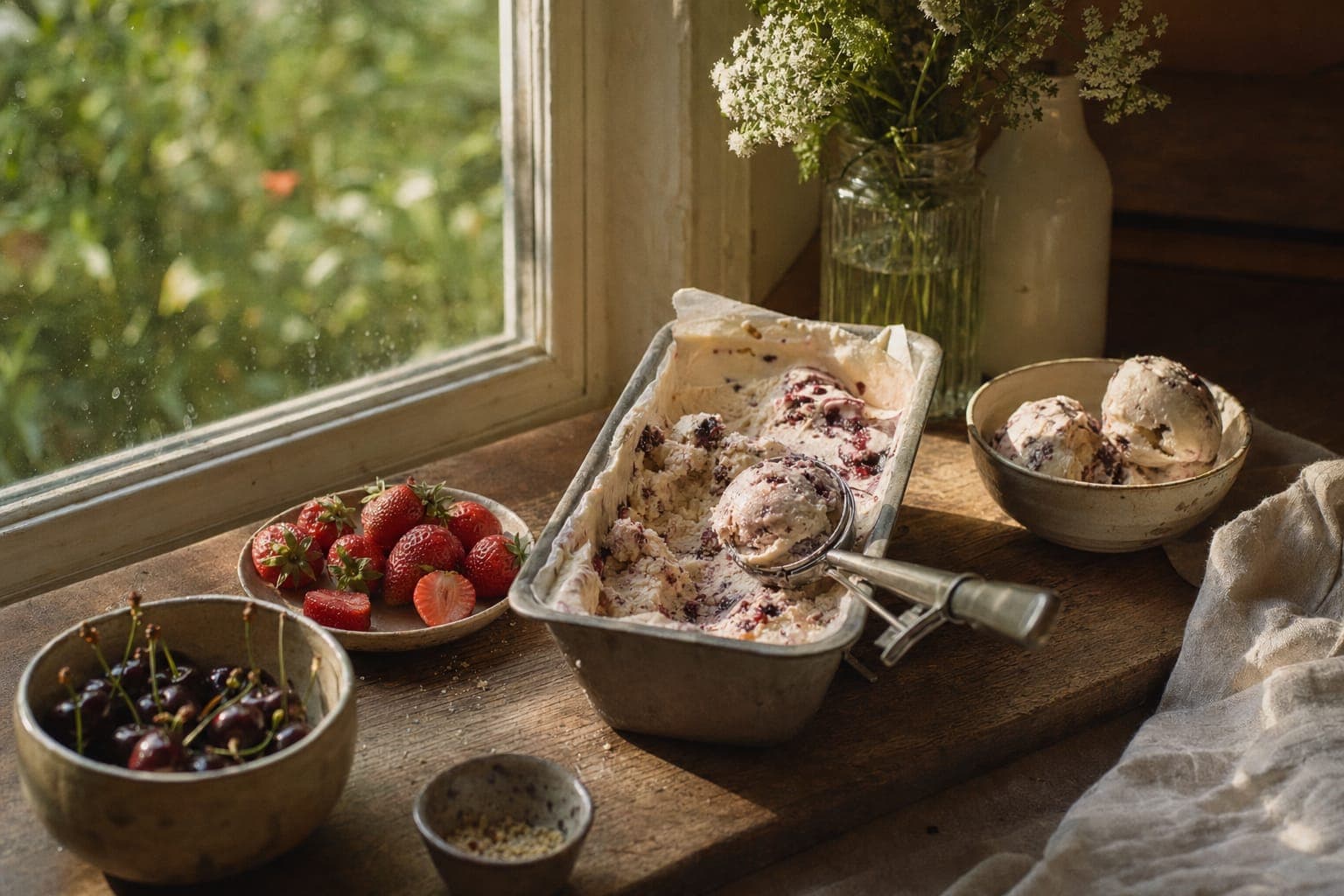
Raw Milk Ice Cream with Organised
Make raw milk ice cream at home with Organised for a seasonal, nutrient-dense treat. Three simple flavours to try whenever the craving strikes.
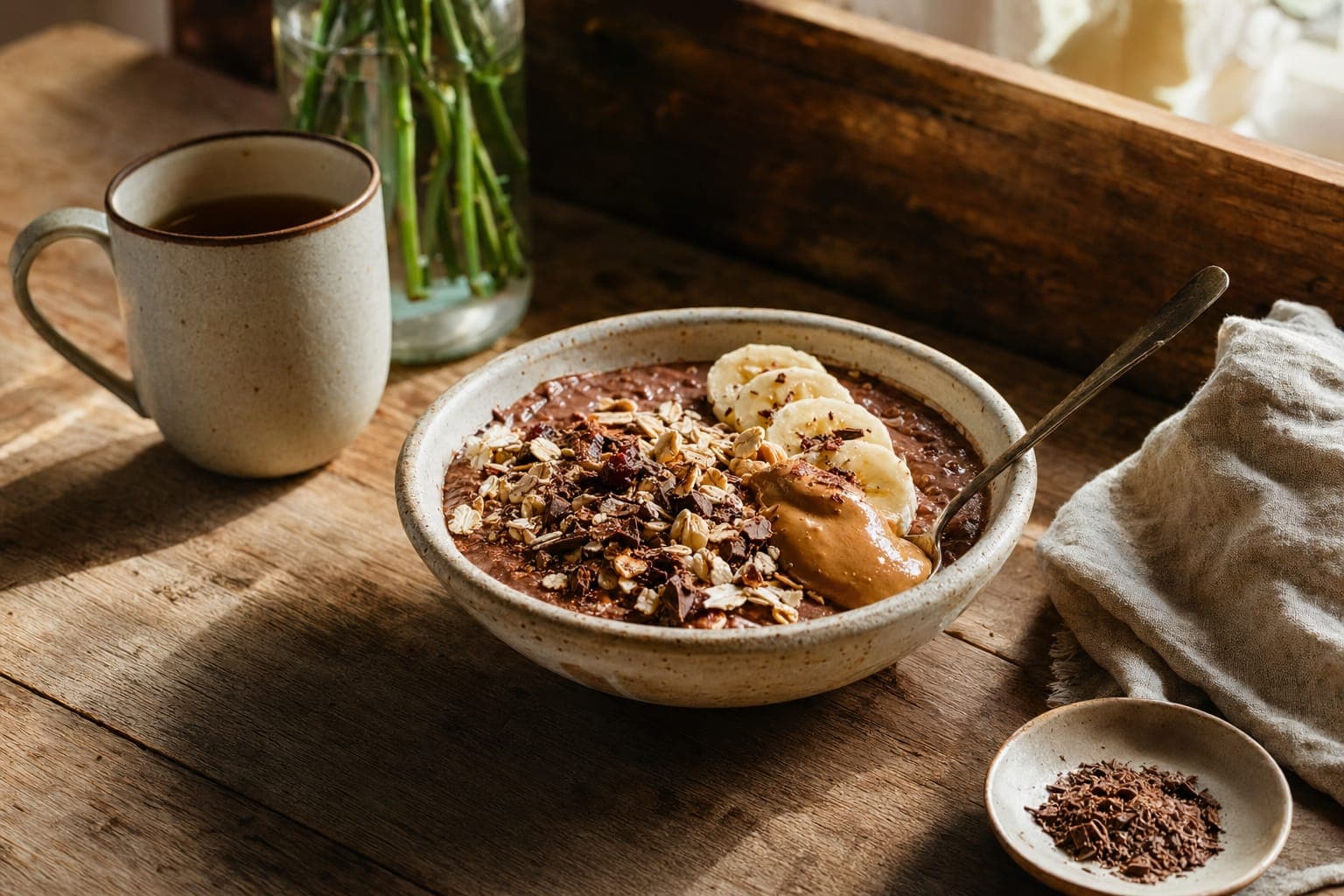
10 Ways to Use Organised That Aren't Just a Shake
Move beyond the basic shake. Discover 10 creative ways to use Organised in smoothie bowls, oats, yoghurt, baking, and more.


 Join over 100,000+ members
Build a better food system with us
The Organised community is thousands of people choosing real food and backing the farmers who grow it, all of us trying to leave the world a little better than we found it. If that is what you care about too, you belong here.