From Supplement Sceptic to Daily User: Customer Journeys
Most people who use supplements didn't start out wanting to. They started out sceptical. Here's how that changed.
By Niall Kiddle, Founder, Organised

Reviewed by Pedro Rodrigues, Agronomist (farming and sourcing only) ·
6 min read · Published · Updated · 2 cited sources
Makers of the Organised Daily blend, a grass-fed beef organ supplement from regenerative UK farms
The supplement industry has a trust problem, and rightfully so. Most supplement companies make absurd claims. Most marketing is designed to create anxiety, not address genuine needs. Most people don't actually need most of what's being sold. The scepticism is warranted.
Starting from doubt
Sarah, 42, used to roll her eyes at supplements. "I thought they were a waste of money," she says. "People spending £50 a month on things their body just pees out." She wasn't wrong about the industry. She was sceptical about the biology too.
She came to a food-first position by accident. Digestive issues had become chronic. A GP mentioned food sensitivity but offered nothing practical. She started researching. Gut health. Nutrients she might be missing. The biochemistry underneath.
"I wasn't thinking supplement first," she says. "I was thinking food. But I realised I had gaps I couldn't fill with food alone." A mineral deficiency showed up in testing.1 Her diet was genuinely missing sources for magnesium and zinc because those foods weren't foods she naturally ate.
The scepticism didn't disappear. It shifted. "I'm not buying into some idea that everyone needs to supplement. But if I have a specific deficiency and there's a safe, effective form, why wouldn't I address it?" That logic was harder to argue with than the earlier eye-roll dismissal.
Real scepticism isn't cynicism. It's asking: is this true? Does it work? Do I need it? And sometimes the answer is yes.
The moment something shifted
Marcus, 38, is a researcher. By training, by temperament, by profession, he needs data. "I wasn't going to take something because a brand said it would make me healthier," he says. "I needed evidence."
His shift came through testing. Not feelings. Not promises. Testable data. His doctor ran comprehensive bloodwork. Vitamin D was low. B12 was borderline.2 Several minerals were suboptimal. These weren't opinions. They were numbers.
"Okay," he thought. "So I have a deficiency. The question is whether supplementing actually fixes it." More testing 8 weeks later showed it did. Vitamin D increased. B12 normalised. Energy improved. The data supported the intervention.
"I'm not using supplements because I believe in them," he says. "I'm using them because the numbers justify it." That distinction matters to him. It matters to many sceptics. They'll move from doubt to action if you show them the mechanism and the evidence.
The barrier for sceptics isn't always the product. It's the method. Convince them with marketing and they'll stay sceptical. Show them testing, mechanism, and evidence, and doubt becomes reasonable action.
Noticing the difference
Emma, 34, didn't believe in supplemental vitamins until her tiredness became undeniable. "I thought I was just getting older," she says. "That fatigue was normal." She wasn't willing to supplement based on that thought alone.
But when she finally got tested and found iron deficiency, she tried supplementation reluctantly. "I didn't expect it to work. Iron supplements are sketchy. But I was running on empty and nothing else was working."
Three weeks in, she noticed clarity she hadn't felt in years. Energy that returned without effort. Not an extreme shift. Just a return to baseline, a baseline she'd forgotten she had.
"I became a believer not in supplements generally," she says, "but in the experience of not being deficient." That's the real conversion moment. Not marketing. Not belief. Personal experience of what adequate nutrition actually feels like.
Scepticism shifts when you personally experience the difference between deficiency and adequacy. That's when supplements stop being abstract and become undeniably real.
Building commitment
James, 52, went from sceptic to daily user through a different route. He came to supplementation through grief. A friend his age had a health crisis. Suddenly, preventative nutrition seemed less abstract and more urgent.
He started with magnesium for sleep. Then vitamin D given his sun exposure (or lack of it). Then a mineral complex because testing showed gaps. Not all at once. Incrementally. Each addition had a reason.
"I'm not evangelical about it," he says. "But I noticed enough difference that stopping felt like stepping backward." The commitment built because the benefits accumulated. He slept better. His training improved. Injury recovery was faster. Mood was more stable.
"I'm still sceptical of marketing," he says. "But I'm convinced of the biology. My body functions better with these things than without. That's sufficient for me."
Sceptics rarely convert to zealots. They convert to pragmatists. They'll use what works for them and ignore everything else. That's a healthy relationship to supplementation.
Get stories from the community, free
Two short reads a week on the farmers, the standards, and the return to real food.
By signing up you agree to receive emails from us. No spam, unsubscribe anytime.
What made it stick
Across these stories, some patterns emerge. The sceptics who committed were those who:
Started with testing. Not feelings. Not marketing. Objective data about their specific situation.
Chose supplements for deficiencies, not for vague promises. "Improve energy" is vague. "This test shows low iron and this supplement brings it to normal" is specific.
Noticed personal changes. Not massive transformation. Just subtle improvements that accumulated. Better sleep. Clearer thinking. Faster recovery. These were their own experiences, not someone else's testimonial.
Stayed sceptical. None of them became believers in supplements as a category. They became believers in specific interventions for specific needs. That scepticism is a feature, not a bug.
The strongest supplement users are often the ones who remain sceptical. They use them thoughtfully. They track results. They stop what isn't working.
1 of 9
Daily blend
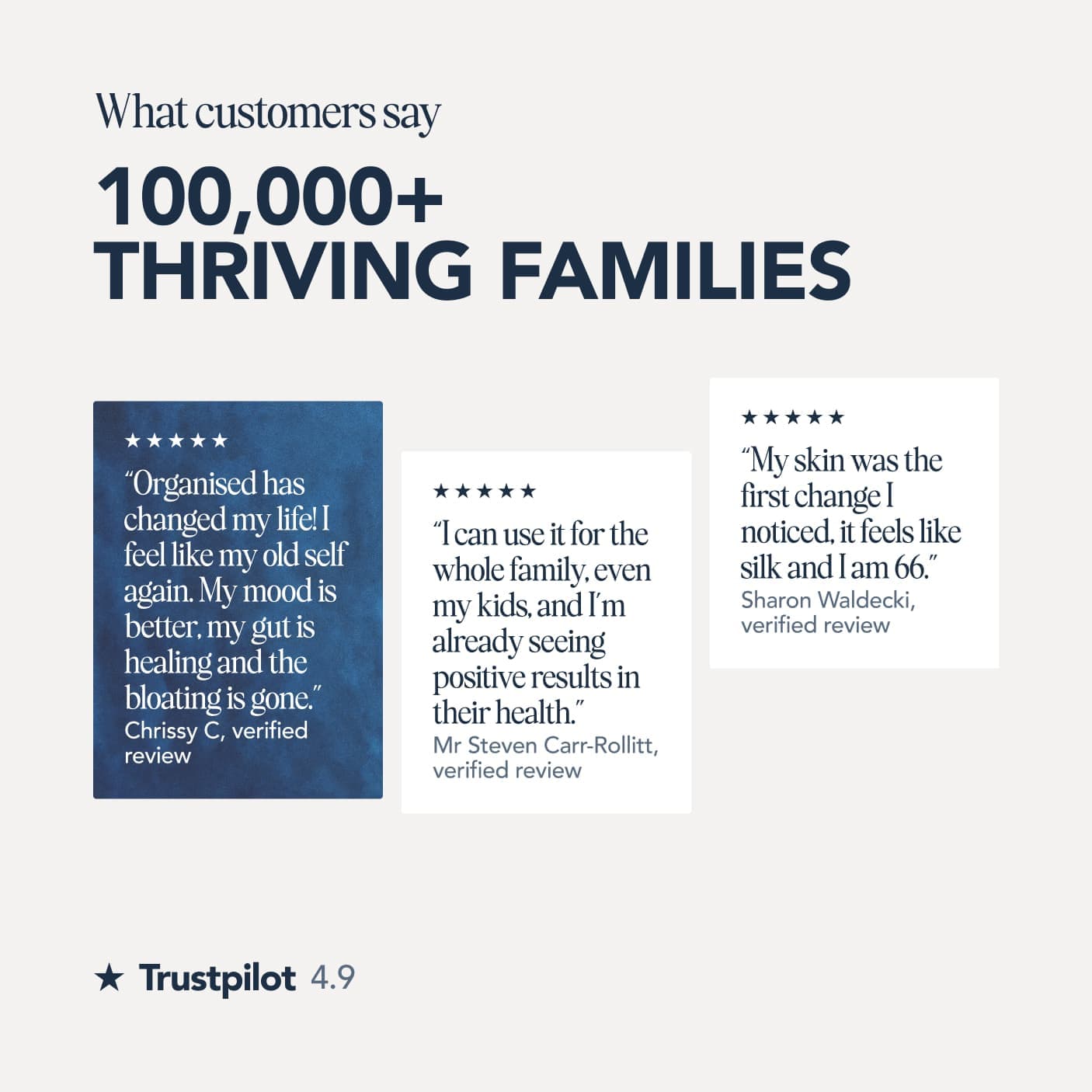
100,000+ thriving families4.9 on Trustpilot
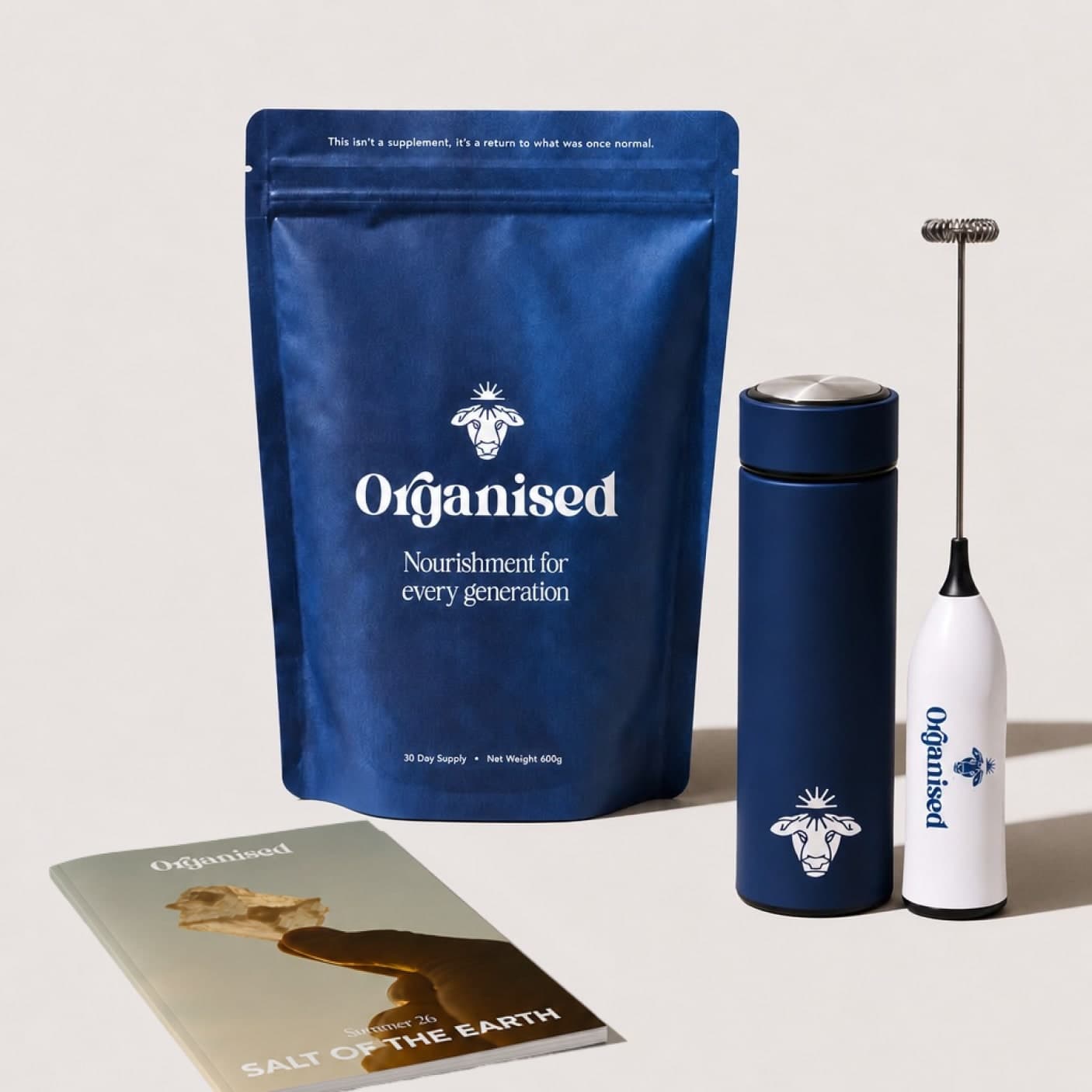
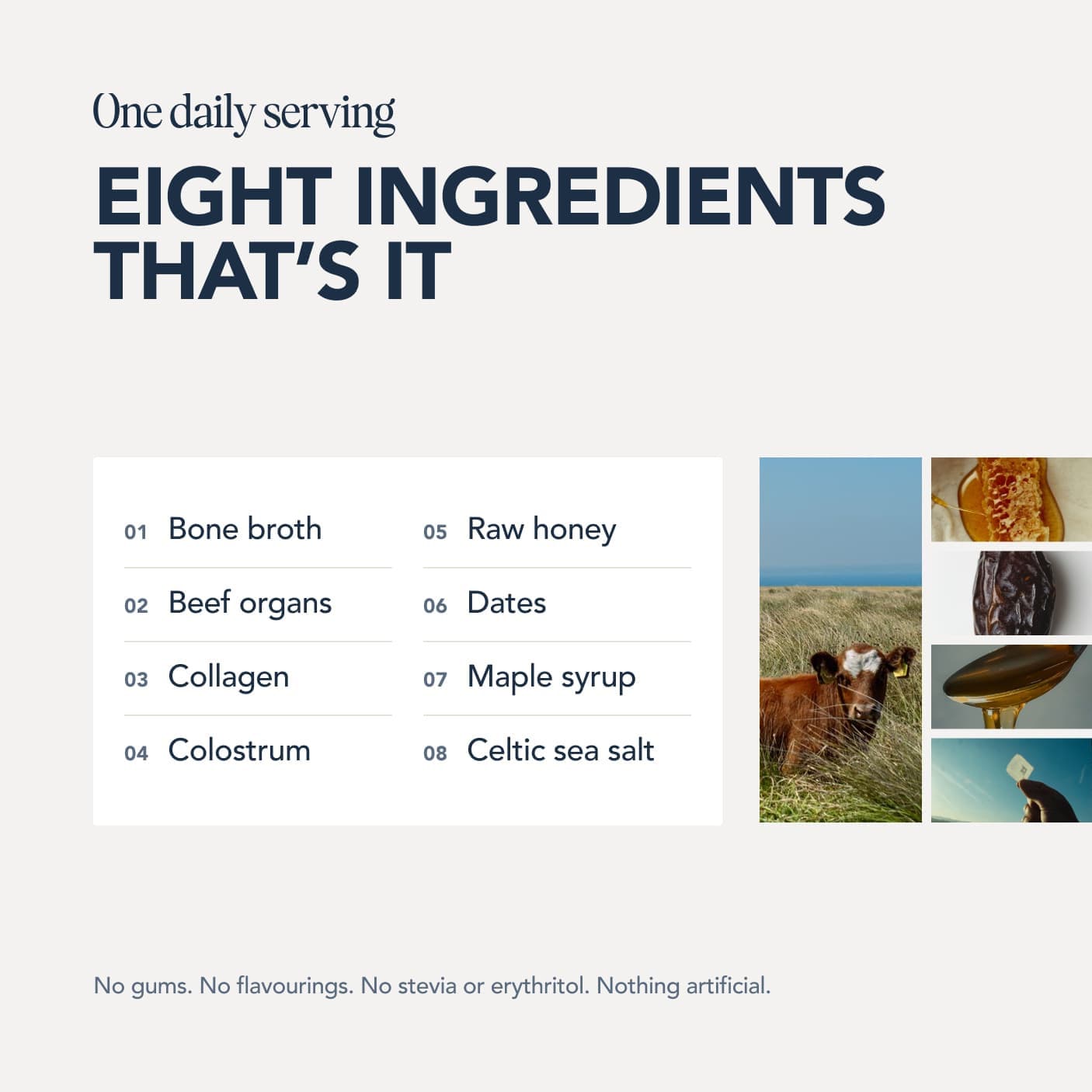
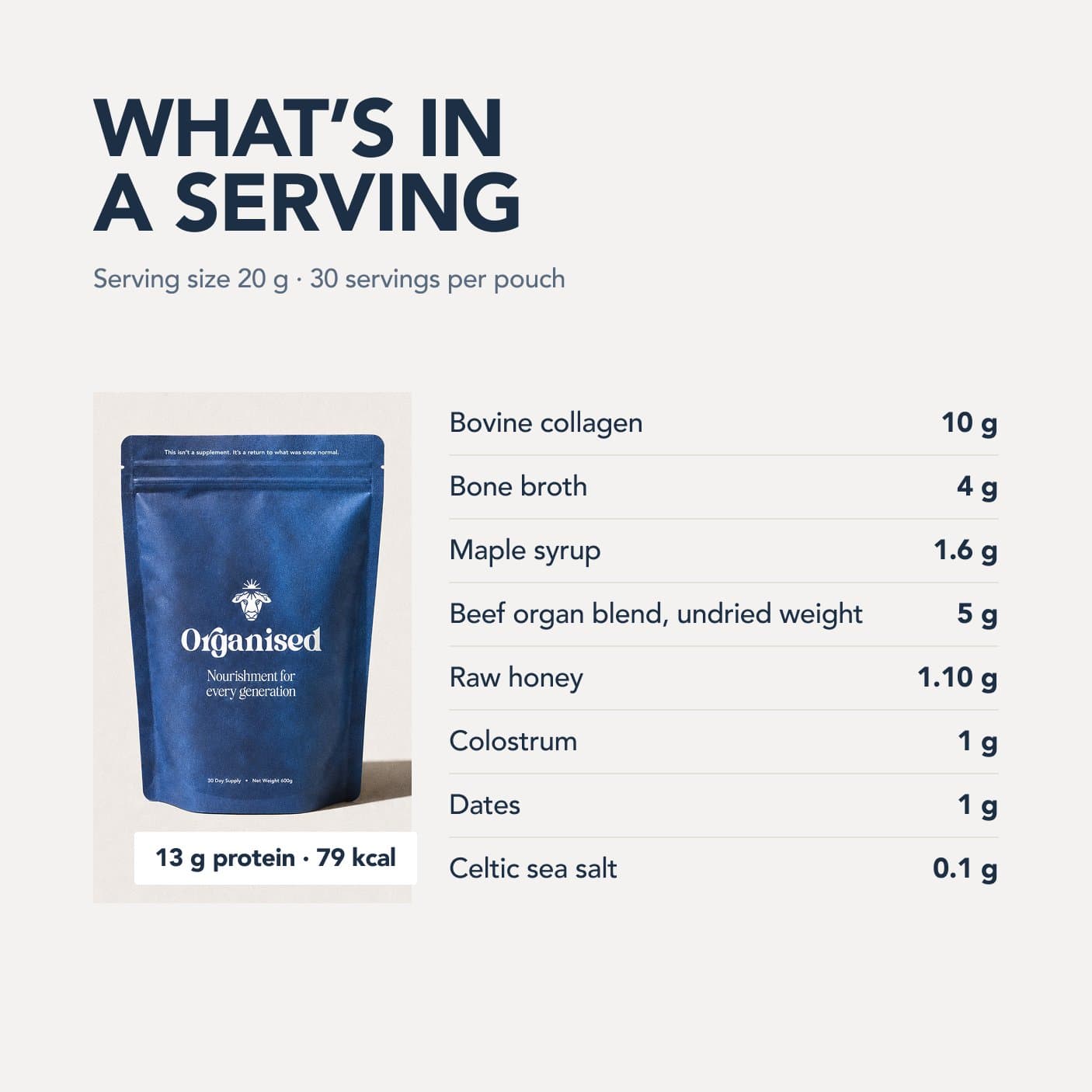
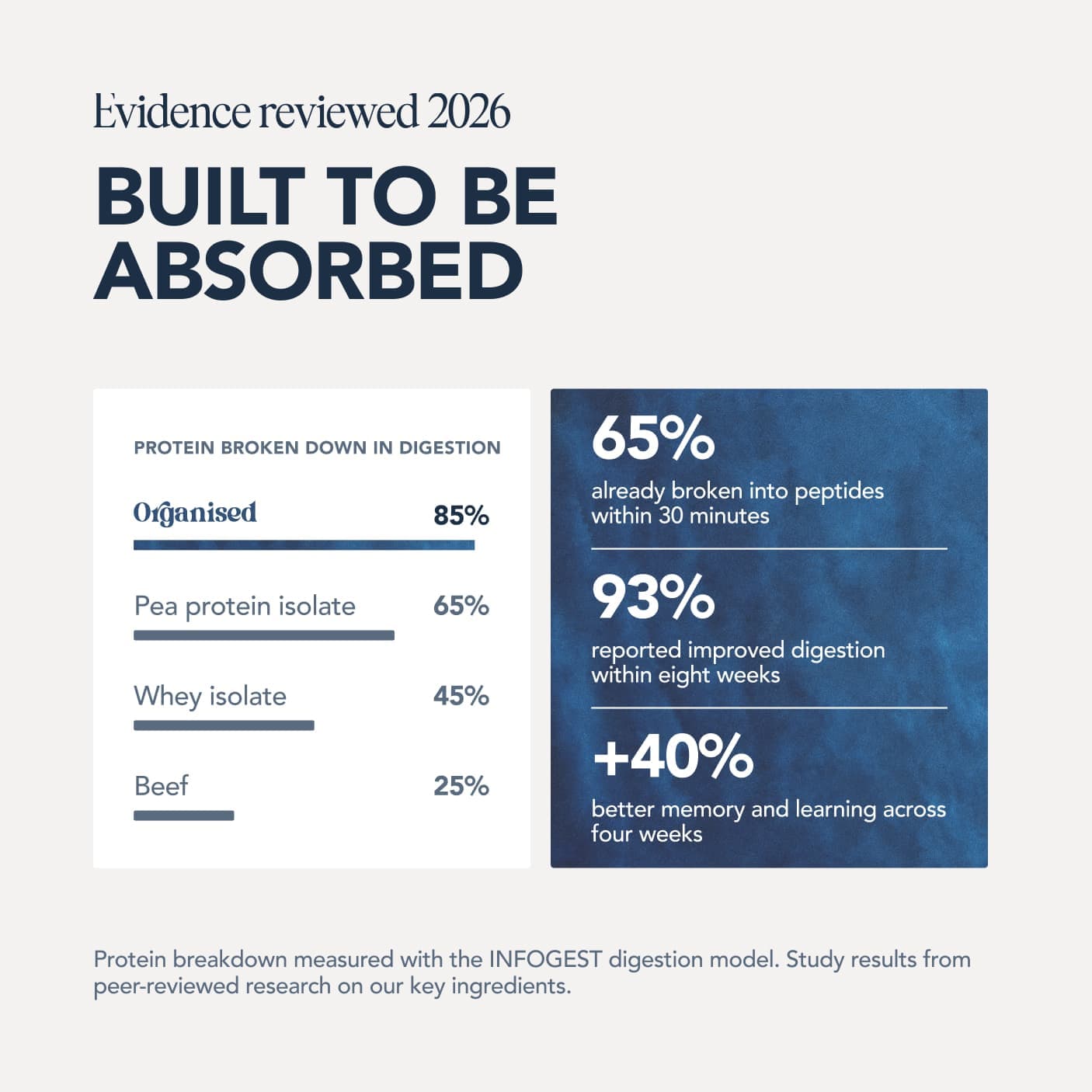
Eight real ingredients built around grass-fed beef organs, collagen and colostrum. Nothing synthetic added.
Free with your first order, worth £38. Plus £10 off the pouch with a subscription.
Free UK shipping · Made in England · 100 day money back guarantee on your first pouch · Skip, pause or cancel anytime
The bottom line
You don't have to become a believer to become a user. You don't have to embrace supplement ideology to acknowledge their utility. The sceptics who stick with supplementation are usually the ones who treat it as biology, not belief.
If you're sceptical, that's reasonable. The supplement industry deserves scepticism. Start with testing. Start with specific needs. Notice what actually changes in your body. Let your own experience be the data.
That's how scepticism becomes pragmatism. And pragmatism, it turns out, is the most reliable path to consistency.
Why sceptics matter
The sceptic is often more committed than the true believer. She's investigated. She's asked hard questions. She's uncomfortable with marketing. When a sceptic changes their mind, it's based on evidence, not evangelism. These are the people who use Organised consistently and tell others, "I was doubtful, but it genuinely works."
Scepticism is rational. The supplement industry is full of nonsense. Promises are broken constantly. Someone who was sceptical and then changed their mind is someone who actually tested the product, noticed the results, and came to their own conclusion. These journeys are more powerful than conversion stories.
The sceptic who becomes a user is saying: I demanded evidence and got it. That's a stronger endorsement than evangelism.
The pattern in these journeys
Nearly every sceptic-to-user story follows the same pattern. First: dismissal. "It's just organ meat powder." Then: curiosity. "Well, it's worth trying once." Then: surprise. "Wait, I actually feel better." Then: integration. "This is just part of how I eat now."
The key moment is always the same: the person tried it, noticed something genuine, and couldn't deny the evidence. Not through marketing, not through testimonials, but through their own experience.
What actually converts people
Telling someone to try Organised rarely works. But when someone's already struggling, exhausted, digestion broken, energy crashed, and they try real food including Organised, and they notice improvement, conversion happens naturally. The person has to be ready and have to test it themselves. No amount of persuasion replaces that.
References
Every source below was checked on 27 August 2026. Each link was requested and read. Where a citation and its identifier disagreed, the citation was corrected to the record or the reference was deleted along with the sentence marker that pointed at it, and where the resolved paper turned out not to support the sentence, the sentence was cut back to what it does support. Borrowed authority is worse than none, because it looks like rigour.
- National Institutes of Health, Office of Dietary Supplements. Multivitamin/mineral Supplements — Health Professional Fact Sheet.
- NHS. Vitamin B12 or folate deficiency anaemia.
Who wrote and reviewed this guide
Niall Kiddle
Author · Founder, Organised
Niall is the founder of Organised. He started the company in 2024 after fixing his own health the slow way: in 2022 he swapped a cupboard of synthetic supplements for real food, raw milk, organ meats, bone broth and honey, and felt the difference within months.
Areas of expertise: Ancestral nutrition, Organ meats, Whole-food supplementation, Gut health, Regenerative sourcing
Read Niall's full profile
Pedro Rodrigues
Reviewer · Agronomist (farming and sourcing only)
Pedro is the agronomist Organised works with on farming and sourcing. His job on the guides is to keep the science honest: he reviews what we publish about soil health, regenerative agriculture, grazing and the way food is actually produced.
Areas of expertise: Regenerative agriculture, Agronomy, Soil health, Grass-fed farming, Food sourcing
Reviewed this guide on
Read Pedro's full profileMore on community
View allBrowse the guides library
All guidesKeep reading
Culture & community
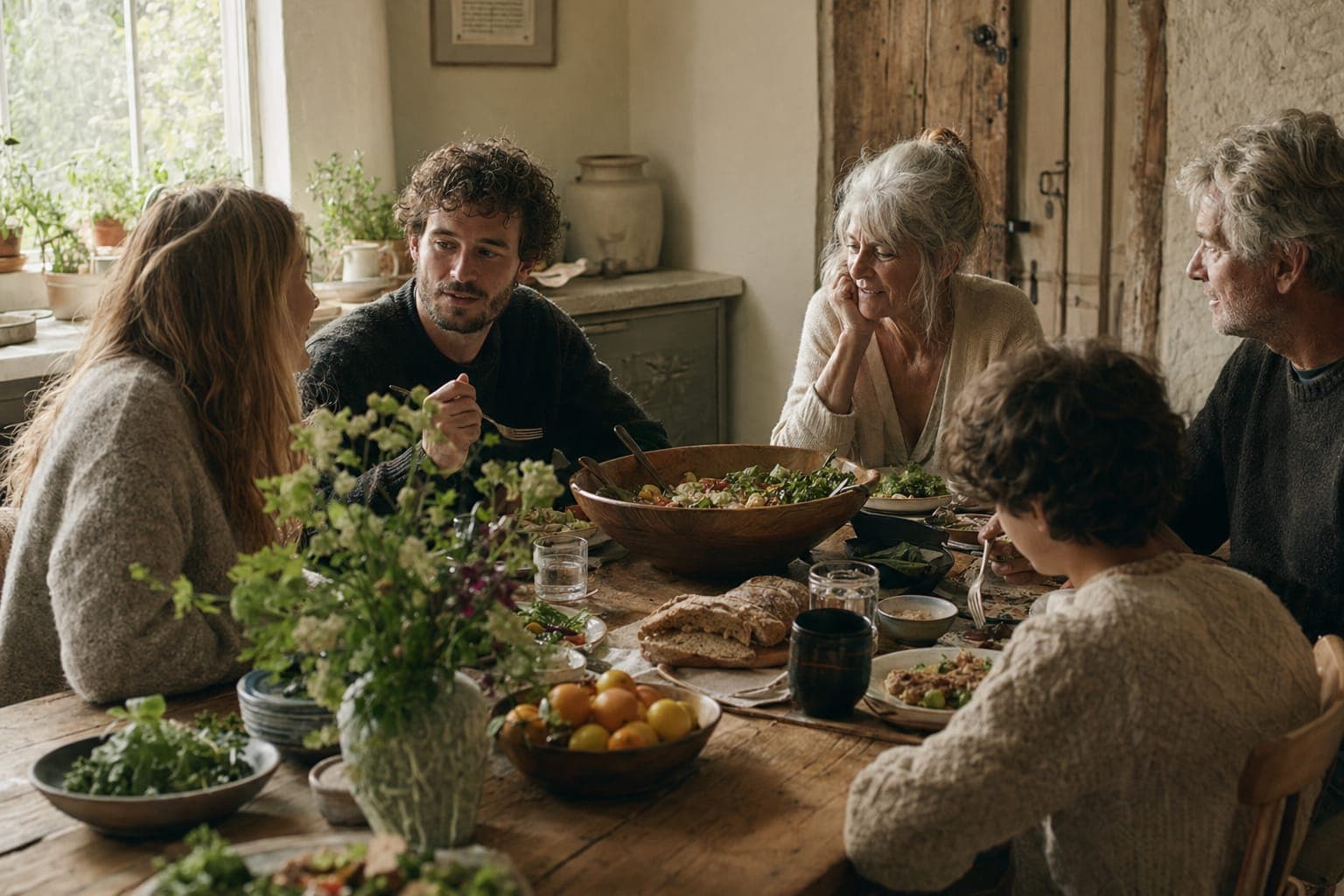
How to Talk to Your Family About Changing the Way You Eat
Navigate family resistance to dietary change. Address common pushback, communicate benefits, and manage eating in a shared household without conflict.

Culture & community
Social Media and Nutrition: Navigating the Noise
Learn how to evaluate nutrition claims on social media. Build critical thinking skills to separate science from marketing hype.
Culture & community
Food Sovereignty: Taking Back Control of What You Eat
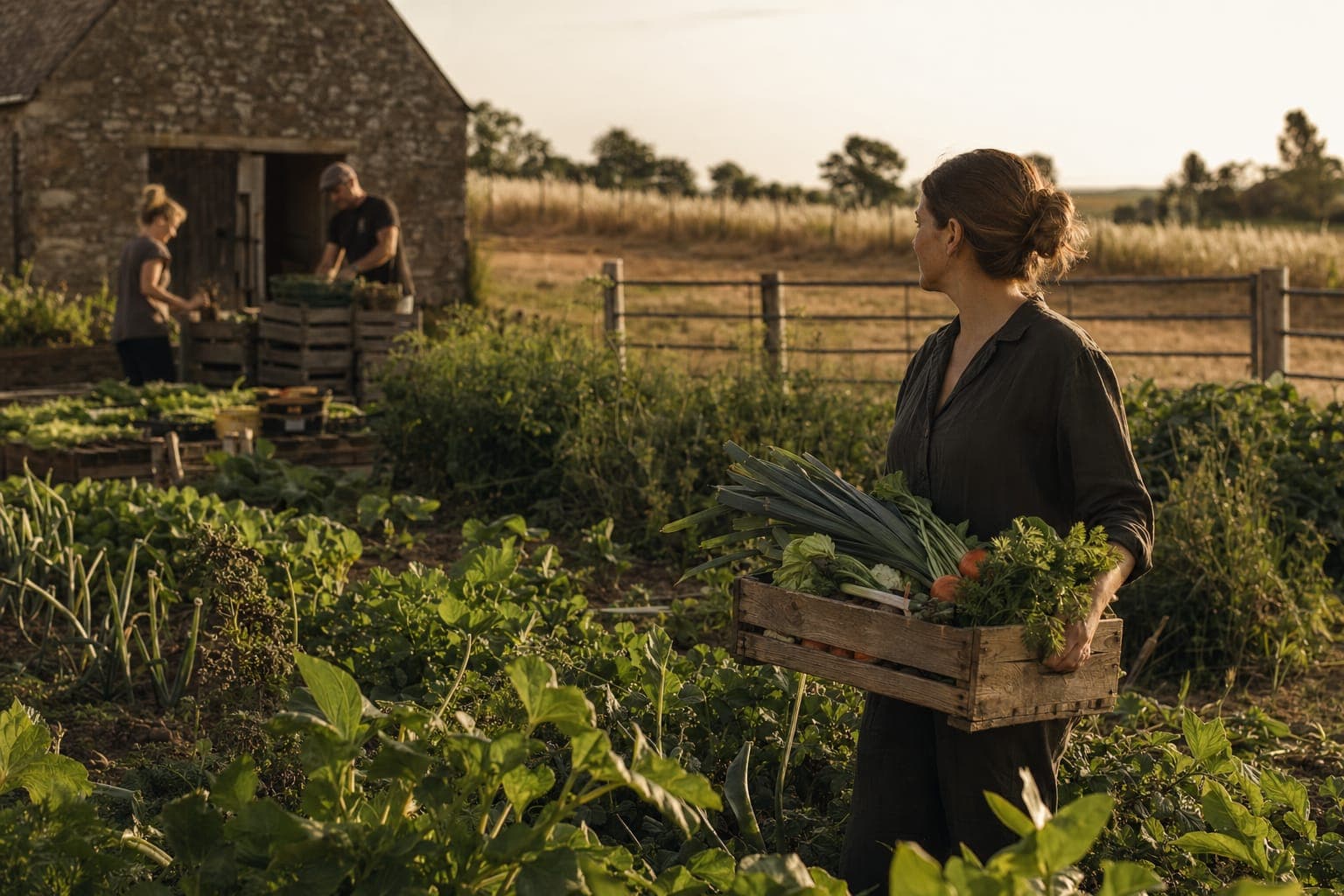
Understanding food sovereignty, why knowing your food sources matters, and how to resist industrial food systems through local and regenerative choices.
Real food, made effortless
Shop the blendA few ways to use it
All recipes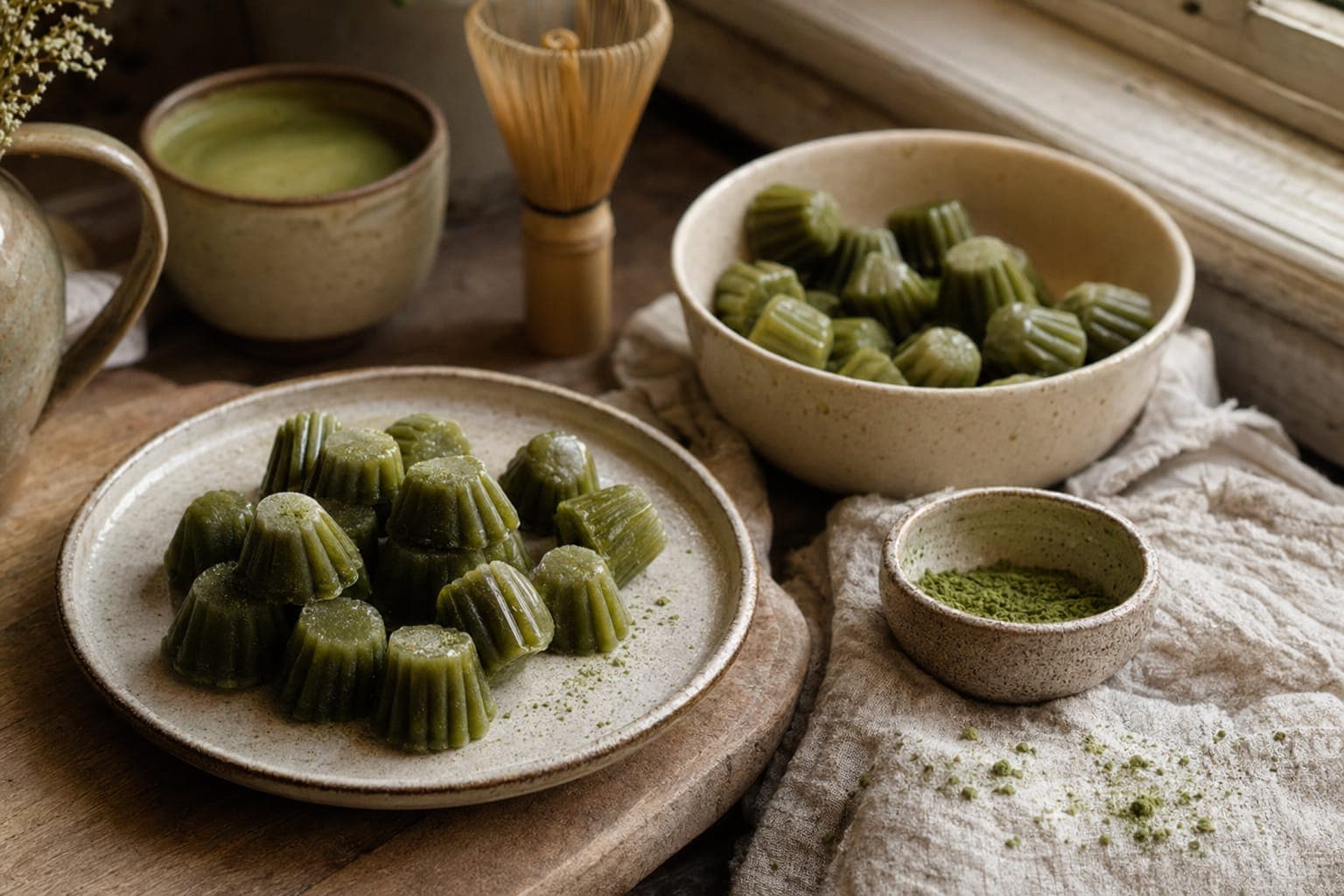
Matcha Latte Gummies with Collagen and Gelatine
Make visually stunning matcha latte gummies infused with collagen and gelatine. Simple recipe for gut-healing sweets you'll actually want to eat.
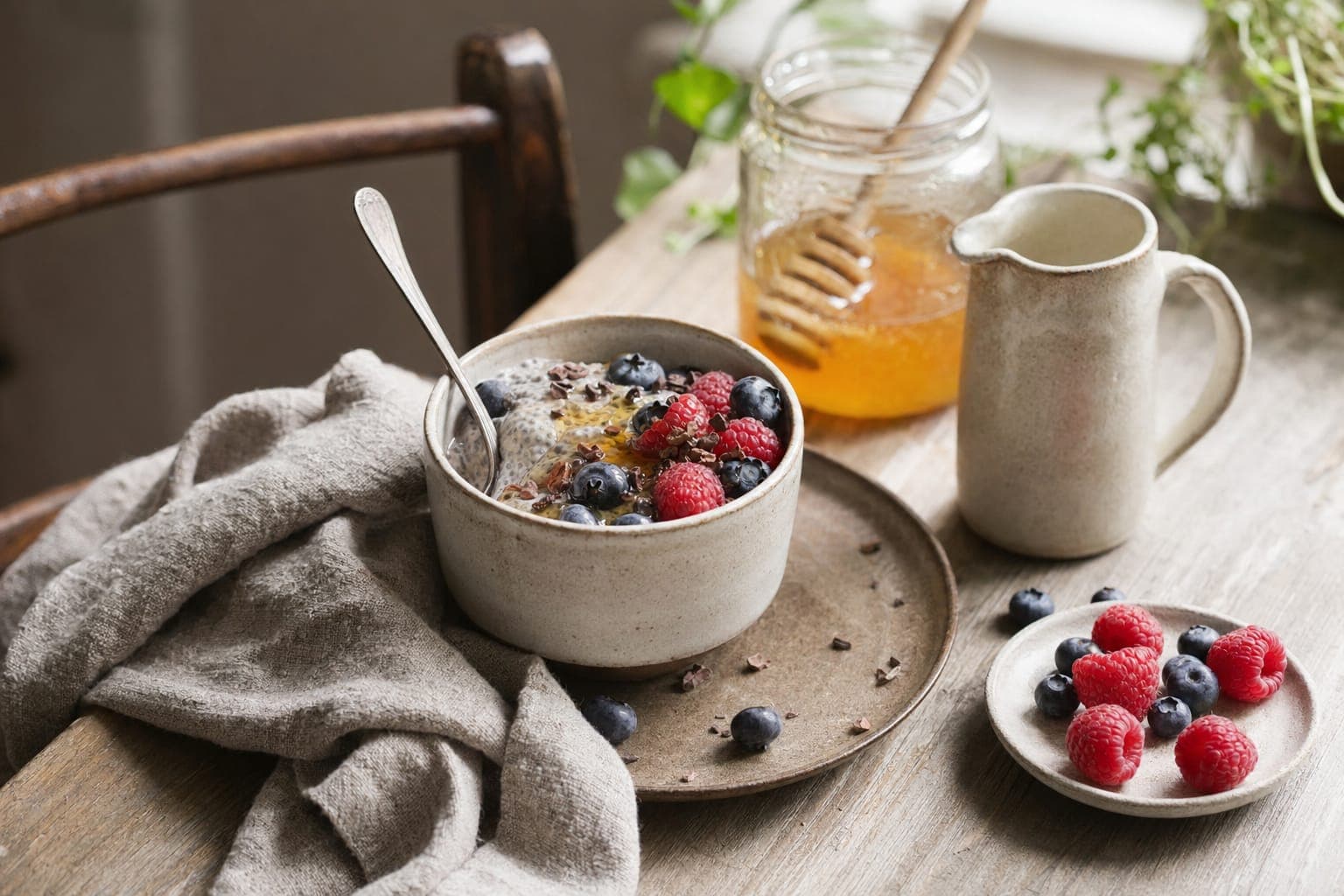
Organised Chia Pudding with Raw Honey and Berries
A no-cook chia seed pudding made with raw milk, collagen, berries, and raw honey. Prep it the night before and eat for breakfast.
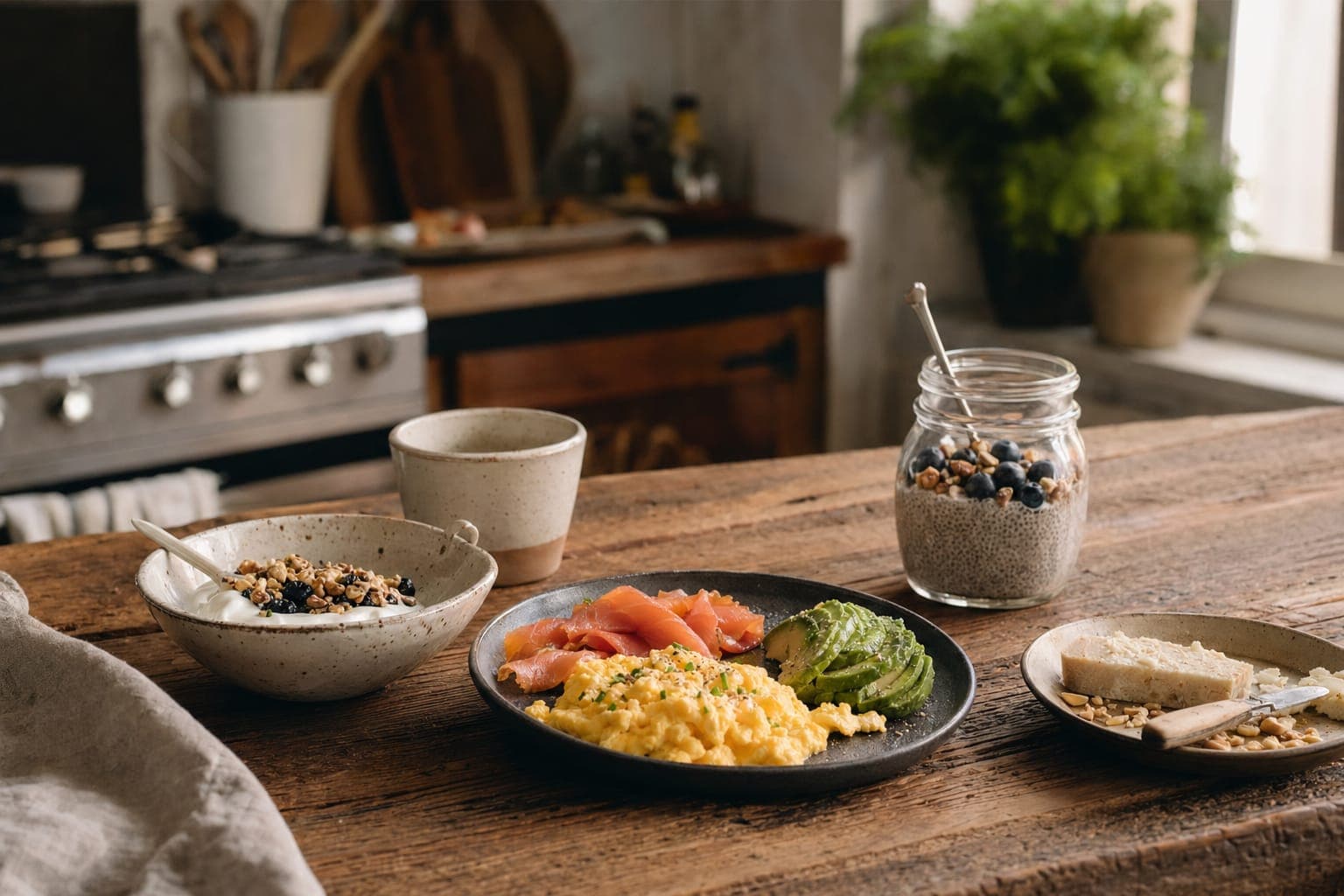
5-Minute High-Protein Breakfasts Using Organised
Quick, high-protein breakfast ideas using Organised. Five recipes you can make in minutes with real food. No fussing around.


 Join over 100,000+ members
Build a better food system with us
The Organised community is thousands of people choosing real food and backing the farmers who grow it, all of us trying to leave the world a little better than we found it. If that is what you care about too, you belong here.