Food Sovereignty: Taking Back Control of What You Eat
The average person walks into a supermarket and has no idea where their food came from, who grew it, or what it took to get it there. Food sovereignty sounds like a radical concept. It's actually just honesty.
By Niall Kiddle, Founder, Organised

Reviewed by Pedro Rodrigues, Agronomist (farming and sourcing only) ·
6 min read · Published · Updated · 1 cited source
Makers of the Organised Daily blend, a grass-fed beef organ supplement from regenerative UK farms
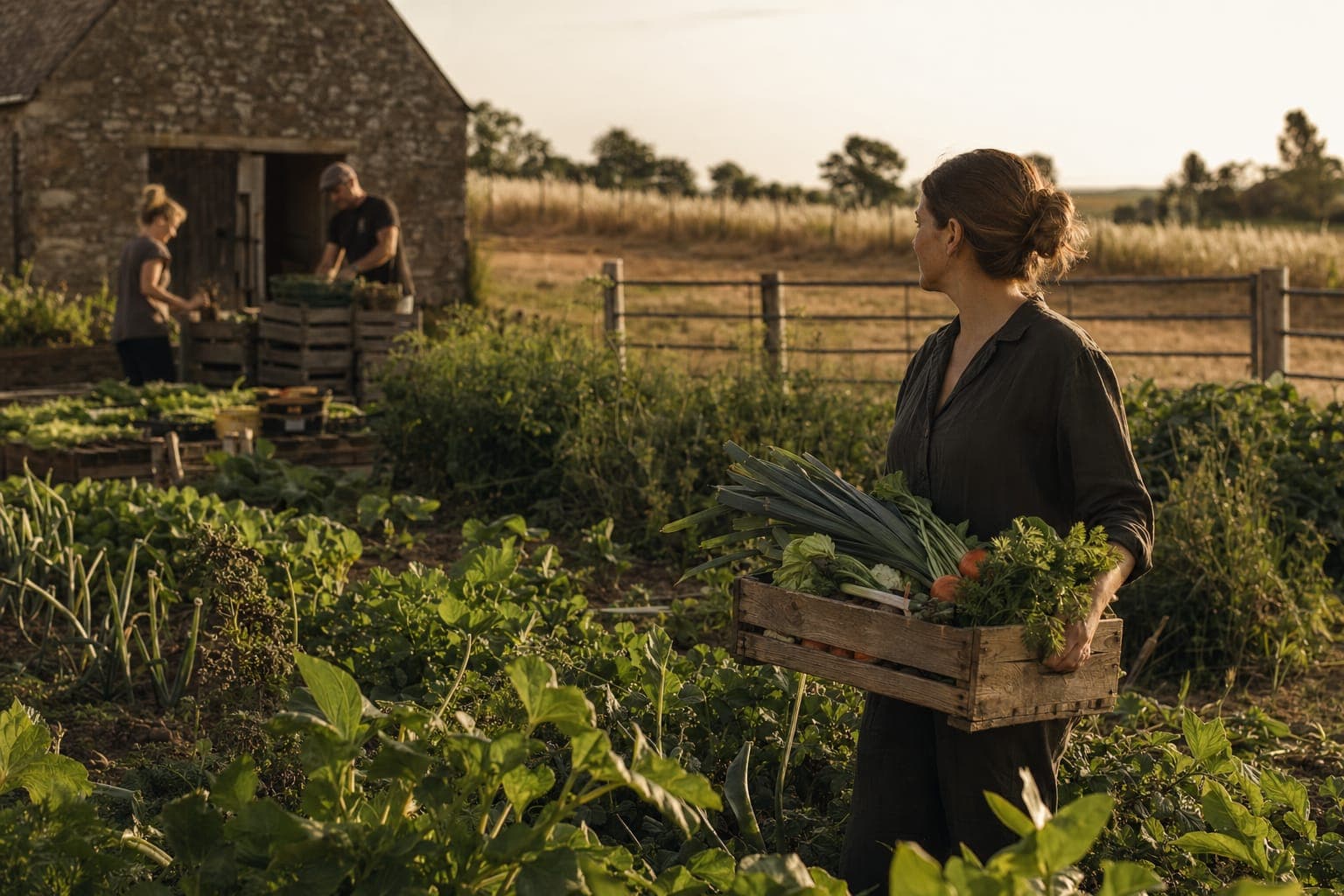
Food sovereignty means you understand where your food comes from and you have real agency over what ends up on your plate. It's about power. The power to choose. The power to know. The power to opt out of systems that don't serve you.
What food sovereignty really means
Food sovereignty isn't just about buying organic or local. It's about taking back control from a system designed to keep you disconnected. You don't see the farm. You don't meet the farmer. You don't know whether the soil was treated with respect or poisoned with chemicals.
The industrial food system profits on your ignorance. The further removed you are from the source, the less you question what you're eating. A chicken breast wrapped in plastic with a vague label about animal welfare tells you almost nothing about how that bird lived.
Food sovereignty is knowledge. It's choosing to know. And once you know, you can't unknow.
This knowledge creates choice. Choice creates power. When you understand your food system, you're no longer a passive consumer. You become someone who votes with every purchase.
Why industrial food systems are failing us
The industrial food system was designed for one thing: efficiency at scale. Grow as much as possible, as quickly as possible, spend as little as possible. Profit.
What gets sacrificed in that equation? Soil health. Animal welfare. Nutritional density. Human connection. The system doesn't measure these things, so they don't factor into the spreadsheet.
A tomato grown in a vast greenhouse, harvested before it's ripe, treated with preservatives, and shipped thousands of miles tastes like nothing because it is nothing. It's been optimised for appearance and shelf life, not for the person eating it.
Industrial agriculture doesn't feed people. It moves product.
And it's quietly eroding the systems that could actually sustain us. Every year, we lose small farms.1 Every year, fewer people understand how to grow food. Every year, we become more dependent on a system that's failing us nutritionally and environmentally.
How to know your sources
Start where most food actually comes from in the UK: farmers markets, farm shops, and direct farm relationships. These aren't luxury options. They're your gateway to food that was grown with intention.
When you talk to the farmer directly, you get to ask the real questions. How is the soil treated? Do the animals have space to move? When was this picked? These conversations matter.
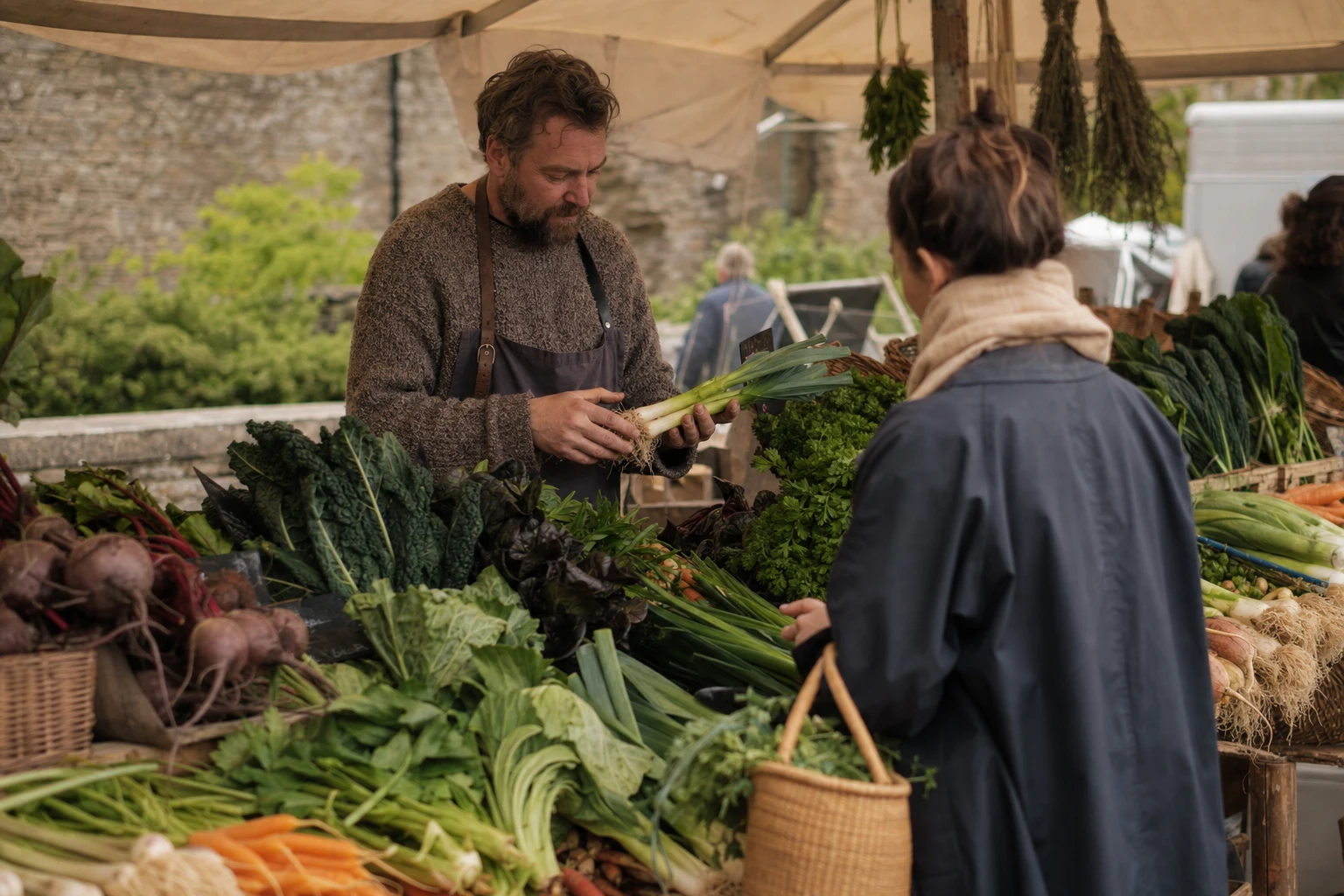
A woman at a farmers market who grows her own eggs can tell you what she feeds her hens. A regenerative farmer can explain his rotation system. A dairy producer can describe the grass her cows eat. Try getting those answers from a supermarket.
Knowing your food comes from knowing the person who grew it. It takes time. It's worth it.
Supporting local alternatives
Food sovereignty doesn't mean perfection. It means shifting where you can. Community Supported Agriculture schemes connect you directly to local farms. You get a box of seasonal produce. The farmer gets a guaranteed income. No middleman.
Farm shops cut out the distribution chain. Your money goes more directly to the person who grew the food. Many also stock products from other local producers. Cheese from the farmer down the road. Bread from the local baker. Meat from a neighbouring farm.
Farmers markets exist in most UK towns. Show up and ask questions. Which farms are regenerative? Who's been here longest? Which produce is actually local, not just sold at a local market?
Some people have access to meat through direct relationships with farmers. Others can find grass-fed beef or pasture-raised chicken if they ask around. A butcher who sources locally will know the farms. A fishmonger who sources fresh will have relationships with boats.
Building food independence
Food sovereignty at the community level means building resilience. It means not being entirely dependent on supermarket supply chains that are fragile in ways we're only now starting to see.
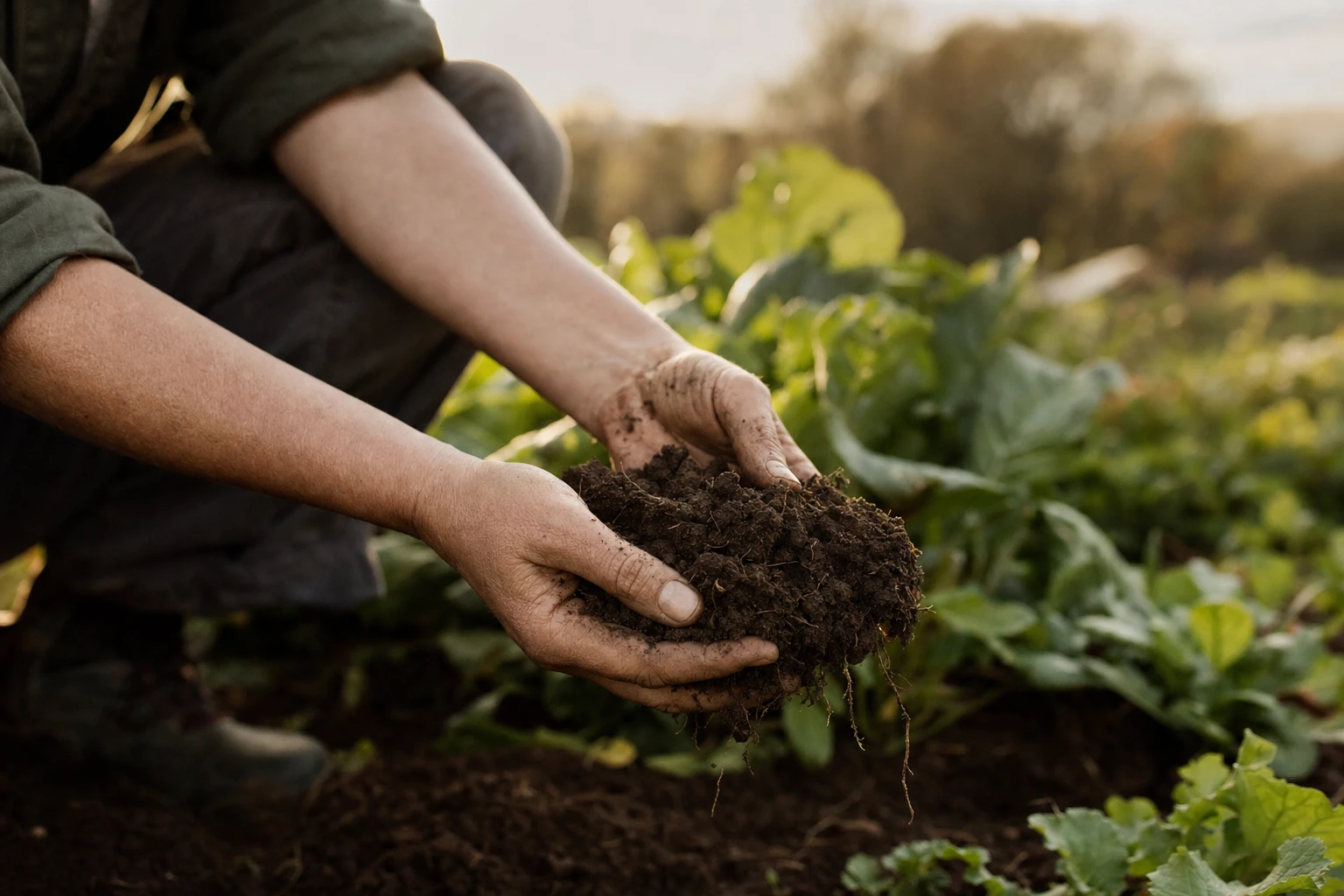
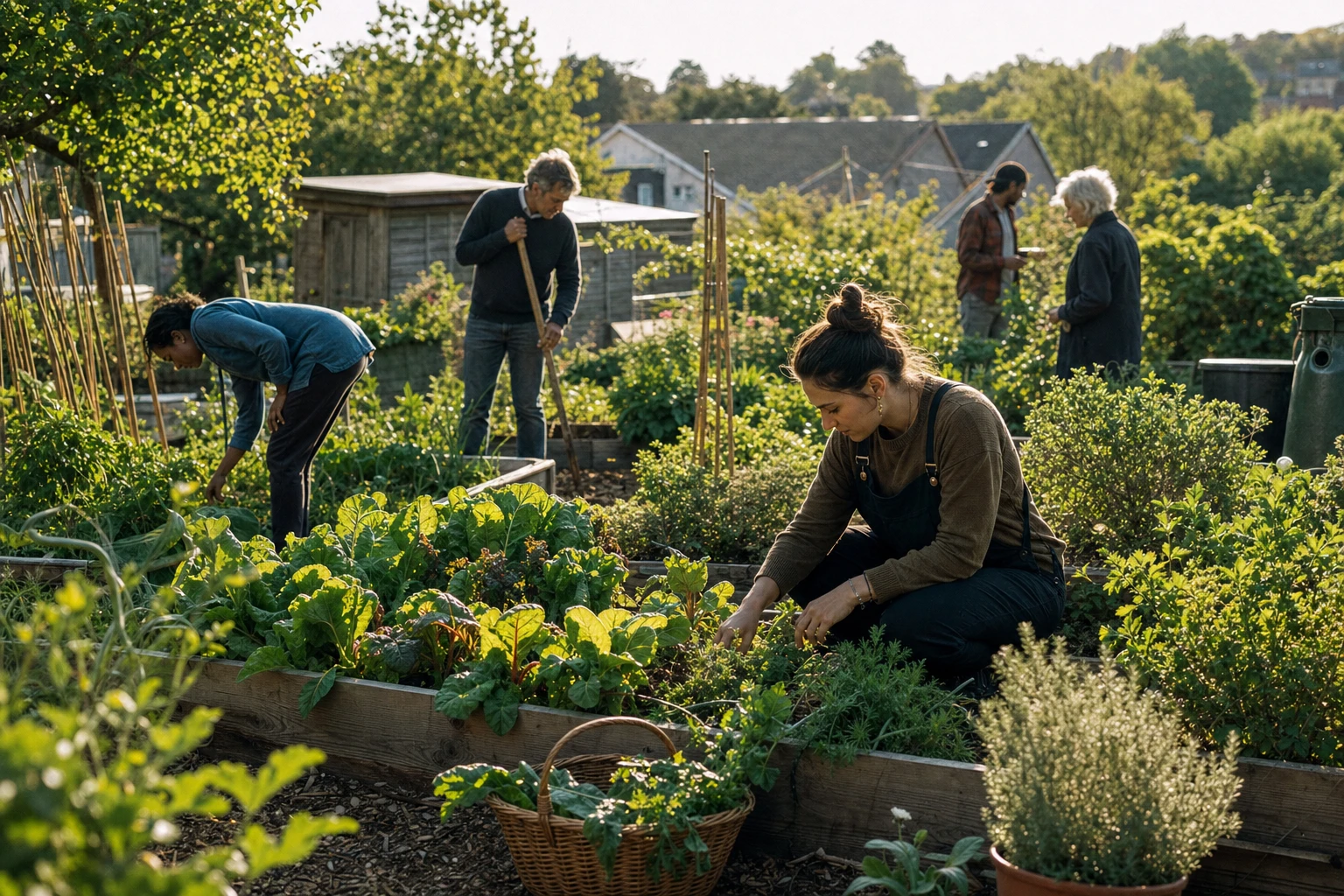
Growing your own food, even in a small way, changes your relationship to eating. A herb garden on a kitchen windowsill. Tomatoes on a balcony. A small vegetable patch. These aren't Instagram projects. They're real sources of food that you control entirely.
If you have the space and inclination, this matters. Not because you'll feed yourself entirely from a garden, but because the knowledge of how plants grow is food sovereignty in action.
When you grow one tomato, you understand every tomato differently. You've earned that knowledge.
At the community level, food sovereignty means local food networks. It means cooperatives that pool resources. It means schools growing food. It means community gardens.
Get stories from the community, free
Two short reads a week on the farmers, the standards, and the return to real food.
By signing up you agree to receive emails from us. No spam, unsubscribe anytime.
The bottom line
You don't have to dismantle the entire industrial food system to exercise food sovereignty. You start where you are, with what you can access. You ask one question of one farmer. You try one farmers market.
You begin to know. And knowledge, quietly, shifts everything.
The small-scale solution
You don't need to be a farmer to reclaim sovereignty. Growing even a small portion of your own food changes your relationship with it. A few pots of herbs on a windowsill. A raised bed of vegetables. A chickens in the garden if you have space. These aren't pretentious, they're practical sovereignty.
Growing tomatoes teaches you about seasons and ripeness. Keeping chickens teaches you where eggs come from. Making your own cheese or butter teaches you why quality matters. These aren't skills that are hard. They're skills that have been ordinary for centuries.
You don't need land to start. You need intention. A single pot of basil is a statement that you can feed yourself, at least a little.
1 of 9
Daily blend
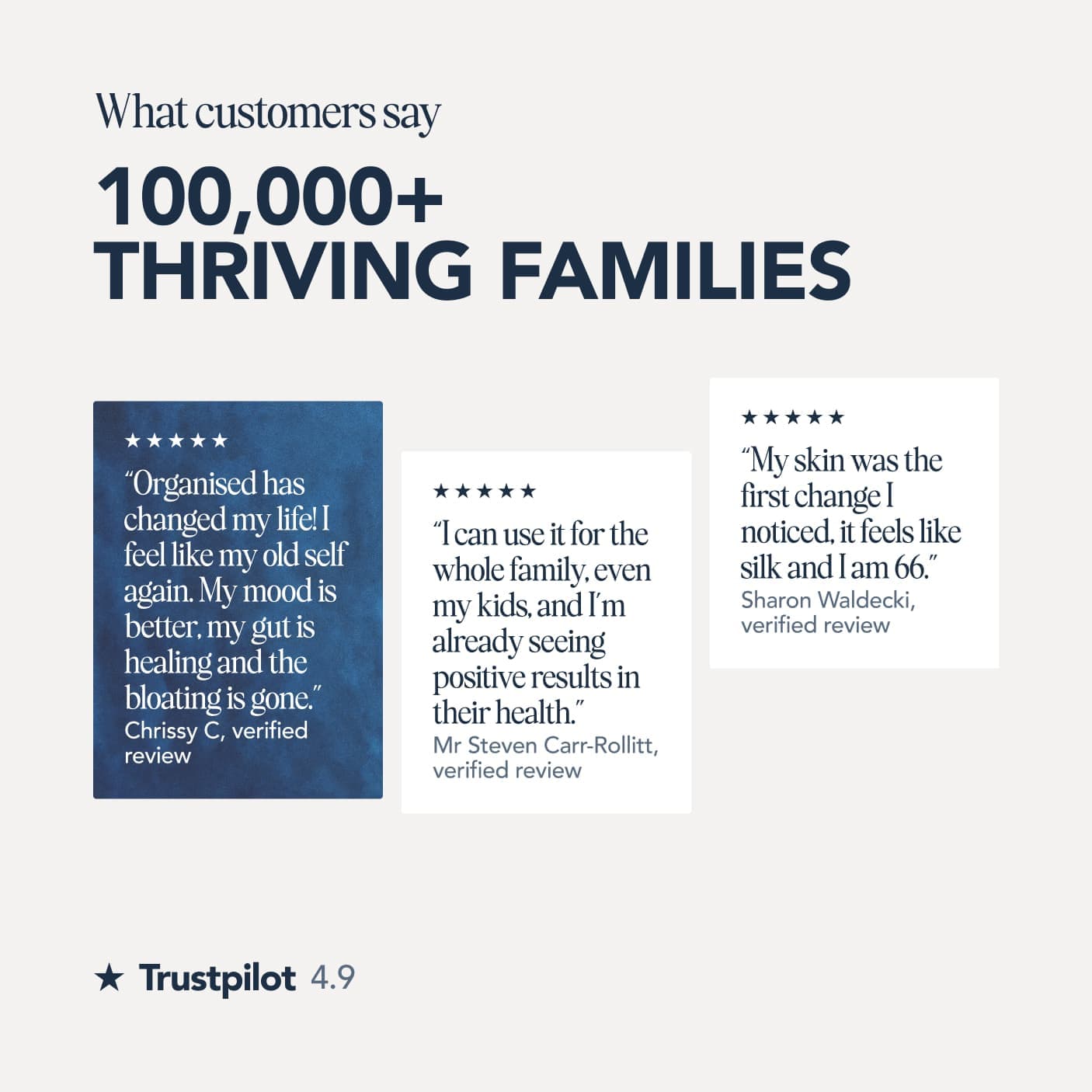
100,000+ thriving families4.9 on Trustpilot
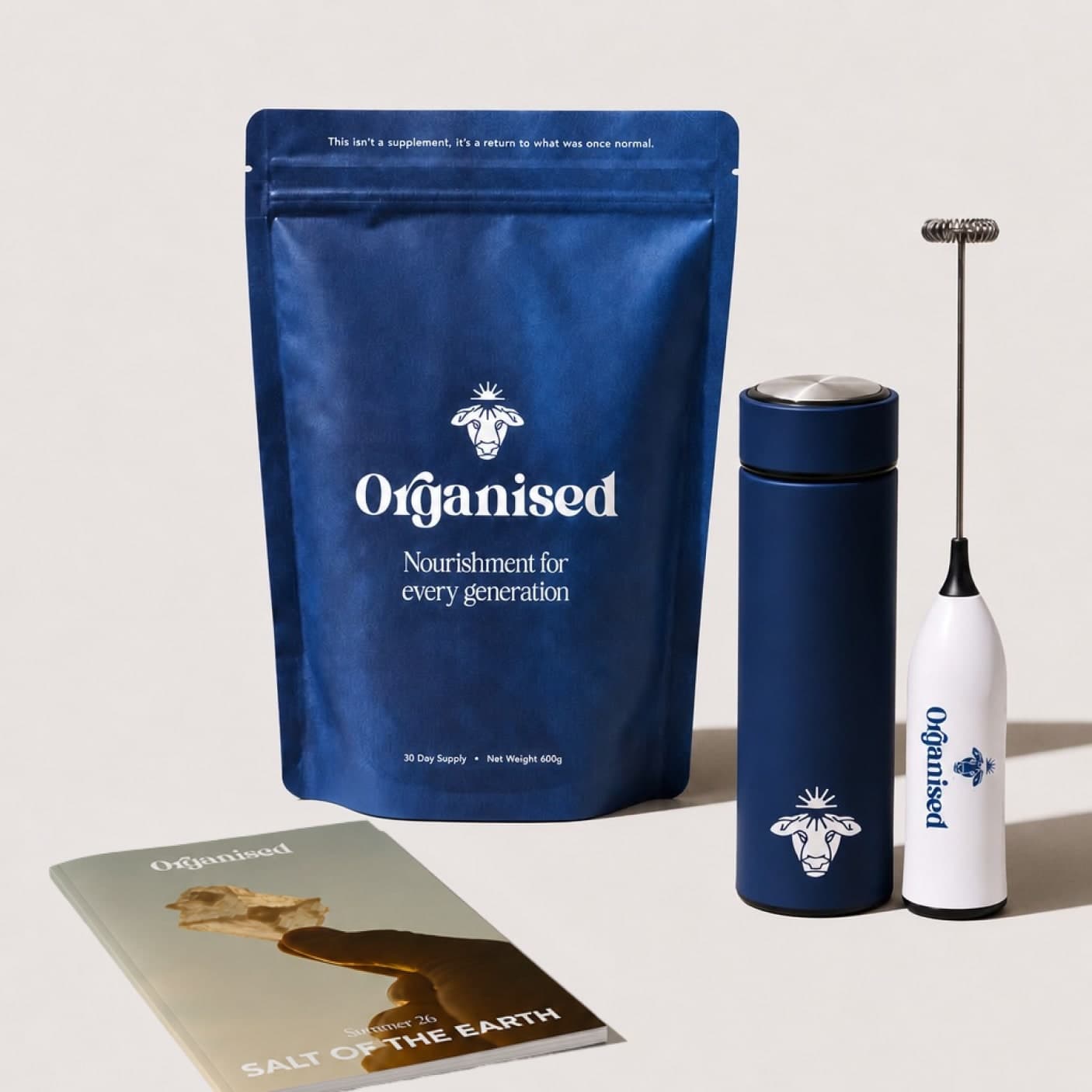
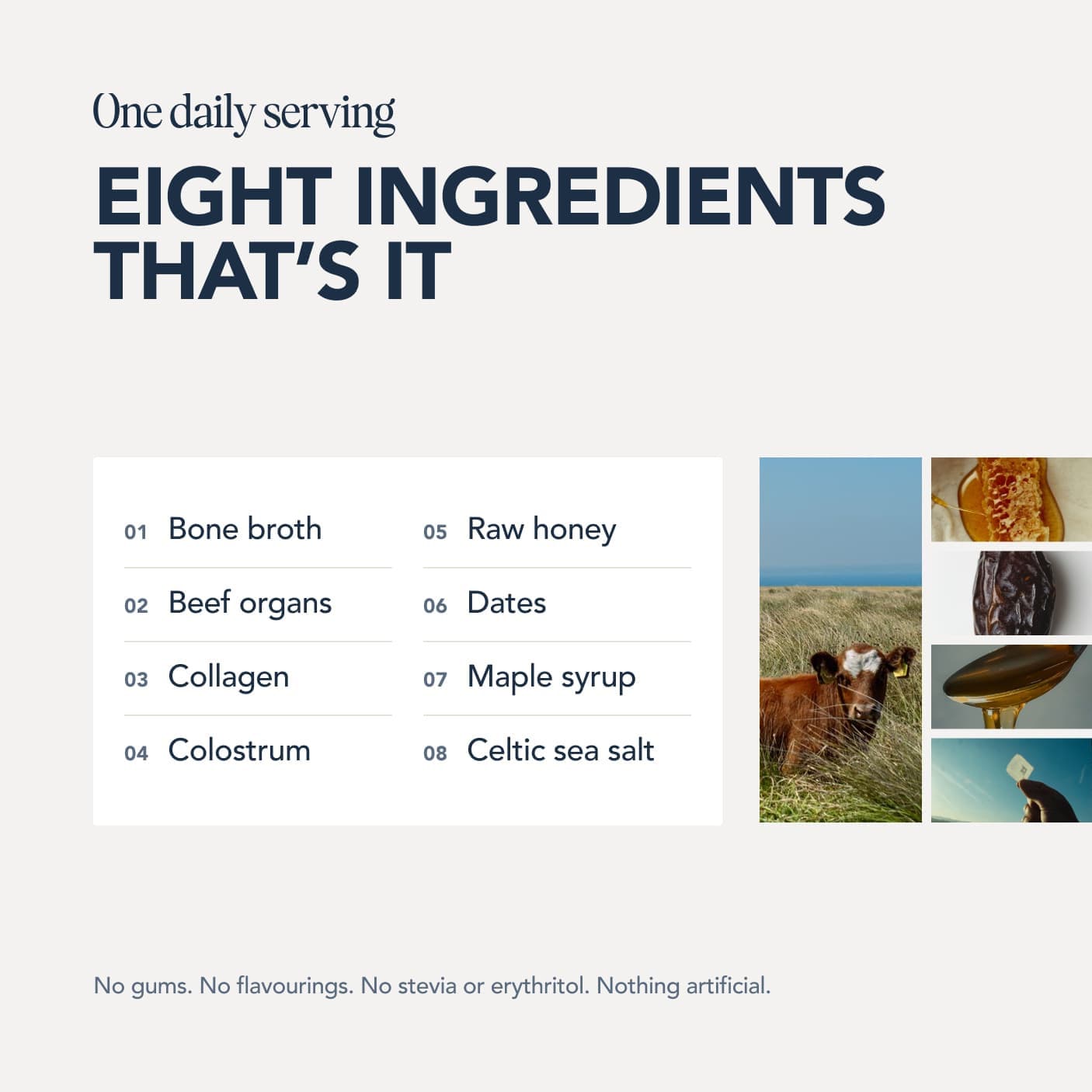
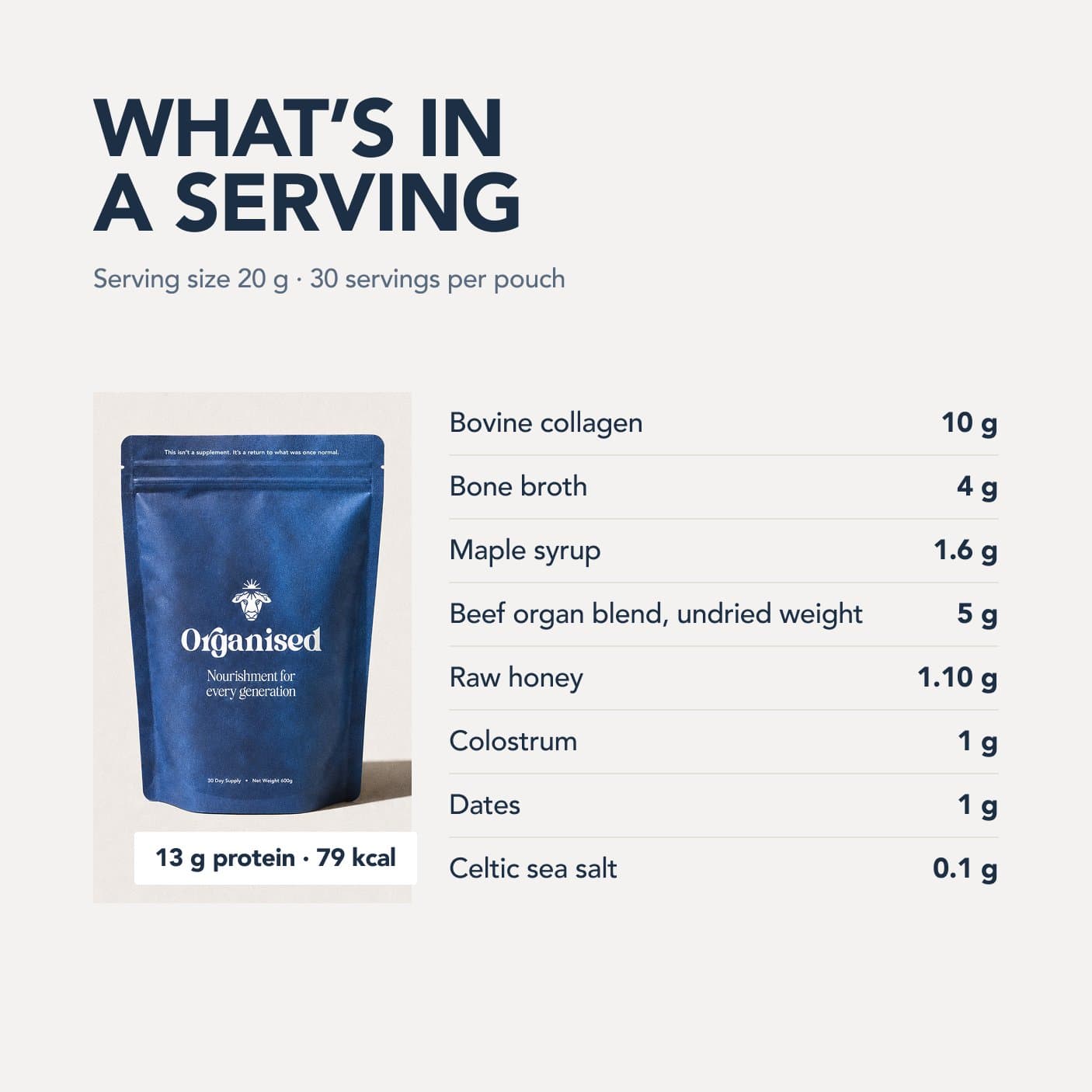
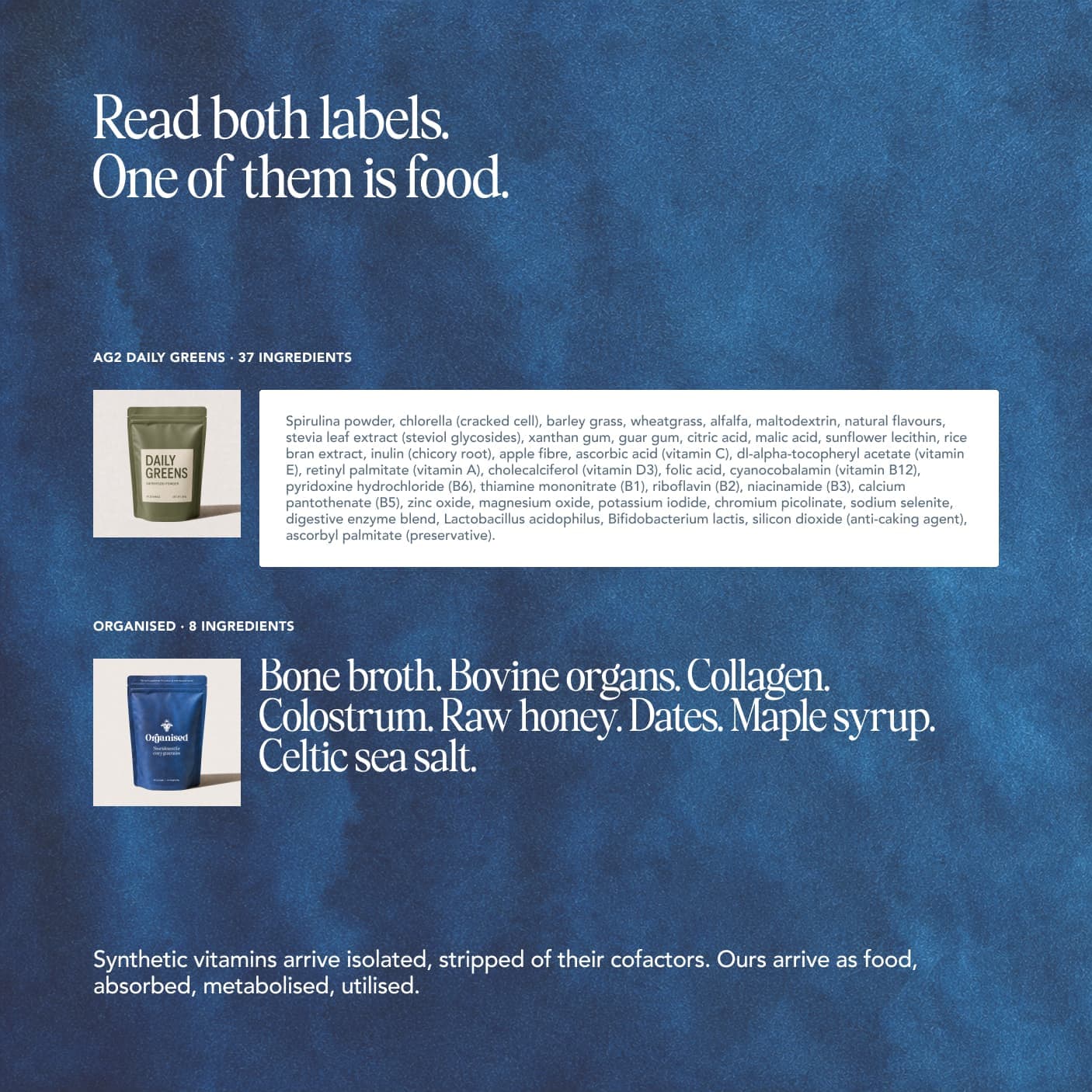
Eight real ingredients built around grass-fed beef organs, collagen and colostrum. Nothing synthetic added.
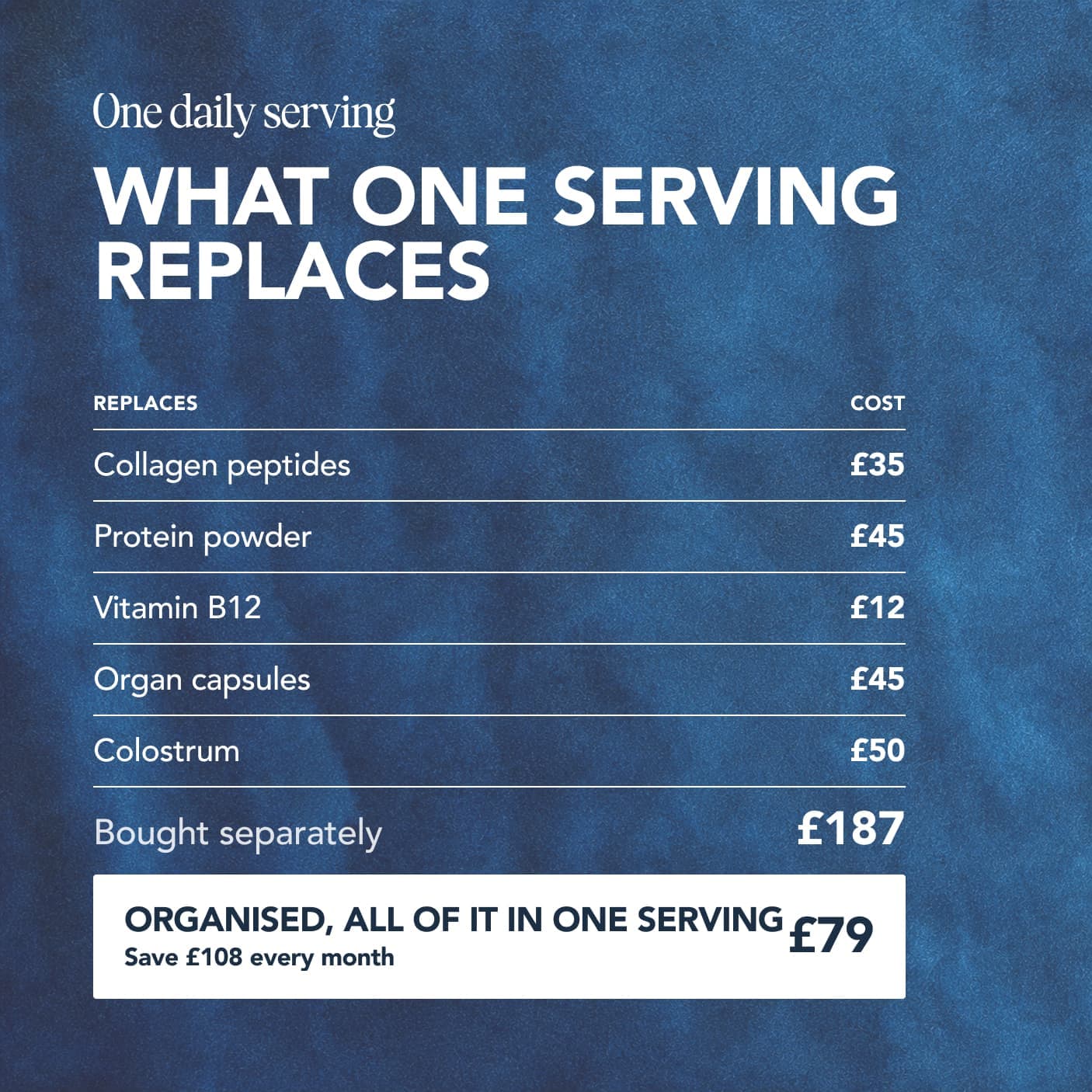
Free with your first order, worth £38. Plus £10 off the pouch with a subscription.


Free UK shipping · Made in England · 100 day money back guarantee on your first pouch · Skip, pause or cancel anytime
Building relationships with producers
Food sovereignty isn't just about you producing food. It's about knowing the people who do. A farmer's market where you talk to the farmer changes your relationship with the food. You learn when things are in season, how they're grown, what the soil is like. This information is power. It lets you make actual choices.
This is why direct relationships matter. When you know the person who raised your meat, you have agency. You can ask questions. You can choose quality. You're not a passive consumer; you're a participant in a real food system.
The radical act of feeding yourself
In an industrial food system, feeding yourself, actually feeding yourself, not outsourcing the entire process, becomes radical. Cooking real food. Knowing your sources. Making choices based on quality, not price. These acts of agency add up. They're not going to topple the industrial food system alone, but they're how you exit it.
What food sovereignty actually requires
It requires you to know something. Not everything, but something. Where your eggs come from. Who raised your meat. What that farmer does with the land. Even if you live in a city, you can know this about at least some of your food. A farmer's market relationship. An online farm that ships. A local butcher who talks about where things come from.
It doesn't require you to be self-sufficient. It requires you to be aware. Awareness is where agency starts.
Food sovereignty begins with the question "where did this come from?" and not stopping until you have a real answer.
The economics of local food
Local food isn't always cheaper. It's sometimes more expensive because the farmer isn't using industrial methods and economies of scale. But the quality is higher, the nutritional density is higher, and your money goes directly to someone you know rather than to a system that extracts value at every step.
This isn't just ideology. Economically, paying more for food from known sources creates a stronger local food system. Your purchasing power shapes what gets grown and how. If you buy commodity corn, more commodity corn gets grown. If you buy from a regenerative farm, regenerative farming becomes viable.
Food sovereignty as resistance
Industrial agriculture depends on you not knowing where your food comes from. It depends on you accepting whatever's available. Food sovereignty is the radical act of saying: I'm going to know, I'm going to choose, and I'm not accepting the cheapest, most processed option as normal.
This resistance doesn't require you to be perfect. It just requires you to know something about at least some of what you eat. One change toward known sources is a win. More is better. But one is where nearly everyone starts.
References
Every source below was checked on 27 August 2026. Each link was requested and read. Where a citation and its identifier disagreed, the citation was corrected to the record or the reference was deleted along with the sentence marker that pointed at it, and where the resolved paper turned out not to support the sentence, the sentence was cut back to what it does support. Borrowed authority is worse than none, because it looks like rigour.
- Department for Environment, Food and Rural Affairs (Defra). Structure of the agricultural industry in England and the UK at June. https://www.gov.uk/government/statistical-data-sets/structure-of-the-agricultural-industry-in-england-and-the-uk-at-june [accessed May 2026].
Who wrote and reviewed this guide
Niall Kiddle
Author · Founder, Organised
Niall is the founder of Organised. He started the company in 2024 after fixing his own health the slow way: in 2022 he swapped a cupboard of synthetic supplements for real food, raw milk, organ meats, bone broth and honey, and felt the difference within months.
Areas of expertise: Ancestral nutrition, Organ meats, Whole-food supplementation, Gut health, Regenerative sourcing
Read Niall's full profile
Pedro Rodrigues
Reviewer · Agronomist (farming and sourcing only)
Pedro is the agronomist Organised works with on farming and sourcing. His job on the guides is to keep the science honest: he reviews what we publish about soil health, regenerative agriculture, grazing and the way food is actually produced.
Areas of expertise: Regenerative agriculture, Agronomy, Soil health, Grass-fed farming, Food sourcing
Reviewed this guide on
Read Pedro's full profileMore on movement
View all- The Return to Real Food: Why Millions Are Rejecting Ultra-Processed Diets
- Against Ultra-Processed: A Manifesto for Real Food
- Find a Farm: How to Source Real Food Near You
- Processed Food Companies Don't Want You to Know This
- Social Media and Nutrition: Navigating the Noise
- The Anti-UPF Movement: What's Driving the Backlash Against Processed Food
- The Problem with 'Clean Label' Marketing
- The Raw Milk Renaissance: Our Documentary
- The Rise of Ancestral Eating in the UK
- What 'Nourishment for Every Generation' Really Means to Us
- Why 'Eat Less, Move More' Failed a Generation
- Why More Doctors Are Recommending Whole Food Over Supplements
Browse the guides library
All guidesKeep reading
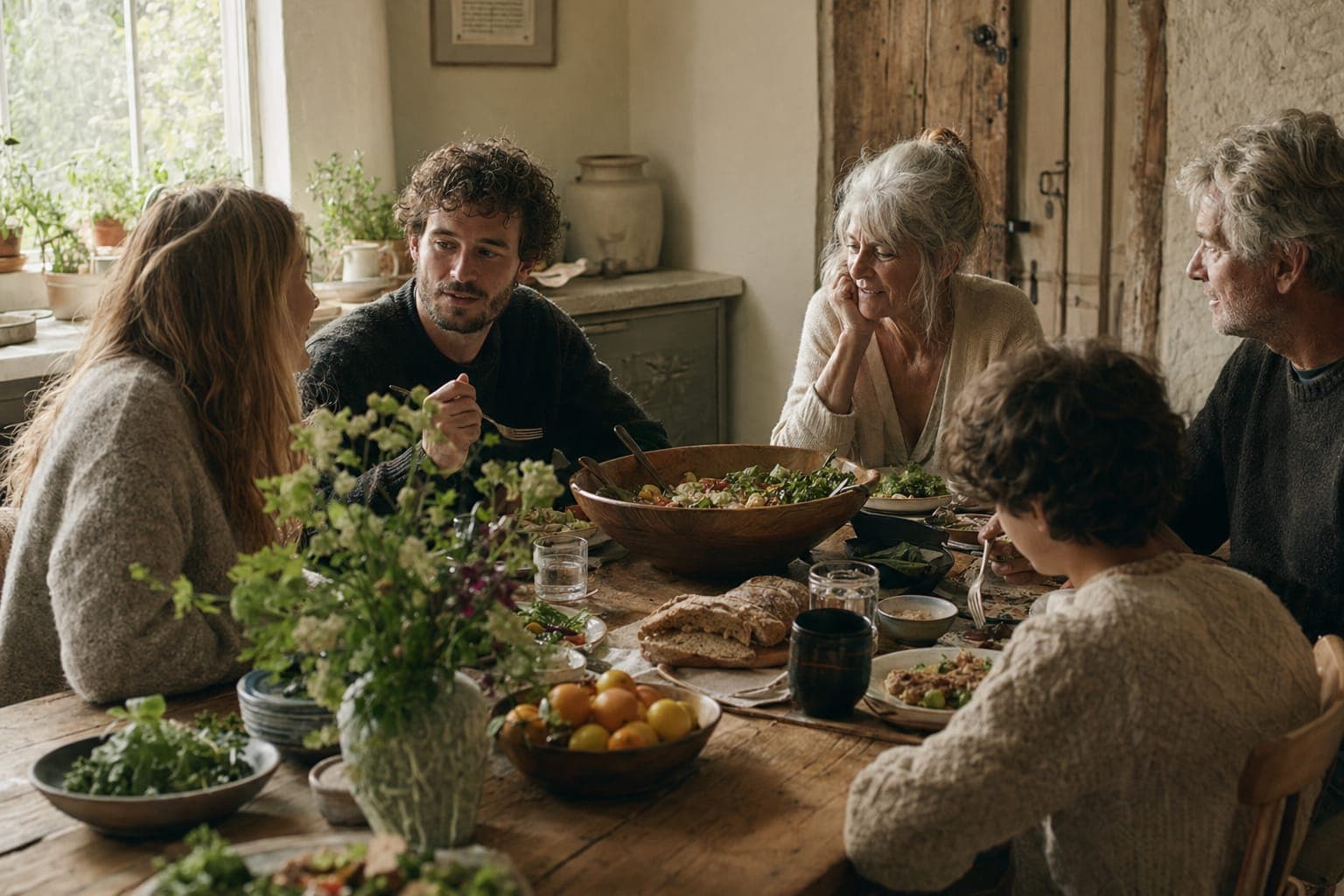
Culture & community
How to Talk to Your Family About Changing the Way You Eat
Navigate family resistance to dietary change. Address common pushback, communicate benefits, and manage eating in a shared household without conflict.
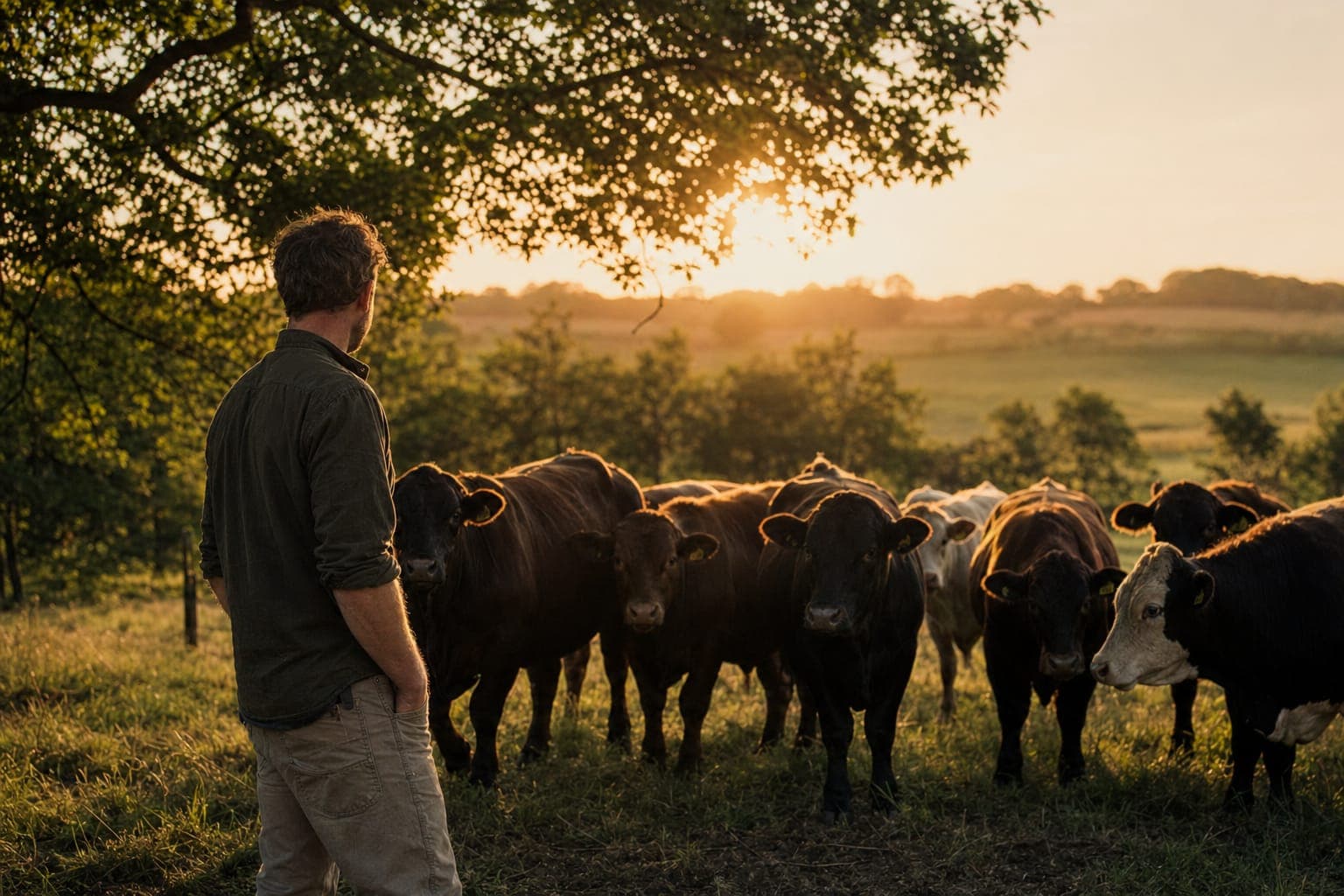
Culture & community
A Visit to a UK Regenerative Beef Farm
Step into a regenerative beef farm and discover how soil health, rotational grazing, and farmer philosophy create meat that nourishes both body and land.
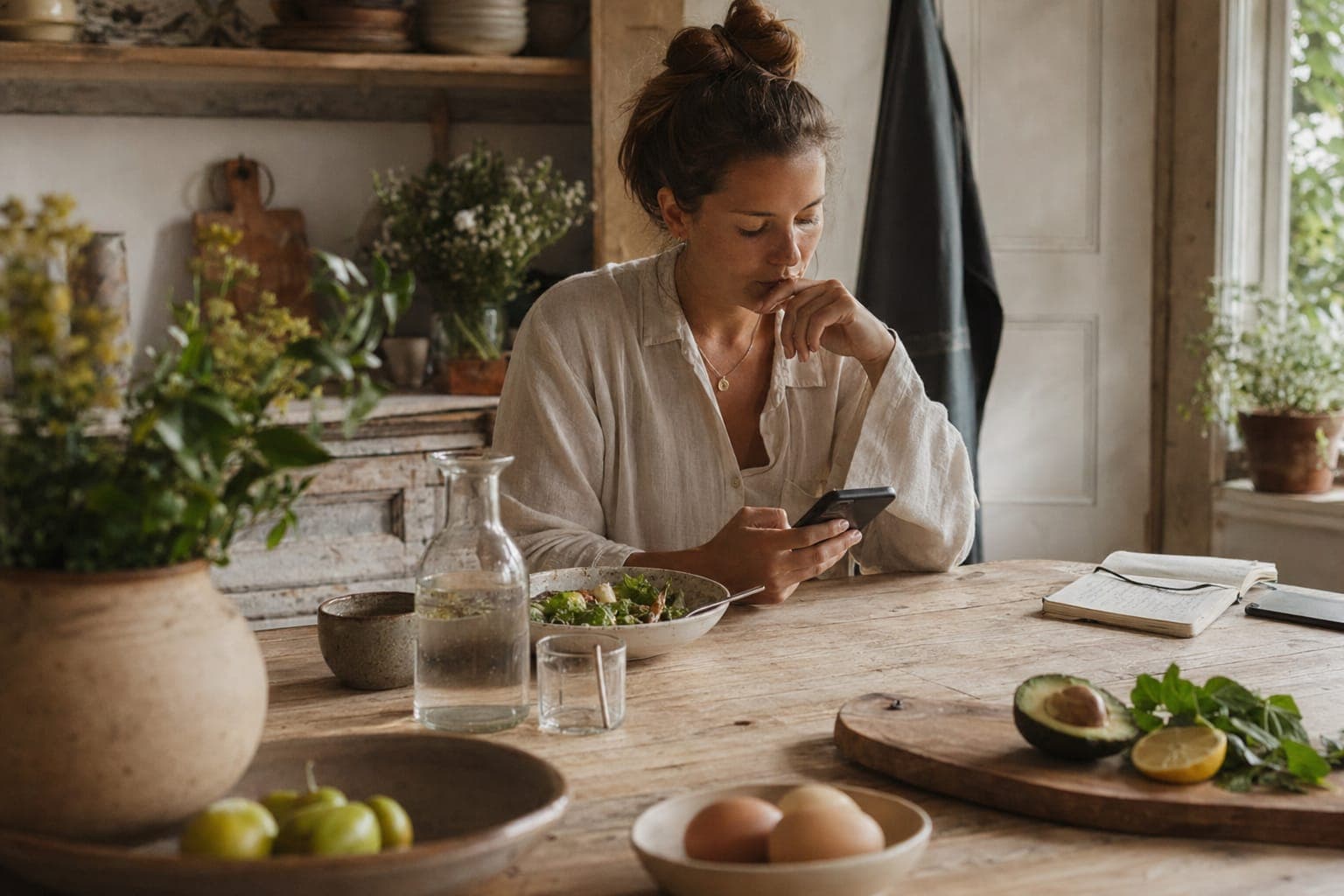
Culture & community
Social Media and Nutrition: Navigating the Noise
Learn how to evaluate nutrition claims on social media. Build critical thinking skills to separate science from marketing hype.
Real food, made effortless
Shop the blendA few ways to use it
All recipes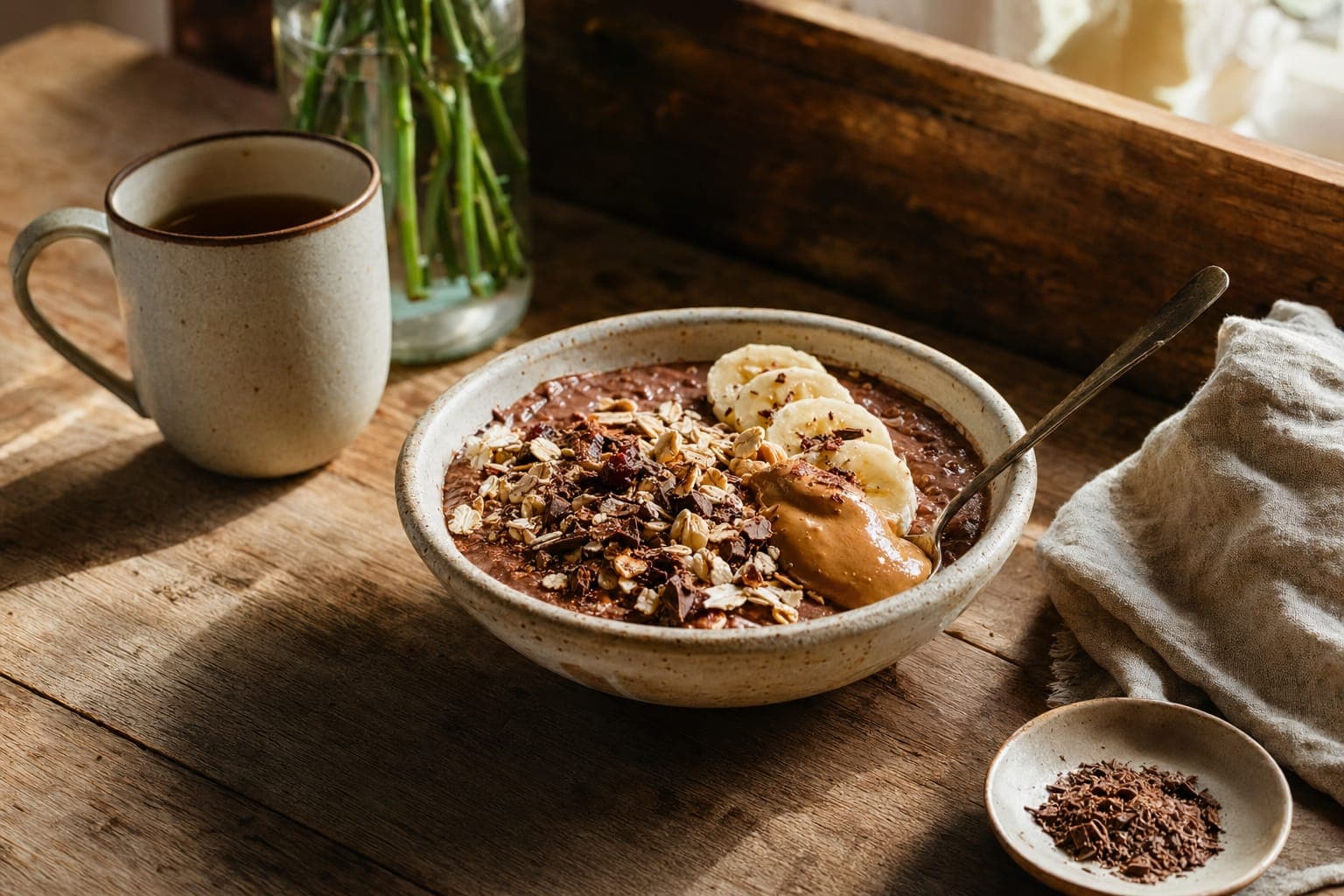
10 Ways to Use Organised That Aren't Just a Shake
Move beyond the basic shake. Discover 10 creative ways to use Organised in smoothie bowls, oats, yoghurt, baking, and more.
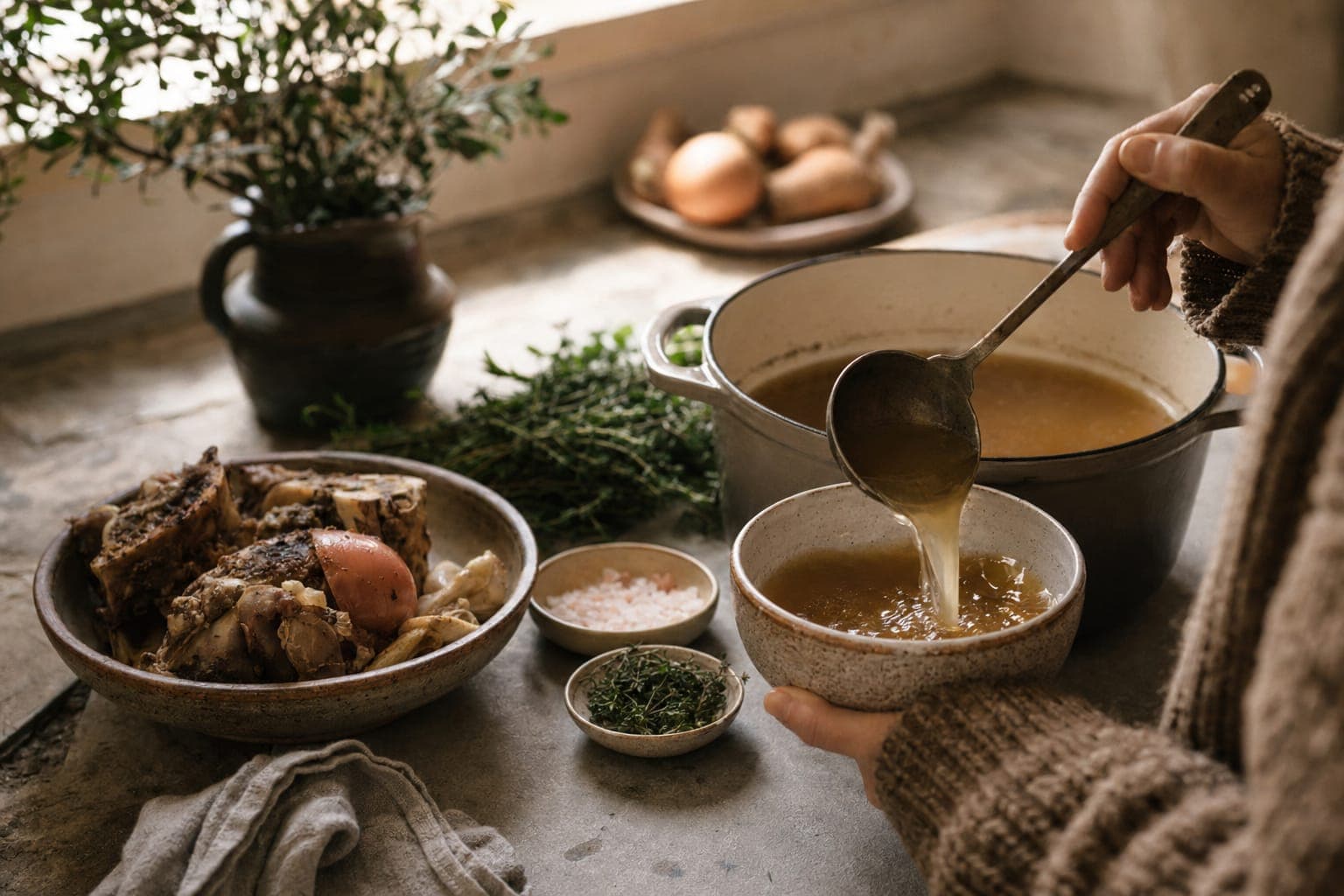
Bone Broth from Scratch: A Step-by-Step Guide
Step-by-step guide to making bone broth at home. Stovetop, slow cooker, and Instant Pot methods. Rich in collagen and gut-healing minerals.
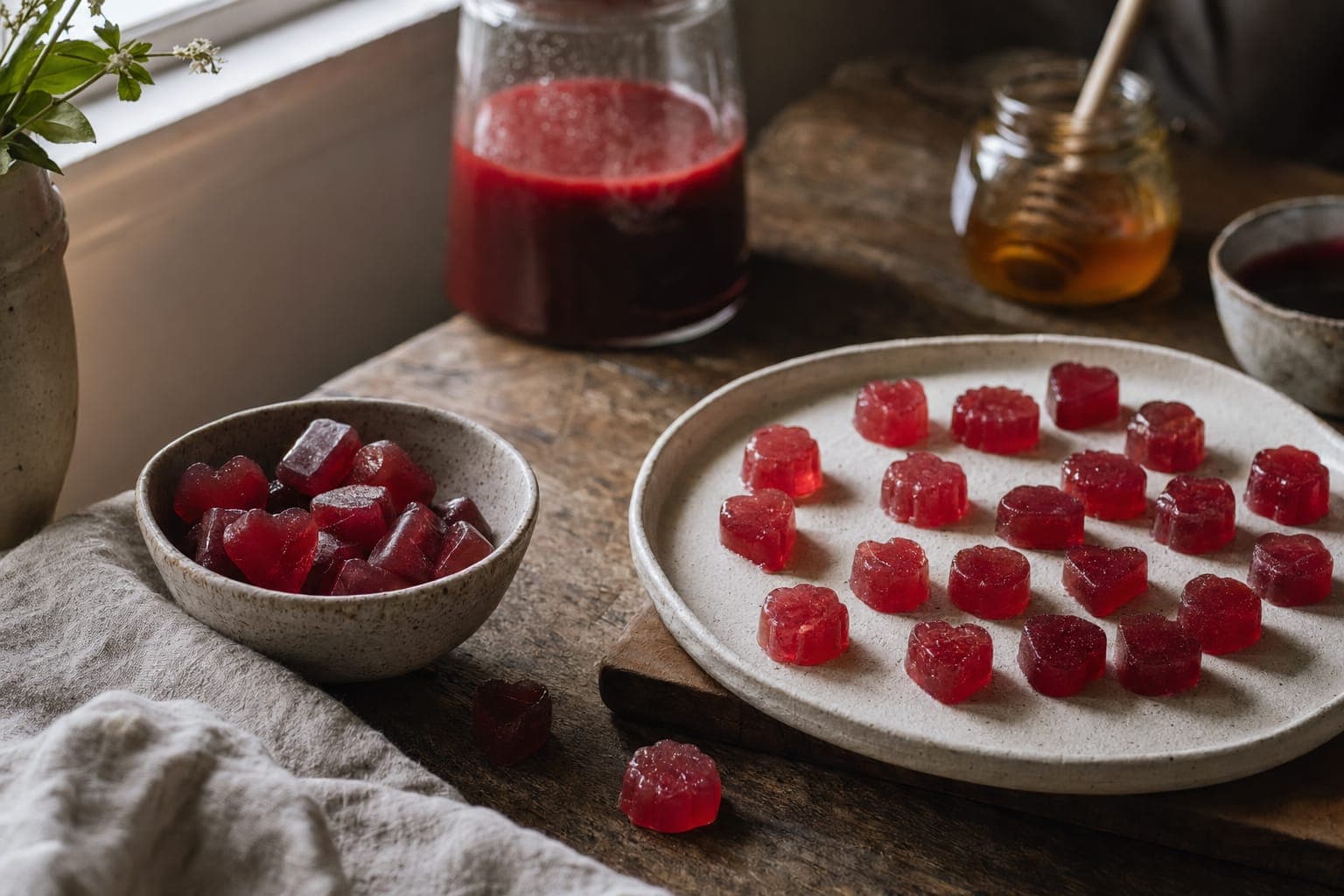
How to Make Your Own Gelatine Gummies
A simple recipe for homemade gelatine gummies using grass-fed gelatine, fresh juice, and raw honey. Better than shop-bought, kids love them.

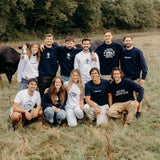 Join over 100,000+ members
Build a better food system with us
The Organised community is thousands of people choosing real food and backing the farmers who grow it, all of us trying to leave the world a little better than we found it. If that is what you care about too, you belong here.