The Problem with 'Clean Label' Marketing
Walk into any health food shop and you'll see bottles with labels that say 'clean', 'pure', 'natural', 'no fillers', 'no additives'. These labels have become a status symbol. A product is good because the label says it's clean. The actual effectiveness of the product is almost beside the point.

By Niall Kiddle, Founder, Organised

Reviewed by Pedro Rodrigues, Agronomist (farming and sourcing only) ·
6 min read · Published · Updated · 2 cited sources
Makers of the Organised Daily blend, a grass-fed beef organ supplement from regenerative UK farms

This has created a strange inversion in supplement marketing. The brand invests energy in being transparent about what's NOT in the product. Talc? Not in here. Magnesium stearate? Not in here. Artificial colourings? Not in here. The message is clear: we're avoiding the bad things. But nowhere does it say: does this product actually work?

What 'clean label' actually means (and doesn't)
'Clean label' is not a regulatory term. It's a marketing term. There's no official definition. Different brands mean different things by it. Some brands use it to mean "no artificial additives". Others use it to mean "minimal ingredients". Still others use it as a generic badge of approval.
The Roundtable for Clean Label Coalition attempted to create a definition, focusing on "absence of artificial flavours, colours, sweeteners, preservatives, and most processing aids". But this definition is vague enough to accommodate almost anything. A supplement could contain four proprietary ingredients of unknown composition, each potentially problematic, and still call itself "clean label" as long as no artificial colourings are present.
What clean label doesn't tell you is anything about potency, bioavailability, or effectiveness. A clean label supplement could contain completely inert ingredients. The label would still be clean.
The illusion of purity
The concept of "purity" in supplements is especially misleading. Many "natural" ingredients are extracted using synthetic processes. The extract is then combined with other ingredients to create a formulation that bears no resemblance to what exists in nature.
A "natural" colourway supplement might use spirulina for colour. Spirulina is indeed natural, but the concentrated spirulina extract in a supplement is not how humans have ever encountered spirulina. It's a refined, isolated compound.
Similarly, a "pure" herbal extract might be precisely that, but an extract is categorically different from the whole plant. Many of an herb's benefits come from compounds not present in the extract. Marketing the extract as "pure" because it's a pure extract from a pure herb is technically accurate but misleading about the actual product.
Clean label tells you what a product is not. It doesn't tell you what a product is, or whether it works.
Why ineffective products get 'clean label' credentials
Here's the crucial insight: ineffective products are more likely to have clean labels than effective ones. Why? Because the ingredients used to make a product actually work are often the ones that aren't "clean" by marketing standards.
An effective magnesium supplement needs a form of magnesium that absorbs well. Magnesium glycinate absorbs far better than magnesium oxide, but glycinate requires magnesium to be complexed with an amino acid.1 Depending on the brand's definition of "clean", this might not qualify.
A bioavailable curcumin supplement requires the curcumin to be combined with a delivery mechanism, often piperine or other compounds that enhance absorption.2 These are sometimes listed as "fillers" or "additives" and excluded from clean label products. The result is a clean label supplement that the body can barely utilise.
An effective iron supplement might require other nutrients or compounds that facilitate absorption. A clean label iron supplement that avoids all of these optimising ingredients is likely to be poorly absorbed.
The irony is that clean label marketing often produces less effective products by excluding the very compounds that make supplements work.
The marketing inversion: avoiding bad things instead of doing good things
Marketing has inverted the question. Instead of asking "does this supplement do what we claim it does", the question becomes "does this supplement avoid the ingredients we've decided to fear".
This shift is profitable. Effectiveness is hard to prove and requires rigorous testing. Avoiding certain ingredients is easy to market and costs nothing. A brand can put "no magnesium stearate" on a label and immediately appeal to customers who've heard that magnesium stearate is bad.
Most customers don't question whether magnesium stearate is actually harmful. They just know it sounds bad, and the label says it's absent. The emotional relief of buying something "clean" becomes the primary value proposition.
This is emotionally satisfying but biologically irrelevant if the supplement doesn't contain enough active ingredient or in a form your body can use.
Get stories from the community, free
Two short reads a week on the farmers, the standards, and the return to real food.
By signing up you agree to receive emails from us. No spam, unsubscribe anytime.
Common clean label ingredients that don't do anything
Many supplements marketed as clean label contain ingredients included primarily for marketing purposes, not function.
Turmeric in a supplement might be marketed as an anti-inflammatory source of curcumin. But turmeric root powder is largely insoluble. The curcumin doesn't absorb. A cleaner-label version that's less effective would contain turmeric powder without absorption enhancers. A more effective version, less marketed as clean, would contain a curcumin extract with piperine or fat to enhance absorption.
Vitamins listed in massive amounts that exceed what your body can absorb in one dose are sometimes included to look impressive on the label. The excess is simply excreted. The vitamin count looks more impressive than the bioavailability.
Herbal extracts listed at tiny doses, too small to have any biological effect, are included because the ingredient name evokes a benefit. The customer feels they're getting the benefit. They're not.
How to see past the label to the actual product
Ask: what form is this ingredient in? Is it a whole plant, an extract, a standardised extract, a concentrated form? Is it in a form your body can actually absorb?
Ask: at what dose is it present? Many ingredients have a minimum effective dose. If a supplement contains 50 mg of a nutrient that requires 500 mg to work, the label might be clean, but the product is useless.
Ask: what's the evidence? Has anyone actually tested whether this supplement does what it claims? Is the evidence randomised controlled trials, or just marketing claims and customer testimonials?
Ask: why is this ingredient present? Is it there because it works, or because it sounds good, or because it's cheap, or because it avoids something customers fear?
If a brand can't answer these questions clearly, the clean label is probably all the product has going for it.
1 of 9
Daily blend
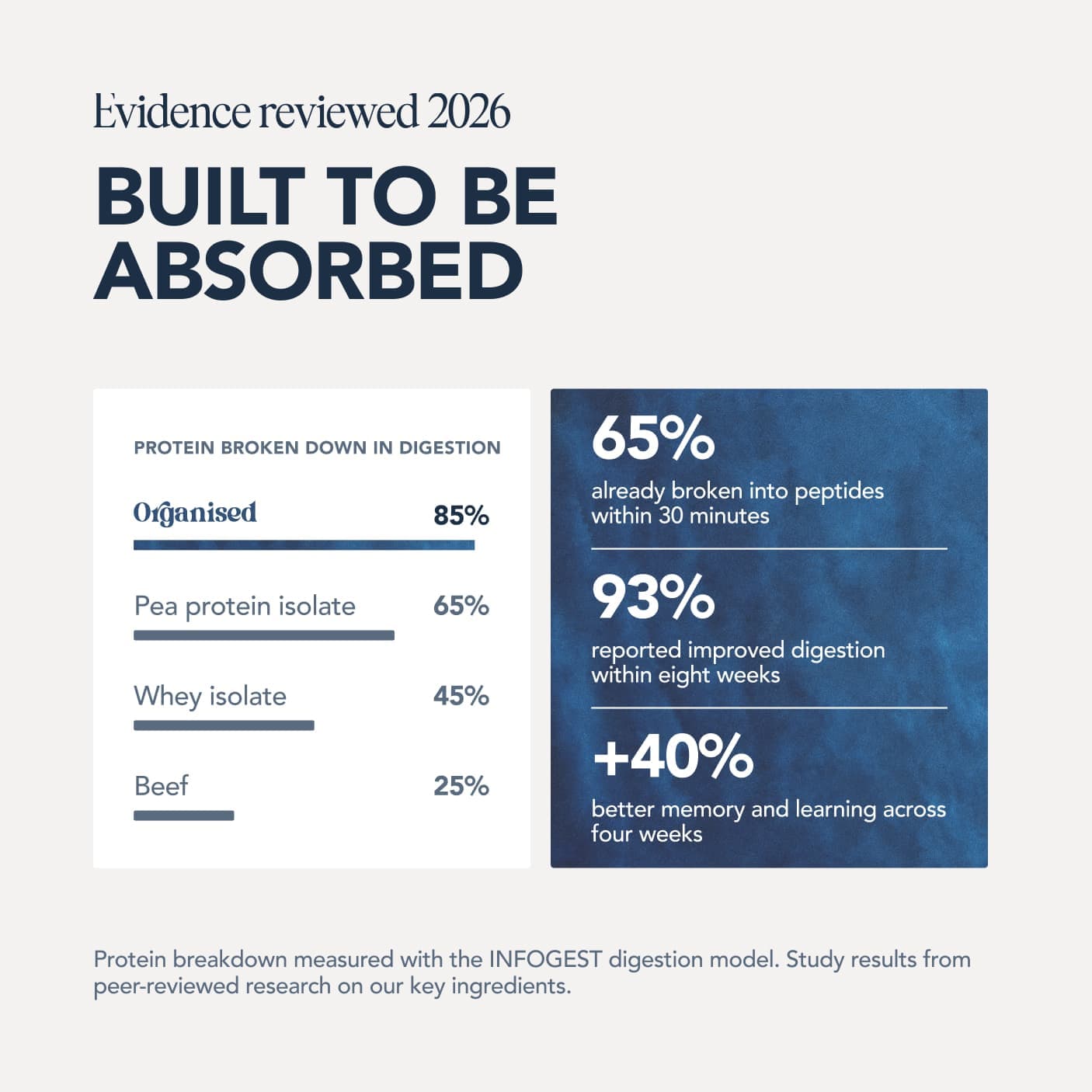
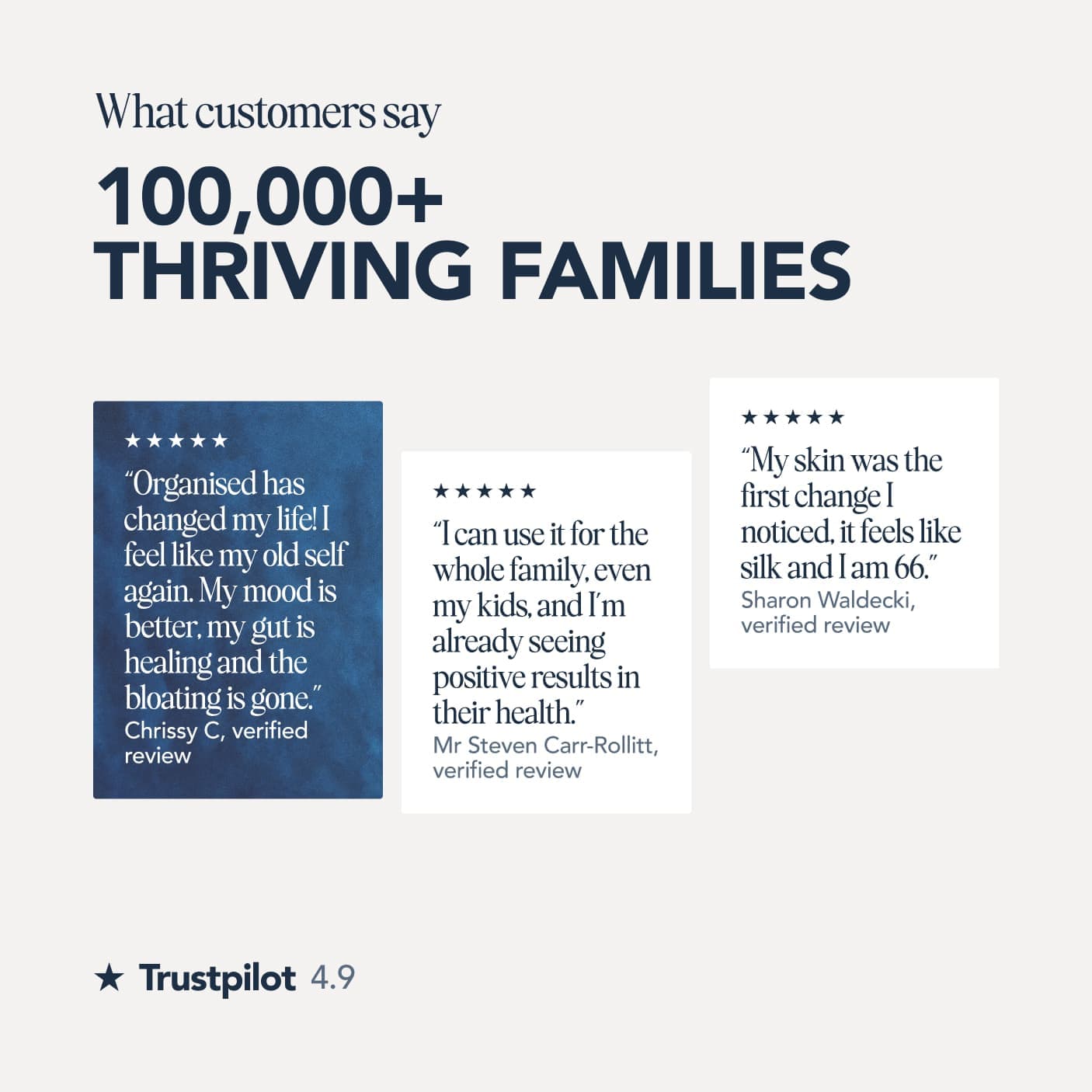
100,000+ thriving families4.9 on Trustpilot
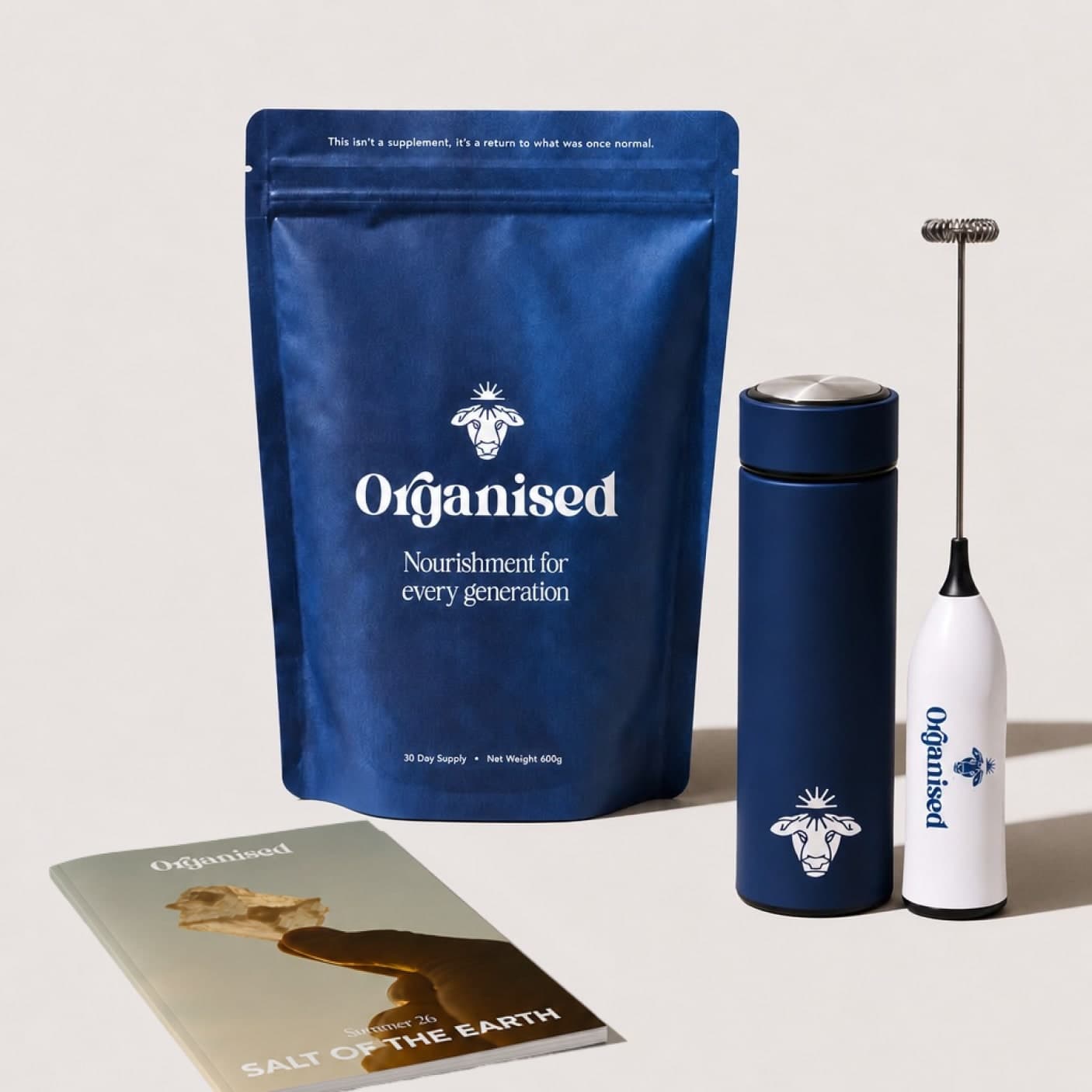
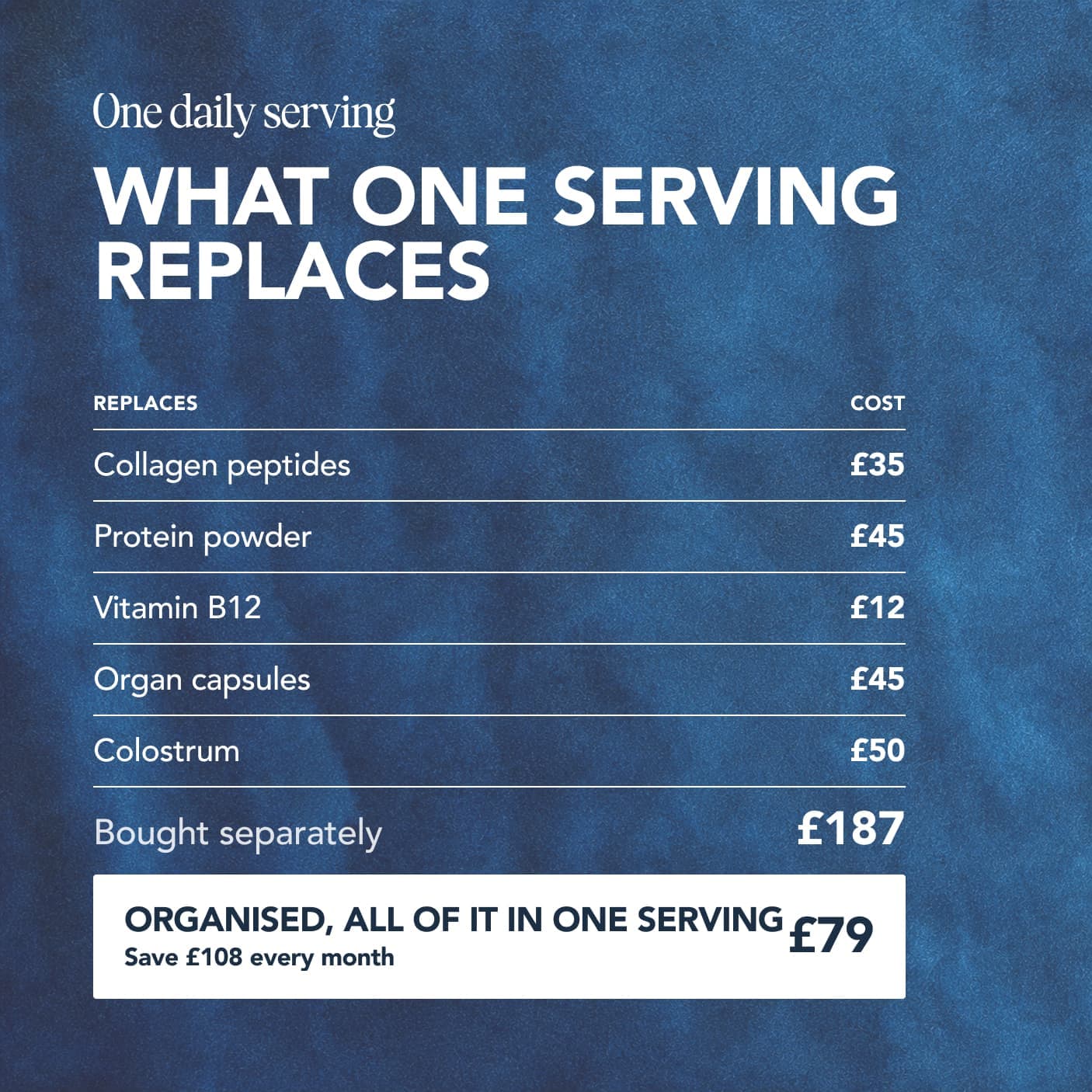
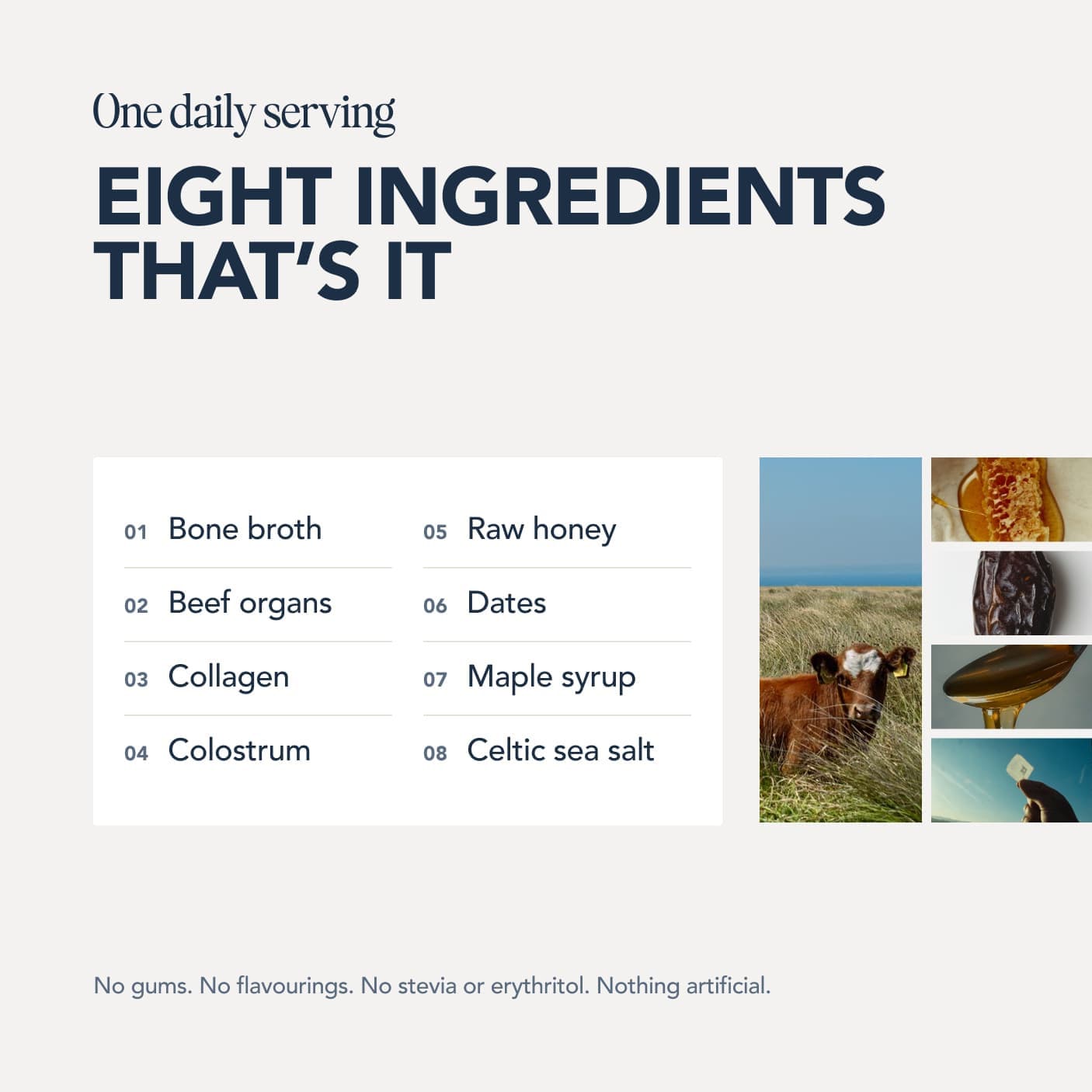
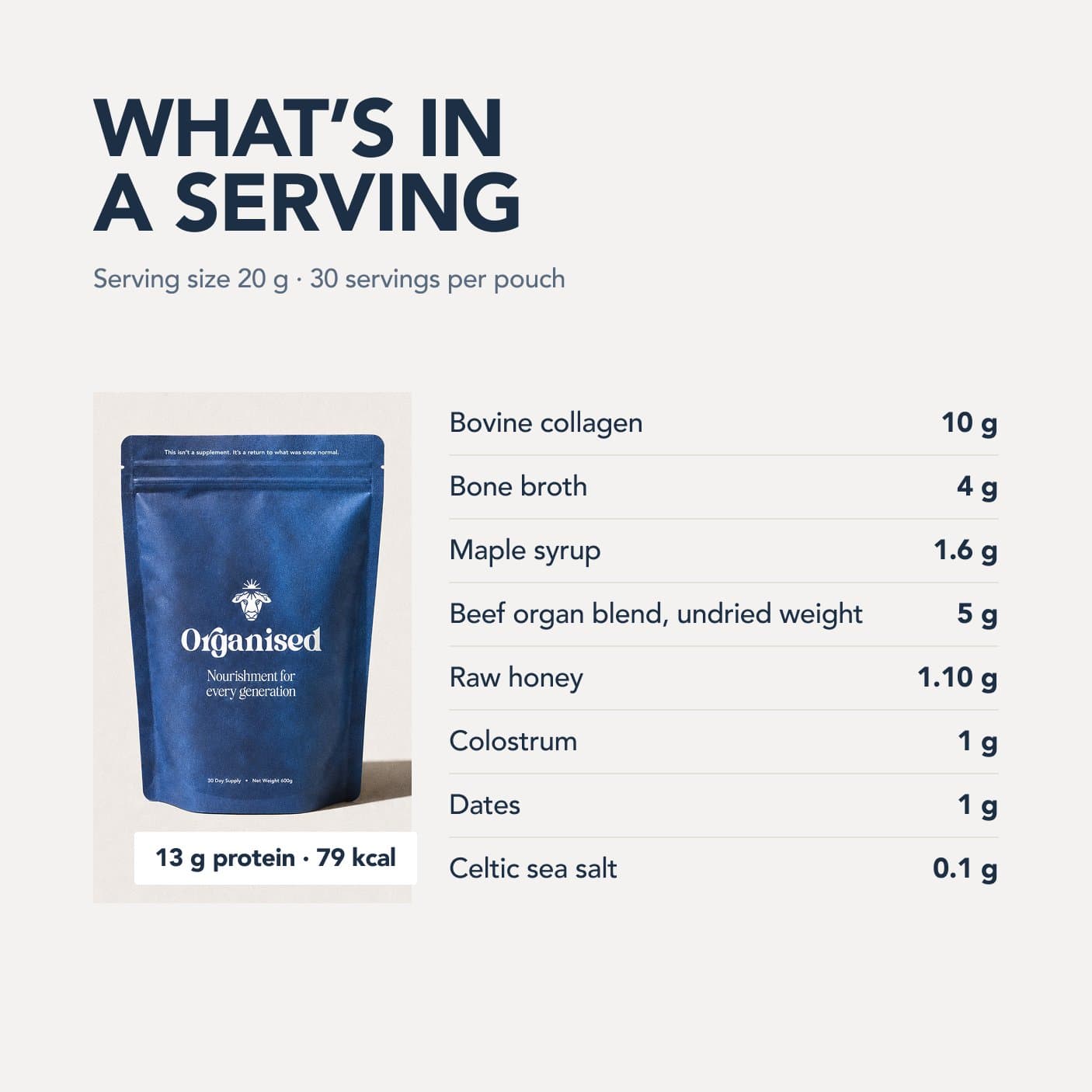
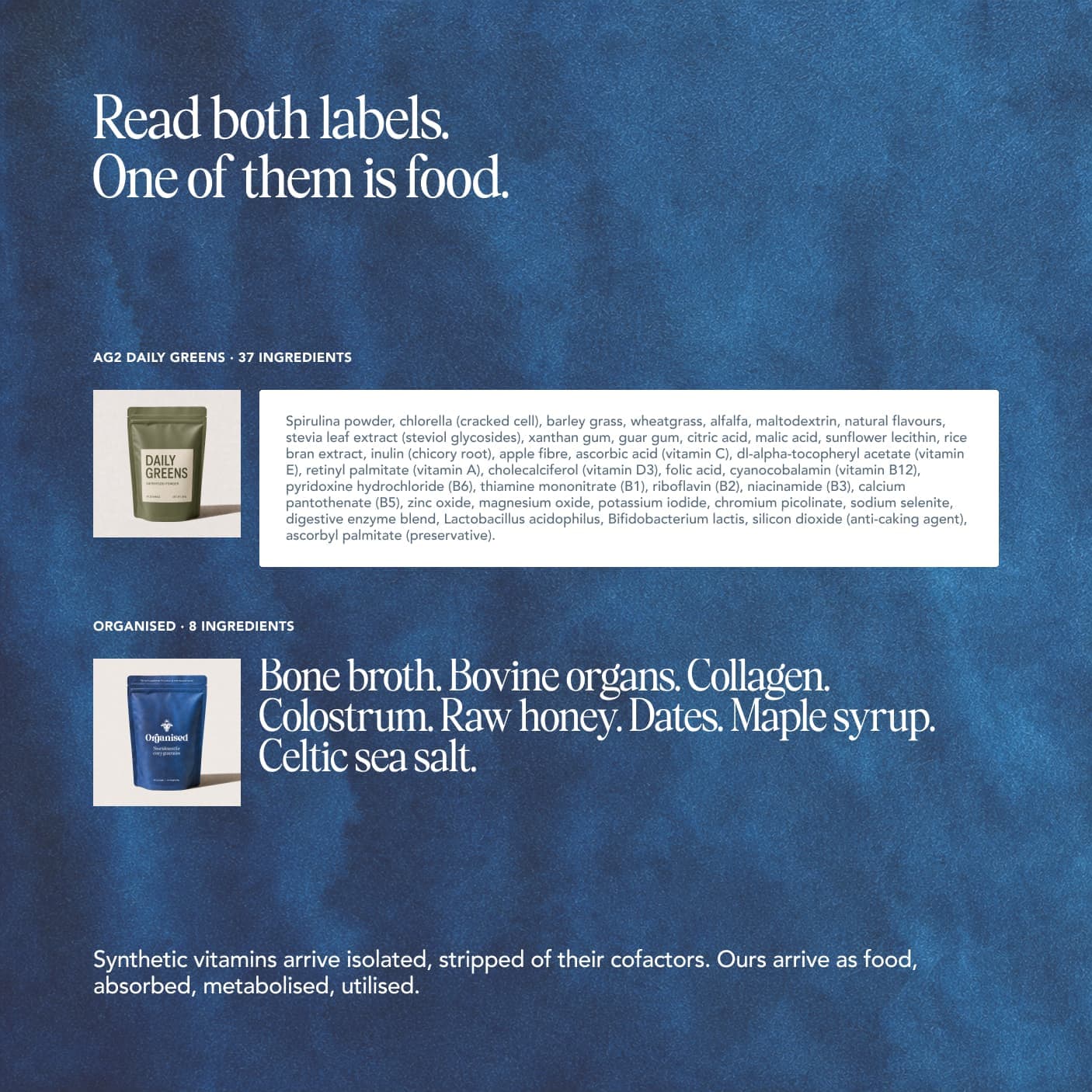
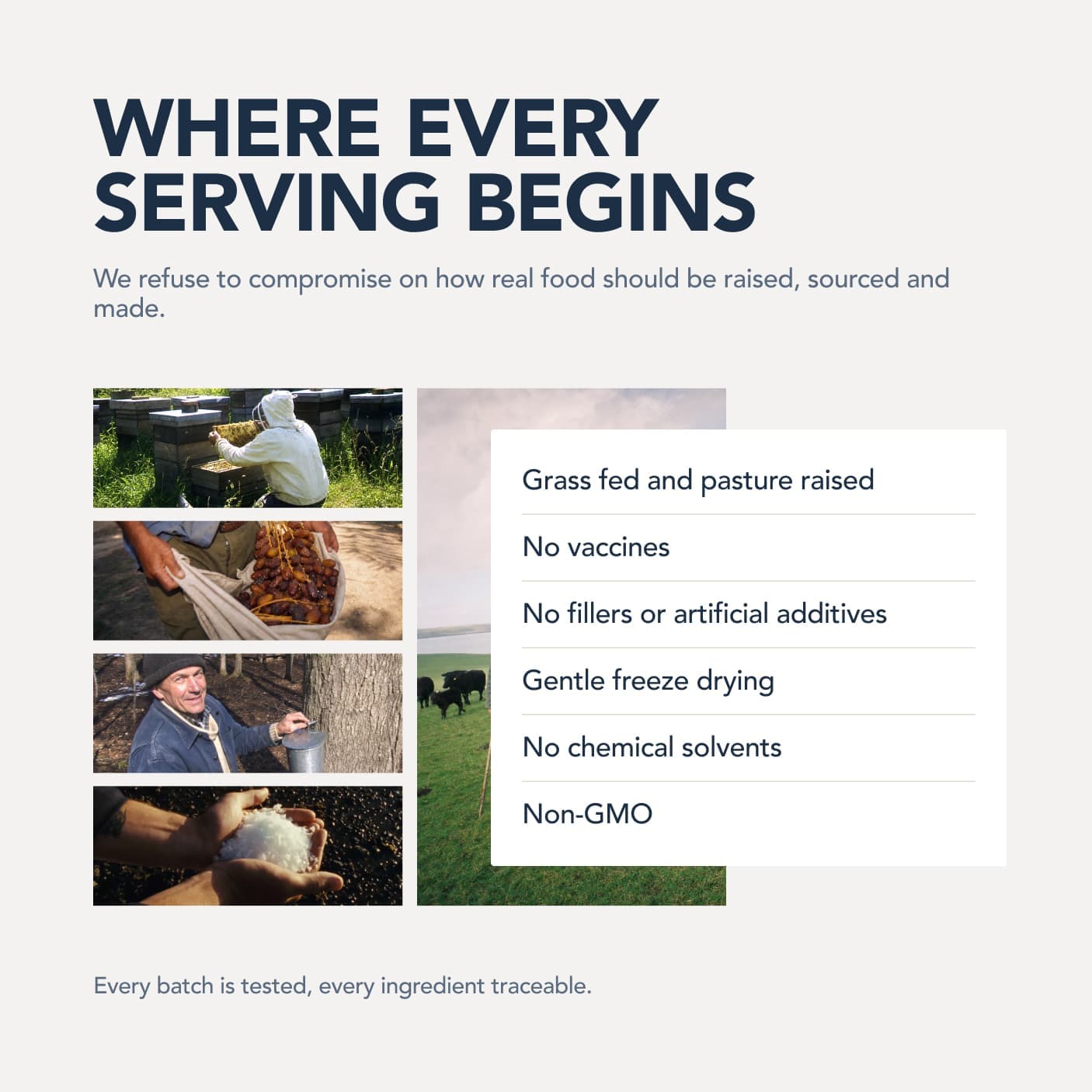
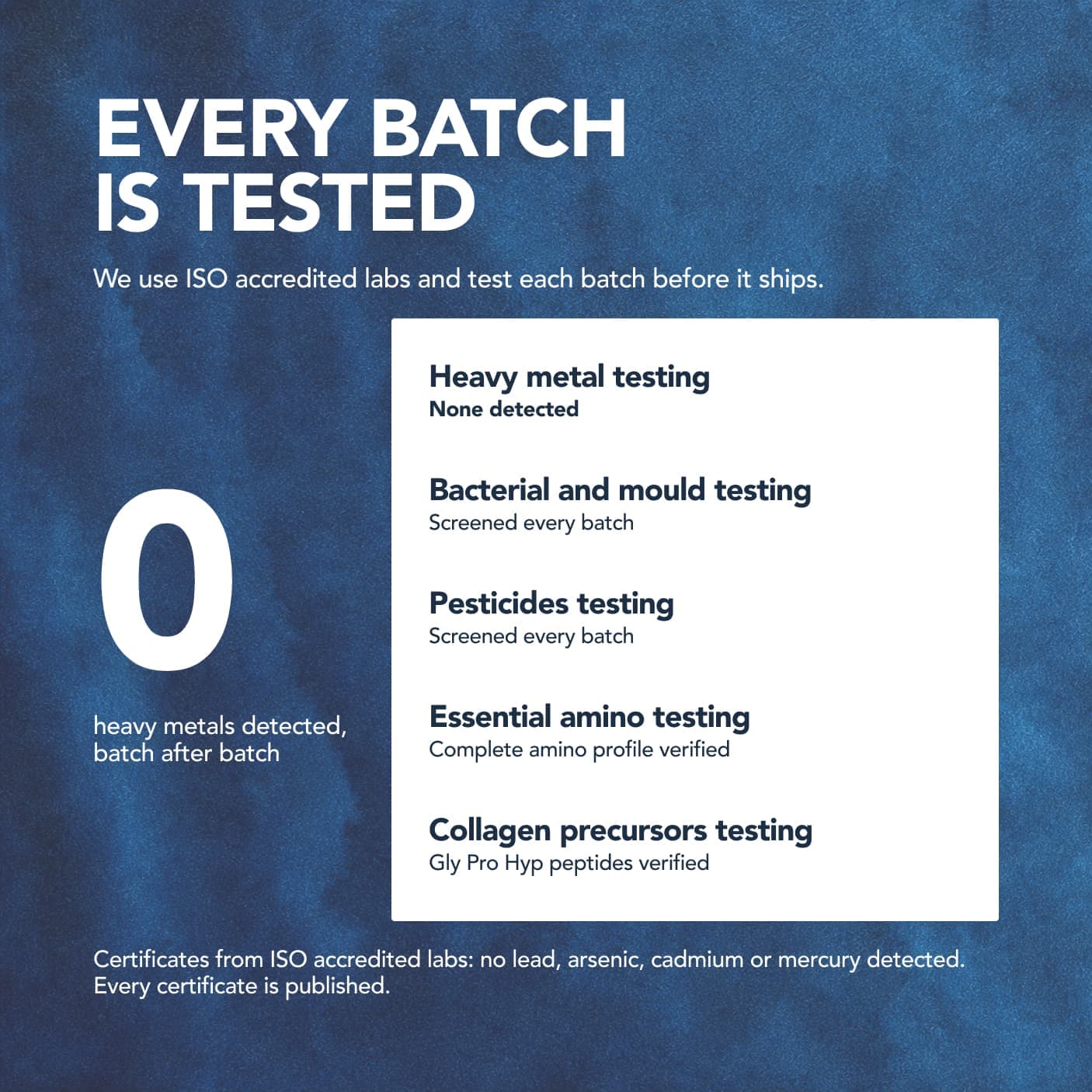
Eight real ingredients built around grass-fed beef organs, collagen and colostrum. Nothing synthetic added.
Free with your first order, worth £38. Plus £10 off the pouch with a subscription.
Free UK shipping · Made in England · 100 day money back guarantee on your first pouch · Skip, pause or cancel anytime
The transparency trap
There's a deeper problem with clean label marketing. It's supposed to be about transparency, but it's often the opposite. By focusing your attention on what's not in the product, it diverts attention from whether the product works.
A brand that lists a proprietary blend and refuses to disclose the doses of each ingredient is also using opacity. But at least you know they're being opaque. A brand that lists every ingredient clearly but includes them at ineffective doses is being transparent about the wrong things.
Real transparency would answer the questions above. It would disclose the form of each ingredient, the dose, the evidence for each claim, and the reasoning for each inclusion. Very few clean label brands do this.
The bottom line
Clean label is a marketing category, not a guarantee of quality or effectiveness. A clean label product avoids certain ingredients you've been conditioned to fear. But it tells you nothing about whether the product actually works. The most effective supplement isn't necessarily the cleanest-looking one. It's the one containing ingredients at doses backed by evidence, in forms your body can absorb, from a brand that can explain why each ingredient is there. These two things are often in conflict. When they are, effectiveness beats cleanness. You're not buying a supplement to feel good about the label. You're buying it to change your health. Make that the priority.
References
Every source below was checked on 27 August 2026. Each PubMed, PMC and DOI identifier was resolved against NCBI or Crossref, and what it opens is printed under the citation, so you can see the link goes where the citation says without leaving the page. Where a citation and its identifier disagreed, the citation was corrected to the record or the reference was deleted along with the sentence marker that pointed at it, and where the resolved paper turned out not to support the sentence, the sentence was cut back to what it does support. Borrowed authority is worse than none, because it looks like rigour.
- National Institutes of Health, Office of Dietary Supplements. Magnesium - Health Professional Fact Sheet. https://ods.od.nih.gov/factsheets/Magnesium-HealthProfessional/ [accessed May 2026].
- Shoba G, Joy D, Joseph T, et al. Influence of piperine on the pharmacokinetics of curcumin in animals and human volunteers. Planta Med. https://pubmed.ncbi.nlm.nih.gov/9619120/ [accessed May 2026].Checked 27 August 2026: PMID 9619120 opens Shoba G, Joy D, Joseph T et al, Influence of piperine on the pharmacokinetics of curcumin in animals and human volunteers. Planta Med 1998;64(4):353-6. PubMed indexes it as: Clinical Trial.
Who wrote and reviewed this guide
Niall Kiddle
Author · Founder, Organised
Niall is the founder of Organised. He started the company in 2024 after fixing his own health the slow way: in 2022 he swapped a cupboard of synthetic supplements for real food, raw milk, organ meats, bone broth and honey, and felt the difference within months.
Areas of expertise: Ancestral nutrition, Organ meats, Whole-food supplementation, Gut health, Regenerative sourcing
Read Niall's full profile
Pedro Rodrigues
Reviewer · Agronomist (farming and sourcing only)
Pedro is the agronomist Organised works with on farming and sourcing. His job on the guides is to keep the science honest: he reviews what we publish about soil health, regenerative agriculture, grazing and the way food is actually produced.
Areas of expertise: Regenerative agriculture, Agronomy, Soil health, Grass-fed farming, Food sourcing
Reviewed this guide on
Read Pedro's full profileMore on movement
View all- The Return to Real Food: Why Millions Are Rejecting Ultra-Processed Diets
- Against Ultra-Processed: A Manifesto for Real Food
- Find a Farm: How to Source Real Food Near You
- Food Sovereignty: Taking Back Control of What You Eat
- Processed Food Companies Don't Want You to Know This
- Social Media and Nutrition: Navigating the Noise
- The Anti-UPF Movement: What's Driving the Backlash Against Processed Food
- The Raw Milk Renaissance: Our Documentary
- The Rise of Ancestral Eating in the UK
- What 'Nourishment for Every Generation' Really Means to Us
- Why 'Eat Less, Move More' Failed a Generation
- Why More Doctors Are Recommending Whole Food Over Supplements
Browse the guides library
All guidesKeep reading

Culture & community
The Raw Milk Renaissance: Our Documentary
Our raw milk documentary, The Death of Normal: Milk, premieres 31 May 2026. Filmed at Plaw Hatch and UK farms still making milk the original way.

Culture & community
How Niall's Mum Reversed 15 Years of IBS
Niall's mum lived with IBS for 15 years before her symptoms eased after adding organs and collagen back to her diet. The story behind Organised.

Culture & community
Social Media and Nutrition: Navigating the Noise
Learn how to evaluate nutrition claims on social media. Build critical thinking skills to separate science from marketing hype.
Real food, made effortless
Shop the blendA few ways to use it
All recipes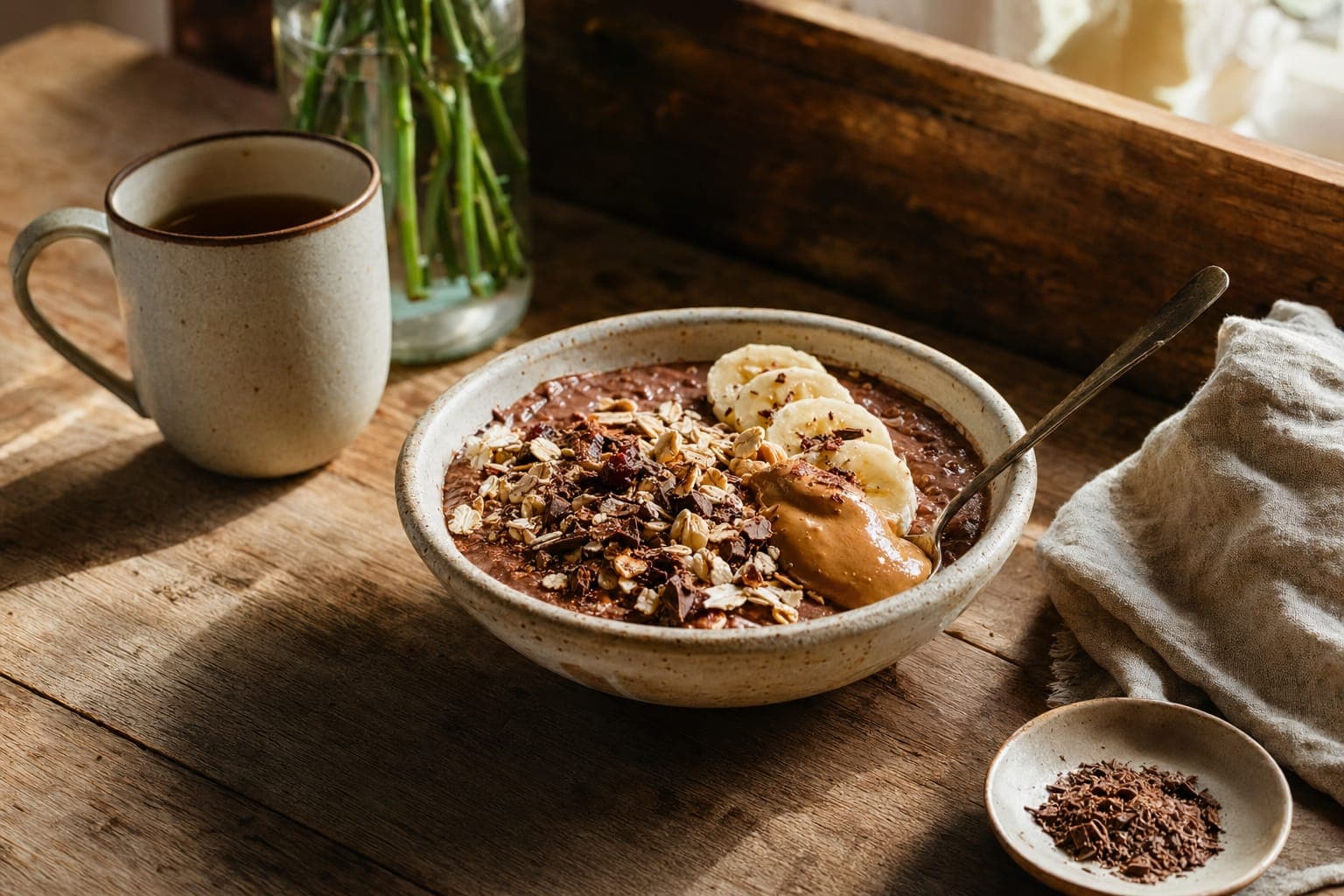
10 Ways to Use Organised That Aren't Just a Shake
Move beyond the basic shake. Discover 10 creative ways to use Organised in smoothie bowls, oats, yoghurt, baking, and more.
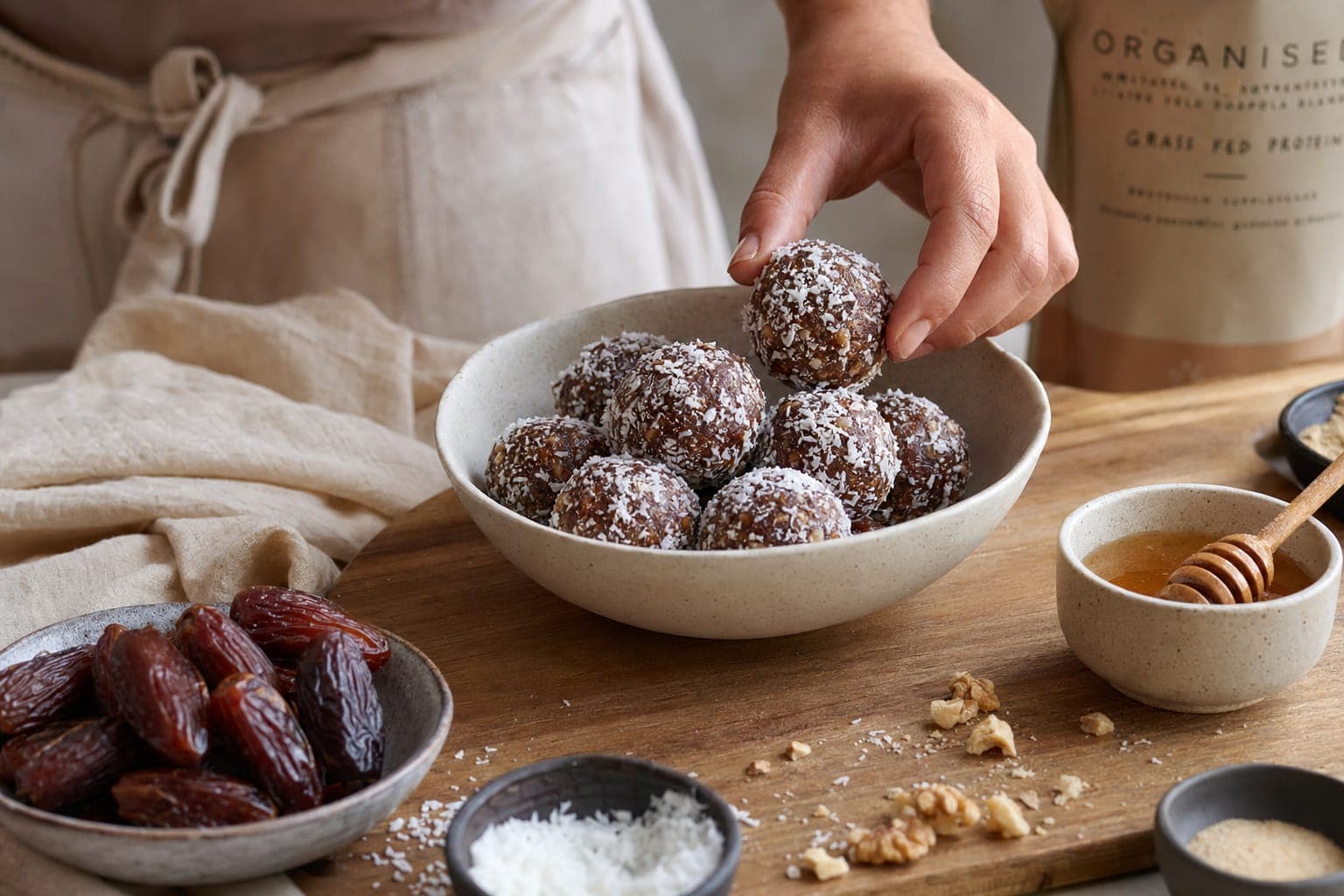
Energy Balls with Organised, Dates and Raw Honey
Make no-bake energy balls with Organised, dates, and raw honey. Perfect lunch box, pre-workout, or on-the-go snack. Simple recipe.
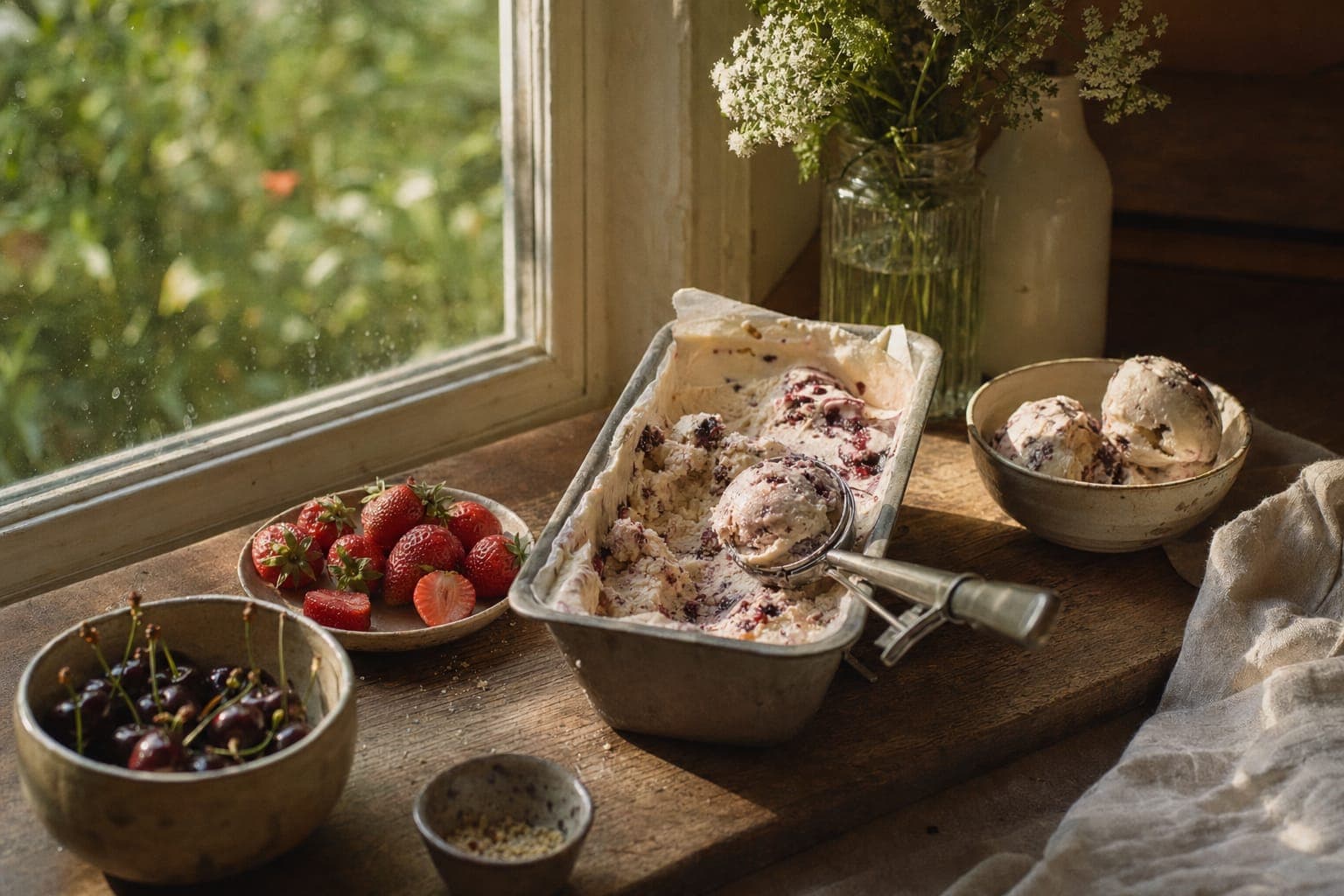
Raw Milk Ice Cream with Organised
Make raw milk ice cream at home with Organised for a seasonal, nutrient-dense treat. Three simple flavours to try whenever the craving strikes.


 Join over 100,000+ members
Build a better food system with us
The Organised community is thousands of people choosing real food and backing the farmers who grow it, all of us trying to leave the world a little better than we found it. If that is what you care about too, you belong here.