Why More Doctors Are Recommending Whole Food Over Supplements
The supplement you're taking was recommended 15 years ago based on research that's since been debunked. Your doctor knows this, and it's frustrating them quietly. The conversation in medical circles has shifted. It's no longer about which supplement protocol to recommend. It's about whether supplements are necessary at all when real food works better.
By Niall Kiddle, Founder, Organised

Reviewed by Pedro Rodrigues, Agronomist (farming and sourcing only) ·
6 min read · Published · Updated · 3 cited sources
Makers of the Organised Daily blend, a grass-fed beef organ supplement from regenerative UK farms

This isn't fringe opinion anymore. This is the mainstream shift happening in evidence-based medicine, and it's happening because the research finally caught up with what the body has always known.

The evidence against supplement protocols
The supplement industry was built on a specific premise: nutrient deficiency causes disease, supplement the nutrient, disease is prevented. The research seemed to support it. Large prospective studies suggested supplements prevented disease. Doctors recommended them with confidence grounded in what appeared to be rigorous evidence.
Then the research didn't hold up at scale. VITAL trial: vitamin D supplementation didn't prevent bone fracture or cardiovascular disease at the expected rates.1 Selenium supplementation: didn't prevent prostate cancer. Beta-carotene: actually increased lung cancer risk in smokers (that's not prevention, that's harm).2 Fish oil: doesn't consistently prevent heart attacks despite decades of enthusiastic recommendation based on earlier smaller studies.
A doctor trained in the 1990s was taught to confidently recommend these supplements. That same doctor in 2026, reading current evidence, realises: the research contradicts what I was taught. The protocols I recommended have been shown ineffective. That's a visceral moment. It's also driving the shift quietly across medical practice as doctors recalibrate their approach based on evidence rather than earlier beliefs.
The research showing supplements prevent disease has mostly failed at scale. The evidence showing whole food works is accumulating.
Why doctors spent decades recommending supplements
It seemed reasonable. Micronutrients are essential. Isolation seemed logical. Food quality varies. Supplementation seemed like a way to ensure dose. The simplicity was seductive. And the industry had funding for research that showed positive results.
Doctors also didn't have good alternatives. A patient with deficiency or disease. The food-first conversation requires nuance, time, ongoing support, and follow-up. A supplement bottle requires one recommendation and minimal follow-up. It was pragmatic, even if incomplete. The system optimised for efficiency, not optimality.
Time constraints mattered too. A GP has 10 minutes. Recommending a multivitamin is faster than discussing seasonal eating, organ sourcing, and fermentation techniques. The system optimised for simplicity. But this creates a problem. Supplements become the path of least resistance. Food becomes optional. The patient feels they've done something (taken a pill), so deeper dietary change doesn't happen. That's how you end up with millions of people taking supplements whilst eating ultra-processed food, wondering why they're still ill.
What the research actually shows now
Tim Spector's work at King's College London through ZOE research is showing something clear: nutrient diversity matters more than nutrient quantity or supplementation. Eat diverse whole foods, and the nutrient profile takes care of itself. An apple contains over 200 compounds your body recognises and can use. A multivitamin contains 12 to 20 isolated compounds your body processes differently.
Chris van Tulleken's BBC work on ultra-processed food shows a substantial proportion of the UK adult diet is UPF.3 That's the disease driver, not nutrient deficiency. Fix that. Everything else follows. A supplement doesn't fix a diet of ultra-processed food.
Aseem Malhotra's research on cardiovascular disease shows statins have become the default first-line treatment despite evidence that food-first approaches (reducing seed oils, increasing real food, addressing inflammation through nutrition) show comparable or better benefit. His work in BBC's "Doctor in the House" follows families making dietary changes. The results are consistent: real food works. Drugs and supplements don't need to be first-line.
Rangan Chatterjee, also on BBC's "Doctor in the House", emphasizes lifestyle first: real food, sleep, movement, stress management. Supplements are never the first line. They're the last-resort gap-filler after you've fixed the foundational things.
The pattern is clear to any doctor reading this work: food first. Test if deficiency exists. Supplement only if food can't fill the gap. This is the shift happening in medical circles now.
The food-first movement in medicine
Functional and preventive medicine doctors are leading this shift. Their entire practice is built on food-first approaches. They test comprehensively. They find actual deficiencies. They address them through food first. Supplements are used, but strategically and with evidence of deficiency.
Cardiologists like Aseem Malhotra are questioning whether statins should be first-line therapy for cardiovascular disease, given that dietary changes (removing seed oils, adding whole food) show comparable benefit without the side effects. That's a major recalibration from 20 years of standard cardiology practice.
GP practices are also quietly shifting. The NHS has no budget for supplements. It always favoured food-first approaches by economic necessity. As the evidence base supports that, food-first moves from budget constraint to best practice evidence-based medicine.
Medical schools are beginning to include serious nutrition education again. For decades, nutrition was barely taught. That's changing. Young doctors are learning food pharmacology: what compounds are in different foods, how do they interact with human biology, what mechanisms support healing. This foundation makes supplement-first approaches feel incomplete or even wrong.

Get stories from the community, free
Two short reads a week on the farmers, the standards, and the return to real food.
By signing up you agree to receive emails from us. No spam, unsubscribe anytime.
Named medical professionals shifting the conversation
Tim Spector: His ZOE work is reshaping how the medical community thinks about micronutrition and dietary diversity. The evidence is clean: diverse whole foods deliver micronutrient needs better than targeted supplementation. His research is cited across medical journals and taught in medical schools.
Aseem Malhotra: A cardiologist questioning whether we've over-medicalized heart disease through statins, suggesting food-first approaches grounded in evidence. His book "The Pioppi Diet" and his BBC work show his commitment to this shift. His position carries weight because he's medical establishment, not wellness industry.
Chris van Tulleken: A paediatrician and broadcaster whose work on ultra-processed food is shaping how doctors talk about nutrition across the UK. His evidence-based critique of UPF is influencing medical opinion and media coverage. Doctors cite his work.
Rangan Chatterjee: A GP on BBC's "Doctor in the House", publicly recommending lifestyle changes (real food, sleep, movement) before pharmaceutical intervention. His approach represents a quiet revolution in general practice thinking and what patients expect from their doctors.
These aren't wellness influencers. They're published researchers and practising doctors whose work is being taken seriously by peers and shaping medical education. Their position: food first, supplements strategically, medications only when needed.
1 of 9
Daily blend
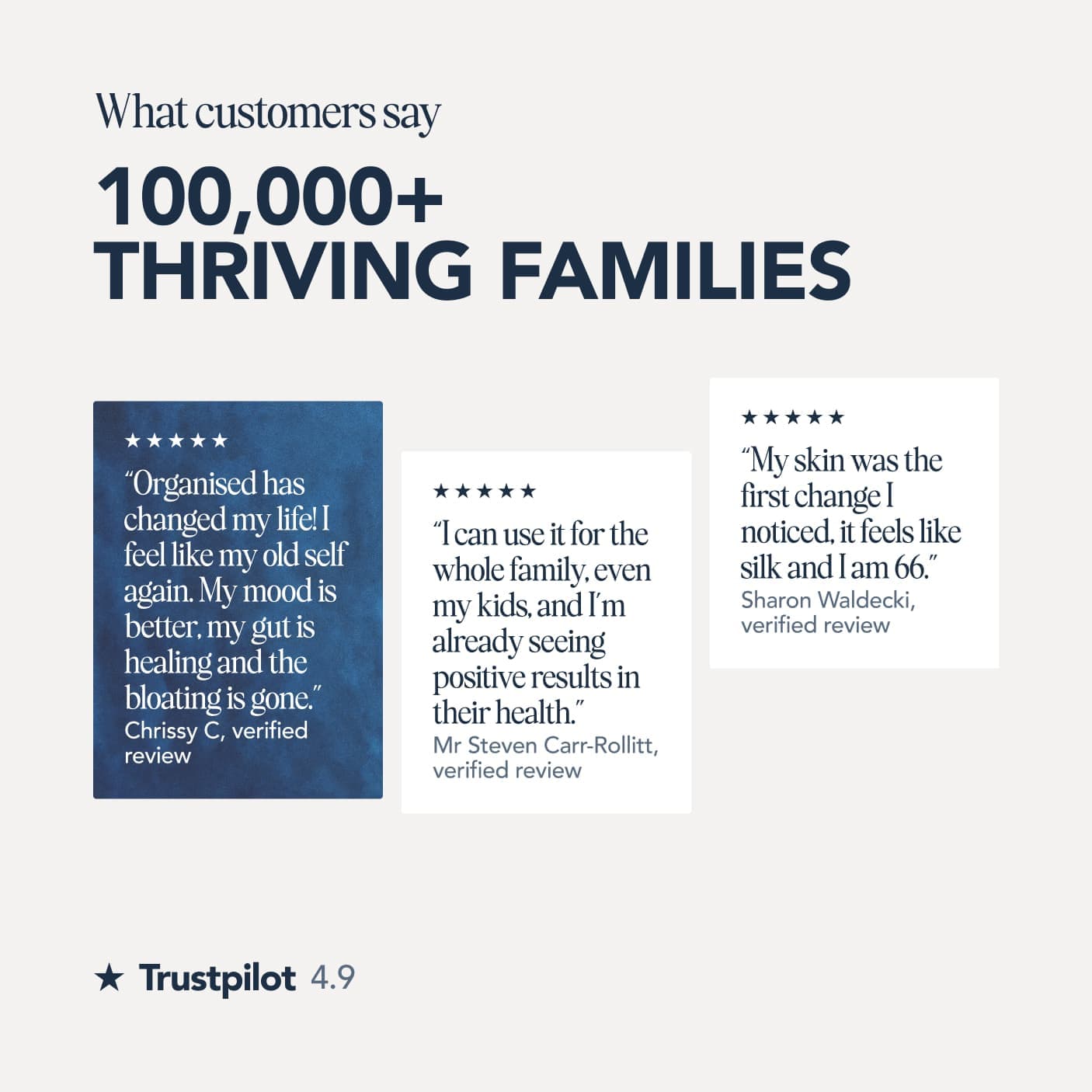
100,000+ thriving families4.9 on Trustpilot
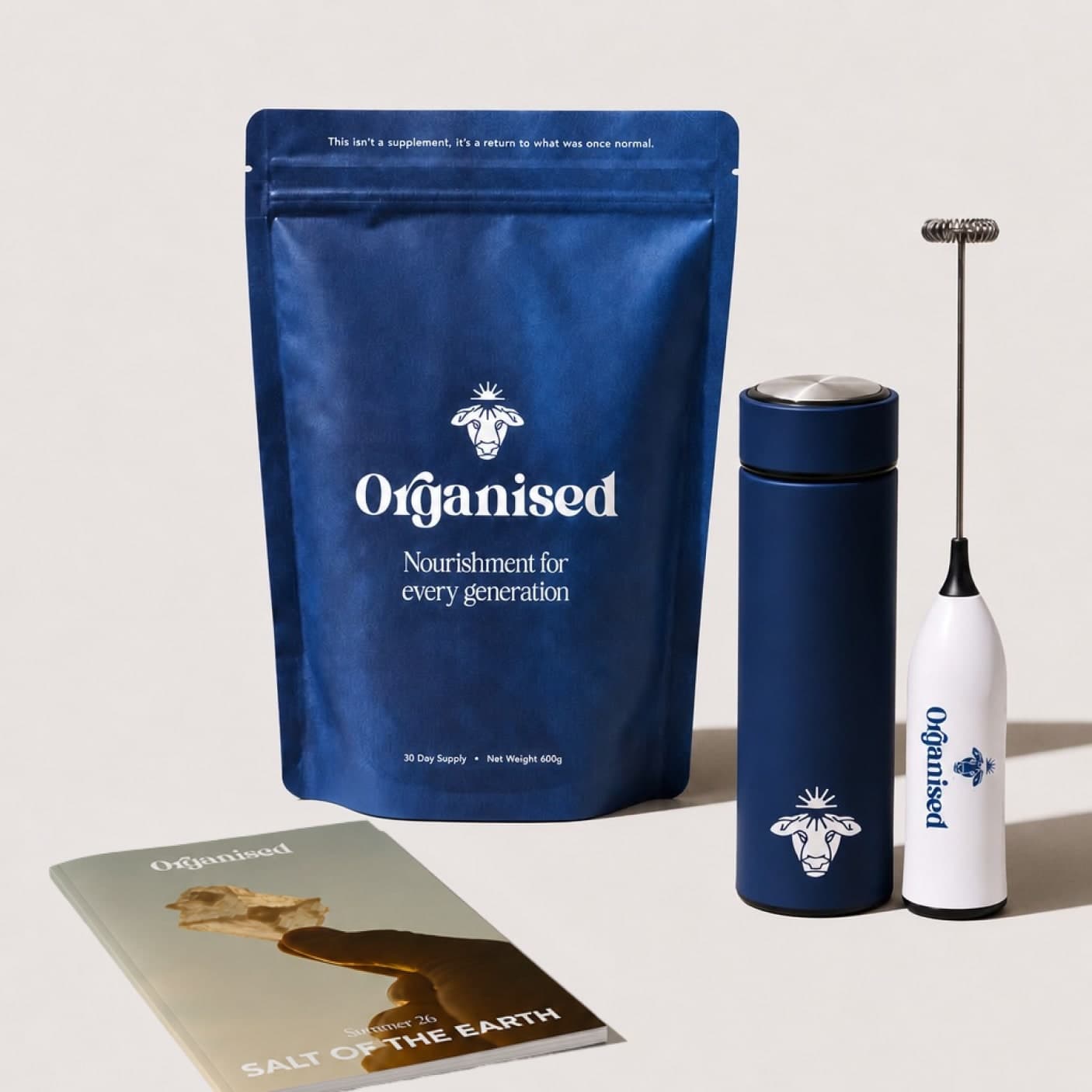
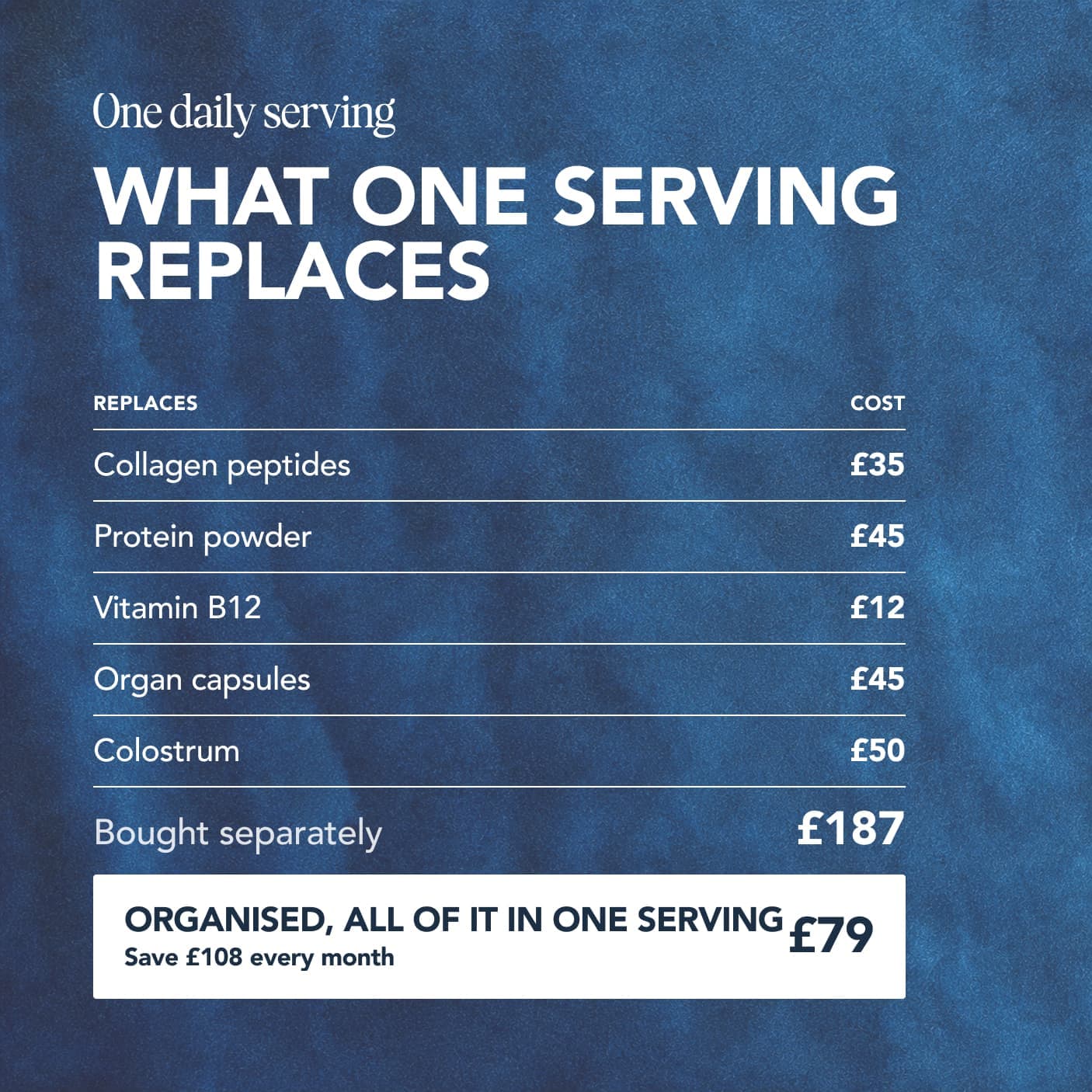
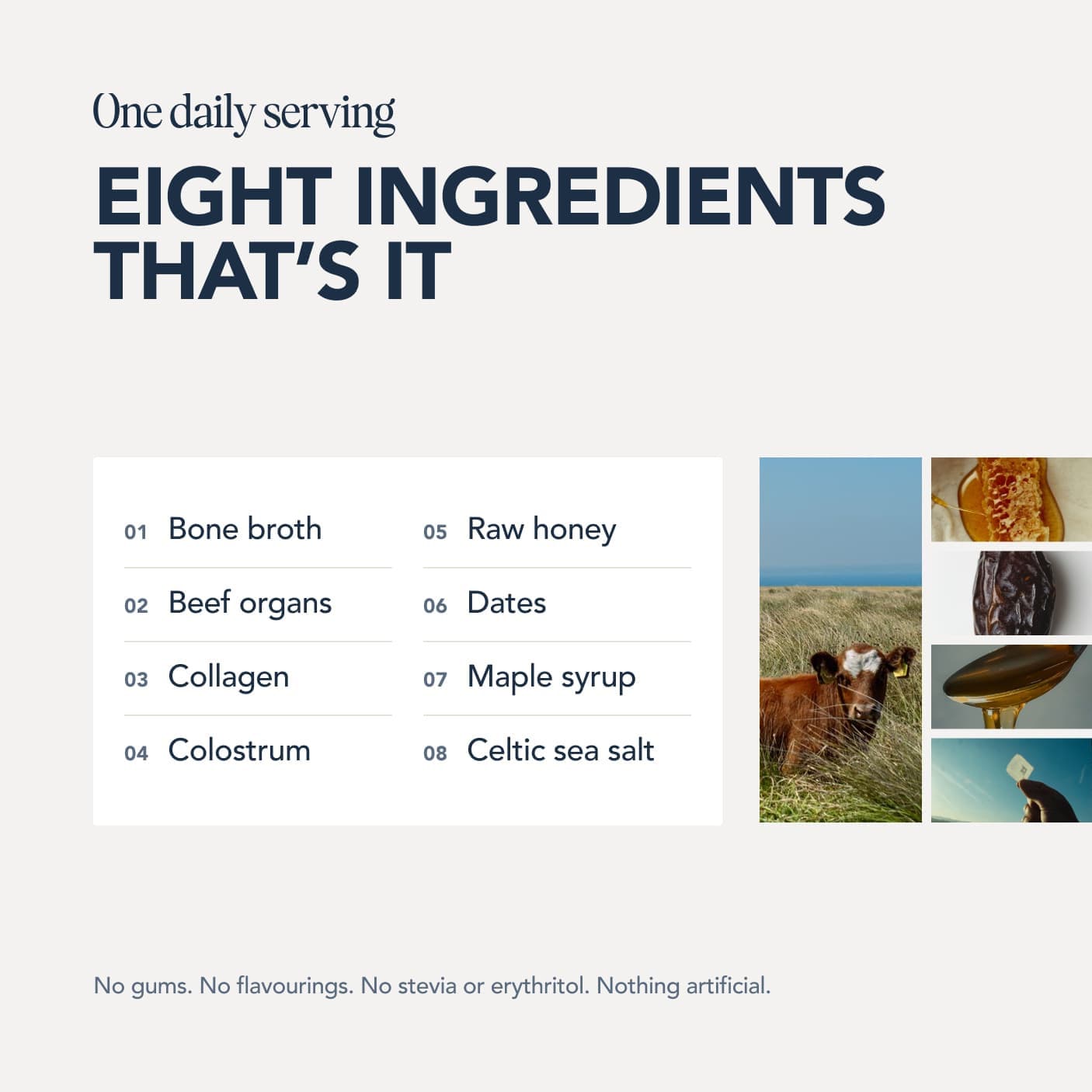
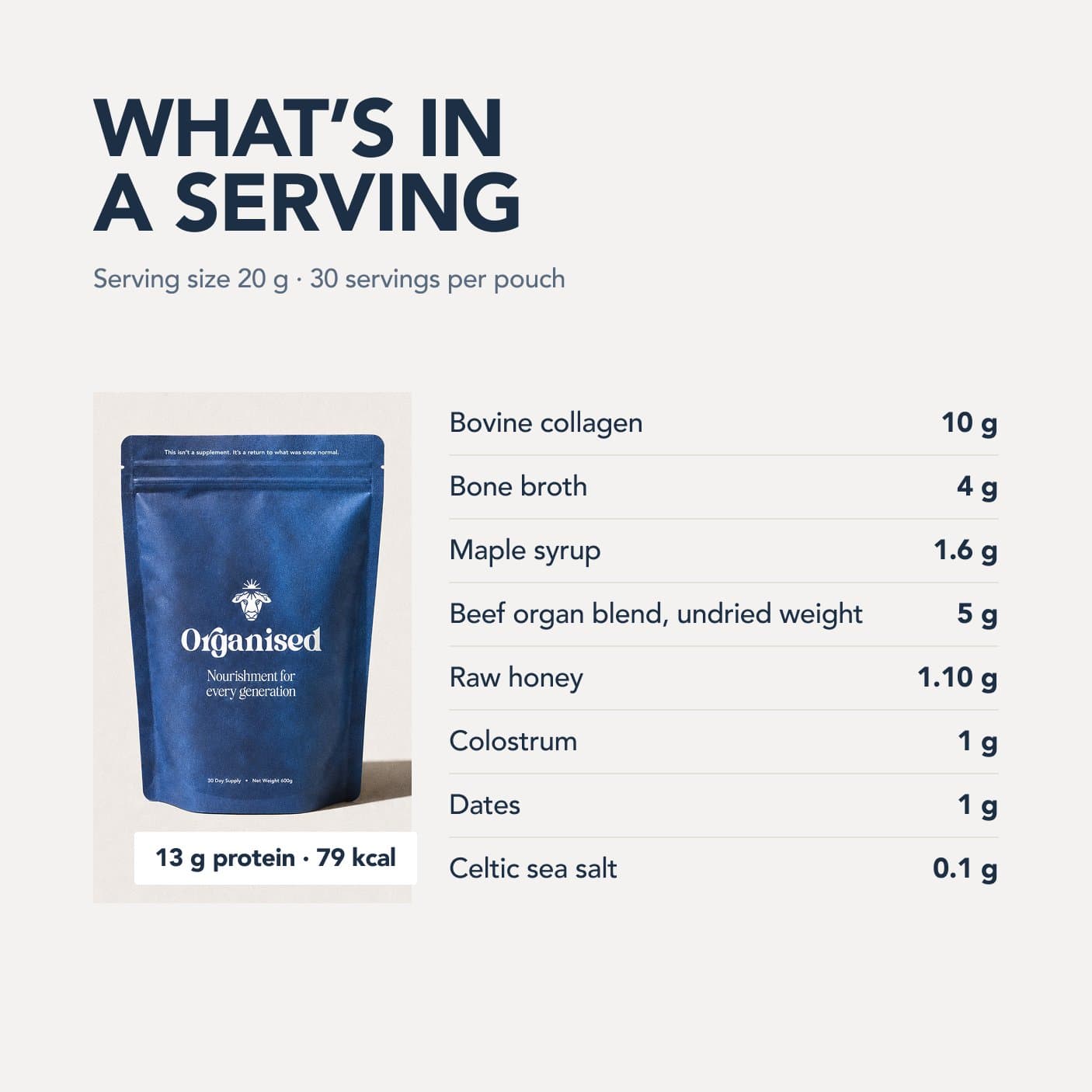
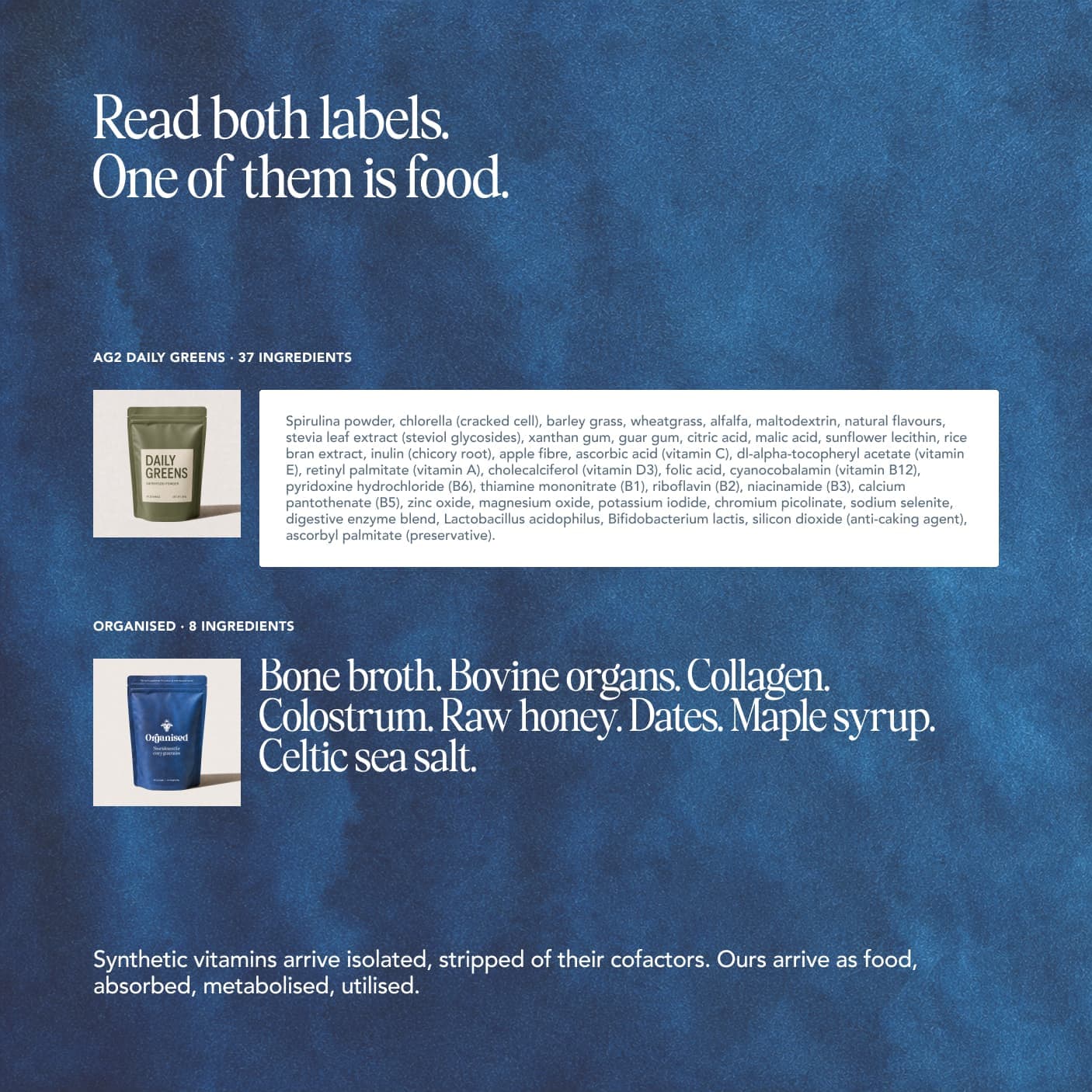
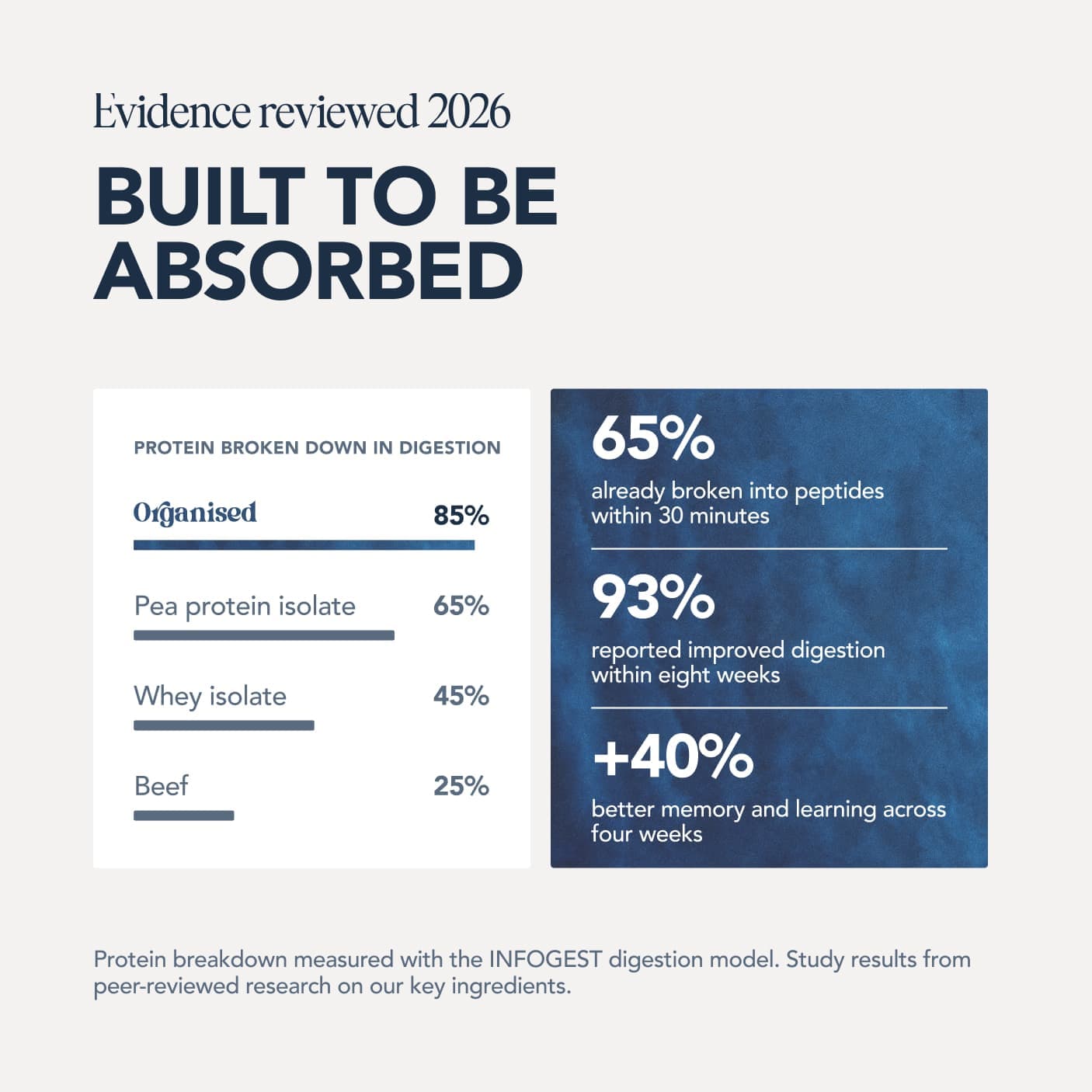
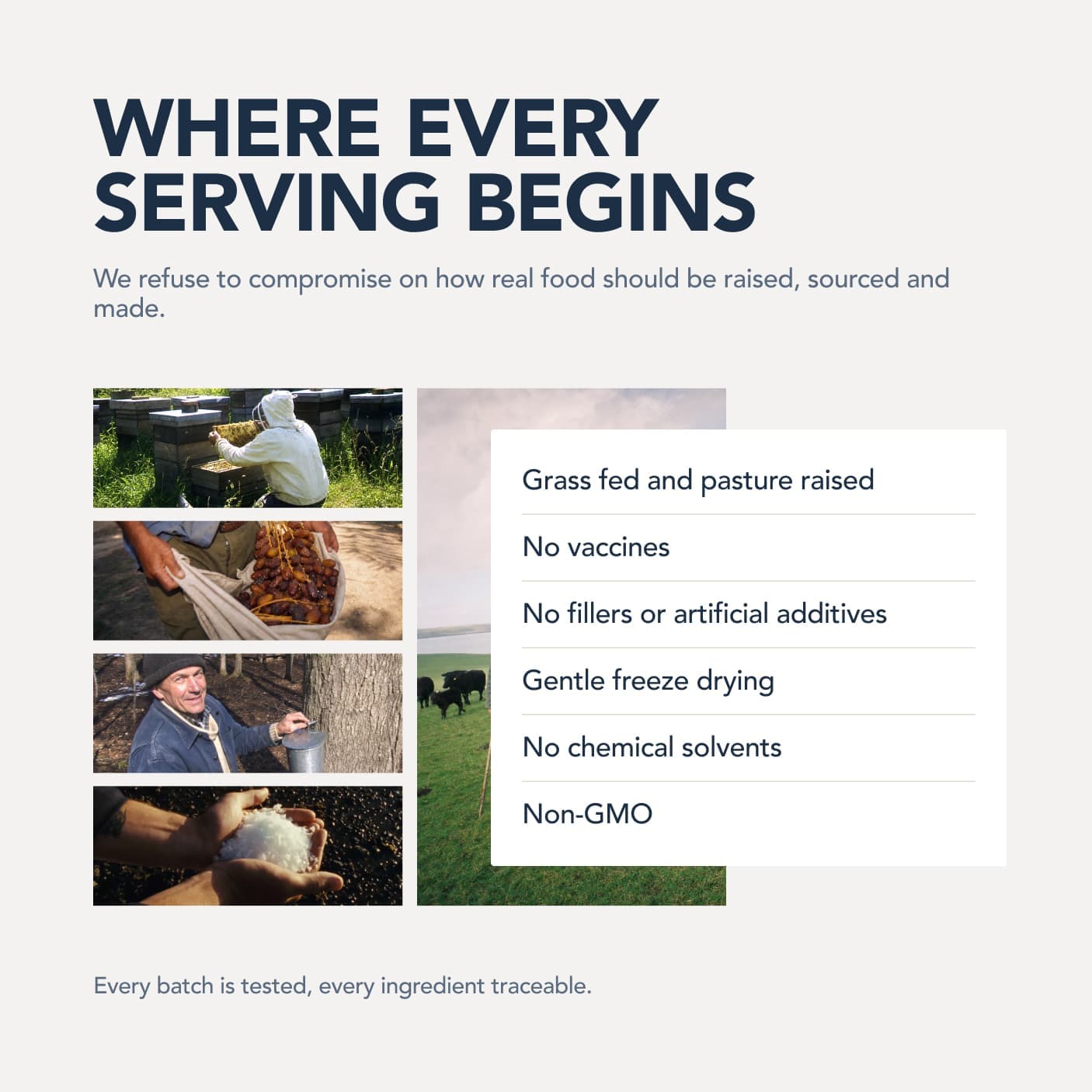
Eight real ingredients built around grass-fed beef organs, collagen and colostrum. Nothing synthetic added.
Free with your first order, worth £38. Plus £10 off the pouch with a subscription.
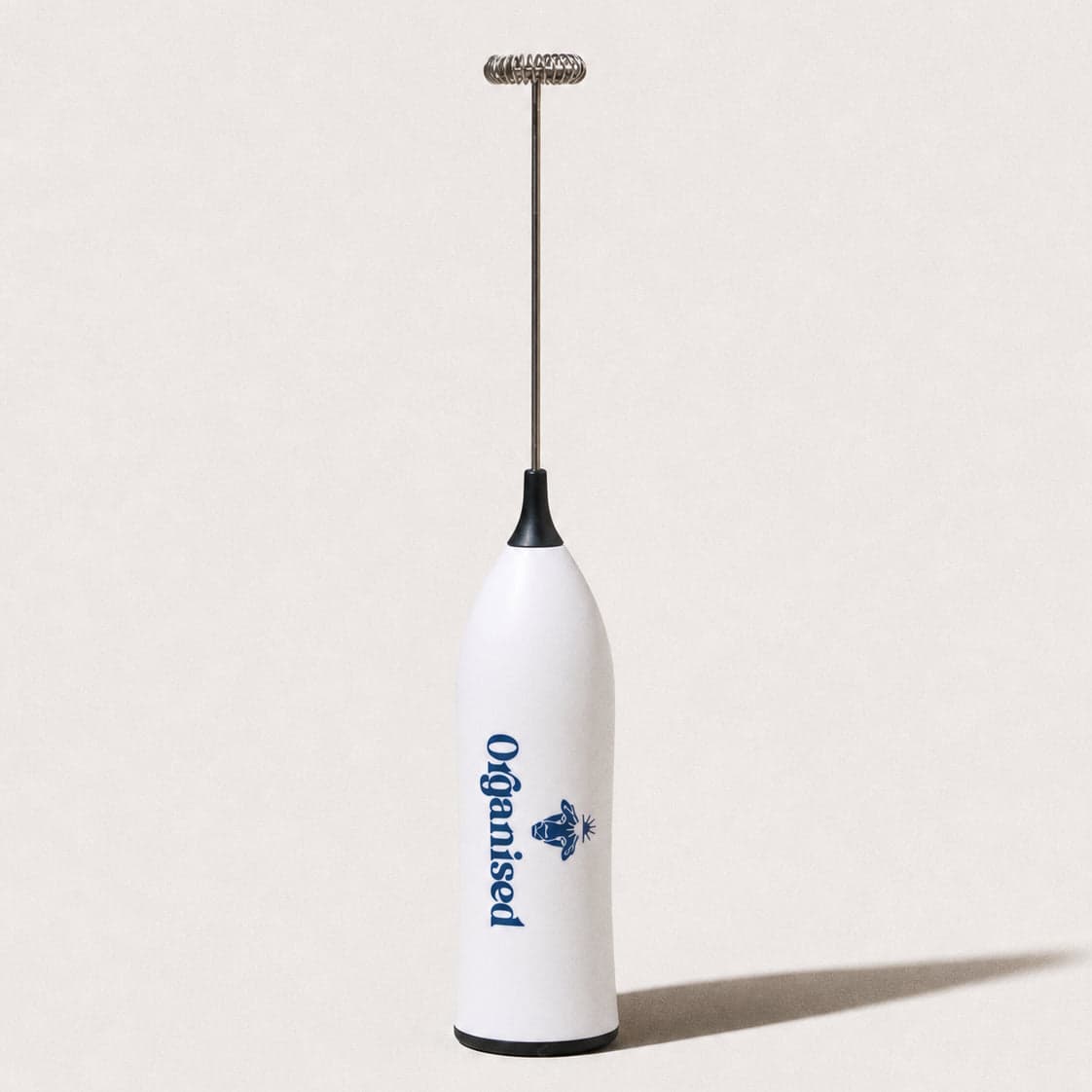

Free UK shipping · Made in England · 100 day money back guarantee on your first pouch · Skip, pause or cancel anytime
What NHS practices are doing
NHS GPs are increasingly recommending dietary change as first-line treatment for type 2 diabetes, obesity, and hypertension. This isn't new official guidance universally. It's practitioners reading the evidence and realising: we should have been doing this all along.
Referrals to registered dietitians are increasing, specifically with instructions to focus on whole food and nutrient density rather than calorie restriction or carbohydrate restriction. The rationale is clear in the evidence: whole food delivers better outcomes than protocol-driven diets.
Supplement recommendations from NHS GPs are becoming more conservative and evidence-based. Vitamin D in winter (justified by UK latitude and evidence). B12 if testing shows deficiency. The rest? The guidance is increasingly: eat real food, test if concerned, the body will sort it. This is happening because GPs are reading the same research doctors everywhere are reading.
This is the direction. The supplement era is quietly closing.
The medical consensus is shifting. Not universally. But the evidence-based doctors are recommending whole food. That's the direction the field is moving.
The bottom line
More doctors are recommending whole food over supplements because the evidence supports it. Not because supplements are useless. Because food works better. Because a patient eating real food requires fewer prescriptions. Because the research showing supplements prevent disease has largely failed at scale, whilst the research showing real food works keeps accumulating and becoming more rigorous.
This isn't a wellness trend. This is a medical recalibration based on evidence. And it's changing how doctors practise, what they recommend, and how patients get well.
References
Every source below was checked on 27 August 2026. Each PubMed, PMC and DOI identifier was resolved against NCBI or Crossref, and what it opens is printed under the citation, so you can see the link goes where the citation says without leaving the page. Where a citation and its identifier disagreed, the citation was corrected to the record or the reference was deleted along with the sentence marker that pointed at it, and where the resolved paper turned out not to support the sentence, the sentence was cut back to what it does support. Borrowed authority is worse than none, because it looks like rigour.
- LeBoff MS, Chou SH, Ratliff KA, et al. Supplemental Vitamin D and Incident Fractures in Midlife and Older Adults. N Engl J Med (VITAL trial). https://pubmed.ncbi.nlm.nih.gov/35939577/ [accessed May 2026].Checked 27 August 2026: PMID 35939577 opens LeBoff MS, Chou SH, Ratliff KA et al, Supplemental Vitamin D and Incident Fractures in Midlife and Older Adults. N Engl J Med 2022;387(4):299-309. PubMed indexes it as: Randomized Controlled Trial.
- The Alpha-Tocopherol, Beta Carotene Cancer Prevention Study Group. The effect of vitamin E and beta carotene on the incidence of lung cancer and other cancers in male smokers. N Engl J Med. https://pubmed.ncbi.nlm.nih.gov/8127329/ [accessed May 2026].Checked 27 August 2026: PMID 8127329 opens Alpha-Tocopherol, Beta Carotene Cancer Prevention Study Group, The effect of vitamin E and beta carotene on the incidence of lung cancer and other cancers in male smokers. N Engl J Med 1994;330(15):1029-35. PubMed indexes it as: Clinical Trial, Randomized Controlled Trial.
- Rauber F, Steele EM, Louzada MLDC, et al. Ultra-processed food consumption and indicators of obesity in the United Kingdom population. PLoS One. https://pmc.ncbi.nlm.nih.gov/articles/PMC7194406/ [accessed May 2026].Checked 27 August 2026: PMC7194406 opens Rauber F, Steele EM, Louzada MLDC et al, Ultra-processed food consumption and indicators of obesity in the United Kingdom population (2008-2016). PLoS One 2020;15(5):e0232676.The authors' own declaration, from the record: The authors have declared that no competing interests exist.
Who wrote and reviewed this guide
Niall Kiddle
Author · Founder, Organised
Niall is the founder of Organised. He started the company in 2024 after fixing his own health the slow way: in 2022 he swapped a cupboard of synthetic supplements for real food, raw milk, organ meats, bone broth and honey, and felt the difference within months.
Areas of expertise: Ancestral nutrition, Organ meats, Whole-food supplementation, Gut health, Regenerative sourcing
Read Niall's full profile
Pedro Rodrigues
Reviewer · Agronomist (farming and sourcing only)
Pedro is the agronomist Organised works with on farming and sourcing. His job on the guides is to keep the science honest: he reviews what we publish about soil health, regenerative agriculture, grazing and the way food is actually produced.
Areas of expertise: Regenerative agriculture, Agronomy, Soil health, Grass-fed farming, Food sourcing
Reviewed this guide on
Read Pedro's full profileMore on movement
View all- The Return to Real Food: Why Millions Are Rejecting Ultra-Processed Diets
- Against Ultra-Processed: A Manifesto for Real Food
- Find a Farm: How to Source Real Food Near You
- Food Sovereignty: Taking Back Control of What You Eat
- Processed Food Companies Don't Want You to Know This
- Social Media and Nutrition: Navigating the Noise
- The Anti-UPF Movement: What's Driving the Backlash Against Processed Food
- The Problem with 'Clean Label' Marketing
- The Raw Milk Renaissance: Our Documentary
- The Rise of Ancestral Eating in the UK
- What 'Nourishment for Every Generation' Really Means to Us
- Why 'Eat Less, Move More' Failed a Generation
Browse the guides library
All guidesKeep reading

Culture & community
Bank Holiday Nutrition: How to Eat Well When You're Off Routine
UK bank holidays mean disrupted routine. Here's how to navigate pub lunches, travel, and family gatherings without abandoning real food.
Culture & community
Against Ultra-Processed: A Manifesto for Real Food
A manifesto for real food over ultra-processed products. Why a way of eating your body already understands beats the packets, and how to come back to it.

Culture & community
The Return to Real Food: Why Millions Are Rejecting Ultra-Processed Diets
The backlash against ultra-processed diets is reshaping food culture. Discover why millions are returning to real food and what's driving the shift.
Real food, made effortless
Shop the blendA few ways to use it
All recipes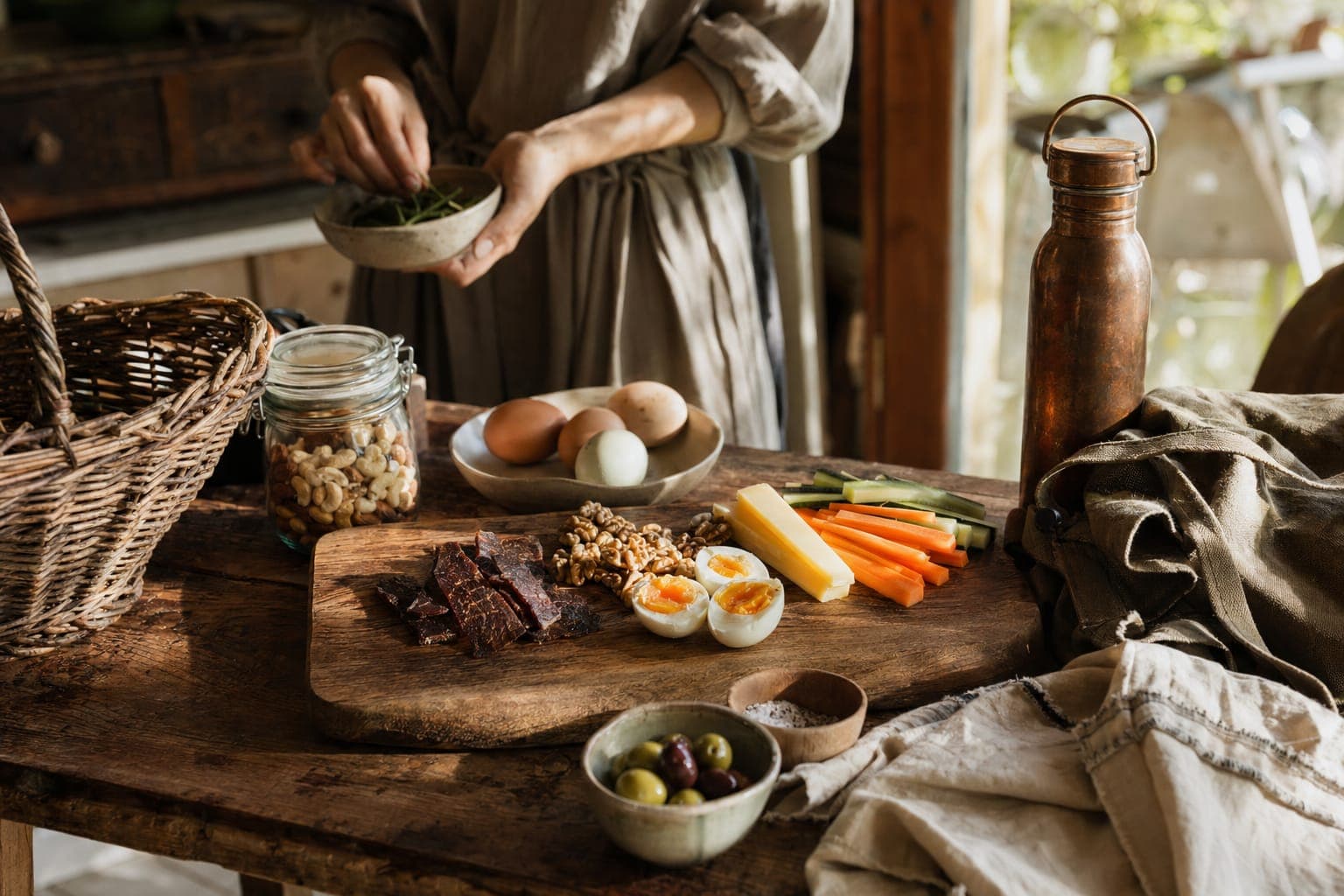
Whole Food Snacks for Busy Days
Practical whole food snacks that travel well and sustain energy. No refined carbs, no seed oils. Real food options for when you're busy.
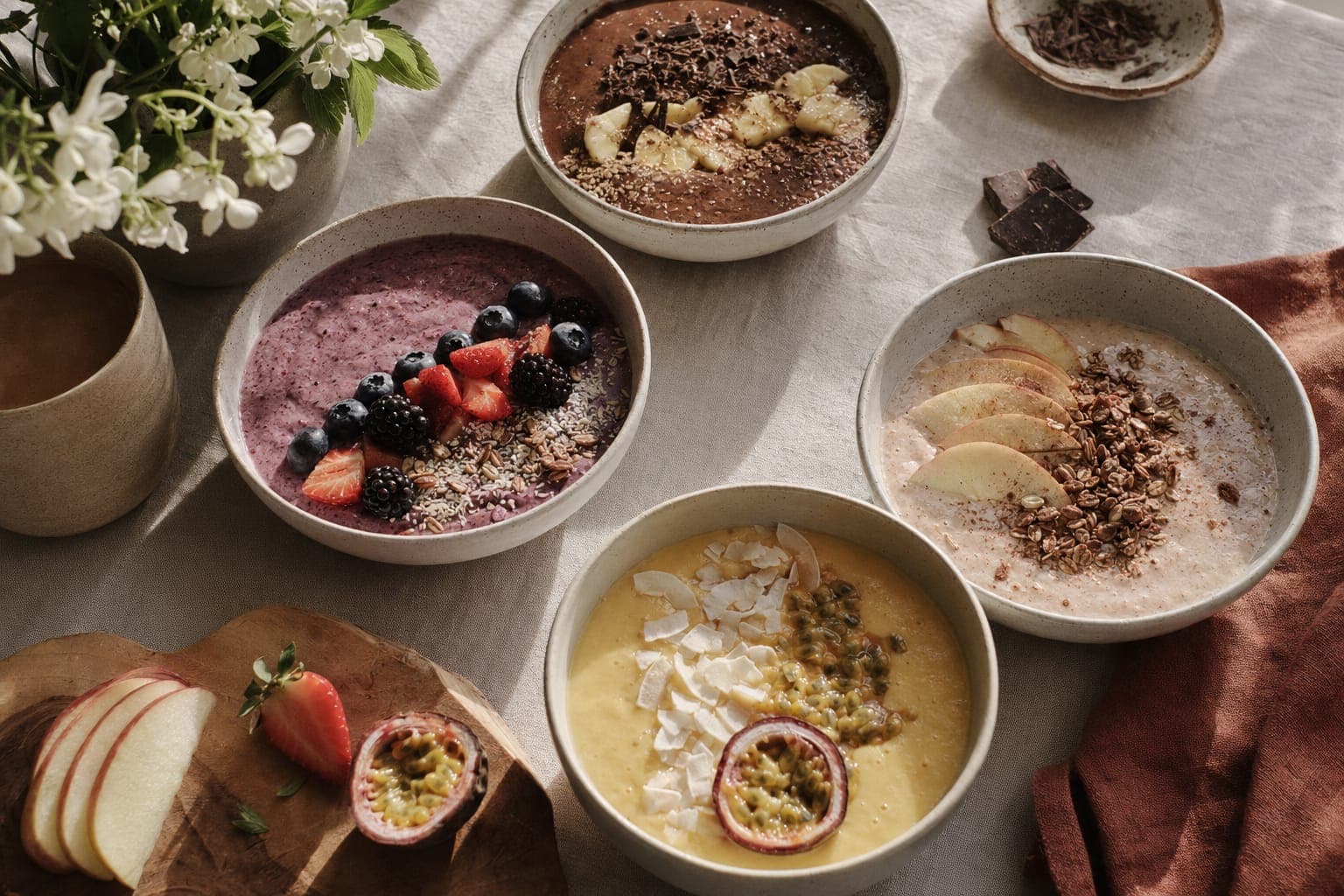
Organised Smoothie Bowl Recipes for Every Season
Four seasonal smoothie bowl recipes using Organised. Berry in summer, apple-cinnamon in autumn, tropical in spring, warming chocolate in winter.
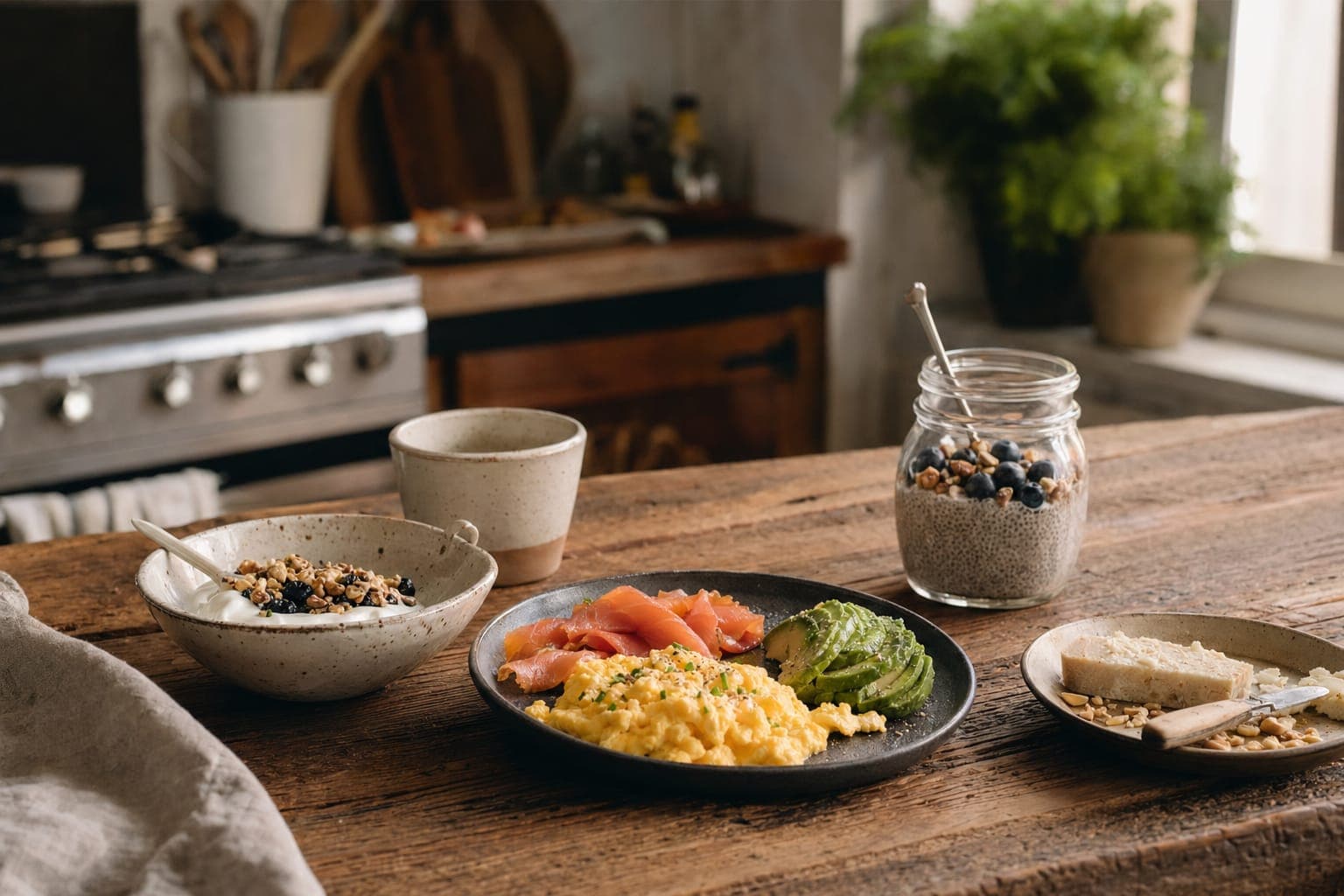
5-Minute High-Protein Breakfasts Using Organised
Quick, high-protein breakfast ideas using Organised. Five recipes you can make in minutes with real food. No fussing around.


 Join over 100,000+ members
Build a better food system with us
The Organised community is thousands of people choosing real food and backing the farmers who grow it, all of us trying to leave the world a little better than we found it. If that is what you care about too, you belong here.