The Return to Real Food: Why Millions Are Rejecting Ultra-Processed Diets
Three years ago, ultra-processed food was everywhere and nobody was asking questions. It was convenient. It was marketed as healthy. The entire food system had been built to deliver it as efficiently as possible. And then something shifted. It started quietly. A doctor talking on social media. A mum in the supermarket aisle noticing her child wouldn't eat anything without an ingredient list that looked like a chemistry experiment. A growing awareness that something fundamental had gone wrong.
By Niall Kiddle, Founder, Organised

Reviewed by Pedro Rodrigues, Agronomist (farming and sourcing only) ·
7 min read · Published · Updated · 1 cited source
Makers of the Organised Daily blend, a grass-fed beef organ supplement from regenerative UK farms
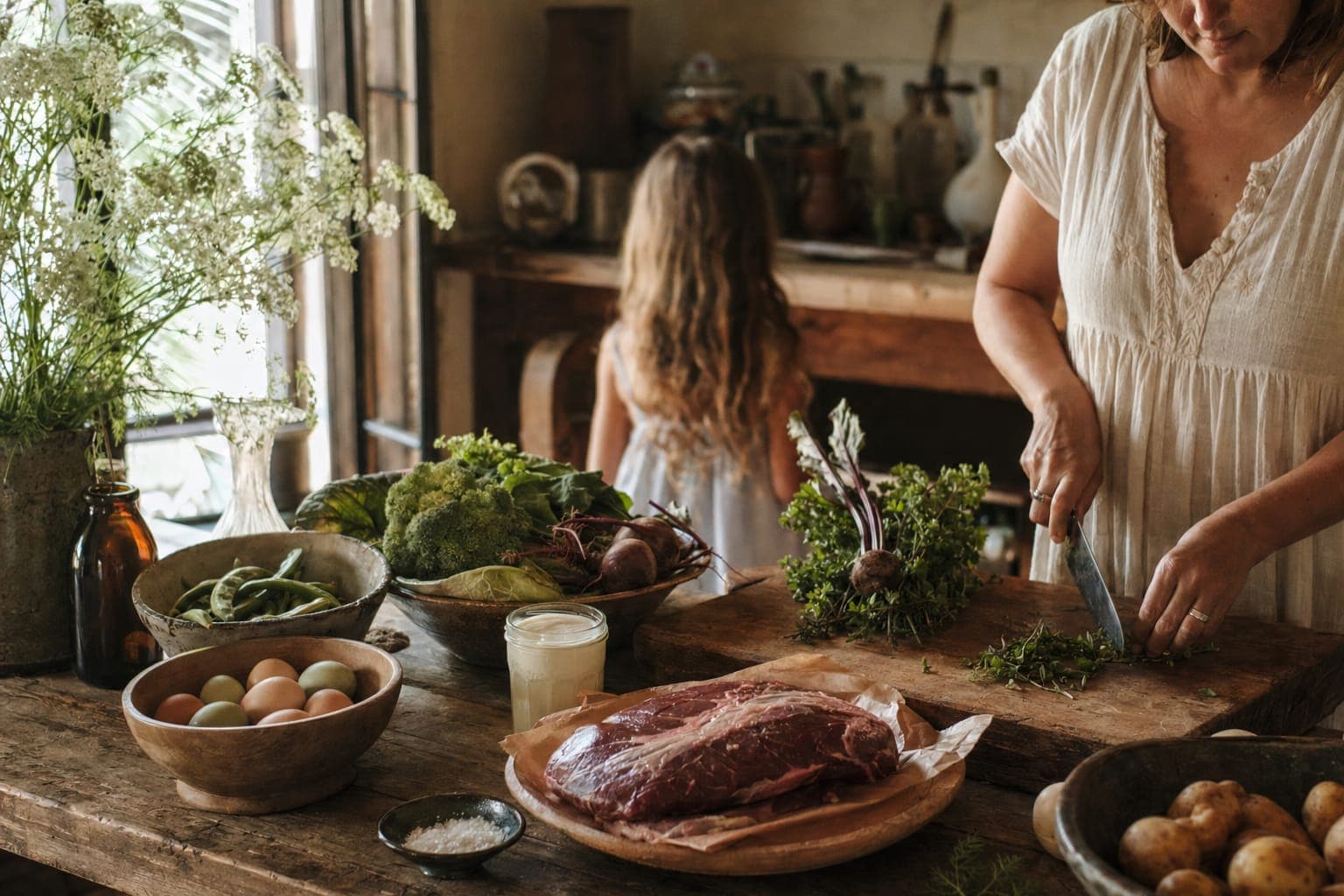
And then something shifted.
It started quietly. A doctor talking on social media. A mum in the supermarket aisle noticing her child wouldn't eat anything without an ingredient list that looked like a chemistry experiment. A growing awareness that something fundamental had gone wrong.
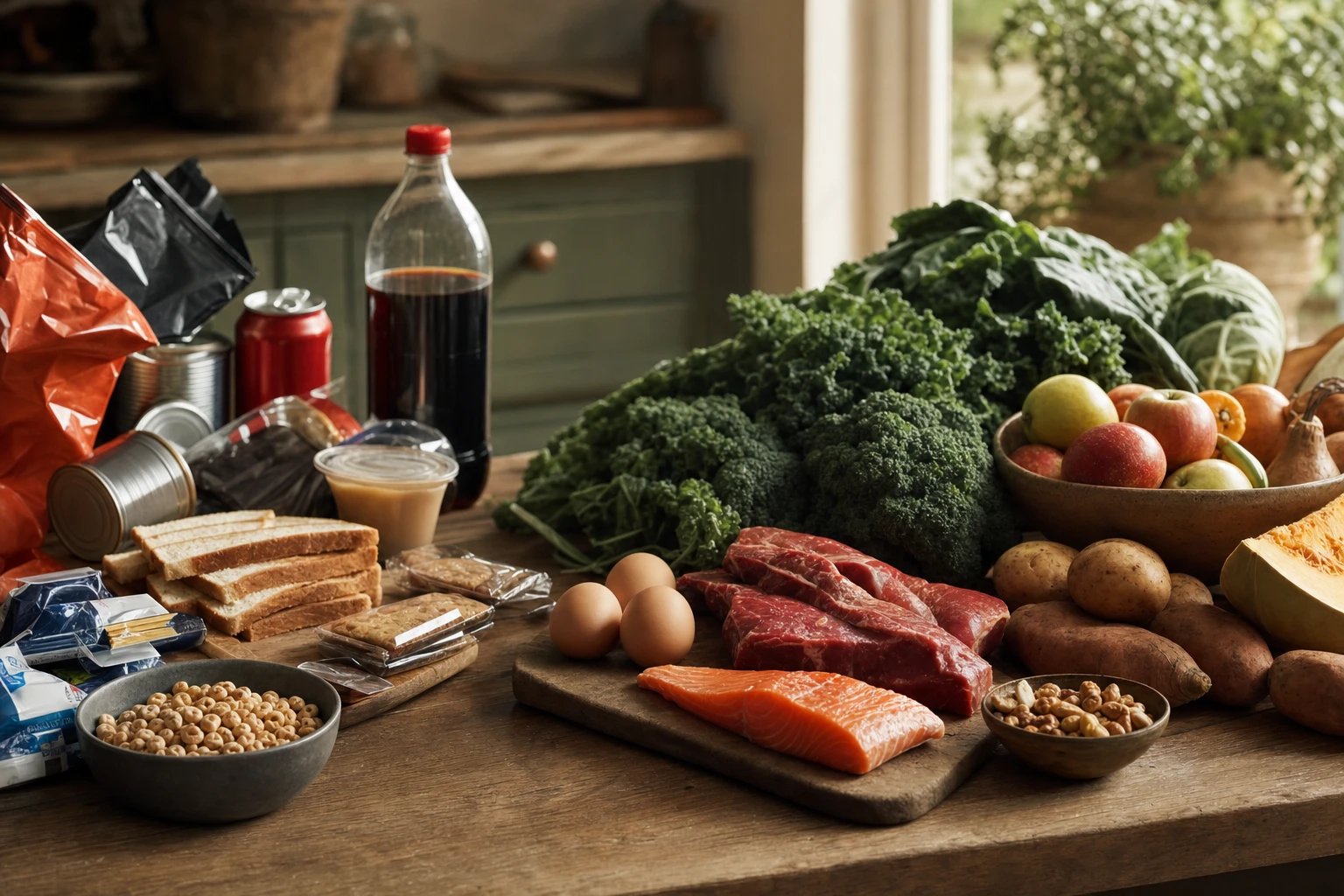
What changed
The turning point wasn't a single event. It was the accumulation of evidence that the system had failed. Chronic disease rates are at historic highs. Obesity is now affecting children under five. Anxiety, depression, and metabolic dysfunction are treated as normal rather than as signs that something is deeply broken.
People are starting to ask: what if the food system is the problem?
Ultra-processed food is engineered to be hyperpalatable. It's designed to override the body's natural satiation signals. It contains ingredients that the human body has never encountered before: emulsifiers, gums, solvents, colourings, and flavourings that exist nowhere in nature.
The ingredients themselves aren't necessarily poisons. But the combination, the frequency of consumption, and the displacement of real food from the diet creates a perfect storm. The body doesn't know how to process a diet that's 60 per cent engineered food products.
The diet that's destroying modern health isn't accidental. It's the inevitable outcome of a food system built on profit rather than nourishment.
The science was always there
What's remarkable about the real food movement is that it's not built on new science. The evidence that ultra-processed food harms health has been accumulating for decades. The connection between seed oils and inflammation. The link between refined carbohydrates and metabolic disease. The evidence that animals raised on pasture produce more nutrient-dense meat than those confined and grain-fed.
This wasn't a secret. It was published in peer-reviewed journals. It was available to anyone who looked. The public health authorities simply chose not to act on it, or in many cases, chose to actively suppress it in favour of guidelines that benefitted the industrial food system.
What changed isn't the science. Large prospective cohort studies have associated higher consumption of ultra-processed foods with increased risk of cardiovascular disease, cancer and all-cause mortality.1
The science was always compelling. The infrastructure to ignore it is now cracking.
Why the system never mentioned it
The food industry spends billions on marketing. Some of the most prominent public health campaigns have been underwritten by the companies producing the food that's harming health. It's not conspiracy. It's structural.
When your company's product is engineered to be addictive, you can't be honest about what you're doing. You have to position ultra-processed food as convenient, as making nutrition accessible, as part of a balanced diet.
The regulatory system that's supposed to protect public health is captured by the industry. Food safety standards don't distinguish between real food and processed food. Marketing regulations allow extraordinary claims to be made about products that are nutrient-poor.
The medical profession, meanwhile, receives almost no nutritional training. The advice that GPs give is heavily influenced by guidelines that are themselves influenced by industry funding.
Nobody set out to harm the population. But the incentive structures of the system are perfectly designed to produce the opposite outcome of what public health requires.
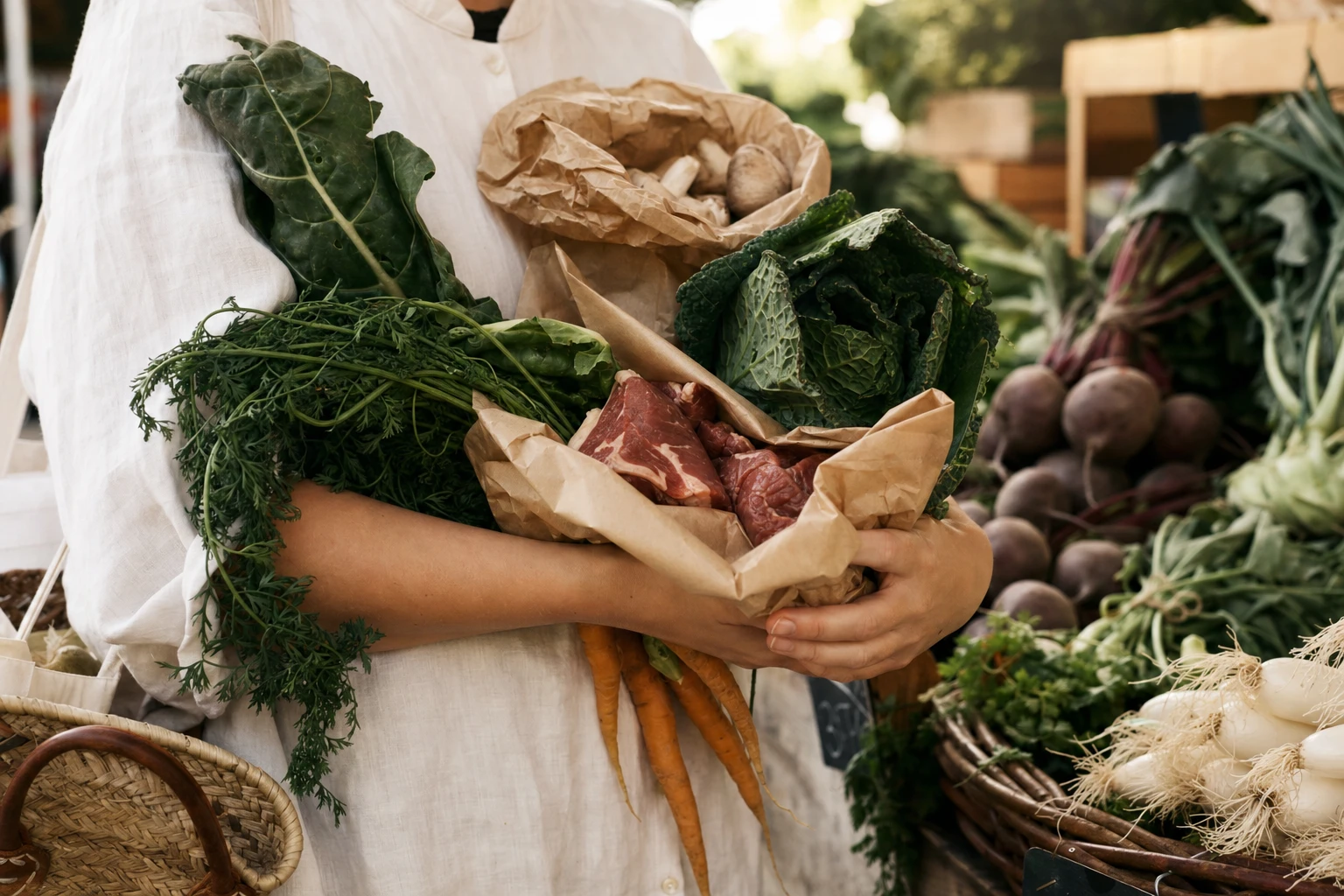
Raw milk and ancestral eating
One of the most interesting phenomena is the return to raw milk. For decades, pasteurisation was presented as an unambiguous good. Safety, it was argued, required that all milk be heated to kill potential pathogens.
But raw milk from healthy, grass-fed animals that are properly handled carries very different risks than milk from concentrated animal feeding operations. And it carries different benefits: living enzymes, beneficial bacteria, and a nutrient profile that more closely matches what the body is designed to process.
The raw milk movement isn't about rejecting safety. It's about recognising that some risks are worth taking if the payoff is real nourishment. It's about understanding that the body is capable of handling foods that have been eaten throughout human history, and that the nervous system signal that comes from real food is profoundly different than from processed alternatives.
More broadly, the return to real food is a return to ancestral eating patterns. Not in a nostalgic or romantic way, but because those patterns evolved to support human health. Organ meats, bone broth, fermented foods, seasonal vegetables, properly prepared grains.
These weren't chosen because they were trendy. They were chosen because they worked. Because they kept people well.
What changed in people's understanding
Part of the shift has been recognition that the industrial food system was never built to maximise health. It was built to maximise profit, convenience, and shelf-stability. Those three goals are in direct conflict with nutritional density.
A vegetable bred for shipping longevity rather than nutrient content will be less nutritious. A meat from an animal raised on grain in a feedlot rather than pasture will have a less optimal nutrient profile. Processed foods engineered for palatability and profit will contain compounds that the body hasn't encountered in the millions of years it evolved.
Once people understand this, the motivation to seek alternatives shifts from ideology to pragmatism. It's not about being pure or virtuous. It's about noticing that real food makes you feel demonstrably better.
Get stories from the community, free
Two short reads a week on the farmers, the standards, and the return to real food.
By signing up you agree to receive emails from us. No spam, unsubscribe anytime.
The supermarket revolution
The most visible sign of the shift is happening in supermarkets. For years, the centre aisles were where the money was made. Processed foods, convenience items, the products with the highest margins.
Now, the growth is on the perimeter. Fresh produce, grass-fed meat, dairy from properly fed animals, fish from sustainable sources. The companies that are thriving are those that focus on real food. Those that are struggling are the ones still dependent on industrial processing.
Farmers markets have exploded in popularity. Farm shops that didn't exist five years ago are now packed. Box schemes delivering real food directly to homes have gone mainstream. The infrastructure for real food purchasing is expanding because demand is finally exceeding supply.
When people discover what real food tastes like, when they experience what their body feels like when properly nourished, there's no going back to processed alternatives.
1 of 9
Daily blend
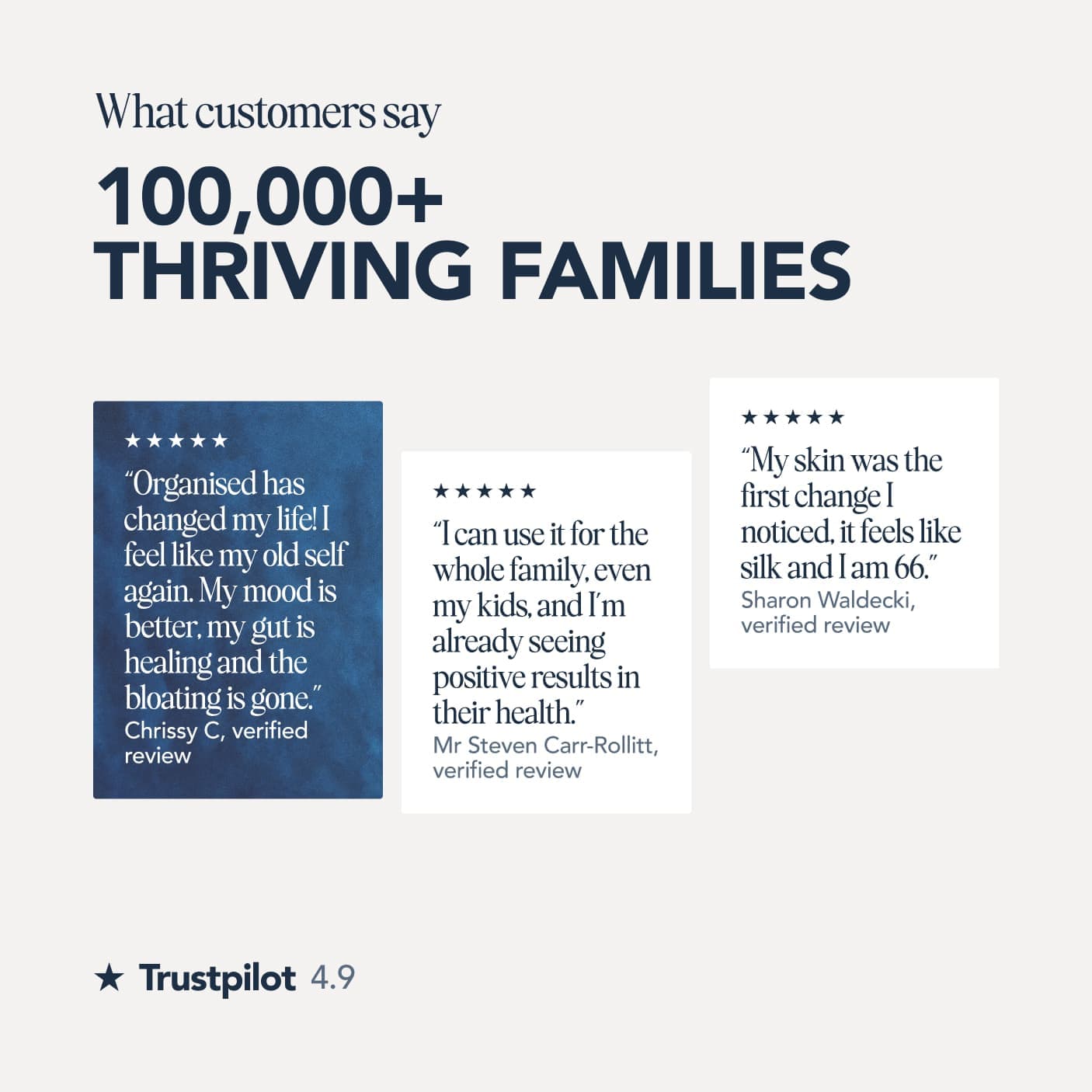
100,000+ thriving families4.9 on Trustpilot
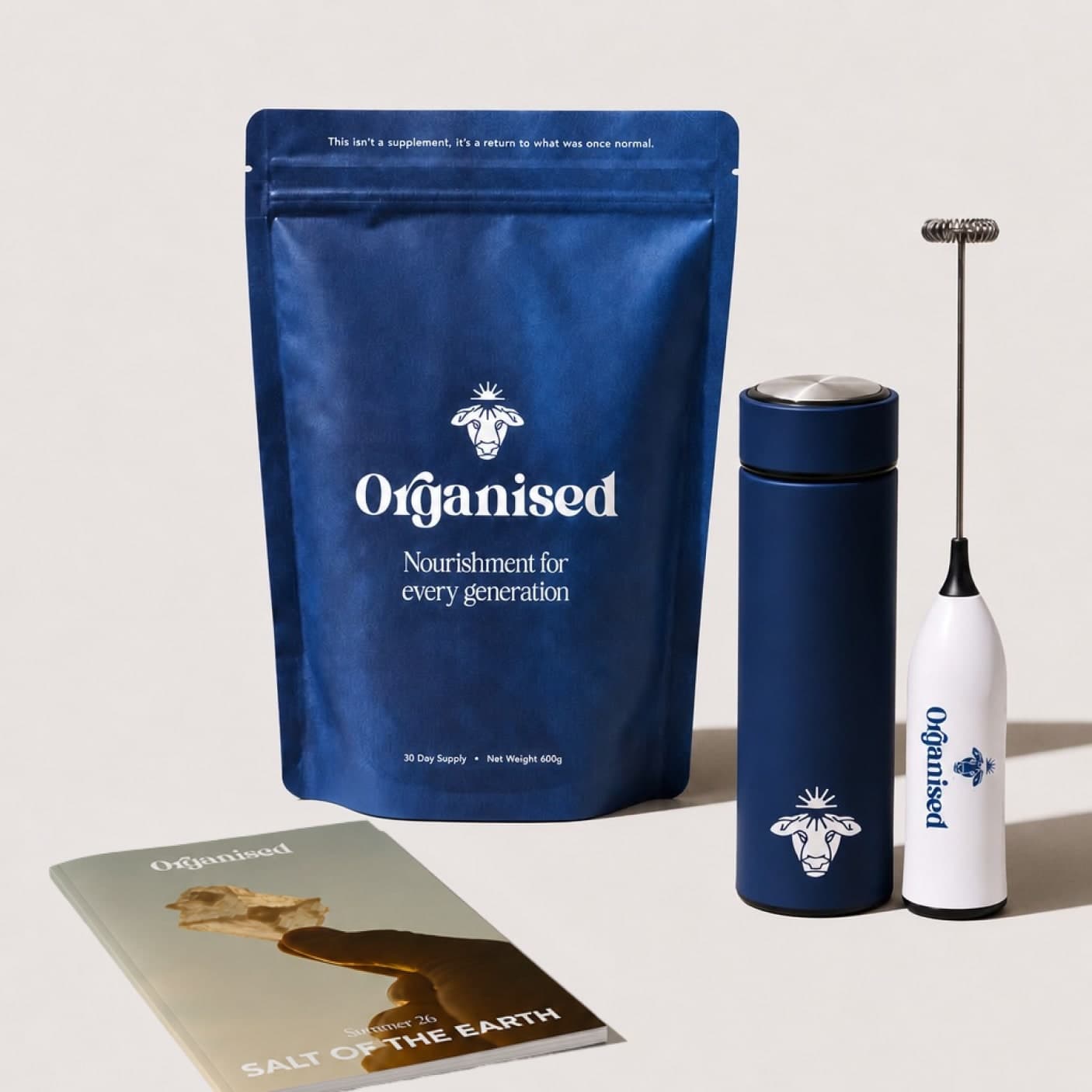
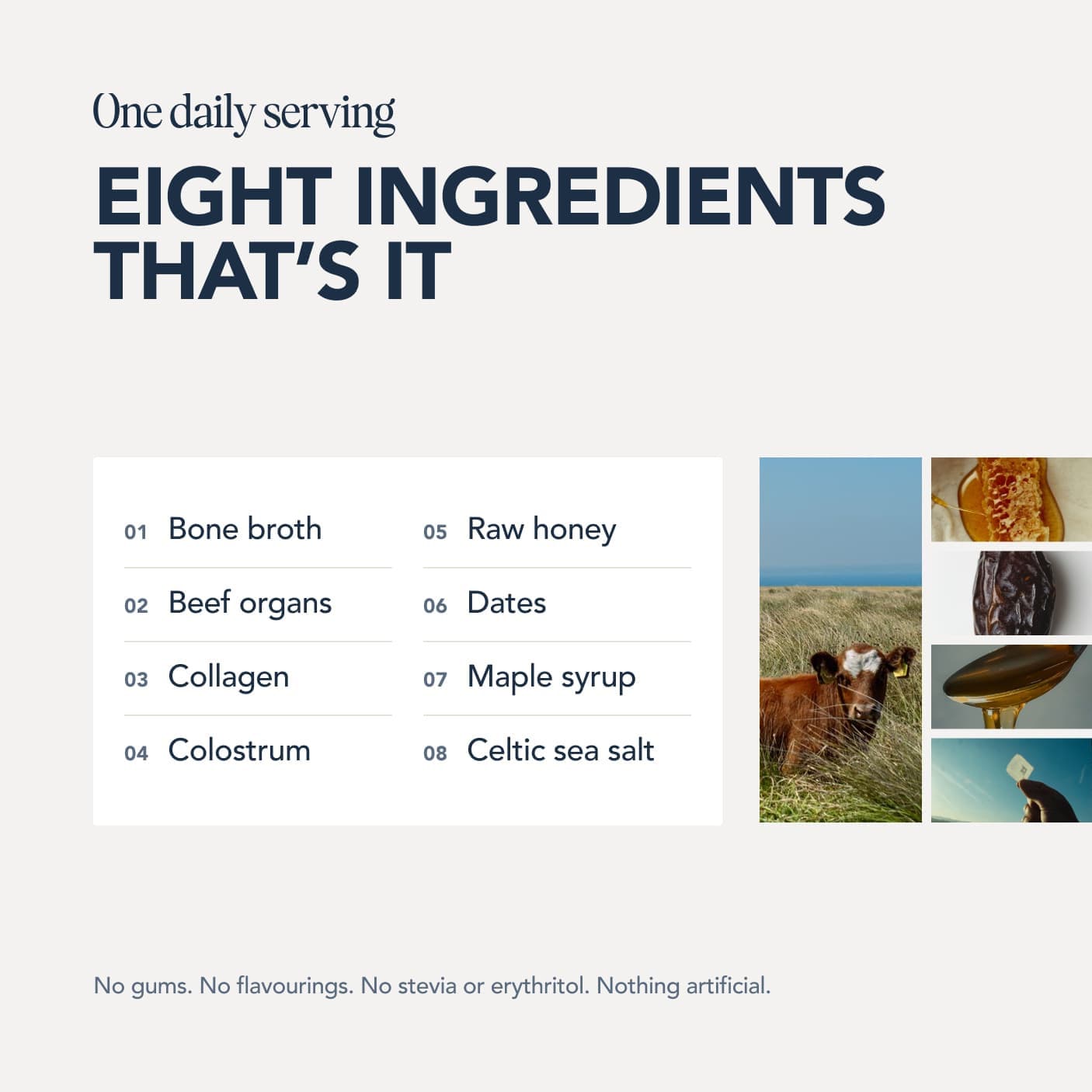
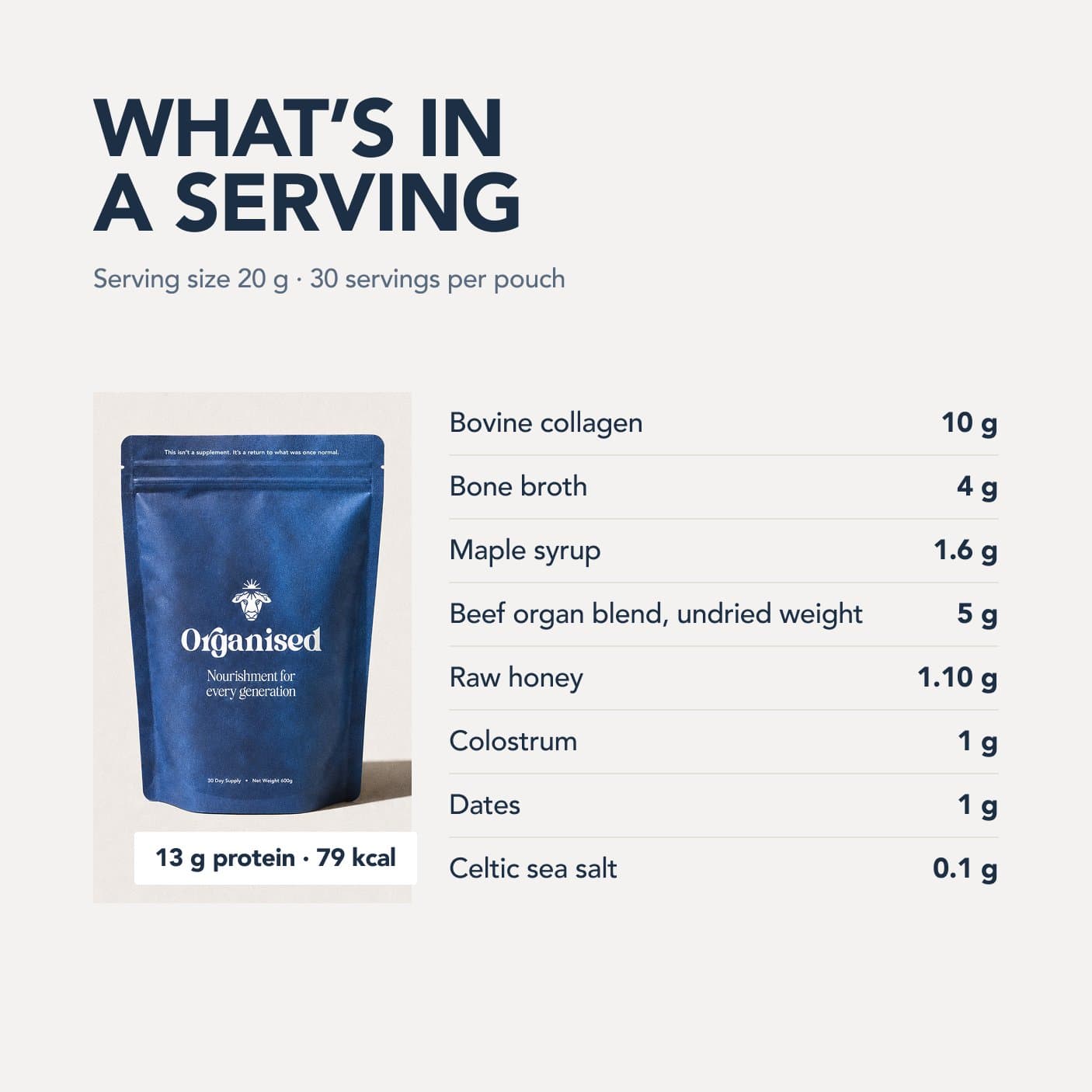
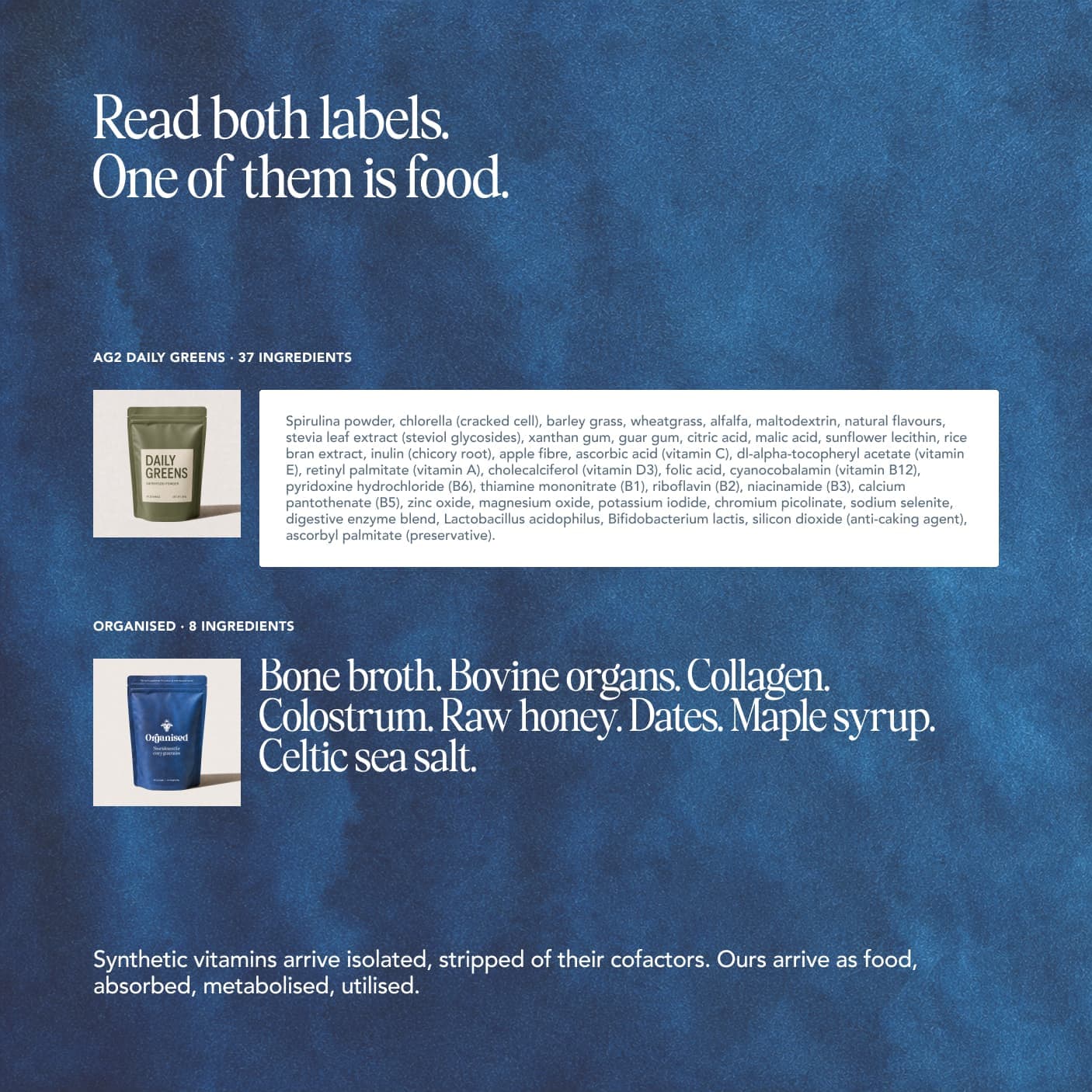
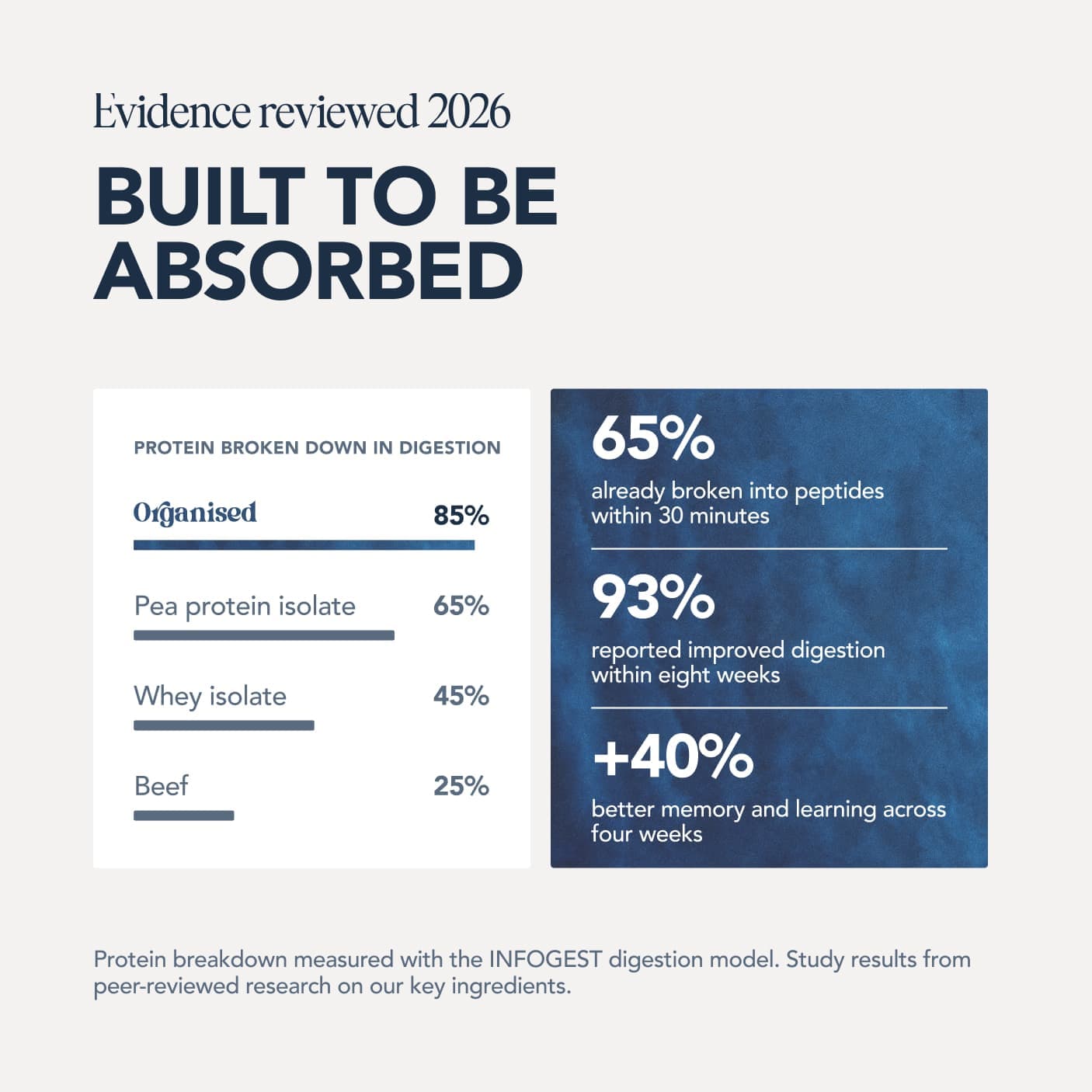
Eight real ingredients built around grass-fed beef organs, collagen and colostrum. Nothing synthetic added.
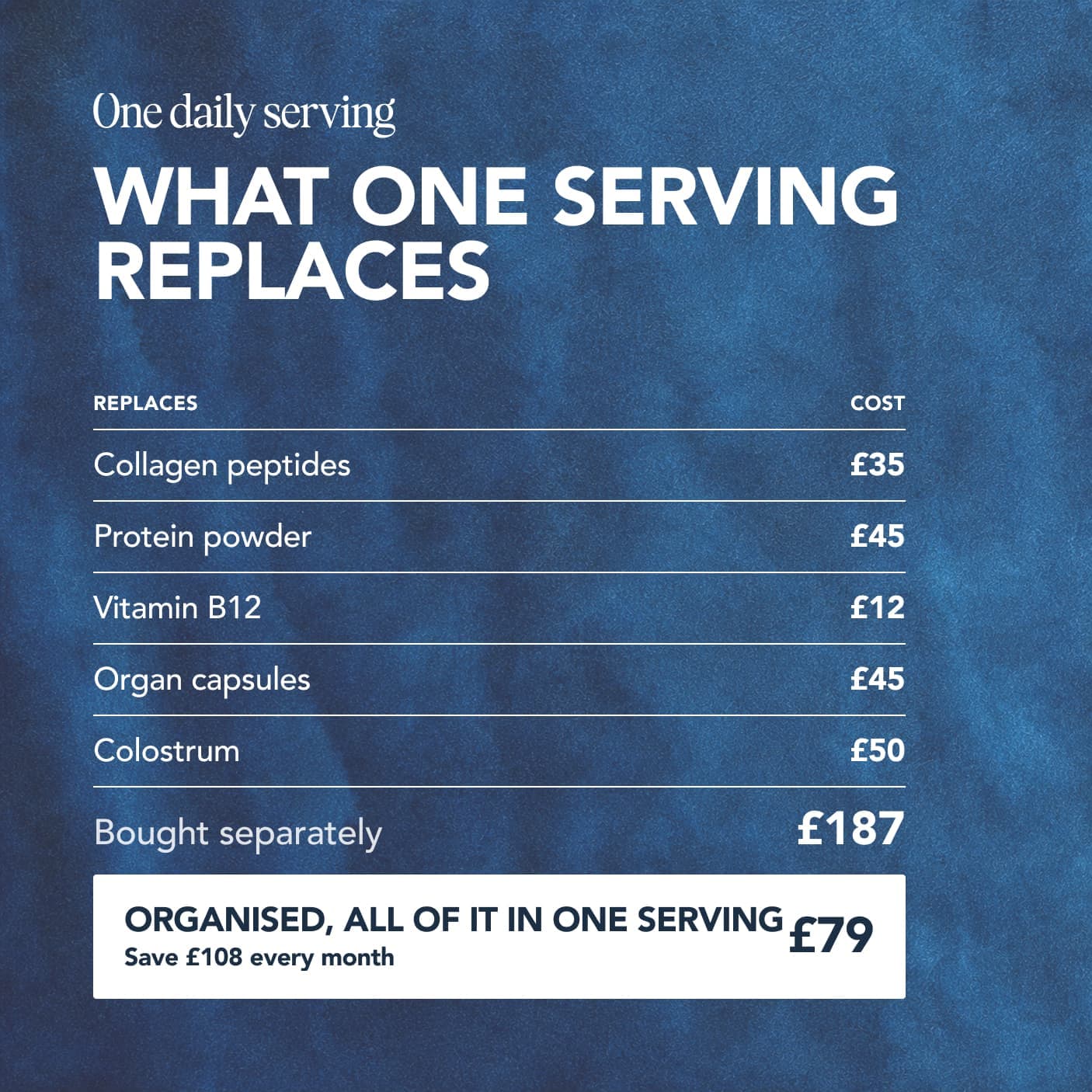
Free with your first order, worth £38. Plus £10 off the pouch with a subscription.


Free UK shipping · Made in England · 100 day money back guarantee on your first pouch · Skip, pause or cancel anytime
How real food tastes different
There's a remarkable moment that happens when someone transitions from an ultra-processed diet to real food. At first, real food tastes bland. The engineered hyperpalatability of processed food has essentially reset the taste buds. Processed foods contain multiple compounds designed to create pleasure signals in the brain that real food simply can't match on first exposure.
But after a few weeks, something shifts. The taste buds reset. And then the experience is inverted. Real food becomes delicious. Ultra-processed alternatives start tasting artificial, one-dimensional, cloying.
The difference isn't subjective. It's neurological. The body is experiencing real nourishment and the brain is responding accordingly. Food begins to taste the way it's supposed to taste.
This experience is one of the drivers of the movement. Once someone has felt their energy shift, watched their skin clear, experienced the mental clarity that comes from removing processed food, they become an advocate. Not because they're following ideology, but because the results are undeniable.
What comes next
The real food movement is no longer marginal. It's reshaping food culture, supply chains, and consumer behaviour at scale. But the system is fighting back. Ultra-processed food companies are investing heavily in plant-based alternatives and other innovations designed to maintain their market position.
The outcome isn't predetermined. The forces defending the status quo are powerful. But the evidence is on the side of real food. The health crisis is too visible to ignore. And millions of people have already experienced what happens when you stop eating engineered food and start eating real food.
That knowledge is spreading. And it's not going backward.
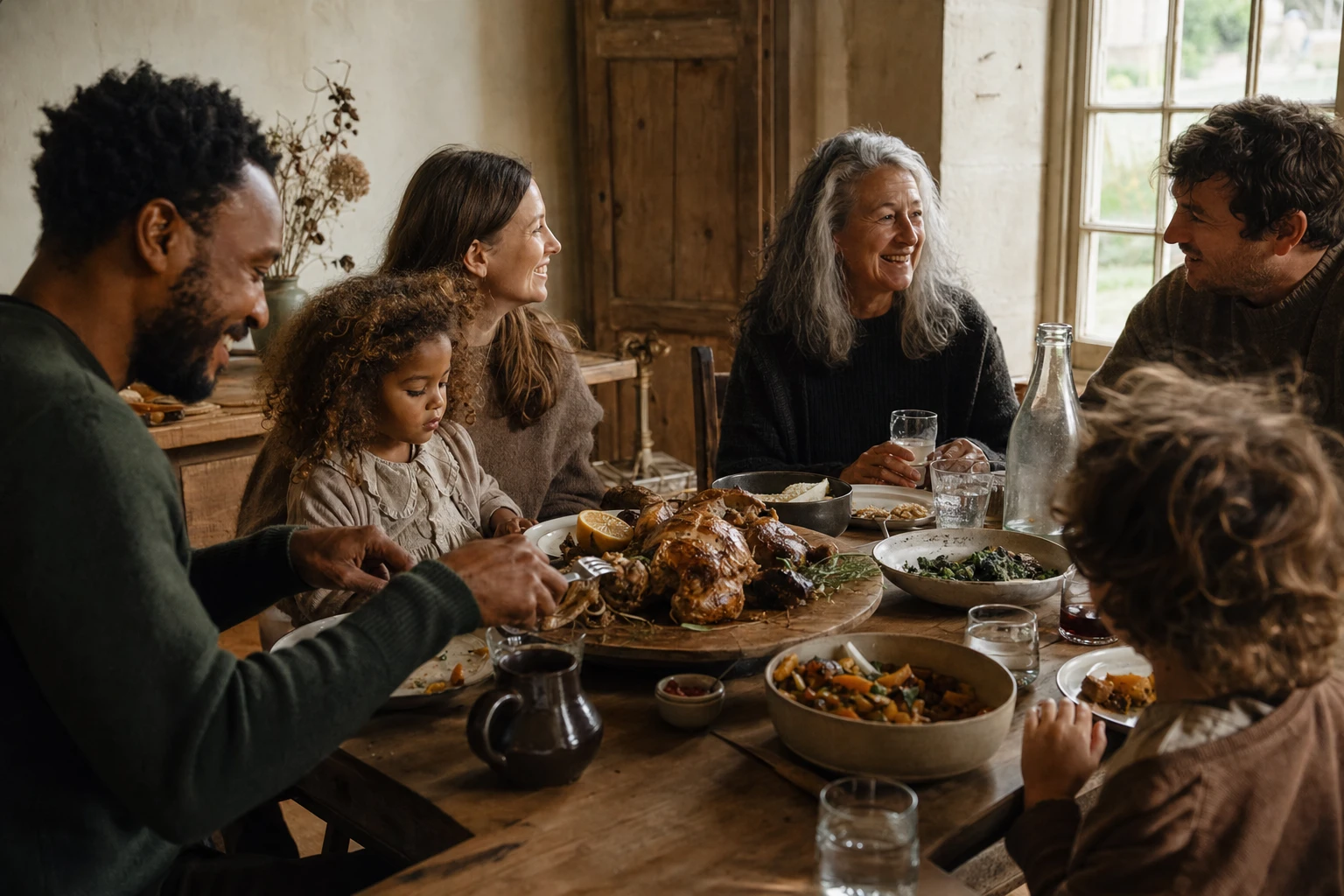
The return to real food isn't a trend that will fade when the next diet fad arrives. It's a return to what the human body has always needed. It's a recognition that convenience isn't worth chronic disease. That marketing isn't a substitute for nourishment. That the most radical thing you can do for your health is to eat like your great-grandparents did.
The economics of the shift
One misconception about the real food movement is that it's only accessible to the wealthy. In reality, real food can be more affordable than ultra-processed alternatives when you factor in the cost of diet-related disease.
A diet of whole foods (rice, beans, seasonal vegetables, eggs from local farms, occasionally meat) costs less than a diet of convenience foods, restaurant meals, and processed snacks. The infrastructure of real food (farmers markets, farm shops, direct delivery) is expanding because demand exists and because the economics work at scale.
What's happening is a restructuring of where money flows. Less to massive food corporations with enormous marketing budgets. More to farmers, to local food producers, to the infrastructure that supports real food systems.
Why the movement matters now
The real food movement isn't about perfection or ideology. It's about noticing that the food system has fundamentally failed to support health and choosing something different. It's about recognising that chronic disease isn't inevitable, that your body isn't broken, that the solution might be simpler than the system wants you to believe.
Every meal is a choice. Every time you choose real food over processed alternatives, you're voting for a food system based on nourishment rather than profit.
References
Every source below was checked on 27 August 2026. Each link was requested and read. Where a citation and its identifier disagreed, the citation was corrected to the record or the reference was deleted along with the sentence marker that pointed at it, and where the resolved paper turned out not to support the sentence, the sentence was cut back to what it does support. Borrowed authority is worse than none, because it looks like rigour.
- Lane MM, et al. Ultra-processed food exposure and adverse health outcomes: umbrella review of epidemiological meta-analyses. BMJ. 2024. https://www.bmj.com/content/384/bmj-2023-077310
Who wrote and reviewed this guide
Niall Kiddle
Author · Founder, Organised
Niall is the founder of Organised. He started the company in 2024 after fixing his own health the slow way: in 2022 he swapped a cupboard of synthetic supplements for real food, raw milk, organ meats, bone broth and honey, and felt the difference within months.
Areas of expertise: Ancestral nutrition, Organ meats, Whole-food supplementation, Gut health, Regenerative sourcing
Read Niall's full profile
Pedro Rodrigues
Reviewer · Agronomist (farming and sourcing only)
Pedro is the agronomist Organised works with on farming and sourcing. His job on the guides is to keep the science honest: he reviews what we publish about soil health, regenerative agriculture, grazing and the way food is actually produced.
Areas of expertise: Regenerative agriculture, Agronomy, Soil health, Grass-fed farming, Food sourcing
Reviewed this guide on
Read Pedro's full profileMore on movement
View all- Against Ultra-Processed: A Manifesto for Real Food
- Find a Farm: How to Source Real Food Near You
- Food Sovereignty: Taking Back Control of What You Eat
- Processed Food Companies Don't Want You to Know This
- Social Media and Nutrition: Navigating the Noise
- The Anti-UPF Movement: What's Driving the Backlash Against Processed Food
- The Problem with 'Clean Label' Marketing
- The Raw Milk Renaissance: Our Documentary
- The Rise of Ancestral Eating in the UK
- What 'Nourishment for Every Generation' Really Means to Us
- Why 'Eat Less, Move More' Failed a Generation
- Why More Doctors Are Recommending Whole Food Over Supplements
Browse the guides library
All guidesKeep reading

Culture & community
Social Media and Nutrition: Navigating the Noise
Learn how to evaluate nutrition claims on social media. Build critical thinking skills to separate science from marketing hype.
Culture & community
Processed Food Companies Don't Want You to Know This
The hidden marketing tricks, reformulation deceptions, and regulatory loopholes that keep ultra-processed food profitable. What the industry hides.
Culture & community
Autumn Nourishment: Preparing Your Body for Winter
Build nutritional reserves in autumn to support immunity through winter. Vitamin D, mineral density, and seasonal foods that prepare your body.
Real food, made effortless
Shop the blendA few ways to use it
All recipes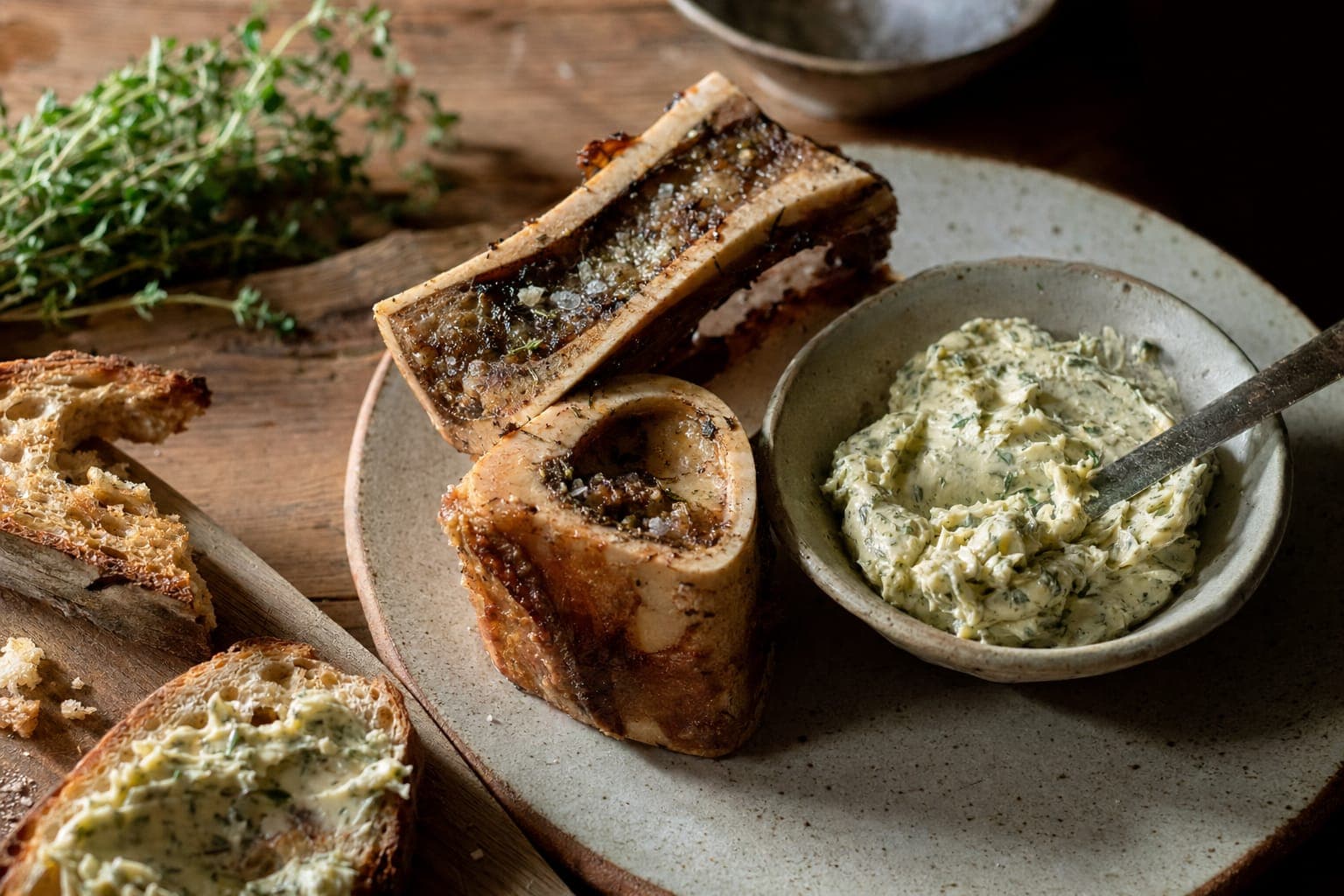
How to Make Bone Marrow Butter
Roast grass-fed marrow bones, scoop the marrow, and mix with butter and herbs. A nutrient-dense spread with fat-soluble vitamins.
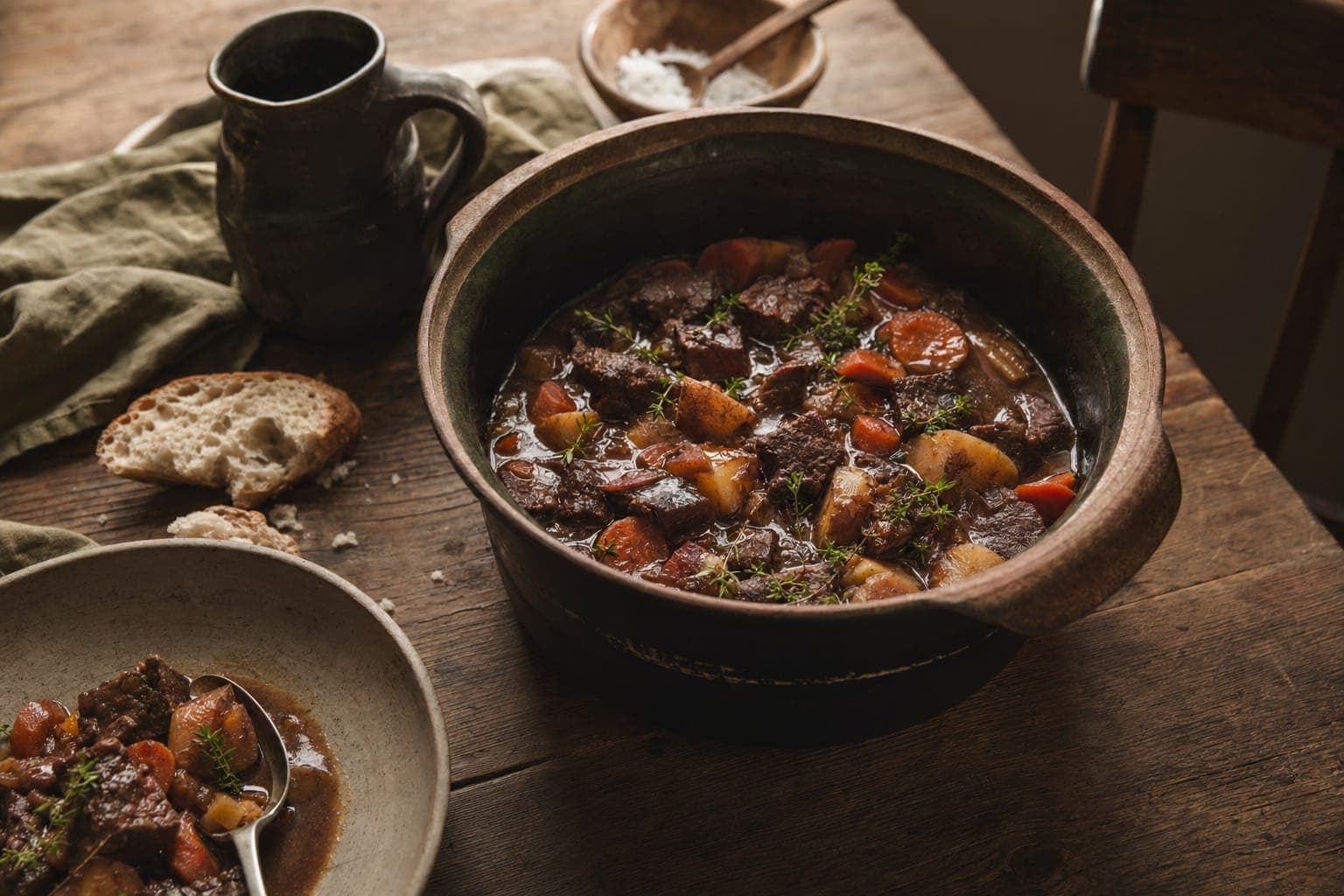
Collagen-Rich Beef Stew: Slow-Cooked Nourishment
Beef stew that delivers collagen from connective tissue and bone broth. Winter comfort food that actually nourishes. Simple slow cooker recipe.
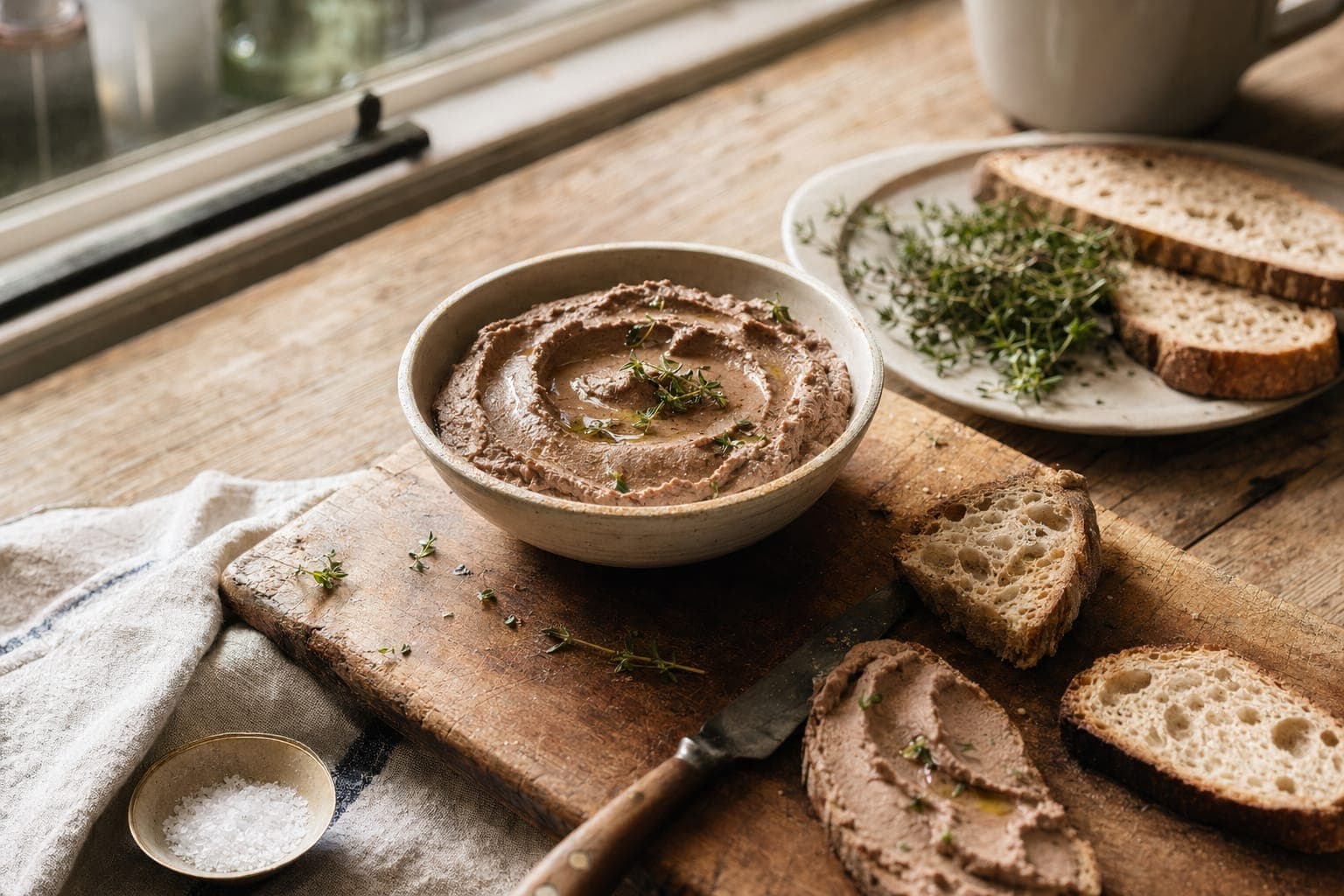
Liver Pate for Beginners: A Gentle Introduction to Organ Meats
Simple liver pate recipe to start eating organ meats. Chicken liver, butter, and herbs. Gentle introduction to nutrient-dense whole foods.


 Join over 100,000+ members
Build a better food system with us
The Organised community is thousands of people choosing real food and backing the farmers who grow it, all of us trying to leave the world a little better than we found it. If that is what you care about too, you belong here.