Why We Made a Documentary About Raw Milk
Raw milk is one of the most controversial foods in modern nutrition. It's also one of the most misunderstood. So we spent six months filming with farmers, regulators, researchers, and people drinking it to understand why.
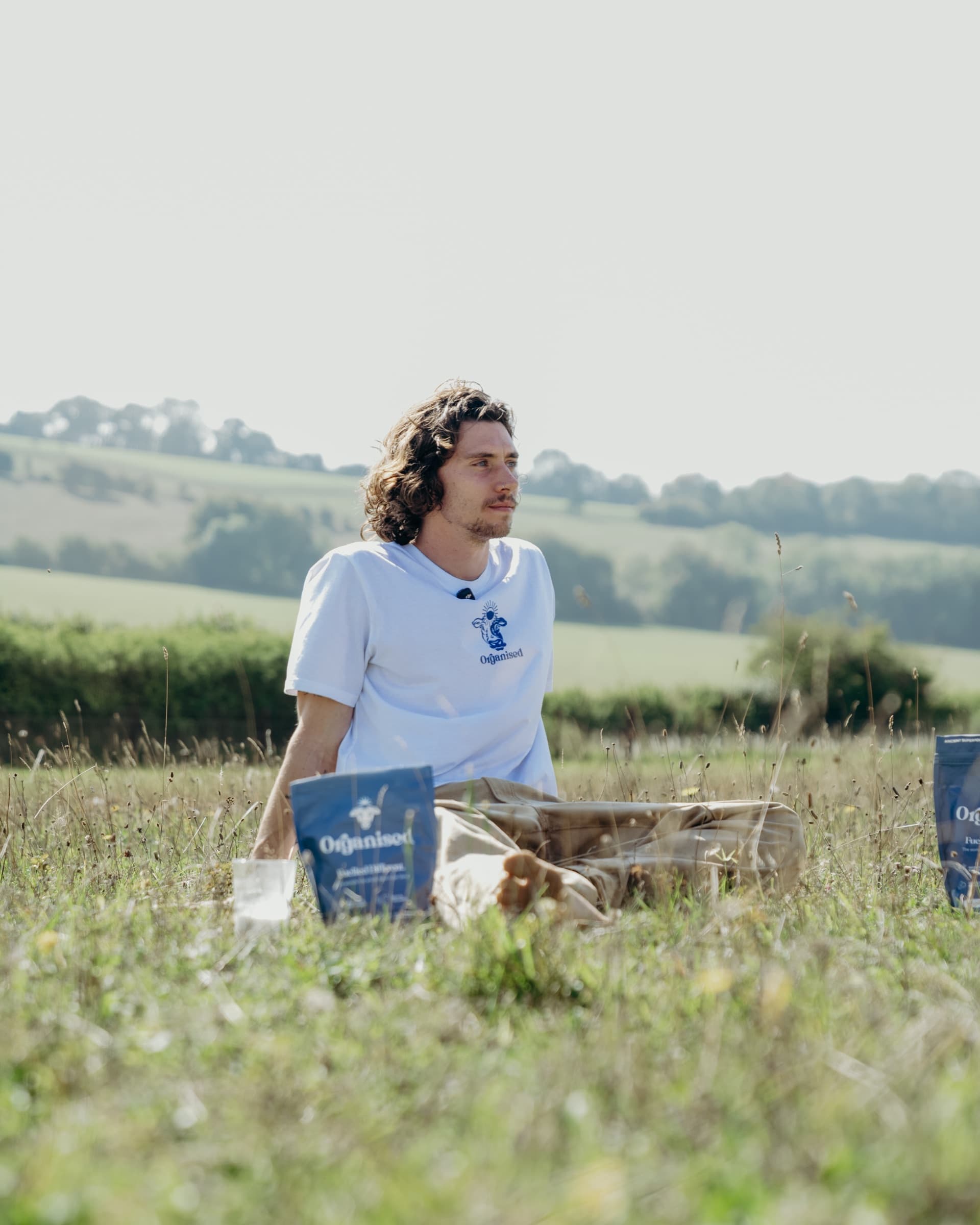
By Niall Kiddle, Founder, Organised

Reviewed by Pedro Rodrigues, Agronomist (farming and sourcing only) ·
5 min read · Published · Updated · 3 cited sources
Makers of the Organised Daily blend, a grass-fed beef organ supplement from regenerative UK farms
This isn't a piece of propaganda. We didn't start with an agenda to prove raw milk is either safe or dangerous. We started with a question: why is this so contentious when most of the people drinking it seem to know something that public health messaging doesn't acknowledge?
Why raw milk became the subject
Raw milk kept appearing in conversations with people we work with. Not casually. Thoughtfully. Parents talking about immune response in their children. People recovering from digestive issues. Athletes recovering faster. The consistency was notable.
But when we tried to find straightforward information about raw milk, we hit a wall. Public health authorities say it's dangerous. Some practitioners claim it's a miracle. The actual evidence is much more complex than either position.
We're a nutrition company, not a public health organization. But we believe people deserve honest information about what they're eating. And we kept finding that raw milk was being discussed in absolutes when the reality deserved nuance.
So we decided to investigate. Not to prove anything. To understand.
The best documentaries don't start with a conclusion. They start with genuine curiosity about a complex question.
What surprised us filming
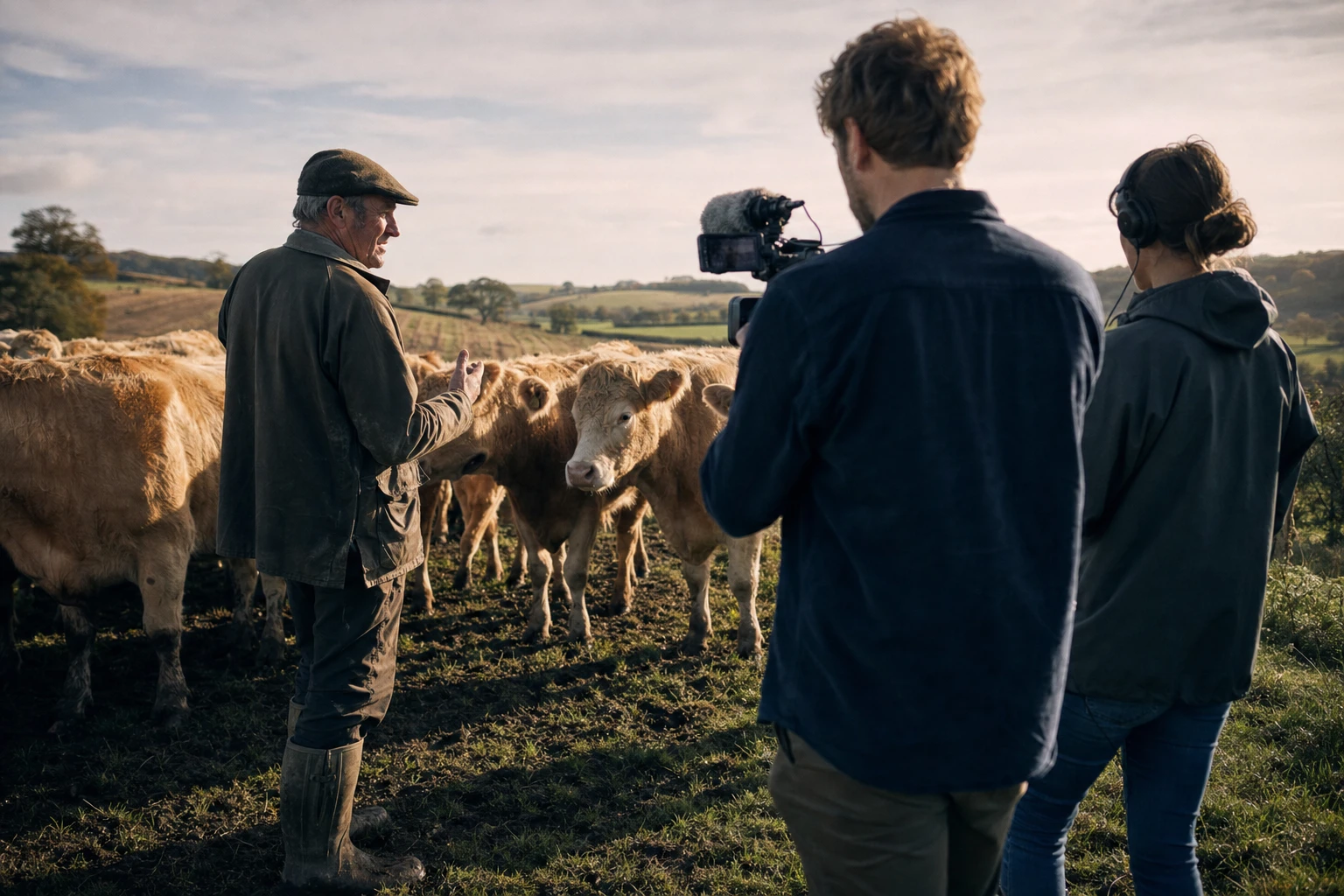
The first surprise was how difficult it was to find raw milk producers willing to be filmed. Not because they're doing anything wrong. But because the regulatory environment in the UK makes raw milk fraught. Farmers are acutely aware they're operating in a space where one food poisoning outbreak could shut them down entirely.
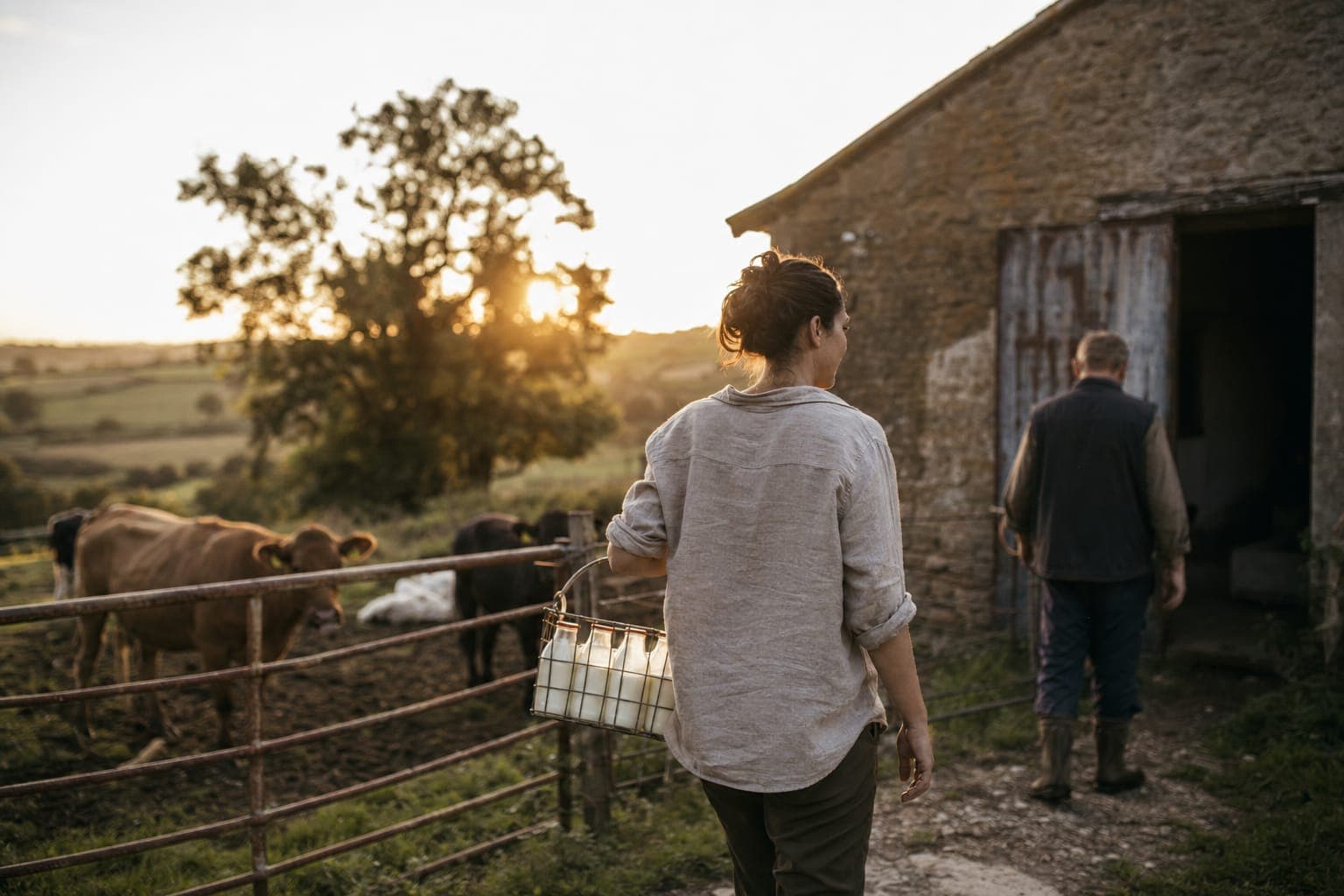
We eventually found farmers willing to document their process. What we filmed was meticulous. The hygiene standards were rigorous. The temperature monitoring was constant. The testing protocols were extensive. These weren't cowboys selling dodgy milk from the back of a van.
The second surprise was how much the safety question hinges on specific details. Whether milk is from grass-fed or grain-fed cattle. Whether the herd is vaccinated against brucellosis. Whether the farmer is testing for pathogens regularly. Whether the buyer is healthy or immunocompromised. Absolute claims break down when you look at actual practice.
The third surprise was how much the research literature acknowledges nuance that public health messaging doesn't. There are genuine risks. There are also genuine benefits, particularly for certain populations. The science suggests both are true simultaneously.
What the research actually shows
Raw milk has never been proven entirely safe or entirely dangerous. Both extremes are marketing positions, not scientific positions.
The documented risks exist and are real. Certain pathogens can be present in raw milk and cause foodborne illness.2 Certain people are at higher risk of severe illness. Pregnant women, young children, elderly people, and immunocompromised people should be cautious. This is established evidence.
The documented benefits also exist. Raw milk contains enzymes and immunoglobulin components that are altered or destroyed by pasteurisation, and farm milk consumption is associated with reduced asthma and atopy in some studies.3 Some people, particularly those with severe dairy allergies, tolerate raw milk better than pasteurised. Some research suggests immune benefits. This is also established evidence.
The honest position isn't "raw milk is safe" or "raw milk is dangerous." It's "raw milk carries specific risks and offers specific benefits, and the balance depends on individual circumstances and the specific source." That's what the documentary reflects.
Good science names the trade-offs. Marketing picks a side and calls everything evidence.
The people behind the milk
The most compelling parts of the documentary are the farmers and the drinkers. Not as evidence. As context.
We filmed a fourth generation dairy farmer whose grandfather drank raw milk his entire life and lived to 94. He's not claiming that proves anything. But his lived experience contradicts the absolute claim that raw milk is uniformly dangerous.
We filmed a woman whose crohn's disease remained severe on pasteurised dairy but improved markedly when she switched to raw milk from a specific farm. Her doctor was surprised. The mechanism is unclear. Her results are consistent. Again, not proof of a universal benefit. Evidence that for her, specifically, this works.
We filmed researchers who study raw milk's microbiology. They're sceptical of both extremes. They measure, test, track. Their work forms the backbone of what the documentary explores.
These stories matter because nutrition exists in real lives, not in abstracts. What works for a healthy adult with access to milk from a tested, careful source is genuinely different from what's safe for a newborn or a person with severe immunocompromise.
Get stories from the community, free
Two short reads a week on the farmers, the standards, and the return to real food.
By signing up you agree to receive emails from us. No spam, unsubscribe anytime.
What viewers will see
The documentary is structured as investigation. It doesn't conclude with a simplified takeaway. It concludes with complexity acknowledged and trade-offs named.
You'll see the actual process of how raw milk is produced at the farms we visited. You'll understand the testing protocols. You'll hear from researchers about the microbiological reality. You'll listen to people who drink it and have experienced benefits, with no pretense that their benefits transfer universally.
You'll also hear the legitimate concerns from public health authorities. You'll understand why pasteurisation was introduced as a public health intervention.1 You'll see the real examples of contamination risks.
Importantly, you'll see the regulatory landscape. Why raw milk is permitted in some contexts in the UK and not others. Why farmers are cautious. Why the debate exists the way it does.
What you won't see is anyone claiming certainty about something that isn't certain. That's the value of the documentary format. It can sit with nuance in a way a marketing message can't.
1 of 9
Daily blend
100,000+ thriving families4.9 on Trustpilot
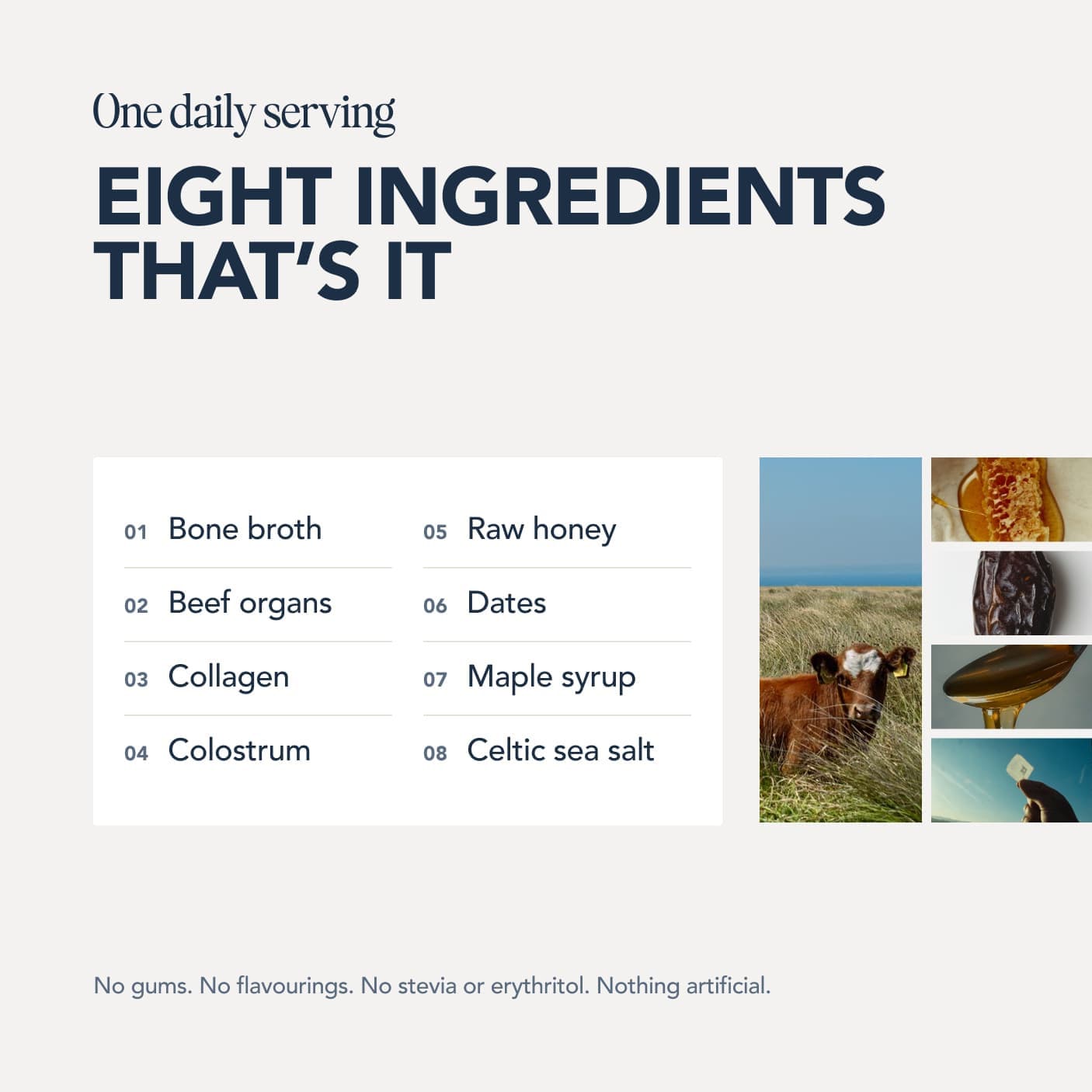
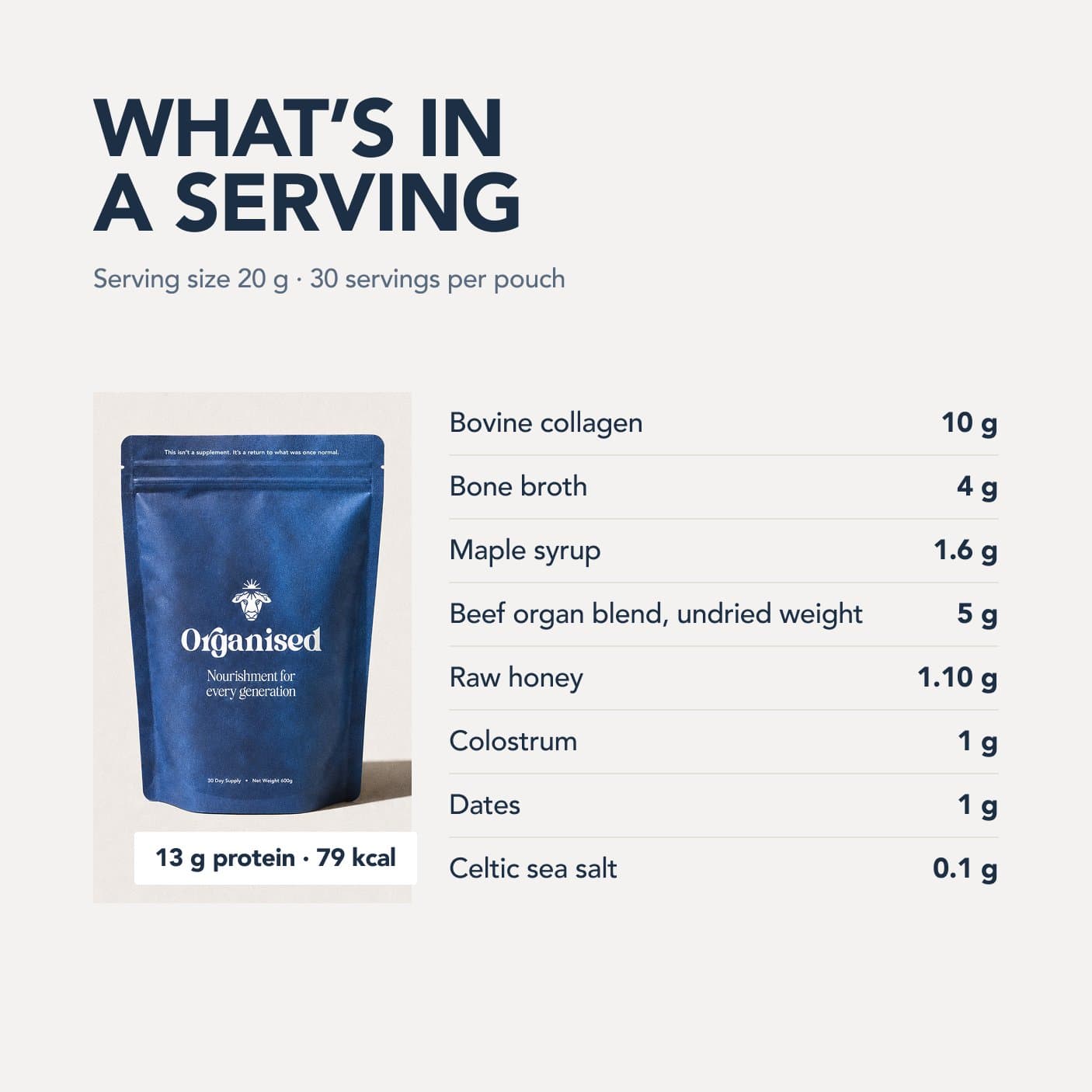
Eight real ingredients built around grass-fed beef organs, collagen and colostrum. Nothing synthetic added.
Free with your first order, worth £38. Plus £10 off the pouch with a subscription.
Free UK shipping · Made in England · 100 day money back guarantee on your first pouch · Skip, pause or cancel anytime
What comes next
The documentary is free. We're not selling you raw milk. We're not selling you pasteurised milk. We're not selling you anything that depends on you believing a specific thing about raw milk.
We made this because we believe people deserve honest information about food. Information that doesn't simplify to fit marketing narratives. Information that acknowledges trade-offs, risks, and benefits without picking a side because a side is profitable.
If you watch it and decide raw milk isn't for you, that's a valid conclusion. If you decide to try it with proper source knowledge and awareness of your own health status, that's also valid. Both conclusions come from information, not marketing.
The goal of honest food investigation isn't to change how everyone eats. It's to make sure people eating know what they're choosing and why.
The bottom line
Raw milk isn't unique in being controversial. Most interesting foods are. Fermented foods. Organ meats. Whole dairy. Animal fats. They're controversial because they challenge the industrial food narrative.
The antidote to marketing chaos isn't more marketing in the opposite direction. It's honest investigation. Sustained curiosity. Information that refuses to simplify beyond what's actually true.
That's what we tried to do. That's what the documentary offers. Not certainty. Not a conclusion handed to you. Information, and the freedom to decide for yourself.
References
Every source below was checked on 27 August 2026. Each PubMed, PMC and DOI identifier was resolved against NCBI or Crossref, and what it opens is printed under the citation, so you can see the link goes where the citation says without leaving the page. Where a citation and its identifier disagreed, the citation was corrected to the record or the reference was deleted along with the sentence marker that pointed at it, and where the resolved paper turned out not to support the sentence, the sentence was cut back to what it does support. Borrowed authority is worse than none, because it looks like rigour.
- UK Food Standards Agency. Raw drinking milk.
- Centers for Disease Control and Prevention. Raw milk.
- Loss G et al. The protective effect of farm milk consumption on childhood asthma and atopy: the GABRIELA study. J Allergy Clin Immunol. 2011;128(4):766-773. PMID: 21875744.Checked 27 August 2026: PMID 21875744 opens Loss G, Apprich S, Waser M et al, The protective effect of farm milk consumption on childhood asthma and atopy: the GABRIELA study. J Allergy Clin Immunol 2011;128(4):766-773.e4. PubMed indexes it as: Clinical Trial, Multicenter Study.
Who wrote and reviewed this guide
Niall Kiddle
Author · Founder, Organised
Niall is the founder of Organised. He started the company in 2024 after fixing his own health the slow way: in 2022 he swapped a cupboard of synthetic supplements for real food, raw milk, organ meats, bone broth and honey, and felt the difference within months.
Areas of expertise: Ancestral nutrition, Organ meats, Whole-food supplementation, Gut health, Regenerative sourcing
Read Niall's full profile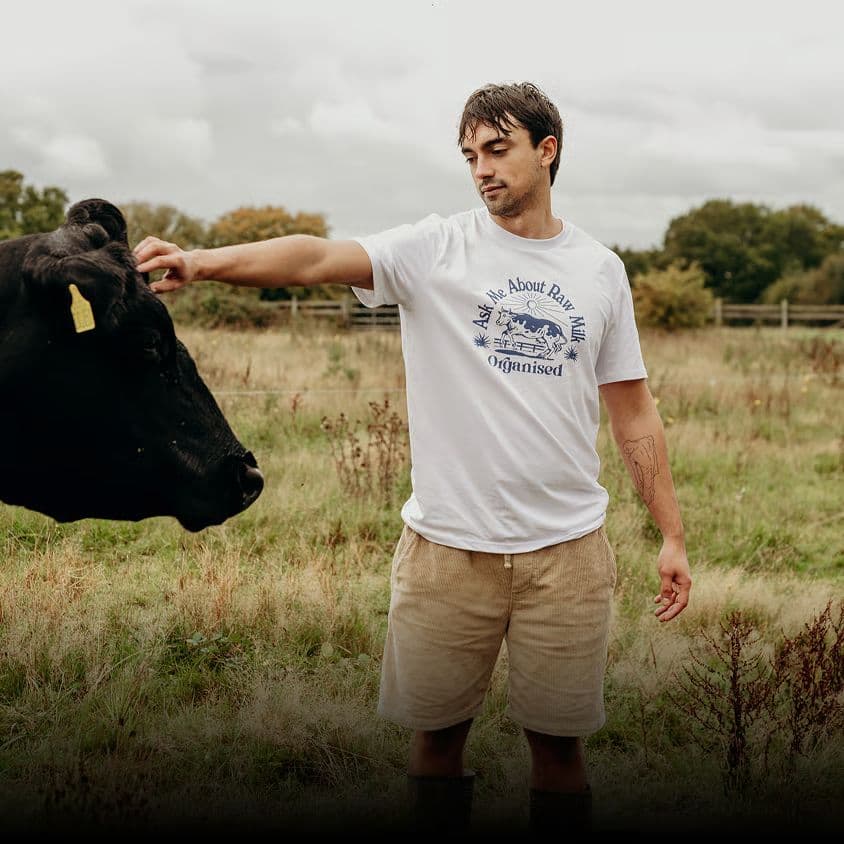
Pedro Rodrigues
Reviewer · Agronomist (farming and sourcing only)
Pedro is the agronomist Organised works with on farming and sourcing. His job on the guides is to keep the science honest: he reviews what we publish about soil health, regenerative agriculture, grazing and the way food is actually produced.
Areas of expertise: Regenerative agriculture, Agronomy, Soil health, Grass-fed farming, Food sourcing
Reviewed this guide on
Read Pedro's full profileMore on brand story
View allBrowse the guides library
All guidesKeep reading
Culture & community
Food Sovereignty: Taking Back Control of What You Eat
Understanding food sovereignty, why knowing your food sources matters, and how to resist industrial food systems through local and regenerative choices.
Culture & community
How to Talk to Your Family About Changing the Way You Eat
Navigate family resistance to dietary change. Address common pushback, communicate benefits, and manage eating in a shared household without conflict.
Culture & community
Social Media and Nutrition: Navigating the Noise
Learn how to evaluate nutrition claims on social media. Build critical thinking skills to separate science from marketing hype.
Real food, made effortless
Shop the blendA few ways to use it
All recipes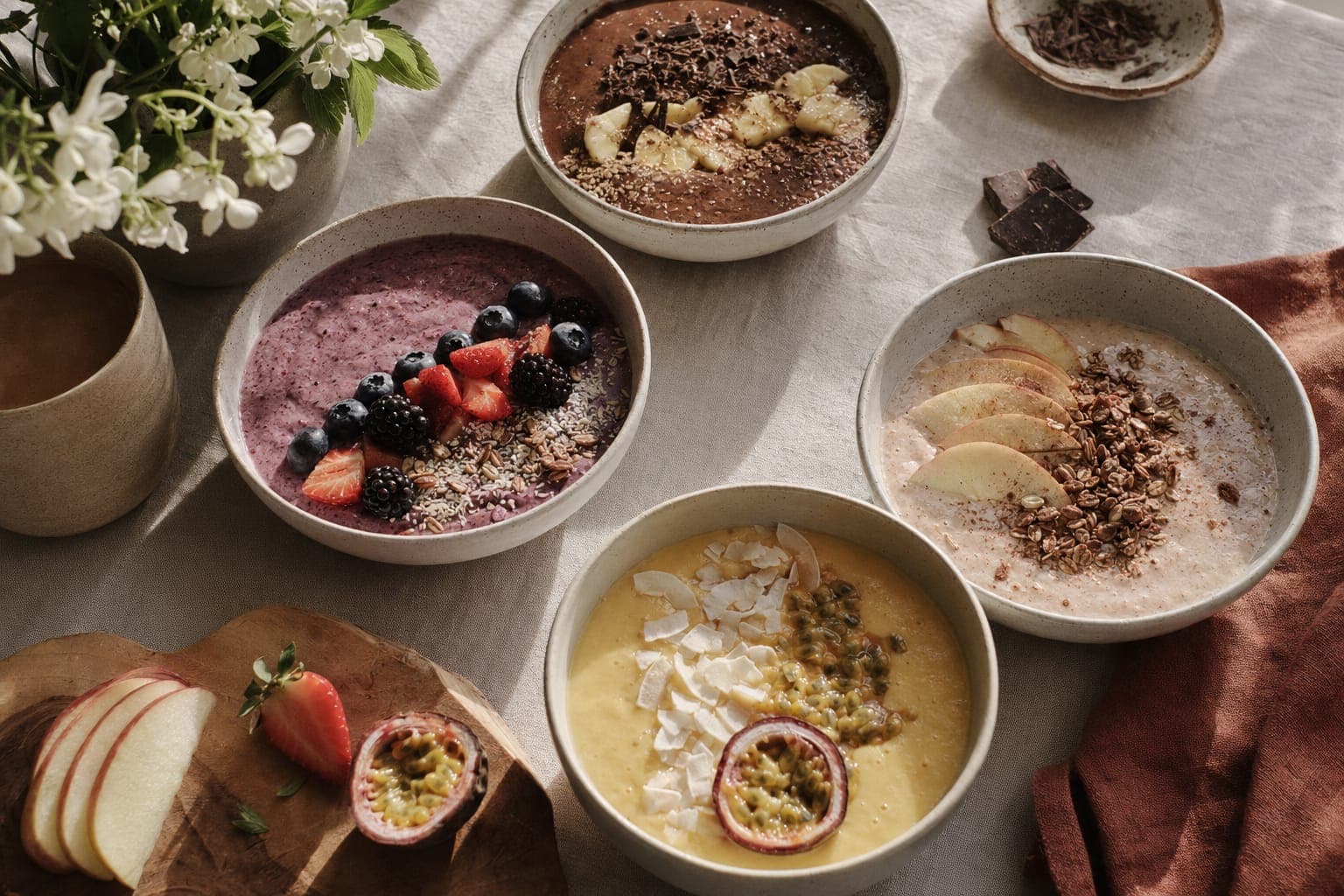
Organised Smoothie Bowl Recipes for Every Season
Four seasonal smoothie bowl recipes using Organised. Berry in summer, apple-cinnamon in autumn, tropical in spring, warming chocolate in winter.
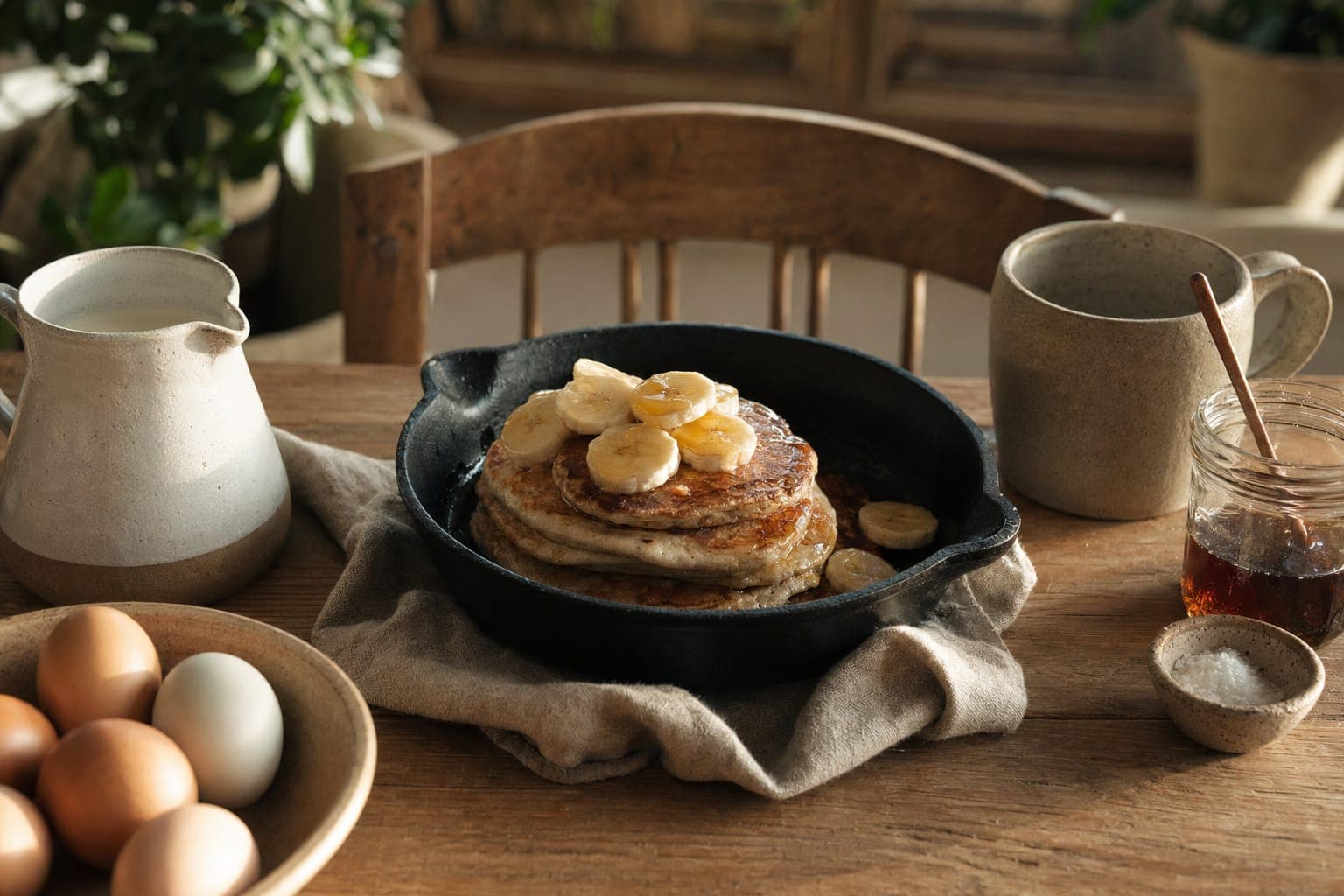
Organised Protein Pancakes: A Weekend Favourite
A high-protein pancake recipe using beef protein, eggs, and raw milk. Cooked in cast iron, naturally sweetened with banana and honey. Real food breakfast.
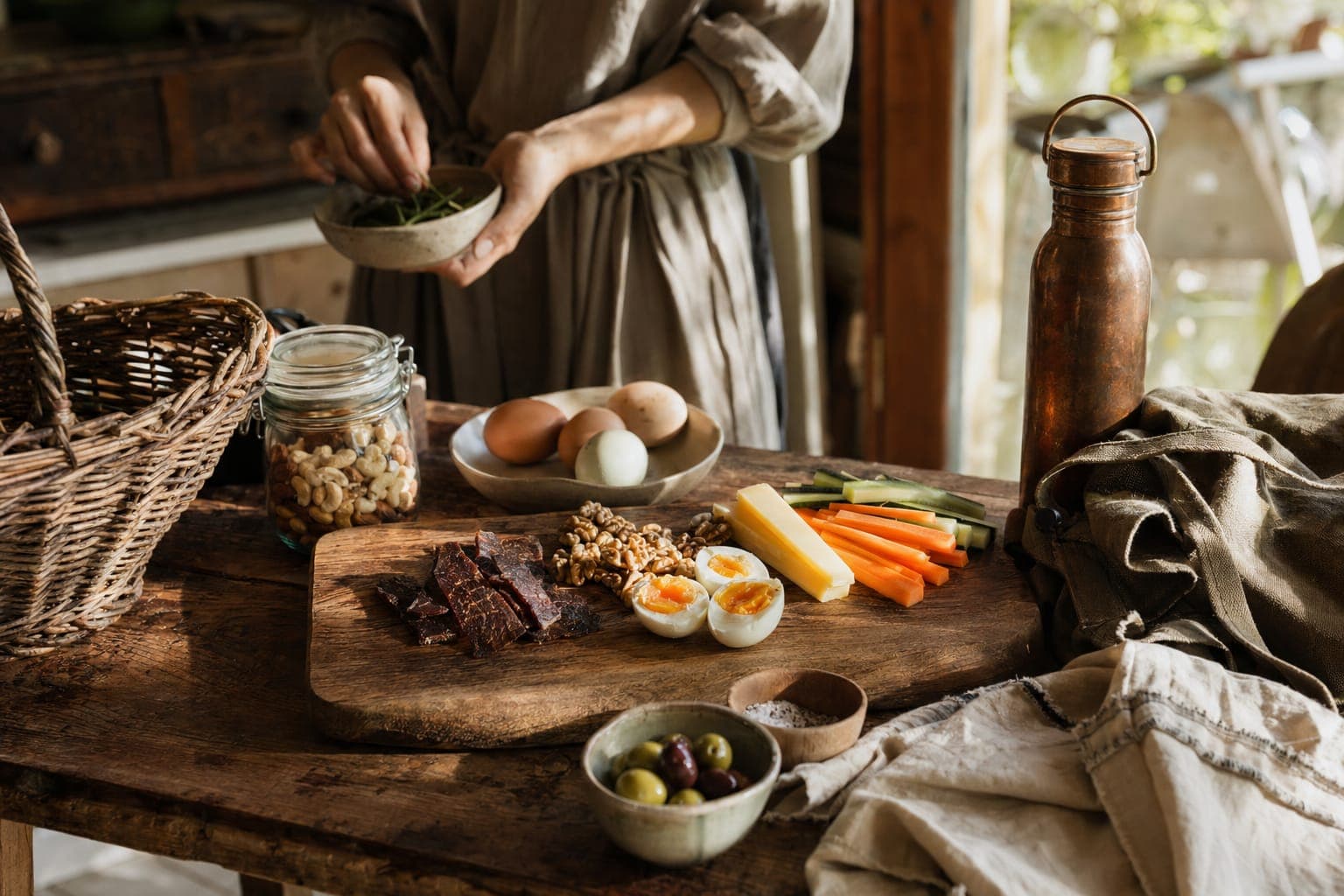
Whole Food Snacks for Busy Days
Practical whole food snacks that travel well and sustain energy. No refined carbs, no seed oils. Real food options for when you're busy.

 Join over 100,000+ members
Build a better food system with us
The Organised community is thousands of people choosing real food and backing the farmers who grow it, all of us trying to leave the world a little better than we found it. If that is what you care about too, you belong here.