Why 'Eat Less, Move More' Failed a Generation
We were told a simple rule: eat less, move more. A generation followed it. They tracked calories. They exercised. They suffered. And nothing changed. Not because they lacked willpower. Because the rule was broken from the start.
By Niall Kiddle, Founder, Organised

Reviewed by Pedro Rodrigues, Agronomist (farming and sourcing only) ·
6 min read · Published · Updated · 2 cited sources
Makers of the Organised Daily blend, a grass-fed beef organ supplement from regenerative UK farms

This isn't blame. It's clarity.

The promise that didn't work
The doctrine was compelling because it was simple. Burn more calories than you consume, lose weight. It sounded like physics. And in a laboratory where you can control every variable, it is.
In actual human bodies, it's not.
A generation did the work. Women joined gyms at unprecedented rates. People started running. People counted calories obsessively. People became intimate with macronutrient ratios. The diet culture exploded.
And obesity continued climbing. Metabolic disease continued rising. People on treadmills became thinner and more miserable simultaneously.
By now, the data is undeniable. In 2024, despite calorie counting being ubiquitous, body composition crises are worse, not better. The strategy failed. Not because people weren't disciplined enough. Because the strategy was flawed.
Why calorie counting breaks metabolism
Here's the mechanism that nobody talks about. Your body doesn't care about calories. It cares about signalling. It reads food and asks: is this abundant? Is this safe? Should I store or should I burn?
A 500-calorie meal of broccoli and chicken sends different signals than 500 calories of processed food. The whole food signals abundance. The nutrients are dense. The fibre is high. The body reads this as: the environment is safe, you can spend energy.
The processed food signals scarcity. The calorie density is high but the nutrient density is low. The body reads this as: eat more, you're not getting what you need. Store fat. Conserve energy.
Calorie counting ignores this entirely. It treats calories as interchangeable. A calorie of sugar is the same as a calorie of protein. Mathematically true. Biologically nonsense.
Your body has sophisticated endocrine sensors. Hormones like leptin, ghrelin, and insulin respond to food composition and signalling, not just calories.1 When you eat real food, leptin signals fullness and the body relaxes. When you eat processed food, leptin signalling becomes dysregulated and the drive to eat never stops. You're technically full but biologically still hungry. Your body is screaming that something is missing.
A generation spent decades eating less of foods that signalled scarcity, while moving more, which signals a threatening environment. The body responded exactly as evolution designed: store fat, lower metabolism, conserve energy. This is called metabolic adaptation.2 Not laziness. Not moral failure. Pure survival physiology.
They were inadvertently teaching their bodies to be energy-efficient and fat-storing. Then they were blamed for lacking willpower.

Your body isn't a spreadsheet
The calorie model treats the body like a machine. Input minus output equals storage. It's elegant. It's also incomplete.
Your body is a complex endocrine system. Every food you eat speaks to that system. Sugar spikes insulin, which tells your body to store fat and prepare for scarcity. Fibre keeps you full, which tells your body energy is abundant. Protein increases satiety and thermogenesis, which tells your body to spend energy. Fat tells your body that energy is reliable and available.
Micronutrients are the same. Iron is required for oxygen transport and energy production. Without it, fatigue sets in and the body lowers expenditure to conserve. B vitamins are required for cellular energy production. Without them, the metabolism slows. Magnesium is required for hundreds of enzymatic reactions. Without it, the body becomes dysregulated and the nervous system stays in threat mode.
Eat less of nutrient-poor food and your body becomes deficient and damaged. It down-regulates metabolism as a survival response. Eat more of nutrient-dense food and your body becomes properly supplied and can relax. It rebuilds. It heals. It functions.
The calorie model doesn't account for any of this. It's a beautiful framework that simply ignores how bodies actually work. It's like trying to run a car by counting fuel consumption while ignoring whether the fuel was the right octane, whether the oil is being changed, whether the spark plugs are firing.
Get stories from the community, free
Two short reads a week on the farmers, the standards, and the return to real food.
By signing up you agree to receive emails from us. No spam, unsubscribe anytime.
The nutrient-density shift
The shift that's beginning to happen is quiet but profound. It's away from counting and toward choosing. Away from restriction and toward abundance. Away from calories and toward nutrients.
This isn't about eating more. It's about eating differently. Choosing foods that are nutrient-dense. Real food. Whole food. Foods that signal to your body that nutrition is available.
A meal built around organs, grass-fed beef, vegetables, and good fat might be 700 calories. A meal built around processed food might be 700 calories. The first signals abundance and sends your body into the parasympathetic state where fat loss is possible. The second signals scarcity and sends your body into the sympathetic state where fat loss is impossible.
This is why people who shift to real food often eat more food but lose body fat. Not because they're burning more. Because they're signalling properly. The body trusts the nutrition and can relax the constant drive to store and conserve. The body stops being in scarcity mode.
Consider what happens when you restore the nutrients. Leptin signalling normalises. The body realises food is abundant so it can afford to be less protective. Cortisol drops. The nervous system shifts from threat mode to rest mode. Thyroid function improves. The metabolism rises instead of staying suppressed. Energy spends instead of being conserved. Body composition shifts not because you're forcing it through deprivation, but because the signals are finally aligned.
The nutrient-density reset
This is what actually works. Not restriction. Reset. Stop eating foods that signal scarcity and start eating foods that signal abundance. The body responds within weeks.
People report that the first thing to shift is energy. Not dramatically. Just a baseline that's stable instead of crashing. No afternoon fog. No need for a coffee at 3 PM because you're failing to function. Just consistent, available energy.
The second thing is appetite regulation. For the first time in years, people report eating when hungry and stopping when full. No more constant grazing. No more thinking about food constantly. The body, when properly nourished, just signals clearly what it needs.


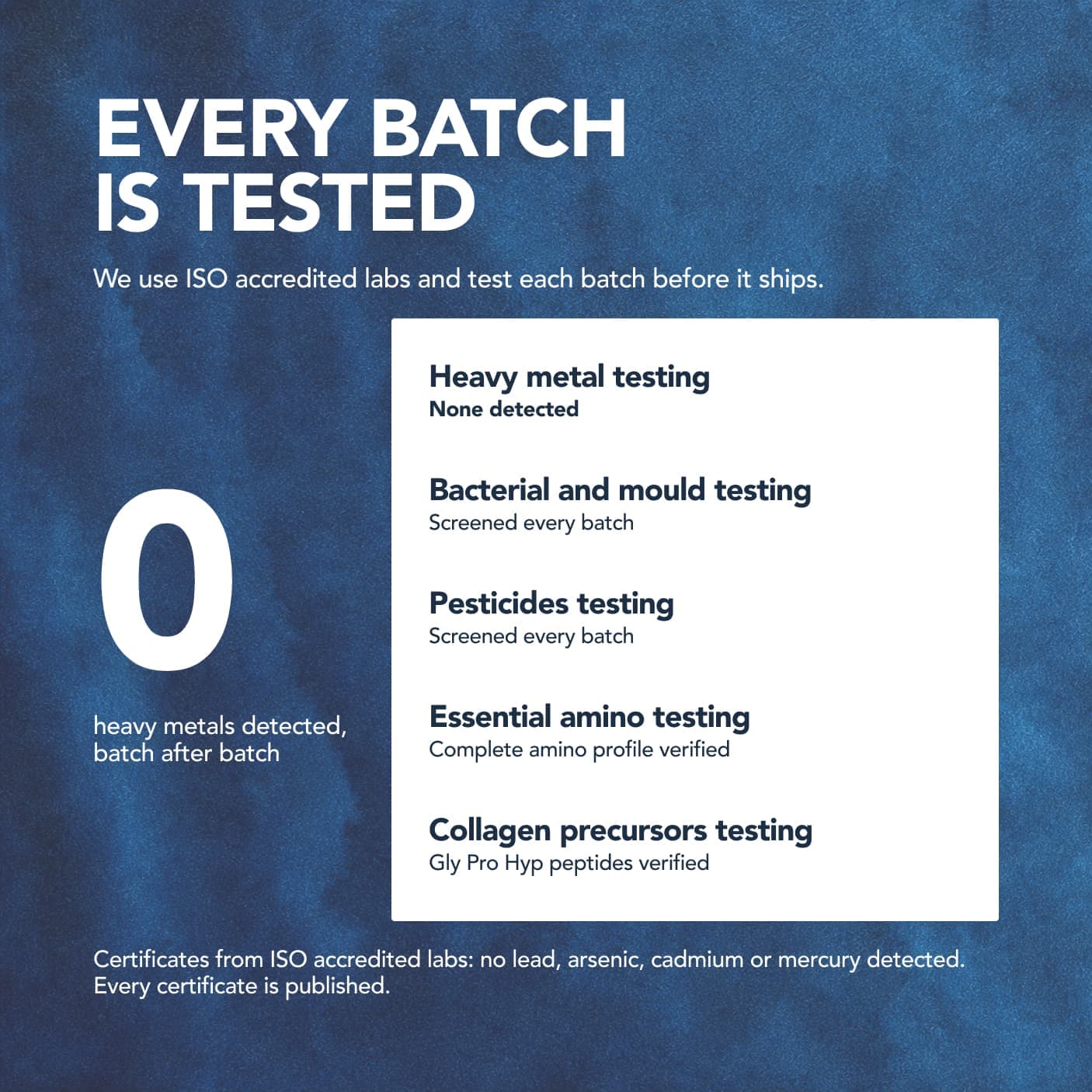
1 of 9
Daily blend
100,000+ thriving families4.9 on Trustpilot
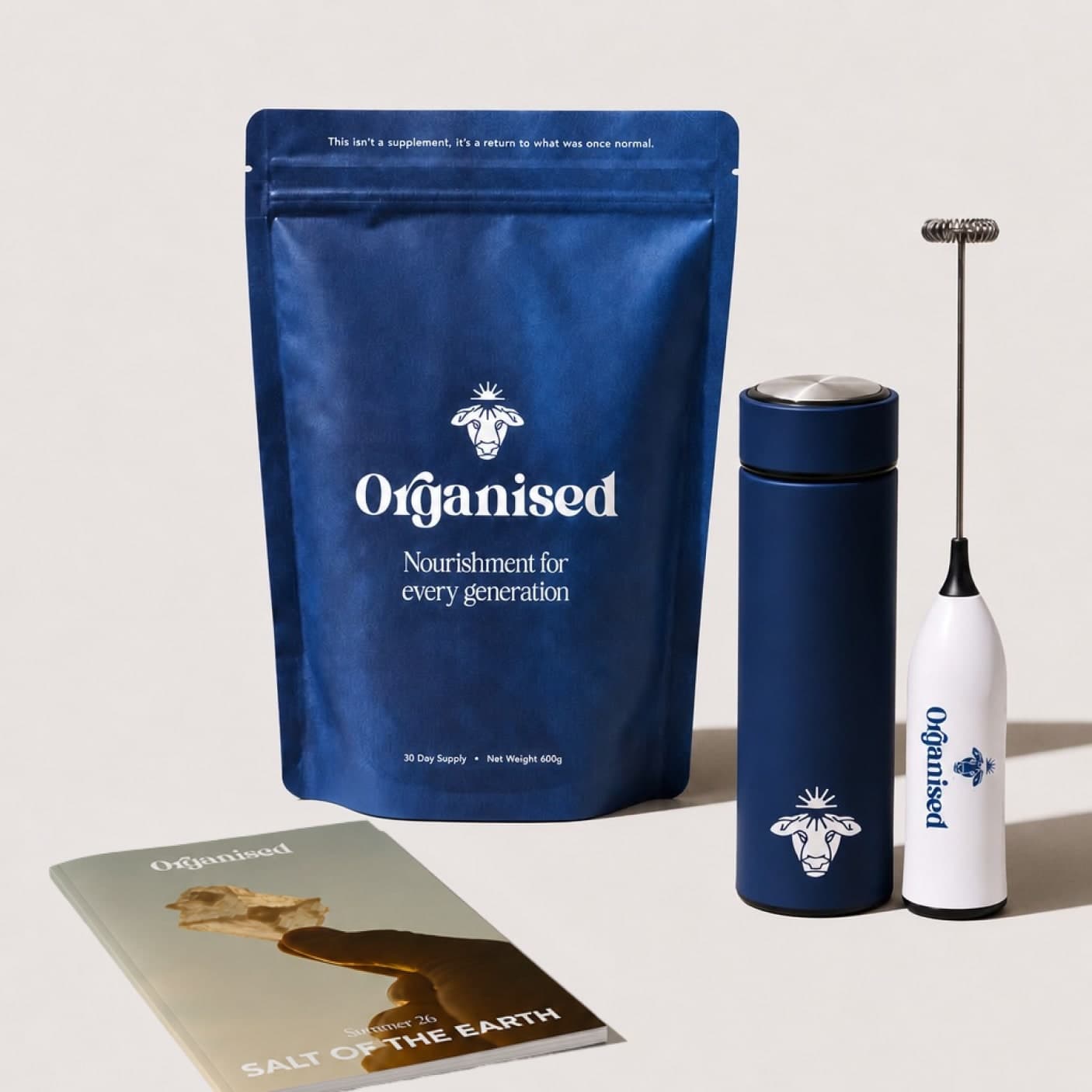
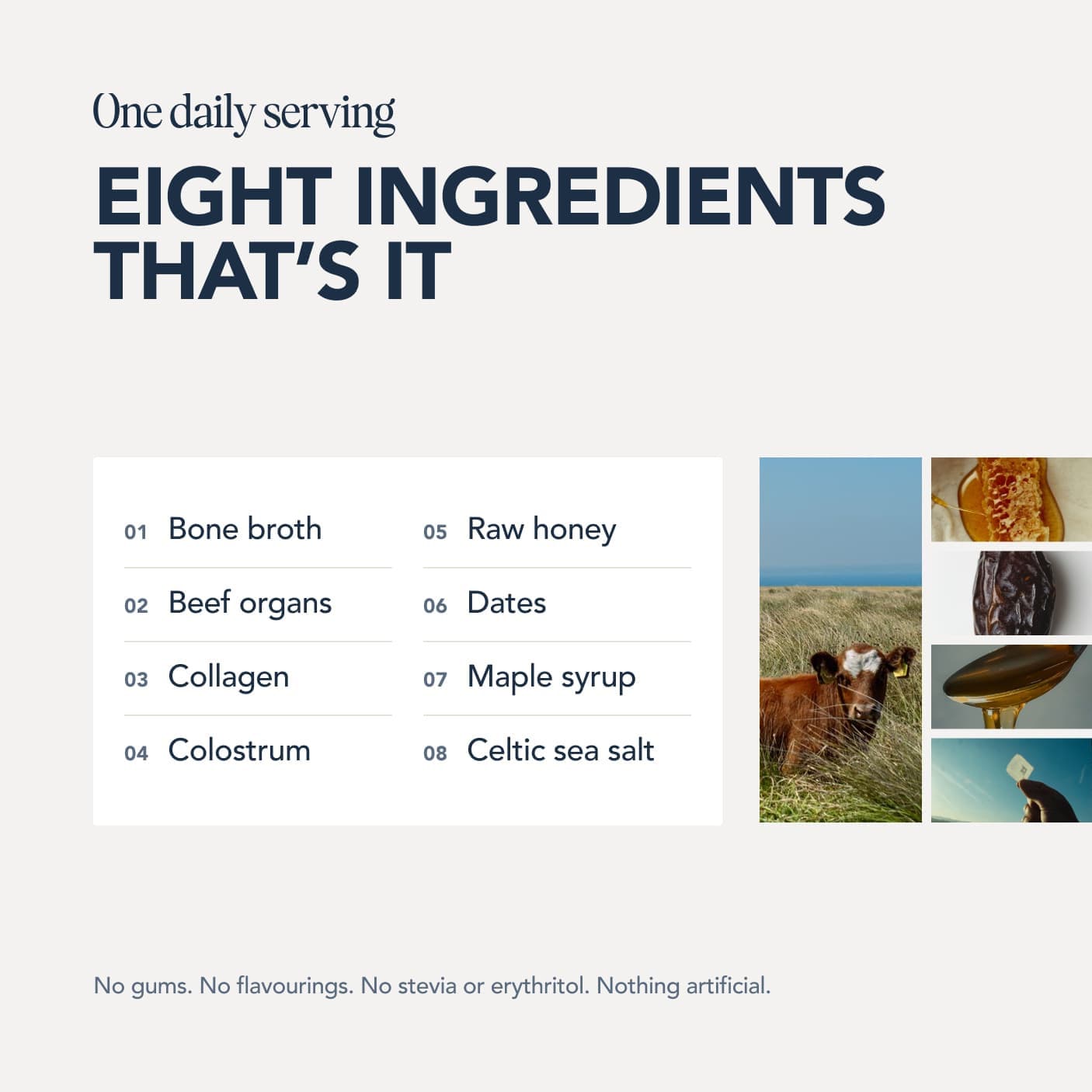
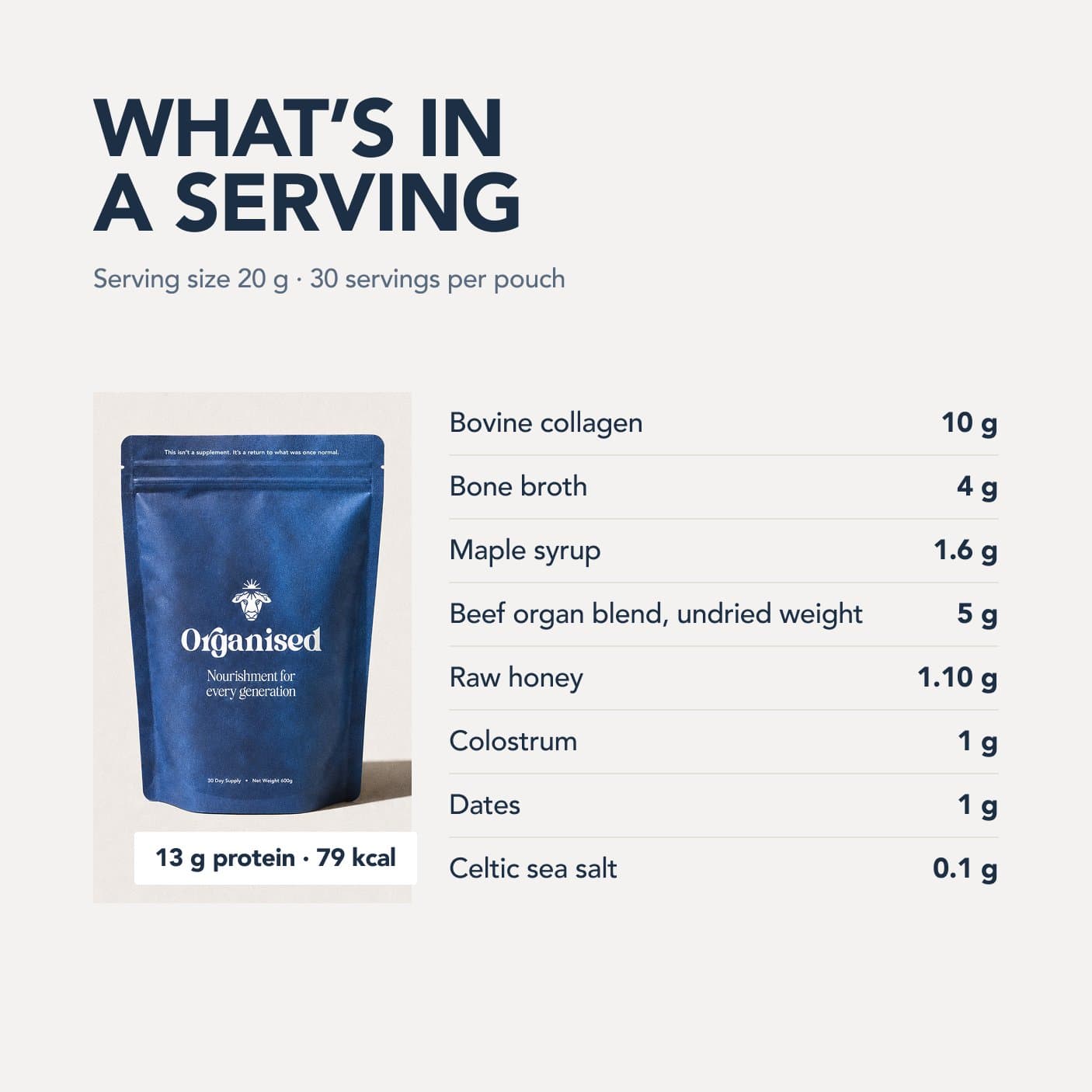
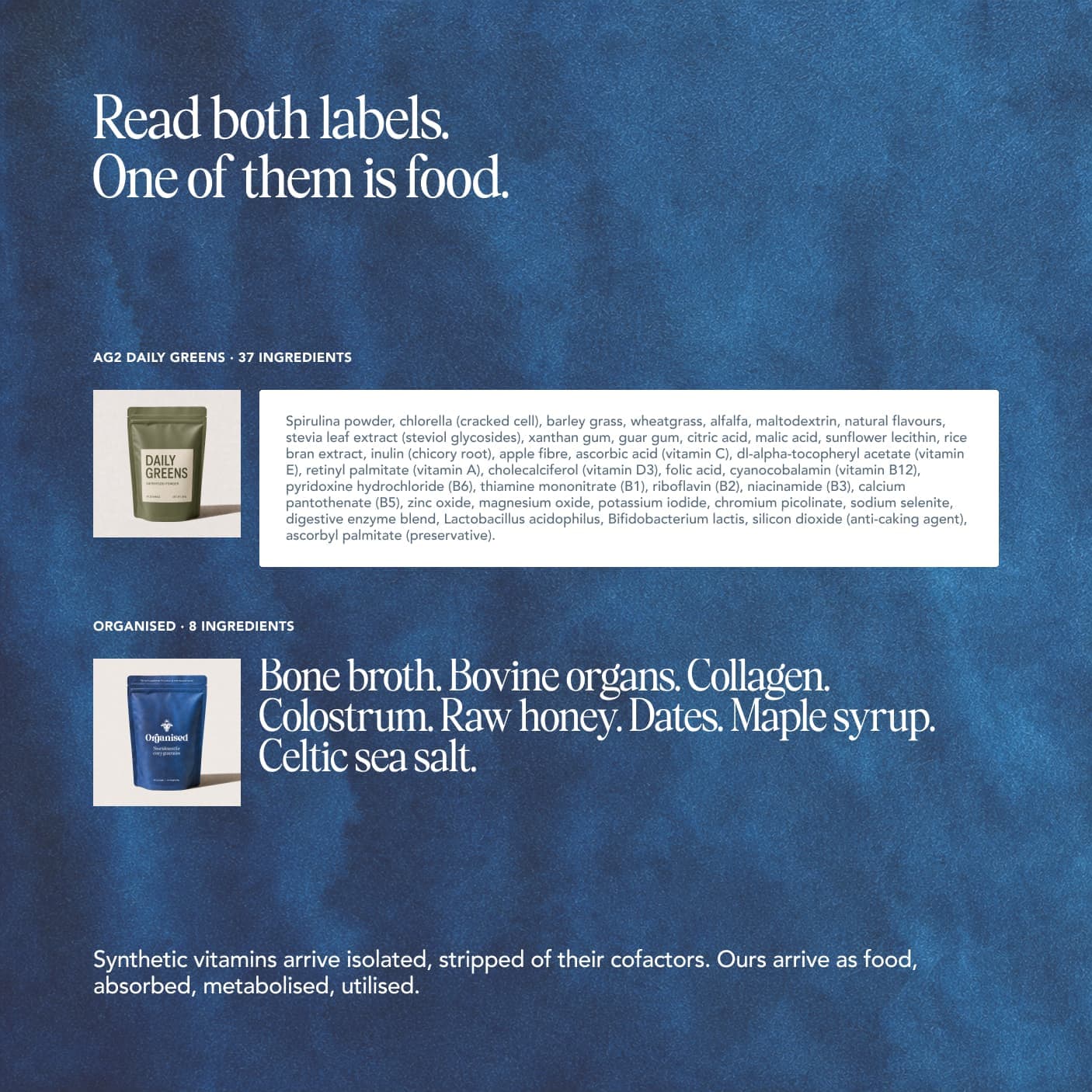
Eight real ingredients built around grass-fed beef organs, collagen and colostrum. Nothing synthetic added.
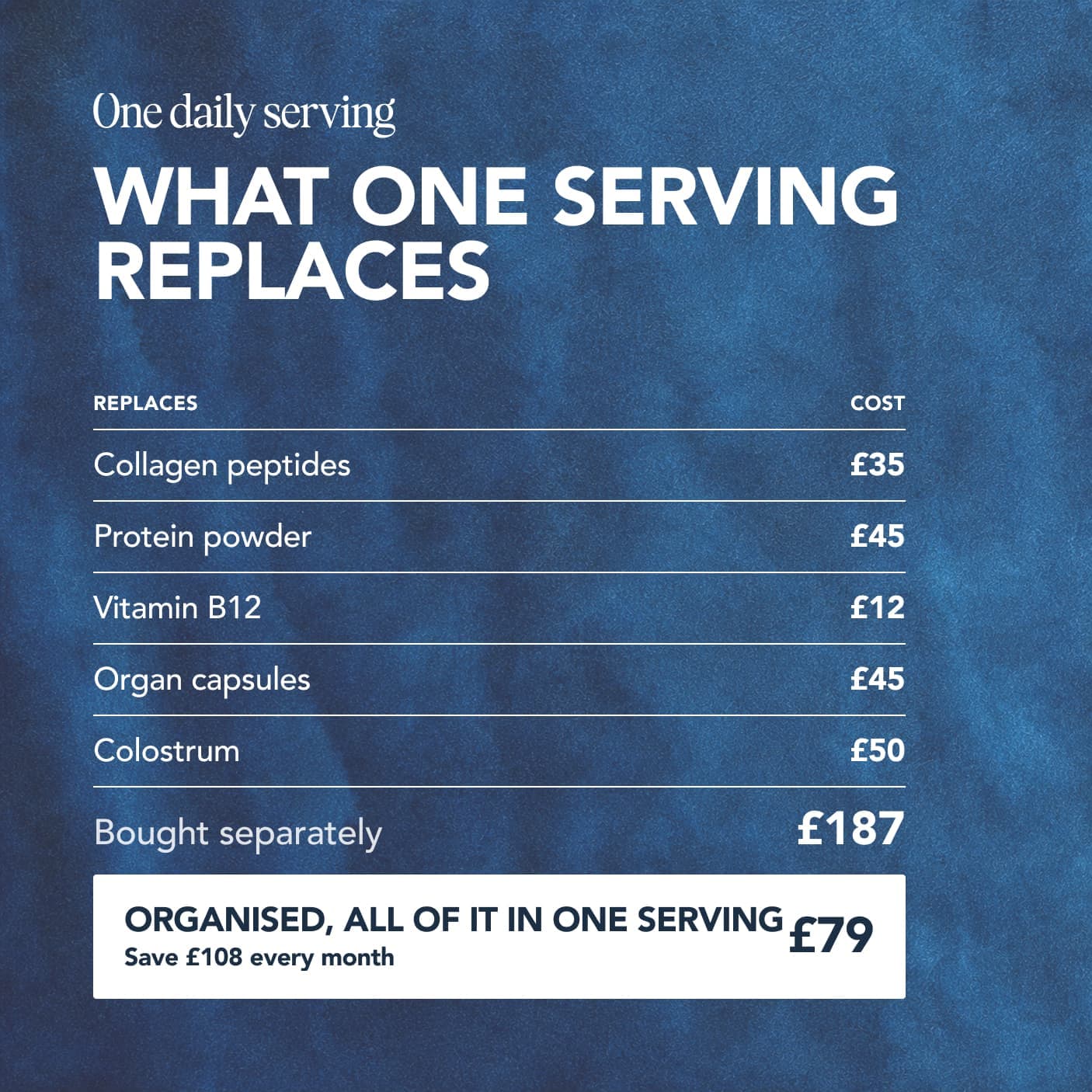
Free with your first order, worth £38. Plus £10 off the pouch with a subscription.


Free UK shipping · Made in England · 100 day money back guarantee on your first pouch · Skip, pause or cancel anytime
What eating for health actually looks like
It's simpler than calorie counting, but it requires a shift in thinking. Eat real food. Prioritise nutrient density. Eat organs because they're the most nutrient-dense. Eat vegetables. Eat good fat because your brain needs it. Eat salt because your nervous system needs it. Eat carbohydrates because your thyroid needs them.
Eat until you're full. Your body is good at signalling fullness when the food actually nourishes it. Stop when you're satisfied. Don't eat past that point. This only works if the food is real and nutrient-dense. Ultra-processed food can't trigger proper fullness signals. Your body never feels actually full because the nutrition was never there.
Move in ways that feel good. Not as punishment. Not to burn calories. But because movement feels like home to a body that's properly nourished. When cortisol is high and energy is low, moving feels terrible. When nutrition is restored, movement becomes something your body wants to do.
This isn't revolutionary. It's actually ancestral. For most of human history, people ate this way. Real food. Whole food. As much as they wanted of it. And they had body composition that looked like competence and health.
The calorie model was the revolution. And it was a failed one. The shift back to nutrient density isn't a diet. It's a correction. It's how your body was designed to work, restored.
References
Every source below was checked on 27 August 2026. Each PubMed, PMC and DOI identifier was resolved against NCBI or Crossref, and what it opens is printed under the citation, so you can see the link goes where the citation says without leaving the page. Where a citation and its identifier disagreed, the citation was corrected to the record or the reference was deleted along with the sentence marker that pointed at it, and where the resolved paper turned out not to support the sentence, the sentence was cut back to what it does support. Borrowed authority is worse than none, because it looks like rigour.
- Hall KD, Ayuketah A, Brychta R, et al. Ultra-Processed Diets Cause Excess Calorie Intake and Weight Gain: An Inpatient Randomized Controlled Trial of Ad Libitum Food Intake. Cell Metab. https://pmc.ncbi.nlm.nih.gov/articles/PMC7946062/ [accessed May 2026].Checked 27 August 2026: PMC7946062 opens Hall KD, Ayuketah A, Brychta R et al, Ultra-Processed Diets Cause Excess Calorie Intake and Weight Gain: An Inpatient Randomized Controlled Trial of Ad Libitum Food Intake. Cell Metab 2019;30(1):67-77.e3. PubMed indexes it as: Randomized Controlled Trial.The authors' own declaration, from the record: Declaration of Interests. CG Forde has received reimbursement for speaking at conferences sponsored by companies selling nutritional products, serves on the scientific advisory council for Kerry Taste and Nutrition, and is part of an academic consortium that has received research funding from Abbott Nutrition, Nestec, and Danone. The other authors have no conflicts of interest.
- Rosenbaum M, Leibel RL. Adaptive thermogenesis in humans. Int J Obes (Lond). https://pmc.ncbi.nlm.nih.gov/articles/PMC3673773/ [accessed May 2026].Checked 27 August 2026: PMC3673773 opens Rosenbaum M, Leibel RL, Adaptive thermogenesis in humans. Int J Obes (Lond) 2010;34 Suppl 1(0 1):S47-55. PubMed indexes it as: Review.
Who wrote and reviewed this guide
Niall Kiddle
Author · Founder, Organised
Niall is the founder of Organised. He started the company in 2024 after fixing his own health the slow way: in 2022 he swapped a cupboard of synthetic supplements for real food, raw milk, organ meats, bone broth and honey, and felt the difference within months.
Areas of expertise: Ancestral nutrition, Organ meats, Whole-food supplementation, Gut health, Regenerative sourcing
Read Niall's full profile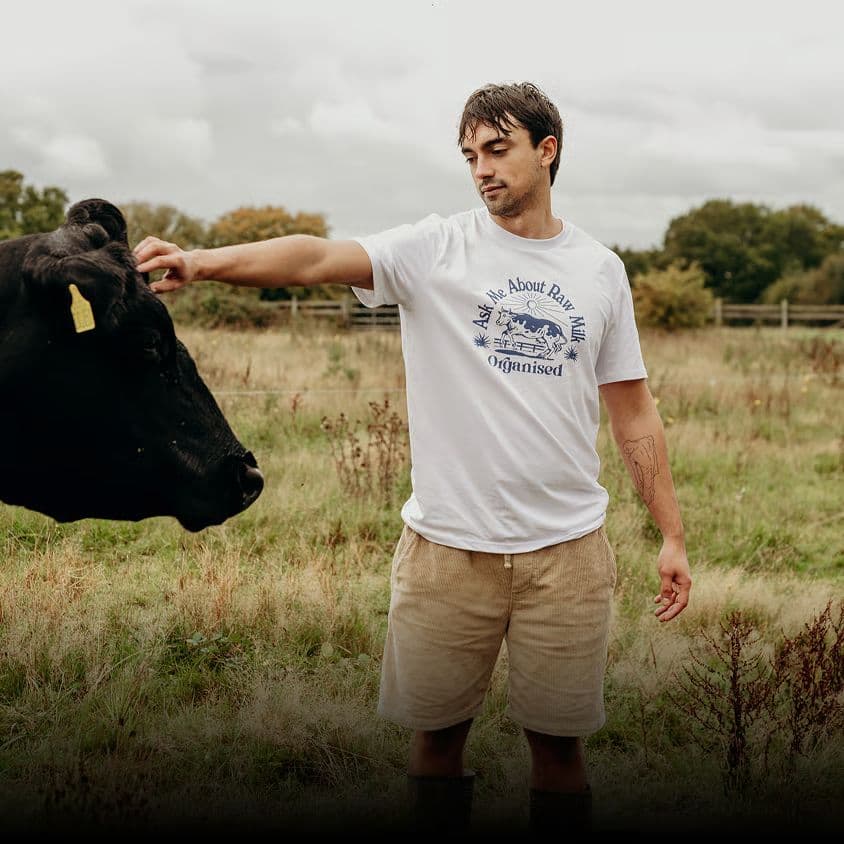
Pedro Rodrigues
Reviewer · Agronomist (farming and sourcing only)
Pedro is the agronomist Organised works with on farming and sourcing. His job on the guides is to keep the science honest: he reviews what we publish about soil health, regenerative agriculture, grazing and the way food is actually produced.
Areas of expertise: Regenerative agriculture, Agronomy, Soil health, Grass-fed farming, Food sourcing
Reviewed this guide on
Read Pedro's full profileMore on movement
View all- The Return to Real Food: Why Millions Are Rejecting Ultra-Processed Diets
- Against Ultra-Processed: A Manifesto for Real Food
- Find a Farm: How to Source Real Food Near You
- Food Sovereignty: Taking Back Control of What You Eat
- Processed Food Companies Don't Want You to Know This
- Social Media and Nutrition: Navigating the Noise
- The Anti-UPF Movement: What's Driving the Backlash Against Processed Food
- The Problem with 'Clean Label' Marketing
- The Raw Milk Renaissance: Our Documentary
- The Rise of Ancestral Eating in the UK
- What 'Nourishment for Every Generation' Really Means to Us
- Why More Doctors Are Recommending Whole Food Over Supplements
Browse the guides library
All guidesKeep reading

Culture & community
The Raw Milk Renaissance: Our Documentary
Our raw milk documentary, The Death of Normal: Milk, premieres 31 May 2026. Filmed at Plaw Hatch and UK farms still making milk the original way.

Culture & community
How the Organised Community Supports Each Other's Health Journeys
See how community health support drives real change, with stories of accountability and shared knowledge from people transforming their health together.

Culture & community
The Organised Field Guide: What's Inside and Why We Made It
A transparent resource for real food nutrition. What's in the Organised Field Guide and how to use it to build a whole food eating pattern.
Real food, made effortless
Shop the blendA few ways to use it
All recipes
The Perfect Organised Morning Shake: Our Favourite Recipe
Our signature morning shake: Organised, raw milk, banana, honey. Simple, nourishing, and optimised for an empty stomach.
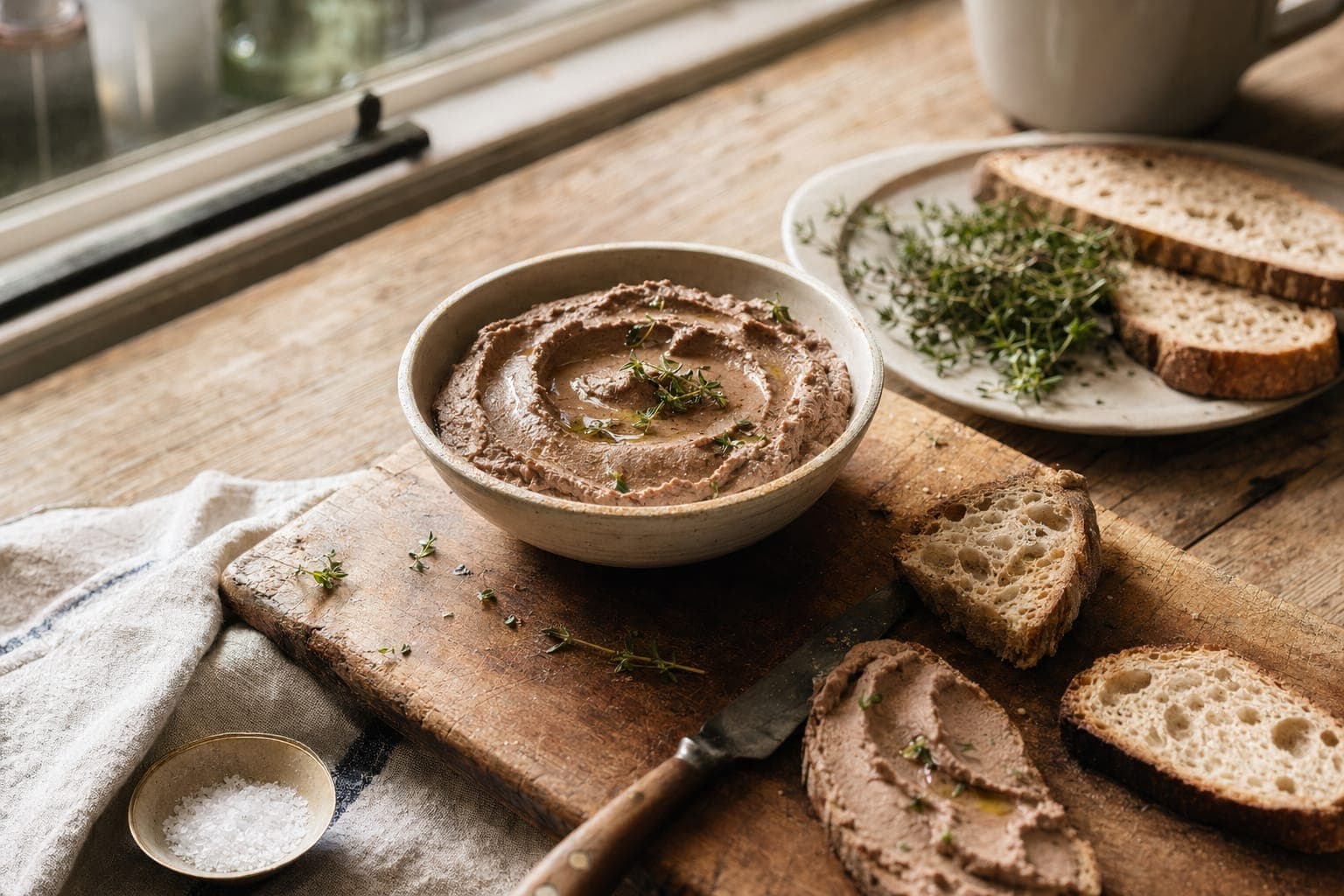
Liver Pate for Beginners: A Gentle Introduction to Organ Meats
Simple liver pate recipe to start eating organ meats. Chicken liver, butter, and herbs. Gentle introduction to nutrient-dense whole foods.
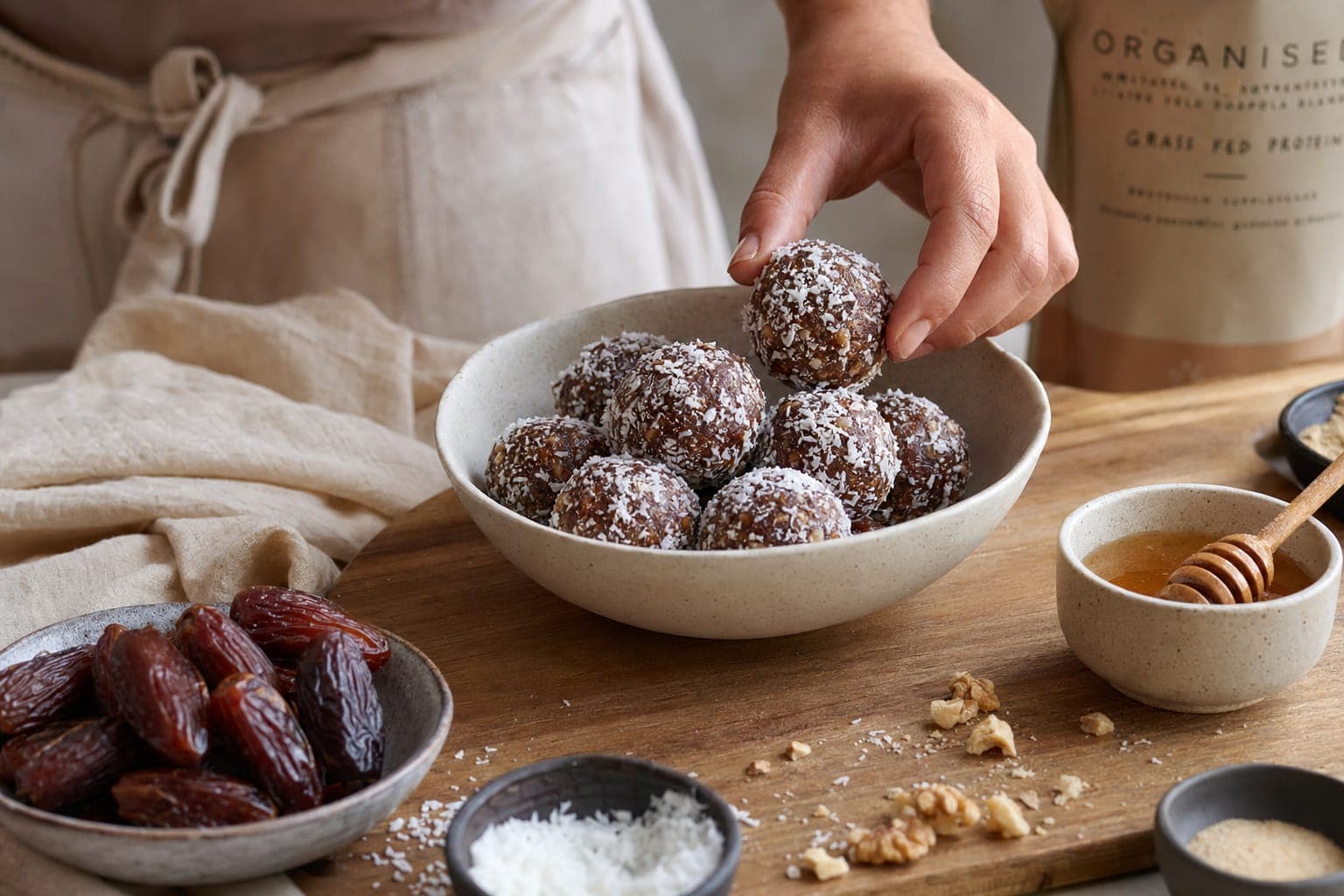
Energy Balls with Organised, Dates and Raw Honey
Make no-bake energy balls with Organised, dates, and raw honey. Perfect lunch box, pre-workout, or on-the-go snack. Simple recipe.


 Join over 100,000+ members
Build a better food system with us
The Organised community is thousands of people choosing real food and backing the farmers who grow it, all of us trying to leave the world a little better than we found it. If that is what you care about too, you belong here.