How the Organised Community Supports Each Other's Health Journeys
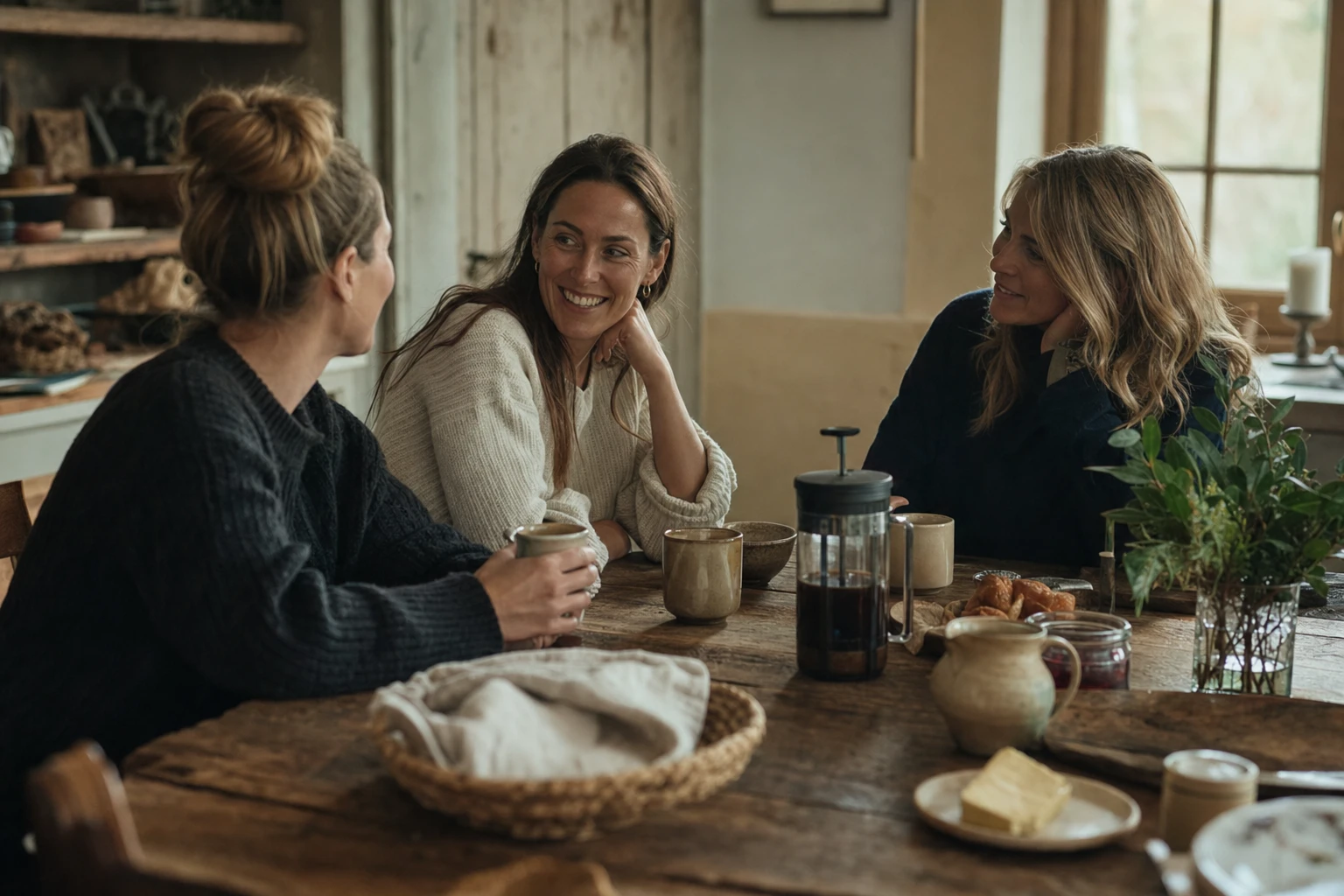
You notice it in WhatsApp threads, late at night, on Sunday mornings over coffee. Real people in the Organised community asking questions, sharing wins, holding each other accountable through the messy middle of changing how they eat. Not influencers. Not before-and-afters. Just people, genuinely doing it.
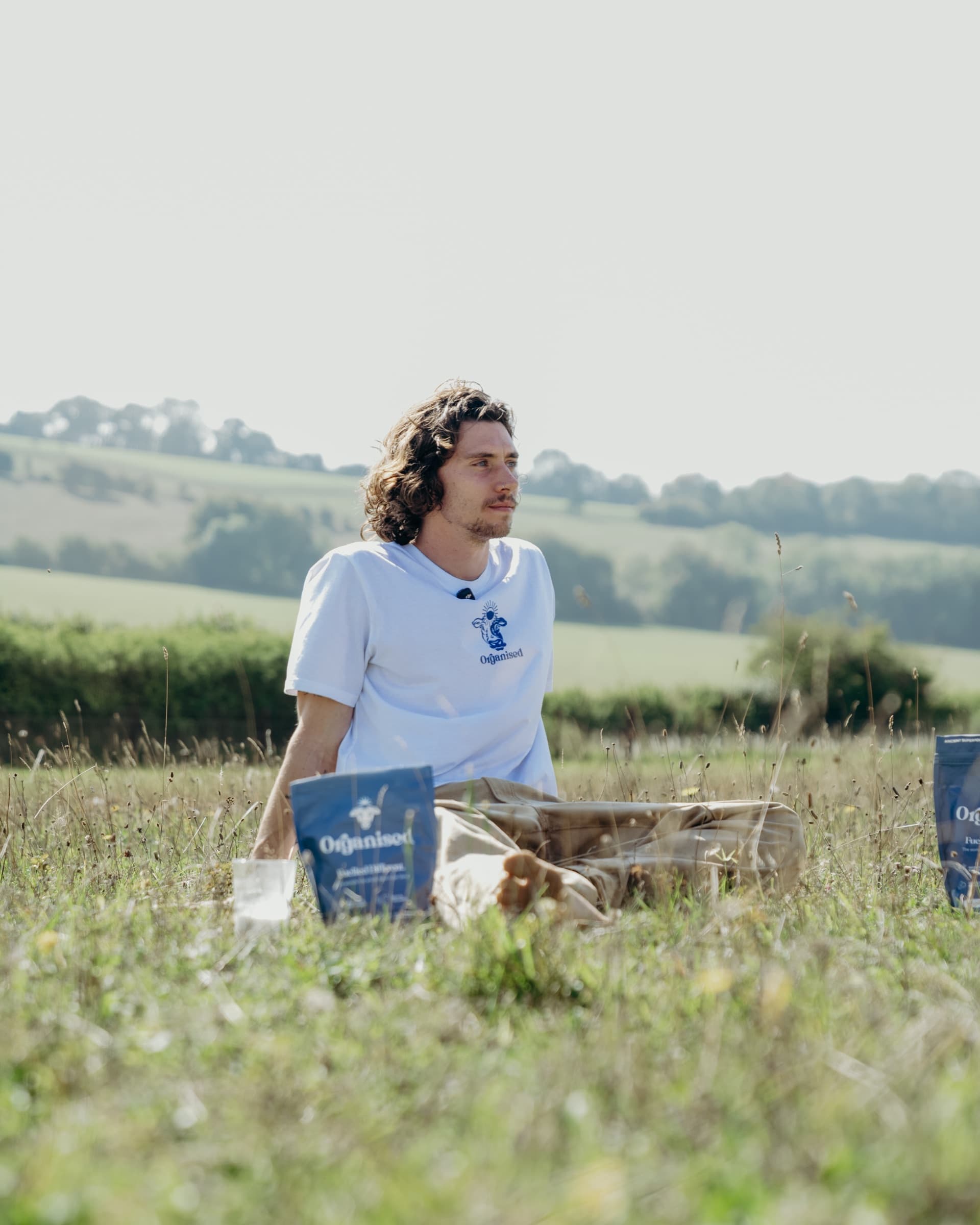
By Niall Kiddle, Founder, Organised

Reviewed by Pedro Rodrigues, Agronomist (farming and sourcing only) ·
5 min read · Published · Updated · 1 cited source
Makers of the Organised Daily blend, a grass-fed beef organ supplement from regenerative UK farms
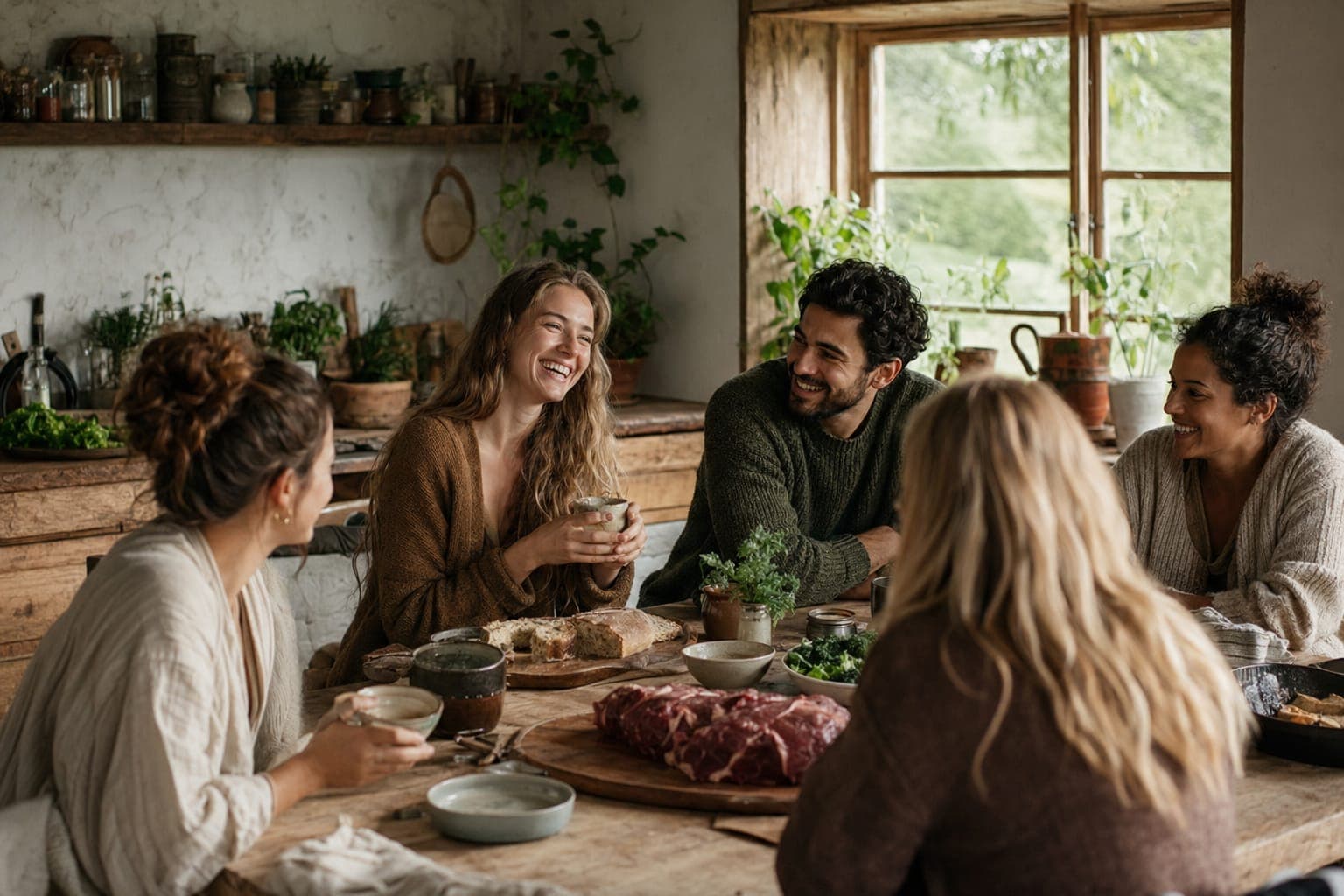
This is the part nobody talks about when they describe their health journey. The part that comes after the decision to change and before the obvious results. The part where you're still tired. You're still figuring out breakfast. You've bought liver but haven't actually cooked it yet.

The quiet power of showing up
One person in the community, Emma, started with a simple message in a group chat: "I've just ordered the field guide. Has anyone here actually cooked liver before?" That single question spiralled into 47 messages over three days. Recipes. Stories of first attempts that went wrong. A confession from someone about cooking liver in a way that smelled up her entire house. And then, her second attempt, which worked.
Emma didn't get a perfect recipe. She got something better: she got proof that other people had been exactly where she was. Stuck. Curious. Willing.
You don't change alone. Change happens when you're in a room with people doing it too, even if that room is a group chat at midnight.
The community wasn't built to be large or frictionless. It was built around people who actually cared enough to show up consistently. That matters.
Real conversations in private spaces
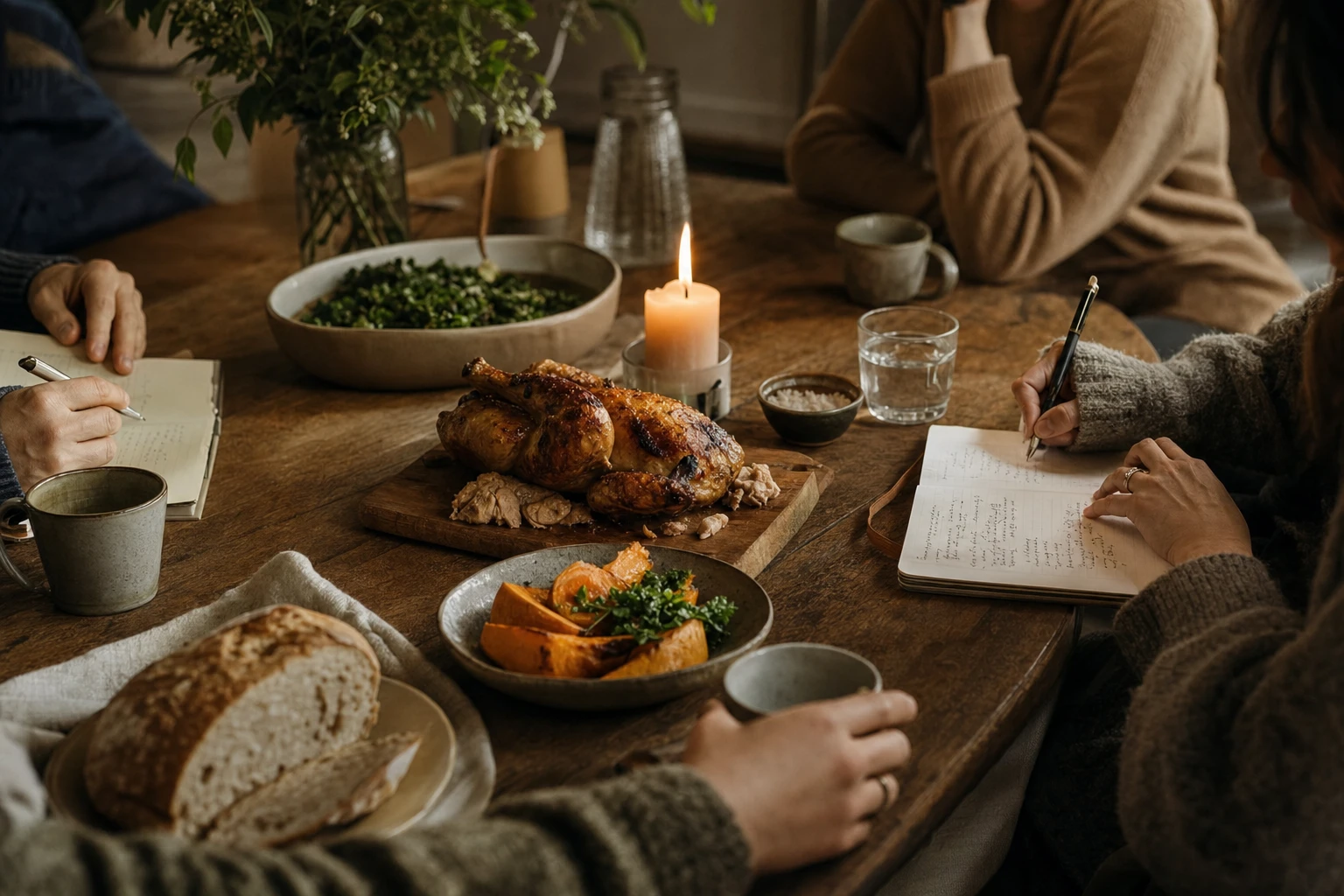
Private WhatsApp groups scattered across the UK have become a different kind of health infrastructure. Not gyms. Not apps. Not wellness influencers. Real people with real constraints: "I've got three kids and 20 minutes before bed," or "My partner thinks I'm mad but I'm trying anyway," or "I can't afford grass-fed everything but I'm doing what I can."
In these groups, nobody performs. The conversations are technical and intimate at the same time. Someone will ask about hormonal cycles and digestion. Someone will ask if frozen organ meat counts (it does). Someone will admit they caved and had a pizza and ask whether they should punish themselves with extra exercise (they shouldn't).
The advice that comes back is consistent because the philosophy is consistent, but it's also flexible because the people doing it are real. One person knows about autoimmunity. Another has three young children and specialises in simple proteins. Another is an athlete trying to optimise performance. Nobody tells anyone else they're doing it wrong.
Instagram as inspiration, not comparison
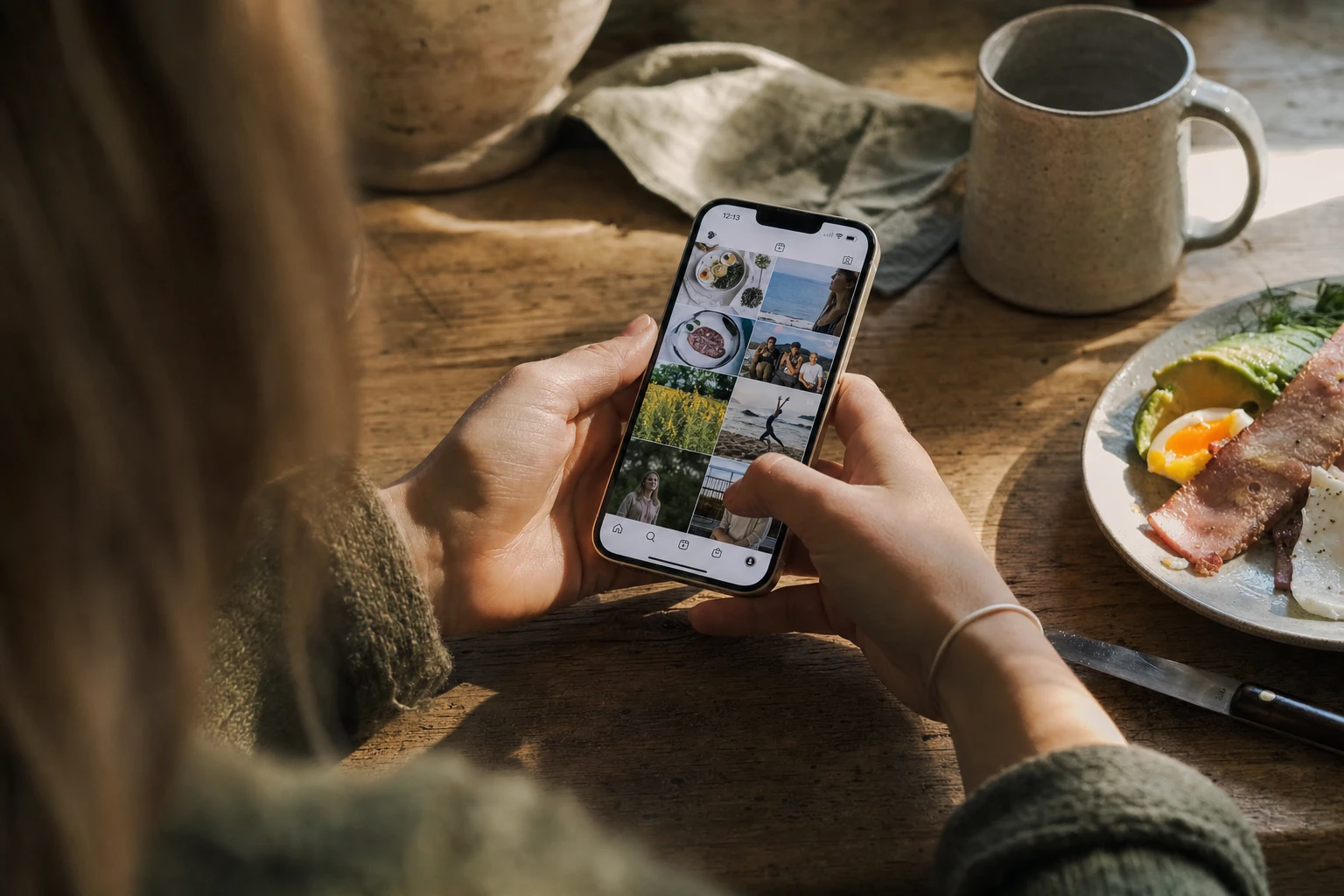
The Organised Instagram community operates differently than most wellness spaces. People share what they're eating and how they're feeling, but they don't share highlight reels. A post might be a photo of a breakfast plate with a caption: "Day 12 and I still forget how tired I was." Another: "Made liver pâté and actually liked it. Small wins." Another: "Partner's got me some tallow. We'll see if this is the thing that fixes my dry skin or if I'm just buying fancy fat."
There's permission in that. Permission to be imperfect. Permission to not have it figured out. Permission to take weeks or months to notice changes, rather than promises of transformation in 30 days.
The community doesn't ask you to become someone else. It asks you to become more clearly yourself, with better fuel.
Accountability without judgment
This is the bit that shifts things. One woman in the community, Sarah, describes her WhatsApp group as "accountability without the shame." She'd been trying to change her eating habits alone for years. She'd succeed for two weeks, then revert. The internal monologue was brutal. Every slip was evidence that she was failing.
When she shared that pattern with the group, nobody told her she was weak. Instead, someone asked: "What's different about those two weeks? What happens on day 15?" That question cracked it open. Turns out, she was eating really well, then on a Friday night, she'd hit a wall. Exhaustion, usually. A sense of deprivation.
The group's advice was practical: "You're not deprived. You're just low on something. Maybe fat. Maybe sleep. Maybe fun. Let's figure out which." The accountability wasn't about being strict. It was about being honest.
That shift, from accountability-as-punishment to accountability-as-curiosity, is what allows people to actually stay with changes.
Get stories from the community, free
Two short reads a week on the farmers, the standards, and the return to real food.
By signing up you agree to receive emails from us. No spam, unsubscribe anytime.
How people become each other's certainty
There's a particular kind of exhaustion that comes from doing something new that everyone around you questions. You're changing your diet, and your family is sceptical. Your colleagues are sceptical. The NHS isn't exactly promoting nose-to-tail eating. You wake up some mornings thinking, "What if I'm wrong about all of this?"
That's when the community becomes essential. Not because they convince you that you're right (you don't need convincing, you can feel the difference). But because they remind you that you're not alone in a conviction that feels isolating.
Someone will share a story: "My cholesterol numbers came back better," or "For the first time in five years, I made it through winter without getting sick," or "My skin cleared up and nobody can believe it." That person isn't selling you anything. They're just telling you what happened when they did the thing too.
Certainty is contagious. When you're surrounded by people experiencing real changes, you stop doubting your own.
1 of 9
Daily blend
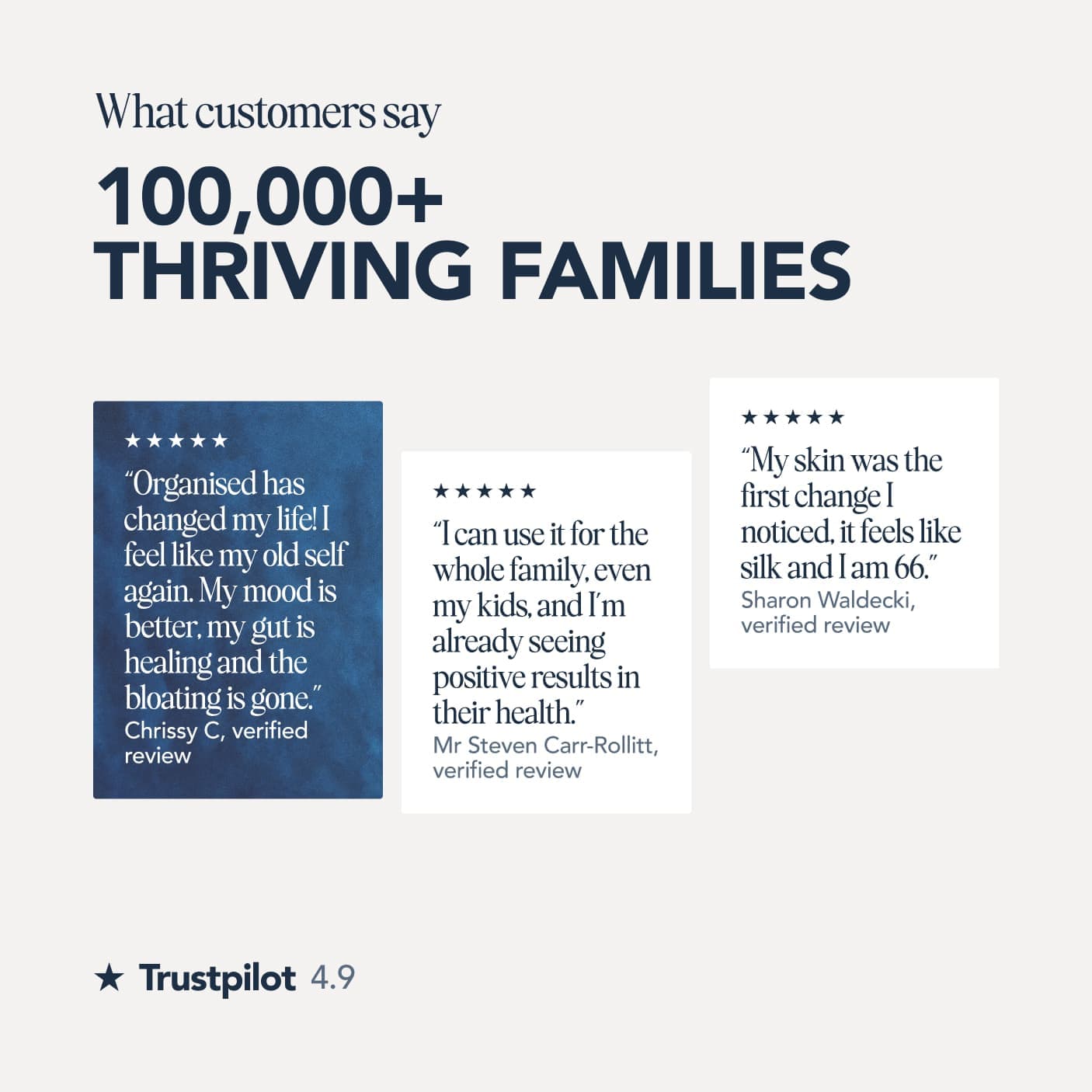
100,000+ thriving families4.9 on Trustpilot
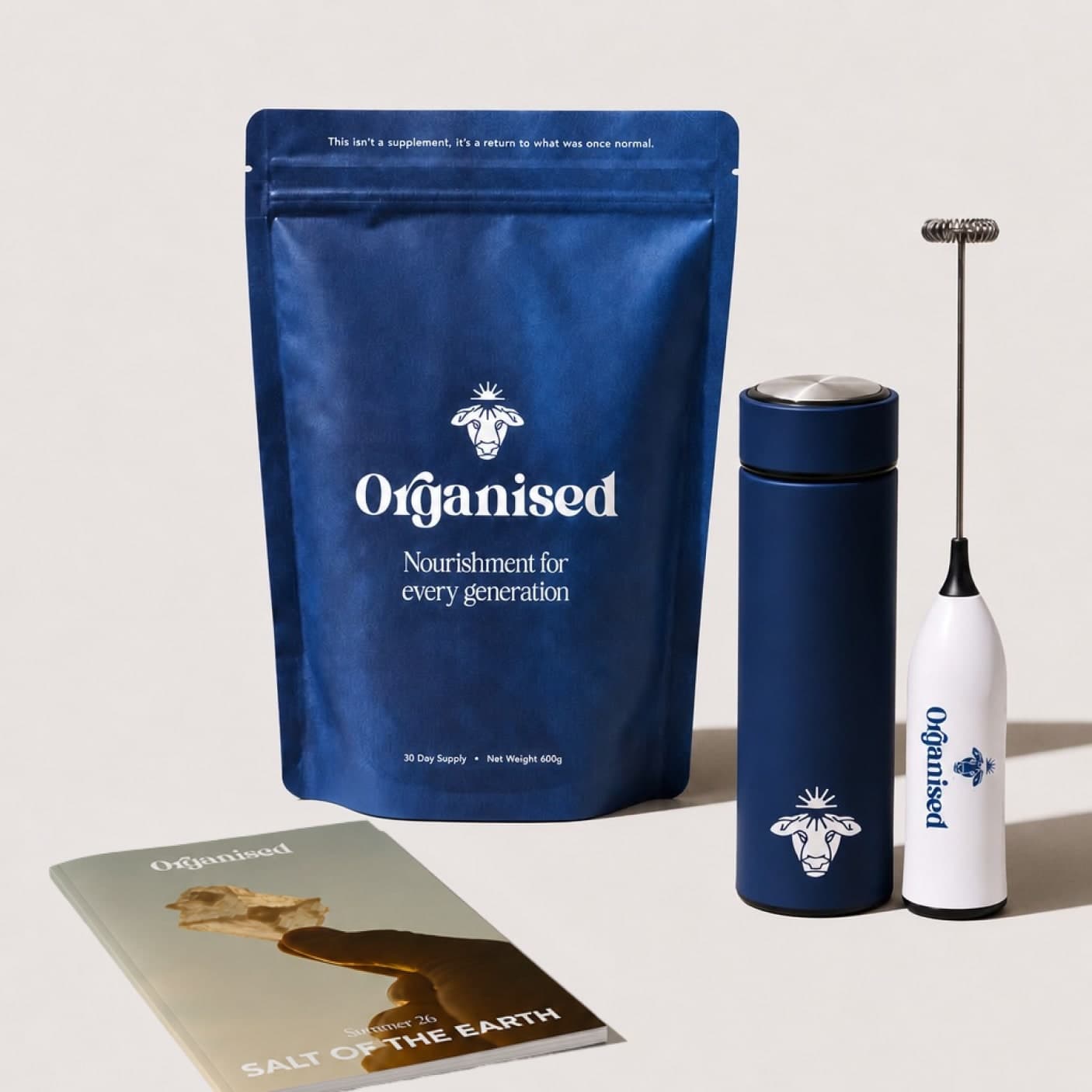
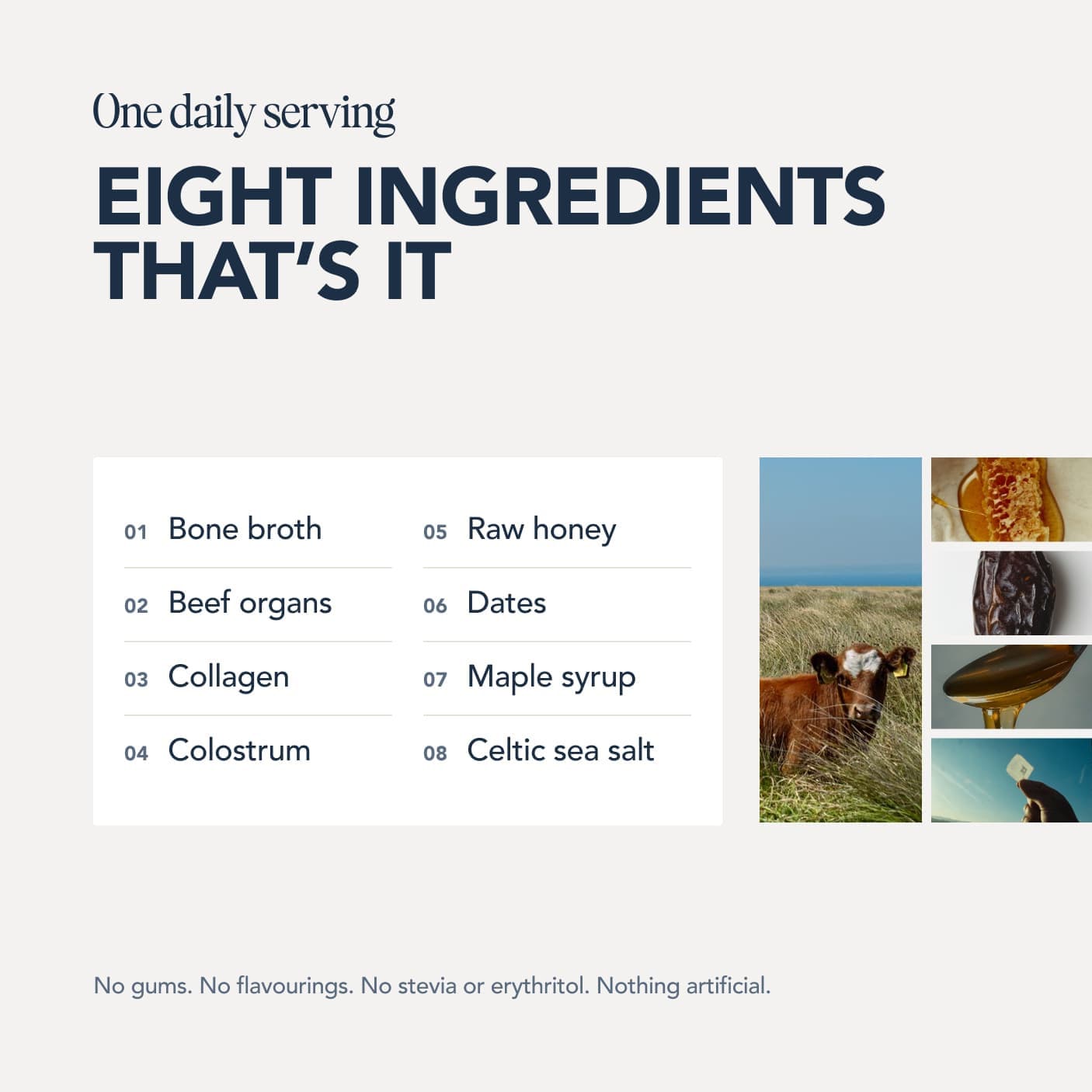
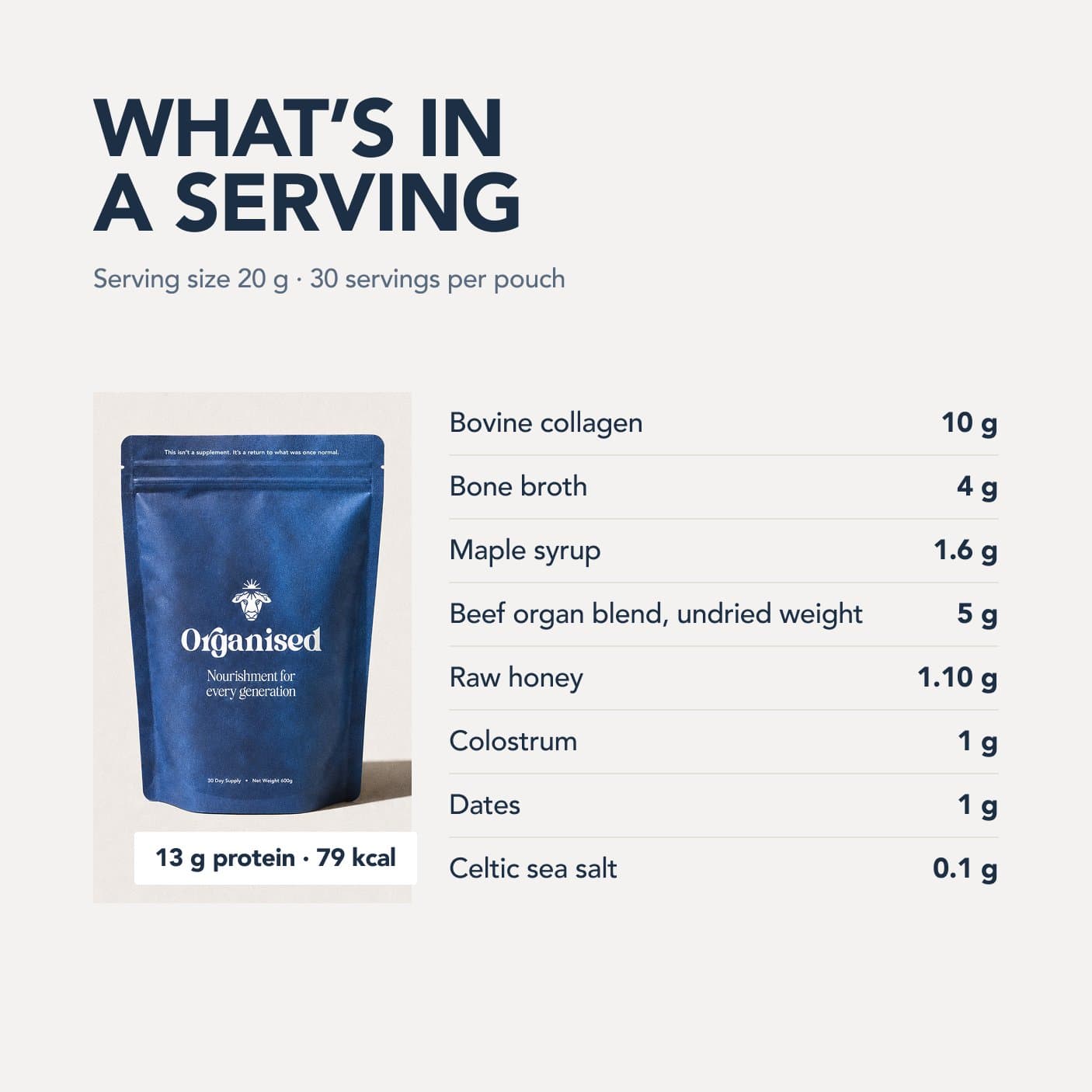
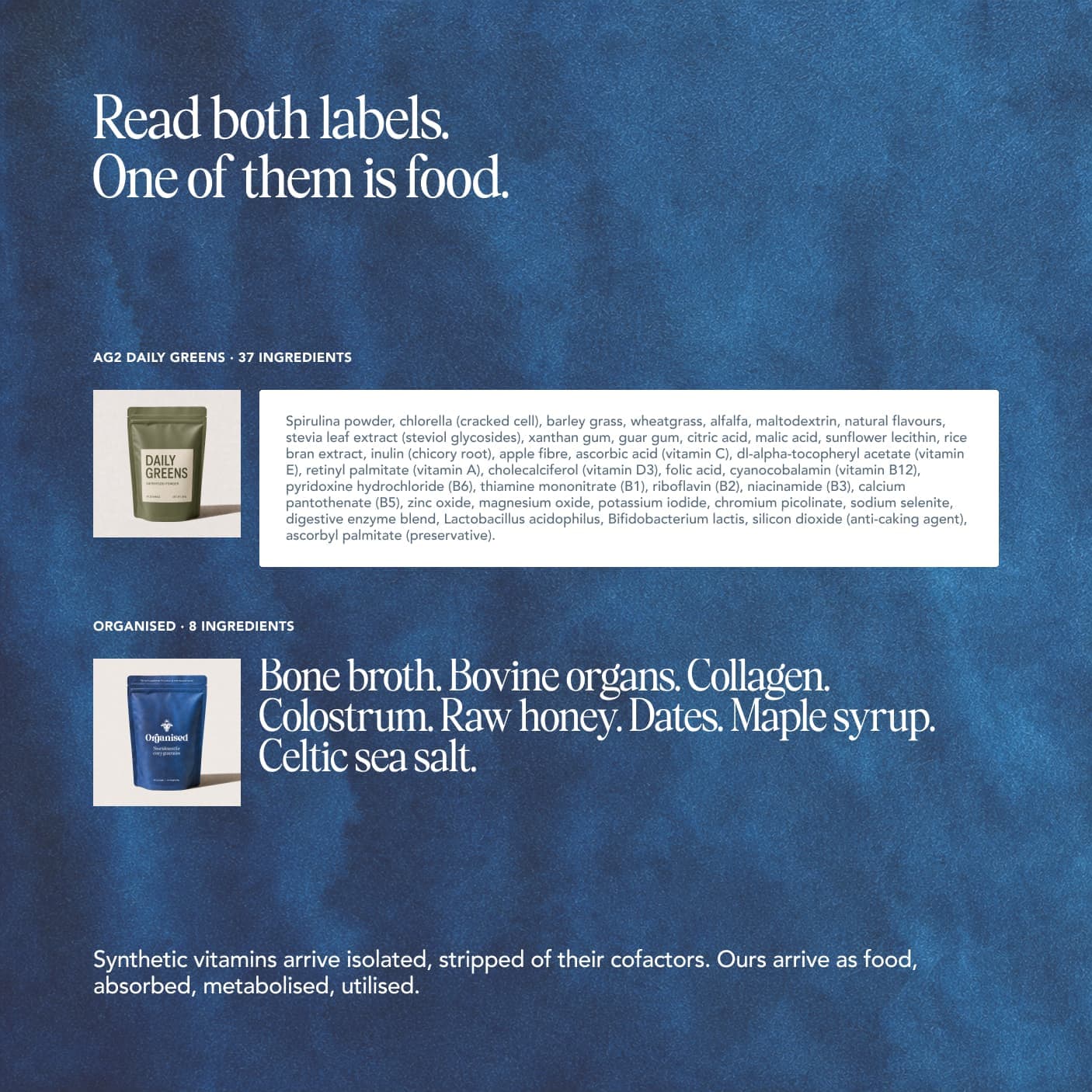
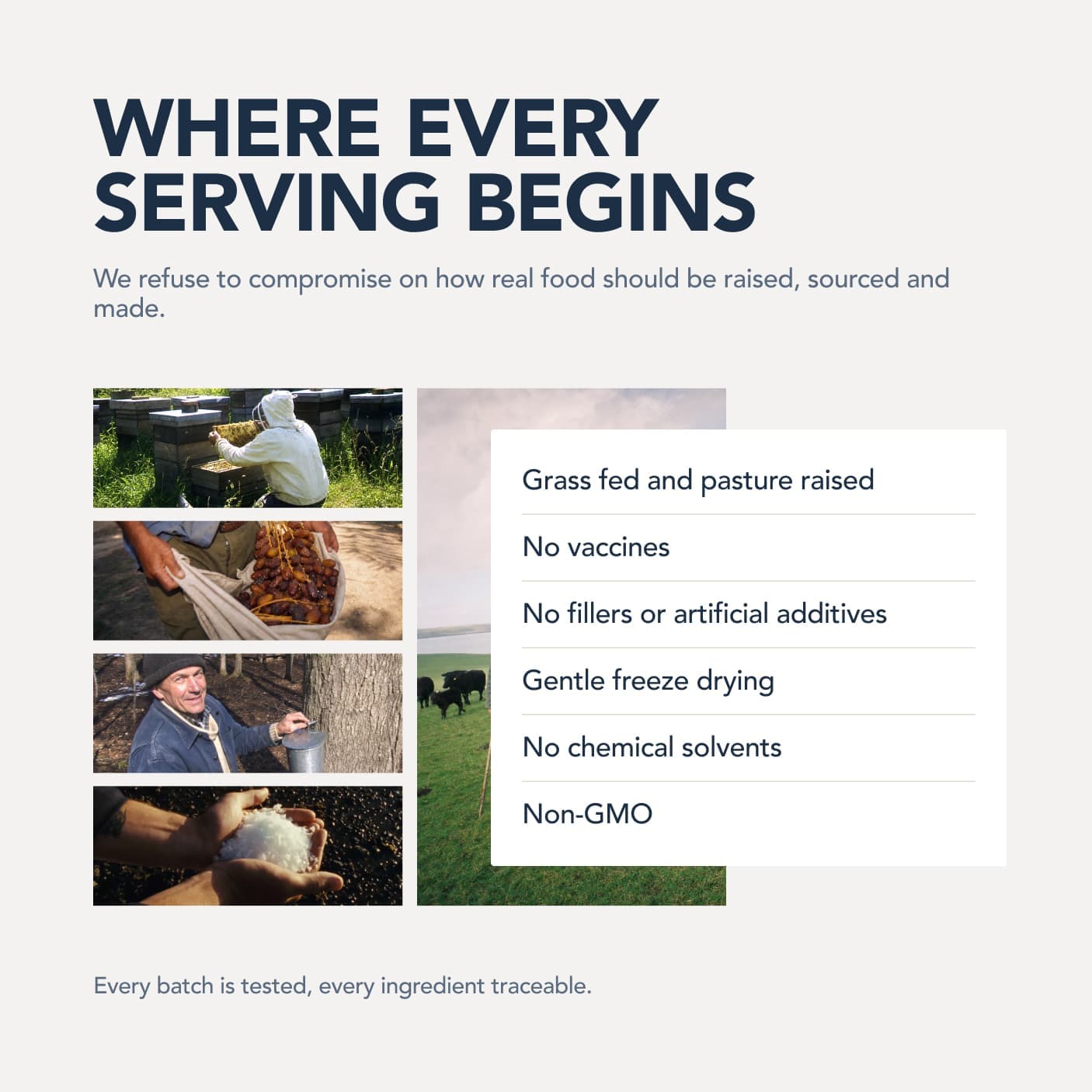
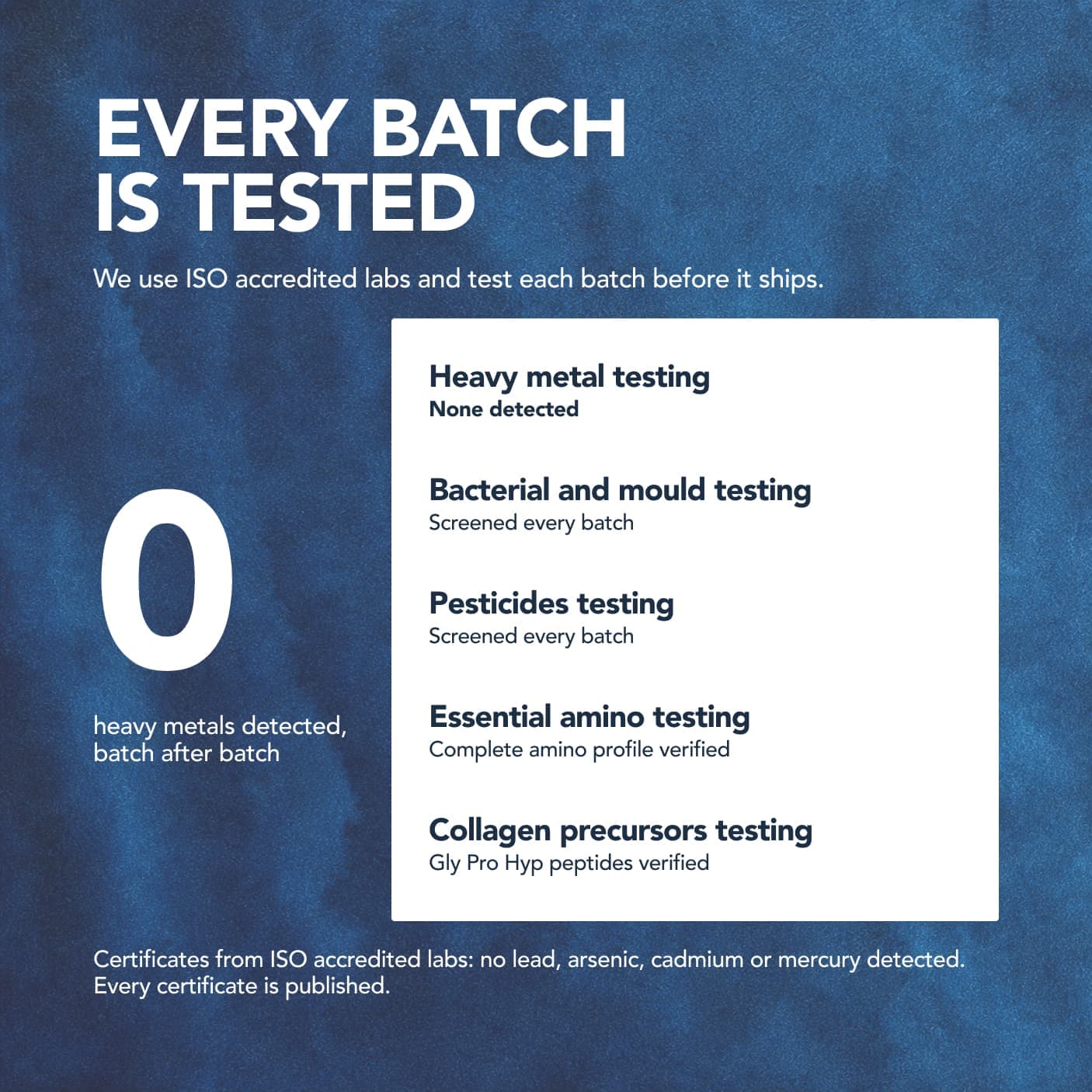
Eight real ingredients built around grass-fed beef organs, collagen and colostrum. Nothing synthetic added.
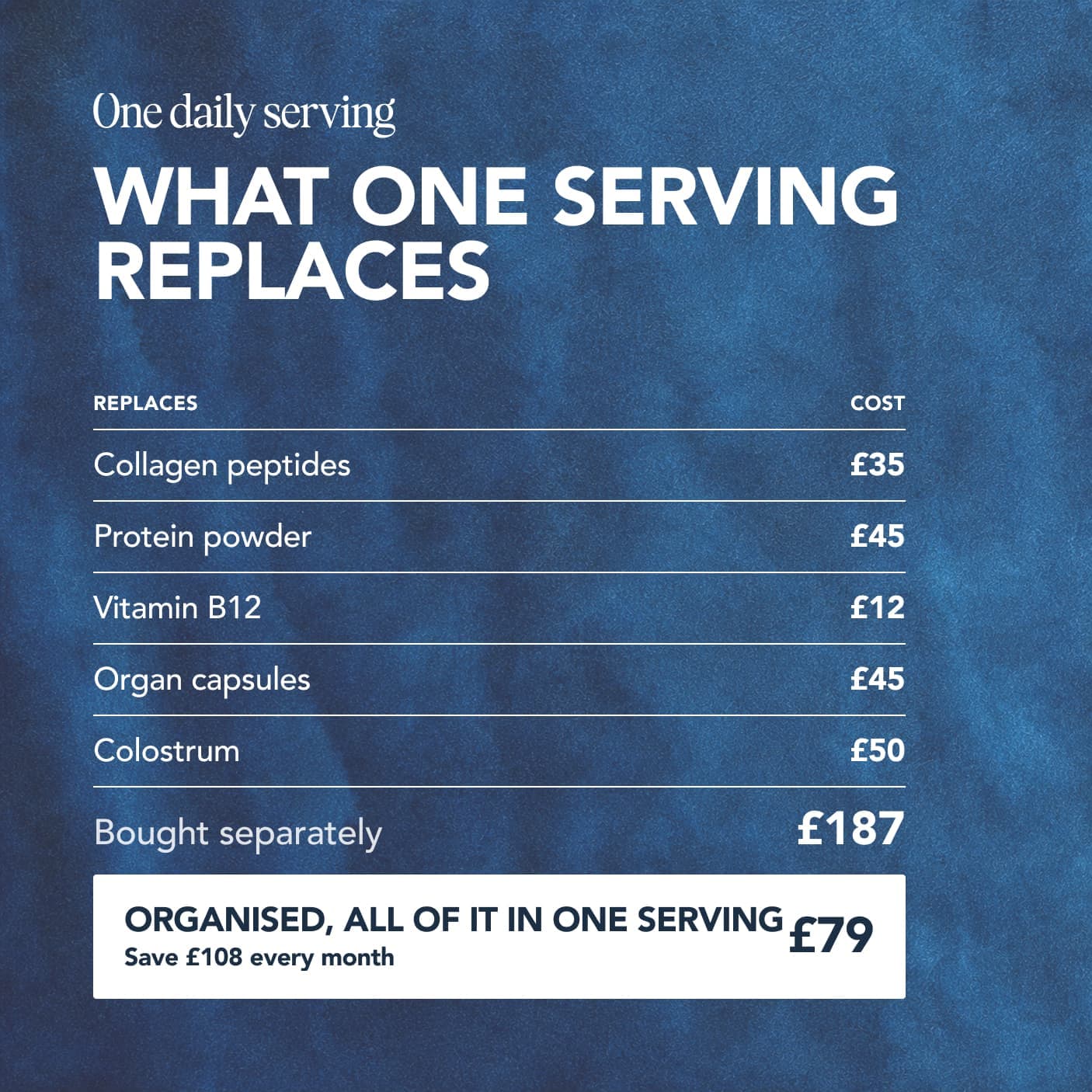
Free with your first order, worth £38. Plus £10 off the pouch with a subscription.
Free UK shipping · Made in England · 100 day money back guarantee on your first pouch · Skip, pause or cancel anytime
Starting is easier when you're not alone
The biggest shift people report, when asked why they finally made the leap to change their diet, is that they did it in company. Not literally (though some do). But in knowledge of the fact that other people were doing it, simultaneously, navigating the same barriers, asking the same questions, failing the same ways.
One person in the community, who's been with Organised for 18 months, put it simply: "I never would have stuck with this alone. I would have given up week two, like I've done with everything else." But the group chat never let her give up. Someone would ask how she was getting on. Someone would offer a recipe suggestion. Someone would say, "I had that exact problem. Here's what I did." And she'd get to day 22. Then day 50. Then suddenly it's been a year.
Behaviour-change research suggests that social support and accountability — not just willpower or motivation alone — are important predictors of sustained dietary and lifestyle change.1, and quietly, persistently, doing the work.
The bottom line
Health transformation is rarely a solo sport. The community that's grown around Organised isn't a feature of the brand. It's emerged because people are hungry (literally and figuratively) for permission to do this differently, without shame, without perfection, without feeling like freaks for asking whether their body might feel better on actual food.
If you're reading this and thinking about changing how you eat, the first step isn't signing up. It's finding one other person who's curious about the same thing. Ask them over for dinner. Send them a message. Join a group chat. Let someone else's certainty become yours, just long enough for you to build your own.
That's where real change happens. In the conversations that nobody sees, the small questions that get asked, the quiet proof that you're not alone in this.
References
Every source below was checked on 27 August 2026. Each PubMed, PMC and DOI identifier was resolved against NCBI or Crossref, and what it opens is printed under the citation, so you can see the link goes where the citation says without leaving the page. Where a citation and its identifier disagreed, the citation was corrected to the record or the reference was deleted along with the sentence marker that pointed at it, and where the resolved paper turned out not to support the sentence, the sentence was cut back to what it does support. Borrowed authority is worse than none, because it looks like rigour.
- Hwang KO, et al. Social support in an Internet weight loss community. Int J Med Inform. 2010;79(1):5-13. PMID 19945338Checked 27 August 2026: PMID 19945338 opens Hwang KO, Ottenbacher AJ, Green AP et al, Social support in an Internet weight loss community. Int J Med Inform 2010;79(1):5-13.The authors' own declaration, from the record: Conflict of interest statement . None of the authors have any conflict of interest, financial or otherwise, relevant to the conduct or reporting of this study.
Who wrote and reviewed this guide
Niall Kiddle
Author · Founder, Organised
Niall is the founder of Organised. He started the company in 2024 after fixing his own health the slow way: in 2022 he swapped a cupboard of synthetic supplements for real food, raw milk, organ meats, bone broth and honey, and felt the difference within months.
Areas of expertise: Ancestral nutrition, Organ meats, Whole-food supplementation, Gut health, Regenerative sourcing
Read Niall's full profile
Pedro Rodrigues
Reviewer · Agronomist (farming and sourcing only)
Pedro is the agronomist Organised works with on farming and sourcing. His job on the guides is to keep the science honest: he reviews what we publish about soil health, regenerative agriculture, grazing and the way food is actually produced.
Areas of expertise: Regenerative agriculture, Agronomy, Soil health, Grass-fed farming, Food sourcing
Reviewed this guide on
Read Pedro's full profileBrowse the guides library
All guidesKeep reading
Culture & community
How to Start Your Organised Journey: Stories from First-Time Users
Real patterns from first 30 days. How people actually start changing to real food, what works, what doesn't, what to expect.
Culture & community
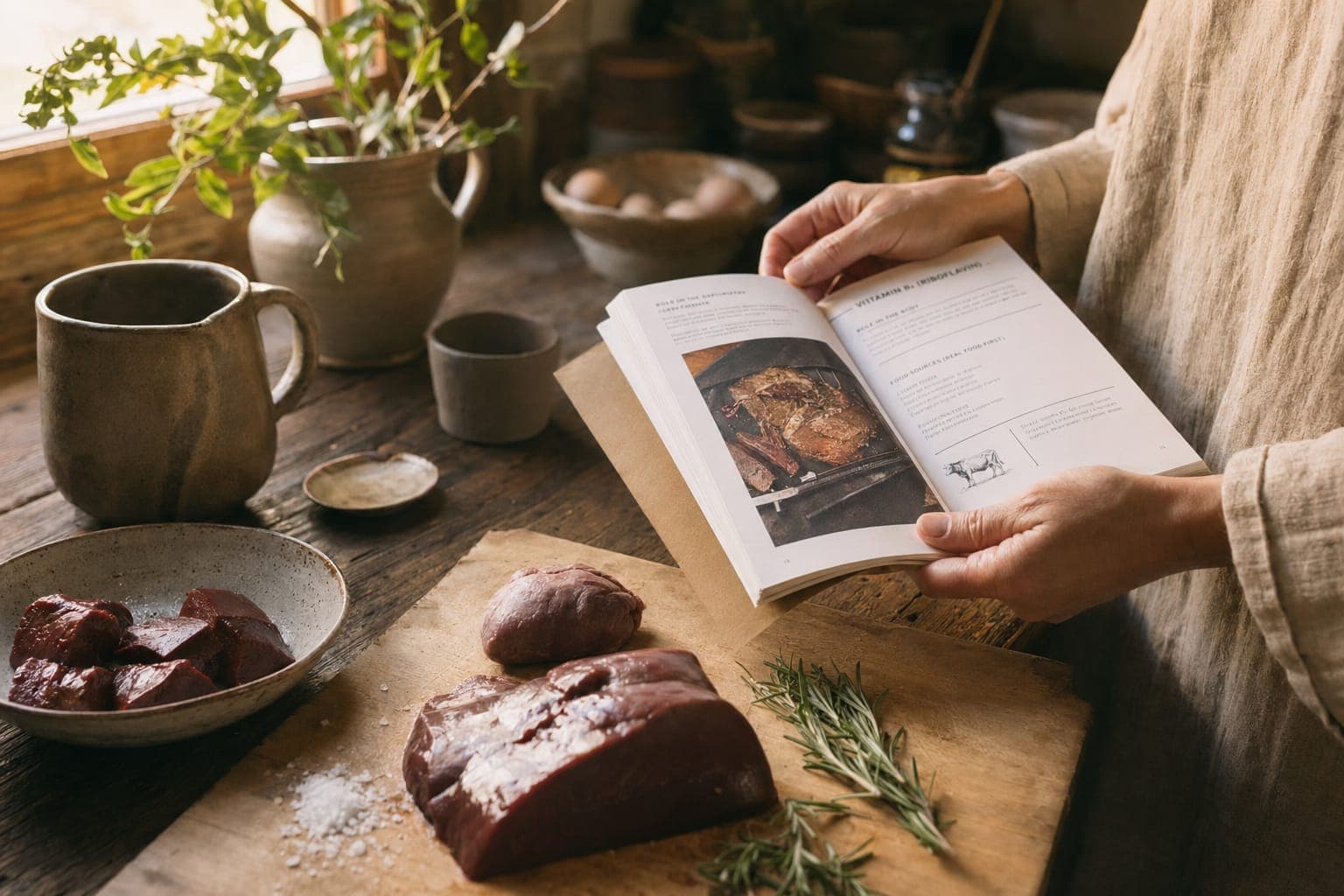
The Organised Field Guide: What's Inside and Why We Made It
A transparent resource for real food nutrition. What's in the Organised Field Guide and how to use it to build a whole food eating pattern.
Culture & community
The Problem with 'Clean Label' Marketing
Why 'clean label' marketing obscures the real question: does the product actually work? How to see through supplement marketing.
Real food, made effortless
Shop the blendA few ways to use it
All recipes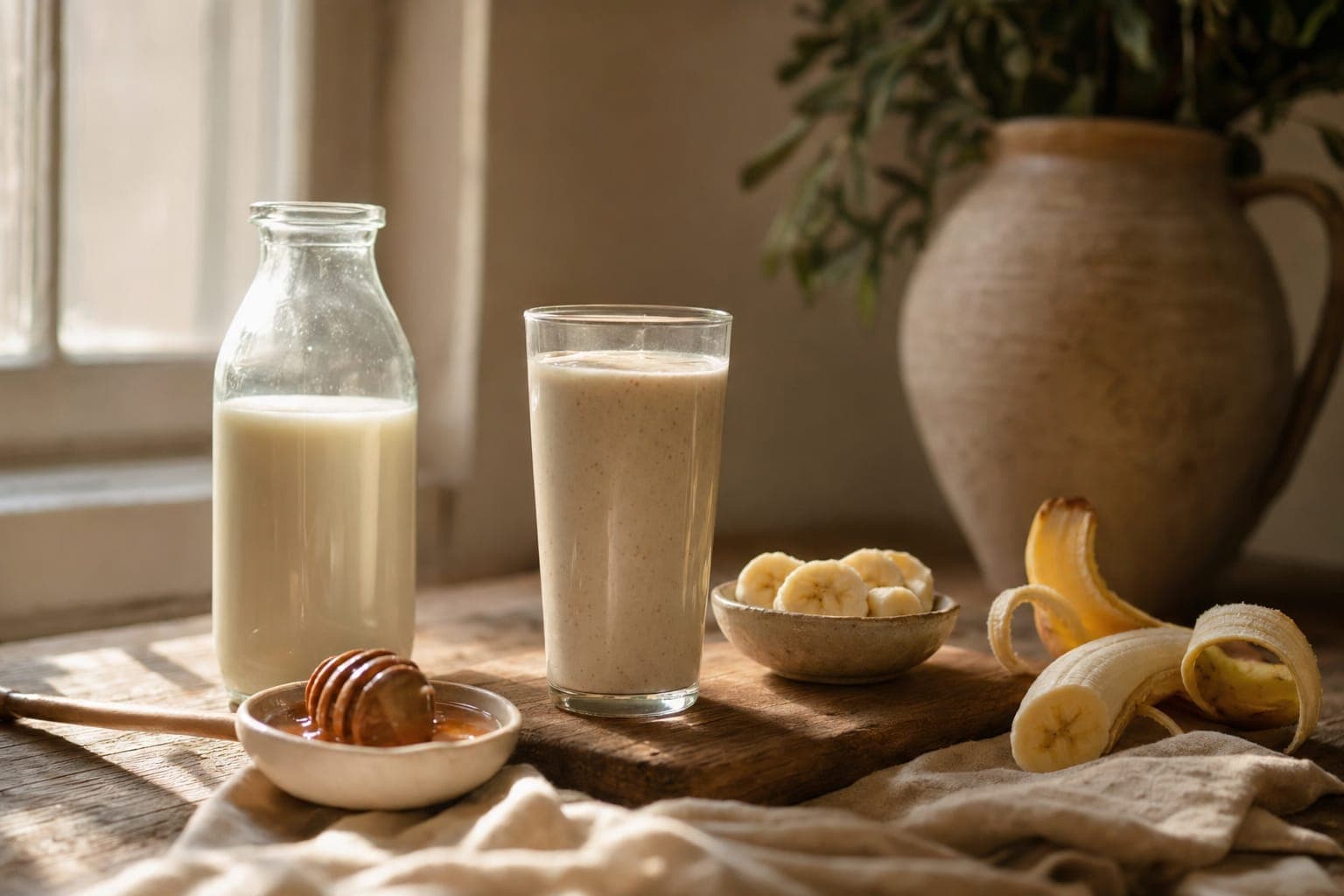
The Perfect Organised Morning Shake: Our Favourite Recipe
Our signature morning shake: Organised, raw milk, banana, honey. Simple, nourishing, and optimised for an empty stomach.
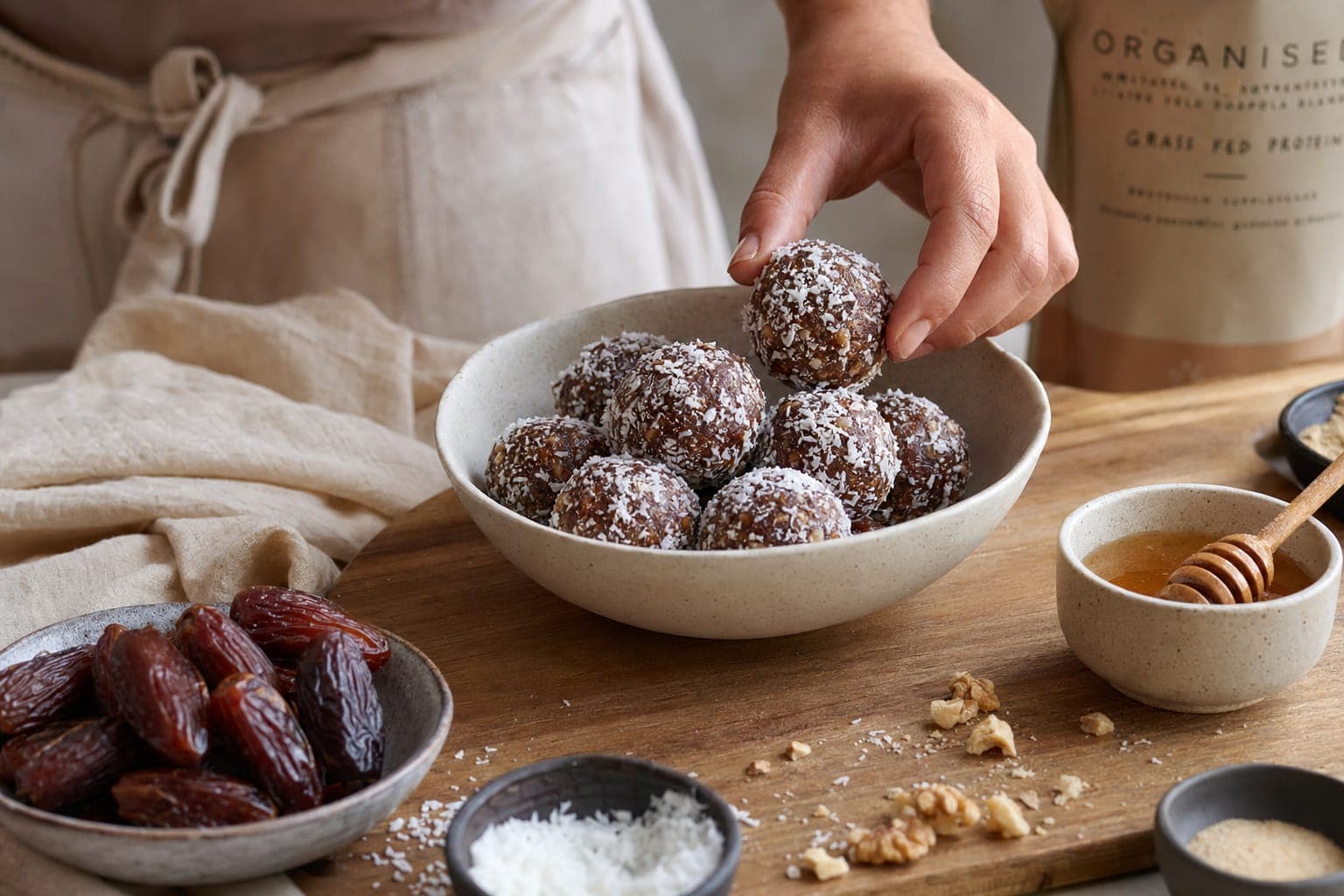
Energy Balls with Organised, Dates and Raw Honey
Make no-bake energy balls with Organised, dates, and raw honey. Perfect lunch box, pre-workout, or on-the-go snack. Simple recipe.
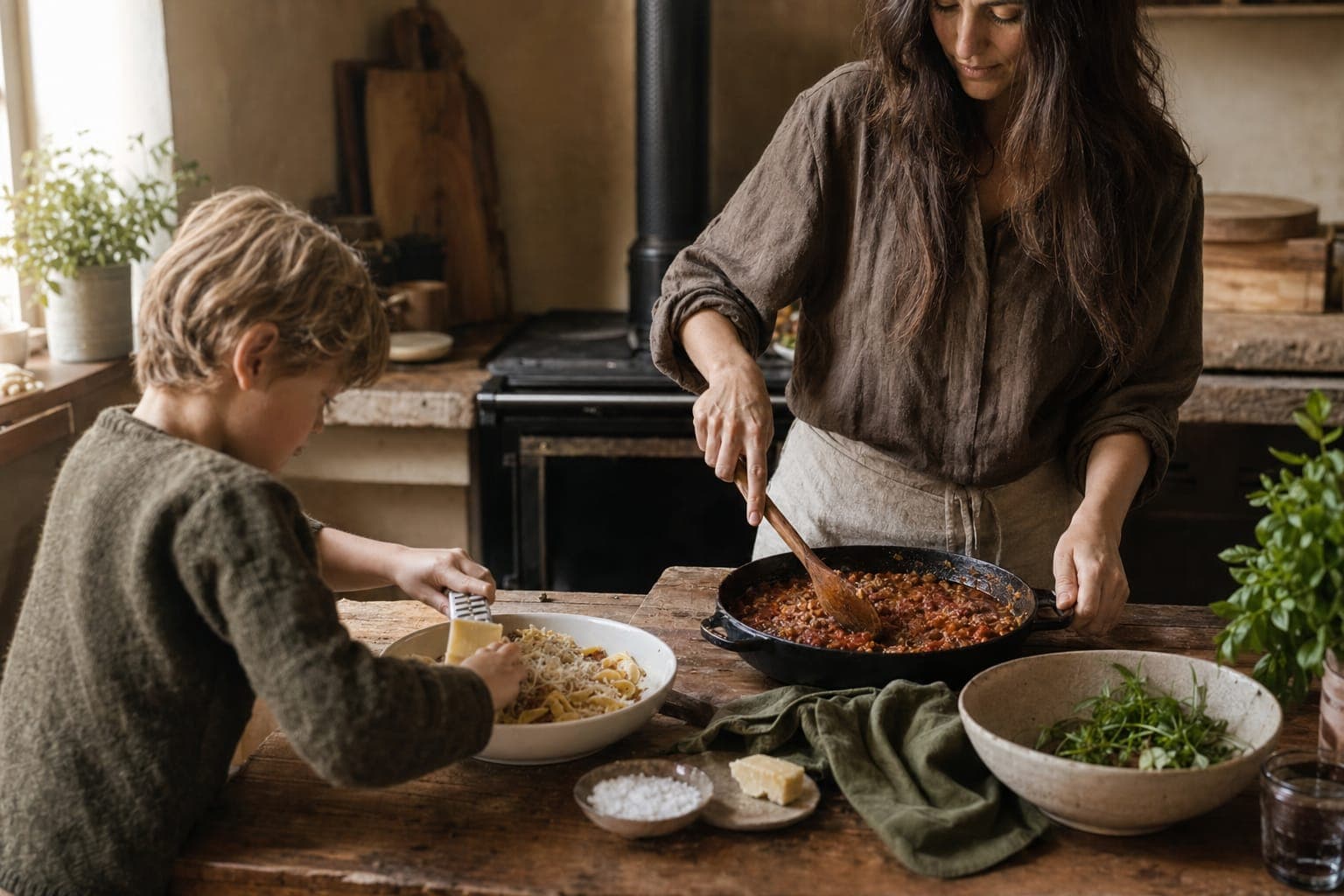
Organ Bolognese: The Family Dinner That Heals
Practical organ meat recipe using fresh beef liver and heart. Family-friendly bolognese that bridges supplements to whole food.


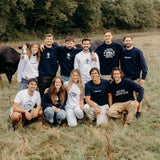 Join over 100,000+ members
Build a better food system with us
The Organised community is thousands of people choosing real food and backing the farmers who grow it, all of us trying to leave the world a little better than we found it. If that is what you care about too, you belong here.