A Visit to a UK Regenerative Beef Farm
The first thing you notice stepping out of the car is the smell. Not the sharp, acrid stench of industrial cattle sheds. Something else entirely. Rich. Earthy. Alive.
By Niall Kiddle, Founder, Organised

Reviewed by Pedro Rodrigues, Agronomist (farming and sourcing only) ·
5 min read · Published · Updated · 2 cited sources
Makers of the Organised Daily blend, a grass-fed beef organ supplement from regenerative UK farms
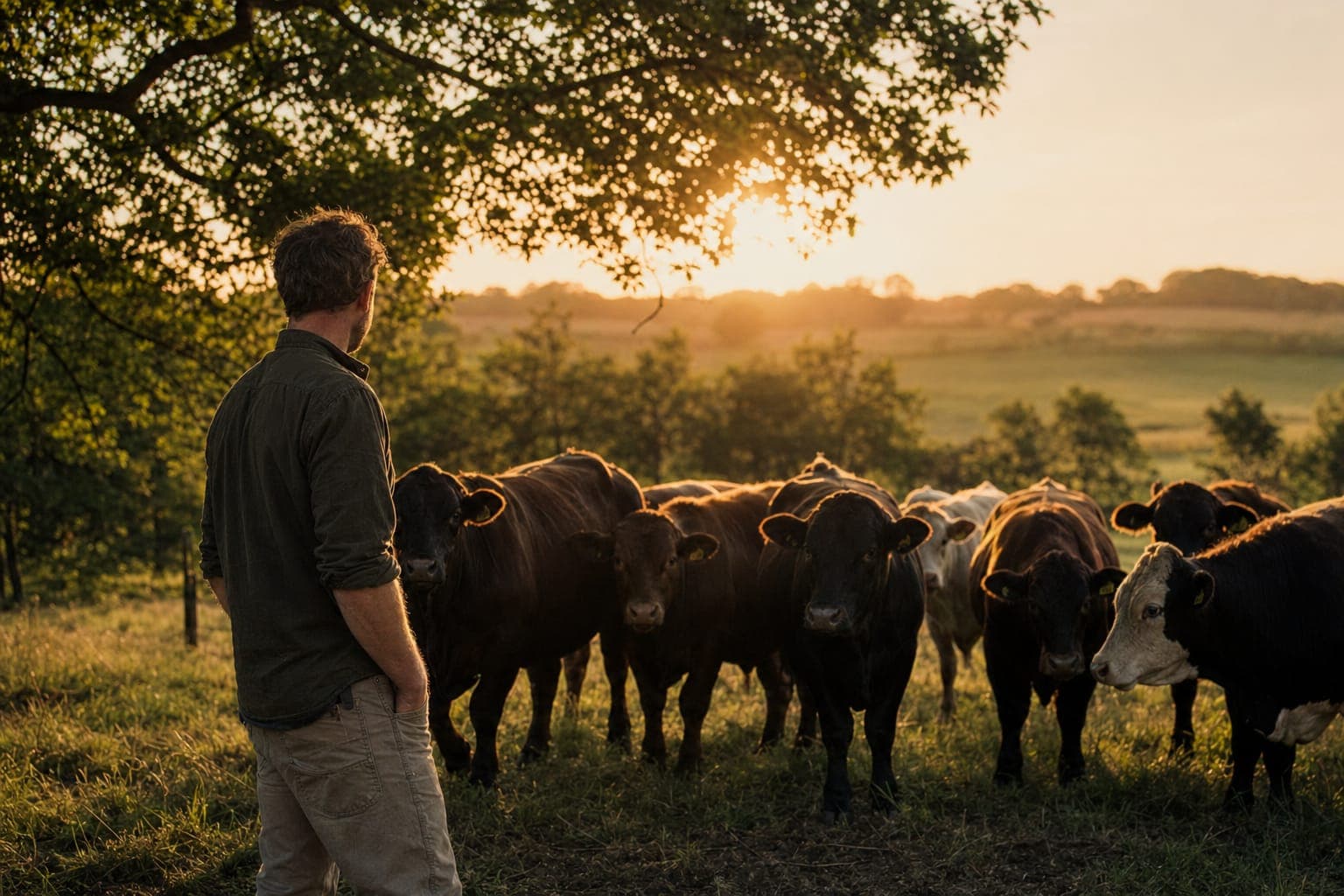
This is a regenerative beef farm in the Cotswolds, and everything about it challenges what most of us assume farming looks like.
First impressions
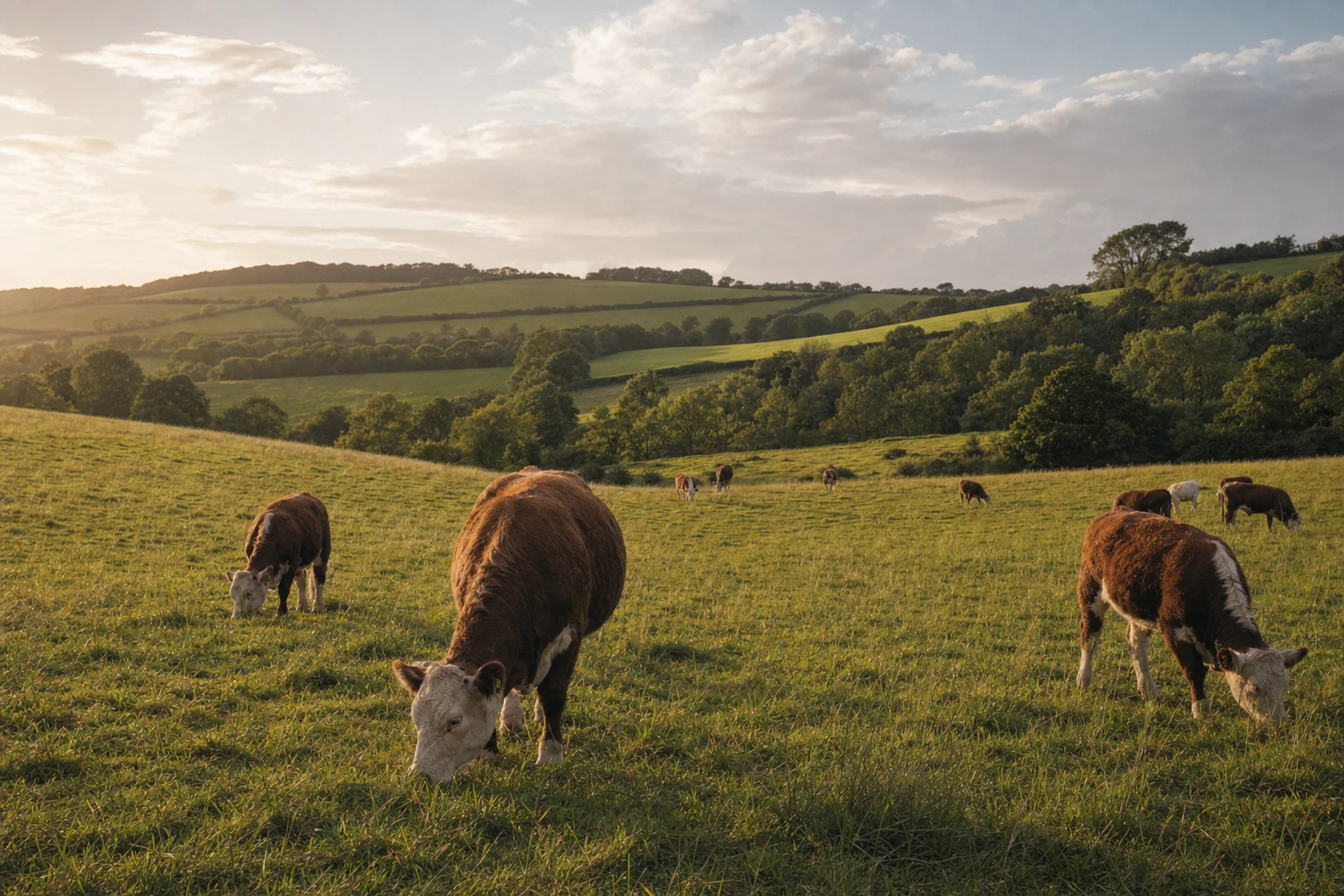
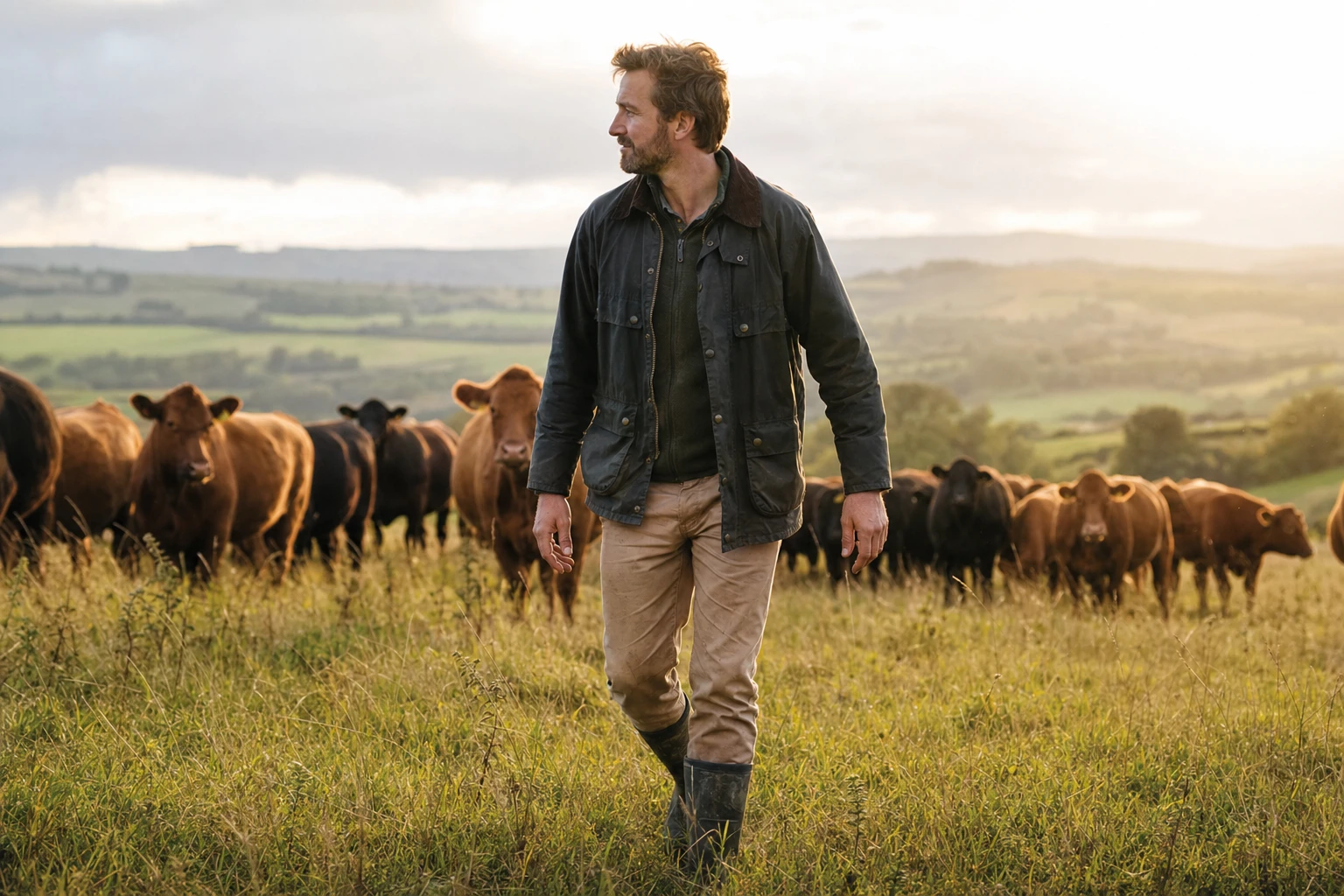
The farm itself is modest. Not grand. Perhaps 200 acres of mixed grassland, with cattle scattered across different paddocks. There are no massive sheds, no feed lots, no rows of animals standing motionless. The cattle are moving. Grazing. Some lying down chewing cud in the afternoon sun.
The farmer, James, has been doing this for 11 years. Before that, his family farmed conventionally for decades. He spent a year studying soil microbiology before transitioning. He wanted to understand what he was actually doing to the land.
What he discovered changed everything.
Healthy soil is the foundation. Everything else follows from that single principle.
How the land is managed
Regenerative farming at its core is about rotational grazing. The cattle don't stay in one field. They're moved every few days to a fresh paddock. This mimics the grazing patterns of wild herds, moving across land, allowing grass to recover.
When you stand in a paddock where the cattle grazed three weeks ago, you see the recovery happening in real time. The grass has grown back taller, denser. Wildflowers are emerging. Clover is appearing without being planted.
The soil itself is visibly different. James pulls back the grass and shows the root structure. Deep. Complex. Teeming with life. In the conventional fields nearby, the soil looks pale and dead by comparison. It cracks easily. Few earthworms.
The difference isn't subtle. It's shocking.
You can feel healthy soil in your hands. It's crumbly. It smells alive. It's that different.
Understanding the animals
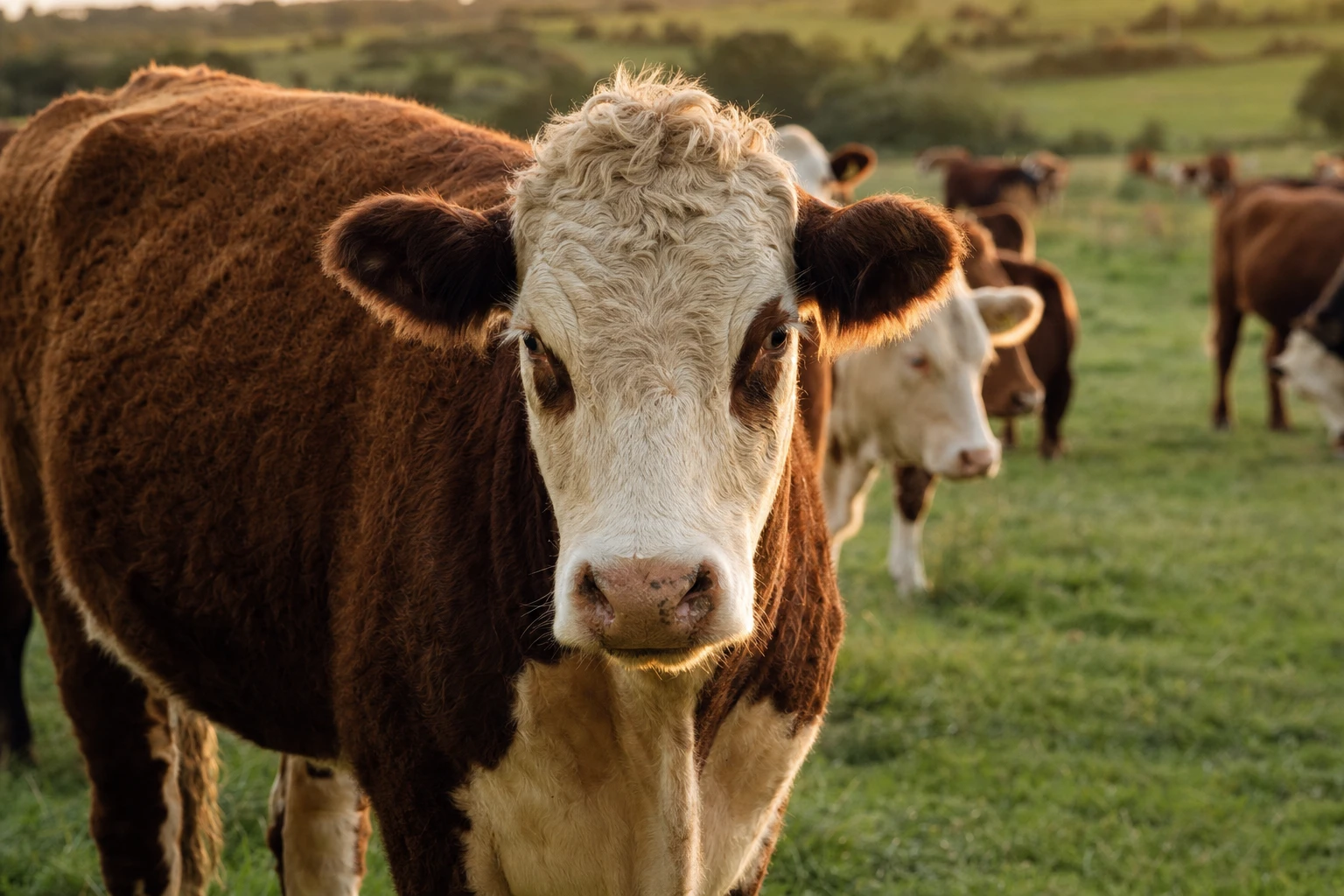
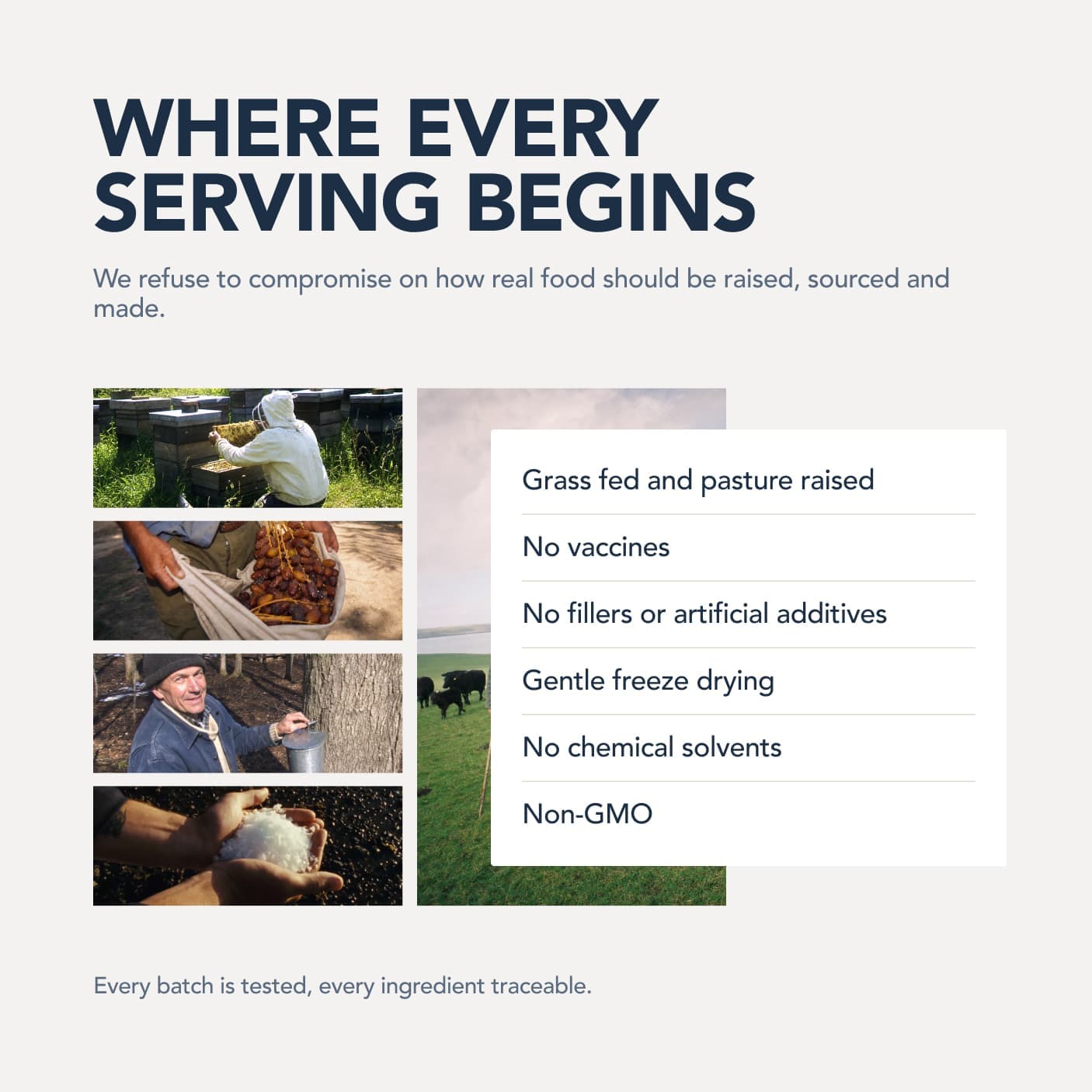
The cattle here are mostly Herefords and Aberdeen Angus, breeds that thrive on grass. They spend their entire lives outside unless weather is genuinely dangerous. They graze in seasonal patterns, eating what grows rather than being fed imported grain.
James knows most of the animals individually. This is not sentimental. It's practical. A farmer who knows their herd notices when something is wrong. A cow with a slight limp gets attention before it becomes serious. An animal with dull eyes gets moved to better pasture immediately.
The cattle behave differently too. They're calmer. More curious. When we walk through the paddock, they come close to investigate rather than scattering in fear. They're not stressed.
Behaviour reflects wellbeing. And wellbeing reflects in the meat itself. Grass-finished beef has been shown to have higher omega-3 fatty acid concentrations and a more favourable n-6:n-3 ratio than grain-finished beef.1
The farmer's philosophy
James doesn't think of himself as farming. He thinks of himself as managing a system. The cattle are part of that system, not the purpose of it. The purpose is to make the land better, year on year.
He shows data he's collected over the past decade. Well-managed grazing systems have been shown to increase soil organic carbon over time relative to continuously grazed or degraded land.2 Species diversity has jumped. Earthworm populations are up tenfold. The water table, after years of decline, has stabilized.
This doesn't happen by accident. It requires knowledge, intention, and willingness to trust processes that don't show results in a single season.
He's also honest about the economics. Regenerative farming is labour intensive. He has to move cattle by hand. He has to understand the land intimately. Margins are tighter than industrial farming. But they're stable. The land improves. The quality increases.
I'm not farming for profit this quarter. I'm farming for my grandchildren to inherit better land.
This isn't unusual talk on regenerative farms. It's a different time horizon entirely.
Get stories from the community, free
Two short reads a week on the farmers, the standards, and the return to real food.
By signing up you agree to receive emails from us. No spam, unsubscribe anytime.
Why this matters for your food
When you buy beef from a farm like this, you're not just buying meat. You're buying the story of that land's recovery. You're voting for a system that improves with each season rather than depleting.
The meat itself is different. The fat is yellow, not white, from grass and diverse plant consumption. The flavour is deeper. When you cook it, it behaves differently. It doesn't shrink to nothing. It doesn't dry out as easily. It tastes like what beef actually tasted like before industrial agriculture.
More importantly, you're supporting a farmer who is rebuilding soil. Rebuilding biodiversity. Rebuilding resilience into the food system itself.
Is it more expensive? Yes. Per kilogram, regenerative beef costs more than industrial beef. But you're not just buying meat. You're buying land restoration, animal welfare, and a food system that has a future.
The bottom line
Leaving the farm, you notice the smell again. That rich, earthy scent. It stays with you because you understand now what it means. It's the smell of a system in balance. Of soil being rebuilt. Of animals living as animals are meant to live.
Not every farm does this. Many can't afford the transition. But enough are doing it now that you can find regenerative beef in the UK if you look. A farm shop. A farmers market. A butcher with real relationships. A direct relationship with a farmer.
Once you've seen what's possible, supermarket beef becomes harder to justify.


1 of 9
Daily blend
100,000+ thriving families4.9 on Trustpilot
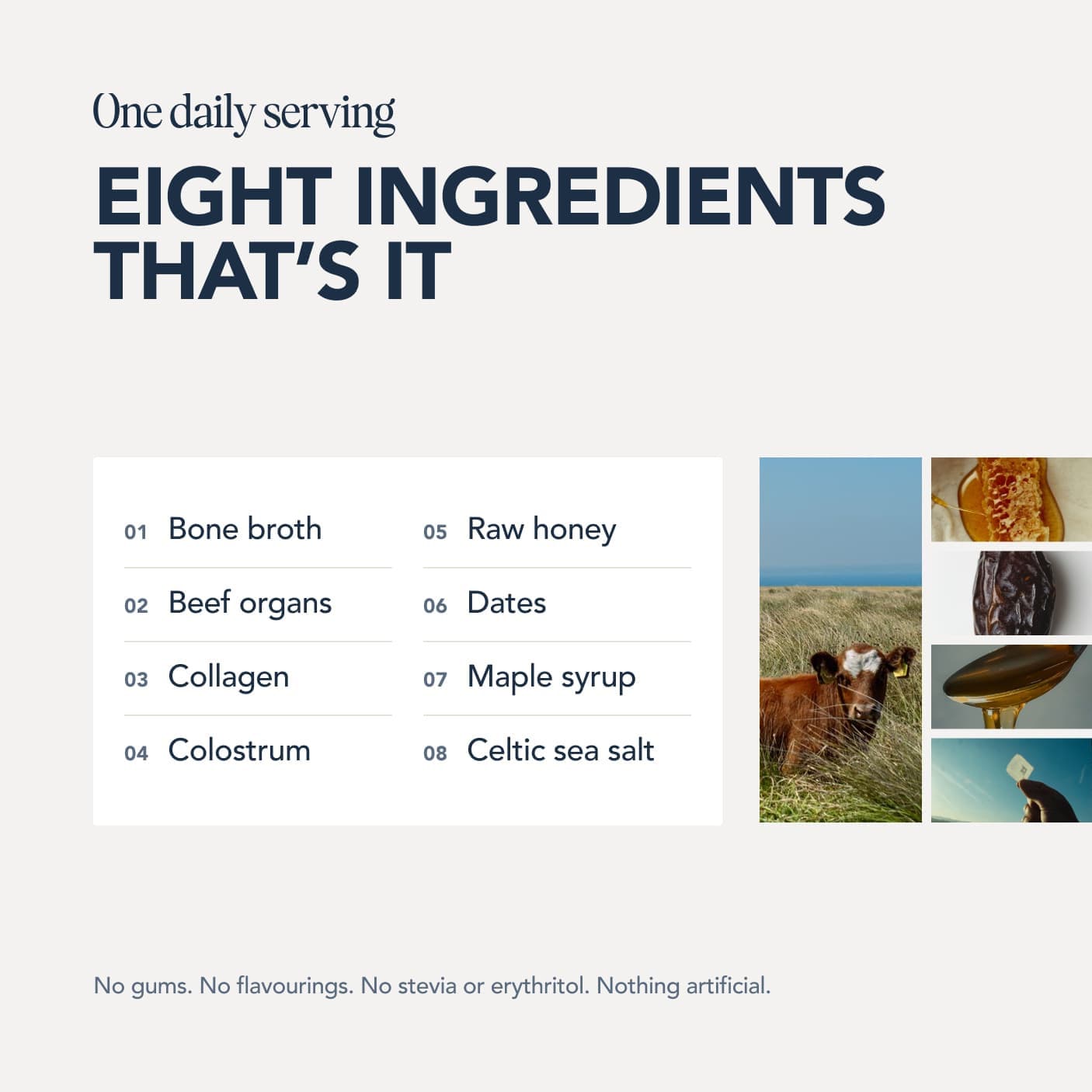
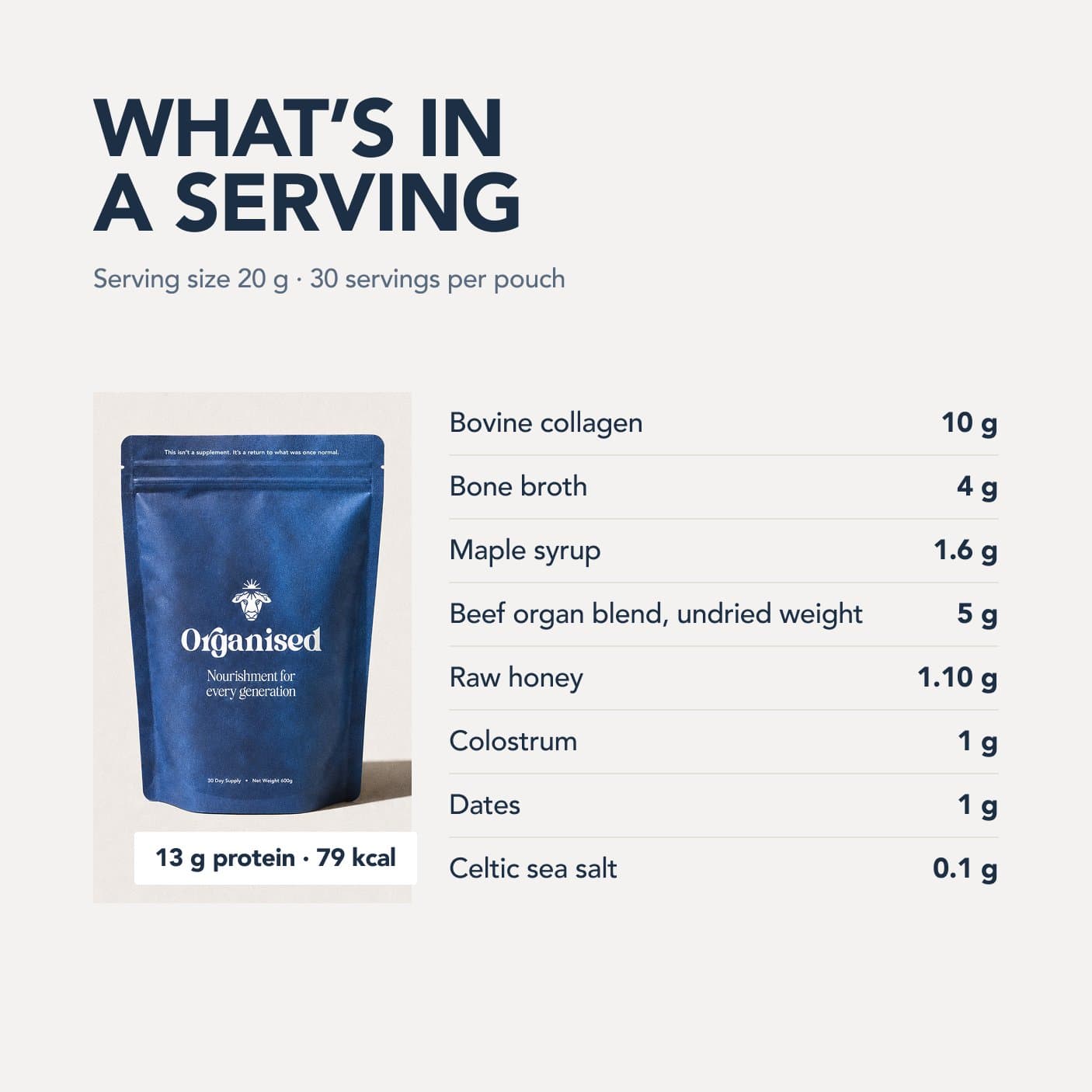
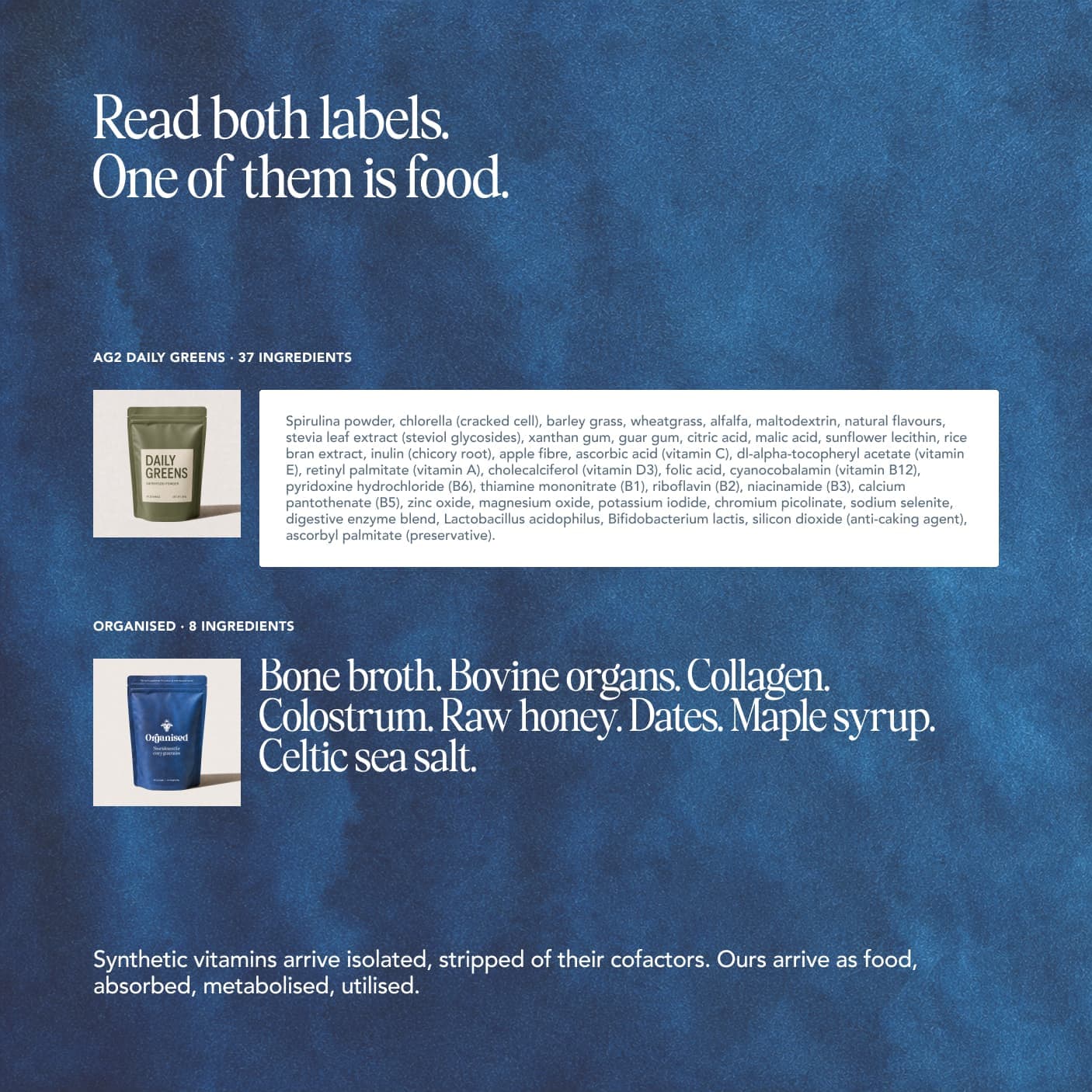
Eight real ingredients built around grass-fed beef organs, collagen and colostrum. Nothing synthetic added.
Free with your first order, worth £38. Plus £10 off the pouch with a subscription.



Free UK shipping · Made in England · 100 day money back guarantee on your first pouch · Skip, pause or cancel anytime
What regenerative actually means on the ground
Regenerative farming isn't a marketing term on this farm. It's how the system works. Animals are moved across pastures in a pattern that mimics natural grazing. They eat grass for weeks, then move. The land behind them recovers, soil improves, diversity returns. It's not novel, it's how animals and grassland have worked together for millennia. The novelty is that anyone still does it.
The farmer explains soil carbon as if he's talking about money. Because he is. Carbon in the soil is fertility. It's water-holding capacity. It's the foundation of the whole system. Every decision, which animals to graze, how long they stay, what happens in winter, is built around improving soil.
This isn't environmentalism. It's self-interest. Better soil means healthier animals, better grass, lower input costs. The earth and the farm benefit together.
Animal welfare as default
The cattle here are calm. They're not stressed because they're being handled constantly for marketing photos. They're not stressed because they're in a feedlot. They're in grass, moving regularly, living as close to cattle's natural behaviour as a farmed animal can. This isn't virtue signalling. It's what happens when you build a system where the animal's wellbeing is aligned with economic success.
The money and the reality
The farmer is honest: this system requires more knowledge and more time than industrial farming. You can't leave animals for months and expect them to be fine. You have to know your land, your animals, your weather. You have to be present. Financially, margins are tighter. But input costs are lower, animal health is higher, and the meat quality is noticeably better.
This is why food from regenerative farms costs more. Not because they're greedy. Because they're actually farming in a way that requires more attention, and quality matters enough to pay for it.
References
Every source below was checked on 27 August 2026. Each PubMed, PMC and DOI identifier was resolved against NCBI or Crossref, and what it opens is printed under the citation, so you can see the link goes where the citation says without leaving the page. Where a citation and its identifier disagreed, the citation was corrected to the record or the reference was deleted along with the sentence marker that pointed at it, and where the resolved paper turned out not to support the sentence, the sentence was cut back to what it does support. Borrowed authority is worse than none, because it looks like rigour.
- Daley CA, et al. A review of fatty acid profiles and antioxidant content in grass-fed and grain-fed beef. Nutr J. 2010;9:10. PMC2846864Checked 27 August 2026: PMC2846864 opens Daley CA, Abbott A, Doyle PS et al, A review of fatty acid profiles and antioxidant content in grass-fed and grain-fed beef. Nutr J 2010;9:10. PubMed indexes it as: Review.
- Teague WR, et al. The role of ruminants in reducing agriculture's carbon footprint in North America. J Soil Water Conserv. 2016;71(2):156-164. Journal link
Who wrote and reviewed this guide
Niall Kiddle
Author · Founder, Organised
Niall is the founder of Organised. He started the company in 2024 after fixing his own health the slow way: in 2022 he swapped a cupboard of synthetic supplements for real food, raw milk, organ meats, bone broth and honey, and felt the difference within months.
Areas of expertise: Ancestral nutrition, Organ meats, Whole-food supplementation, Gut health, Regenerative sourcing
Read Niall's full profile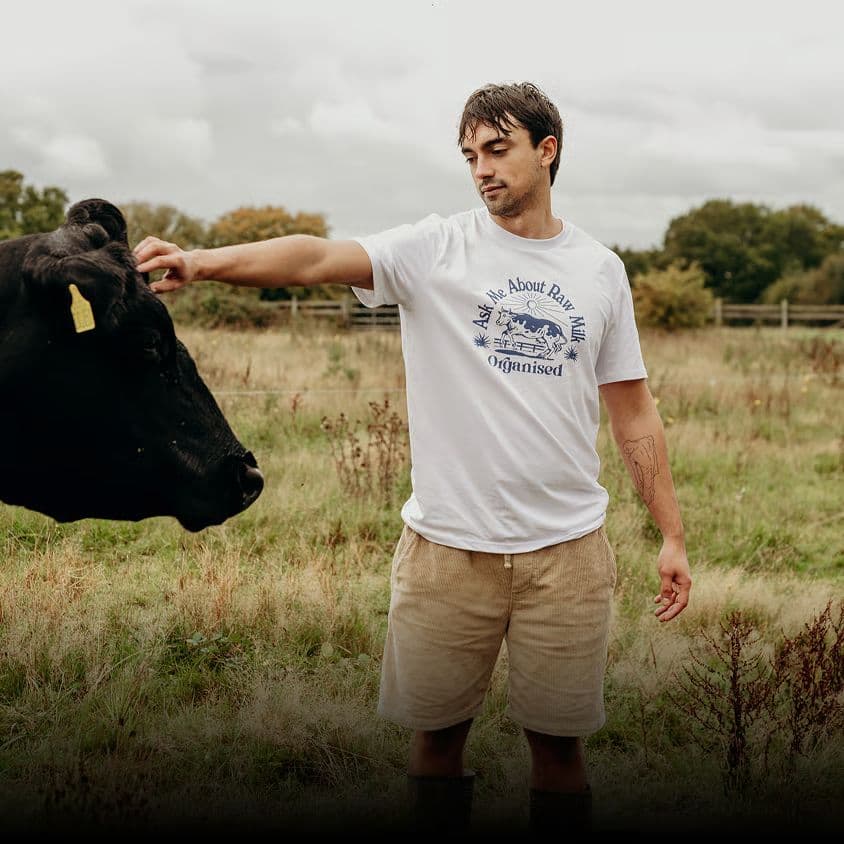
Pedro Rodrigues
Reviewer · Agronomist (farming and sourcing only)
Pedro is the agronomist Organised works with on farming and sourcing. His job on the guides is to keep the science honest: he reviews what we publish about soil health, regenerative agriculture, grazing and the way food is actually produced.
Areas of expertise: Regenerative agriculture, Agronomy, Soil health, Grass-fed farming, Food sourcing
Reviewed this guide on
Read Pedro's full profileBrowse the guides library
All guidesKeep reading
Culture & community
Food Sovereignty: Taking Back Control of What You Eat
Understanding food sovereignty, why knowing your food sources matters, and how to resist industrial food systems through local and regenerative choices.
Culture & community
Autumn Nourishment: Preparing Your Body for Winter
Build nutritional reserves in autumn to support immunity through winter. Vitamin D, mineral density, and seasonal foods that prepare your body.
Culture & community
How to Talk to Your Family About Changing the Way You Eat
Navigate family resistance to dietary change. Address common pushback, communicate benefits, and manage eating in a shared household without conflict.
Real food, made effortless
Shop the blendA few ways to use it
All recipes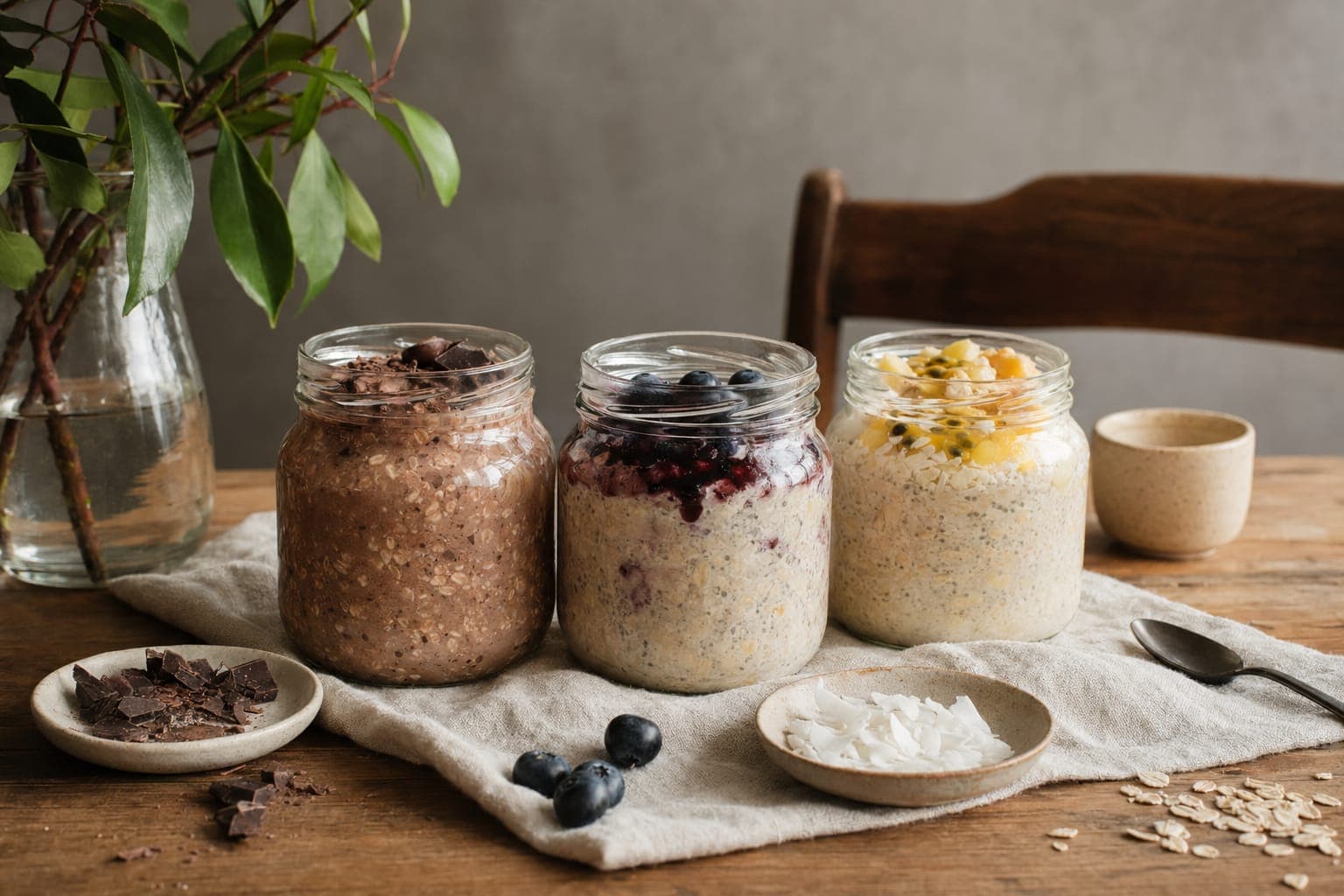
Organised Overnight Oats: 3 Variations
Three delicious overnight oats variations with Organised. Chocolate, berry, tropical flavours. Make them Sunday, eat them all week.
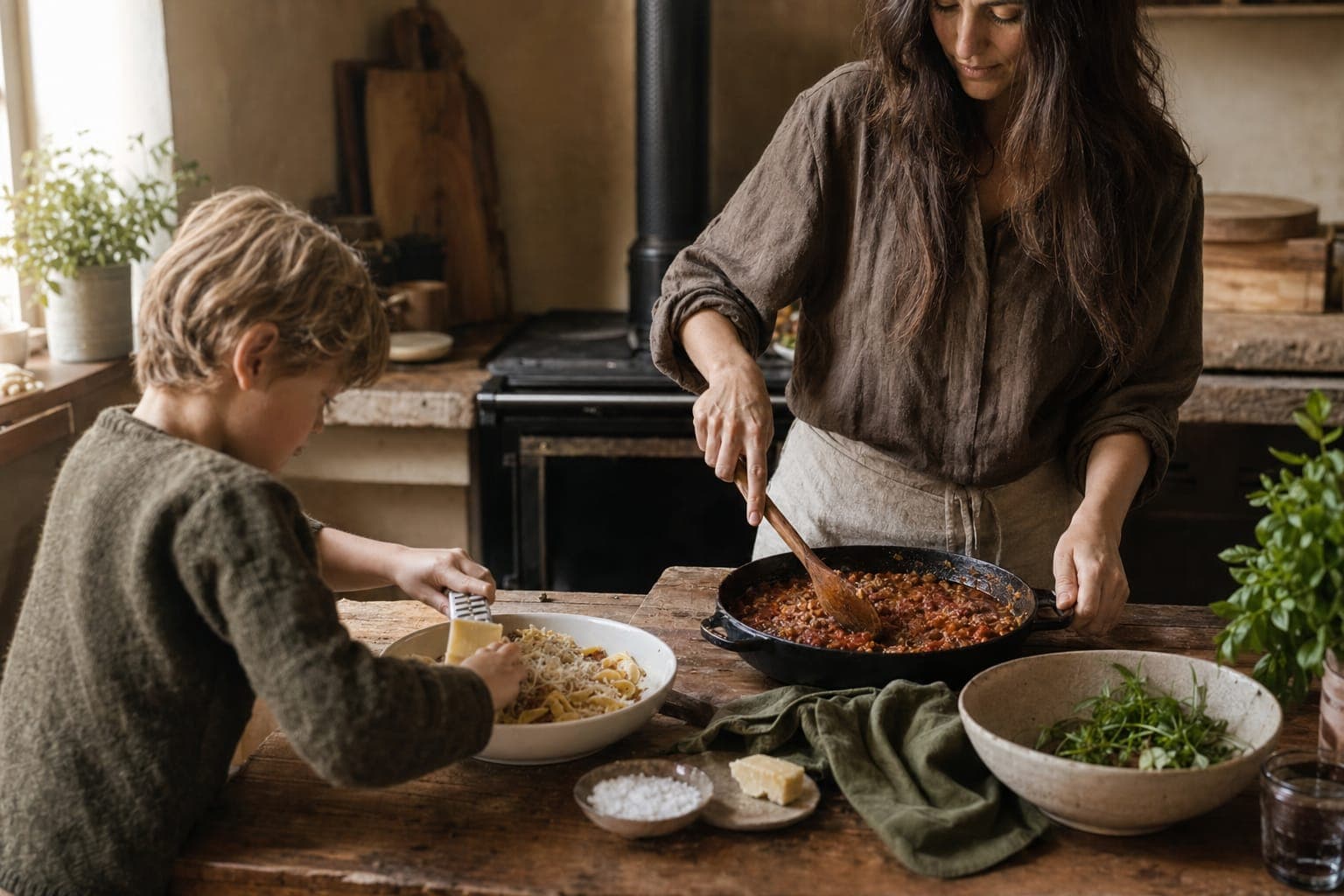
Organ Bolognese: The Family Dinner That Heals
Practical organ meat recipe using fresh beef liver and heart. Family-friendly bolognese that bridges supplements to whole food.

Liver Pate for Beginners: A Gentle Introduction to Organ Meats
Simple liver pate recipe to start eating organ meats. Chicken liver, butter, and herbs. Gentle introduction to nutrient-dense whole foods.


 Join over 100,000+ members
Build a better food system with us
The Organised community is thousands of people choosing real food and backing the farmers who grow it, all of us trying to leave the world a little better than we found it. If that is what you care about too, you belong here.