From Kitchen Experiment to the World's First Whole Food Organ Blend
Organised didn't begin in a factory or a lab. It began in 2022 in a kitchen, with one person, Niall, who'd been doing everything the supplement industry told him to do and was still feeling worse every year. What he tried instead, raw milk, organs, bone broth, honey, the things his grandmother had grown up on at a raw dairy farm in Ireland, transformed his health almost overnight. Two years of fighting industry norms later, that kitchen experiment became the world's first entirely whole food organ blend.
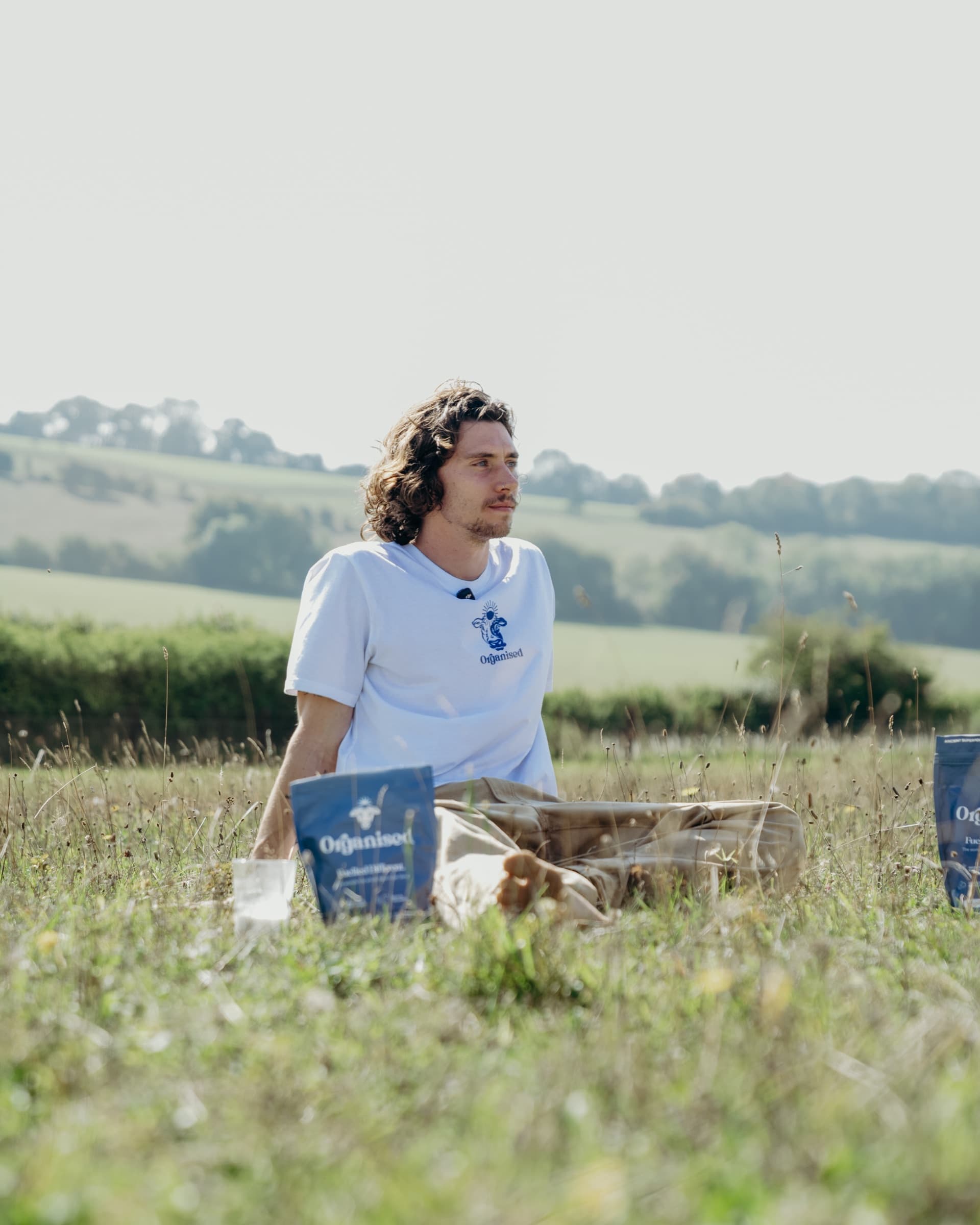
By Niall Kiddle, Founder, Organised

Reviewed by Pedro Rodrigues, Agronomist (farming and sourcing only) ·
6 min read · Published · Updated · 1 cited source
Makers of the Organised Daily blend, a grass-fed beef organ supplement from regenerative UK farms
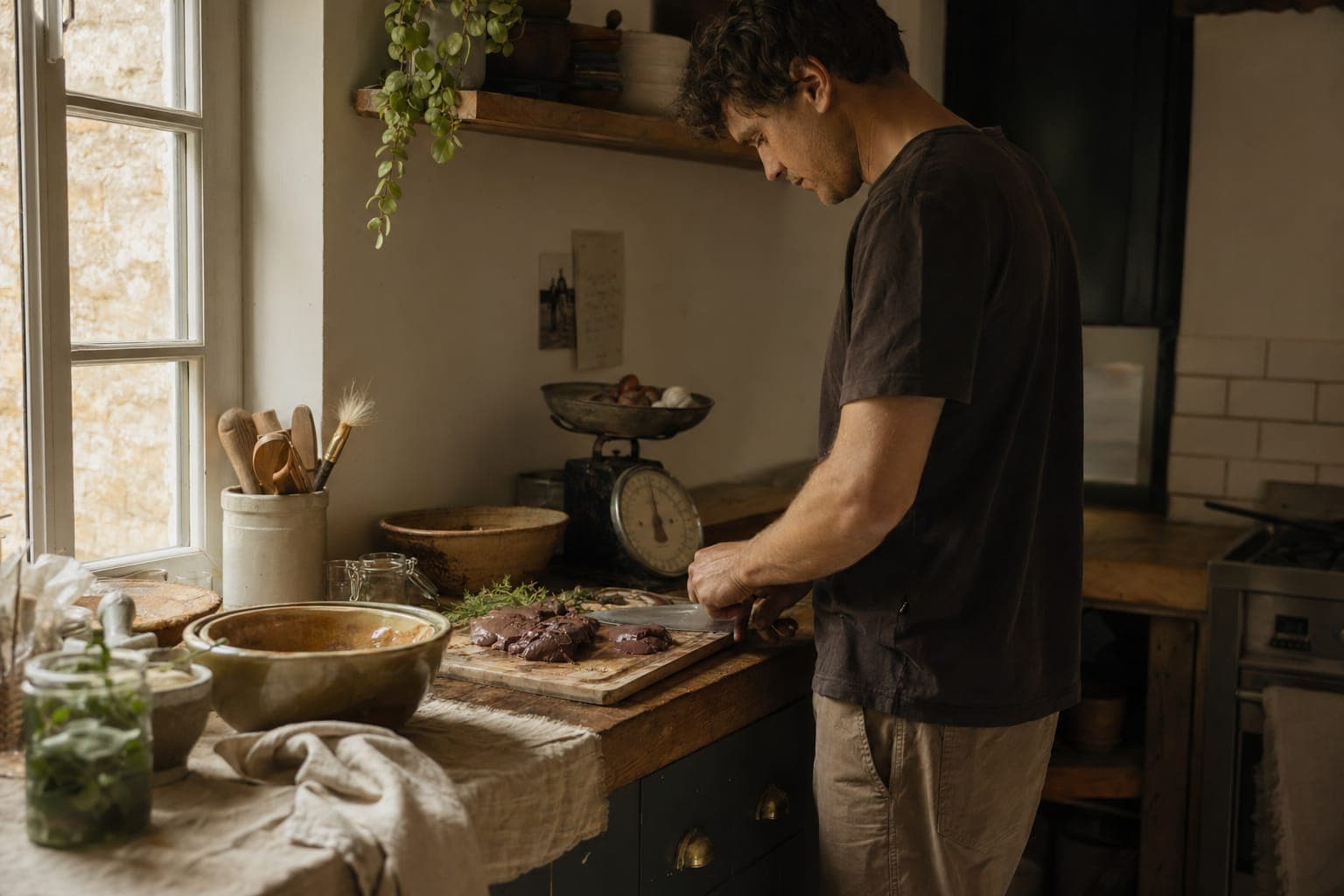
Organised didn't begin in a factory or a lab.
It began in 2022, in a kitchen, with one person who'd been doing everything the supplement industry told him to do, and was still feeling worse every year. What he tried instead, the foods his grandmother had eaten her entire life on a raw dairy farm in Ireland, transformed his health almost overnight. Two years of fighting industry norms later, that kitchen experiment became, in 2024, the world's first entirely whole food organ blend.
2022: a question, not a business plan
The year was 2022. Niall wasn't trying to start a company. He was trying to fix his own gut.
By every metric the wellness industry had taught him to optimise, he was doing it right. He tracked his macros to the gram. He had a protocol stack of supplements that promised to take care of sleep, recovery, focus, gut health, hormones. He read every paper, listened to every podcast, ordered every powder.
And his gut health was awful. Bloating after meals. Energy that crashed for no reason. Skin that flared without warning. Brain fog that the latest nootropic stack didn't touch. He was the customer the industry had been built for, and the customer the industry had quietly failed.
The question that started everything wasn't a business plan. It was simpler, and uncomfortable. What if the entire frame, of stacking more on top of a broken food system, was wrong?
What Niall stopped doing
The first move wasn't adding anything. It was subtracting.
He stopped the supplements. All of them. He stopped chasing perfectly balanced macros. He stopped reading the optimisation literature long enough to actually feel what his body was telling him without an app filtering the signal.
That subtraction matters because the supplement industry depends on you not noticing how little it's actually doing. When you stop and the symptoms don't get worse, that's information. When you stop and your body starts asking for something specific, that's information too. His asked for real food.
What Niall started doing
What he replaced the supplements with came from his grandmother. Not from a podcast.
His grandmother grew up on a raw dairy farm in Ireland. She'd lived her whole life on liver, eggs, whole animals nose to tail, raw milk, and honey from real beekeepers. None of it was a protocol. There was no brand attached to any of it. It was just food, and she had never, in a long life, suffered the kind of conditions her grandchildren were now treating with cabinets full of capsules.
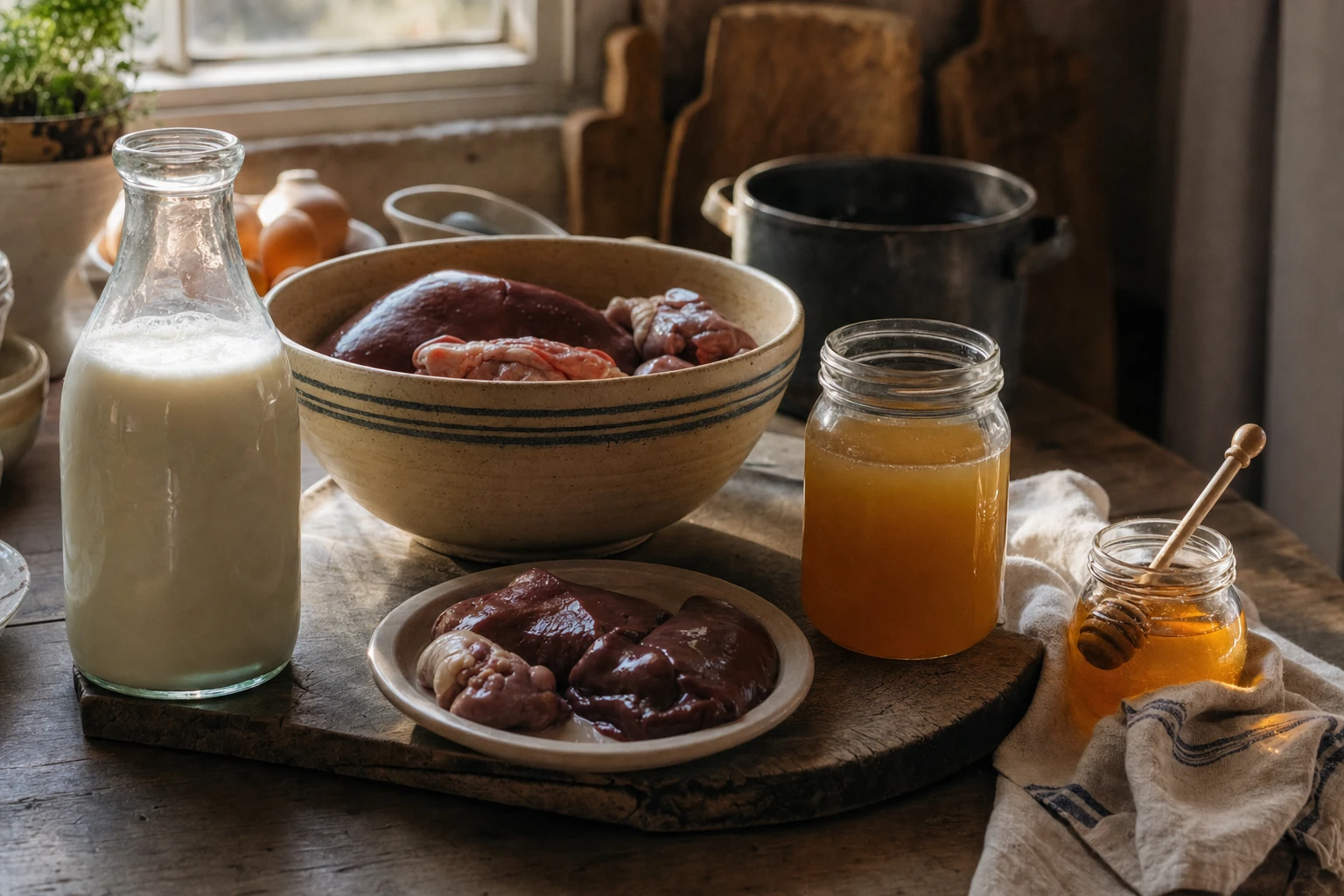
So he tried it. He swapped the supplements for raw milk, organs, bone broth, and honey.
His health transformed almost overnight. The bloating settled. The energy stabilised. The skin cleared. The brain fog lifted. Inside a few weeks he wasn't optimised, he was just well, in a way he hadn't been in years. And that wellness, unlike the supplement-stack version, didn't depend on a complicated daily protocol to maintain. It just kept being there.
Mum joins, and the proof becomes clear
What turned a personal experiment into something bigger was Niall's mum.
She'd lived with IBS for fifteen years. Bloating, urgency, food fear, the slow narrowing of life that chronic gut symptoms create. Fifteen years of restriction diets and prescriptions that ended with the same line: there's nothing structurally wrong, manage it.
Watching her son change, she added organs and collagen back into her own diet. She reversed fifteen years of IBS.
Watching his mum heal was the moment Niall realised this was about more than nutrition. It was about giving people their lives back. One person fixing his own gut is an experiment. One mother getting fifteen years of her life back is a mission.
The mission needed a product.
Two years saying no to industry norms
From the kitchen to a real product took two years, and most of those two years were spent saying no.
The supplement industry runs on a quiet stack of compromises that the customer never sees. Flavouring agents that make a powder palatable but compromise what's in it. Fillers that stretch margins. Artificial sweeteners. Seed oils. Grain-fed organ meat that ships at a fraction of the cost. White-label manufacturers who can produce something to a brief in months, as long as you don't ask too closely what's in it.
We said no to every one of those. Each no cost time, money, or both. Each no made it harder to launch. The industry was clear: you can't make an entirely whole food blend at scale, at a price anyone will pay, without these compromises.
We disagreed, and we used the two years to prove it. We built relationships directly with regenerative farms in the UK and Ireland, the kind where the soil is being healed by how the cattle graze and the relationship between land and livestock is treated as a discipline. We worked out a freeze-drying process that preserved the nutrient profile of the food without industrial shortcuts. We turned down distribution deals that would have meant fast scale at the cost of compromising the formula.
Slow growth was the price. The product was the point.
Get stories from the community, free
Two short reads a week on the farmers, the standards, and the return to real food.
By signing up you agree to receive emails from us. No spam, unsubscribe anytime.
Launching in 2024
Organised launched in 2024 as the world's first entirely whole food organ blend.
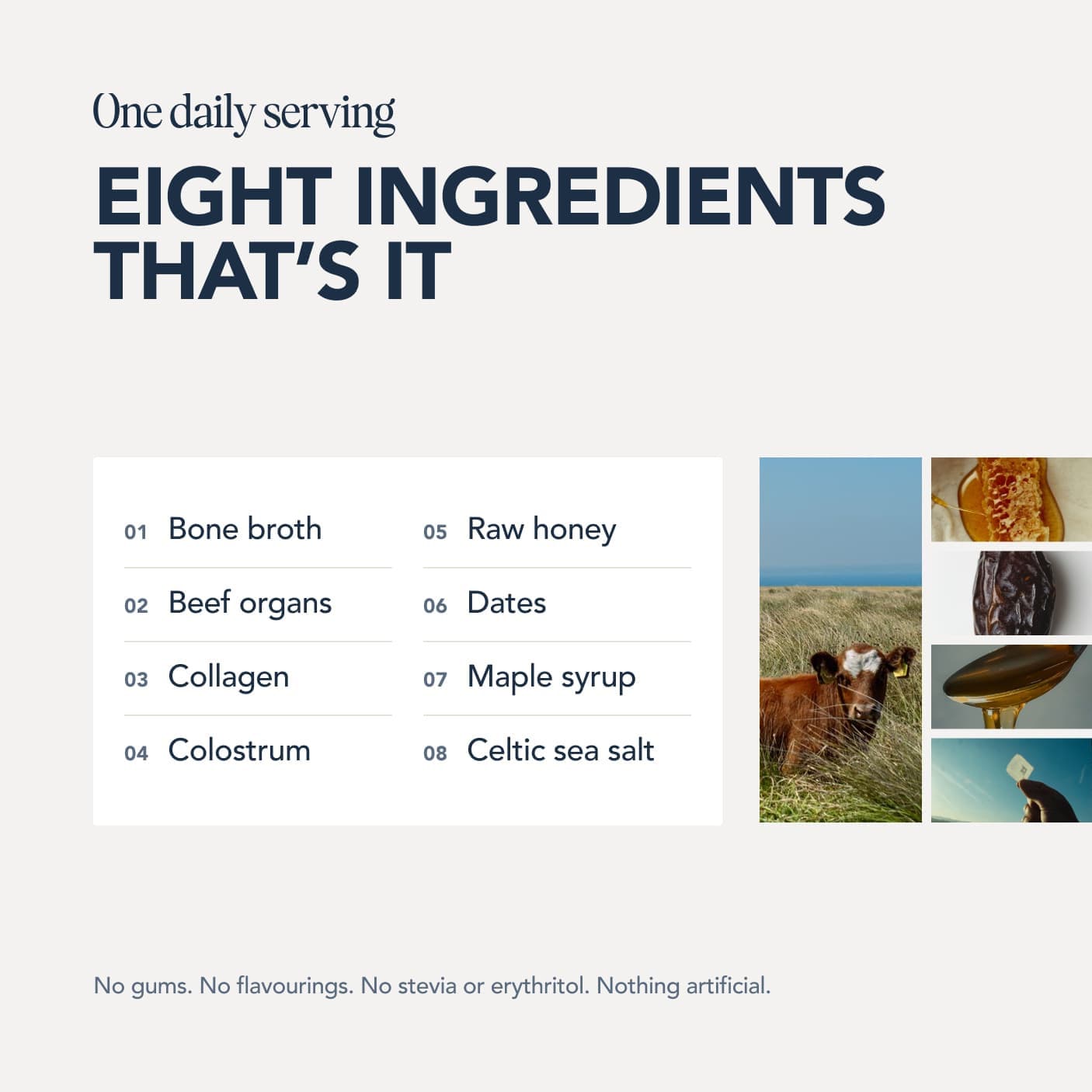
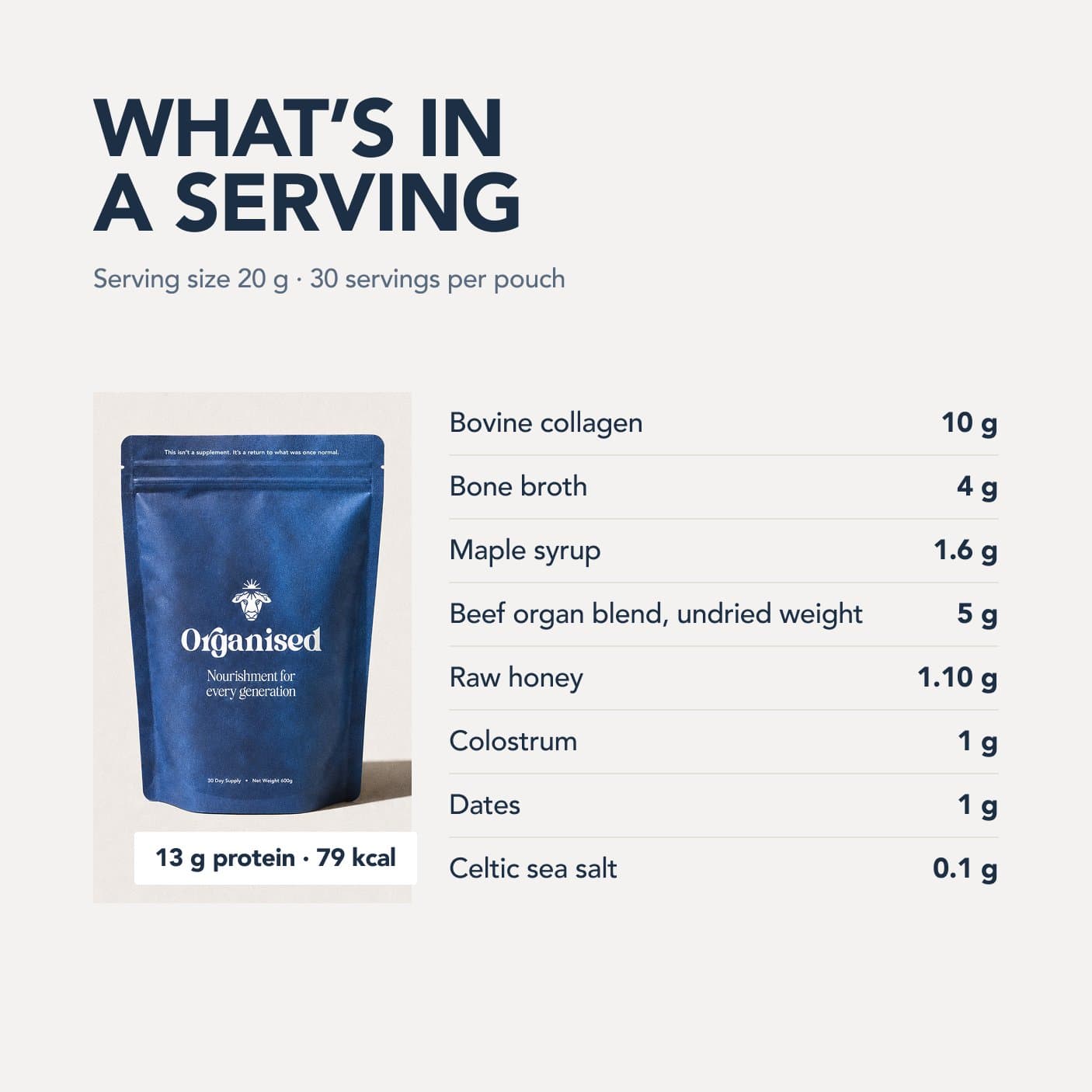
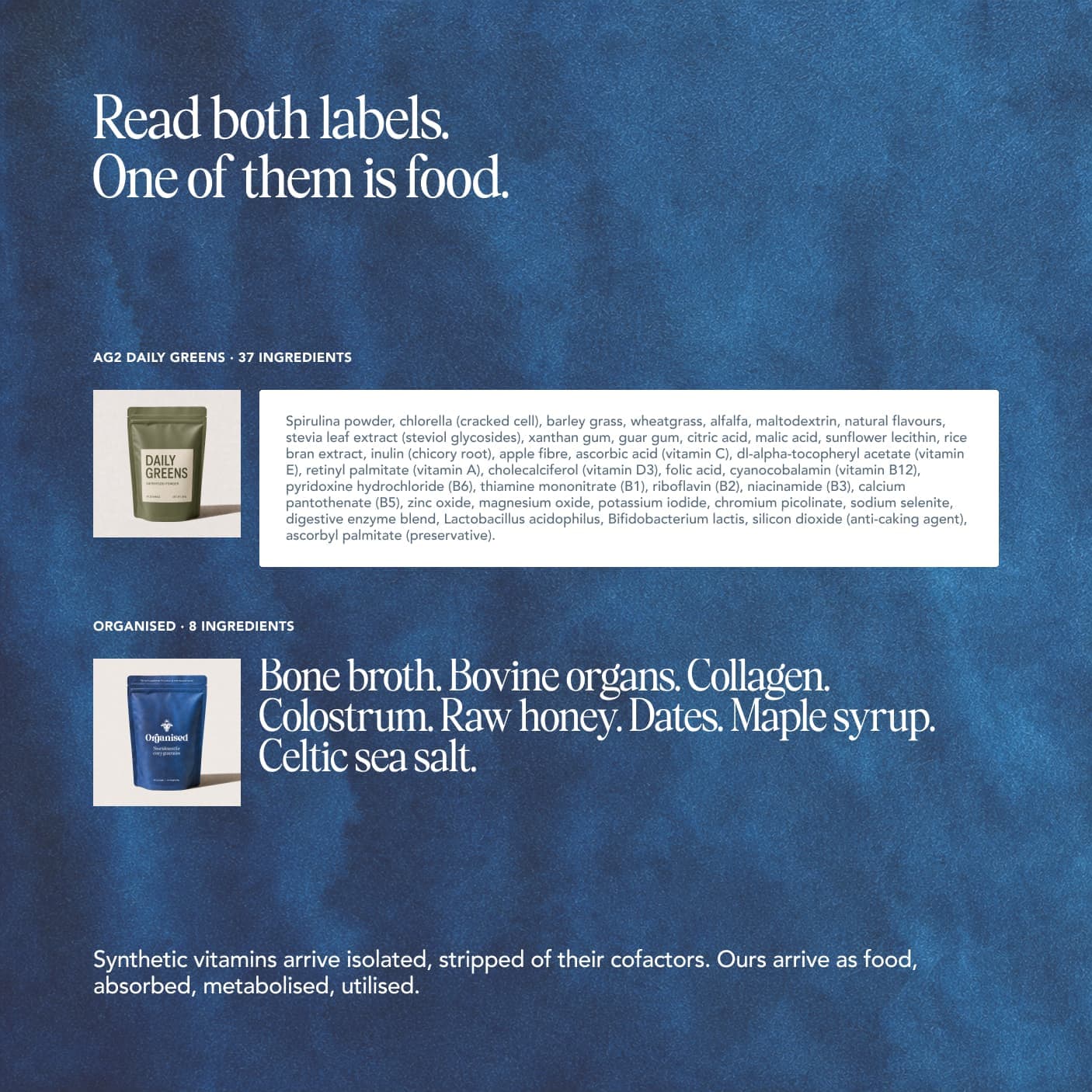
Eight ingredients. Grass-fed bone broth. Grass-fed beef organs, liver, heart, kidney, lung and spleen. Collagen peptides. Bovine colostrum. Raw honey. Oasis dates from Tunisia. Canadian maple syrup. Celtic sea salt. That's the entire formula. No fillers. No flavourings. No additives. No isolated synthetic vitamins pretending to be the same thing as the food they were extracted from.
Eight whole-food ingredients. No fillers. No flavours. No additives. The world's first entirely whole food organ blend.
The phrase "entirely whole food" is the part that took two years. Most organ products on the market sit somewhere on a spectrum that includes binders, flow agents, isolated vitamins, or synthetic flavourings. Removing all of them, and still ending up with something that tasted good, mixed properly, and met food safety standards at scale, is the formulation work the launch made possible.
The first customers weren't strangers. They were the people who'd watched the kitchen experiment work in real time. Niall's mum, with her IBS behind her. Niall's grandparents in their 90s. His four younger brothers, who have grown up on it. Then their friends. Then the friends of their friends. Word of mouth from people who'd seen the product work in the people closest to them.
1 of 9
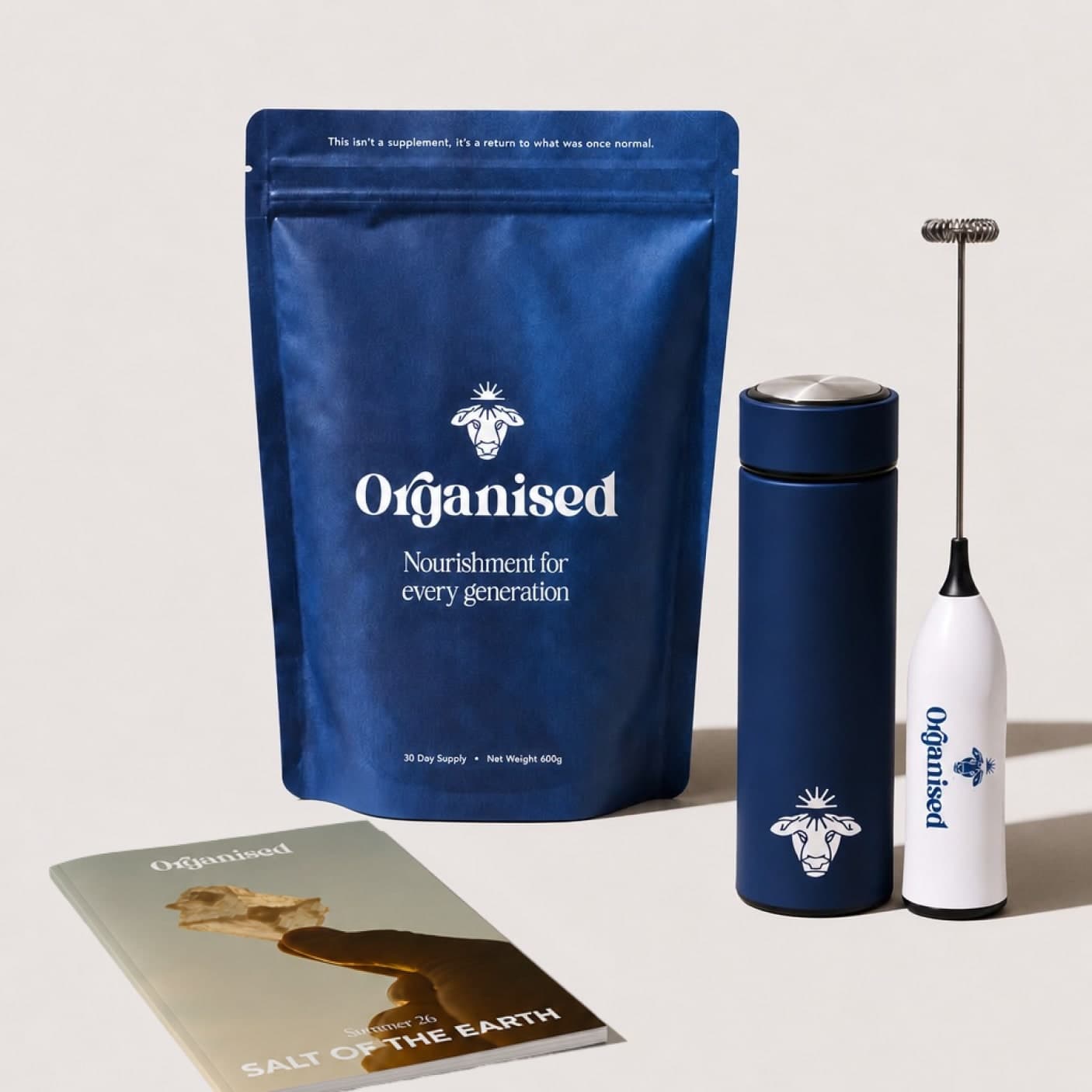
Daily blend
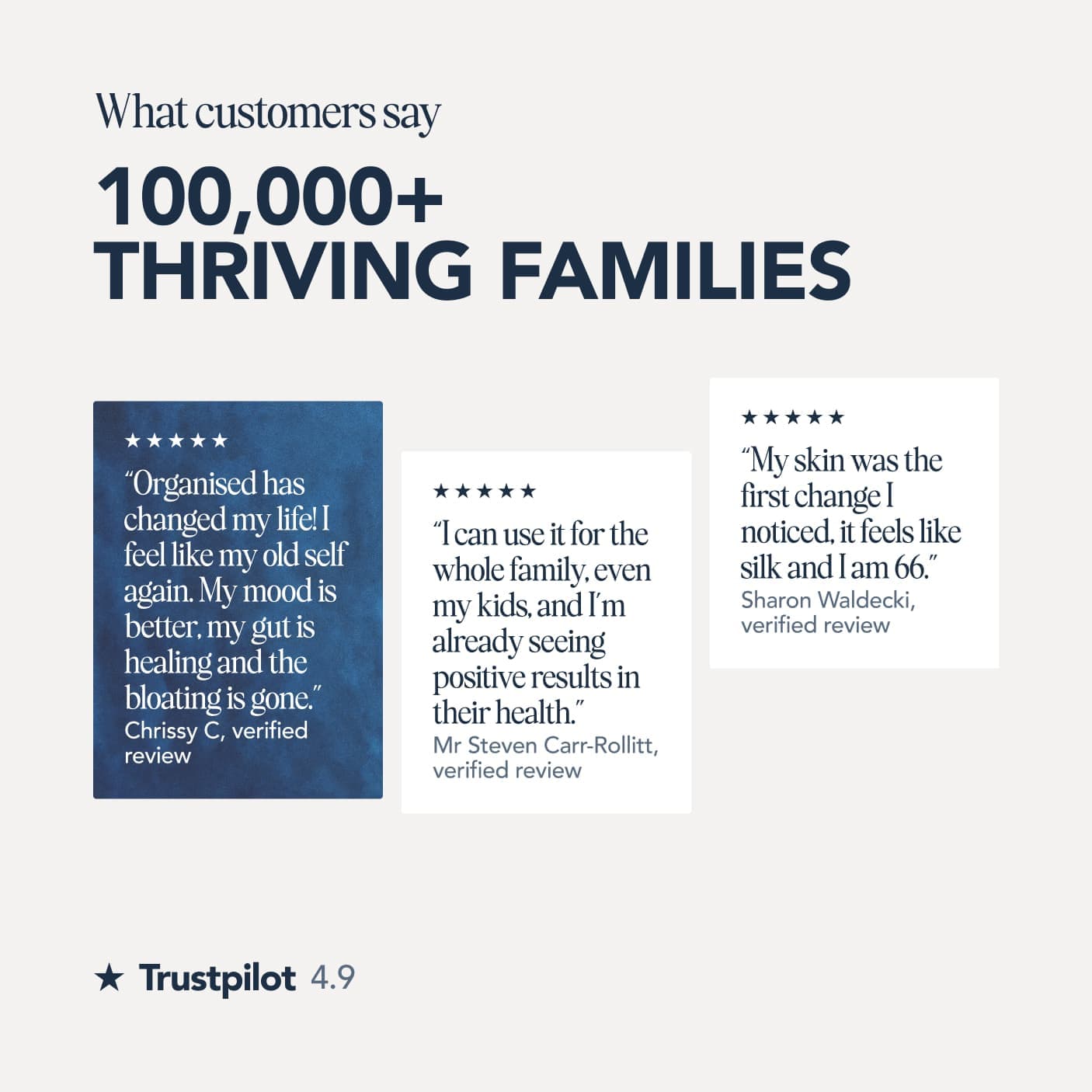
100,000+ thriving families4.9 on Trustpilot
Eight real ingredients built around grass-fed beef organs, collagen and colostrum. Nothing synthetic added.
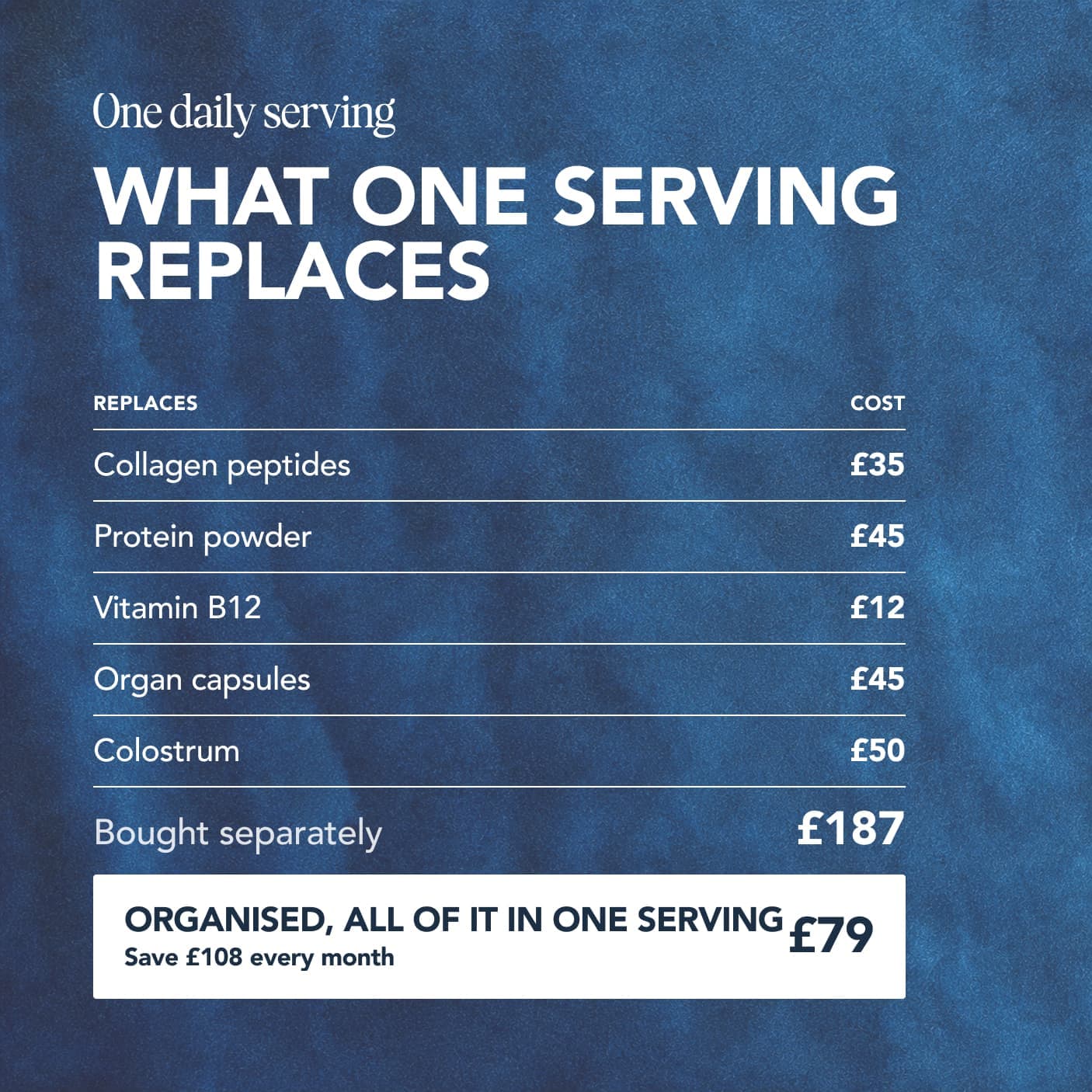
Free with your first order, worth £38. Plus £10 off the pouch with a subscription.
Free UK shipping · Made in England · 100 day money back guarantee on your first pouch · Skip, pause or cancel anytime
Two years on: regenerative farms, real research, real food
It's now two years since launch, and the standard hasn't slipped.
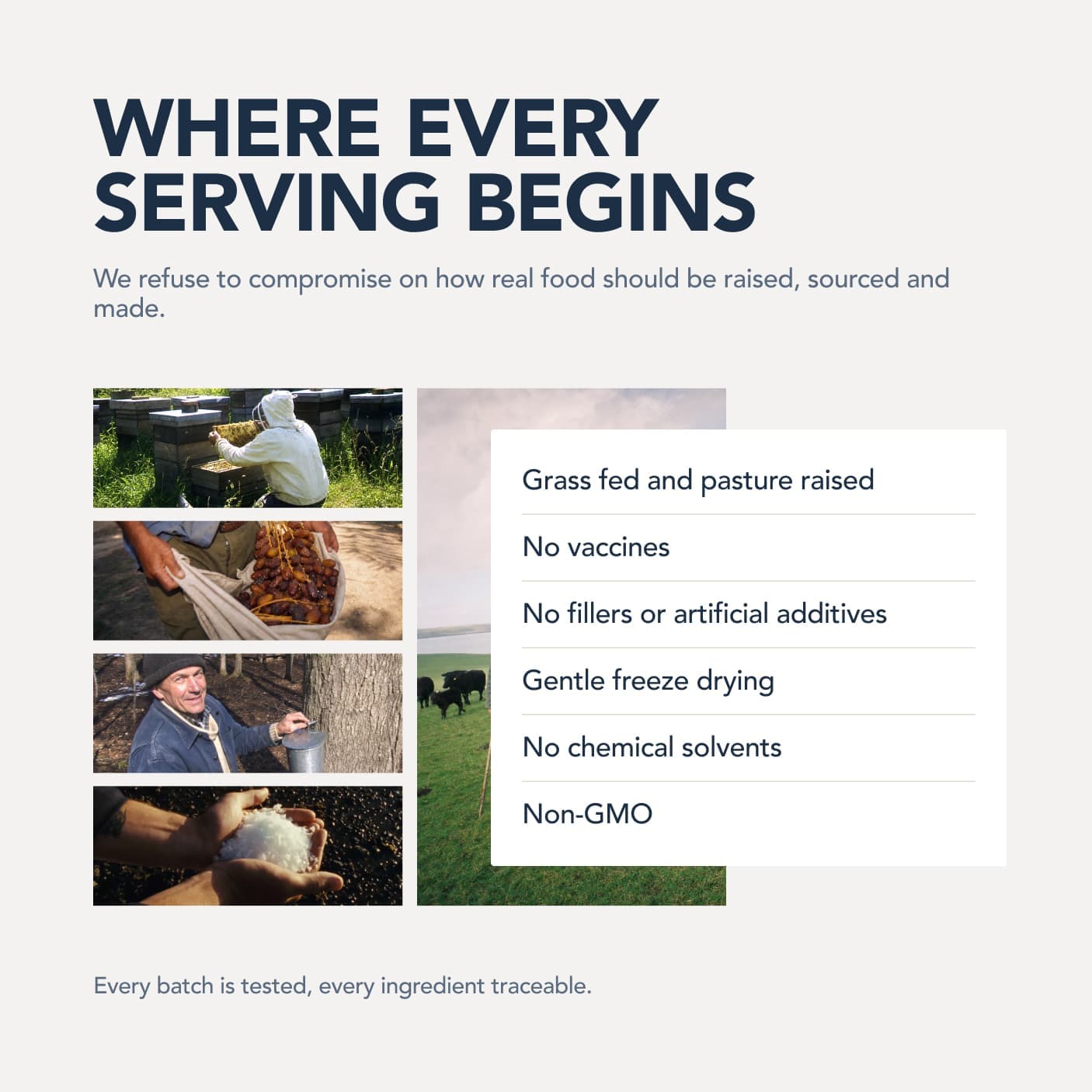
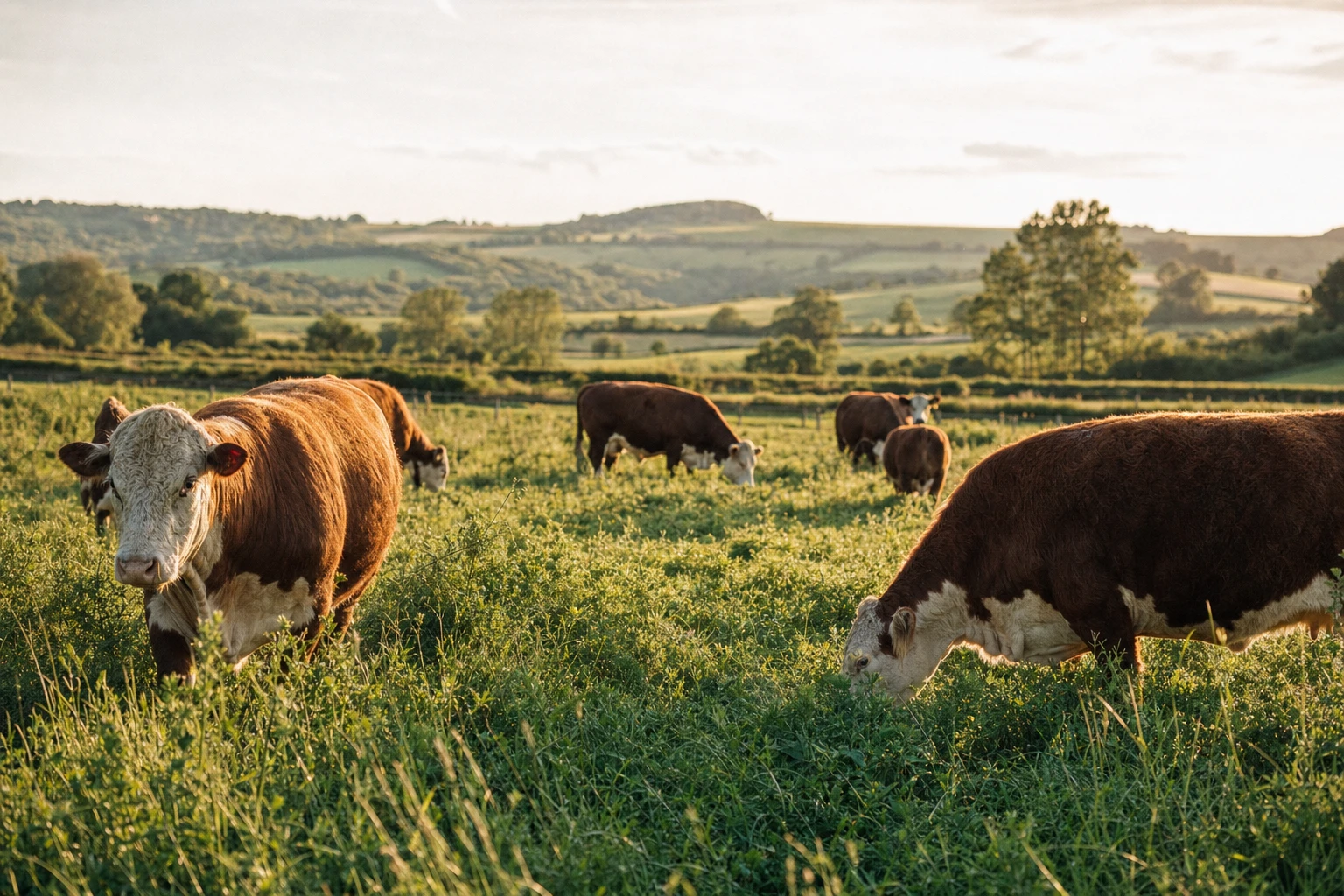
We're still pushing to raise the bar. The farm partnerships have deepened, not diluted, as volumes have grown. The organs in every blend still come from regenerative farms where the animals are raised on diverse pasture, moving with the seasons, eating the way grass-fed cattle are supposed to eat. The nutrient profile of an organ from an animal raised that way is genuinely different from one raised on grain in confinement, and that difference is the only reason any of this is worth doing.1
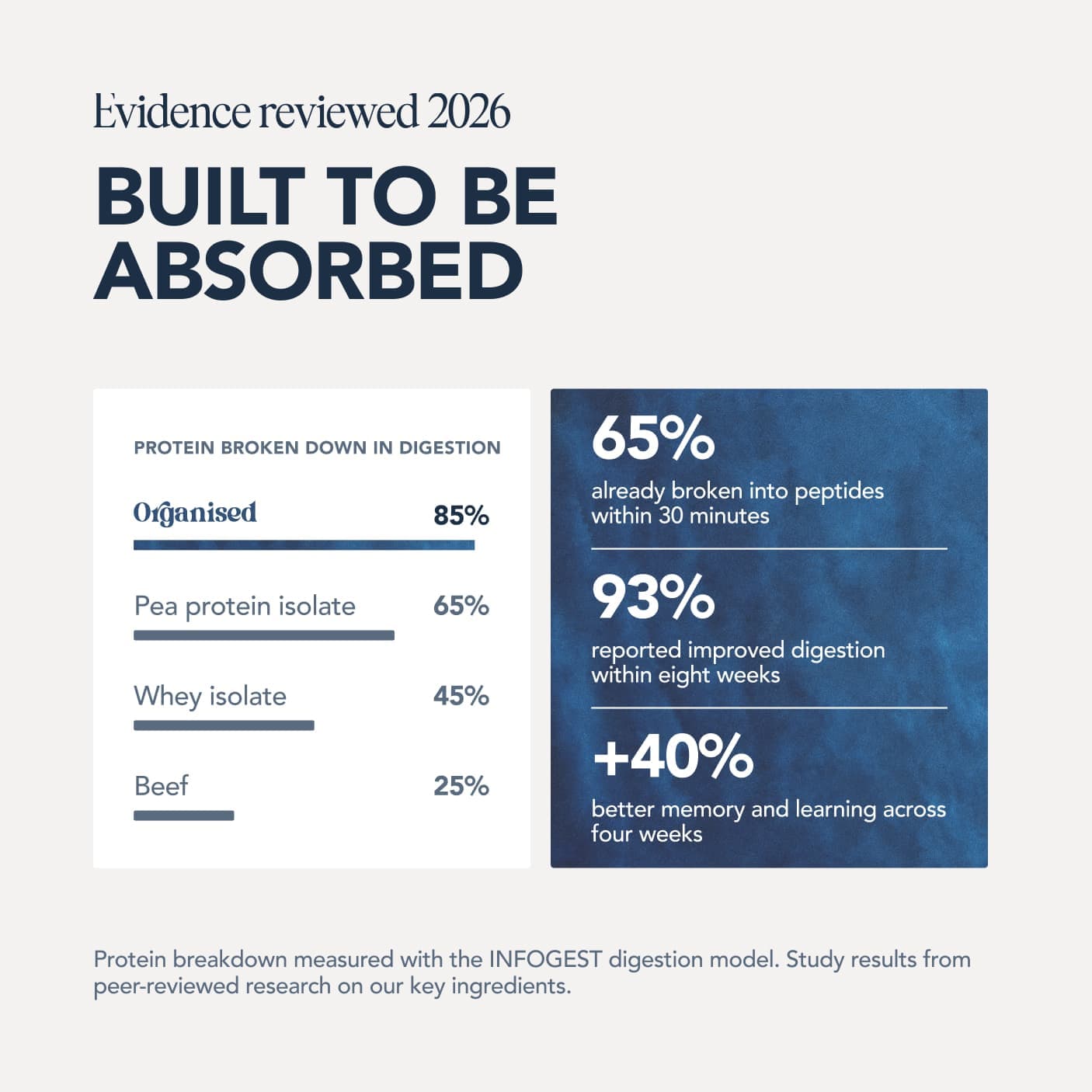
We're also investing in real research. Not paid white papers, independent work on bioavailability, on what whole-food micronutrients actually do compared to their isolated synthetic equivalents, and on how the people taking Organised report feeling over time.
And we're still saying no. To flavours that would make the blend more popular but compromise what it is. To distribution that would compromise the supply chain. To pressure to be the cheapest option. To anything that would turn the brand into the supplement industry it was built to be an alternative to.
The kitchen experiment didn't change once it became a product. The product is the kitchen experiment, scaled honestly. Raw milk, organs, bone broth and honey were what worked in 2022. The blend that launched in 2024 is the same idea, made shelf-stable, made convenient, and made available to anyone who wants their grandmother's nutrition without needing a farm in Ireland to make it possible.
That's what "returning to real food, the way humans were meant to eat" means in practice. It's not a slogan. It's the test every product, every farm partnership, and every decision still gets measured against.
References
Every source below was checked on 27 August 2026. Each PubMed, PMC and DOI identifier was resolved against NCBI or Crossref, and what it opens is printed under the citation, so you can see the link goes where the citation says without leaving the page. Where a citation and its identifier disagreed, the citation was corrected to the record or the reference was deleted along with the sentence marker that pointed at it, and where the resolved paper turned out not to support the sentence, the sentence was cut back to what it does support. Borrowed authority is worse than none, because it looks like rigour.
- Daley CA et al. A review of fatty acid profiles and antioxidant content in grass-fed and grain-fed beef. Nutrition Journal, 2010. PMID 20219103.Checked 27 August 2026: PMID 20219103 opens Daley CA, Abbott A, Doyle PS et al, A review of fatty acid profiles and antioxidant content in grass-fed and grain-fed beef. Nutr J 2010;9:10. PubMed indexes it as: Review.
Who wrote and reviewed this guide
Niall Kiddle
Author · Founder, Organised
Niall is the founder of Organised. He started the company in 2024 after fixing his own health the slow way: in 2022 he swapped a cupboard of synthetic supplements for real food, raw milk, organ meats, bone broth and honey, and felt the difference within months.
Areas of expertise: Ancestral nutrition, Organ meats, Whole-food supplementation, Gut health, Regenerative sourcing
Read Niall's full profile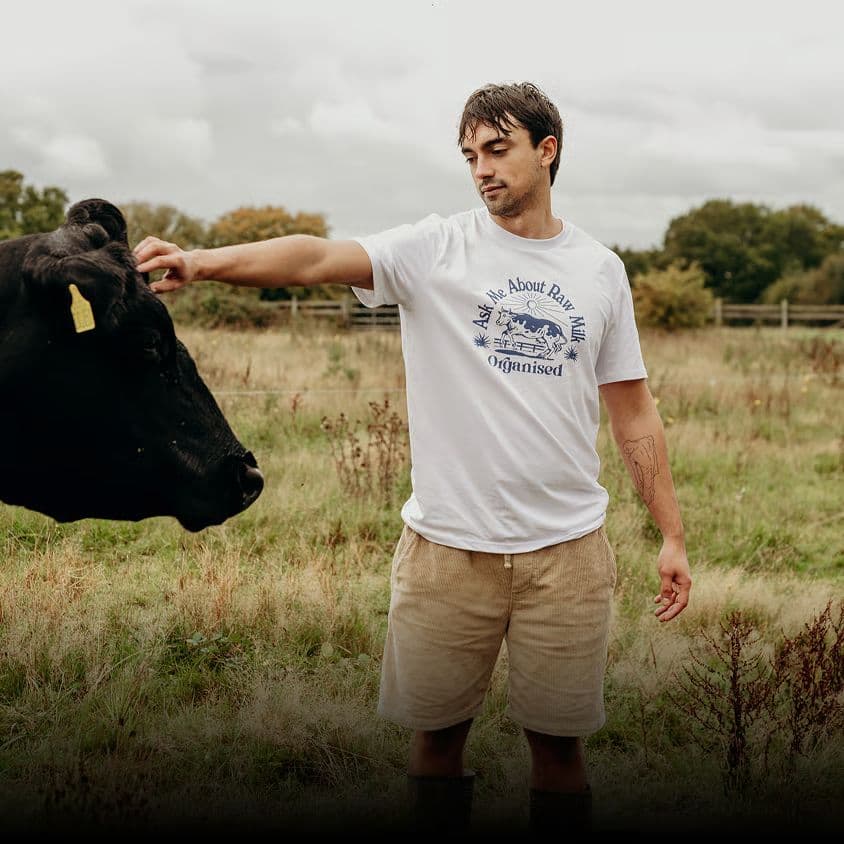
Pedro Rodrigues
Reviewer · Agronomist (farming and sourcing only)
Pedro is the agronomist Organised works with on farming and sourcing. His job on the guides is to keep the science honest: he reviews what we publish about soil health, regenerative agriculture, grazing and the way food is actually produced.
Areas of expertise: Regenerative agriculture, Agronomy, Soil health, Grass-fed farming, Food sourcing
Reviewed this guide on
Read Pedro's full profileMore on brand story
View allBrowse the guides library
All guidesKeep reading
Culture & community
Where It All Started: The Organised Origin Story
The Organised origin story: founder Niall on supplements that fell short, an Irish grandmother who knew better, and the first whole food organ blend.
Culture & community
The Anti-UPF Movement: What's Driving the Backlash Against Processed Food
Discover what's driving the global backlash against ultra-processed food. Policy shifts, health awareness, and the movement reshaping food culture.
Culture & community
Building a Whole Food Lifestyle: What Reddit Gets Right (and Wrong)
Reddit is full of whole food lifestyle advice. Here is what the community gets right about cutting processed food, and where it overreaches.
Real food, made effortless
Shop the blendA few ways to use it
All recipes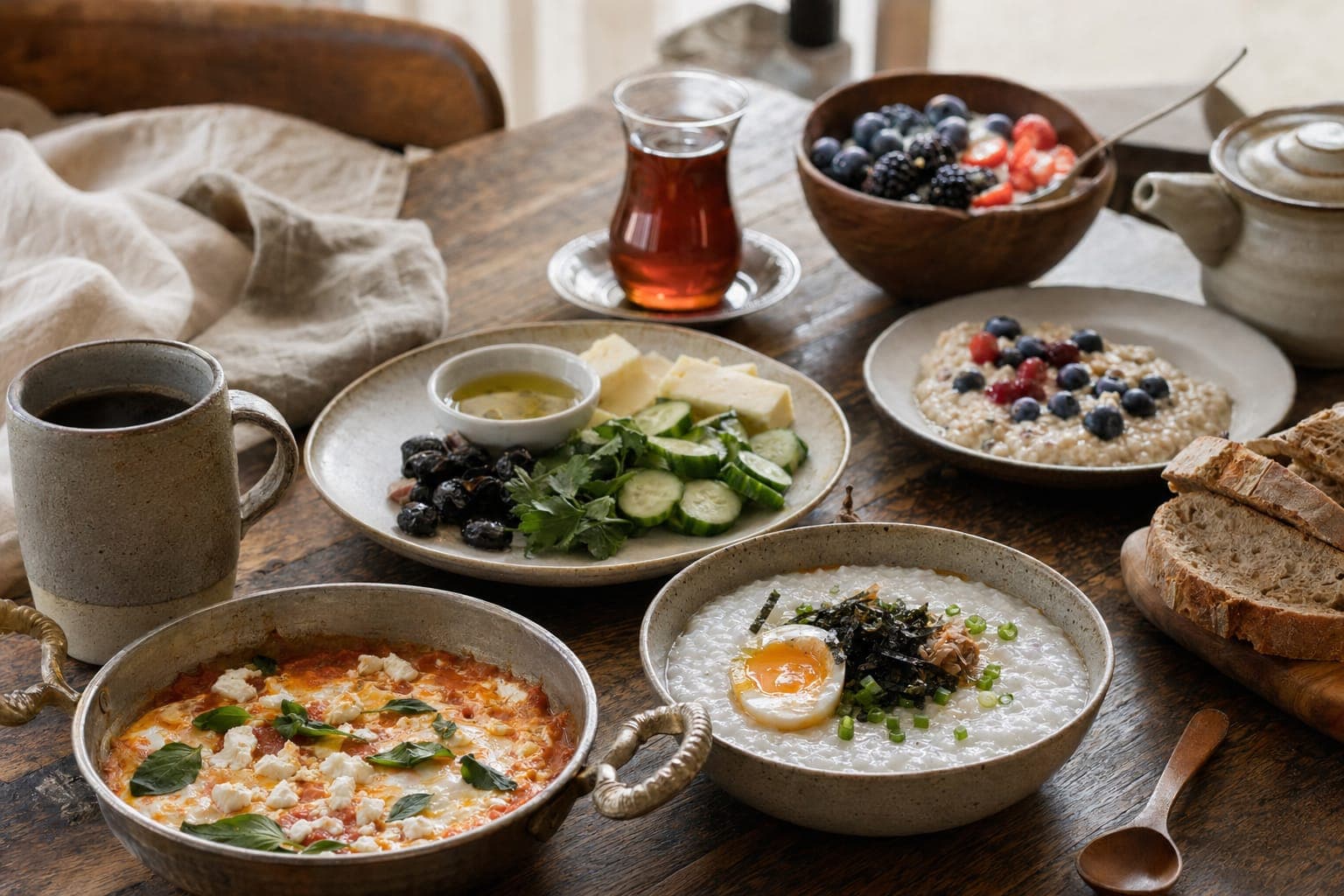
Ancestral Breakfast Ideas from Around the World
Traditional breakfast recipes from cultures that got nutrition right. Japanese, Turkish, Scottish, and more. Whole-food breakfast inspiration.
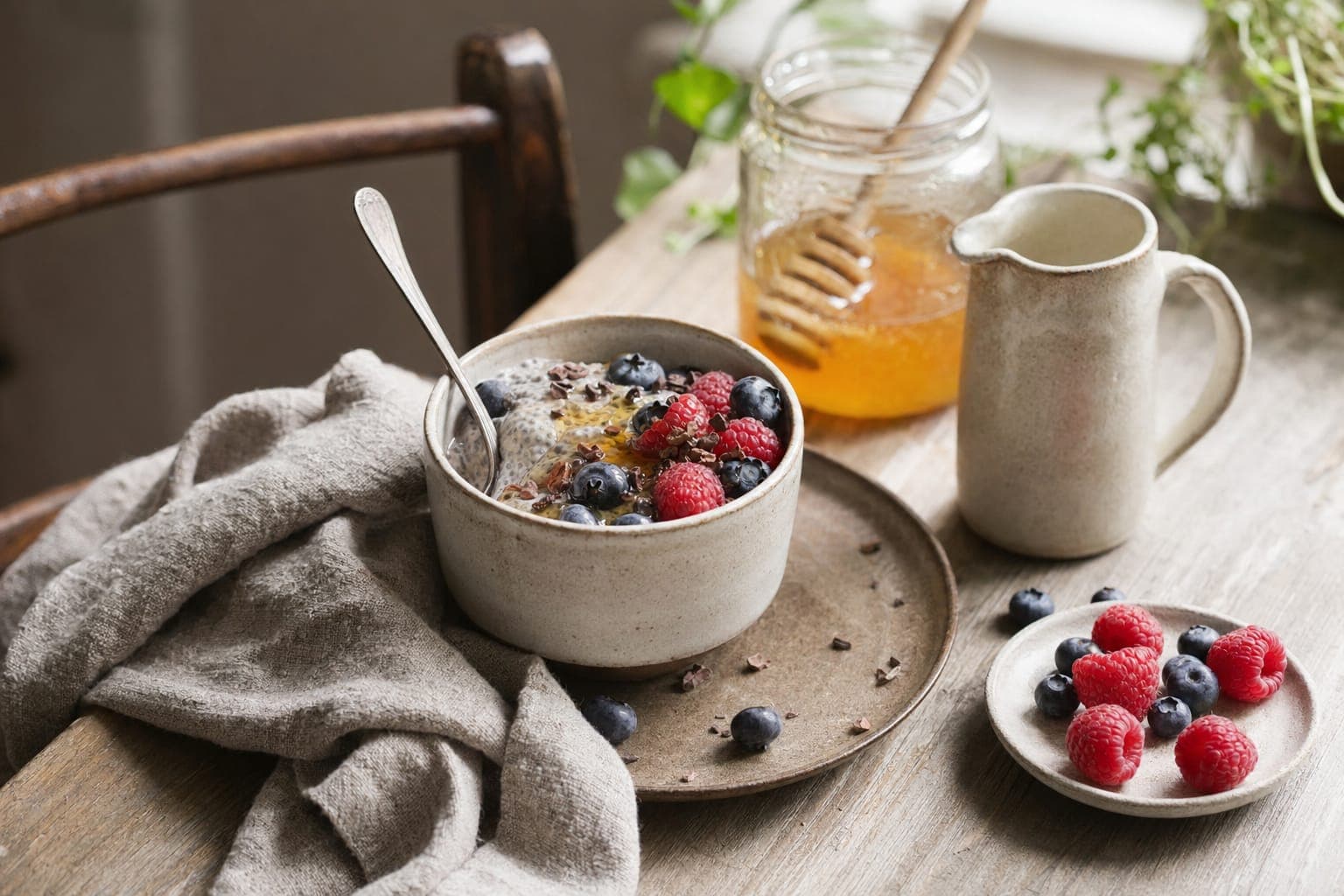
Organised Chia Pudding with Raw Honey and Berries
A no-cook chia seed pudding made with raw milk, collagen, berries, and raw honey. Prep it the night before and eat for breakfast.
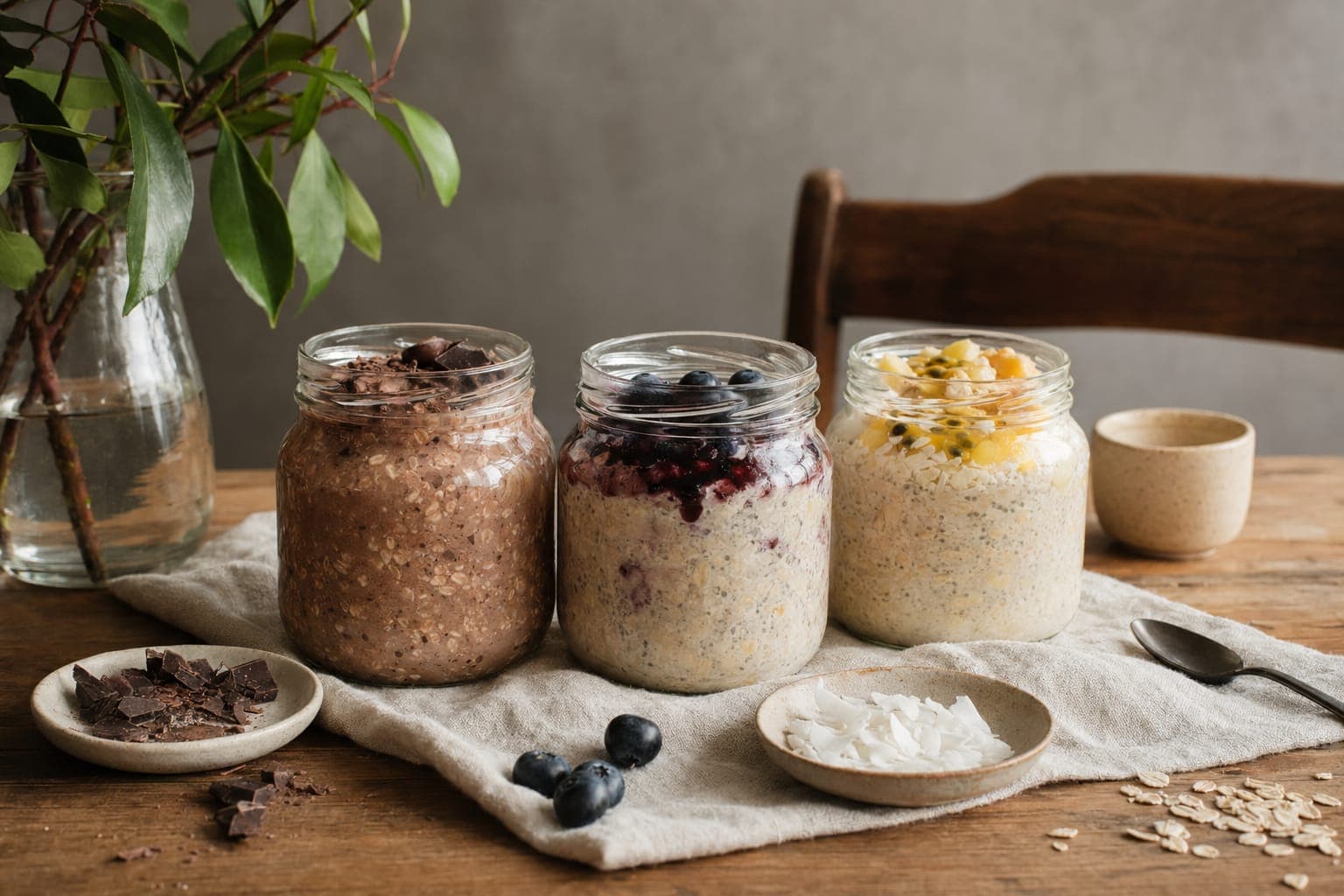
Organised Overnight Oats: 3 Variations
Three delicious overnight oats variations with Organised. Chocolate, berry, tropical flavours. Make them Sunday, eat them all week.


 Join over 100,000+ members
Build a better food system with us
The Organised community is thousands of people choosing real food and backing the farmers who grow it, all of us trying to leave the world a little better than we found it. If that is what you care about too, you belong here.