Meet the Farmers Behind Organised
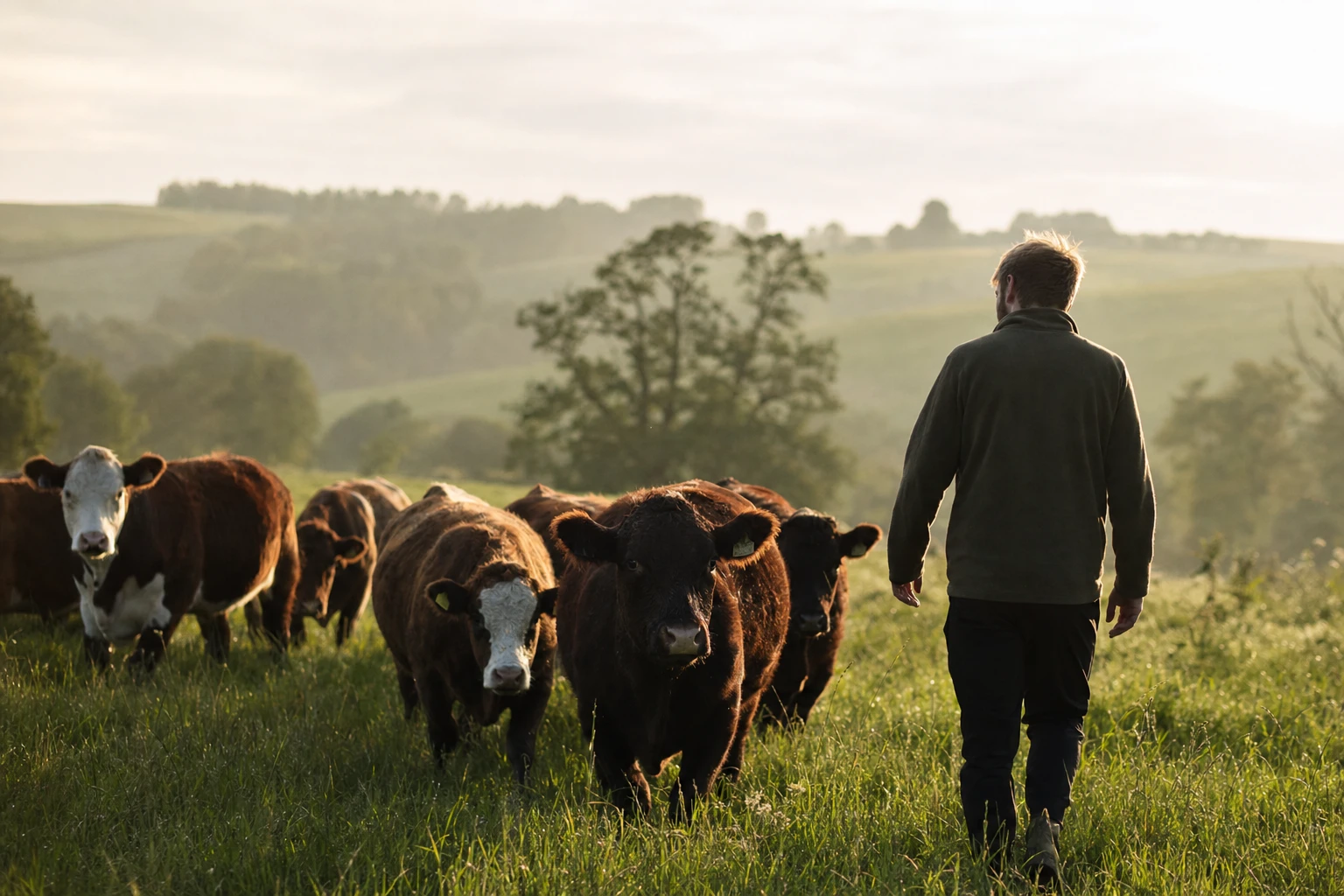
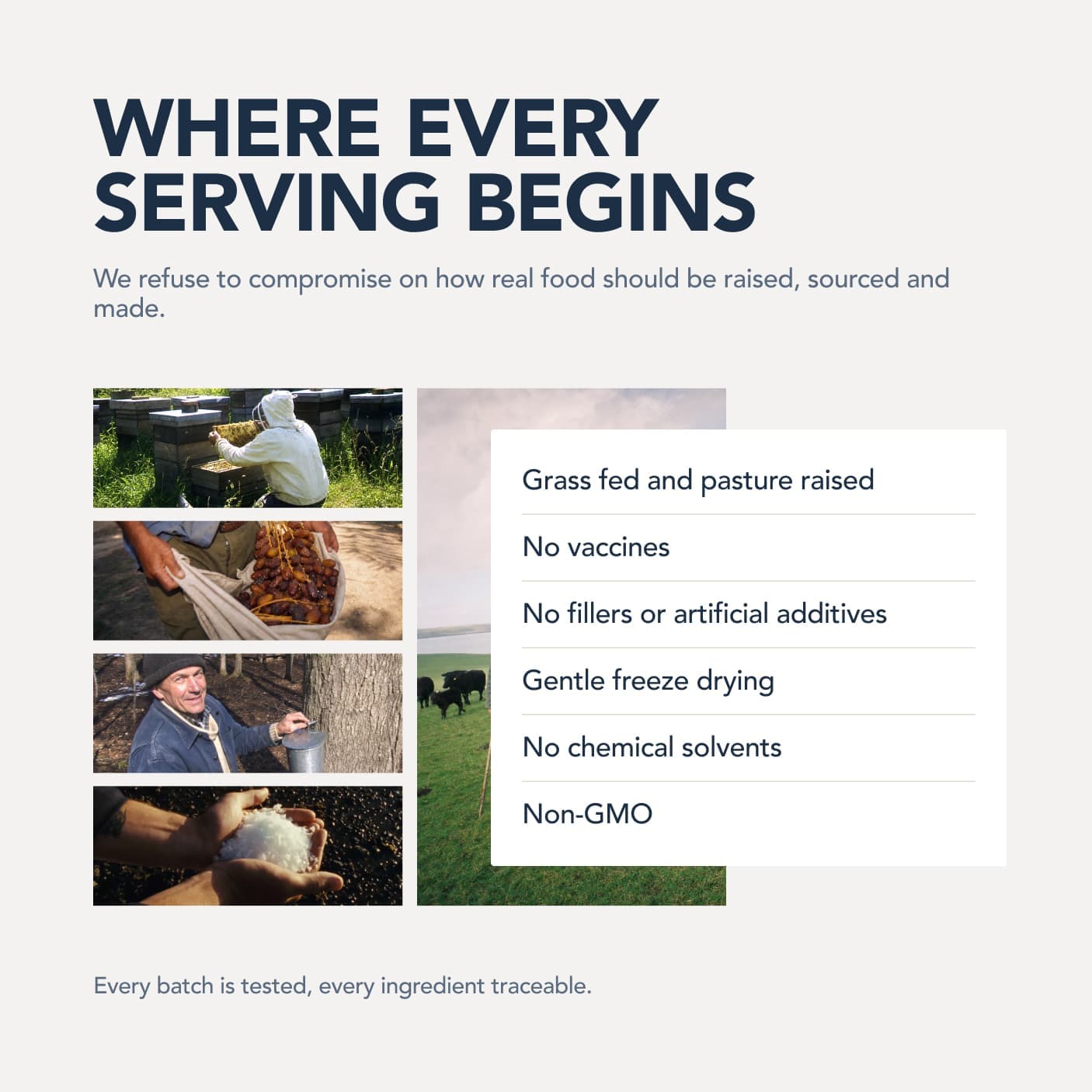
Somewhere, a cow is standing in a field. She's moved to fresh grass every single day. The soil beneath her is being built, not depleted. And the organs that will become your Organised blend are the direct result of this farmer's philosophy. Here's their story.
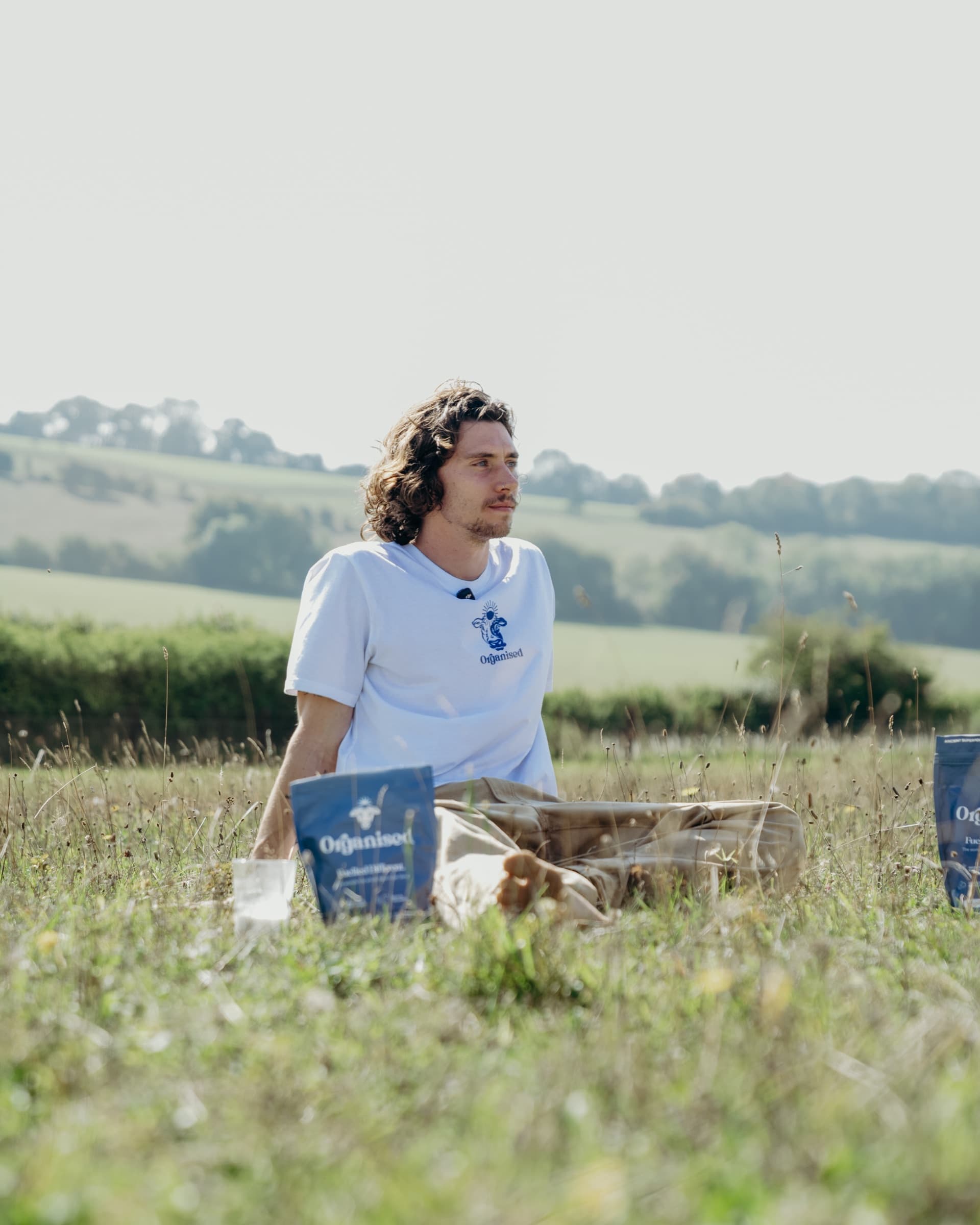
By Niall Kiddle, Founder, Organised

Reviewed by Pedro Rodrigues, Agronomist (farming and sourcing only) ·
5 min read · Published · Updated · 2 cited sources
Makers of the Organised Daily blend, a grass-fed beef organ supplement from regenerative UK farms
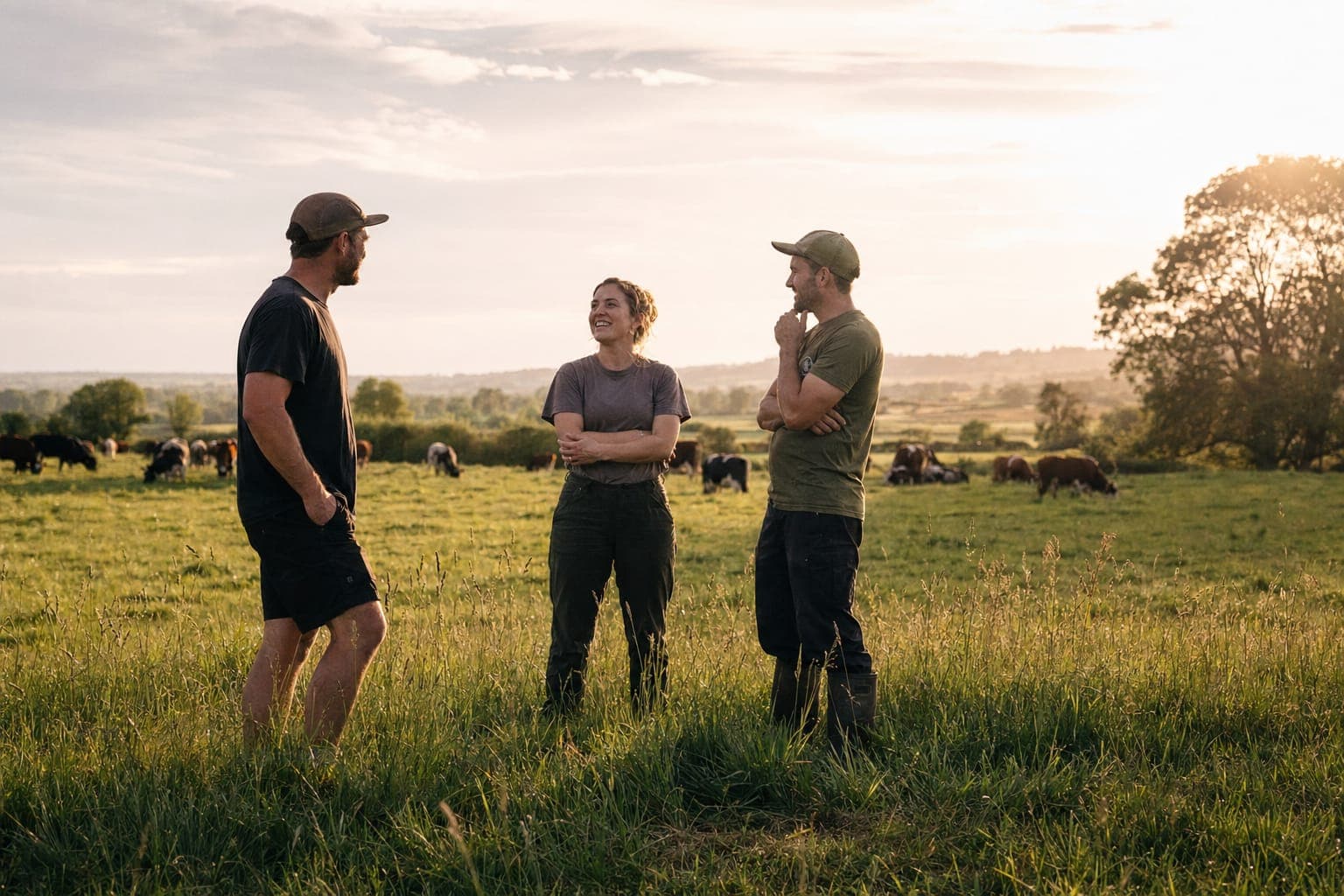
Here's their story.
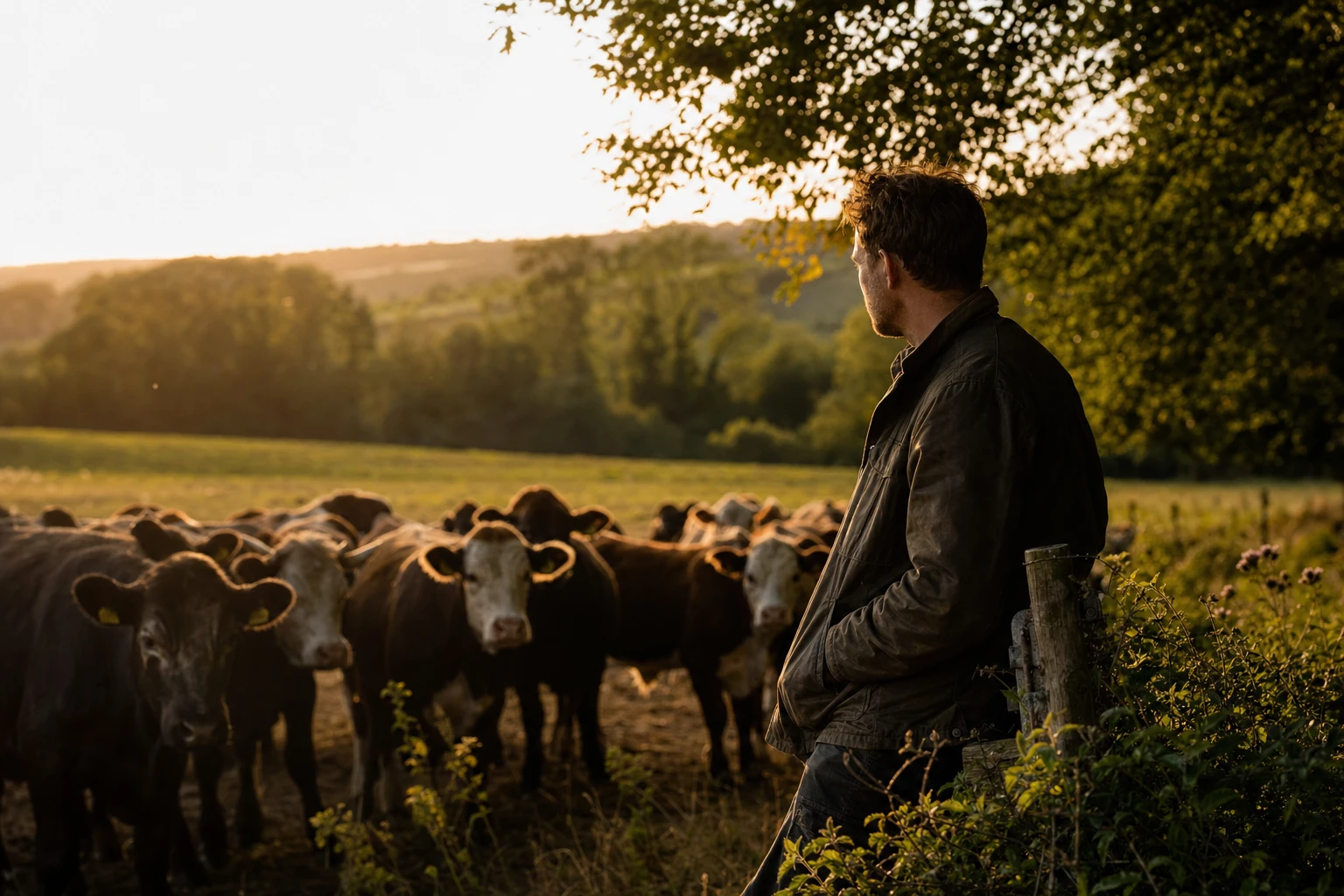
What we look for in a farm partner
Organised doesn't source from farms. We partner with them. The difference matters.
A supplier relationship is transactional. We want organs. You produce organs. We pay you. Done.
A partnership is different. It means understanding why you farm the way you do. Respecting the constraints you face. Building a business model that actually works for you. Taking the organs that are previously wasted and giving them market value. Making your farm more viable, not just buying your surplus.
The farms we partner with all share something. They're thinking about soil health, animal health, and land restoration simultaneously. Not as marketing. As actual practice. They're moving animals through rotations. They're building microbial diversity. They're making land more fertile every year, not less.
In the industrial system, this is seen as inefficient. The land is for extracting value. If the land dies in the process, that's a future problem, not a present cost.
In regenerative farming, the land is the business. The animals are the tool. So everything the farmer does is designed to leave the land better than they found it.
The regenerative farmer in the south
This farmer started conventional. Thirty years of grain crops. Pesticides. Fertilisers. The standard industrial rotation.
Then the soil gave up. The yields started dropping. The cost of chemical inputs kept rising. The margin compressed to nothing. At 50 years old, he had a choice: scale up and consolidate, or do something different.
He chose different. He brought animals back. Cattle. Sheep. Moving them through carefully planned rotations that let grass recover and soil consolidate. It took five years for the land to stabilise. Another five for it to become genuinely fertile.
Now, he farms less land, makes more money, and the soil is alive in a way it hasn't been in 30 years. You can see it. The colour is different. The moisture retention is different. The microbial life is explosive.
He also has organs to sell. Previously, he'd sell the prime cuts and the organs went to pet food or waste. Now, those organs have market value. It makes the economics work even better.
His cattle live entirely on grass. They're outside in rotation. The calves stay with their mothers longer than industrial practice allows. The animals get a life. The land gets restoration. The farmer gets paid fairly for doing it right.
The multi-generational grass farm
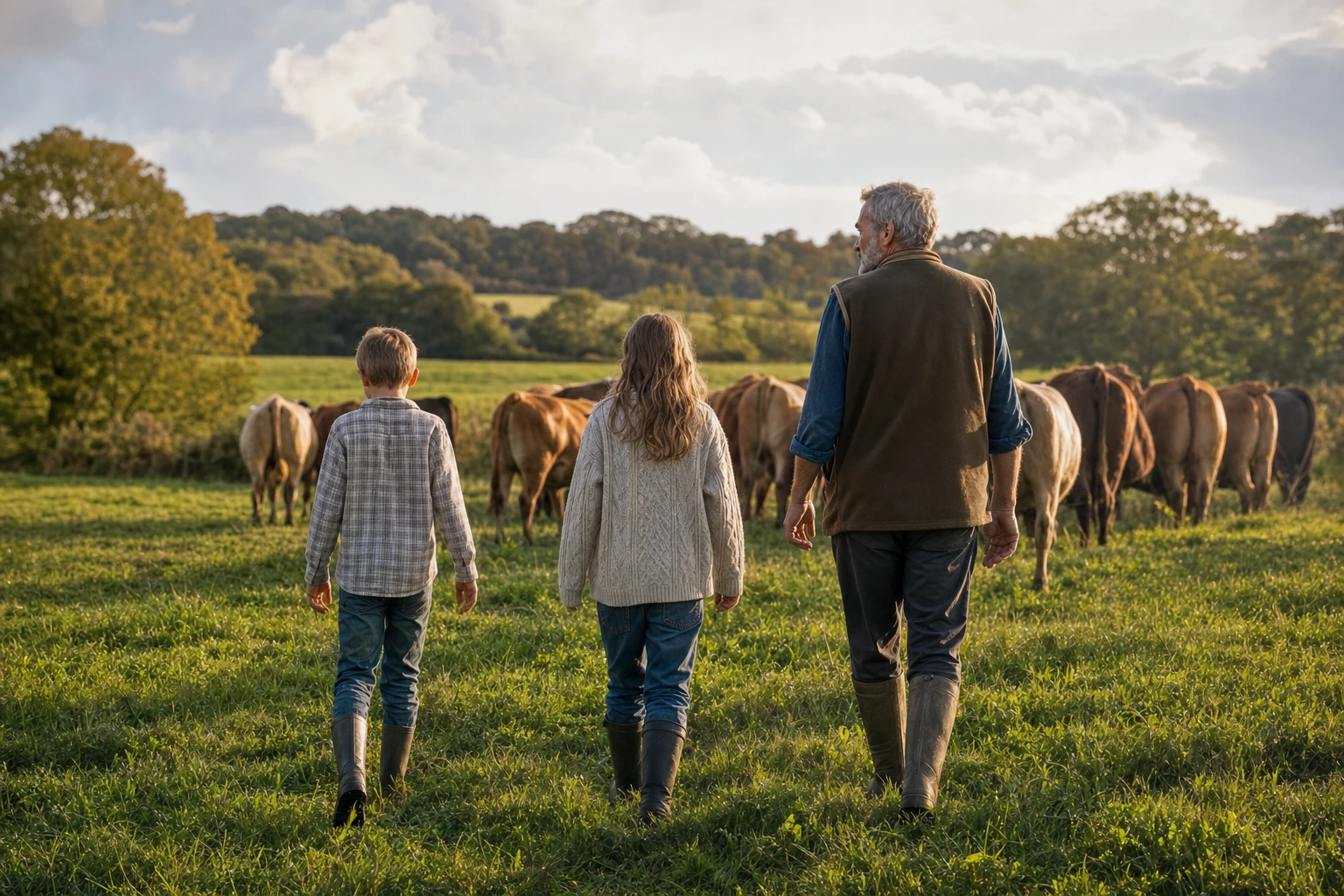
This farm has been family-owned for 80 years. Always grass. Always animals. It's deep knowledge passed through generations.
The farmer here learned from his father and his grandfather. How to read pasture. How to move animals to optimise recovery. How to build soil structure. How to work with the seasons instead of against them.
It's a form of knowledge that can't be taught in a course. It has to be lived. Years of paying attention to subtle shifts in the grass, in the soil, in the way animals behave. That knowledge is invaluable.
Industrial farming relies more heavily on synthetic inputs. Long-term, monoculture systems can degrade soil structure and microbial diversity.2 The knowledge dies.
This farm is keeping it alive. The cattle here are the product of generations of selection for health and hardiness. The grass systems are optimised through experience. The whole operation is built on knowledge.
The organs from these animals carry that legacy. Not just nutrients. The coherence of a system that's worked for 80 years.
The smallholder with principles
This is a smaller operation. Ten acres. A few dozen animals. It's not a business model that scales. It's a lifestyle. It's a system that works because the farmer isn't chasing growth at the expense of everything else. The farmer is chasing coherence.
The animals are integrated into the landscape. Cattle, sheep, pigs, chickens. Each species doing different work. Building different soils. Creating a polyculture instead of a monoculture. The waste from one becomes food for another. The system feeds itself. The farmer doesn't have to buy external inputs because the system generates its own fertility.
It's more labour-intensive. It's less profitable on a volume basis. But the economics work because there's no waste. Every part of every animal gets used. The organs that come from here are treated as valuable. The hides go somewhere. The bones go somewhere. Nothing is discarded. This isn't waste management. It's respect.
This farmer also sells eggs, meat, and milk directly to customers who've built relationships with him. The economics would break without that connection. The customers wouldn't accept the higher price without knowing the story. But once they know it, the price becomes irrelevant.
What's interesting is that once you know the story, the price stops looking high. You're not paying for organs. You're paying for a system that works for the farmer, the animals, and the land. You're paying for regeneration. You're paying for knowledge. You're paying for something that actually matters.
Get stories from the community, free
Two short reads a week on the farmers, the standards, and the return to real food.
By signing up you agree to receive emails from us. No spam, unsubscribe anytime.
Why the farmer matters
Nutrition doesn't end at the organ. It starts at the soil.
An animal raised on depleted soil eating deficient grass produces organs that are less nutrient-dense than an animal raised on fertile soil eating mineral-rich grass. The science is clear. The micronutrient profile follows the food chain. A cow eating grass produces beef with a higher omega-3 to omega-6 ratio than a cow eating grain in a feedlot.1 The organs reflect this too.
So when you're taking Organised, you're not just getting organs. You're getting organs from animals raised by farmers who understand that the soil is the foundation. Who've spent years building fertility instead of extracting it. Who see the land as something to improve, not something to exploit. Who understand that degraded land produces degraded nutrition.
That makes a difference. Not just philosophically. Biochemically. The nutrient profile of that organ reflects decades of land restoration. It reflects the farmer's philosophy made tangible.
This is why we partner instead of just source. The farmer's work matters. The way they farm directly affects what you're ingesting. The health of the soil becomes the health of the animal becomes the health of you. So we make sure the partnership rewards the right approach. Fair price. Reliable markets. Respect.
If you ever want to meet them, they're open to visitors. Most of them are. Because they're not hiding anything. The system works. The land is visibly better. The animals are healthy. The business is viable. It's all visible if you care to look.
1 of 9
Daily blend
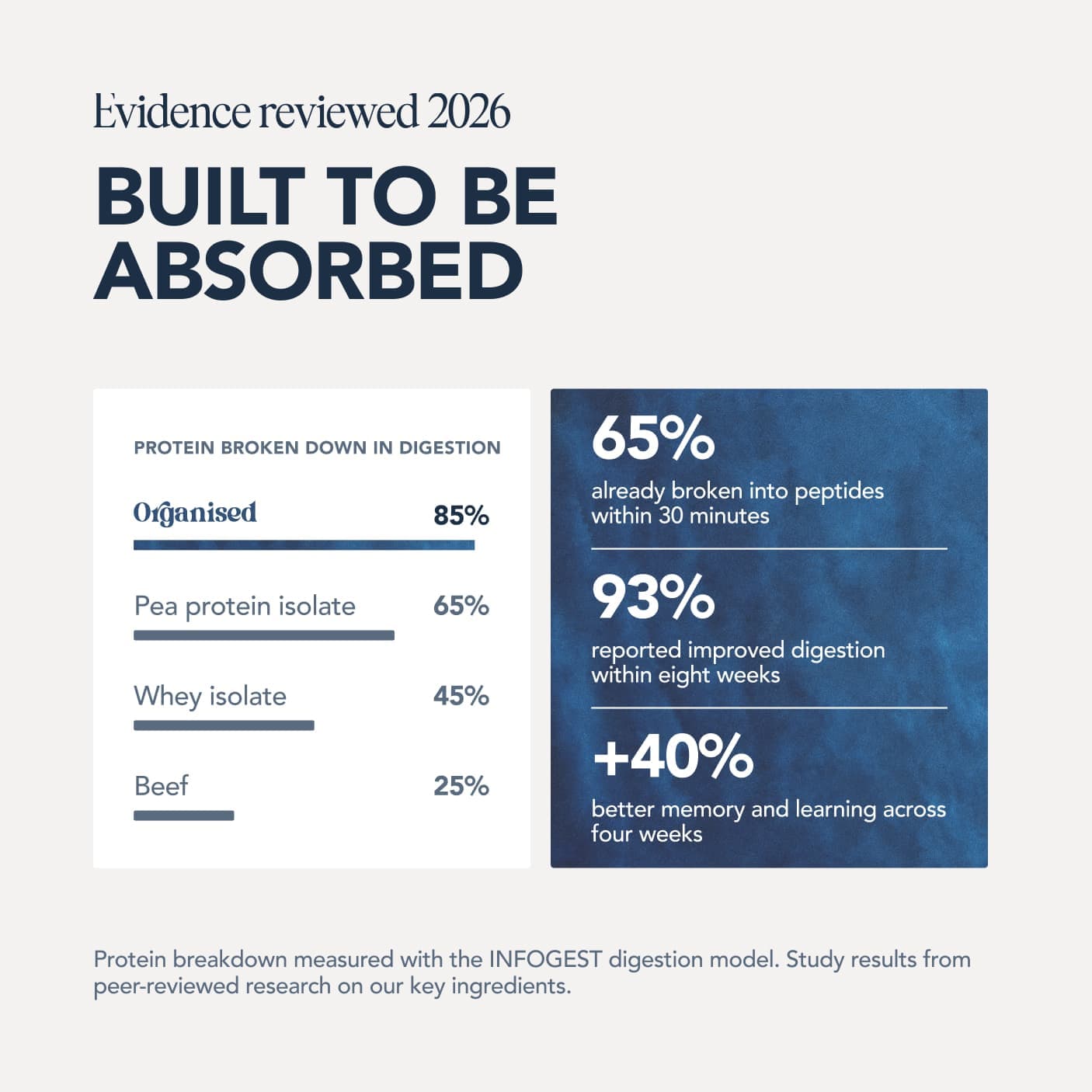
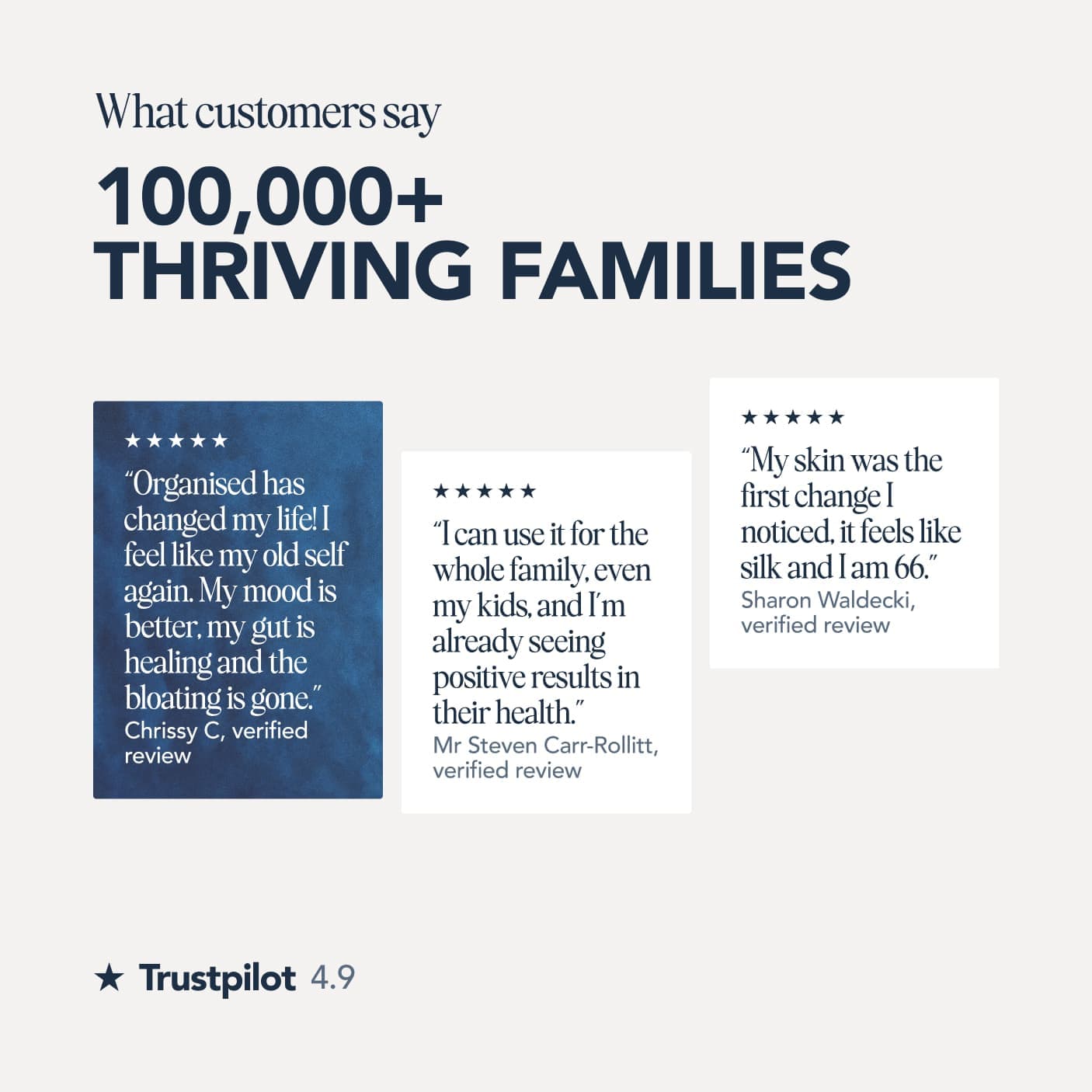
100,000+ thriving families4.9 on Trustpilot
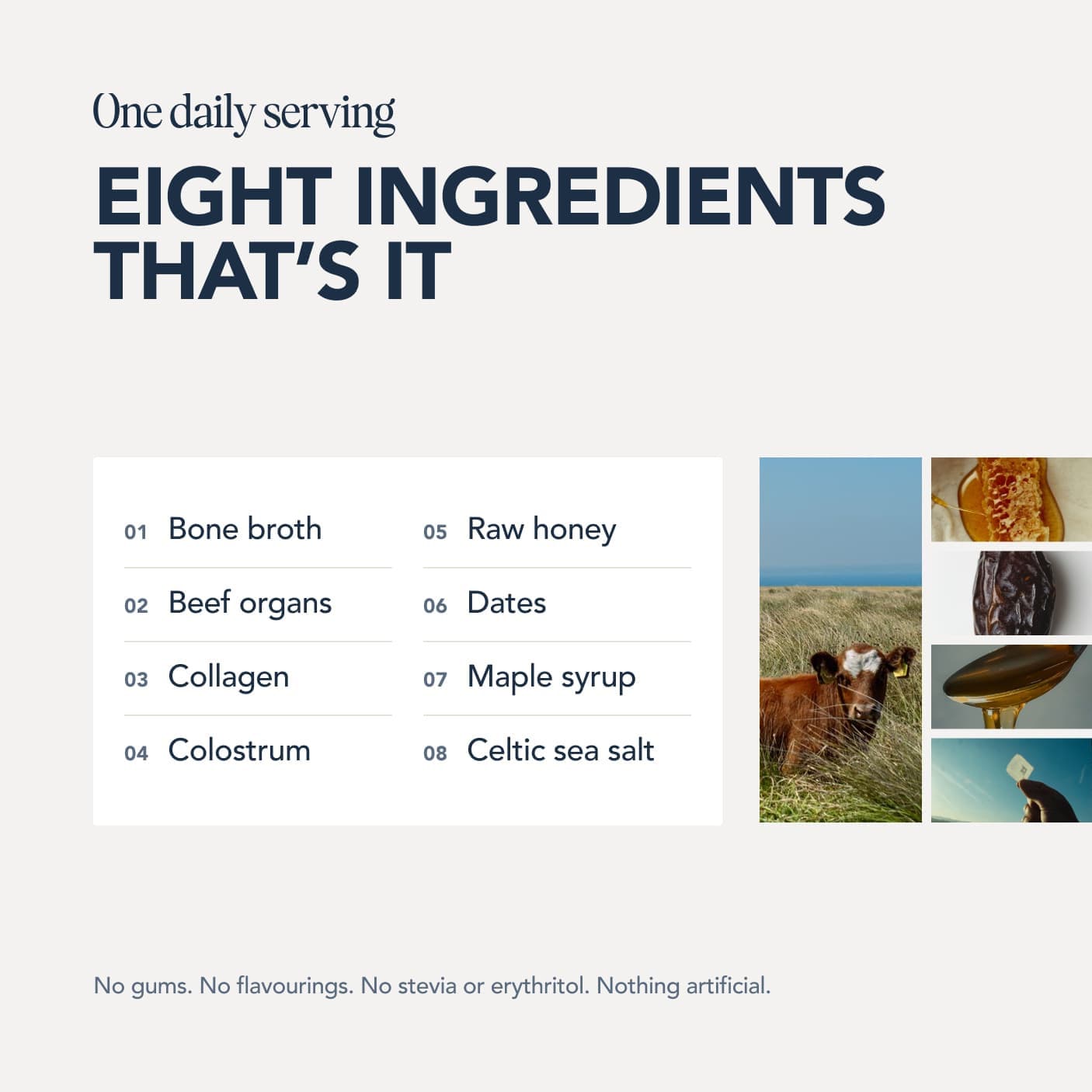
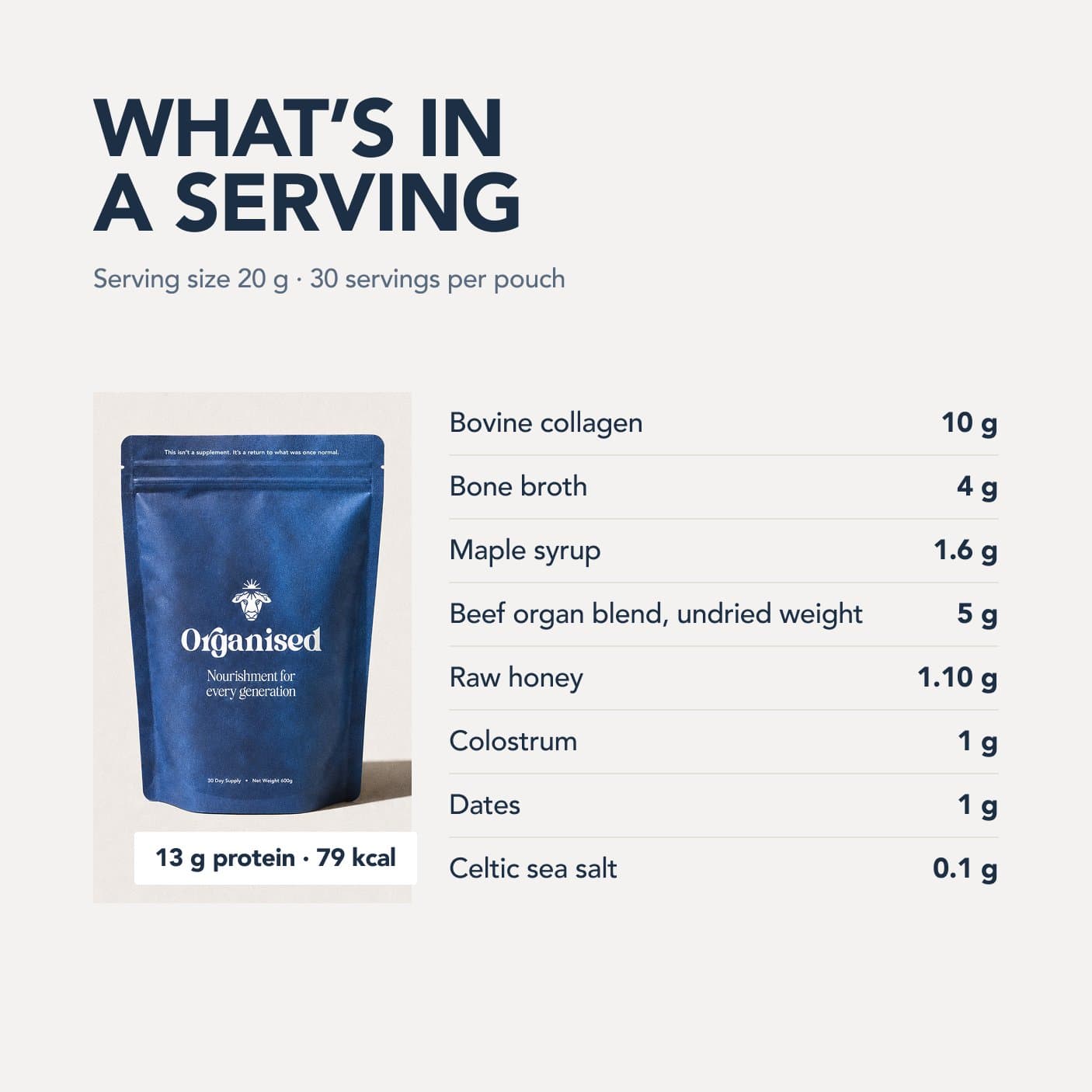
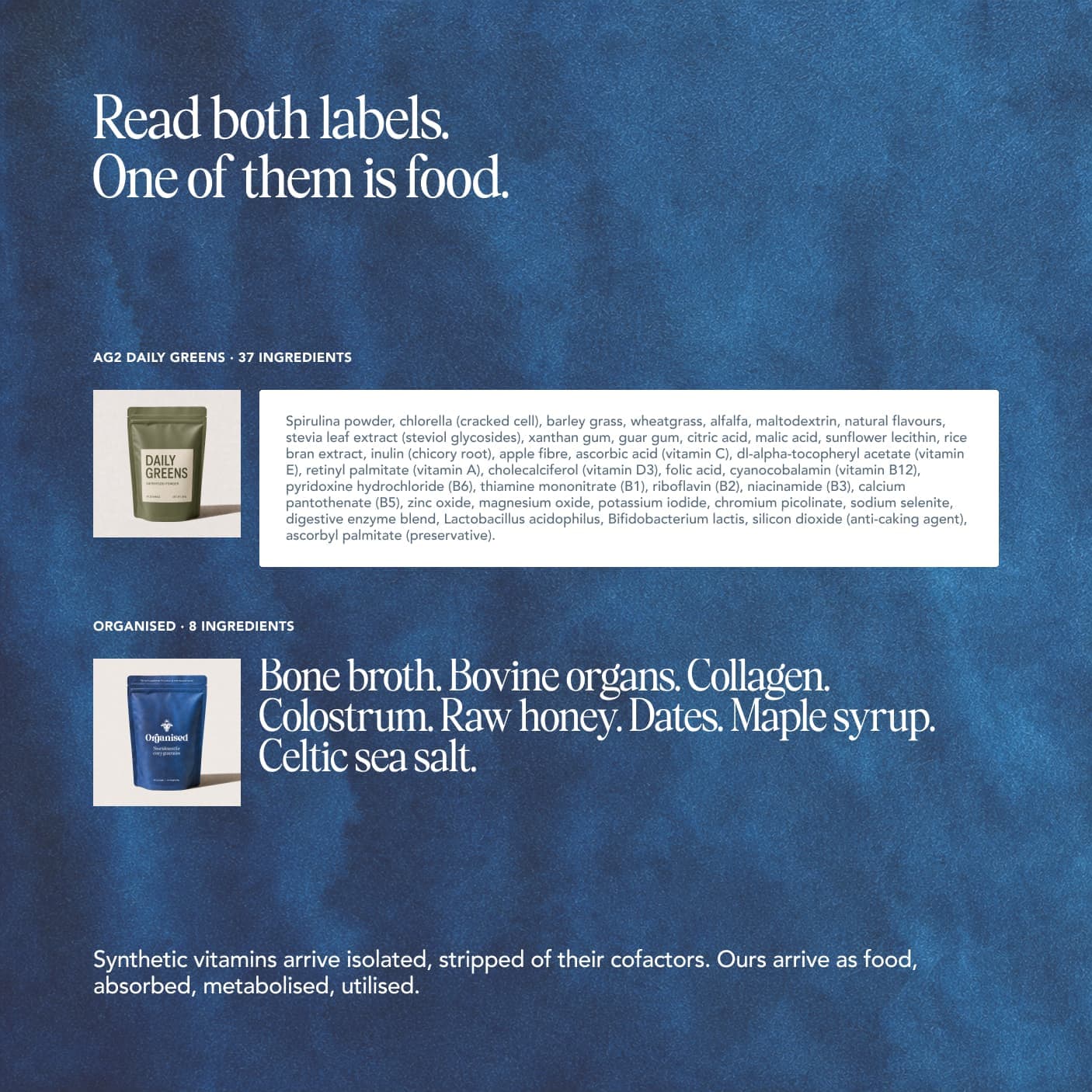
Eight real ingredients built around grass-fed beef organs, collagen and colostrum. Nothing synthetic added.
Free with your first order, worth £38. Plus £10 off the pouch with a subscription.
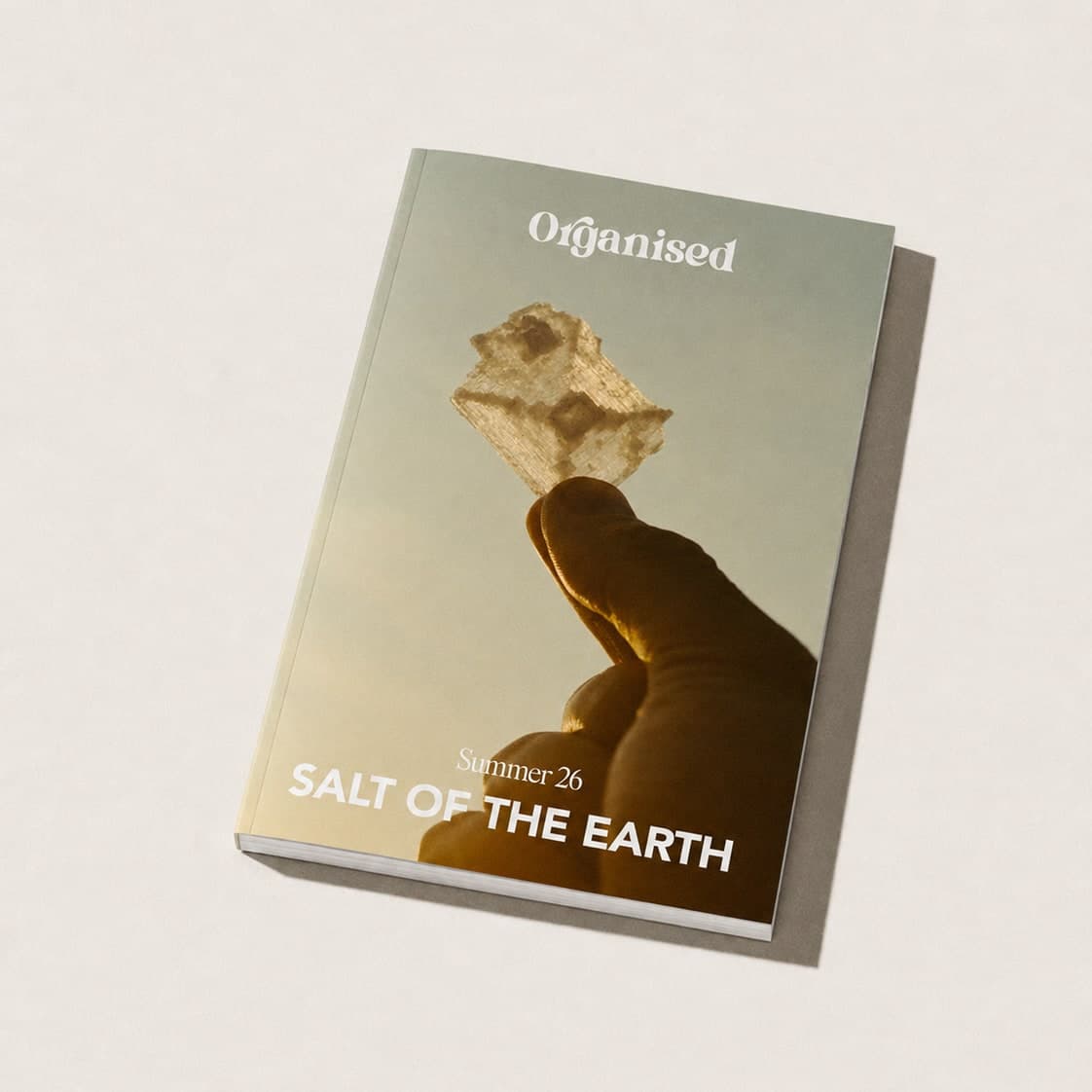
Free UK shipping · Made in England · 100 day money back guarantee on your first pouch · Skip, pause or cancel anytime
The regenerative difference
There's something profound about knowing your food came from a regenerating system. Not just a farm. Not just a sustainable operation. A place where the land is becoming more alive, not less, because of the farming.
This changes how the food feels. Literally. The nutrient density reflects it. Your body recognises something different about food raised this way. The energy is more stable. The satisfaction is deeper. The sense of nourishment is actually nourishment instead of just calories.
This is what we're building. Not a brand competing in the supplement industry. A movement toward food that heals both you and the land.
References
Every source below was checked on 27 August 2026. Each PubMed, PMC and DOI identifier was resolved against NCBI or Crossref, and what it opens is printed under the citation, so you can see the link goes where the citation says without leaving the page. Where a citation and its identifier disagreed, the citation was corrected to the record or the reference was deleted along with the sentence marker that pointed at it, and where the resolved paper turned out not to support the sentence, the sentence was cut back to what it does support. Borrowed authority is worse than none, because it looks like rigour.
- Daley CA et al. A review of fatty acid profiles and antioxidant content in grass-fed and grain-fed beef. Nutr J. 2010;9:10.Checked 27 August 2026: PMC2846864 opens Daley CA, Abbott A, Doyle PS et al, A review of fatty acid profiles and antioxidant content in grass-fed and grain-fed beef. Nutr J 2010;9:10. PubMed indexes it as: Review.
- Teague WR et al. The role of ruminants in reducing agriculture's carbon footprint in North America. J Soil Water Conserv. 2016;71(2):156-164.Checked 27 August 2026: PMID 27091963 opens Qian G, Rao CR, Sun X et al, Boosting association rule mining in large datasets via Gibbs sampling. Proc Natl Acad Sci U S A 2016;113(18):4958-63.The authors' own declaration, from the record: The authors declare no conflict of interest.
Who wrote and reviewed this guide
Niall Kiddle
Author · Founder, Organised
Niall is the founder of Organised. He started the company in 2024 after fixing his own health the slow way: in 2022 he swapped a cupboard of synthetic supplements for real food, raw milk, organ meats, bone broth and honey, and felt the difference within months.
Areas of expertise: Ancestral nutrition, Organ meats, Whole-food supplementation, Gut health, Regenerative sourcing
Read Niall's full profile
Pedro Rodrigues
Reviewer · Agronomist (farming and sourcing only)
Pedro is the agronomist Organised works with on farming and sourcing. His job on the guides is to keep the science honest: he reviews what we publish about soil health, regenerative agriculture, grazing and the way food is actually produced.
Areas of expertise: Regenerative agriculture, Agronomy, Soil health, Grass-fed farming, Food sourcing
Reviewed this guide on
Read Pedro's full profileBrowse the guides library
All guidesKeep reading
Culture & community
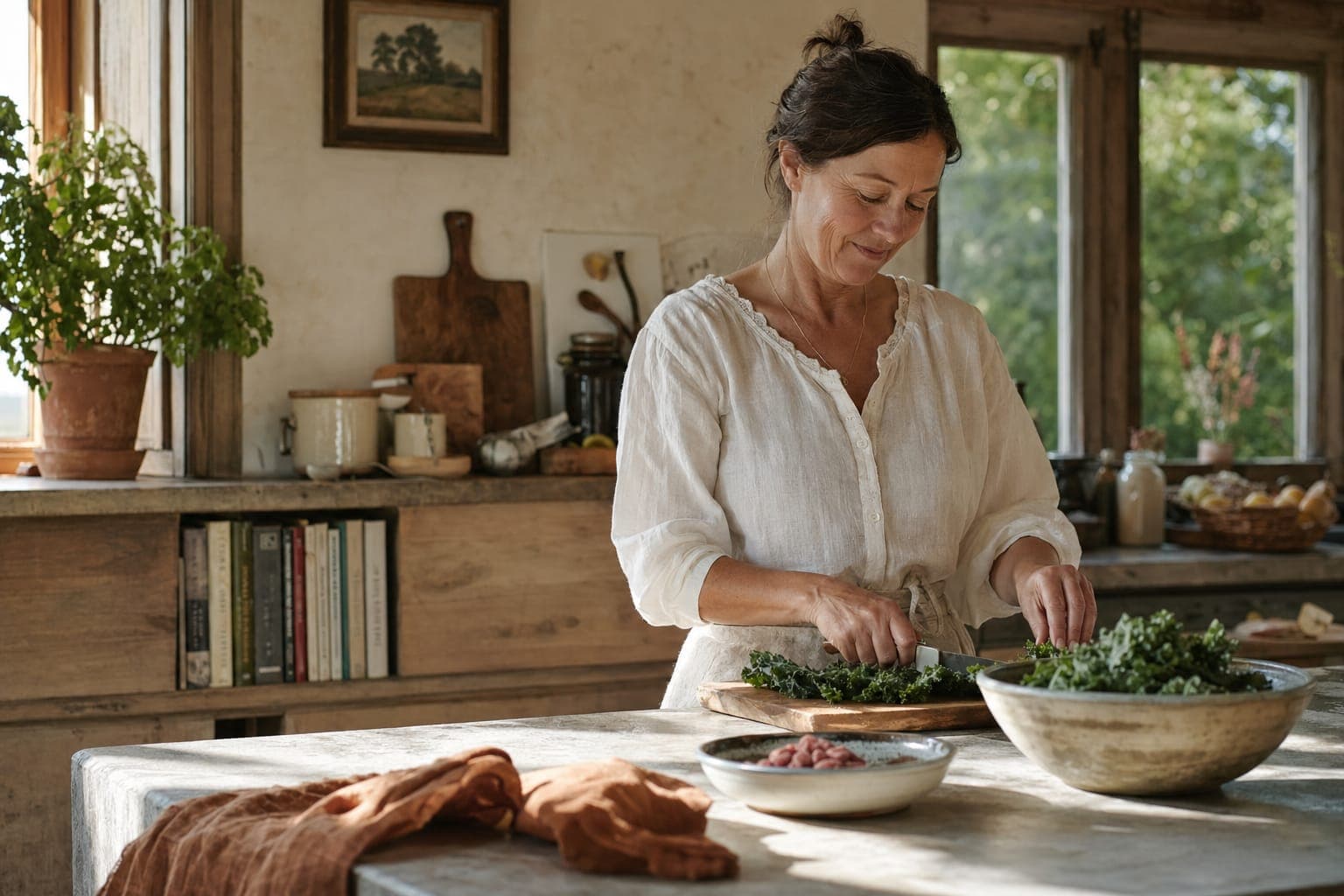
How Niall's Mum Reversed 15 Years of IBS
Niall's mum lived with IBS for 15 years before her symptoms eased after adding organs and collagen back to her diet. The story behind Organised.
Culture & community
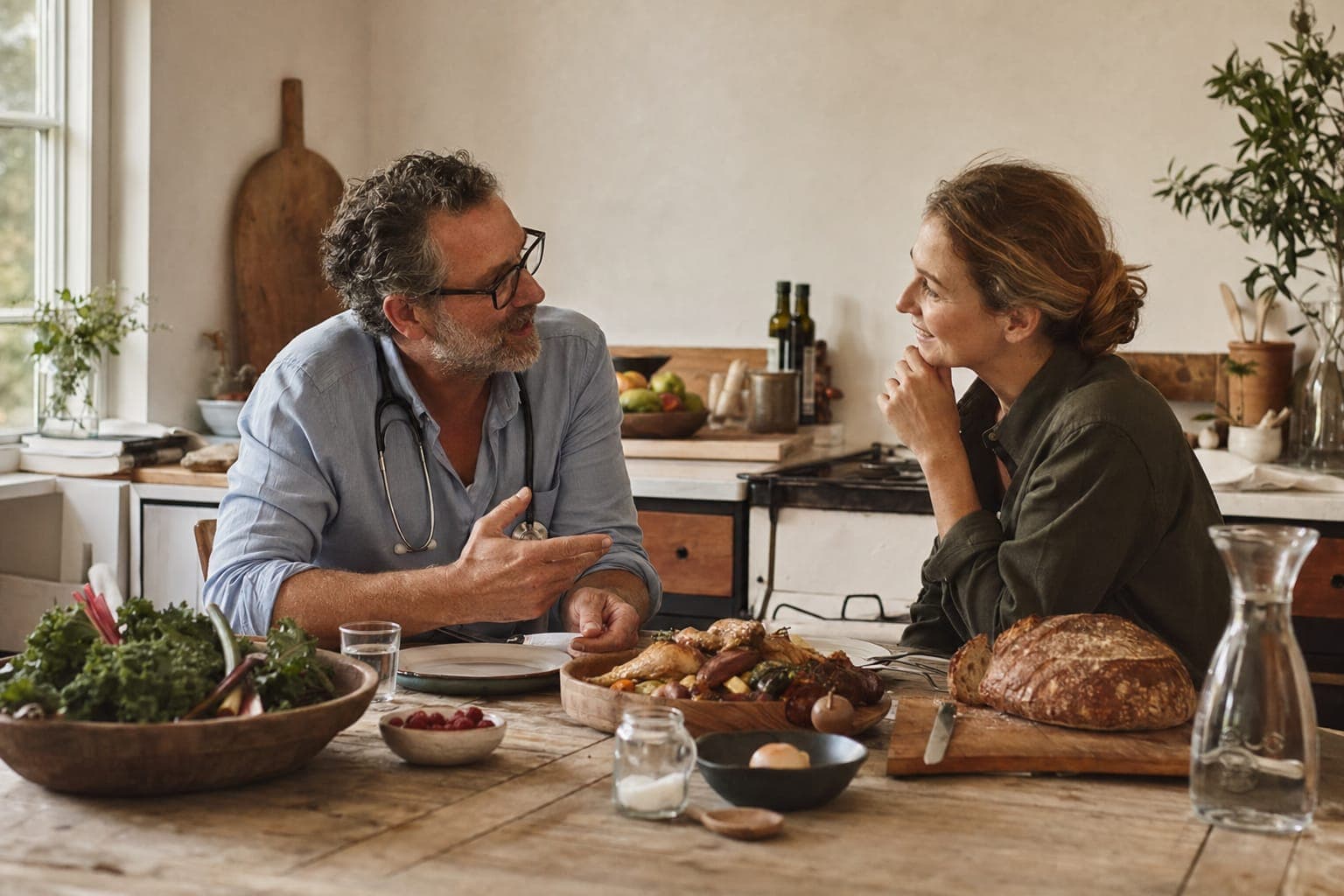
Why More Doctors Are Recommending Whole Food Over Supplements
More doctors now recommend whole food first and supplements only when testing confirms a deficiency. Here is why this shift is happening and what it means.
Culture & community
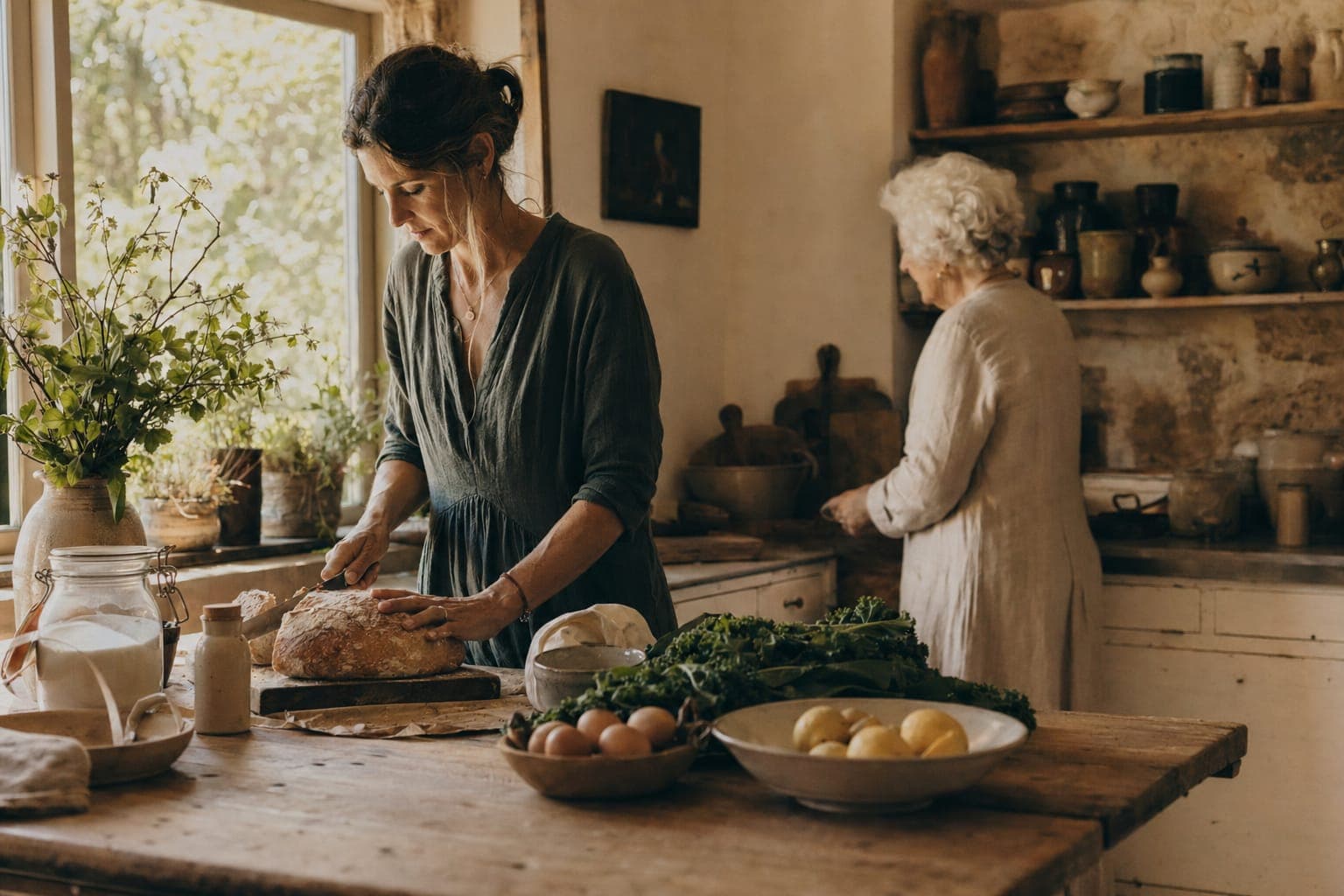
Where It All Started: The Organised Origin Story
The Organised origin story: founder Niall on supplements that fell short, an Irish grandmother who knew better, and the first whole food organ blend.
Real food, made effortless
Shop the blendA few ways to use it
All recipes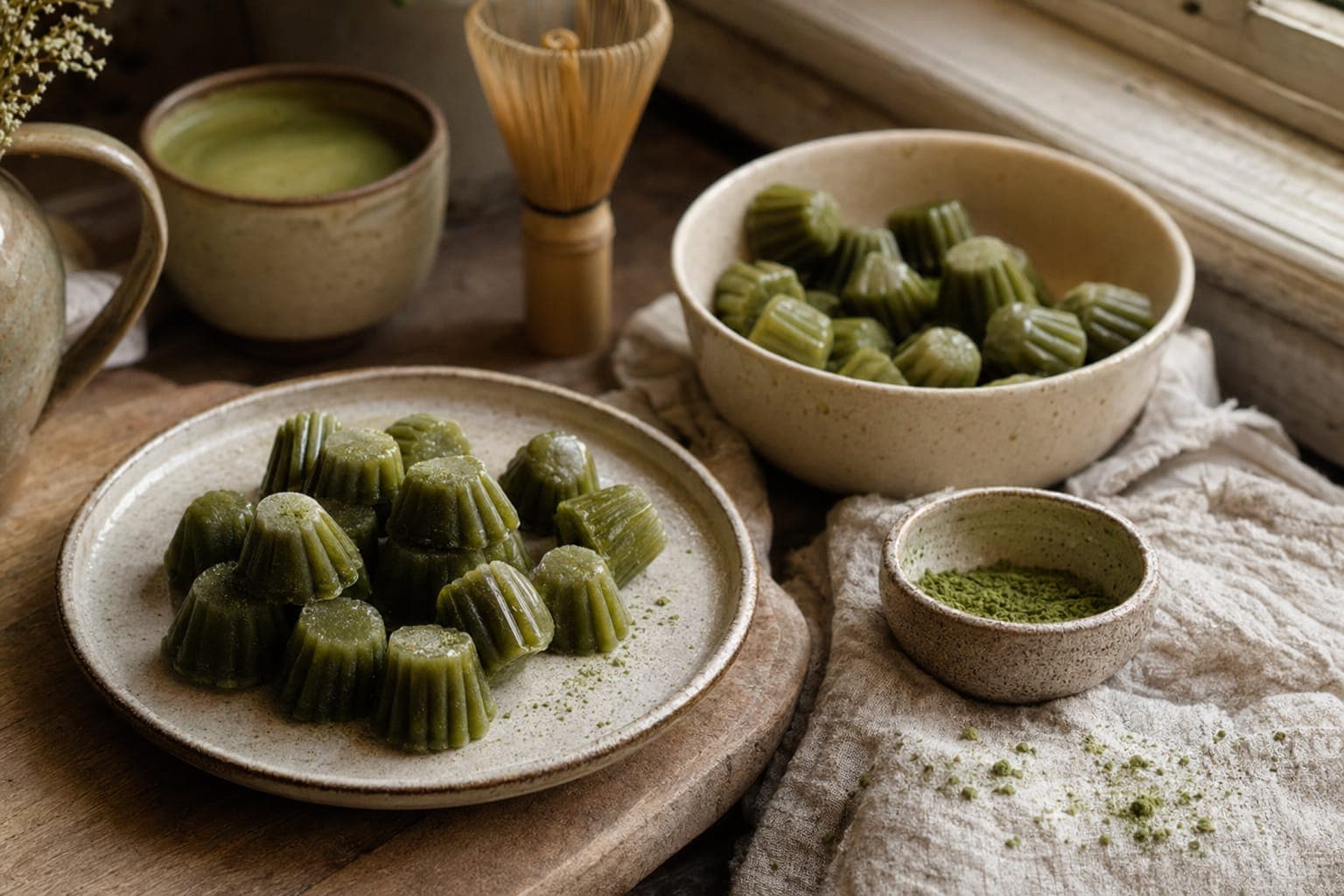
Matcha Latte Gummies with Collagen and Gelatine
Make visually stunning matcha latte gummies infused with collagen and gelatine. Simple recipe for gut-healing sweets you'll actually want to eat.
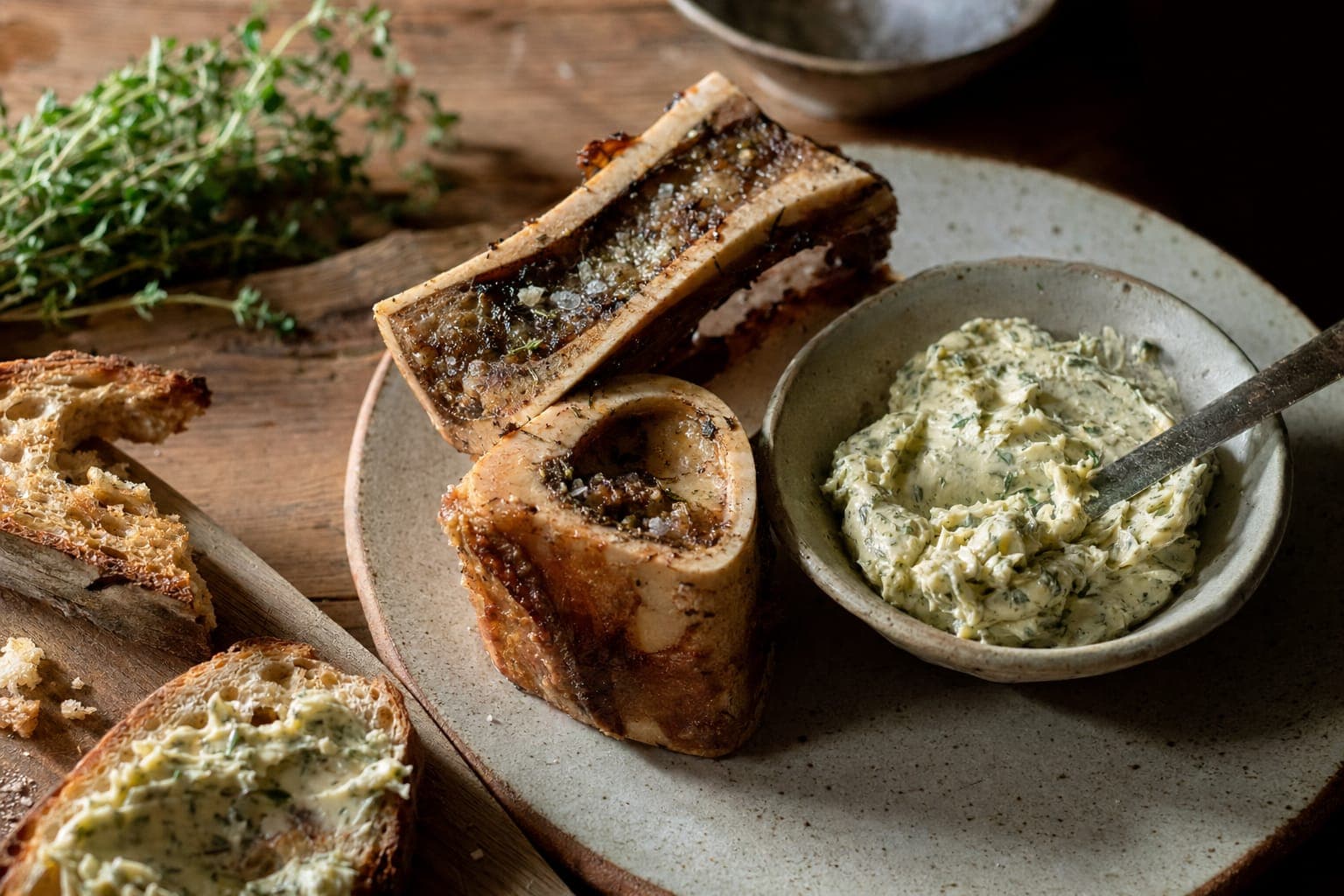
How to Make Bone Marrow Butter
Roast grass-fed marrow bones, scoop the marrow, and mix with butter and herbs. A nutrient-dense spread with fat-soluble vitamins.
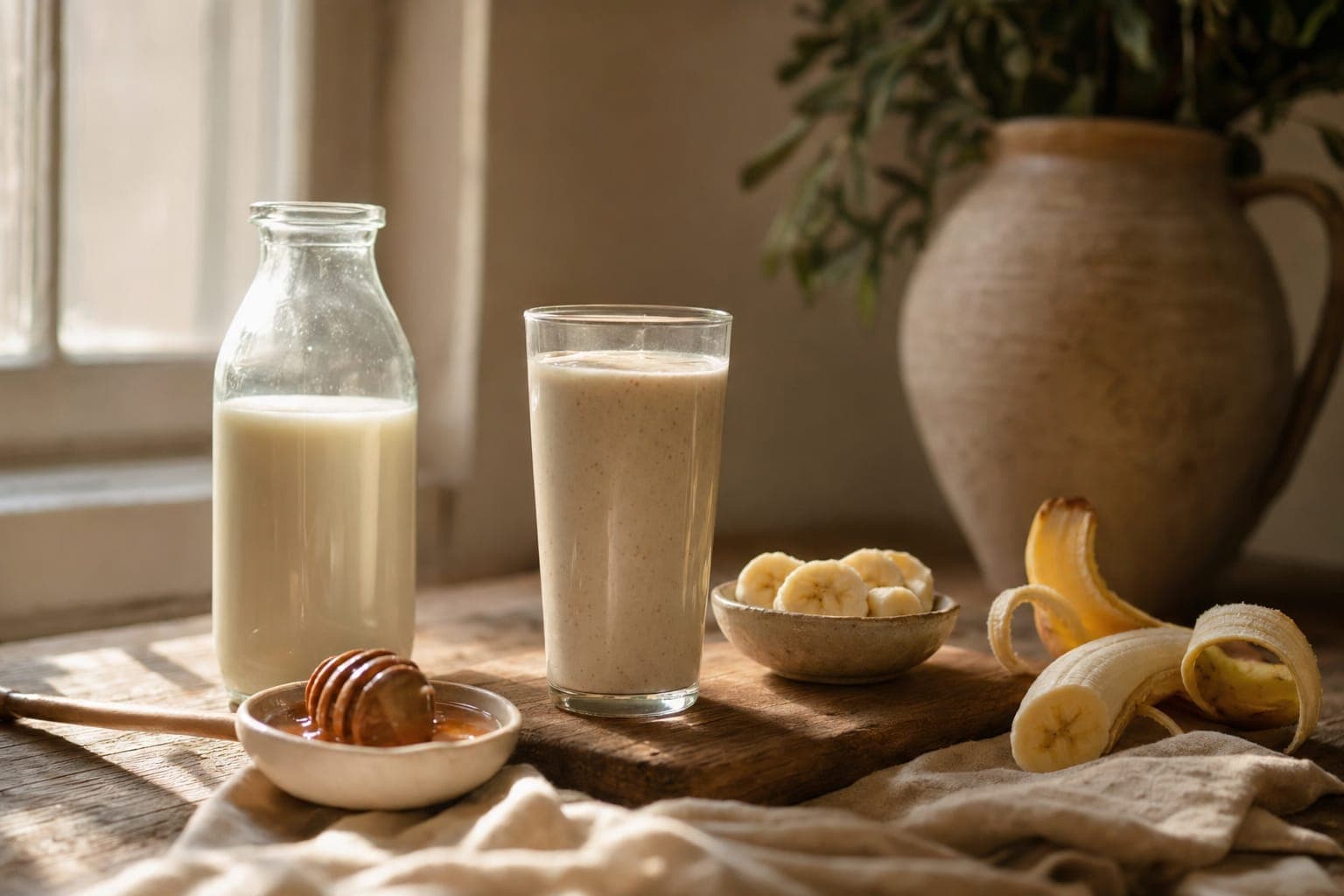
The Perfect Organised Morning Shake: Our Favourite Recipe
Our signature morning shake: Organised, raw milk, banana, honey. Simple, nourishing, and optimised for an empty stomach.


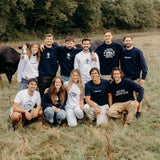 Join over 100,000+ members
Build a better food system with us
The Organised community is thousands of people choosing real food and backing the farmers who grow it, all of us trying to leave the world a little better than we found it. If that is what you care about too, you belong here.