How Organised Fits into Different Dietary Frameworks
You're reading about real food and whole food nutrition, and you're thinking, "But I follow carnivore," or "I'm paleo," or "I'm trying keto but I also eat plants." You're wondering if there's a conflict. There isn't. Real food is just real food.
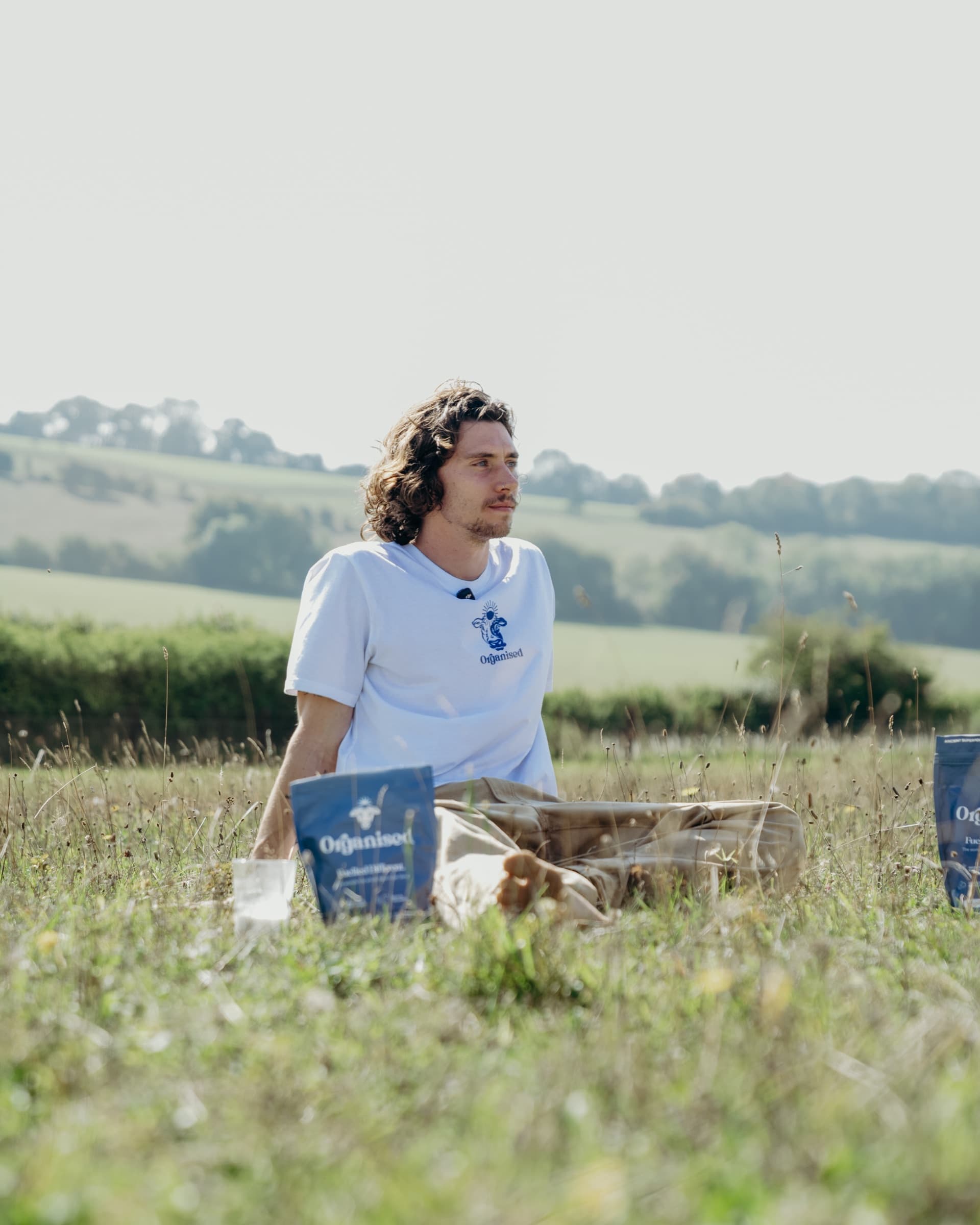
By Niall Kiddle, Founder, Organised

Reviewed by Pedro Rodrigues, Agronomist (farming and sourcing only) ·
5 min read · Published · Updated · 2 cited sources
Makers of the Organised Daily blend, a grass-fed beef organ supplement from regenerative UK farms
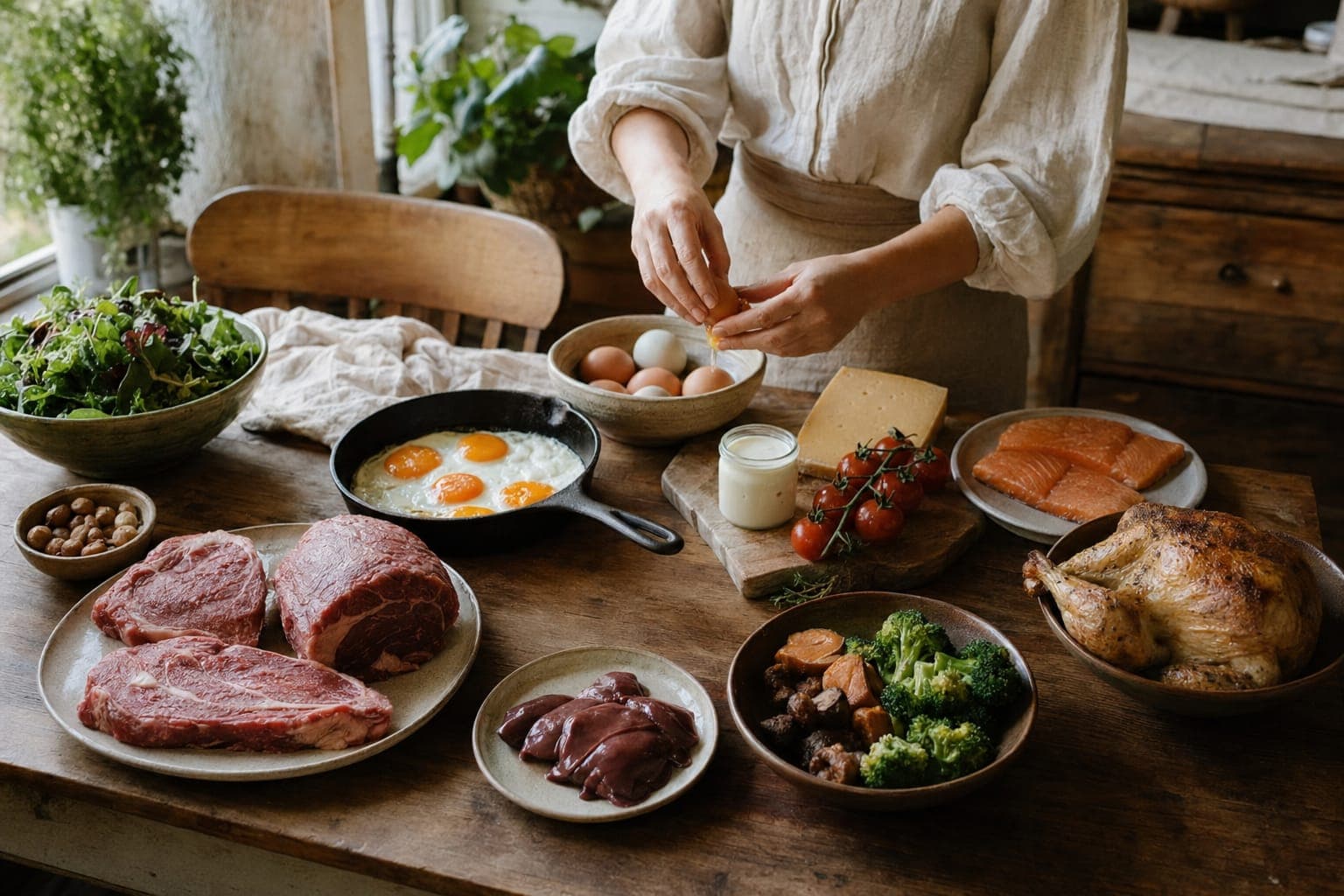
The different dietary frameworks that have emerged over the past decade can look like they're in disagreement. But they're actually all built on one foundational principle: that modern industrial food is making us sicker, and that going backwards (to the way our ancestors ate, or to a simpler, whole-food approach) makes us better.
The universal principle underneath
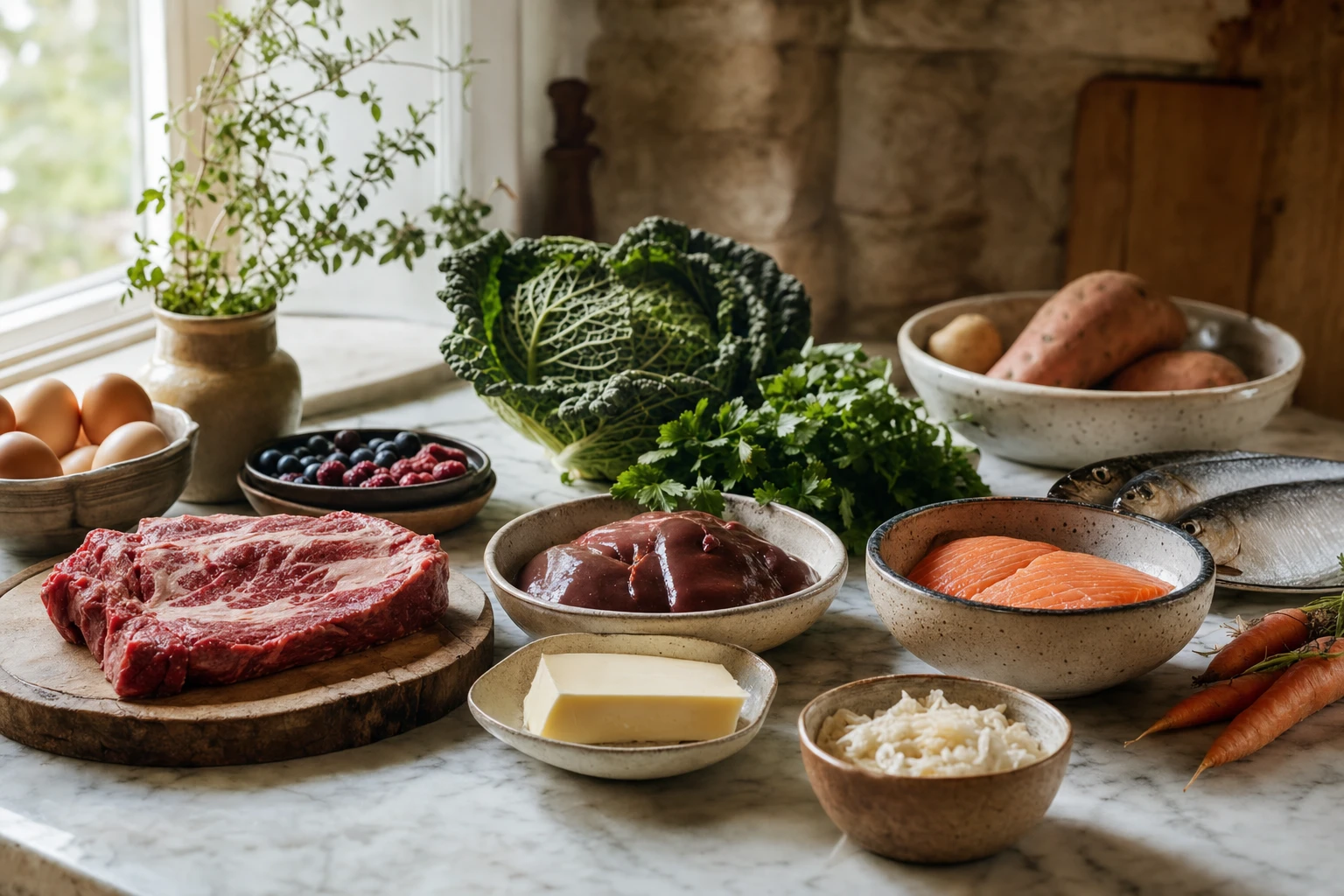
Before there was carnivore or paleo or keto, there was just food. Real food. Meat from animals that were raised properly. Vegetables that were seasonal. Fruit when it was available. Fat, salt, water, and time to digest. No processing. No marketing. No ingredient lists with unpronounceable additives.
Every legitimate dietary framework alive today is a return to some version of that baseline. The arguments are about how much plant food versus animal food, how much fat versus carbohydrate, how much caloric restriction. But they're not arguments about the reality of real food being better than processed food. That's universal.
Organised is built on that foundation. Not on a prescription about what percentage of your diet should be meat, or whether you should eat fruit, or whether saturated fat is good or bad. On the principle that if you eat real food, your body will work better.
Different dietary approaches can disagree on the details. They all agree that real food is better than processed food. Start there.
Carnivore and animal-based frameworks
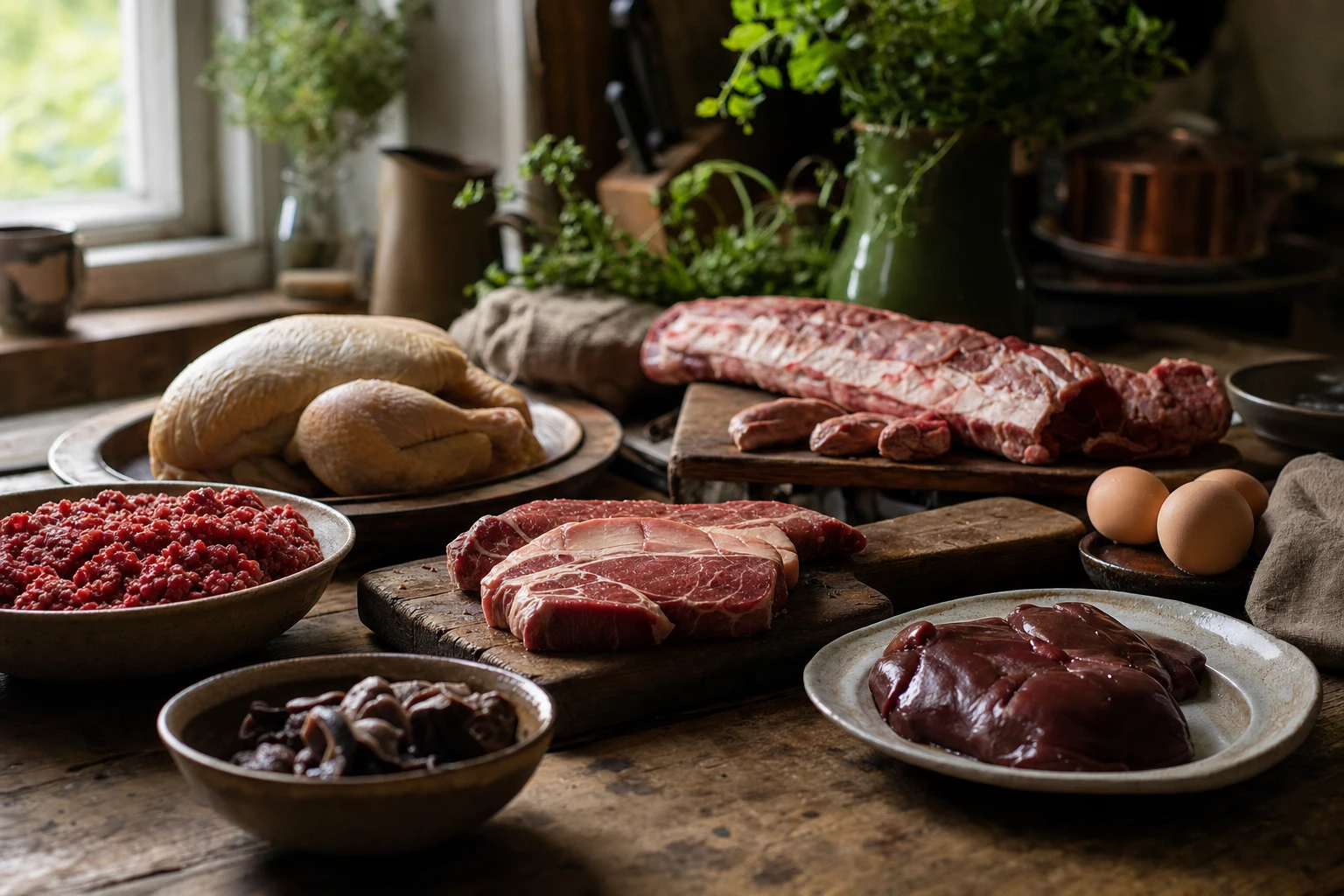
If you follow a carnivore or animal-based framework, Organised is almost obviously aligned with your approach. These frameworks prioritise animal foods: meat, organs, fat, sometimes dairy, sometimes eggs. They exclude or minimise plant foods.
Nose-to-tail eating is the beating heart of both of these approaches. You're not just eating muscle meat. You're eating the organs, the bone marrow, the collagen, the fat. Because that's where the nutrient density lives. An animal-based or carnivore diet done well is one of the most nutrient-dense ways to eat on the planet.
If you're following these frameworks, the principles are simple: source your meat well (grass-fed, pasture-raised, outdoor-raised ideally), include organ meats regularly, use the fat from your animals, use bone broth, and don't worry about the idea that eating mostly animal products is somehow deficient. It's not. Done properly, it's exceptionally complete.
Paleo and ancestral eating
Paleo and ancestral eating frameworks tend to be broader. They include meat, organs, vegetables, fruits, nuts, seeds, herbs. They exclude grains, legumes, processed seed oils, and modern additives.2 The principle is that we should eat foods our ancestors ate, before agriculture.
Organised sits perfectly inside this framework. Eat real meat, real vegetables, real fruit, real fat. Avoid processed food. That's paleo. That's ancestral. That's also Organised.
The debate within paleo communities about whether you should eat fruit, or nuts, or how much dairy is fine. Those are individual variations. But the core principle (real food, ancestral foods, nothing highly processed) is completely aligned with a whole food approach.
Paleo doesn't dictate the ratio. It just dictates real food. Everything else is personalisation.
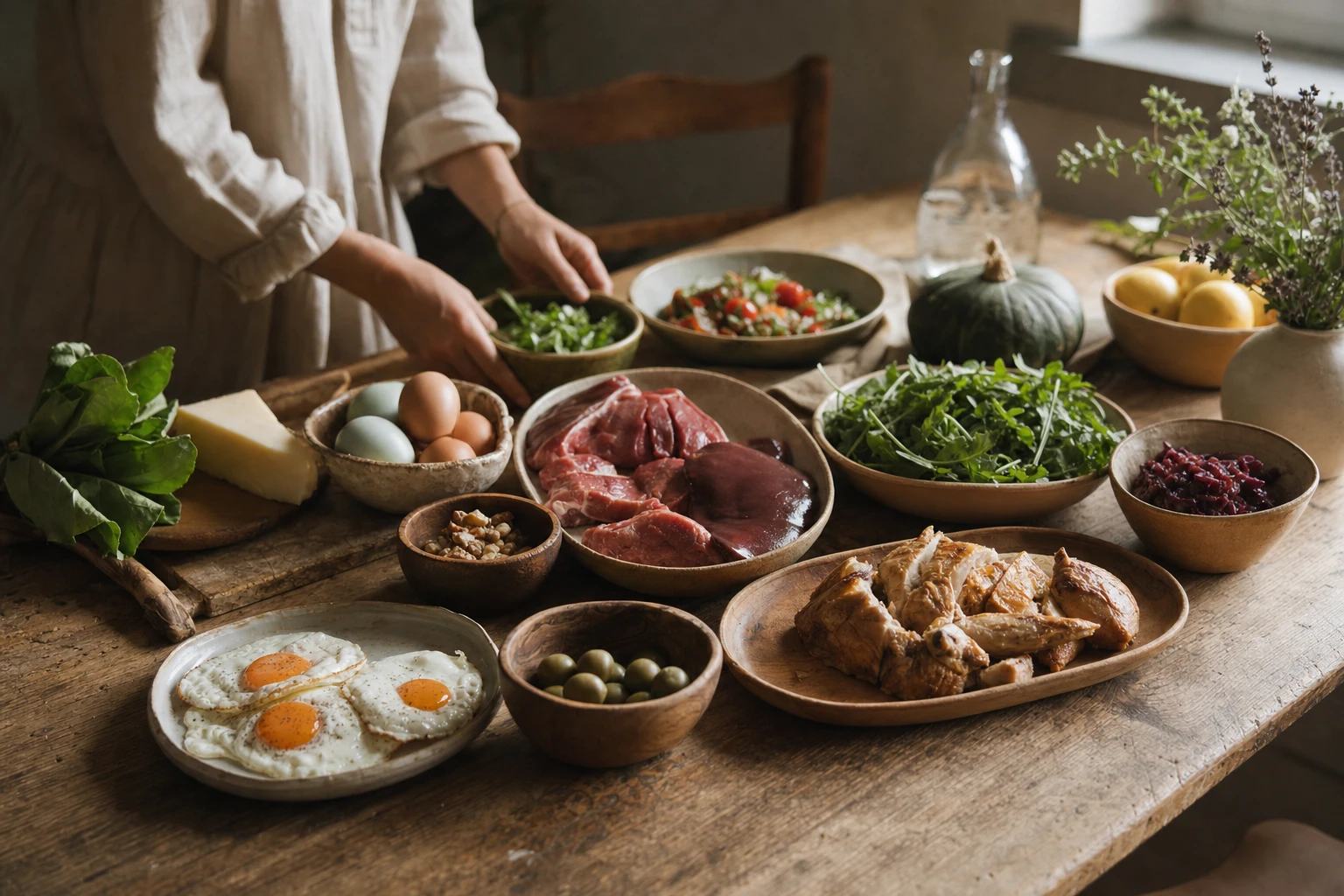
Ketogenic approaches
Ketogenic eating focuses on high fat, adequate protein, minimal carbohydrate. The goal is to shift metabolism into ketosis, where the body runs on fat for fuel rather than glucose.1
Organised works within a ketogenic framework if you approach it that way. You can absolutely eat carnivore (which is inherently ketogenic). You can eat paleo but with lower carbohydrate foods and higher fat. You can be flexitarian but keep your carbs from plants minimal and your fat intake high.
The key is that keto as a framework doesn't care whether you're getting your fat from butter or avocado oil or animal fat. It just cares about the macros and the quality. Real food, high fat, low carb. Organised principles fit inside that completely.
Some people find that their body feels better in ketosis. Others find that they need some carbohydrate (from fruit, or root vegetables, or both) to feel optimal. Both are valid. Keto is a framework. How you fill it in (with real food or processed food, with animal fat or plant fat) is where Organised principles apply.
Get stories from the community, free
Two short reads a week on the farmers, the standards, and the return to real food.
By signing up you agree to receive emails from us. No spam, unsubscribe anytime.
Flexitarian and omnivorous eating
Flexitarian eating is largely plant-based but with occasional meat. Omnivorous eating just means you eat everything, without restriction. These are much broader frameworks, and they're also the most common way that real humans actually eat long-term.
Organised works perfectly here too. It doesn't prescribe how much meat you should eat. It just says eat real meat when you eat it. Eat real vegetables when you eat those. Eat real fruit when you eat fruit. Avoid processing. Use real fat. Use salt. Sit down to eat. That works for someone eating mostly plants with occasional meat. That works for someone eating mostly meat with regular vegetables. That works for someone in the middle.
The flexitarian or omnivorous framework might be the most practical for most people long-term, because it allows you to live in the real world. You're not at someone's house and refusing everything on the table because it doesn't fit a strict protocol. You're eating well most of the time, with flexibility when you need it. That's sustainable.
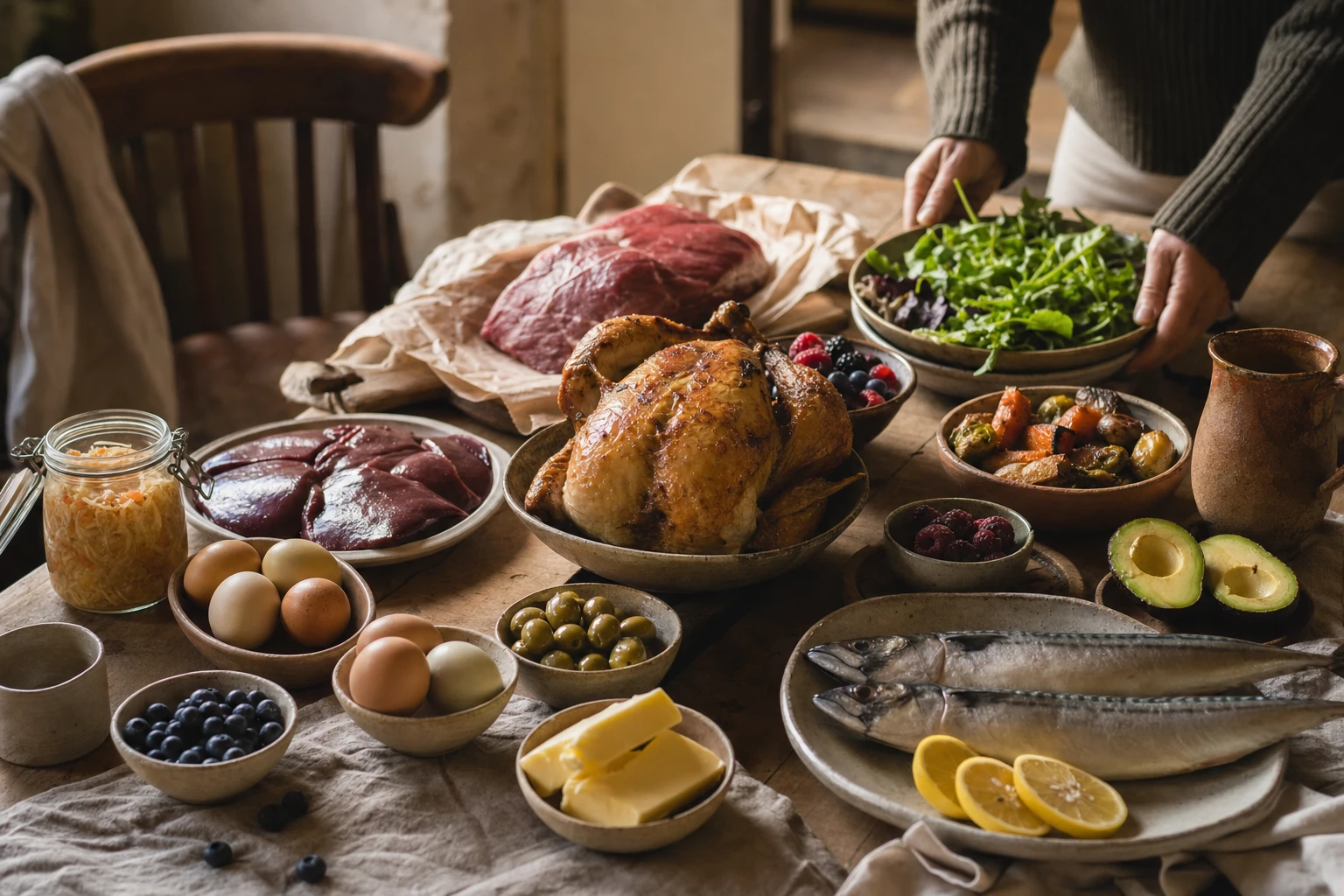
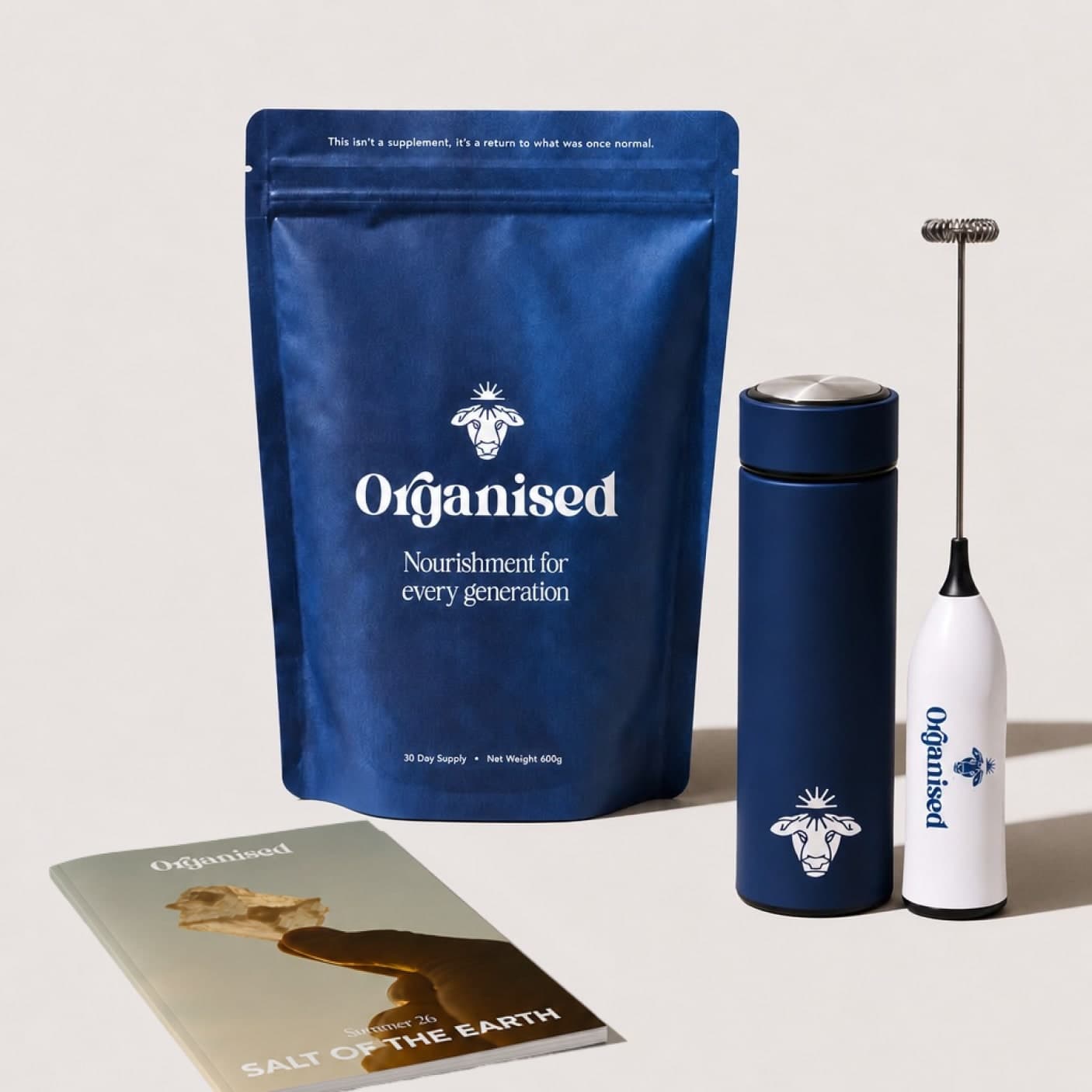
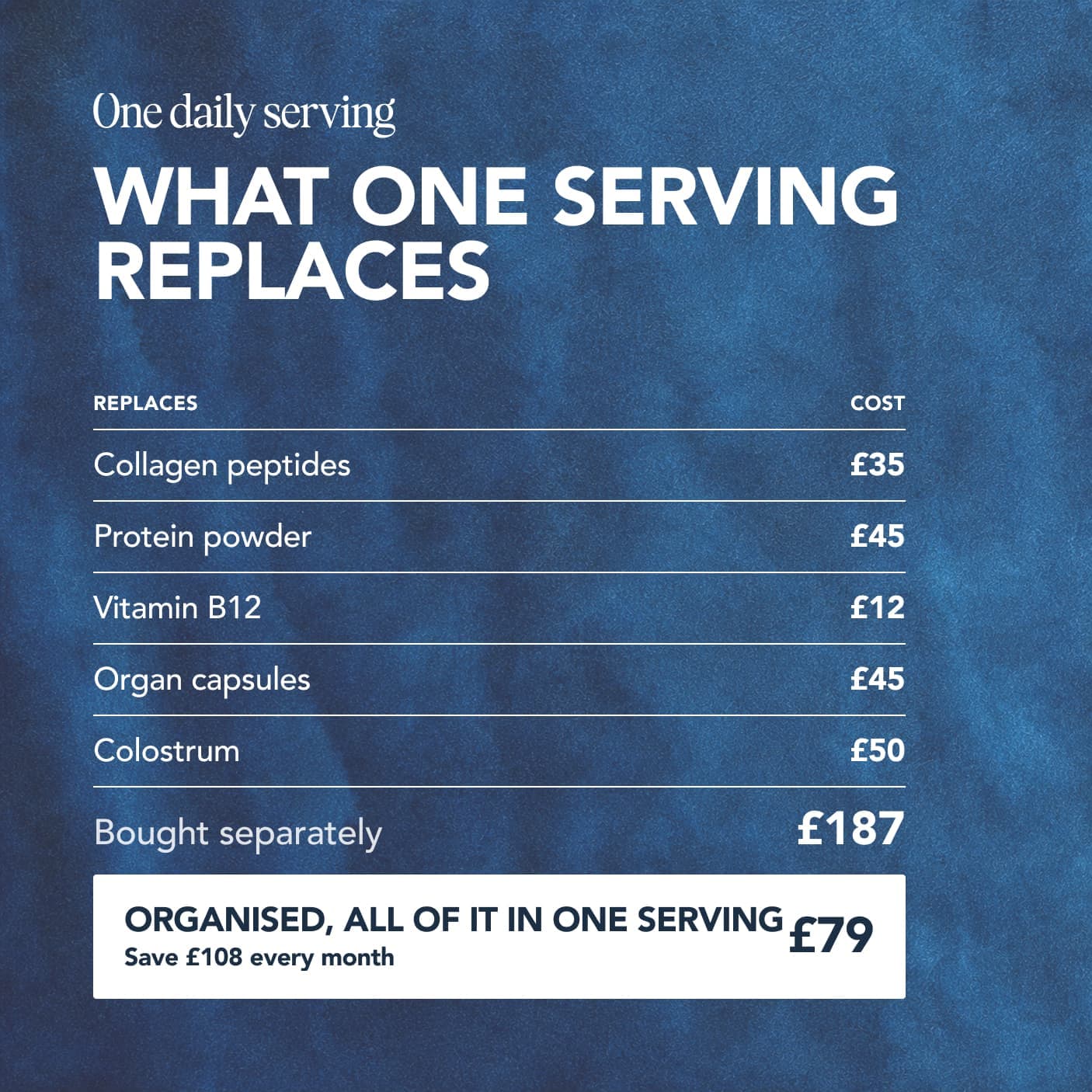
1 of 9
Daily blend
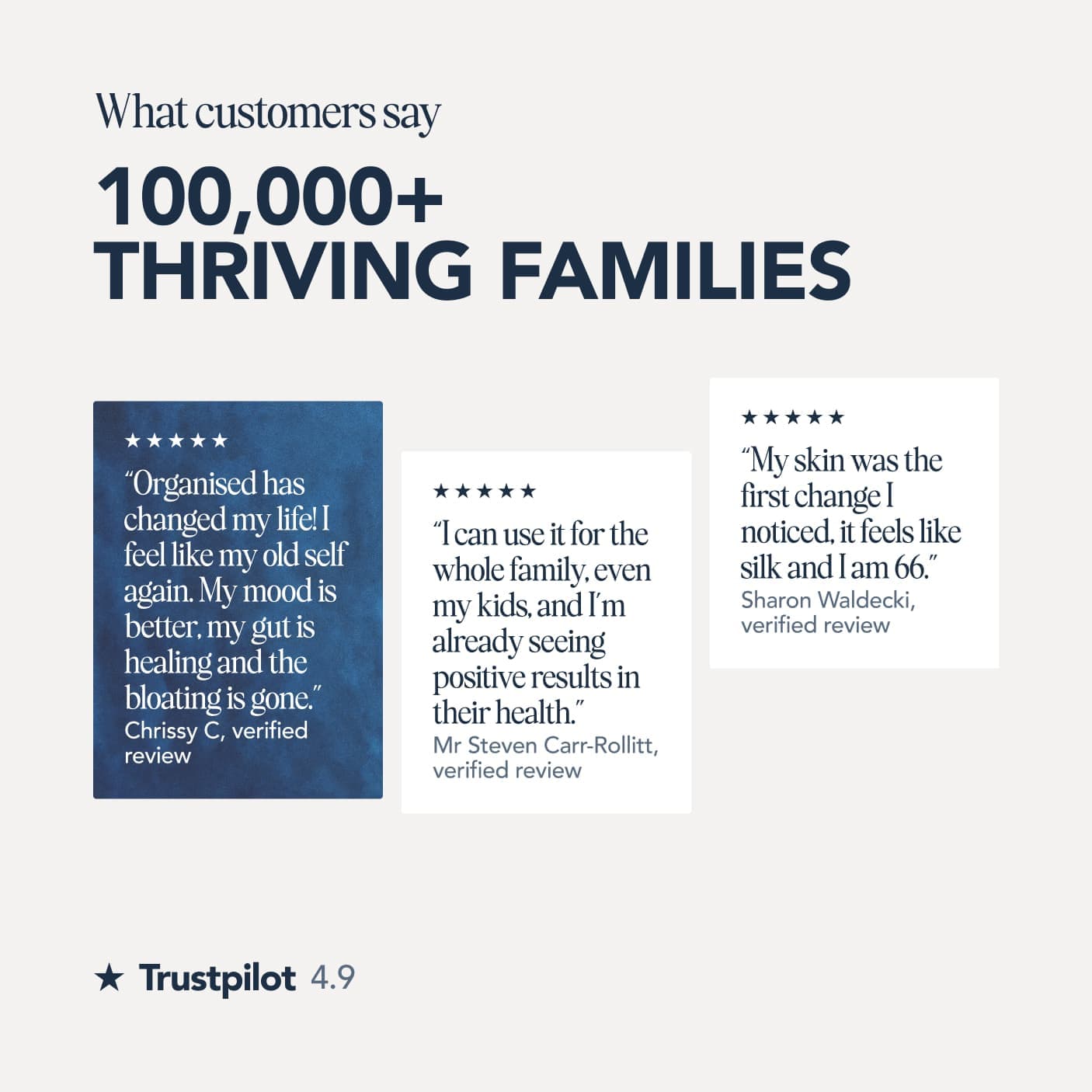
100,000+ thriving families4.9 on Trustpilot
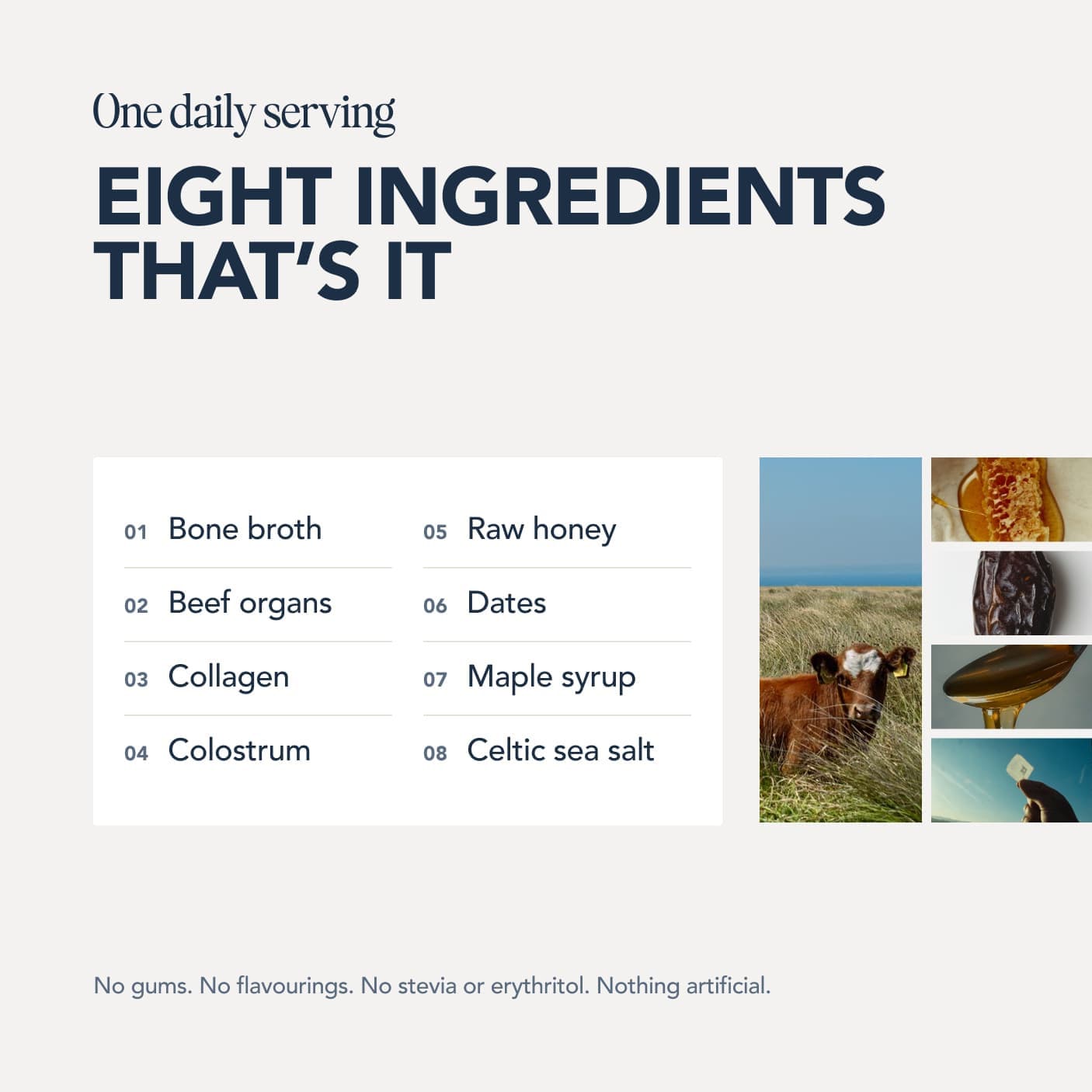
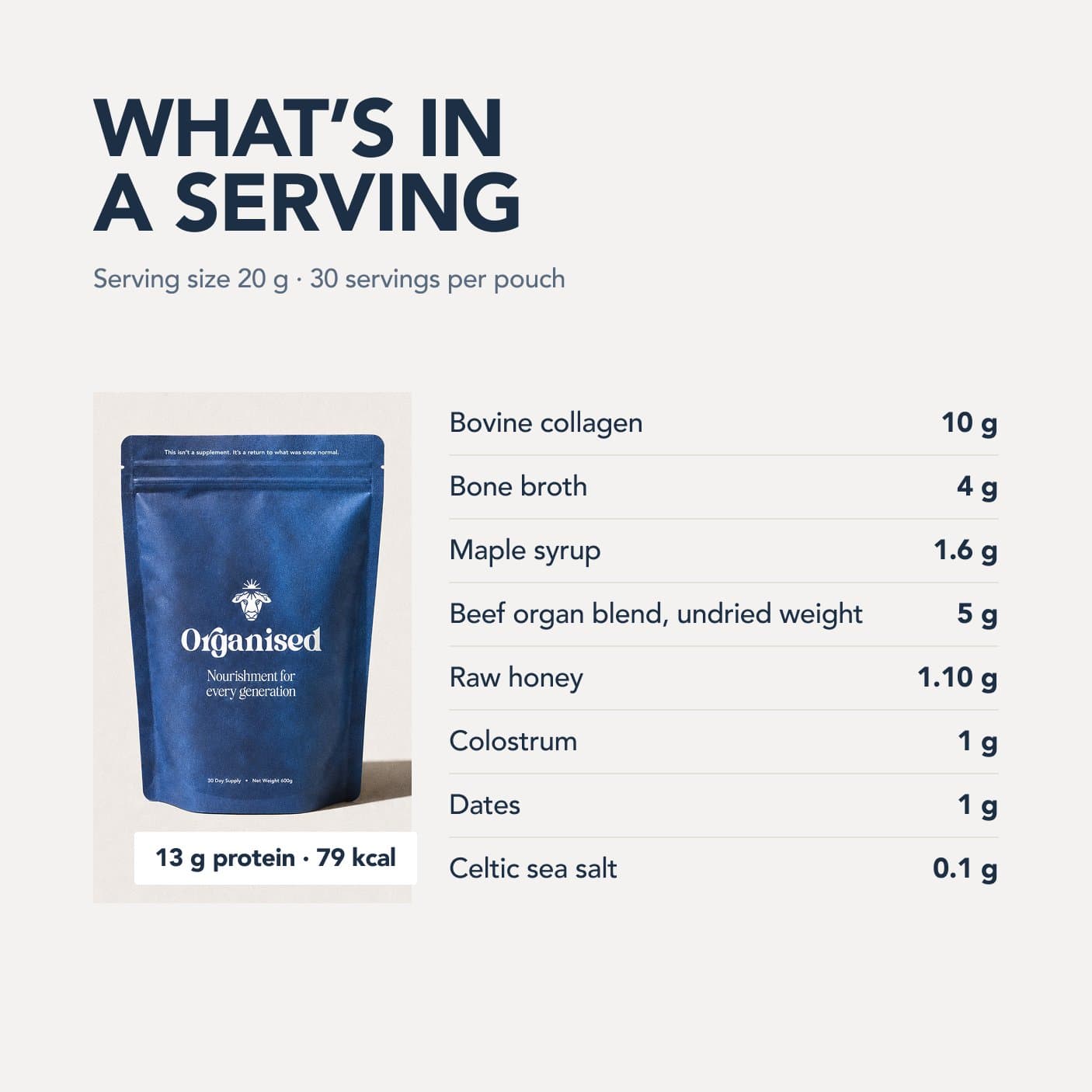
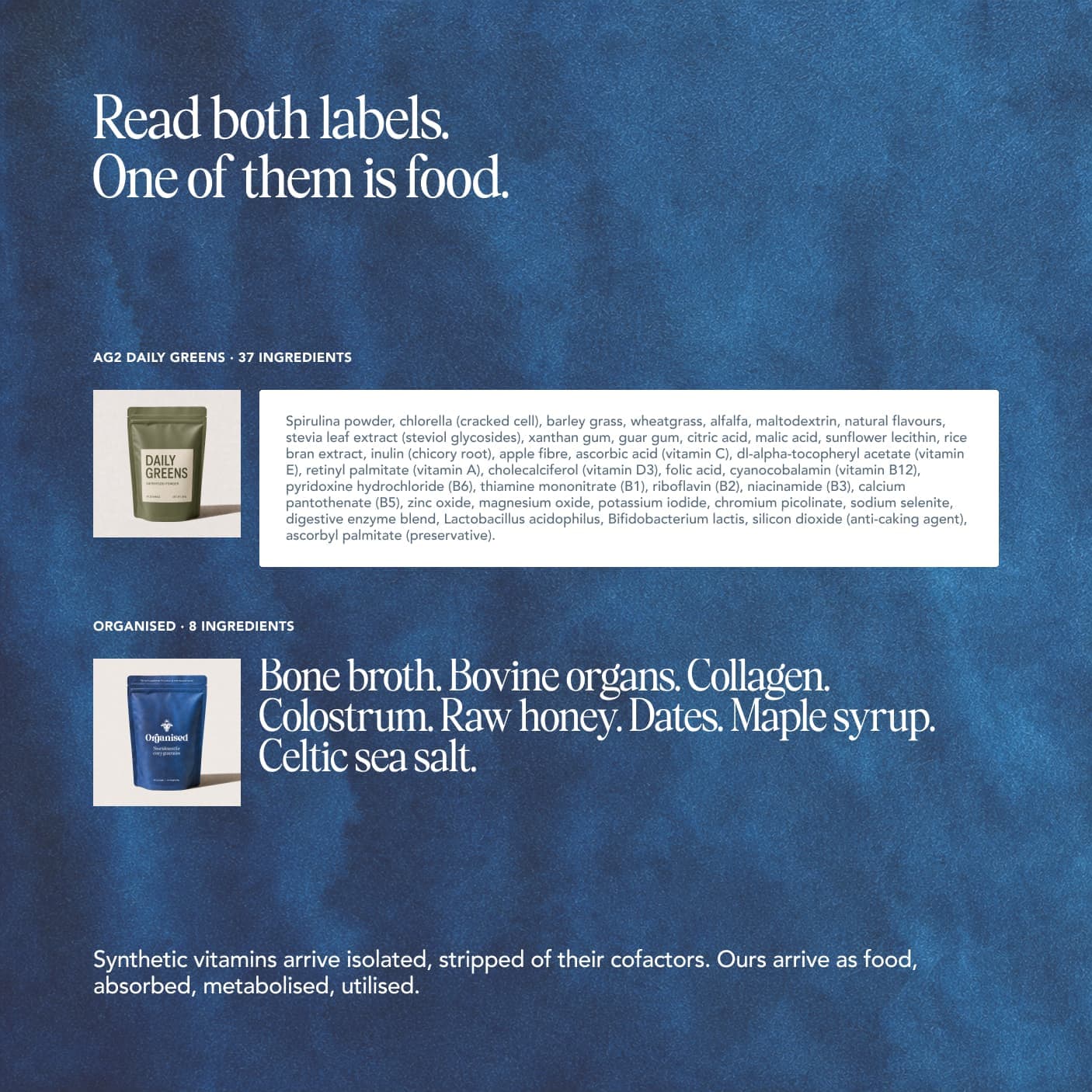
Eight real ingredients built around grass-fed beef organs, collagen and colostrum. Nothing synthetic added.
Free with your first order, worth £38. Plus £10 off the pouch with a subscription.


Free UK shipping · Made in England · 100 day money back guarantee on your first pouch · Skip, pause or cancel anytime
Mixing and matching without confusion
Here's where people get confused. They think that if they're not fully committed to one dietary framework, they're doing it wrong. But the truth is simpler.
You can be mostly carnivore with seasonal fruit. You can be paleo but also eat dairy. You can be ketogenic but also experiment with some carbohydrates to find your sweet spot. You can be flexitarian but prioritise meat and organs when you do eat them. You can combine elements from multiple frameworks without it being inconsistent.
What matters is the principle, not the label. The principle is that real food makes you feel better than processed food. The principle is that nutrient density matters. The principle is that paying attention to how your body responds to what you eat is more important than ideology.
Dietary frameworks are maps. Real food is the territory. Don't mistake the map for the destination.
You don't need to choose one framework and stay in it forever. You can experiment. You can find what makes your body feel best. You can borrow from carnivore (lots of organs), combine it with paleo (add some vegetables), keep it ketogenic (high fat, low carb), and you're not failing either approach. You're succeeding at paying attention to your own body.
The bottom line
Whether you follow carnivore, animal-based, paleo, ancestral, ketogenic, flexitarian, or something you've invented yourself that works for your life, the foundation is the same. Real food. Whole ingredients. Nothing processed. Nothing that came out of a factory with an ingredient list longer than a sentence.
That's the only framework that matters. How you fill it in is up to you. Different frameworks will guide you toward different ratios of protein to plant food, different fat percentages, different approaches to fasting or meal timing. But they're all built on the same bedrock: that your body works better when you feed it real food.
Pick the framework that feels most natural to your life and your body's response. Then eat real food inside that framework. You're not being inconsistent. You're being smart.
References
Every source below was checked on 27 August 2026. Each PubMed, PMC and DOI identifier was resolved against NCBI or Crossref, and what it opens is printed under the citation, so you can see the link goes where the citation says without leaving the page. Where a citation and its identifier disagreed, the citation was corrected to the record or the reference was deleted along with the sentence marker that pointed at it, and where the resolved paper turned out not to support the sentence, the sentence was cut back to what it does support. Borrowed authority is worse than none, because it looks like rigour.
- Paoli A. Ketogenic diet for obesity: friend or foe? International Journal of Environmental Research and Public Health. 2014;11(2):2092-2107. https://pmc.ncbi.nlm.nih.gov/articles/PMC3945587/Checked 27 August 2026: PMC3945587 opens Paoli A, Ketogenic diet for obesity: friend or foe? Int J Environ Res Public Health 2014;11(2):2092-107. PubMed indexes it as: Review.
- Eaton SB, Konner M. Paleolithic nutrition. A consideration of its nature and current implications. New England Journal of Medicine. 1985;312(5):283-289. https://pubmed.ncbi.nlm.nih.gov/2981409/Checked 27 August 2026: PMID 2981409 opens Eaton SB, Konner M, Paleolithic nutrition. A consideration of its nature and current implications. N Engl J Med 1985;312(5):283-9. PubMed indexes it as: Historical Article, Review.
Who wrote and reviewed this guide
Niall Kiddle
Author · Founder, Organised
Niall is the founder of Organised. He started the company in 2024 after fixing his own health the slow way: in 2022 he swapped a cupboard of synthetic supplements for real food, raw milk, organ meats, bone broth and honey, and felt the difference within months.
Areas of expertise: Ancestral nutrition, Organ meats, Whole-food supplementation, Gut health, Regenerative sourcing
Read Niall's full profile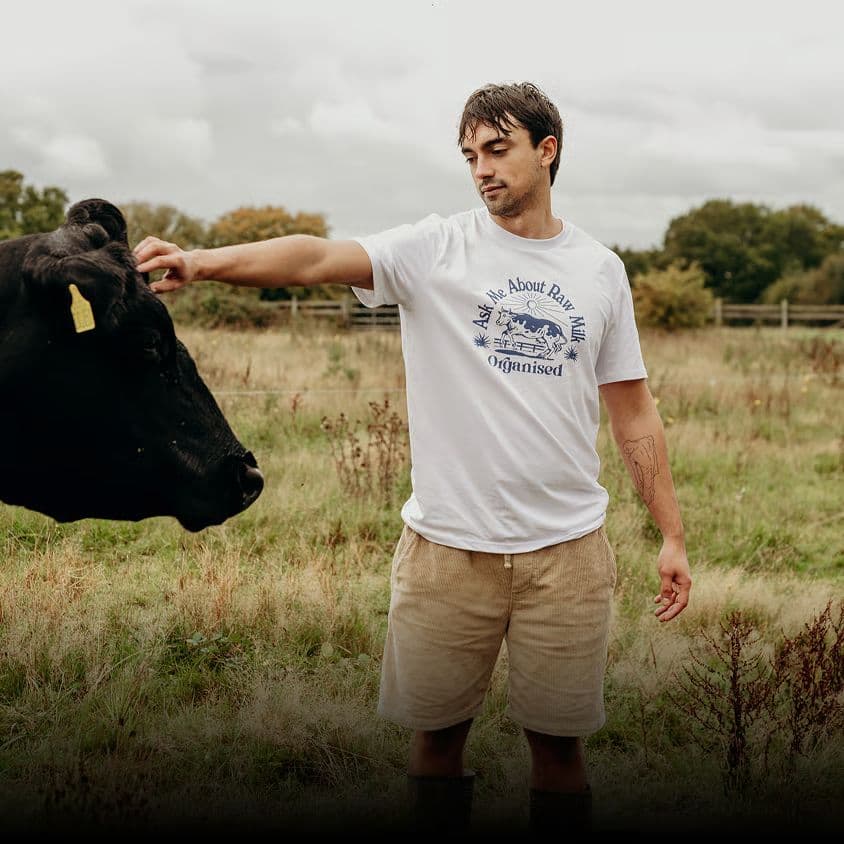
Pedro Rodrigues
Reviewer · Agronomist (farming and sourcing only)
Pedro is the agronomist Organised works with on farming and sourcing. His job on the guides is to keep the science honest: he reviews what we publish about soil health, regenerative agriculture, grazing and the way food is actually produced.
Areas of expertise: Regenerative agriculture, Agronomy, Soil health, Grass-fed farming, Food sourcing
Reviewed this guide on
Read Pedro's full profileBrowse the guides library
All guidesKeep reading

Culture & community
New Year, Real Food: A Whole Food Resolution That Actually Works
January diets fail. Here's why, and how to build a resolution based on adding real food instead of restriction. Sustainable change that lasts.
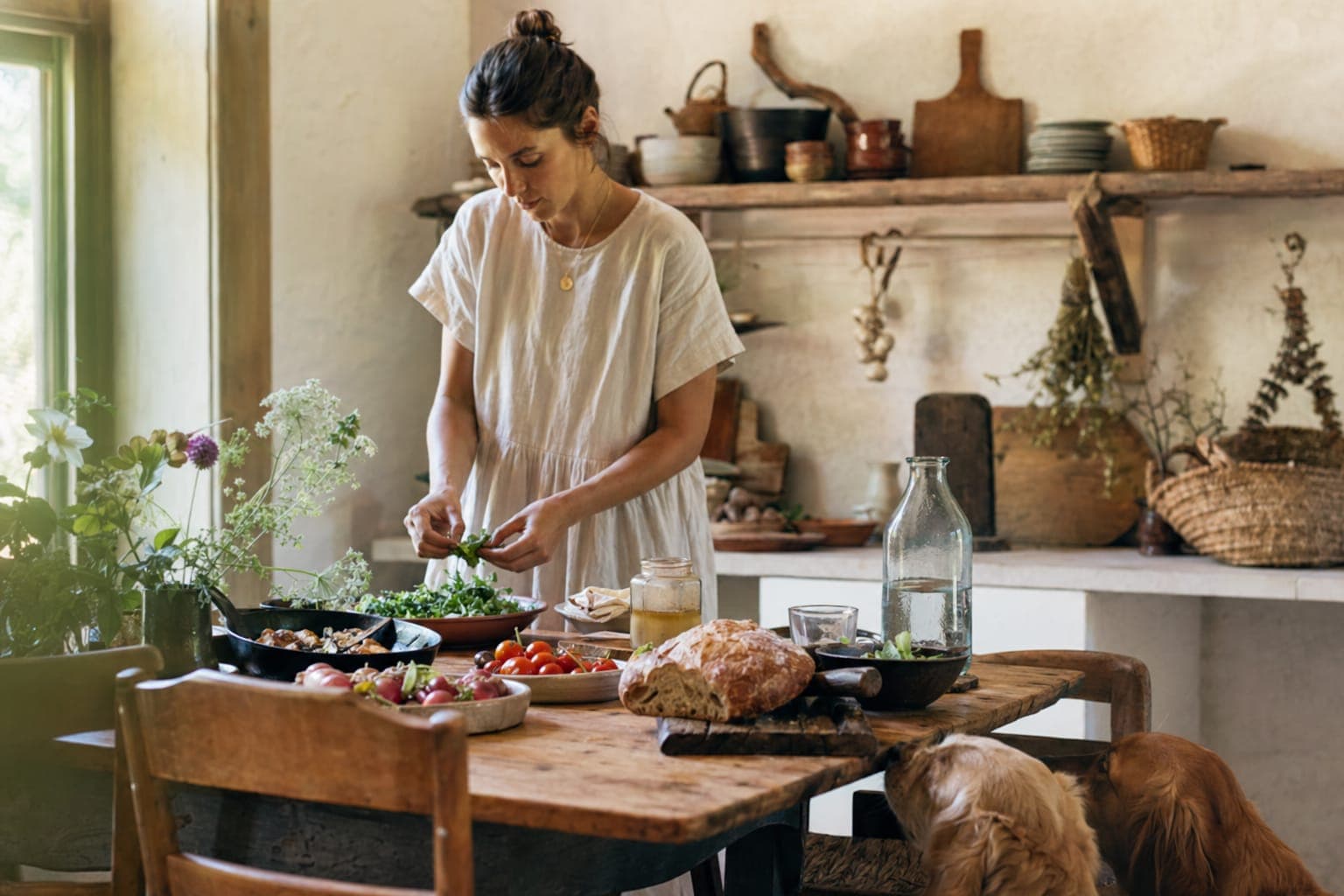
Culture & community
Beyond Supplements: Building a Whole Food Lifestyle
Nutrition is just one piece. Real health comes from cooking, sleep, sunlight, movement, and relationships. Here's how to build a whole system.

Culture & community
The Organised Field Guide: What's Inside and Why We Made It
A transparent resource for real food nutrition. What's in the Organised Field Guide and how to use it to build a whole food eating pattern.
Real food, made effortless
Shop the blendA few ways to use it
All recipes
Gut-Healing Marshmallows with Collagen and Raw Honey
Learn to make gut-healing marshmallows with collagen and raw honey. A shareable treat that sneaks nutrition into every bite. Easy recipe with video tips.
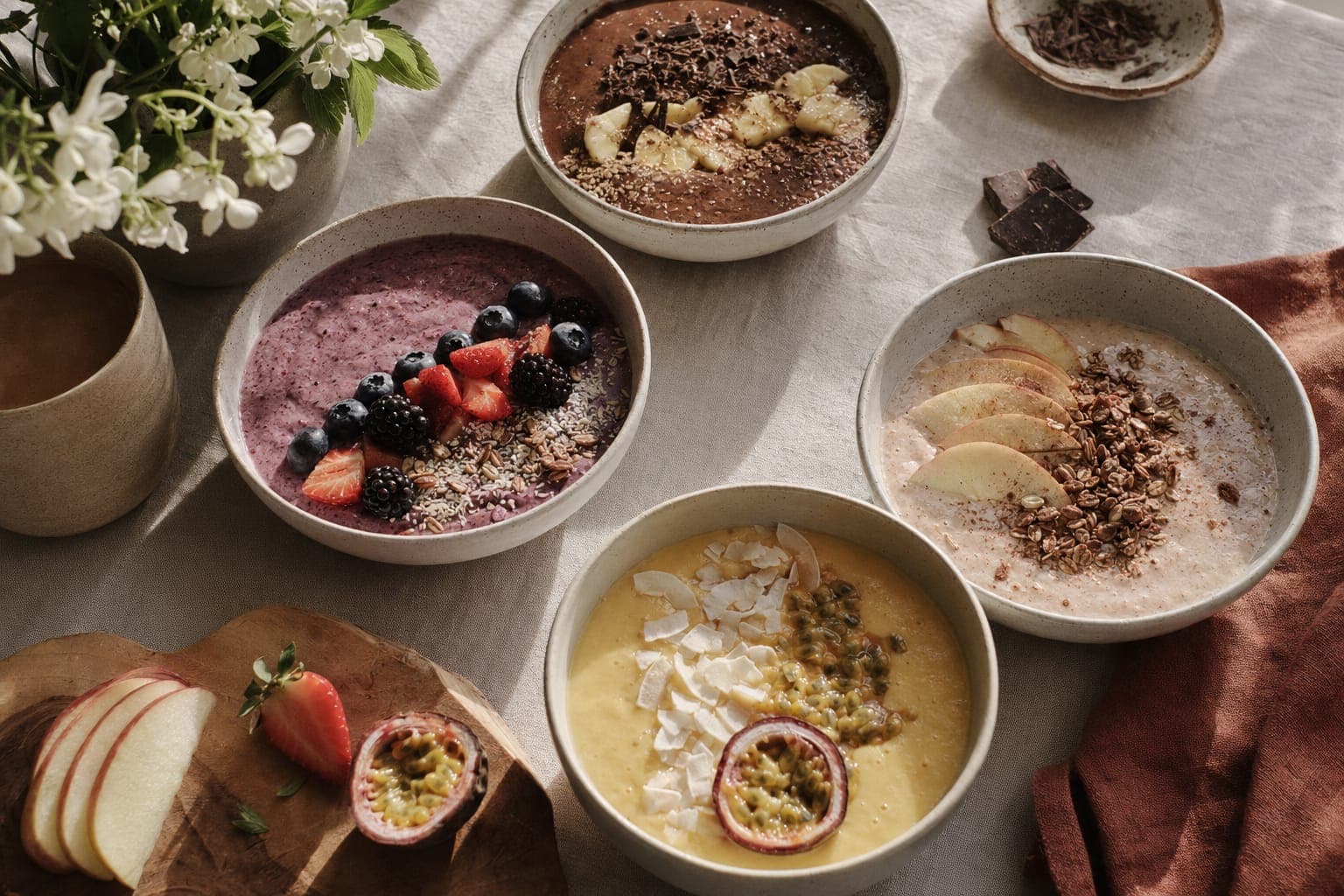
Organised Smoothie Bowl Recipes for Every Season
Four seasonal smoothie bowl recipes using Organised. Berry in summer, apple-cinnamon in autumn, tropical in spring, warming chocolate in winter.

The Organised Recovery Smoothie for After Exercise
A recovery smoothie made with beef protein, raw milk, frozen berries, collagen, and honey. Optimal nutrition in the 30-minute window after exercise.


 Join over 100,000+ members
Build a better food system with us
The Organised community is thousands of people choosing real food and backing the farmers who grow it, all of us trying to leave the world a little better than we found it. If that is what you care about too, you belong here.