Why We Don't Call Ourselves a Supplement Brand
We make a product that sits on supplement shelves. People assume we're a supplement brand. We're not. The distinction matters more than you think. It shapes every choice we make, and it changes everything about how you should think about what nourishes you.
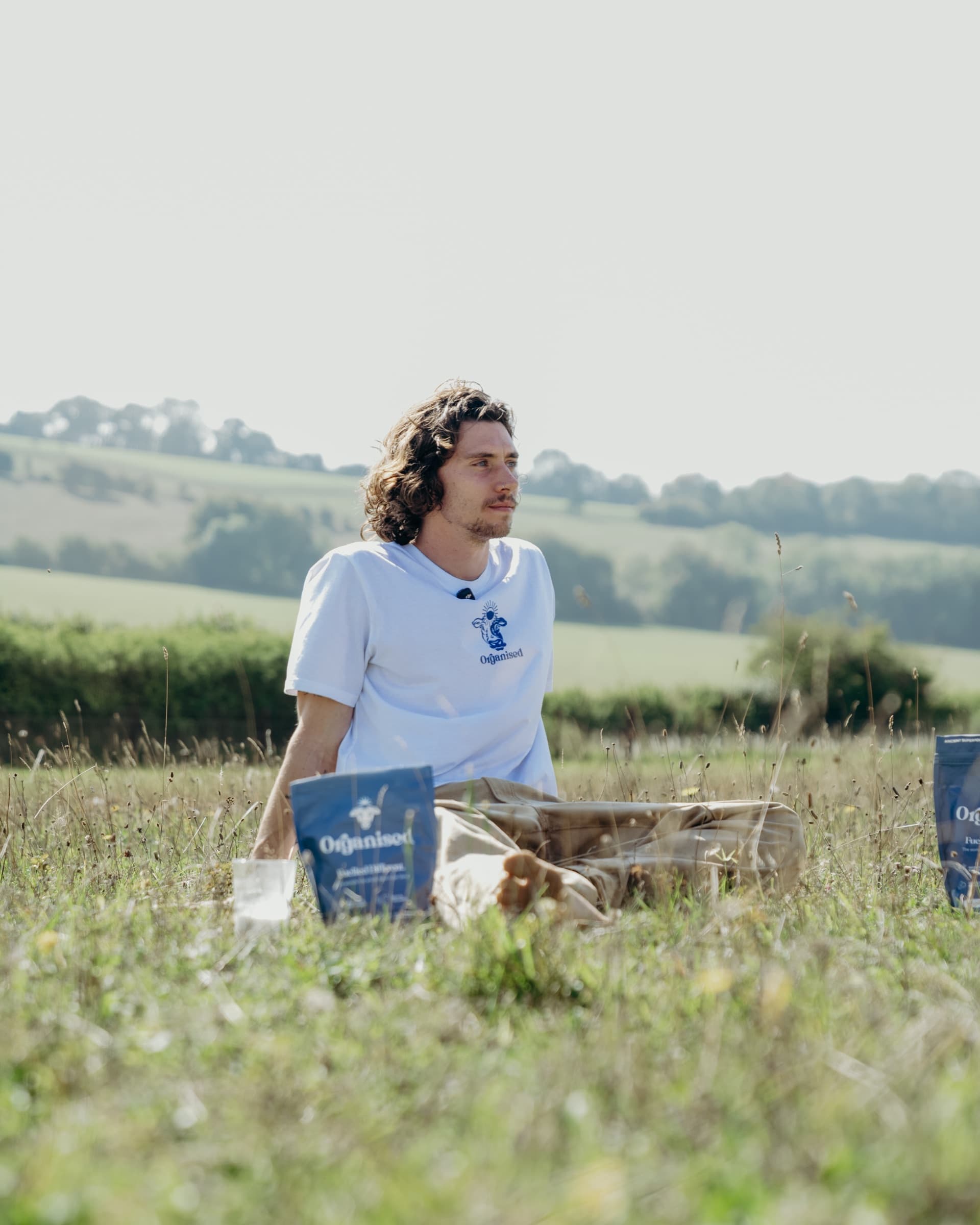
By Niall Kiddle, Founder, Organised

Reviewed by Pedro Rodrigues, Agronomist (farming and sourcing only) ·
5 min read · Published · Updated · 2 cited sources
Makers of the Organised Daily blend, a grass-fed beef organ supplement from regenerative UK farms
If you're taking Organised as if it were a multivitamin, you're missing the point. And we want to be clear about that, because clarity matters more to us than another customer who's confused about what they're using.
What 'supplement brand' actually means
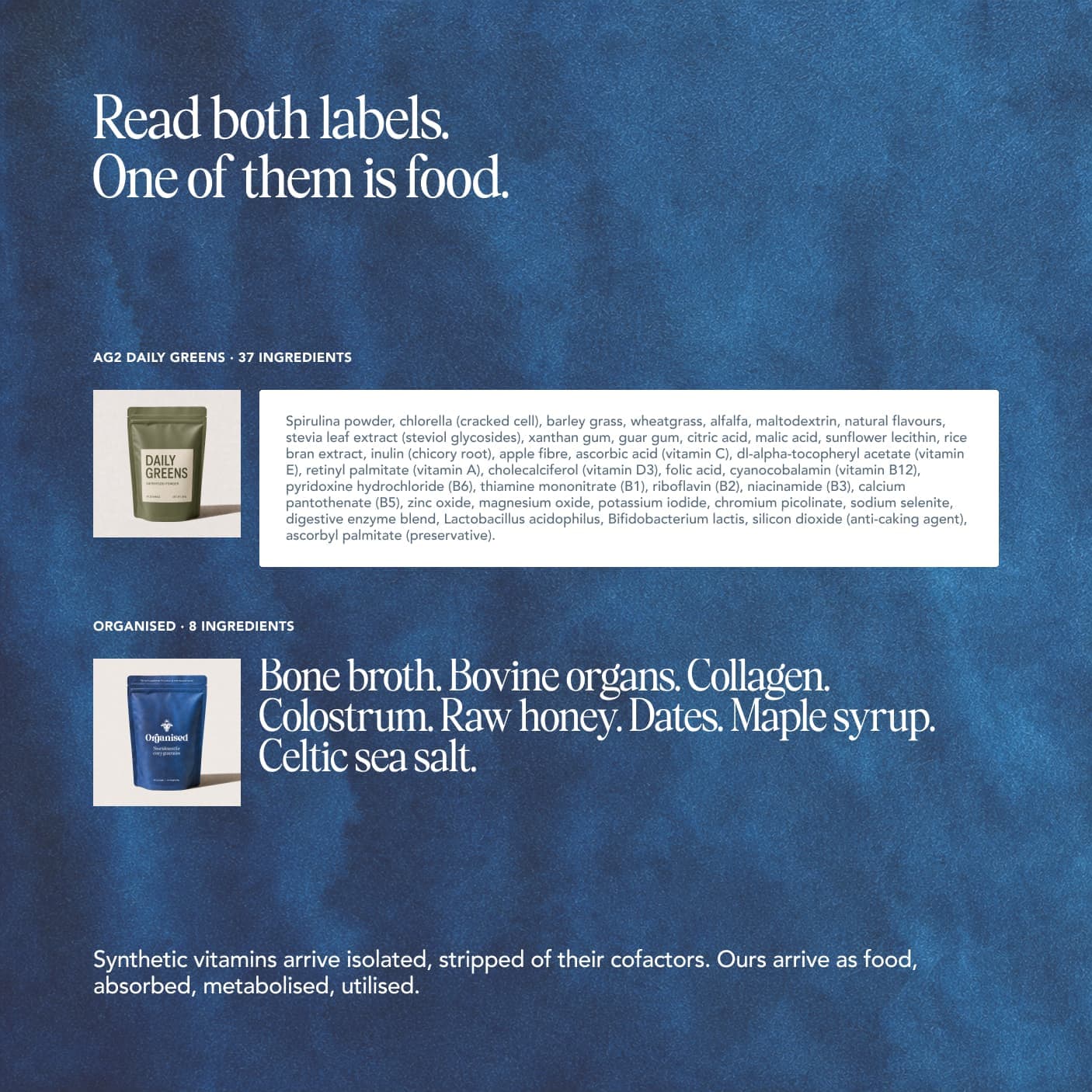
A supplement brand extracts. It identifies a nutrient. Isolates it from its context. Doses it high. Sells the dose as the solution. Magnesium glycinate. Vitamin D3 in isolation. Collagen peptides stripped of their cofactors. Fish oil extract with zero omega-3 stability. The logic is clean: nutrient deficiency, supplement the nutrient, problem solved.
The supplement industry is built on reductionism and the myth of simplicity. Pick the active compound. Remove everything else. Make it shelf-stable and sellable. Patent it if possible. Repeat for 40 years. This has generated an industry worth billions selling the idea that nutrients are interchangeable regardless of source.
The problem is fundamental: your body doesn't eat nutrients. It eats food. And food is not a collection of isolated compounds sitting in test tubes. Food is synergistic. A carrot doesn't contain just beta-carotene. It contains fibre, minerals, plant compounds, and enzymes that work together to be absorbed and used by your body. Remove the carrot and just give beta-carotene, and your body processes it completely differently.
This isn't mystical thinking. It's biochemistry. The presence of other compounds changes absorption, metabolism, and utilisation.1 A supplement company ignores this because isolation is profitable. We think it matters.
Your body recognises food. It doesn't recognise isolates. This distinction is our entire philosophy.
The philosophy behind whole food
We're not extracting nutrients. We're freeze-drying food. Liver is liver. Bone is bone. Organs are organs. We remove the water. That's it. Everything else stays intact. The copper that helps you absorb the iron. The B vitamins that help you use the nutrients. The cofactors and phytonutrients your body expects when it says: I recognise this food.
This is the ancestral approach. Your great-grandmother didn't take liver tablets. She ate liver, once or twice weekly, as part of her diet. She didn't take bone powder. She simmered bone into broth for 24 hours and drank it. She didn't optimise nutrients in isolation. She ate the foods that kept her healthy and her children thriving.
We're returning to that not because it's trendy or because we're being precious. Because it works. Because your body knows what to do with food, even when that food is concentrated and freeze-dried.
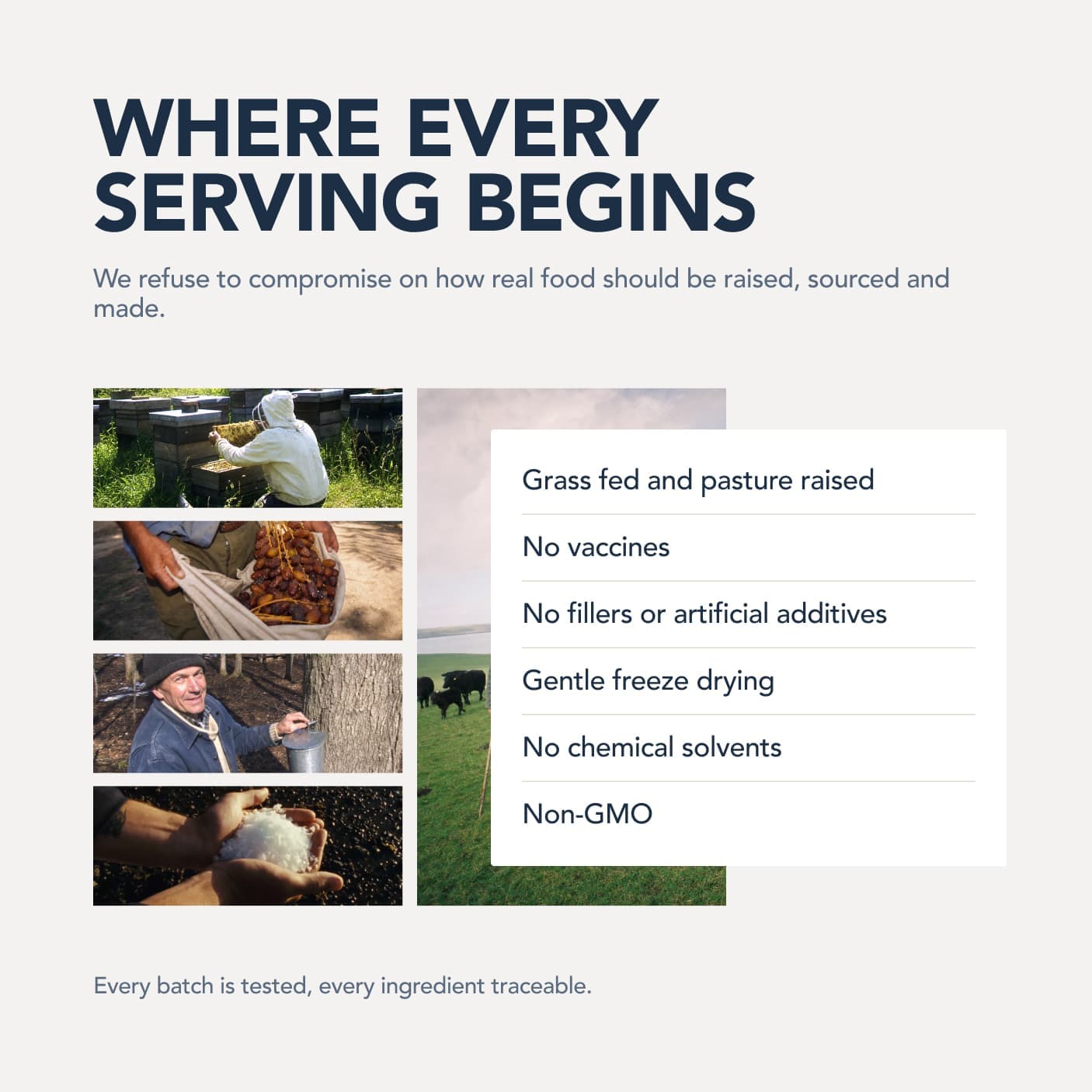
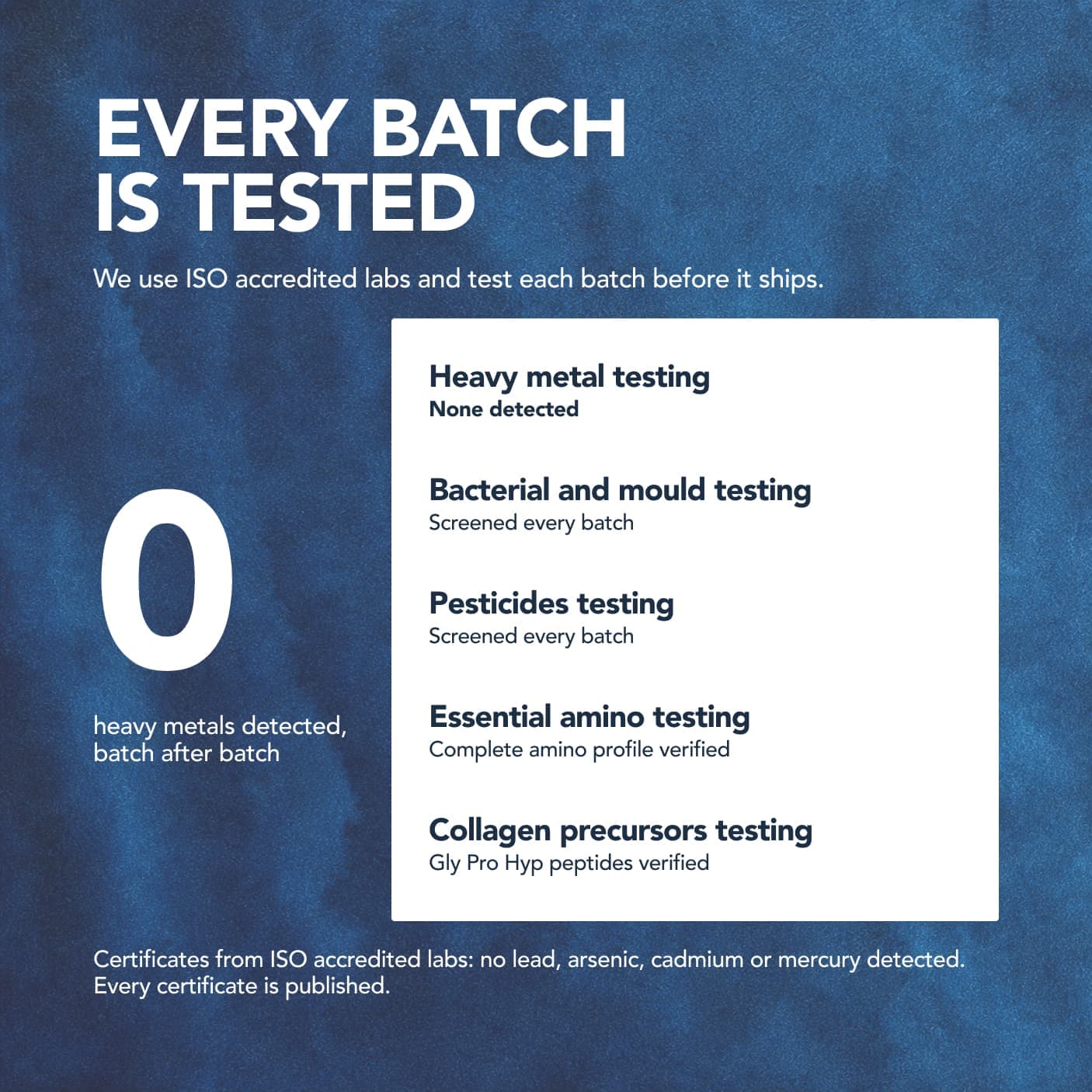
The difference between us and a supplement company isn't semantic. It's operational and philosophical. We source directly from farms. We know the farmers. We care deeply about the diet of the animal and the health of the soil. We test comprehensively for contaminants, not because regulators require it but because we're selling food, and food quality matters at a fundamental level. A supplement company optimises for shelf stability, margin, and regulatory compliance. We optimise for what actually nourishes.
Why extraction fails
Take vitamin D. Your body manufactures it from sun exposure on the skin. Sometimes supplementation helps, especially in winter, especially in the UK north of 52 degrees latitude. But isolated D3 at 4,000 IU daily, taken in perpetuity, isn't how your body expects to get it. Your body expects food sources. Liver. Fish. Egg yolks with deep orange. Foods that contain D alongside the compounds that help you absorb and regulate it.
Take collagen. A supplement company sells collagen peptides as the answer to joint health. But collagen doesn't work in isolation, despite what marketing claims. It needs vitamin C to be synthesised into new collagen.2 It needs minerals like copper and silicon. It needs the amino acid balance that comes from eating actual whole food protein sources. Collagen powder without that context is incomplete and poorly utilised by your body.
The supplement logic is seductive because it's reductive. One thing, one nutrient, one problem solved. But your body is integrated. Nutrients work in symphony. Extract one and you've lost the orchestra. You've also removed the quality control your body normally has: when you eat real food, your body is equipped to absorb what it needs and excrete what it doesn't. Isolated nutrients bypass those regulatory mechanisms.
Get stories from the community, free
Two short reads a week on the farmers, the standards, and the return to real food.
By signing up you agree to receive emails from us. No spam, unsubscribe anytime.
Organised is a food company, not a supplement company
We don't claim to fix anything. We claim to nourish. That's a fundamental philosophical difference. We don't say: take this and your cortisol drops, your skin clears, your energy triples. We say: eat this whole food, which your body recognises, and support your nutrition where modern life has depleted it.
We test because we're selling food. We source carefully because we're selling food. We're transparent about what's in our products because we're selling food. A supplement company has regulatory obligations to disclose ingredients. A food company does that as absolute baseline, not compliance theatre.
We're also ruthlessly honest about limits. Organised is nutrient-dense whole food. It's not a replacement for eating real food. It's not a fix. It's not an optimisation hack. It's support for eating the way your body has expected to eat for millennia. If you're living on seed oils, ultra-processed foods, and no vegetables, Organised won't fix that. You have to fix that. Organised just makes the job easier.
Organised isn't a supplement. It's food. That distinction determines everything we do and everything we won't do.
1 of 9
Daily blend
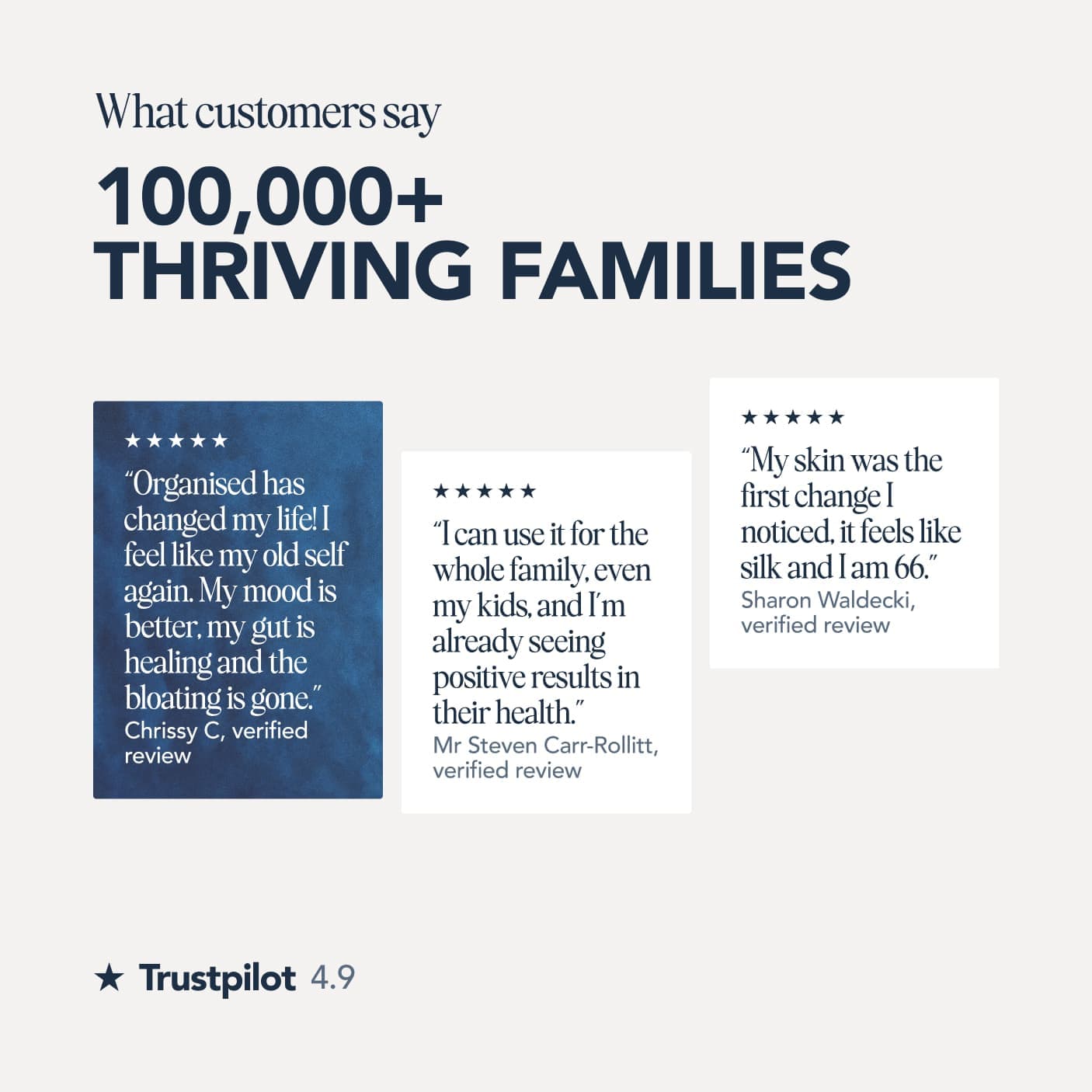
100,000+ thriving families4.9 on Trustpilot
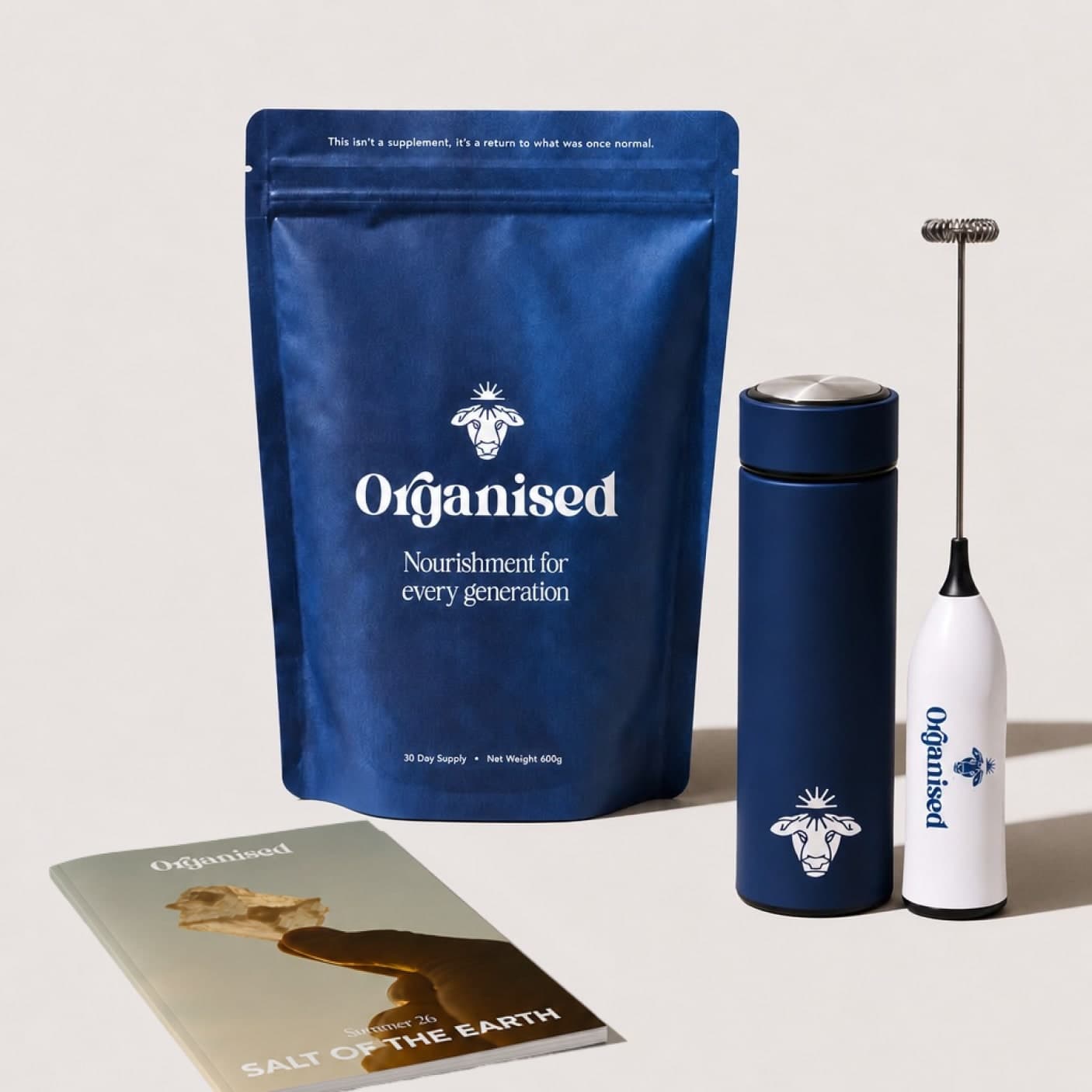
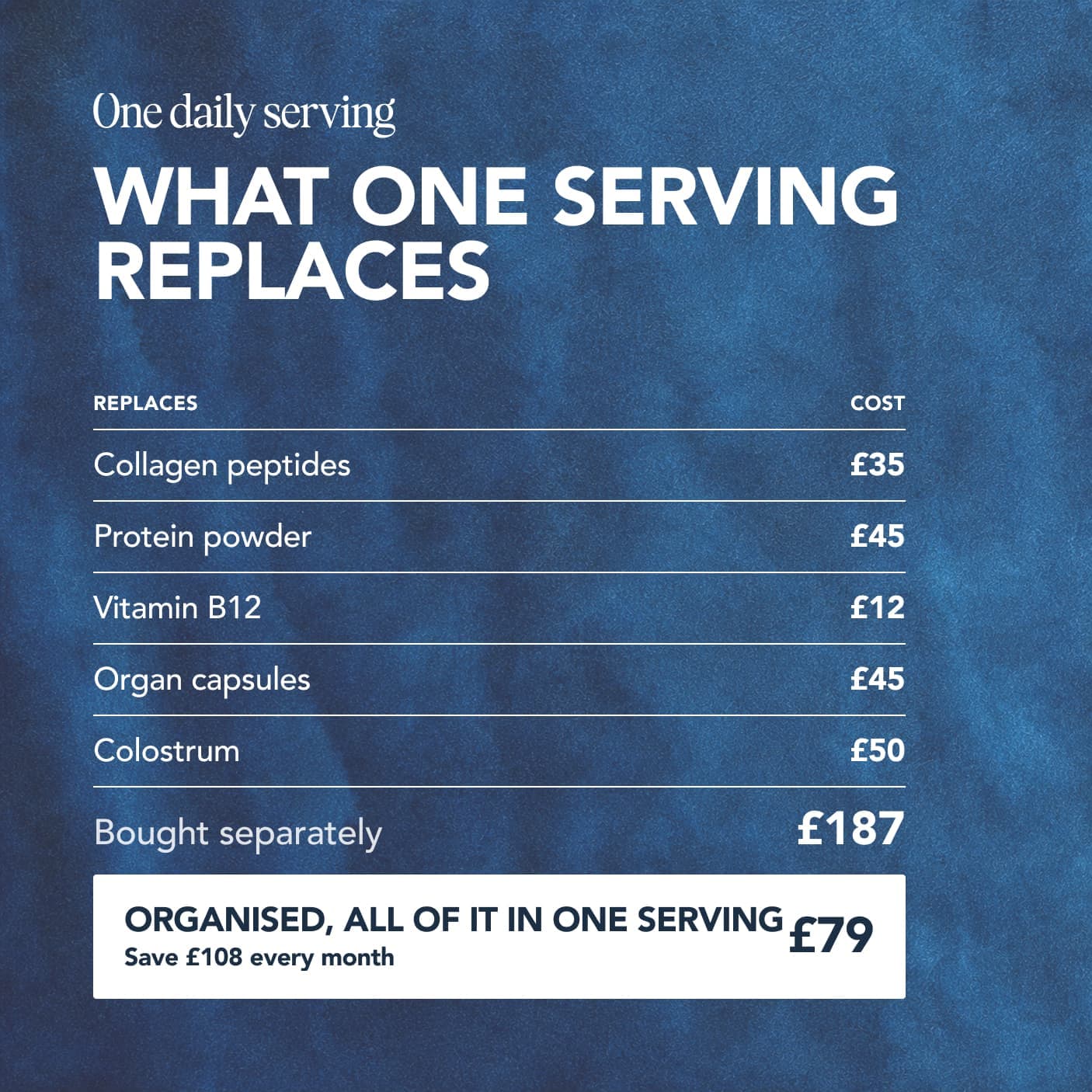
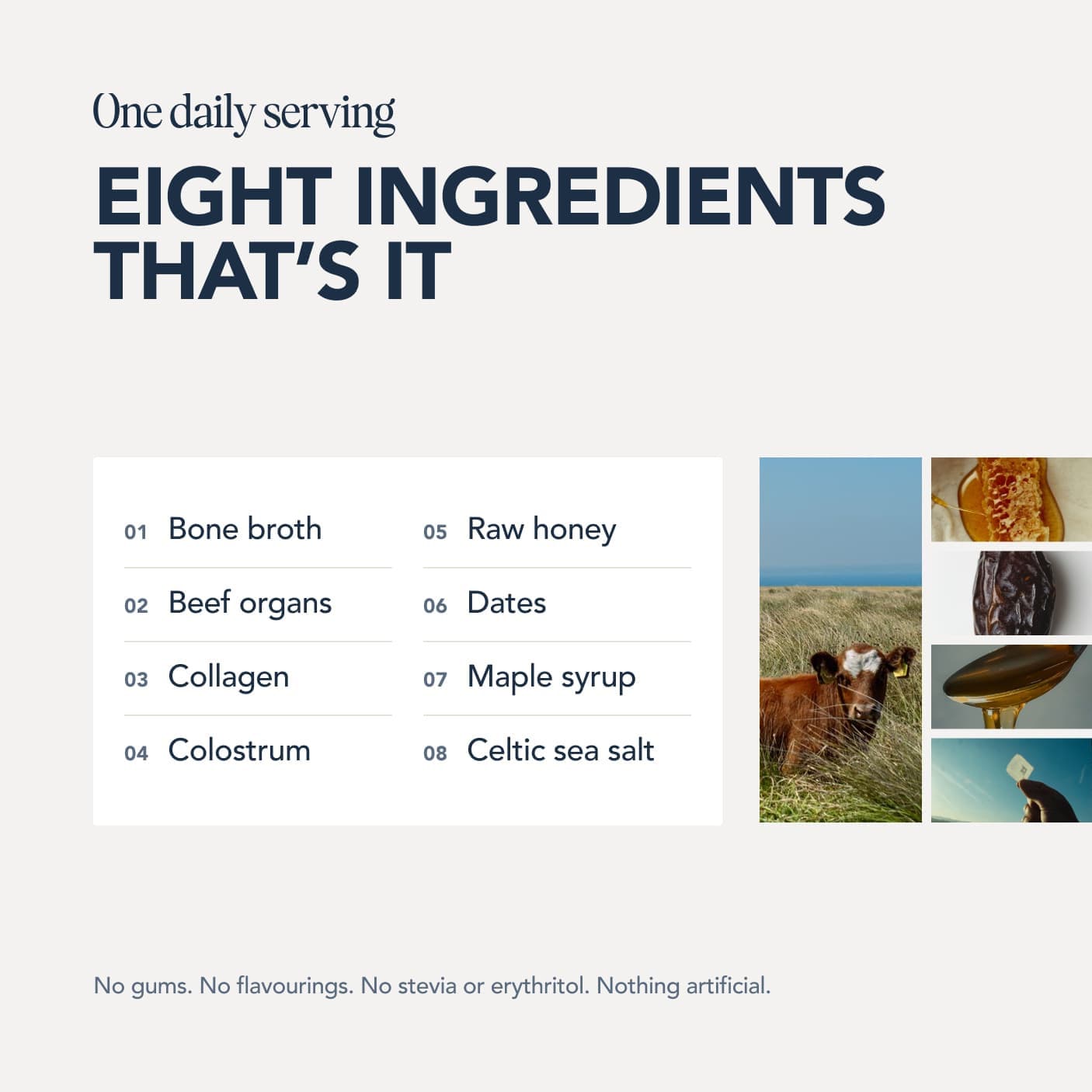
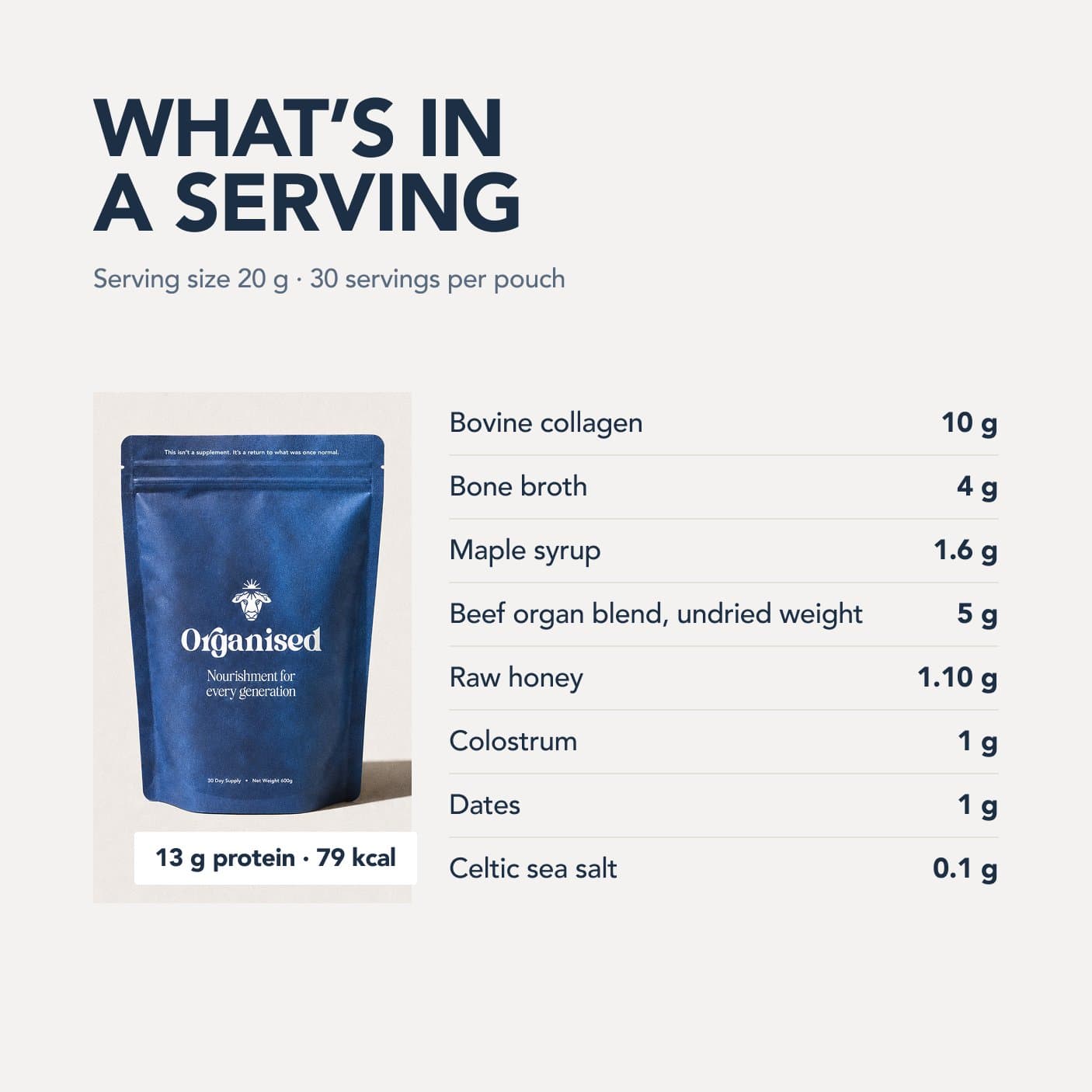
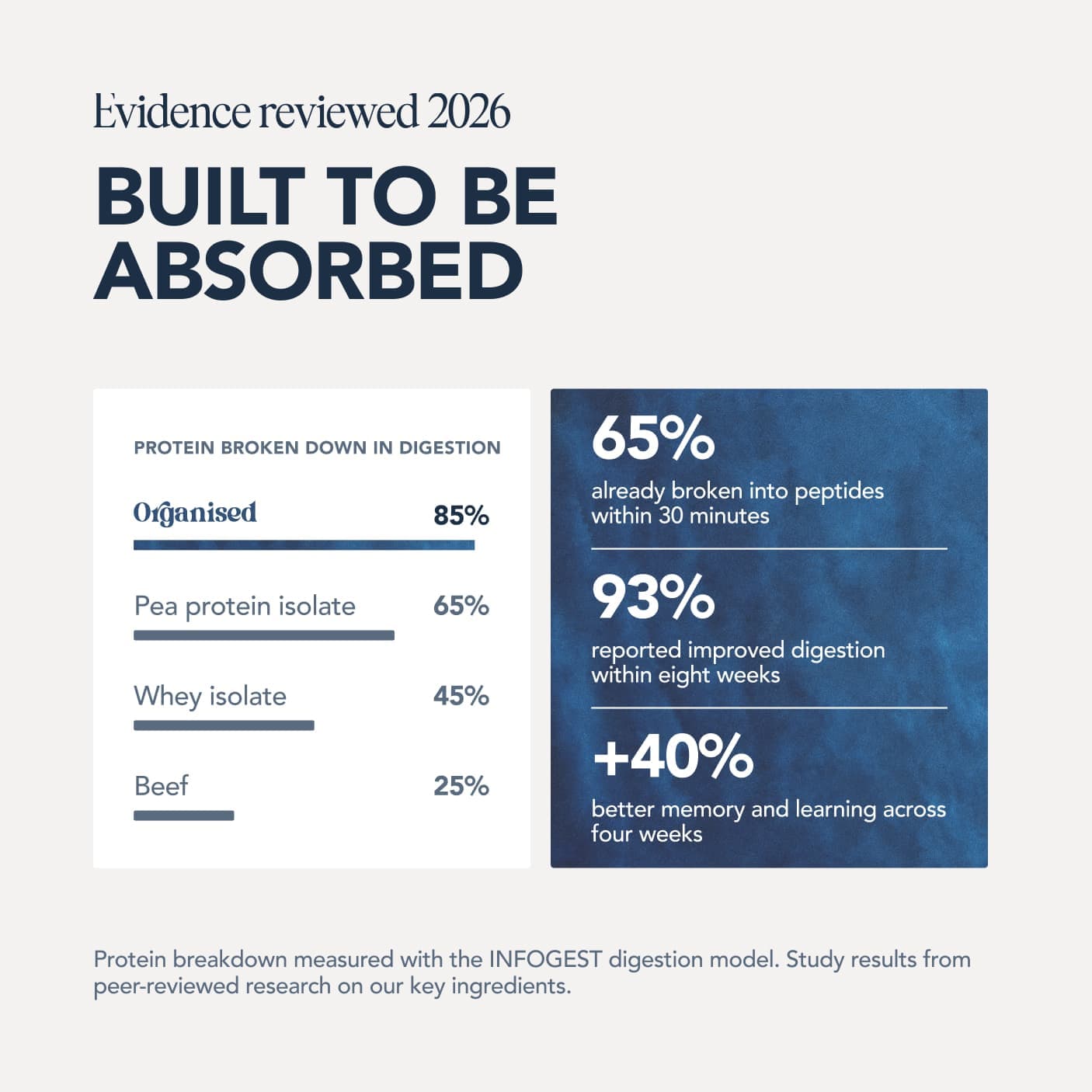
Eight real ingredients built around grass-fed beef organs, collagen and colostrum. Nothing synthetic added.
Free with your first order, worth £38. Plus £10 off the pouch with a subscription.
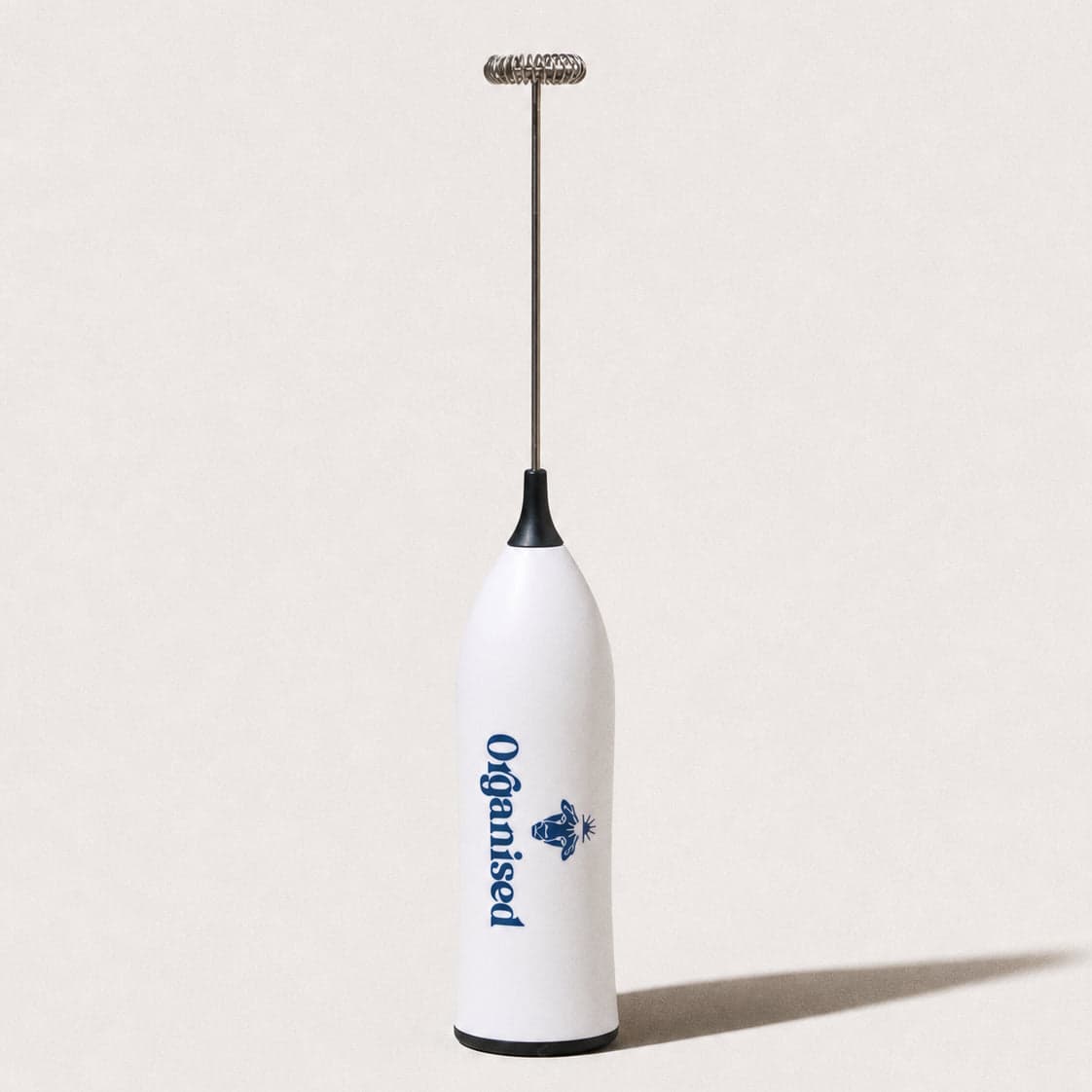
Free UK shipping · Made in England · 100 day money back guarantee on your first pouch · Skip, pause or cancel anytime
What this means for how you use our products
Don't take it like a supplement on an empty stomach with a glass of water hoping for transformation. Use it as food. Mix it into meals. Add it to bone broth. Use it to season. Treat it like the ingredient it is. Cook with it. Build it into your life.
Don't expect overnight changes. Food works slowly and properly. Your cells turn over. Your gut bacteria shift. Your body recalibrates over weeks and months, not days. Supplements promise fast results and demand constant use to maintain them. Food promises actual, sustainable results, and it takes time and consistency.
Do pair it with real food. Meat. Vegetables. Fish. Eggs. The other foods your body needs. Organised fills gaps. It's not the whole picture. It's the part that bridges the gap between what you can source easily and what your body actually needs.
The bottom line
The language we use matters. We're not a supplement brand. We're a food company. We're not extracting nutrients. We're freeze-drying real food. We're not claiming to fix you or optimise you. We're supporting your body with the kind of nutrition your ancestors relied on and your body is evolved to use.
That's not marketing. It's philosophy. And it changes how you should think about what you're buying, how you use it, and what you can expect from it. We're selling food. Use it like food.
References
Every source below was checked on 27 August 2026. Each PubMed, PMC and DOI identifier was resolved against NCBI or Crossref, and what it opens is printed under the citation, so you can see the link goes where the citation says without leaving the page. Where a citation and its identifier disagreed, the citation was corrected to the record or the reference was deleted along with the sentence marker that pointed at it, and where the resolved paper turned out not to support the sentence, the sentence was cut back to what it does support. Borrowed authority is worse than none, because it looks like rigour.
- Jacobs DR Jr, Tapsell LC. Food, not nutrients, is the fundamental unit in nutrition. Nutrition Reviews, 2007. PMID 17972438.Checked 27 August 2026: PMID 17972438 opens Jacobs DR Jr, Tapsell LC, Food, not nutrients, is the fundamental unit in nutrition. Nutr Rev 2007;65(10):439-50. PubMed indexes it as: Review.
- National Institutes of Health, Office of Dietary Supplements. Vitamin C — Health Professional Fact Sheet.
Who wrote and reviewed this guide
Niall Kiddle
Author · Founder, Organised
Niall is the founder of Organised. He started the company in 2024 after fixing his own health the slow way: in 2022 he swapped a cupboard of synthetic supplements for real food, raw milk, organ meats, bone broth and honey, and felt the difference within months.
Areas of expertise: Ancestral nutrition, Organ meats, Whole-food supplementation, Gut health, Regenerative sourcing
Read Niall's full profile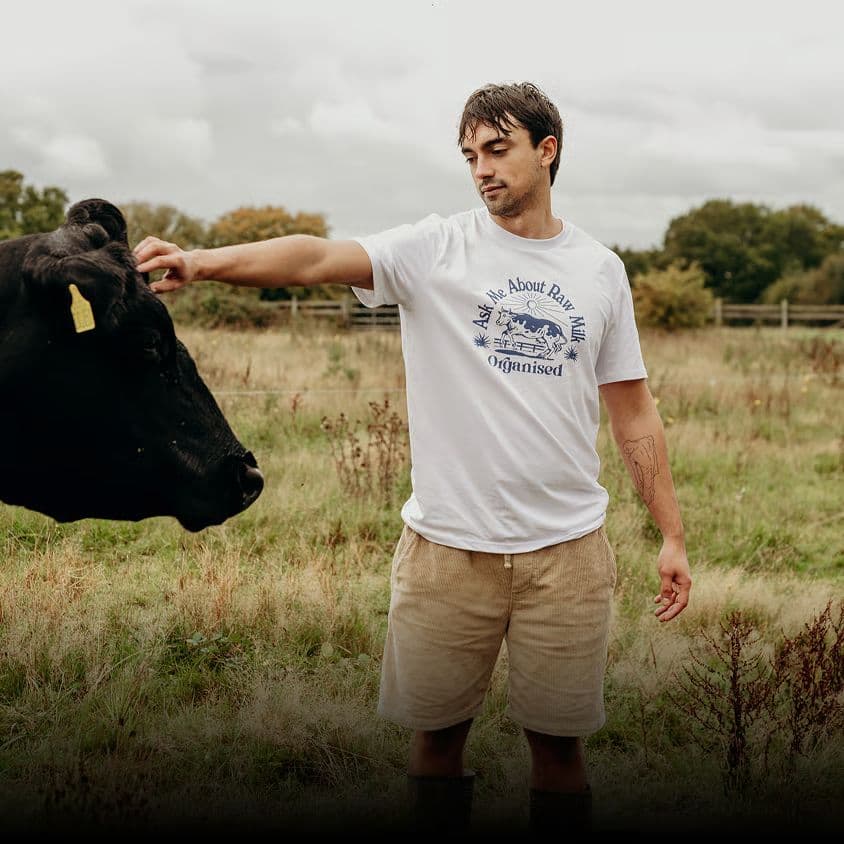
Pedro Rodrigues
Reviewer · Agronomist (farming and sourcing only)
Pedro is the agronomist Organised works with on farming and sourcing. His job on the guides is to keep the science honest: he reviews what we publish about soil health, regenerative agriculture, grazing and the way food is actually produced.
Areas of expertise: Regenerative agriculture, Agronomy, Soil health, Grass-fed farming, Food sourcing
Reviewed this guide on
Read Pedro's full profileMore on movement
View all- The Return to Real Food: Why Millions Are Rejecting Ultra-Processed Diets
- Against Ultra-Processed: A Manifesto for Real Food
- Find a Farm: How to Source Real Food Near You
- Food Sovereignty: Taking Back Control of What You Eat
- Processed Food Companies Don't Want You to Know This
- Social Media and Nutrition: Navigating the Noise
- The Anti-UPF Movement: What's Driving the Backlash Against Processed Food
- The Problem with 'Clean Label' Marketing
- The Raw Milk Renaissance: Our Documentary
- The Rise of Ancestral Eating in the UK
- What 'Nourishment for Every Generation' Really Means to Us
- Why 'Eat Less, Move More' Failed a Generation
Browse the guides library
All guidesKeep reading
Culture & community
Autumn Nourishment: Preparing Your Body for Winter
Build nutritional reserves in autumn to support immunity through winter. Vitamin D, mineral density, and seasonal foods that prepare your body.
Culture & community
How to Talk to Your Family About Changing the Way You Eat
Navigate family resistance to dietary change. Address common pushback, communicate benefits, and manage eating in a shared household without conflict.
Culture & community
What 'Nourishment for Every Generation' Really Means to Us
From newborns to grandparents in their 90s. How whole food nutrition supports health across every life stage. Organised's core mission explained.
Real food, made effortless
Shop the blendA few ways to use it
All recipes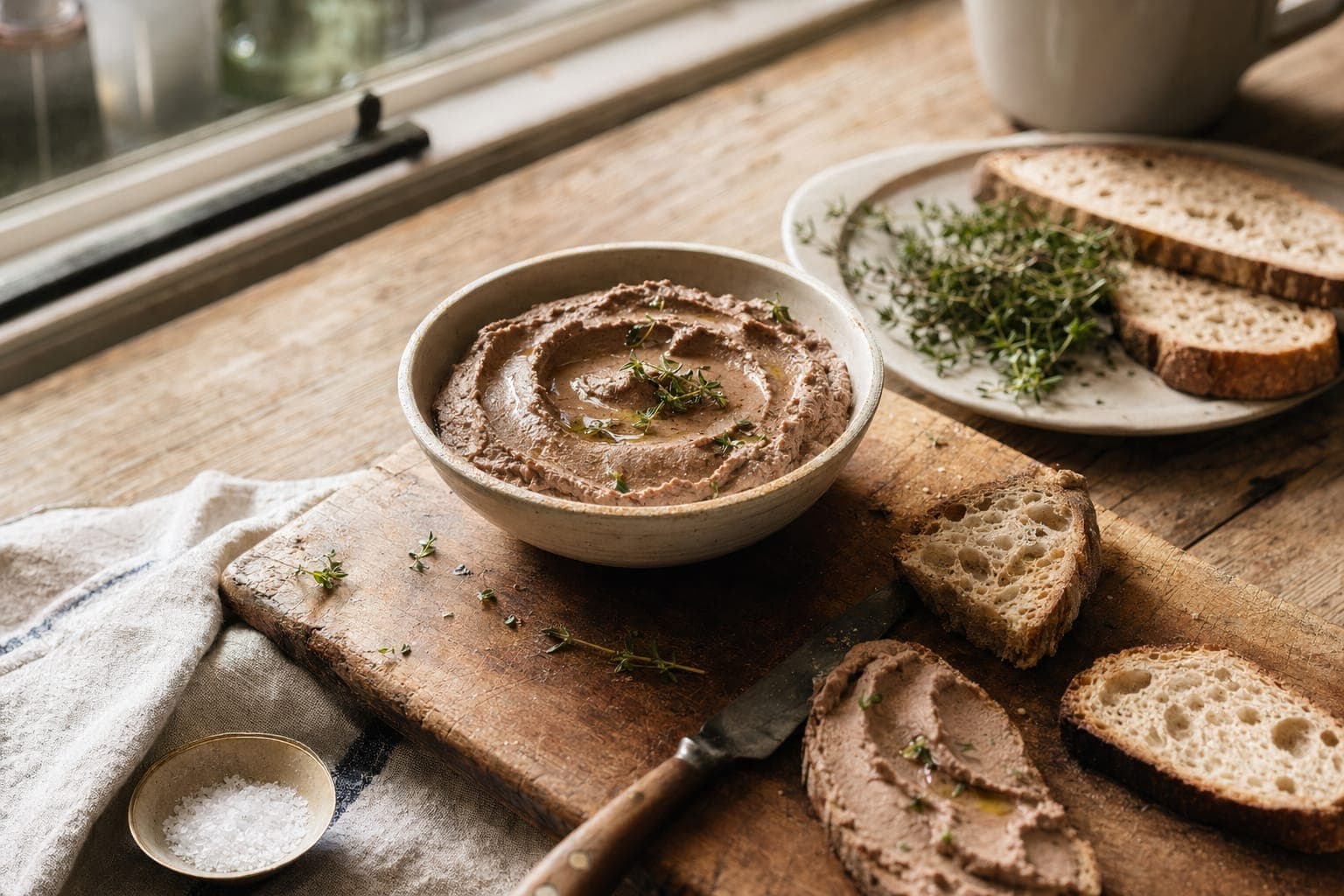
Liver Pate for Beginners: A Gentle Introduction to Organ Meats
Simple liver pate recipe to start eating organ meats. Chicken liver, butter, and herbs. Gentle introduction to nutrient-dense whole foods.
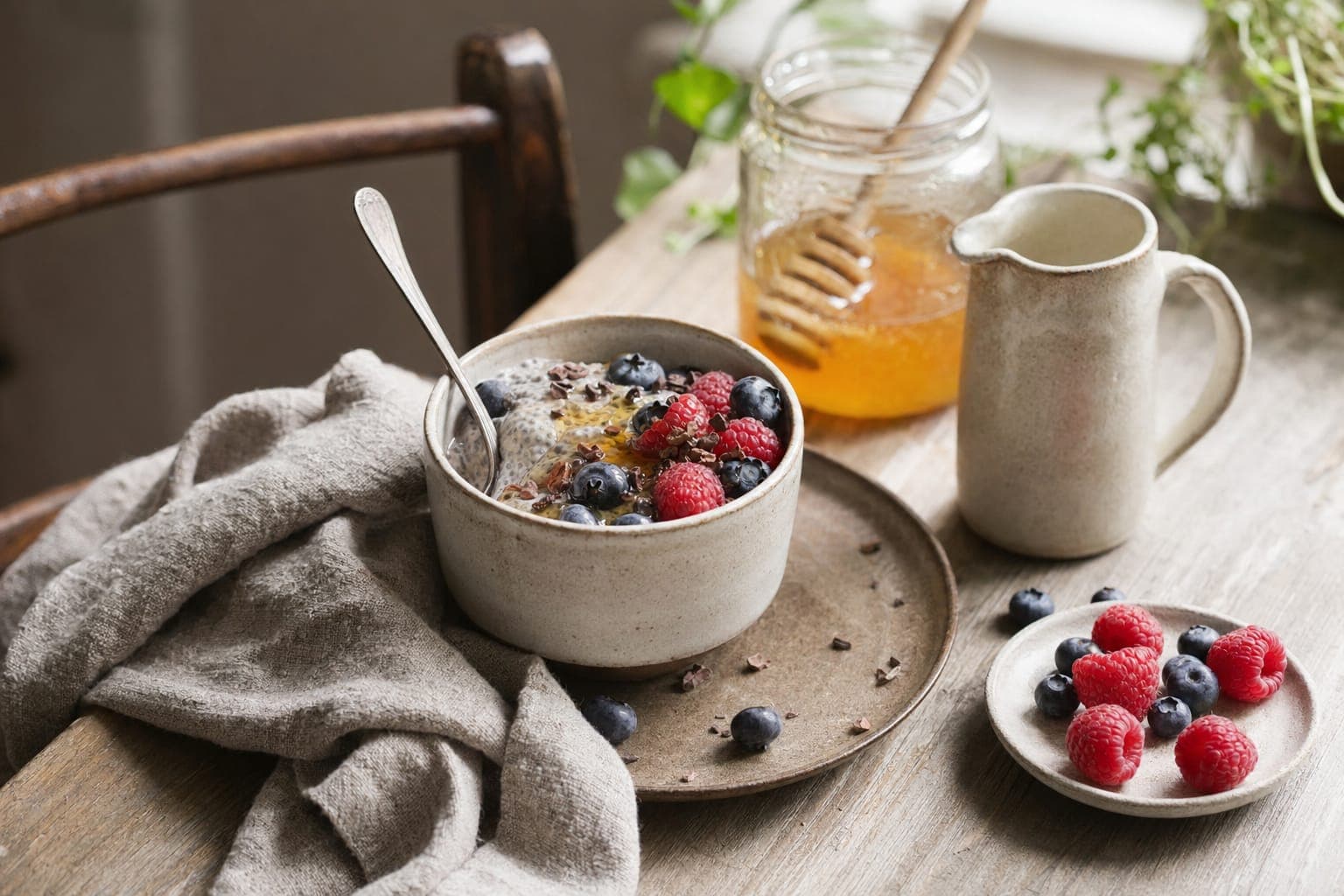
Organised Chia Pudding with Raw Honey and Berries
A no-cook chia seed pudding made with raw milk, collagen, berries, and raw honey. Prep it the night before and eat for breakfast.
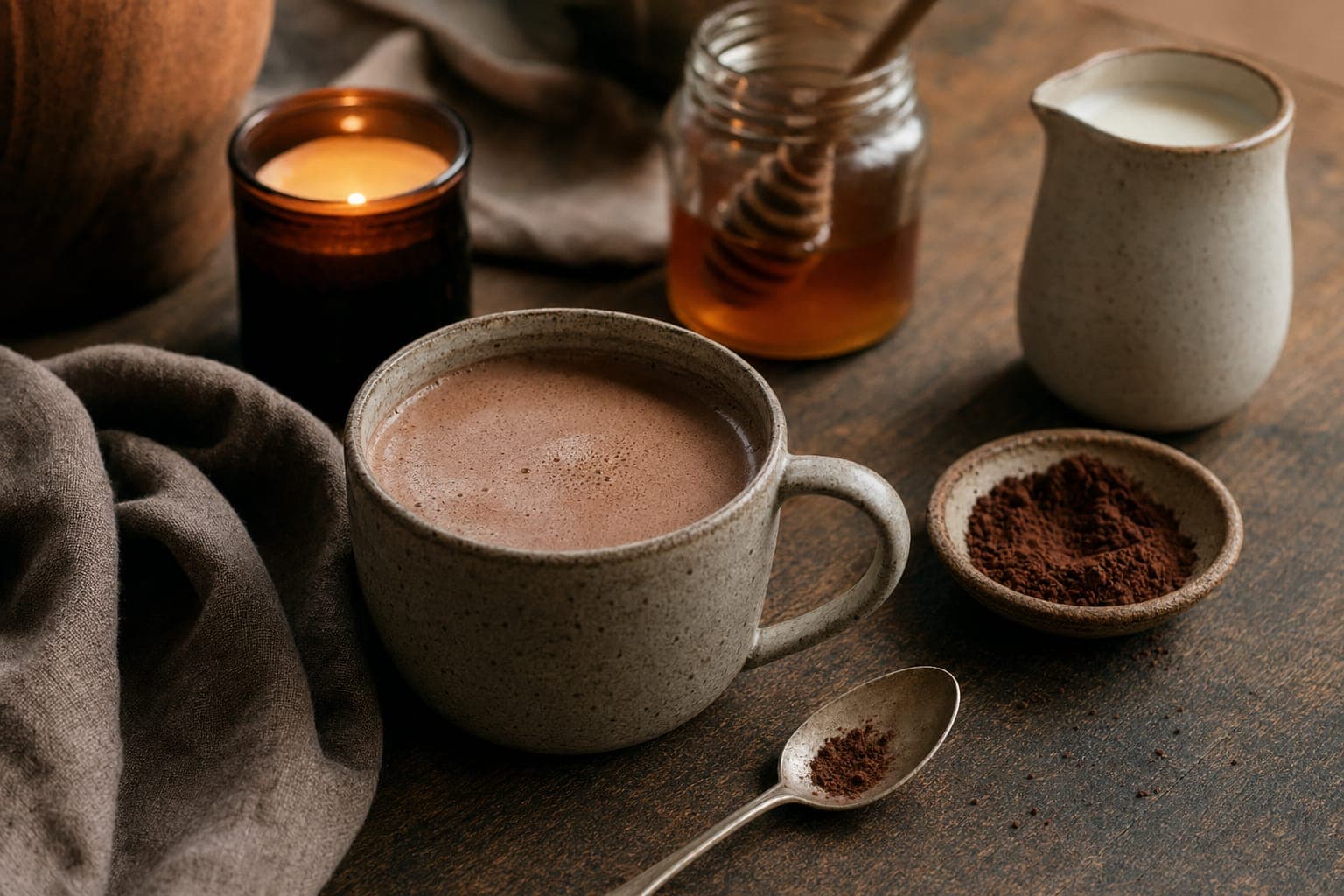
Raw Milk Hot Chocolate with Collagen
A nourishing evening hot chocolate made with raw milk, grass-fed collagen, raw cacao, and honey. A nighttime ritual that supports sleep and gut health.


 Join over 100,000+ members
Build a better food system with us
The Organised community is thousands of people choosing real food and backing the farmers who grow it, all of us trying to leave the world a little better than we found it. If that is what you care about too, you belong here.