Processed Food Companies Don't Want You to Know This
They know. The people designing ultra-processed food know exactly what they're doing. They know it's addictive by design. They know the ingredient list hides more than it reveals. They know the marketing claims are technically legal whilst being fundamentally deceptive. And they know that if consumers actually understood what they were eating, they'd stop buying it. Here's what they're hiding.

By Niall Kiddle, Founder, Organised

Reviewed by Pedro Rodrigues, Agronomist (farming and sourcing only) ·
6 min read · Published · Updated · 2 cited sources
Makers of the Organised Daily blend, a grass-fed beef organ supplement from regenerative UK farms

And they know that if consumers actually understood what they were eating, they'd stop buying it.
Here's what they're hiding.
The reformulation trick
When a product gets bad publicity, food companies don't remove the harmful ingredient. They replace it with a similar one that hasn't yet been in the headlines.
When trans fats became controversial, they weren't eliminated. They were replaced with palm oil and other saturated fats that have similar health effects. When artificial sweeteners like aspartame started getting scrutiny, they were replaced with sucralose or stevia, which haven't been studied for long-term effects in humans.
The formula is consistent: wait until public attention forces regulatory change, then switch to the next approved alternative that has similar functional properties but hasn't yet triggered alarm.
This isn't because the new ingredient is necessarily safe. It's because it's new enough that people haven't had time to study it or worry about it publicly. The product stays profitable. The harmful mechanism remains unchanged. The consumer feels reassured by the label change.
Food companies don't improve their products when faced with criticism. They rebrand them with different chemicals that do the same damage.
What "natural flavourings" actually means
Natural flavourings are one of the most deceptive components of ultra-processed food. The term sounds innocent. It suggests flavour derived from food sources, with minimal processing.
The reality is completely different. Natural flavourings are chemically synthesised compounds designed to trigger taste and smell receptors in specific ways. They're called "natural" because the molecules are derived from natural sources, not because the process is natural or the final product is anything like the original food.
A "natural strawberry flavouring" might contain dozens of chemical compounds, extracted through industrial processes, assembled to mimic the complex flavour of a strawberry whilst being nothing like eating an actual strawberry.
These compounds are engineered to be addictive. They activate the brain's reward pathways more intensely than real food. The consumer keeps craving the product because the flavour is literally engineered to override satiation signals.
And because they're listed generically as "natural flavourings", companies don't have to disclose the specific compounds involved or their quantities.
How they hide sugar
A product can contain enormous amounts of sugar whilst marketing itself as low-sugar. Here's how.
UK food labelling rules require manufacturers to list ingredients in descending weight order; products that contain multiple sugar-equivalent ingredients (e.g., glucose syrup, dextrose, fructose, fruit juice concentrate) can list them separately so each individual ingredient appears lower on the list, even though combined sugars are very high.2
The second trick is separating sugar into different forms. A product might contain regular sugar, plus glucose, plus fructose, plus crystalline fructose. Each one appears in different places on the label. The total sugar content would fail marketing requirements if listed as a single ingredient, so it's fractionalised.
The third trick is the serving size. Nutritional information is listed per serving, and serving sizes are set by the manufacturer. A product might claim "only 5g of sugar" because they've defined the serving size as a third of what most people actually consume.
Read the nutrition label carefully. Calculate sugar content per 100g. You'll often find that products marketed as healthy contain more sugar than actual sweets.
The regulatory gaps nobody mentions
The regulatory system for food safety was designed to prevent acute poisoning. Does the ingredient kill you immediately? If not, it's approved.
Chronic harm is largely ignored. An ingredient that slightly increases inflammation, that subtly disrupts hormone balance, that quietly damages the gut lining over years, is perfectly legal. The regulatory bar is: is it acutely poisonous? Not: is it safe for long-term consumption at high doses?
The worst part is that food safety testing is often conducted by the manufacturers themselves, or by contractors they hire. The conflict of interest is structural and largely unaddressed.
A chemical that's been used in food for a certain number of years gets deemed "generally recognised as safe" (GRAS) and doesn't need further testing, even if no long-term safety studies actually exist.
Emulsifiers: approved but not studied
Emulsifiers are in almost every processed food. They keep oil and water mixed. They improve texture. They extend shelf life. And they're approved for consumption based on remarkably thin safety data.
A 2015 study by Chassaing and colleagues in Nature showed that the dietary emulsifiers carboxymethylcellulose and polysorbate 80 thinned the intestinal mucus layer, altered the gut microbiota and promoted low-grade inflammation, colitis (in genetically susceptible mice) and metabolic syndrome.1
Other additives, like certain artificial sweeteners, have been used for years before long-term studies revealed harmful effects. But by then, billions of doses had been consumed and the regulatory system was too invested in the approval to reverse course.
The food industry doesn't have to prove chemicals are safe. They just have to prove they don't cause immediate poisoning. Subtle, long-term harm is neither tested nor regulated.
Get stories from the community, free
Two short reads a week on the farmers, the standards, and the return to real food.
By signing up you agree to receive emails from us. No spam, unsubscribe anytime.
Why test results vary
When independent researchers study food ingredients, they often find harmful effects that industry-sponsored research misses. This isn't because the independent researchers are better. It's because the research questions themselves are different.
Industry-sponsored studies often look for acute toxicity at high doses. Independent studies often look for subtle effects at the doses people actually consume. Industry studies might look at a single ingredient in isolation. Independent studies look at combinations and long-term exposure.
The same ingredient can appear safe in an industry study and harmful in an independent study, because the researchers were literally asking different questions and looking at different endpoints.
The regulatory system trusts industry-sponsored research more heavily because of its availability and the regulatory relationships involved. Independent research is often treated with more scepticism.
1 of 9
Daily blend
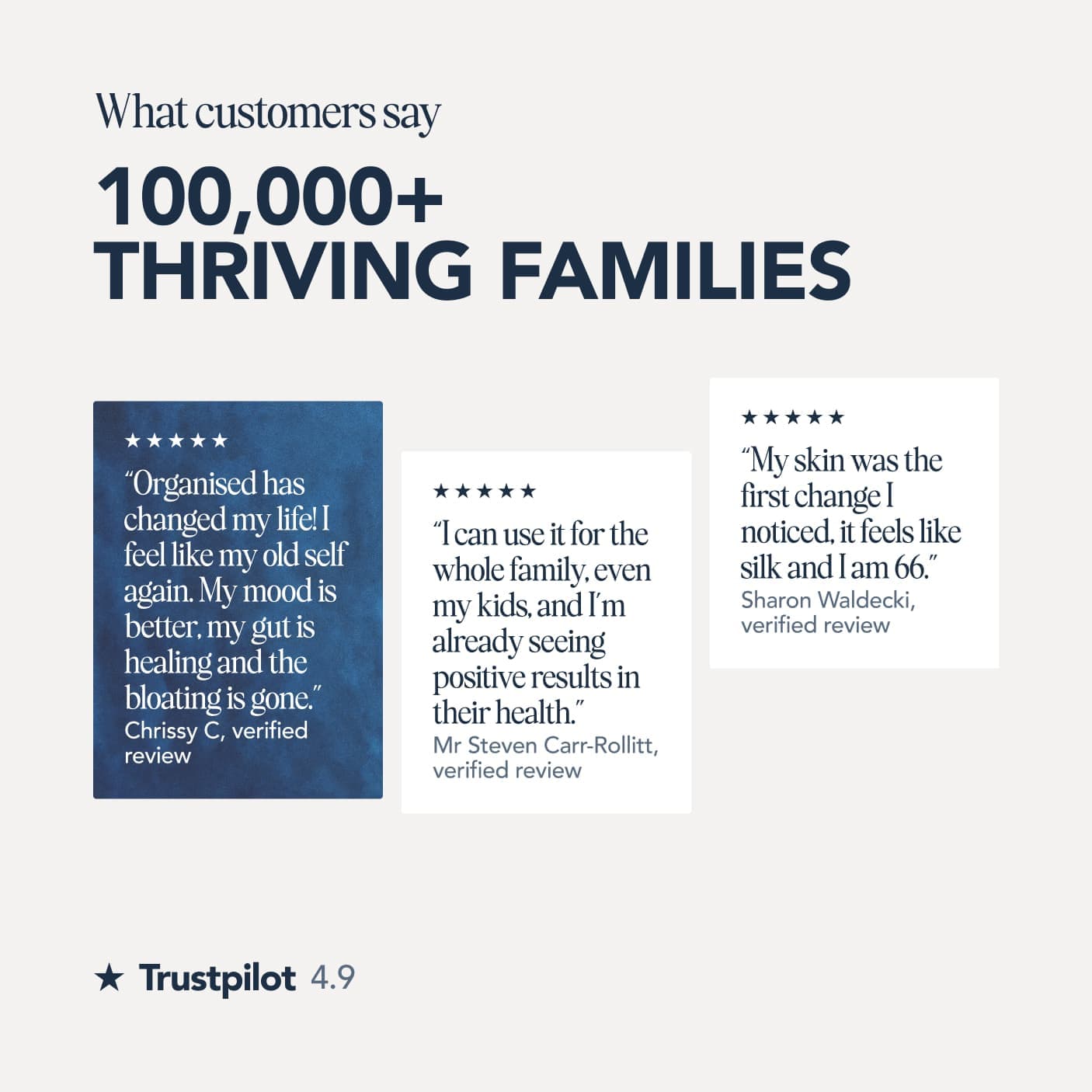
100,000+ thriving families4.9 on Trustpilot
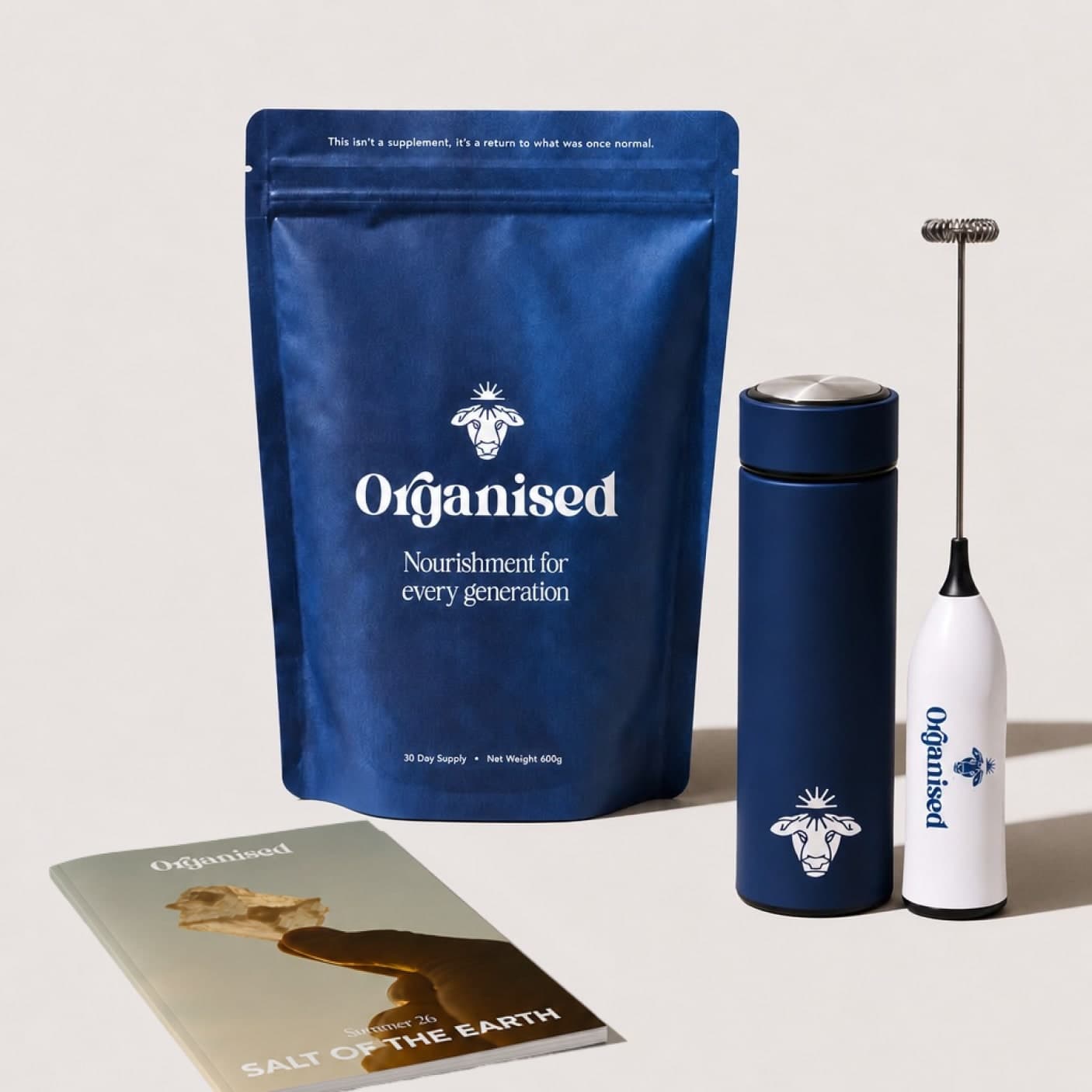
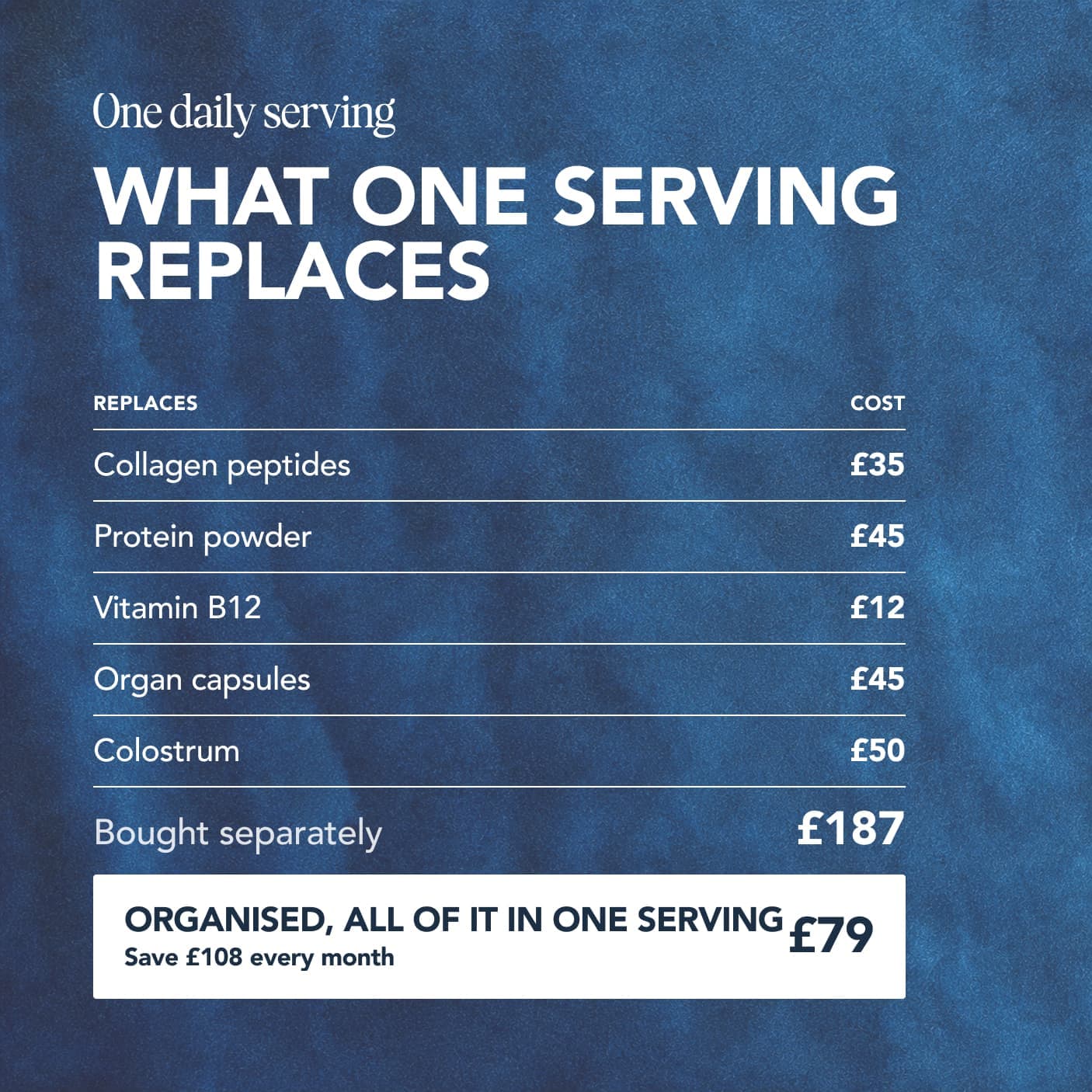
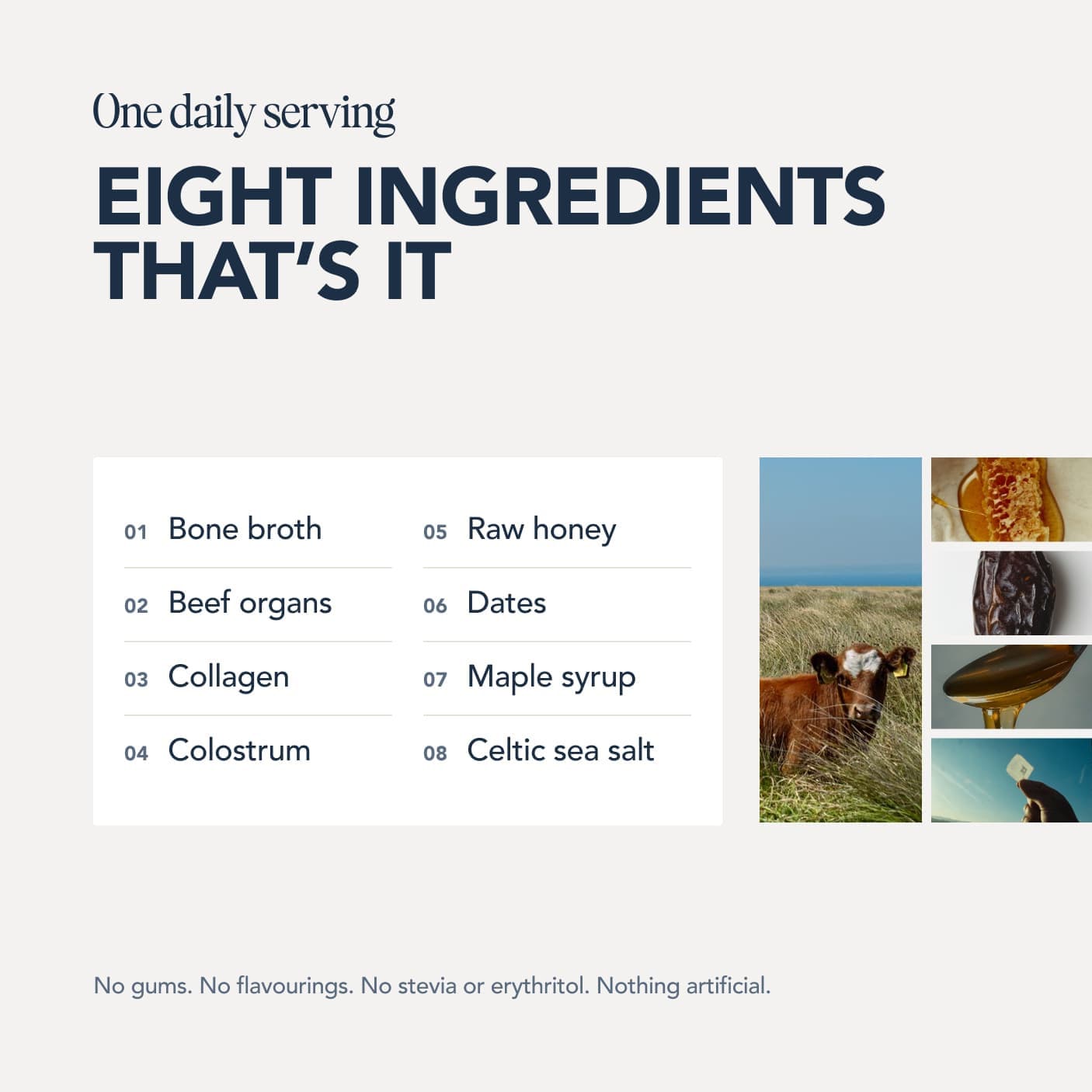
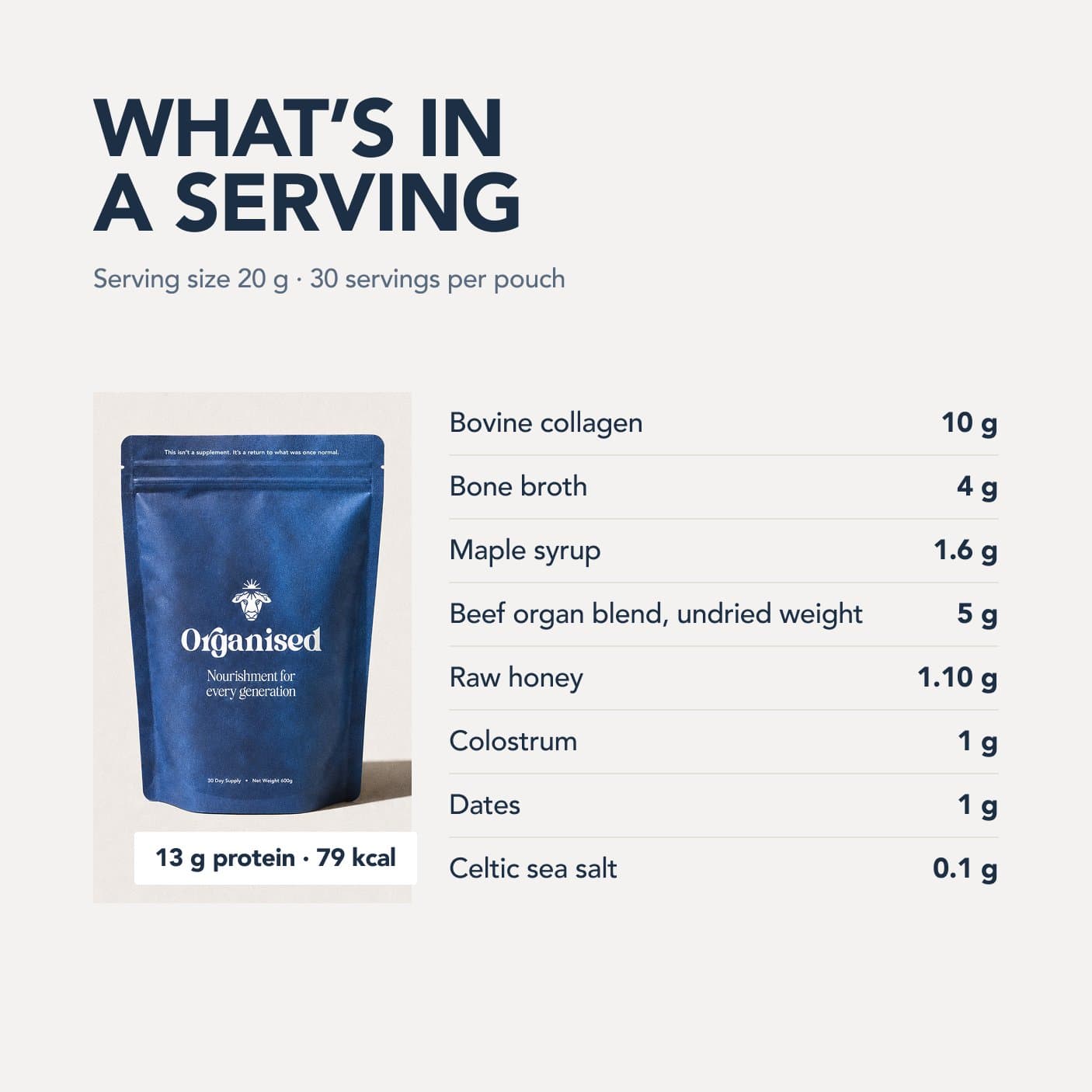
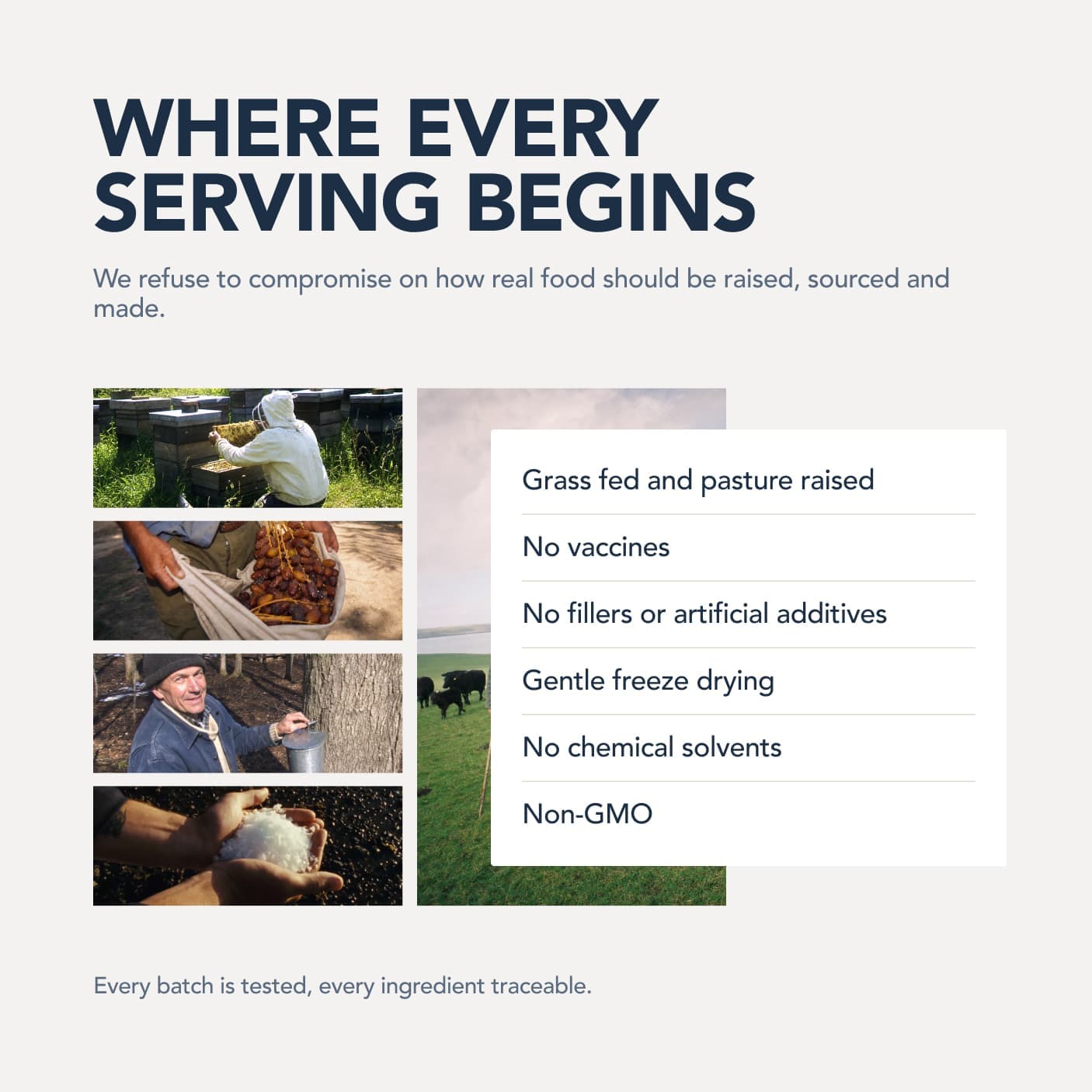
Eight real ingredients built around grass-fed beef organs, collagen and colostrum. Nothing synthetic added.
Free with your first order, worth £38. Plus £10 off the pouch with a subscription.

Free UK shipping · Made in England · 100 day money back guarantee on your first pouch · Skip, pause or cancel anytime
The marketing illusion
The front of a processed food package is pure theatre. "No artificial colours." "Natural ingredients." "Good source of fibre." "Real fruit." Most of these claims are technically true but meaningfully misleading.
A product can claim "no artificial colours" if it uses natural colours derived from insects or synthetic chemicals that happen to be chemically identical to natural compounds. It can claim "natural ingredients" if the natural ingredients are listed first by weight (before all the processing additives). It can claim "good source of fibre" if it contains added inulin or another fibre extracted and added to make the claim.
None of these claims tell you whether the food is actually nutritious or actually healthy. They're marketing language designed to trigger positive associations without making false claims that could trigger regulatory action.
The most successful marketing is the simplest: create a product that's hyperpalatable through addictive design, then market its convenience. The convenience is real. Everything else is theatre.

Why the system persists
The reason ultra-processed food remains dominant isn't because it's better. It's because the incentives are structured to protect it.
Food industry profits depend on processed food remaining viable. The regulatory system is too close to the industry to regulate it effectively. Doctors receive almost no nutrition training and can't educate patients about dietary change. Marketing budgets are enormous and reach billions of people.
Meanwhile, the harms are diffuse. Nobody dies immediately from an ultra-processed diet. But the chronic disease rates climb steadily. The metabolic dysfunction becomes normal. The population becomes dependent on pharmaceutical intervention to manage symptoms caused by the diet that created the illness.
It's not a conspiracy. It's just structural. The system works perfectly for companies profiting from it. It works catastrophically for public health.
Ultra-processed food isn't secretly horrible. The horribleness is documented, published, and largely ignored because the system is too invested in pretending it's acceptable.
What you can actually do
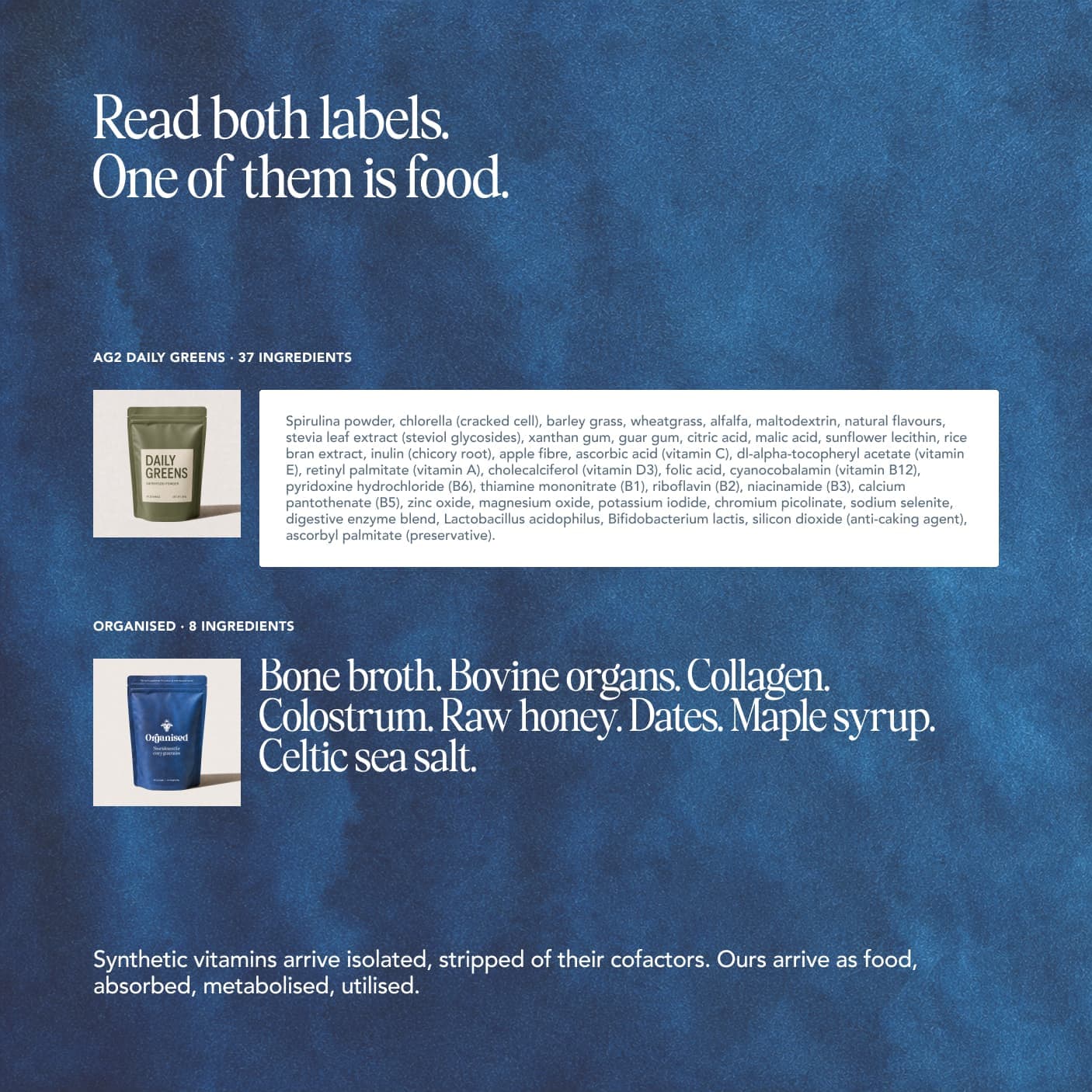
The most direct action is to stop buying ultra-processed food. Read ingredient labels. If you can't pronounce it or recognise it as a food, question whether it belongs in your body.
Shop farmers markets and local farms. Buy whole foods. Cook from raw ingredients. Your individual choices won't change the industry, but they'll protect your health and fund the food system you actually want to exist.
The food companies don't want you to know that real food feels better, tastes better, and produces better health outcomes. They know it's true. And they've structured the entire system to make real food inconvenient and ultra-processed food irresistible.
That arrangement is only permanent if you accept it.
References
Every source below was checked on 27 August 2026. Each link was requested and read. Where a citation and its identifier disagreed, the citation was corrected to the record or the reference was deleted along with the sentence marker that pointed at it, and where the resolved paper turned out not to support the sentence, the sentence was cut back to what it does support. Borrowed authority is worse than none, because it looks like rigour.
- Chassaing B, Koren O, Goodrich JK, et al. Dietary emulsifiers impact the mouse gut microbiota promoting colitis and metabolic syndrome. Nature. 2015. https://www.nature.com/articles/nature14232
- UK Food Standards Agency. Food labelling: ingredients lists. https://www.food.gov.uk/business-guidance/packaging-and-labelling
Who wrote and reviewed this guide
Niall Kiddle
Author · Founder, Organised
Niall is the founder of Organised. He started the company in 2024 after fixing his own health the slow way: in 2022 he swapped a cupboard of synthetic supplements for real food, raw milk, organ meats, bone broth and honey, and felt the difference within months.
Areas of expertise: Ancestral nutrition, Organ meats, Whole-food supplementation, Gut health, Regenerative sourcing
Read Niall's full profile
Pedro Rodrigues
Reviewer · Agronomist (farming and sourcing only)
Pedro is the agronomist Organised works with on farming and sourcing. His job on the guides is to keep the science honest: he reviews what we publish about soil health, regenerative agriculture, grazing and the way food is actually produced.
Areas of expertise: Regenerative agriculture, Agronomy, Soil health, Grass-fed farming, Food sourcing
Reviewed this guide on
Read Pedro's full profileMore on movement
View all- The Return to Real Food: Why Millions Are Rejecting Ultra-Processed Diets
- Against Ultra-Processed: A Manifesto for Real Food
- Find a Farm: How to Source Real Food Near You
- Food Sovereignty: Taking Back Control of What You Eat
- Social Media and Nutrition: Navigating the Noise
- The Anti-UPF Movement: What's Driving the Backlash Against Processed Food
- The Problem with 'Clean Label' Marketing
- The Raw Milk Renaissance: Our Documentary
- The Rise of Ancestral Eating in the UK
- What 'Nourishment for Every Generation' Really Means to Us
- Why 'Eat Less, Move More' Failed a Generation
- Why More Doctors Are Recommending Whole Food Over Supplements
Browse the guides library
All guidesKeep reading

Culture & community
The Raw Milk Renaissance: Our Documentary
Our raw milk documentary, The Death of Normal: Milk, premieres 31 May 2026. Filmed at Plaw Hatch and UK farms still making milk the original way.
Culture & community
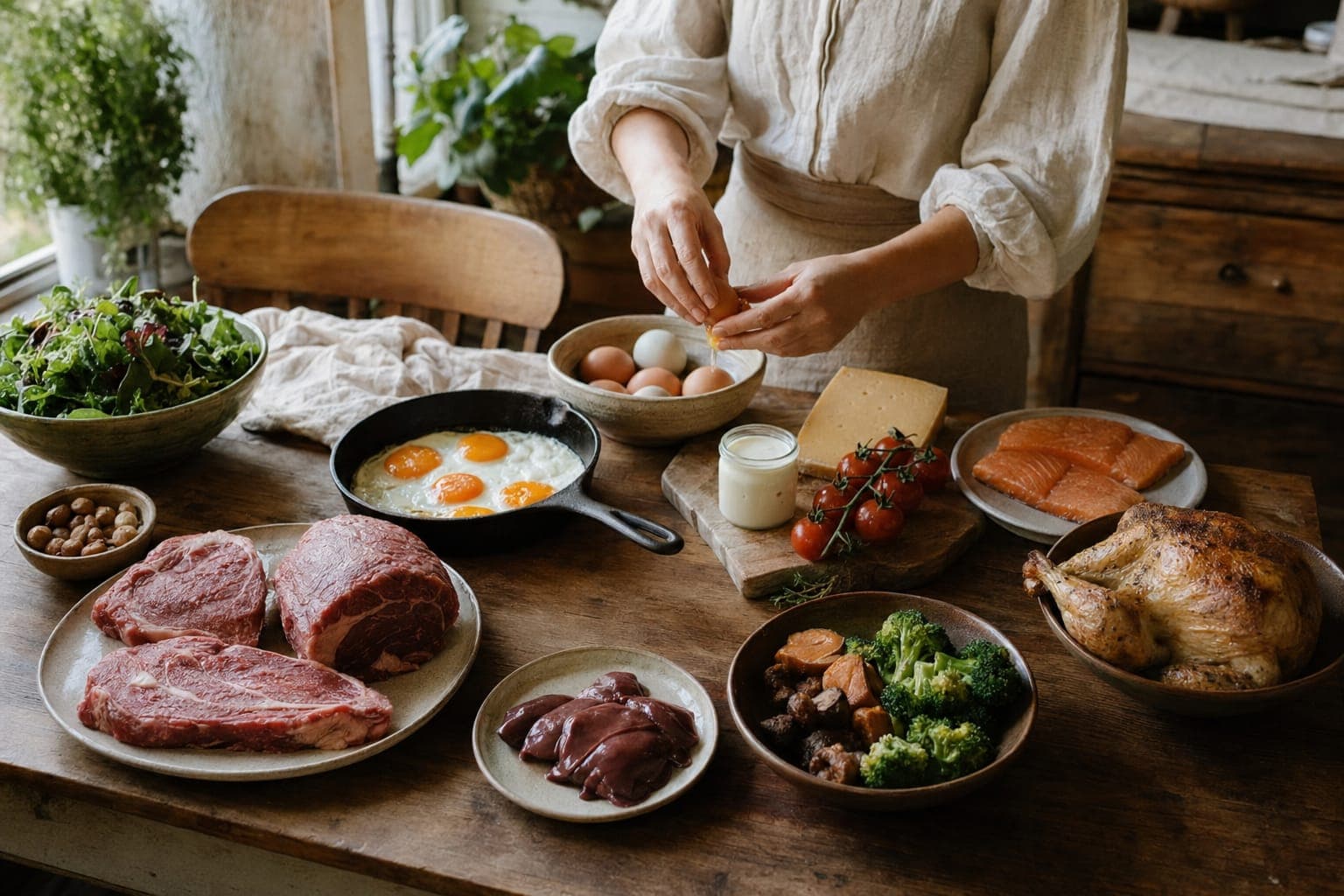
How Organised Fits into Different Dietary Frameworks
See how whole food nutrition fits dietary frameworks from carnivore and paleo to keto and flexitarian, with simple ways to adapt the principles to your plate.
Culture & community
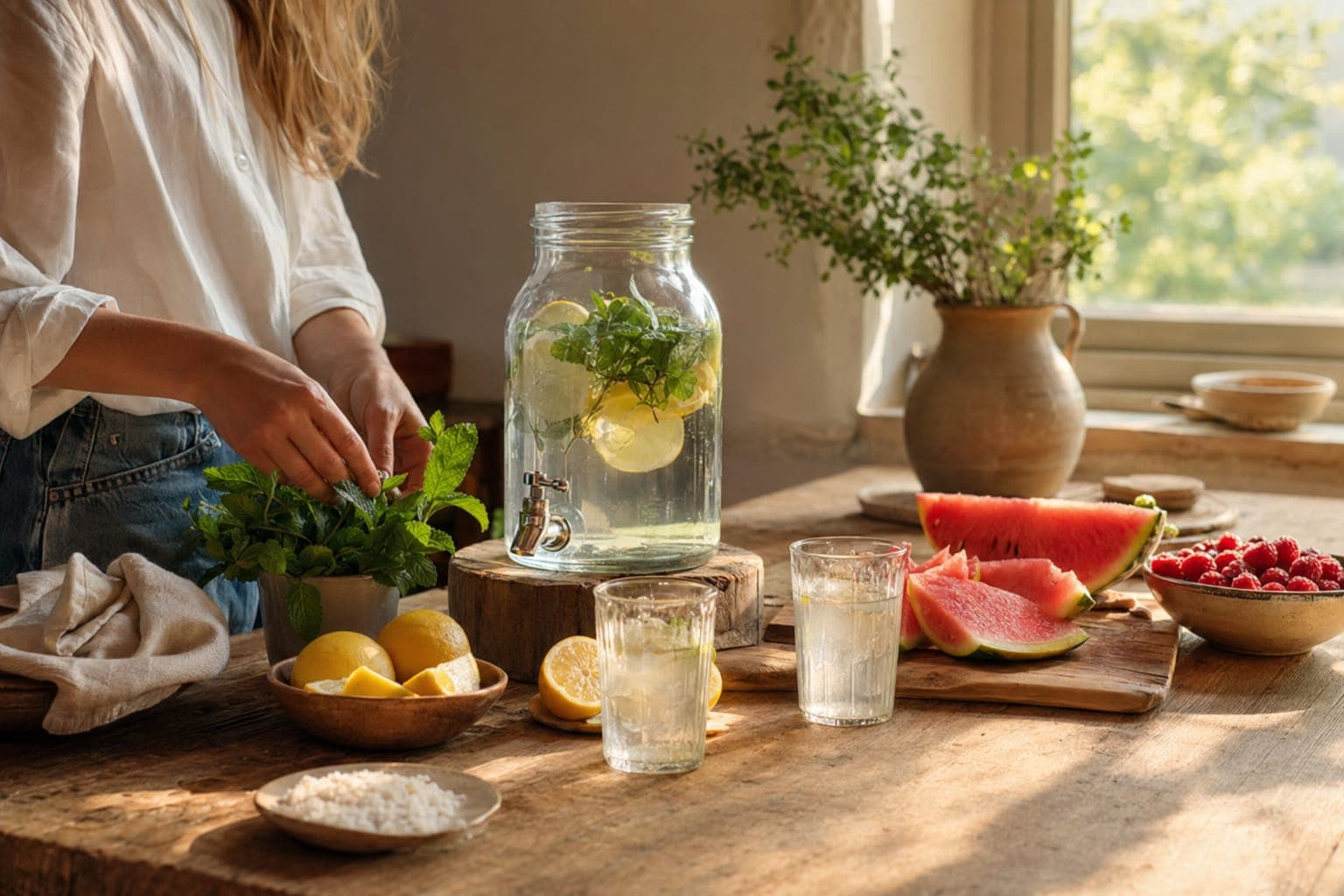
Summer Nutrition: Staying Hydrated and Energised
Stay hydrated and energised through summer with smart nutrition. Learn about electrolyte balance, Celtic sea salt, and seasonal foods that keep you going.
Real food, made effortless
Shop the blendA few ways to use it
All recipes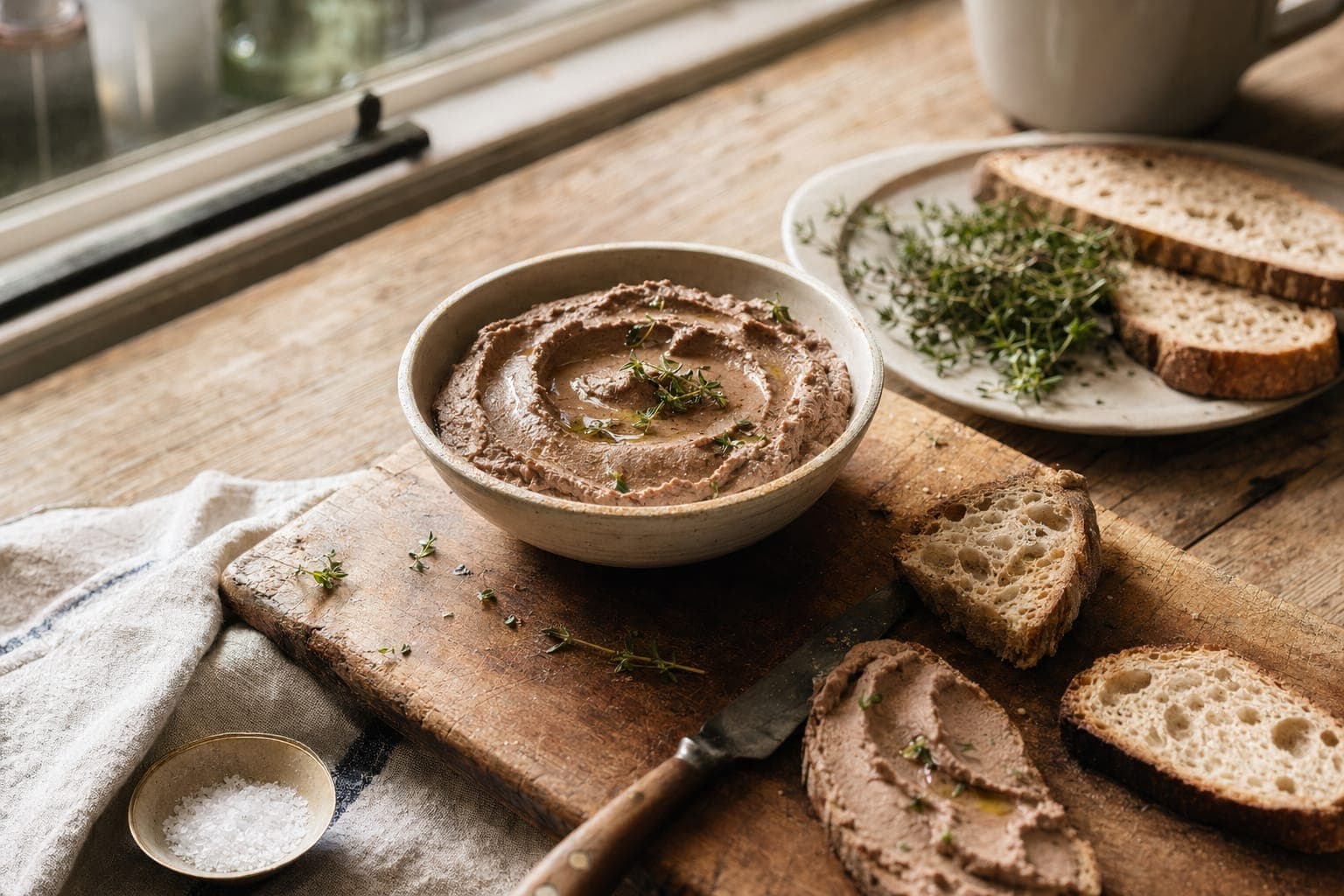
Liver Pate for Beginners: A Gentle Introduction to Organ Meats
Simple liver pate recipe to start eating organ meats. Chicken liver, butter, and herbs. Gentle introduction to nutrient-dense whole foods.
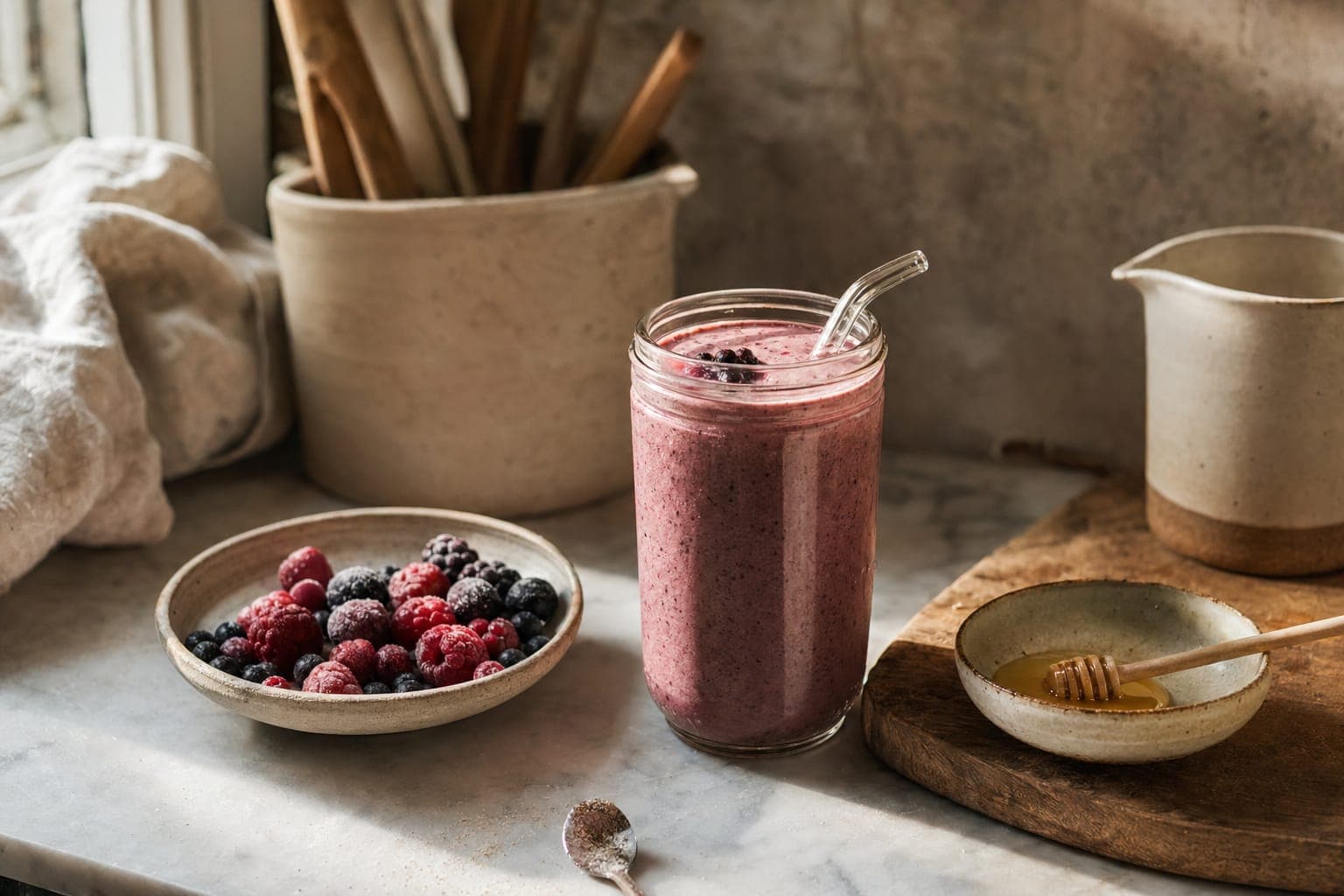
The Organised Recovery Smoothie for After Exercise
A recovery smoothie made with beef protein, raw milk, frozen berries, collagen, and honey. Optimal nutrition in the 30-minute window after exercise.
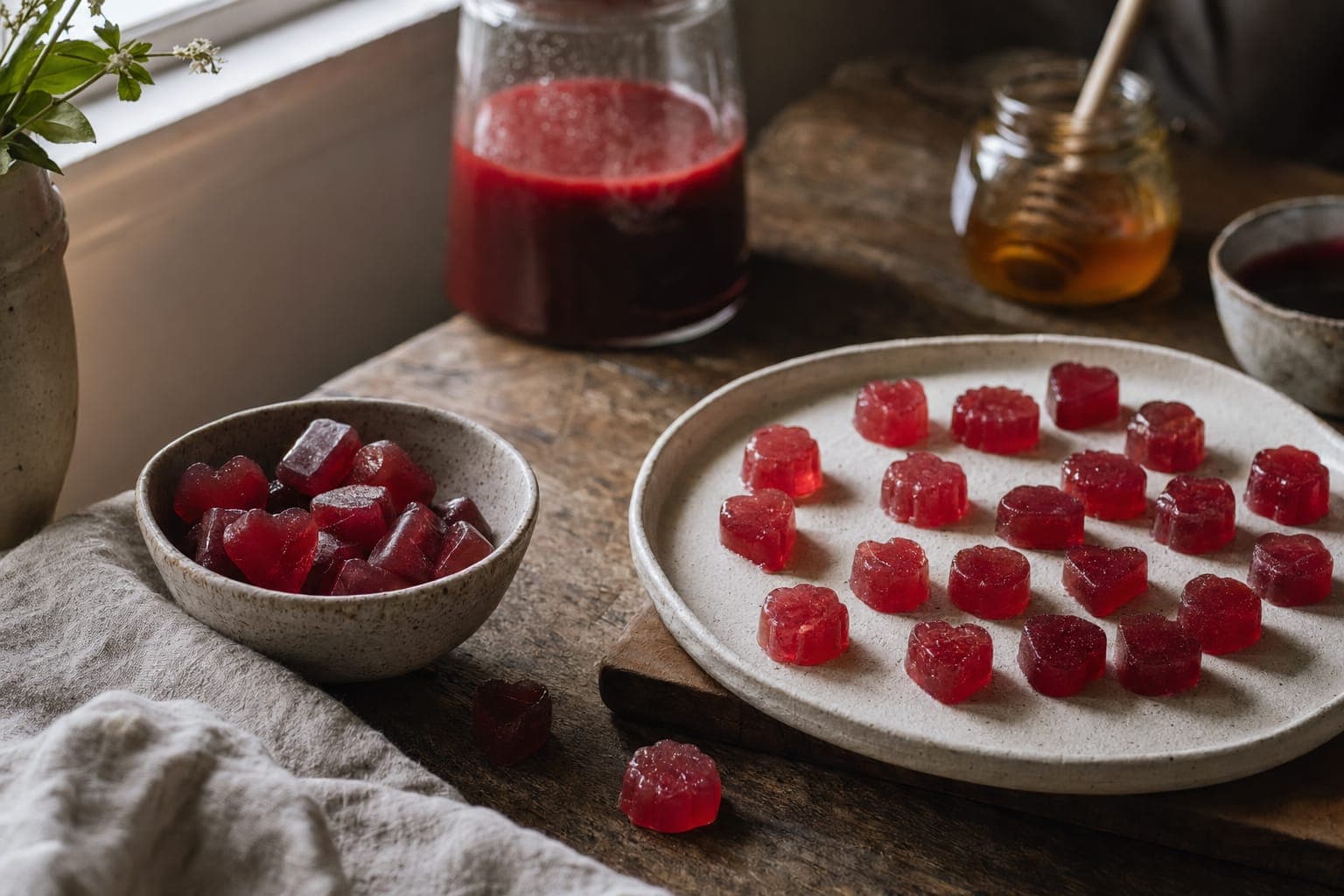
How to Make Your Own Gelatine Gummies
A simple recipe for homemade gelatine gummies using grass-fed gelatine, fresh juice, and raw honey. Better than shop-bought, kids love them.


 Join over 100,000+ members
Build a better food system with us
The Organised community is thousands of people choosing real food and backing the farmers who grow it, all of us trying to leave the world a little better than we found it. If that is what you care about too, you belong here.