Acid Reflux and Low Stomach Acid: A Nutritional Perspective
You have acid reflux. Your GP prescribes a proton pump inhibitor. It reduces your stomach acid. Your symptoms improve temporarily. You feel relieved. But you've just worsened the actual problem. The reflux wasn't caused by too much stomach acid. It was caused by too little. And now it's going to get worse.

By Niall Kiddle, Founder, Organised

Reviewed by Pedro Rodrigues, Agronomist (farming and sourcing only) ·
7 min read · Published · Updated · 3 cited sources
Makers of the Organised Daily blend, a grass-fed beef organ supplement from regenerative UK farms

The acid reflux epidemic
Acid reflux is treated as inevitable in modern life. You accept it as part of ageing. It's common enough that pharmaceutical ads for reflux medications run constantly. Take a pill, manage the symptom, move on. But reflux wasn't common a century ago. Your ancestors rarely experienced it. Something changed.
The change wasn't that we suddenly started producing too much stomach acid. It's that we started producing too little, combined with eating foods that don't trigger proper digestion in the first place.
Acid reflux is treated as a stomach acid problem when it's usually a stomach acid deficiency problem.

How low stomach acid causes reflux symptoms
Your stomach needs strong acid (hydrochloric acid or HCl) to digest protein and minerals properly. If your stomach acid is low, food sits undigested in your stomach. It ferments. Gas builds up. Pressure increases. Some of that gas and undigested food travels back up into your oesophagus. You feel reflux.
The sensation is acid, so you assume you have too much. You take an acid reducer. Now your stomach is even less able to digest food. More fermentation. More gas. More reflux. You're caught in a cycle where the treatment worsens the problem.
Low stomach acid also affects the valve at the top of your stomach (the lower oesophageal sphincter). This valve is supposed to close and keep stomach contents down. But the valve responds to proper stomach acid. If acid is low, the signal to close the valve doesn't come as strongly. The valve stays partially open. More reflux.
And critically, low stomach acid means poor mineral absorption. Your body can't absorb calcium, iron, zinc, magnesium. These minerals are required for dozens of physiological processes. Without them, your health deteriorates.
Low stomach acid creates the sensation of high stomach acid. The treatment (acid reduction) makes the underlying problem worse.

Why PPIs make it worse
Proton pump inhibitors (omeprazole, lansoprazole, and others) work by reducing stomach acid production. Short-term, this reduces reflux symptoms. But long-term, it creates cascading problems.
Without adequate stomach acid, you can't digest protein properly. You can't absorb minerals. Your food moves into your small intestine undigested. Your small intestine can't handle whole proteins and minerals. They travel further down your GI tract, feeding dysbiotic bacteria and damaging your gut lining.
Long-term PPI use has been associated in observational studies with reduced absorption of vitamin B12, calcium, iron, and magnesium.1 They develop osteoporosis (low bone mineral density from calcium malabsorption). They develop anaemia (from iron malabsorption). They develop vitamin B12 deficiency (from poor absorption in the stomach). These are documented side effects of chronic PPI use.
Meanwhile, the reflux often continues. So they take more PPI. The deficiencies deepen. Their health deteriorates. They're told it's ageing, it's genetic, it's just how life is.
A real-world note before this section continues. PPIs are an entirely appropriate first-line treatment for some conditions: peptic ulcer disease, Barrett's oesophagus, GI bleeding risk, eosinophilic oesophagitis. The brand's position is not that PPIs are categorically the wrong answer; it's that for the typical case of functional reflux driven by lifestyle and diet, the PPI-as-default approach treats the symptom rather than the cause and accumulates downstream nutritional deficits over years. If you are on a PPI prescribed for one of those clinical indications, do not stop it. If you are on one for unspecified ‘reflux’ and you would like to address the underlying drivers, talk to your prescriber about a structured taper alongside the dietary changes described below.
Long-term acid suppression leads to malabsorption, nutrient deficiency, and paradoxically, continued reflux symptoms.

How to tell the difference
If you have true high stomach acid, the symptom is sharp, burning pain in your stomach immediately after eating. It feels like your stomach is on fire. This is rare.
If you have low stomach acid, the symptoms are: bloating, fullness, heaviness, burping, and acid rising into your throat 30 to 60 minutes after eating. You feel like your food isn't moving. You get that post-meal acid sensation in your throat. This is common.
A simple way to test: if you take acid-reducing medication and feel worse (more bloating, more heaviness, continued reflux), you probably have low stomach acid. If you take acid-reducing medication and feel better, you might have high (though this is uncommon).
The other test is the baking soda test. Drink a quarter teaspoon of baking soda in water in the morning before eating. If you burp within five minutes, you have adequate stomach acid. If you don't burp, you likely have low stomach acid. This isn't perfect, but it's a useful indicator.
Rebuilding stomach acid naturally
The solution is to rebuild your stomach acid production rather than suppress it. This requires three things: removing foods that damage your stomach lining, providing nutrients that support HCl production, and giving it time.
Remove processed foods, seed oils, and excessive sugar. Add red meat and organ meats (especially liver), which provide zinc and B vitamins required for HCl production. Add salt, particularly sea salt, which provides minerals required for stomach acid production.
Consider supplemental support: betaine HCl taken with meals can help replace stomach acid while your body rebuilds its own production. This is different from PPI suppression. You're supplementing a deficiency, not suppressing a normal process.
Give it time. Stomach lining heals within days to weeks. Stomach acid production rebuilds within weeks to months. Most people notice improvement within 4 to 8 weeks of consistent nutrient feeding.
Restore stomach acid and reflux symptoms often disappear entirely. Your digestion normalises. Your mineral absorption recovers. Your health improves.

Get health guides like this, free
Two short reads a week on eating for energy, gut health, skin, sleep and more.
By signing up you agree to receive emails from us. No spam, unsubscribe anytime.
Why low stomach acid is so common now
Stomach acid production declines for several interconnected reasons in modern life. The first is chronic stress. Your digestive system is controlled by your parasympathetic nervous system (rest and digest). Chronic stress suppresses this system. If you are always in fight-or-flight mode, your body deprioritises digestion. Stomach acid production drops.
The second is age. Gastric acid secretion can decline with age, and atrophic gastritis becomes more common in older adults, though the magnitude of decline varies between individuals.2 This is normal, but it accelerates when combined with stress, poor diet, and use of acid-suppressing medications.
The third is medications. Proton pump inhibitors (PPIs) are among the most prescribed medications globally. They suppress stomach acid production. Over years of use, they can damage the cells that produce stomach acid. When people try to stop taking them, the acid production has often been permanently impaired.
The fourth is mineral deficiency. Zinc is involved in gastric function and zinc deficiency has been associated with impaired gastric acid secretion.3 If you are chronically deficient in zinc (common on modern diets low in red meat and organ meats), your stomach acid production suffers. Restoring zinc can actually restore stomach acid production.
Low stomach acid is not inevitable. It is usually the result of stress, medications, poor diet, or age combined. It is reversible.

1 of 9
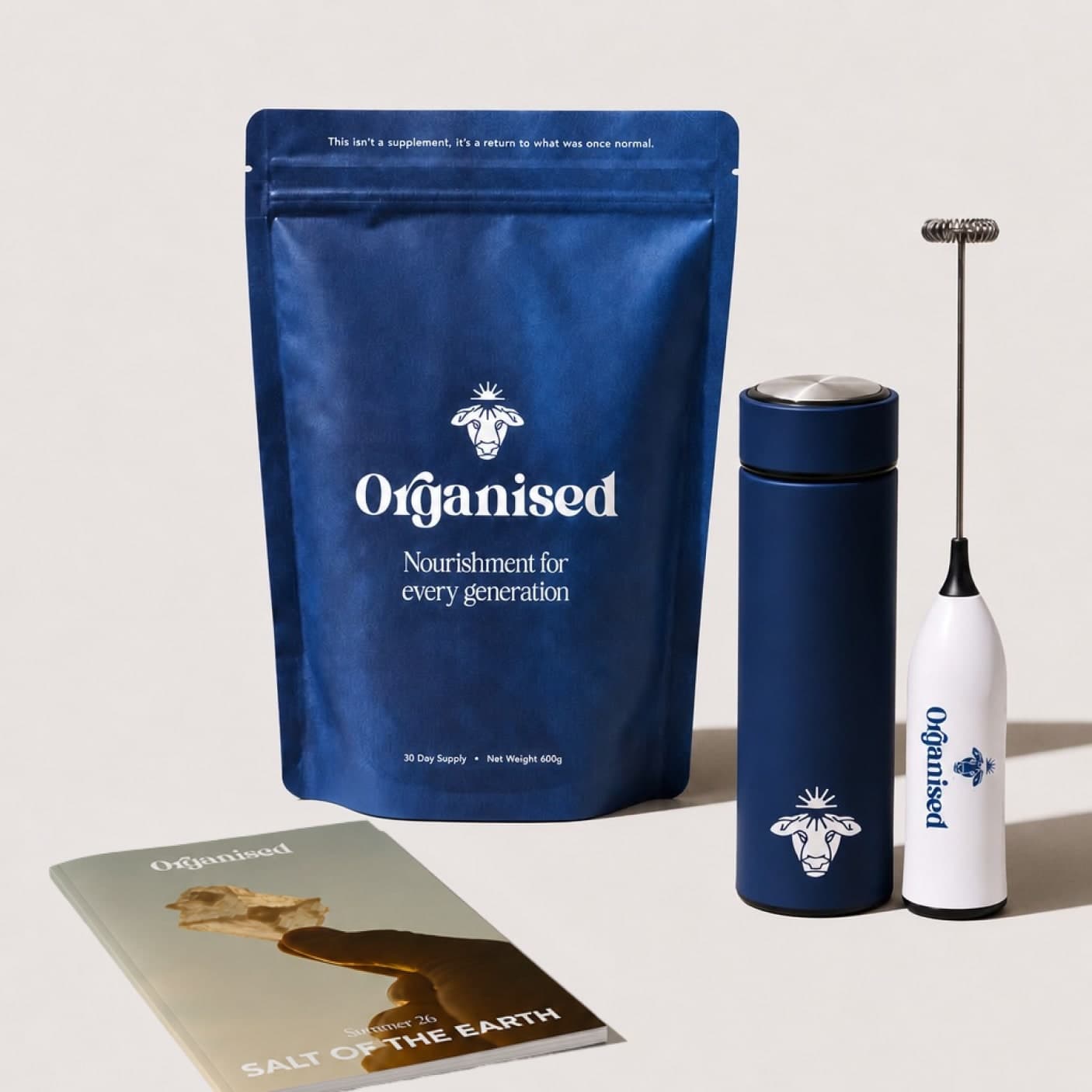
Daily blend
100,000+ thriving families4.9 on Trustpilot
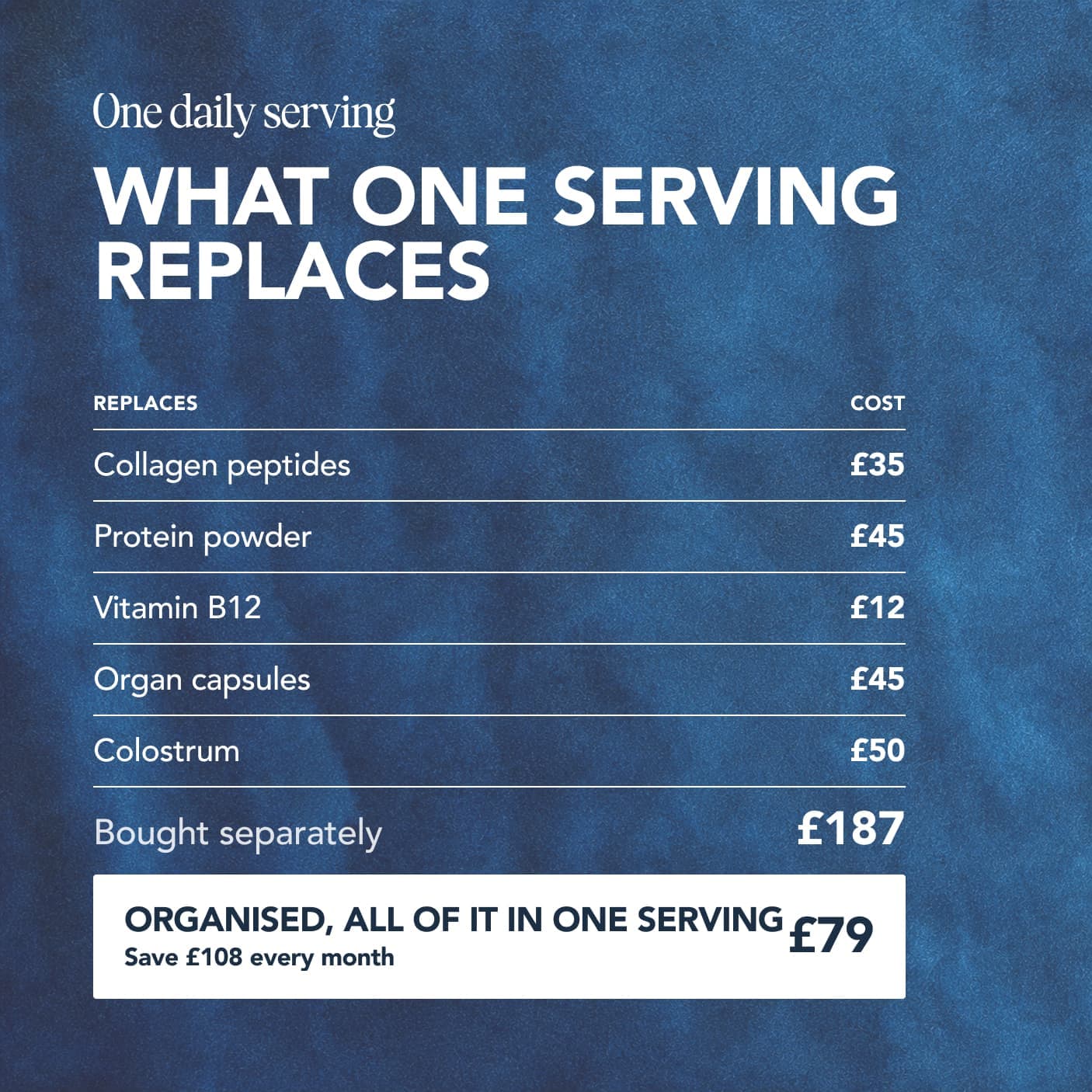
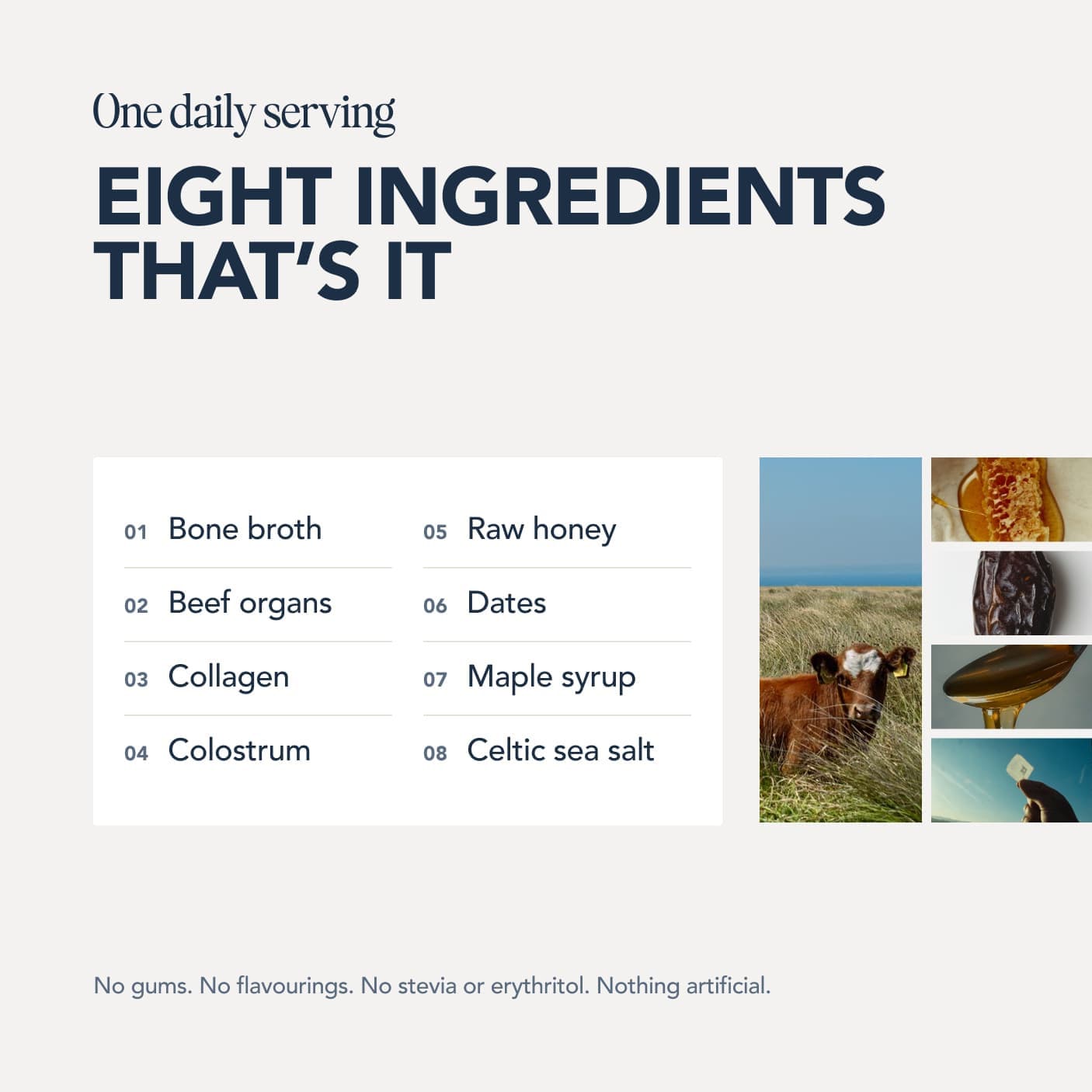
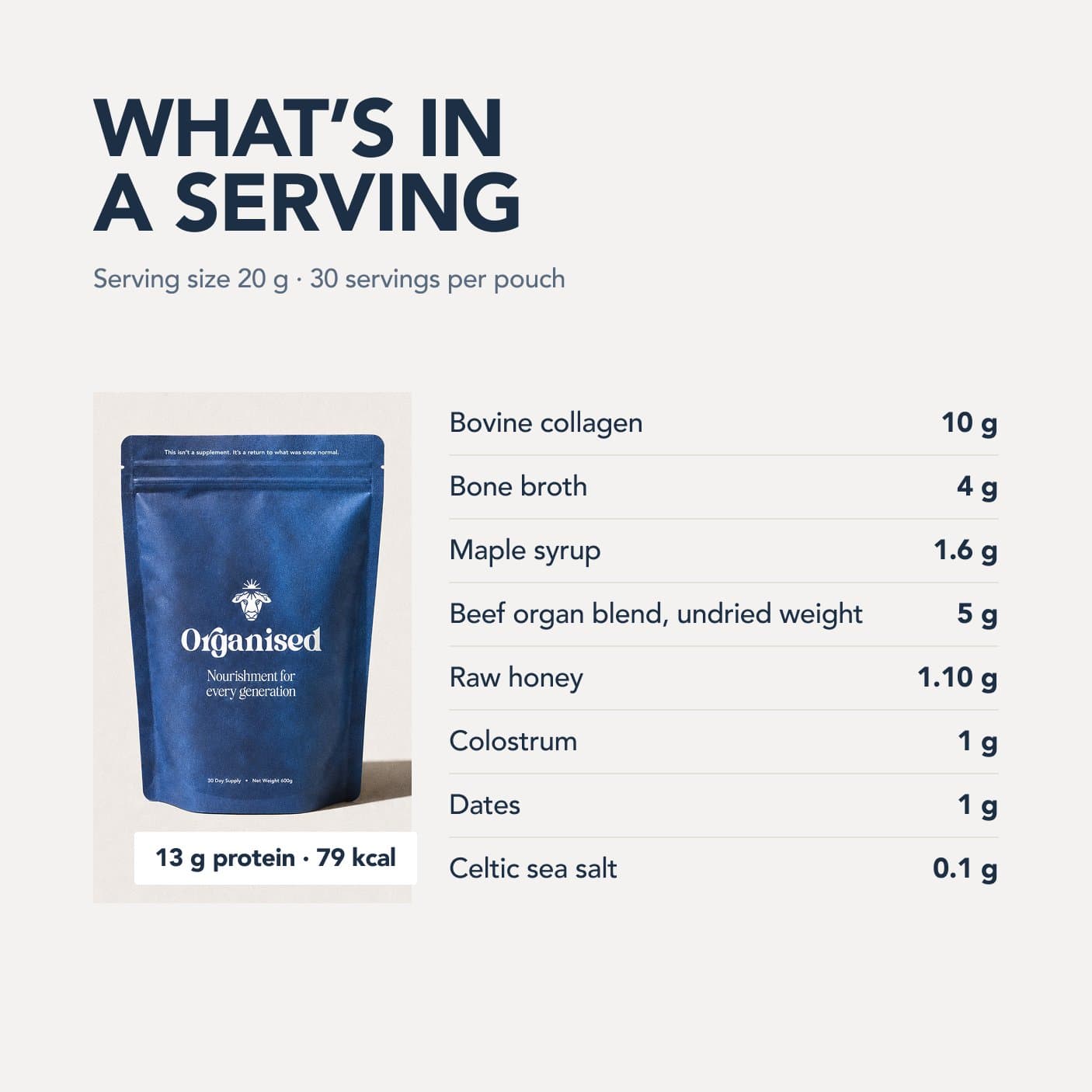
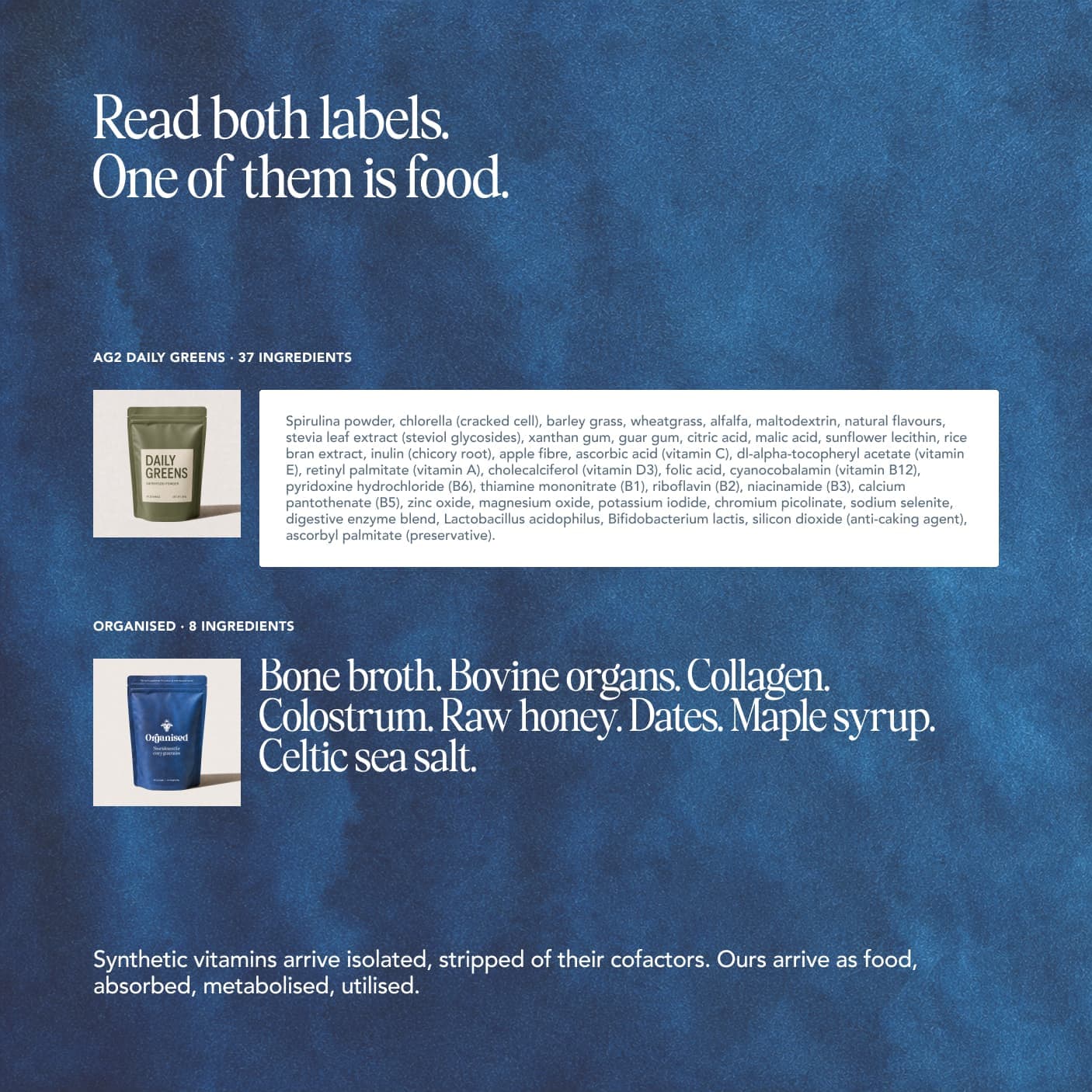
Eight real ingredients built around grass-fed beef organs, collagen and colostrum. Nothing synthetic added.
Free with your first order, worth £38. Plus £10 off the pouch with a subscription.


Free UK shipping · Made in England · 100 day money back guarantee on your first pouch · Skip, pause or cancel anytime
The practical protocol for restoring stomach acid
If you suspect low stomach acid (chronic reflux, bloating, undigested food in stool, B12 deficiency), there is a straightforward protocol to try before accepting that you need medication forever.
First, address stress. Stomach acid production is parasympathetic. Your body will not produce adequate acid if you are in sympathetic (stress) dominance. Consistent sleep, regular movement, time outdoors, and practices that calm your nervous system (breathing, meditation, time with people you love) directly improve stomach acid production.
Second, eat bitter foods. Bitter compounds trigger acid production via the vagus nerve. Bitter greens (endive, radicchio, bitter lettuce), bitter herbs (gentian root in small amounts), and even the bitterness of dark chocolate stimulate acid production. Eating bitter foods 20 minutes before meals genuinely helps.
Third, improve mineral status. Consume red meat and organ meats (zinc and iron), mineral water or sea salt (electrolytes), and leafy greens (magnesium and other minerals). These minerals support stomach acid production directly.
Fourth, eat slowly and chew thoroughly. Digestion begins in your mouth. Chewing signals to your digestive system that food is coming. If you eat rapidly without chewing, your stomach does not receive this signal. It does not produce adequate acid for what is coming. Slowing down is digestive medicine.
Finally, consider supplementing with betaine HCl if symptoms persist. This is a weak acid supplement that mimics stomach acid. You take it with meals. If reflux improves, your problem was low acid. If reflux worsens, your problem was high acid (and you should reduce or eliminate the supplement).
Restoring stomach acid is possible through stress management, bitter foods, minerals, slow eating, and sometimes temporary supplementation. Do not accept that you will need acid-suppressing medication forever.
Most people who address these factors see meaningful improvement in reflux, bloating, and digestive discomfort within four to eight weeks. The reflux was never about excess acid. It was about food not being digested properly due to insufficient acid. Fix the acid and the reflux resolves.
The bottom line
If you have reflux, your stomach acid is probably too low, not too high. Taking acid reducers worsens the problem and creates long-term nutrient deficiencies. Instead, eat nutrient-dense whole food, support your stomach acid production, and give your system time to heal. Most reflux resolves. Your digestion improves. You get your nutrients back. No pharmaceuticals required.
References
Every source below was checked on 27 August 2026. Each PubMed, PMC and DOI identifier was resolved against NCBI or Crossref, and what it opens is printed under the citation, so you can see the link goes where the citation says without leaving the page. Where a citation and its identifier disagreed, the citation was corrected to the record or the reference was deleted along with the sentence marker that pointed at it, and where the resolved paper turned out not to support the sentence, the sentence was cut back to what it does support. Borrowed authority is worse than none, because it looks like rigour.
- Heidelbaugh JJ. Proton pump inhibitors and risk of vitamin and mineral deficiency: evidence and clinical implications. Ther Adv Drug Saf. 2013;4(3):125-33. PMC4110863Checked 27 August 2026: PMC4110863 opens Heidelbaugh JJ, Proton pump inhibitors and risk of vitamin and mineral deficiency: evidence and clinical implications. Ther Adv Drug Saf 2013;4(3):125-33.The authors' own declaration, from the record: Conflict of interest statement: The author declares no conflicts of interest in preparing this article.
- National Institutes of Health, Office of Dietary Supplements. Vitamin B12 - Health Professional Fact Sheet. ods.od.nih.gov
- National Institutes of Health, Office of Dietary Supplements. Zinc - Health Professional Fact Sheet. ods.od.nih.gov
Who wrote and reviewed this guide
Niall Kiddle
Author · Founder, Organised
Niall is the founder of Organised. He started the company in 2024 after fixing his own health the slow way: in 2022 he swapped a cupboard of synthetic supplements for real food, raw milk, organ meats, bone broth and honey, and felt the difference within months.
Areas of expertise: Ancestral nutrition, Organ meats, Whole-food supplementation, Gut health, Regenerative sourcing
Read Niall's full profile
Pedro Rodrigues
Reviewer · Agronomist (farming and sourcing only)
Pedro is the agronomist Organised works with on farming and sourcing. His job on the guides is to keep the science honest: he reviews what we publish about soil health, regenerative agriculture, grazing and the way food is actually produced.
Areas of expertise: Regenerative agriculture, Agronomy, Soil health, Grass-fed farming, Food sourcing
Reviewed this guide on
Read Pedro's full profileMore on gut health
View all- The Complete Guide to Healing Your Gut with Whole Foods
- Why Your Gut Health Affects Everything (Not Just Digestion)
- 5 Foods You Think Are Healthy (But Are Secretly Ruining Your Gut)
- Bloating After Eating: Common Causes and Whole Food Solutions
- Bone Broth for Gut Health: What the Science Says
- Candida Overgrowth: What It Is and How Nutrition Can Help
- Histamine Intolerance: Could Your Gut Be the Cause?
- How Colostrum and Collagen Work Together to Repair the Gut Lining
- How Stress Destroys Your Gut (And What to Do About It)
- How to Recognise the Early Signs of Poor Gut Health
- How to Reset Your Gut After Antibiotics
- IBS and Nutrition: A Whole Food Approach
Browse the guides library
All guidesKeep reading

Health goals
The Complete Guide to Healing Your Gut with Whole Foods
Learn how to heal your gut lining with whole foods. Covers the five Rs protocol, nutrients, and specific foods that repair intestinal permeability.

Health goals
The Link Between Iron Deficiency and Poor Concentration
Find out how iron deficiency can blur concentration, why heme iron and ferritin matter, and how to rebuild your stores with food. Clear, practical guidance.

Health goals
Adrenal Fatigue: Is It Real and What Can You Do About It?
Adrenal fatigue is contested, but HPA axis dysregulation is real. Support cortisol rhythm with salt, protein, sleep, and blood sugar stability.
Real food, made effortless
Start my daily blendA few ways to use it
All recipes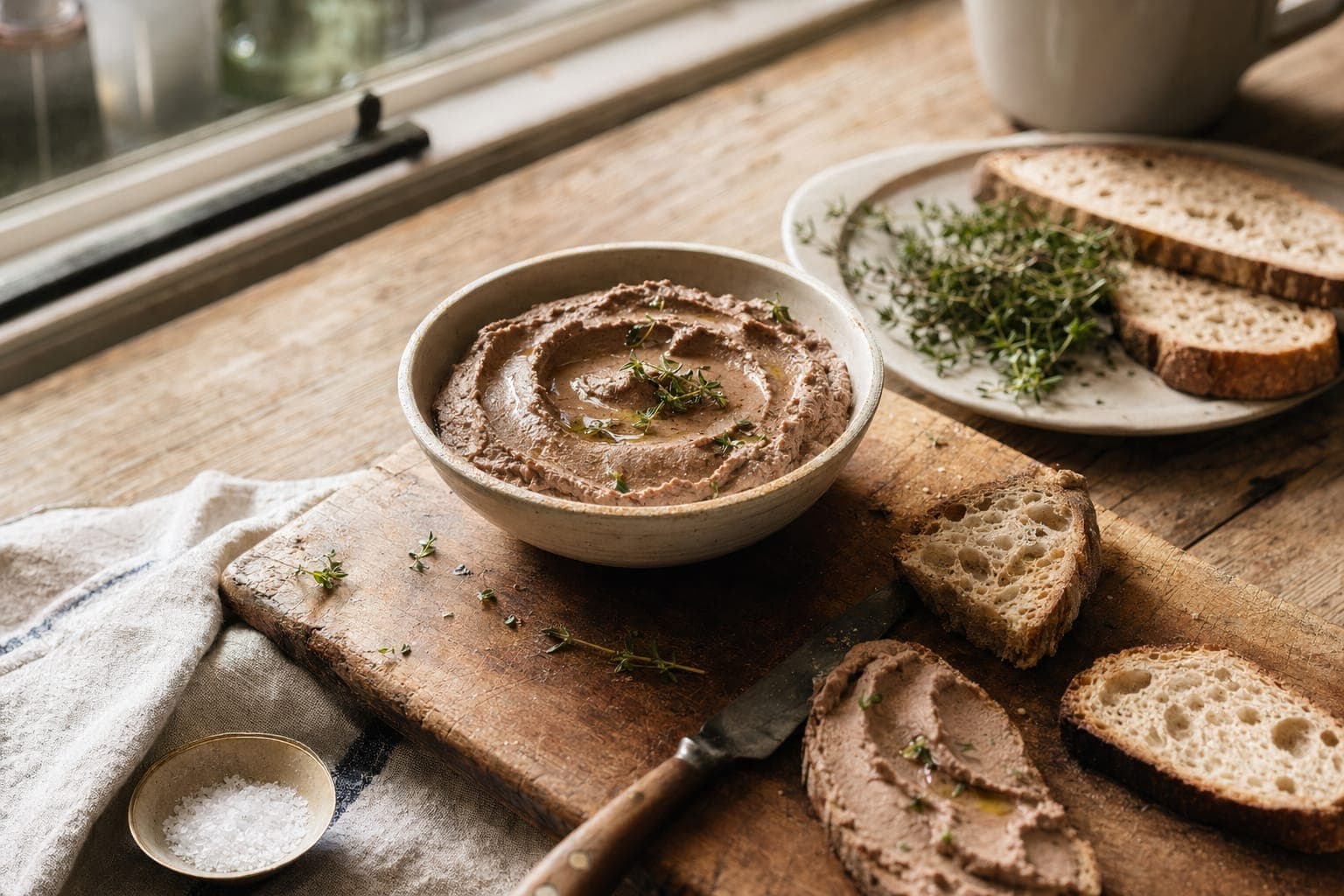
Liver Pate for Beginners: A Gentle Introduction to Organ Meats
Simple liver pate recipe to start eating organ meats. Chicken liver, butter, and herbs. Gentle introduction to nutrient-dense whole foods.
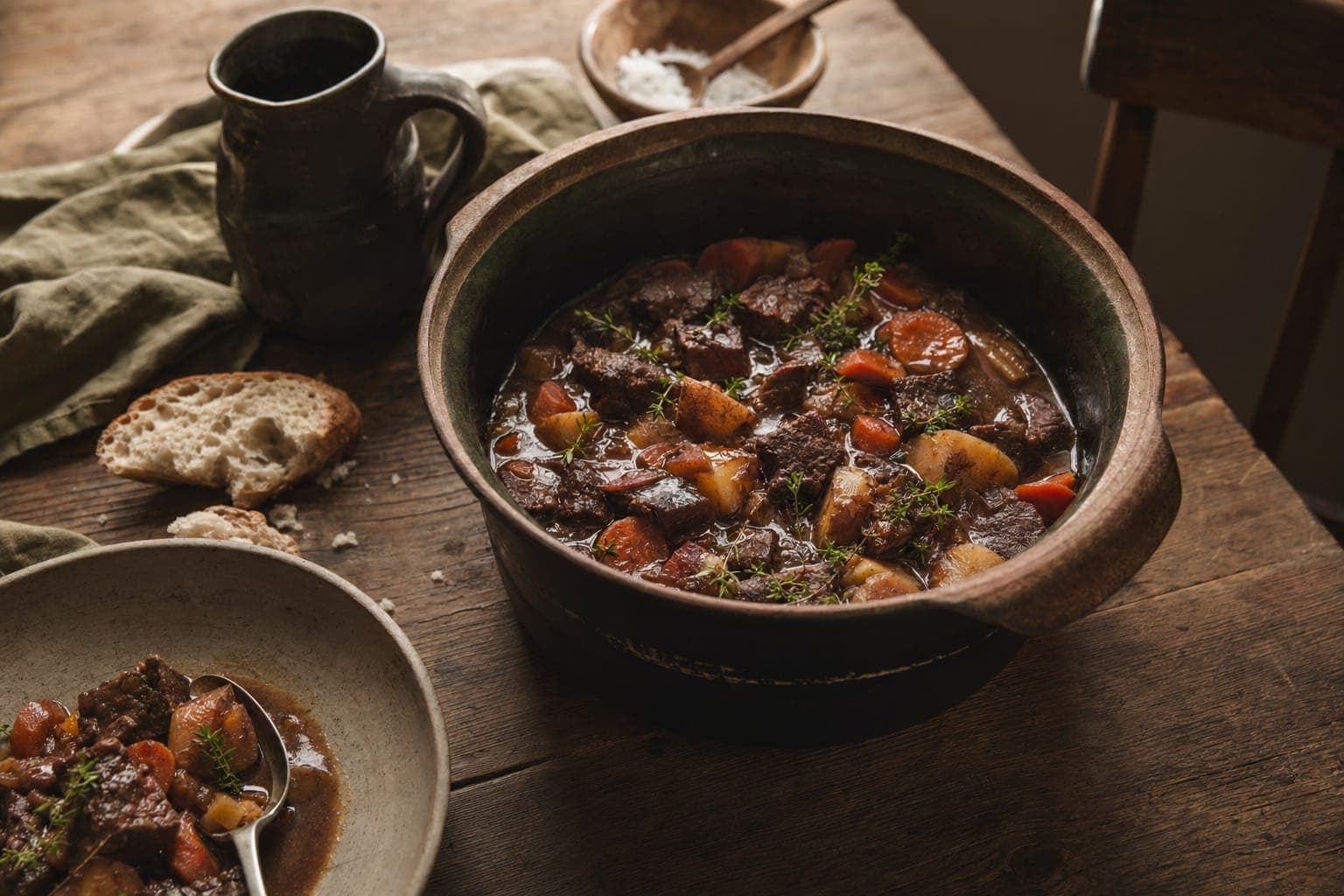
Collagen-Rich Beef Stew: Slow-Cooked Nourishment
Beef stew that delivers collagen from connective tissue and bone broth. Winter comfort food that actually nourishes. Simple slow cooker recipe.
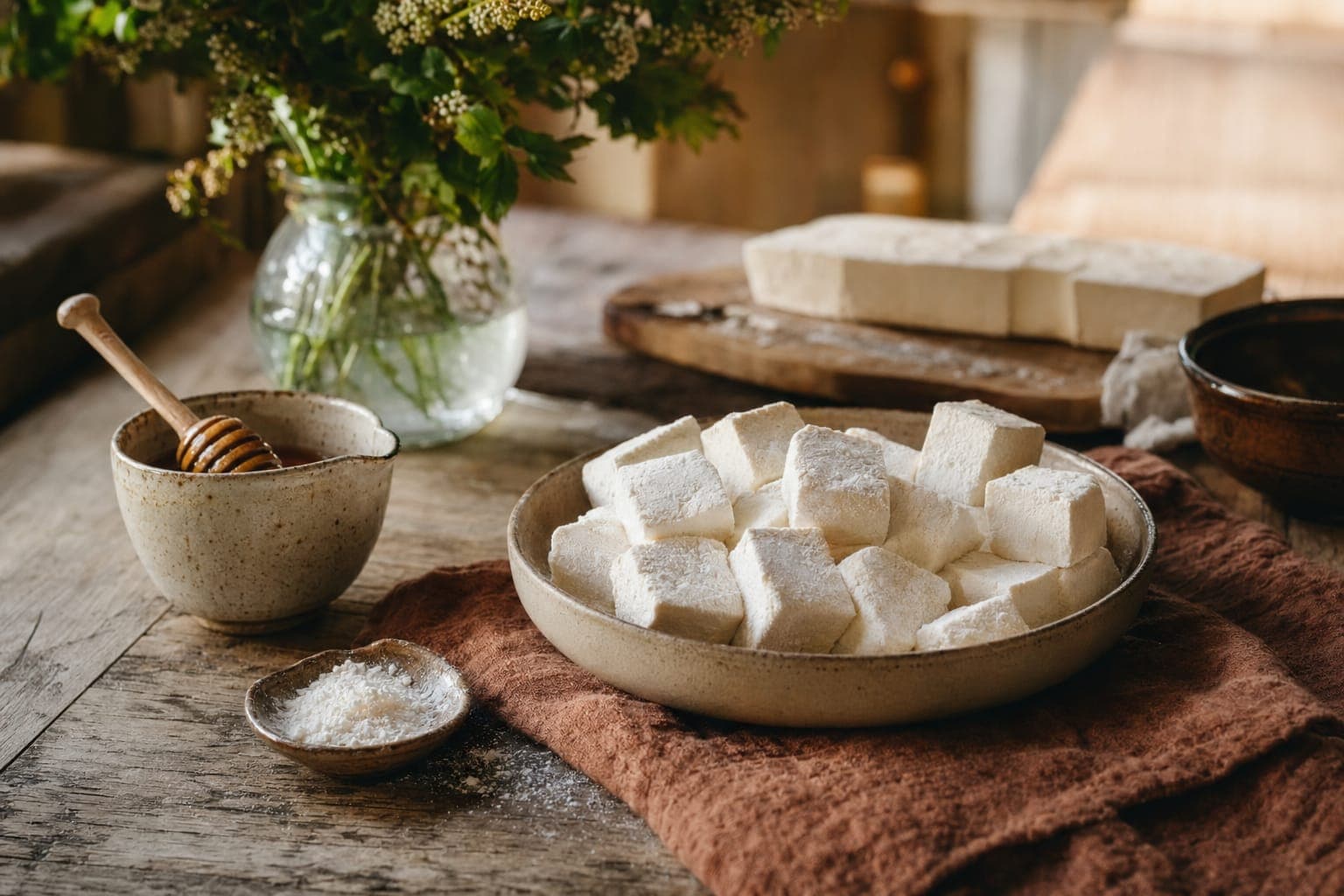
Gut-Healing Marshmallows with Collagen and Raw Honey
Learn to make gut-healing marshmallows with collagen and raw honey. A shareable treat that sneaks nutrition into every bite. Easy recipe with video tips.


 Join over 100,000+ members
Build a better food system with us
The Organised community is thousands of people choosing real food and backing the farmers who grow it, all of us trying to leave the world a little better than we found it. If that is what you care about too, you belong here.