The Link Between Iron Deficiency and Poor Concentration
You're struggling to focus. You read a paragraph and have to read it again because it didn't stick. You're in meetings and your mind keeps drifting. You're wondering if it's age, stress, or just how things are now. But what if the problem is simpler? What if your brain isn't getting enough oxygen?
By Niall Kiddle, Founder, Organised

Reviewed by Pedro Rodrigues, Agronomist (farming and sourcing only) ·
6 min read · Published · Updated · 5 cited sources
Makers of the Organised Daily blend, a grass-fed beef organ supplement from regenerative UK farms

But what if the problem is simpler? What if your brain isn't getting enough oxygen?
How iron fuels the brain
Iron is the mineral at the heart of haemoglobin, the protein that carries oxygen in your red blood cells.2 Your brain uses approximately 20 per cent of the oxygen your body consumes, despite being only 2 per cent of body weight.1 It's metabolically ravenous.
When iron status is low, your body produces fewer red blood cells or red blood cells with less haemoglobin. Oxygen delivery to tissues decreases. Your brain, being exquisitely sensitive to oxygen availability, shows this deficit immediately. Concentration suffers. Memory worsens. Mental fatigue sets in despite adequate sleep.
This isn't dramatic anaemia where you collapse. It's subclinical iron deficiency: your blood tests might be normal, but your iron stores are depleted. Your body is pulling iron from storage (ferritin) to maintain haemoglobin levels. But once storage is exhausted, both oxygen delivery and cognitive function suffer.
Poor concentration is often poor oxygen delivery. Poor oxygen delivery is often iron deficiency. It's that direct.
The problem is particularly common in women. Menstruation causes monthly blood loss, which is iron loss. Women eating plant-forward diets (which are high in iron inhibitors like phytic acid and oxalic acid) are at particular risk. By the time a woman reaches her 40s, subclinical iron deficiency is nearly universal.

Ferritin vs haemoglobin
Your doctor checks haemoglobin, which is iron currently in your red blood cells. But haemoglobin is the last thing to drop when iron status is declining. Before haemoglobin drops, iron stores (stored as ferritin) deplete.
A normal haemoglobin test does not mean adequate iron status. It means you have enough iron in your red blood cells right now. Your stores might be depleted. You might have days or weeks before haemoglobin drops. During that time, your brain is starving for iron even though your standard blood test looks fine.
Ferritin is the storage form of iron. It's the true marker of iron status. A person with a ferritin level of 30 ng/mL has adequate iron in circulation, but minimal stores. A person with ferritin of 100 ng/mL has healthy stores. Many clinicians consider a ferritin of 50-100 ng/mL optimal for cognitive function and athletic performance.
A normal haemoglobin test is not a clean bill of health for iron. Ferritin is the test that actually reveals your iron status. Demand it.
The problem: most standard blood tests don't include ferritin. You get haemoglobin, perhaps red blood cell count, and nothing else. Your doctor tells you your iron is fine based on an incomplete picture. Meanwhile, your stores are depleting and your concentration is suffering.
Optimal ferritin for cognitive function is probably somewhere between 50-150 ng/mL depending on the individual. Some people feel sharp at 40. Others need 100 to feel their best. Only ferritin testing will tell you where you stand.
Why standard blood tests miss it
Because ferritin is rarely tested routinely, subclinical iron deficiency is rarely diagnosed. A woman experiencing poor concentration, fatigue, and brain fog might see her doctor, get a blood test that shows normal haemoglobin, and be told everything is fine. Maybe she's told she's stressed or depressed. Maybe she's prescribed an antidepressant. Meanwhile, her iron stores are depleted and her brain is oxygen-starved.
Ferritin is not expensive to test. It's a simple blood test. But it requires asking for it specifically. Most people don't know to ask. Their doctors don't offer it routinely. The result is that iron deficiency, even severe iron deficiency, goes undetected as long as haemoglobin is normal.
If you're experiencing unexplained poor concentration, brain fog, or cognitive decline, ferritin testing should be your first step. If your ferritin is below 50, rebuilding iron stores will likely improve your concentration dramatically.
If you feel cognitively slower than you should, insist on ferritin testing. Normal haemoglobin does not mean adequate iron stores.
Serum iron (another test) can be useful too, though it fluctuates day to day based on recent iron intake. Ferritin is the stable, meaningful marker of long-term iron status.

The heme iron advantage
Not all iron is equal. There are two types: heme iron (from animal foods) and non-heme iron (from plant foods). Heme iron is absorbed far more efficiently and is not inhibited by compounds in food.
Heme iron absorption rate: approximately 15-35 per cent. Non-heme iron absorption rate: approximately 2-20 per cent, and heavily dependent on what else you eat in that meal.3 Phytic acid (in grains, legumes, nuts), oxalic acid (in spinach, kale, tea), calcium, and polyphenols all inhibit non-heme iron absorption.
This is why a vegetarian eating spinach salad is often iron-deficient despite consuming significant amounts of iron. Most of that iron isn't being absorbed. A person eating red meat absorbs iron efficiently, regardless of what else they eat.
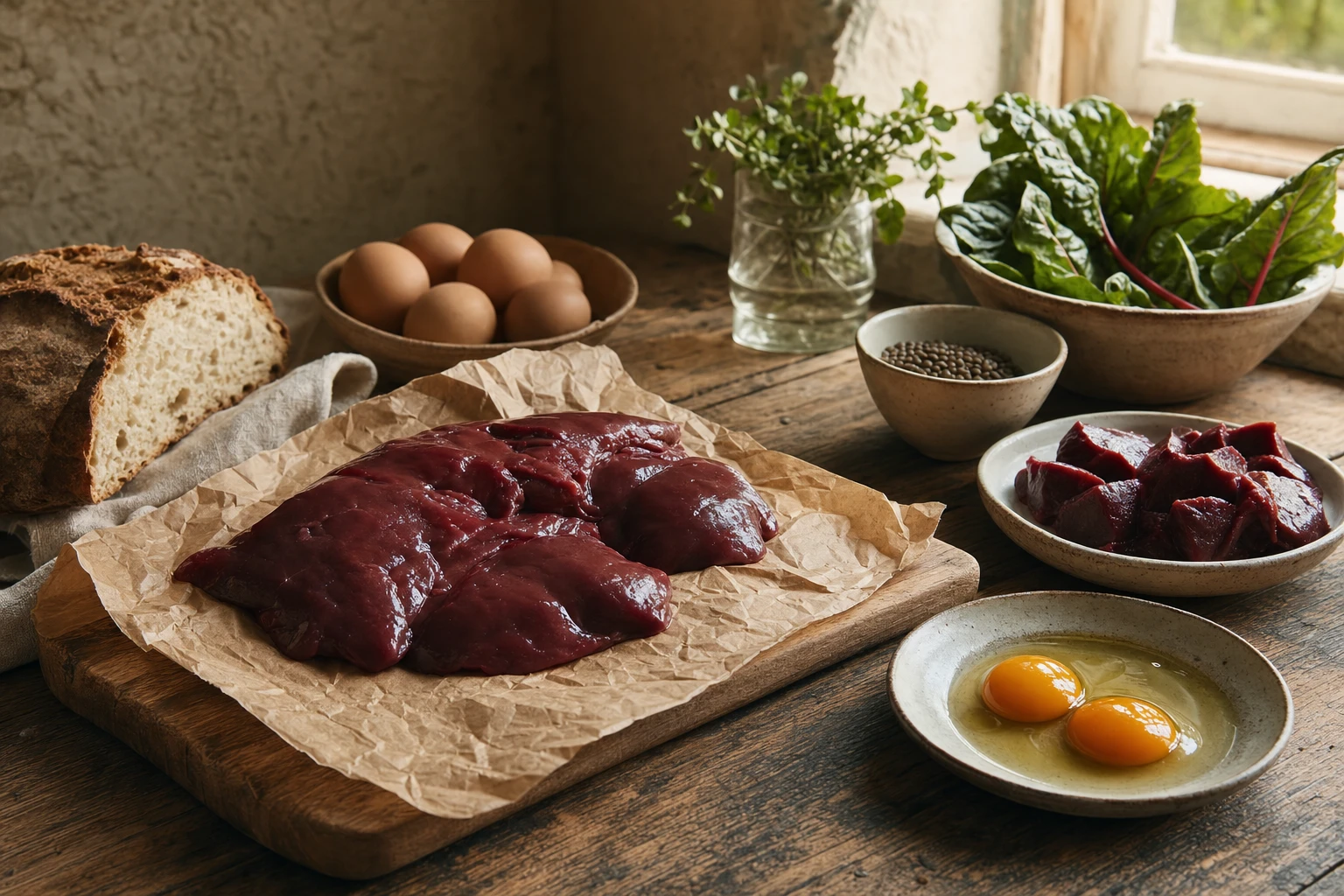
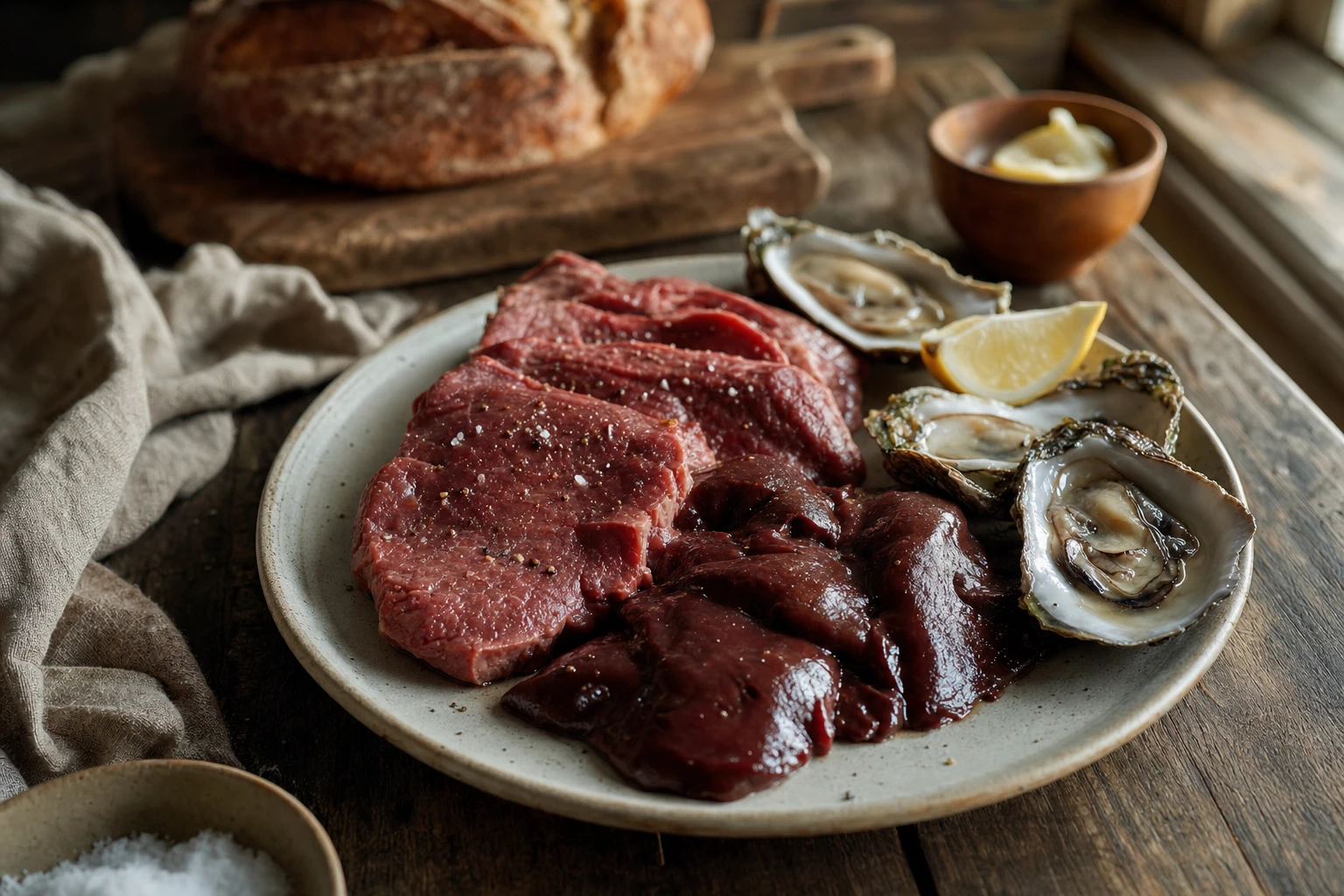
If you're iron-deficient, heme iron should be your priority. Beef liver is the richest source of absorbable iron, followed by red meat, oysters and shellfish, and fish. Other sources like spinach and fortified cereals are far less useful in practice.
If your ferritin is low and you want to rebuild stores, heme iron sources are non-negotiable. Plant-based iron sources won't get the job done quickly enough.
The practical approach: beef liver 2-3 times weekly if possible. If liver is unpalatable, pâté or a desiccated liver supplement. Otherwise, red meat daily, oysters weekly if accessible. This combination will raise ferritin measurably within 4-8 weeks.
Get health guides like this, free
Two short reads a week on eating for energy, gut health, skin, sleep and more.
By signing up you agree to receive emails from us. No spam, unsubscribe anytime.
Best sources of iron
Ranked by iron content and absorption rate:
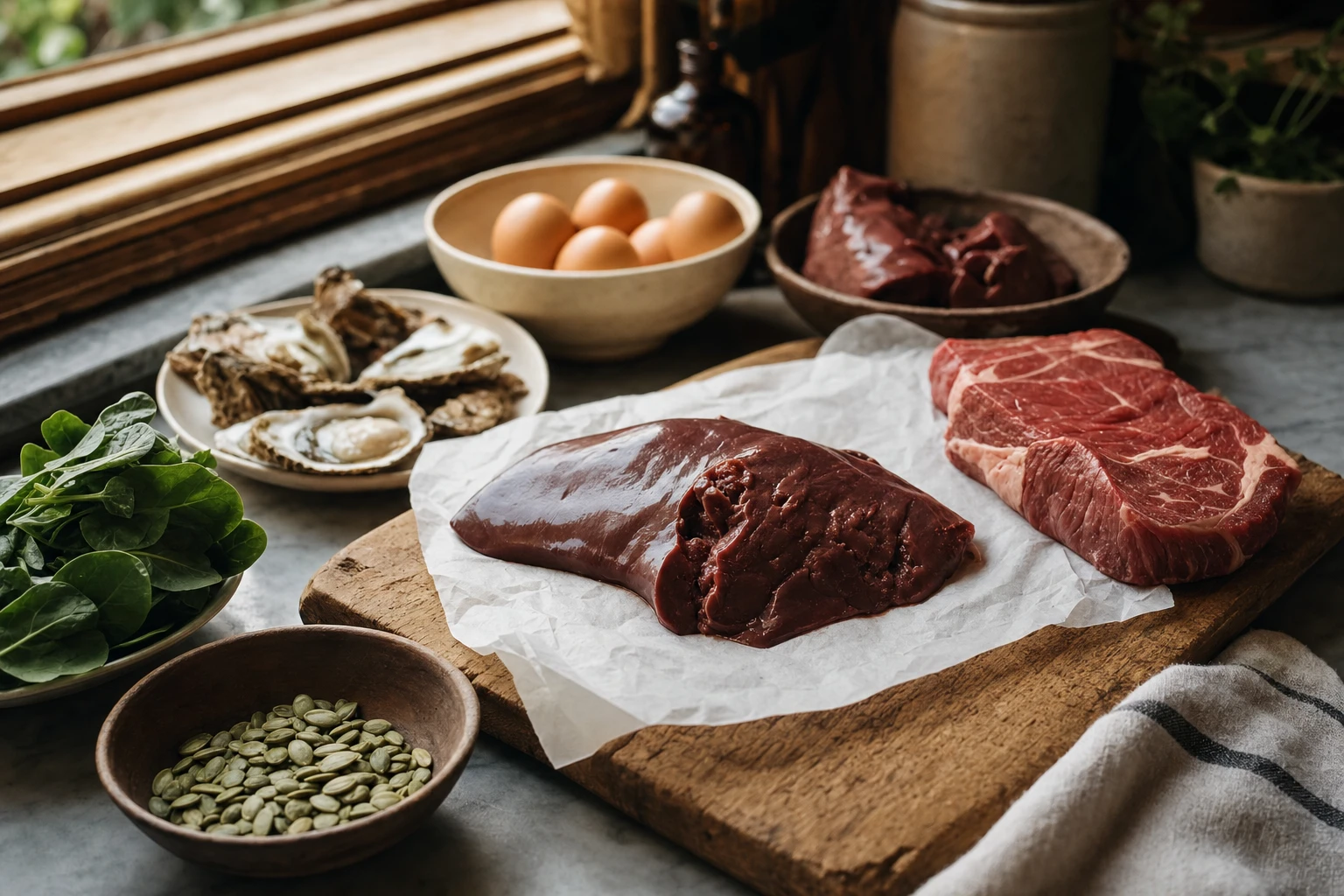
- Beef liver. 36 mg per 100g, extremely bioavailable. Best source overall.4
- Oysters. 28 mg per 100g, highly bioavailable.
- Red meat (beef, lamb). 2-3 mg per 100g, highly bioavailable.
- Pâté or liver pate. 3-5 mg per 100g (depending on the product), easily accessible form of liver.
- Fish. 0.8-2 mg per 100g depending on species, bioavailable.
- Eggs. 1.8 mg per 100g, bioavailable.
- Spinach cooked. 3.6 mg per 100g, but only 2-5 per cent absorbed due to oxalic acid.
- Fortified cereals. Bioavailability low, not recommended.
The best iron source is beef liver consumed 2-3 times weekly. If that's not feasible, red meat daily is adequate. Don't rely on plant sources if you're seriously deficient.
Vitamin C increases non-heme iron absorption, so consuming liver or red meat with citrus or tomato somewhat improves absorption.2 But the real determinant is the iron source itself. Heme iron requires no enhancers.
1 of 9
Daily blend
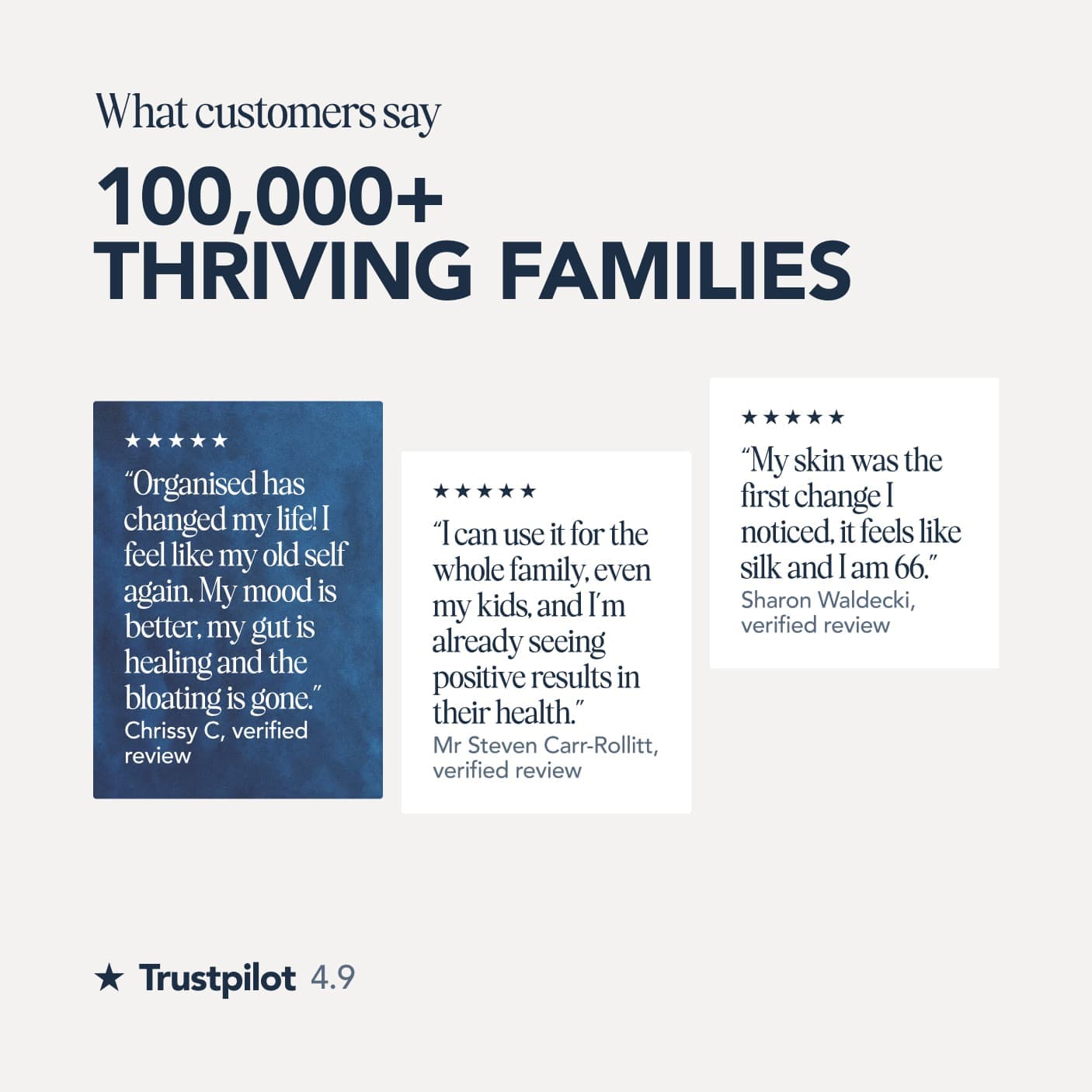
100,000+ thriving families4.9 on Trustpilot
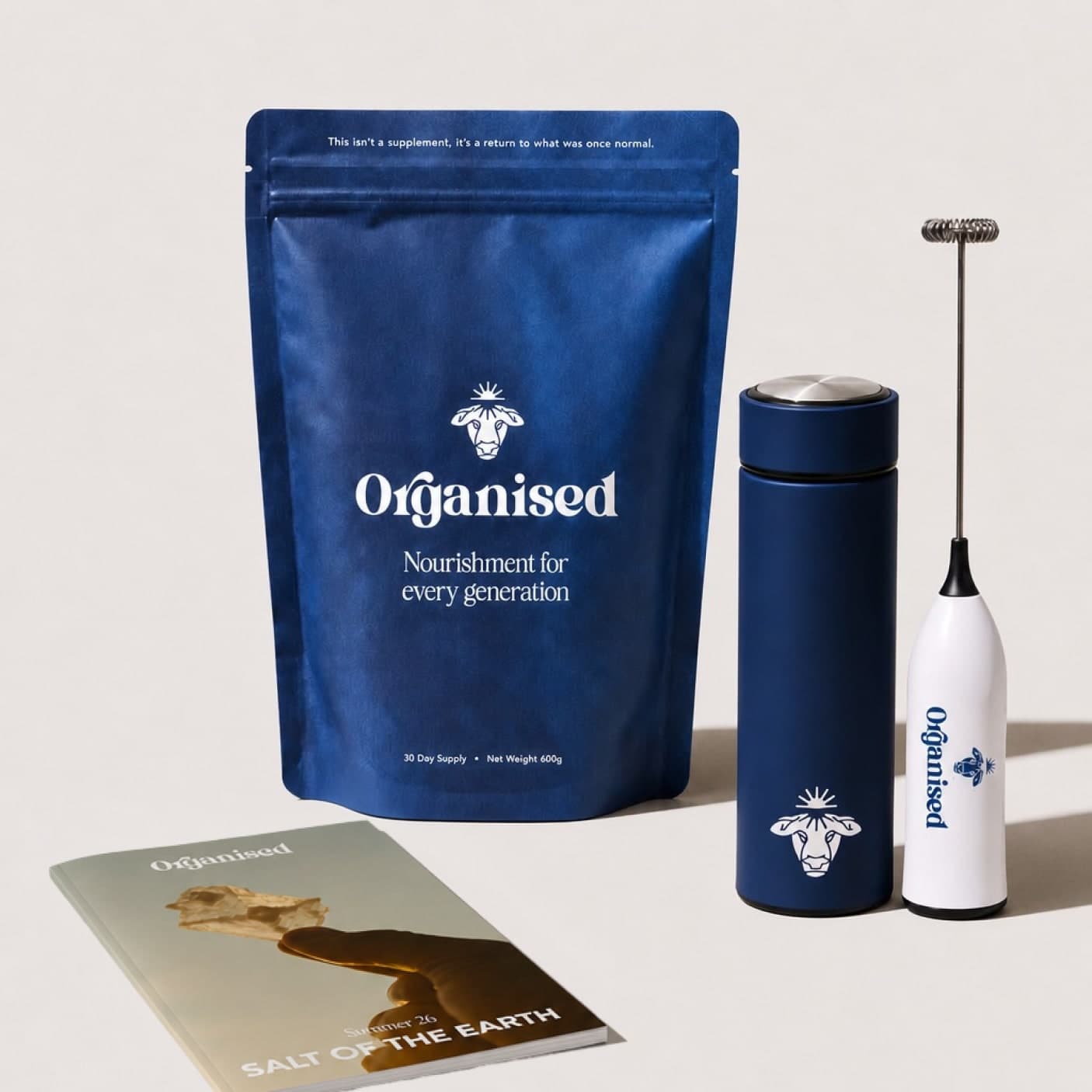
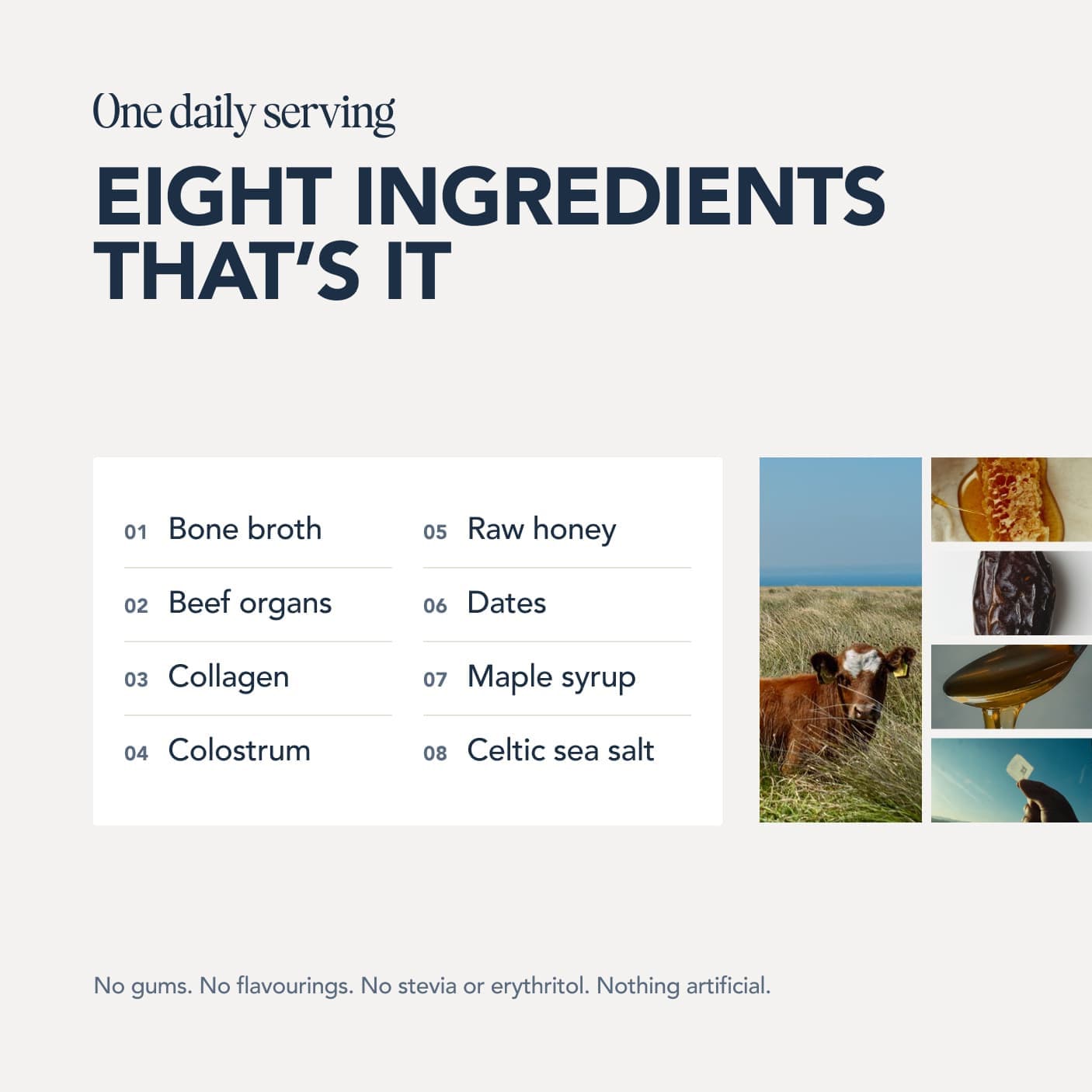
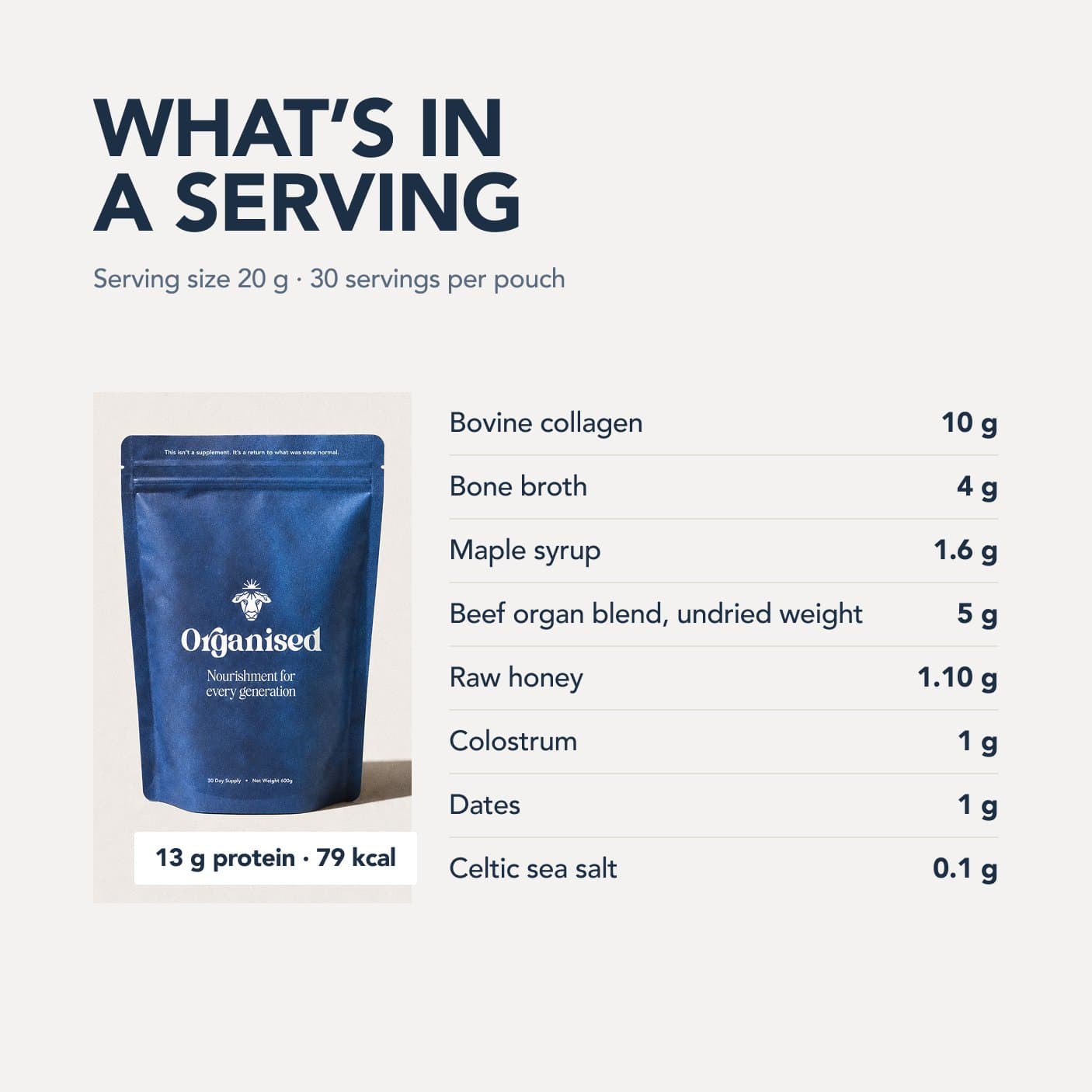
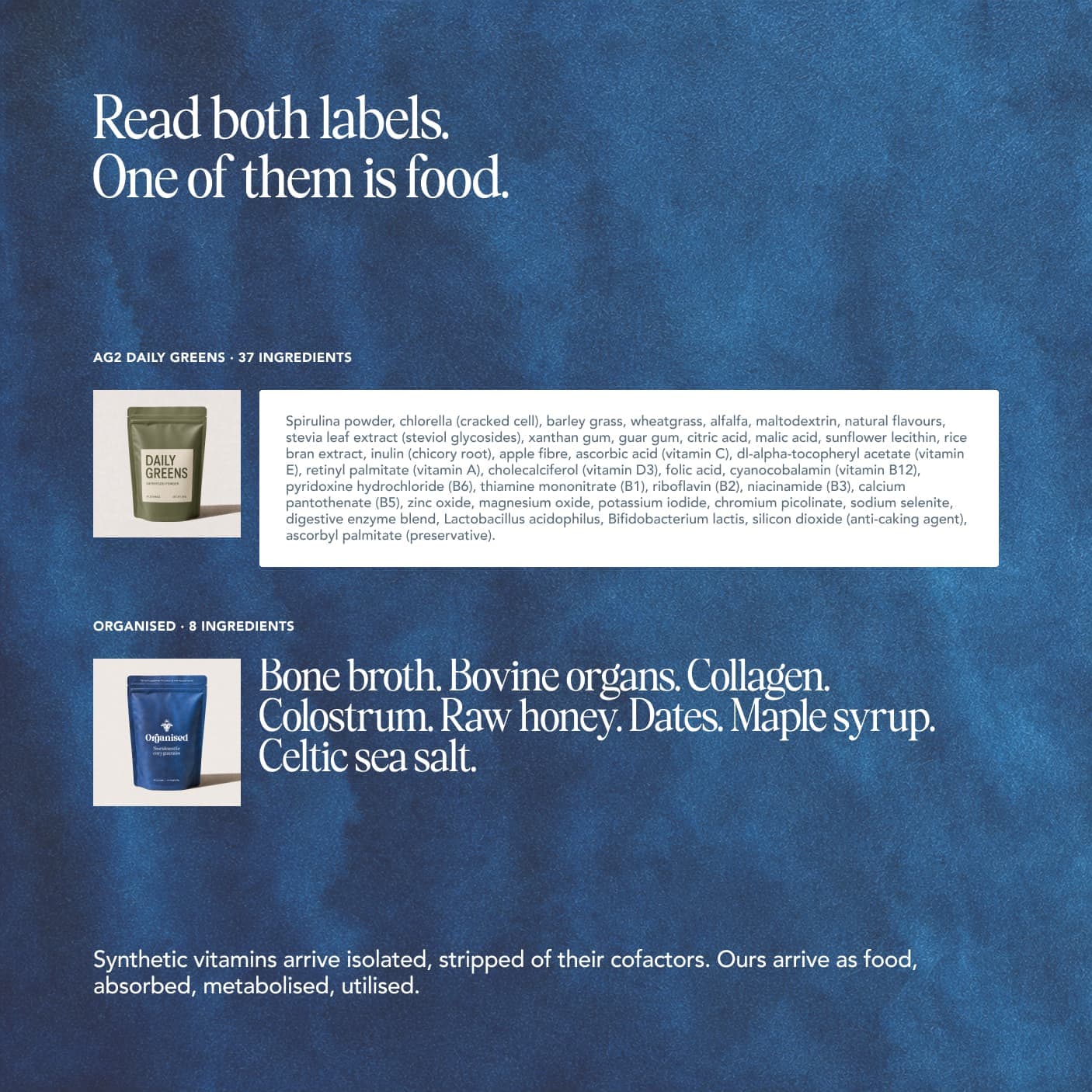
Eight real ingredients built around grass-fed beef organs, collagen and colostrum. Nothing synthetic added.
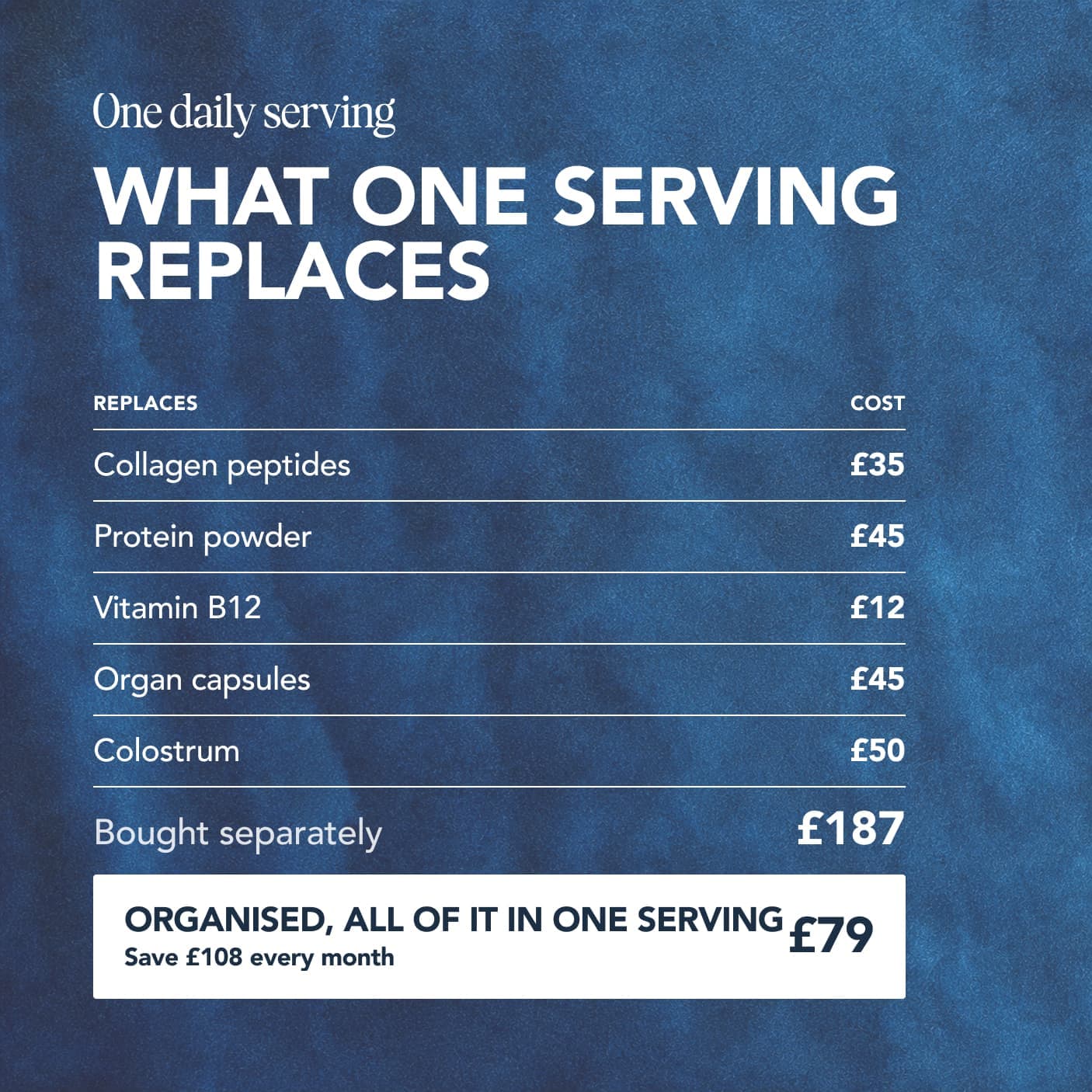
Free with your first order, worth £38. Plus £10 off the pouch with a subscription.
Free UK shipping · Made in England · 100 day money back guarantee on your first pouch · Skip, pause or cancel anytime
Rebuilding iron stores
Once you know your ferritin is low, the rebuild is straightforward but requires consistency. Aim for heme iron-rich foods daily. Beef liver multiple times weekly. Red meat most days. Oysters if accessible. Continue this protocol for 8-12 weeks, then retest ferritin.
Most people see dramatic improvements in concentration within 3-4 weeks as ferritin rises. Brain fog clears. Reading comprehension improves. The ability to focus in meetings returns. These improvements continue as iron stores rebuild fully.
The speed of recovery depends partly on the degree of deficiency and partly on the iron intake. Someone eating beef liver 3 times weekly will recover faster than someone eating red meat once weekly. Be aggressive with iron intake if your stores are depleted.
Rebuilding iron stores is one of the fastest ways to improve cognitive function. Most people feel the change within weeks. By eight weeks, concentration is usually noticeably improved.
If you're not improving despite high heme iron intake, consider whether you have absorption issues (coeliac disease, inflammatory bowel disease, low stomach acid) that might be preventing iron absorption. This would require further investigation, but it's rare in people eating primarily whole foods.
Once ferritin is restored, maintaining it requires ongoing intake of heme iron foods. Daily or near-daily consumption of iron-rich foods keeps stores replete. For women, this is particularly important during reproductive years when monthly blood loss constantly depletes iron.
References
Every source below was checked on 27 August 2026. Each PubMed, PMC and DOI identifier was resolved against NCBI or Crossref, and what it opens is printed under the citation, so you can see the link goes where the citation says without leaving the page. Where a citation and its identifier disagreed, the citation was corrected to the record or the reference was deleted along with the sentence marker that pointed at it, and where the resolved paper turned out not to support the sentence, the sentence was cut back to what it does support. Borrowed authority is worse than none, because it looks like rigour.
- Raichle ME, Gusnard DA. Appraising the brain's energy budget. PNAS, 2002. PMID 12149485.Checked 27 August 2026: PMID 12149485 opens Raichle ME, Gusnard DA, Appraising the brain's energy budget. Proc Natl Acad Sci U S A 2002;99(16):10237-9. PubMed indexes it as: Comment, Review.
- National Institutes of Health, Office of Dietary Supplements. Iron — Health Professional Fact Sheet.
- Hurrell R, Egli I. Iron bioavailability and dietary reference values. American Journal of Clinical Nutrition, 2010. PMID 20200263.Checked 27 August 2026: PMID 20200263 opens Hurrell R, Egli I, Iron bioavailability and dietary reference values. Am J Clin Nutr 2010;91(5):1461S-1467S.
- U.S. Department of Agriculture, FoodData Central. Beef liver, raw — nutrient profile.
- NHS. Iron deficiency anaemia.
Who wrote and reviewed this guide
Niall Kiddle
Author · Founder, Organised
Niall is the founder of Organised. He started the company in 2024 after fixing his own health the slow way: in 2022 he swapped a cupboard of synthetic supplements for real food, raw milk, organ meats, bone broth and honey, and felt the difference within months.
Areas of expertise: Ancestral nutrition, Organ meats, Whole-food supplementation, Gut health, Regenerative sourcing
Read Niall's full profile
Pedro Rodrigues
Reviewer · Agronomist (farming and sourcing only)
Pedro is the agronomist Organised works with on farming and sourcing. His job on the guides is to keep the science honest: he reviews what we publish about soil health, regenerative agriculture, grazing and the way food is actually produced.
Areas of expertise: Regenerative agriculture, Agronomy, Soil health, Grass-fed farming, Food sourcing
Reviewed this guide on
Read Pedro's full profileMore on brain & cognition
View all- Feeding Your Brain: The Nutrients Behind Focus, Memory and Clarity
- ADHD and Nutrition: Emerging Research and Practical Approaches
- Brain Fog: Nutritional Causes and How to Clear It
- Choline and Brain Development: From Pregnancy to Old Age
- Memory and Nutrition: Feeding Your Brain at Every Age
- Neuroinflammation: The Hidden Driver of Brain Fog and Low Mood
Browse the guides library
All guidesKeep reading
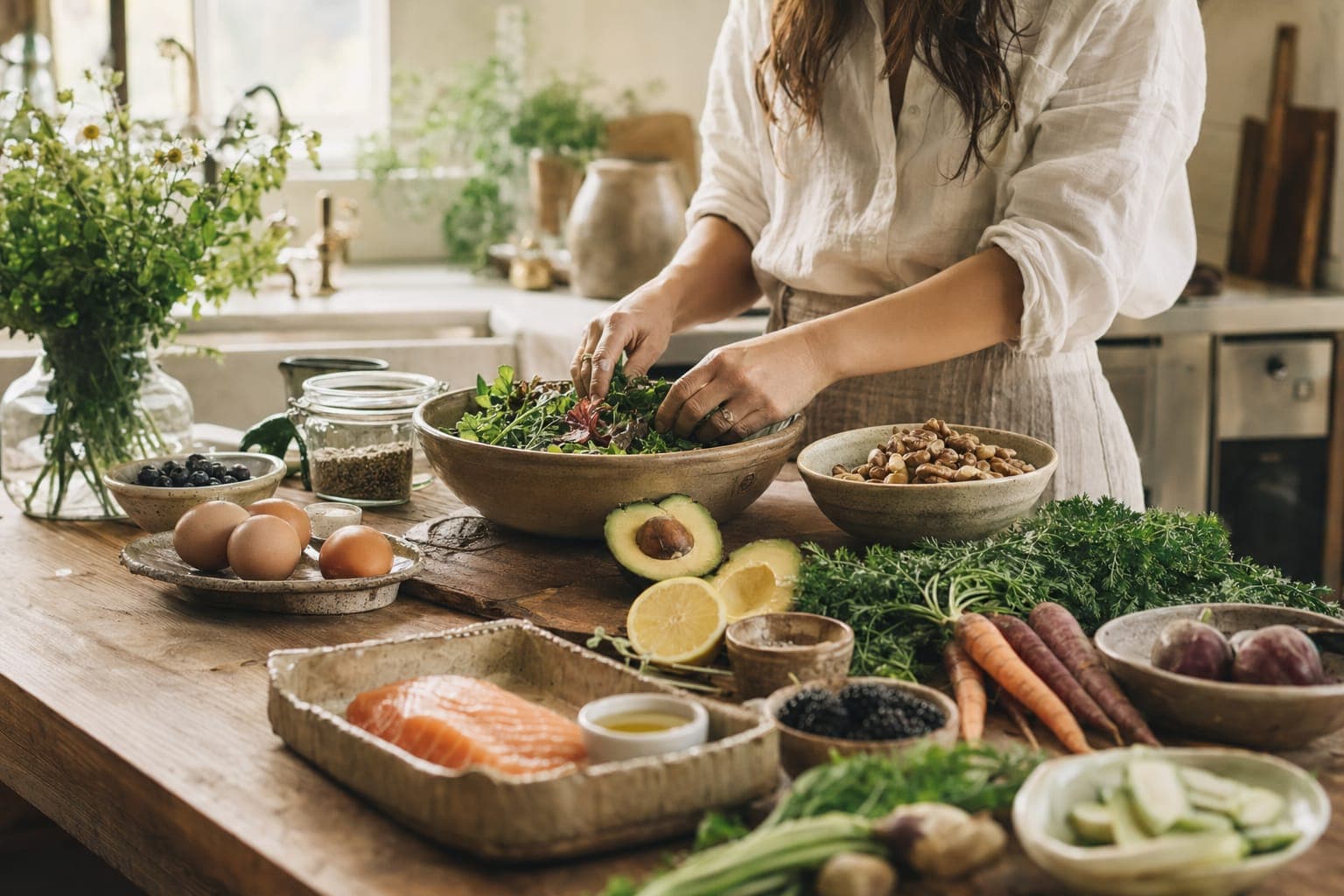
Health goals
How to Eat for a Natural Glow (Without Products)
A natural skin glow starts from the inside. Learn how to eat for skin glow with the foods and nutrients that support radiant skin, no products needed.

Health goals
Dark Circles Under Your Eyes? It Might Be a Nutrient Deficiency
Dark circles signal iron, B12, or folate deficiency. Or allergies, liver congestion, or poor sleep. Investigate before assuming exhaustion.
Health goals
Stop Wasting Nutrients: How To Increase Nutrient Absorption
You can eat well on paper and still feel flat. Learn how to increase nutrient absorption with simple pairings so more of what you eat actually counts.
Real food, made effortless
Start my daily blendA few ways to use it
All recipes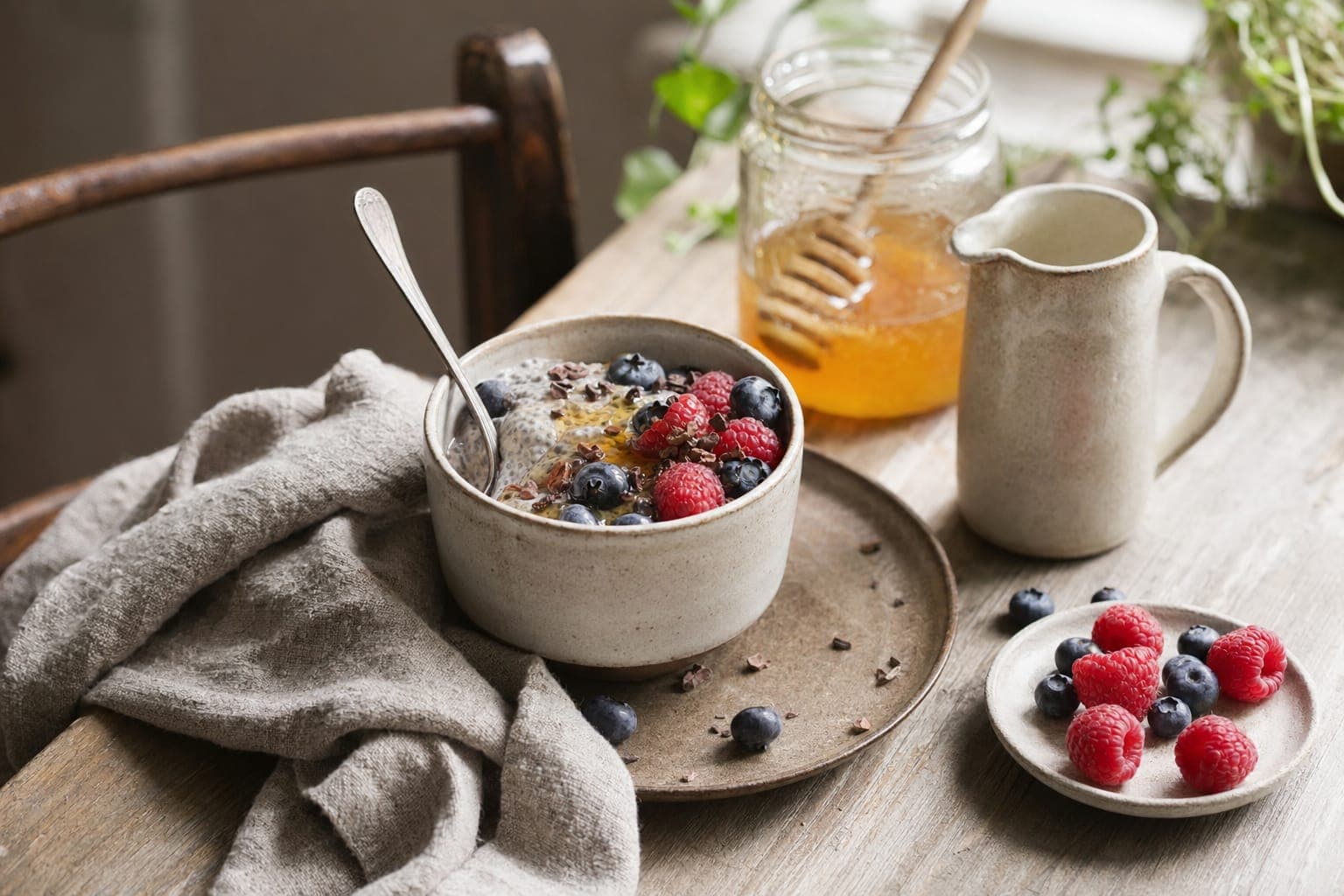
Organised Chia Pudding with Raw Honey and Berries
A no-cook chia seed pudding made with raw milk, collagen, berries, and raw honey. Prep it the night before and eat for breakfast.
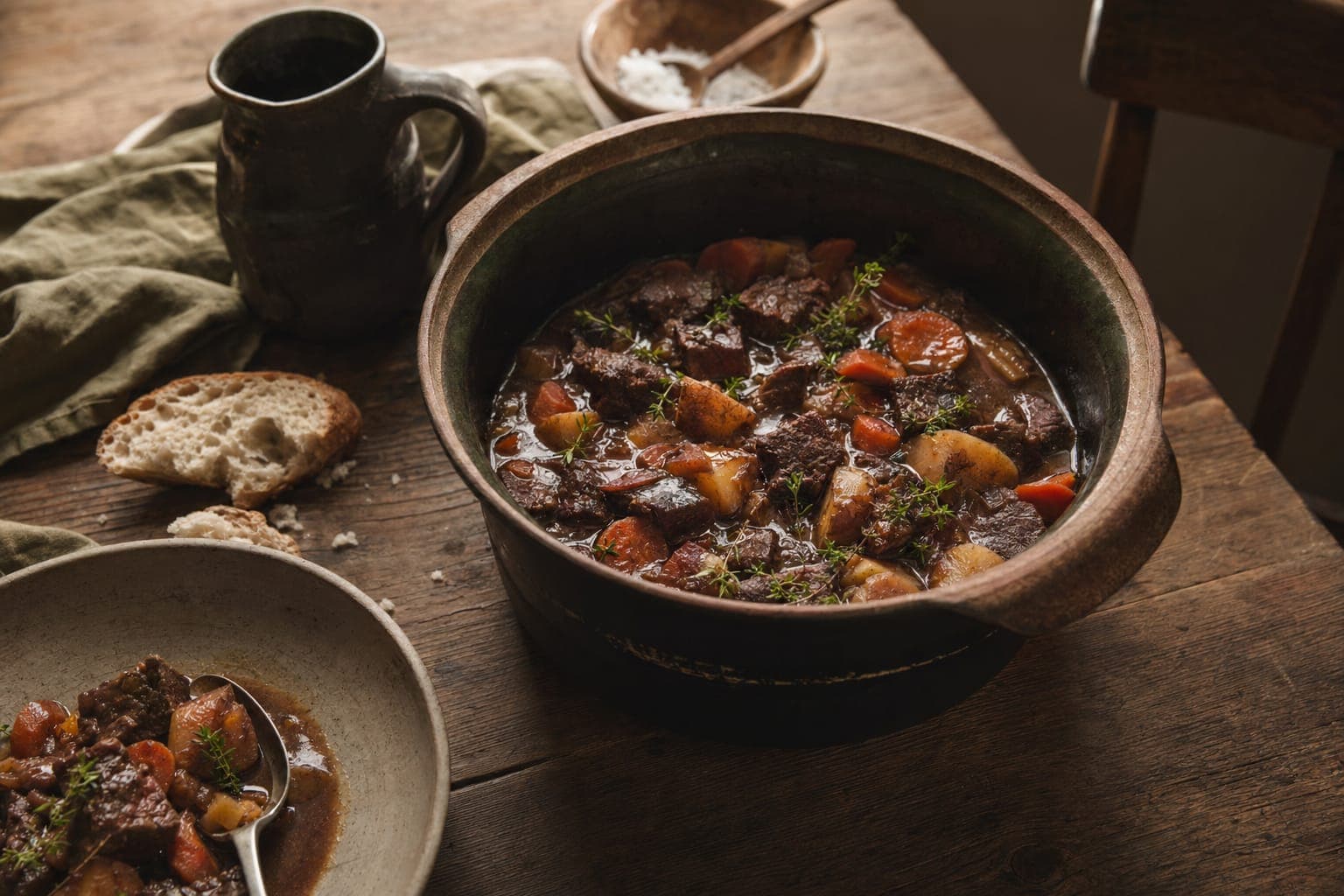
Collagen-Rich Beef Stew: Slow-Cooked Nourishment
Beef stew that delivers collagen from connective tissue and bone broth. Winter comfort food that actually nourishes. Simple slow cooker recipe.
How to Make Your Own Gelatine Gummies
A simple recipe for homemade gelatine gummies using grass-fed gelatine, fresh juice, and raw honey. Better than shop-bought, kids love them.


 Join over 100,000+ members
Build a better food system with us
The Organised community is thousands of people choosing real food and backing the farmers who grow it, all of us trying to leave the world a little better than we found it. If that is what you care about too, you belong here.