The Complete Guide to Healing Your Gut with Whole Foods
Your gut lining is lined with tight junctions that act like a selective barrier. They decide what gets absorbed into your bloodstream and what passes straight through. When those junctions loosen, undigested food particles and bacterial fragments slip through. Your immune system recognises them as threats and attacks. Welcome to the inflammation cascade that starts in your digestive tract and spreads everywhere else.
By Niall Kiddle, Founder, Organised

Reviewed by Pedro Rodrigues, Agronomist (farming and sourcing only) ·
12 min read · Published · Updated · 5 cited sources
Makers of the Organised Daily blend, a grass-fed beef organ supplement from regenerative UK farms
Why your gut lining fails in the first place
The damage usually starts with diet. Seed oils (soya, canola, sunflower) are inflammatory by default. Ultra-processed foods contain additives that trigger zonulin, the protein that controls tight junctions.1 Gluten, in susceptible people, does the same. NSAIDs, if you've been taking them regularly, erode the protective mucus layer. Chronic stress elevates cortisol, which suppresses the immune cells that protect your gut lining.
The mechanism is straightforward. You eat inflammatory food, zonulin increases, tight junctions loosen, the barrier becomes permeable. Your gut becomes "leaky." Undigested particles cross into the bloodstream. Your immune system mounts a response. Systemic inflammation follows.
The solution isn't medication or supplements alone. It's removing what damages and adding what repairs.
The five Rs framework for real healing
The functional medicine "five Rs" protocol is the closest thing to a roadmap for gut healing. It works because it addresses every layer of the problem.
Remove. Stop eating the foods that trigger zonulin and perpetuate inflammation. Cut seed oils entirely. Eliminate ultra-processed foods. If you're sensitive to gluten, remove it completely for at least 90 days. Stop NSAIDs unless medically necessary. Reduce caffeine on an empty stomach, as it irritates an inflamed lining.
Replace. Your digestion may be compromised, so you need to support it chemically. Hydrochloric acid (HCl) naturally decreases with age and chronic stress. Digestive enzymes help break down food into particles small enough to absorb without triggering the immune system. Bone broth provides gelatine and collagen, which require less enzymatic work to digest.
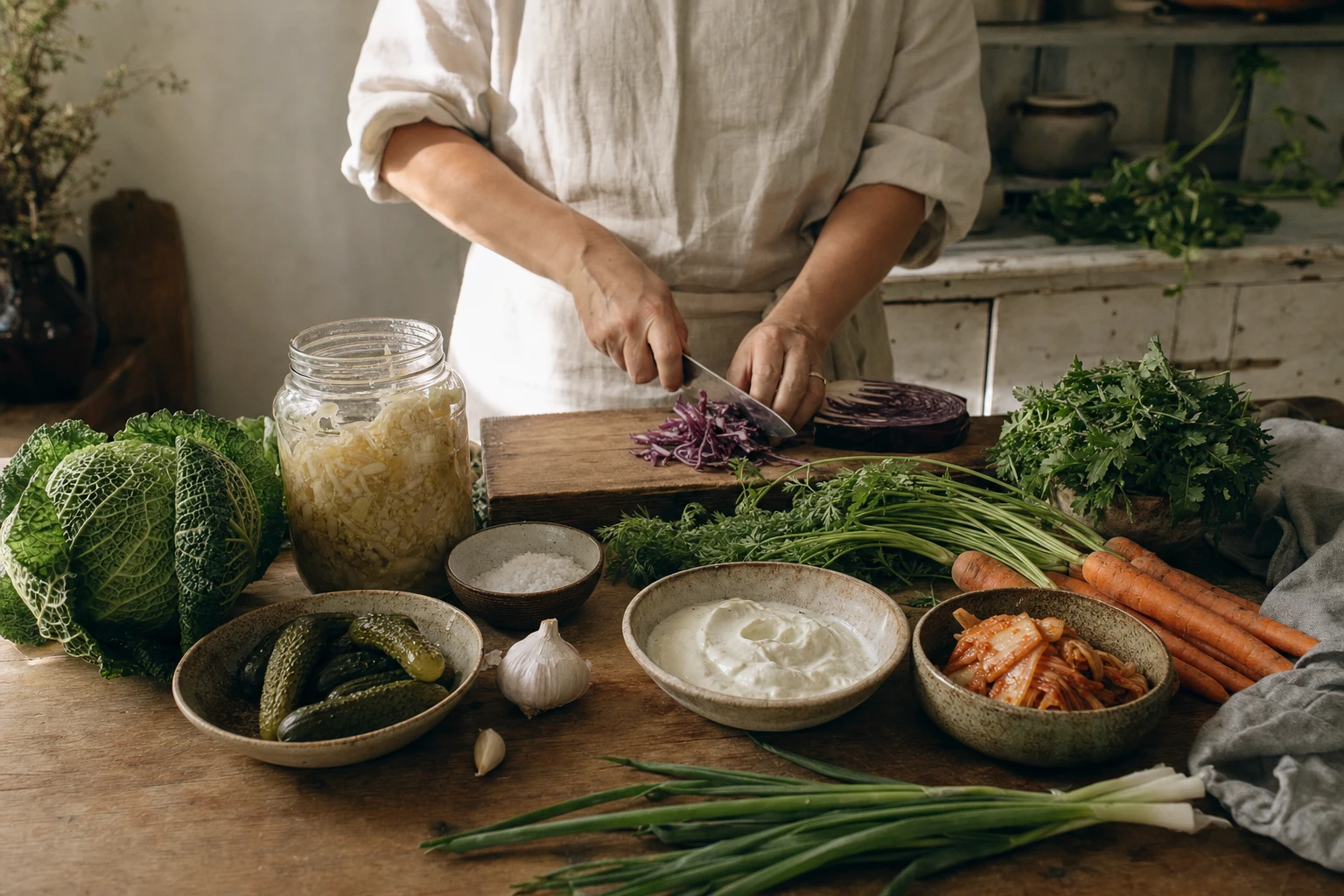
Reinoculate. A healthy microbiome produces short-chain fatty acids (particularly butyrate) that feed the gut lining cells and maintain tight junctions.4 Fermented foods like sauerkraut, kimchi, aged cheeses, and unpasteurised kefir introduce beneficial bacteria. Live culture yoghurt helps, though dairy sensitivity is common during healing, so proceed carefully.
Repair. Your gut lining cells (enterocytes) need specific amino acids and nutrients to rebuild. L-glutamine is the preferred fuel for enterocytes. Glycine and gelatine are abundant in bone broth and collagen. Zinc, vitamin A, and vitamin C are essential for collagen synthesis. Vitamin D regulates tight junction integrity and immune function.
Rebalance. This is the longest phase. Your gut is now less inflamed, but the mucosa is still rebuilding. Continue whole foods, maintain adequate mineral and electrolyte intake, manage stress actively, and get consistent sleep. Rebalancing takes weeks to months.
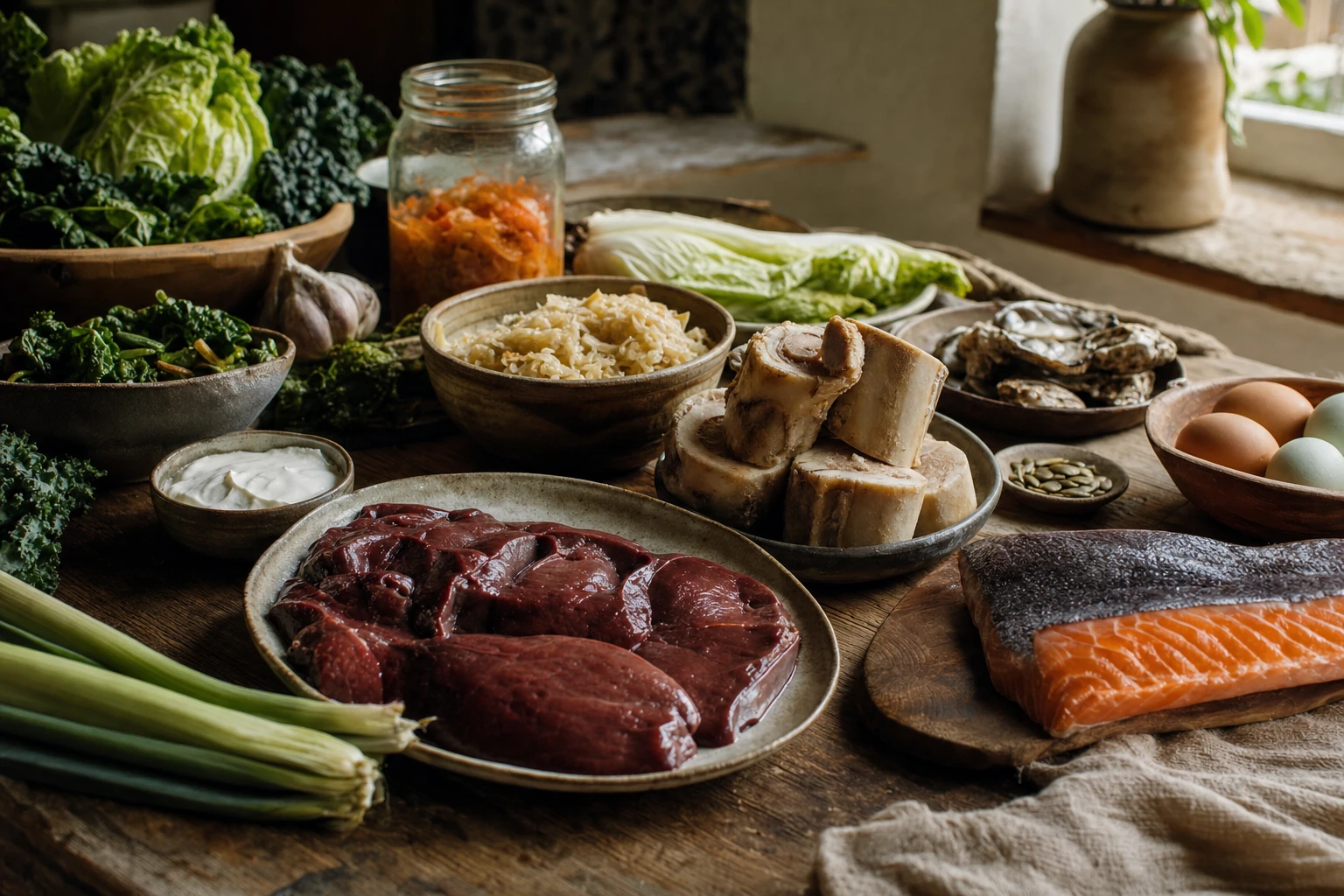
The key nutrients your gut needs
Healing requires specific nutrients in meaningful quantities. Supplementing can help, but whole foods are better because they come packaged with cofactors and are absorbed in their native form.
L-glutamine. The primary fuel for enterocytes.2 Bone broth is rich in it. Beef and poultry, organ meats especially, contain substantial amounts. A healing protocol might include 1-2 cups of bone broth daily, plus grass-fed meat 4-5 times a week.
Glycine and gelatine. Both are abundant in bone broth and collagen. They reduce inflammation, support tight junction integrity, and are involved in glutathione production (your body's master antioxidant). Grass-fed beef knuckles, marrow bones, and chicken feet when simmered for 12-24 hours yield gelatine-rich broth.
Zinc. Essential for immune regulation and epithelial barrier function. Best sources: oysters (the richest), grass-fed beef, pumpkin seeds, and organ meats. Zinc deficiency is common in people with gut dysfunction, creating a vicious circle.
Vitamin A. Critical for maintaining the integrity of mucous membranes, including your gut lining.3 Preformed vitamin A (retinol) is found exclusively in animal foods. Liver is the densest source. A single 85-gram serving of grass-fed beef liver provides 5000+ IU, exceeding most daily recommendations.
Vitamin C. Needed for collagen synthesis and immune function. Organ meats are rich in it, as are berries, citrus (if tolerated), and bone broth. During active healing, many practitioners recommend 1-3 grams daily from whole food sources.
Vitamin D. Regulates tight junction proteins and immune tolerance. Produced by your skin in sunlight. Grass-fed butter, egg yolks, and fatty fish provide smaller amounts. Most people benefit from direct sun exposure and/or testing and supplementing if deficient.
Magnesium and potassium. Both are critical for cellular energy and are often depleted in people with chronic inflammation. Salt your food generously (good sea salt provides minerals). Include potassium-rich foods: sweet potato, avocado, coconut water.
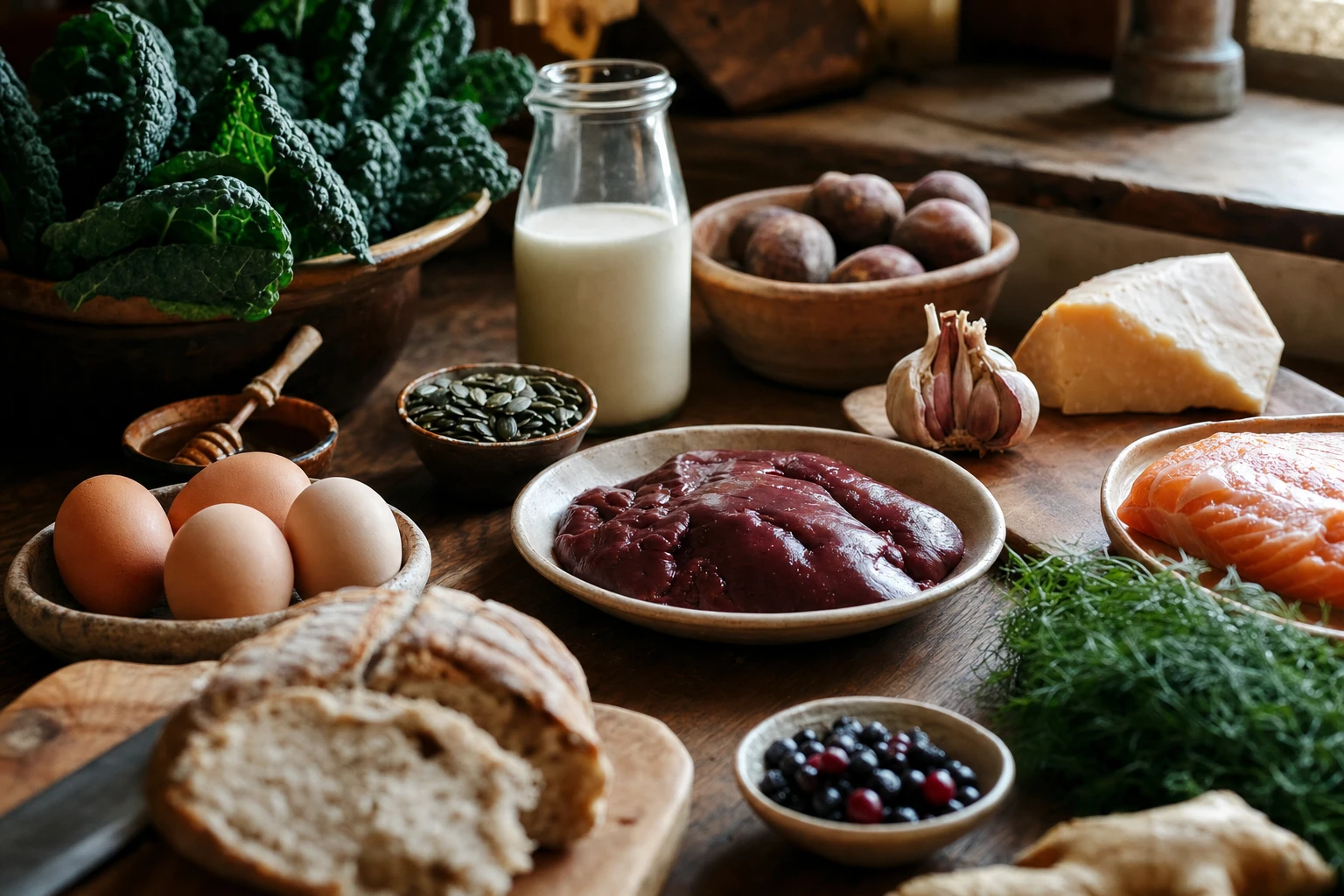
The foods that actually repair
Rather than listing restrictions, here are the foods that actively support healing.
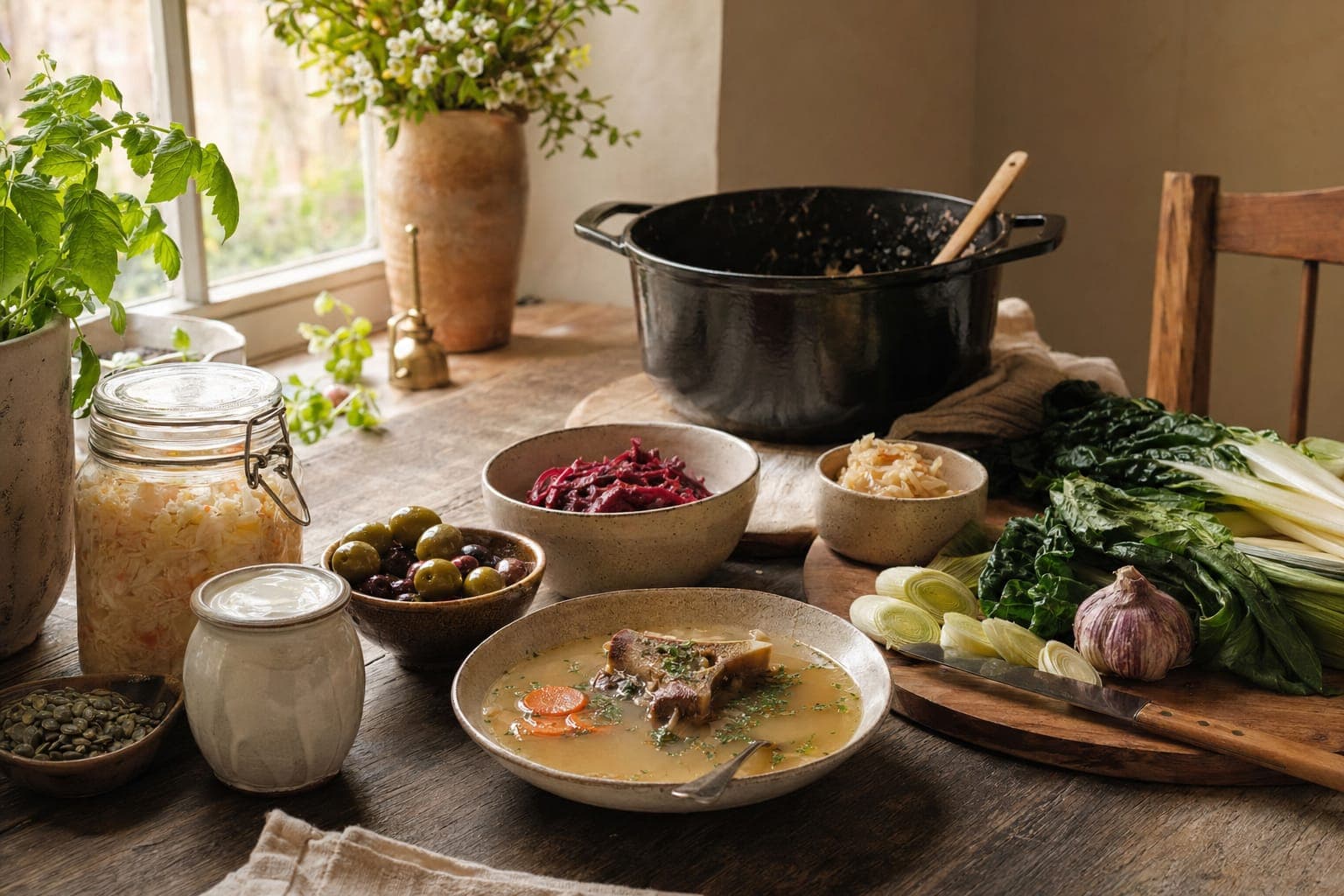
- Bone broth (homemade, 12-24 hours simmered from knuckles and marrow bones): gelatine, glycine, glutamine, minerals.
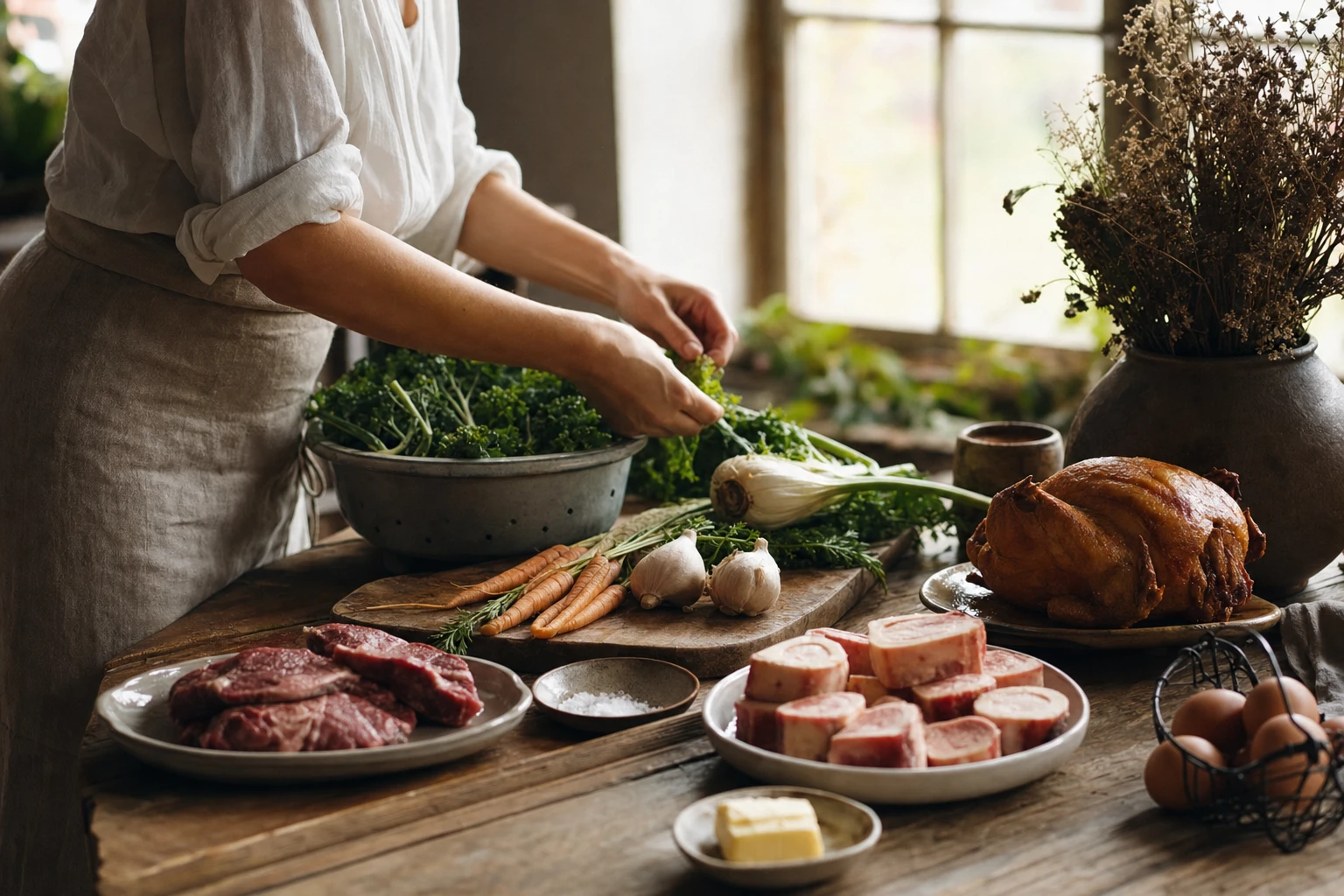
- Organ meats (liver, kidney, heart 2-3 times weekly): vitamin A, zinc, B vitamins, iron, CoQ10.
- Grass-fed beef (ground or cuts): complete amino acids, carnosine, taurine, creatine.
- Wild-caught fish (salmon, sardines, mackerel): omega-3 fatty acids, selenium, vitamin D.
- Eggs (particularly yolks): choline, lutein, zeaxanthin, vitamin D, selenium.
- Ghee and grass-fed butter: butyrate (short-chain fatty acid), fat-soluble vitamins, beta-carotene.
- Fermented foods (sauerkraut, kimchi, lacto-fermented vegetables): beneficial bacteria, enzymes, organic acids.
- Sea vegetables (nori, dulse, kelp): iodine, minerals, anti-inflammatory compounds.
- Turmeric (fresh or powdered with black pepper): curcumin, a potent anti-inflammatory.
- Ginger (fresh, steeped): anti-nausea, anti-inflammatory, aids digestion.
Your gut doesn't need expensive supplements. It needs real food, cooked from scratch, eaten consistently, and given time.
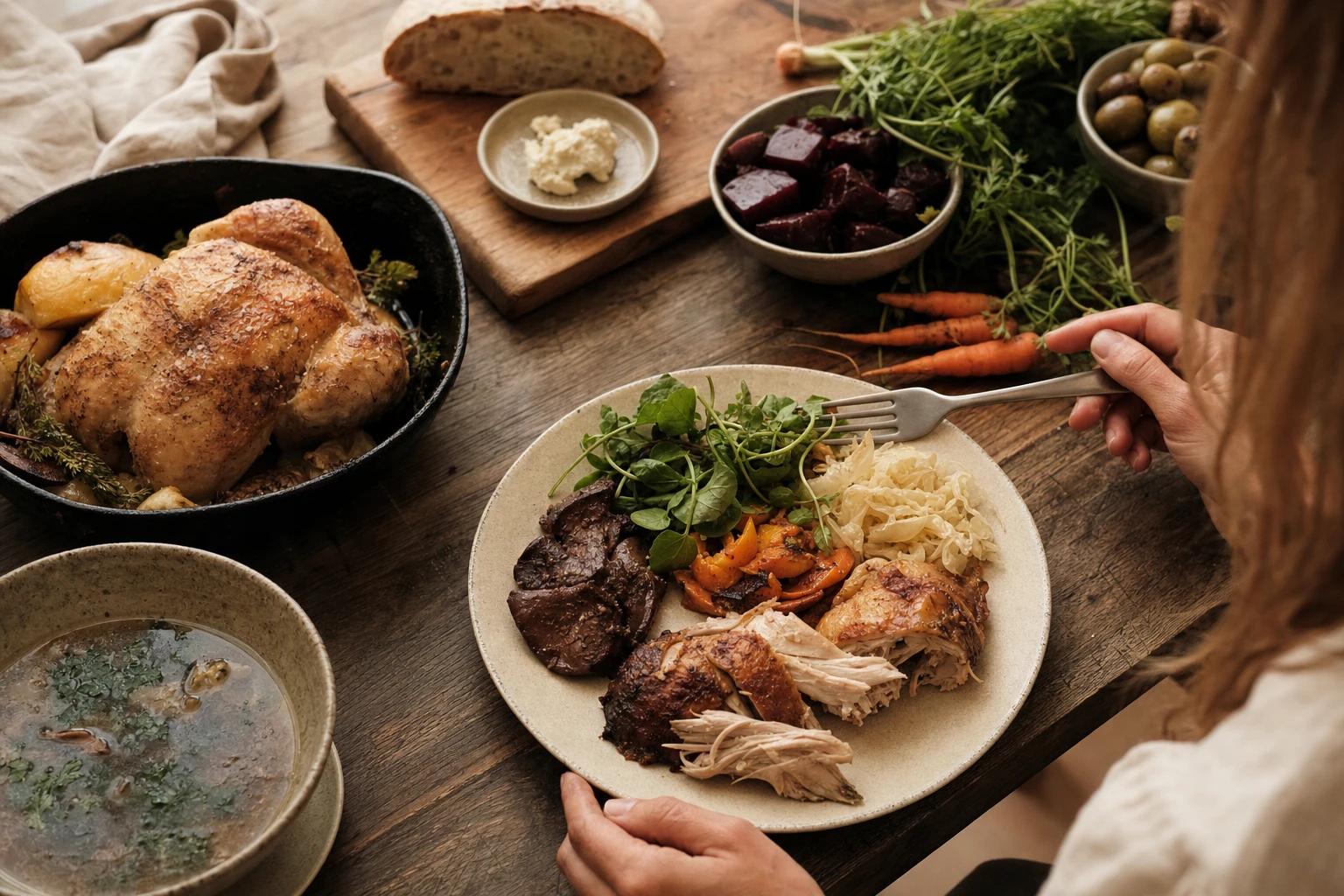
Building your healing protocol
A practical protocol looks like this for the first 8-12 weeks.
Daily. Start the morning with 1 cup of warm bone broth (or hot water with bone broth powder), optionally with grass-fed butter for absorption of fat-soluble vitamins. Eat three whole-food meals, each centred on protein (organ meat 2-3 times weekly, grass-fed beef, wild fish, eggs). Include fermented foods at lunch or dinner. Drink water with good sea salt to taste. Avoid coffee on an empty stomach; have it with food and fat.
Weekly. Include organ meats at least twice. Buy the best quality you can access: grass-fed beef liver from a farmer's market is preferable to grain-fed supermarket liver, though the latter is still better than no liver. Prepare fish at least once. Make or buy quality bone broth and sip it throughout the day or use it as a cooking base.
Foods to avoid completely during healing.** Seed oils, all ultra-processed foods, gluten (unless you've tested and confirmed tolerance), refined sugar, alcohol, and NSAIDs. Limit vegetables high in lectins (raw kidney beans, peanuts) and reduce raw vegetables if they cause symptoms; cooked is gentler. Avoid dairy initially (common trigger); reintroduce at 8+ weeks if desired.
This isn't permanent restriction. Most people can reintroduce some foods after 90 days of healing. The goal is to stop the bleeding, let the tissue repair, and then test tolerance in a controlled way.
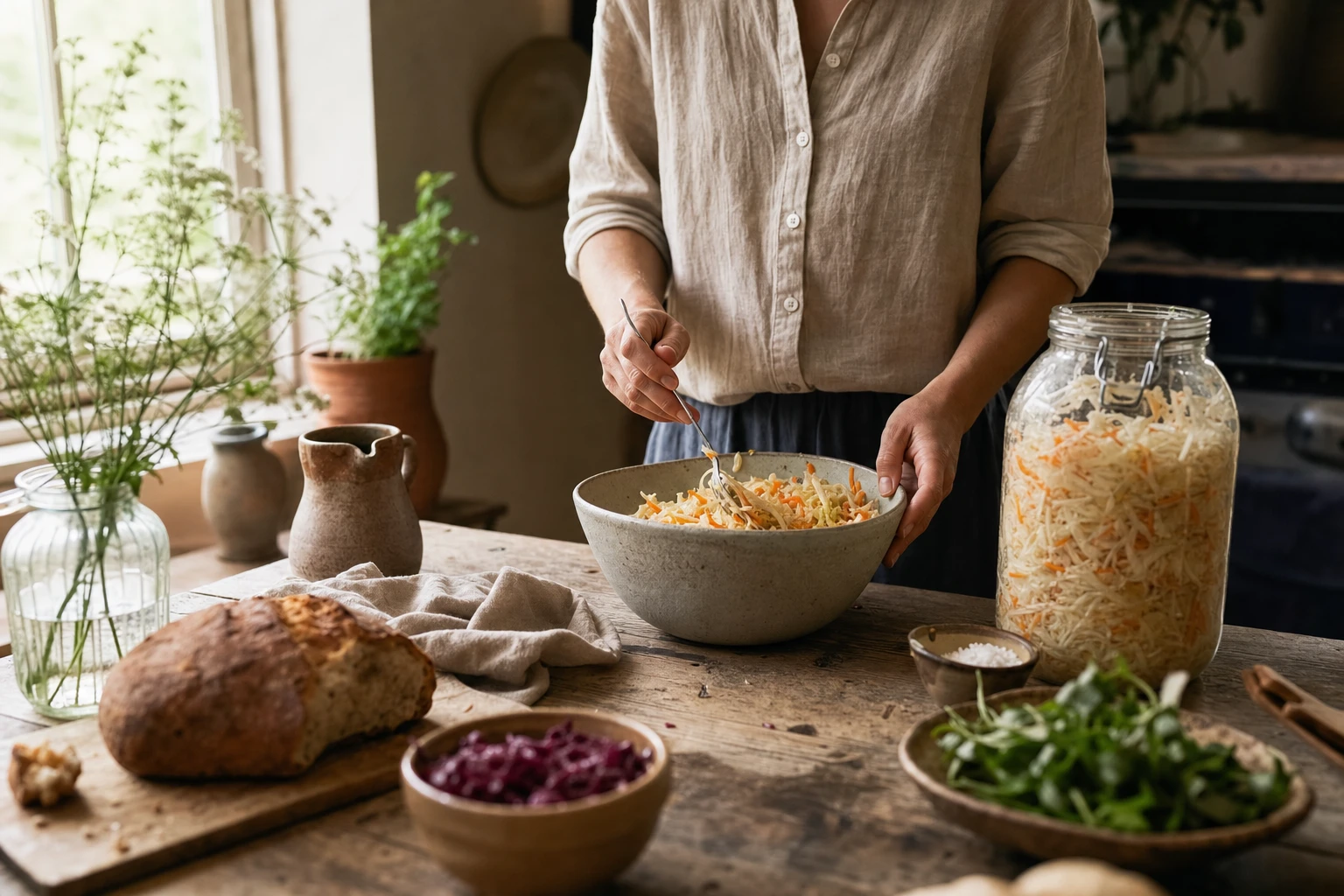
What realistic progress looks like
Week 1-2: Stopping inflammatory foods causes rapid symptom relief. Bloating decreases. Brain fog lifts. Energy stabilises. This is the nervous system standing down from constant alarm.
Week 3-6: The gut lining is less inflamed. Digestion improves noticeably. Stool consistency normalises. Skin often clears during this window. Sleep deepens.
Week 8-12: Deeper healing is happening at the cellular level. Many people experience resolution of joint pain, stabilised mood, improved immune function (fewer colds and infections). Nutrient absorption improves because the intestinal barrier is functioning.
Month 4+: The new baseline is established. You feel markedly different from when you started. This is normal gut function. From here, you can cautiously test reintroduction of previously problematic foods to determine true tolerance versus reaction.
Not everyone progresses at the same rate. Severe dysbiosis, multiple food sensitivities, or chronic stress can extend the healing timeline. Some people see dramatic improvement in 6 weeks. Others need 4-6 months. The point is to give your body adequate time and proper inputs, then observe.
Your gut didn't break in a week. It won't heal in a week either. But it will heal with the right inputs and time.
Get health guides like this, free
Two short reads a week on eating for energy, gut health, skin, sleep and more.
By signing up you agree to receive emails from us. No spam, unsubscribe anytime.
The role of stomach acid and digestive capacity
Here's the uncomfortable part of gut healing that many practitioners skip over: if your stomach isn't producing enough acid, you can't properly break down protein, and undigested protein becomes an immune trigger. A damaged gut lining gets worse when partially digested food crosses it repeatedly.
Stomach acid production declines with age, chronic stress, and PPI use (proton pump inhibitors, commonly prescribed for reflux). The irony is that most people diagnosed with heartburn actually have low acid, not high acid. Low acid means food sits in the stomach longer, causing distension and that burning sensation.
To assess this, ask yourself: do you feel full quickly? Do you see undigested food in your stool? Do you burp frequently? These suggest insufficient acid. Before jumping to supplements, try basic things first. Eat in a calm state (not while stressed or distracted). Chew thoroughly, at least 20 times per bite. Drink a small amount of water with a pinch of sea salt and squeeze of lemon juice 15 minutes before meals to stimulate acid production naturally.
If symptoms persist, adding hydrochloric acid (HCl) supplementation can help. Start with one capsule with your largest protein meal, then increase gradually. You should feel warmth in your stomach, not burning. That warmth means adequate acid. Work with a practitioner if you're on medications, as HCl interacts with some.
Low stomach acid is the hidden saboteur in many people's gut healing protocols. You can eat perfectly and still not absorb anything if your digestive fire isn't burning.
Reintroduction: the careful return to normal eating
Once your symptoms have resolved (usually 8-12 weeks), the temptation is to reintroduce everything at once. This is how people end up cycling back into symptoms. Reintroduction must be methodical.
Choose one food to test. Introduce it in small quantity (a few spoonfuls) with a meal. Eat it daily for 5 days. Observe for symptoms: bloating, fatigue, skin issues, mood changes, joint pain, brain fog. If none occur, you've likely regained tolerance. If symptoms appear, wait another 6-8 weeks and try again. Your gut will likely tolerate it eventually, but pushing too soon just restarts the healing timeline.
Common reintroduction order (in roughly this sequence): dairy (usually tolerated first), legumes in small quantities (lentils before beans), nightshades (tomatoes before peppers before chilli), then gluten if it was a trigger for you. Some people never regain full tolerance to gluten, and that's fine. Your job is to discover your genuine tolerances, not force yourself back to your old diet.
Keep a simple food journal during reintroduction. Note what you eat and how you feel. Patterns appears. You might find that you tolerate sourdough bread (long fermentation breaks down gluten) but not standard bread. You might tolerate ghee (nearly all casein removed) but not whole milk. These specifics matter.
1 of 9
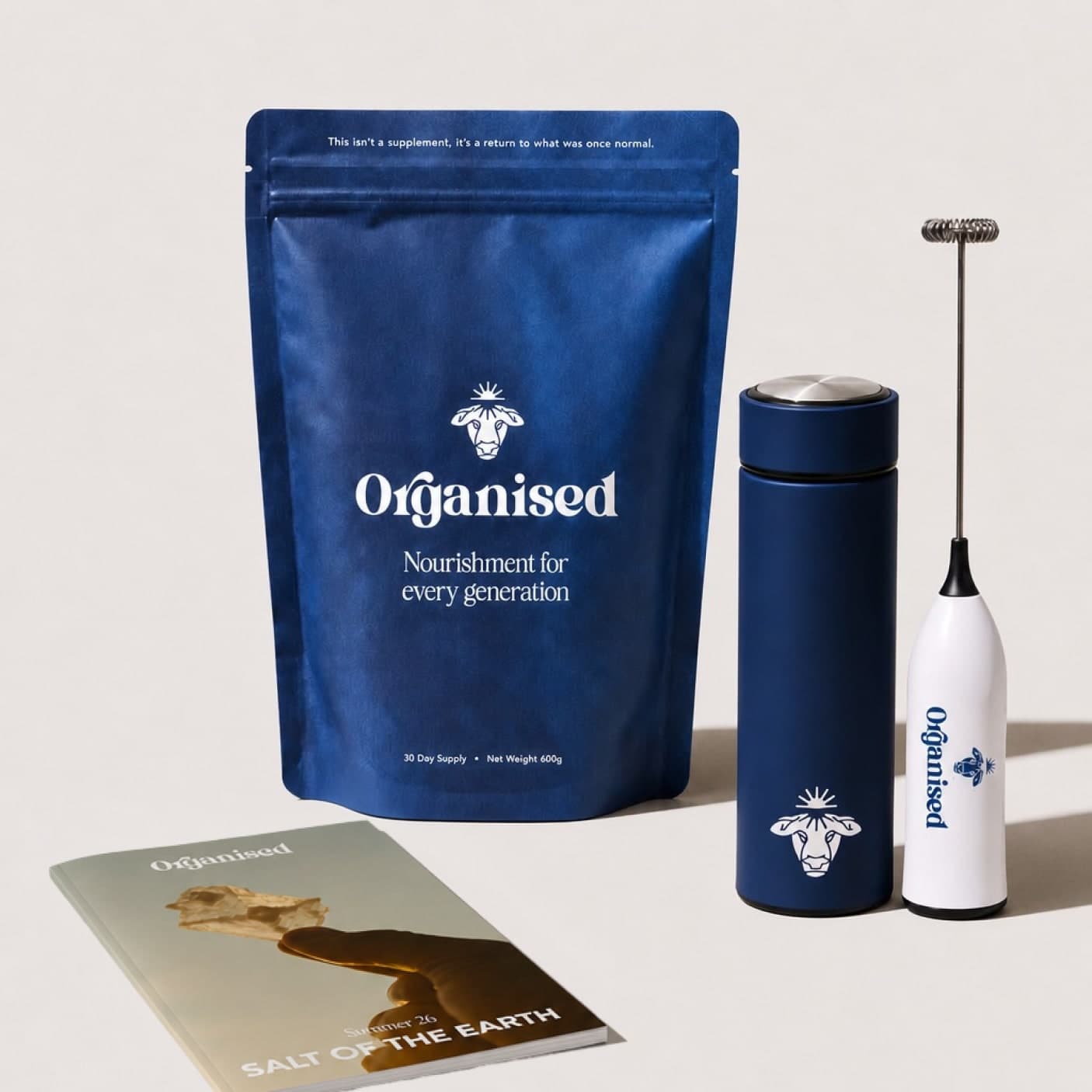
Daily blend
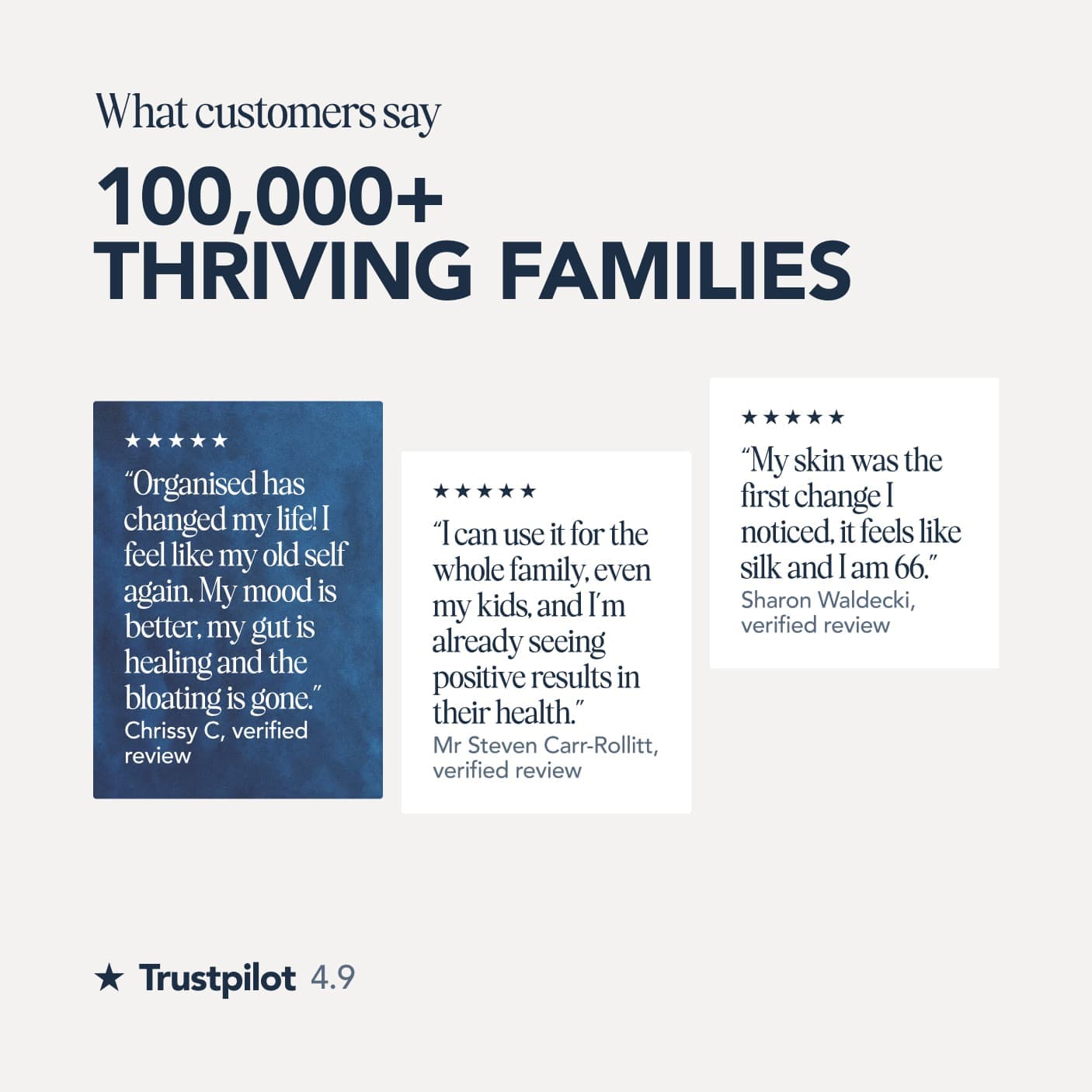
100,000+ thriving families4.9 on Trustpilot
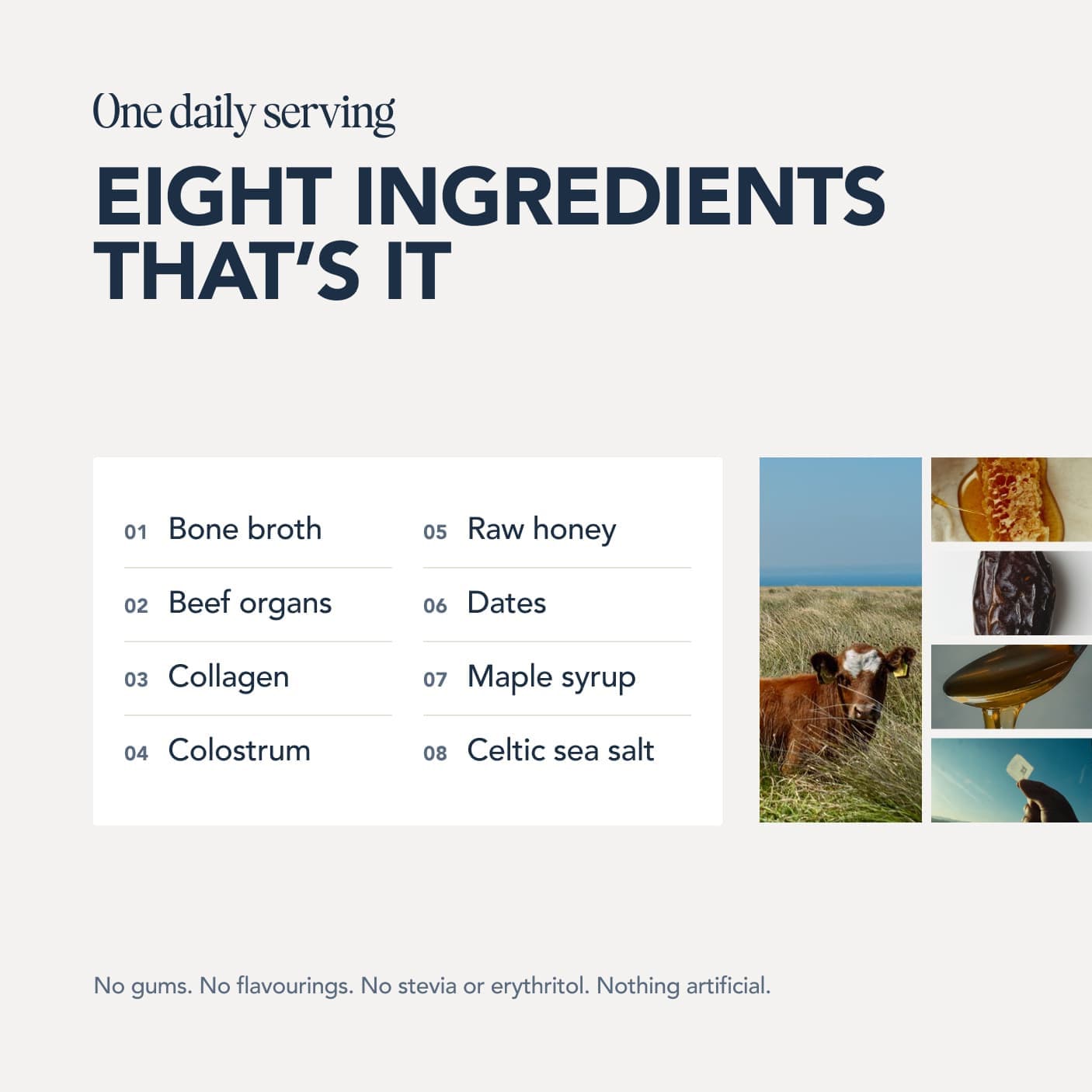
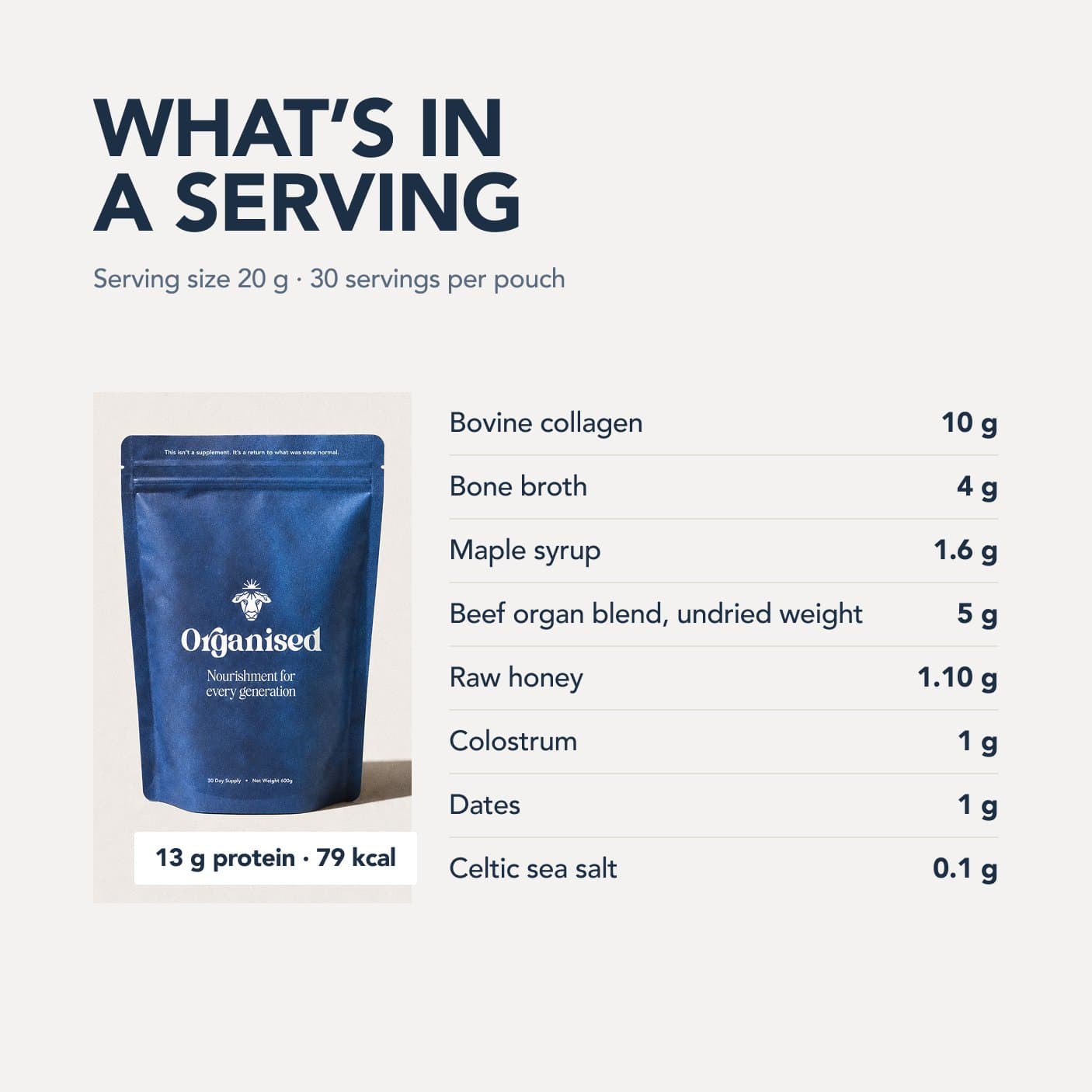
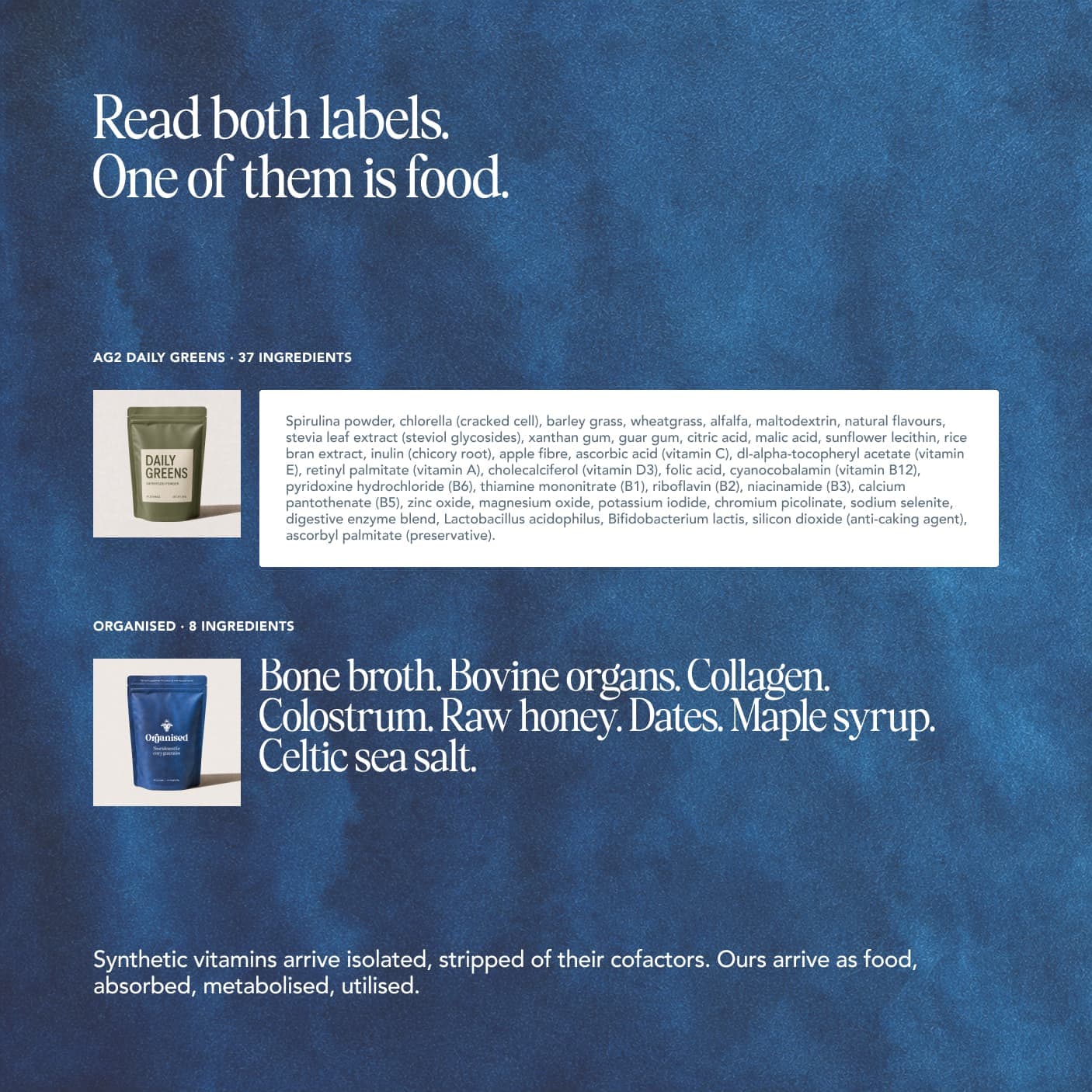
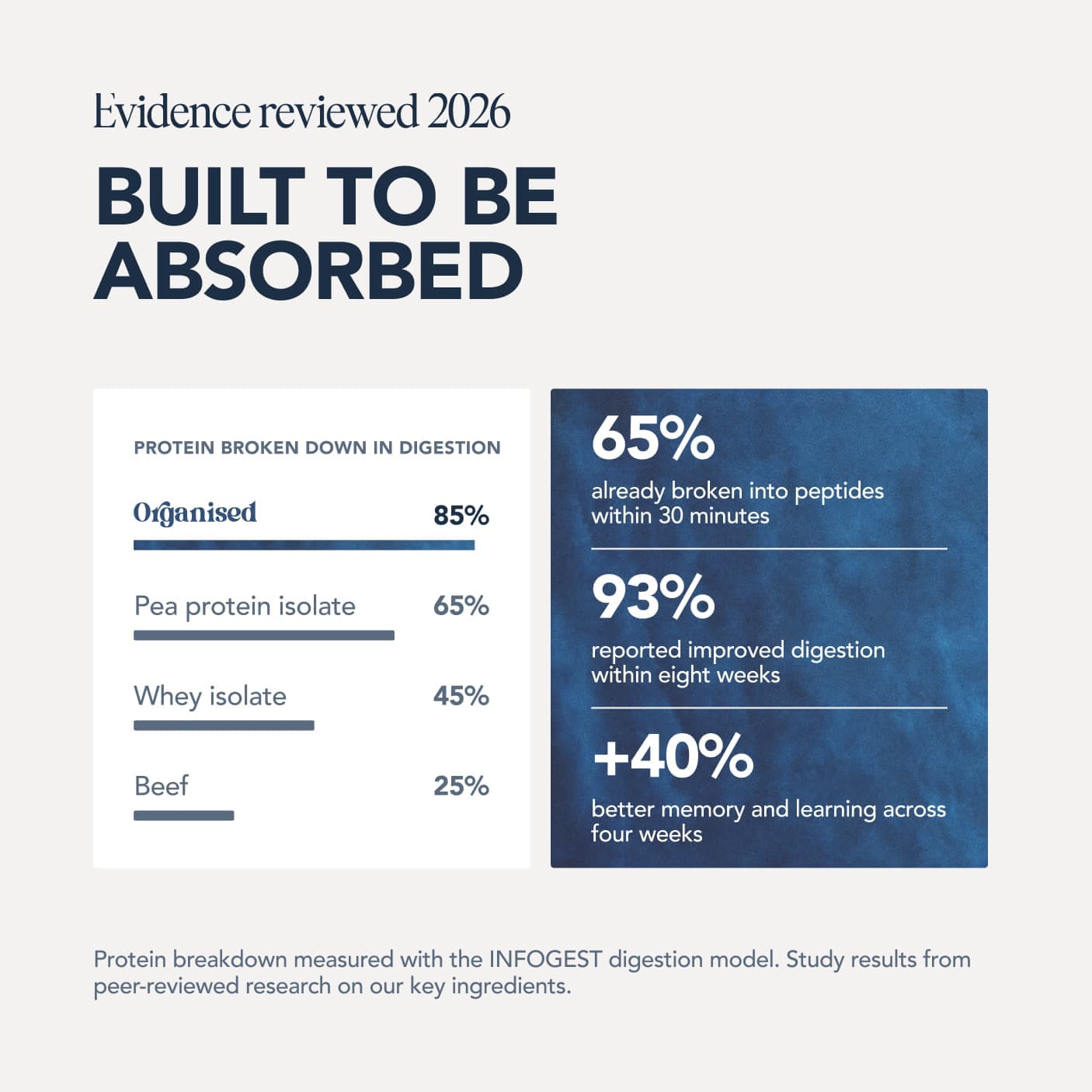
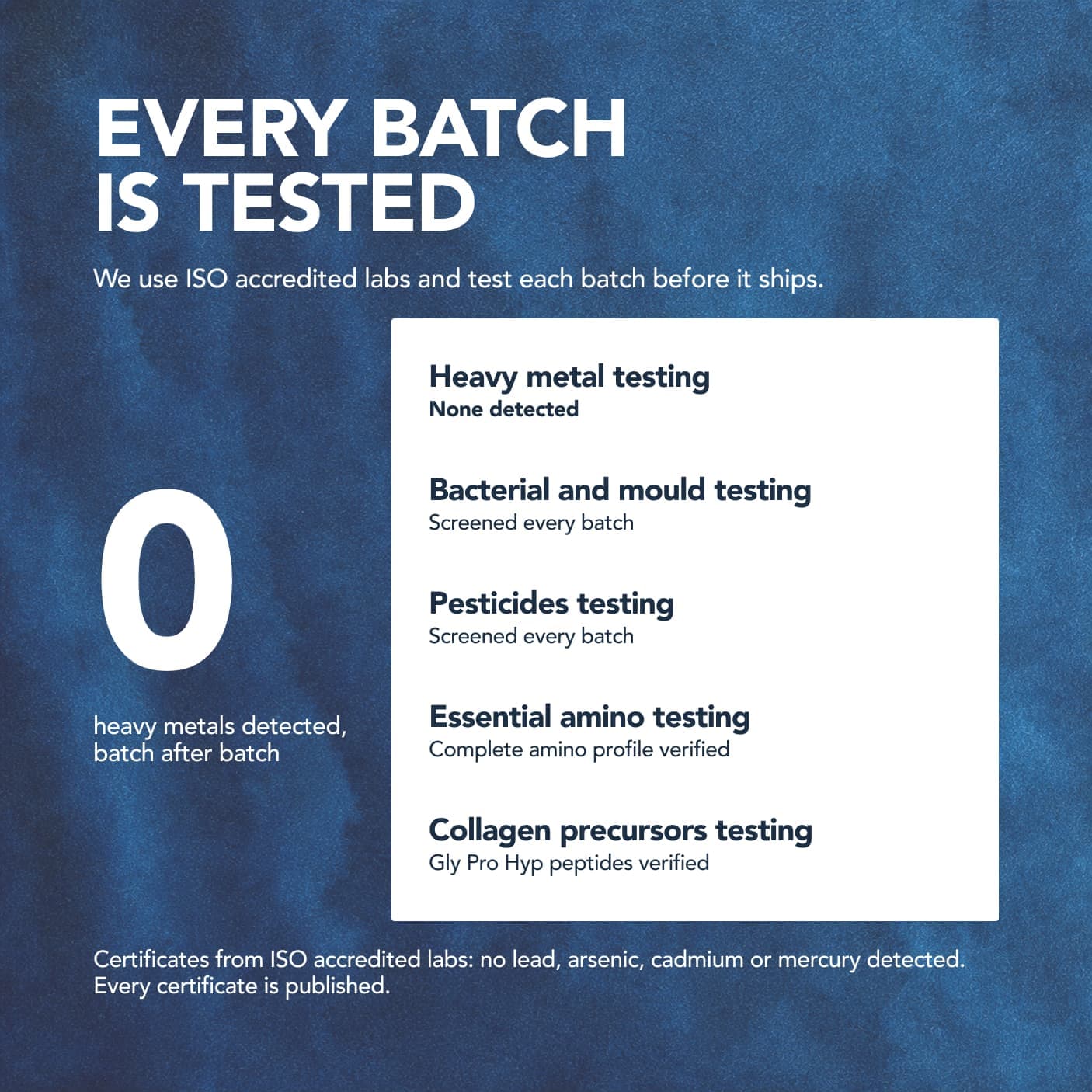
Eight real ingredients built around grass-fed beef organs, collagen and colostrum. Nothing synthetic added.
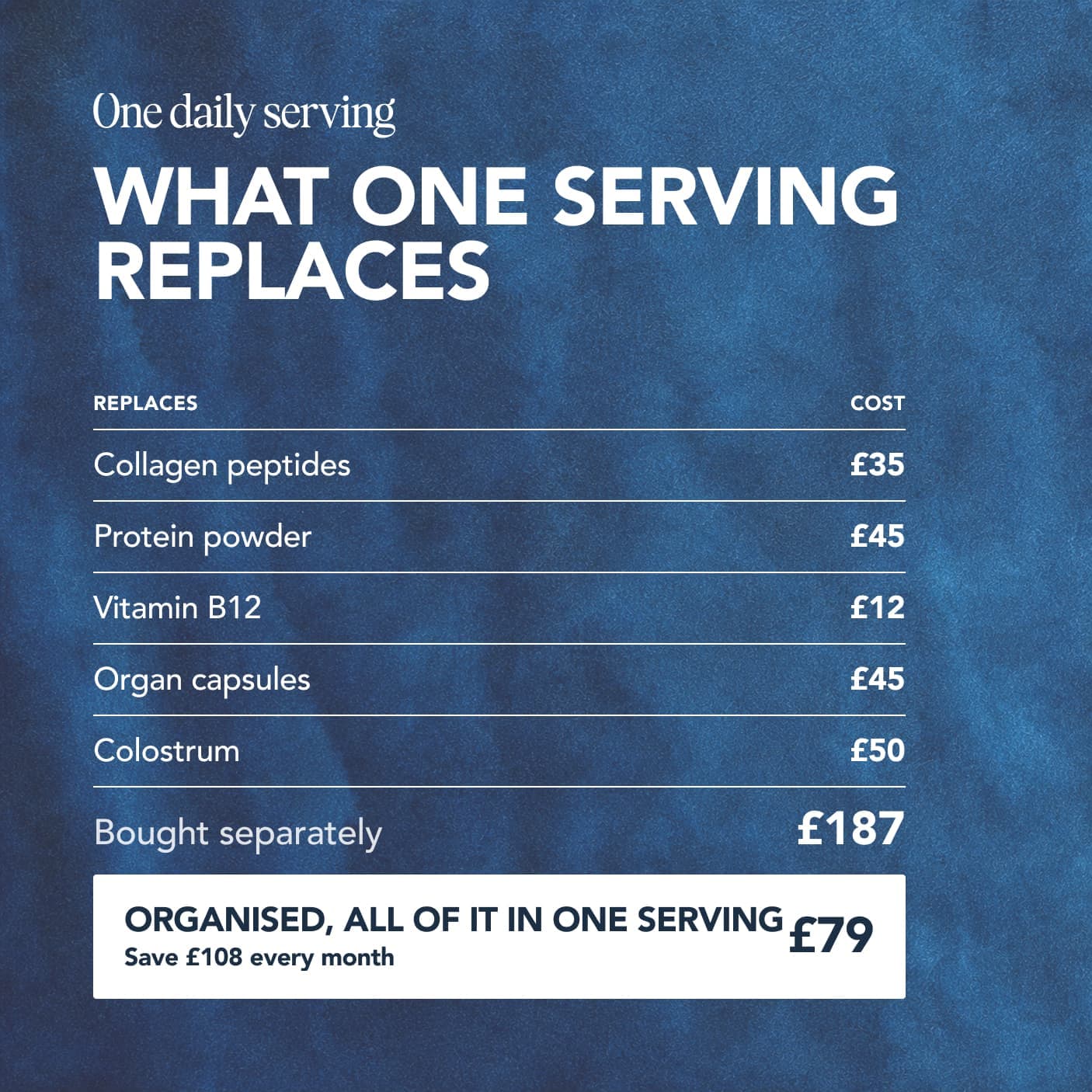
Free with your first order, worth £38. Plus £10 off the pouch with a subscription.
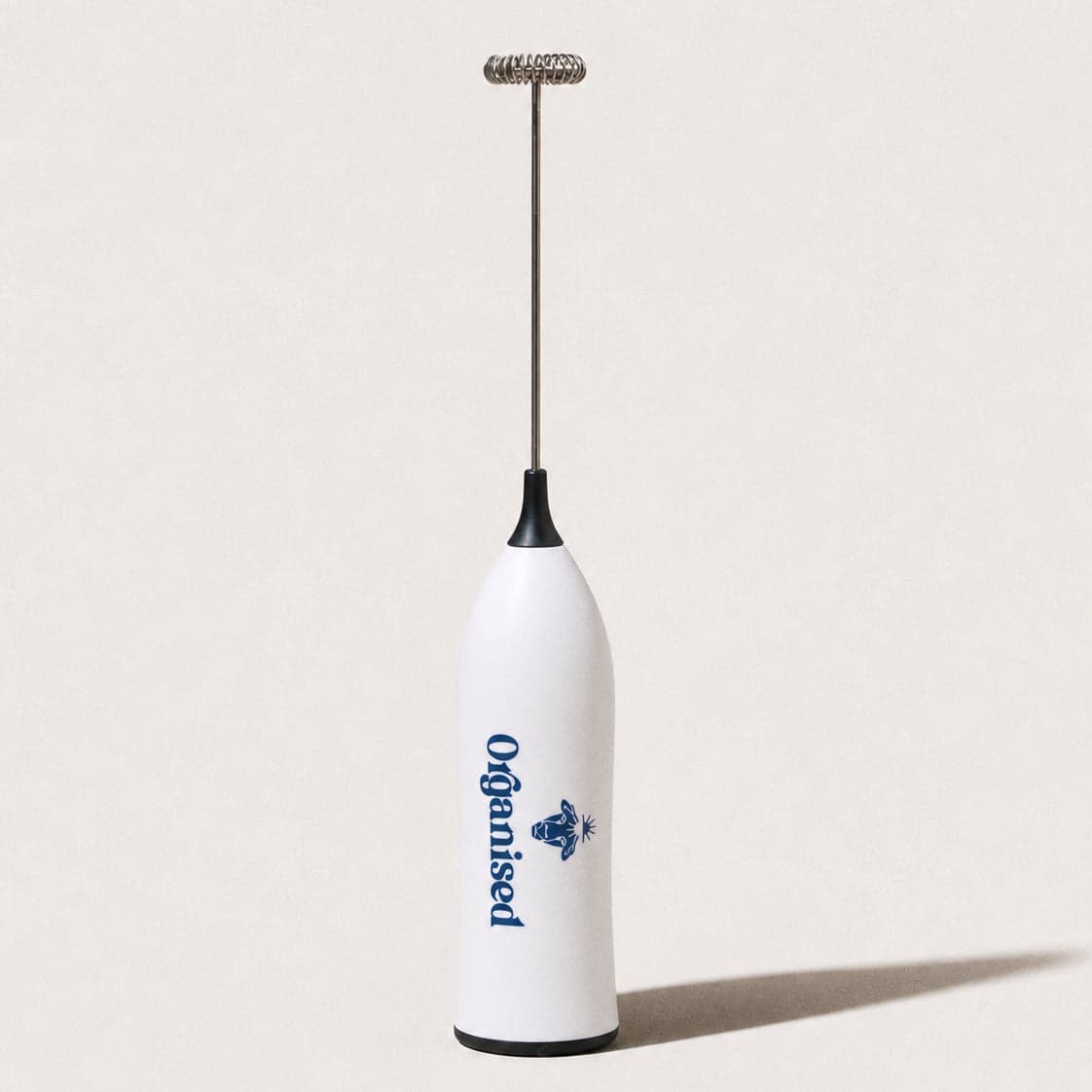
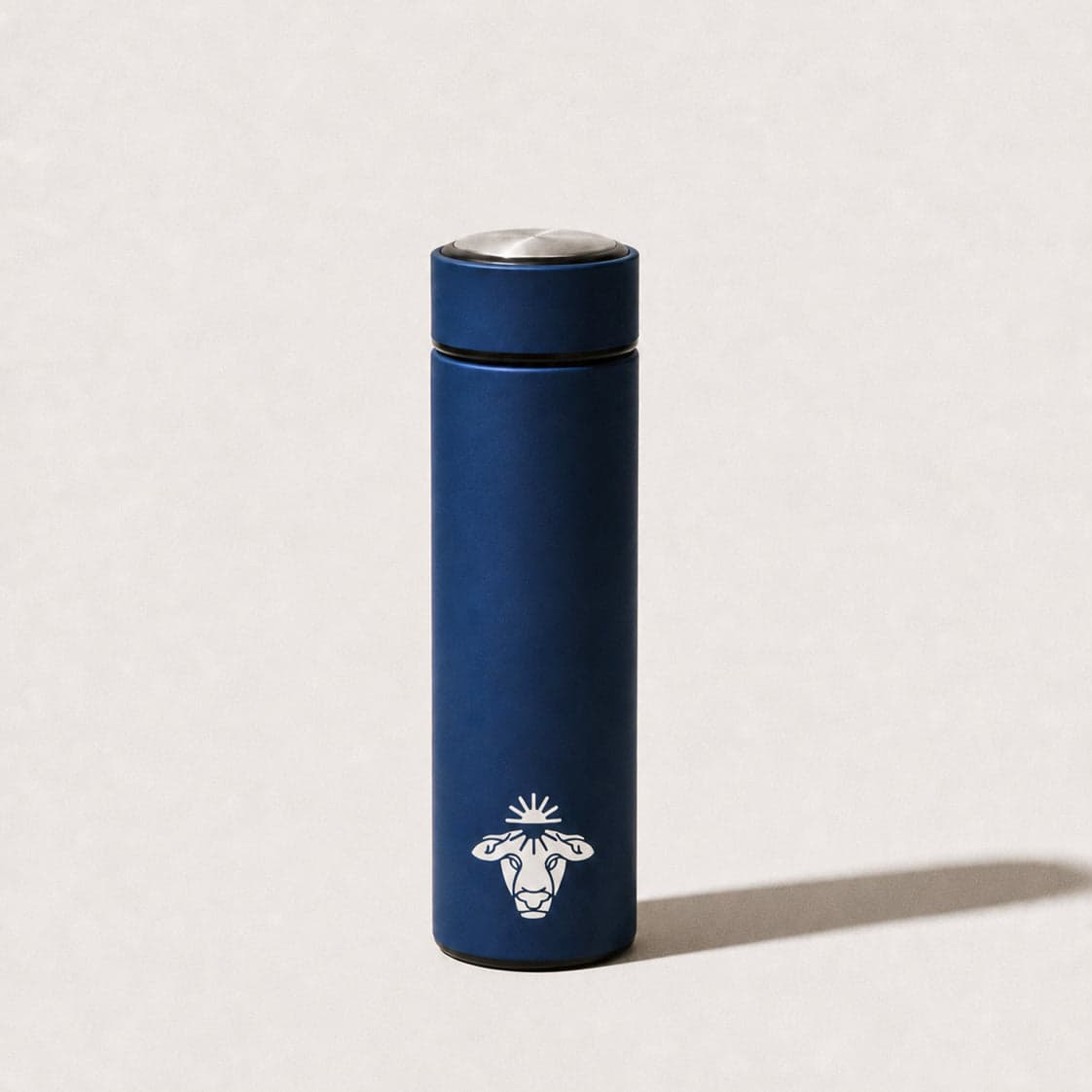
Free UK shipping · Made in England · 100 day money back guarantee on your first pouch · Skip, pause or cancel anytime
The gut-brain axis: why healing starts in the intestines
Here's something most nutritionists don't emphasise enough: your gut controls your mood as much as your mood controls your gut. Around 90 per cent of your body's serotonin is synthesised in the intestines. Not in your brain. If your gut is inflamed, damaged, or dysbiotic, that serotonin production tanks. You become depressed, anxious, or both.
The mechanism works through multiple pathways. Your gut microbiota produce metabolites (particularly short-chain fatty acids like butyrate) that cross the blood-brain barrier and regulate neurotransmitter production. When you have dysbiosis, you're not producing these metabolites. Your brain doesn't get the signals it needs. Anxiety and depression follow.
Additionally, when your gut is permeable, bacterial LPS crosses into your bloodstream. Your immune system recognises it and mounts an inflammatory response. Some of that inflammation occurs in the brain (your blood-brain barrier becomes more permeable too). Neuroinflammation impairs mood regulation, cognitive function, and sleep quality.
This is why so many people with depression, anxiety, or ADHD improve dramatically when they heal their gut. They're not fixing a separate problem. They're addressing the root cause. Their brain function improves because their gut is producing neurotransmitters again.
Include this in your healing expectations: your mood will stabilise around week 3-4. Brain fog will lift. Sleep will deepen. You'll feel more present. These changes happen because your gut is sealing, dysbiosis is resolving, and neurotransmitter production is normalising. This alone is worth the 90-day protocol, regardless of your digestive symptoms.
Your gut and your brain are not separate systems. Heal one, and you heal the other.
Why timing and consistency matter more than supplements
Many people try to heal their gut using expensive supplement protocols: L-glutamine powders, slippery elm, colostrum, and market-branded "leaky gut" products. These can help, but they're not the foundation. The foundation is consistent whole food.
Your gut lining turns over every 3-5 days.5 To rebuild, it needs raw materials constantly. Those materials are amino acids (from meat, fish, eggs, bone broth), minerals (from bone broth and salt), and fat-soluble vitamins (from organs and eggs). If you eat these consistently every day, your gut heals. If you eat them sporadically and rely on supplements to fill the gaps, healing stalls.
Timing also matters. Eating bone broth with breakfast gives your gut lining cells steady fuel throughout the day. Spreading protein across three meals (rather than dumping it all at dinner) means consistent amino acid availability. When you skip meals or go long periods without food, you starve the enterocytes. Healing slows.
The supplement approach often fails because people assume a powder can replace a meal. It can't. A scoop of collagen powder has amino acids, yes. But it doesn't have the mineral density of bone broth, the micronutrient density of organ meat, or the satiety signal of a full meal. Your body knows the difference. It responds better to food.
This is why the protocol works best when you embrace it as a dietary pattern, not a medical intervention. You're not "treating" leaky gut with supplements. You're eating like your ancestors ate, and your gut heals as a natural consequence. This mindset shift matters more than most practitioners admit.
Consistency beats intensity. Eating well every day beats buying expensive supplements and eating sporadically.
The bottom line
Gut healing is not complicated, but it is deliberate. Remove inflammatory foods. Add repair nutrients from whole food sources. Optimise your digestive capacity. Include beneficial bacteria. Give it time. Your gut lining is made of cells, and cells respond to inputs. Feed them properly and they rebuild. The inflammation decreases, the barrier tightens, and symptoms resolve.
This isn't about expensive supplements or exotic superfoods. It's about returning to the foods your ancestors ate: meat, bone broth, organs, fermented vegetables, and real fats. Your gut recognises these as normal and responds by healing.
The path is straightforward even if the timeline feels long. Weeks 1-2 brings rapid symptom relief. Weeks 3-8 sees cellular repair. Month 4 onwards brings a new baseline. You'll be different. Your energy will be stable. Your digestion honest. Your skin clearer. You'll sleep properly again. These changes are worth the discipline of 90 days.
If you'd like to dive deeper into specific aspects, we have detailed guides on leaky gut and zonulin, foods damaging your gut, and colostrum and collagen for repair. Start where your symptoms are loudest.
References
Every source below was checked on 27 August 2026. Each PubMed, PMC and DOI identifier was resolved against NCBI or Crossref, and what it opens is printed under the citation, so you can see the link goes where the citation says without leaving the page. Where a citation and its identifier disagreed, the citation was corrected to the record or the reference was deleted along with the sentence marker that pointed at it, and where the resolved paper turned out not to support the sentence, the sentence was cut back to what it does support. Borrowed authority is worse than none, because it looks like rigour.
- Fasano A. Zonulin and its regulation of intestinal barrier function: the biological door to inflammation, autoimmunity, and cancer. Physiological Reviews. 2011;91(1):151-175. https://pubmed.ncbi.nlm.nih.gov/21248165/Checked 27 August 2026: PMID 21248165 opens Fasano A, Zonulin and its regulation of intestinal barrier function: the biological door to inflammation, autoimmunity, and cancer. Physiol Rev 2011;91(1):151-75. PubMed indexes it as: Review.
- Kim MH, Kim H. The Roles of Glutamine in the Intestine and Its Implication in Intestinal Diseases. International Journal of Molecular Sciences. 2017;18(5):1051. https://pmc.ncbi.nlm.nih.gov/articles/PMC5454963/Checked 27 August 2026: PMC5454963 opens Kim MH, Kim H, The Roles of Glutamine in the Intestine and Its Implication in Intestinal Diseases. Int J Mol Sci 2017;18(5). PubMed indexes it as: Review.The authors' own declaration, from the record: The authors declare no conflict of interest.
- National Institutes of Health, Office of Dietary Supplements. Vitamin A and Carotenoids: Fact Sheet for Health Professionals. https://ods.od.nih.gov/factsheets/VitaminA-HealthProfessional/ [accessed May 2026].
- Liu H, Wang J, He T, et al. Butyrate: A Double-Edged Sword for Health? Advances in Nutrition. 2018;9(1):21-29. https://pmc.ncbi.nlm.nih.gov/articles/PMC6333934/Checked 27 August 2026: PMC6333934 opens Liu H, Wang J, He T et al, Butyrate: A Double-Edged Sword for Health? Adv Nutr 2018;9(1):21-29. PubMed indexes it as: Review.
- Darwich AS, Aslam U, Ashcroft DM, Rostami-Hodjegan A. Meta-analysis of the turnover of intestinal epithelia in preclinical animal species and humans. Drug Metabolism and Disposition. 2014;42(12):2016-2022. https://pubmed.ncbi.nlm.nih.gov/25233858/Checked 27 August 2026: PMID 25233858 opens Darwich AS, Aslam U, Ashcroft DM et al, Meta-analysis of the turnover of intestinal epithelia in preclinical animal species and humans. Drug Metab Dispos 2014;42(12):2016-22. PubMed indexes it as: Meta-Analysis.
Who wrote and reviewed this guide
Niall Kiddle
Author · Founder, Organised
Niall is the founder of Organised. He started the company in 2024 after fixing his own health the slow way: in 2022 he swapped a cupboard of synthetic supplements for real food, raw milk, organ meats, bone broth and honey, and felt the difference within months.
Areas of expertise: Ancestral nutrition, Organ meats, Whole-food supplementation, Gut health, Regenerative sourcing
Read Niall's full profile
Pedro Rodrigues
Reviewer · Agronomist (farming and sourcing only)
Pedro is the agronomist Organised works with on farming and sourcing. His job on the guides is to keep the science honest: he reviews what we publish about soil health, regenerative agriculture, grazing and the way food is actually produced.
Areas of expertise: Regenerative agriculture, Agronomy, Soil health, Grass-fed farming, Food sourcing
Reviewed this guide on
Read Pedro's full profileMore on gut health
View all- Why Your Gut Health Affects Everything (Not Just Digestion)
- 5 Foods You Think Are Healthy (But Are Secretly Ruining Your Gut)
- Acid Reflux and Low Stomach Acid: A Nutritional Perspective
- Bloating After Eating: Common Causes and Whole Food Solutions
- Bone Broth for Gut Health: What the Science Says
- Candida Overgrowth: What It Is and How Nutrition Can Help
- Histamine Intolerance: Could Your Gut Be the Cause?
- How Colostrum and Collagen Work Together to Repair the Gut Lining
- How Stress Destroys Your Gut (And What to Do About It)
- How to Recognise the Early Signs of Poor Gut Health
- How to Reset Your Gut After Antibiotics
- IBS and Nutrition: A Whole Food Approach
Browse the guides library
All guidesKeep reading
Health goals
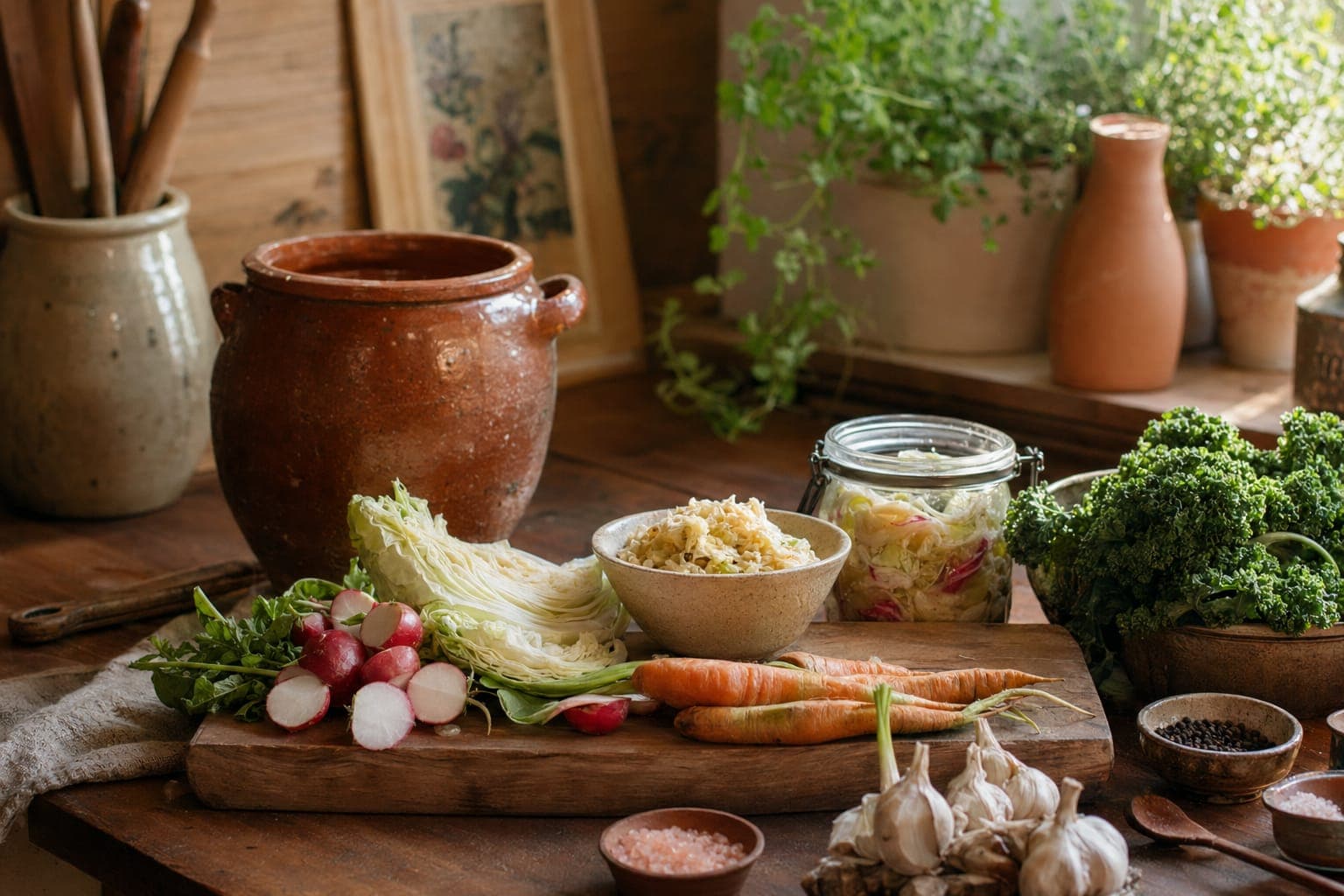
Leaky Gut: What It Is, What Causes It, and How to Fix It
What is leaky gut? Learn about zonulin, gluten, stress, and the foods causing intestinal permeability. Practical healing protocol included.
Health goals
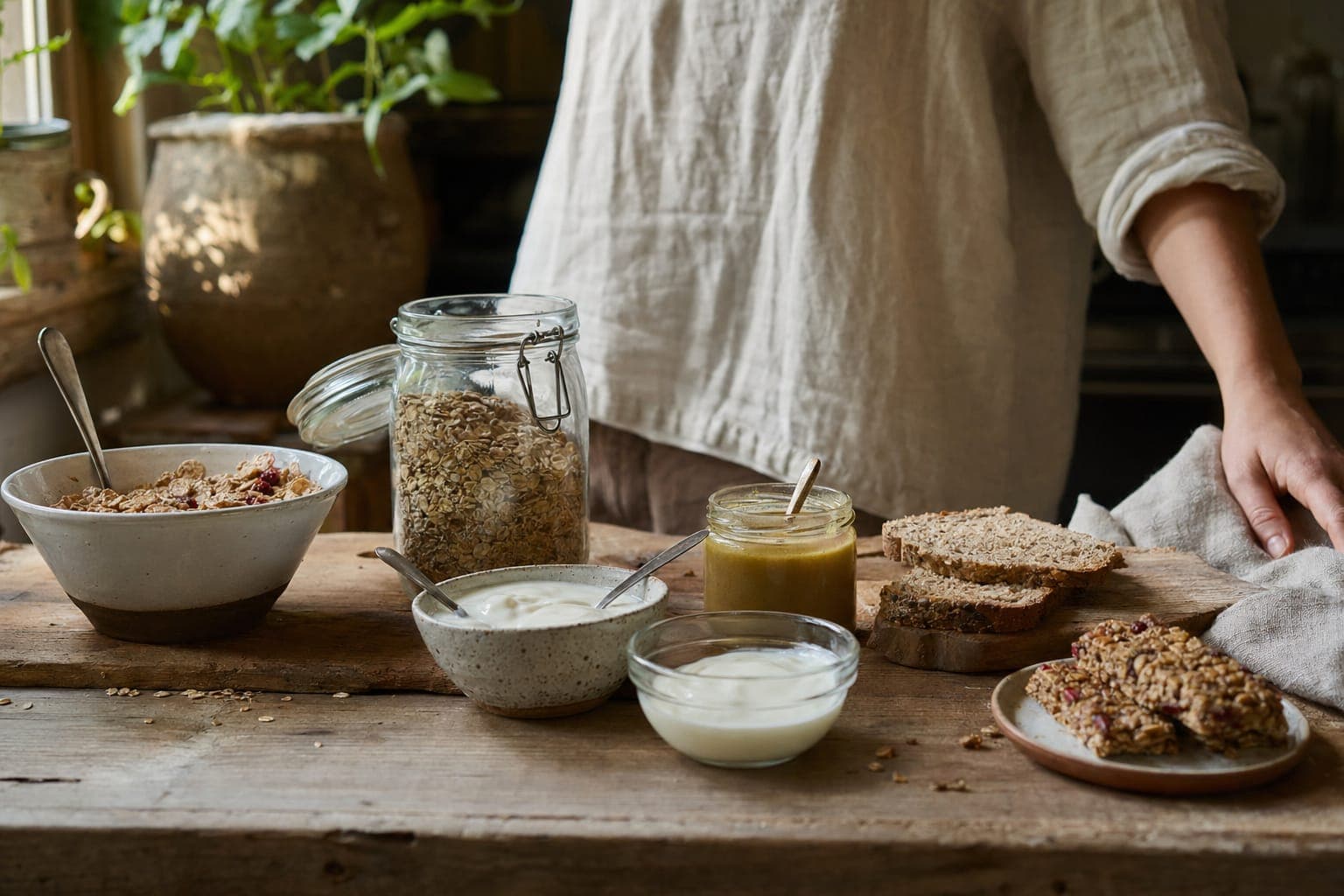
5 Foods You Think Are Healthy (But Are Secretly Ruining Your Gut)
What you think is healthy food might be quietly damaging your gut. Discover the five sneaky culprits sabotaging your digestion, and what to eat instead.
Health goals
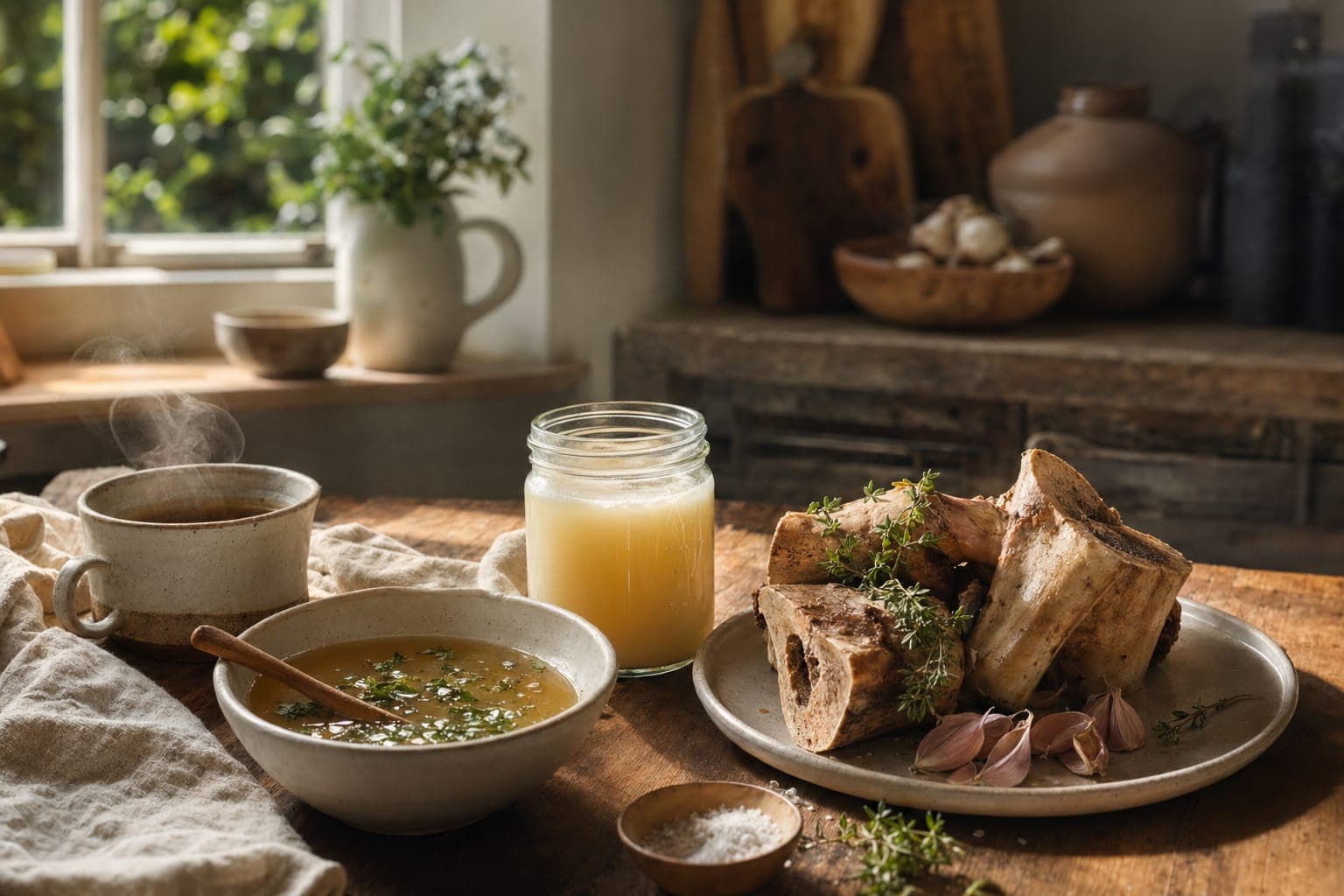
How Colostrum and Collagen Work Together to Repair the Gut Lining
See how colostrum and collagen work together to help seal a damaged gut lining, why each plays a distinct role, and how to use both for steady gut repair.
Real food, made effortless
Start my daily blendA few ways to use it
All recipes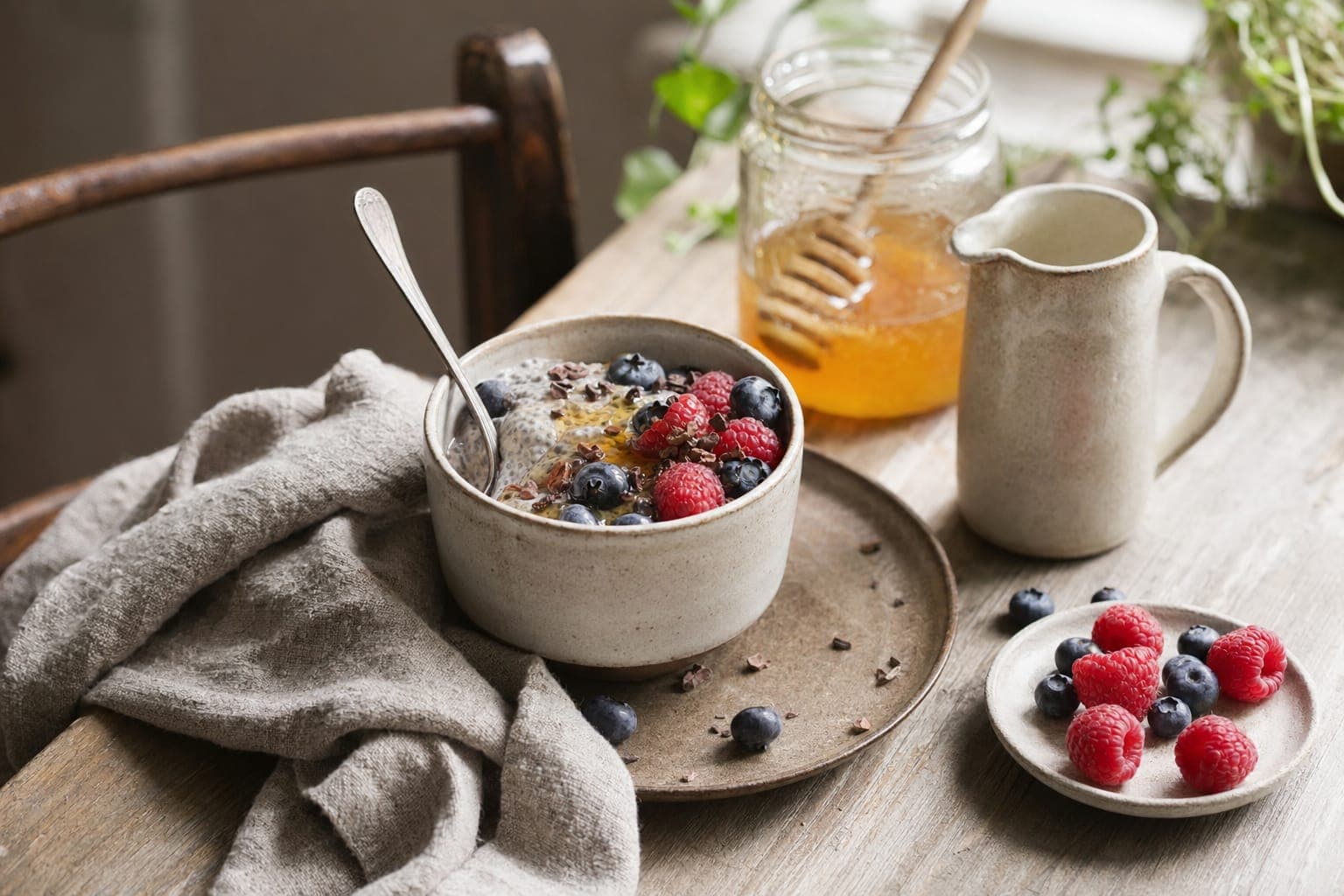
Organised Chia Pudding with Raw Honey and Berries
A no-cook chia seed pudding made with raw milk, collagen, berries, and raw honey. Prep it the night before and eat for breakfast.
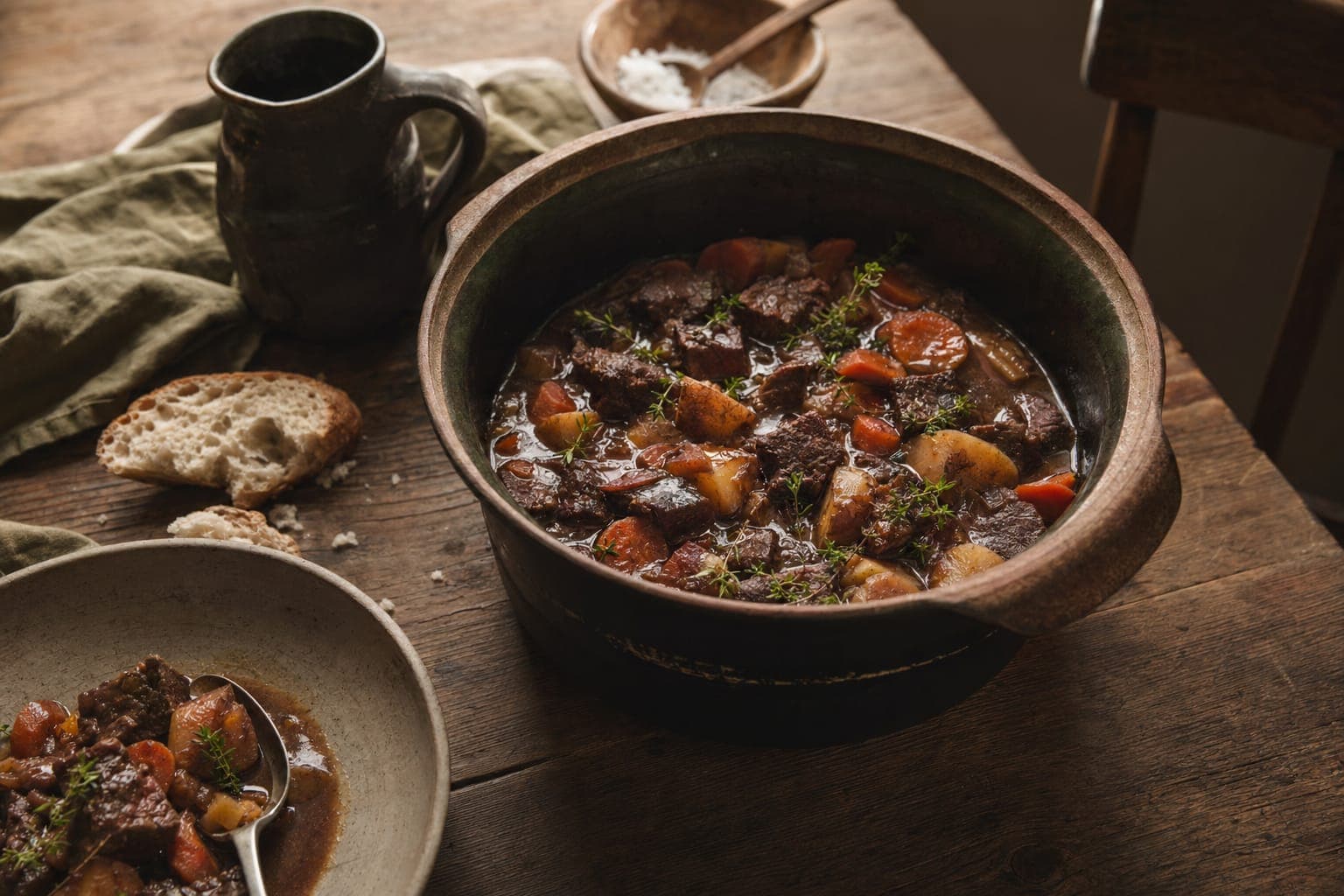
Collagen-Rich Beef Stew: Slow-Cooked Nourishment
Beef stew that delivers collagen from connective tissue and bone broth. Winter comfort food that actually nourishes. Simple slow cooker recipe.
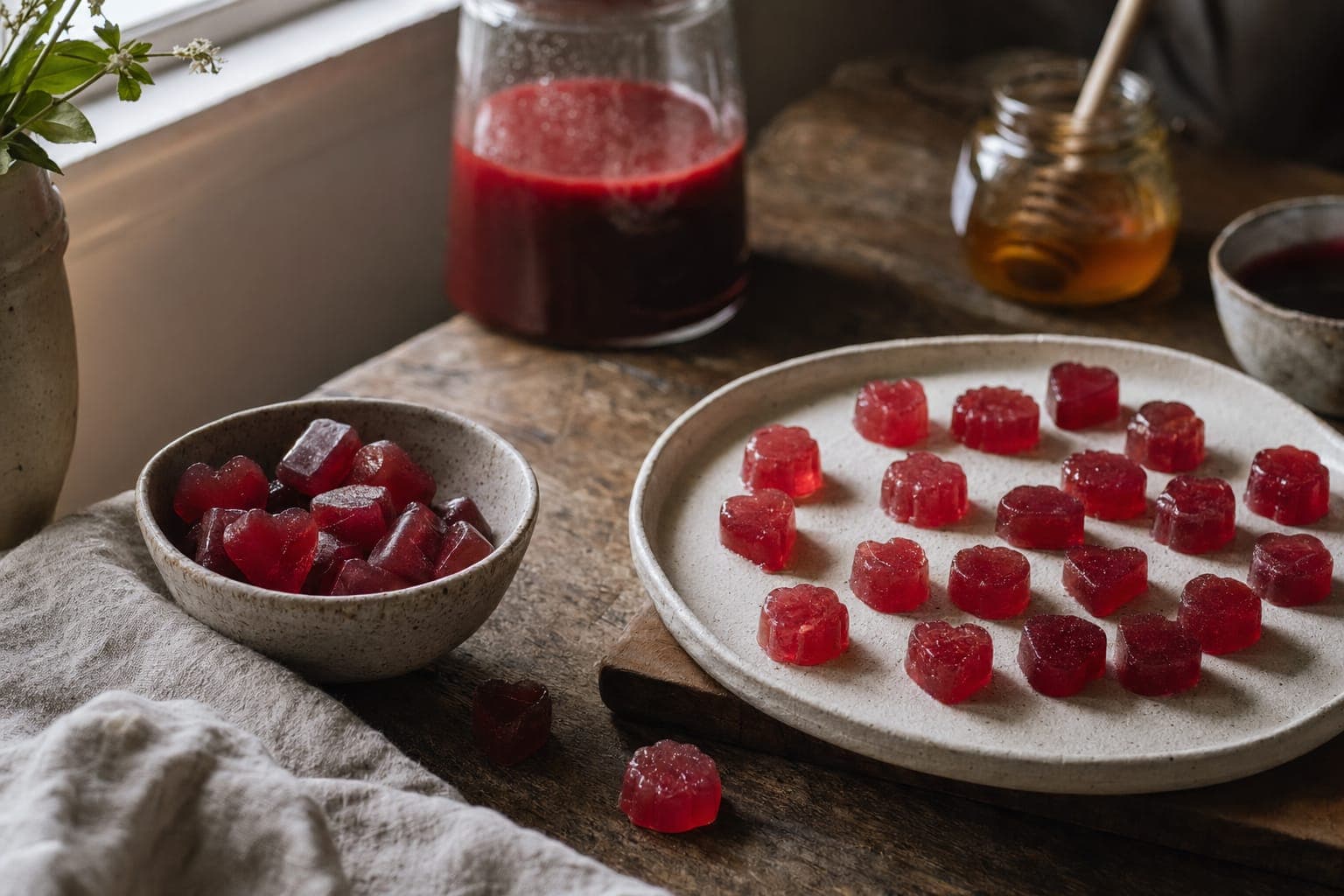
How to Make Your Own Gelatine Gummies
A simple recipe for homemade gelatine gummies using grass-fed gelatine, fresh juice, and raw honey. Better than shop-bought, kids love them.


 Join over 100,000+ members
Build a better food system with us
The Organised community is thousands of people choosing real food and backing the farmers who grow it, all of us trying to leave the world a little better than we found it. If that is what you care about too, you belong here.