Acne and Nutrition: What the Latest Research Says
You've probably tried the topical route. The creams, the serums, the spot treatments. And yet your skin keeps breaking out in the same places, month after month. Here's what dermatologists aren't telling you: acne isn't really a skin problem. It's a nutrition and inflammation problem that happens to show up on your face.

By Niall Kiddle, Founder, Organised

Reviewed by Pedro Rodrigues, Agronomist (farming and sourcing only) ·
7 min read · Published · Updated · 5 cited sources
Makers of the Organised Daily blend, a grass-fed beef organ supplement from regenerative UK farms
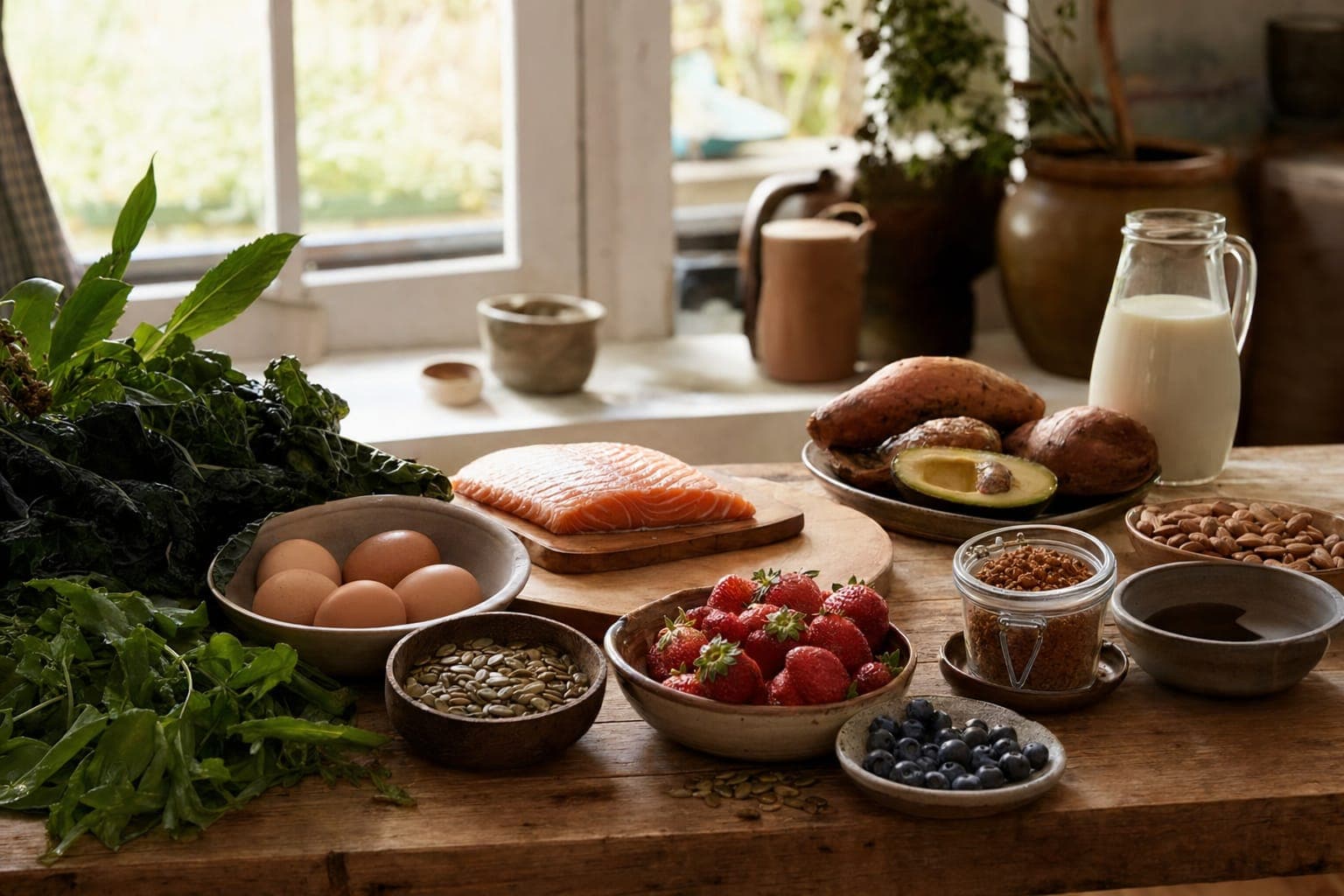
Here's what dermatologists aren't telling you: acne isn't really a skin problem. It's a nutrition and inflammation problem that happens to show up on your face.
Why your skin is rebelling
Acne is fundamentally an inflammatory condition driven by hormonal shifts and bacterial overgrowth in the pore. But here's where nutrition comes in: what you eat determines whether your body has the resources to regulate inflammation, control oil production, and maintain skin integrity.
Think of your skin as a window into your gut and metabolic health. If you're eating foods that spike your blood sugar, promote systemic inflammation, or deplete key nutrients, your skin will reflect that. The latest research confirms what ancestral eating patterns have always suggested: you can't fix your skin from the outside if you're damaging it from the inside.
Acne isn't a hygiene problem or a teenage rite of passage. It's your body signalling that something in your diet or nutrient status needs to shift.
The most compelling studies come from populations eating traditional diets. The Kitava islanders of Papua New Guinea, the Ache hunter-gatherers of Paraguay, the Inuit populations pre-industrialisation: acne is virtually non-existent.1 The moment these groups adopt Western processed foods, acne rates spike. It's not genetics. It's food.
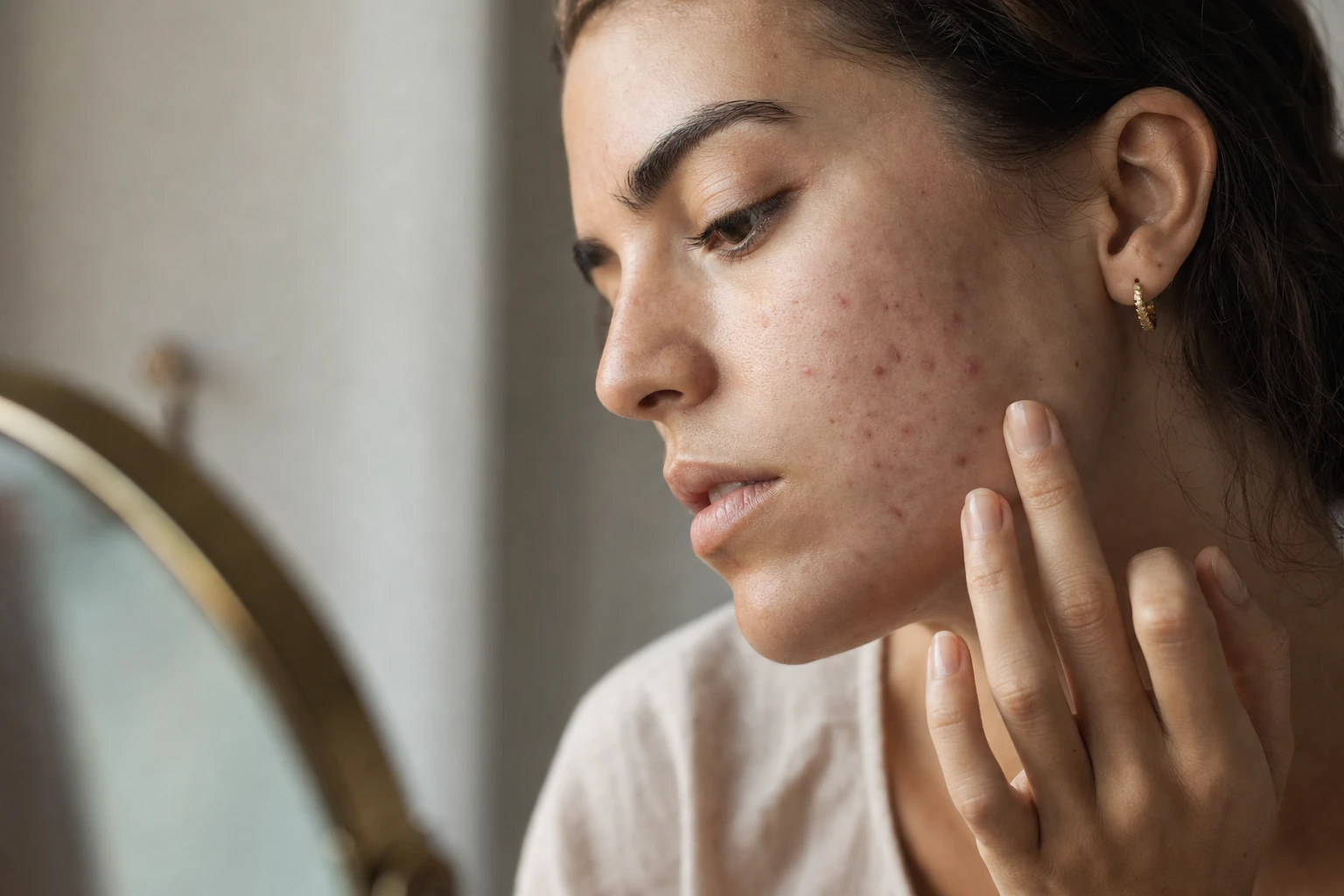
The dairy problem nobody wants to hear
Milk is a growth hormone delivery system. Cows produce milk to rapidly grow calves, and that milk is packed with hormonal signals designed to stimulate growth and cell division. When you drink it, those hormones affect your body too.
Skimmed milk is particularly problematic. Removing the fat concentrates the whey proteins and lactose, both of which trigger insulin spikes. Insulin, in turn, stimulates sebaceous glands to produce more oil and promotes skin cell proliferation.2 Add the hormonal content of the milk itself, and you've created a perfect storm for acne.
Research published across dermatology journals consistently links dairy consumption to increased acne severity, especially in teenagers and young adults.3 Whole milk is slightly better than skimmed (the fat slows insulin response), but the safest approach for acne-prone skin is to eliminate it entirely for 4-8 weeks and observe whether your skin improves.
If you're drinking three glasses of skimmed milk daily in the name of health, your skin will likely tell you it disagrees.
The exceptions: fermented dairy like aged cheese, Greek yoghurt, and kefir are far less problematic. The fermentation process reduces lactose and the hormone concentration, and these foods support beneficial gut bacteria that help regulate inflammation systemically.
Blood sugar and the acne spiral
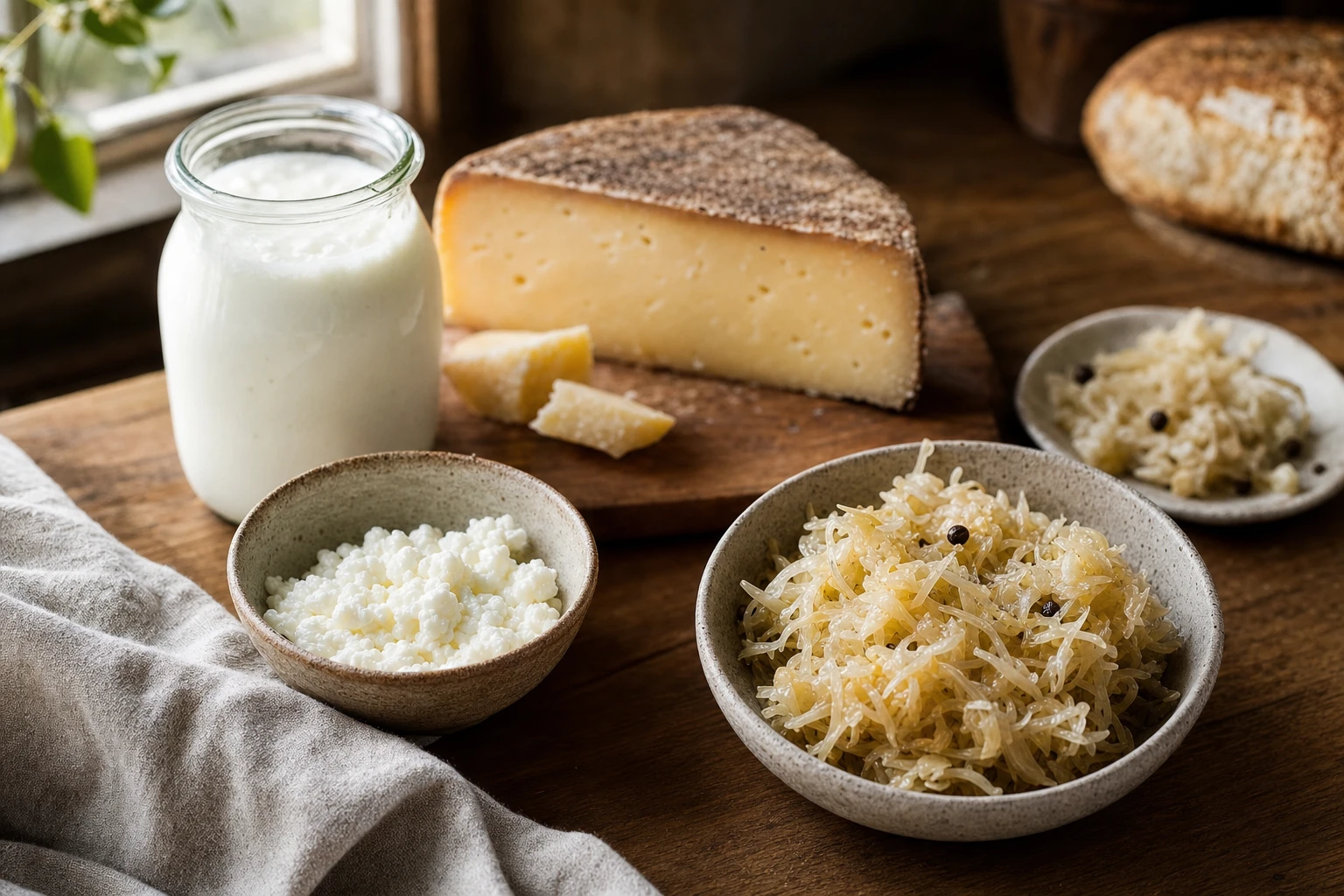
Every time you eat refined carbohydrates or sugar, blood glucose spikes. Your body responds by releasing insulin to bring it back down. But insulin doesn't just regulate blood sugar. It signals your body to store fat, produce more sebum, and increase androgens, the hormones that drive acne.2
High glycaemic index foods are acne accelerators.2 White bread, breakfast cereals, pastries, fruit juices, most commercial granola: these foods cause rapid blood sugar swings that keep your hormonal system in constant flux. Your sebaceous glands are sensitive to these signals, and they respond by ramping up oil production.
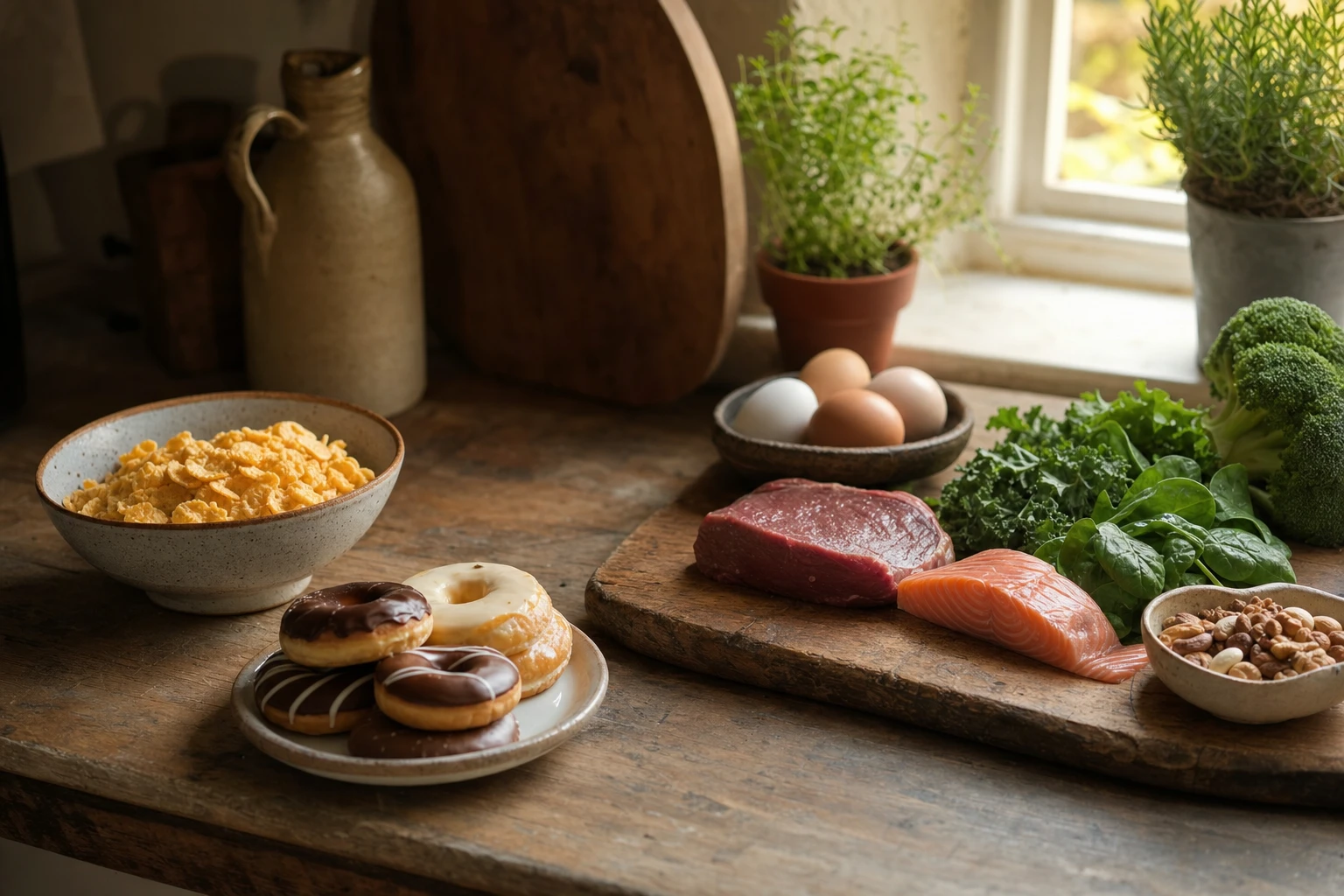
Low glycaemic index eating keeps insulin stable. Whole grains, legumes, non-starchy vegetables, meat, eggs, and healthy fats: these foods maintain steady glucose levels. Stable insulin means stable hormones, less sebum production, and reduced inflammation. This is why people who shift to protein-focused breakfasts and eliminate bread and processed snacks often see dramatic skin improvements within weeks.
Your breakfast choice determines your skin's oil production for the day. A pastry breakfast triggers eight hours of excess sebum. Eggs and vegetables do the opposite.
The mechanism is clear in the literature: high insulin promotes the growth of P. acnes bacteria in the pore, suppresses the skin's natural immune response, and increases skin inflammation markers. If you're serious about clearing acne, blood sugar control is non-negotiable.
Why seed oils and omega-6 matter
Modern diets are drowning in omega-6 polyunsaturated fats from seed oils: sunflower, soybean, canola, safflower. These oils are everywhere. In restaurant food, packaged snacks, salad dressings, baked goods, even foods marketed as healthy.
The problem is balance. Your body needs omega-6 and omega-3 in roughly equal ratios. But modern eating has shifted that ratio to 20:1 or higher in favour of omega-6. This imbalance tips your body toward a pro-inflammatory state. Inflammation in the gut triggers systemic inflammation, which surfaces as acne.
Omega-6 fats themselves are oxidation-prone, creating free radicals in the body. Your skin is particularly sensitive to oxidative stress, which damages the skin barrier and promotes bacterial overgrowth. Research links high seed oil consumption to increased acne severity and slower healing of existing lesions.
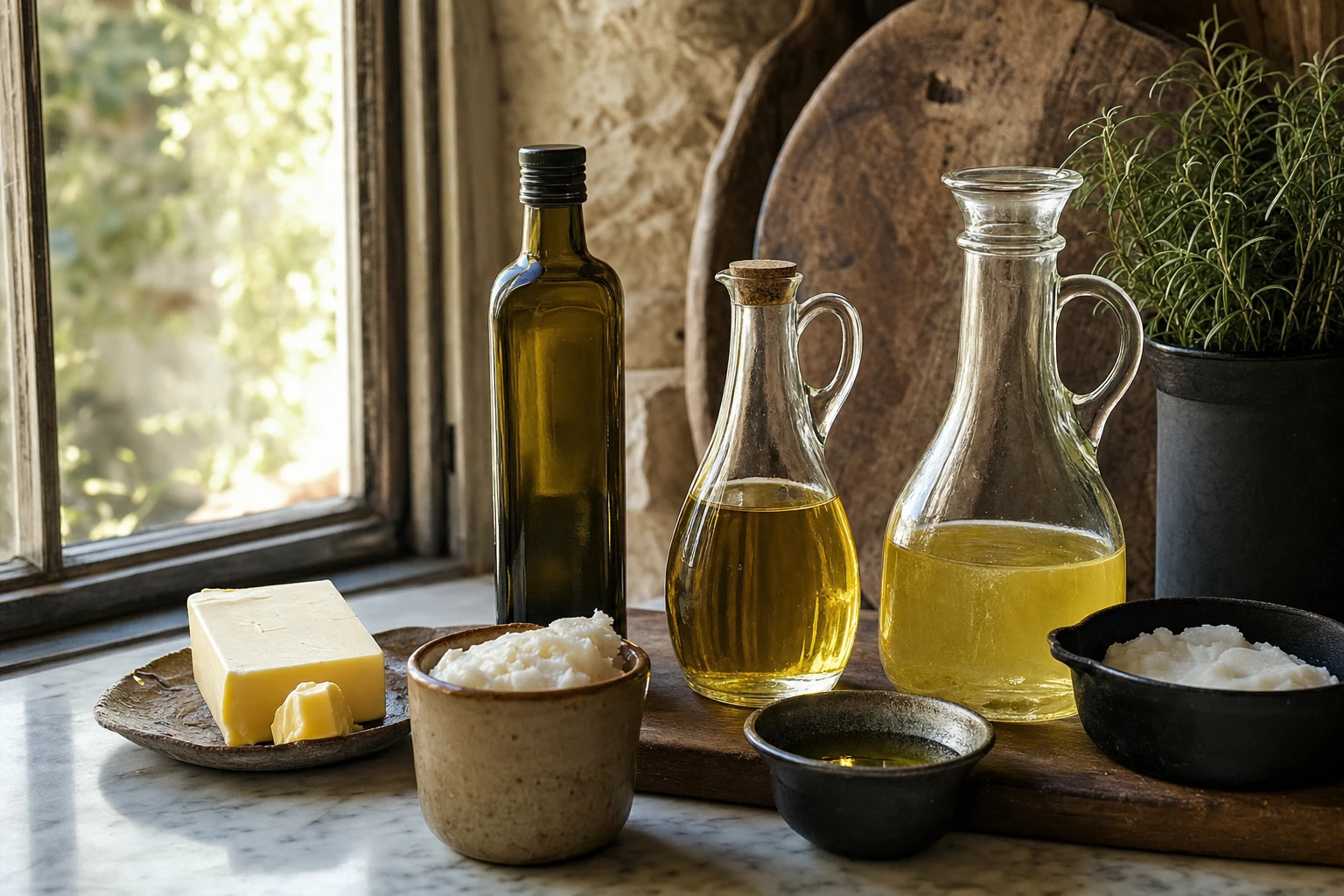
Replace seed oils with butter, tallow, olive oil, and coconut oil. This single swap often improves skin within four to six weeks.
Omega-3 fats from fish, grass-fed meat, and flax seeds do the opposite: they're anti-inflammatory, stabilise the skin barrier, and support your immune system's ability to fight acne bacteria. If you're eating processed food, you're likely getting 100+ grams of omega-6 daily and perhaps 0.5 grams of omega-3. Rebalance that ratio and acne tends to follow.
Get health guides like this, free
Two short reads a week on eating for energy, gut health, skin, sleep and more.
By signing up you agree to receive emails from us. No spam, unsubscribe anytime.
The micronutrients your skin is crying out for
Zinc is perhaps the most critical mineral for acne-prone skin. It regulates sebum production, supports the immune system's fight against P. acnes bacteria, and is essential for skin healing and collagen synthesis.4
Zinc deficiency is rampant in modern populations, particularly in young women. Low stomach acid, common with processed food diets, phytic acid in grains which binds zinc, and mineral-depleted soils all contribute to widespread deficiency. Acne-prone people are often chronically low in zinc.
Vitamin A is equally critical. It regulates skin cell turnover, preventing the clogging that traps bacteria in pores. It supports immune function and reduces sebum production.5 Retinol, active vitamin A, is found almost exclusively in animal foods: liver, egg yolks, butter, fish roe. Plant-based beta-carotene converts poorly to usable vitamin A, especially if your gut is inflamed.
B vitamins, particularly B5 and B6, regulate hormone metabolism. Deficiency prolongs hormonal acne cycles. B12, folate, and the full B complex support gut health and reduce inflammation. Most processed food diets are B vitamin deficient.
Organ meats, liver especially, egg yolks, oysters, and fish roe are among the few foods that contain meaningful amounts of the minerals and vitamins acne-prone skin desperately needs.
The practical takeaway: if you're serious about clearing acne, supplementing is one strategy, but far better is fixing the diet that depleted these nutrients in the first place. Liver, red meat, oysters, eggs, grass-fed dairy if tolerated, fatty fish, and mineral-rich bone broth address multiple nutrient gaps simultaneously.



1 of 9
Daily blend
100,000+ thriving families4.9 on Trustpilot
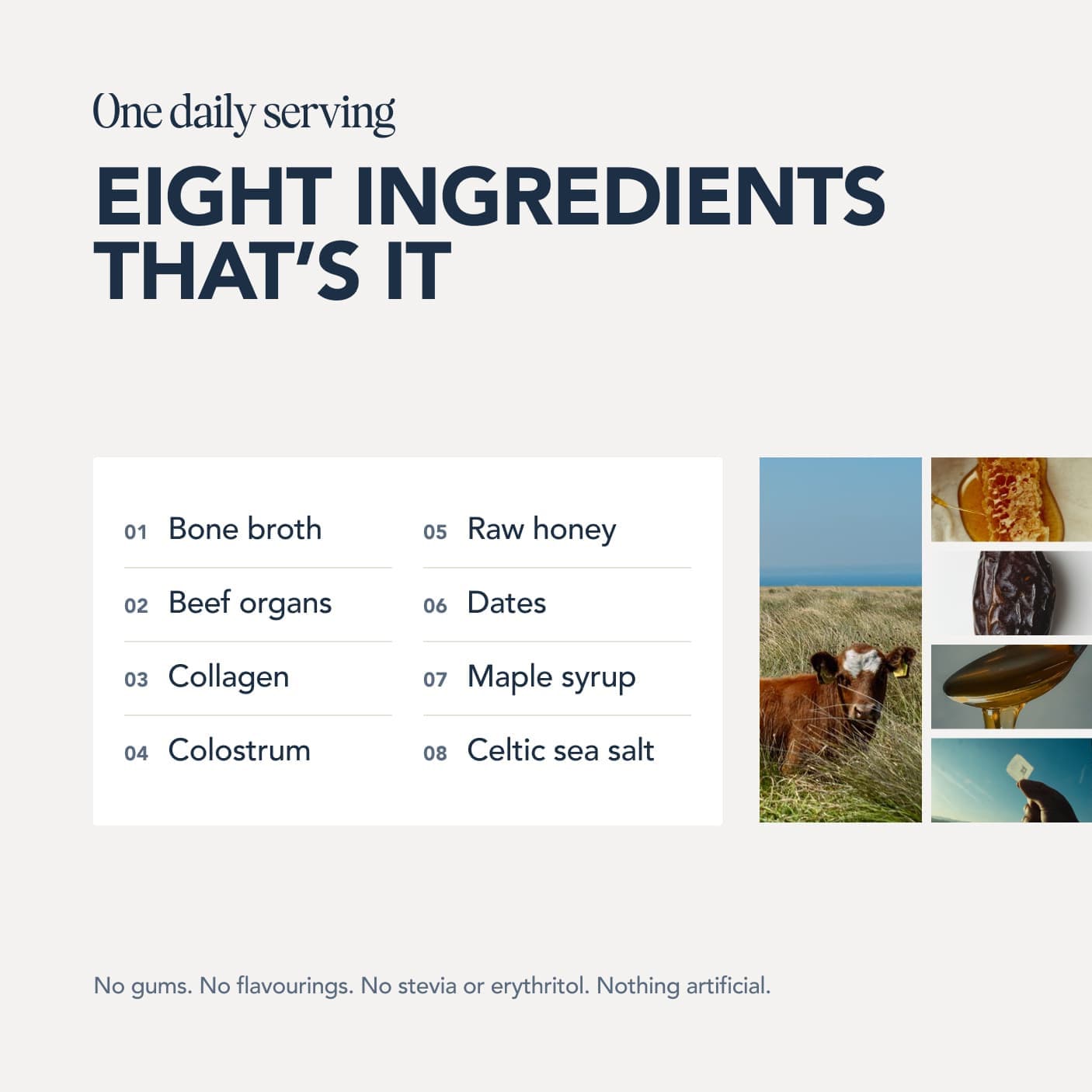
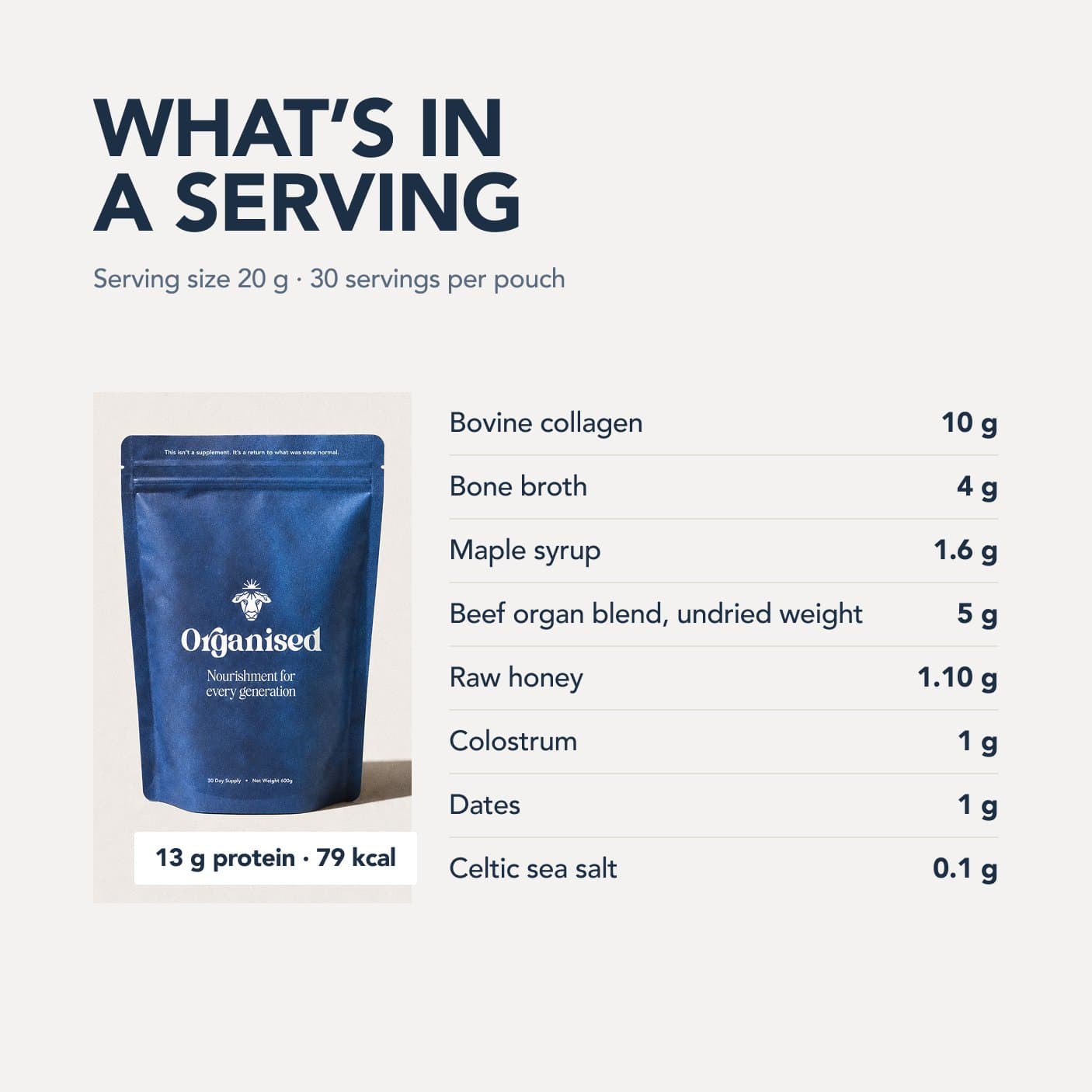
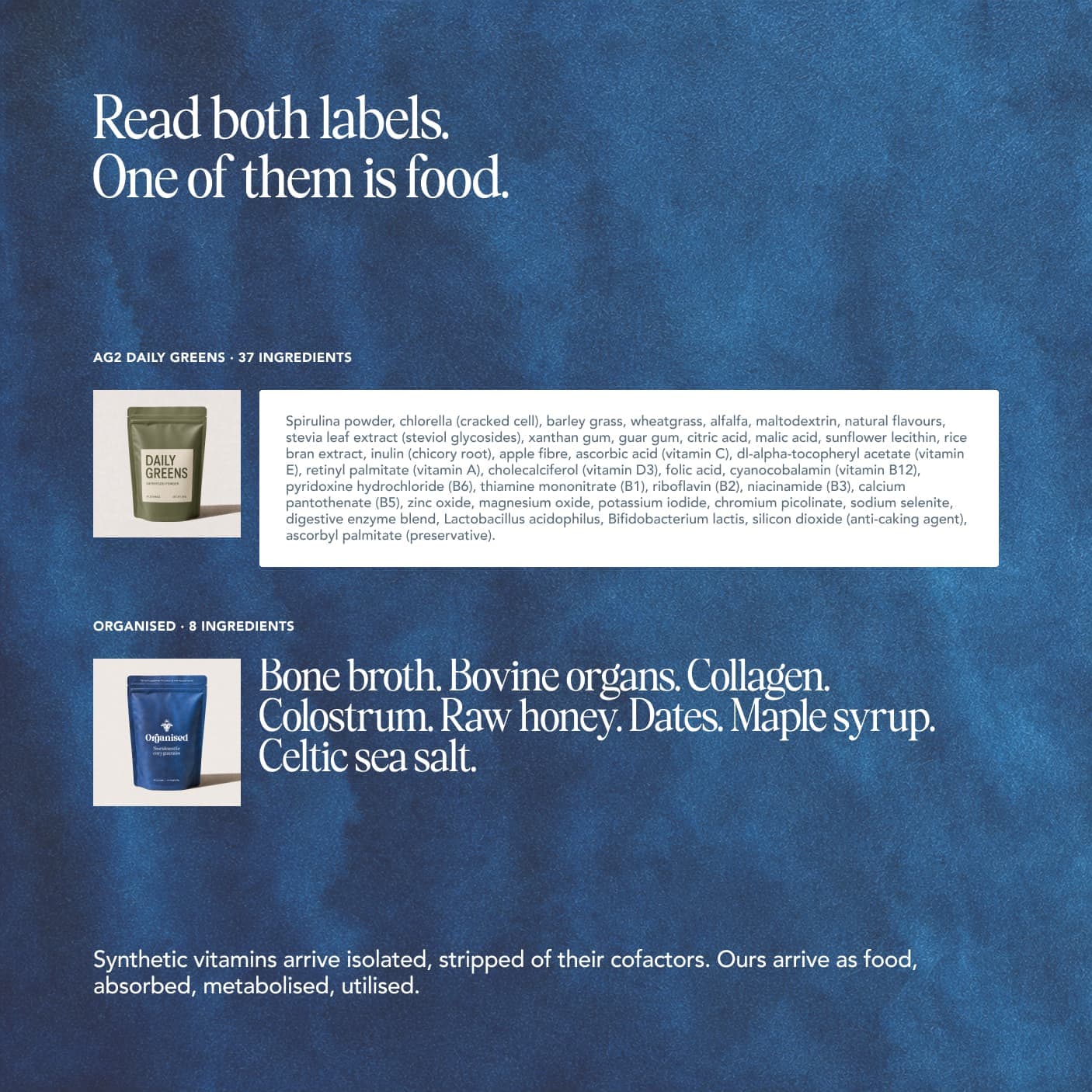
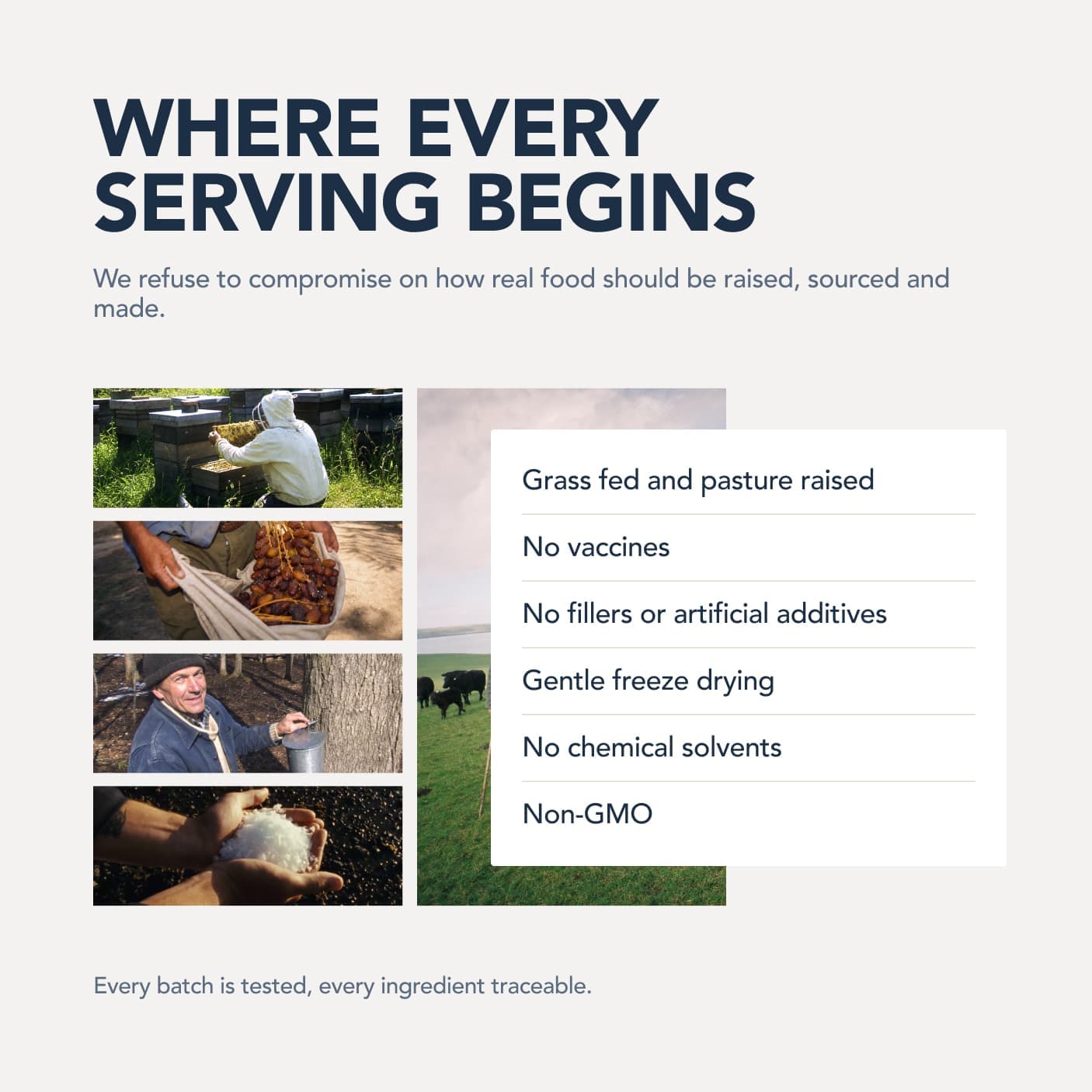
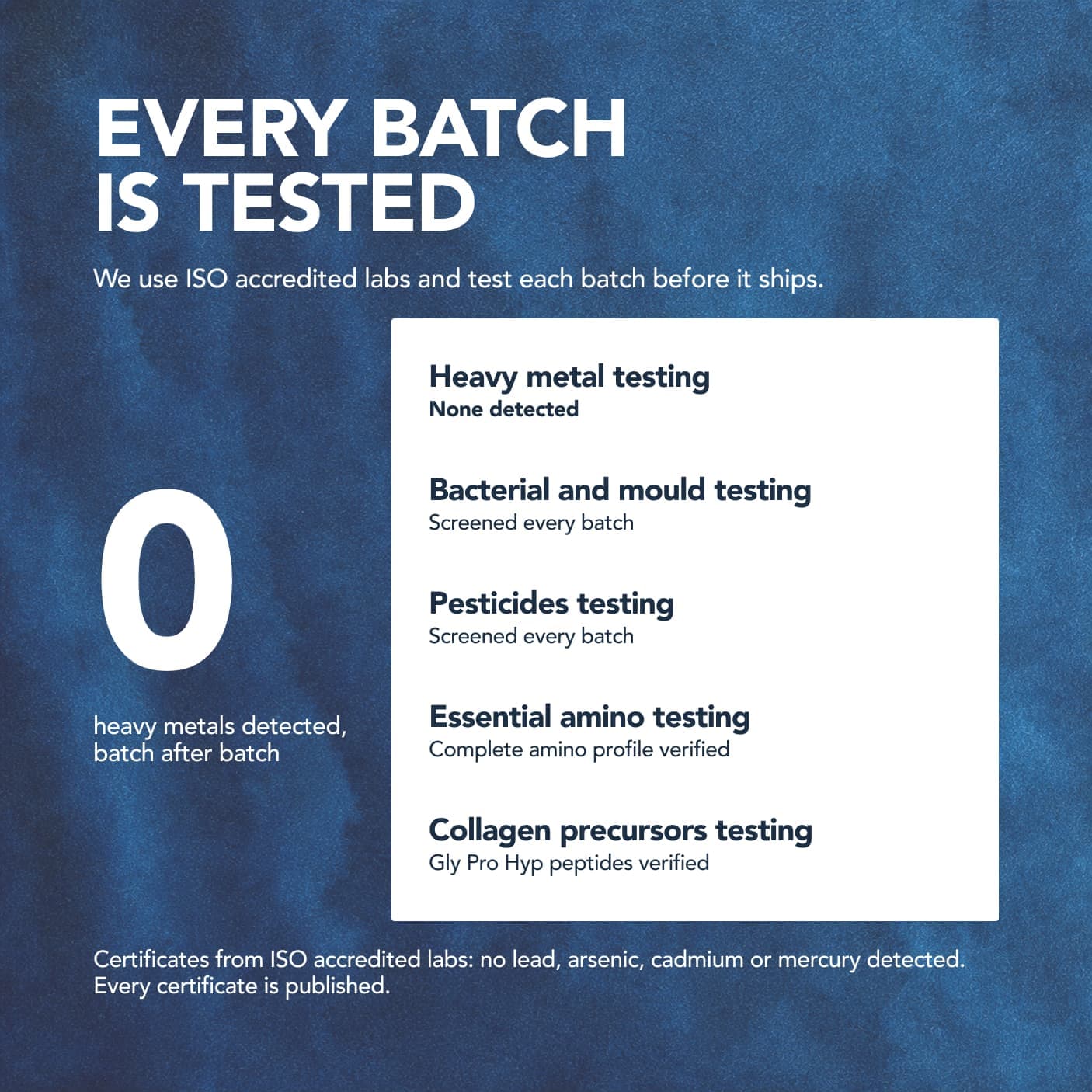
Eight real ingredients built around grass-fed beef organs, collagen and colostrum. Nothing synthetic added.
Free with your first order, worth £38. Plus £10 off the pouch with a subscription.

Free UK shipping · Made in England · 100 day money back guarantee on your first pouch · Skip, pause or cancel anytime
The skin-barrier-to-internal-barrier connection
Your skin is your body's largest organ and directly reflects your internal state. When your gut is inflamed, your skin usually becomes inflamed too. This happens through multiple pathways. LPS from a dysbiotic gut triggers systemic inflammation. Dysbiosis impairs the production of short-chain fatty acids that regulate skin immune function. Poor nutrient absorption from a compromised gut means your skin doesn't get the zinc, vitamin A, or collagen it needs to maintain barrier function.
Additionally, dysbiosis itself can harbour acnegenic bacteria like Cutibacterium acnes (formerly Propionibacterium acnes). Treating acne topically with benzoyl peroxide or antibiotics is like mopping the floor whilst the tap is still running. If your gut is dysbiotic, these bacteria will repopulate. The real fix involves healing your gut.
This is why dietary interventions often clear acne better than expensive topical treatments. When you remove high-glycaemic foods and seed oils, reduce systemic inflammation, heal your gut lining, and restore a healthy microbiome, your skin often clears dramatically. You're not treating acne. You're treating the inflamed state that created it.
For stubborn acne, the protocol is the same as gut healing: remove inflammatory foods (particularly refined sugar and seed oils), add fermented foods and whole foods rich in zinc and vitamin A, prioritise sleep and stress management, and give it 8-12 weeks of consistency. By week six, most people see noticeable improvement. By week twelve, acne often resolves entirely. Your skin doesn't just look better; it genuinely is better.
Acne is rarely a skin problem. It's usually an inflammation and dysbiosis problem that shows up on your skin. Treat the root, not the symptom.
The bottom line
Acne responds to whole food nutrition faster than it responds to any cream or medication. The research is clear: remove dairy, especially skimmed, eliminate processed carbohydrates and sugar, swap seed oils for butter and tallow, and prioritise nutrient-dense animal foods. Expect to see real improvements in four to eight weeks.
This isn't complicated, but it does require consistency. Your skin is rebuilding constantly, and each meal either supports that rebuilding or works against it. Choose wisely, and your skin will follow.
References
Every source below was checked on 27 August 2026. Each PubMed, PMC and DOI identifier was resolved against NCBI or Crossref, and what it opens is printed under the citation, so you can see the link goes where the citation says without leaving the page. Where a citation and its identifier disagreed, the citation was corrected to the record or the reference was deleted along with the sentence marker that pointed at it, and where the resolved paper turned out not to support the sentence, the sentence was cut back to what it does support. Borrowed authority is worse than none, because it looks like rigour.
- Cordain L et al. Acne vulgaris: a disease of Western civilization. Arch Dermatol. PubMed PMID: 12472346.Checked 27 August 2026: PMID 12472346 opens Cordain L, Lindeberg S, Hurtado M et al, Acne vulgaris: a disease of Western civilization. Arch Dermatol 2002;138(12):1584-90. PubMed indexes it as: Comparative Study.
- Melnik BC. Role of insulin, insulin-like growth factor-1, hyperglycaemic food and milk consumption in the pathogenesis of acne vulgaris. Exp Dermatol. PubMed PMID: 19709092.Checked 27 August 2026: PMID 19709092 opens Melnik BC, Schmitz G, Role of insulin, insulin-like growth factor-1, hyperglycaemic food and milk consumption in the pathogenesis of acne vulgaris. Exp Dermatol 2009;18(10):833-41. PubMed indexes it as: Review.
- Meixiong J et al. Diet and acne: A systematic review. JAAD Int. PMC8971946.Checked 27 August 2026: PMC8971946 opens Meixiong J, Ricco C, Vasavda C et al, Diet and acne: A systematic review. JAAD Int 2022;7:95-112. PubMed indexes it as: Review.The authors' own declaration, from the record: None disclosed.
- National Institutes of Health Office of Dietary Supplements. Zinc - Health Professional Fact Sheet. NIH ODS Zinc.
- National Institutes of Health Office of Dietary Supplements. Vitamin A and Carotenoids - Health Professional Fact Sheet. NIH ODS Vitamin A.
Who wrote and reviewed this guide
Niall Kiddle
Author · Founder, Organised
Niall is the founder of Organised. He started the company in 2024 after fixing his own health the slow way: in 2022 he swapped a cupboard of synthetic supplements for real food, raw milk, organ meats, bone broth and honey, and felt the difference within months.
Areas of expertise: Ancestral nutrition, Organ meats, Whole-food supplementation, Gut health, Regenerative sourcing
Read Niall's full profile
Pedro Rodrigues
Reviewer · Agronomist (farming and sourcing only)
Pedro is the agronomist Organised works with on farming and sourcing. His job on the guides is to keep the science honest: he reviews what we publish about soil health, regenerative agriculture, grazing and the way food is actually produced.
Areas of expertise: Regenerative agriculture, Agronomy, Soil health, Grass-fed farming, Food sourcing
Reviewed this guide on
Read Pedro's full profileBrowse the guides library
All guidesKeep reading
Health goals
How to Fuel a Workout Without Synthetic Supplements
Power your training with natural workout fuel instead of synthetic supplements. Simple whole food energy strategies for before, during, and after exercise.

Health goals
Metabolism Maxxing: How to Support Your Metabolic Rate with Real Food
Learn how thyroid support, adequate calories, and nutrient-dense foods naturally increase your metabolic rate without restriction or supplements.

Health goals
Connective Tissue Health for Athletes: Beyond Just Muscles
Muscle is only half the story. Healthy tendons and ligaments prevent injuries. Here's the nutrition that builds resilient connective tissue.
Real food, made effortless
Start my daily blendA few ways to use it
All recipes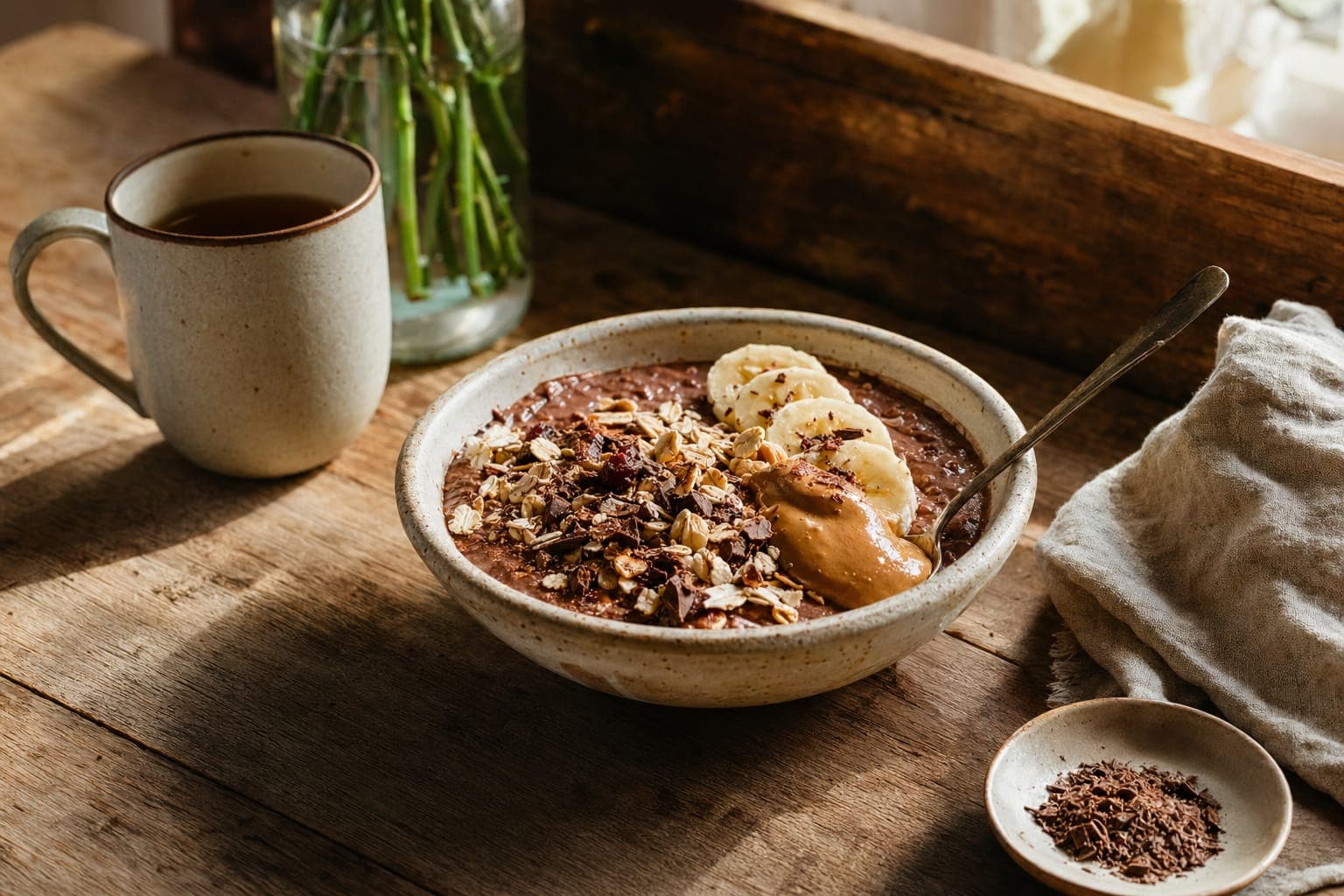
10 Ways to Use Organised That Aren't Just a Shake
Move beyond the basic shake. Discover 10 creative ways to use Organised in smoothie bowls, oats, yoghurt, baking, and more.
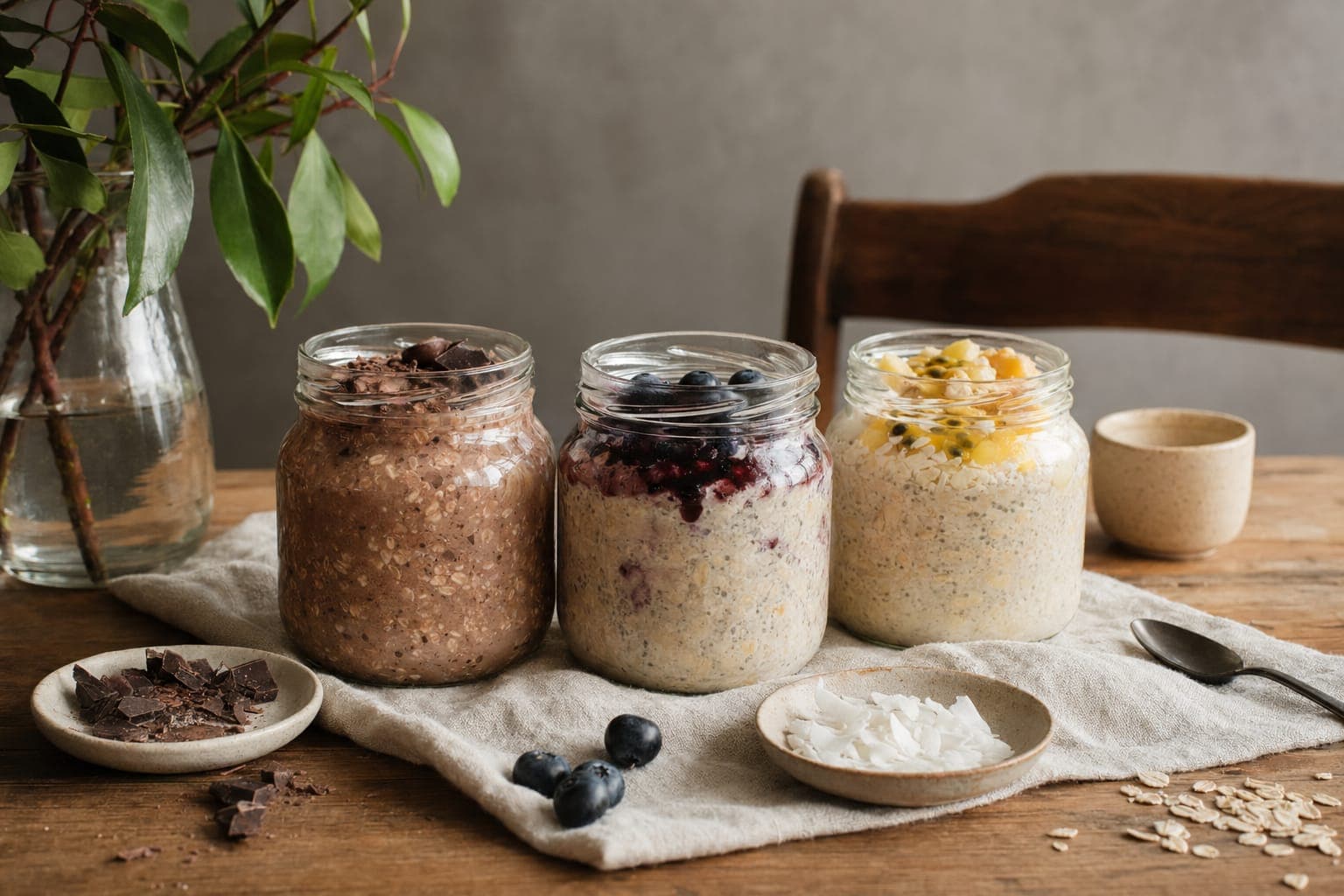
Organised Overnight Oats: 3 Variations
Three delicious overnight oats variations with Organised. Chocolate, berry, tropical flavours. Make them Sunday, eat them all week.

Raw Milk Hot Chocolate with Collagen
A nourishing evening hot chocolate made with raw milk, grass-fed collagen, raw cacao, and honey. A nighttime ritual that supports sleep and gut health.


 Join over 100,000+ members
Build a better food system with us
The Organised community is thousands of people choosing real food and backing the farmers who grow it, all of us trying to leave the world a little better than we found it. If that is what you care about too, you belong here.