Connective Tissue Health for Athletes: Beyond Just Muscles
You train hard. Your muscles are strong. Your cardio is solid. And then something goes. A tendon injury. A sprained ankle. A shoulder that won't settle. You blame yourself. You blame your training. But the real issue is beneath the muscle. Your connective tissue isn't strong enough to handle the load you're putting on it.
By Niall Kiddle, Founder, Organised

Reviewed by Pedro Rodrigues, Agronomist (farming and sourcing only) ·
7 min read · Published · Updated · 2 cited sources
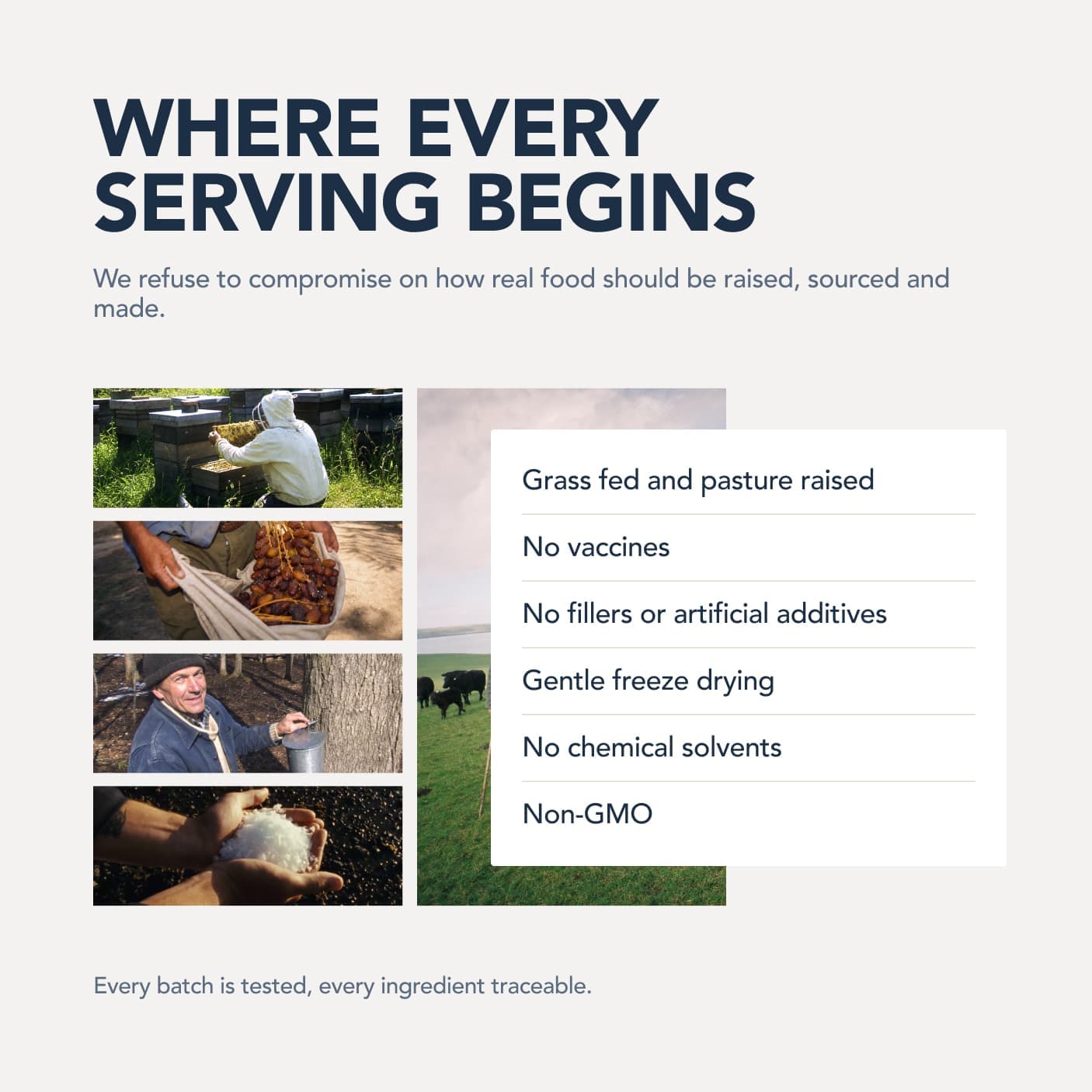
Makers of the Organised Daily blend, a grass-fed beef organ supplement from regenerative UK farms

But the real issue is beneath the muscle. Your connective tissue isn't strong enough to handle the load you're putting on it.
The connective tissue you're ignoring
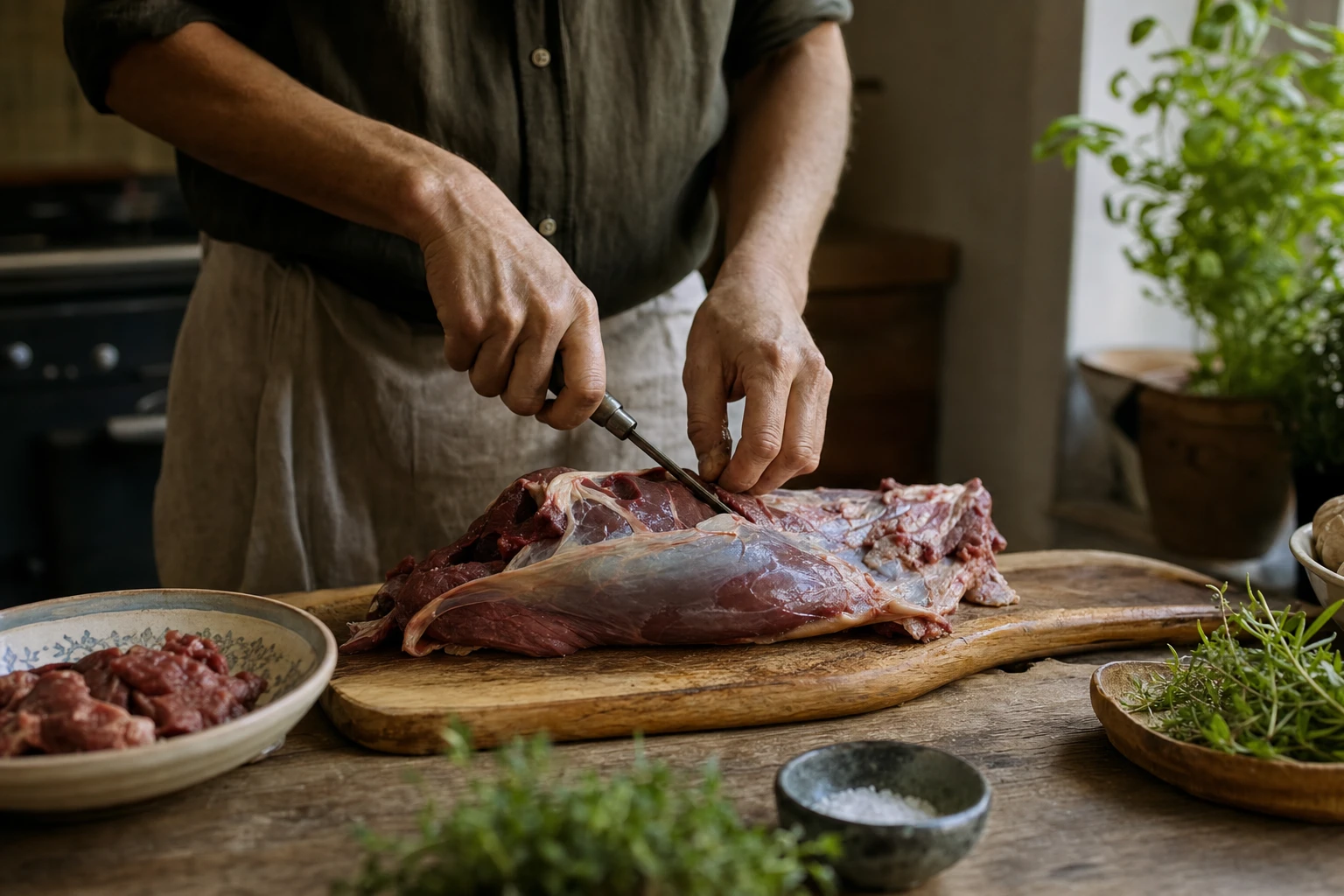
Most athletes focus on muscle. Bigger muscles. Stronger muscles. More muscle. But muscle is only part of the equation. The tissue that actually moves your skeleton is connective tissue. Tendons attach muscle to bone. Ligaments connect bone to bone. Cartilage cushions joints. Fascia envelops muscles and organs.1
When any of this tissue is weak or damaged, the entire system becomes vulnerable. A strong muscle pulling through a weak tendon leads to injury. Tight fascia restricts movement and creates compensation patterns that lead to joint damage. Weak ligaments mean unstable joints that are easily re-injured.
The problem is that connective tissue is slow to adapt. Muscle responds to training within weeks. Connective tissue takes months to strengthen. Tendons adapt even more slowly than ligaments. If you increase your training volume faster than your connective tissue can strengthen, you're going to get hurt.
Many athletes experience what feels like a sudden injury. But it's rarely sudden. It's usually months of inadequate connective tissue strength finally reaching a breaking point.
You're only as strong as your weakest connective tissue. A strong muscle attached to a weak tendon is a recipe for injury.
Why muscles don't tell the whole story
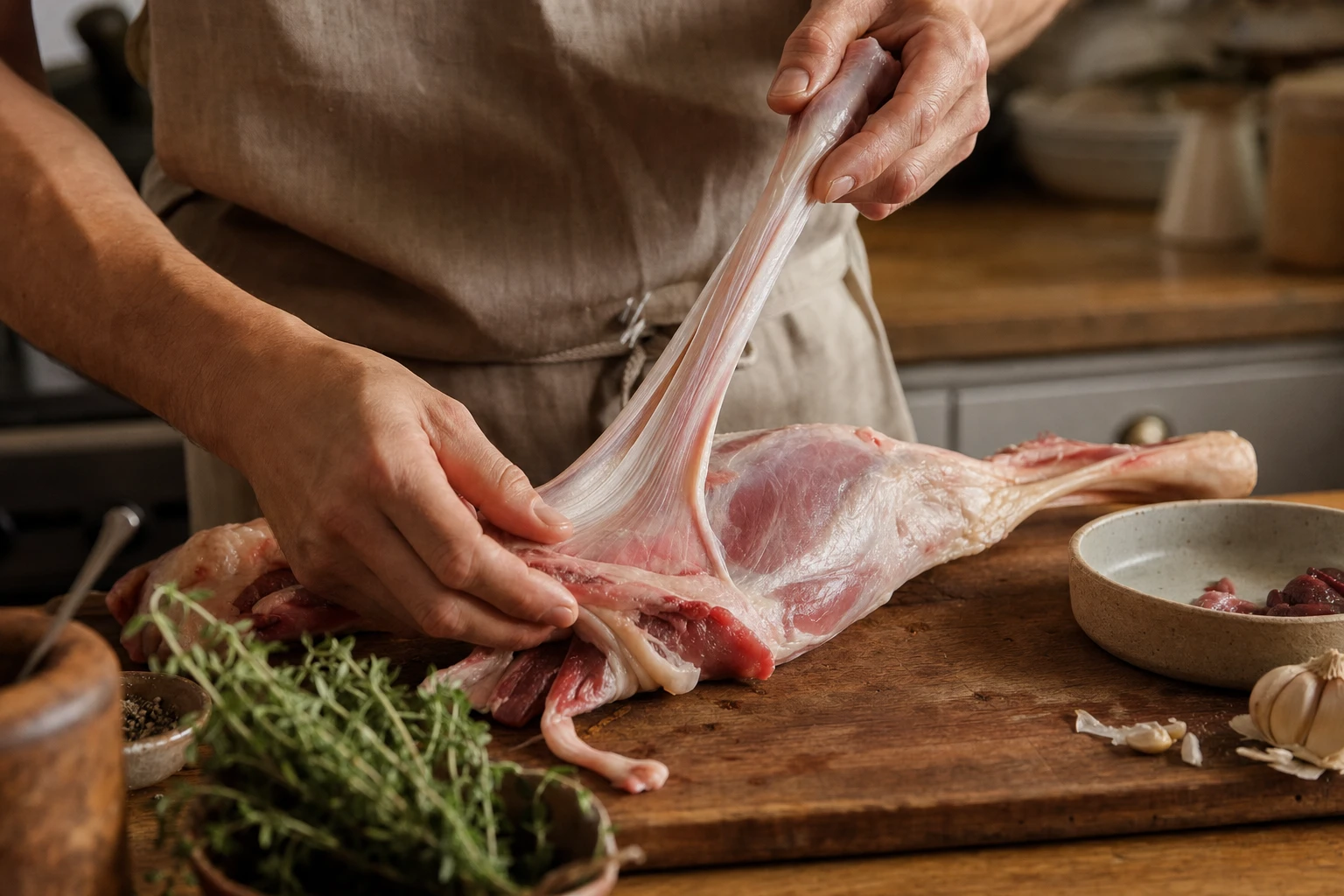
The strength-to-injury ratio in athletes is often skewed toward strength. Someone can be very muscular and very strong and still have weak tendons and ligaments. This is especially true in bodybuilders and CrossFit athletes who train with heavy loads. The muscle development outpaces connective tissue adaptation, creating a mismatch.
This mismatch is also common in sports that demand explosive power. Sprinting, jumping, Olympic lifting. The forces involved are enormous. If the connective tissue isn't strong enough to handle those forces, injury is inevitable.
The solution isn't to avoid heavy training. It's to ensure that connective tissue development keeps pace with muscle development. This requires specific nutrition and specific training strategies.
Collagen, the structural protein
Collagen is the primary protein in tendons, ligaments, and cartilage. It makes up about 75 per cent of the dry weight of tendons. When collagen is weak, the tissue is weak. When collagen is strong and well-organised, the tissue is resilient.
Collagen is made from amino acids, particularly glycine, proline, lysine, and hydroxyproline. The body can synthesise these from other amino acids, but the efficiency is poor. You're better off consuming actual collagen or eating bone broth, which is rich in collagen and gelatine.
Bone broth is one of the best foods an athlete can eat. A cup of bone broth contains 10 to 15 grams of collagen and related proteins. The collagen is partially broken down through long cooking, making the amino acids more bioavailable. Combined with gelatin from cartilage, it provides specific nutrients that tendons need.
Beyond collagen, the tendons also require other nutrients to cross-link and mature. Vitamin C is essential. It's required for the hydroxylation of proline and lysine, the step that makes collagen stable and strong. Without adequate vitamin C, new collagen is weak and easily damaged.
Drink bone broth before your training and take vitamin C daily. These two things will change your injury risk profile.

Nutrient demands of connective tissue
Beyond collagen and vitamin C, several other nutrients are critical. Zinc is required for collagen synthesis and for the cross-linking that makes collagen stable. Copper is a cofactor for lysyl oxidase, the enzyme that initiates cross-linking. Iron is involved in collagen synthesis.
Magnesium is required for the stabilisation of collagen molecules. When magnesium is deficient, even if collagen is being synthesised, it doesn't stabilise properly. You end up with weak, unstable tissue.
Vitamin D is also critical. It regulates the expression of genes involved in collagen synthesis and matrix mineralisation. People with low vitamin D have weaker tendons and higher injury rates.
Animal-based foods provide most of these nutrients. Organ meats are particularly rich. Beef liver contains vitamin C, zinc, copper, and iron. Beef bone broth provides collagen, gelatin, and minerals. Red meat provides zinc, iron, and amino acids. Eggs provide zinc and other nutrients.
Training strategies that build resilience
Progressive overload is standard in muscle building, but connective tissue needs to be loaded even more progressively. Adding 5 to 10 per cent to your training volume per week is good for muscle. It's too fast for connective tissue. Aim for smaller increments and allow longer adaptation periods, especially when you're changing movement patterns or introducing new exercises.
Eccentric training (lowering heavy weights slowly) is particularly good for building strong tendons. The eccentric phase creates the most mechanical stress on connective tissue and drives adaptation. This is why lowering a weight slowly is more important than lifting it quickly.
Mobility and flexibility work also matter. Tight muscles restrict joint range of motion and create compensation patterns that place excess stress on connective tissue. Gentle stretching and mobility work, especially after training when muscles are warm, helps maintain good movement patterns and reduces tissue stress.
Deload weeks, where you reduce training volume by 40 to 50 per cent for one week every four to six weeks, give connective tissue a chance to adapt and recover. Many injuries occur because connective tissue never gets a break from training stress.
Get health guides like this, free
Two short reads a week on eating for energy, gut health, skin, sleep and more.
By signing up you agree to receive emails from us. No spam, unsubscribe anytime.
The recovery window that matters
Recovery matters more than training for connective tissue development. While muscles recover quickly (within 24 to 48 hours), connective tissue takes much longer. A tendon stressed on Monday isn't fully recovered until Wednesday or Thursday. A new training stimulus on Wednesday, before the tendon has fully recovered, prevents adaptation and leads to cumulative damage.
This is why many athletes get injured during periodised training phases that involve high frequency and high volume. The connective tissue doesn't have enough recovery time between sessions.
Sleep is particularly important. During sleep, collagen is synthesised and cross-linked. Poor sleep directly impairs connective tissue recovery. Aim for seven to nine hours of consistent, high-quality sleep, especially during periods of intense training.
Nutrition timing also matters. Consume collagen or bone broth, protein, and vitamin C before or after training to provide the amino acids and cofactors connective tissue needs during the recovery window.
Connective tissue adapts slowly and needs consistent, adequate recovery. One hard session followed by adequate recovery is better than three hard sessions with insufficient recovery.


Common connective tissue injuries and prevention through nutrition
Tendinitis (inflamed tendons), ligament sprains, and fascial pain are the price athletes pay when they neglect connective tissue health. These injuries are partly mechanical (how you move), but largely nutritional and inflammatory. An athlete with poor nutrition and inflammation status tears ligaments easily. An athlete with robust collagen status resists injury.
Achilles tendinitis is the classic example. The Achilles tendon is constantly under tension during running and jumping. If your collagen is degraded and your inflammation is high, this tissue becomes vulnerable. If your collagen is robust and inflammation is managed, the tendon handles the load.
Rotator cuff injuries in the shoulder are similar. Constant overhead stress on tendons and ligaments that are nutritionally compromised leads to injury. With adequate collagen and anti-inflammatory nutrition, the same stress is handled without damage.
Prevention is entirely within your control. Adequate protein (0.8 to 1 gram per pound of body weight) provides the amino acids collagen needs. Vitamin C (from food, not supplements) is essential for collagen synthesis. Zinc, copper, and other minerals support collagen cross-linking. Reducing inflammation through removing seed oils and adding omega-3 fats protects connective tissue.
Connective tissue injuries are preventable through adequate nutrition. An athlete eating liver, fish, and bone broth has fundamentally stronger connective tissue than an athlete on a low-protein, processed food diet.
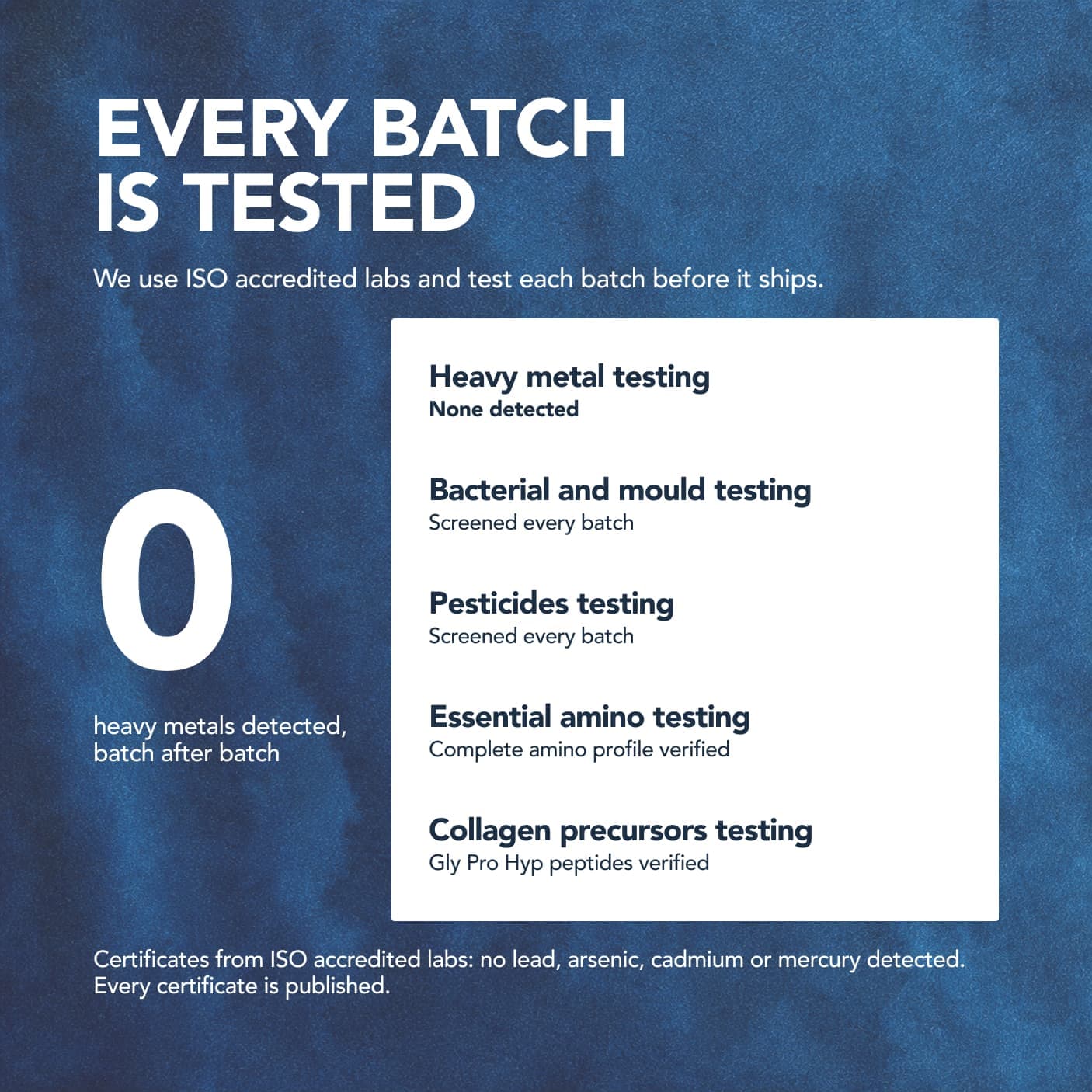
1 of 9
Daily blend
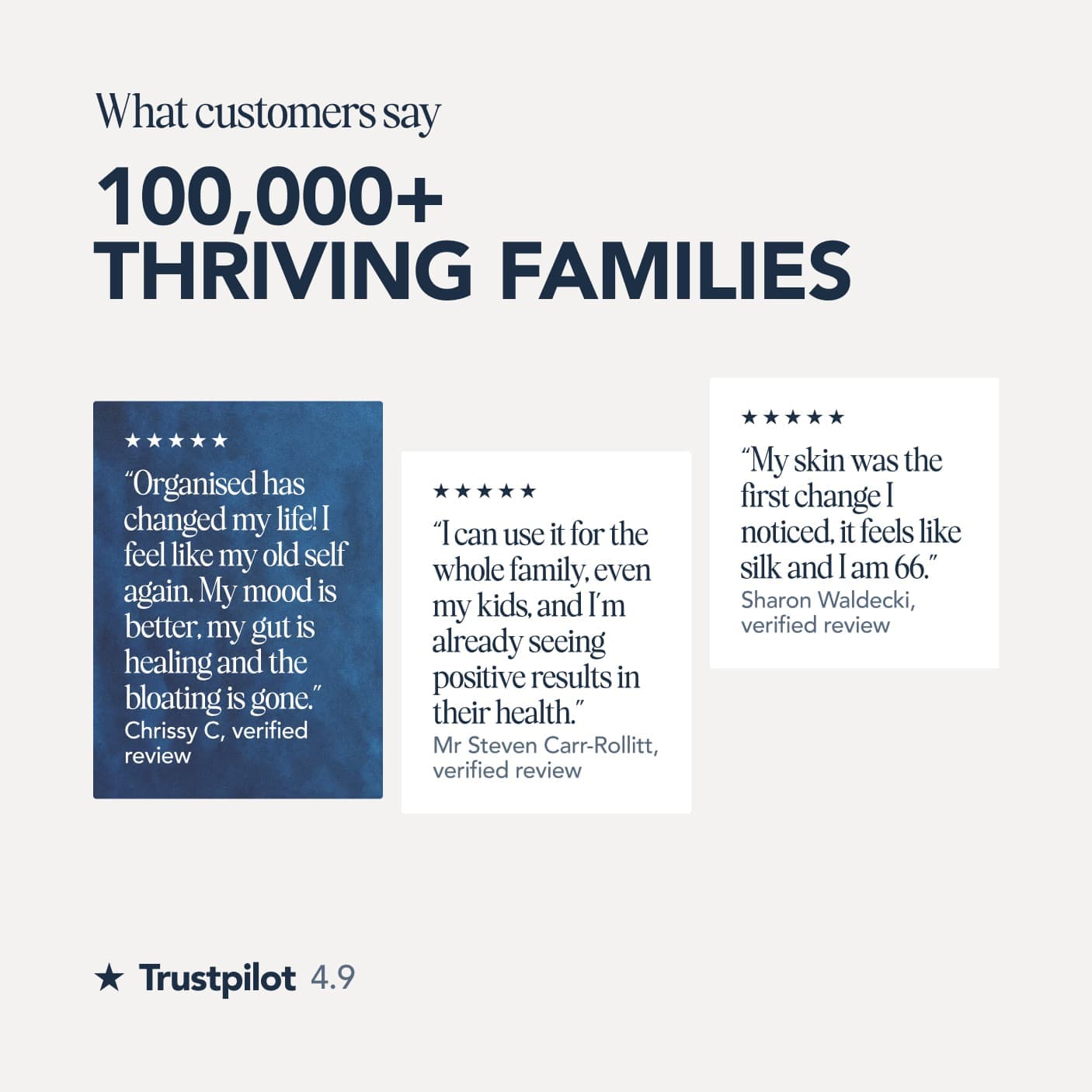
100,000+ thriving families4.9 on Trustpilot
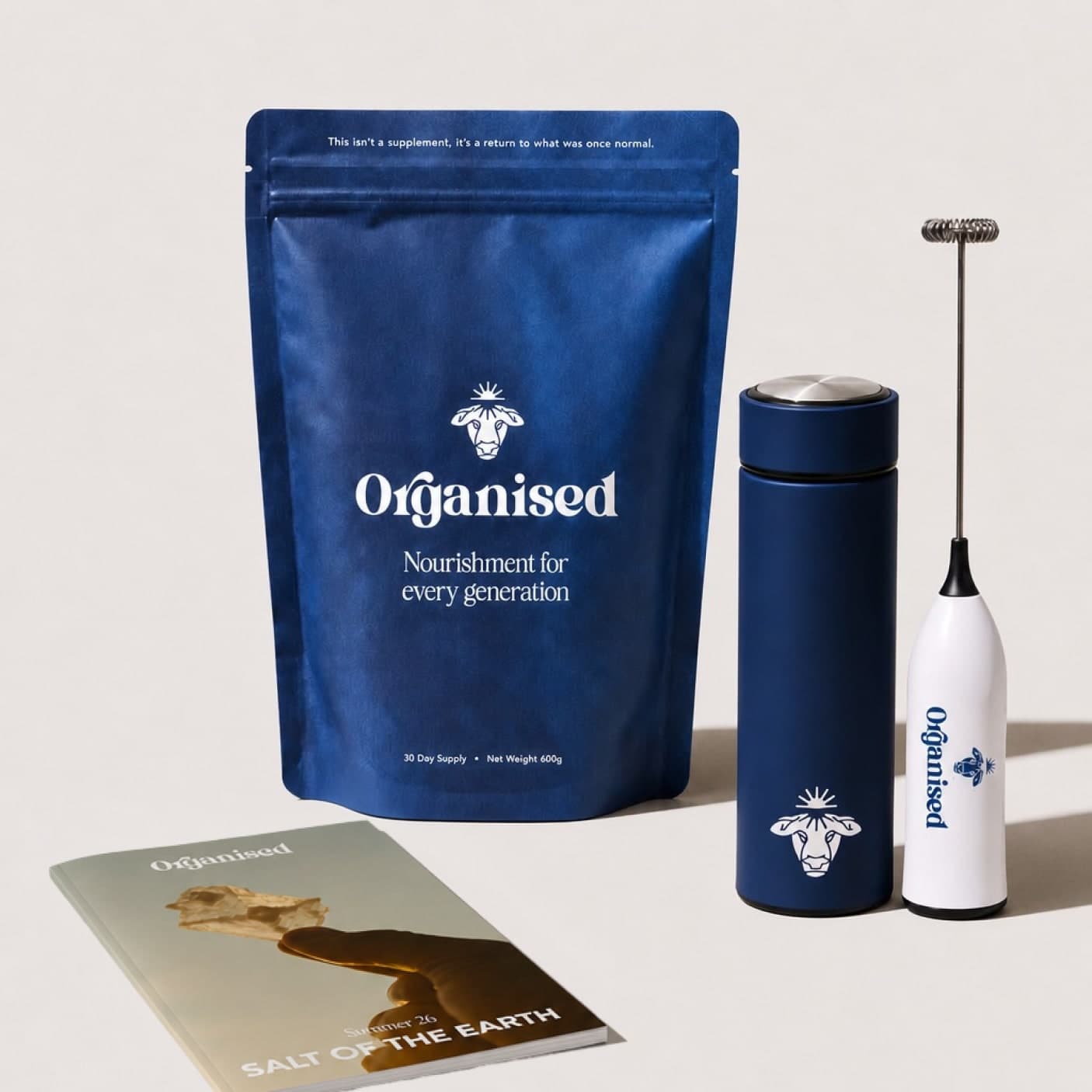
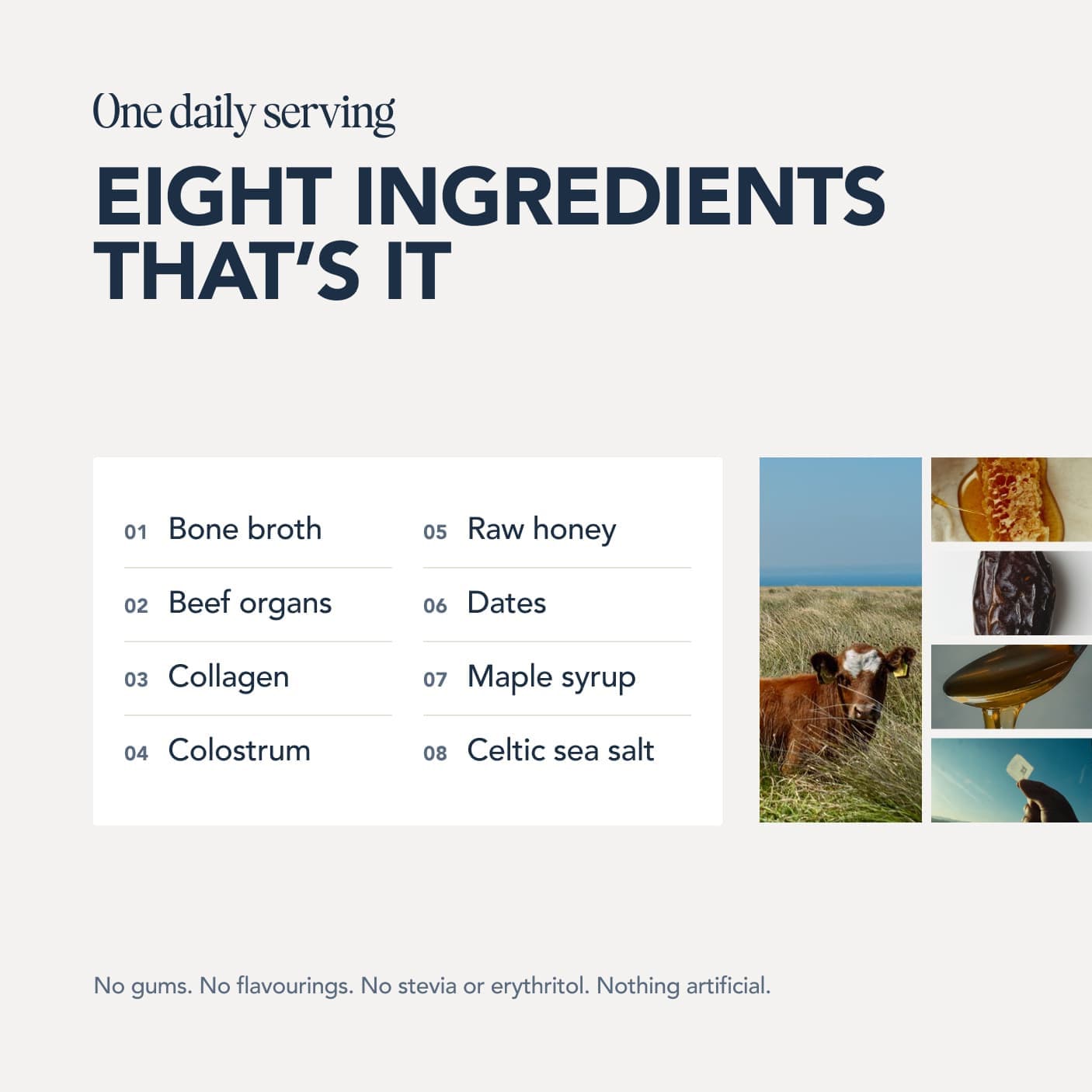
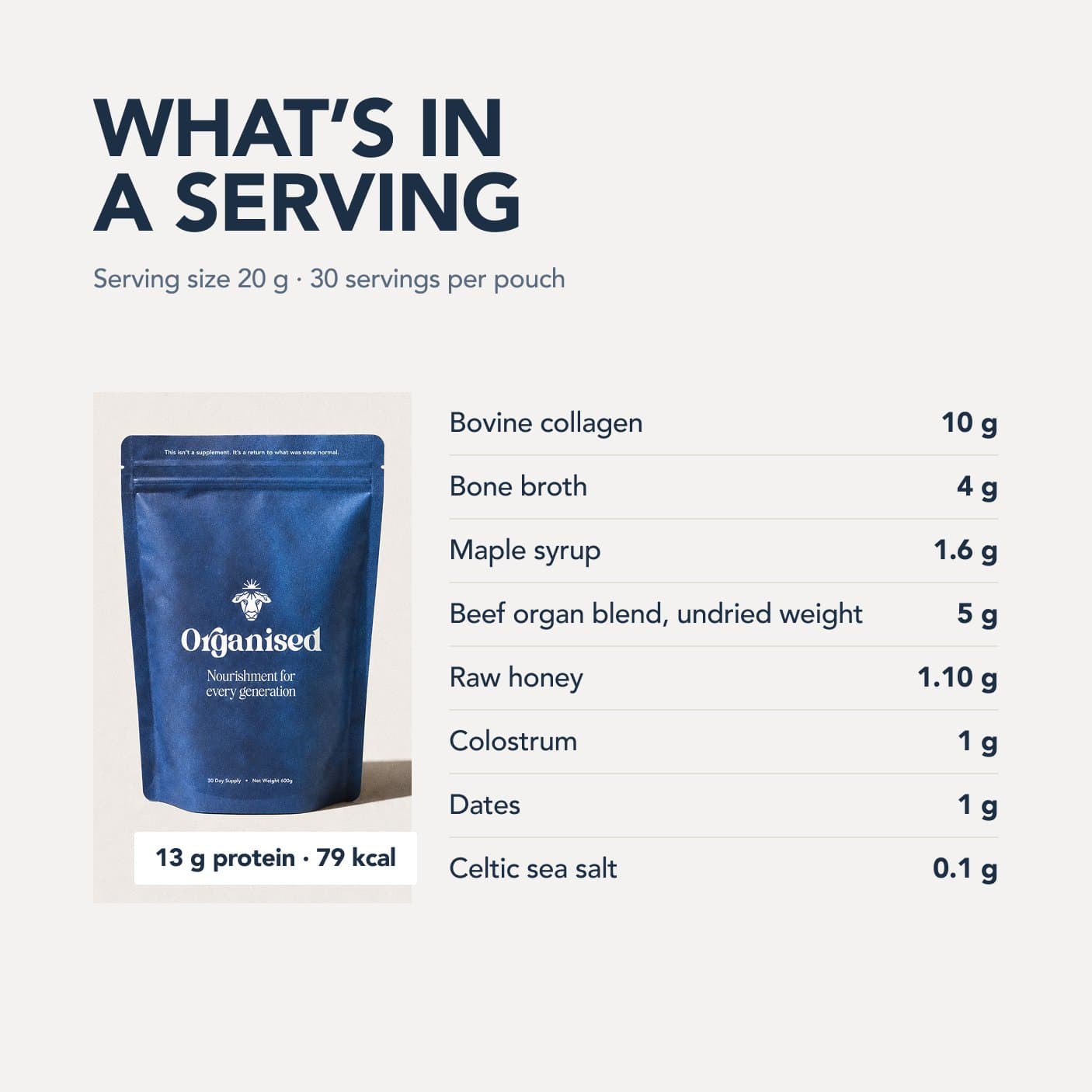
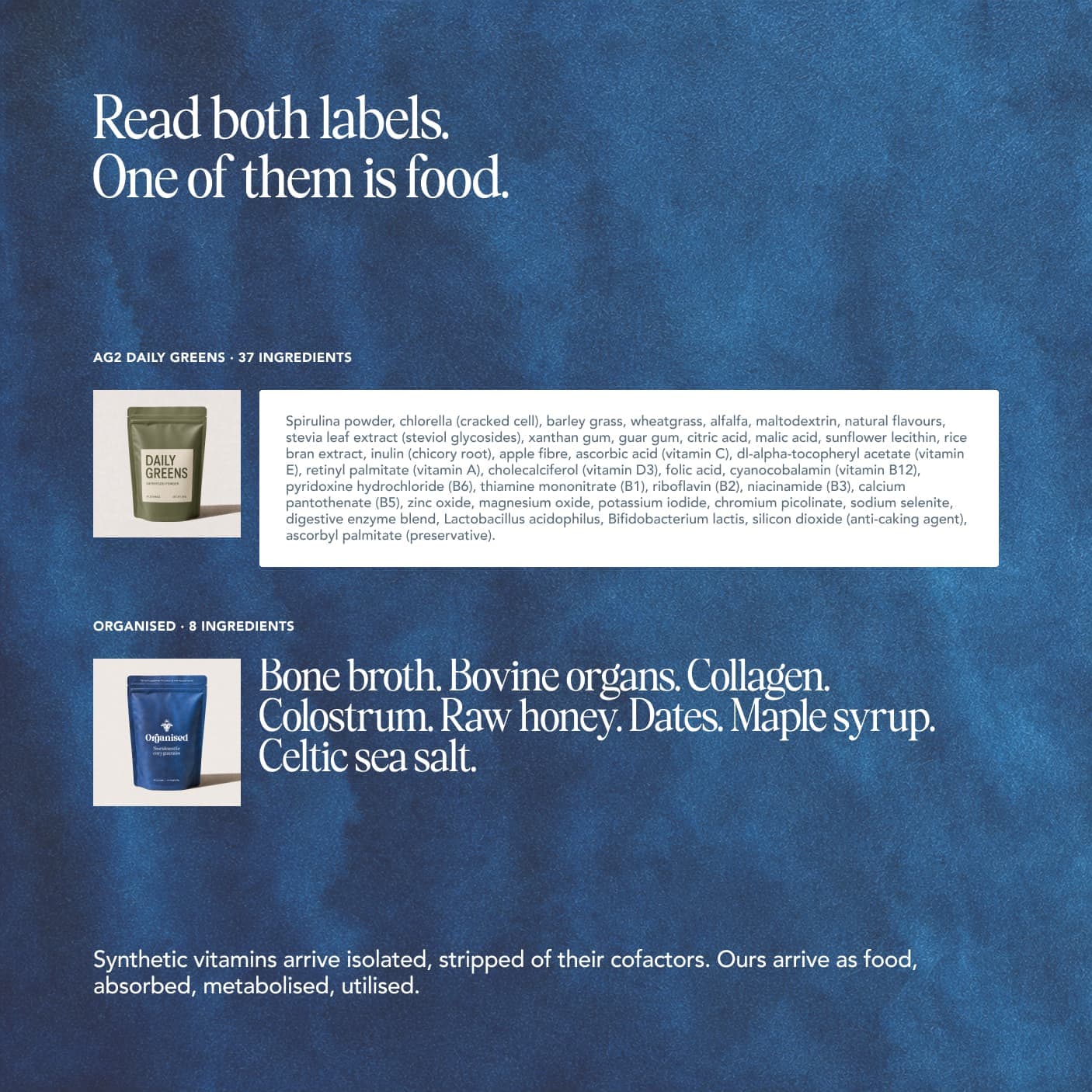
Eight real ingredients built around grass-fed beef organs, collagen and colostrum. Nothing synthetic added.
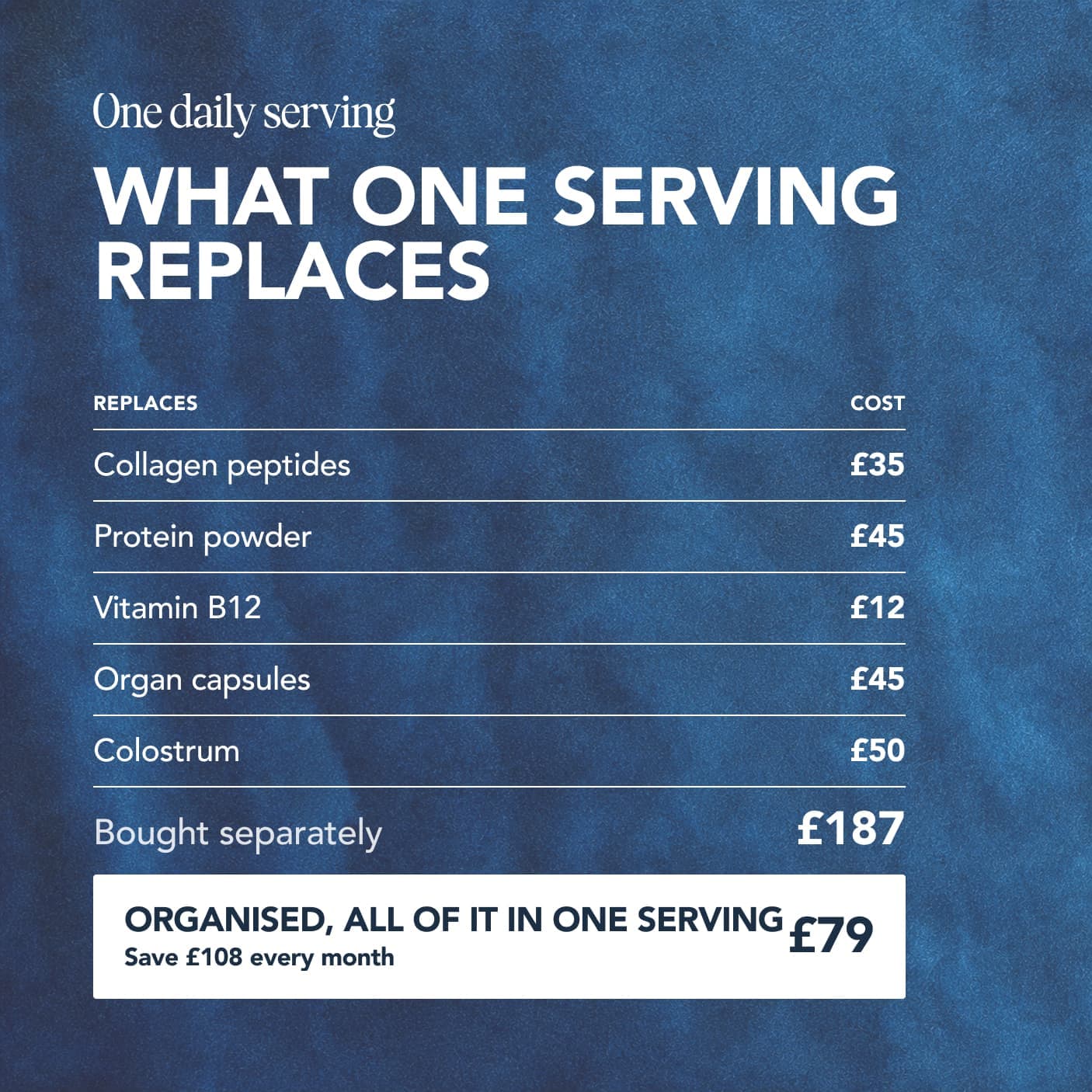
Free with your first order, worth £38. Plus £10 off the pouch with a subscription.


Free UK shipping · Made in England · 100 day money back guarantee on your first pouch · Skip, pause or cancel anytime
Recovery and connective tissue adaptation
Connective tissue adapts to training more slowly than muscle does. Muscle develops strength relatively quickly (weeks to months). Tendons and ligaments require months to years to adapt to new demands. This is why overuse injuries happen. Athletes increase training volume faster than connective tissue can strengthen.
The practical implication is that progression should be gradual. Increase training volume by no more than 10 percent weekly. Give your connective tissue time to adapt. Younger athletes are at higher risk because they feel invincible and push too hard, before their tendons have fully developed and adapted.
Recovery is equally important as training. During recovery, growth factors signal your body to strengthen connective tissue. Adequate sleep (7 to 9 hours) is when this adaptation happens. Adequate nutrition (especially protein and micronutrients) provides the building blocks. Mobility work (yoga, stretching, foam rolling) improves blood flow and adaptation.
Inflammation management through diet directly supports recovery. High omega-3, low seed oil, abundant vegetables. This isn't just for general health. It is recovery medicine for athletes. Your connective tissue adapts faster and more completely with anti-inflammatory nutrition.
Strong connective tissue is built through gradual progression, adequate recovery, sleep, and anti-inflammatory nutrition. Neglect any of these and injuries follow.
The bottom line
Injury prevention starts with connective tissue health, not muscle strength. Consume adequate collagen through bone broth and whole food.2 Get sufficient vitamin C, zinc, and other minerals through organ meats and whole foods. Progress your training slowly, allowing connective tissue time to adapt. And prioritise recovery, especially sleep. Do these things consistently and your injury risk drops dramatically. Your performance improves because you're not sidelined by preventable tissue damage.
References
Every source below was checked on 27 August 2026. Each PubMed, PMC and DOI identifier was resolved against NCBI or Crossref, and what it opens is printed under the citation, so you can see the link goes where the citation says without leaving the page. Where a citation and its identifier disagreed, the citation was corrected to the record or the reference was deleted along with the sentence marker that pointed at it, and where the resolved paper turned out not to support the sentence, the sentence was cut back to what it does support. Borrowed authority is worse than none, because it looks like rigour.
- Sophia Fox AJ, et al. The basic science of articular cartilage. Sports Health. 2009. PMC3445147.Checked 27 August 2026: PMC3445147 opens Sophia Fox AJ, Bedi A, Rodeo SA, The basic science of articular cartilage: structure, composition, and function. Sports Health 2009;1(6):461-8.The authors' own declaration, from the record: No potential conflict of interest declared.
- Shaw G, et al. Vitamin C-enriched gelatin supplementation before intermittent activity augments collagen synthesis. Am J Clin Nutr. 2017. PMID 27852613.Checked 27 August 2026: PMID 27852613 opens Shaw G, Lee-Barthel A, Ross ML et al, Vitamin C-enriched gelatin supplementation before intermittent activity augments collagen synthesis. Am J Clin Nutr 2017;105(1):136-143. PubMed indexes it as: Randomized Controlled Trial.
Who wrote and reviewed this guide
Niall Kiddle
Author · Founder, Organised
Niall is the founder of Organised. He started the company in 2024 after fixing his own health the slow way: in 2022 he swapped a cupboard of synthetic supplements for real food, raw milk, organ meats, bone broth and honey, and felt the difference within months.
Areas of expertise: Ancestral nutrition, Organ meats, Whole-food supplementation, Gut health, Regenerative sourcing
Read Niall's full profile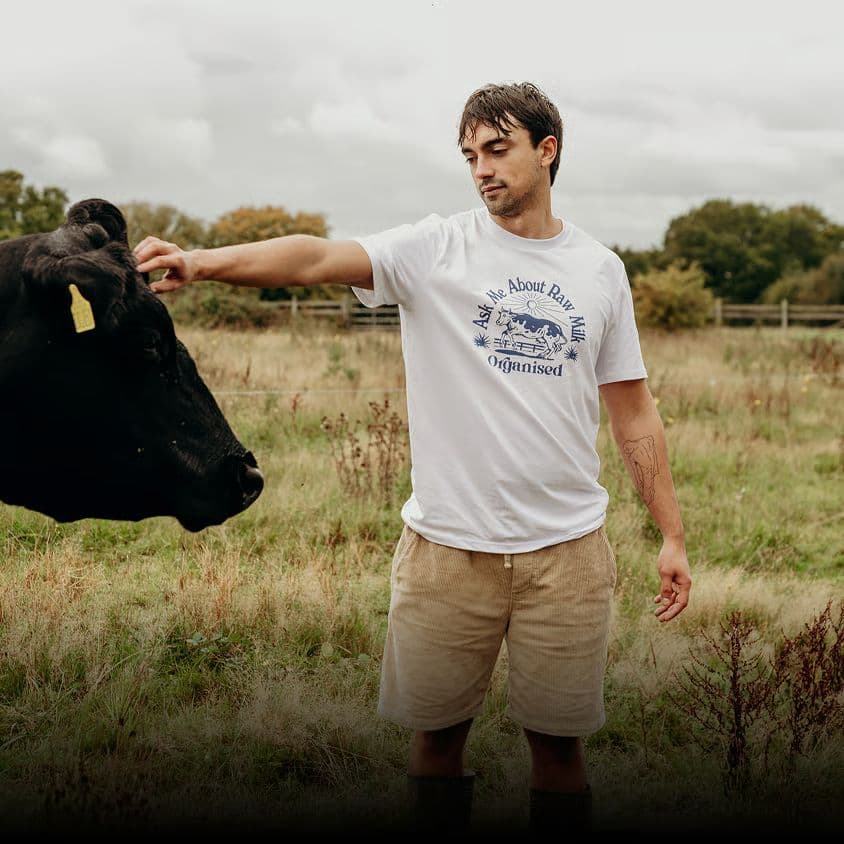
Pedro Rodrigues
Reviewer · Agronomist (farming and sourcing only)
Pedro is the agronomist Organised works with on farming and sourcing. His job on the guides is to keep the science honest: he reviews what we publish about soil health, regenerative agriculture, grazing and the way food is actually produced.
Areas of expertise: Regenerative agriculture, Agronomy, Soil health, Grass-fed farming, Food sourcing
Reviewed this guide on
Read Pedro's full profileMore on sports & performance
View allBrowse the guides library
All guidesKeep reading

Health goals
What to Eat for Muscle Recovery (Beyond Protein Shakes)
Muscle recovery needs more than protein. Collagen and vitamin C for tendons, glycine for connective tissue, magnesium for repair. Bone broth, eggs, real food.

Health goals
How to Feed Your Skin from the Inside Out
The complete guide to skin nutrition. Learn which nutrients transform your skin and the specific food sources to eat them from.

Health goals
Why Your Grandparents Ate Better Than You
Explore the nutritional shift since the 1970s. Your grandparents' whole-food diet contained far more nutrient density than modern food. Here's what changed.
Real food, made effortless
Start my daily blendA few ways to use it
All recipes
Gut-Healing Marshmallows with Collagen and Raw Honey
Learn to make gut-healing marshmallows with collagen and raw honey. A shareable treat that sneaks nutrition into every bite. Easy recipe with video tips.

Bone Broth from Scratch: A Step-by-Step Guide
Step-by-step guide to making bone broth at home. Stovetop, slow cooker, and Instant Pot methods. Rich in collagen and gut-healing minerals.
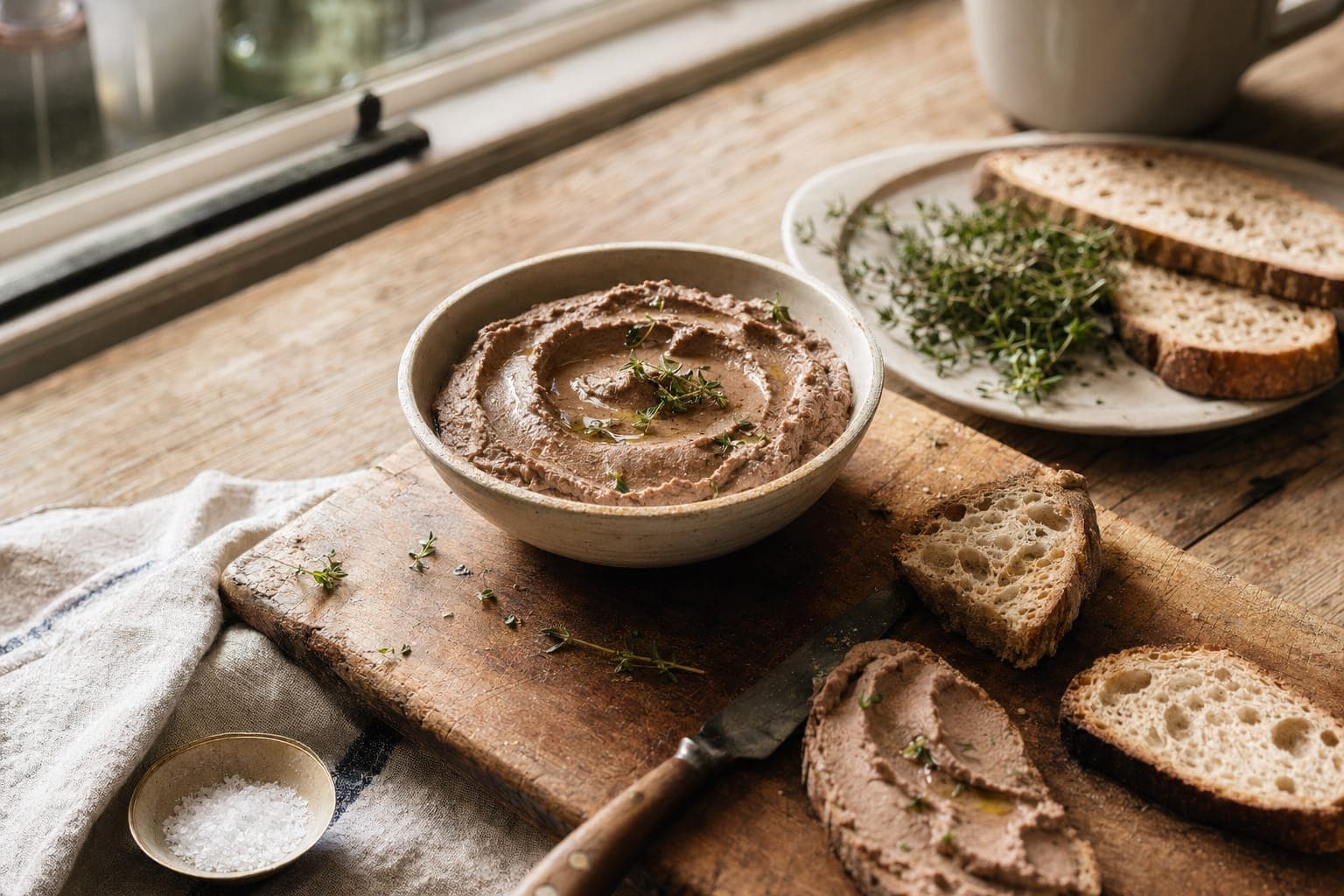
Liver Pate for Beginners: A Gentle Introduction to Organ Meats
Simple liver pate recipe to start eating organ meats. Chicken liver, butter, and herbs. Gentle introduction to nutrient-dense whole foods.


 Join over 100,000+ members
Build a better food system with us
The Organised community is thousands of people choosing real food and backing the farmers who grow it, all of us trying to leave the world a little better than we found it. If that is what you care about too, you belong here.