Metabolism Maxxing: How to Support Your Metabolic Rate with Real Food
Your metabolism isn't broken. It's been slowly starved. For decades we've treated calories as the enemy, cutting them lower and lower in pursuit of weight loss. What we've created instead is a population of people running on fumes, with sluggish, suppressed metabolic rates that make fat loss nearly impossible. Here's how to wake it back up.

By Niall Kiddle, Founder, Organised

Reviewed by Pedro Rodrigues, Agronomist (farming and sourcing only) ·
7 min read · Published · Updated · 6 cited sources
Makers of the Organised Daily blend, a grass-fed beef organ supplement from regenerative UK farms

Your metabolism isn't broken. It's been slowly starved.
For decades we've treated calories as the enemy, cutting them lower and lower in pursuit of weight loss. What we've created instead is a population of people running on fumes, with sluggish, suppressed metabolic rates that make fat loss nearly impossible.

What actually happens when you restrict
When you cut calories below what your body actually needs, you trigger a cascade of metabolic slowdown. Your thyroid function drops. Your body downregulates energy production. Hormones that control hunger and satiety shift out of balance. You feel cold, tired, irritable. Your body temperature drops. You lose interest in activities you normally enjoy.
This is not weakness. This is biology protecting itself. Your body isn't failing you. It's responding to genuine scarcity by conserving energy for survival. This adaptive thermogenesis is ancient. It kept humans alive during famines. Now it's keeping millions of people trapped in metabolic suppression.
And here's the problem: when you finally eat normally again, your metabolism doesn't bounce back immediately. It stays suppressed. It takes time, consistent adequate feeding, and the right nutrients to restore it to baseline, let alone to improve it.
Your metabolism responds to what you feed it. Starve it and it slows. Nourish it and it speeds up.
This is why so many people hit metabolic walls. They've spent years dieting, then wonder why recovery seems impossible. Each restriction cycle damages metabolic rate further. The damage compounds. After five years of calorie restriction, your metabolism may be 30 percent slower than it should be at your age and weight. Studies of "Biggest Loser" contestants and other repeated dieters have demonstrated long-term metabolic adaptation with measured resting metabolic rates substantially below predicted values.1

Thyroid health is metabolic health
Your thyroid is essentially your metabolic governor. It produces hormones (T3 and T4) that control how fast your cells burn energy. Everything downstream depends on it working properly. A suppressed thyroid means a suppressed metabolism, regardless of how much you exercise or how disciplined you are with food.
Three nutrients are essential for thyroid hormone synthesis and conversion: iodine, selenium, and zinc.2 Without them, your thyroid can't produce or activate thyroid hormones. You can eat perfectly and exercise constantly, but without these minerals, thyroid function will remain suppressed and metabolic rate will stay low.
Iodine is found in fish, shellfish, and eggs. Selenium lives in Brazil nuts, organ meats, and fish. Zinc comes from oysters, beef, pumpkin seeds. These aren't exotic foods. They're foods humans have eaten for millennia, foods that built resilient metabolic rates in previous generations.
But here's what modern nutrition gets wrong: it treats minerals as isolated compounds. Supplement with iodine powder and your body doesn't absorb it the same way it absorbs iodine packaged inside a whole fish. The context matters. The cofactors matter. The presence of other minerals and vitamins changes absorption and utilisation dramatically.
Your thyroid doesn't want iodine powder. It wants oysters. It wants fish. It wants the whole nutrient package your ancestors ate.
Iron deficiency also tanks thyroid function critically. Without adequate iron, your body can't convert T4 (the inactive form your thyroid produces) into T3 (the active form that actually speeds metabolism).3 This conversion is the bottleneck. You can have normal T4 but low T3 if iron is insufficient. And when T3 is low, metabolism stays suppressed. Red meat, organ meats, and shellfish contain the most bioavailable iron on the planet.

Why calories matter more than you've been told
The calorie restriction narrative is so deeply ingrained that even people trying to heal their metabolism resist this: you have to eat enough. Not just calories, but genuine food calories paired with the nutrients your metabolism needs to function.
This doesn't mean unlimited eating. It means eating to your actual metabolic need, not some arbitrary number pulled from a calculator or wellness app. If you're exercising, if you're stressed, if you're recovering from restrictive dieting, your calorie needs are higher than you probably think.
A woman who weighs 70 kilograms and moves moderately probably needs around 2000 to 2400 calories daily. Not 1200. Not 1500. The 1200-calorie narrative has never been based on actual human physiology. It persists because it's marketable, because it promises rapid results, but it creates metabolic damage that takes years to reverse.
When you eat enough, your body has energy to produce thyroid hormones. It has fuel to build muscle, which drives metabolic rate. It has substrate to make the neurotransmitters and hormones that keep you sane. Your metabolic rate climbs noticeably. Your cortisol drops. Your mood stabilises.
Eating more food doesn't slow metabolism. Eating less than your body needs does.
This shift takes time to feel real, especially if you've spent years undereating. Psychologically it feels reckless. Your body has learned to expect scarcity. But trust the process. Feed yourself well for three to six months and your metabolic rate will visibly climb. You'll feel warmer. You'll have more energy. Your hair will stop falling out. Your period will return to normal if it's been absent. Your sleep will improve.

Get health guides like this, free
Two short reads a week on eating for energy, gut health, skin, sleep and more.
By signing up you agree to receive emails from us. No spam, unsubscribe anytime.
The foods your metabolism needs
Real food fuels real metabolism. Not in a supplement sense. In a literal fuel sense.
Start with protein. Your body needs amino acids to build and repair tissue, to make enzymes, to synthesise hormones. Eggs, beef, fish, poultry, dairy. These contain complete amino acid profiles, all nine essentials. They also contain micronutrients that carbohydrate and fat sources alone don't provide.
Fat matters too. Fat is the structural basis for every hormone your body makes, including thyroid hormones, sex hormones, and metabolic hormones. Low-fat diets have consistently been shown to suppress metabolism and tank hormone production. Butter, olive oil, coconut oil, fatty fish, egg yolks, full-fat dairy. These are not the enemy. They're the foundation.
Carbohydrates are metabolically activating. They raise insulin, which is a hormone that signals fed state to your body. When your body senses adequate energy, it stops conserving. It speeds up. A meal of plain chicken and broccoli signals scarcity to your body. A meal of chicken, butter, broccoli, and rice signals abundance. Your metabolism responds accordingly.
Metabolism is built from whole foods: eggs, organs, fish, meat, butter, dairy, seasonal produce, and starchy carbohydrates.
Organs deserve special mention. Liver, heart, kidney, tongue. These are the most nutrient-dense foods you can eat, packed with the B vitamins, iron, zinc, and selenium your thyroid desperately needs. A small 100-gram serving of liver weekly does more for metabolic health than any supplement protocol. Weekly organ intake is the difference between metabolic recovery and stagnation.

1 of 9
Daily blend
100,000+ thriving families4.9 on Trustpilot
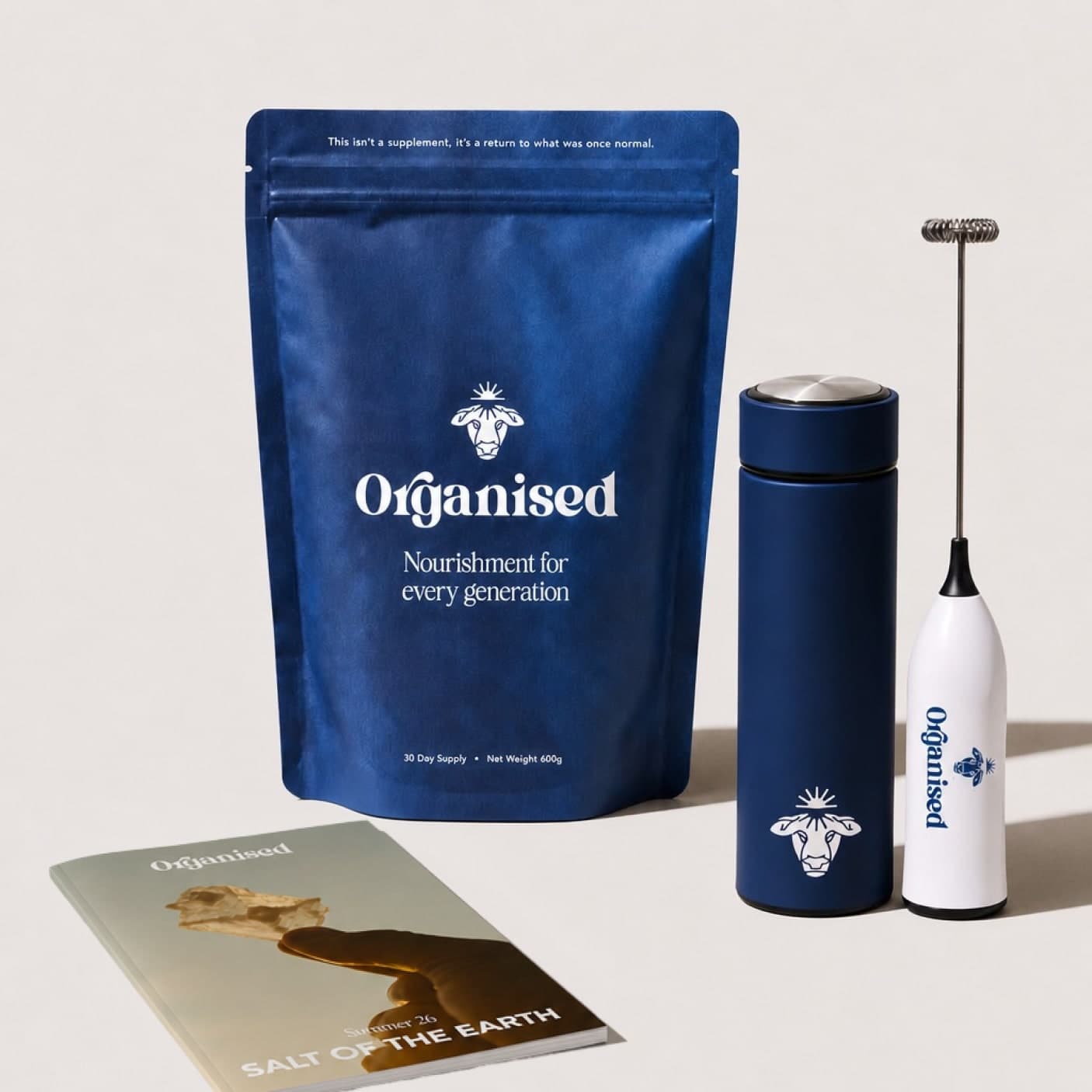
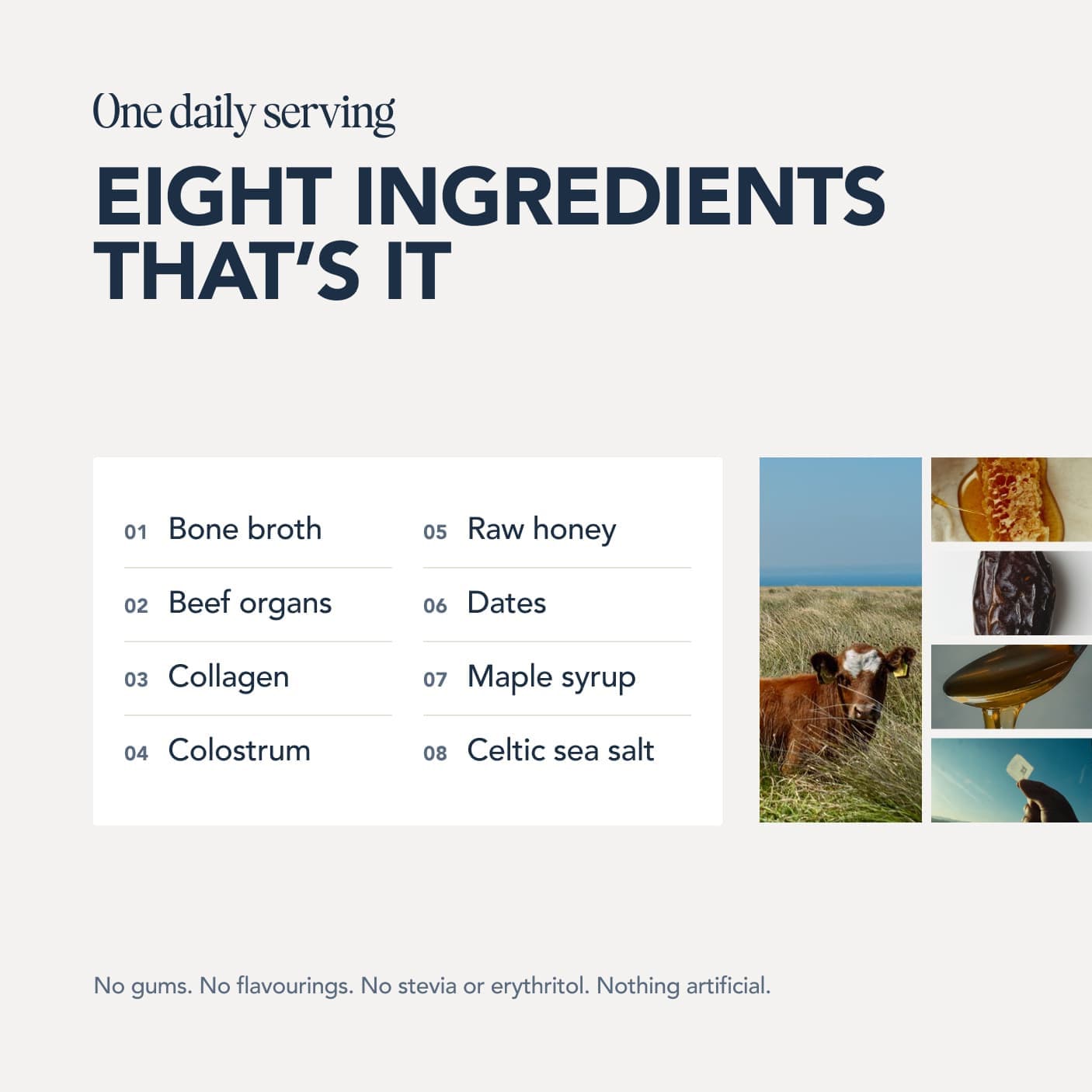
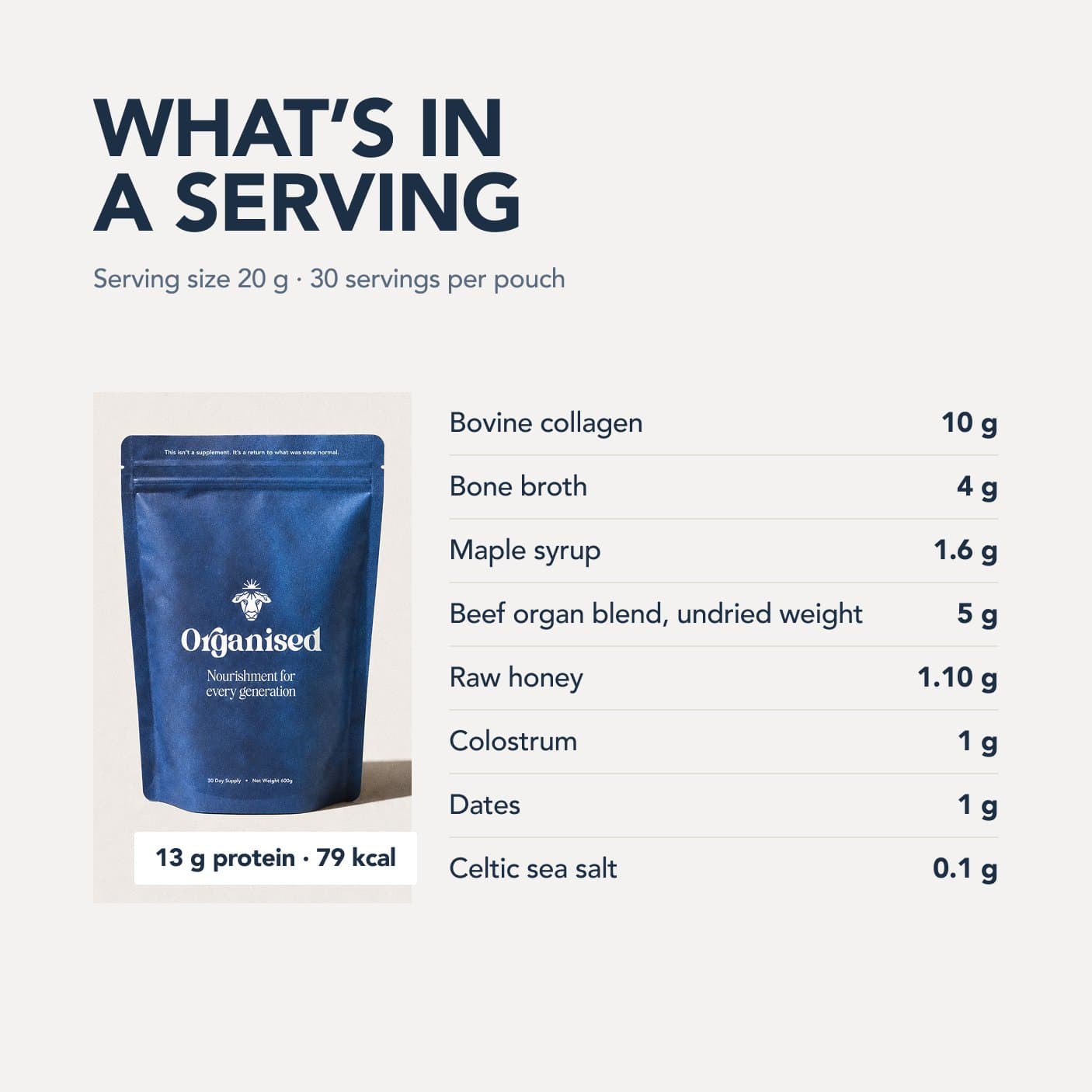
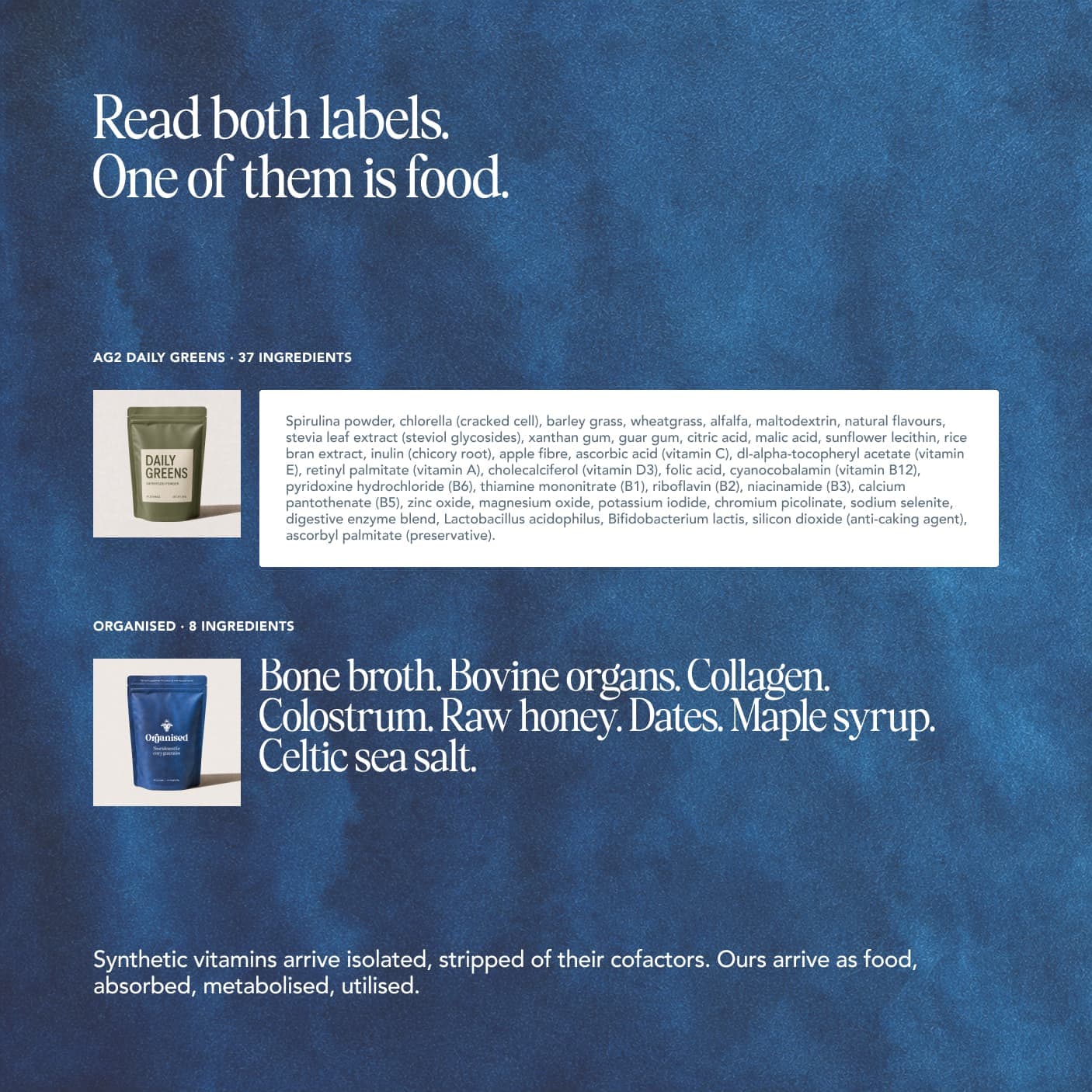
Eight real ingredients built around grass-fed beef organs, collagen and colostrum. Nothing synthetic added.
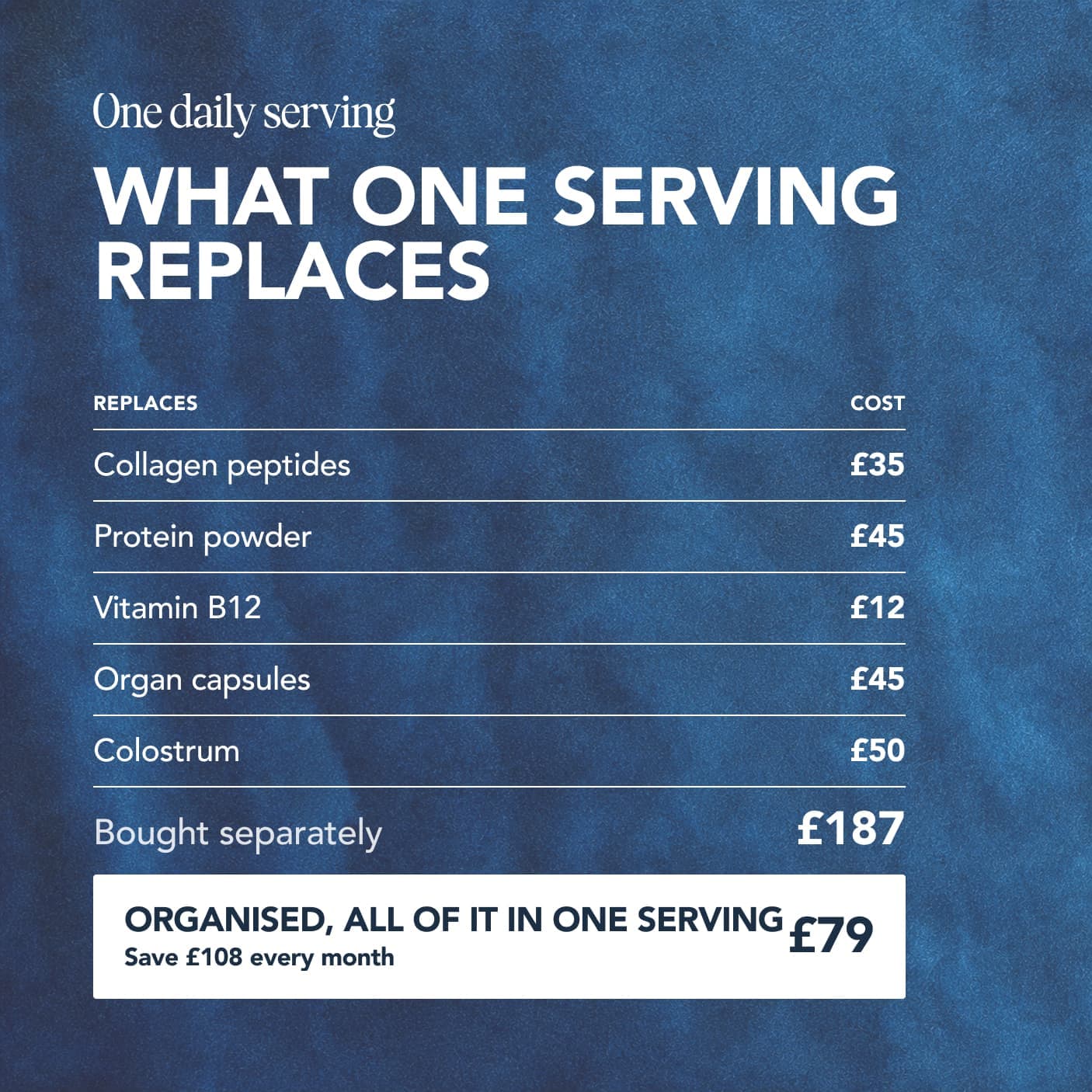
Free with your first order, worth £38. Plus £10 off the pouch with a subscription.



Free UK shipping · Made in England · 100 day money back guarantee on your first pouch · Skip, pause or cancel anytime
The micronutrient multiplier effect
Here's what most nutrition advice misses: micronutrients don't work in isolation. Magnesium helps your body produce and utilise thyroid hormones.4 Vitamin B12 is essential for energy production at the cellular level.5 Vitamin D regulates many genes involved in cellular metabolism.6 When even one is deficient, the whole system slows.
This is why a person can eat plenty of calories and still have a sluggish metabolism if micronutrient status is poor. The body simply doesn't have the raw materials to build the enzymes that drive metabolism.
This is also why whole foods work better than individual supplements. A beef steak contains protein, fat, iron, zinc, B12, selenium, choline. All the cofactors work together. Your body absorbs them together. They utilise each other. Take an isolated supplement and your body has to figure out what to do with it on its own.
Your metabolism isn't built from any single nutrient. It's built from the full orchestra of micronutrients that whole foods provide.
Restore and maintain
The recovery process is gradual. Month one: your body begins believing it's safe to stop conserving. Month two: thyroid hormones begin normalising. Month three: metabolic rate noticeably increases. By month six, the change is profound. You're warmer. More energetic. More like yourself.
Once metabolism is restored, maintain it through consistent adequate feeding. This is forever. You don't return to restriction without expecting metabolic suppression to return.
The bottom line
Metabolism isn't a mystery. It responds to the food you eat, the calories you consume, and the micronutrients you provide. Feed it restriction and it slows. Feed it real food in adequate quantities, and it speeds up. The pathway forward is unglamorous. It's not a hack. It's eating properly: meat, fish, eggs, organs, dairy, vegetables, starch. It's eating enough. It's patience whilst your body remembers what fed state feels like. After months of this, your metabolism will be faster and more resilient than it was before the restriction cycle began. That's metabolism maxxing.
References
Every source below was checked on 27 August 2026. Each PubMed, PMC and DOI identifier was resolved against NCBI or Crossref, and what it opens is printed under the citation, so you can see the link goes where the citation says without leaving the page. Where a citation and its identifier disagreed, the citation was corrected to the record or the reference was deleted along with the sentence marker that pointed at it, and where the resolved paper turned out not to support the sentence, the sentence was cut back to what it does support. Borrowed authority is worse than none, because it looks like rigour.
- Fothergill E, et al. Persistent metabolic adaptation 6 years after "The Biggest Loser" competition. Obesity. 2016. PMID 27136388Checked 27 August 2026: PMID 27136388 opens Fothergill E, Guo J, Howard L et al, Persistent metabolic adaptation 6 years after "The Biggest Loser" competition. Obesity (Silver Spring) 2016;24(8):1612-9.The authors' own declaration, from the record: Disclosure: No authors have conflicting interests.
- National Institutes of Health, Office of Dietary Supplements. Selenium - Health Professional Fact Sheet. ods.od.nih.gov
- National Institutes of Health, Office of Dietary Supplements. Iron - Health Professional Fact Sheet. ods.od.nih.gov
- National Institutes of Health, Office of Dietary Supplements. Magnesium - Health Professional Fact Sheet. ods.od.nih.gov
- National Institutes of Health, Office of Dietary Supplements. Vitamin B12 - Health Professional Fact Sheet. ods.od.nih.gov
- National Institutes of Health, Office of Dietary Supplements. Vitamin D - Health Professional Fact Sheet. ods.od.nih.gov
Who wrote and reviewed this guide
Niall Kiddle
Author · Founder, Organised
Niall is the founder of Organised. He started the company in 2024 after fixing his own health the slow way: in 2022 he swapped a cupboard of synthetic supplements for real food, raw milk, organ meats, bone broth and honey, and felt the difference within months.
Areas of expertise: Ancestral nutrition, Organ meats, Whole-food supplementation, Gut health, Regenerative sourcing
Read Niall's full profile
Pedro Rodrigues
Reviewer · Agronomist (farming and sourcing only)
Pedro is the agronomist Organised works with on farming and sourcing. His job on the guides is to keep the science honest: he reviews what we publish about soil health, regenerative agriculture, grazing and the way food is actually produced.
Areas of expertise: Regenerative agriculture, Agronomy, Soil health, Grass-fed farming, Food sourcing
Reviewed this guide on
Read Pedro's full profileMore on energy
View all- Why You're Always Tired (And What to Eat About It)
- Adrenal Fatigue: Is It Real and What Can You Do About It?
- Always Tired? What Reddit Says to Eat (and What Actually Works)
- B12 Deficiency: Signs, Causes and the Fastest Way to Fix It
- Chronic Fatigue and Nutrient Deficiency: What Blood Tests to Ask For
- How to Maintain Energy All Day Without Caffeine Dependency
- How Your Thyroid Affects Your Energy Levels
- Iron Deficiency: Why It's So Common and How Organs Can Help
- The Desk Worker's Guide to Staying Strong and Energised
- What Does Your Afternoon Slump Actually Mean?
- Why Intermittent Fasting Might Be Tanking Your Energy
Browse the guides library
All guidesKeep reading

Health goals
How to Feed Your Skin from the Inside Out
The complete guide to skin nutrition. Learn which nutrients transform your skin and the specific food sources to eat them from.

Health goals
The Blood Sugar Roller Coaster: Why Stable Energy Beats Calorie Restriction
Blood sugar stability often matters more than cutting calories. See how steadier glucose can support energy, mood, and hunger better than restriction.

Health goals
Acne and Nutrition: What the Latest Research Says
Discover how dairy, processed foods, and nutrient deficiencies trigger acne. Evidence-based diet changes that actually work for clearer skin.
Real food, made effortless
Start my daily blendA few ways to use it
All recipes
Collagen-Rich Beef Stew: Slow-Cooked Nourishment
Beef stew that delivers collagen from connective tissue and bone broth. Winter comfort food that actually nourishes. Simple slow cooker recipe.

The Organised Recovery Smoothie for After Exercise
A recovery smoothie made with beef protein, raw milk, frozen berries, collagen, and honey. Optimal nutrition in the 30-minute window after exercise.
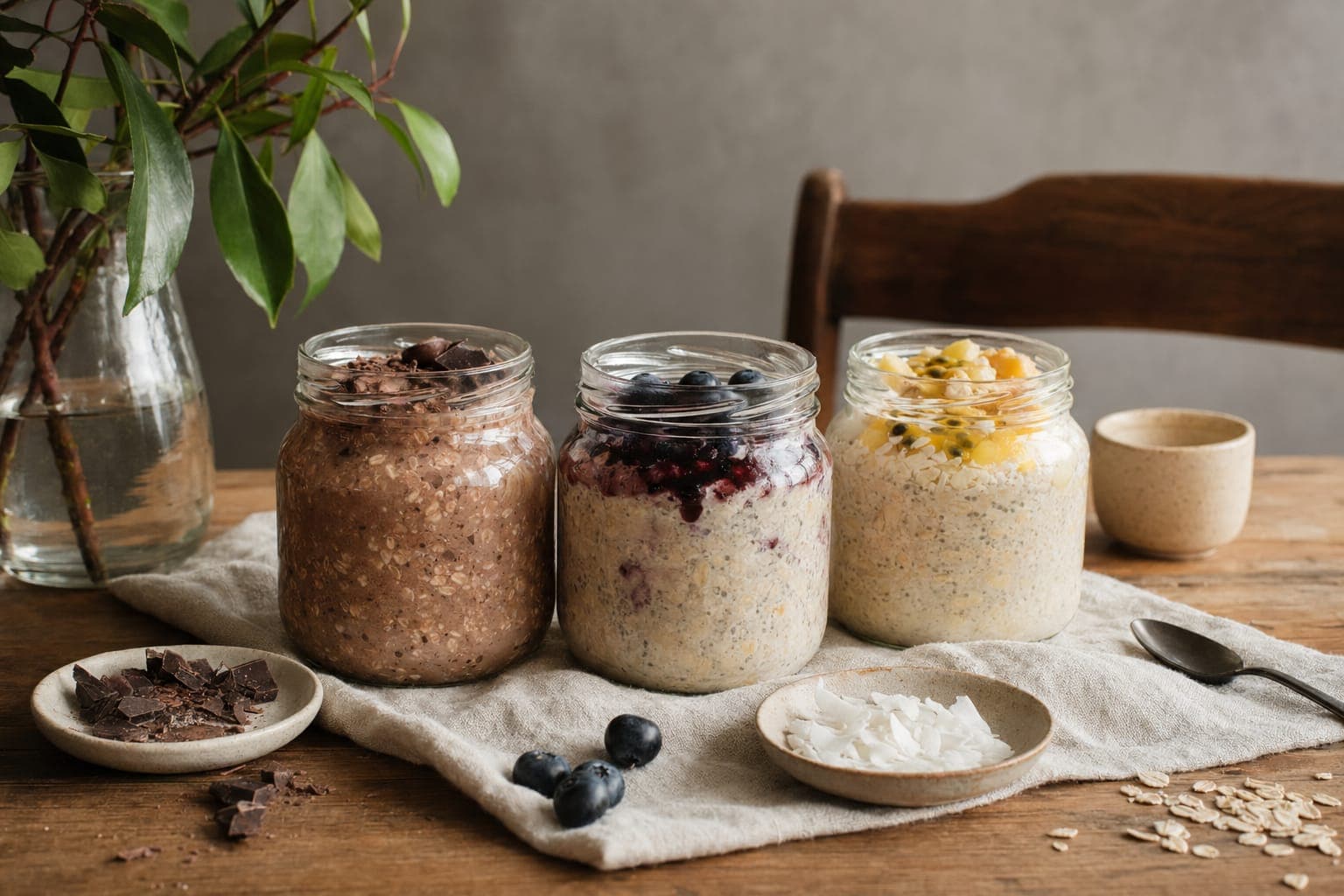
Organised Overnight Oats: 3 Variations
Three delicious overnight oats variations with Organised. Chocolate, berry, tropical flavours. Make them Sunday, eat them all week.


 Join over 100,000+ members
Build a better food system with us
The Organised community is thousands of people choosing real food and backing the farmers who grow it, all of us trying to leave the world a little better than we found it. If that is what you care about too, you belong here.