Ageing Well: The Nutrients That Support Healthy Longevity
The difference between ageing and ageing well isn't luck. It's not genetics. It's the deliberate accumulation of specific nutrients that support the systems your body uses to repair itself. Your body doesn't deteriorate because time passes. It deteriorates because it's not getting what it needs to stay intact.
By Niall Kiddle, Founder, Organised

Reviewed by Pedro Rodrigues, Agronomist (farming and sourcing only) ·
7 min read · Published · Updated · 5 cited sources
Makers of the Organised Daily blend, a grass-fed beef organ supplement from regenerative UK farms
Most people think of ageing as inevitable decline. A slow fade. You get older, your joints hurt, your energy drops, your skin loosens, your memory falters. And you accept this as the natural order. Except it's not. It's what happens when you're malnourished at the micronutrient level for decades.

What actually drives healthy ageing
Chronological age and biological age are not the same thing. Two people can be 60 years old. One moves like a 40-year-old, has clear skin, sharp memory, and strong bones. The other moves like an 80-year-old, feels brittle, and is on multiple medications. The difference isn't luck. It's nutrient status.
Your body is constantly recycling itself. Your skin rebuilds every 28 days. Your bones remodel continuously. Your organs are replacing their cells on staggered cycles. For all of this to happen well, you need specific raw materials. Without them, the reconstruction fails. The new cells are built weaker than the old ones. Over time, this compounds. Your tissue becomes fragile. Your organs decline. You age fast.
The solution isn't expensive treatments or supplements. It's real food that delivers the molecules your body uses to rebuild itself. This is ancestral knowledge masquerading as modern insight: eat nose-to-tail, eat whole foods, eat what your body recognises. The longevity signal is built into those foods.
Ageing well is not about stopping time. It's about continuously delivering the materials your body needs to stay functional and intact.
Collagen and glycine for connective tissue
Collagen is the most abundant protein in the body, comprising roughly a third of total protein. It is the principal structural protein in skin, tendons, bone matrix and connective tissue.1
Glycine is one of three amino acids that makes up collagen (along with proline and hydroxyproline). It's a conditionally essential amino acid, meaning your body can make some, but under conditions of ageing and stress, you need dietary glycine. When glycine is adequate, collagen synthesis runs smoothly. When it's deficient, collagen breaks down faster than it's rebuilt.
The best sources of glycine are gelatinous cuts of meat (joints, skin, connective tissue), bone broth, and skin-on fish. These foods were the foundation of every traditional diet because they were the most accessible source of collagen-supporting compounds. Muscle meat alone is high in protein but low in glycine. You need the whole animal.
When glycine is abundant, you notice it in your skin (more elasticity, clearer tone), your joints (less creaking, less pain), and your gut lining (improved digestion and nutrient absorption). This isn't cosmetic. It's structural. Your body is being rebuilt with the right materials.
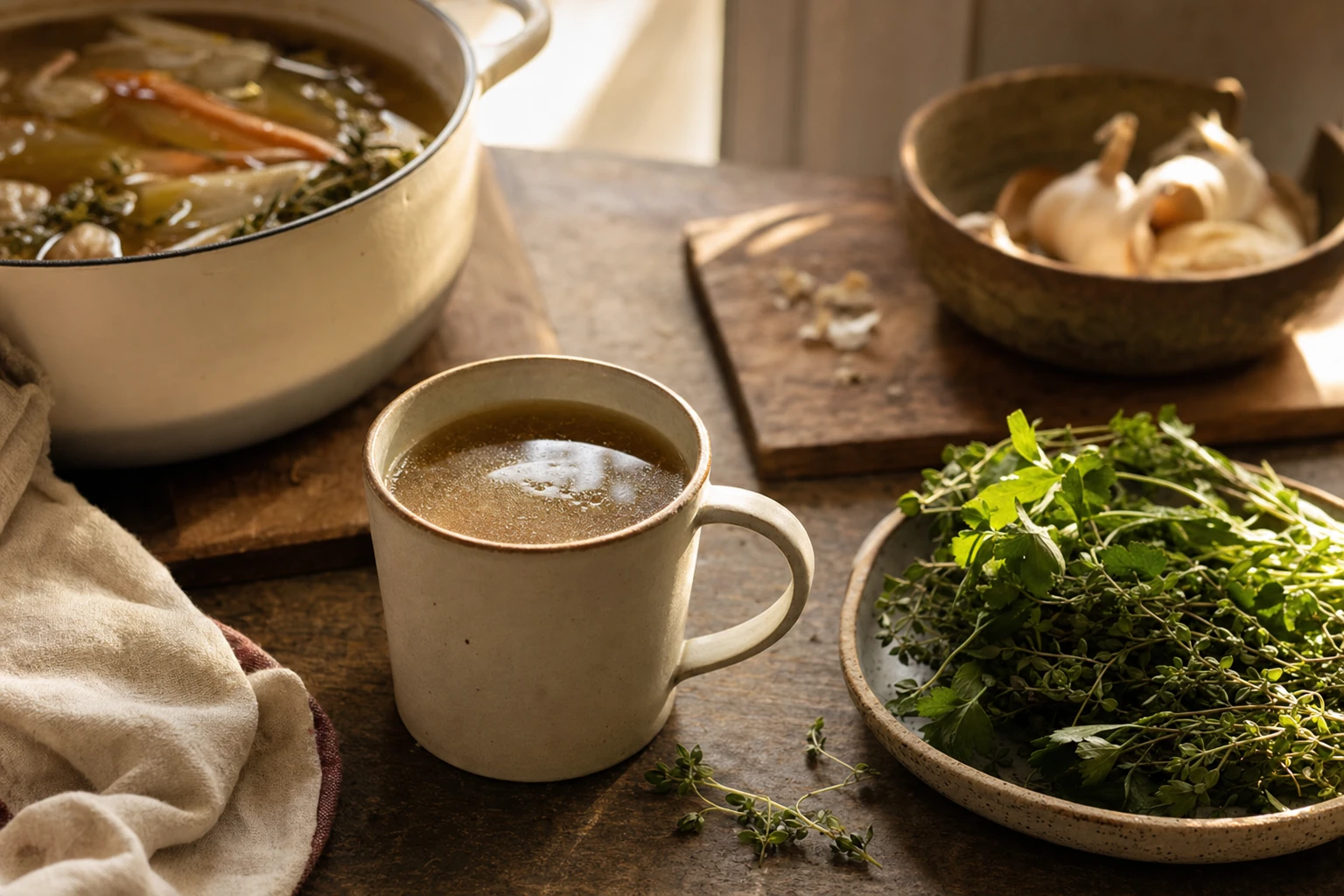
The dose is typically 10 to 15 grams of collagen or gelatin per day for noticeable effects. A cup of bone broth contains roughly 10 grams. A serving of gelatinous cuts of meat contributes as well. This is not exotic. It's traditional food.
B12 and the ageing brain
Vitamin B12 is essential for myelin formation (the insulation around your nerves), red blood cell formation, DNA synthesis, and energy production. As you age, your ability to absorb B12 from food decreases. This isn't a failure of your diet. It's a change in your stomach lining. But the effect is dramatic: chronically low B12 ages your brain faster than almost any other single deficiency.
Inadequate B12 status raises homocysteine and impairs myelin maintenance; older adults are particularly vulnerable because reduced gastric acid and intrinsic factor decline with age, lowering absorption of food-bound B12.2
B12 is found almost exclusively in animal foods. Organ meats (particularly liver and kidney), red meat, fish, eggs, and dairy are the reliable sources. There is no adequate plant-based source. If you're vegan, you need supplementation or fortified foods. If you eat animal products but still have low B12 (which is common in people over 50), you may need injections or high-dose oral supplements.
The key insight is this: after age 50, most people should be checking B12 status with blood work. If it's low, the fix is not a supplement you take for a few weeks. It's a dietary commitment to eating B12-rich foods consistently, or periodic supplementation or injections. Your brain depends on it.
B12 deficiency is one of the most overlooked causes of cognitive decline in ageing populations. Check your levels. If they're low, this changes everything about your nutrition plan.
Magnesium and the mineral crisis
Magnesium is a cofactor in more than 300 enzyme systems regulating biochemical reactions including protein synthesis, muscle and nerve function, blood glucose control and blood pressure regulation.3
The consequence of magnesium deficiency in ageing is visible: muscle cramps, poor sleep, anxiety, stiff joints, irregular heartbeat, and weakening bones. Many of these are blamed on "getting older." They're actually blamed on deficiency.
Magnesium is found in mineral water, leafy greens, nuts and seeds, and whole grains. But the most reliable sources are mineral water and topical magnesium (sprays, oils, baths). These bypass the digestive system and are absorbed through the skin. Many people find that adding regular magnesium baths or sea swimming dramatically improves sleep, joint flexibility, and nervous system calm.
The target is roughly 400 to 500 milligrams per day for older adults, though individual needs vary. Most people eating processed diets are getting 150 to 250 milligrams. The gap matters.
Get health guides like this, free
Two short reads a week on eating for energy, gut health, skin, sleep and more.
By signing up you agree to receive emails from us. No spam, unsubscribe anytime.
Vitamin K2 and bone mineralisation
Vitamin K2 is a fat-soluble vitamin responsible for bone and arterial health. It activates osteocalcin, a protein that binds calcium to the bone matrix. Without adequate K2, calcium doesn't stick where it should. You can consume all the calcium in the world and still have weak bones if K2 is absent.
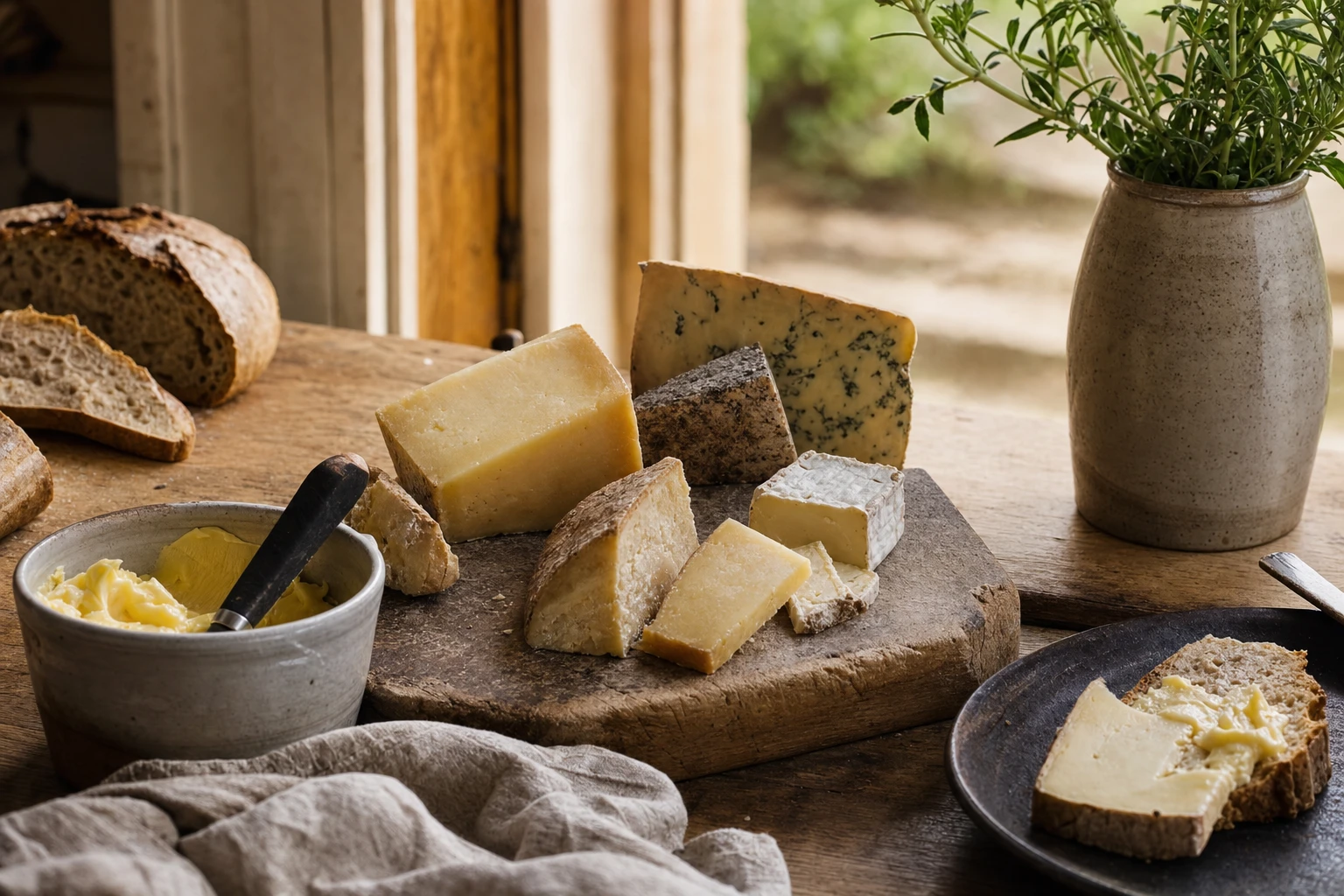
K2 is found primarily in fermented foods and foods made from animals that eat grass. Natto (fermented soybeans) is the richest source, but it's not accessible or palatable to most people. More practical sources include aged cheeses (particularly hard cheeses like Gruyere and Cheddar), butter from grass-fed cows, and egg yolks from pastured hens.
Vitamin K is required for the activation of osteocalcin and matrix Gla protein, with menaquinones (K2) of particular interest in bone and cardiovascular research; observational studies have associated higher dietary menaquinone intake with lower coronary heart disease mortality.4
Most people eating modern diets get virtually no K2. Adding grass-fed butter, aged cheese, or fermented foods can shift this dramatically. The shift is measurable in bone density scans within 12 to 18 months.
Glutathione, the master antioxidant
Glutathione is a tripeptide (three amino acids bound together) that your cells produce to defend against oxidative damage. It's your master antioxidant, far more potent than vitamin C or E. Every cell in your body needs glutathione to function. As you age, glutathione production declines. Combined with increasing oxidative stress from modern life (processed food, pollution, stress), this mismatch ages you faster.
Glutathione isn't reliably absorbed when consumed as a supplement (it gets broken down in digestion). Instead, you boost it by eating the precursors your body uses to synthesise it. The key precursor is sulphur, found in sulphur-rich foods like cruciferous vegetables (broccoli, cabbage, Brussels sprouts), garlic, onions, and eggs. Also, compounds like whey protein and the amino acid cysteine support glutathione synthesis.
The practical approach is eating egg yolks (which contain cysteine and choline), cruciferous vegetables (which are sulphur-rich), and garlic and onions (which provide additional sulphur and glutathione-supporting compounds). You're not trying to eat glutathione. You're eating the raw materials your body uses to make it.
Protecting your cells from oxidative damage is not about consuming a specific supplement. It's about eating foods that allow your body to synthesise its own antioxidant machinery.
1 of 9
Daily blend
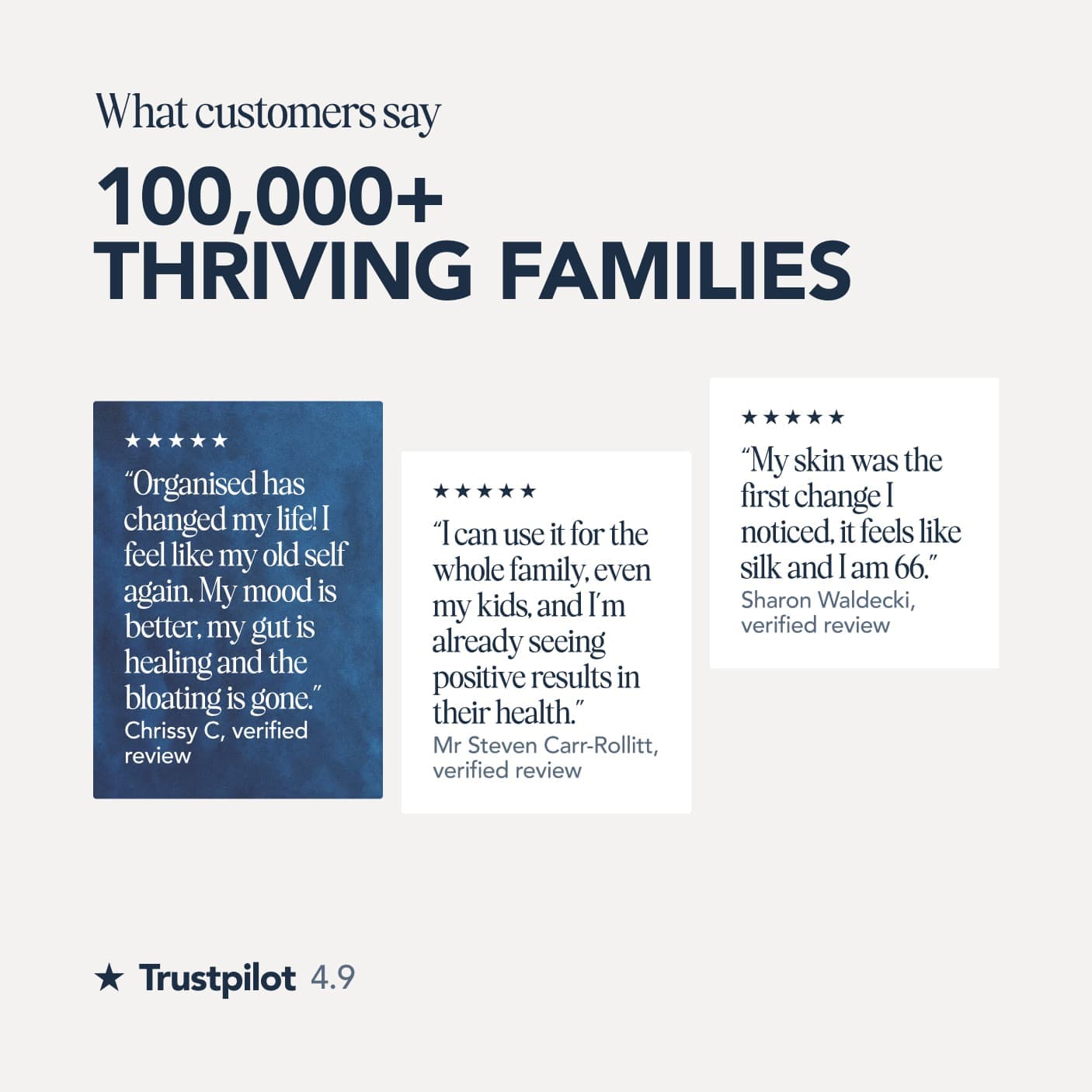
100,000+ thriving families4.9 on Trustpilot
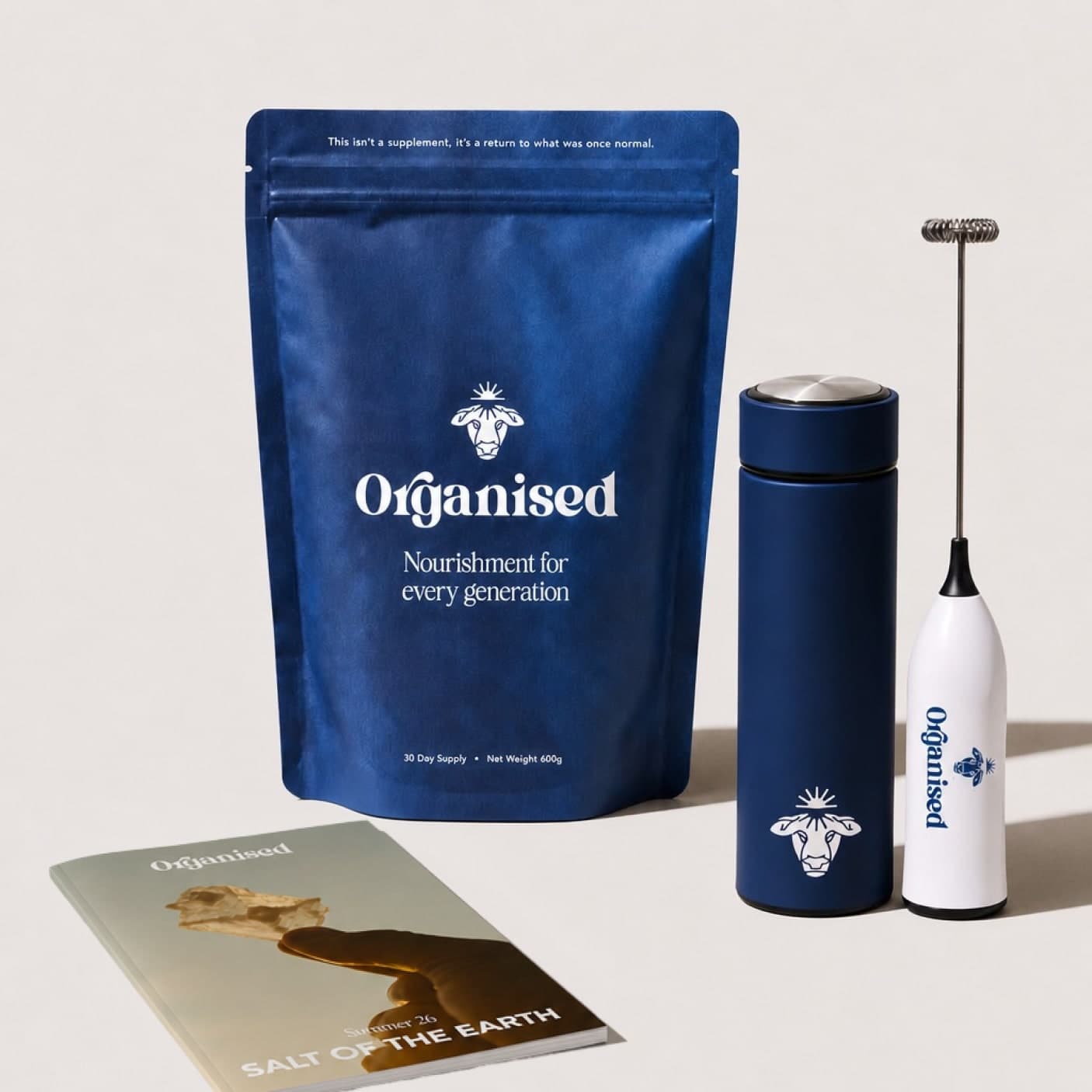
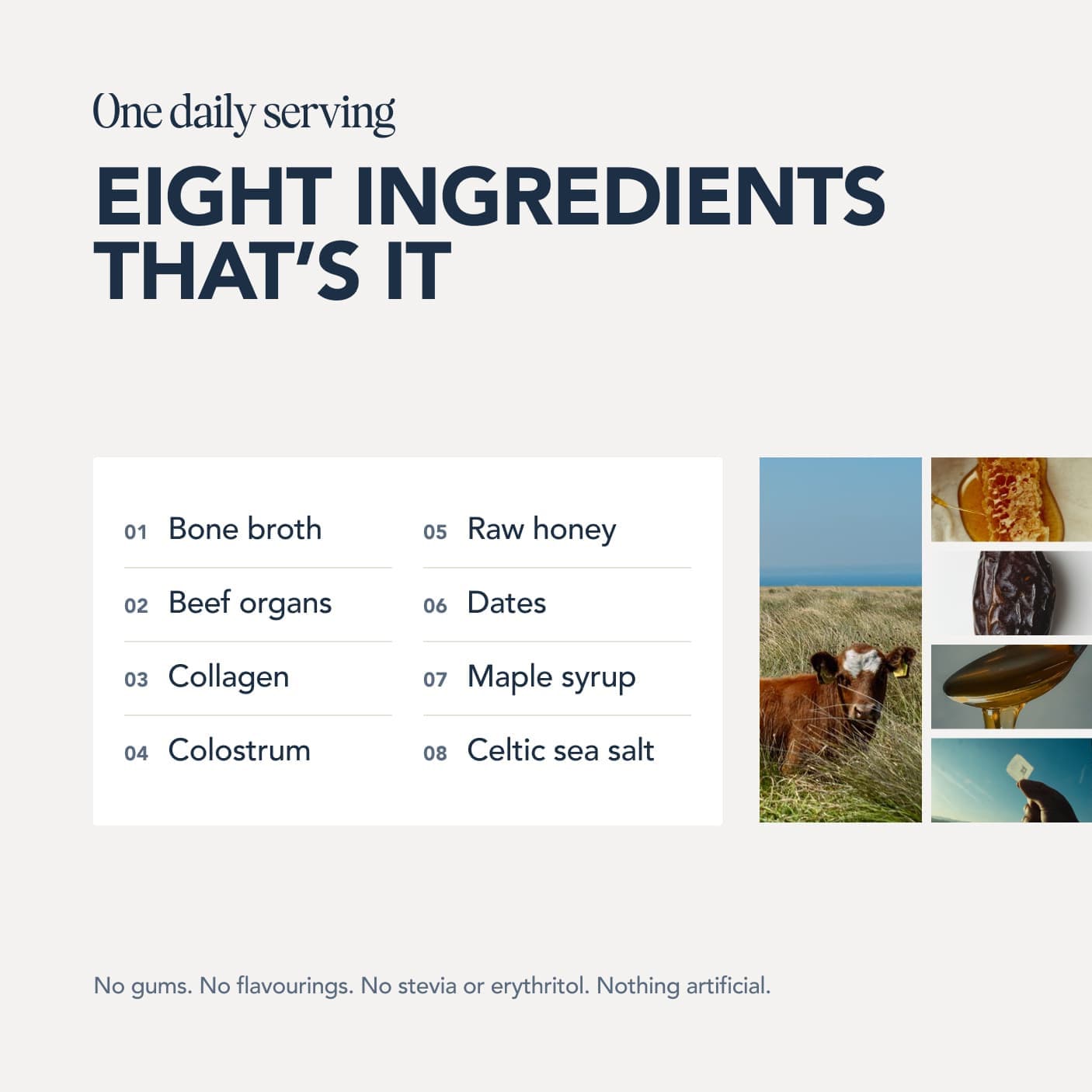
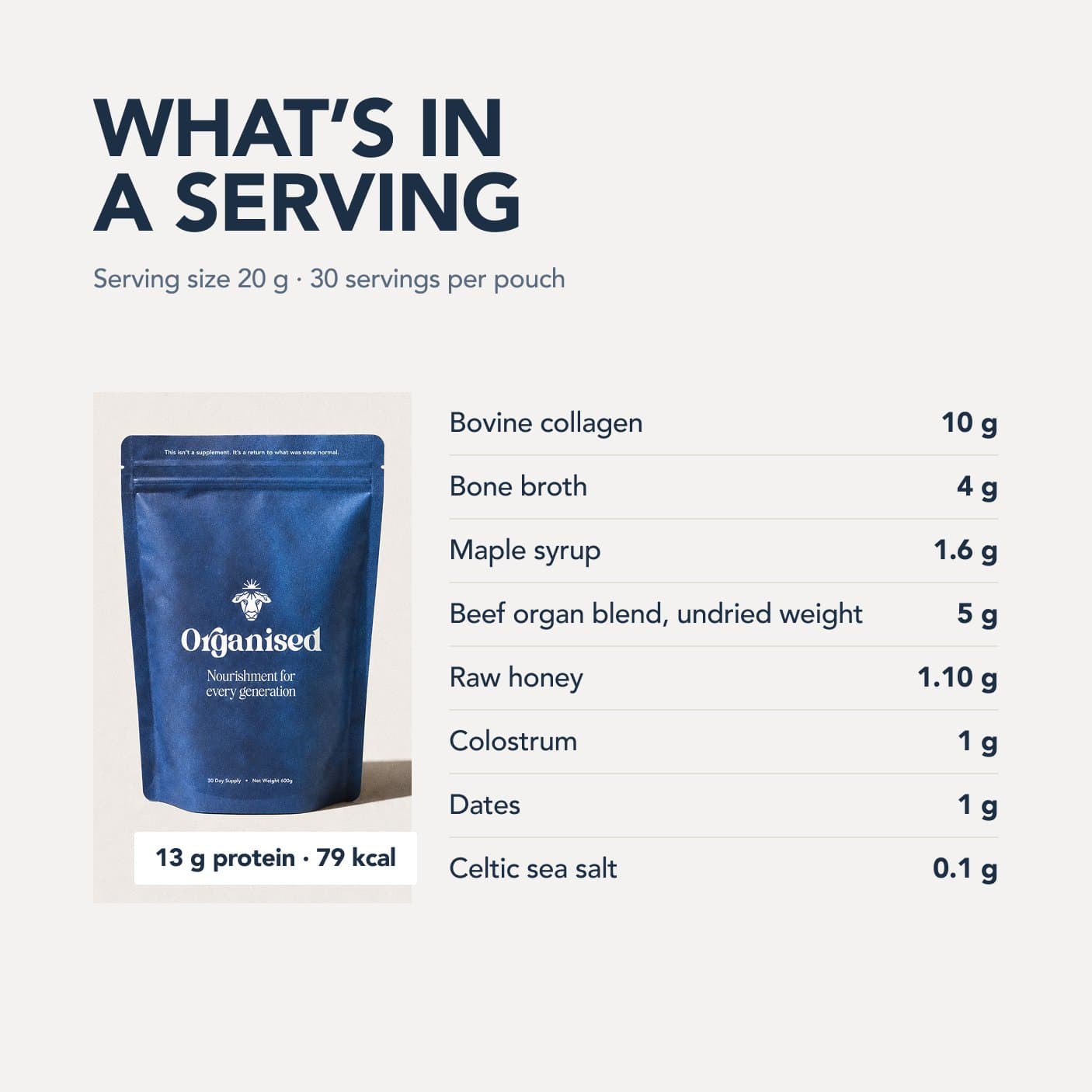
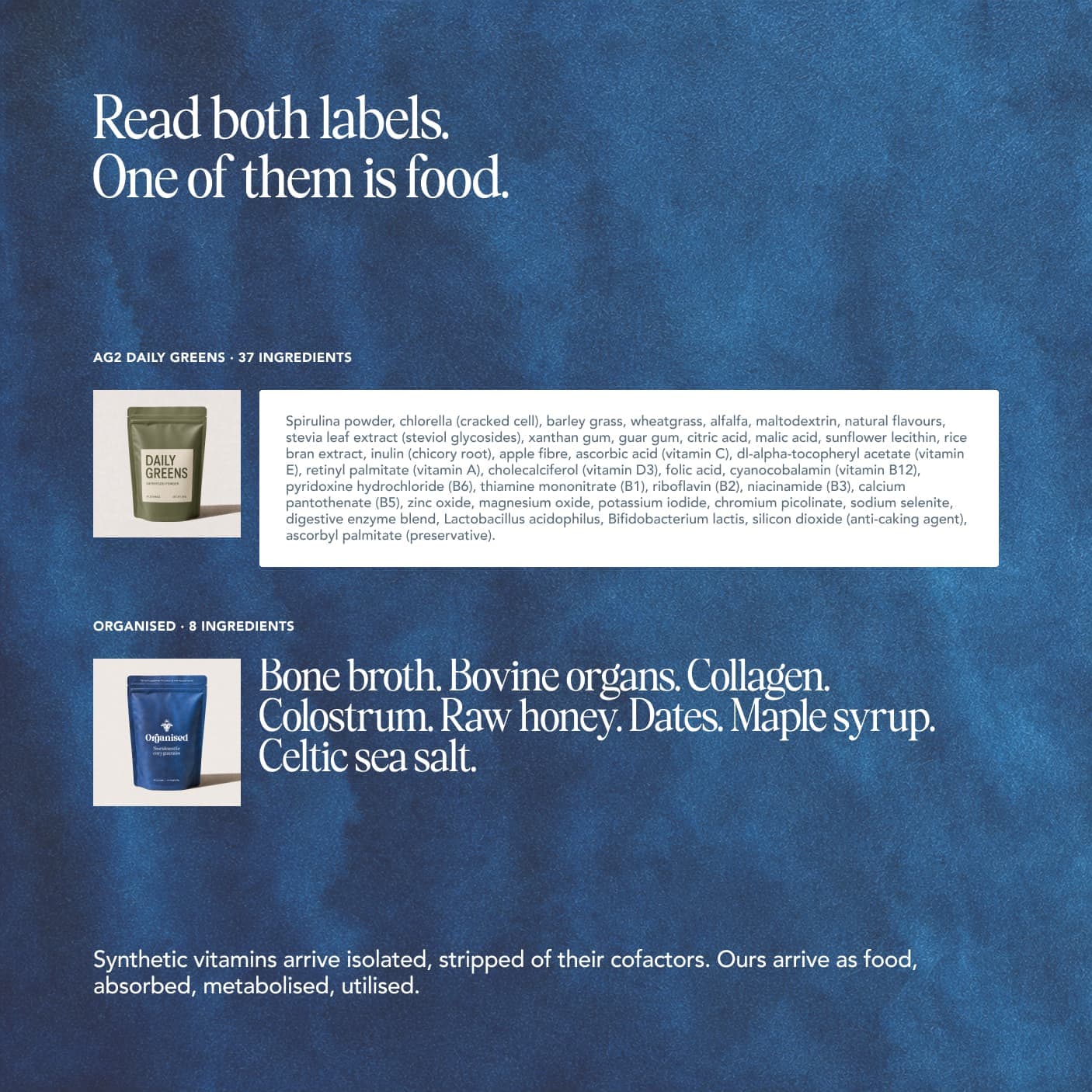
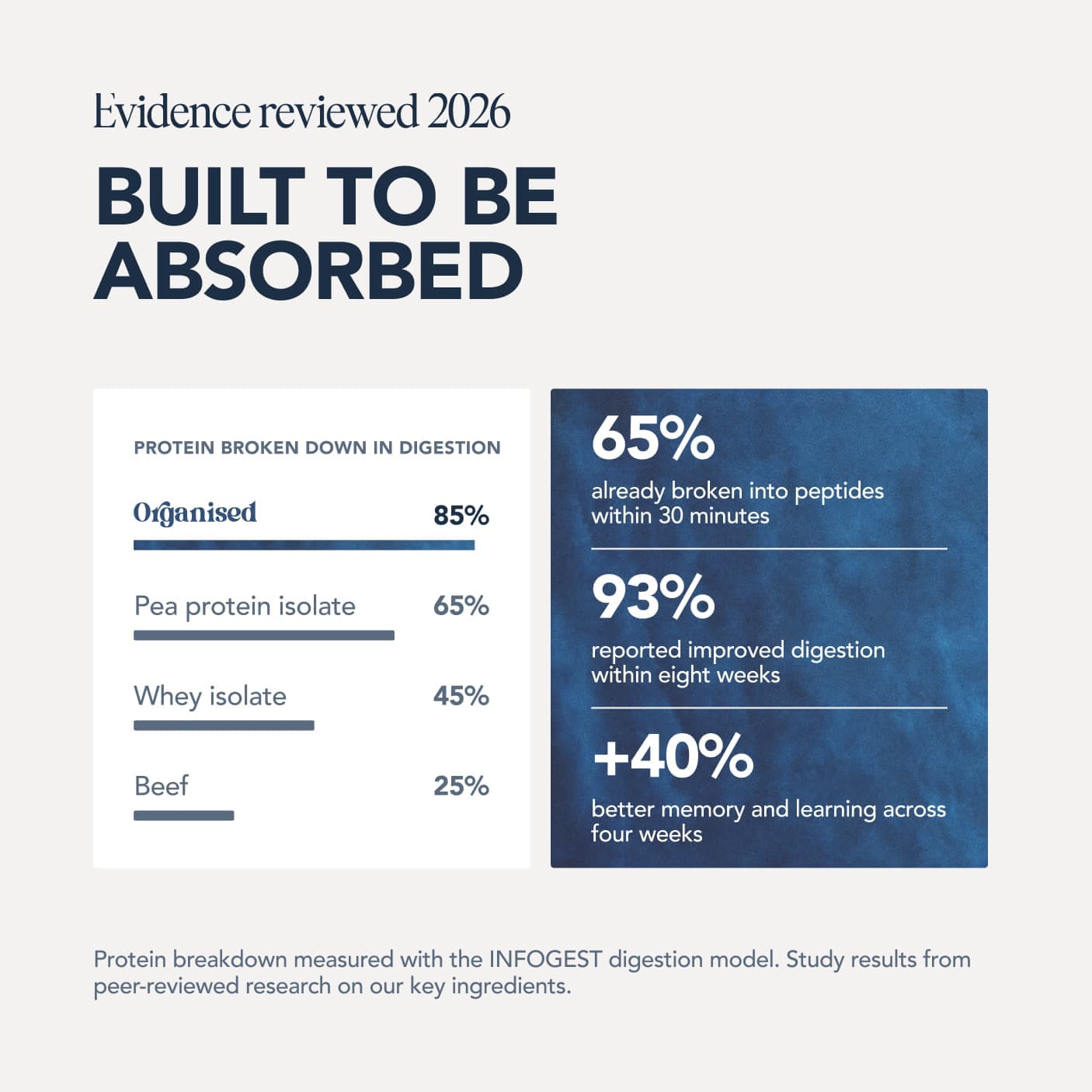
Eight real ingredients built around grass-fed beef organs, collagen and colostrum. Nothing synthetic added.
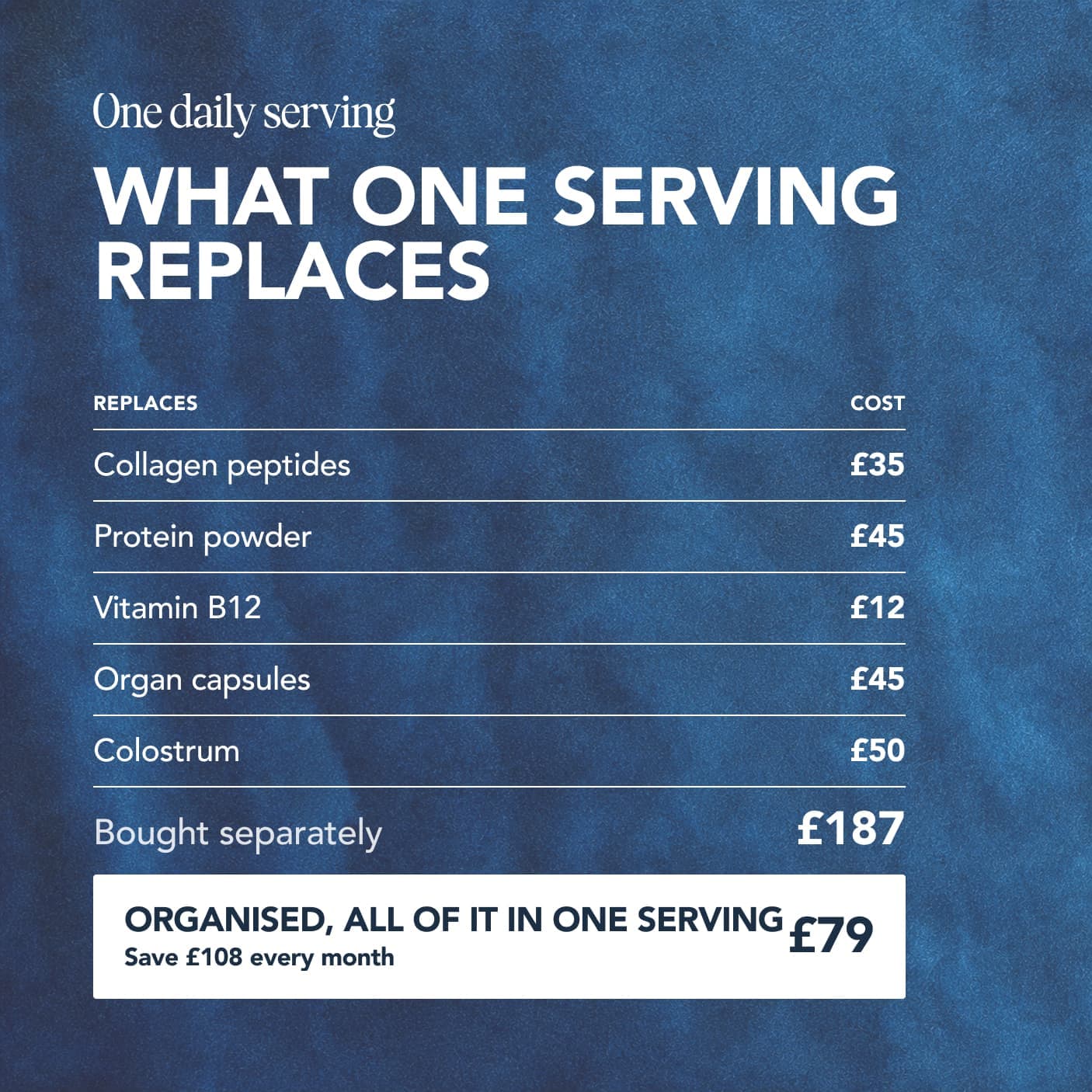
Free with your first order, worth £38. Plus £10 off the pouch with a subscription.
Free UK shipping · Made in England · 100 day money back guarantee on your first pouch · Skip, pause or cancel anytime
Zinc and immune resilience
Zinc is a cofactor for roughly 100 enzymes and is needed for innate and adaptive immunity, wound healing and protein synthesis. Older adults are at higher risk for inadequate zinc intake.5
The richest sources of bioavailable zinc are red meat and oysters. Other solid sources include other shellfish, fish, eggs, and full-fat dairy. Plant-based sources like legumes and seeds contain phytates, which inhibit zinc absorption, making them much less effective.
For older adults, ensuring adequate zinc is particularly important during winter months when infection risk is higher. A palm-sized serving of red meat or a few oysters several times per week covers most people's zinc needs. Supplementation is rarely necessary if you're eating real food.
The bottom line
Healthy longevity isn't about fighting biology. It's about systematically ensuring that your body has the materials it needs to rebuild itself well. When you're 80 years old and moving like you're 60, it won't be because of luck or genetics. It will be because you've spent decades delivering collagen and glycine for your joints and skin, B12 for your brain, magnesium for your bones and nerves, K2 for your bone mineralisation, glutathione precursors for your cellular defence, and zinc for your immune function.
These nutrients aren't exotic. They're not expensive. They're the foundation of every traditional diet because they were accessible and practical. Nose-to-tail eating delivers all of them simultaneously. Bone broth, gelatinous cuts of meat, organ meats, eggs, and aged cheese are not luxury foods in this context. They're medicine delivered as meals.
Start now. It doesn't matter if you're 30 or 70. Every day you're delivering these materials, your body is rebuilding more slowly or more quickly depending on whether the nutrients are there. Choose well and age well.
References
Every source below was checked on 27 August 2026. Each PubMed, PMC and DOI identifier was resolved against NCBI or Crossref, and what it opens is printed under the citation, so you can see the link goes where the citation says without leaving the page. Where a citation and its identifier disagreed, the citation was corrected to the record or the reference was deleted along with the sentence marker that pointed at it, and where the resolved paper turned out not to support the sentence, the sentence was cut back to what it does support. Borrowed authority is worse than none, because it looks like rigour.
- Shoulders MD, Raines RT. Collagen Structure and Stability. Annual Review of Biochemistry. 2009. https://pmc.ncbi.nlm.nih.gov/articles/PMC2846778/Checked 27 August 2026: PMC2846778 opens Shoulders MD, Raines RT, Collagen structure and stability. Annu Rev Biochem 2009;78:929-58. PubMed indexes it as: Review.
- National Institutes of Health, Office of Dietary Supplements. Vitamin B12 — Health Professional Fact Sheet. https://ods.od.nih.gov/factsheets/VitaminB12-HealthProfessional/
- National Institutes of Health, Office of Dietary Supplements. Magnesium — Health Professional Fact Sheet. https://ods.od.nih.gov/factsheets/Magnesium-HealthProfessional/
- National Institutes of Health, Office of Dietary Supplements. Vitamin K — Health Professional Fact Sheet. https://ods.od.nih.gov/factsheets/VitaminK-HealthProfessional/
- National Institutes of Health, Office of Dietary Supplements. Zinc — Health Professional Fact Sheet. https://ods.od.nih.gov/factsheets/Zinc-HealthProfessional/
Who wrote and reviewed this guide
Niall Kiddle
Author · Founder, Organised
Niall is the founder of Organised. He started the company in 2024 after fixing his own health the slow way: in 2022 he swapped a cupboard of synthetic supplements for real food, raw milk, organ meats, bone broth and honey, and felt the difference within months.
Areas of expertise: Ancestral nutrition, Organ meats, Whole-food supplementation, Gut health, Regenerative sourcing
Read Niall's full profile
Pedro Rodrigues
Reviewer · Agronomist (farming and sourcing only)
Pedro is the agronomist Organised works with on farming and sourcing. His job on the guides is to keep the science honest: he reviews what we publish about soil health, regenerative agriculture, grazing and the way food is actually produced.
Areas of expertise: Regenerative agriculture, Agronomy, Soil health, Grass-fed farming, Food sourcing
Reviewed this guide on
Read Pedro's full profileMore on longevity & ageing
View allBrowse the guides library
All guidesKeep reading
Health goals
Muscle Loss After 40: Why Protein Quality Matters More Than Ever
After 40, your muscles are less responsive to protein. Here's why quality matters, what leucine does, and why animal protein is superior.
Health goals
Glycine: The Amino Acid That May Slow Ageing
Glycine is essential for collagen synthesis, sleep quality, and connective tissue repair. Here's why bone broth and gelatinous meat matter.

Health goals
How Blood Sugar Instability Wrecks Your Hormones
Discover how unstable blood sugar disrupts your hormones, from cortisol to sex hormones. Learn how the cascade works and the breakfast choice that fixes it.
Real food, made effortless
Start my daily blendA few ways to use it
All recipes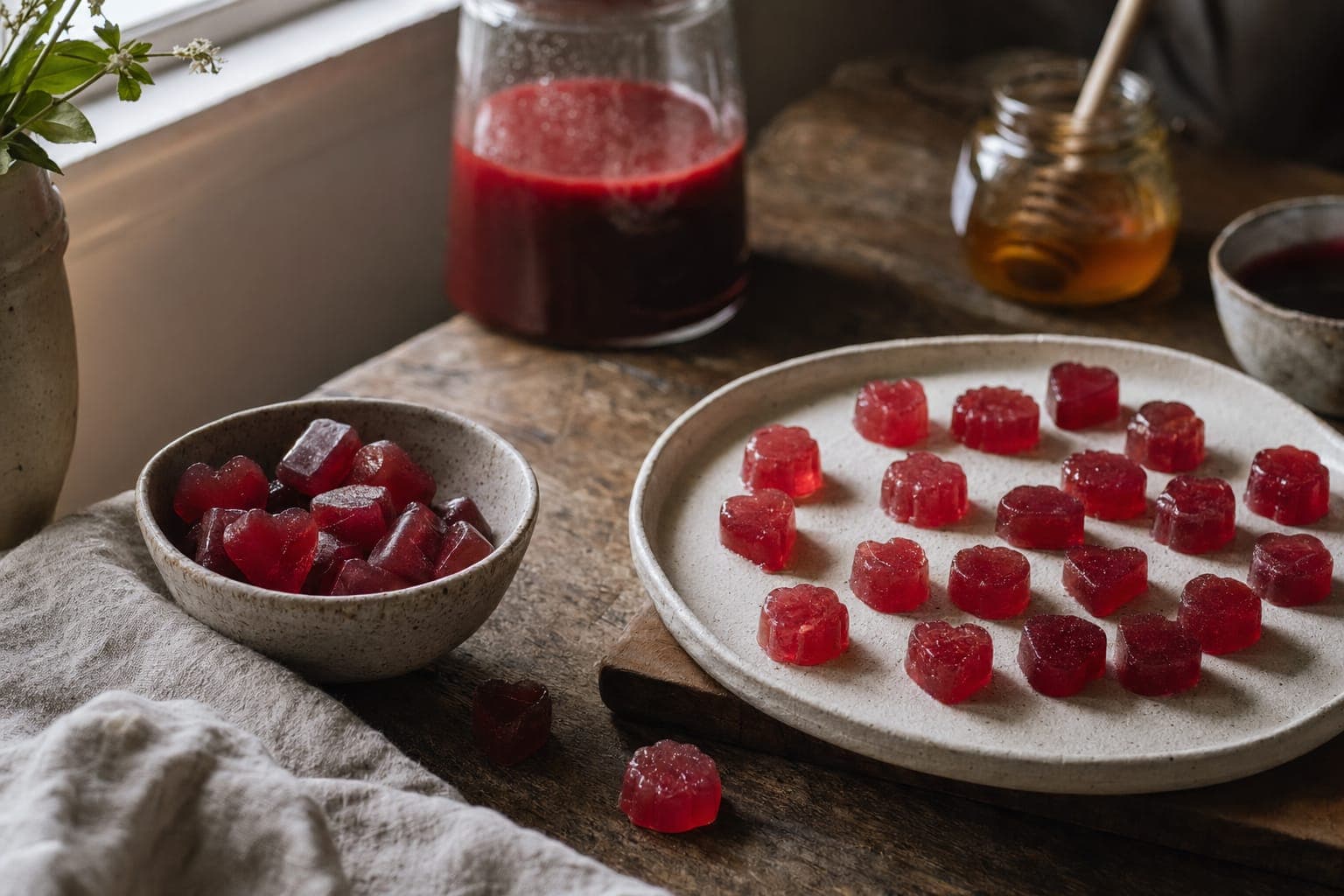
How to Make Your Own Gelatine Gummies
A simple recipe for homemade gelatine gummies using grass-fed gelatine, fresh juice, and raw honey. Better than shop-bought, kids love them.
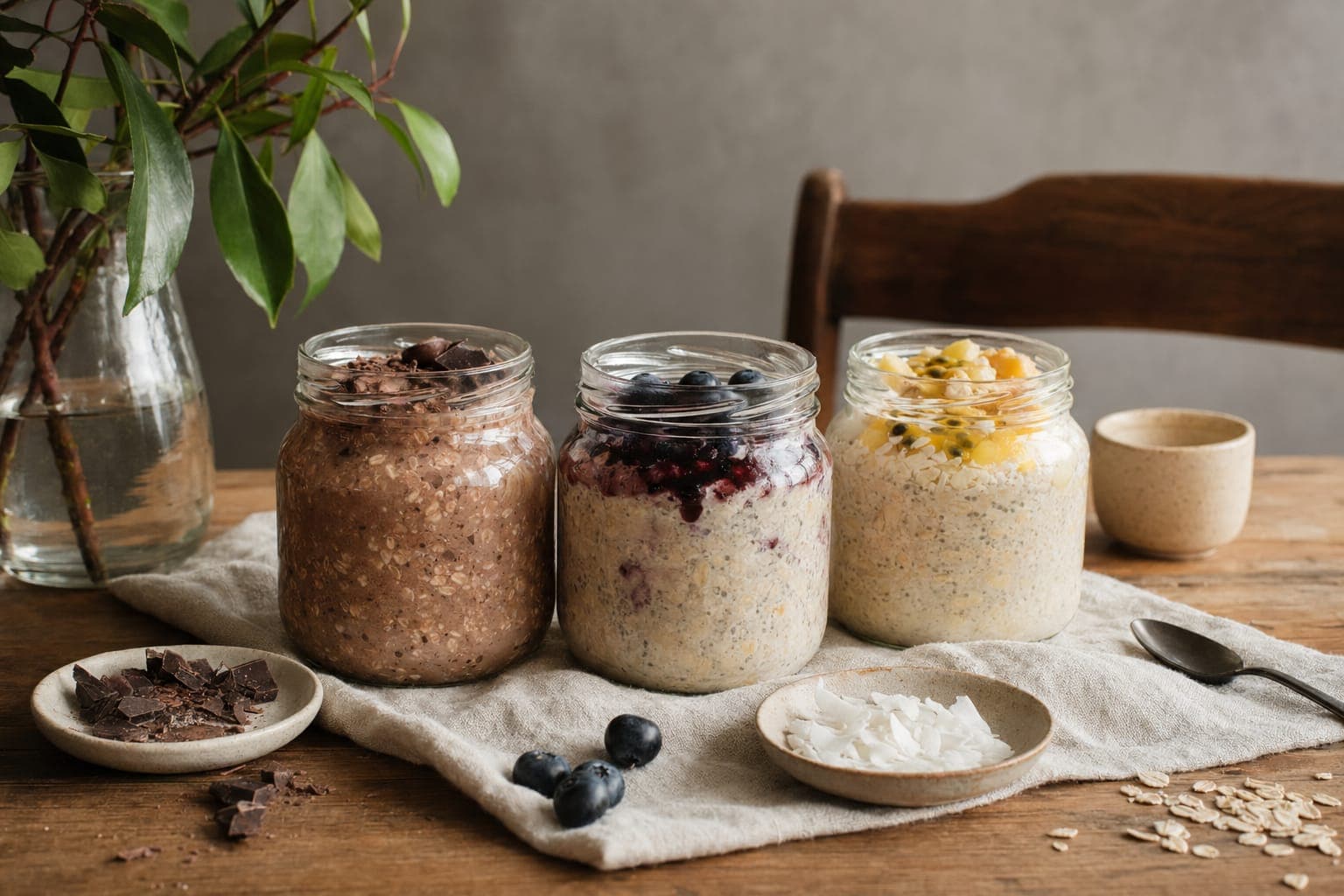
Organised Overnight Oats: 3 Variations
Three delicious overnight oats variations with Organised. Chocolate, berry, tropical flavours. Make them Sunday, eat them all week.
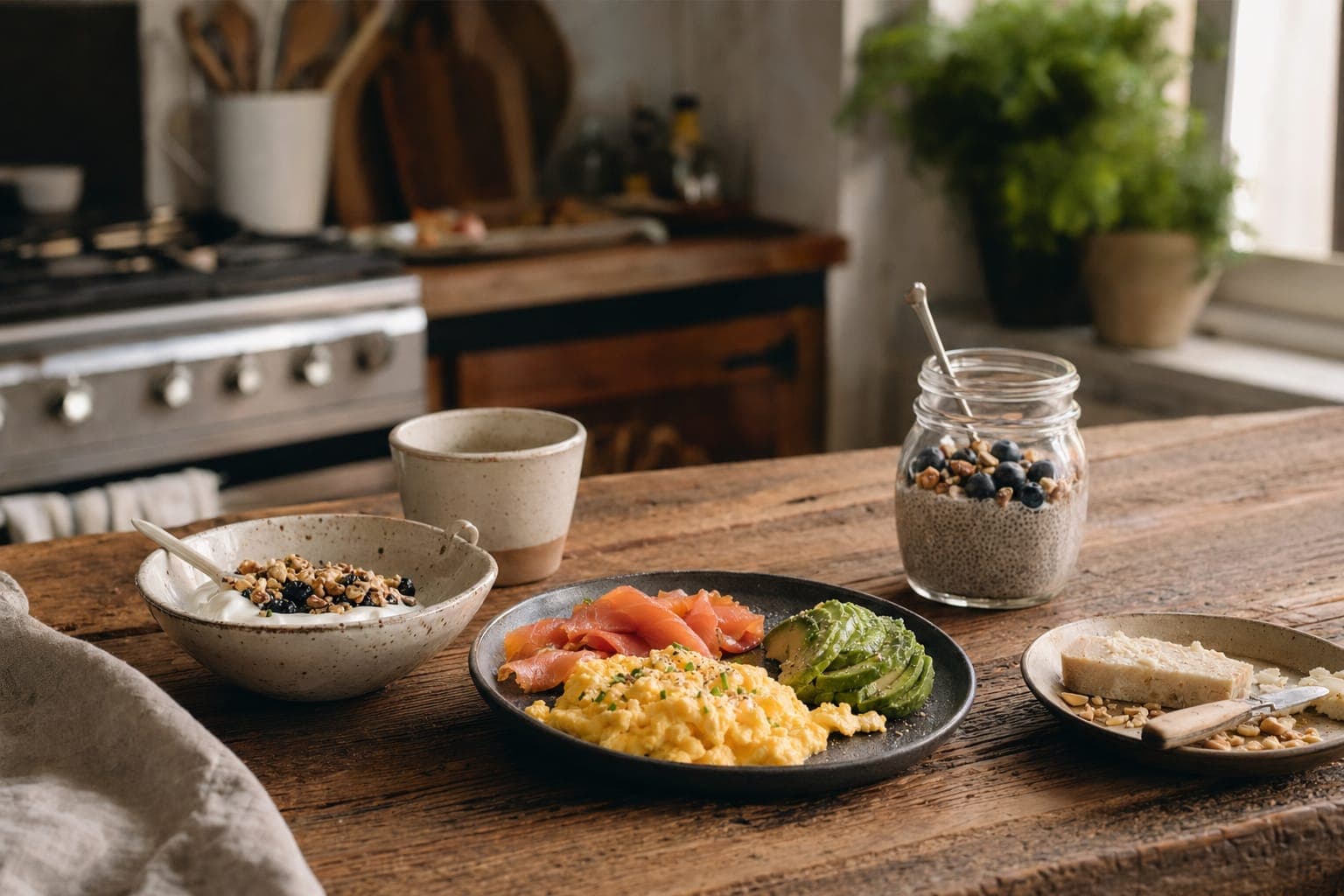
5-Minute High-Protein Breakfasts Using Organised
Quick, high-protein breakfast ideas using Organised. Five recipes you can make in minutes with real food. No fussing around.


 Join over 100,000+ members
Build a better food system with us
The Organised community is thousands of people choosing real food and backing the farmers who grow it, all of us trying to leave the world a little better than we found it. If that is what you care about too, you belong here.