Glycine: The Amino Acid That May Slow Ageing
There's an amino acid your body needs to rebuild itself that you're almost certainly not getting enough of. It's not dramatic. It's quiet. And every year you're deficient in it, your skin, joints, and bones silently decline. That amino acid is glycine.

By Niall Kiddle, Founder, Organised

Reviewed by Pedro Rodrigues, Agronomist (farming and sourcing only) ·
6 min read · Published · Updated · 5 cited sources
Makers of the Organised Daily blend, a grass-fed beef organ supplement from regenerative UK farms
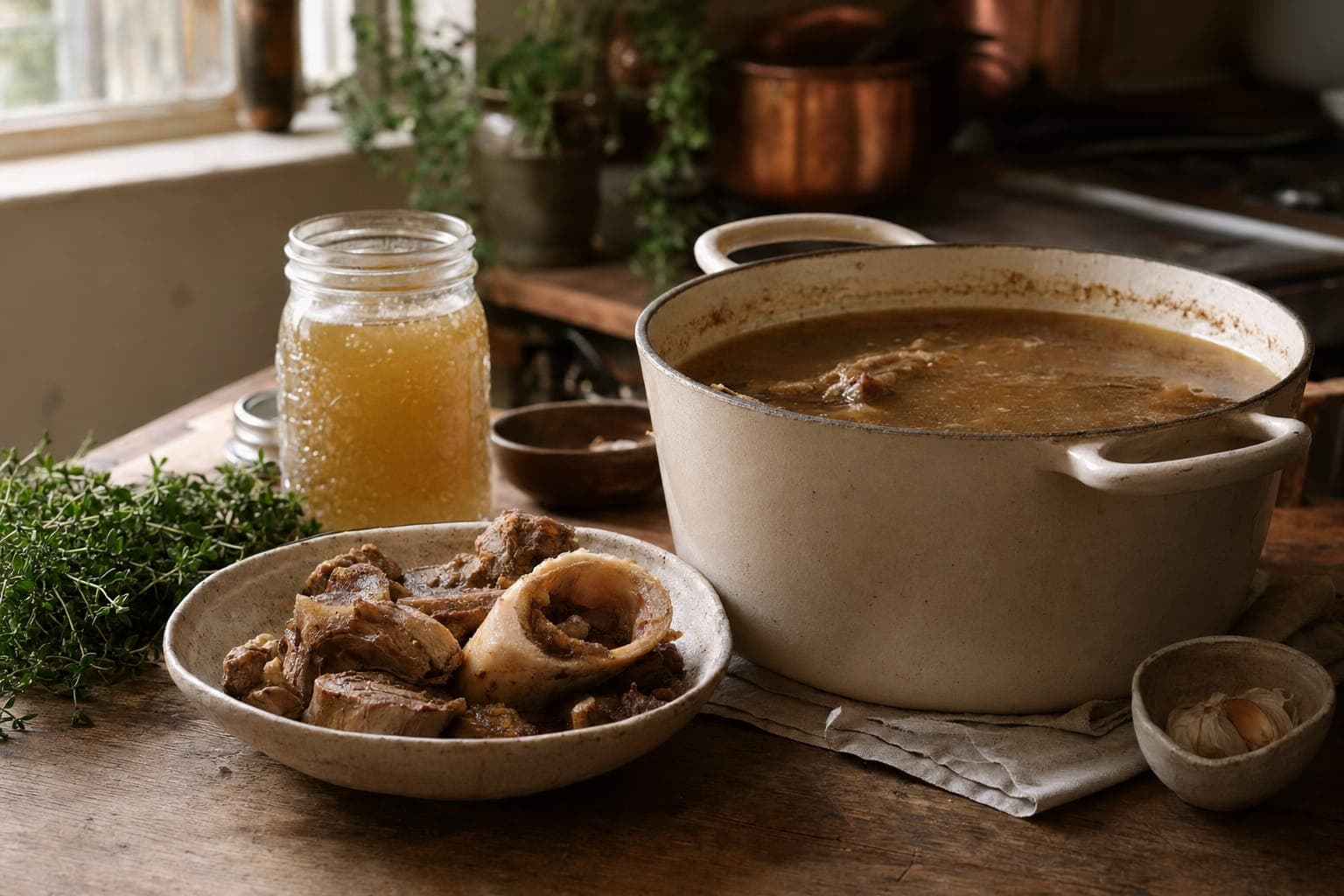
Glycine is conditionally essential, meaning your body can synthesise some, but under stress, ageing, and injury, you need dietary glycine.1 Modern diets are chronically deficient in it because modern meat consumption focuses on muscle, not the gelatinous cuts that contain glycine in abundance.

What glycine does in your body
Glycine is one of the simplest amino acids structurally, but its function is fundamental. It's a neurotransmitter in the central nervous system, modulating sleep depth and temperature regulation. It's a key component of collagen, the structural protein holding your skin, joints, and bones together. It's also a component of glutathione, your cells' master antioxidant.1 In almost every major system in your body, glycine plays a role.
The average person gets roughly 1 to 3 grams of glycine per day from food. But research suggests optimal intake is 10 to 15 grams daily for someone focused on longevity and connective tissue health. The gap between what most people consume and what would be optimal is substantial.
Glycine is not a supplement you take in isolation. It's a nutrient that exists abundantly in whole foods your ancestors ate.
Glycine and collagen synthesis
Collagen is roughly one-third glycine by amino acid composition. The other two components are proline and hydroxyproline.2 Without adequate glycine, your body can't efficiently synthesise new collagen. This matters because collagen is being continuously broken down and rebuilt. If the synthesis can't keep up, you experience visible decline: skin loses elasticity, joints creak, wounds heal slowly, and connective tissue weakens.
The effect appears gradually but compounds. Year after year of glycine insufficiency leads to accumulated collagen deficit. A 50-year-old who's been eating muscle-only meat their whole life has weaker connective tissue than someone who's been including gelatinous cuts and bone broth.
The mechanism is straightforward: collagen needs glycine. If you want strong, elastic skin and healthy joints, you need glycine in your diet. This is why traditional diets emphasise eating the whole animal. A steak is protein, but it's not collagen synthesis support. A bone broth or gelatinous cut (knuckles, feet, connective tissue) delivers the material your body needs to rebuild collagen.
The methionine balance
There's an interesting tension in amino acid metabolism: methionine is an essential amino acid (you need it and can't synthesise it), but chronic excess methionine promotes ageing in animal models. Glycine appears to counterbalance this. When glycine is high relative to methionine, ageing slows. When methionine is high and glycine is low, ageing accelerates.3
Modern diets are typically high in methionine (from muscle meat, eggs, and other protein-rich foods) and low in glycine (because we don't eat the gelatinous bits). This imbalance may be one factor contributing to accelerated ageing.
The solution isn't to avoid methionine (you need it). It's to increase glycine intake to restore balance. A diet including bone broth, gelatinous cuts, and collagen-rich foods alongside muscle meat achieves this naturally.

Glycine and sleep quality
Glycine is a neurotransmitter that signals the nervous system to slow down. It activates inhibitory pathways that dampen neural excitation. When glycine is available, the brain becomes calmer, sleep onset is easier, and sleep depth increases.5 Preliminary research shows that glycine supplementation (3 to 5 grams before bed) improves sleep quality, particularly in older adults.4
The practical implication is that adequate dietary glycine supports better sleep naturally. A bone broth in the evening, a gelatinous braise, or simply ending the day with collagen-containing foods provides a mild sleep-promoting effect. It's not a replacement for sleep hygiene or exercise, but it's a useful piece of the puzzle.
Sleep quality is critical to longevity. Chronic poor sleep accelerates ageing, increases inflammation, and impairs cellular repair. Glycine supporting sleep is therefore also supporting longevity indirectly.
Glycine and connective tissue repair
Beyond collagen synthesis, glycine is central to the repair of tendons, ligaments, cartilage, and fascia. After an injury, these tissues rebuild. But if glycine is deficient, the rebuild is slower and weaker. An older person with adequate glycine recovers from a sprain faster and more completely than an older person deficient in glycine.
This has practical implications for people training for strength or doing physical work. Adequate glycine intake accelerates injury recovery and supports connective tissue adaptation to training stress. It's a small leverage point, but across months and years, it compounds.
Glycine is the quiet repair nutrient. You don't feel it working, but you notice the absence when your skin is dull, your joints ache, and your wounds heal slowly.
Get health guides like this, free
Two short reads a week on eating for energy, gut health, skin, sleep and more.
By signing up you agree to receive emails from us. No spam, unsubscribe anytime.
How much you need and where to find it
The amount of glycine naturally occurring in food varies. A cup of bone broth varies widely; ordinary home-made stocks deliver well under a gram of glycine, whilst concentrated long-simmer broths or broths fortified with added gelatin can reach several grams. 100 grams of gelatinous collagen-rich meat (joints, skin, knuckles) is rich in glycine because connective-tissue collagen is roughly 30% glycine by weight, but actual yields per serving vary by preparation. An egg contains trace amounts. Muscle meat alone is very low in glycine.
For someone targeting optimal glycine intake (10 to 15 grams daily), the practical approach is eating gelatinous cuts regularly and including bone broth. A cup of bone broth daily plus one or two servings of gelatinous meat per week covers the gap for most people.
Glycine supplementation is also an option, though food sources are preferable. Hydrolysed collagen powder (also called collagen peptides) dissolves in hot or cold beverages. A typical 10-gram serving of collagen peptides delivers roughly 3 grams of glycine, since collagen protein is about 30% glycine by weight. Many people use this as insurance, particularly if they're not comfortable with gelatinous meat or don't have regular access to it.
The practical sources
The traditional sources of glycine are the parts of the animal modern culture discards.
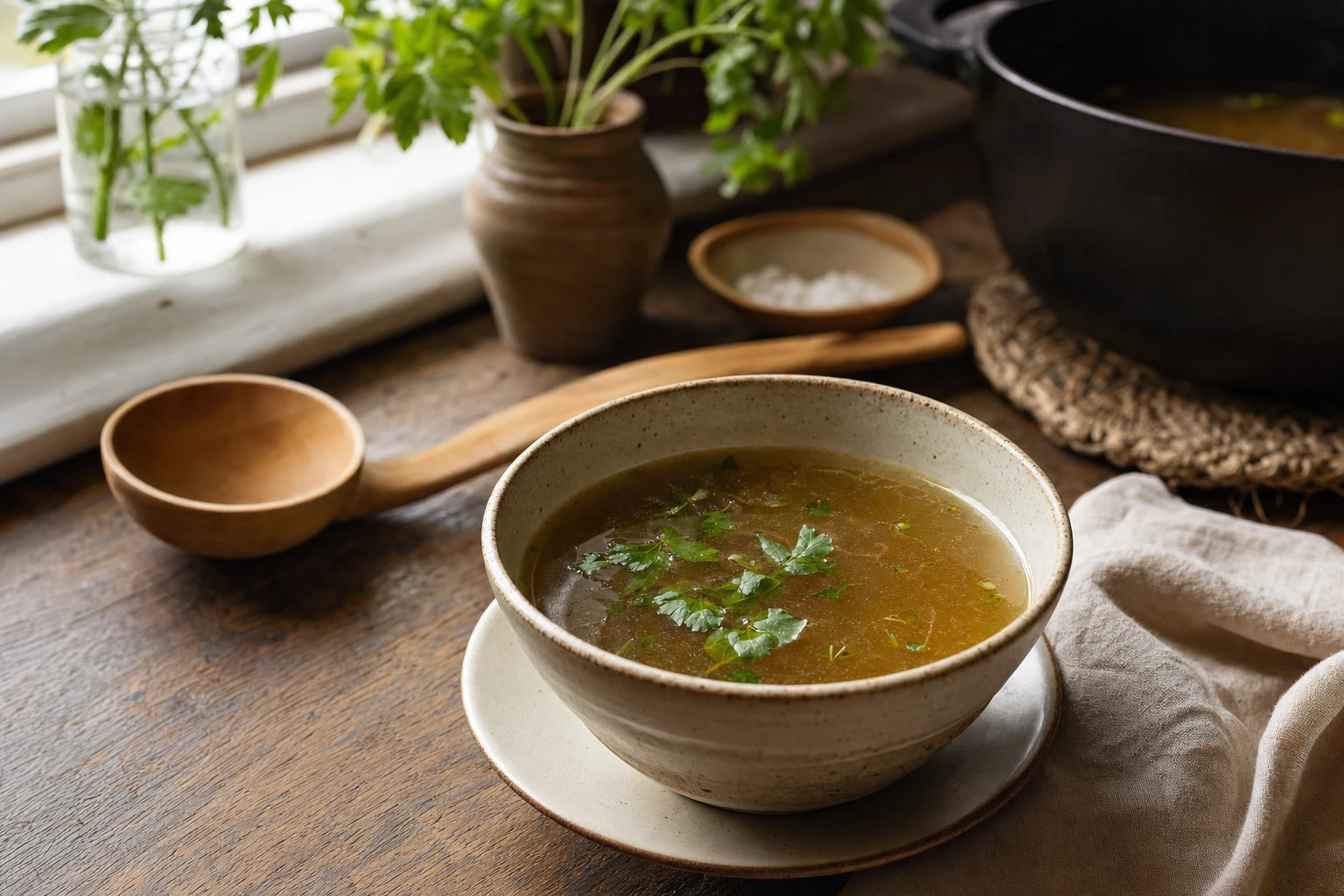
- Bone broth: Simmered 12 to 48 hours, can deliver several grams of glycine per cup, depending on bone-to-water ratio and simmering time. The longer the simmer, the more collagen is extracted.
- Gelatinous cuts: Oxtail, beef knuckles, pig feet, chicken feet, connective tissue. These are cheap if you can find them at a butcher (usually 2 to 4 pounds per dollar) and incredibly nutrient-dense.
- Skin-on fish: Salmon skin, cod skin. Less glycine than bone broth, but a useful contribution.
- Fish and animal collagen: Shark fins, fish bladder (maw), chicken skin. These are traditional in Asian cuisines for exactly this reason.
- Collagen powder or hydrolysed collagen: If food sources aren't accessible, this is practical and convenient. Choose grass-fed sources when possible.
The reality is that these aren't exotic. They were the foundation of every traditional cuisine. Bone broth was stock. Gelatinous meat was stew. These foods weren't delicacies. They were the way people ate.


1 of 9
Daily blend
100,000+ thriving families4.9 on Trustpilot
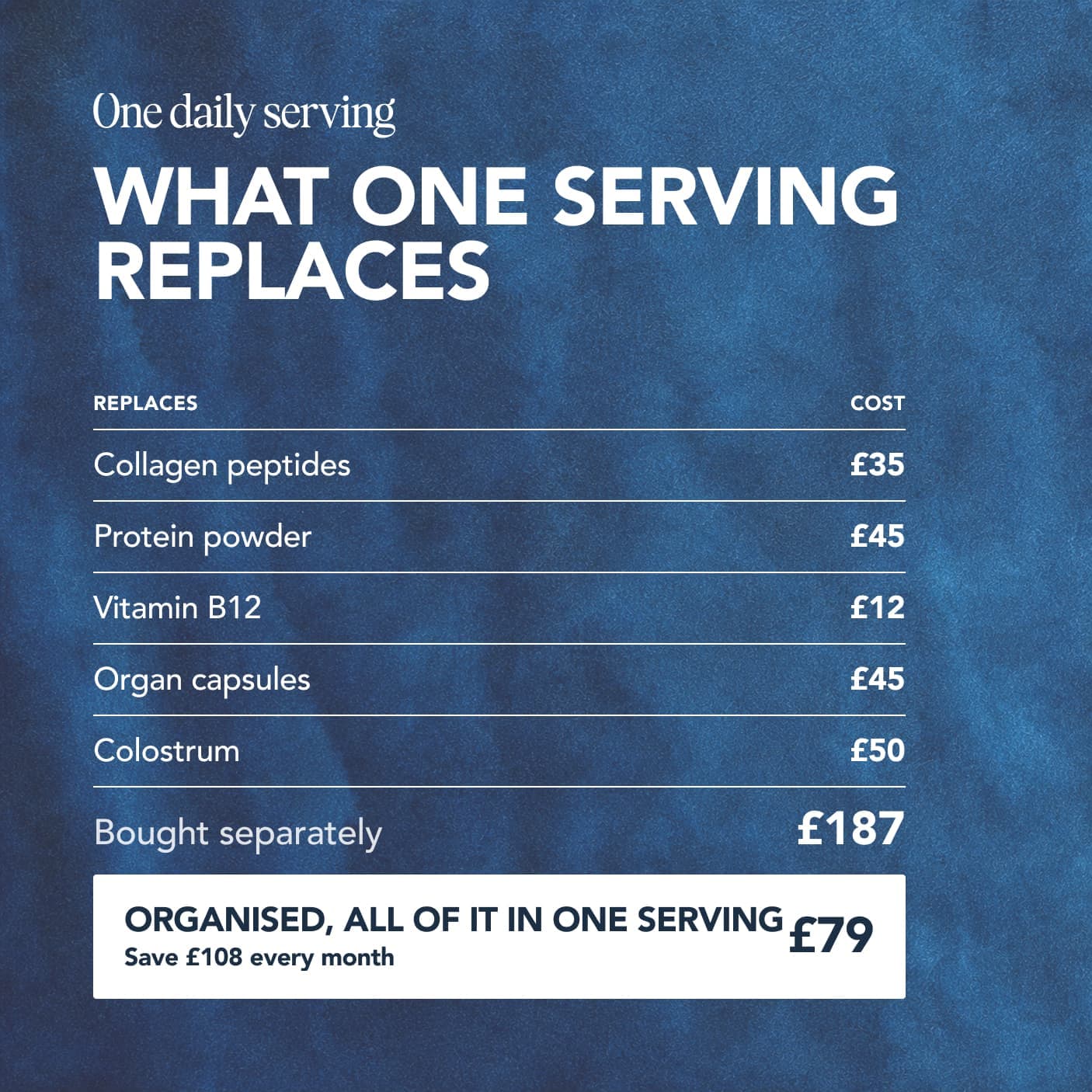
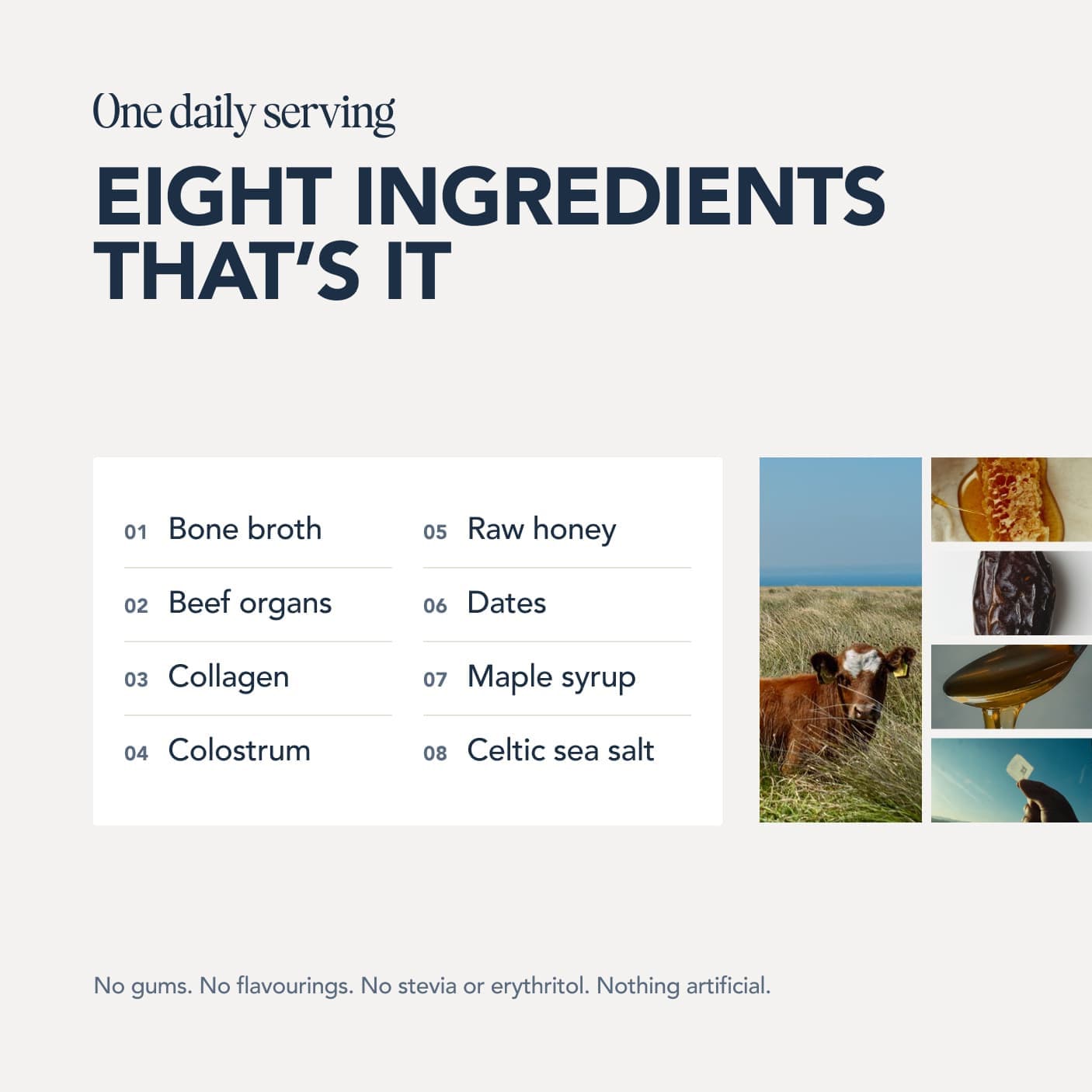
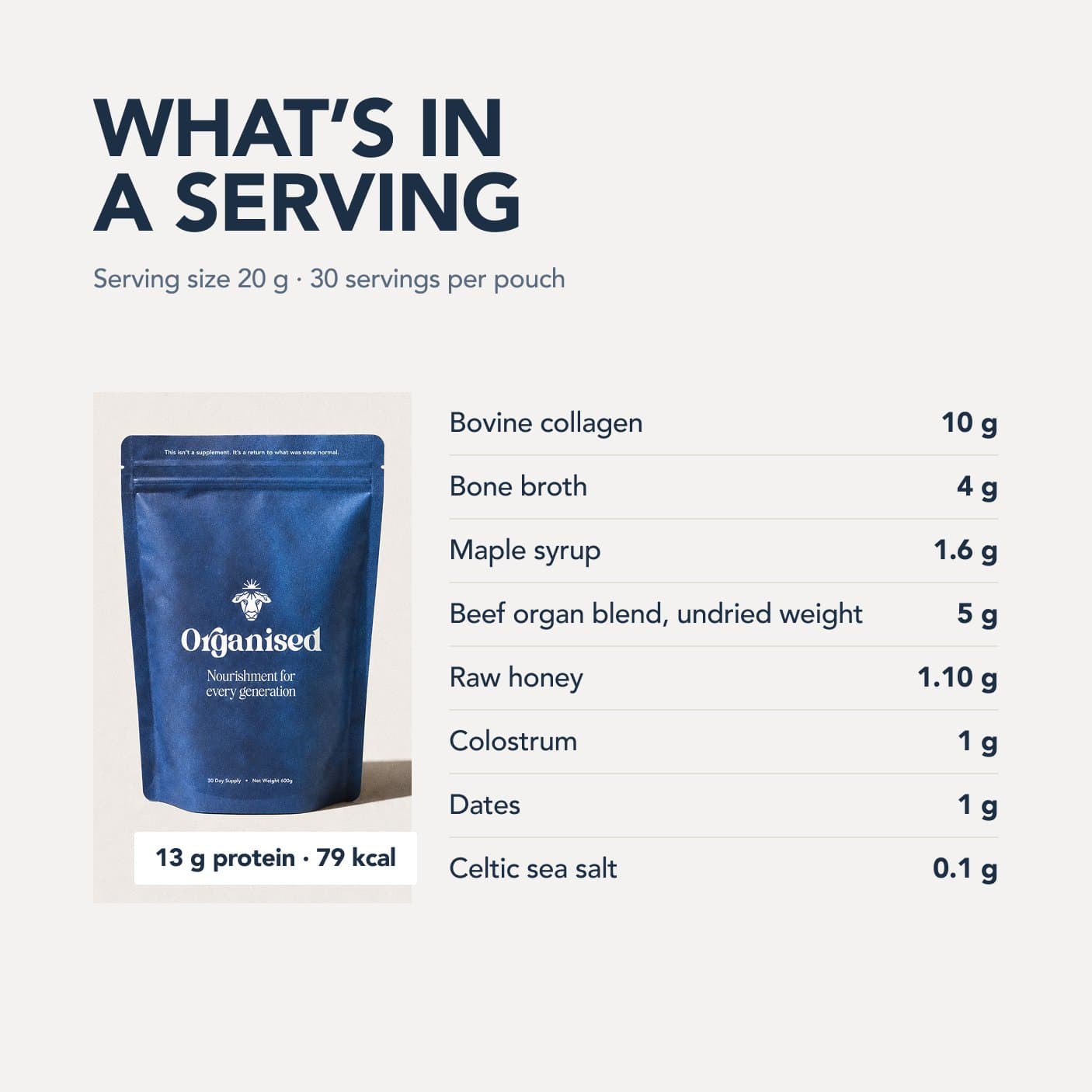
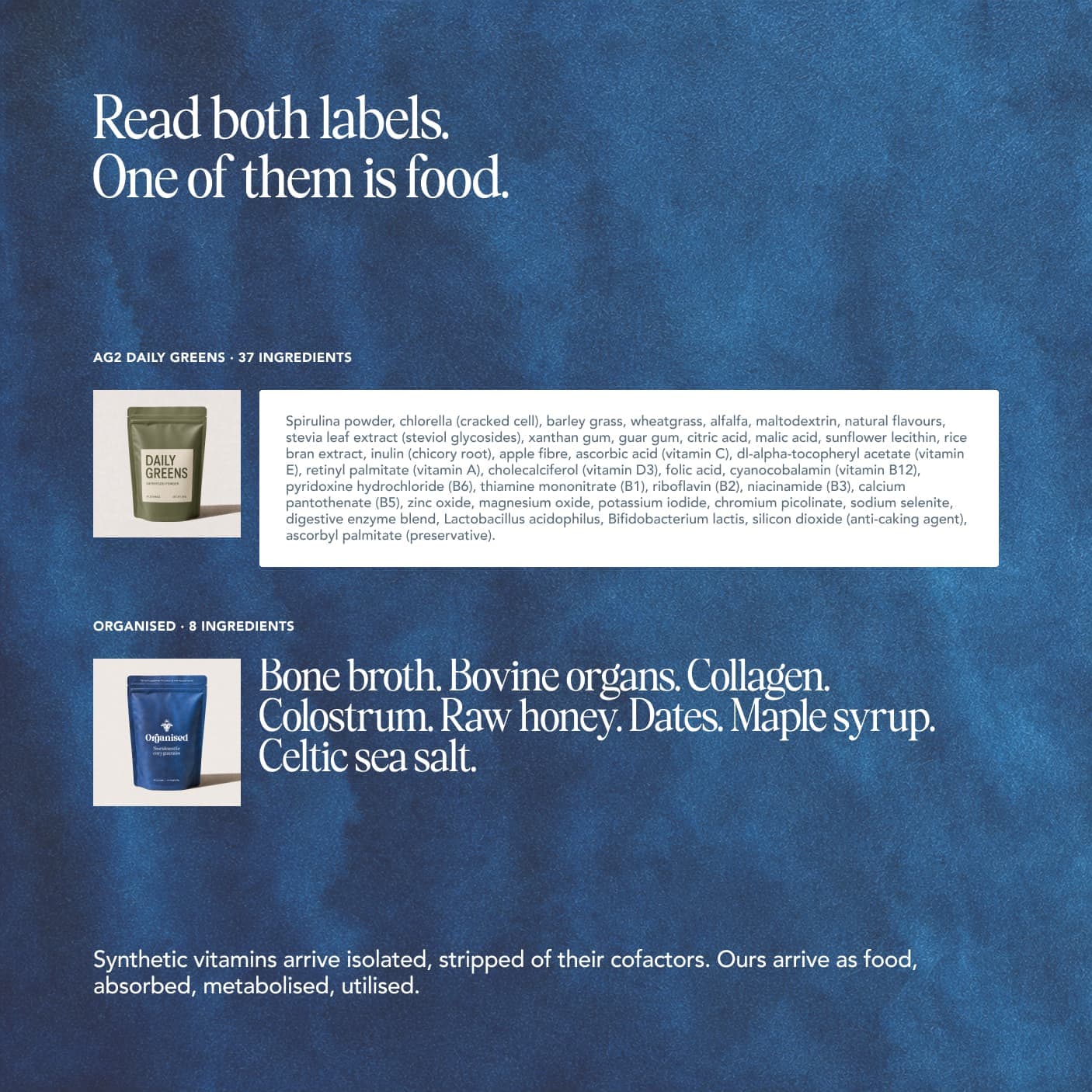
Eight real ingredients built around grass-fed beef organs, collagen and colostrum. Nothing synthetic added.
Free with your first order, worth £38. Plus £10 off the pouch with a subscription.
Free UK shipping · Made in England · 100 day money back guarantee on your first pouch · Skip, pause or cancel anytime
The bottom line
Glycine is one of the most overlooked nutrients in modern nutrition. It's not promoted in fitness culture (because it's not sexy), not sold as a standalone supplement (because it's cheap), and not emphasised in mainstream nutrition (because it requires eating parts of the animal most people avoid).
But the impact on ageing is real. Adequate glycine supports collagen synthesis, better sleep, faster connective tissue repair, and a more favourable methionine balance. Over decades, these small advantages compound into visibly younger skin, healthier joints, and more resilient connective tissue.
Start with bone broth. A cup daily provides half of your glycine needs. Add one or two gelatinous meals per week and you're there. Or supplement with collagen powder if food sources aren't convenient. Your skin, joints, and overall resilience will respond over time.
References
Every source below was checked on 27 August 2026. Each PubMed, PMC and DOI identifier was resolved against NCBI or Crossref, and what it opens is printed under the citation, so you can see the link goes where the citation says without leaving the page. Where a citation and its identifier disagreed, the citation was corrected to the record or the reference was deleted along with the sentence marker that pointed at it, and where the resolved paper turned out not to support the sentence, the sentence was cut back to what it does support. Borrowed authority is worse than none, because it looks like rigour.
- Melendez-Hevia E, De Paz-Lugo P, Cornish-Bowden A, Cardenas ML. A weak link in metabolism: the metabolic capacity for glycine biosynthesis does not satisfy the need for collagen synthesis. Journal of Biosciences. 2009;34(6):853-872. https://pubmed.ncbi.nlm.nih.gov/20093739/Checked 27 August 2026: PMID 20093739 opens Meléndez-Hevia E, De Paz-Lugo P, Cornish-Bowden A et al, A weak link in metabolism: the metabolic capacity for glycine biosynthesis does not satisfy the need for collagen synthesis. J Biosci 2009;34(6):853-72.
- Li P, Wu G. Roles of dietary glycine, proline, and hydroxyproline in collagen synthesis and animal growth. Amino Acids. 2018;50(1):29-38. https://pubmed.ncbi.nlm.nih.gov/28929384/Checked 27 August 2026: PMID 28929384 opens Li P, Wu G, Roles of dietary glycine, proline, and hydroxyproline in collagen synthesis and animal growth. Amino Acids 2018;50(1):29-38. PubMed indexes it as: Review.
- McCarty MF, DiNicolantonio JJ. The cardiometabolic benefits of glycine: is glycine an "antidote" to dietary fructose? Open Heart. 2014;1(1):e000103. https://pmc.ncbi.nlm.nih.gov/articles/PMC4195924/Checked 27 August 2026: PMC4195924 opens McCarty MF, DiNicolantonio JJ, The cardiometabolic benefits of glycine: Is glycine an 'antidote' to dietary fructose? Open Heart 2014;1(1):e000103.
- Bannai M, Kawai N. New therapeutic strategy for amino acid medicine: glycine improves the quality of sleep. Journal of Pharmacological Sciences. 2012;118(2):145-148. https://pubmed.ncbi.nlm.nih.gov/22293292/Checked 27 August 2026: PMID 22293292 opens Bannai M, Kawai N, New therapeutic strategy for amino acid medicine: glycine improves the quality of sleep. J Pharmacol Sci 2012;118(2):145-8. PubMed indexes it as: Review.
- Razak MA, Begum PS, Viswanath B, Rajagopal S. Multifarious beneficial effect of nonessential amino acid, glycine: a review. Oxidative Medicine and Cellular Longevity. 2017;2017:1716701. https://pmc.ncbi.nlm.nih.gov/articles/PMC5350494/Checked 27 August 2026: PMC5350494 opens Razak MA, Begum PS, Viswanath B et al, Multifarious Beneficial Effect of Nonessential Amino Acid, Glycine: A Review. Oxid Med Cell Longev 2017;2017:1716701. PubMed indexes it as: Review.The authors' own declaration, from the record: The authors declare that they have no competing interests.
Who wrote and reviewed this guide
Niall Kiddle
Author · Founder, Organised
Niall is the founder of Organised. He started the company in 2024 after fixing his own health the slow way: in 2022 he swapped a cupboard of synthetic supplements for real food, raw milk, organ meats, bone broth and honey, and felt the difference within months.
Areas of expertise: Ancestral nutrition, Organ meats, Whole-food supplementation, Gut health, Regenerative sourcing
Read Niall's full profile
Pedro Rodrigues
Reviewer · Agronomist (farming and sourcing only)
Pedro is the agronomist Organised works with on farming and sourcing. His job on the guides is to keep the science honest: he reviews what we publish about soil health, regenerative agriculture, grazing and the way food is actually produced.
Areas of expertise: Regenerative agriculture, Agronomy, Soil health, Grass-fed farming, Food sourcing
Reviewed this guide on
Read Pedro's full profileMore on longevity & ageing
View allBrowse the guides library
All guidesKeep reading

Health goals
Ageing Well: The Nutrients That Support Healthy Longevity
Ageing well requires specific nutrients: collagen, B12, magnesium, K2, glutathione. Here's where to find them and why they matter.

Health goals
What Blue Zone Diets Actually Have in Common
Blue Zones (Sardinia, Okinawa, Nicoya, Ikaria, Loma Linda) don't share a single diet. They share one thing: whole food, community, and zero processed food.
Health goals
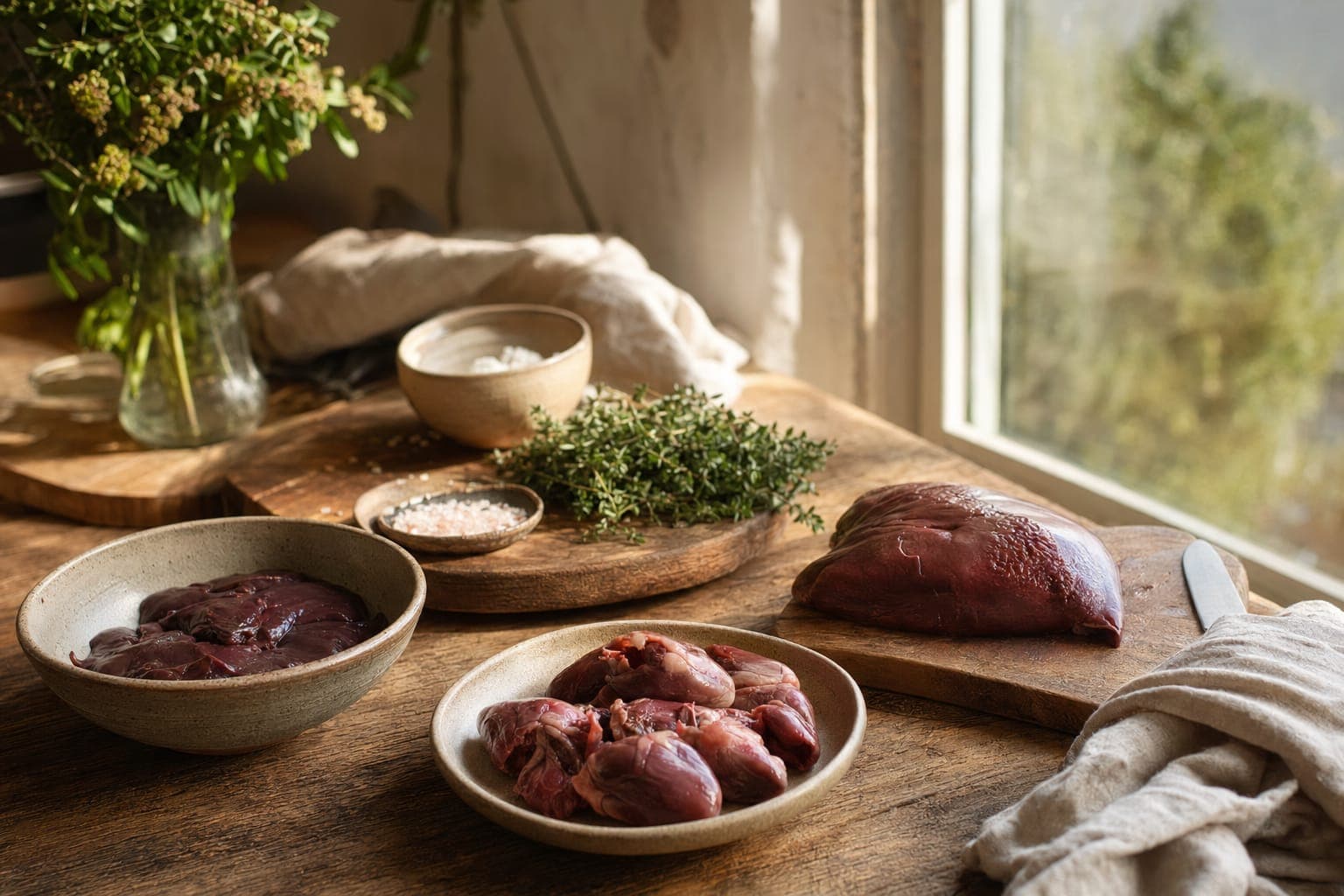
Why Your Skin Looks Better When You Eat Organ Meats
Organ meats are the most nutrient-dense foods on the planet. Here's exactly how they change your skin, from the inside out.
Real food, made effortless
Start my daily blendA few ways to use it
All recipes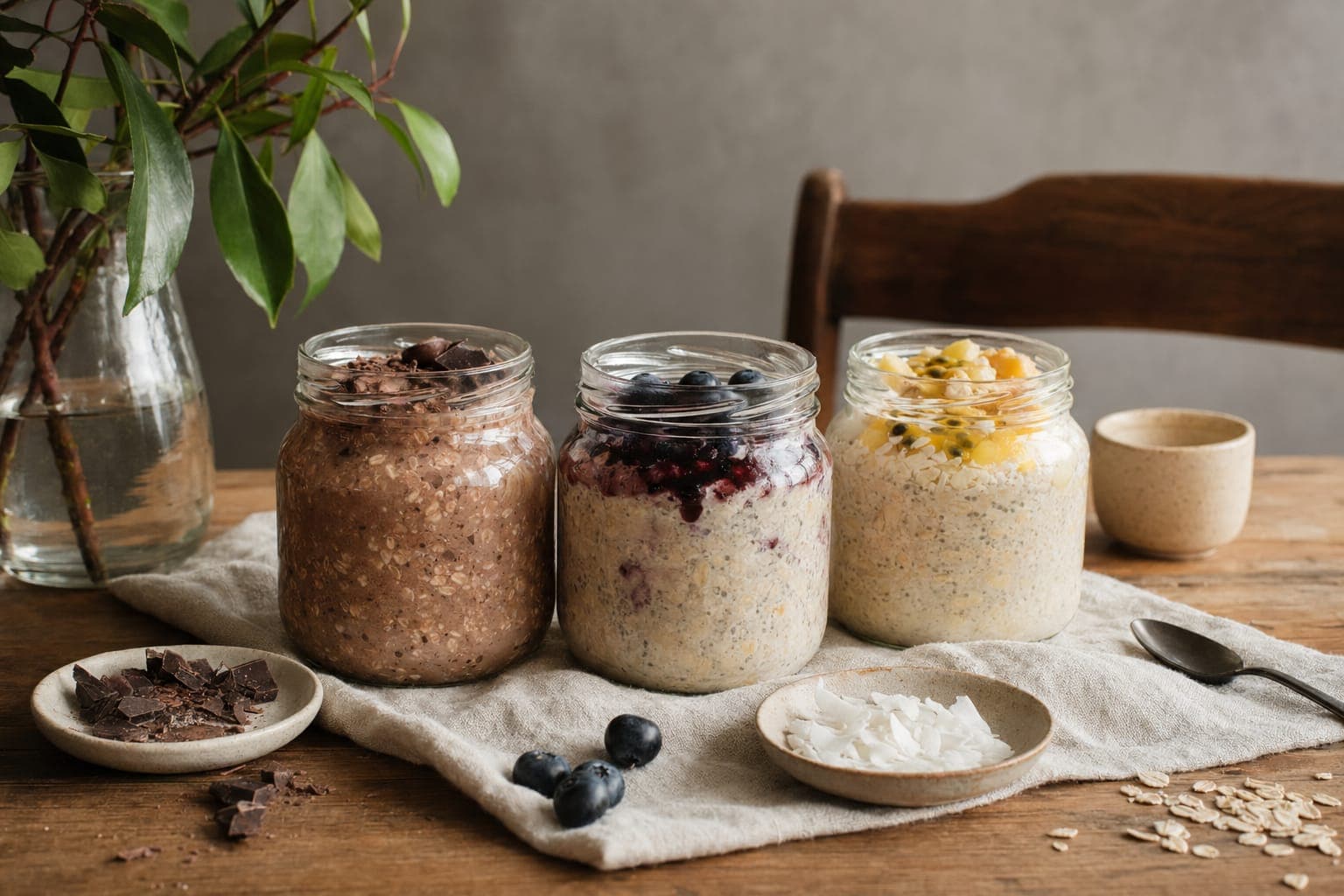
Organised Overnight Oats: 3 Variations
Three delicious overnight oats variations with Organised. Chocolate, berry, tropical flavours. Make them Sunday, eat them all week.
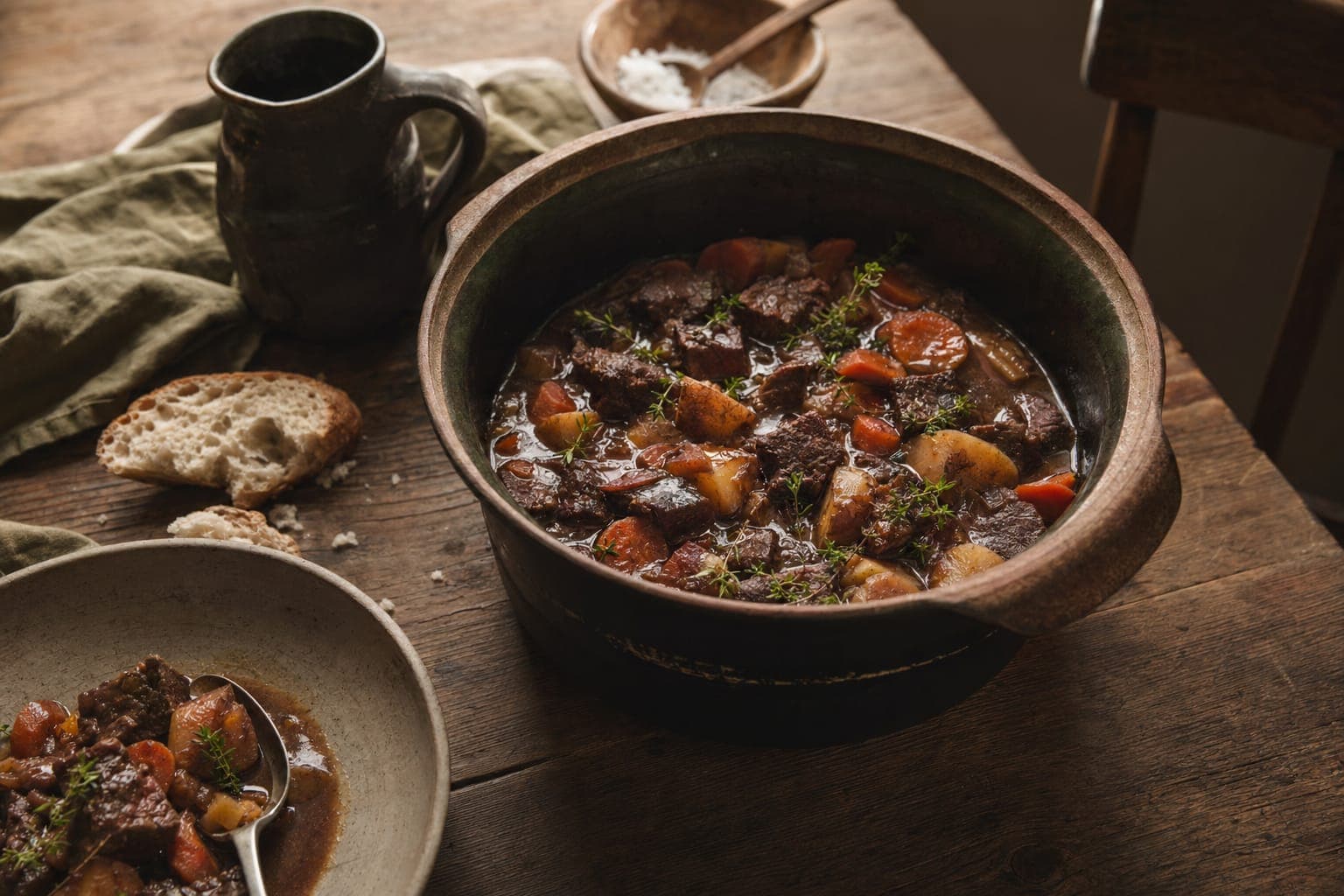
Collagen-Rich Beef Stew: Slow-Cooked Nourishment
Beef stew that delivers collagen from connective tissue and bone broth. Winter comfort food that actually nourishes. Simple slow cooker recipe.
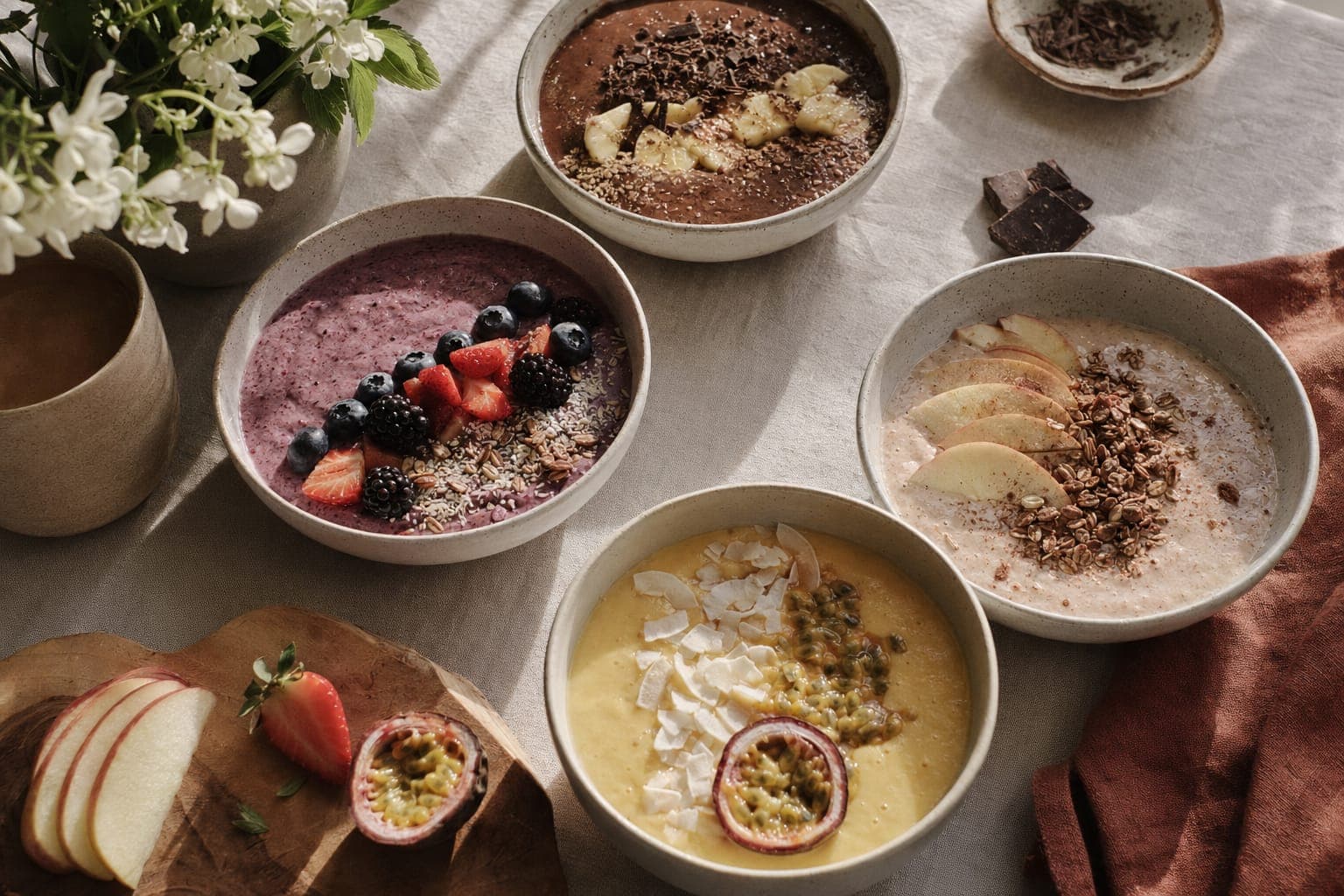
Organised Smoothie Bowl Recipes for Every Season
Four seasonal smoothie bowl recipes using Organised. Berry in summer, apple-cinnamon in autumn, tropical in spring, warming chocolate in winter.


 Join over 100,000+ members
Build a better food system with us
The Organised community is thousands of people choosing real food and backing the farmers who grow it, all of us trying to leave the world a little better than we found it. If that is what you care about too, you belong here.