The Ancestral Guide to Fertility Nutrition
If you're thinking about having a child, the conversation starts before conception, not after a positive test. Both partners. A 3 to 6 month window. Specific nutrients that directly impact egg and sperm quality. The ancestral populations with high fertility rates understood this. Modern culture has forgotten it.
By Niall Kiddle, Founder, Organised

Reviewed by Pedro Rodrigues, Agronomist (farming and sourcing only) ·
10 min read · Published · Updated · 8 cited sources
Makers of the Organised Daily blend, a grass-fed beef organ supplement from regenerative UK farms
The condition of your reproductive system is a direct reflection of your nutritional status. Malnutrition doesn't announce itself as infertility first. It announces itself as low energy, poor digestion, weak immune function. By the time fertility is affected, the nutritional deficit is profound. The fix requires addressing the deficit upstream.
Why preconception nutrition matters
Your eggs (if female) develop in follicles over roughly 90 days. The nutritional environment during that 90-day window directly impacts egg quality. Your sperm (if male) are produced on a roughly 74-day cycle.1 The nutritional environment during that cycle impacts sperm quality. This is not metaphorical. This is biology.
An egg or sperm created in a nutritionally deficient environment is less likely to result in conception. If conception does occur, the developing embryo is more likely to miscarry or develop abnormally. If pregnancy continues, the child is born with lower reserves of critical nutrients, affecting neurodevelopment, immune function, and long-term health.
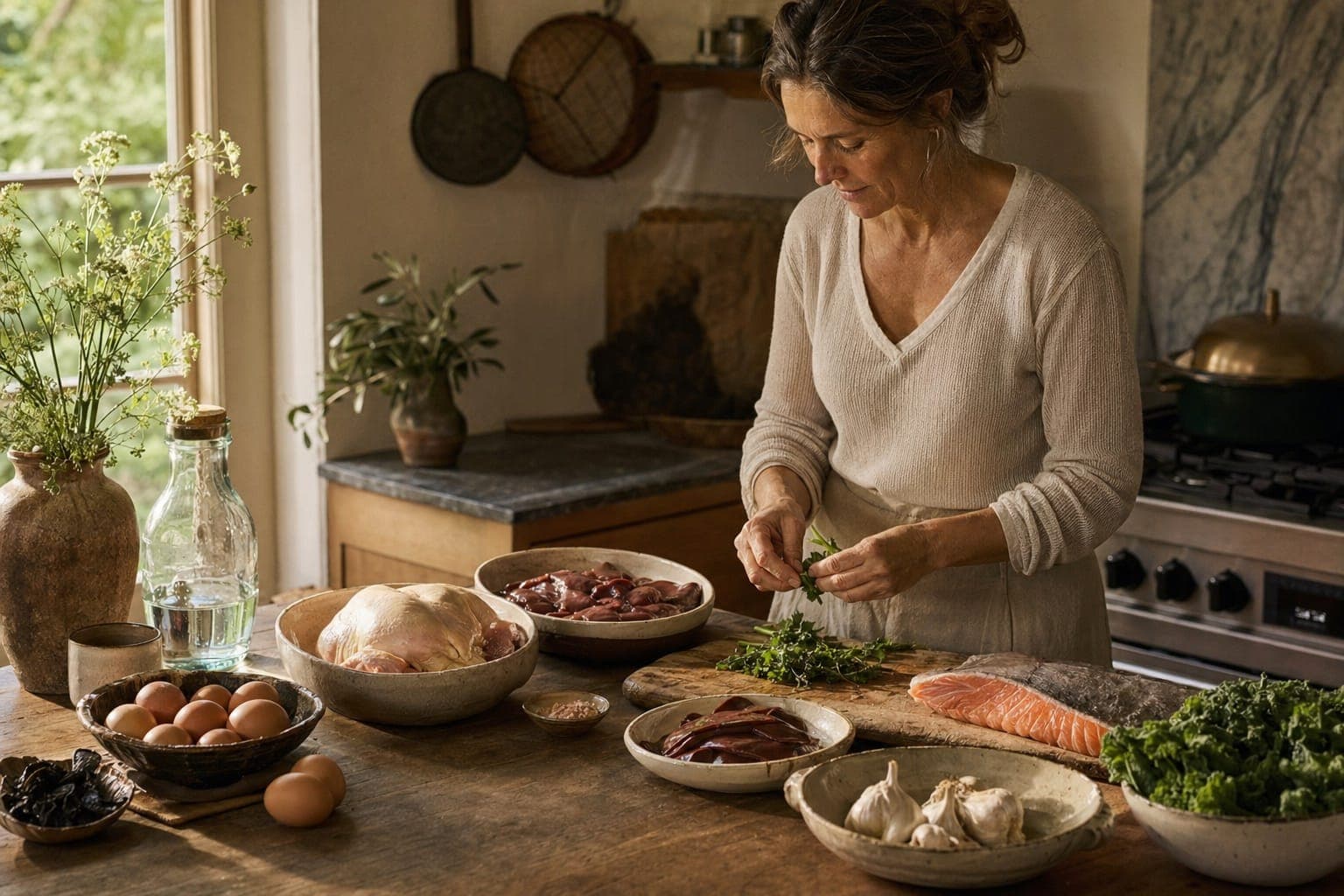
Ancestral populations understood this implicitly. The preparations for conception weren't just romantic. They were nutritional. Couples ate organ meats, bone broth, full-fat dairy, eggs, and foods rich in the nutrients that support reproduction. Conception rates were high. Miscarriage rates were low. Birth outcomes were robust.
Modern couples, often malnourished at the micronutrient level despite adequate calorie intake, struggle with conception, miscarriage, and suboptimal birth outcomes. The conversation starts with nutrition.
Fertility is not a separate system. It's a reflection of overall nutritional status. Optimise nutrition and fertility often optimises automatically.
Fat-soluble vitamins: A, D, K2
Vitamin A is critical for reproductive hormone synthesis and immune function. It's also essential for healthy eyes, skin, and mucous membranes. A deficiency in vitamin A impairs fertility in both males and females. The best sources are animal-derived: beef liver (containing roughly 30,000 IU per 100 grams), whole eggs, full-fat dairy, and fish liver oils.2
Plant sources (beta-carotene from orange vegetables) convert to vitamin A poorly. A person eating only plant-derived beta-carotene is at risk of A deficiency even if they're eating lots of carrots. This matters for fertility planning.
Vitamin D is synthesised in the skin with sun exposure and is found in fatty fish and egg yolks. It regulates calcium absorption, immune function, and hormone synthesis. Deficiency impairs fertility and increases miscarriage risk. The optimal range is roughly 40 to 60 ng/mL. Most people in northern climates are deficient in winter.
Vitamin K2 activates osteocalcin in bone and matrix Gla protein in soft tissue. It's involved in reproductive hormone synthesis. Sources include aged cheeses, butter from grass-fed cows, fermented foods (particularly natto), and pastured egg yolks. K2 is almost entirely absent from processed diets.
The practical approach: eat beef liver twice per week (or take a supplement), get consistent sun exposure or supplement vitamin D to reach 40 to 60 ng/mL, and include grass-fed butter and aged cheeses regularly.
Choline and neural development
Choline is a nutrient (somewhat like B vitamins) that's essential for fetal neural tube development. Deficiency increases the risk of neural tube defects (spina bifida, anencephaly).3 It's also critical for cell membrane integrity, neurotransmitter synthesis, and lipid transport. A pregnant woman with adequate choline has a dramatically lower risk of birth defects.
Choline is found almost exclusively in animal products: eggs (particularly yolks), beef liver, fish, and full-fat dairy. A single large egg contains about 147 milligrams of choline. Beef liver contains roughly 400 milligrams per 100 grams.4 Plant sources (cruciferous vegetables, some seeds) contain trace amounts.
The target for women of childbearing age is 550 milligrams per day. Most women eating processed diets get 100 to 200 milligrams daily. For a woman planning pregnancy, eating 2 to 3 eggs daily plus occasional liver covers the need.
Interestingly, adequate choline also supports male fertility, as it's involved in sperm production and function.
Vitamin B12 and methylation
Vitamin B12 is essential for methylation, the process by which your cells regulate gene expression and produce neurotransmitters. Deficiency impairs fertility and increases miscarriage risk. It's also critical for sperm production and function in males.
B12 is found almost exclusively in animal products. Supplementation or high-dose oral forms may be necessary, particularly for vegans or older adults with absorption issues. The target is to maintain blood levels above 400 pg/mL (ideally 500 to 1000 pg/mL).
For couples planning pregnancy, checking B12 status is practical. If levels are low, addressing this through diet (liver, red meat, fish, dairy, eggs) or supplementation for 2 to 3 months before attempting conception is worthwhile.
Iodine and thyroid function
Iodine is essential for thyroid hormone synthesis. The thyroid regulates metabolism, temperature, and reproductive hormone function. Iodine deficiency impairs thyroid function, which directly impairs fertility in both males and females. It also increases miscarriage risk and impairs fetal neural development.6
Iodine is found in sea vegetables (kelp, nori), shellfish (particularly oysters), fish, eggs, and dairy (if the cows are fed iodine-containing feed). Modern soil depletion means plants grown in iodine-poor soil contain little iodine. Relying on plant sources is risky.
The practical approach is eating seafood regularly, including shellfish, and considering kelp or iodine supplementation. Many people planning pregnancy benefit from 100 to 200 micrograms of supplemental iodine daily. Thyroid function can be checked via TSH and free T4 levels.
Zinc and reproductive function
Zinc is absolutely critical for both male and female fertility. In males, zinc is central to sperm production and testosterone synthesis. In females, zinc is essential for egg maturation and hormonal balance. Zinc deficiency impairs both.7
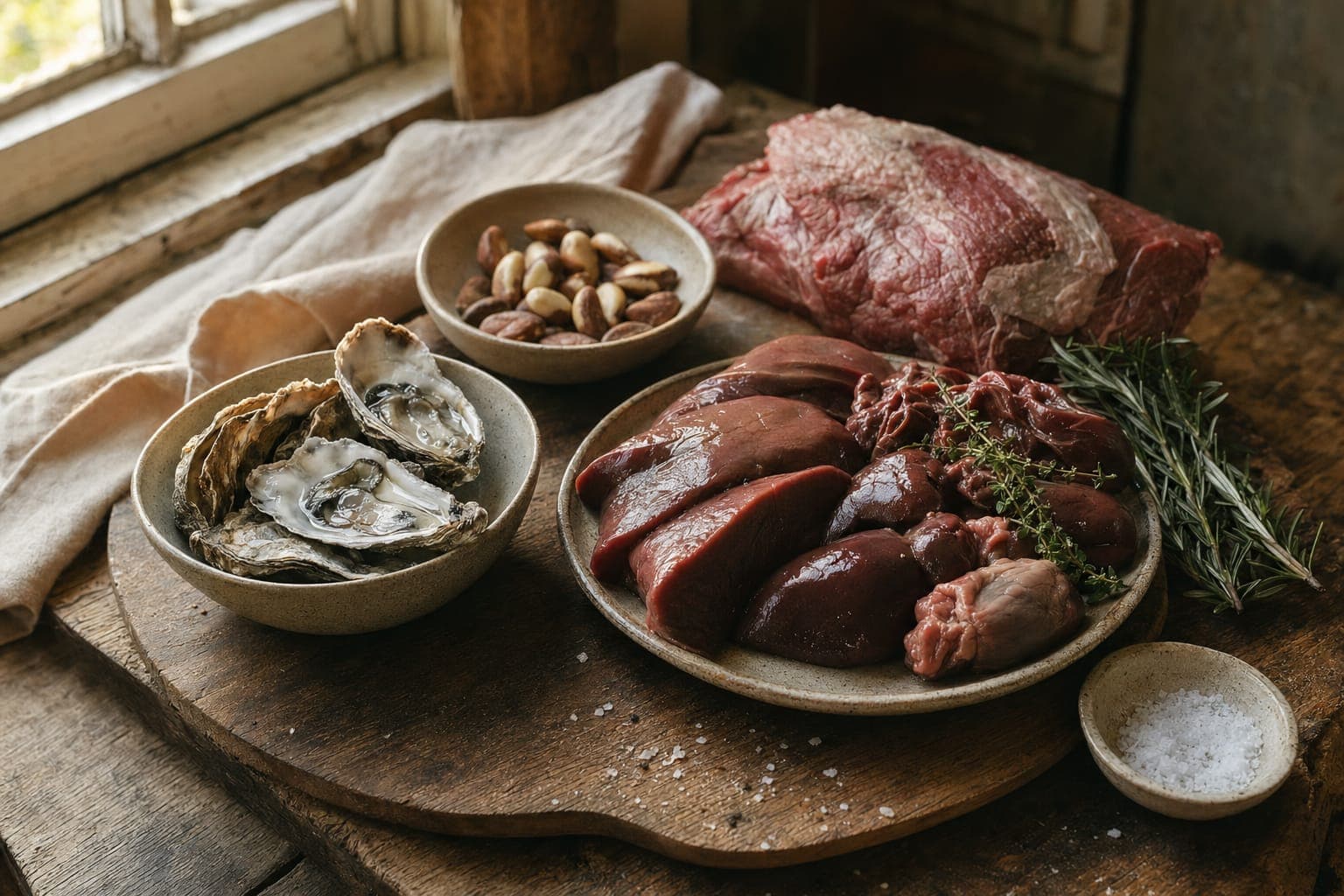
Zinc is found abundantly in red meat and shellfish, particularly oysters. Oysters contain 5 to 10 milligrams of zinc per oyster, making them one of the most zinc-dense foods. Other sources include beef, lamb, fish, eggs, and full-fat dairy. Plant sources contain phytates, which inhibit zinc absorption.
For couples planning pregnancy, ensuring adequate zinc is straightforward: eat red meat 3 to 4 times per week, include shellfish (particularly oysters if you can access them), and if vegetarian, supplement zinc. The target is roughly 11 milligrams daily for males, 8 milligrams for females.
Zinc deficiency quietly impairs fertility in both partners. It's one of the most overlooked nutrients in preconception planning.
Selenium and antioxidant defence
Selenium is essential for glutathione synthesis, your cells' master antioxidant.8 Both eggs and sperm are vulnerable to oxidative damage. Selenium-dependent glutathione protects them. Deficiency increases miscarriage risk and impairs sperm quality.
Selenium is found in Brazil nuts (1 to 3 nuts per day cover the daily need), seafood, red meat, eggs, and mushrooms. Brazil nuts are the richest single source. Most people eating real food get adequate selenium easily.
For couples planning pregnancy, eating a handful of Brazil nuts a few times per week, plus seafood or red meat regularly, covers selenium needs. Supplementation is rarely necessary if you're eating whole foods.
Get health guides like this, free
Two short reads a week on eating for energy, gut health, skin, sleep and more.
By signing up you agree to receive emails from us. No spam, unsubscribe anytime.
The preconception protocol for both partners
The practical framework is straightforward. Both partners, for 3 to 6 months before attempting conception, focus on nutrient density:
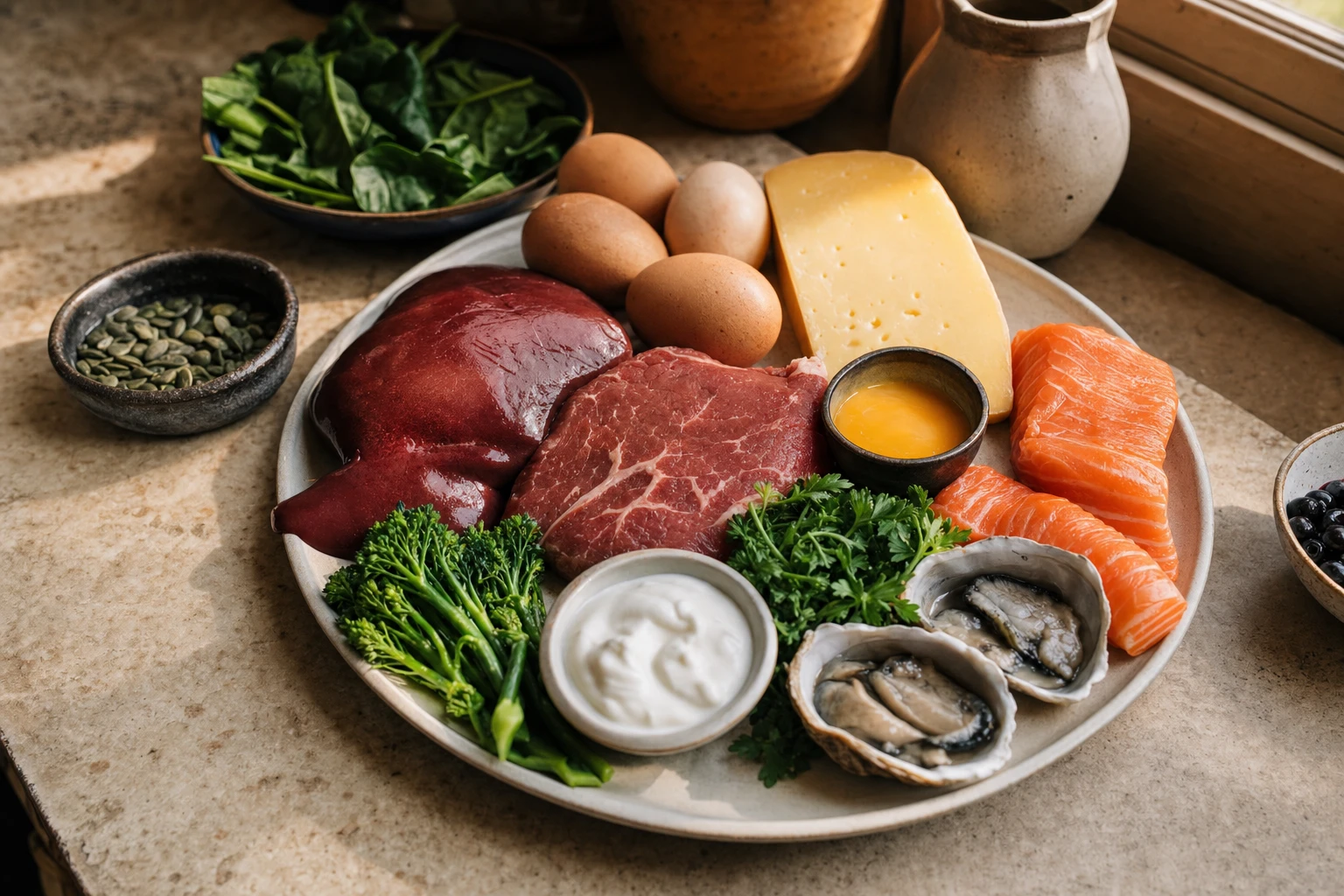
- Organ meats: Beef liver twice per week, roughly 100 grams per serving. This single food covers vitamin A, B12, choline, iron, copper, and folate.
- Eggs: 2 to 3 daily, whole eggs. Covers choline, vitamin A, D, K2, selenium, and zinc.
- Red meat: 3 to 4 times per week, grass-fed if possible. Covers B12, zinc, iron, and selenium.
- Shellfish: Oysters, mussels, or clams once or twice per week. Covers zinc, selenium, and iodine.
- Fish: Oily fish (salmon, mackerel, sardines) 2 to 3 times per week. Covers omega-3s, vitamin D, selenium, and iodine.
- Full-fat dairy: Grass-fed butter, raw milk if accessible, aged cheese. Covers vitamin A, D, K2, and calcium.
- Bone broth or gelatinous cuts: Several times per week. Covers collagen precursors, minerals, and glycine.
- Seasonal vegetables: Particularly dark leafy greens (folate), broccoli (sulphur compounds), and variety. Not the foundation, but supportive.
This isn't restrictive. This is optimal nutrition. It's what ancestral populations ate. It's what results in healthy conception, robust pregnancy, and healthy birth.
Timeline and consistency
The 3 to 6 month window before attempting conception matters. Eggs develop over roughly 90 days. Sperm develop over roughly 74 days. The nutritional environment during these windows directly impacts quality. Starting 3 to 6 months before conception gives the body time to rebuild nutrient reserves and optimise reproductive system function.
This is not optional if you're deficient. If you're already well-nourished, it's still beneficial. If you're significantly malnourished, it may take 6 to 12 months to fully restore fertility.
Consistency matters more than perfection. Eating organ meat twice per week every week is more powerful than eating it three times one week and not again for a month. The body works on continuity.
Fertility optimization isn't about dramatic interventions. It's about consistent, nutrient-dense eating for 3 to 6 months before attempting conception.
Folate and methylation: the overlooked nutrient
Folate (the natural form of folic acid) is essential for methylation, the process by which your cells regulate gene expression and repair DNA. Adequate folate before and during pregnancy dramatically reduces the risk of neural tube defects. But it does more than that: it supports the proper development of the placenta, reduces miscarriage risk, and influences the epigenetic expression of genes, shaping your child's metabolic future.
Folate is found abundantly in leafy greens (spinach, kale, rocket), but the folate from animal foods is often more bioavailable. Liver is extraordinarily rich in folate. A single 100-gram serving of beef liver contains 300 to 400 micrograms of folate, roughly 75 to 100 percent of daily requirements.5 Eggs also provide it, as does asparagus, broccoli, and legumes.
Most preconception folic acid supplements are synthetic folic acid, not natural folate. Your body has to convert synthetic folic acid to the usable form, and some people (those with certain genetic variations) don't convert it efficiently. Real folate from liver or leafy greens bypasses this problem entirely. If you do supplement, look for methylfolate (the active form) rather than synthetic folic acid.
Folate deficiency is one of the most underestimated risk factors in conception and pregnancy. Liver covers this need completely. No supplementation necessary if you're eating organ meats regularly.
1 of 9
Daily blend
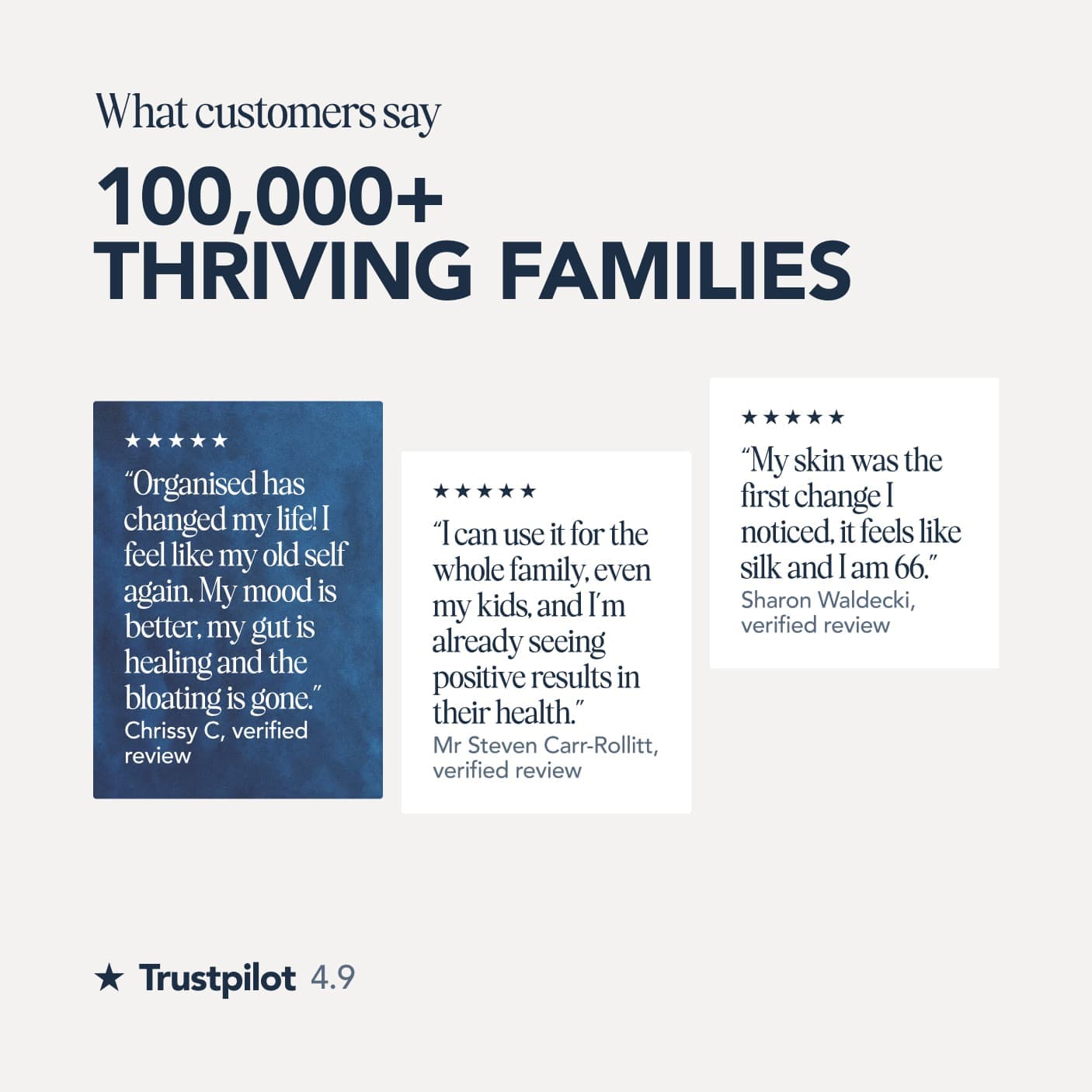
100,000+ thriving families4.9 on Trustpilot
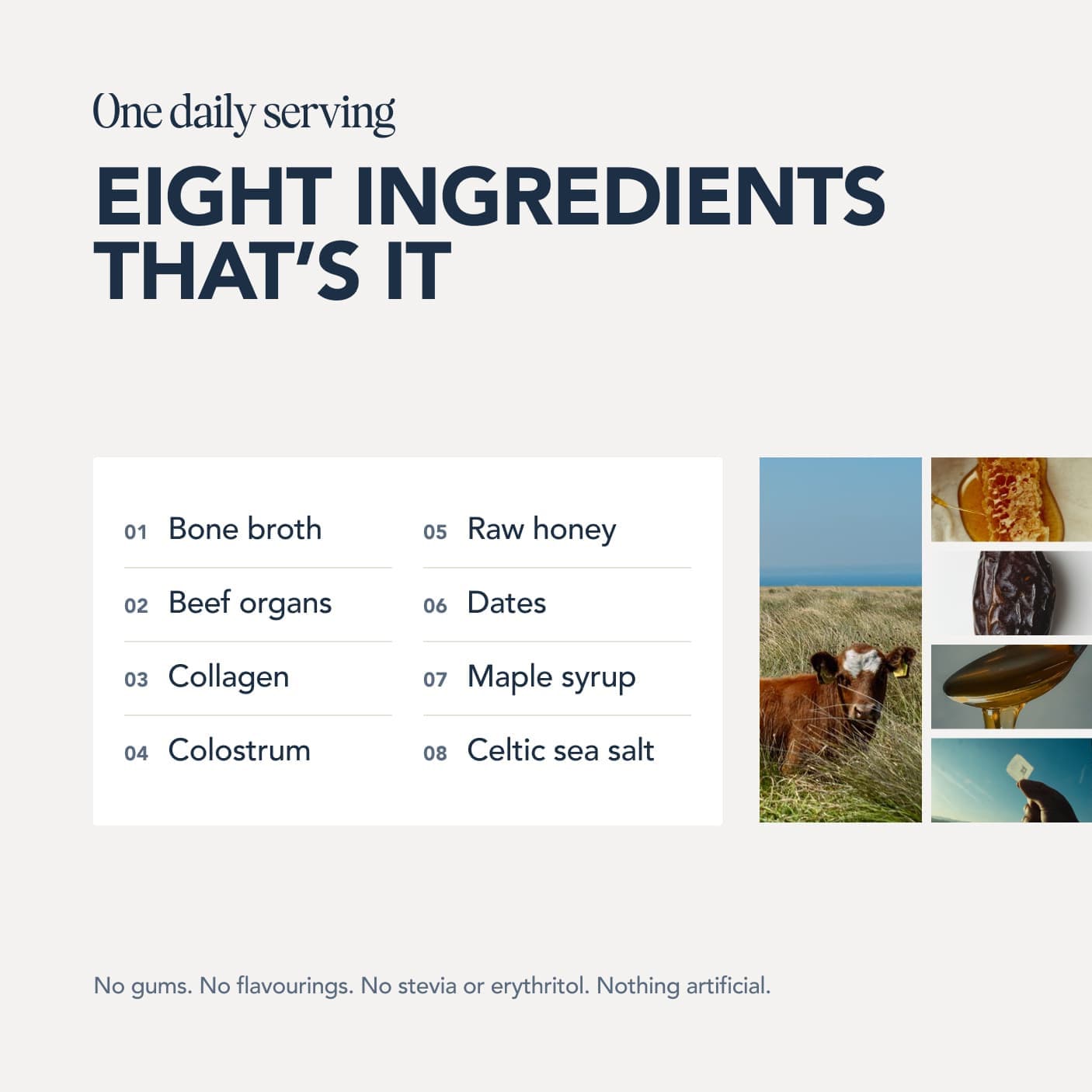
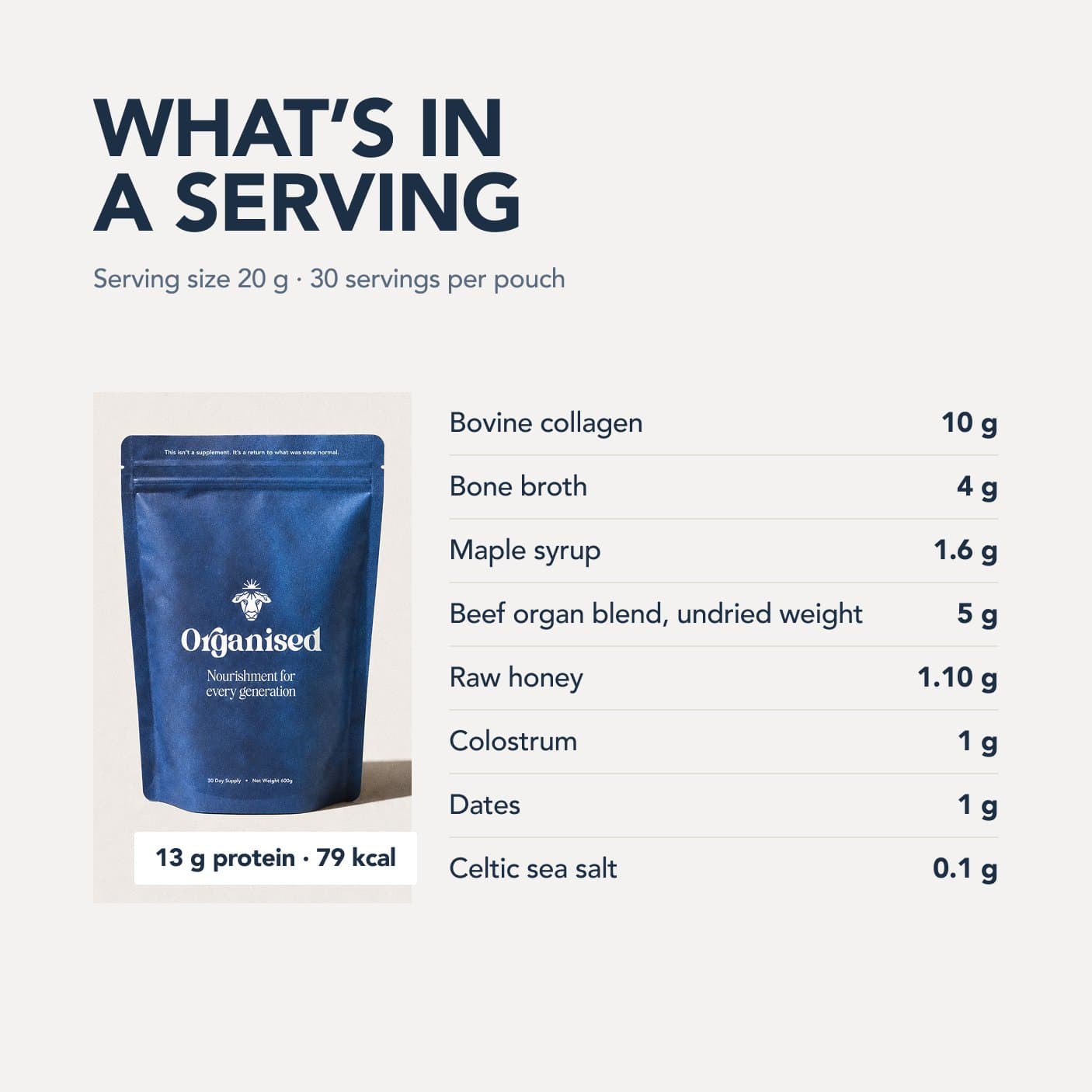
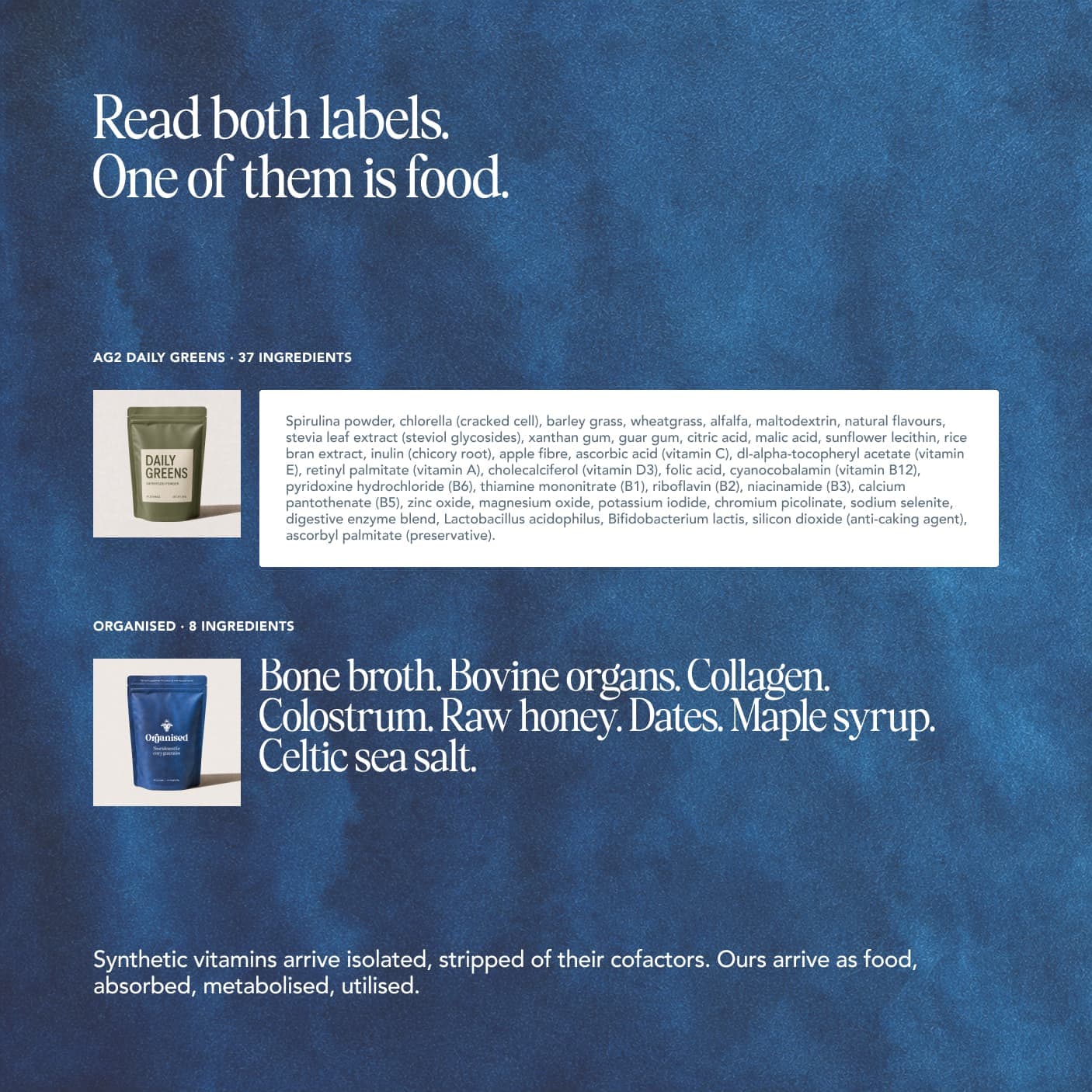
Eight real ingredients built around grass-fed beef organs, collagen and colostrum. Nothing synthetic added.
Free with your first order, worth £38. Plus £10 off the pouch with a subscription.
Free UK shipping · Made in England · 100 day money back guarantee on your first pouch · Skip, pause or cancel anytime
Copper and the fertility window
Copper is a mineral rarely discussed in fertility conversations, but it's critical for both reproductive and infant development. In women, copper is involved in collagen synthesis (building the uterine lining), bone formation, and immune function. In men, copper supports sperm motility and function. Copper also interacts with zinc, and the copper-to-zinc ratio matters: too much zinc without adequate copper impairs fertility.
Copper is found in oysters and shellfish, organ meats (particularly liver), nuts and seeds, and dark chocolate. A single serving of oysters (6 to 8 oysters) provides your daily copper need. Beef liver provides a meaningful amount. The challenge isn't getting enough copper from real food, it's that people supplementing zinc without understanding copper balance can create a deficiency.
If you're supplementing any minerals during preconception planning, work with a healthcare practitioner who understands mineral ratios. Zinc to copper balance matters. Iron to copper balance matters. Getting these ratios right is a leverage point for conception success.
For couples not supplementing, simply eating varied animal foods (organs, muscle meat, shellfish, eggs, dairy) naturally provides the copper you need. The ancestral approach to this is simpler: eat nose-to-tail, eat the things modern diets skip, and let nutrient balance happen automatically.
The bottom line
Conception is not magical. It's biology. Your reproductive system is built from nutrients. If those nutrients are present, conception happens. If they're absent, it doesn't. The fix is not fertility drugs or medical intervention (though those have their place). The fix is nutrition.
For couples planning to conceive, the conversation isn't just romantic or emotional. It's nutritional. Both partners should prioritise organ meat, eggs, fish, shellfish, full-fat dairy, and bone broth for 3 to 6 months before attempting conception. Micronutrient status should be optimised. This single intervention improves conception rates, reduces miscarriage rates, and improves birth outcomes.
Your child's foundational health is determined partly by genetics, but profoundly by the nutritional status of both parents at conception. Give your future child the best start by optimising your own nutrition first.
References
Every source below was checked on 27 August 2026. Each PubMed, PMC and DOI identifier was resolved against NCBI or Crossref, and what it opens is printed under the citation, so you can see the link goes where the citation says without leaving the page. Where a citation and its identifier disagreed, the citation was corrected to the record or the reference was deleted along with the sentence marker that pointed at it, and where the resolved paper turned out not to support the sentence, the sentence was cut back to what it does support. Borrowed authority is worse than none, because it looks like rigour.
- Heller CG, Clermont Y. Spermatogenesis in man: an estimate of its duration. Science. 1963;140(3563):184-186. https://pubmed.ncbi.nlm.nih.gov/13953583/Checked 27 August 2026: PMID 13953583 opens HELLER CG, CLERMONT Y, Spermatogenesis in man: an estimate of its duration. Science 1963;140(3563):184-6.
- National Institutes of Health, Office of Dietary Supplements. Vitamin A and Carotenoids: Fact Sheet for Health Professionals. https://ods.od.nih.gov/factsheets/VitaminA-HealthProfessional/ [accessed May 2026].
- Shaw GM, Carmichael SL, Yang W, et al. Periconceptional dietary intake of choline and betaine and neural tube defects in offspring. American Journal of Epidemiology. 2004;160(2):102-109. See also Obeid R, Derbyshire E, Schon C. Association between Maternal Choline, Fetal Brain Development, and Child Neurocognition: Systematic Review and Meta-Analysis of Human Studies. https://pubmed.ncbi.nlm.nih.gov/36041182/Checked 27 August 2026: PMID 36041182 opens Obeid R, Derbyshire E, Schön C, Association between Maternal Choline, Fetal Brain Development, and Child Neurocognition: Systematic Review and Meta-Analysis of Human Studies. Adv Nutr 2022;13(6):2445-2457. PubMed indexes it as: Meta-Analysis, Systematic Review.
- National Institutes of Health, Office of Dietary Supplements. Choline: Fact Sheet for Health Professionals. https://ods.od.nih.gov/factsheets/Choline-HealthProfessional/ [accessed May 2026].
- National Institutes of Health, Office of Dietary Supplements. Folate: Fact Sheet for Health Professionals. https://ods.od.nih.gov/factsheets/Folate-HealthProfessional/ [accessed May 2026].
- National Institutes of Health, Office of Dietary Supplements. Iodine: Fact Sheet for Health Professionals. https://ods.od.nih.gov/factsheets/Iodine-HealthProfessional/ [accessed May 2026].
- National Institutes of Health, Office of Dietary Supplements. Zinc: Fact Sheet for Health Professionals. https://ods.od.nih.gov/factsheets/Zinc-HealthProfessional/ [accessed May 2026].
- National Institutes of Health, Office of Dietary Supplements. Selenium: Fact Sheet for Health Professionals. https://ods.od.nih.gov/factsheets/Selenium-HealthProfessional/ [accessed May 2026].
Who wrote and reviewed this guide
Niall Kiddle
Author · Founder, Organised
Niall is the founder of Organised. He started the company in 2024 after fixing his own health the slow way: in 2022 he swapped a cupboard of synthetic supplements for real food, raw milk, organ meats, bone broth and honey, and felt the difference within months.
Areas of expertise: Ancestral nutrition, Organ meats, Whole-food supplementation, Gut health, Regenerative sourcing
Read Niall's full profile
Pedro Rodrigues
Reviewer · Agronomist (farming and sourcing only)
Pedro is the agronomist Organised works with on farming and sourcing. His job on the guides is to keep the science honest: he reviews what we publish about soil health, regenerative agriculture, grazing and the way food is actually produced.
Areas of expertise: Regenerative agriculture, Agronomy, Soil health, Grass-fed farming, Food sourcing
Reviewed this guide on
Read Pedro's full profileMore on fertility
View allBrowse the guides library
All guidesKeep reading
Health goals
Beef Organs and Male Fertility: Zinc, Selenium and CoQ10
Support male fertility with zinc, selenium, and CoQ10, the nutrients sperm health relies on. Find them in beef organs, oysters, and Brazil nuts.
Health goals
Ageing Well: The Nutrients That Support Healthy Longevity
Ageing well requires specific nutrients: collagen, B12, magnesium, K2, glutathione. Here's where to find them and why they matter.

Health goals
Hair Loss in Men: Nutrition Beyond Finasteride
Male hair loss is not only about genetics or DHT. Learn the nutritional deficiencies that can drive thinning and the whole-food approach to support your hair.
Real food, made effortless
Start my daily blendA few ways to use it
All recipes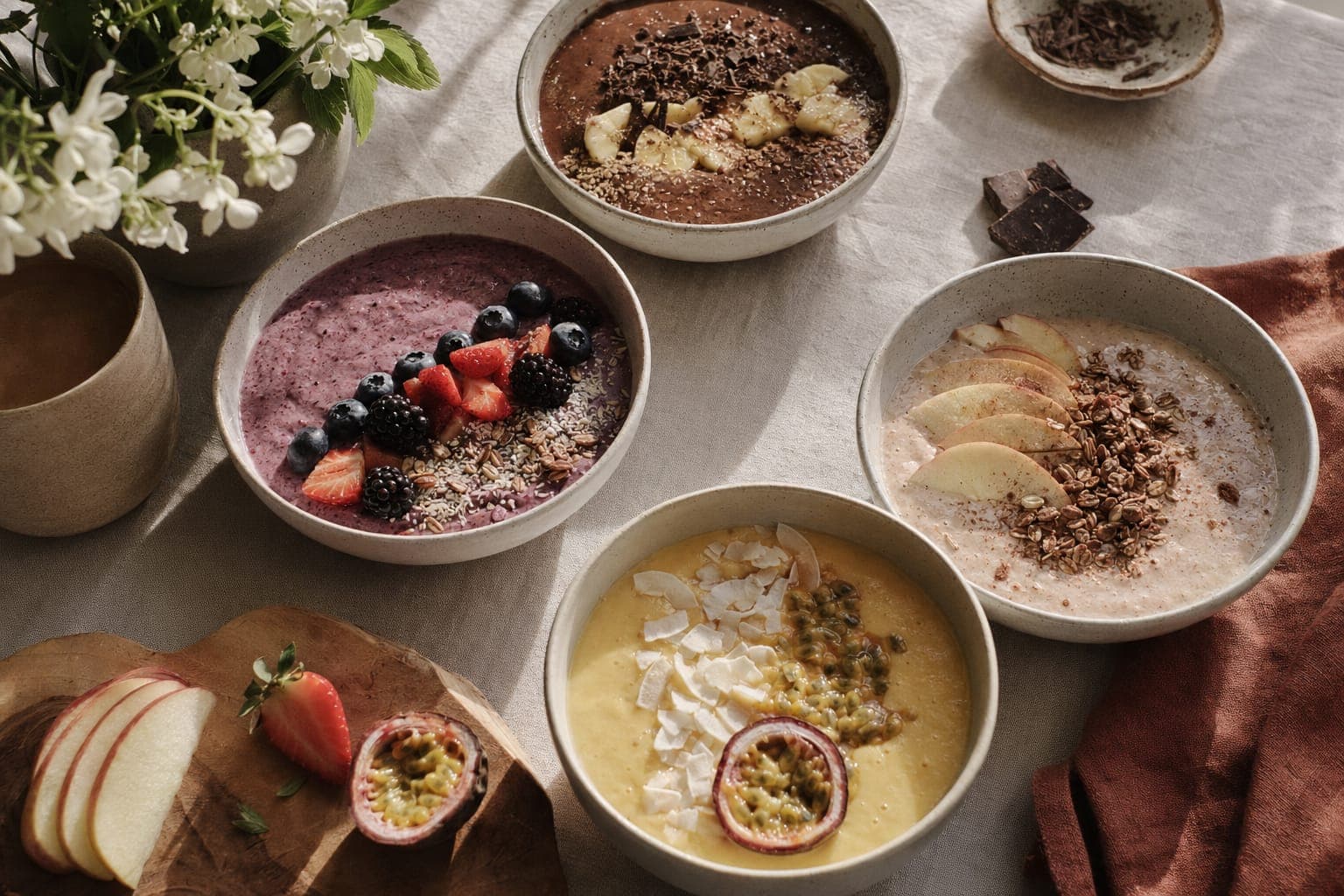
Organised Smoothie Bowl Recipes for Every Season
Four seasonal smoothie bowl recipes using Organised. Berry in summer, apple-cinnamon in autumn, tropical in spring, warming chocolate in winter.

The Perfect Organised Morning Shake: Our Favourite Recipe
Our signature morning shake: Organised, raw milk, banana, honey. Simple, nourishing, and optimised for an empty stomach.

How to Make Your Own Gelatine Gummies
A simple recipe for homemade gelatine gummies using grass-fed gelatine, fresh juice, and raw honey. Better than shop-bought, kids love them.


 Join over 100,000+ members
Build a better food system with us
The Organised community is thousands of people choosing real food and backing the farmers who grow it, all of us trying to leave the world a little better than we found it. If that is what you care about too, you belong here.