Beef Organs and Male Fertility: Zinc, Selenium and CoQ10
Male fertility is not visible. A man with poor sperm quality doesn't feel sick. He just can't conceive. By the time the infertility is apparent, the nutritional deficit has been building for months. The fix starts with the nutrients that directly support sperm production and function.
By Niall Kiddle, Founder, Organised

Reviewed by Pedro Rodrigues, Agronomist (farming and sourcing only) ·
6 min read · Published · Updated · 4 cited sources
Makers of the Organised Daily blend, a grass-fed beef organ supplement from regenerative UK farms
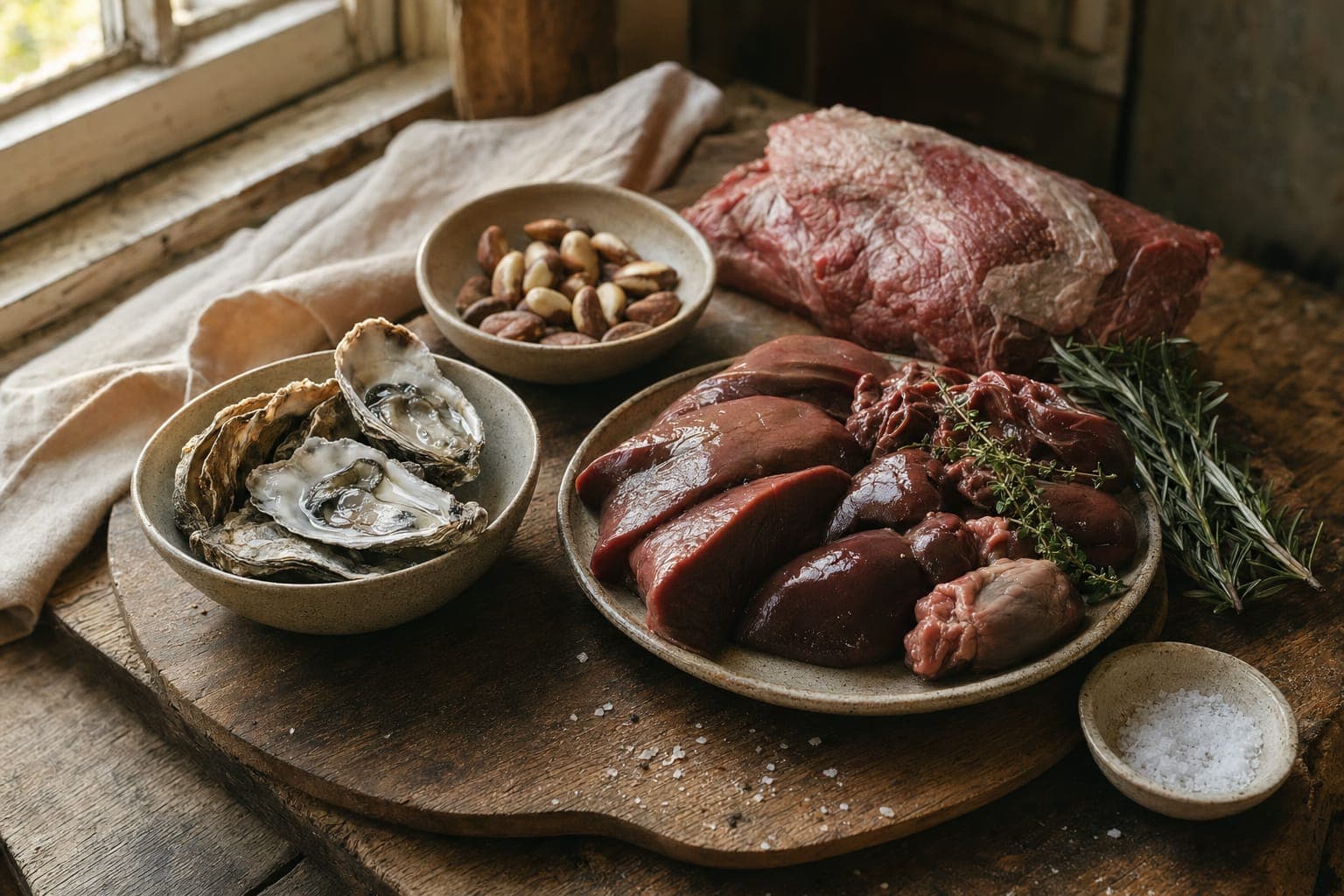
Sperm are metabolically expensive to produce. They require a robust nutritional environment, adequate energy, and specific micronutrients for quality synthesis. Modern diets, despite being calorically adequate, are often micronutrient-poor. The result is low sperm count, poor motility, and high morphological abnormalities. The man feels fine. But at the cellular level, the reproductive system is starving.
What impacts sperm quality
Sperm quality is measured by three parameters: count (millions of sperm per millilitre of semen), motility (percentage of sperm that are moving), and morphology (percentage of sperm with normal shape). All three are sensitive to nutritional status.
Low sperm count or motility often reflects zinc deficiency. Poor morphology often reflects oxidative stress, which selenium deficiency exacerbates. Both can be addressed through nutritional intervention.
The timeline matters: sperm take roughly 74 days to develop from precursor cells.1 The nutritional environment during that 74-day window directly impacts the sperm being released. Eating well now impacts sperm quality 2.5 months from now. This is not metaphorical. It's biology.
Male fertility is a direct reflection of nutritional status. A man eating nutrient-poor food will have poor sperm quality. A man eating nutrient-dense food will have robust sperm.
Zinc and sperm production
Zinc is absolutely critical for sperm production. It's involved in testosterone synthesis, testicular function, and sperm maturation.2 A zinc-deficient man has low testosterone, poor sperm production, and reduced sexual function. The connection is direct and measurable.
Zinc is found in high concentrations in animal foods, particularly red meat and shellfish. Plant sources contain phytates, compounds that inhibit zinc absorption, making plant-based sources substantially less bioavailable. A vegan or vegetarian man trying to get adequate zinc from plants is fighting an uphill battle.
The recommended daily intake is 11 milligrams for adult males.2 Most men eating modern processed diets get 5 to 8 milligrams daily. The gap contributes to declining fertility rates in younger men.
For a man focused on fertility optimisation, the target is 15 to 20 milligrams daily from food. This covers baseline needs and provides reserve. It's easily achievable with real food.
Oysters and shellfish as zinc sources
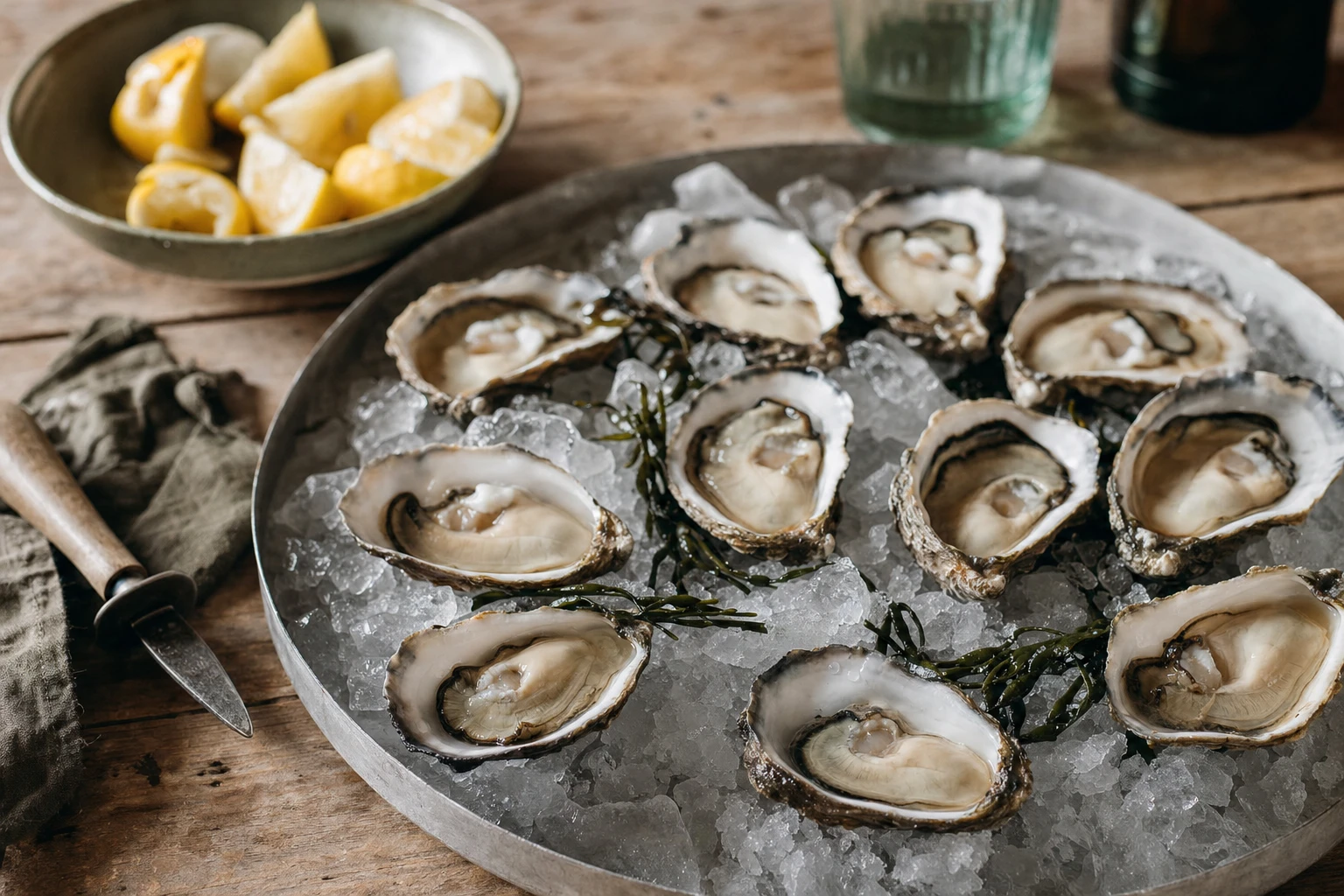
Oysters are the richest food source of zinc, containing 5 to 10 milligrams per oyster.2 Eating six oysters delivers 30 to 60 milligrams of zinc. This is overkill for a single meal (you don't need that much at once), but it illustrates the density.
Other shellfish are also zinc-rich: clams contain roughly 20 milligrams per 100 grams, mussels contain roughly 30 milligrams per 100 grams. These aren't exotic. They're traditional foods available in any seafood market or quality supermarket.
The practical approach for a man is eating shellfish once or twice per week. Two oysters and a handful of clams covers a week's zinc needs from that meal alone. The rest comes from red meat and other sources.
Oysters also contain other nutrients important for male fertility: selenium, vitamin B12, and amino acids. They're not just zinc delivery. They're comprehensive reproductive nutrition.
Red meat and zinc bioavailability
Red meat contains roughly 6 to 8 milligrams of zinc per 100 grams. This is less concentrated than oysters, but it's highly bioavailable. Your body absorbs zinc from meat much more efficiently than from plant sources. Combined with the fact that red meat is usually eaten in reasonable portions (150 to 200 grams), a single serving of beef or lamb provides meaningful zinc.
For a man focused on fertility, eating red meat 4 to 5 times per week, in portions of 150 to 200 grams, provides a solid zinc foundation. Combined with shellfish once per week, zinc intake is more than adequate.
Grass-fed beef is preferable to grain-fed when possible. It contains higher levels of omega-3s and conjugated linoleic acid (CLA), both beneficial for reproductive health. But even conventional beef is better than no beef.
Selenium and antioxidant defence
Selenium is essential for glutathione synthesis, your cells' master antioxidant.3 Sperm are particularly vulnerable to oxidative damage because they're exposed to reactive oxygen species during their development and function. Selenium-dependent glutathione protects them.
Selenium deficiency results in poor sperm quality, reduced motility, and increased morphological abnormalities. For a man trying to optimise fertility, selenium status matters significantly.
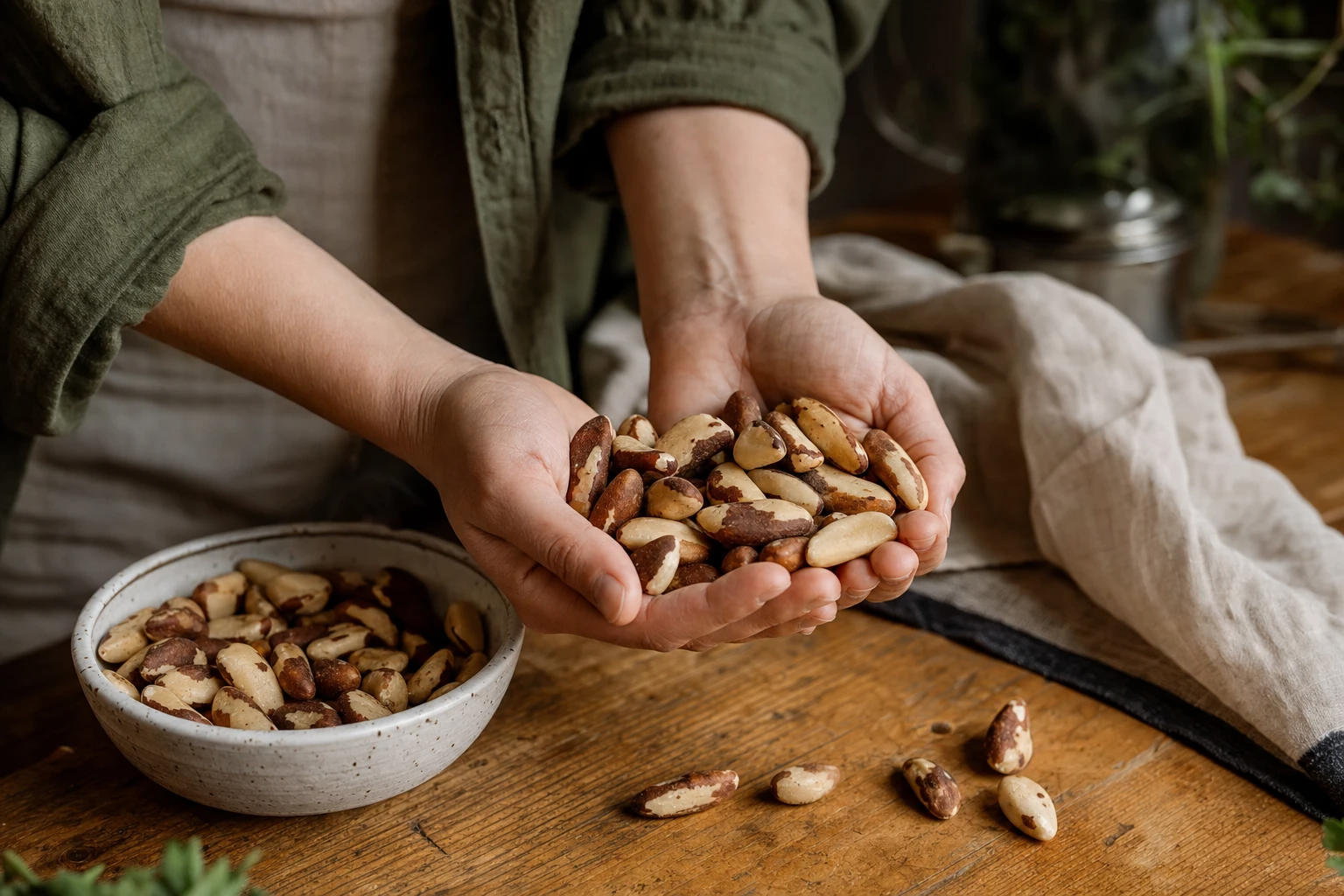
Selenium is found in Brazil nuts (the richest single source), seafood, red meat, and eggs. Just 1 to 3 Brazil nuts per day cover the daily selenium need (55 micrograms for adult males).3 Most people eating real food get adequate selenium easily without supplementation.
The practical approach is eating Brazil nuts a few times per week, plus regular seafood and red meat. Selenium status can be checked via blood tests if there's concern about deficiency.
Get health guides like this, free
Two short reads a week on eating for energy, gut health, skin, sleep and more.
By signing up you agree to receive emails from us. No spam, unsubscribe anytime.
Beef organs and CoQ10
CoQ10 (ubiquinone) is a nutrient involved in mitochondrial energy production. Sperm are energy-hungry cells. Poor CoQ10 status results in reduced sperm motility. Studies show that CoQ10 supplementation improves sperm motility in men with poor sperm quality.4
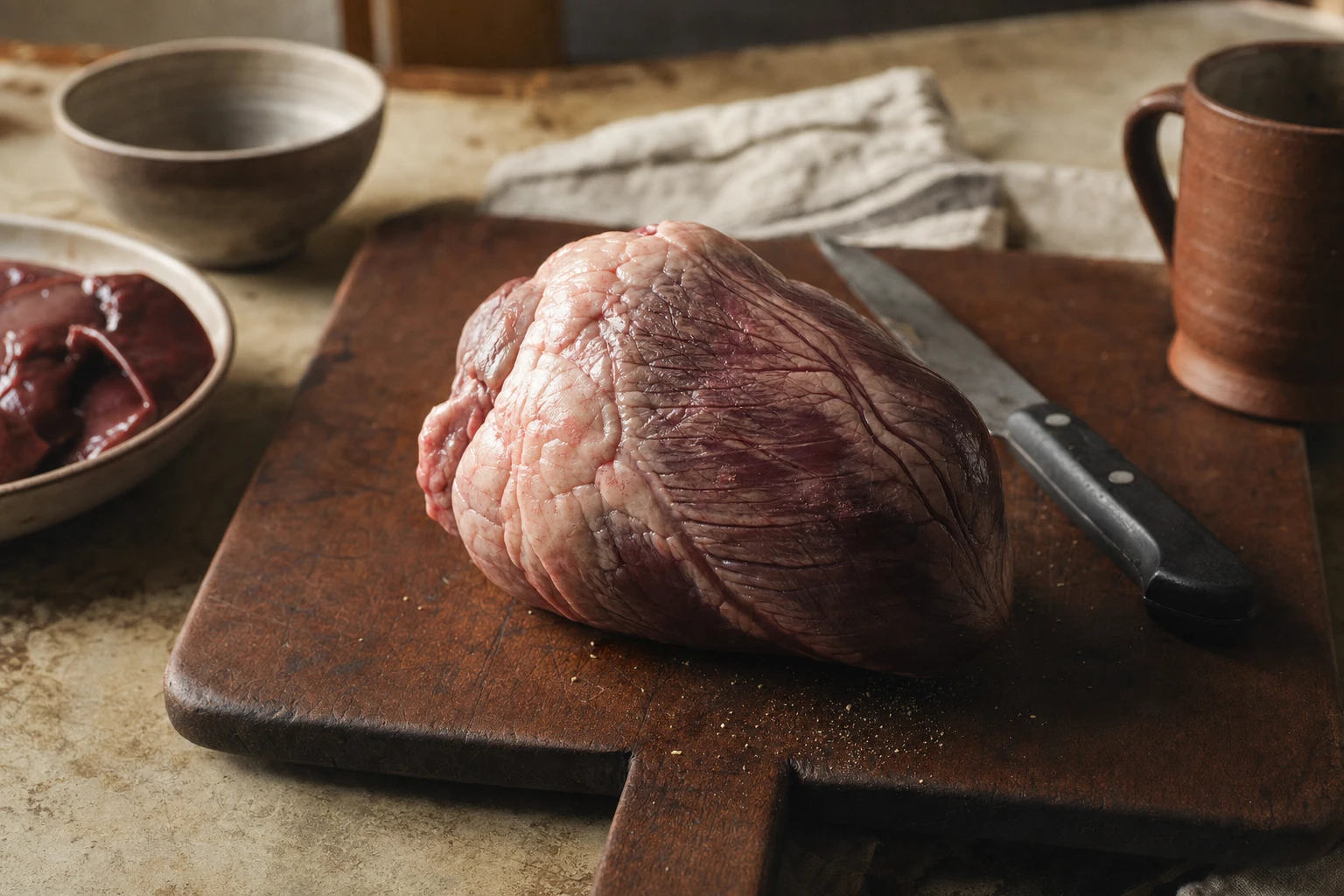
CoQ10 is found in highest concentrations in organ meats, particularly beef heart. A 100-gram serving of beef heart contains roughly 10 to 15 milligrams of CoQ10. Other sources include fatty fish, meat with visible fat, and some nuts.
For a man wanting to optimise fertility, including beef heart once or twice per week is practical. It's cheaper than most supplements, more nutrient-dense, and includes other beneficial compounds alongside CoQ10. Beef heart is also surprisingly palatable when properly prepared (braised, ground into burgers, or roasted).
If organ meat isn't accessible, CoQ10 supplementation (100 to 200 milligrams daily) is a reasonable alternative. Studies show benefits at these doses for men with poor sperm quality.
Beef organs aren't a supplement. They're whole food that happens to be extraordinarily nutrient-dense. They're the most efficient way to get multiple reproductive nutrients simultaneously.
1 of 9
Daily blend
100,000+ thriving families4.9 on Trustpilot
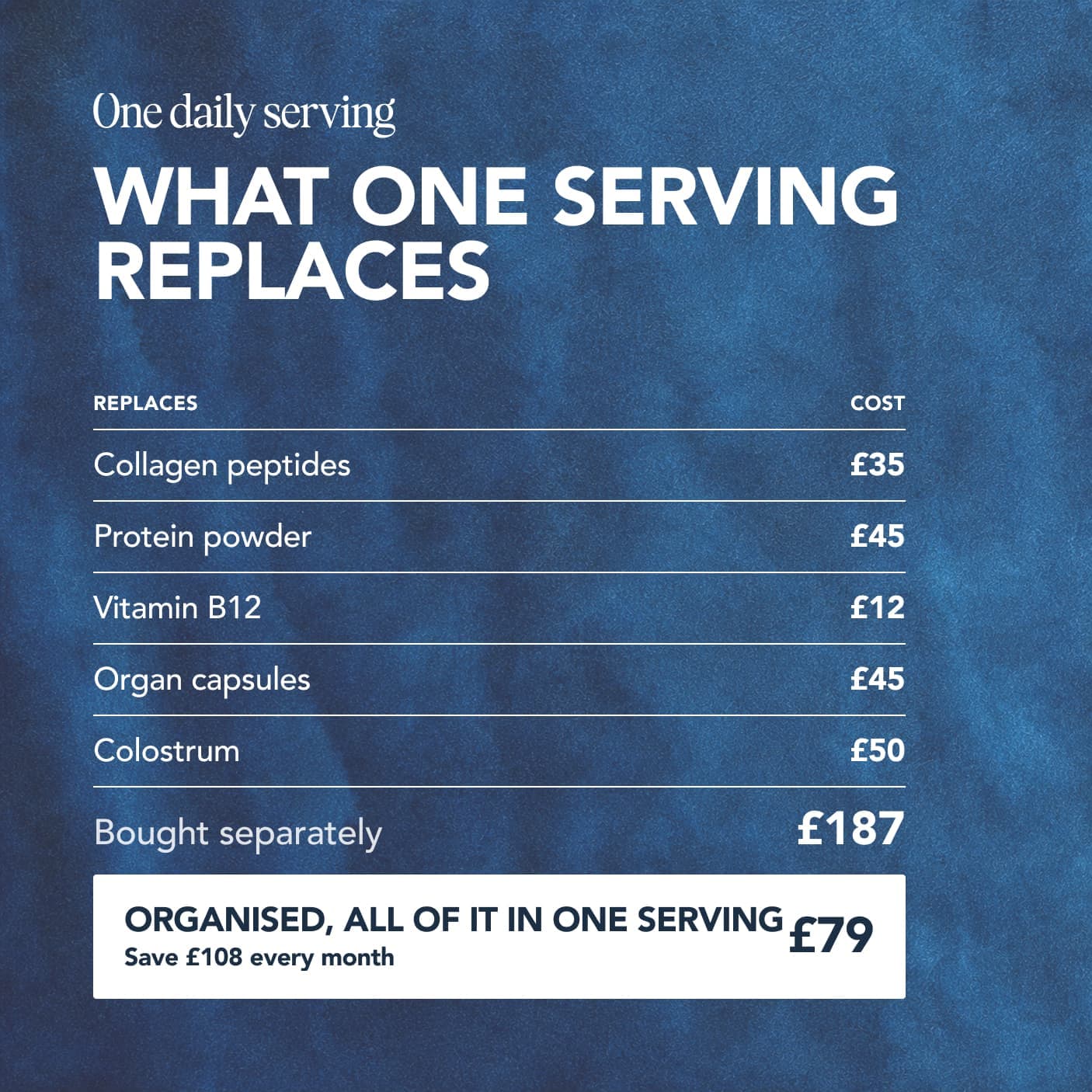
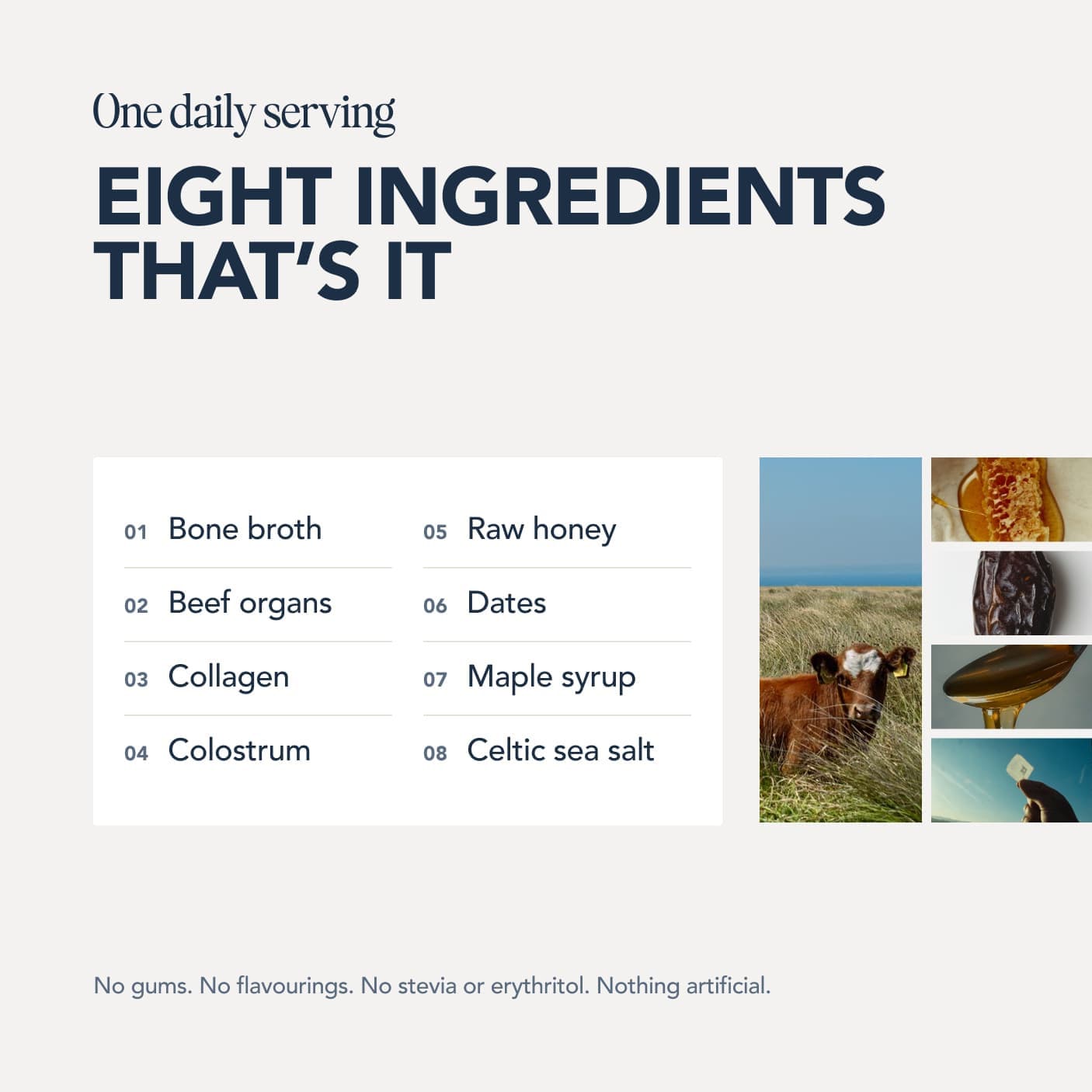
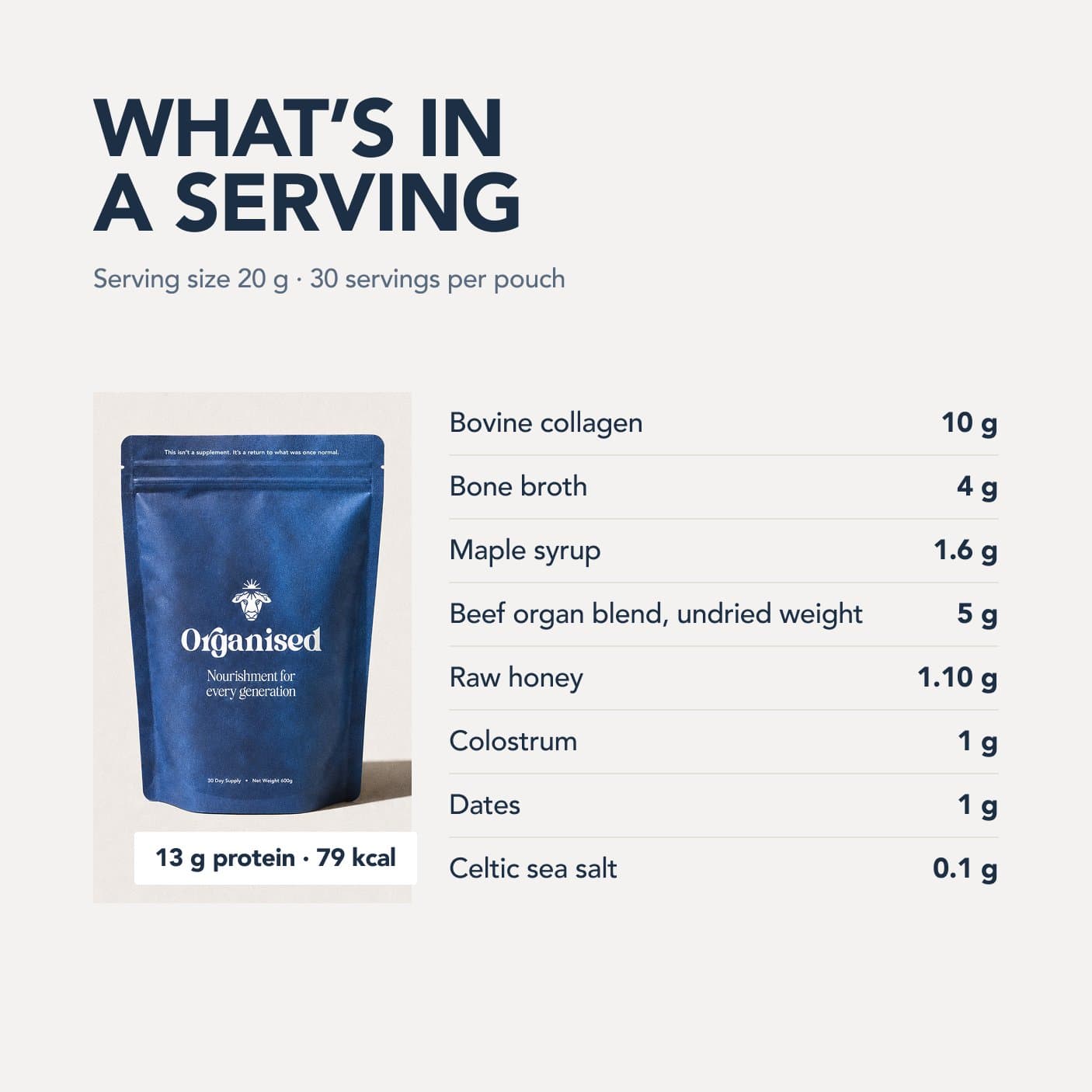
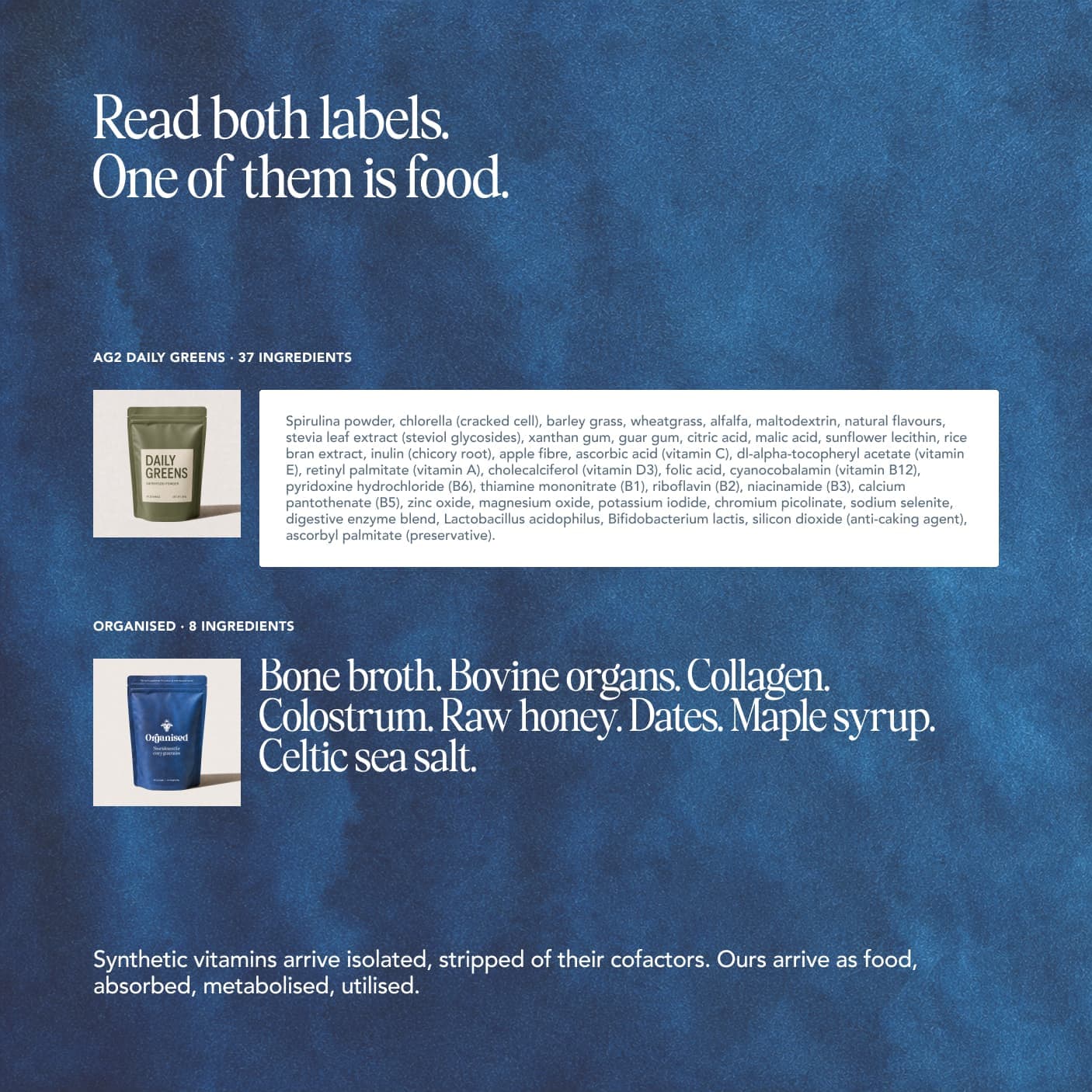
Eight real ingredients built around grass-fed beef organs, collagen and colostrum. Nothing synthetic added.
Free with your first order, worth £38. Plus £10 off the pouch with a subscription.
Free UK shipping · Made in England · 100 day money back guarantee on your first pouch · Skip, pause or cancel anytime
The preconception protocol for males
For a man optimising fertility, the framework is straightforward. Focus on nutrient density for 3 to 6 months before attempting conception:
- Red meat: 4 to 5 times per week, 150 to 200 grams per serving. Covers zinc, B12, iron, and selenium.
- Shellfish: Once or twice per week. Oysters, clams, or mussels. Covers zinc, selenium, copper, and B12.
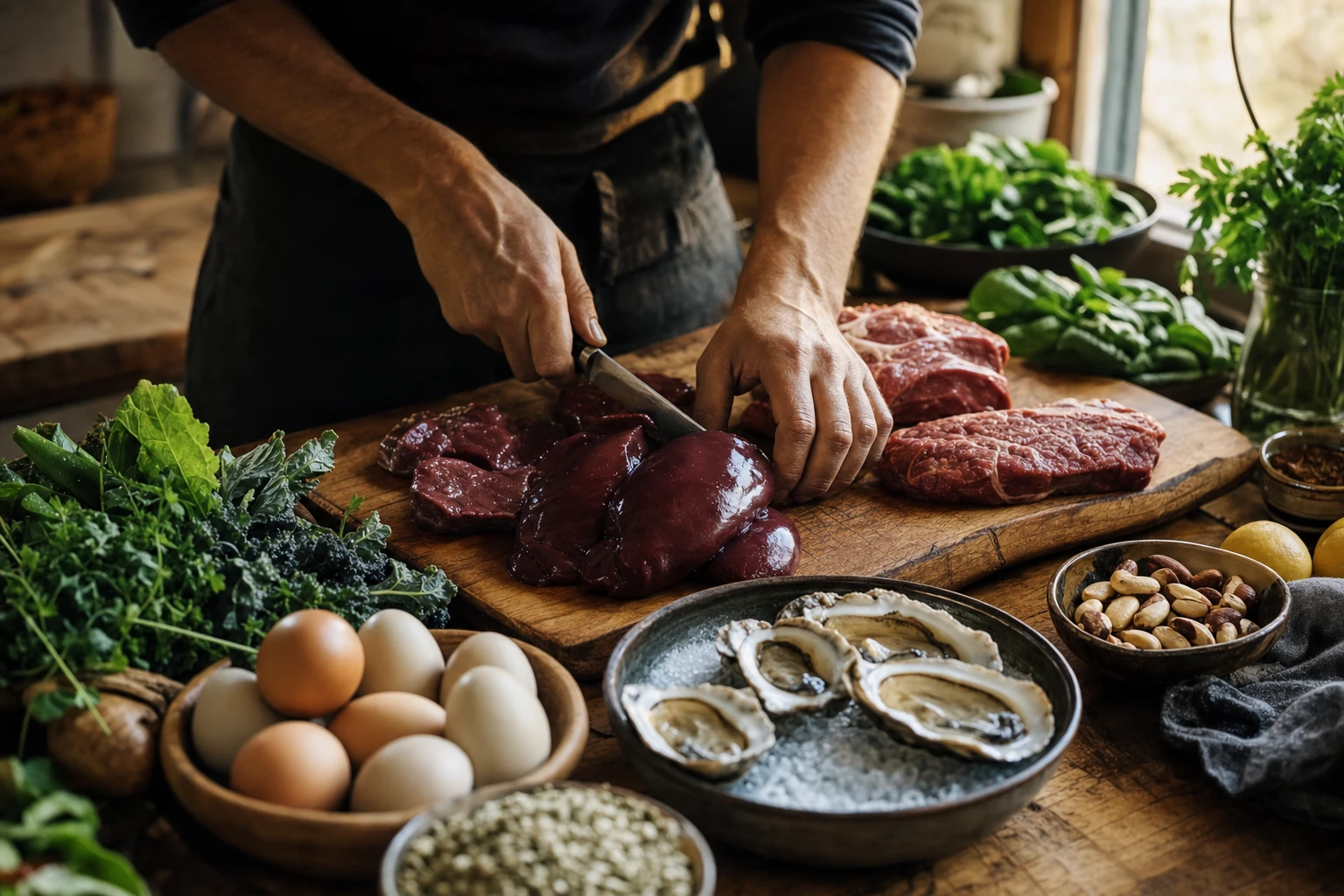
- Beef organs: Heart, liver, or kidney once or twice per week. Covers CoQ10, B vitamins, iron, copper, and multiple micronutrients.
- Fatty fish: Salmon, mackerel, or sardines 2 to 3 times per week. Covers omega-3s, vitamin D, selenium, and CoQ10.
- Eggs: 2 to 3 daily, whole eggs. Covers choline, selenium, zinc, and B vitamins.
- Brazil nuts: 1 to 3 daily. Covers selenium and supports antioxidant status.
- Full-fat dairy: If tolerated. Cheese, butter, whole milk. Covers vitamin A, D, K2, and calcium.
This isn't restrictive eating. This is optimal nutrition. It's what ancestral populations ate. It results in robust sperm quality and high fertility.
Practical note: if eating organ meat feels daunting, start with liver (the most nutrient-dense), mixed into ground beef burgers or finely chopped in pasta sauce. Many people find this more palatable than eating it alone. Beef heart is mild and can be braised or ground.
The bottom line
Male fertility has declined dramatically in recent generations. Sperm counts are down. Motility is down. Quality is down. The causes are multifactorial, but nutritional deficiency is a primary driver. A man eating processed food with adequate calories but minimal micronutrients will have poor sperm quality. A man eating nutrient-dense whole food will have robust sperm.
The fix is not complicated. Eat red meat regularly. Eat shellfish. Eat beef organs. Eat fish. Eat eggs. Eat Brazil nuts. For 3 to 6 months before attempting conception, make nutrient density the priority. The sperm being produced during that window will be robust.
You won't feel the difference while it's happening. You'll just notice that conception happens, when it hadn't before. That's the point. Male fertility is silent until it's broken. Fix it early, through nutrition, before infertility becomes apparent.
References
Every source below was checked on 27 August 2026. Each PubMed, PMC and DOI identifier was resolved against NCBI or Crossref, and what it opens is printed under the citation, so you can see the link goes where the citation says without leaving the page. Where a citation and its identifier disagreed, the citation was corrected to the record or the reference was deleted along with the sentence marker that pointed at it, and where the resolved paper turned out not to support the sentence, the sentence was cut back to what it does support. Borrowed authority is worse than none, because it looks like rigour.
- Heller CG, Clermont Y. Spermatogenesis in man: an estimate of its duration. Science, 1963; reaffirmed in subsequent reviews. PMID 13953583.Checked 27 August 2026: PMID 13953583 opens HELLER CG, CLERMONT Y, Spermatogenesis in man: an estimate of its duration. Science 1963;140(3563):184-6.
- National Institutes of Health, Office of Dietary Supplements. Zinc — Health Professional Fact Sheet.
- National Institutes of Health, Office of Dietary Supplements. Selenium — Health Professional Fact Sheet.
- Lafuente R et al. Coenzyme Q10 and male infertility: a meta-analysis. Journal of Assisted Reproduction and Genetics, 2013. PMID 23912751.Checked 27 August 2026: PMID 23912751 opens Lafuente R, González-Comadrán M, Solà I et al, Coenzyme Q10 and male infertility: a meta-analysis. J Assist Reprod Genet 2013;30(9):1147-56. PubMed indexes it as: Meta-Analysis, Systematic Review.
Who wrote and reviewed this guide
Niall Kiddle
Author · Founder, Organised
Niall is the founder of Organised. He started the company in 2024 after fixing his own health the slow way: in 2022 he swapped a cupboard of synthetic supplements for real food, raw milk, organ meats, bone broth and honey, and felt the difference within months.
Areas of expertise: Ancestral nutrition, Organ meats, Whole-food supplementation, Gut health, Regenerative sourcing
Read Niall's full profile
Pedro Rodrigues
Reviewer · Agronomist (farming and sourcing only)
Pedro is the agronomist Organised works with on farming and sourcing. His job on the guides is to keep the science honest: he reviews what we publish about soil health, regenerative agriculture, grazing and the way food is actually produced.
Areas of expertise: Regenerative agriculture, Agronomy, Soil health, Grass-fed farming, Food sourcing
Reviewed this guide on
Read Pedro's full profileMore on fertility
View allBrowse the guides library
All guidesKeep reading
Health goals
The Ancestral Guide to Fertility Nutrition
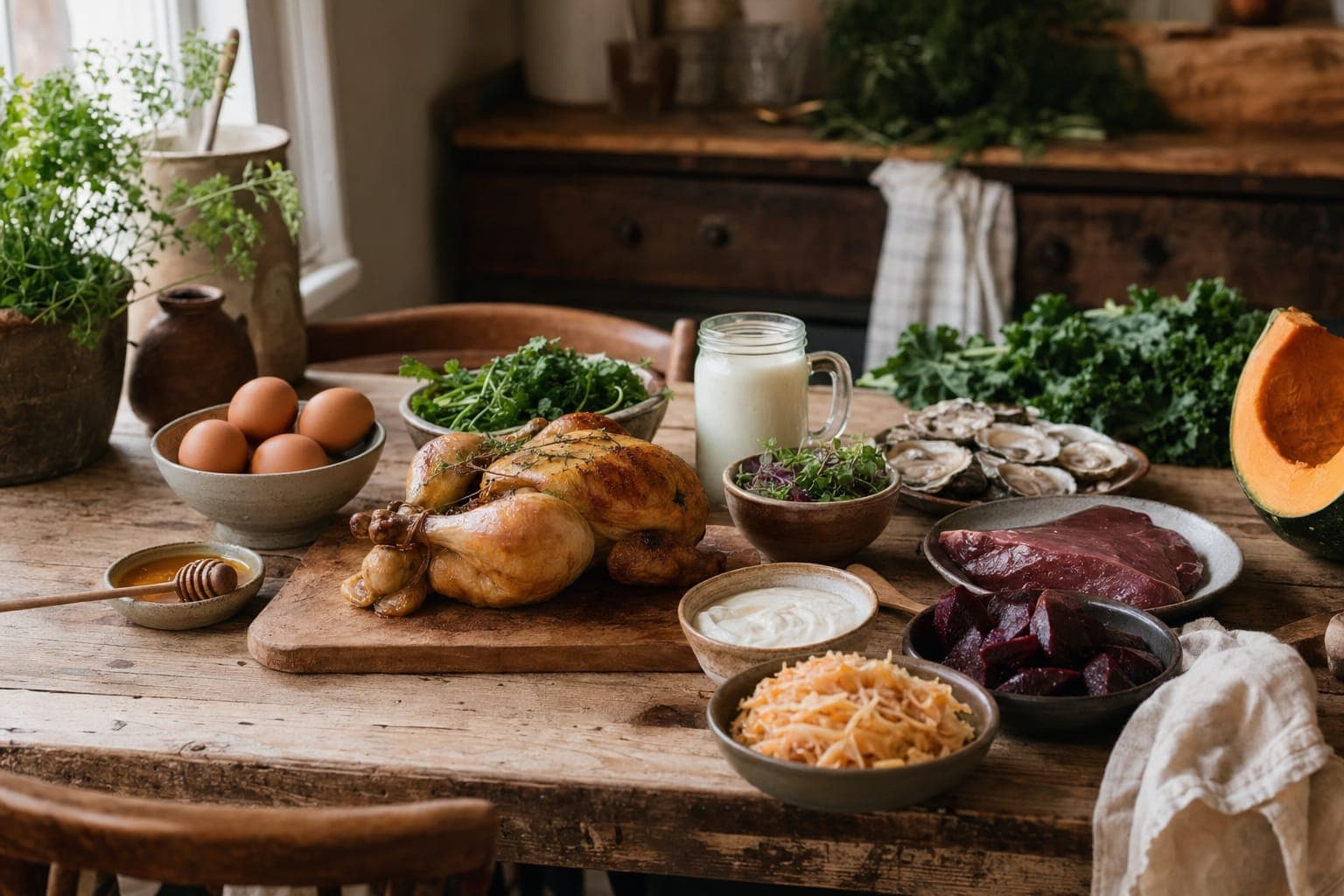
Fertility depends on fat-soluble vitamins A, D, K2, choline, B12, iodine, zinc, and selenium. Here's what both partners need to conceive and thrive.
Health goals
Building Immune Resilience with Whole Food Nutrition
Build lasting immune resilience through whole food nutrition. We explain how vitamin A, zinc, colostrum and gut health work together to support your defences.

Health goals
Mitochondrial Health: The Key to Ageing Well
Ageing is mitochondrial decline. Here's how to keep your powerhouse cells working and what that means for longevity and vitality.
Real food, made effortless
Start my daily blendA few ways to use it
All recipes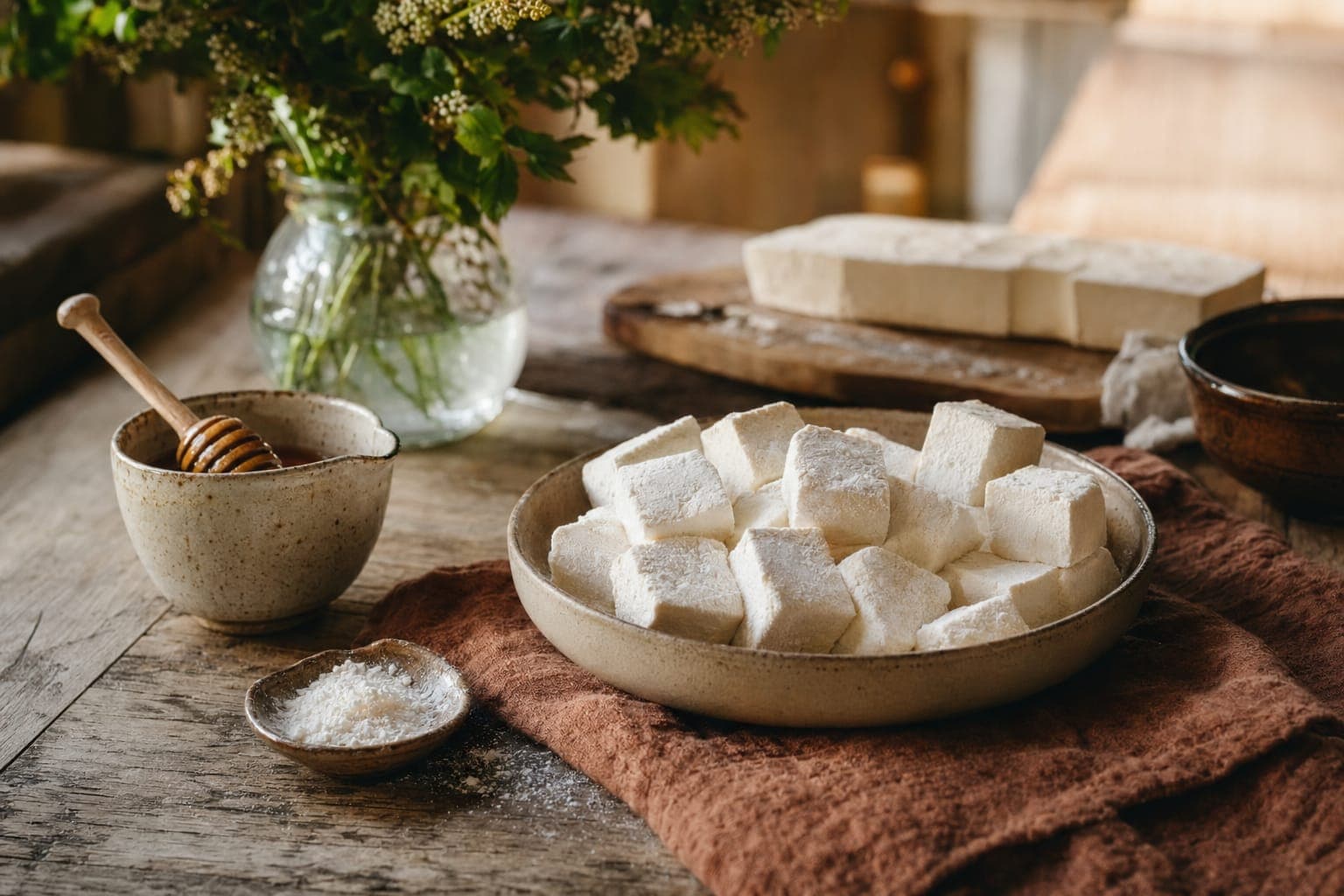
Gut-Healing Marshmallows with Collagen and Raw Honey
Learn to make gut-healing marshmallows with collagen and raw honey. A shareable treat that sneaks nutrition into every bite. Easy recipe with video tips.
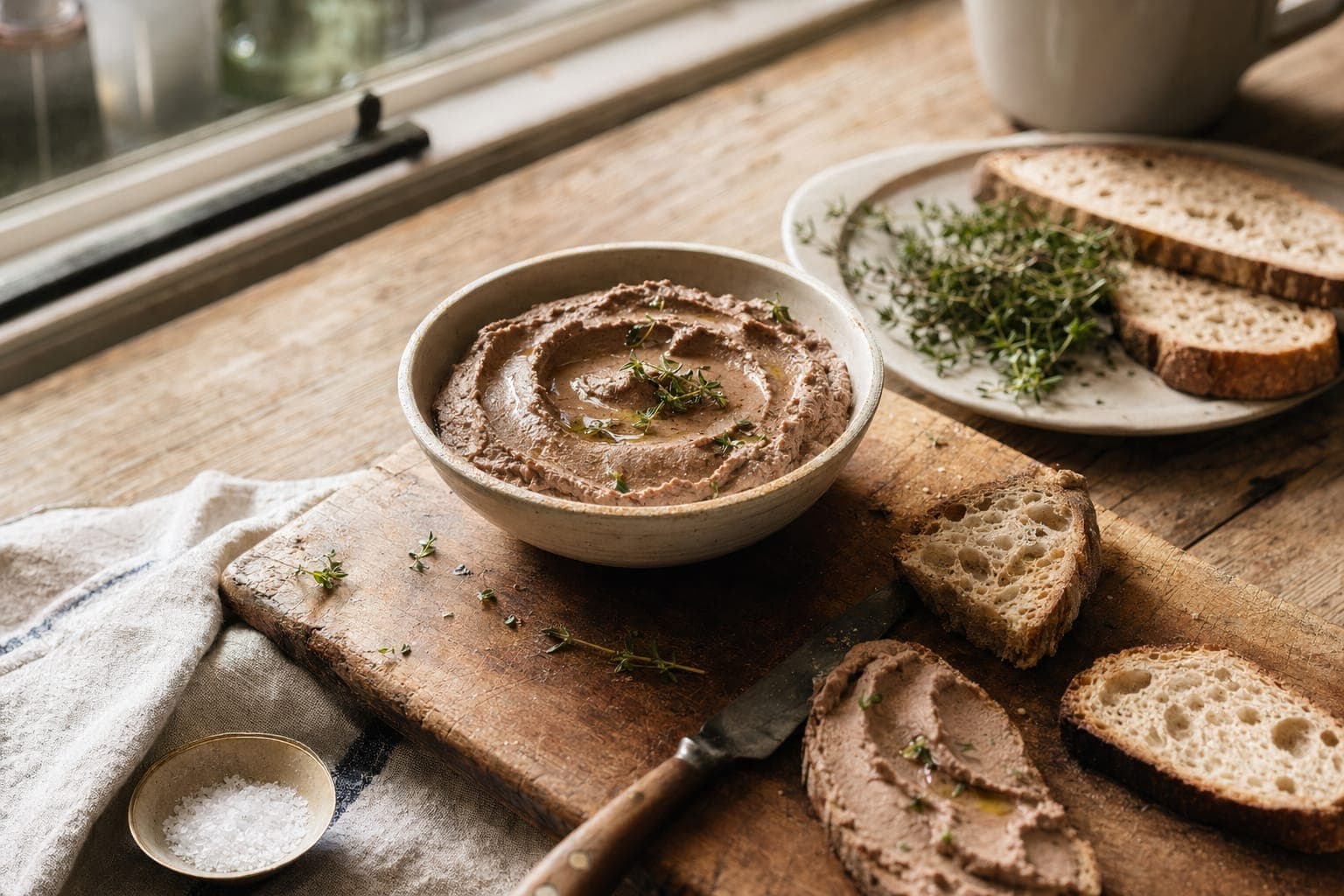
Liver Pate for Beginners: A Gentle Introduction to Organ Meats
Simple liver pate recipe to start eating organ meats. Chicken liver, butter, and herbs. Gentle introduction to nutrient-dense whole foods.
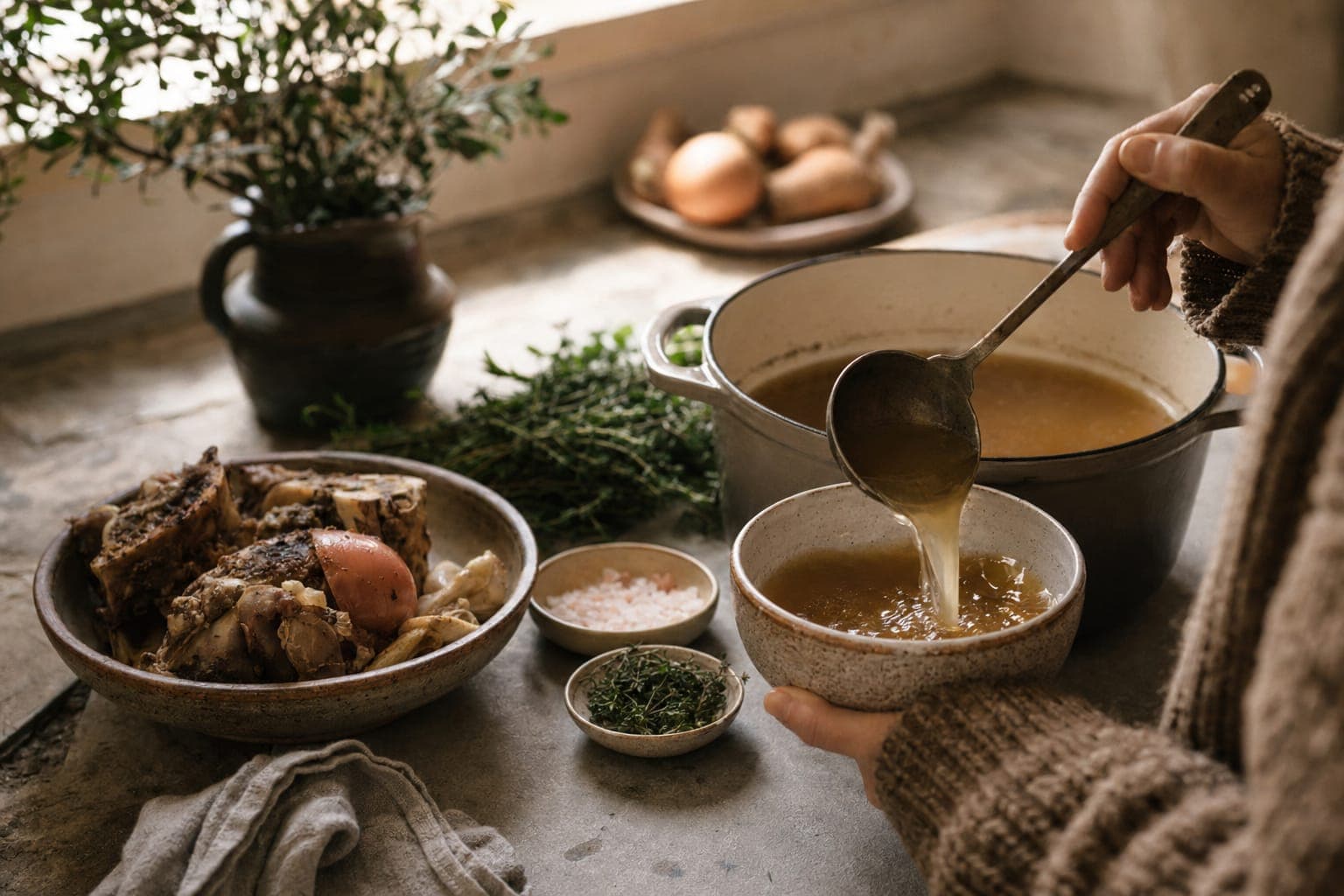
Bone Broth from Scratch: A Step-by-Step Guide
Step-by-step guide to making bone broth at home. Stovetop, slow cooker, and Instant Pot methods. Rich in collagen and gut-healing minerals.


 Join over 100,000+ members
Build a better food system with us
The Organised community is thousands of people choosing real food and backing the farmers who grow it, all of us trying to leave the world a little better than we found it. If that is what you care about too, you belong here.