Why Athletes Are Turning to Organ Meats
Athletes at the highest level know something the supplement industry wants you to forget. The most powerful performance nutrition isn't sold in a tub. It's found in the parts of the animal most people discard.
By Niall Kiddle, Founder, Organised

Reviewed by Pedro Rodrigues, Agronomist (farming and sourcing only) ·
7 min read · Published · Updated · 5 cited sources
Makers of the Organised Daily blend, a grass-fed beef organ supplement from regenerative UK farms
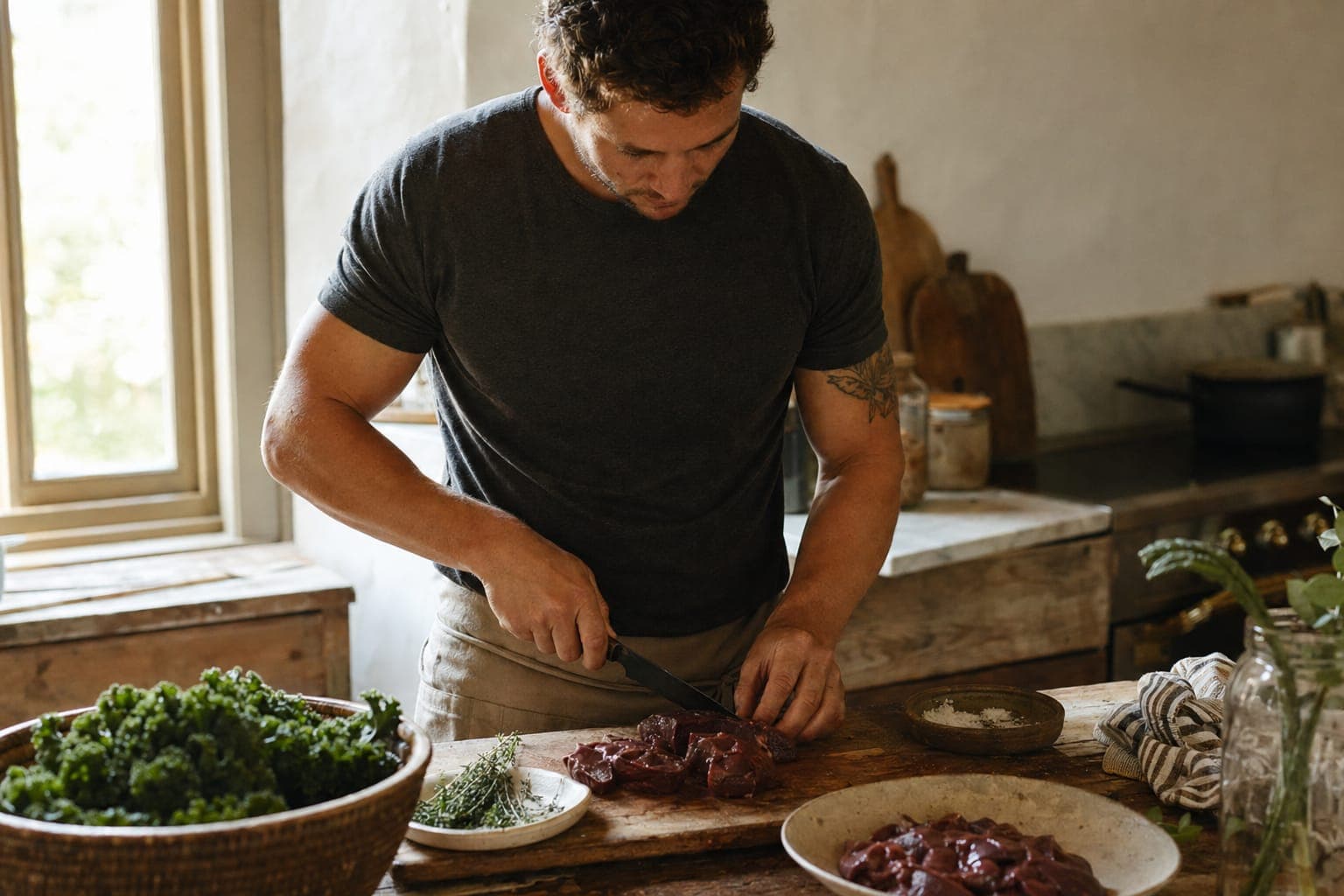
The reason isn't mystique. It's biology. An athlete's nutritional demands are extraordinary. Building muscle requires raw materials. Training hard requires energy. Recovery requires specific micronutrients. Organ meats deliver all of these more densely than any other food source.
The performance demand problem
An athlete training hard is depleting micronutrients rapidly. Iron for oxygen transport. B vitamins for energy metabolism. Zinc for immune function. Copper for collagen synthesis. Selenium for antioxidant defence.
If you're training, you're using these faster than someone living a sedentary life. If you're replacing them with chicken breast and white rice, you're replacing them insufficiently. You're slowly running depleted.
Most athletes feel this as declining performance. They train hard, but progress slows. They feel tired despite adequate sleep. They get sick more frequently. They don't recover well. The issue isn't training volume. It's micronutrient depletion.
Training hard creates a nutrient demand that conventional sports nutrition rarely meets.
The supplement industry's answer is to isolate single nutrients and sell them back to you. Vitamin D supplement. Iron supplement. Zinc lozenge. You're replacing what you've lost, but you're not addressing the root cause: your diet isn't nutrient-dense enough.
The athlete's answer is simpler. Eat the most nutrient-dense foods available. Organ meats are that answer.
Liver: the nutrient benchmark
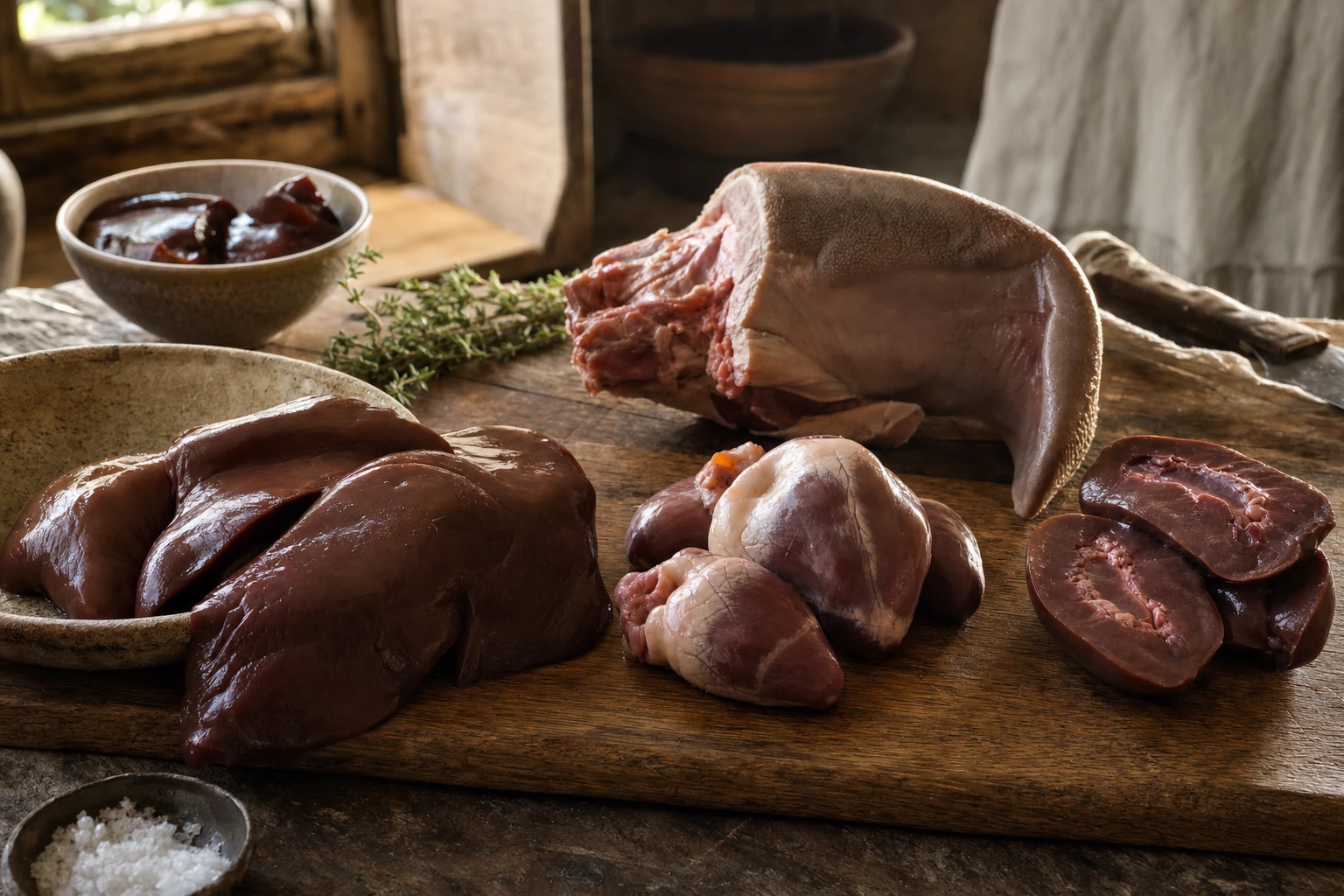
Liver is the most nutrient-dense food on the planet. Not subjectively. By any measure. It contains more iron, more B vitamins, more copper, more selenium than any other single food.
A single 100-gram serving of liver contains:
- Iron: 8 to 15 milligrams depending on the animal. That's nearly a full day's requirement for most adults, in a single serving.1
- Vitamin A: 5,000 to 10,000 international units. That's 100 to 200% of daily requirements, in the form your body can use immediately without conversion.2
- B12: 50 to 60 micrograms. That's roughly 10 times the daily requirement.3
- Folate: 300 to 400 micrograms. That's 75 to 100% of daily needs.
- Zinc, copper, selenium, choline, CoQ10. Remarkable amounts of all.
An athlete eating liver twice a week is not just meeting micronutrient requirements. They're supercharging their nutrient status.
A single meal of liver covers micronutrient needs more completely than a month of multivitamin supplementation.
The practical implication: if you're training hard and not eating liver, you're leaving enormous performance gains on the table. Iron directly supports oxygen delivery to muscles. B vitamins directly support energy metabolism. Copper supports collagen synthesis, critical for joint health.
Athletes aren't eating liver because it's trendy. They're eating it because the micronutrient density directly supports performance and recovery.
Heart: the overlooked recovery tool
Heart is leaner than liver but equally nutrient-dense in specific areas. It's extraordinarily rich in CoQ10, the mitochondrial antioxidant that supports cellular energy production.4
Your muscles are mitochondrial. During intense training, your mitochondria are oxidatively stressed. CoQ10 protects them. Athletes with higher CoQ10 status show better recovery and improved performance.
Heart is also rich in taurine, an amino acid that's critical for muscle contraction and electrical stability in the nervous system. It's found in red meat and organ meats, and it's essentially absent from plant foods.5
Heart is leaner than liver, making it suitable for athletes watching body composition. It's roughly 100 calories per 100 grams, with 20 grams of protein and minimal fat.
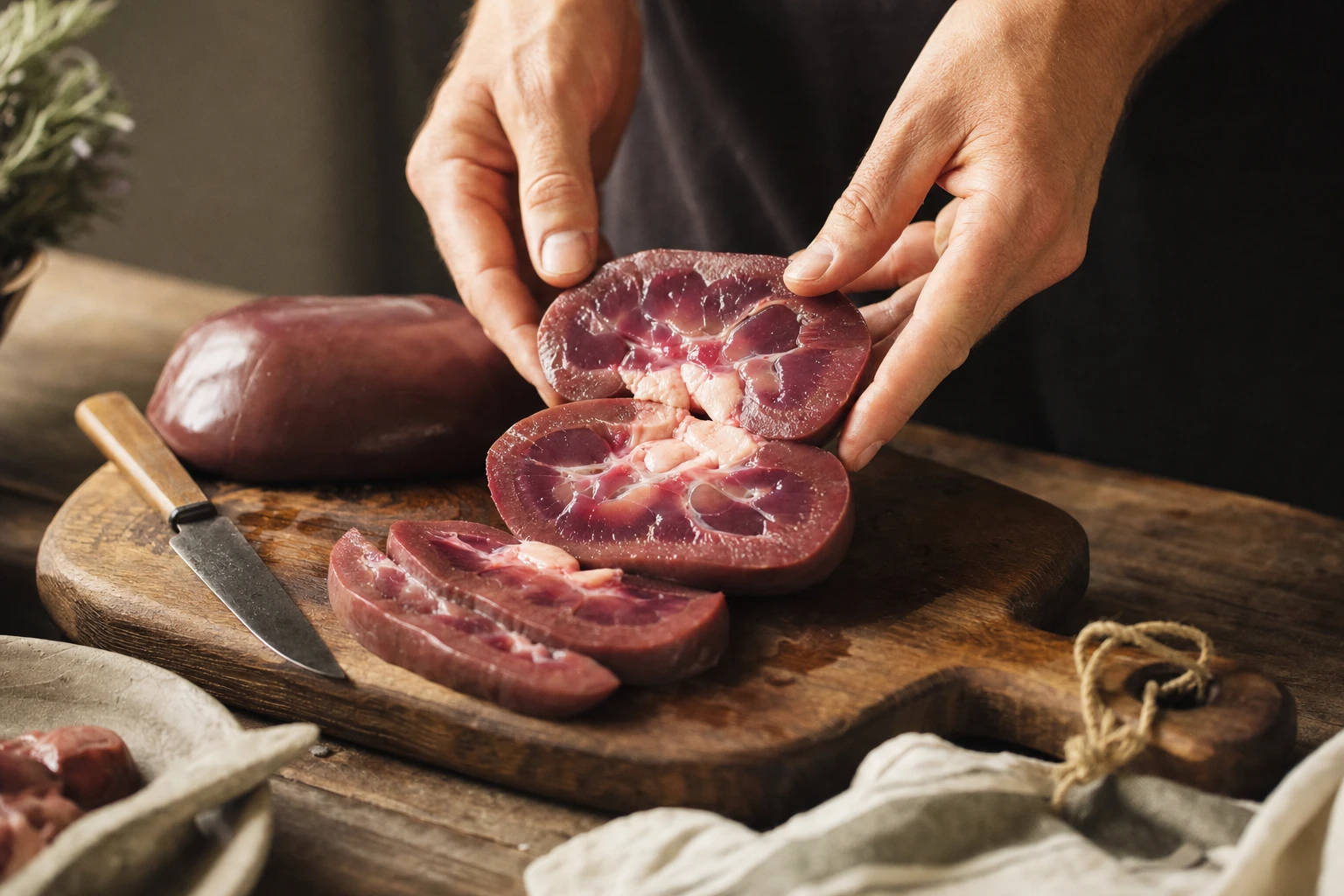
Kidney: CoQ10 and energy
Kidney is another organ rich in CoQ10, making it valuable for mitochondrial support and energy production. It's also rich in vitamin B12 and iron.
Kidney has a stronger flavour than liver or heart, which makes it less accessible to some. But if you can tolerate it, it's an excellent addition to the rotation.
The organs other athletes ignore are the ones creating the performance gap.
Why supplements can't compete
A multivitamin contains isolated nutrients. Vitamin A. Zinc. Selenium. Chromium. They're extracted from natural sources or synthesised, then combined in a pill.
Your body evolved to extract nutrition from whole foods. In whole foods, nutrients don't come alone. They come with cofactors, with minerals that aid absorption, with compounds that enhance bioavailability.
Liver contains vitamin A, but also the copper required to utilise it. It contains iron, but also the B vitamins that support iron absorption. It contains all of these together, in the ratios your body expects.
A supplement gives you the isolated compound. Your body has to work harder to use it. Some people simply don't absorb isolated nutrients as effectively as whole-food versions.
More importantly, organs contain compounds we've barely researched. Peptides, lipids, and compounds that probably have profound health effects but are expensive to isolate and study. You're getting far more from eating the organ than from any supplement designed to mimic it.
Get health guides like this, free
Two short reads a week on eating for energy, gut health, skin, sleep and more.
By signing up you agree to receive emails from us. No spam, unsubscribe anytime.
The practical reality of eating organs
The barrier to most people eating organs isn't availability. It's exposure. You weren't raised on it. The flavour is unfamiliar. The texture is different from muscle meat.
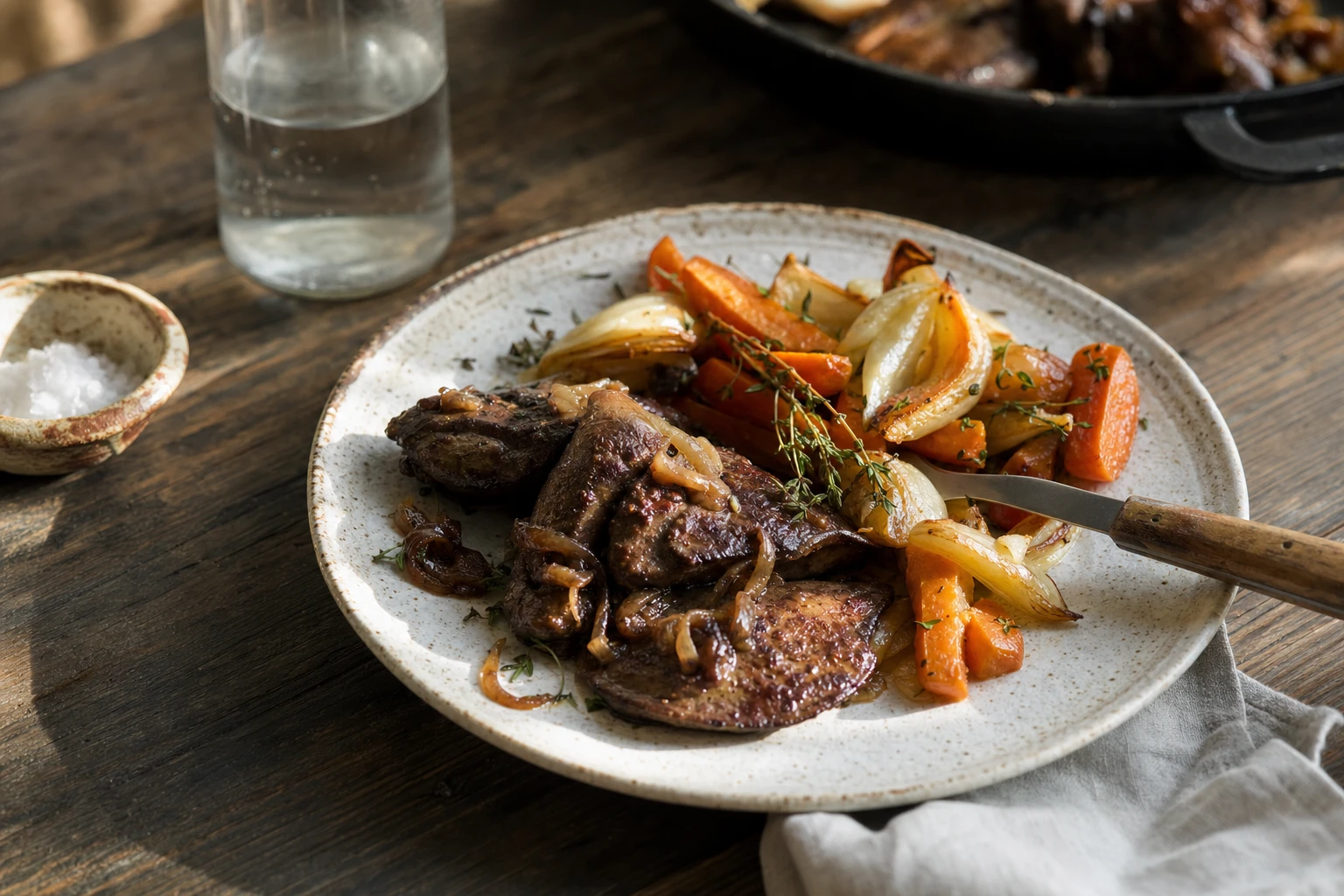
Start with liver. Beef liver has a milder flavour than chicken liver. Fry it in butter with onions. The butter and the cooking mellows the flavour significantly.
Once or twice per week is plenty. 100 to 150 grams is a serving. That's not a huge amount. It's a modest addition to a meal.
Heart is easier to start with if you find liver too strong. Heart tastes closer to muscle meat. Stew it, roast it, or grill it.
Kidney is stronger again. Some people never acquire the taste. That's fine. Liver and heart are sufficient.
Organ meat preparation and taste barriers
The barrier to eating organs isn't practical. It's psychological. You weren't raised on organ meats. The smell is unfamiliar. The texture is different. But preparation is straightforward, and once you've cooked liver a few times, it becomes routine.
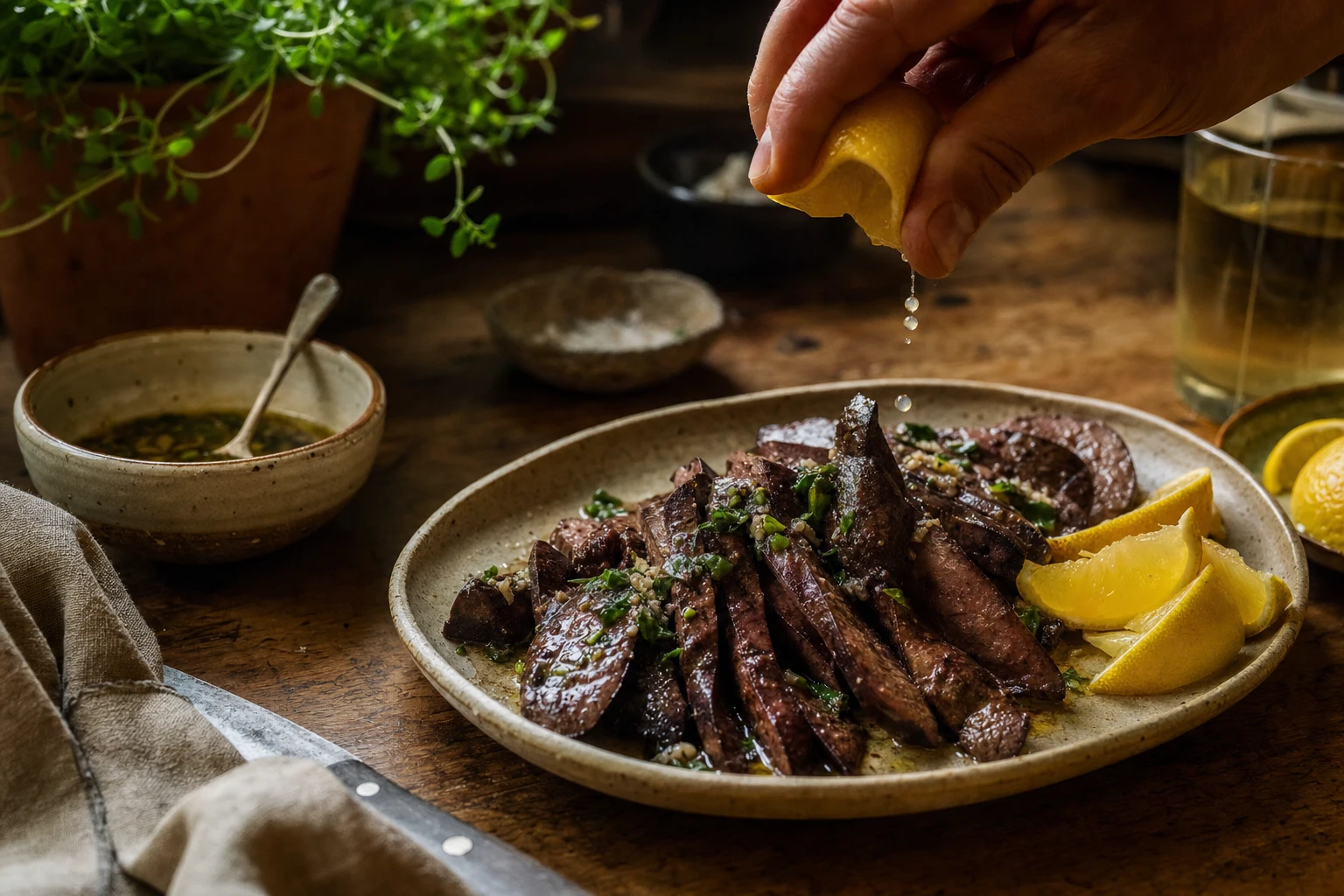
Beef liver is milder than chicken liver. Slice it roughly 0.5 centimetres thick, pat it completely dry (moisture prevents browning), season with sea salt and ground pepper. Heat ghee or butter in a cast iron pan until it shimmers, roughly medium-high heat. Place the liver in the hot fat and cook for 90 seconds per side. Do not overcook. Medium-rare is the sweet spot. Overdone liver becomes rubbery and the flavour intensifies unpleasantly.
The taste is initially mineral and strong. If this is off-putting, cook the liver with caramelised onions. Caramelise onions first in the same pan, then add the liver. The sweetness and umami from the onions mask the intensity. Serve with potatoes or rice. Within two or three meals, the taste becomes familiar and pleasant.
Heart is leaner and tastes closer to regular muscle meat. Slice it thin, season it, cook it quickly. Or braise it slowly if you prefer. Most athletes find heart more accessible than liver as an entry point.
Kidney has a stronger, more distinctive flavour. Soak it in milk for an hour before cooking to reduce intensity. Some athletes never develop a taste for kidney. That's fine. Liver and heart alone provide extraordinary micronutrient density.
1 of 9
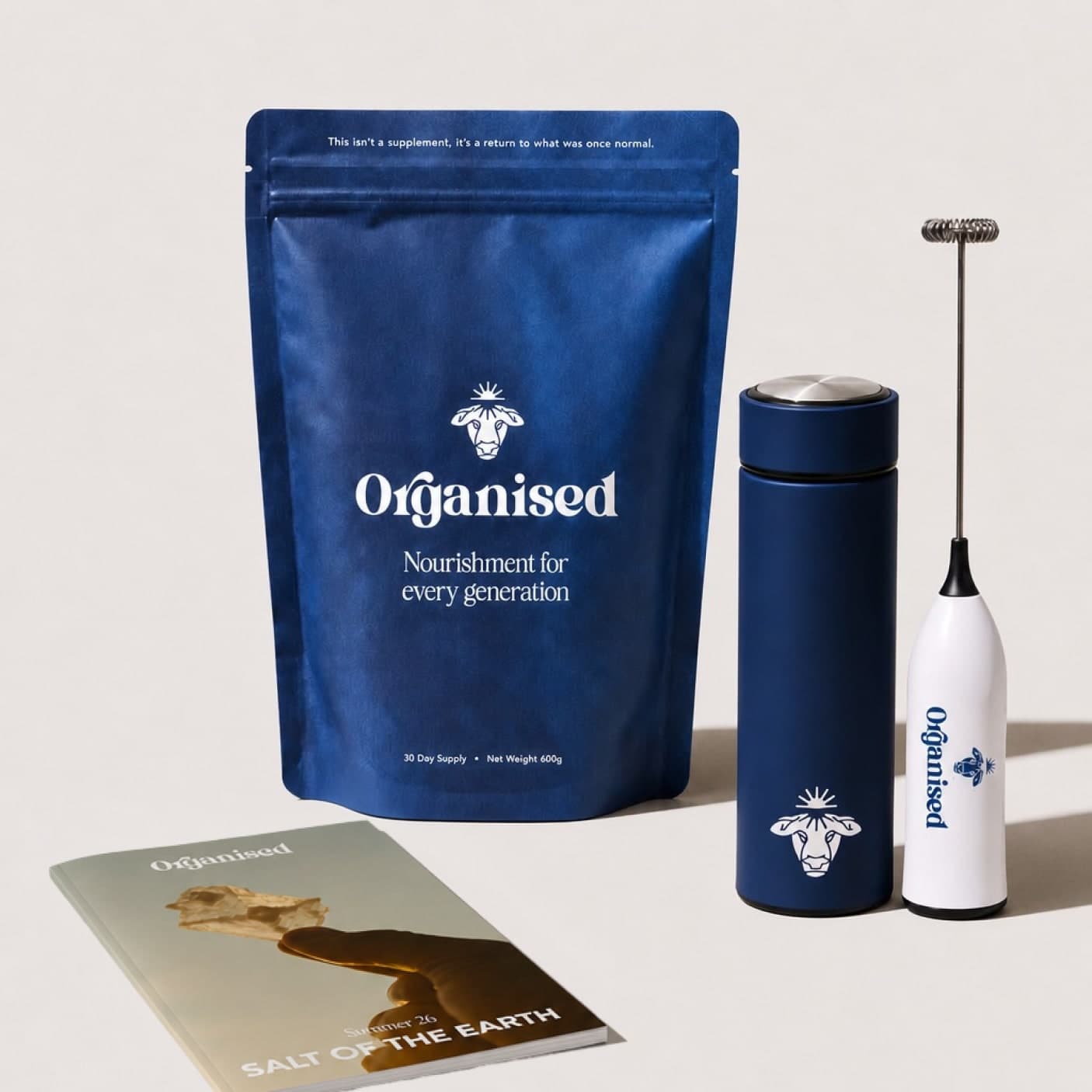
Daily blend
100,000+ thriving families4.9 on Trustpilot
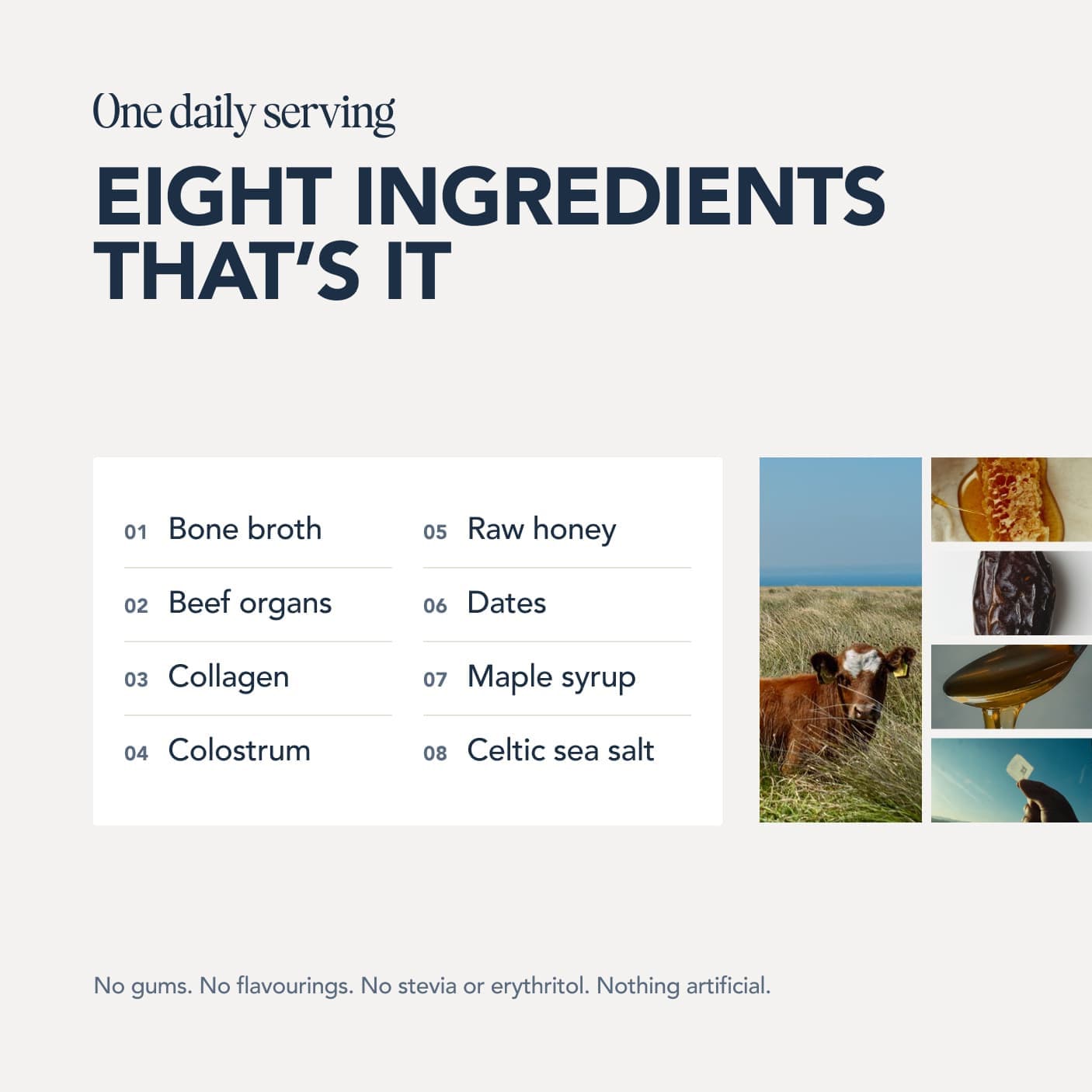
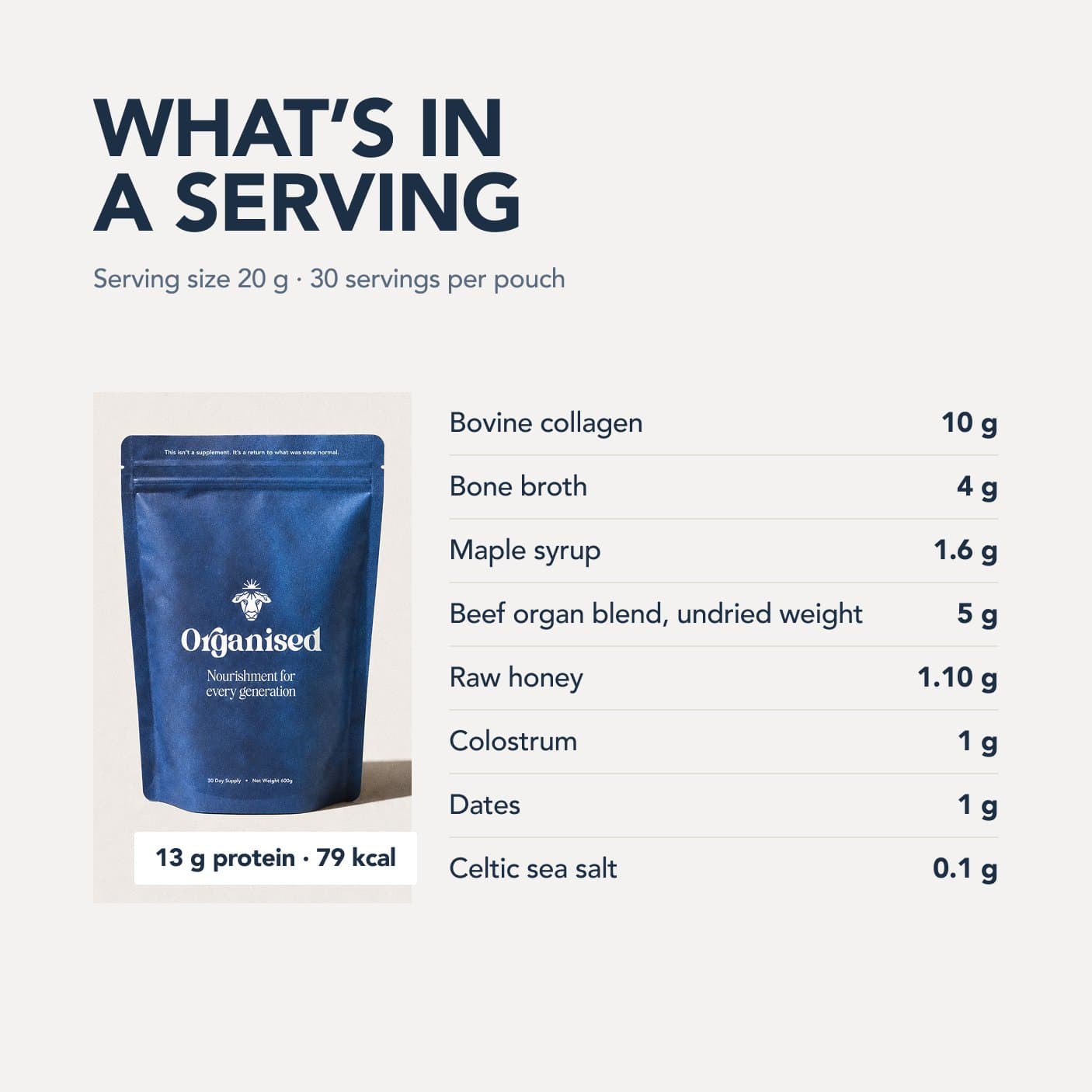
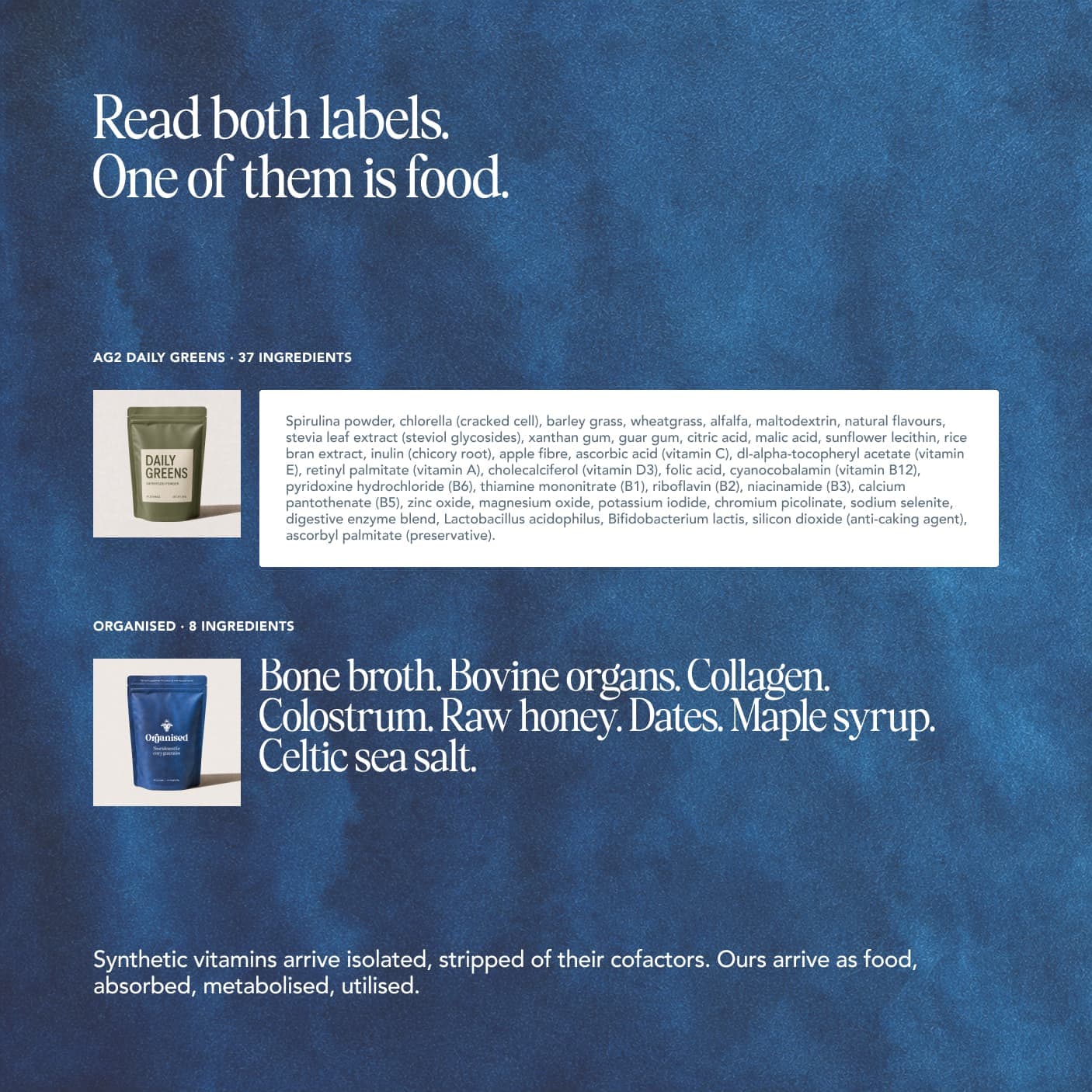
Eight real ingredients built around grass-fed beef organs, collagen and colostrum. Nothing synthetic added.
Free with your first order, worth £38. Plus £10 off the pouch with a subscription.
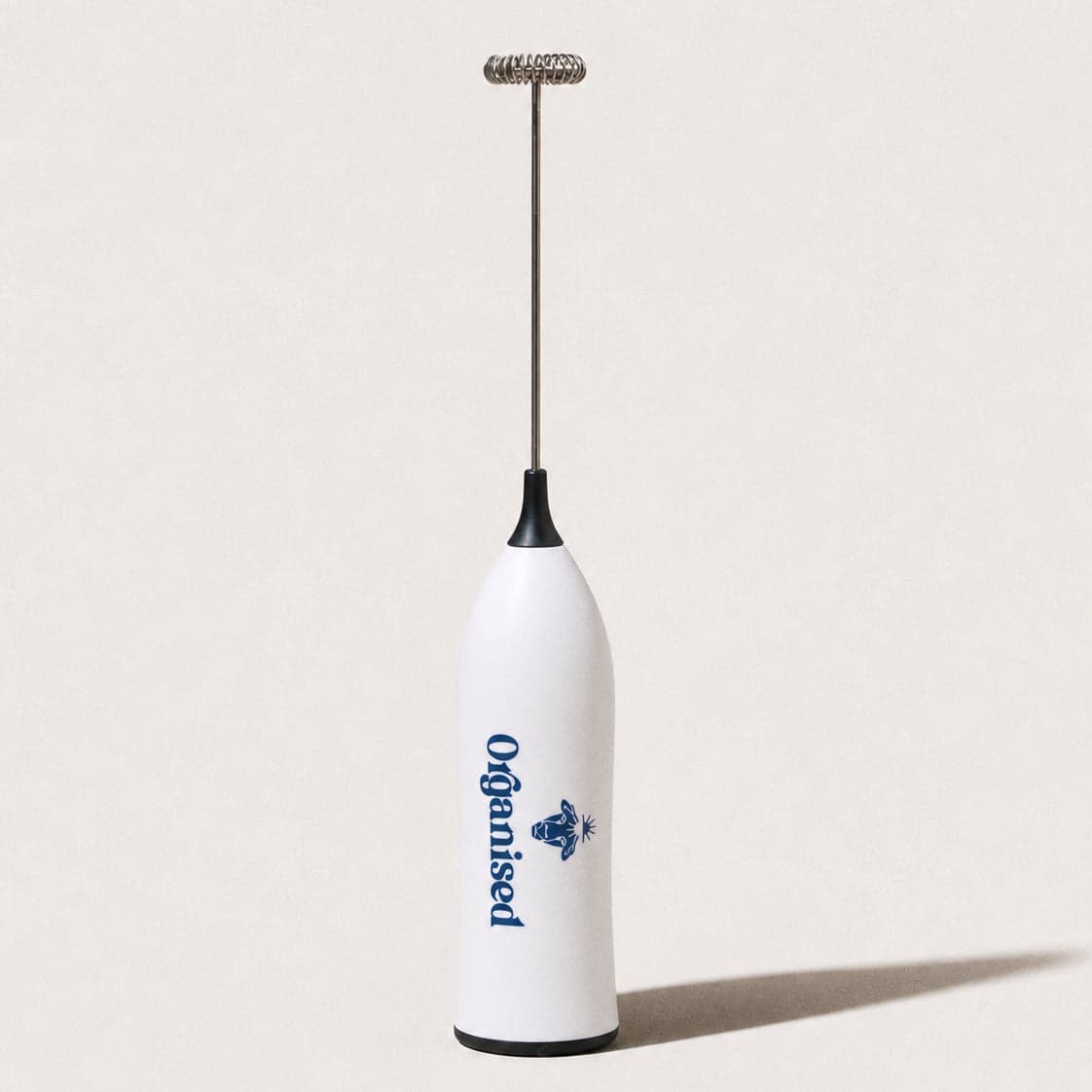

Free UK shipping · Made in England · 100 day money back guarantee on your first pouch · Skip, pause or cancel anytime
Building organ meats into training
A simple framework: eat a serving of liver once per week, heart once per week, kidney occasionally if you can tolerate it.
This ensures a complete micronutrient profile. You're not just getting protein and energy. You're getting the specific compounds your body needs to adapt to training stress.
The athletes who do this report better energy, faster recovery, improved immune function, and better mood. Not because they're placebo-responding. Because they've addressed the micronutrient depletion that intense training creates.
Pair this with adequate sleep, consistent training, and whole-food nutrition, and the impact on performance is measurable. You'll recover faster. You'll feel better. You'll progress more consistently.
Real performance gains: what athletes experience
Athletes who start eating organs consistently report noticeable changes within weeks. Energy is the first thing that improves. You don't crash mid-training. You don't need stimulants to finish hard sessions. The foundational energy is just different when micronutrient status is optimised.
Recovery is next. Soreness decreases. Sleep quality deepens. You're less likely to get sick. The immune system isn't chronically activated trying to cope with nutrient deficiency.
After weeks, performance metrics shift. You lift heavier. You run faster. You recover quicker between sets. It's not that organs are magic. It's that your body finally has all the raw materials it needs to adapt to training stress.
The gap between the athlete eating chicken breast and the athlete eating liver isn't genetics. It's nutrient density.
The supplement industry has convinced us that performance nutrition is complicated. It's not. Eat nutrient-dense foods. Organs are the most nutrient-dense. Everything else follows from that.
References
Every source below was checked on 27 August 2026. Each PubMed, PMC and DOI identifier was resolved against NCBI or Crossref, and what it opens is printed under the citation, so you can see the link goes where the citation says without leaving the page. Where a citation and its identifier disagreed, the citation was corrected to the record or the reference was deleted along with the sentence marker that pointed at it, and where the resolved paper turned out not to support the sentence, the sentence was cut back to what it does support. Borrowed authority is worse than none, because it looks like rigour.
- National Institutes of Health, Office of Dietary Supplements. Iron - Health Professional Fact Sheet. https://ods.od.nih.gov/factsheets/Iron-HealthProfessional/ [accessed May 2026].
- National Institutes of Health, Office of Dietary Supplements. Vitamin A and Carotenoids - Health Professional Fact Sheet. https://ods.od.nih.gov/factsheets/VitaminA-HealthProfessional/ [accessed May 2026].
- National Institutes of Health, Office of Dietary Supplements. Vitamin B12 - Health Professional Fact Sheet. https://ods.od.nih.gov/factsheets/VitaminB12-HealthProfessional/ [accessed May 2026].
- Hernandez-Camacho JD, Bernier M, Lopez-Lluch G, Navas P. Coenzyme Q10 Supplementation in Aging and Disease. Front Physiol. https://pmc.ncbi.nlm.nih.gov/articles/PMC5807419/ [accessed May 2026].Checked 27 August 2026: PMC5807419 opens Hernández-Camacho JD, Bernier M, López-Lluch G et al, Coenzyme Q(10) Supplementation in Aging and Disease. Front Physiol 2018;9:44. PubMed indexes it as: Review.
- Wu G. Important roles of dietary taurine, creatine, carnosine, anserine and 4-hydroxyproline in human nutrition and health. Amino Acids. https://pmc.ncbi.nlm.nih.gov/articles/PMC7088015/ [accessed May 2026].Checked 27 August 2026: PMC7088015 opens Wu G, Important roles of dietary taurine, creatine, carnosine, anserine and 4-hydroxyproline in human nutrition and health. Amino Acids 2020;52(3):329-360. PubMed indexes it as: Review.The authors' own declaration, from the record: The author declares no conflict of interest.
Who wrote and reviewed this guide
Niall Kiddle
Author · Founder, Organised
Niall is the founder of Organised. He started the company in 2024 after fixing his own health the slow way: in 2022 he swapped a cupboard of synthetic supplements for real food, raw milk, organ meats, bone broth and honey, and felt the difference within months.
Areas of expertise: Ancestral nutrition, Organ meats, Whole-food supplementation, Gut health, Regenerative sourcing
Read Niall's full profile
Pedro Rodrigues
Reviewer · Agronomist (farming and sourcing only)
Pedro is the agronomist Organised works with on farming and sourcing. His job on the guides is to keep the science honest: he reviews what we publish about soil health, regenerative agriculture, grazing and the way food is actually produced.
Areas of expertise: Regenerative agriculture, Agronomy, Soil health, Grass-fed farming, Food sourcing
Reviewed this guide on
Read Pedro's full profileMore on sports & performance
View all- Collagen for Runners: Protecting Your Joints and Tendons
- Connective Tissue Health for Athletes: Beyond Just Muscles
- How to Fuel a Workout Without Synthetic Supplements
- Pre-Workout Nutrition Without the Chemicals
- Protein Timing: Does It Really Matter?
- What to Eat for Muscle Recovery (Beyond Protein Shakes)
Browse the guides library
All guidesKeep reading

Health goals
Why You're Always Tired (And What to Eat About It)
Tired all the time? Explore the nutrition behind low energy and how whole foods help rebuild stamina at the cellular level. Practical, food-first guidance.
Health goals
Acne and Nutrition: What the Latest Research Says
Discover how dairy, processed foods, and nutrient deficiencies trigger acne. Evidence-based diet changes that actually work for clearer skin.
Health goals
Always Tired? What Reddit Says to Eat (and What Actually Works)
Reddit is full of 'why am I always tired' threads. Here is the food and nutrient advice that keeps coming up, and what actually holds up.
Real food, made effortless
Start my daily blendA few ways to use it
All recipes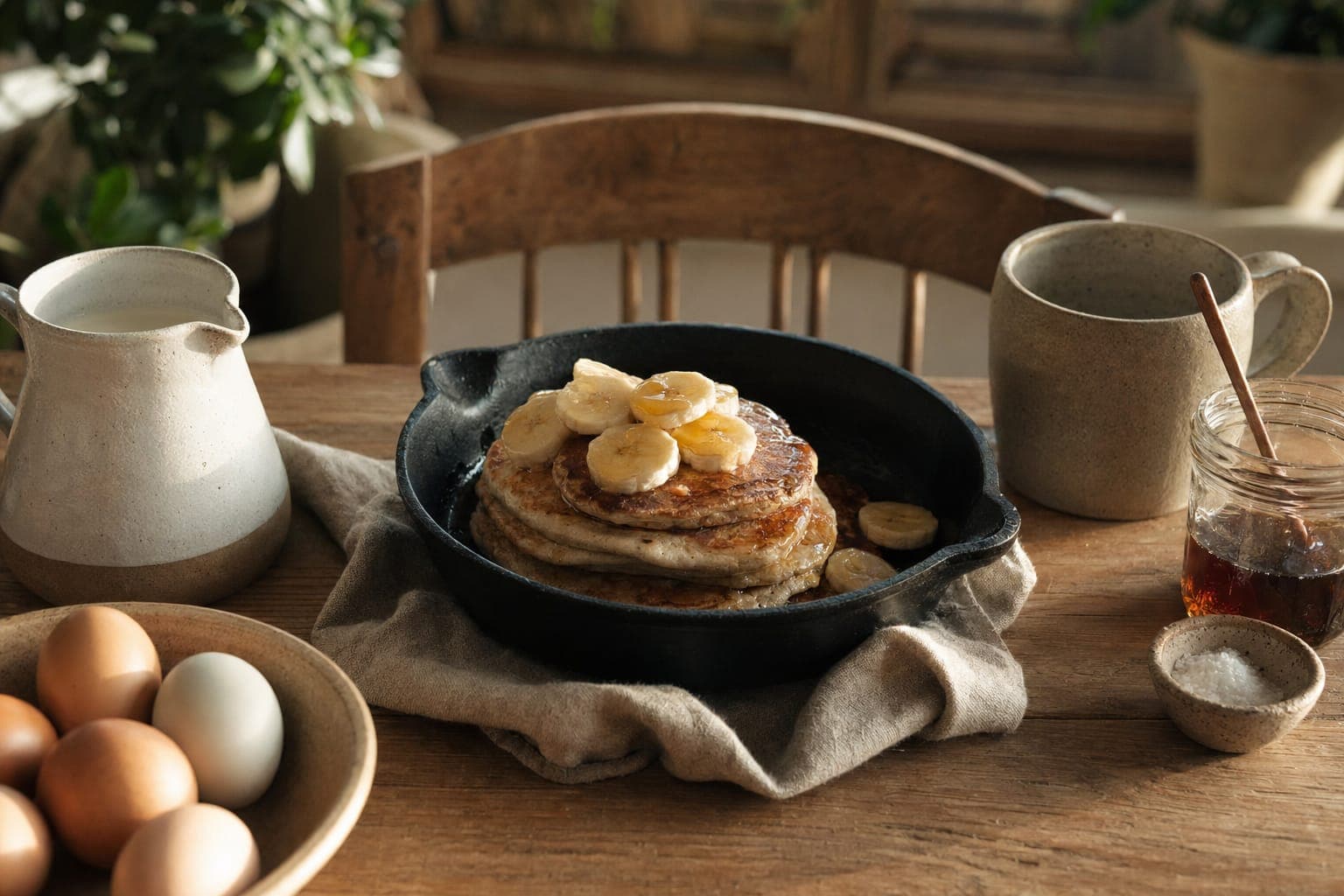
Organised Protein Pancakes: A Weekend Favourite
A high-protein pancake recipe using beef protein, eggs, and raw milk. Cooked in cast iron, naturally sweetened with banana and honey. Real food breakfast.
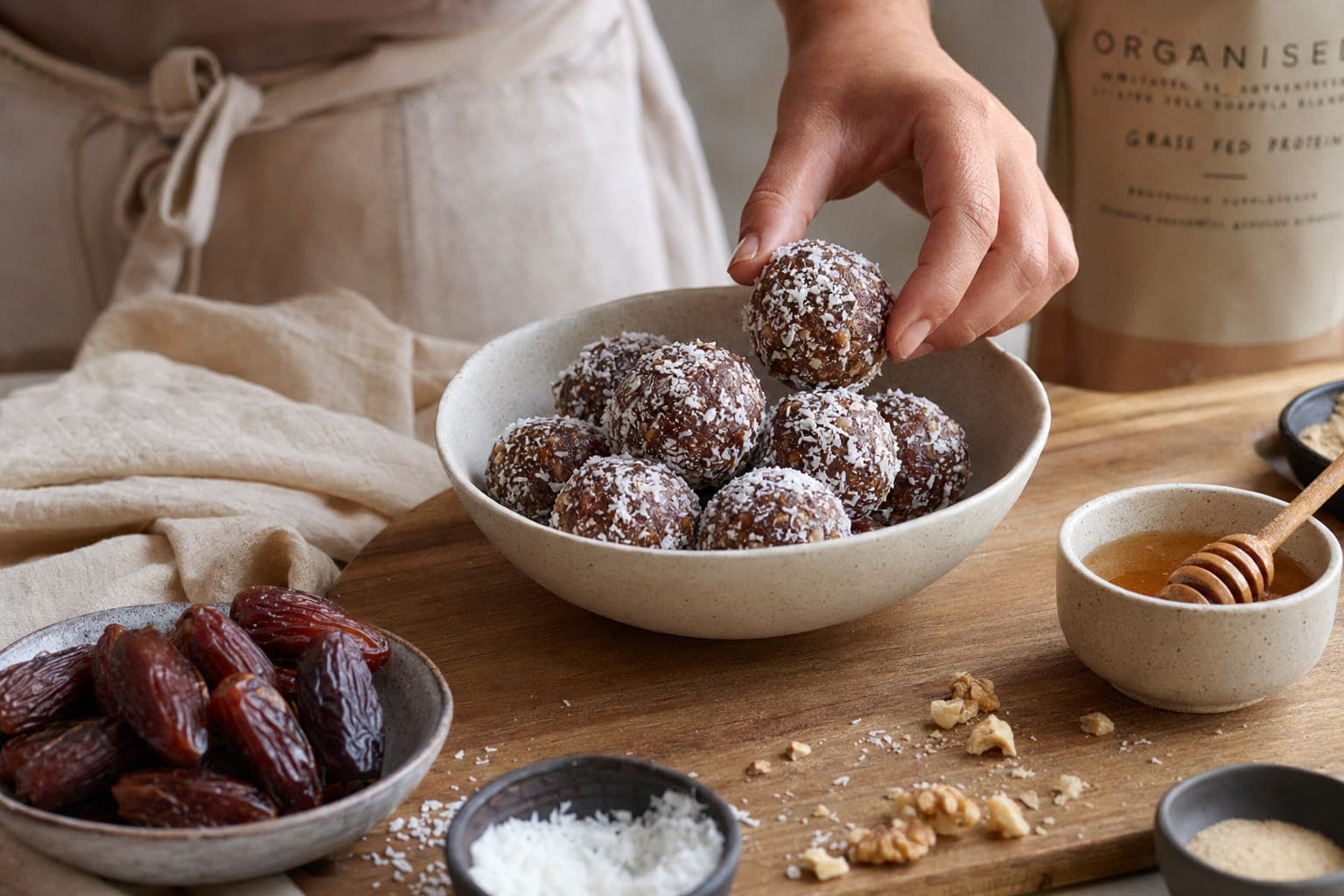
Energy Balls with Organised, Dates and Raw Honey
Make no-bake energy balls with Organised, dates, and raw honey. Perfect lunch box, pre-workout, or on-the-go snack. Simple recipe.

Organ Bolognese: The Family Dinner That Heals
Practical organ meat recipe using fresh beef liver and heart. Family-friendly bolognese that bridges supplements to whole food.


 Join over 100,000+ members
Build a better food system with us
The Organised community is thousands of people choosing real food and backing the farmers who grow it, all of us trying to leave the world a little better than we found it. If that is what you care about too, you belong here.