Autoimmune Conditions and Nutrition: What the Research Shows
Autoimmune conditions are on the rise. Thyroiditis, coeliac disease, lupus, rheumatoid arthritis, type 1 diabetes. Your immune system is attacking your own cells, and somewhere along the way it lost the ability to distinguish self from non-self. The conventional answer is medication to suppress immunity. But autoimmunity rarely appears out of nowhere. It's built on a foundation of nutritional deficiency, gut damage, and chronic inflammation.
By Niall Kiddle, Founder, Organised

Reviewed by Pedro Rodrigues, Agronomist (farming and sourcing only) ·
6 min read · Published · Updated · 4 cited sources
Makers of the Organised Daily blend, a grass-fed beef organ supplement from regenerative UK farms

The conventional answer is medication to suppress immunity. But autoimmunity rarely appears out of nowhere. It's built on a foundation of nutritional deficiency, gut damage, and chronic inflammation.
Why autoimmunity develops
You inherit the tendency toward autoimmunity, but genes are not destiny. Your genes load the gun, but environment pulls the trigger. Research shows that autoimmune conditions appear when several things converge: genetic susceptibility, a significant stressor (infection, trauma, severe stress), intestinal permeability (leaky gut), nutrient deficiencies, and chronic inflammation.
You can't change your genes, but you can address everything else. This is where nutrition matters most. Most people with autoimmune conditions are deficient in multiple nutrients that regulate immune tolerance. Fix those deficiencies and the immune system can often reset.
The timeline matters too. Autoimmunity doesn't develop overnight. It develops over months or years as nutritional stores gradually deplete and gut damage accumulates. Catch it early and you have a real chance at reversal. Allow it to progress unchecked and you end up with tissue damage that's harder to reverse. This is why getting tested and addressing nutrition at the first sign of autoimmune markers is crucial.
Autoimmunity is your immune system stuck in a loop. Nutrition is how you break the loop.
The gut barrier hypothesis
Your gut lining is a highly selective barrier. It absorbs the nutrients you need and blocks what you don't. Tight junctions, sealed by a protein called zonulin, control what gets through.1 When those tight junctions loosen (leaky gut), undigested food particles and bacterial fragments slip into your bloodstream. Your immune system attacks them, thinking they're invaders. You get chronic inflammation and systemic immune activation.
What causes leaky gut? Gluten, seed oils, NSAIDs, chronic stress, dysbiosis (bad gut bacteria), and nutrient deficiency. Remove the triggers and heal the barrier, and you reduce the stimulus that's keeping your immune system in overdrive.
Healing the gut barrier requires three things: remove the trigger foods, provide the nutrients your gut needs to repair (glutamine, glycine, zinc, vitamin A, collagen), and give it time. Bone broth provides glutamine and glycine. Liver provides vitamin A and zinc. Oysters provide zinc. Grass-fed meat provides collagen. You're not supplementing your way out of autoimmunity. You're eating your way out of it.
The gut repair process typically takes eight to twelve weeks if adherence is tight. You'll notice improvements in bloating and digestive comfort first, usually within two to three weeks. Broader improvements in autoimmune markers and symptoms follow as the gut barrier strengthens. Keep going. The timeline is real.
The nutritional foundations
Zinc is fundamental. Zinc regulates the Th17/Treg balance, the immune cells that determine whether your immune system stays tolerant or becomes overactive.2 Deficiency shifts the balance toward autoimmunity. Zinc is also required for the gut barrier itself. Oysters, beef, pumpkin seeds, and eggs are the best sources. Most people with autoimmune conditions are zinc-deficient.
Zinc deficiency is particularly common if you're eating a lot of whole grains without proper preparation (soaking and sprouting reduce phytic acid, which blocks zinc absorption) or if you have ongoing digestive inflammation that impairs absorption. If you suspect zinc deficiency, get tested. Serum zinc fluctuates, so red blood cell zinc is a more reliable marker.
Iron deficiency drives immune dysregulation. Iron is required for regulatory T cells, the immune cells that tell your immune system to stand down. Without adequate iron, regulatory T cells can't function properly, and the immune system stays overactive. This is particularly common in women with autoimmune thyroiditis or coeliac disease. Liver, red meat, oysters, and eggs provide absorbable iron.
Selenium is required for glutathione peroxidase, an antioxidant that protects your immune cells from oxidative damage. Oxidative damage activates the immune system. Selenium is also required for thyroid hormone conversion, which matters because thyroid autoimmunity is one of the most common autoimmune conditions. Brazil nuts provide exceptional amounts, just two or three daily is usually adequate.
Vitamin A is essential for maintaining the integrity of mucous membranes, including your gut lining. It's also required for regulatory T cell development. Vitamin A is found almost exclusively in animal foods. Liver is by far the richest source, followed by egg yolks and fish. Plant sources like beta-carotene are not adequate for healing autoimmunity.
Get health guides like this, free
Two short reads a week on eating for energy, gut health, skin, sleep and more.
By signing up you agree to receive emails from us. No spam, unsubscribe anytime.
Vitamin D's critical role
Vitamin D is not actually a vitamin, it's a hormone. It's the master regulator of immune tolerance.3 When vitamin D is adequate, your immune system stays calm and discriminating. When it's deficient, your immune system becomes hyperactive and starts attacking your own tissues.
Research shows that vitamin D deficiency is common in people with autoimmune conditions.4 Most people living at northern latitudes are deficient in winter. If you have autoimmune disease, your vitamin D should be tested and supplemented to maintain a level of at least 50 ng/ml, ideally 60 to 80 ng/ml.
This typically requires supplementation, particularly if you're treating active autoimmunity. Aim for 2,000 to 4,000 IU daily, adjusted based on testing. Take it with fat (olive oil, butter, egg yolks) for absorption. This is one supplement worth taking, particularly if your vitamin D is low.
The interaction between vitamin D and calcium matters too. You need adequate calcium for vitamin D to exert its immune-regulating effects. Dairy products, leafy greens, and bone broth all provide it. Many people supplement vitamin D without realising they're calcium-deficient, which undermines the benefit.
Anti-inflammatory nutrition
Chronic inflammation feeds autoimmunity. The standard modern diet, high in seed oils and ultra-processed food, is inherently inflammatory. Seed oils are loaded with omega-6 polyunsaturated fat, which when oxidised becomes inflammatory. Ultra-processed foods contain additives that damage the gut barrier.
Cut them out completely. Remove seed oils, refined carbohydrates, sugar, and ultra-processed food. This isn't about willpower or restriction. It's about stopping the daily stimulus that's driving your immune system toward overdrive.
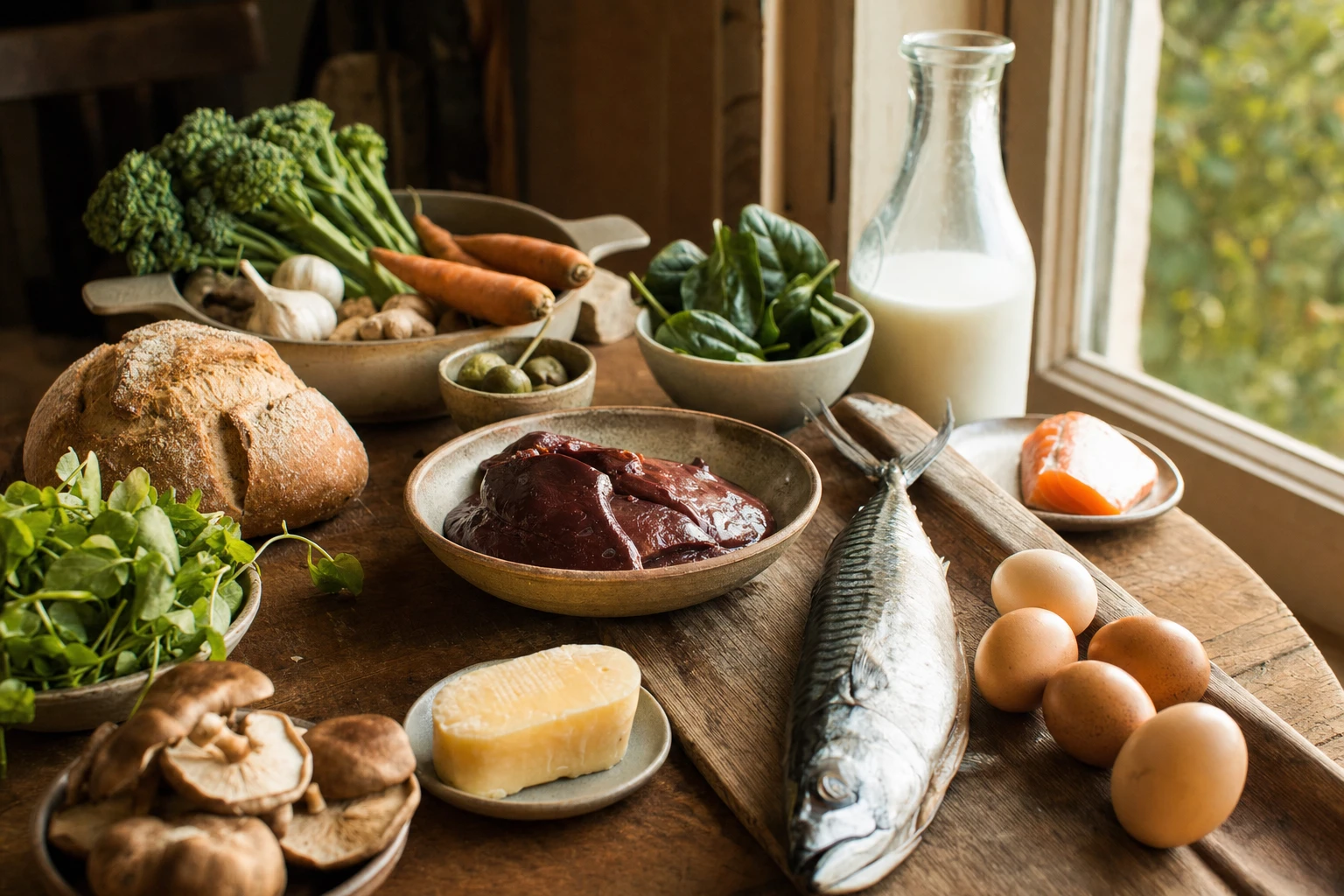
Replace with: bone broth, liver, red meat, oysters, eggs, fish, butter, coconut oil, olive oil, sea salt, vegetables (cooked if you have a sensitive gut), fruit, white rice, honey. These foods are anti-inflammatory not because they contain magic nutrients, but because they're what human bodies are designed to eat. They don't trigger immune activation the way seed oils and processed food do.
Stop fighting your immune system with medication. Stop feeding it the food that's driving it crazy. Heal your gut. Restore your nutrients. Your immune system will reset itself.

1 of 9
Daily blend
100,000+ thriving families4.9 on Trustpilot
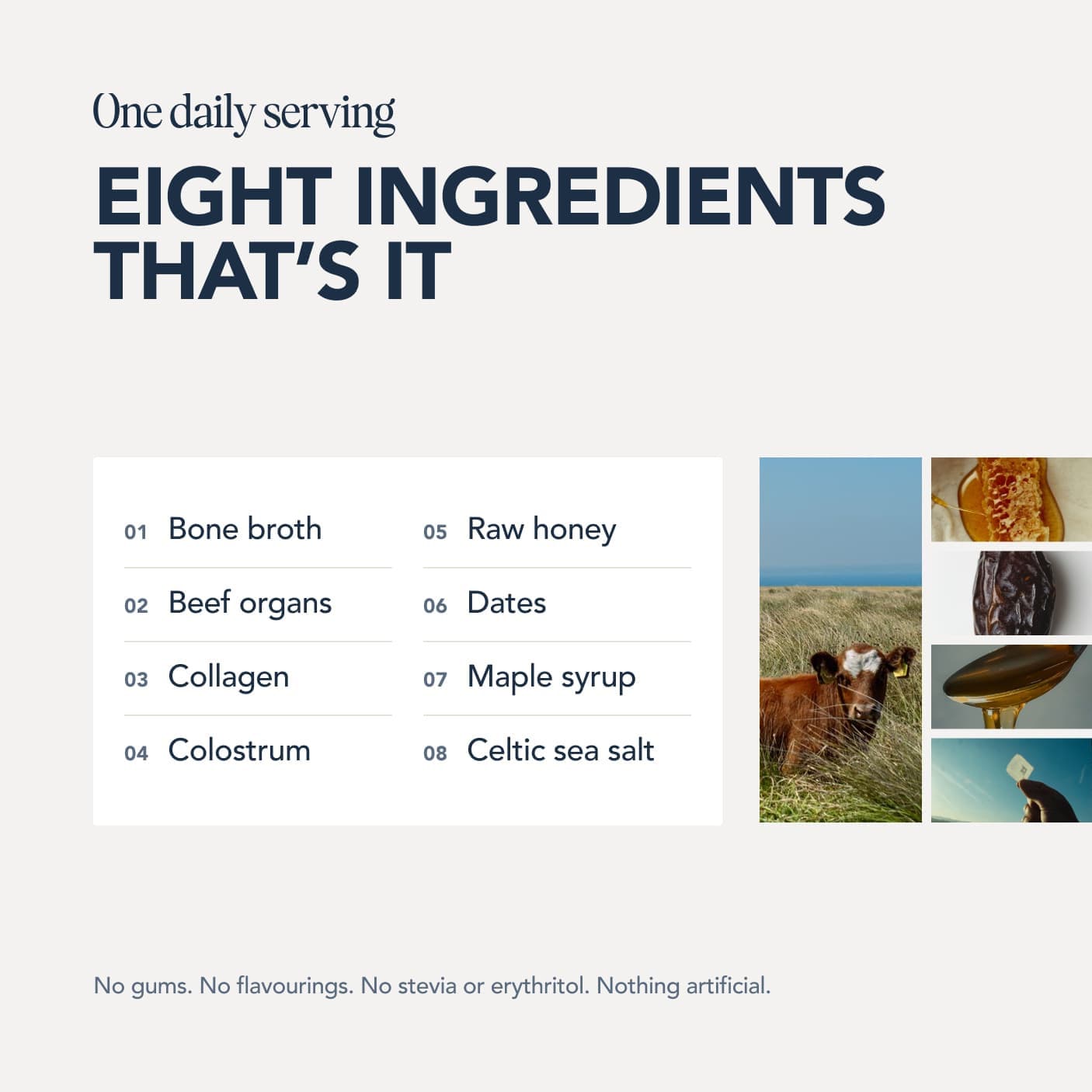
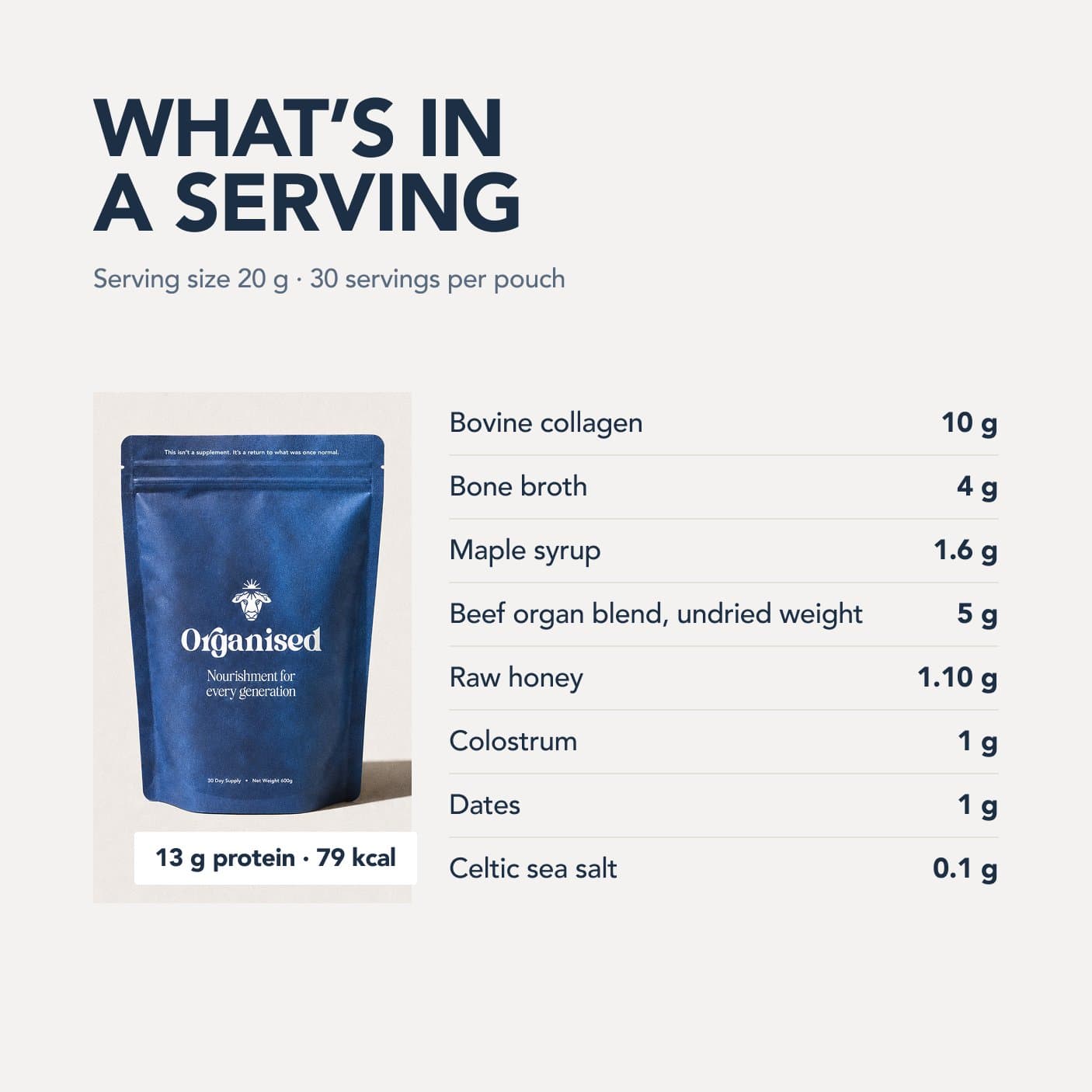
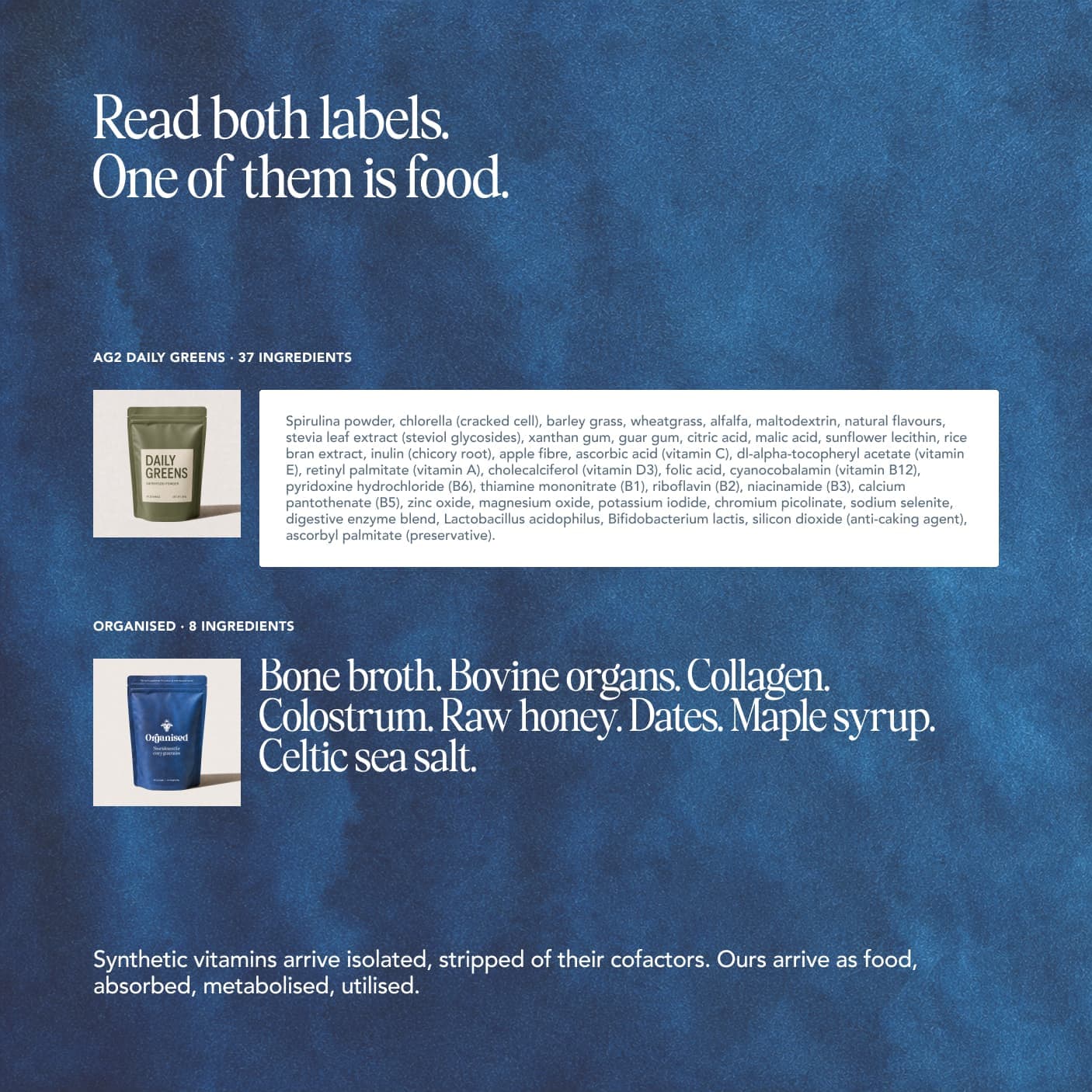
Eight real ingredients built around grass-fed beef organs, collagen and colostrum. Nothing synthetic added.
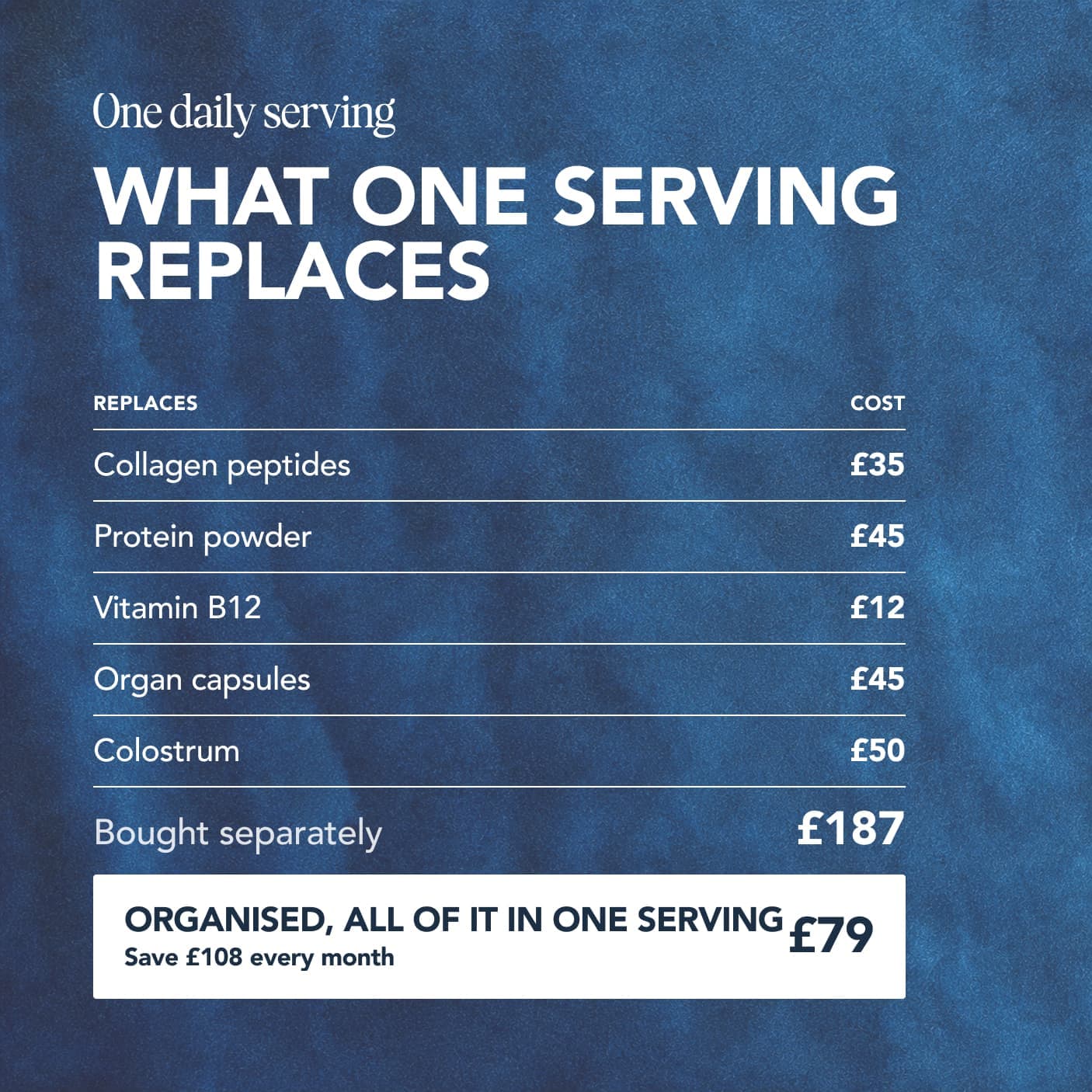
Free with your first order, worth £38. Plus £10 off the pouch with a subscription.

Free UK shipping · Made in England · 100 day money back guarantee on your first pouch · Skip, pause or cancel anytime
What actually helps
The protocol for autoimmunity is consistent: remove the inflammatory triggers, restore nutrient sufficiency, heal the gut barrier, give it time. Expect initial improvement in inflammation markers within four to six weeks. Deeper healing takes eight to twelve weeks. Complete resolution of symptoms or reversal of autoimmune markers can take longer, often three to six months depending on how long you've been unwell.
During this time, you're not replacing medication. You're creating the conditions where your body can heal itself. Some people see dramatic improvements. Some see gradual improvement. Some see symptoms resolve completely. The variable isn't the protocol. It's how early you catch it and how much damage has already occurred. This is why this approach works better for prevention than for late-stage disease.
Work with a practitioner who understands autoimmunity. Medication isn't wrong, particularly if you have active, aggressive autoimmunity. But medication alone never heals autoimmunity. It just suppresses symptoms. Combining medication with genuine nutritional support gives you the best chance of real recovery.
Track your progress. Test your autoimmune markers every eight to twelve weeks. Test your nutrient levels (ferritin, B12, vitamin D, zinc) at baseline and again after three months of nutritional support. The data will show you whether you're moving in the right direction. This is how you know whether to persist with the protocol or whether something needs to shift.

The bottom line
Your autoimmune condition is real. But it's not just genetics. It's the intersection of genetic susceptibility and nutritional deficiency and chronic gut damage and inflammatory food. You can't change your genes. But you can address the other three. Feed your body what it needs. Heal your gut. Remove what's driving inflammation. Your immune system will eventually learn to stop attacking you.
References
Every source below was checked on 27 August 2026. Each PubMed, PMC and DOI identifier was resolved against NCBI or Crossref, and what it opens is printed under the citation, so you can see the link goes where the citation says without leaving the page. Where a citation and its identifier disagreed, the citation was corrected to the record or the reference was deleted along with the sentence marker that pointed at it, and where the resolved paper turned out not to support the sentence, the sentence was cut back to what it does support. Borrowed authority is worse than none, because it looks like rigour.
- Fasano A. Zonulin and its regulation of intestinal barrier function: the biological door to inflammation, autoimmunity, and cancer. Physiol Rev. https://pubmed.ncbi.nlm.nih.gov/21248165/ [accessed May 2026].Checked 27 August 2026: PMID 21248165 opens Fasano A, Zonulin and its regulation of intestinal barrier function: the biological door to inflammation, autoimmunity, and cancer. Physiol Rev 2011;91(1):151-75. PubMed indexes it as: Review.
- Maywald M, Wessels I, Rink L. Zinc Signals and Immunity. Int J Mol Sci. https://pmc.ncbi.nlm.nih.gov/articles/PMC5666901/ [accessed May 2026].Checked 27 August 2026: PMC5666901 opens Maywald M, Wessels I, Rink L, Zinc Signals and Immunity. Int J Mol Sci 2017;18(10). PubMed indexes it as: Review.The authors' own declaration, from the record: The authors declare that they have no conflict of interest.
- Aranow C. Vitamin D and the immune system. J Investig Med. https://pmc.ncbi.nlm.nih.gov/articles/PMC3166406/ [accessed May 2026].Checked 27 August 2026: PMC3166406 opens Aranow C, Vitamin D and the immune system. J Investig Med 2011;59(6):881-6. PubMed indexes it as: Review.
- Murdaca G, Tonacci A, Negrini S, et al. Emerging role of vitamin D in autoimmune diseases: An update on evidence and therapeutic implications. Autoimmun Rev. https://pubmed.ncbi.nlm.nih.gov/31323357/ [accessed May 2026].Checked 27 August 2026: PMID 31323357 opens Murdaca G, Tonacci A, Negrini S et al, Emerging role of vitamin D in autoimmune diseases: An update on evidence and therapeutic implications. Autoimmun Rev 2019;18(9):102350. PubMed indexes it as: Review.
Who wrote and reviewed this guide
Niall Kiddle
Author · Founder, Organised
Niall is the founder of Organised. He started the company in 2024 after fixing his own health the slow way: in 2022 he swapped a cupboard of synthetic supplements for real food, raw milk, organ meats, bone broth and honey, and felt the difference within months.
Areas of expertise: Ancestral nutrition, Organ meats, Whole-food supplementation, Gut health, Regenerative sourcing
Read Niall's full profile
Pedro Rodrigues
Reviewer · Agronomist (farming and sourcing only)
Pedro is the agronomist Organised works with on farming and sourcing. His job on the guides is to keep the science honest: he reviews what we publish about soil health, regenerative agriculture, grazing and the way food is actually produced.
Areas of expertise: Regenerative agriculture, Agronomy, Soil health, Grass-fed farming, Food sourcing
Reviewed this guide on
Read Pedro's full profileMore on immunity
View allBrowse the guides library
All guidesKeep reading

Health goals
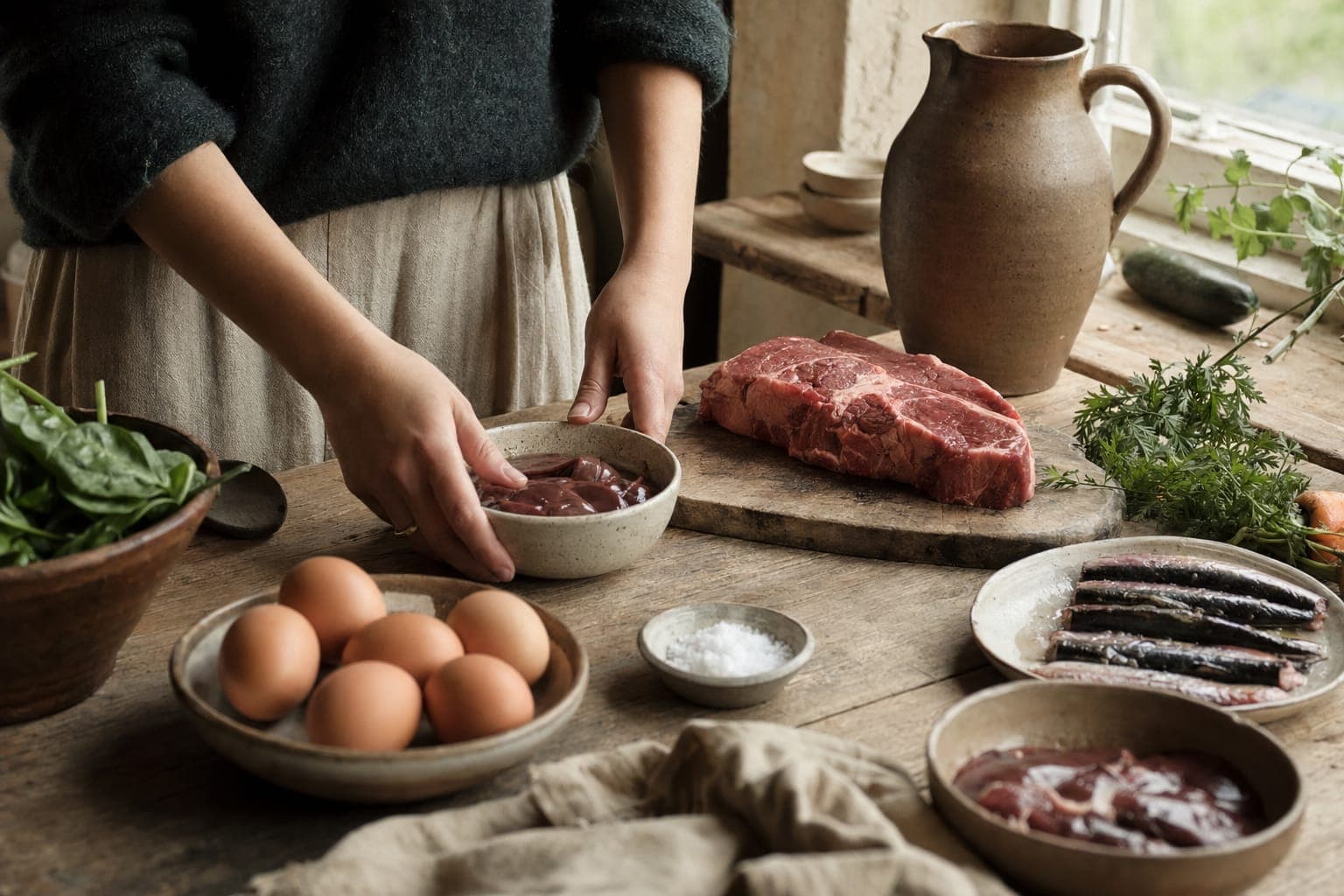
Building Immune Resilience with Whole Food Nutrition
Build lasting immune resilience through whole food nutrition. We explain how vitamin A, zinc, colostrum and gut health work together to support your defences.
Health goals
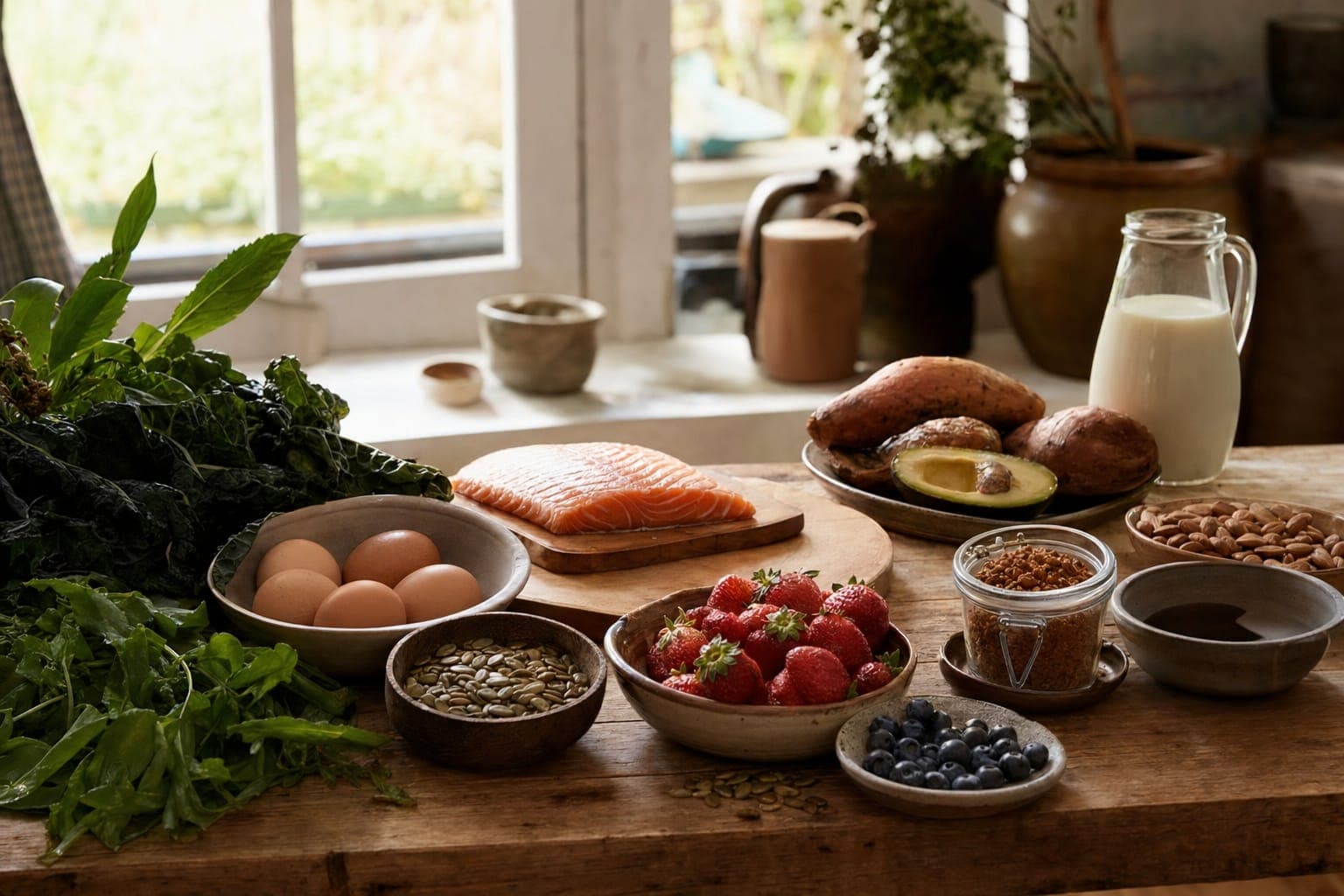
How Nutrient Deficiencies Drive Overeating
You overeat because you're undernourished. Your body is asking for minerals and protein, not calories. Here's how to stop.
Health goals
Acne and Nutrition: What the Latest Research Says
Discover how dairy, processed foods, and nutrient deficiencies trigger acne. Evidence-based diet changes that actually work for clearer skin.
Real food, made effortless
Start my daily blendA few ways to use it
All recipes
Organised Smoothie Bowl Recipes for Every Season
Four seasonal smoothie bowl recipes using Organised. Berry in summer, apple-cinnamon in autumn, tropical in spring, warming chocolate in winter.

Organised Protein Pancakes: A Weekend Favourite
A high-protein pancake recipe using beef protein, eggs, and raw milk. Cooked in cast iron, naturally sweetened with banana and honey. Real food breakfast.
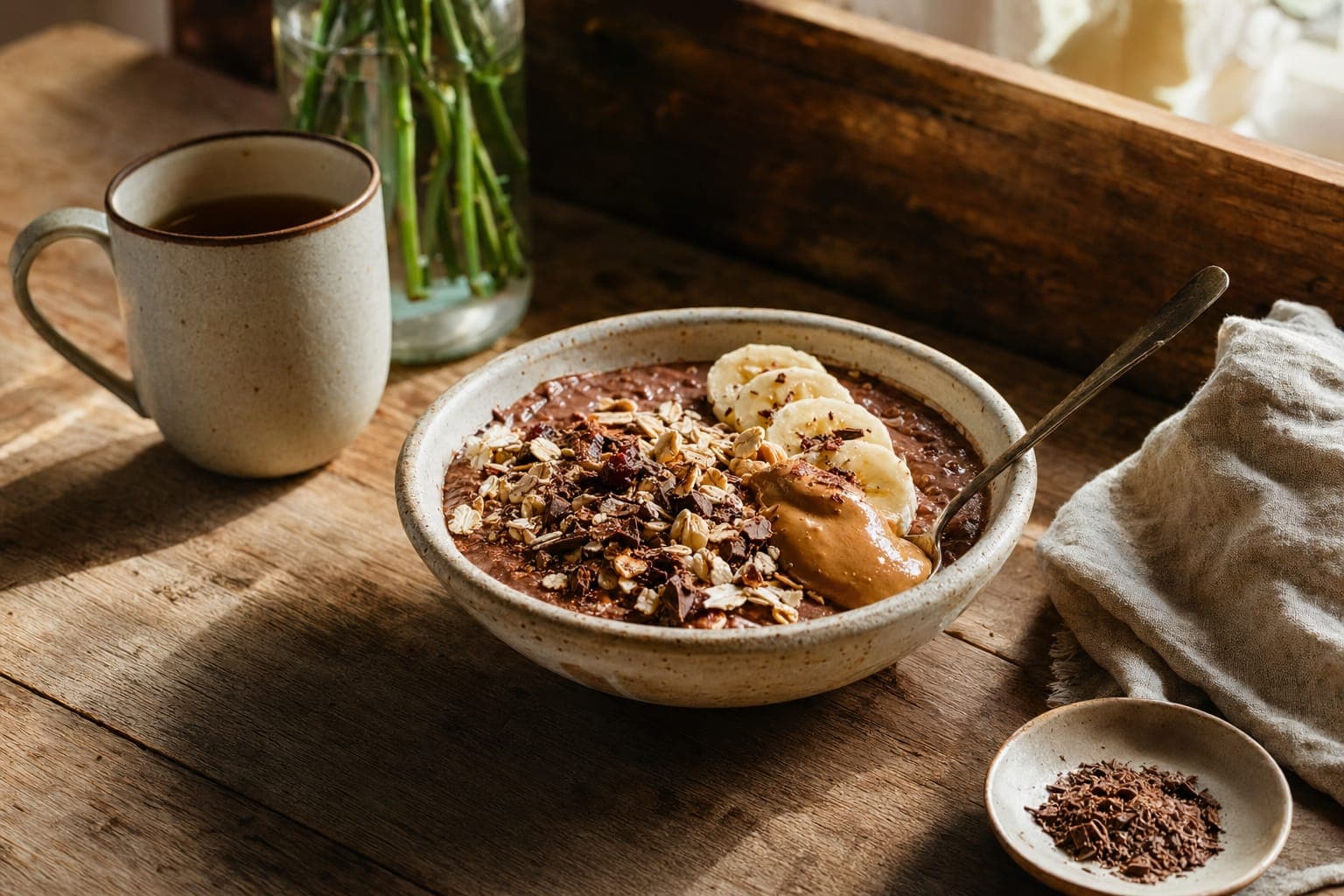
10 Ways to Use Organised That Aren't Just a Shake
Move beyond the basic shake. Discover 10 creative ways to use Organised in smoothie bowls, oats, yoghurt, baking, and more.


 Join over 100,000+ members
Build a better food system with us
The Organised community is thousands of people choosing real food and backing the farmers who grow it, all of us trying to leave the world a little better than we found it. If that is what you care about too, you belong here.