Building Immune Resilience with Whole Food Nutrition
Your immune system isn't separate from your gut. Seventy percent of it lives there. When your gut is healthy, your immune system is resilient. When it's damaged, you catch every cold, every virus. You can't build immunity with supplements alone. You build it with whole food.
By Niall Kiddle, Founder, Organised

Reviewed by Pedro Rodrigues, Agronomist (farming and sourcing only) ·
8 min read · Published · Updated · 5 cited sources
Makers of the Organised Daily blend, a grass-fed beef organ supplement from regenerative UK farms
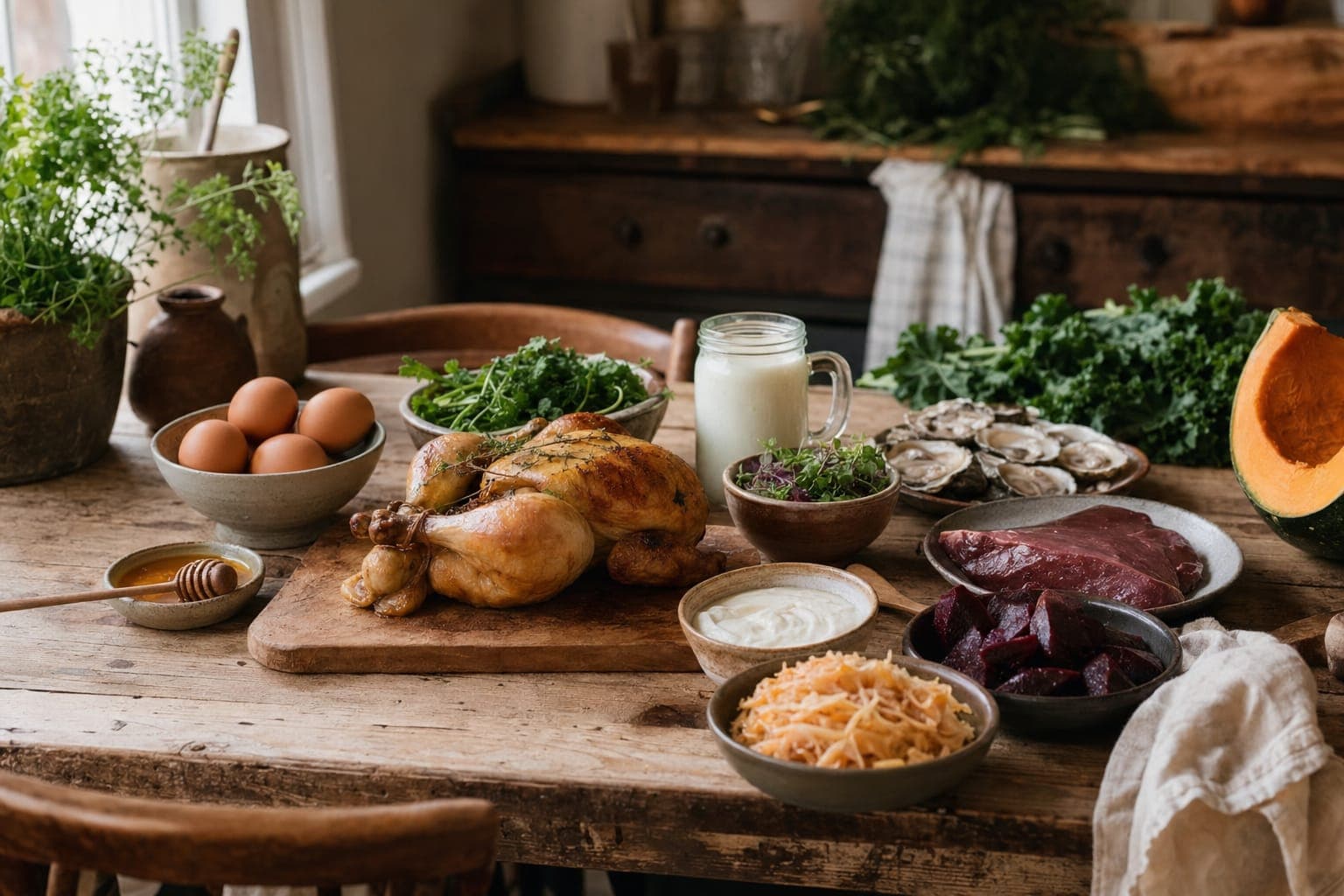
You can't build immunity with supplements alone. You build it with whole food.
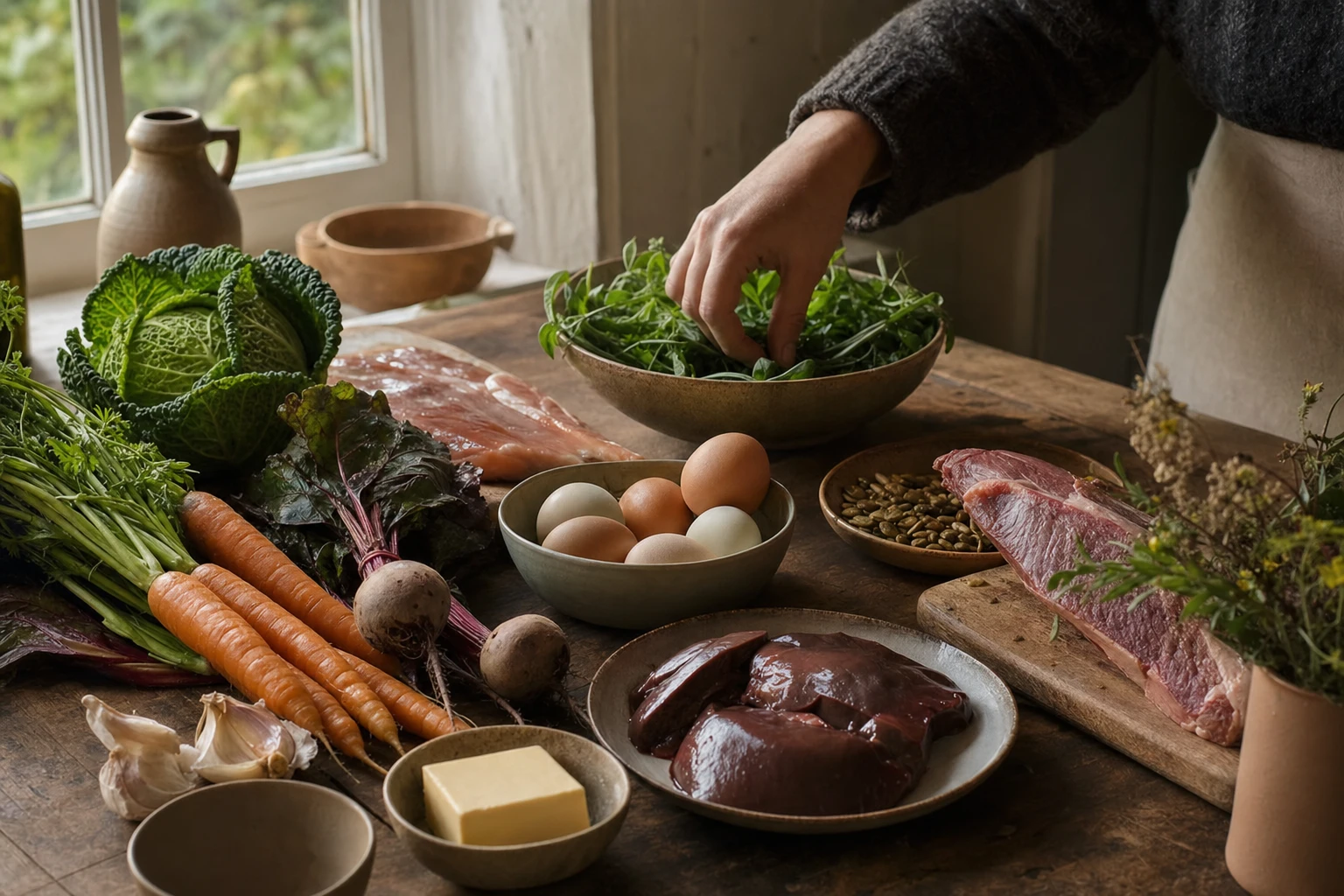
The immune system has two branches
Your innate immune system is your first line of defence. It recognises threats and responds immediately. Your adaptive immune system learns and remembers specific pathogens, building long-term protection.
Both branches depend on specific nutrients. Vitamin A, vitamin D, zinc, selenium, and iron support innate immunity. B vitamins, vitamin C, copper, and zinc support adaptive immunity.
The gut barrier is everything
Your gut lining is only one cell layer thick. It's a barrier between the outside world and your bloodstream. When it's healthy, only digested nutrients pass through. When it's damaged, bacterial lipopolysaccharides, undigested proteins, and pathogens cross into your blood. Your immune system goes into constant overdrive fighting invaders that shouldn't be there.
This is why leaky gut causes autoimmunity and chronic inflammation. Your immune system is exhausted by fighting enemies from the inside.
Healing the gut means eating foods that restore the barrier. Bone broth, colostrum, fermented foods, and whole foods repair the lining and restore the beneficial bacteria that protect you.
A healthy immune system starts with a healthy gut barrier. No supplement can fix a damaged gut lining. Only whole food can.
Vitamin A from organs is non-negotiable
Vitamin A is essential for both innate and adaptive immune function; it supports the integrity of mucosal barriers, regulates immune cell differentiation and signalling, and deficiency increases susceptibility to infection.1
The NIH ODS uses a conversion factor of 12 mcg of dietary beta-carotene per 1 mcg of retinol activity equivalent (RAE), and notes that the body can absorb 70–90% of preformed retinol from food versus only 10–30% of beta-carotene.1
Beef liver contains 30,000 IU of retinol (preformed vitamin A) per 100g serving. One serving provides your weekly vitamin A needs. This is why organ meats are non-negotiable for immunity.
Vitamin D and seasonal illness
Vitamin D modulates innate and adaptive immunity, and a 2017 BMJ individual-participant-data meta-analysis by Martineau and colleagues found that vitamin D supplementation reduced the risk of acute respiratory tract infections, with the largest benefit in those with the lowest baseline vitamin D levels.23
Your body makes vitamin D from sunlight exposure. In winter, sun exposure drops, vitamin D drops, and cold and flu season begins. This isn't coincidence.
Fatty fish like salmon and mackerel provide vitamin D. Egg yolks provide small amounts. But most people need supplementation in winter or need to live in sunnier climates.
Get your vitamin D tested. If it's below 50 ng/mL, supplement or get more sun. Aim for 50-80 ng/mL year-round.
Zinc is your immediate immune response
Zinc is required for normal development and function of cells mediating both innate and adaptive immunity, and zinc deficiency impairs the formation, activation, and maturation of lymphocytes.4
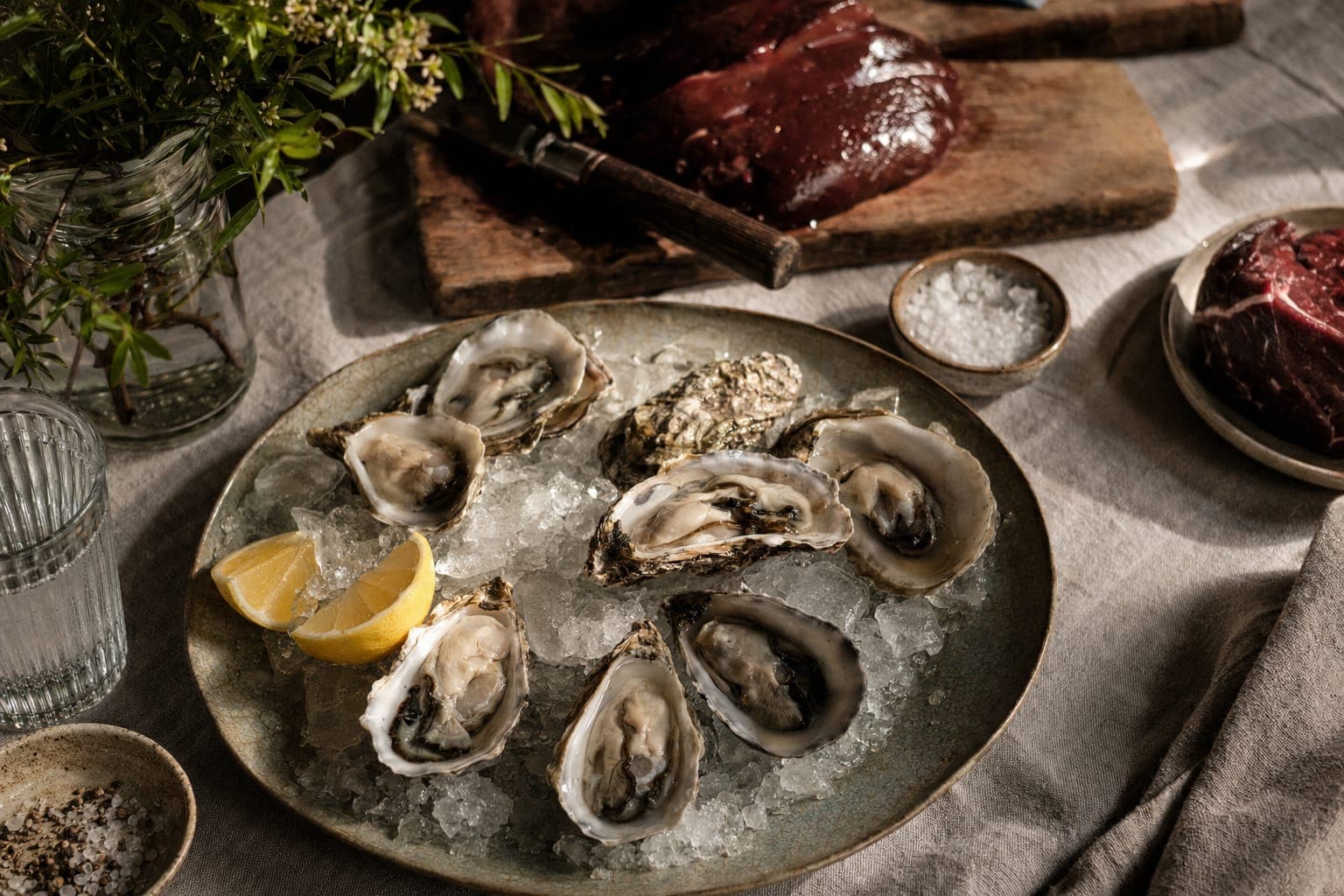
Oysters, beef, and organ meats provide zinc. Plant sources provide minimal bioavailable zinc.
If you feel a cold coming on, zinc lozenges taken immediately can reduce duration and severity. But prevention through consistent dietary zinc is far better than treating deficiency retroactively.
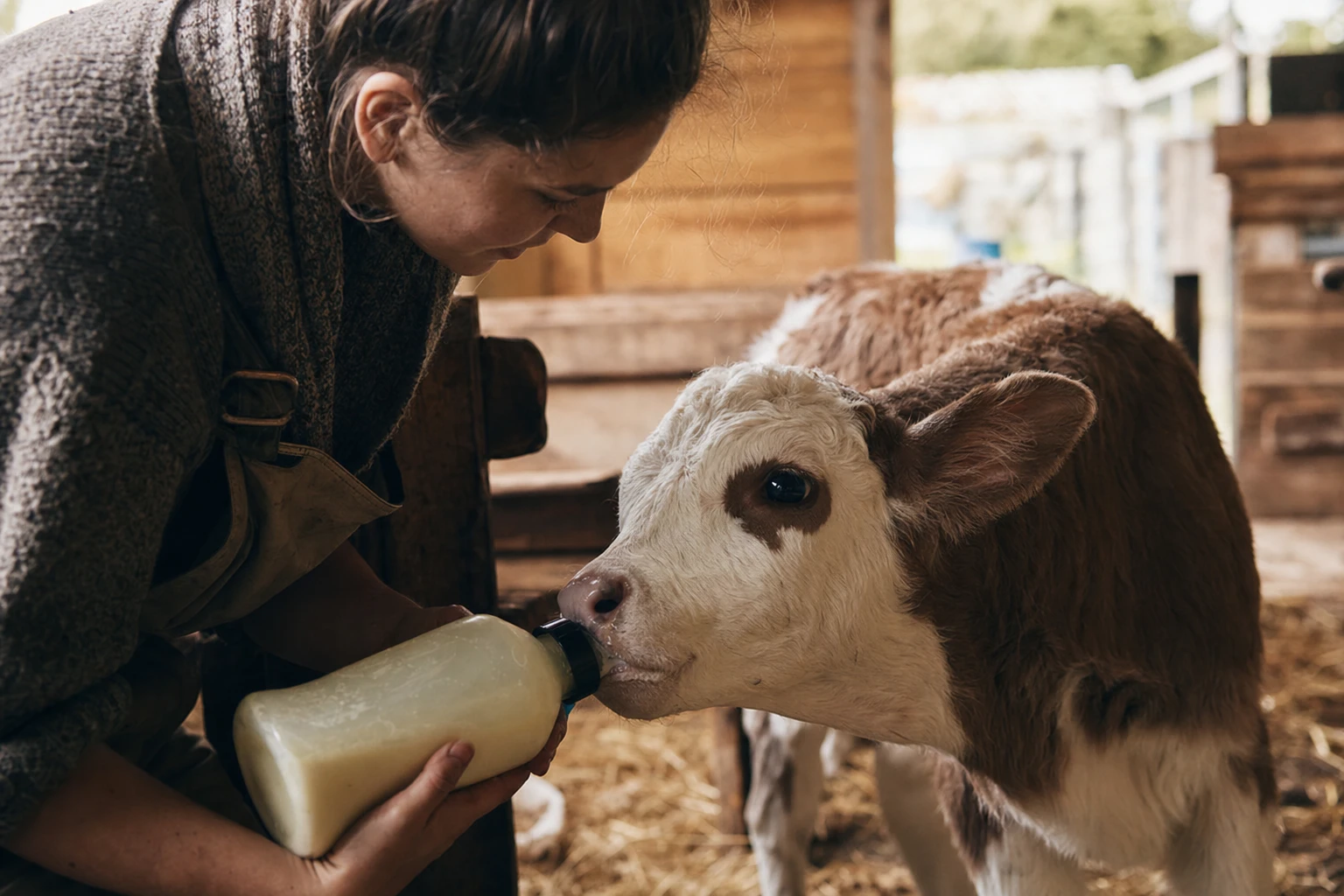
Colostrum and passive immunity
Colostrum is the first milk produced after birth, rich in immunoglobulin G (IgG); IgG accounts for roughly 85–95% of total immunoglobulins in bovine colostrum.5
This is why colostrum is so powerful for immune resilience. It's not just nutrients. It's antibodies that immediately recognise and neutralise pathogens your body hasn't seen before.
Colostrum is expensive, but a small amount daily (around 10-20g) provides immune support that supplements can't match. It's particularly valuable during cold and flu season.
Colostrum provides passive immunity through immunoglobulin G. It's like borrowing the immune system of the cow that produced it. Take it during cold and flu season and your risk of infection drops noticeably.
Bone broth and the microbiome
Bone broth provides gelatin and glycine, which heal the gut barrier. It also provides minerals that support immune function. And it's nutrient-dense without being hard on a compromised digestive system.
A damaged gut can't handle heavy meals. But it can handle bone broth. This makes broth one of the best foods for immune recovery.
Fermented foods like sauerkraut, kefir, and aged cheeses restore beneficial bacteria. These bacteria produce short-chain fatty acids that feed your gut cells and produce vitamins like B12 and K2.
Selenium and the antioxidant system
Selenium is a cofactor for glutathione peroxidase, your cells' primary antioxidant defence. It protects white blood cells from oxidative damage as they fight pathogens.
Brazil nuts provide selenium. Fish and beef provide it. Most people get some selenium, but many are marginal.
Chronic viral infections deplete selenium rapidly. If you've had a persistent viral infection, your selenium is likely low.
IgA antibodies and mucosal immunity
Your mouth, throat, and digestive tract have their own immune system: mucosal immunity. It produces secretory IgA antibodies that line these surfaces and prevent pathogens from penetrating.
When your mucosal immunity is strong, viruses can't establish infection. When it's weak, viruses take hold easily. Colostrum contains IgA, which directly supports mucosal immunity.
Gut dysbiosis destroys mucosal immunity. Healing the microbiome through fermented foods and bone broth restores IgA production and mucosal defence.
Sleep consolidates immune memory
Your immune system fights pathogens during waking hours, but it consolidates memory of those pathogens during sleep. This is why sleep deprivation increases infection risk and why people who sleep poorly catch every virus.
Sleep quality depends on magnesium and minerals. Sleep duration requirements are 7-9 hours nightly. Without this, your immune system never consolidates the defence against pathogens you've encountered.
This is why sleep is as important as nutrition for immunity. You can eat perfectly but if you're sleep-deprived, your immune system is compromised.
Get health guides like this, free
Two short reads a week on eating for energy, gut health, skin, sleep and more.
By signing up you agree to receive emails from us. No spam, unsubscribe anytime.
Stress and immune suppression
Chronic stress elevates cortisol, which suppresses immune function acutely. High cortisol reduces white blood cell production and reduces immune memory formation.
This is why stressed people catch more colds. Their immune system is actively suppressed by stress hormones. Reducing stress isn't optional for immune health. It's foundational.
The protocol for immune resilience
- Eat organ meats 2-3 times weekly. Beef liver provides vitamin A and minerals. This is the foundation of immune health.
- Eat oysters or shellfish weekly. Provides zinc and selenium. A dozen oysters is powerful immune support.
- Drink bone broth 3-4 times weekly. Heals the gut lining and provides minerals. The foundation of a healthy immune system.
- Eat fermented foods daily. Sauerkraut, kefir, aged cheeses. These restore beneficial bacteria.
- Get vitamin D tested and supplement if low. Aim for 50-80 ng/mL year-round.
- Take colostrum during cold and flu season. 10-20g daily provides passive immunity.
- Sleep 7-9 hours nightly. Sleep is when your immune system consolidates memory of pathogens.
- Reduce stress. Chronically elevated cortisol suppresses immune function.
The role of fibre in immune function
Fibre feeds beneficial bacteria, which produce short-chain fatty acids (particularly butyrate). These fatty acids feed your gut cells and support immune tolerance.
Without adequate fibre, your microbiome collapses, your gut barrier deteriorates, and your immune system becomes overactive and uncontrolled.
Vegetables, fruits, and whole grains provide fibre. But fibre also contains plant defence chemicals that can damage your gut if you're sensitive. Cooked vegetables are easier to digest than raw. Start with cooked vegetables and work up to raw.
Nutrient timing for immune response
When you're fighting infection, your immune system requires constant nutrient supply. Eating regular meals maintains the energy your immune system needs.
During acute infection, eat small, nutrient-dense meals frequently rather than large meals that are hard to digest. Bone broth, cooked meat, cooked vegetables, and simple carbohydrates are ideal.
Fasting during infection weakens your immune response. Eating adequate calories supports faster recovery.
Seasonal immune preparation
Rather than waiting for cold season to arrive, prepare your immune system during summer and autumn.
Build your ferritin, vitamin D, and mineral stores during warm months when food is abundant. Sleep quality improves with longer daylight. Stress often decreases.
When cold season arrives, your immune system is already fortified. This is why people who prepare nutritionally in autumn often avoid winter illness entirely.
Antimicrobial foods beyond supplements
Garlic, ginger, honey, and turmeric have antimicrobial properties that support immune function. But they work best when eaten as whole food, not as supplements.
Raw garlic is most potent. Ginger tea with honey and lemon is a traditional and effective remedy. Turmeric with black pepper (which increases absorption) supports inflammation control.
These aren't magical, but they support immune function through multiple mechanisms when eaten regularly, not just during acute infection.

1 of 9
Daily blend
100,000+ thriving families4.9 on Trustpilot
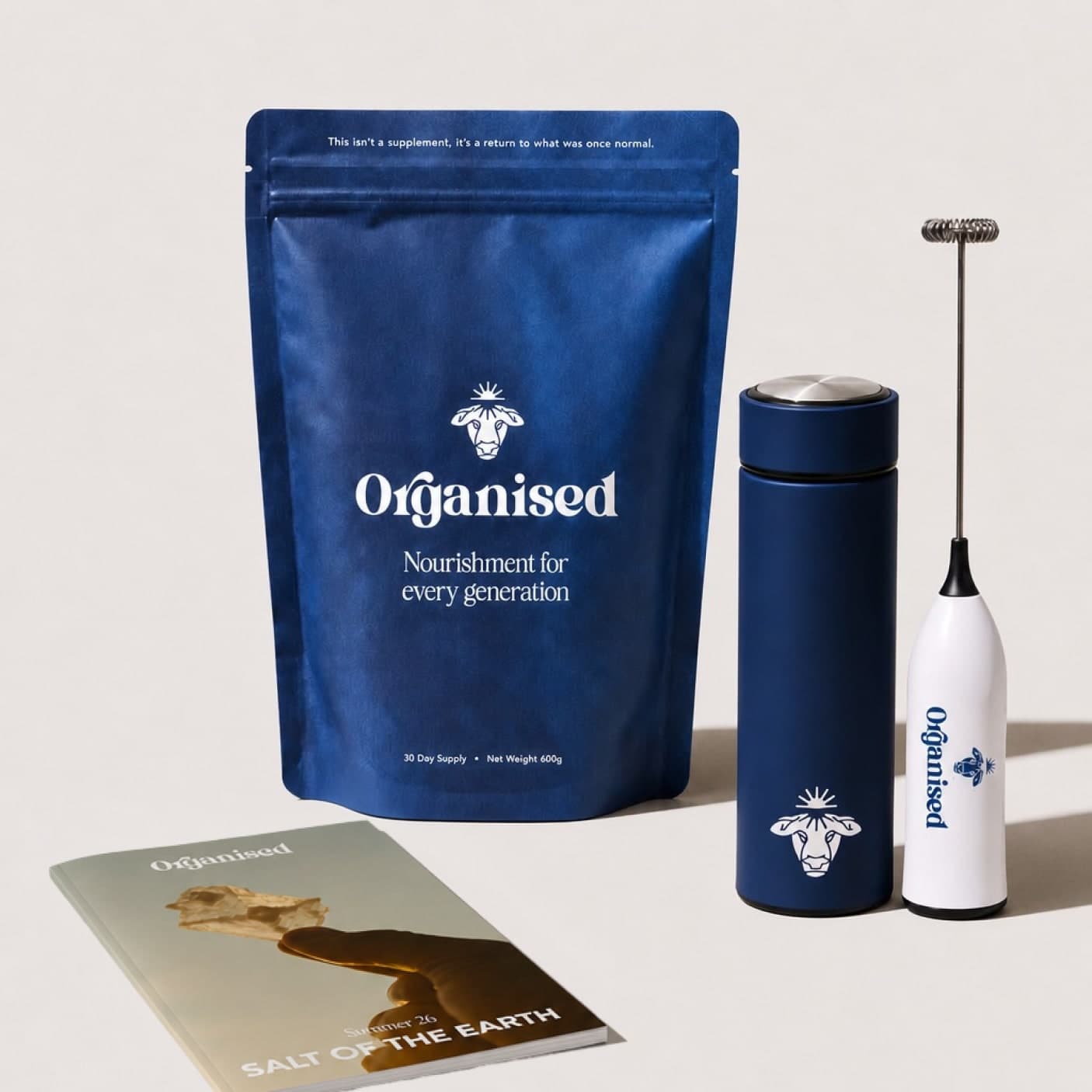
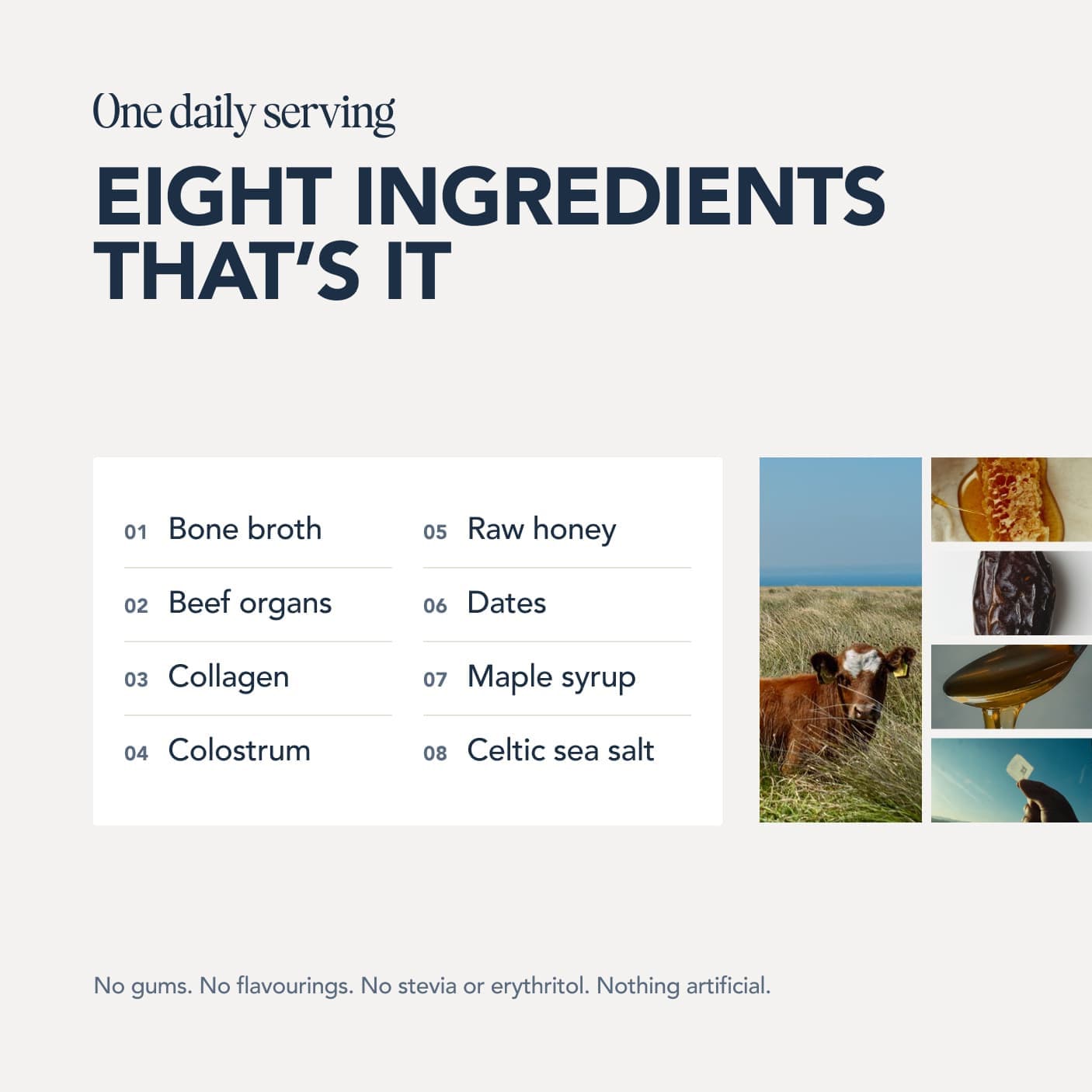
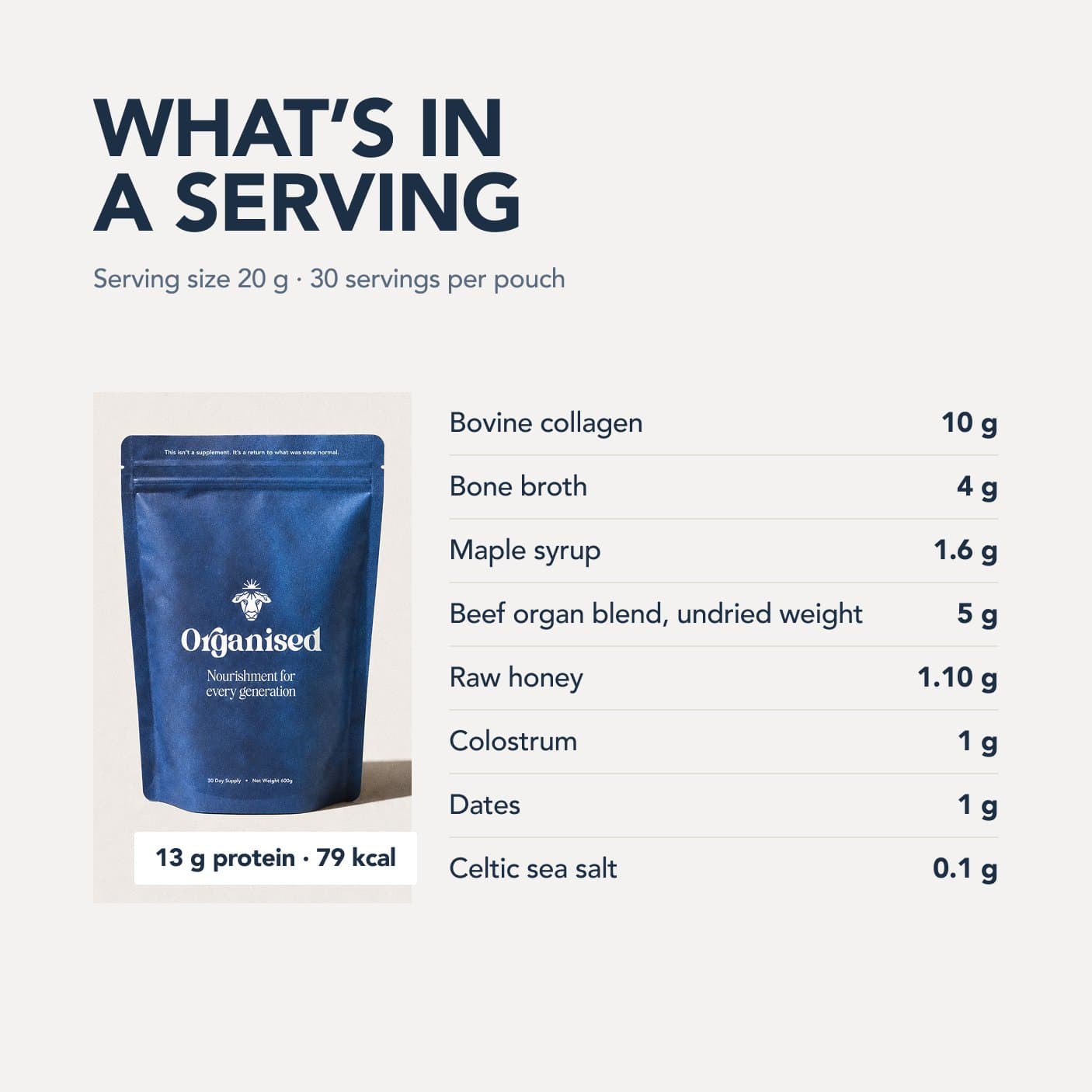
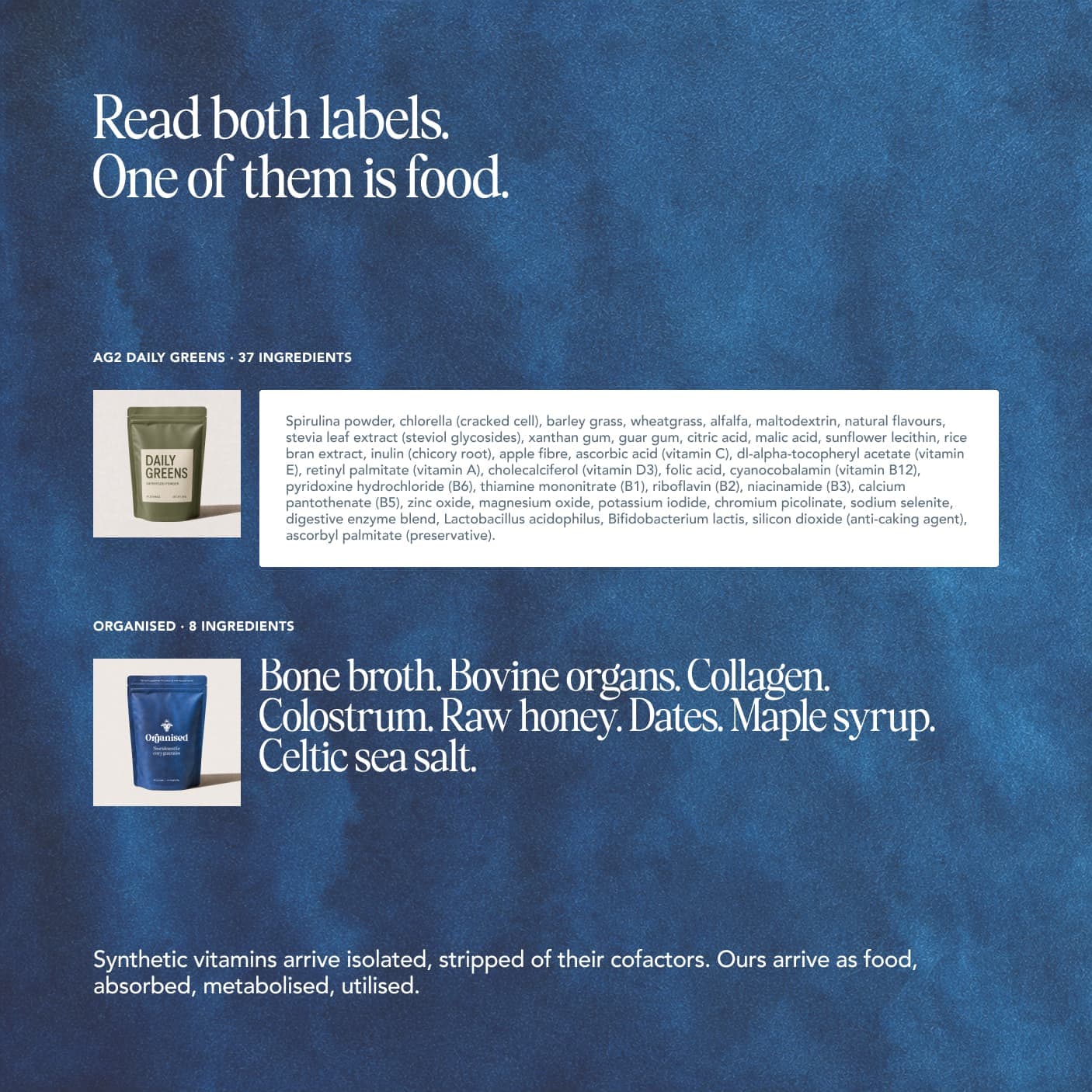
Eight real ingredients built around grass-fed beef organs, collagen and colostrum. Nothing synthetic added.
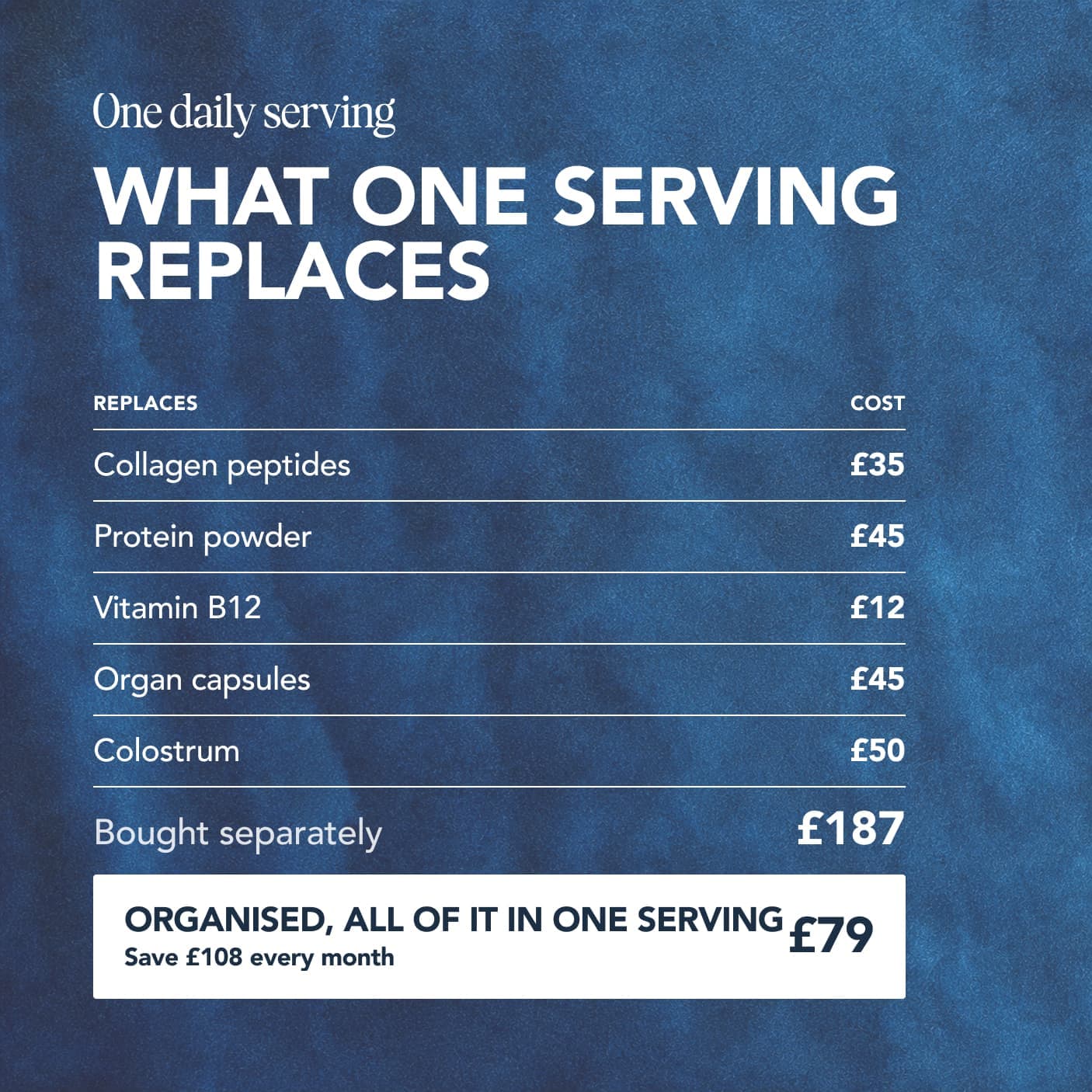
Free with your first order, worth £38. Plus £10 off the pouch with a subscription.
Free UK shipping · Made in England · 100 day money back guarantee on your first pouch · Skip, pause or cancel anytime
Specific nutrients for respiratory immunity
Your respiratory tract (nose, throat, lungs) is the primary entry point for viruses. It has its own immune system separate from your gut.
Zinc lozenges work because they directly coat the respiratory tract with zinc, creating a hostile environment for viruses trying to establish infection there.
Vitamin A supports respiratory mucosa integrity. Vitamin C supports white blood cell function in the lungs. Together these nutrients create a defensive layer that prevents viral penetration.
This is why respiratory-specific nutrients (zinc, vitamins A and C) are so valuable during cold and flu season.
Stress hormones and immune suppression
Cortisol suppresses immune function within hours of elevation. This is why people under intense stress during cold season get sick more often.
Managing stress isn't optional for immunity. It's foundational. The person eating perfectly but under chronic stress will have worse immunity than the person eating adequately with low stress.
Magnesium, potassium, and sleep support stress regulation and keep cortisol in a healthy range. Without these, stress will suppress immunity no matter what else you do.
Supplementation during immune challenge
During cold and flu season, consider additional support beyond whole food.
Zinc lozenges at the first sign of symptoms. Vitamin D if levels are low (below 50 ng/mL). Colostrum if affordable, 10-20g daily during high-risk seasons.
These supplements accelerate recovery and prevention, but they supplement whole food rather than replace it. Whole food provides the foundation. Supplements provide targeted support.
The bottom line
Immune resilience comes from consistent nutrition, not from emergency supplementation. Eat organ meats regularly. Drink bone broth. Get your vitamin D tested. Sleep properly. Your immune system will respond to threats quickly and effectively instead of allowing every virus to take hold.
References
Every source below was checked on 27 August 2026. Each PubMed, PMC and DOI identifier was resolved against NCBI or Crossref, and what it opens is printed under the citation, so you can see the link goes where the citation says without leaving the page. Where a citation and its identifier disagreed, the citation was corrected to the record or the reference was deleted along with the sentence marker that pointed at it, and where the resolved paper turned out not to support the sentence, the sentence was cut back to what it does support. Borrowed authority is worse than none, because it looks like rigour.
- National Institutes of Health, Office of Dietary Supplements. Vitamin A and Carotenoids — Health Professional Fact Sheet. https://ods.od.nih.gov/factsheets/VitaminA-HealthProfessional/
- Martineau AR, et al. Vitamin D supplementation to prevent acute respiratory tract infections: systematic review and meta-analysis of individual participant data. BMJ. 2017;356:i6583. https://pmc.ncbi.nlm.nih.gov/articles/PMC5310969/Checked 27 August 2026: PMC5310969 opens Martineau AR, Jolliffe DA, Hooper RL et al, Vitamin D supplementation to prevent acute respiratory tract infections: systematic review and meta-analysis of individual participant data. BMJ 2017;356:i6583. PubMed indexes it as: Meta-Analysis, Systematic Review.The authors' own declaration, from the record: Competing interests: All authors have completed the ICMJE uniform disclosure form at www.icmje.org/coi_disclosure.pdf and declare financial support for this work from the National Institute for Health Research under its Health Technology Assessment programme. No author has had any financial relationship with any organisations that might have an interest in the submitted work in the previous three years. No author … (abridged; the full declaration is on the record)
- National Institutes of Health, Office of Dietary Supplements. Vitamin D — Health Professional Fact Sheet. https://ods.od.nih.gov/factsheets/VitaminD-HealthProfessional/
- National Institutes of Health, Office of Dietary Supplements. Zinc — Health Professional Fact Sheet. https://ods.od.nih.gov/factsheets/Zinc-HealthProfessional/
- Ahmann J, Steinhoff-Wagner J, Büscher W. Determining Immunoglobulin Content of Bovine Colostrum and Factors Affecting the Outcome: A Review. Animals. 2021. https://pmc.ncbi.nlm.nih.gov/articles/PMC8697873/Checked 27 August 2026: PMC8697873 opens Ahmann J, Steinhoff-Wagner J, Büscher W, Determining Immunoglobulin Content of Bovine Colostrum and Factors Affecting the Outcome: A Review. Animals (Basel) 2021;11(12). PubMed indexes it as: Review.The authors' own declaration, from the record: The authors declare no conflict of interest. The funders had no role in the design of the study; in the collection, analyses, or interpretation of data; in the writing of the manuscript, or in the decision to publish the results.
Corrections
What this page used to say, and why it no longer says it. Corrections are dated and are never removed, because deleting the record of an error is a second error. Every guide we have corrected is listed at our corrections log.
- 27 August 2026. Reference 5 was credited to “Arslan A, et al.” The record is by Ahmann, Steinhoff-Wagner and Büscher. Corrected.
Who wrote and reviewed this guide
Niall Kiddle
Author · Founder, Organised
Niall is the founder of Organised. He started the company in 2024 after fixing his own health the slow way: in 2022 he swapped a cupboard of synthetic supplements for real food, raw milk, organ meats, bone broth and honey, and felt the difference within months.
Areas of expertise: Ancestral nutrition, Organ meats, Whole-food supplementation, Gut health, Regenerative sourcing
Read Niall's full profile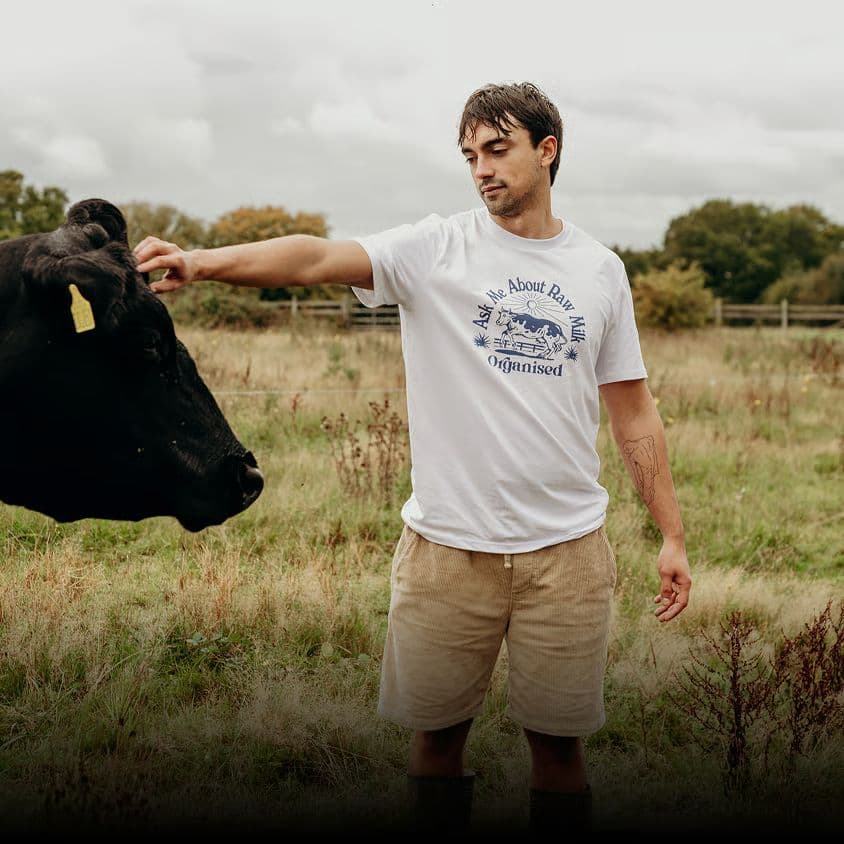
Pedro Rodrigues
Reviewer · Agronomist (farming and sourcing only)
Pedro is the agronomist Organised works with on farming and sourcing. His job on the guides is to keep the science honest: he reviews what we publish about soil health, regenerative agriculture, grazing and the way food is actually produced.
Areas of expertise: Regenerative agriculture, Agronomy, Soil health, Grass-fed farming, Food sourcing
Reviewed this guide on
Read Pedro's full profileMore on immunity
View allBrowse the guides library
All guidesKeep reading
Health goals
Why Zinc Is the Most Underrated Immune Nutrient
Discover how zinc supports your immune system, driving T cell function and immune memory, and why whole foods like oysters and organs beat lozenges. Read on.
Health goals
SIBO: What It Is and How Nutrition Can Help
Understand SIBO, the migrating motor complex, and how nutrition supports recovery. Meal spacing, bitters, and non-fermented approaches.

Health goals
How to Build Collagen Naturally Without Injections
Build collagen from the inside out. Bone broth, connective tissue cuts, vitamin C, and glycine create more youthful skin than any injection.
Real food, made effortless
Start my daily blendA few ways to use it
All recipes
10 Ways to Use Organised That Aren't Just a Shake
Move beyond the basic shake. Discover 10 creative ways to use Organised in smoothie bowls, oats, yoghurt, baking, and more.
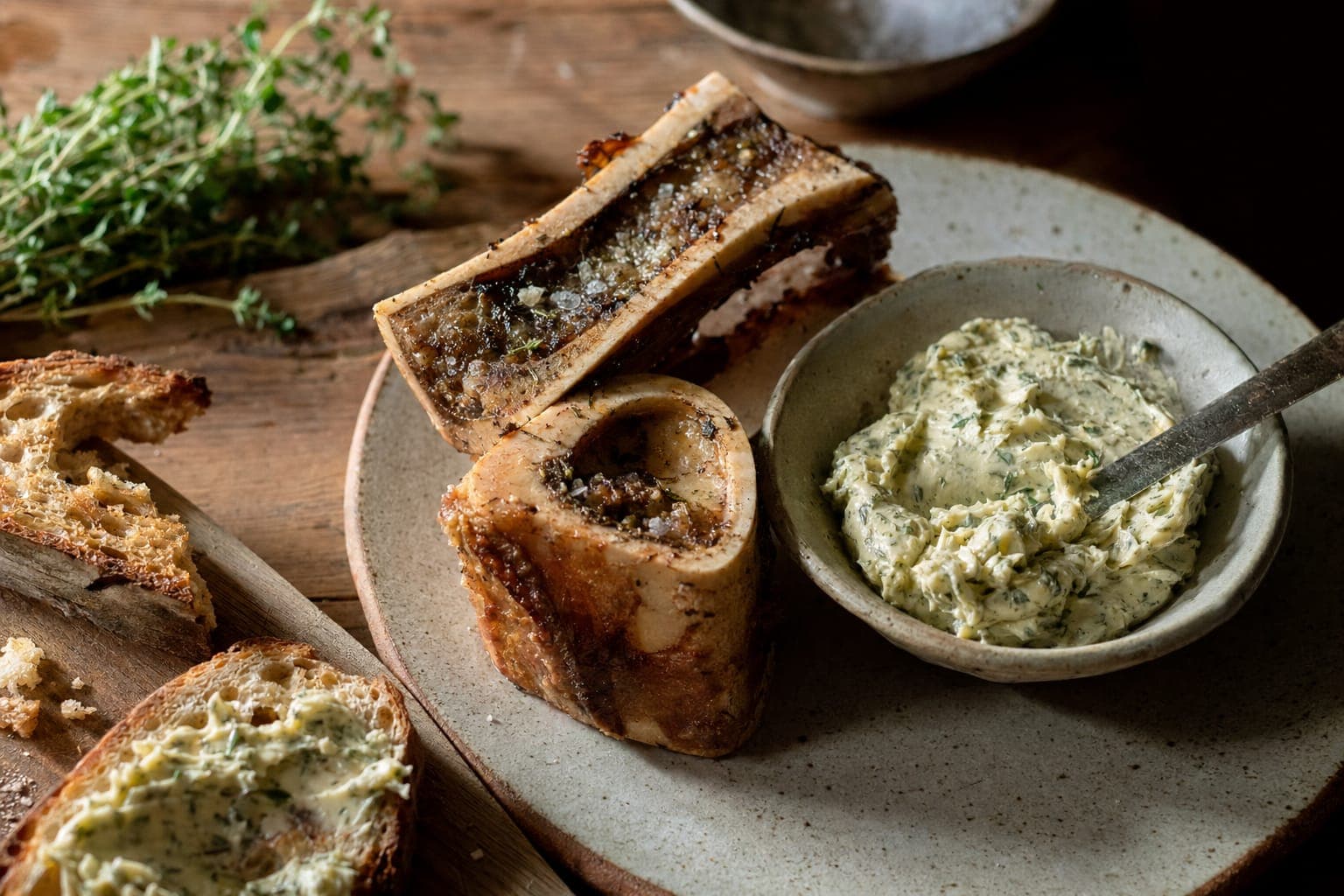
How to Make Bone Marrow Butter
Roast grass-fed marrow bones, scoop the marrow, and mix with butter and herbs. A nutrient-dense spread with fat-soluble vitamins.
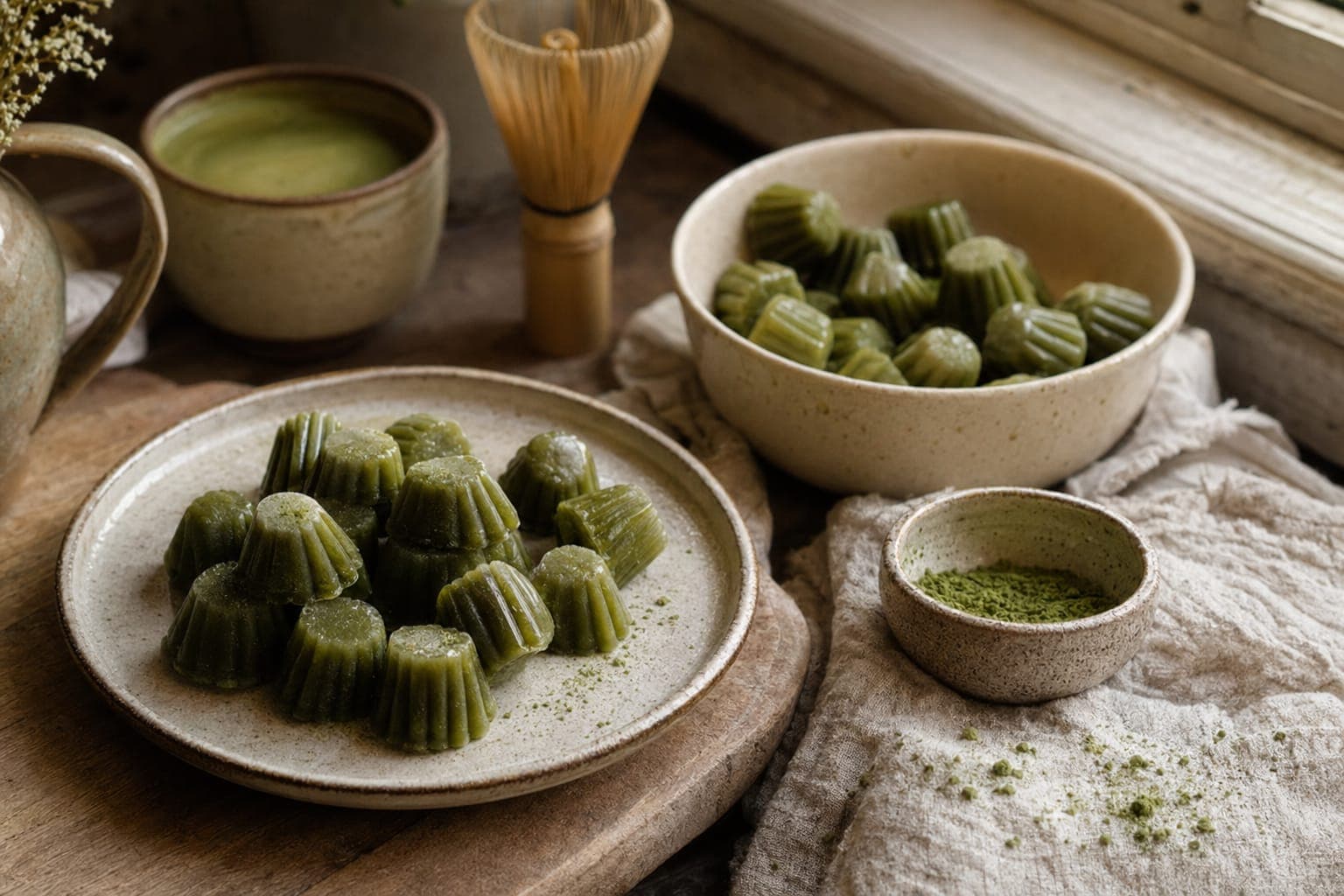
Matcha Latte Gummies with Collagen and Gelatine
Make visually stunning matcha latte gummies infused with collagen and gelatine. Simple recipe for gut-healing sweets you'll actually want to eat.


 Join over 100,000+ members
Build a better food system with us
The Organised community is thousands of people choosing real food and backing the farmers who grow it, all of us trying to leave the world a little better than we found it. If that is what you care about too, you belong here.