What Blue Zone Diets Actually Have in Common
There's a popular story about blue zones: places where people live past 100 and stay healthy. The story gets garbled quickly. Someone claims blue zones are vegan. Someone else claims they're high-carb. Someone else finds an excuse to sell supplements. The actual pattern is much simpler and less convenient for marketing.
By Niall Kiddle, Founder, Organised

Reviewed by Pedro Rodrigues, Agronomist (farming and sourcing only) ·
7 min read · Published · Updated · 3 cited sources
Makers of the Organised Daily blend, a grass-fed beef organ supplement from regenerative UK farms
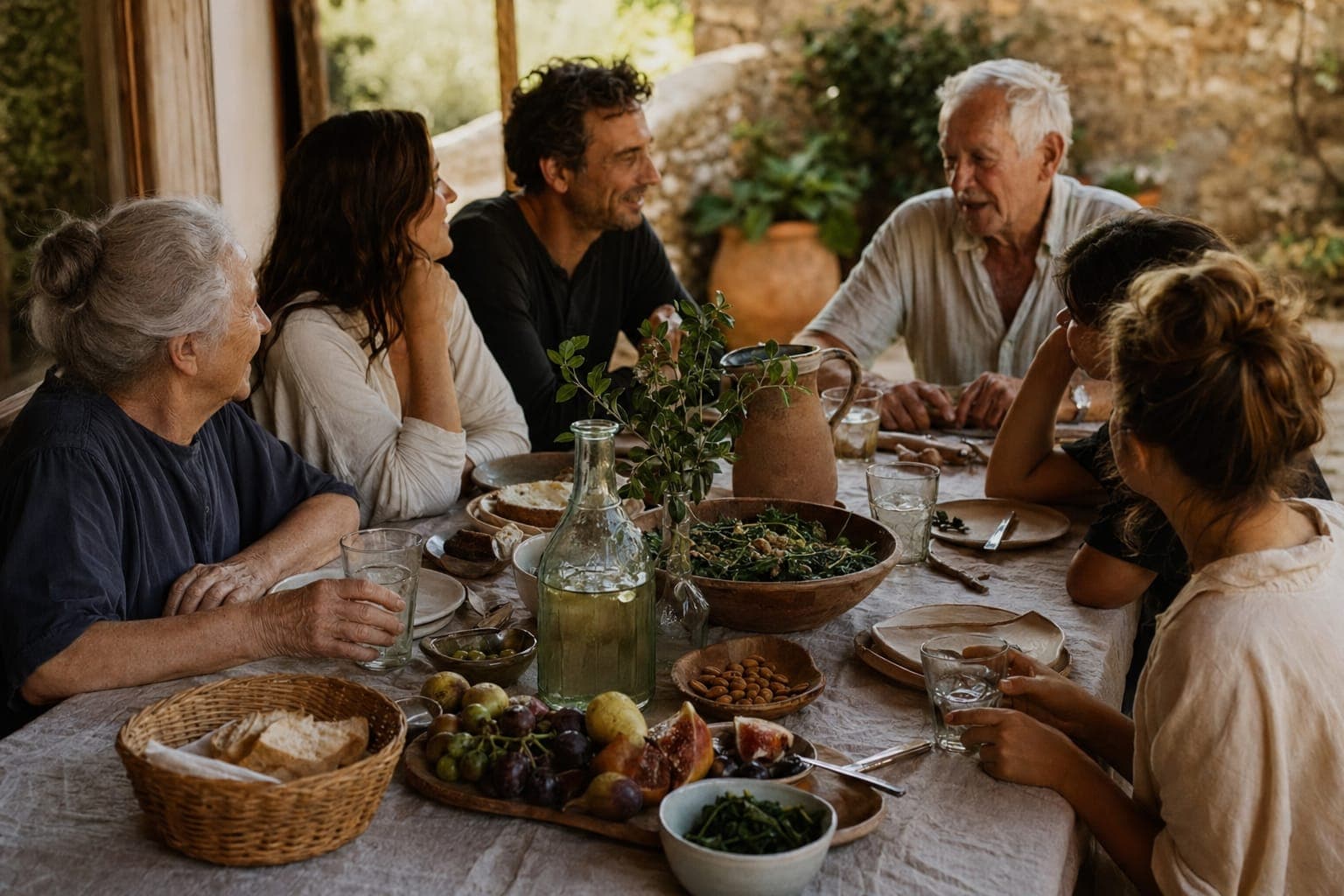
The term "blue zone" was coined by researcher Dan Buettner to describe five regions where people have exceptional longevity and healthspan. The regions are Sardinia, Okinawa, Nicoya, Ikaria, and Loma Linda.1 But they don't share a single diet. Understanding what they actually share is more useful than pretending they all follow some hidden nutritional secret.
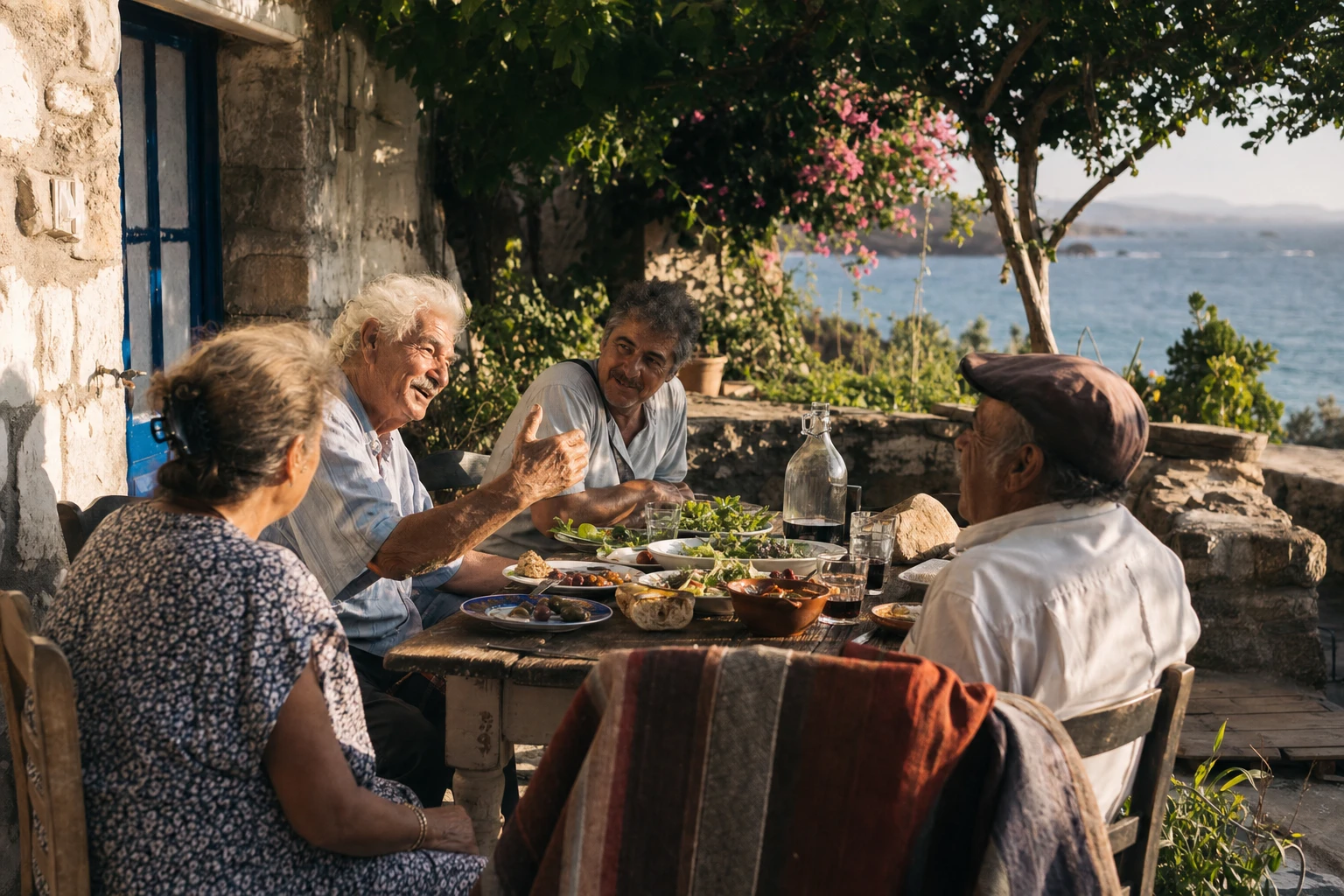
The five blue zones identified
Sardinia (specifically the Nuoro region in Ogliastra) has the highest concentration of male centenarians in the world. Okinawa, Japan has the highest concentration of female centenarians and reports very low rates of chronic disease until late in life. Nicoya, Costa Rica has the second-highest concentration of male centenarians globally. Ikaria, Greece, is noted for its low rates of dementia and cardiovascular disease. Loma Linda, California, is a Seventh-day Adventist community with significantly higher life expectancy than the surrounding population.
These regions are geographically and culturally different. They eat different foods, follow different religions, and have different economic conditions. The fact that they all have exceptional longevity suggests that whatever they share, it's more fundamental than diet composition.
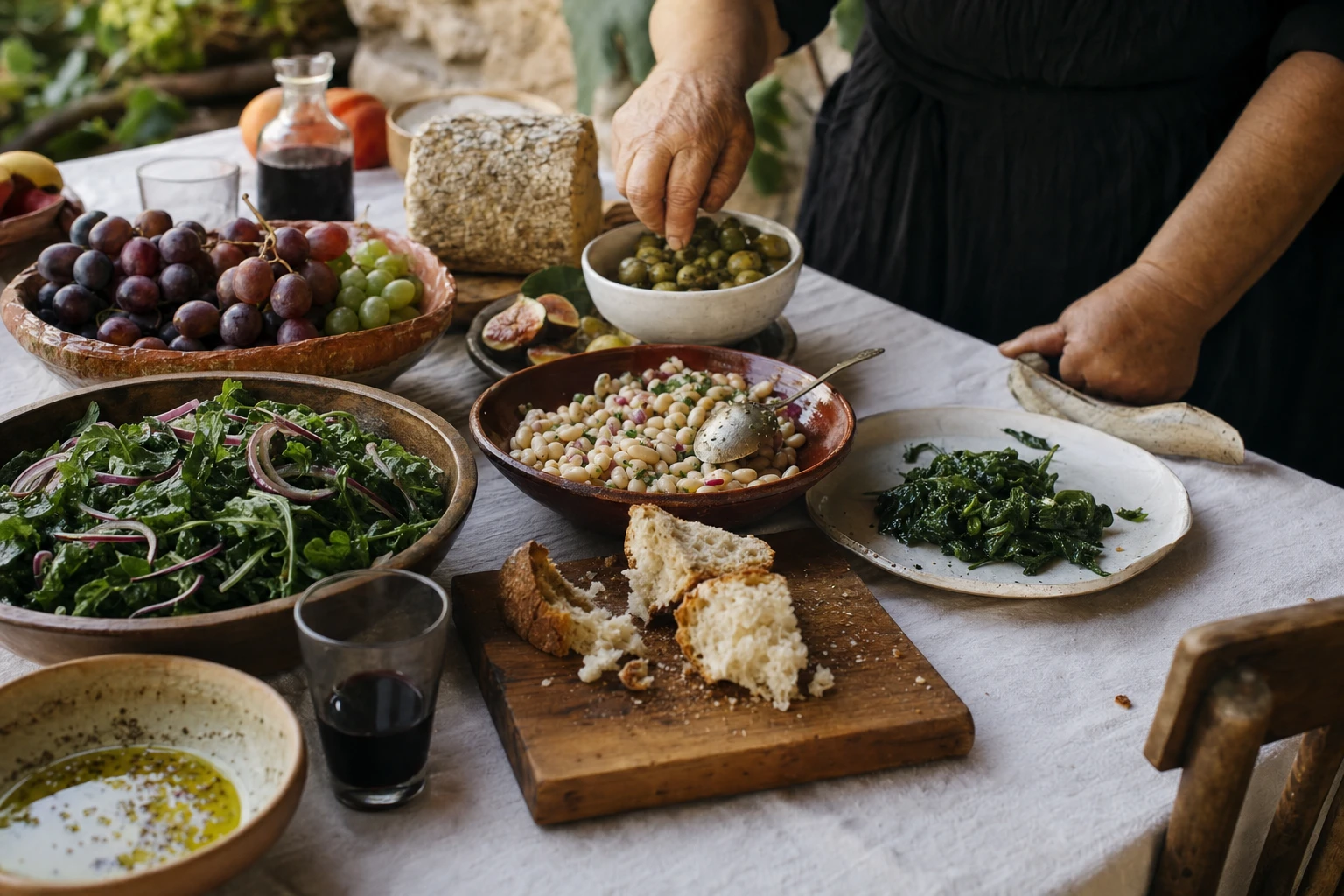
Sardinia: pastured animals and wine
The Sardinian longevity population is not vegetarian. They eat a lot of meat, particularly from pastured sheep and goats. They eat full-fat cheese, bread, vegetables, and surprisingly, they drink wine with meals. The calorie proportion from carbohydrates is moderate (around 40 to 50 percent), from fat is substantial (around 35 to 40 percent), and from protein is moderate (around 15 to 20 percent).
The key insight from Sardinia is that their food is whole, unprocessed, and often produced locally. They're eating animals that ate grass. They're eating cheese made from those animals' milk. They're eating bread without seed oils, vegetables from local gardens, and herbs with known medicinal properties. They're not eating ultra-processed snacks, refined vegetable oils, or artificial anything.
Also notable: they have strong family and community structures. Multiple generations live together. Meals are social events. Stress is lower than in modern Western culture. The diet is part of the picture, but it's not isolated from the broader lifestyle.
Okinawa: real sweet potatoes and fish
The traditional Okinawan diet was roughly 60 percent sweet potato, 10 percent vegetables, 10 percent legumes, 10 percent fish and other seafood, and 10 percent meat and dairy.2 This sounds plant-heavy, and it is. But here's the critical detail: these are not processed carbohydrates. These are real sweet potatoes, not sweet potato chips or sweet potato flour supplements. These are fresh vegetables, not frozen and refined versions.
The fish is frequent and diverse, providing omega-3s and micronutrients. The meat and dairy, while proportionally smaller, is not absent. And importantly, the traditional Okinawan diet before industrialisation did not include processed seed oils, refined sugar, or ultra-processed foods.
What happened in Okinawa in the 1970s is instructive: as the diet shifted toward Western processed foods, health outcomes declined. Birth cohorts born after the shift showed higher rates of chronic disease. This suggests the longevity observed in earlier cohorts was tied to the traditional food pattern, not just the carbohydrate ratio.
Nicoya: beans, plantains, and tradition
The Nicoya Peninsula diet is centred on beans, plantains, corn, squash, and rice. Meat is eaten less frequently than in Sardinia or traditional Okinawa, but it's not absent. The diet is plant-forward but not vegetarian. Importantly, all of it is whole food, locally produced, and unrefined.
What's notable is that corn tortillas in Nicoya are made from whole corn, not refined flour. Beans are cooked from whole dried beans, not canned or pre-processed. The carbohydrate load is significant, but it comes with fibre, minerals, and micronutrients intact. Not stripped down to pure starch.
Nicoya also has strong community and family structures, moderate physical activity (gardening, walking), and low stress. The diet alone, isolated from these factors, may not explain the longevity.
Ikaria: olive oil, legumes, and community
The traditional Ikarian diet is Mediterranean. High in olive oil, fish, legumes, seasonal vegetables, whole grains, and herbs. Moderate in cheese and dairy. Meat is eaten less often, more for celebration than daily nutrition. The diet is high in plant foods but not exclusively plant-based.
What's distinctive about Ikaria's longevity is not just the diet but the lifestyle. People work into their 80s and 90s, but the work is gardening and farming, not desk jobs. Social connection is strong. The use of traditional herbs as tea and medicine is common. Sleep patterns are less disrupted by artificial light.
The diet is a piece of a larger whole. When Ikarians move away and adopt modern lifestyles, their health outcomes decline. This suggests the longevity isn't encoded in the food percentages alone, but in the entire context.
Get health guides like this, free
Two short reads a week on eating for energy, gut health, skin, sleep and more.
By signing up you agree to receive emails from us. No spam, unsubscribe anytime.
Loma Linda: a different pattern entirely
Loma Linda is distinct because it's a Seventh-day Adventist community that follows strict vegetarian or vegan dietary principles for religious reasons. Yet their longevity is comparable to the other blue zones. This is sometimes used to argue that veganism is longevity-optimal. But the argument falls apart when you look closer.
Loma Linda Adventists don't follow vegan diets that are identical to modern plant-based diets. They eat whole foods: nuts, seeds, legumes, whole grains, vegetables, and fruit. They generally avoid processed foods. They don't consume the refined carbohydrates and processed plant-based meats that characterise modern "vegan" diets. They also have strong community structures, lower stress, regular physical activity, and generally don't smoke or drink.
The longevity in Loma Linda can't be attributed to veganism alone. Seventh-day Adventists who eat meat still have high life expectancy compared to the general US population.3 The longevity appears more tied to the community structure, avoidance of processed foods, and consistent lifestyle patterns than to the vegan component specifically.
Loma Linda proves you can be vegan and live a long healthy life. It doesn't prove that veganism is necessary for longevity.
What they actually share
Looking across all five blue zones, the real pattern emerges.
First: they all eat whole food. Real food. Food made of ingredients you recognise. No ultra-processed snacks, no refined seed oils, no artificial additives. This is true for Sardinia eating meat, Okinawa eating sweet potatoes, Nicoya eating beans and corn, Ikaria eating olive oil and legumes, and Loma Linda eating nuts and whole grains.
Second: they all have community and social connection. Meals are social. Multiple generations live together or near each other. Work is meaningful, not soul-crushing. Stress is lower. Life has structure and purpose. This is as important to the outcome as the food itself.
Third: they all avoid modern hyper-palatable processed foods engineered to drive overconsumption. There are no seed oil-fried snacks, no high-fructose corn syrup, no artificial flavours. The food is satiating and nutritious, not engineered to make you want more.
Fourth: physical activity is integrated into daily life. It's not gym-based exercise (though that could substitute). It's gardening, walking, manual work. The body is used regularly, naturally.

1 of 9
Daily blend
100,000+ thriving families4.9 on Trustpilot
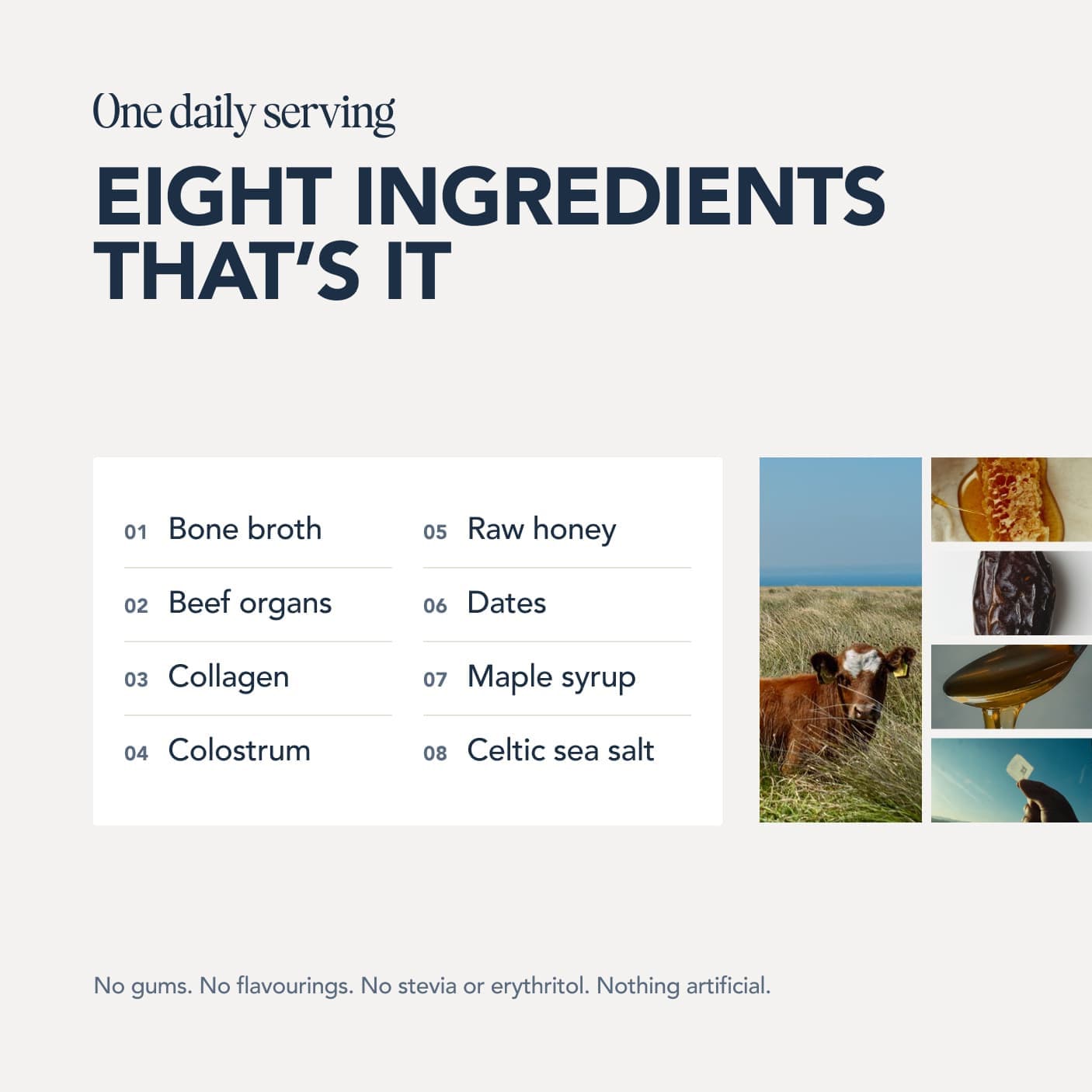
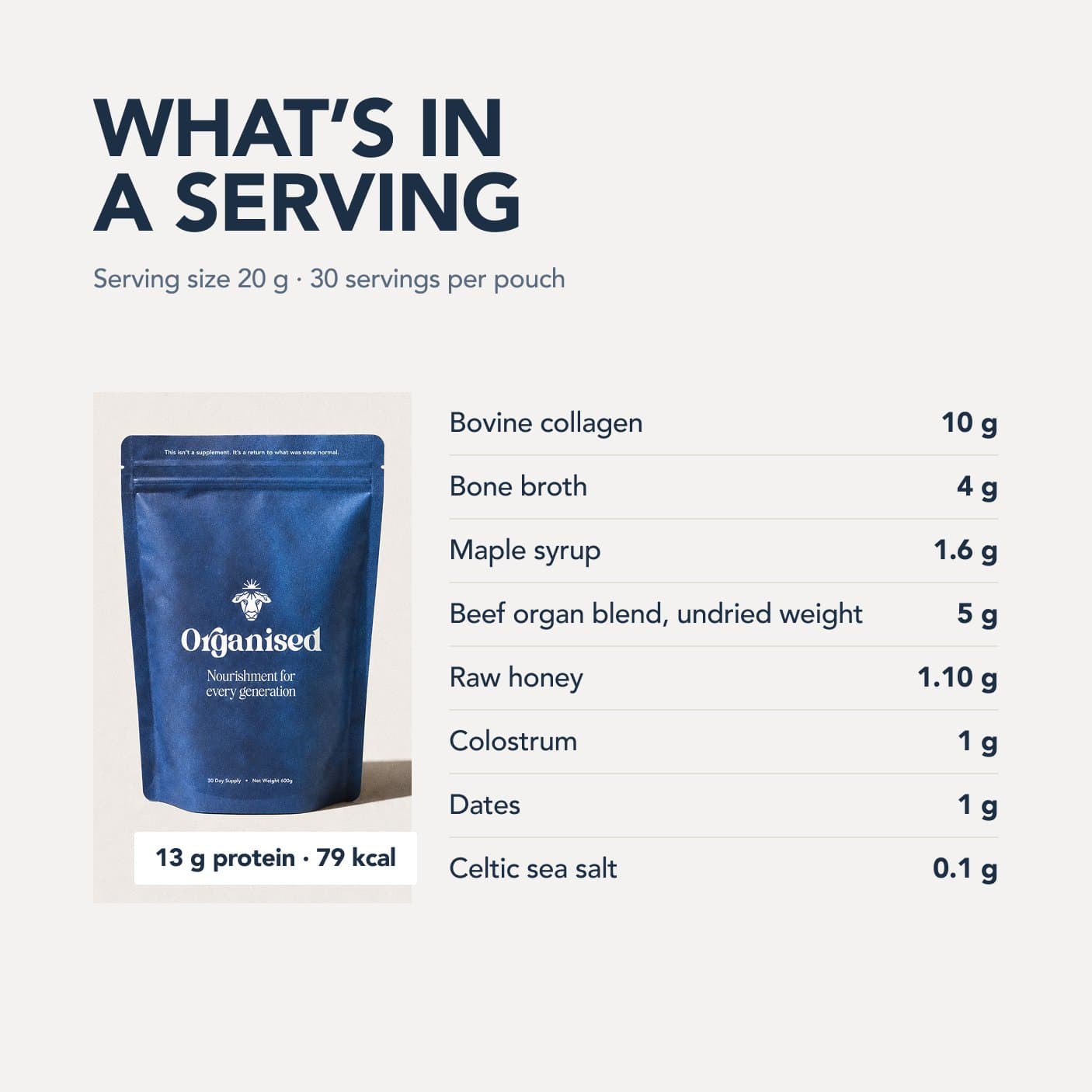
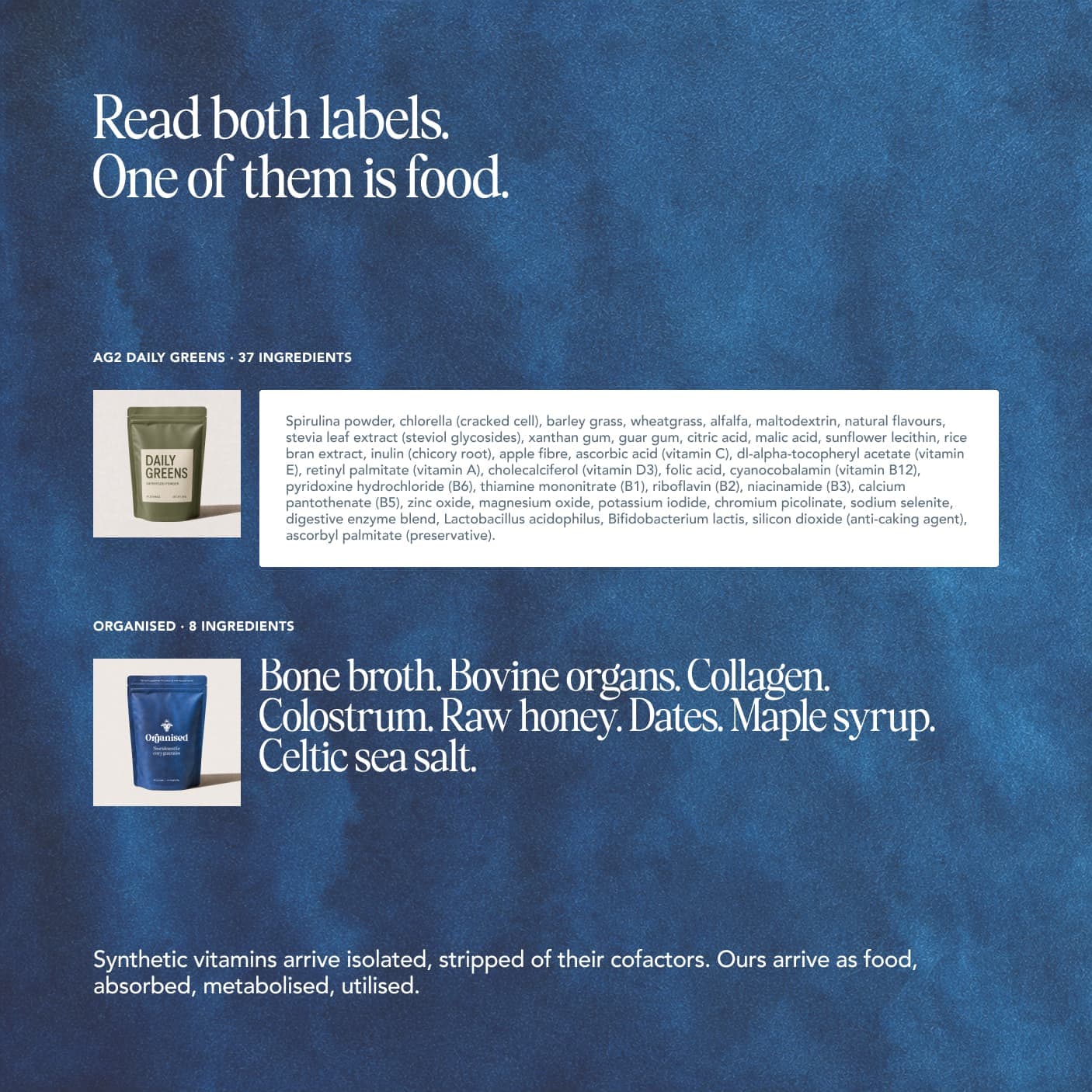
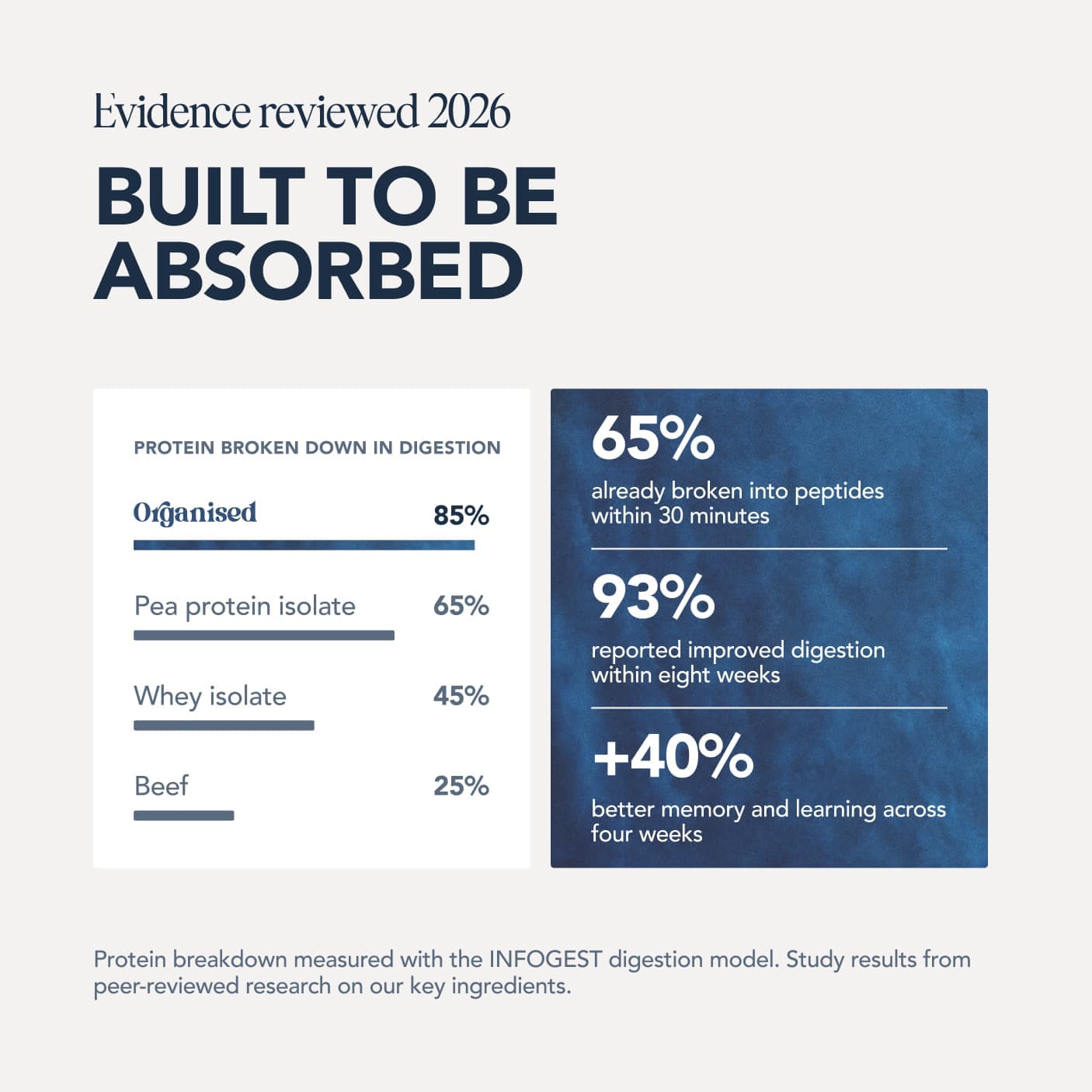
Eight real ingredients built around grass-fed beef organs, collagen and colostrum. Nothing synthetic added.
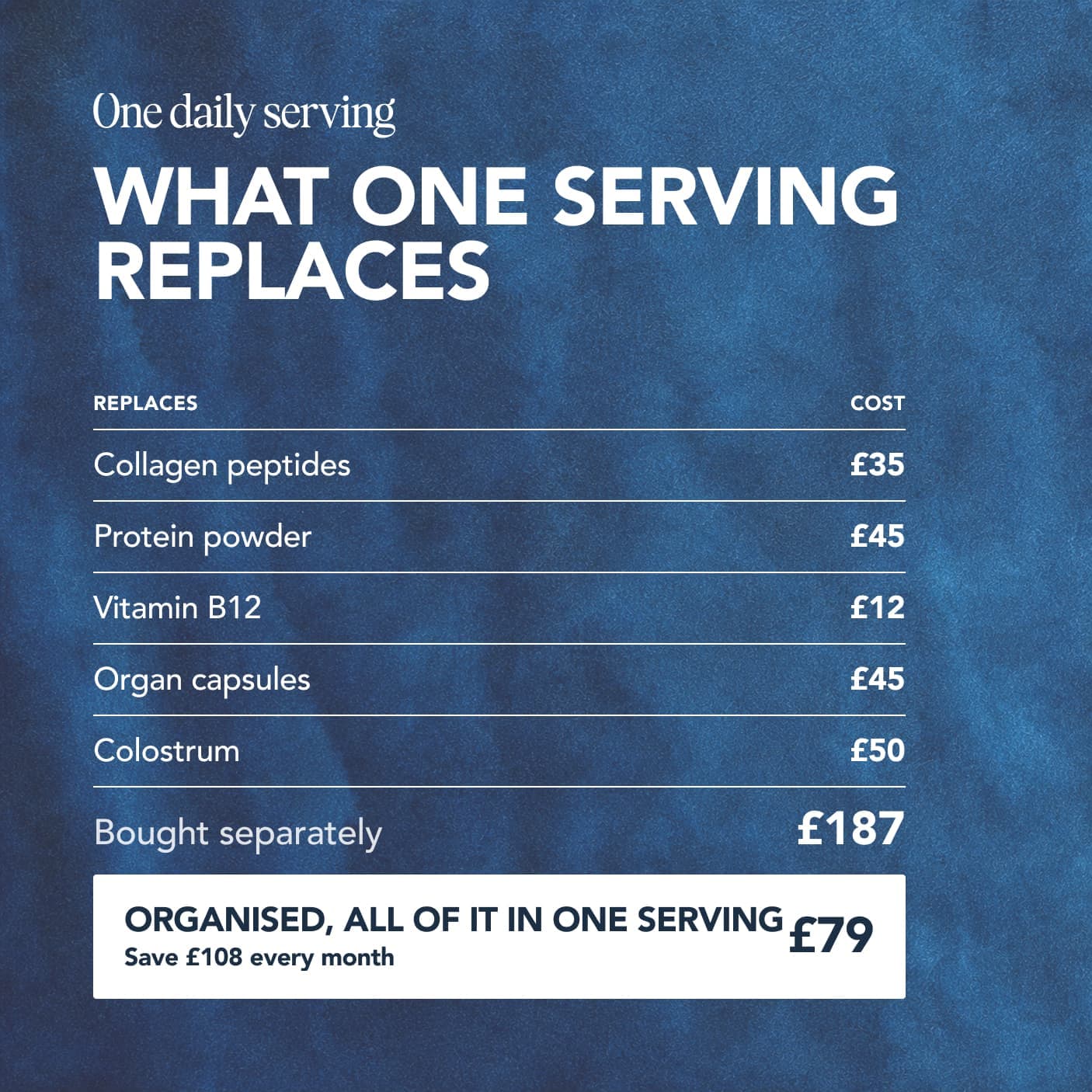
Free with your first order, worth £38. Plus £10 off the pouch with a subscription.


Free UK shipping · Made in England · 100 day money back guarantee on your first pouch · Skip, pause or cancel anytime
What they don't share
They don't share macronutrient ratios. Sardinia is higher fat and protein, Okinawa is higher carbohydrate, others are somewhere between. The carbohydrate ratio alone doesn't explain longevity.
They don't share a specific food. Sardinia eats meat and cheese, Okinawa eats sweet potatoes and fish, Nicoya eats beans and plantains, Ikaria eats olive oil and legumes, Loma Linda eats nuts and vegetables. There's no universal food that all five zones eat.
They don't share a specific supplement protocol. None of them are taking handfuls of pills. They're eating whole foods and herbs used traditionally, but not consuming modern supplement regimens.
They don't share the absence of any macronutrient. Even the vegan zone (Loma Linda) includes fat from nuts and seeds, carbohydrates from grains and legumes, and protein from plant sources. Sardinia includes all three abundantly. The pattern is inclusion of whole foods, not exclusion of macros.
The bottom line
The blue zone pattern is not a secret diet. It's not vegan, not carnivore, not low-carb, not high-carb in the way modern diets interpret those terms. It's whole food, eaten with community, without the processed modern alternatives that drive chronic disease.
You don't have to eat like Sardinians to access the longevity benefit. You don't have to become Okinawan or move to Ikaria. You have to do what all five zones do: eat real food, build community, reduce stress, move your body naturally, and avoid the ultra-processed alternatives that have become the default in modern culture.
The specifics of what you eat matter less than the fact that it's whole. The diet is a vehicle for longevity, but the real magic is in the context: family, community, purpose, and consistency. Get those right and the diet falls into place naturally.
References
Every source below was checked on 27 August 2026. Each PubMed, PMC and DOI identifier was resolved against NCBI or Crossref, and what it opens is printed under the citation, so you can see the link goes where the citation says without leaving the page. Where a citation and its identifier disagreed, the citation was corrected to the record or the reference was deleted along with the sentence marker that pointed at it, and where the resolved paper turned out not to support the sentence, the sentence was cut back to what it does support. Borrowed authority is worse than none, because it looks like rigour.
- Buettner D, Skemp S. Blue Zones: Lessons From the World's Longest Lived. Am J Lifestyle Med. https://pmc.ncbi.nlm.nih.gov/articles/PMC6125071/ [accessed May 2026].Checked 27 August 2026: PMC6125071 opens Buettner D, Skemp S, Blue Zones: Lessons From the World's Longest Lived. Am J Lifestyle Med 2016;10(5):318-321. PubMed indexes it as: Review.
- Willcox DC, Willcox BJ, Todoriki H, Suzuki M. The Okinawan diet: health implications of a low-calorie, nutrient-dense, antioxidant-rich dietary pattern low in glycemic load. J Am Coll Nutr. https://pubmed.ncbi.nlm.nih.gov/20234038/ [accessed May 2026].Checked 27 August 2026: PMID 20234038 opens Willcox DC, Willcox BJ, Todoriki H et al, The Okinawan diet: health implications of a low-calorie, nutrient-dense, antioxidant-rich dietary pattern low in glycemic load. J Am Coll Nutr 2009;28 Suppl:500S-516S. PubMed indexes it as: Review.
- Fraser GE, Shavlik DJ. Ten years of life: Is it a matter of choice? Arch Intern Med. https://pubmed.ncbi.nlm.nih.gov/11434797/ [accessed May 2026].Checked 27 August 2026: PMID 11434797 opens Fraser GE, Shavlik DJ, Ten years of life: Is it a matter of choice? Arch Intern Med 2001;161(13):1645-52.
Who wrote and reviewed this guide
Niall Kiddle
Author · Founder, Organised
Niall is the founder of Organised. He started the company in 2024 after fixing his own health the slow way: in 2022 he swapped a cupboard of synthetic supplements for real food, raw milk, organ meats, bone broth and honey, and felt the difference within months.
Areas of expertise: Ancestral nutrition, Organ meats, Whole-food supplementation, Gut health, Regenerative sourcing
Read Niall's full profile
Pedro Rodrigues
Reviewer · Agronomist (farming and sourcing only)
Pedro is the agronomist Organised works with on farming and sourcing. His job on the guides is to keep the science honest: he reviews what we publish about soil health, regenerative agriculture, grazing and the way food is actually produced.
Areas of expertise: Regenerative agriculture, Agronomy, Soil health, Grass-fed farming, Food sourcing
Reviewed this guide on
Read Pedro's full profileMore on longevity & ageing
View allBrowse the guides library
All guidesKeep reading
Health goals
Ageing Well: The Nutrients That Support Healthy Longevity
Ageing well requires specific nutrients: collagen, B12, magnesium, K2, glutathione. Here's where to find them and why they matter.

Health goals
The Nutrients That Help You Sleep Deeper
Sleep deeper with the right nutrients for better sleep. We cover glycine, magnesium, B6 and gut serotonin, plus the whole-food approach to restorative rest.
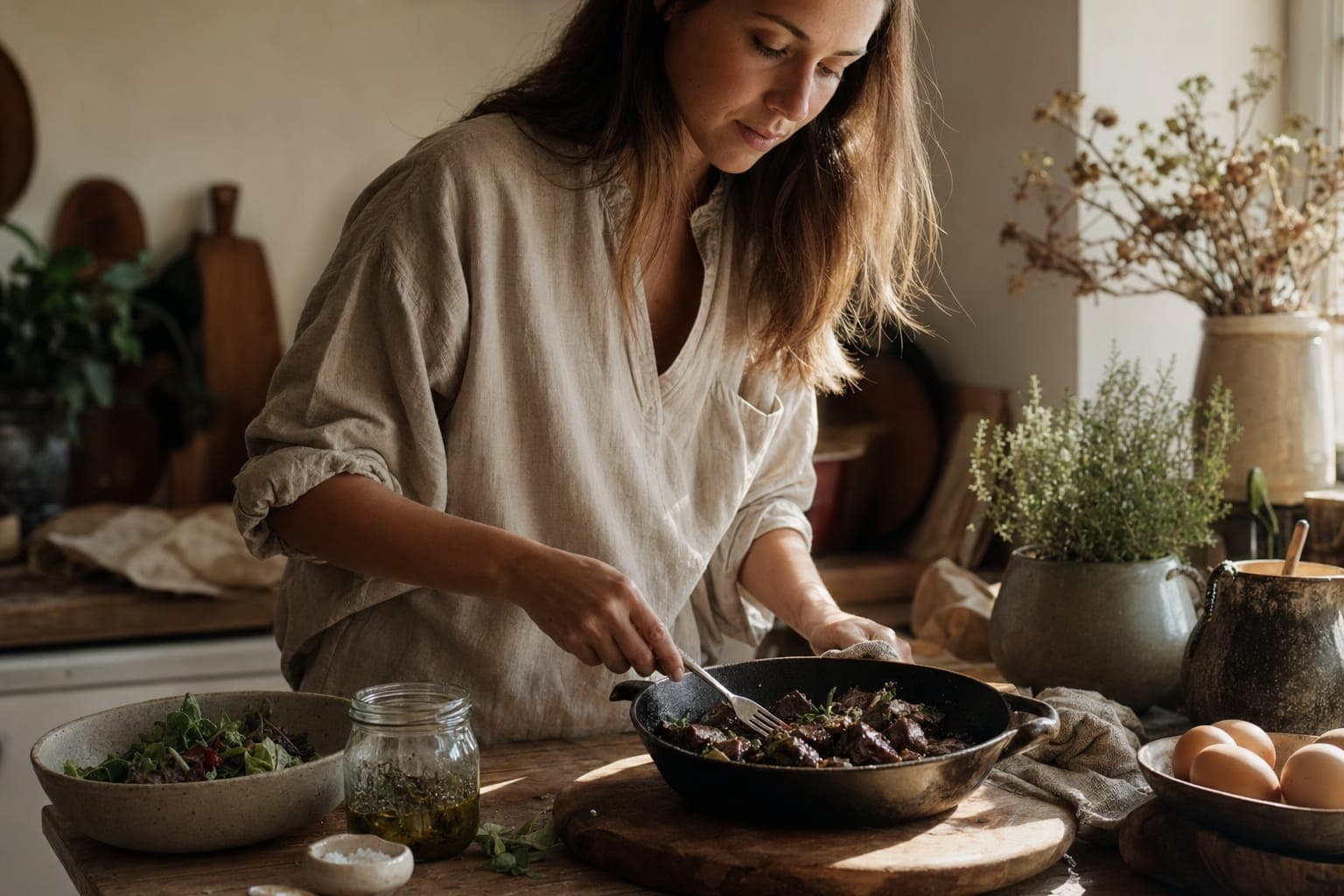
Health goals
Retinol from Beef Liver vs Retinol in Skincare: Which Actually Works?
Retinol from liver vs skincare creams: get more bioavailable retinol from a single serving of beef liver. Here is why oral often beats topical for skin.
Real food, made effortless
Start my daily blendA few ways to use it
All recipes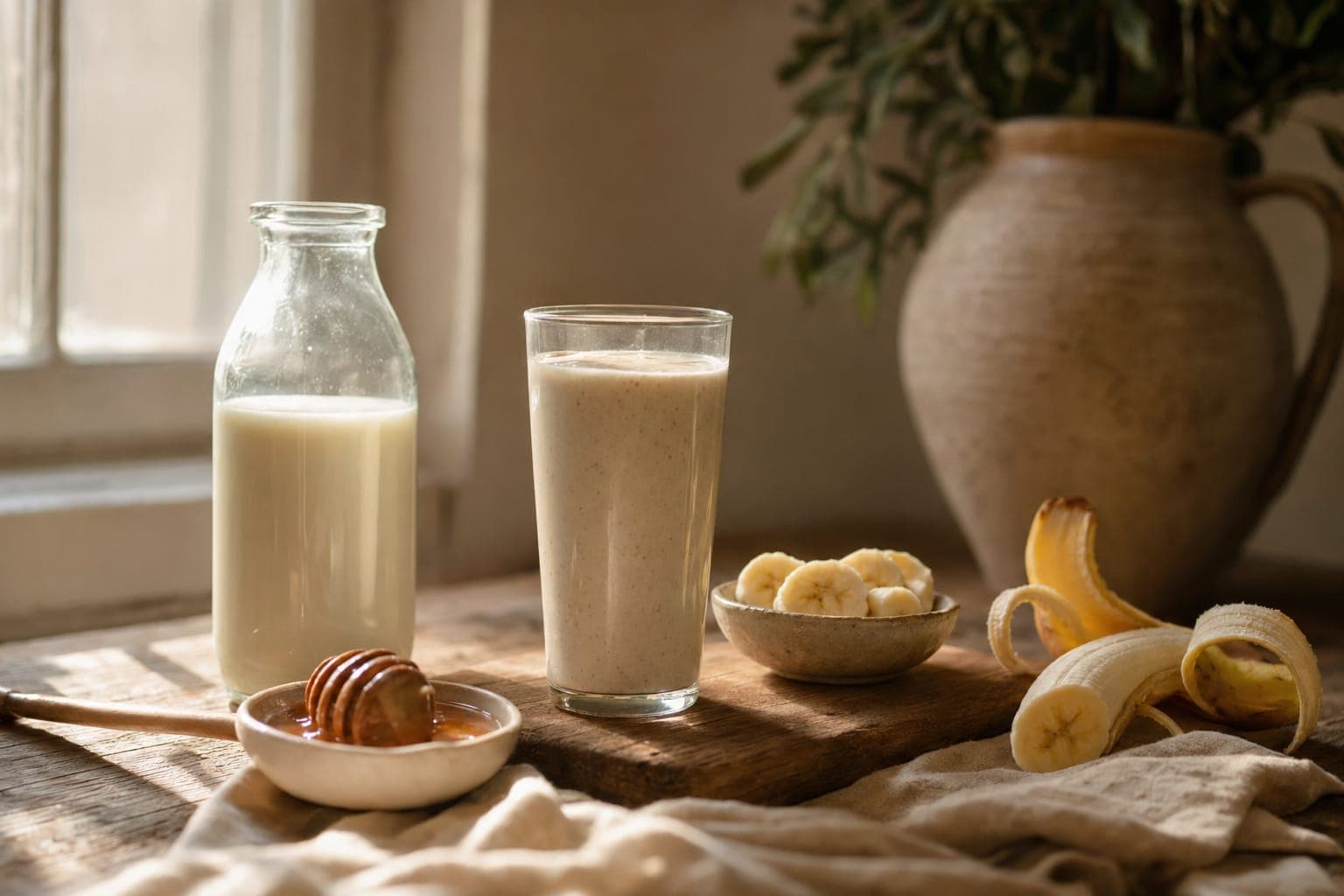
The Perfect Organised Morning Shake: Our Favourite Recipe
Our signature morning shake: Organised, raw milk, banana, honey. Simple, nourishing, and optimised for an empty stomach.
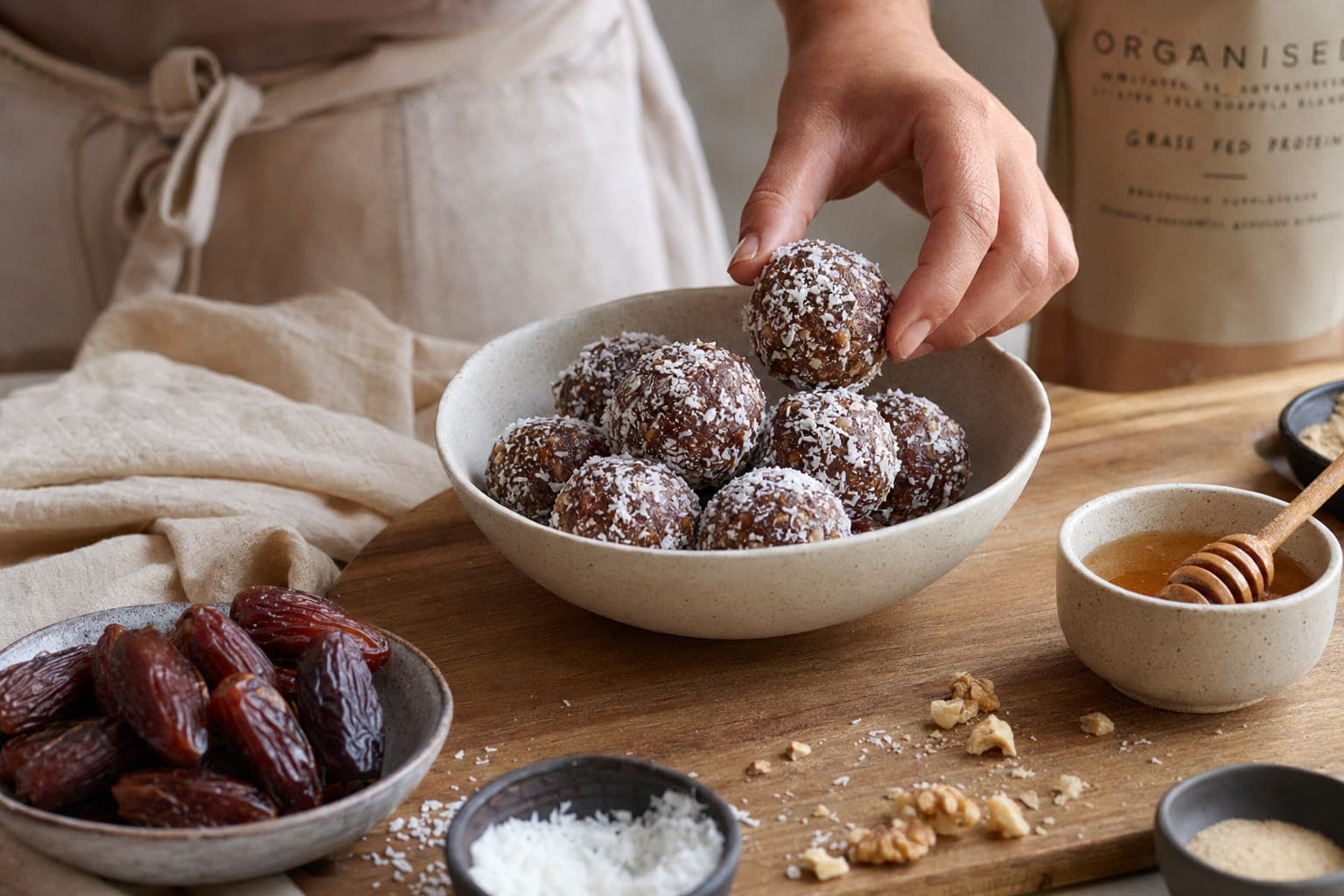
Energy Balls with Organised, Dates and Raw Honey
Make no-bake energy balls with Organised, dates, and raw honey. Perfect lunch box, pre-workout, or on-the-go snack. Simple recipe.
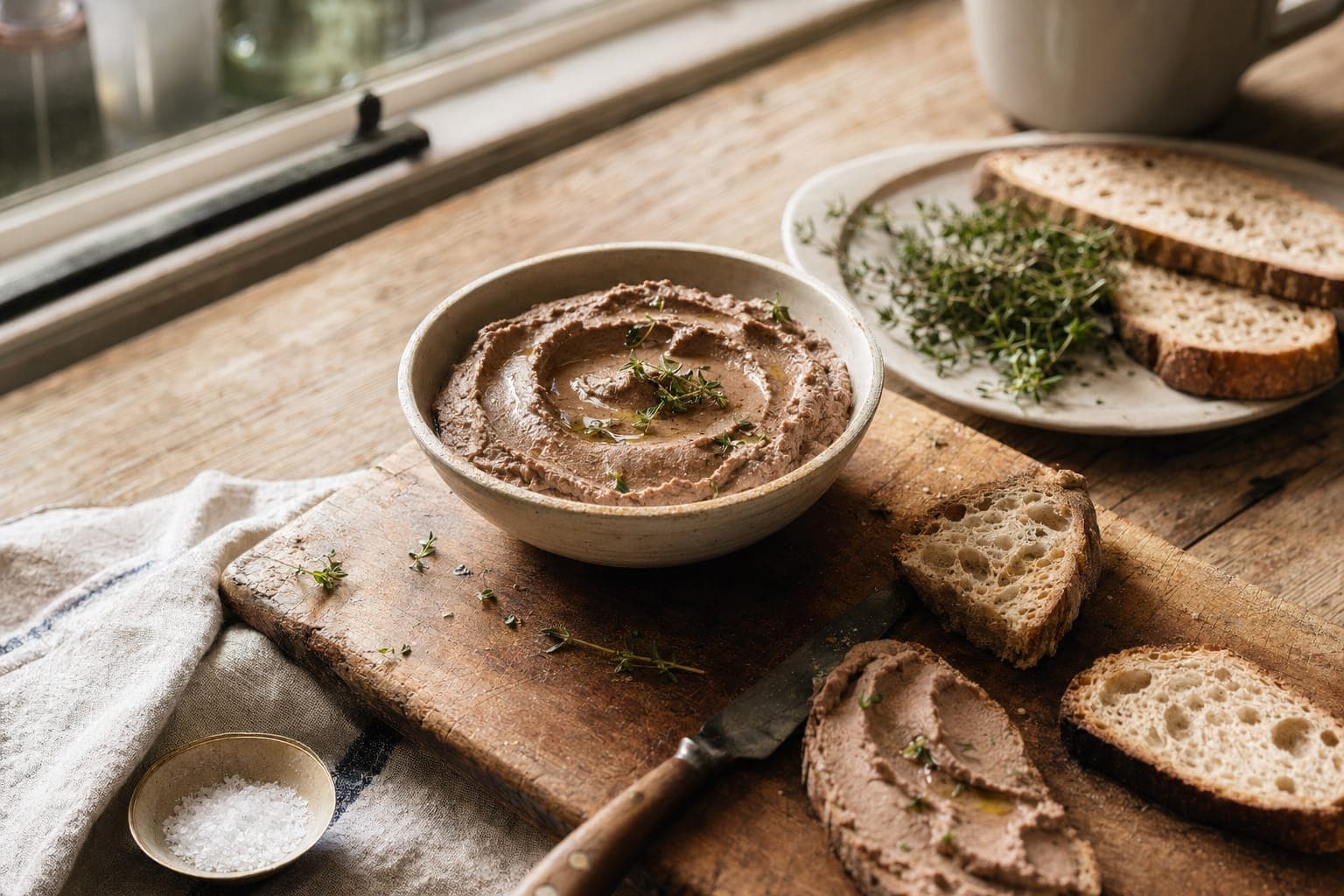
Liver Pate for Beginners: A Gentle Introduction to Organ Meats
Simple liver pate recipe to start eating organ meats. Chicken liver, butter, and herbs. Gentle introduction to nutrient-dense whole foods.


 Join over 100,000+ members
Build a better food system with us
The Organised community is thousands of people choosing real food and backing the farmers who grow it, all of us trying to leave the world a little better than we found it. If that is what you care about too, you belong here.