Bone Broth for Gut Health: What the Science Says
Bone broth has become trendy. People drink it for vague reasons: 'it's healthy', 'it helps your gut', 'everyone's doing it'. But bone broth does something very specific for your gut. Here's what that is, and why it actually works.

By Niall Kiddle, Founder, Organised

Reviewed by Pedro Rodrigues, Agronomist (farming and sourcing only) ·
6 min read · Published · Updated · 3 cited sources
Makers of the Organised Daily blend, a grass-fed beef organ supplement from regenerative UK farms
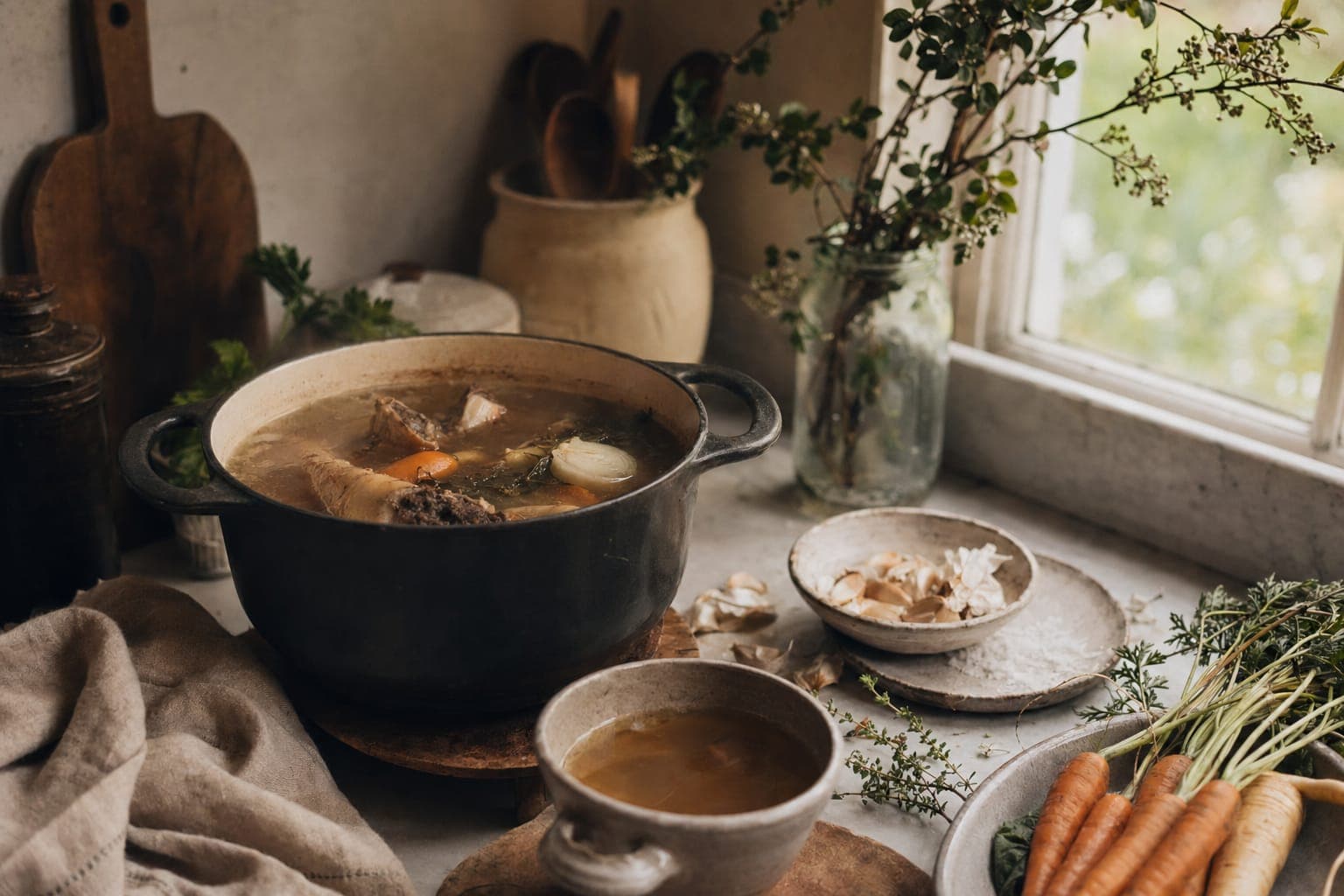
Bone broth is the most bioavailable whole-food source of collagen, glycine, and minerals. You can supplement these individually, but bone broth delivers them together, with cofactors that enhance absorption. It's efficacy in a cup.
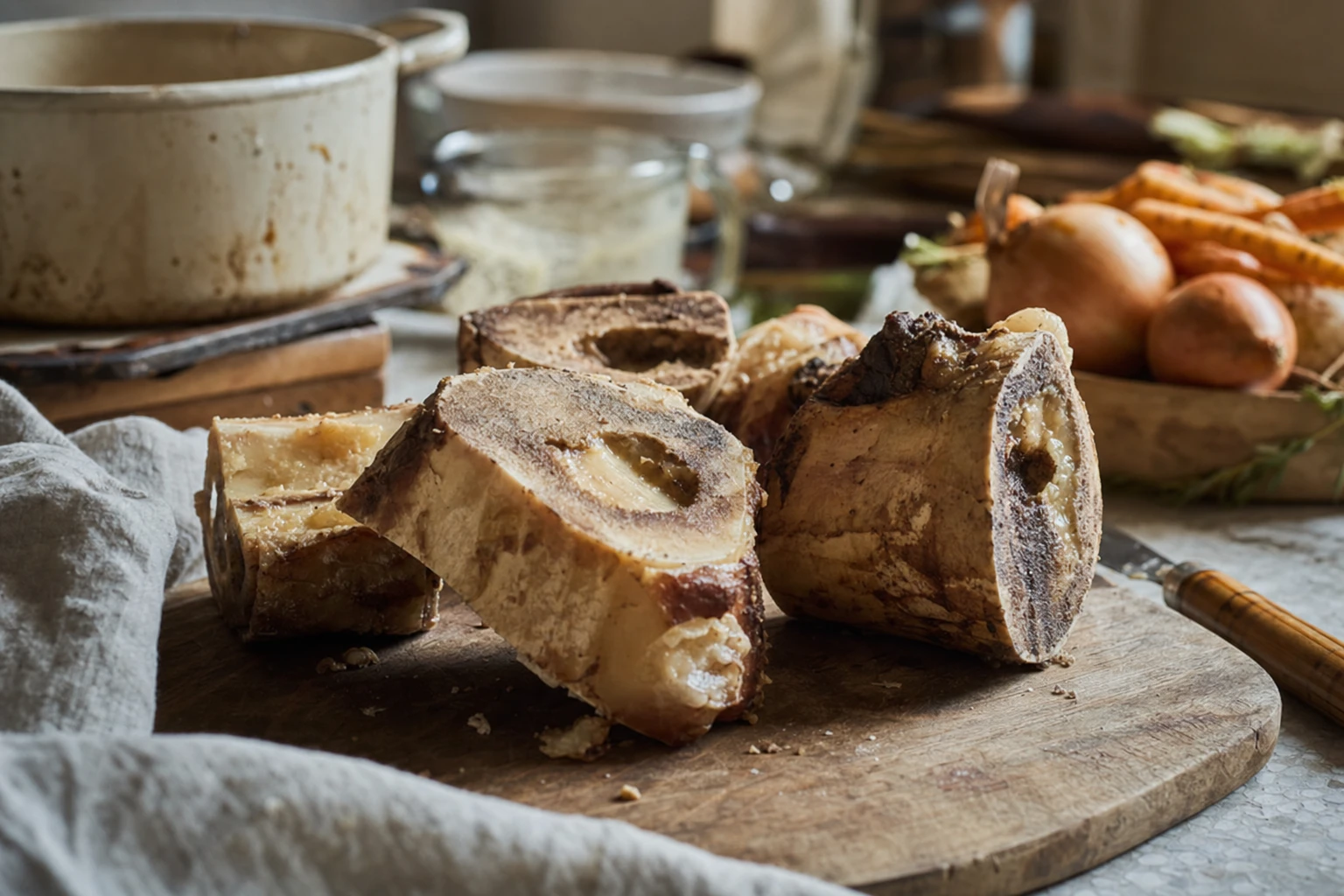
What bone broth actually contains
Bone broth is made by simmering animal bones, connective tissue, and sometimes cartilage for 12-48 hours. During this time, collagen breaks down into gelatin and collagen peptides.3 Minerals leach out of the bones. Amino acids are released. You end up with a nutrient-dense liquid.
Collagen and gelatin: These are partially broken down collagen. They're the structural proteins that make up your connective tissue and your gut lining.
Glycine: An amino acid released during cooking. It's the primary amino acid in collagen, making up about one-third of the protein.1 Glycine has specific roles in gut barrier function and immune regulation.
Proline: Another amino acid abundant in collagen. It's used directly for rebuilding intestinal structure.
Minerals: Calcium, magnesium, phosphorus, potassium. These leach from bones during the long cook. They're in highly bioavailable forms and support mineral status across your body.
Other compounds: Hyaluronic acid for skin and joint health, chondroitin for cartilage, glucosamine for joint function. These aren't the primary reason to drink bone broth for gut health, but they're beneficial.
Bone broth is concentrated collagen, glycine, minerals, and compounds that rebuild gut structure. It's basically edible structural repair.
Glycine and the gut lining
Glycine is involved in over 300 enzymatic reactions in your body, but for gut health, its specific role is critical.1 It's a neurotransmitter with calming effects on your nervous system. It's the primary amino acid in collagen, making it the raw material for gut barrier repair.
Your gut lining relies on glycine for tight junction integrity. When glycine is insufficient, tight junctions loosen.2 Intestinal permeability increases. You get leaky gut.
Glycine also has immune-modulating effects. It shifts your immune system away from inflammatory responses and toward regulatory responses.2 This is why glycine supplementation has been shown in research to reduce intestinal inflammation and improve barrier function.2
Most people on modern diets are deficient in glycine. Meat typically contains less glycine than bone, connective tissue, and organ meat (which have higher collagen content). Modern food culture avoids gelatinous cuts and organ meats, so dietary glycine is low. Bone broth is the way most people get enough glycine.
How collagen rebuilds your intestinal barrier
Your intestinal lining is a single layer of epithelial cells held together by tight junction proteins. Underneath is a layer of collagen that provides structural support. When your gut is damaged, both the epithelial layer and the collagen layer need repair.
When you consume collagen from bone broth, your body breaks it down into amino acids, primarily glycine and proline. Your intestines use these amino acids to rebuild the collagen layer. Tight junctions are restored. Intestinal permeability decreases. The barrier function is restored.
This isn't speculative. Multiple studies show that collagen supplementation increases tight junction integrity and decreases intestinal permeability. It's one of the few supplements that has clear research support for gut healing.
The mechanism is straightforward: you're providing the raw materials your gut needs to repair itself. Your body uses them. The repair happens.
The minerals and the microbiome
Bone broth is rich in calcium, magnesium, and other minerals. These are critical for microbiome health. Beneficial bacteria require these minerals to proliferate. Dysbiotic bacteria often thrive in mineral-deficient environments.
Magnesium specifically supports the diversity of beneficial bacterial species. Low magnesium correlates with dysbiosis. Adequate magnesium supports a balanced microbiome.
The minerals in bone broth are also highly bioavailable. They're in forms your body can absorb, unlike mineral supplements which often have poor absorption. A cup of bone broth provides meaningful amounts of magnesium, calcium, and phosphorus in forms your body actually uses.
Get health guides like this, free
Two short reads a week on eating for energy, gut health, skin, sleep and more.
By signing up you agree to receive emails from us. No spam, unsubscribe anytime.
How to make it and use it effectively
Making bone broth: Use bones with high collagen content. Chicken feet, beef knuckle bones, pork bones, fish heads. Add a splash of vinegar to help extract minerals. Simmer for 12-24 hours (overnight in a slow cooker is easiest). Strain and use immediately, or freeze in ice cube trays for later.
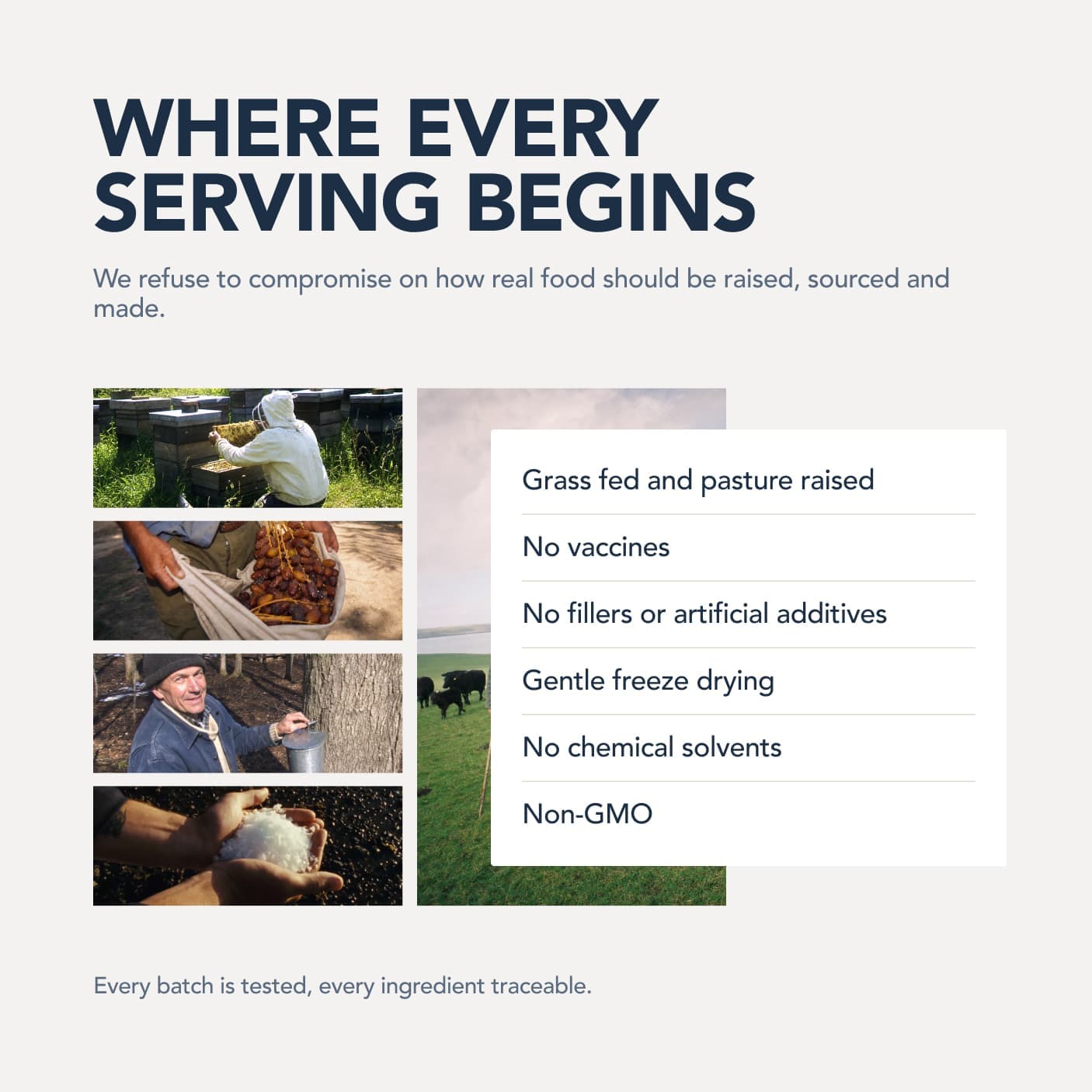
Quality matters: Bones from grass-fed, pastured animals contain more micronutrients and fewer contaminants than factory-farmed bones. If you can get them, they're worth the price premium.
How much: One cup (250ml) daily is an effective maintenance dose. If you're actively healing a damaged gut, two to three cups daily is reasonable. You can drink it plain, use it as a cooking base for soups or grains, or add it to other meals.
Duration: For acute symptoms like bloating, improvement is often visible within days. For deeper gut healing, consistency over eight to twelve weeks produces the most significant changes. Then you can often drop to maintenance doses or prepare it less frequently.
Bone broth is food, not medicine. You can consume it indefinitely as part of a healthy diet.
Bone broth versus collagen supplements
The market is flooded with hydrolysed collagen and collagen peptide supplements. These are convenient, but they're missing something bone broth has: the complete nutrient profile and supporting compounds. Hydrolysed collagen is isolated collagen, often from factory-farmed animals. It's not bad, but it's not complete.
Bone broth contains not just collagen but gelatin, minerals in their most bioavailable forms, hyaluronic acid, and other compounds that work synergistically. It's the difference between eating a potato for carbohydrate or eating the whole potato for carbohydrate plus fibre plus micronutrients plus phytochemicals. The whole is greater than the sum of parts.
That said, if you can't make bone broth regularly, hydrolysed collagen is still worthwhile. It provides glycine and proline that your gut can use for repair. But if you can make bone broth, that's the superior choice.
Gelatin's unique role in gut healing
Gelatin is partially hydrolysed collagen created during the long cooking process. Unlike hydrolysed collagen supplements, gelatin from bone broth carries other compounds that enhance gut healing. Gelatin has a specific property: it soothes inflammation in the digestive tract, much like a protective coating.
Gelatin also supports gut motility. If you have sluggish digestion, bone broth with its high gelatin content can improve the movement of food through your digestive tract. This is why people sometimes feel more 'regular' within days of adding bone broth to their diet.
The combination of gelatin, minerals, and amino acids creates an environment where your gut lining can heal quickly. It's not dramatic and dramatic effects aren't possible with food, but steady improvement is.
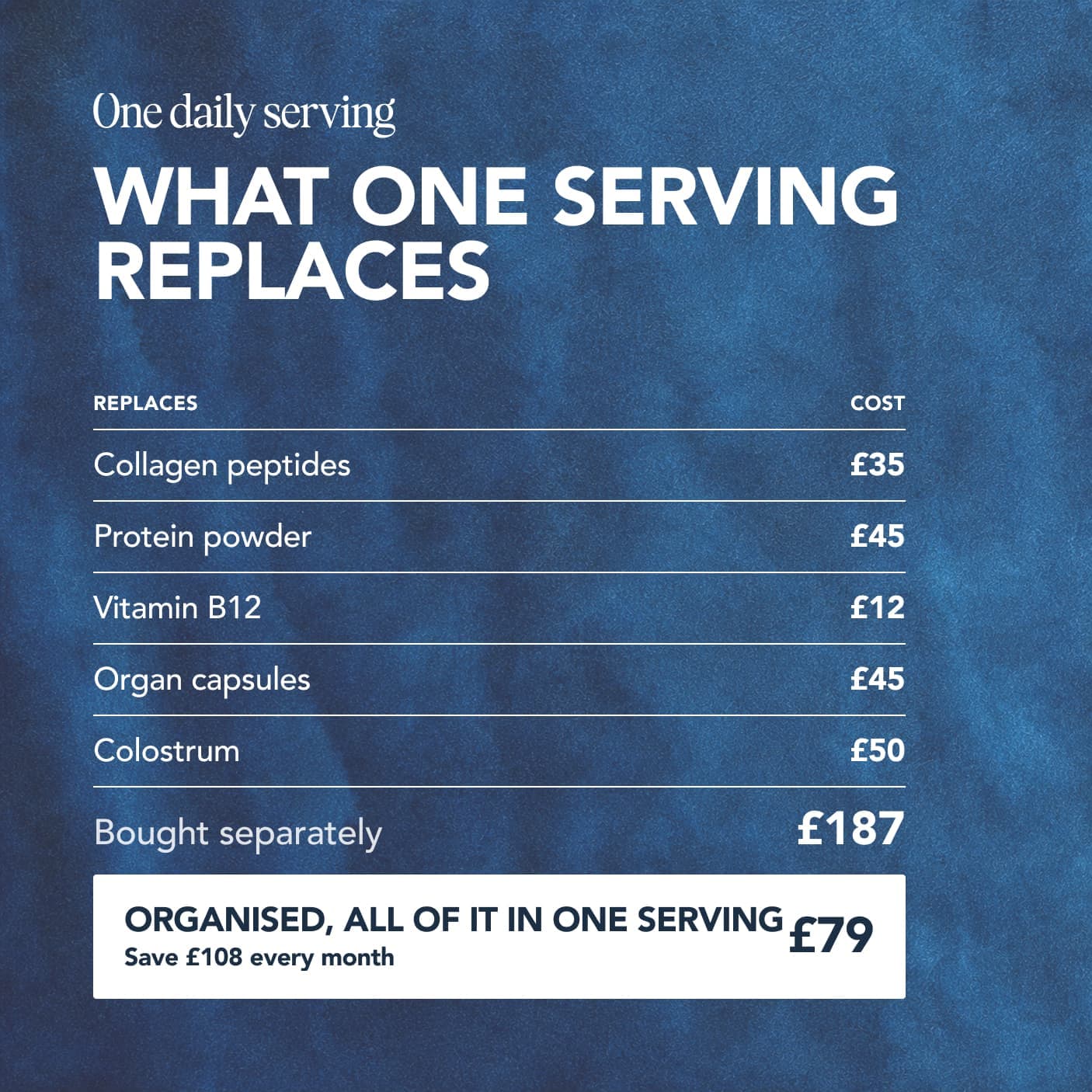
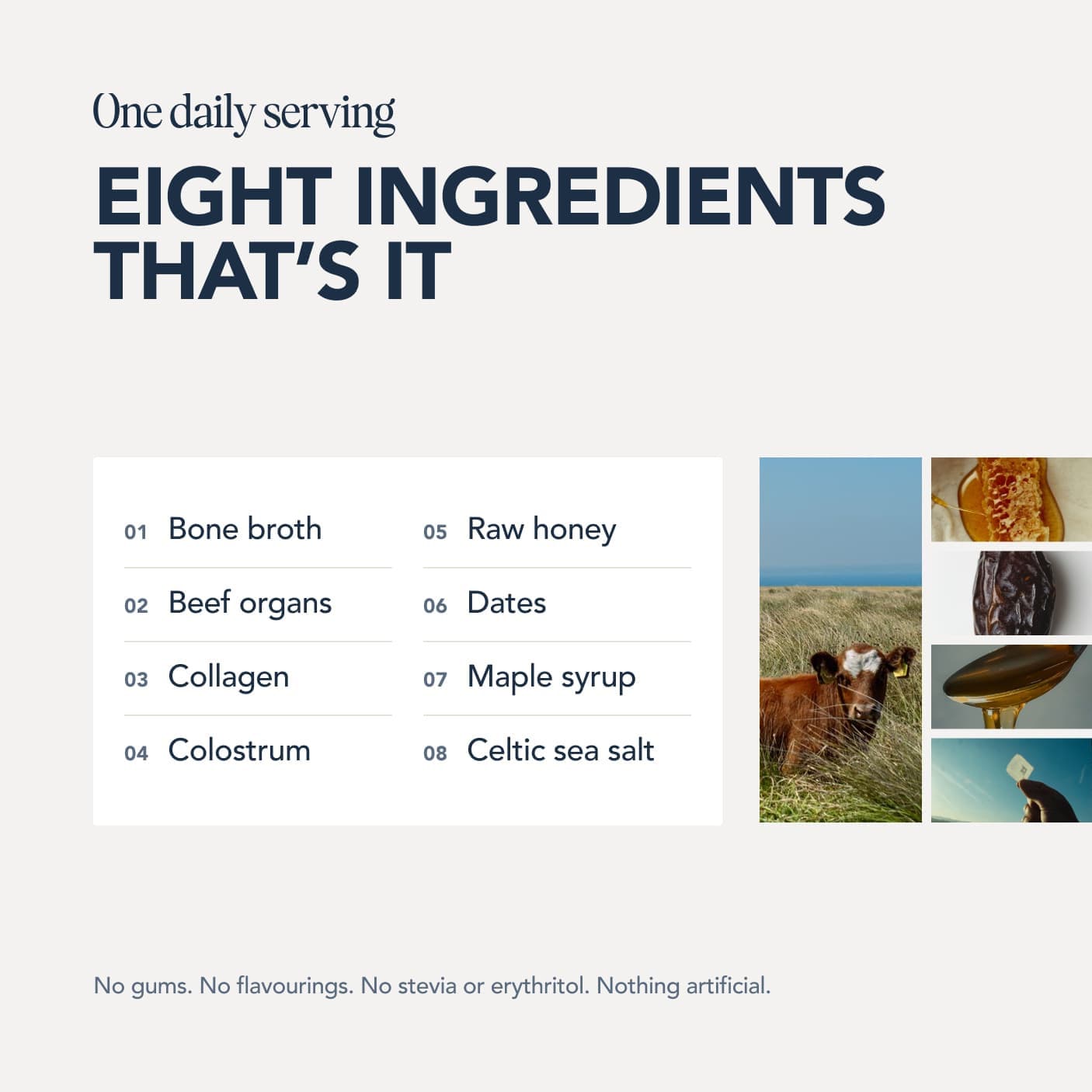
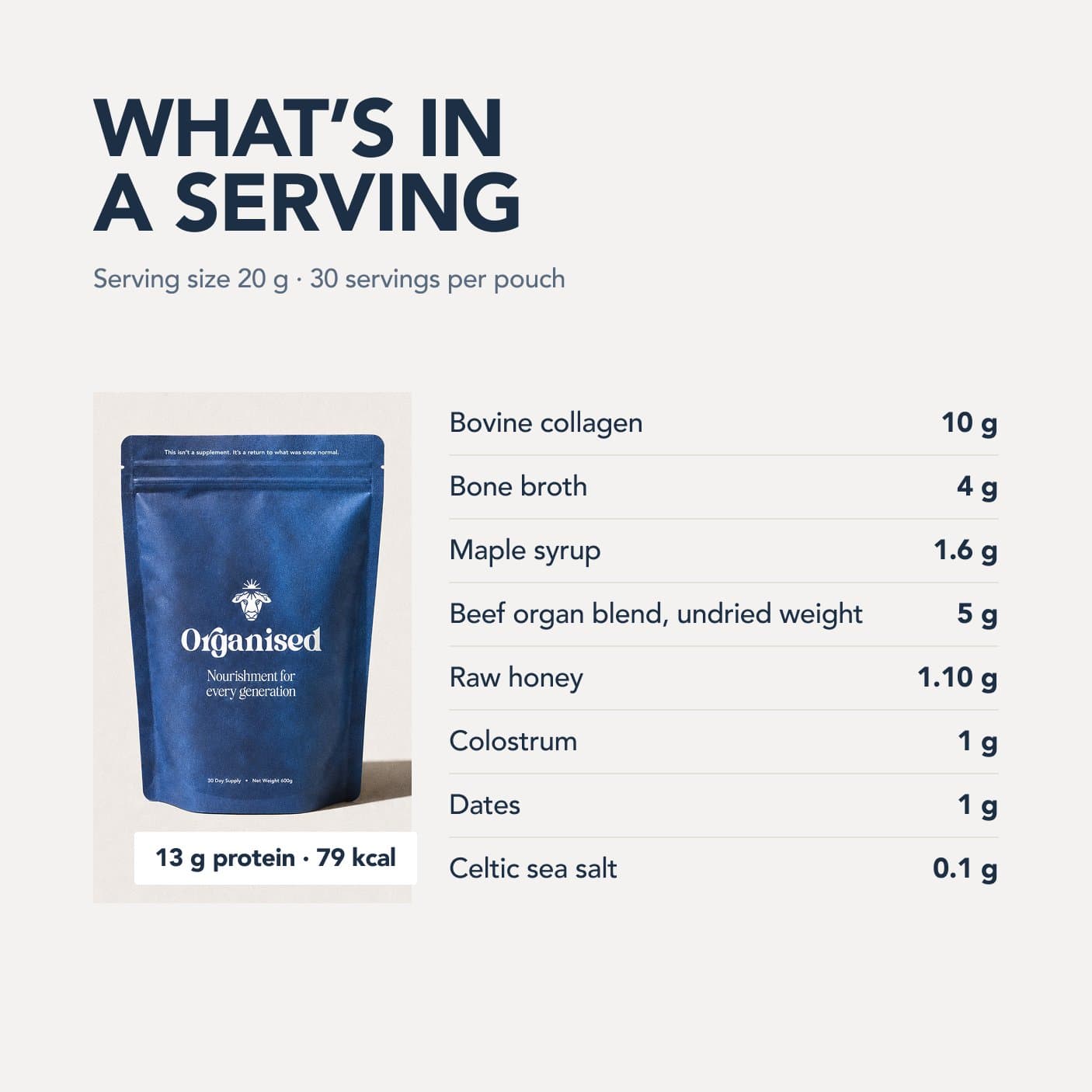
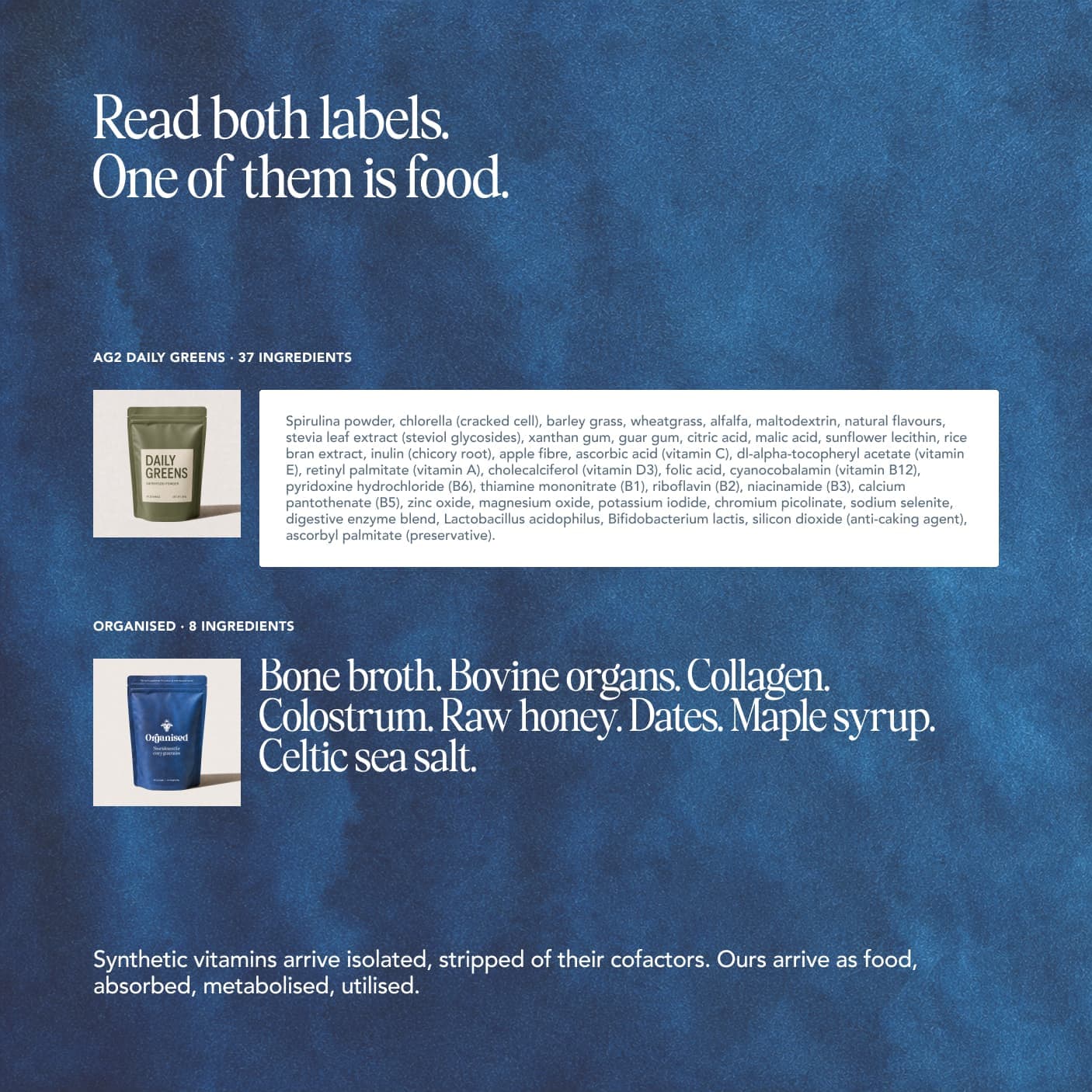

1 of 9
Daily blend
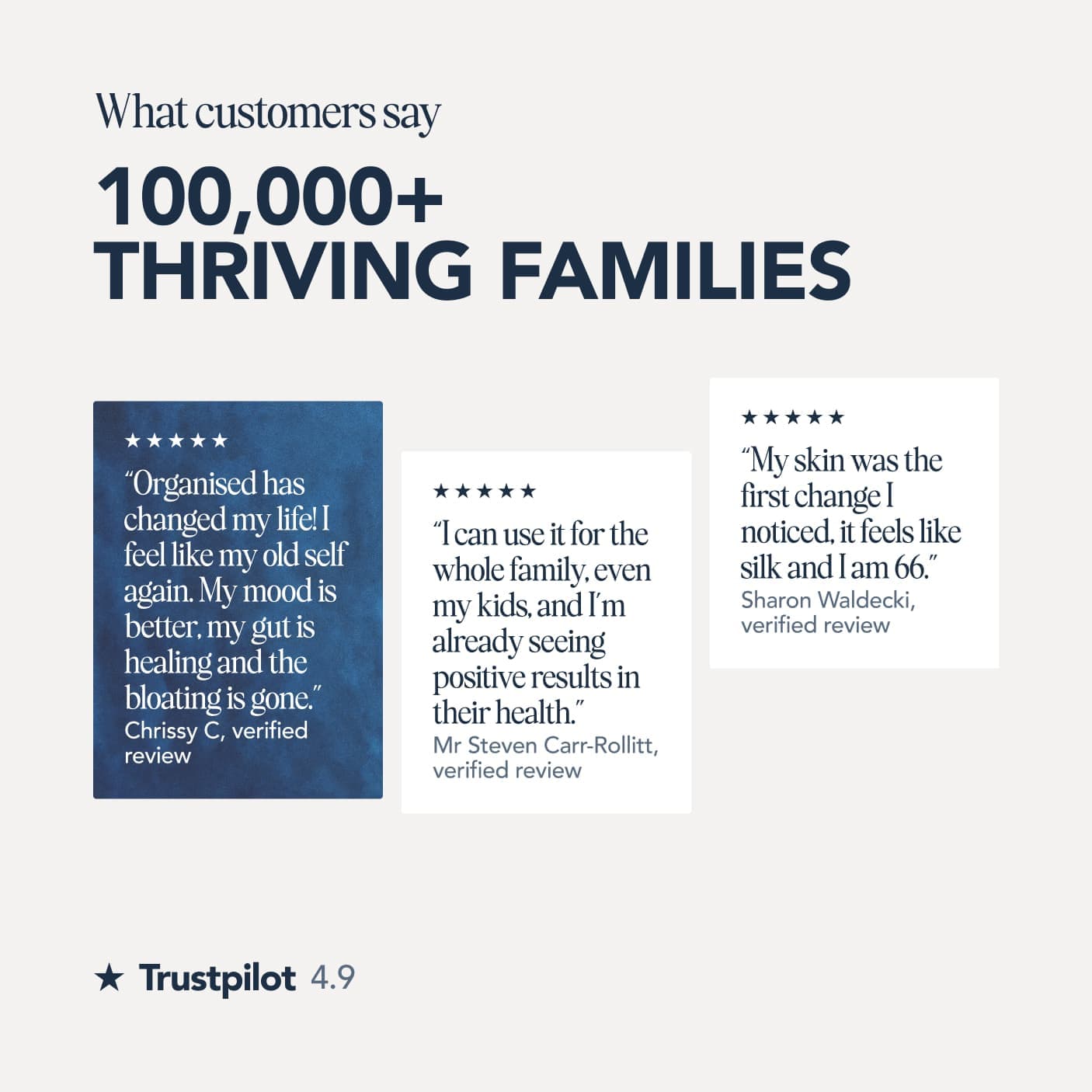
100,000+ thriving families4.9 on Trustpilot
Eight real ingredients built around grass-fed beef organs, collagen and colostrum. Nothing synthetic added.
Free with your first order, worth £38. Plus £10 off the pouch with a subscription.
Free UK shipping · Made in England · 100 day money back guarantee on your first pouch · Skip, pause or cancel anytime
Sourcing and cost
Quality bones matter. Bones from grass-fed, pastured animals contain more micronutrients because the animals ate diverse plants and moved naturally. Factory-farmed bones contain more inflammatory compounds and potential contaminants. If budget is tight, buy the best bones you can afford. Even conventional bones provide benefit, but grass-fed is worth the premium if possible.
Making your own bone broth is considerably cheaper than buying prepared broth, and the nutrient content is higher because you control the cooking. A batch costs a few pounds in bones and yields multiple servings. If you're doing this regularly, the cost averages to far less than supplements.
The bottom line
Bone broth works because it provides the exact nutrients your gut needs to repair itself: collagen, glycine, minerals, and supportive compounds. It's not trendy because it's marketing. It's trendy because it works. A cup daily will almost certainly improve your digestion, your energy, and your overall health. Make it yourself if you can, or find quality prepared broth. Either way, consistency matters more than perfection.
References
Every source below was checked on 27 August 2026. Each PubMed, PMC and DOI identifier was resolved against NCBI or Crossref, and what it opens is printed under the citation, so you can see the link goes where the citation says without leaving the page. Where a citation and its identifier disagreed, the citation was corrected to the record or the reference was deleted along with the sentence marker that pointed at it, and where the resolved paper turned out not to support the sentence, the sentence was cut back to what it does support. Borrowed authority is worse than none, because it looks like rigour.
- Li P, Wu G. Roles of dietary glycine, proline, and hydroxyproline in collagen synthesis and animal growth. Amino Acids. PubMed PMID: 28929384.Checked 27 August 2026: PMID 28929384 opens Li P, Wu G, Roles of dietary glycine, proline, and hydroxyproline in collagen synthesis and animal growth. Amino Acids 2018;50(1):29-38. PubMed indexes it as: Review.
- Razak MA et al. Multifarious Beneficial Effect of Nonessential Amino Acid, Glycine: A Review. Oxid Med Cell Longev. PMC5350494.Checked 27 August 2026: PMC5350494 opens Razak MA, Begum PS, Viswanath B et al, Multifarious Beneficial Effect of Nonessential Amino Acid, Glycine: A Review. Oxid Med Cell Longev 2017;2017:1716701. PubMed indexes it as: Review.The authors' own declaration, from the record: The authors declare that they have no competing interests.
- Mar-Solis LM et al. Analysis of the Anti-Inflammatory Capacity of Bone Broth in a Murine Model of Ulcerative Colitis. Medicina (Kaunas). PMC8618064.Checked 27 August 2026: PMC8618064 opens Mar-Solís LM, Soto-Domínguez A, Rodríguez-Tovar LE et al, Analysis of the Anti-Inflammatory Capacity of Bone Broth in a Murine Model of Ulcerative Colitis. Medicina (Kaunas) 2021;57(11).The authors' own declaration, from the record: The authors declare no conflict of interest.
Who wrote and reviewed this guide
Niall Kiddle
Author · Founder, Organised
Niall is the founder of Organised. He started the company in 2024 after fixing his own health the slow way: in 2022 he swapped a cupboard of synthetic supplements for real food, raw milk, organ meats, bone broth and honey, and felt the difference within months.
Areas of expertise: Ancestral nutrition, Organ meats, Whole-food supplementation, Gut health, Regenerative sourcing
Read Niall's full profile
Pedro Rodrigues
Reviewer · Agronomist (farming and sourcing only)
Pedro is the agronomist Organised works with on farming and sourcing. His job on the guides is to keep the science honest: he reviews what we publish about soil health, regenerative agriculture, grazing and the way food is actually produced.
Areas of expertise: Regenerative agriculture, Agronomy, Soil health, Grass-fed farming, Food sourcing
Reviewed this guide on
Read Pedro's full profileMore on gut health
View all- The Complete Guide to Healing Your Gut with Whole Foods
- Why Your Gut Health Affects Everything (Not Just Digestion)
- 5 Foods You Think Are Healthy (But Are Secretly Ruining Your Gut)
- Acid Reflux and Low Stomach Acid: A Nutritional Perspective
- Bloating After Eating: Common Causes and Whole Food Solutions
- Candida Overgrowth: What It Is and How Nutrition Can Help
- Histamine Intolerance: Could Your Gut Be the Cause?
- How Colostrum and Collagen Work Together to Repair the Gut Lining
- How Stress Destroys Your Gut (And What to Do About It)
- How to Recognise the Early Signs of Poor Gut Health
- How to Reset Your Gut After Antibiotics
- IBS and Nutrition: A Whole Food Approach
Browse the guides library
All guidesKeep reading

Health goals
The Gut-Brain Axis: How Your Digestion Affects Your Mind
Understand the gut-brain connection and how your digestion shapes mood, anxiety, and focus, plus simple ways to support both your gut and mind together.

Health goals
You Don't Need Another Probiotic. You Need to Fix the Foundation.
Most people take the wrong probiotic for the wrong reason. Here's what your gut actually needs to heal, and why probiotics alone will never fix it.
Health goals
How Colostrum and Collagen Work Together to Repair the Gut Lining
See how colostrum and collagen work together to help seal a damaged gut lining, why each plays a distinct role, and how to use both for steady gut repair.
Real food, made effortless
Start my daily blendA few ways to use it
All recipes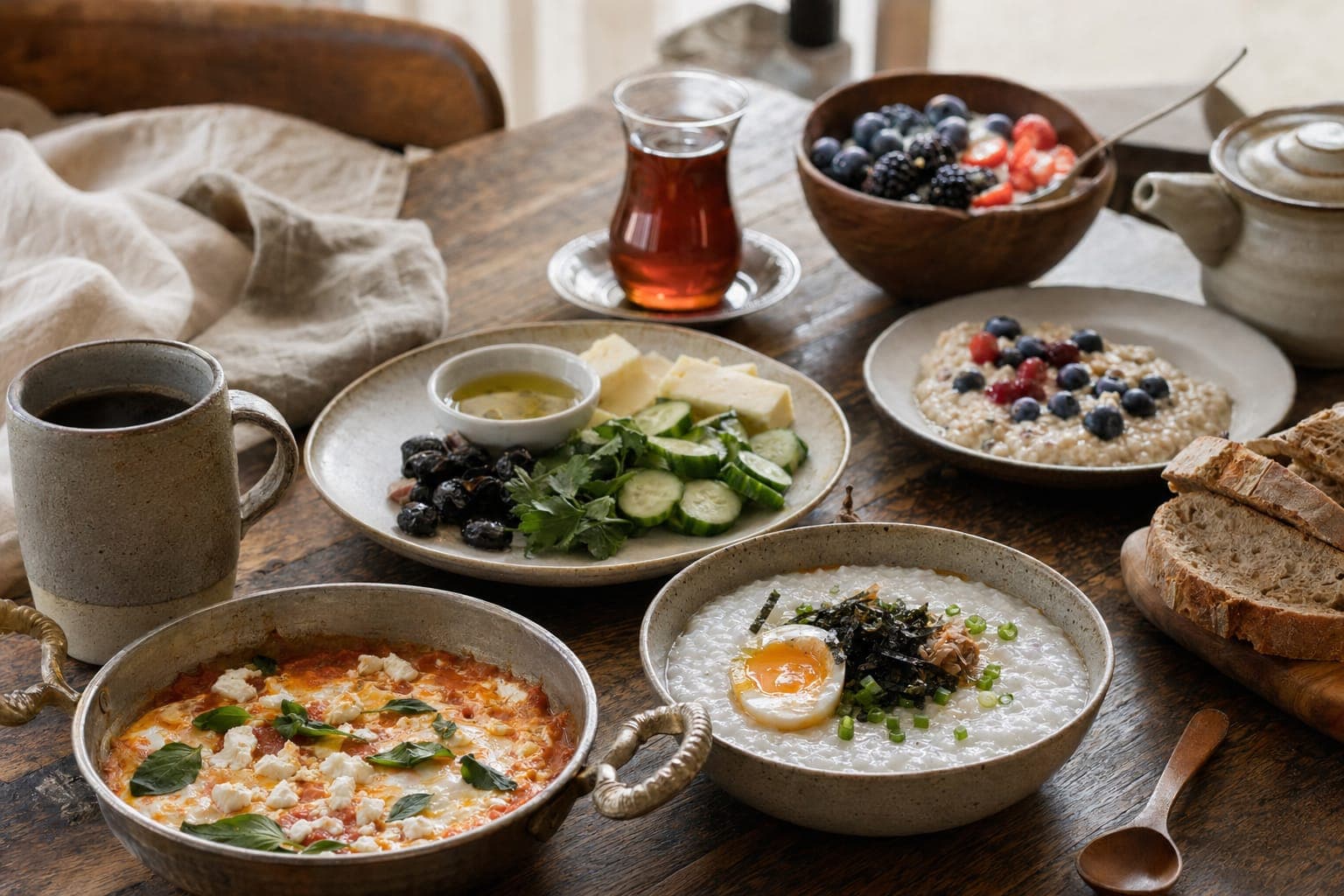
Ancestral Breakfast Ideas from Around the World
Traditional breakfast recipes from cultures that got nutrition right. Japanese, Turkish, Scottish, and more. Whole-food breakfast inspiration.
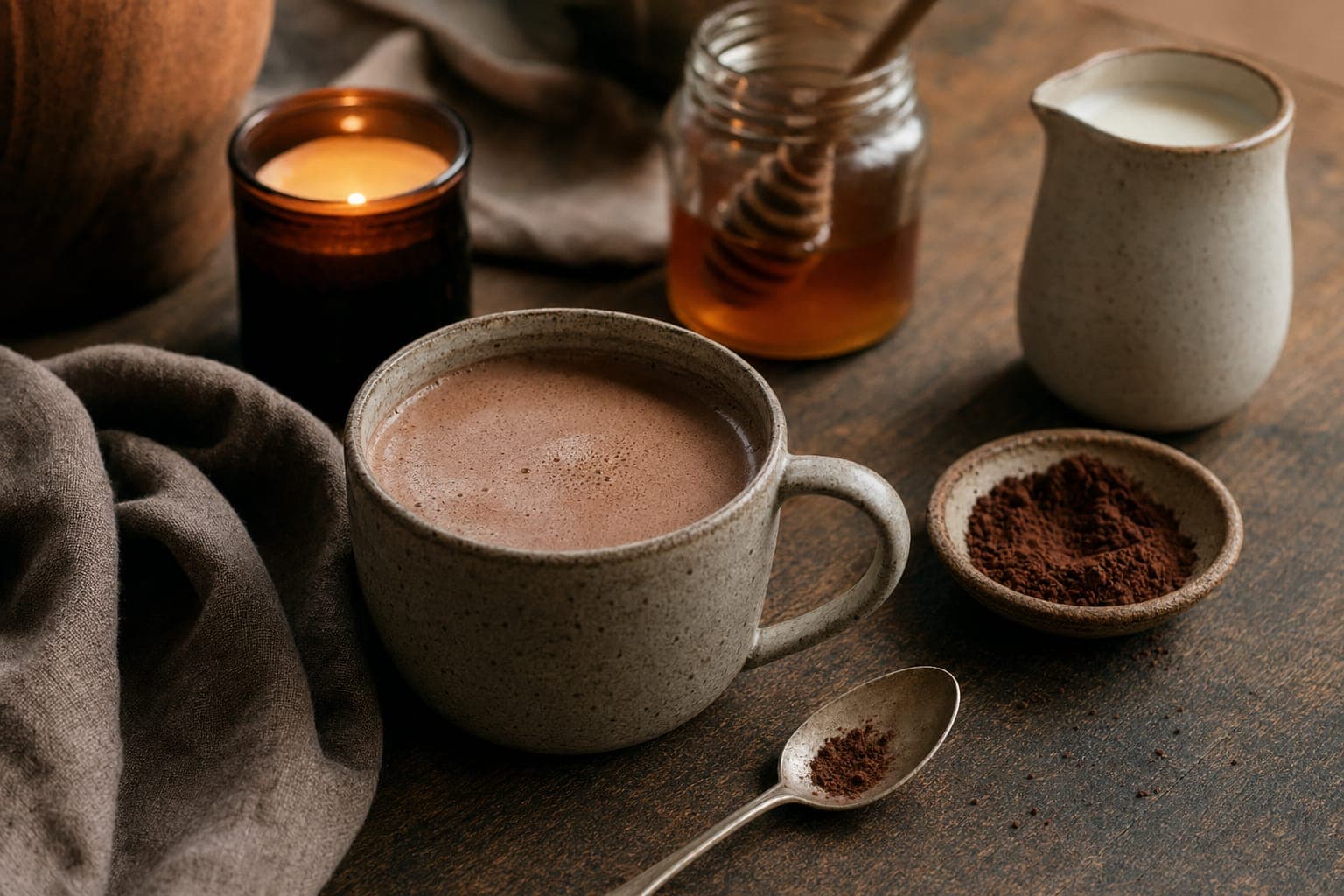
Raw Milk Hot Chocolate with Collagen
A nourishing evening hot chocolate made with raw milk, grass-fed collagen, raw cacao, and honey. A nighttime ritual that supports sleep and gut health.
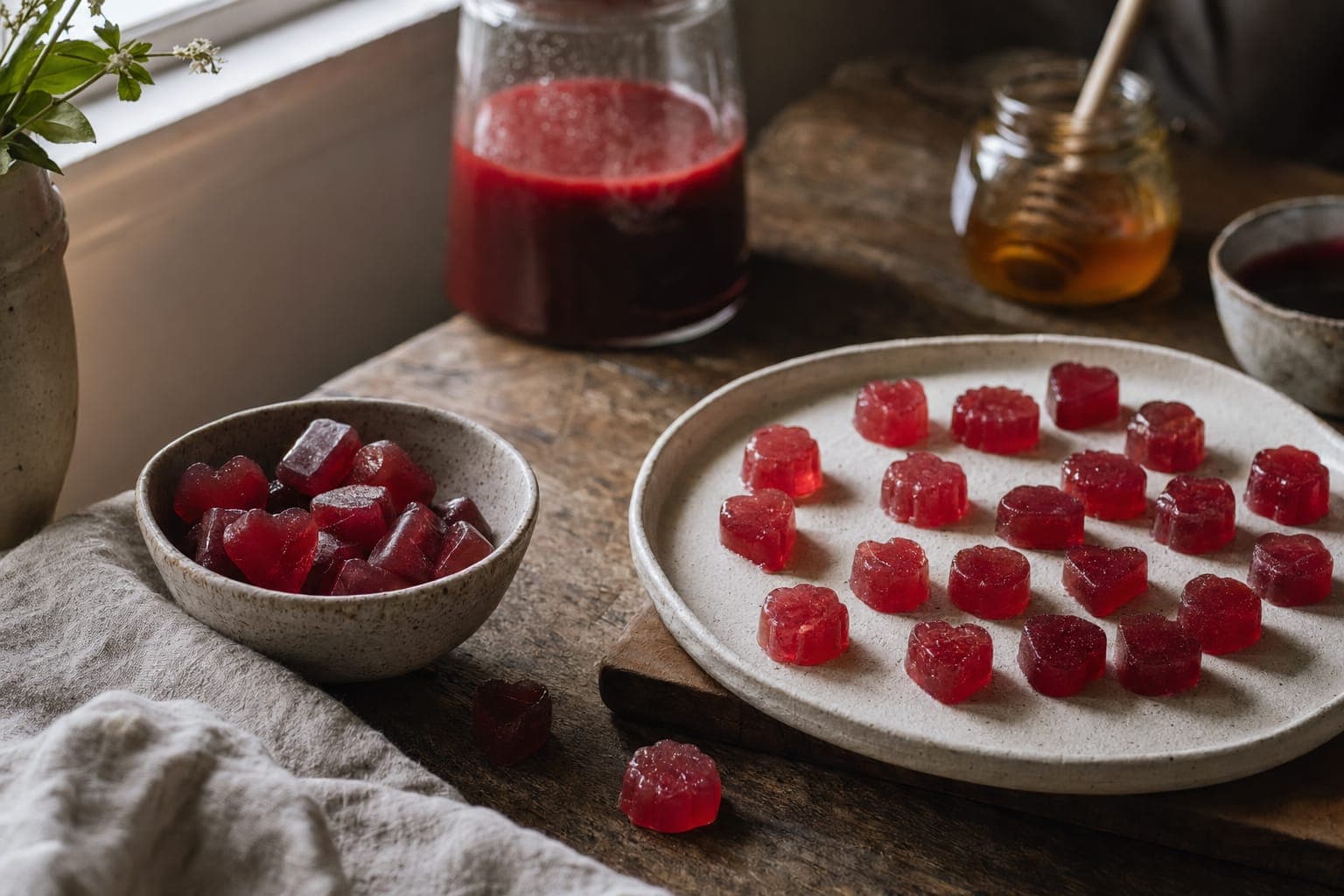
How to Make Your Own Gelatine Gummies
A simple recipe for homemade gelatine gummies using grass-fed gelatine, fresh juice, and raw honey. Better than shop-bought, kids love them.


 Join over 100,000+ members
Build a better food system with us
The Organised community is thousands of people choosing real food and backing the farmers who grow it, all of us trying to leave the world a little better than we found it. If that is what you care about too, you belong here.