The Gut-Brain Axis: How Your Digestion Affects Your Mind
You sit down to eat. Minutes later, your mood shifts. You feel sharper, or calmer, or oddly anxious. We've been taught to think of digestion as separate from mood, but your gut is directly wired to your brain. Here's what's actually happening.

By Niall Kiddle, Founder, Organised

Reviewed by Pedro Rodrigues, Agronomist (farming and sourcing only) ·
7 min read · Published · Updated · 6 cited sources
Makers of the Organised Daily blend, a grass-fed beef organ supplement from regenerative UK farms

The gut-brain axis isn't a metaphor. It's a literal two-way highway of chemical signalling and neural traffic. Your brain influences what you digest. Your digestion influences how your brain functions, how clear you think, how stable your mood is, and whether you're prone to anxiety or depression. This isn't philosophy. It's neurobiology.
The gut-brain axis isn't a metaphor
For decades, neuroscientists focused on the brain in isolation. The gut was the domain of gastroenterologists. We've now realised this division was artificial. Your gut and your brain are part of the same system, communicating constantly through multiple pathways: the vagus nerve, the immune system, the metabolic system, and the microbiota-derived compounds that circulate through your bloodstream.1
This communication happens involuntarily. You don't control it. Your digestion continuously sends signals to your brain. Your brain continuously sends signals to your digestion. This happens in the background, whether you're aware of it or not.

The vagus nerve is the direct line between gut and brain
Your vagus nerve is the longest cranial nerve in your body. It runs from your brain stem all the way down through your chest and wraps around your stomach and intestines. It's called the vagus because it wanders, and indeed, it meanders, connecting your gut directly to your brain without relying on the bloodstream.
Every single time you eat, the state of your gut sends signals up this nerve. If your digestion is efficient, if your food is being broken down properly, if your gut lining is intact, the signals are calm and integrative. Your nervous system settles. Your brain receives the message that you're safe, that nutrients are incoming, that things are working properly.
If your digestion is struggling, if your gut is inflamed, if you're eating foods that trigger an immune response, the signals are alarm signals. Your nervous system responds by shifting into stress mode. Your brain perceives a threat, even though there's no actual external danger. This is why people with chronic digestive problems so often experience anxiety. It's not that they're anxious and therefore have stomach problems. It's that their gut is sending constant distress signals to their brain, and the brain is responding appropriately to danger that only exists internally.
Your gut doesn't just digest food. It's in constant communication with your brain through the vagus nerve, influencing mood, stress response, cognitive clarity, and emotional regulation.
How your gut makes more serotonin than your brain
Serotonin is the neurotransmitter most often associated with mood, but the picture is more complicated than the "happy chemical" framing suggests. Around 90 percent of the serotonin in your body is made in the gut, not the brain.2 The two pools are physically separated by the blood-brain barrier and behave very differently.2
Gut serotonin is made by enterochromaffin cells lining your intestines, particularly in response to stress, inflammation and bacterial fermentation.2 Most of it stays local, where it influences gut motility, secretion, and visceral sensitivity. High peripheral serotonin is associated with IBS, anxiety, insomnia and inflammation, not with calm. It is increasingly understood as a stress signal rather than a contentment signal. The brain's own small serotonin supply is made separately from tryptophan inside the central nervous system, and it's that pool, not the gut pool, that mood-related medications act on.
What this means in practice is that an inflamed, dysbiotic, endotoxin-leaking gut tends to push gut serotonin up, not down. The same dysfunction that makes you feel low makes you make more peripheral serotonin, not less. Fixing the gut, by removing the inflammatory foods, restoring the lining and supporting digestion, addresses the upstream signal. Drugs that work on brain serotonin can be useful for some people. They are not the same intervention as healing the gut, and the two should not be confused.
The inflammation pathway from bad digestion to bad mood
Chronic digestive inflammation creates chronic brain inflammation. It's a cascade that starts in your gut and ripples through your entire system, affecting every aspect of cognitive and emotional function.
When you eat foods you can't tolerate, or when your gut lining is permeable, your immune system mounts a response. It's designed to. It sees pathogens or food particles where they shouldn't be and it attacks them. This triggers a release of inflammatory molecules called cytokines. These travel through your bloodstream. Many cross the blood-brain barrier. Once in your brain, they trigger neuroinflammation. Your brain becomes inflamed.
Chronic neuroinflammation looks like brain fog, difficulty concentrating, low mood, anxiety, sometimes even clinical depression. It's why people with coeliac disease or serious food sensitivities often report mood changes before they're diagnosed. Their brain is inflamed because their gut is inflamed. The mood problem is a symptom of the underlying inflammatory cascade.
Fix the inflammation in your gut and you often fix the fog in your head. It's not separate. It's the same system expressing itself in different organs.
Get health guides like this, free
Two short reads a week on eating for energy, gut health, skin, sleep and more.
By signing up you agree to receive emails from us. No spam, unsubscribe anytime.
Nutrients your brain cannot function without
Your brain is an organ. Like every other organ, it needs specific nutrients to function. The problem is that many of the nutrients your brain needs most are the ones modern diets are lowest in.
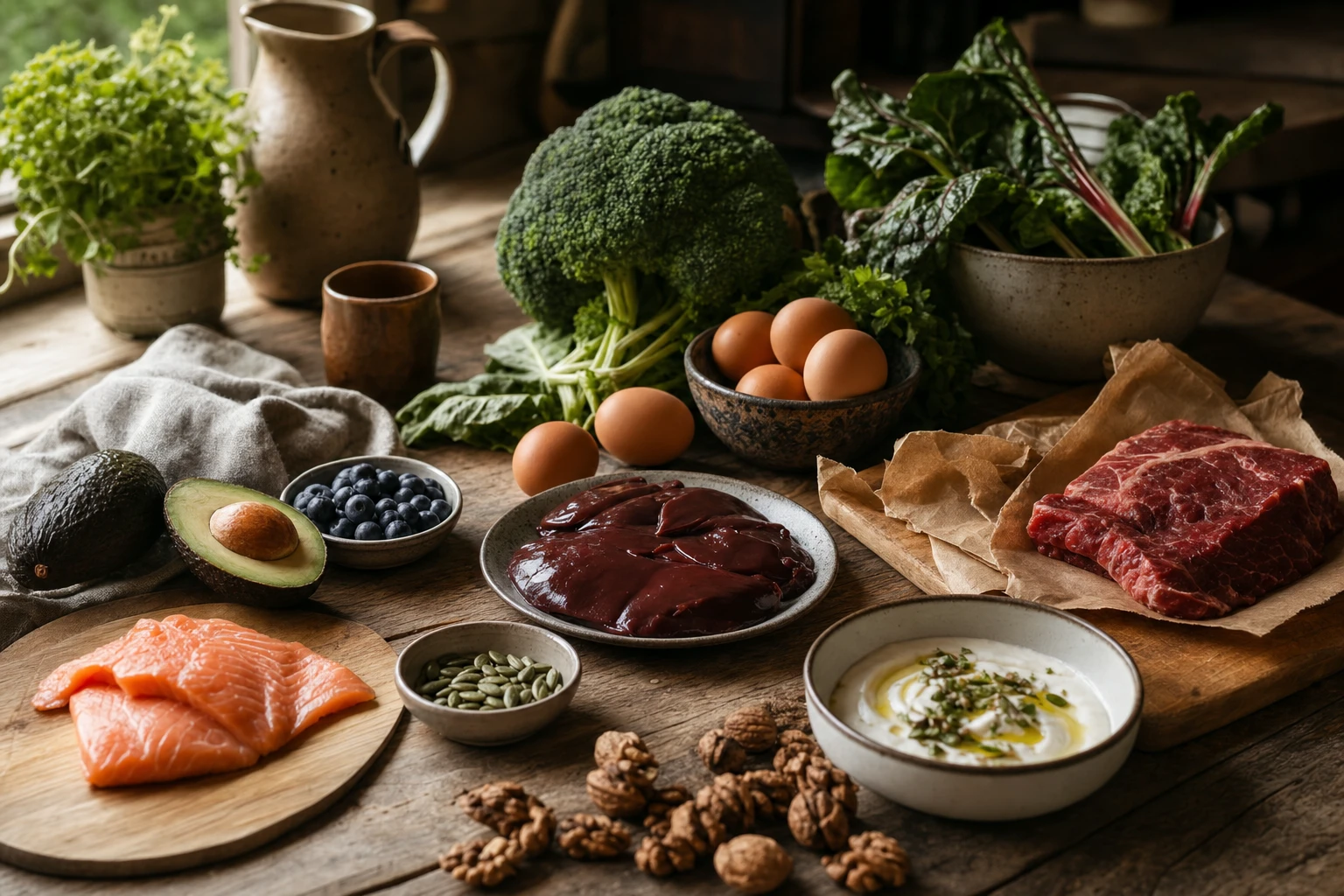
Omega-3 fatty acids form the structure of your brain cell membranes.3 They're essential for neuroplasticity, for memory formation, for mood regulation. The richest sources are fatty fish, grass-fed meat, pastured eggs. If you're not eating these regularly, your brain is literally running on depleted structural components.
B vitamins are cofactors for every neurotransmitter synthesis pathway.4 B6, B12, folate, they're critical for mood stability. They're found in organ meats, eggs, fish, fermented foods. Plant sources exist but bioavailability is lower. This is why people on poorly planned plant-based diets often report mood and cognitive issues.
Magnesium regulates neurotransmitter function and supports the relaxation response of your nervous system.5 Modern soil is depleted of magnesium. Modern diets are low in the foods that historically contained it. People are chronically deficient, and it manifests as anxiety and poor sleep quality.
Zinc is required for the regulation of multiple neurotransmitter systems including GABA signalling.6 It's found richly in animal foods, particularly oysters, beef, and organ meats. Plant sources have lower bioavailability and often come with anti-nutrients that block absorption.
If your gut isn't functioning properly, if you're not digesting and absorbing these nutrients, your brain doesn't get them. You can eat all the right foods and still end up deficient if your gut lining is damaged or your stomach acid is insufficient.

1 of 9
Daily blend
100,000+ thriving families4.9 on Trustpilot
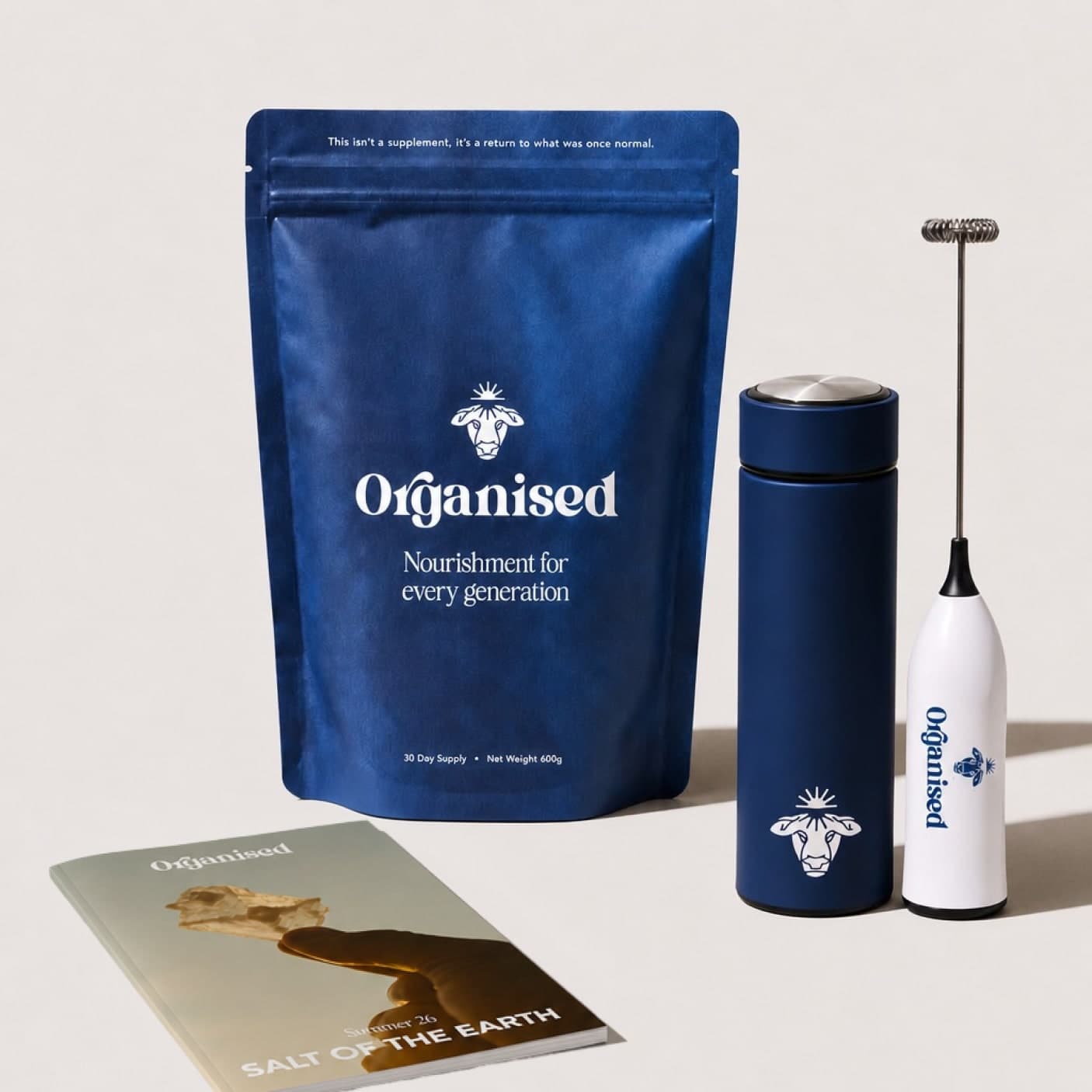
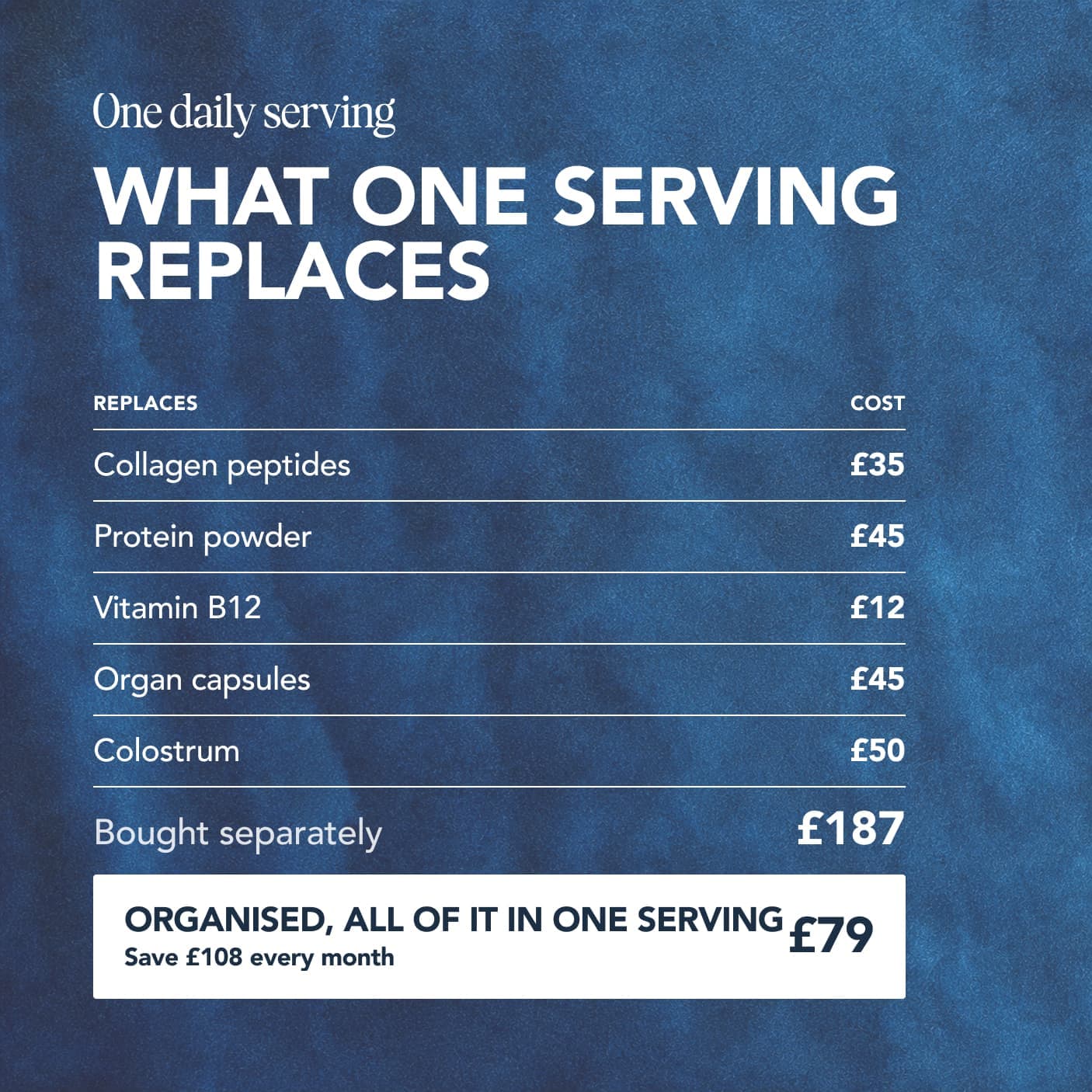
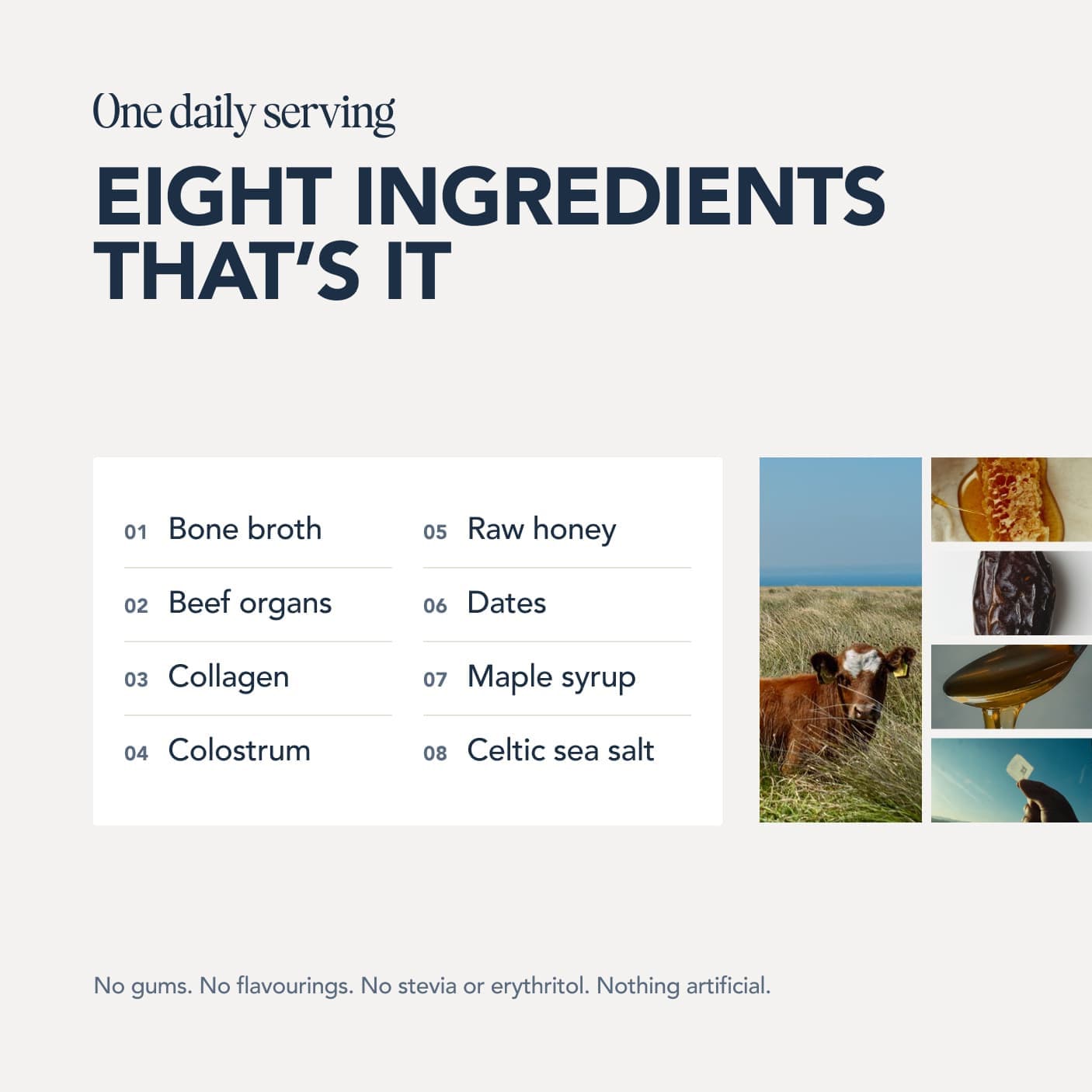
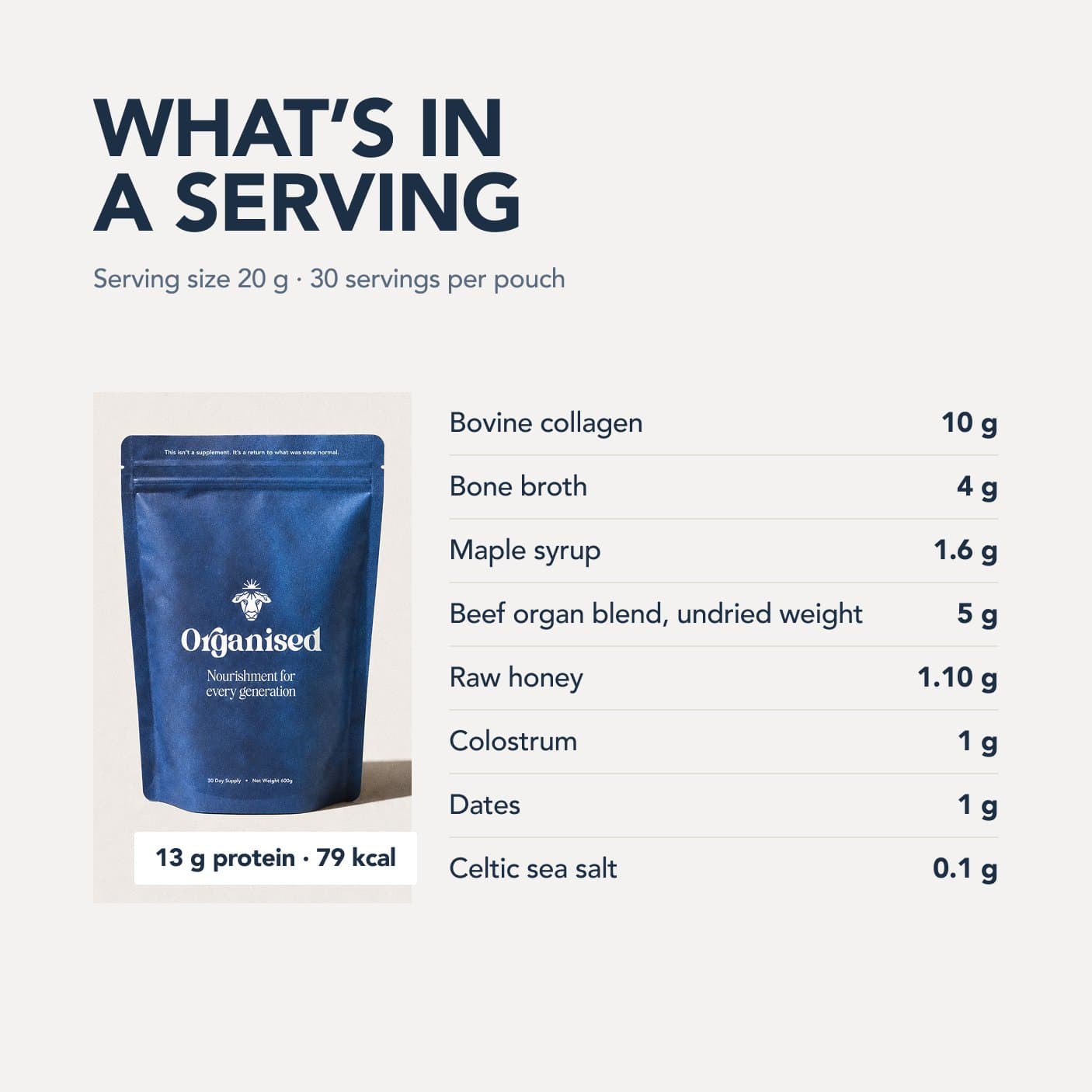
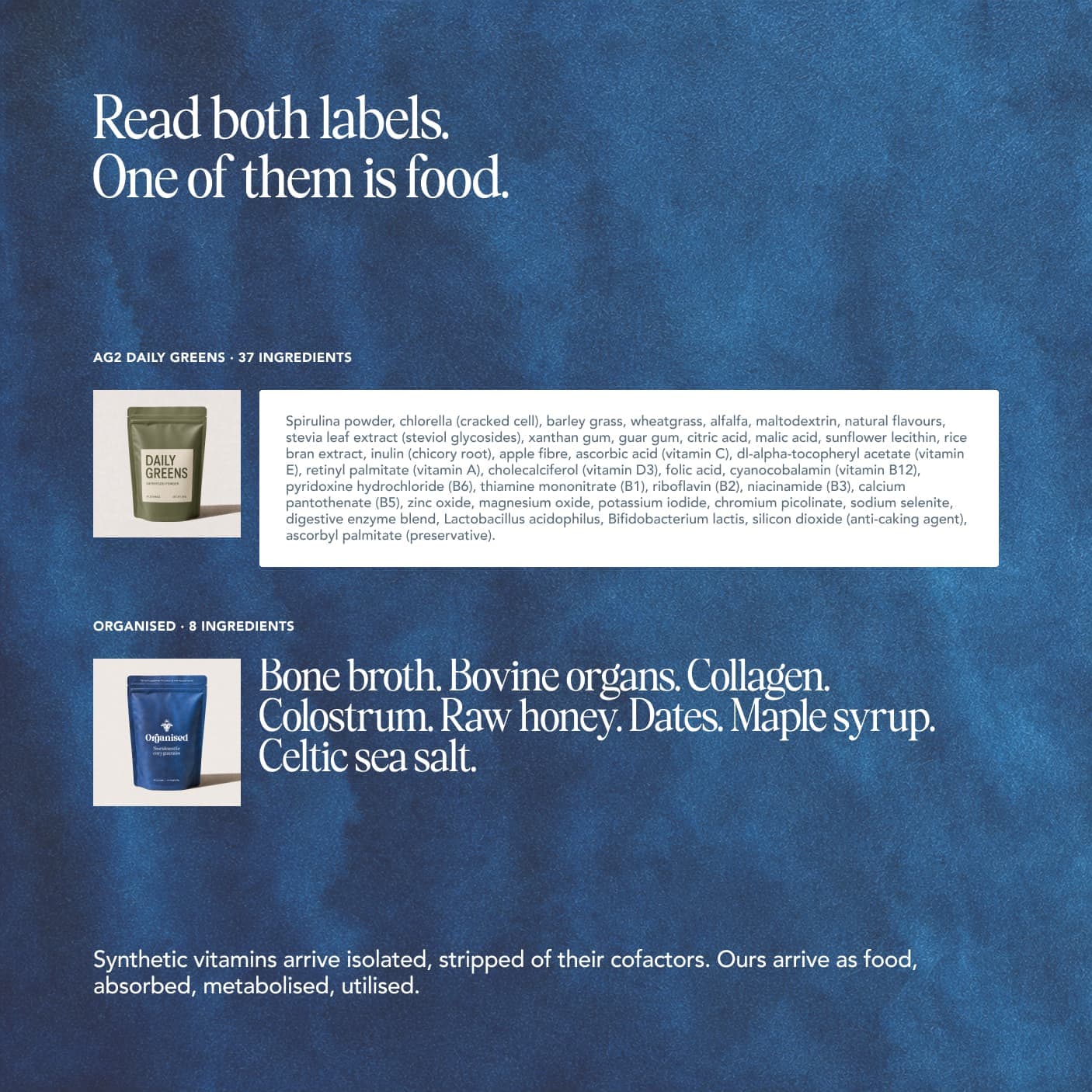
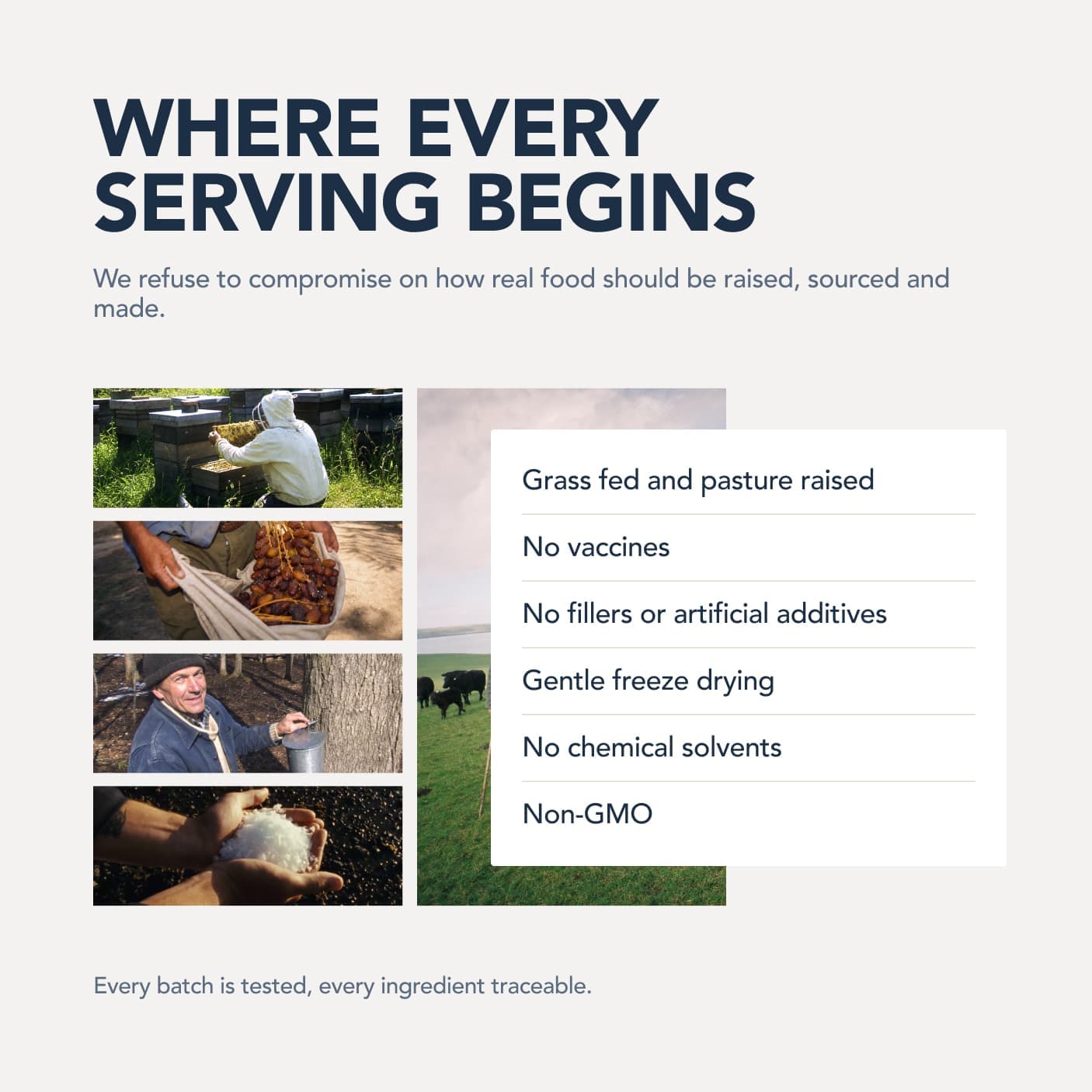
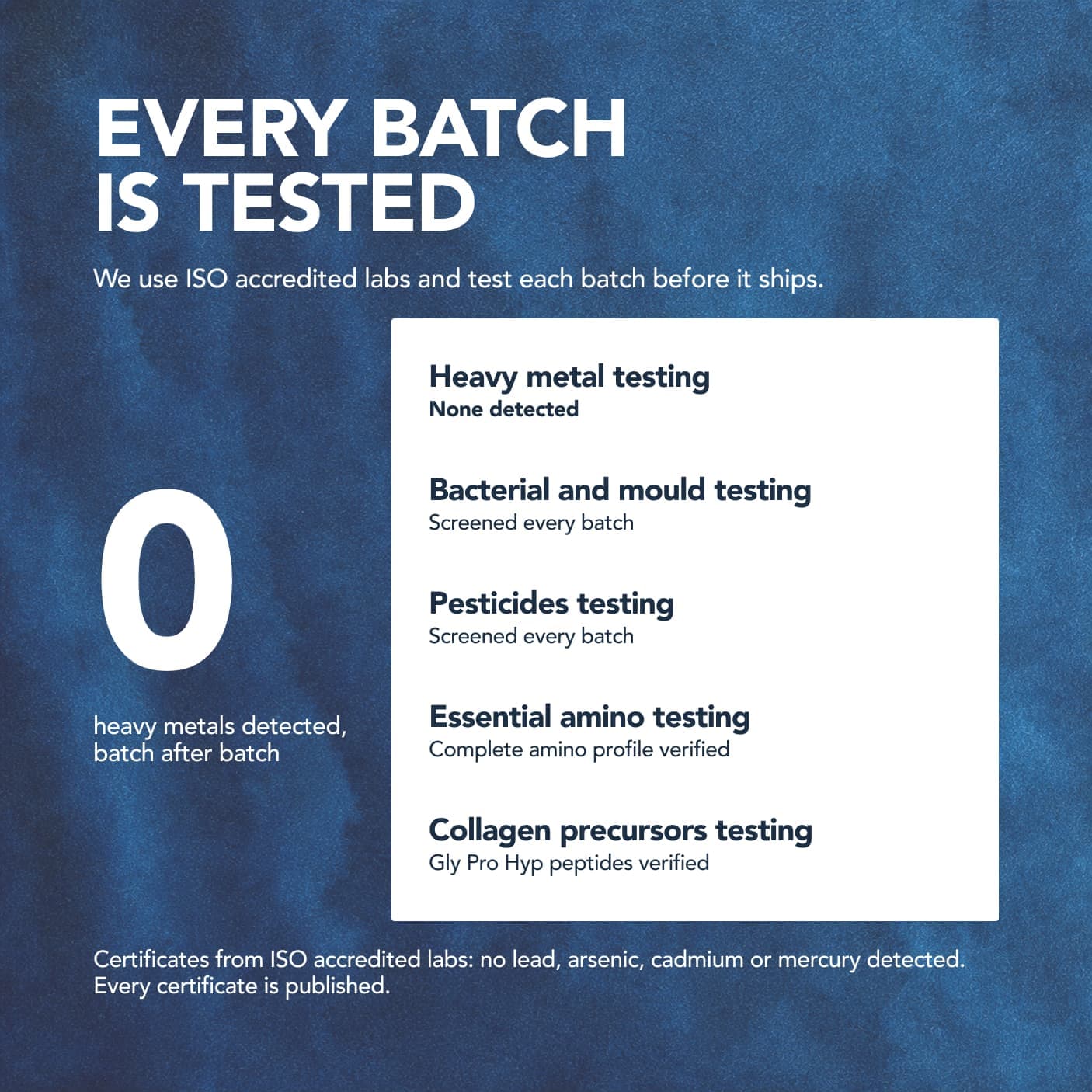
Eight real ingredients built around grass-fed beef organs, collagen and colostrum. Nothing synthetic added.
Free with your first order, worth £38. Plus £10 off the pouch with a subscription.
Free UK shipping · Made in England · 100 day money back guarantee on your first pouch · Skip, pause or cancel anytime
What to actually do about it
The good news is that the gut-brain axis works both directions. If you improve your digestion, your mood often improves. If you stabilise your mood through nervous system regulation, your digestion often improves. They're locked in feedback loops, and you can shift the loop upward.
Start with the foods that are causing inflammation. For most people, this means removing seed oils, ultra-processed foods, refined sugar. These are driving the inflammatory cascade relentlessly. Move toward whole foods. Organs, bone broth, fermented foods, gelatinous cuts of meat. These are the foods that heal the gut lining and feed good bacteria.
Chew properly. Actually chew. This triggers the vagus nerve, signals to your stomach to produce acid, prepares your digestive system for work. If you're eating in a stressed state, while working, whilst scrolling, your digestion doesn't engage properly. Your nervous system remains in sympathetic mode rather than parasympathetic.
If you suspect actual damage to your gut lining or severe dysbiosis, foundations like colostrum and collagen can help repair. These contain compounds that literally rebuild intestinal barrier integrity. Work with them for weeks, not days.
Your mood isn't just in your head. It's in your gut, in your food, in the state of your microbiome and the integrity of your intestinal lining.
The bottom line
The next time you feel anxious or low, before you assume it's purely psychological, ask yourself about your digestion. Have you been eating foods that upset your stomach? Are you bloated, gassy, experiencing brain fog? Your gut is talking to you. Listen to it. Fix the digestion. The mood often follows.
References
Every source below was checked on 27 August 2026. Each PubMed, PMC and DOI identifier was resolved against NCBI or Crossref, and what it opens is printed under the citation, so you can see the link goes where the citation says without leaving the page. Where a citation and its identifier disagreed, the citation was corrected to the record or the reference was deleted along with the sentence marker that pointed at it, and where the resolved paper turned out not to support the sentence, the sentence was cut back to what it does support. Borrowed authority is worse than none, because it looks like rigour.
- Bonaz B, Bazin T, Pellissier S. The Vagus Nerve at the Interface of the Microbiota-Gut-Brain Axis. Front Neurosci. 2018;12:49. PMC5808284Checked 27 August 2026: PMC5808284 opens Bonaz B, Bazin T, Pellissier S, The Vagus Nerve at the Interface of the Microbiota-Gut-Brain Axis. Front Neurosci 2018;12:49. PubMed indexes it as: Review.
- Banskota S, Ghia JE, Khan WI. Serotonin in the gut: Blessing or a curse? Biochimie. 2019. See also Yano JM, et al. Indigenous bacteria from the gut microbiota regulate host serotonin biosynthesis. Cell. 2015. PMC4393509Checked 27 August 2026: PMC4393509 opens Yano JM, Yu K, Donaldson GP et al, Indigenous bacteria from the gut microbiota regulate host serotonin biosynthesis. Cell 2015;161(2):264-76.
- National Institutes of Health, Office of Dietary Supplements. Omega-3 Fatty Acids - Health Professional Fact Sheet. ods.od.nih.gov
- National Institutes of Health, Office of Dietary Supplements. Vitamin B12 - Health Professional Fact Sheet. ods.od.nih.gov
- National Institutes of Health, Office of Dietary Supplements. Magnesium - Health Professional Fact Sheet. ods.od.nih.gov
- National Institutes of Health, Office of Dietary Supplements. Zinc - Health Professional Fact Sheet. ods.od.nih.gov
Who wrote and reviewed this guide
Niall Kiddle
Author · Founder, Organised
Niall is the founder of Organised. He started the company in 2024 after fixing his own health the slow way: in 2022 he swapped a cupboard of synthetic supplements for real food, raw milk, organ meats, bone broth and honey, and felt the difference within months.
Areas of expertise: Ancestral nutrition, Organ meats, Whole-food supplementation, Gut health, Regenerative sourcing
Read Niall's full profile
Pedro Rodrigues
Reviewer · Agronomist (farming and sourcing only)
Pedro is the agronomist Organised works with on farming and sourcing. His job on the guides is to keep the science honest: he reviews what we publish about soil health, regenerative agriculture, grazing and the way food is actually produced.
Areas of expertise: Regenerative agriculture, Agronomy, Soil health, Grass-fed farming, Food sourcing
Reviewed this guide on
Read Pedro's full profileMore on gut health
View all- The Complete Guide to Healing Your Gut with Whole Foods
- Why Your Gut Health Affects Everything (Not Just Digestion)
- 5 Foods You Think Are Healthy (But Are Secretly Ruining Your Gut)
- Acid Reflux and Low Stomach Acid: A Nutritional Perspective
- Bloating After Eating: Common Causes and Whole Food Solutions
- Bone Broth for Gut Health: What the Science Says
- Candida Overgrowth: What It Is and How Nutrition Can Help
- Histamine Intolerance: Could Your Gut Be the Cause?
- How Colostrum and Collagen Work Together to Repair the Gut Lining
- How Stress Destroys Your Gut (And What to Do About It)
- How to Recognise the Early Signs of Poor Gut Health
- How to Reset Your Gut After Antibiotics
Browse the guides library
All guidesKeep reading

Health goals
You Don't Need Another Probiotic. You Need to Fix the Foundation.
Most people take the wrong probiotic for the wrong reason. Here's what your gut actually needs to heal, and why probiotics alone will never fix it.

Health goals
How Colostrum and Collagen Work Together to Repair the Gut Lining
See how colostrum and collagen work together to help seal a damaged gut lining, why each plays a distinct role, and how to use both for steady gut repair.
Health goals
Bloating After Eating: Common Causes and Whole Food Solutions
Discover the real reasons you bloat after meals and which whole foods actually help. Not all bloating is the same, and the fix isn't always less food.
Real food, made effortless
Start my daily blendA few ways to use it
All recipes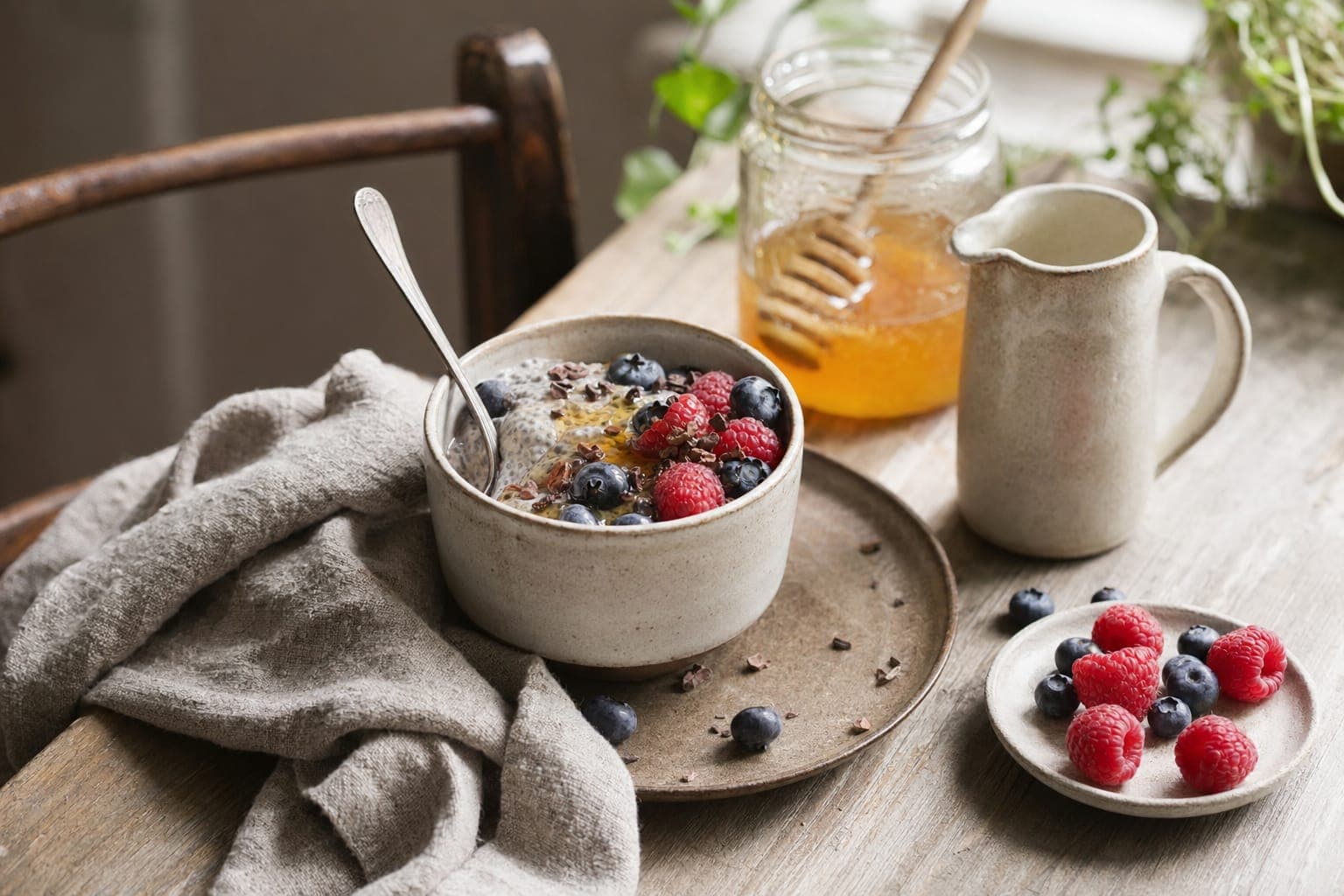
Organised Chia Pudding with Raw Honey and Berries
A no-cook chia seed pudding made with raw milk, collagen, berries, and raw honey. Prep it the night before and eat for breakfast.
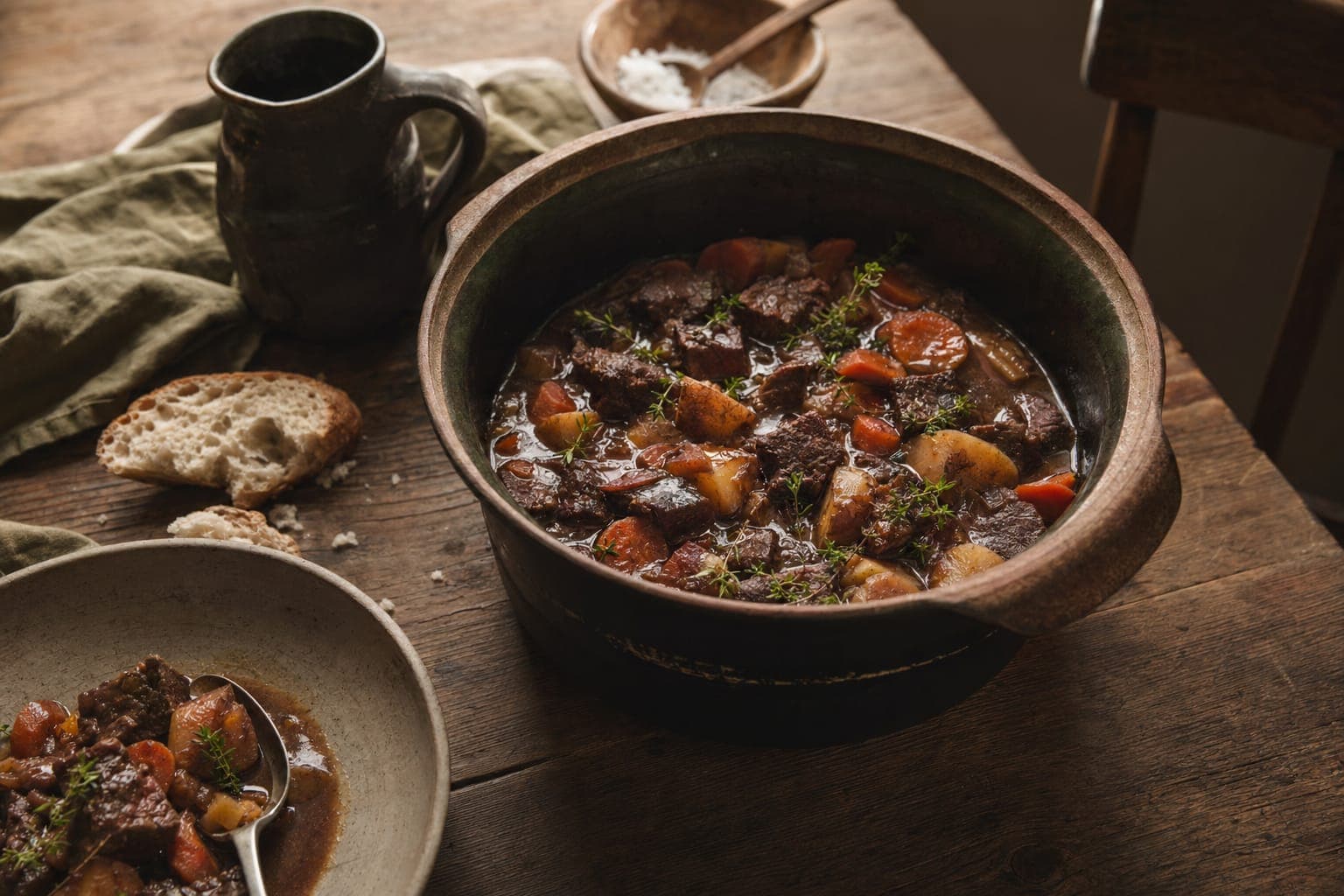
Collagen-Rich Beef Stew: Slow-Cooked Nourishment
Beef stew that delivers collagen from connective tissue and bone broth. Winter comfort food that actually nourishes. Simple slow cooker recipe.
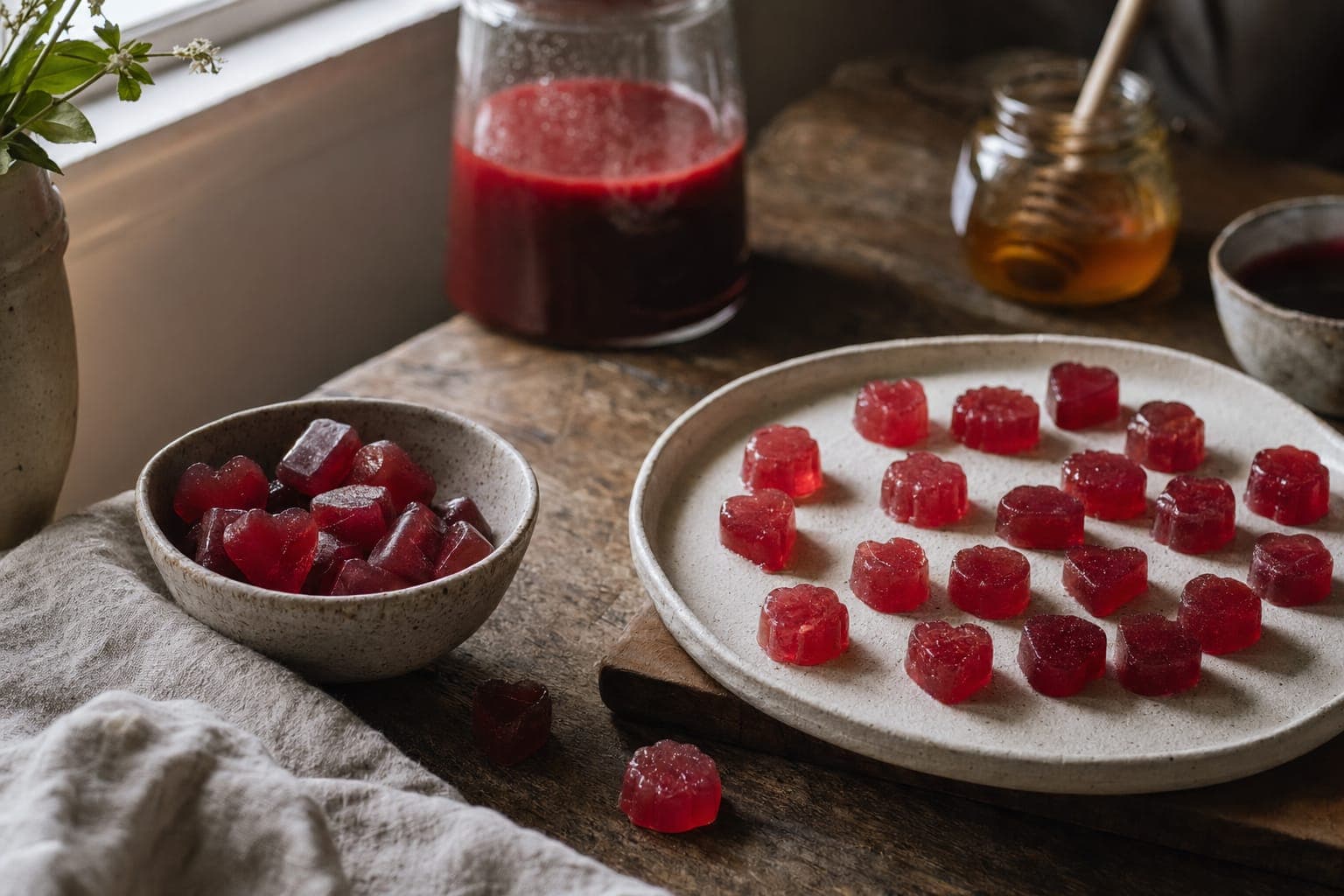
How to Make Your Own Gelatine Gummies
A simple recipe for homemade gelatine gummies using grass-fed gelatine, fresh juice, and raw honey. Better than shop-bought, kids love them.


 Join over 100,000+ members
Build a better food system with us
The Organised community is thousands of people choosing real food and backing the farmers who grow it, all of us trying to leave the world a little better than we found it. If that is what you care about too, you belong here.