You Don't Need Another Probiotic. You Need to Fix the Foundation.
You've been taking probiotics for months. Maybe years. Your digestion still feels off. Your energy is still low. Your bloating hasn't budged. Here's why they're not working.
By Niall Kiddle, Founder, Organised

Reviewed by Pedro Rodrigues, Agronomist (farming and sourcing only) ·
6 min read · Published · Updated · 3 cited sources
Makers of the Organised Daily blend, a grass-fed beef organ supplement from regenerative UK farms
Open your kitchen cupboard. Count the supplement bottles. Probiotics are probably there. Advertised as the solution to everything. Leaky gut. Bloating. Skin problems. Mood issues. Weak immunity. Take these beneficial bacteria, the marketing says, and your gut will heal itself.
Except it doesn't. And there's a reason.
The probiotic industry's clever trick
The probiotic industry has built a multi-billion pound business on a fundamental misunderstanding of gut healing. They've convinced us that the problem is lack of bacteria. Not enough good guys. Not enough of the right strains. More probiotics is the answer.
But that's not the problem at all.
The problem is that you're trying to plant a garden in scorched earth. You're adding seeds to soil that's been poisoned. You're introducing beneficial bacteria to an environment that is actively hostile to them.
Here's what actually happens when you take a probiotic in a damaged gut. The bacteria you swallow are mostly dead by the time they reach your colon, killed by stomach acid.1 The small fraction that survive arrive into a gut environment that is acidic, inflamed, and hostile. They don't multiply. They don't colonise. They pass through your system and out the other end.
You've paid money for nothing.
Probiotics work only if the foundational conditions are right. And in most people who need them, those conditions are catastrophically wrong.
Why probiotics fail in a damaged gut
When your gut lining is damaged, inflamed, or permeable, the environment is fundamentally inhospitable to beneficial bacteria. The pH is wrong. The mucus layer that bacteria depend on is depleted. The tight junctions between cells are broken. The bacterial population is already skewed heavily toward pathogenic strains that thrive in inflammatory conditions.
In this environment, adding more bacteria is like trying to attract songbirds to a garden that's covered in ash and pesticide. The birds might arrive, but they won't stay. The garden is hostile.
The research confirms this. Studies looking at probiotic efficacy show that most benefit people with relatively healthy baseline microbiomes who are taking probiotics for a short, acute purpose like antibiotic recovery. In people with genuine dysbiosis, damaged guts, and chronic digestive issues, probiotics alone show minimal or no benefit.
You need to fix the foundation first. You need to heal the gut lining. You need to restore the mucus layer. You need to shift the pH. Then probiotics might actually take root.
The missing foundation
The two substances your damaged gut needs most are colostrum and collagen. Not a probiotic. Not a prebiotic. Not an expensive protocol.
Colostrum is the milk a mammal produces in the first few days after birth. It's extraordinarily nutrient-dense. It contains immunoglobulins, lactoferrin, growth factors, and peptides specifically designed to seal the gut lining, modulate immune function, and create an environment where beneficial bacteria can thrive.
Collagen is the structural protein that makes up the gut lining itself. When your gut is damaged, you've lost structural integrity. You need the building blocks to repair it.
These two alone address the root cause. They seal the damage. They reduce inflammation. They restore the protective mucus layer. They create an environment where your existing gut bacteria can stabilise and beneficial strains can actually colonise.
Then, and only then, will probiotics be useful.
What colostrum actually does
Bovine colostrum (from cows) has been studied extensively and the evidence is clear. It contains components that directly strengthen the gut lining and reduce intestinal permeability.
The immunoglobulins in colostrum, particularly IgA, coat the gut lining like a protective blanket. They prevent pathogenic bacteria from adhering to cells. They reduce the inflammatory immune response your body mounts against food particles that leak through.
The growth factors, particularly insulin-like growth factor (IGF-1), actually stimulate the growth and repair of intestinal epithelial cells. Your gut cells physically regenerate faster when exposed to these growth factors.
Lactoferrin, an iron-binding protein, reduces the colonisation of harmful bacteria by literally starving them of iron. It creates selective pressure that favours beneficial bacteria.
The result is a sealed gut lining. Reduced inflammation. Fewer particles leaking through. Less activation of the immune system. Your body starts to calm down.
Colostrum is the first food a mammal receives, and it's designed to seal and inoculate the gut. Use it to rebuild one that's been damaged.
Get health guides like this, free
Two short reads a week on eating for energy, gut health, skin, sleep and more.
By signing up you agree to receive emails from us. No spam, unsubscribe anytime.
What collagen actually does
Collagen is abundant in the gut lining. When you have dysbiosis, leaky gut, or chronic inflammation, you lose collagen. The structural integrity fails. The tight junctions fall apart.
Consuming collagen (or the amino acids it breaks down into, particularly glycine and proline) provides the raw material your body needs to rebuild that structure. Your body breaks down dietary collagen and amino acids, then uses them to synthesise new collagen in the gut lining.
Glycine specifically is calming to the nervous system and anti-inflammatory. Proline is a direct building block of collagen. Together they're the skeleton your gut lining needs to rebuild itself.
Bone broth is the traditional way to get these amino acids. Slow-simmered bones release gelatin (partially hydrolysed collagen), along with minerals like magnesium and calcium, and other compounds like hyaluronic acid and glucosamine that support gut healing.
You can also supplement with collagen powder, but bone broth is superior because it provides the whole matrix of compounds your gut needs, not just collagen.
Building the house before painting the walls
This is the metaphor that matters. You wouldn't paint a house built on a crumbling foundation. You wouldn't add furniture to a structure that's falling apart. You'd fix the structure first.
Your gut is the same. Colostrum and collagen are the structural repairs. They're the work that needs to happen before you think about probiotics, prebiotics, or any other intervention.
Here's the protocol that actually works. For the first 2-4 weeks, focus entirely on sealing and rebuilding. Take colostrum daily, 5-15 grams. Drink bone broth daily or supplement with collagen, 10-20 grams. Remove the inflammatory foods we discussed earlier (seed oils, emulsifiers, artificial sweeteners, lectins, ultra-processed foods). Eat simple, real foods.
Your gut symptoms should begin to improve within days. The bloating reduces. Digestion becomes easier. Energy improves.
Only after the gut lining has started to heal, after the inflammation has come down, after the mucus layer has begun to restore, then consider adding a probiotic. At that point the environment is hospitable and the bacteria might actually colonise.
But honestly, many people don't need probiotics at all. If you remove the damaging foods and heal the gut lining with colostrum and collagen, your existing gut bacteria will rebalance themselves. The beneficial strains are still there, dormant, waiting for the conditions to improve. Give them the right environment and they'll recover.
The probiotic industry sells the idea that your problem is lack of bacteria. Your real problem is a damaged house. Fix the house first.
Stop throwing money at probiotics. Stop thinking the answer is more bacteria. Start thinking about rebuilding the foundation. Colostrum. Collagen. Real food. Remove the poisons. Let the structure heal.

1 of 9
Daily blend
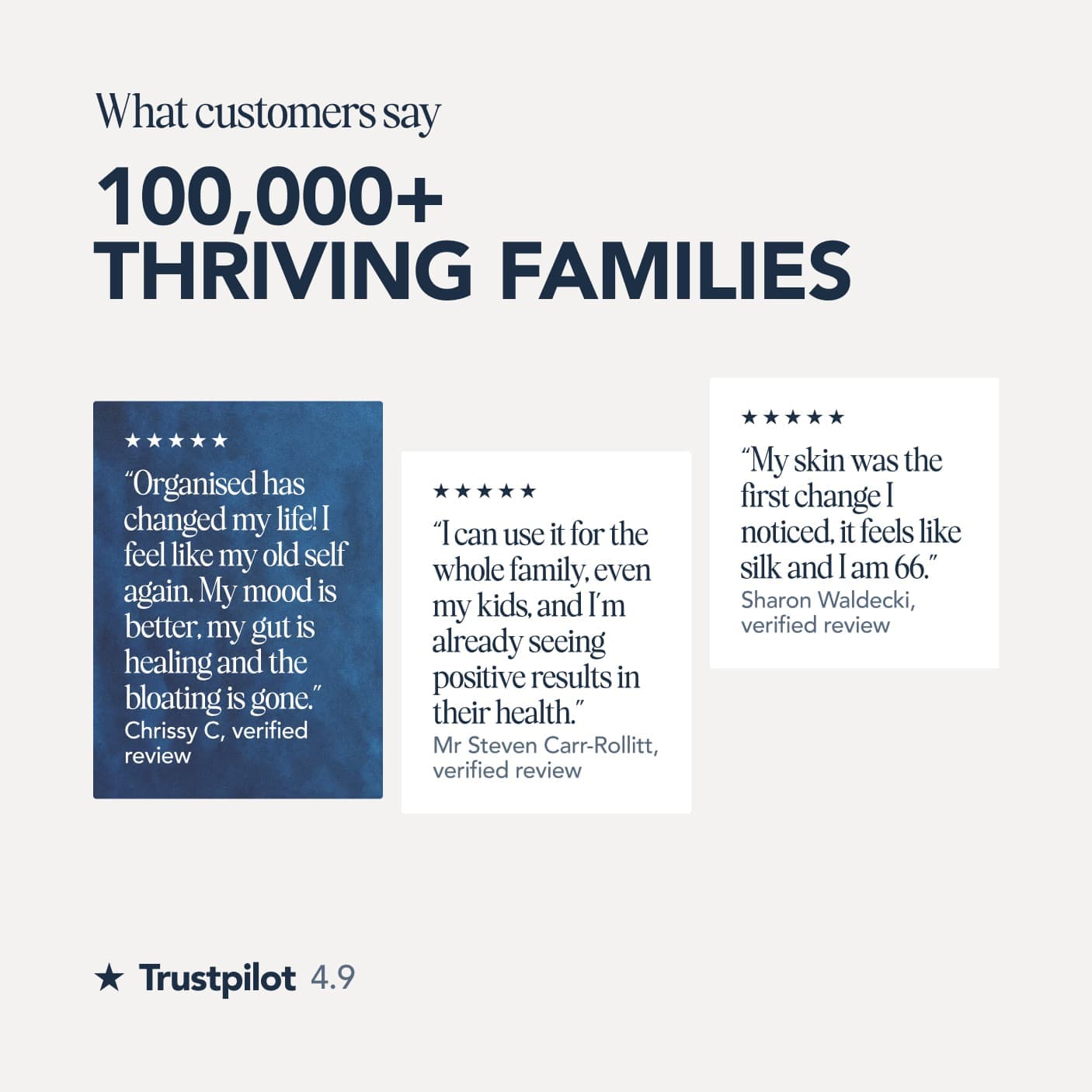
100,000+ thriving families4.9 on Trustpilot
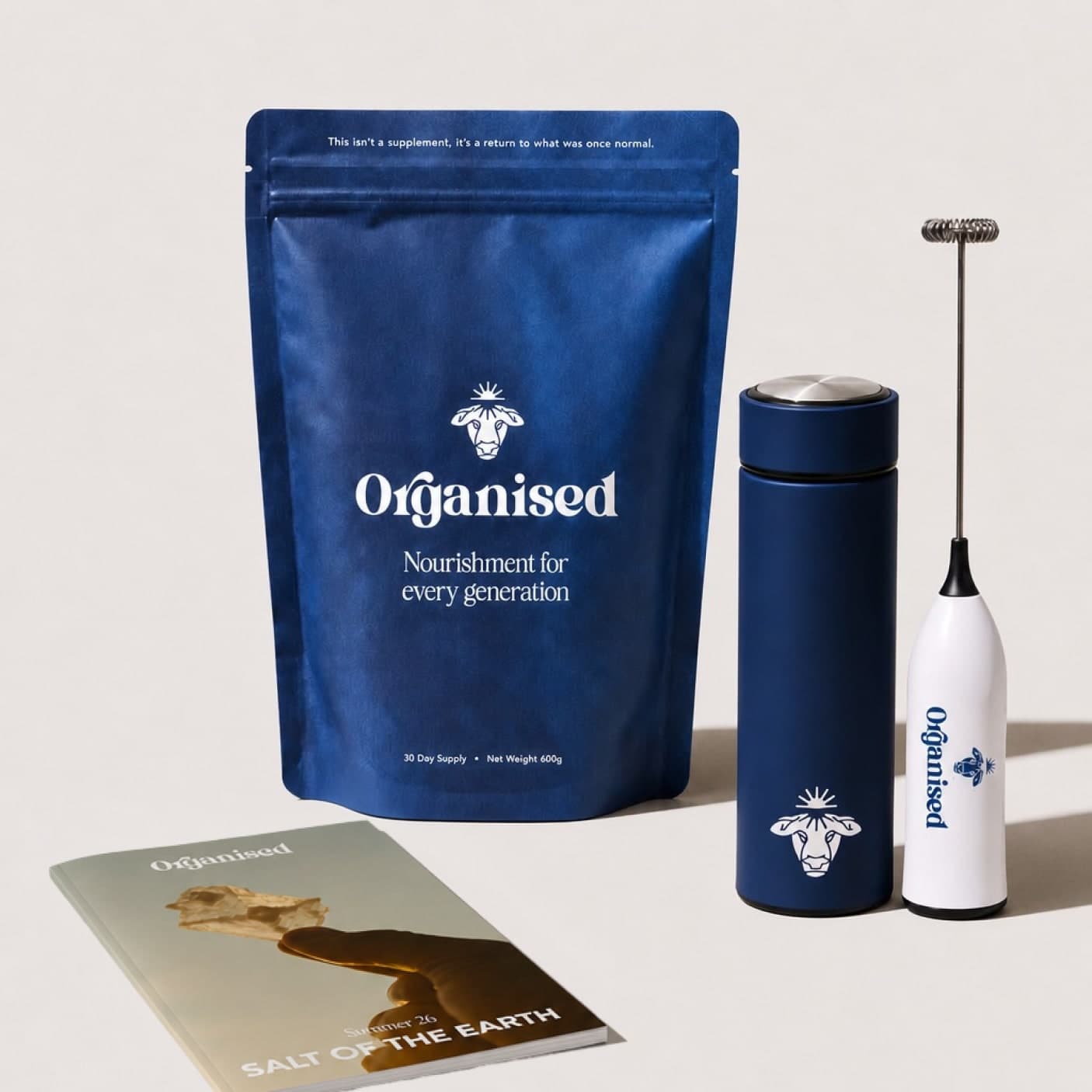
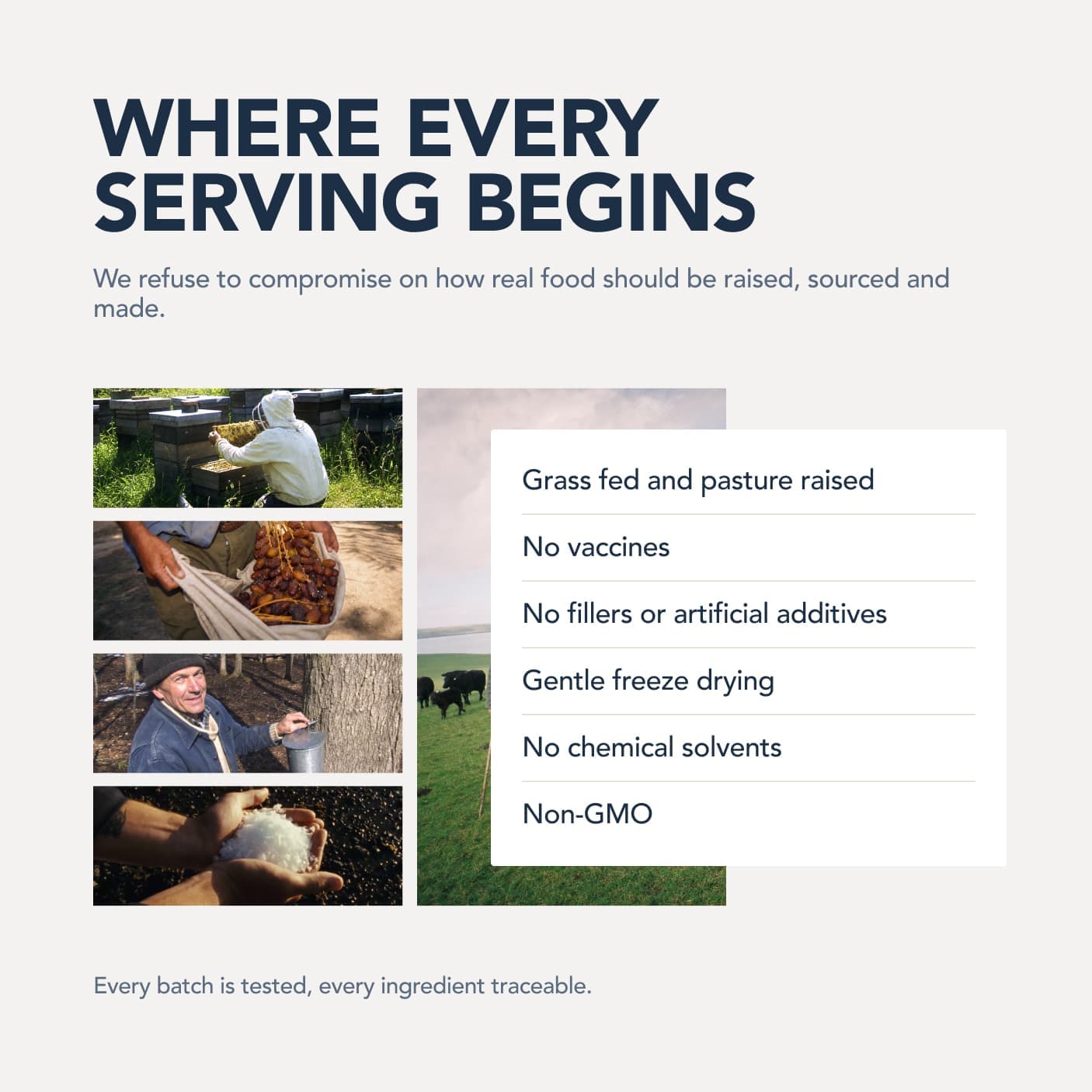
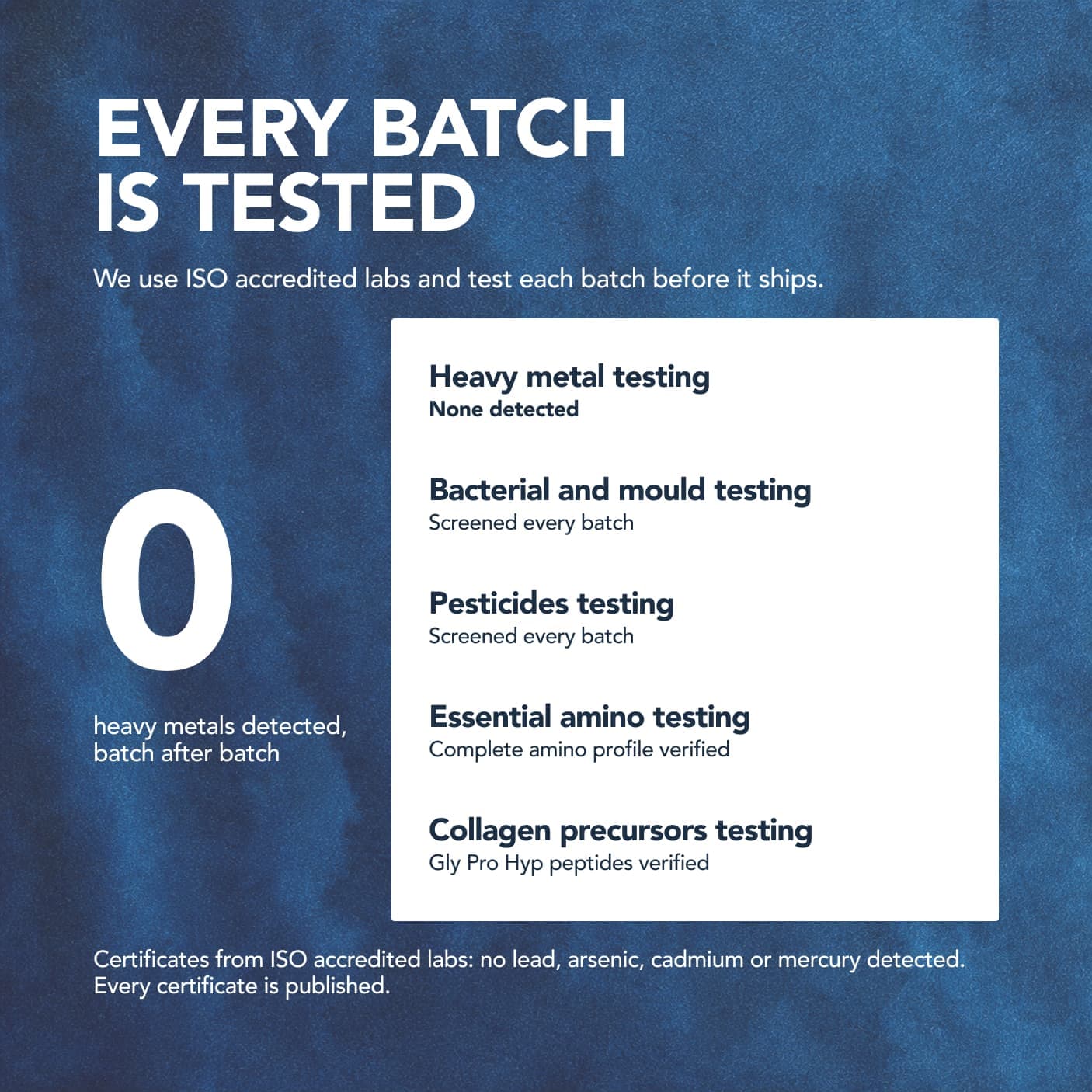
Eight real ingredients built around grass-fed beef organs, collagen and colostrum. Nothing synthetic added.
Free with your first order, worth £38. Plus £10 off the pouch with a subscription.
Free UK shipping · Made in England · 100 day money back guarantee on your first pouch · Skip, pause or cancel anytime
The real protocol
Here's what actually works. For the next 4-6 weeks, your focus is structural repair, not bacterial supplement. This is the unglamorous, unprofitable truth that the supplement industry doesn't want you to know.
Colostrum first. Take 10-15 grams daily, ideally on an empty stomach where it can be absorbed efficiently. The immunoglobulins coat your gut lining. The growth factors stimulate repair. The peptides calm the immune response.
Bone broth second. A mug daily, warm, sipped slowly. Or collagen powder if bone broth isn't accessible. 15-20 grams daily. This is the structural material. Your gut lining is 70 percent collagen.2 You need the amino acids to rebuild it.
Food third. Remove the damaging foods completely. Seed oils, emulsifiers, artificial sweeteners, lectins, ultra-processed foods. Eat meat, fish, eggs, vegetables, fruit, tubers, honey. Real food.
That's it. Four weeks of this. No probiotics. No prebiotics. No expensive protocols. Just colostrum, collagen, and real food.
Then your gut will actually have a chance to become healthy.
References
Every source below was checked on 27 August 2026. Each PubMed, PMC and DOI identifier was resolved against NCBI or Crossref, and what it opens is printed under the citation, so you can see the link goes where the citation says without leaving the page. Where a citation and its identifier disagreed, the citation was corrected to the record or the reference was deleted along with the sentence marker that pointed at it, and where the resolved paper turned out not to support the sentence, the sentence was cut back to what it does support. Borrowed authority is worse than none, because it looks like rigour.
- Han S, et al. Probiotic Gastrointestinal Transit and Colonization After Oral Administration: A Long Journey. Front Cell Infect Microbiol. 2021. PMC8006270.Checked 27 August 2026: PMC8006270 opens Han S, Lu Y, Xie J et al, Probiotic Gastrointestinal Transit and Colonization After Oral Administration: A Long Journey. Front Cell Infect Microbiol 2021;11:609722. PubMed indexes it as: Review.The authors' own declaration, from the record: The authors declare that the research was conducted in the absence of any commercial or financial relationships that could be construed as a potential conflict of interest.
- Wang W, et al. Glycine metabolism in animals and humans: implications for nutrition and health. Amino Acids. 2013. PMID 23615880.Checked 27 August 2026: PMID 23615880 opens Wang W, Wu Z, Dai Z et al, Glycine metabolism in animals and humans: implications for nutrition and health. Amino Acids 2013;45(3):463-77. PubMed indexes it as: Review.
- McFarland LV, et al. Strain-specificity and disease-specificity of probiotic efficacy: a systematic review and meta-analysis. Front Med. 2018. PMC5949321.Checked 27 August 2026: PMC5949321 opens McFarland LV, Evans CT, Goldstein EJC, Strain-Specificity and Disease-Specificity of Probiotic Efficacy: A Systematic Review and Meta-Analysis. Front Med (Lausanne) 2018;5:124.
Corrections
What this page used to say, and why it no longer says it. Corrections are dated and are never removed, because deleting the record of an error is a second error. Every guide we have corrected is listed at our corrections log.
- 27 August 2026. “Your gut lining is 70 percent collagen” was removed. The cited paper is a review of glycine metabolism and says nothing about the collagen content of the gut lining.
Who wrote and reviewed this guide
Niall Kiddle
Author · Founder, Organised
Niall is the founder of Organised. He started the company in 2024 after fixing his own health the slow way: in 2022 he swapped a cupboard of synthetic supplements for real food, raw milk, organ meats, bone broth and honey, and felt the difference within months.
Areas of expertise: Ancestral nutrition, Organ meats, Whole-food supplementation, Gut health, Regenerative sourcing
Read Niall's full profile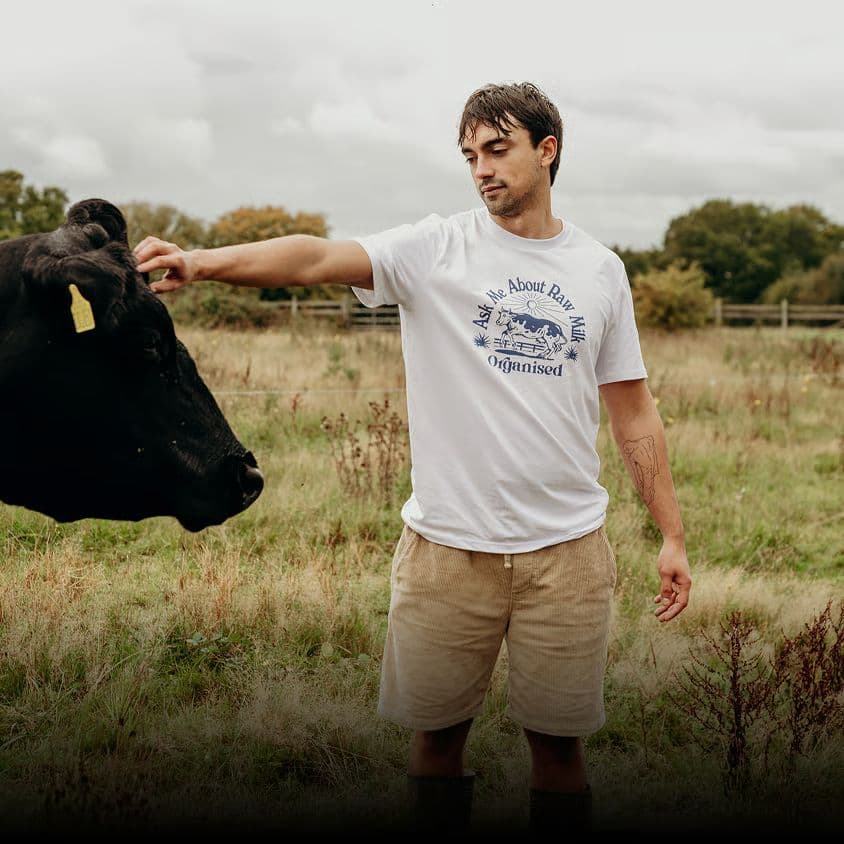
Pedro Rodrigues
Reviewer · Agronomist (farming and sourcing only)
Pedro is the agronomist Organised works with on farming and sourcing. His job on the guides is to keep the science honest: he reviews what we publish about soil health, regenerative agriculture, grazing and the way food is actually produced.
Areas of expertise: Regenerative agriculture, Agronomy, Soil health, Grass-fed farming, Food sourcing
Reviewed this guide on
Read Pedro's full profileMore on gut health
View all- The Complete Guide to Healing Your Gut with Whole Foods
- Why Your Gut Health Affects Everything (Not Just Digestion)
- 5 Foods You Think Are Healthy (But Are Secretly Ruining Your Gut)
- Acid Reflux and Low Stomach Acid: A Nutritional Perspective
- Bloating After Eating: Common Causes and Whole Food Solutions
- Bone Broth for Gut Health: What the Science Says
- Candida Overgrowth: What It Is and How Nutrition Can Help
- Histamine Intolerance: Could Your Gut Be the Cause?
- How Colostrum and Collagen Work Together to Repair the Gut Lining
- How Stress Destroys Your Gut (And What to Do About It)
- How to Recognise the Early Signs of Poor Gut Health
- How to Reset Your Gut After Antibiotics
Browse the guides library
All guidesKeep reading
Health goals
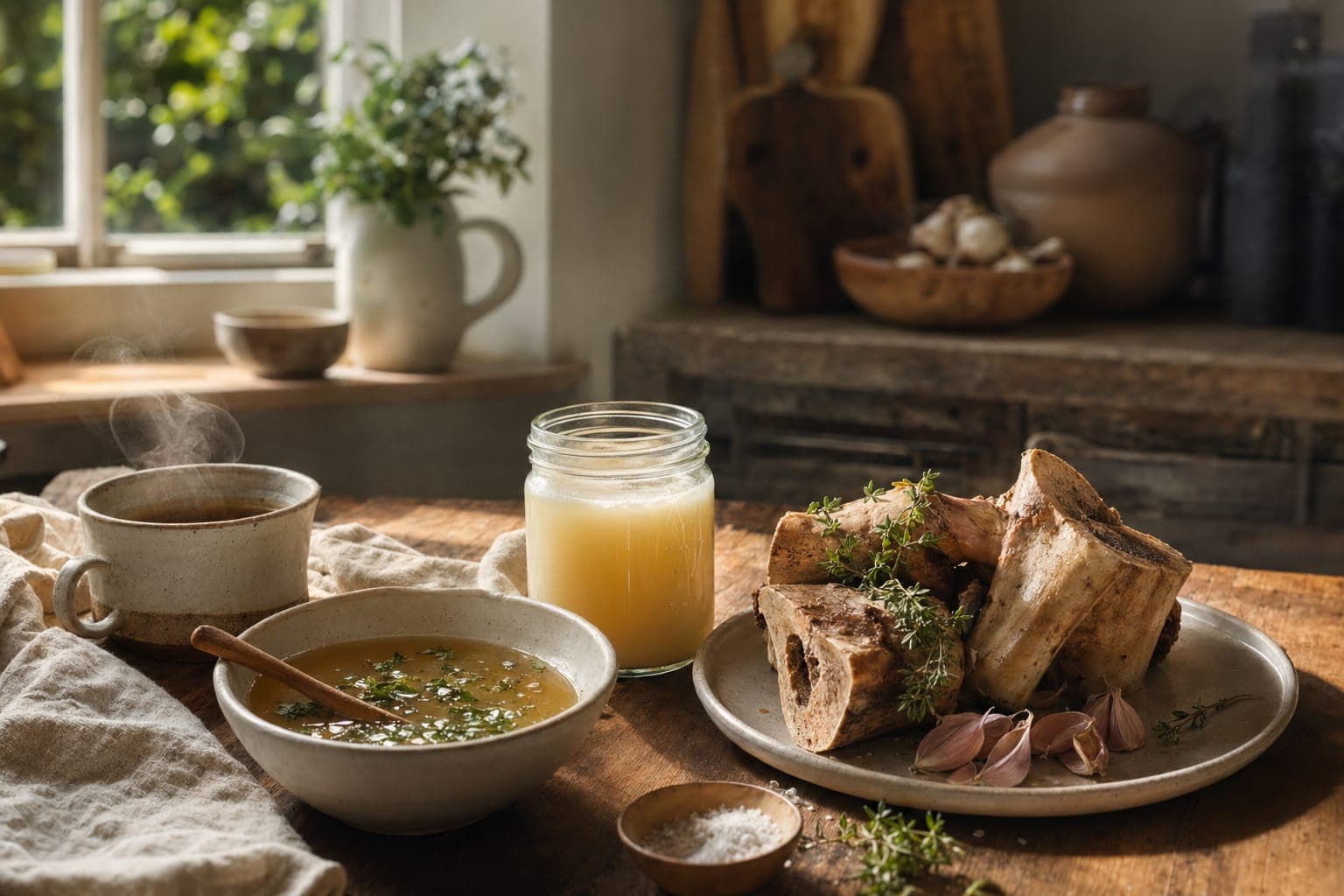
5 Foods You Think Are Healthy (But Are Secretly Ruining Your Gut)
What you think is healthy food might be quietly damaging your gut. Discover the five sneaky culprits sabotaging your digestion, and what to eat instead.
Health goals
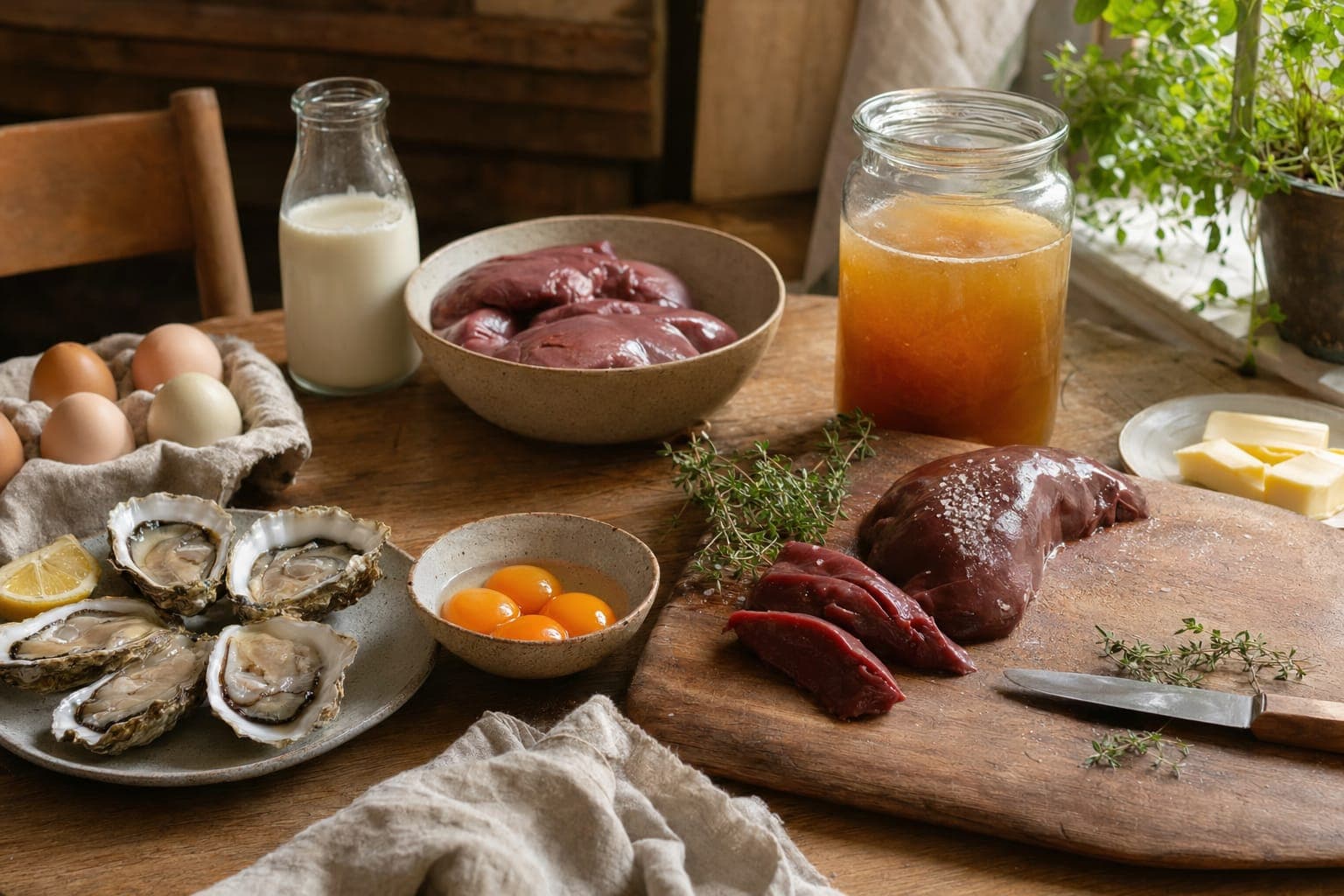
How Colostrum and Collagen Work Together to Repair the Gut Lining
See how colostrum and collagen work together to help seal a damaged gut lining, why each plays a distinct role, and how to use both for steady gut repair.
Health goals
The Best Foods for Thicker, Stronger Hair
Build thicker, stronger hair from within with the best foods for thick hair: organs, eggs, oysters, bone broth, and raw dairy, all packed with key nutrients.
Real food, made effortless
Start my daily blendA few ways to use it
All recipes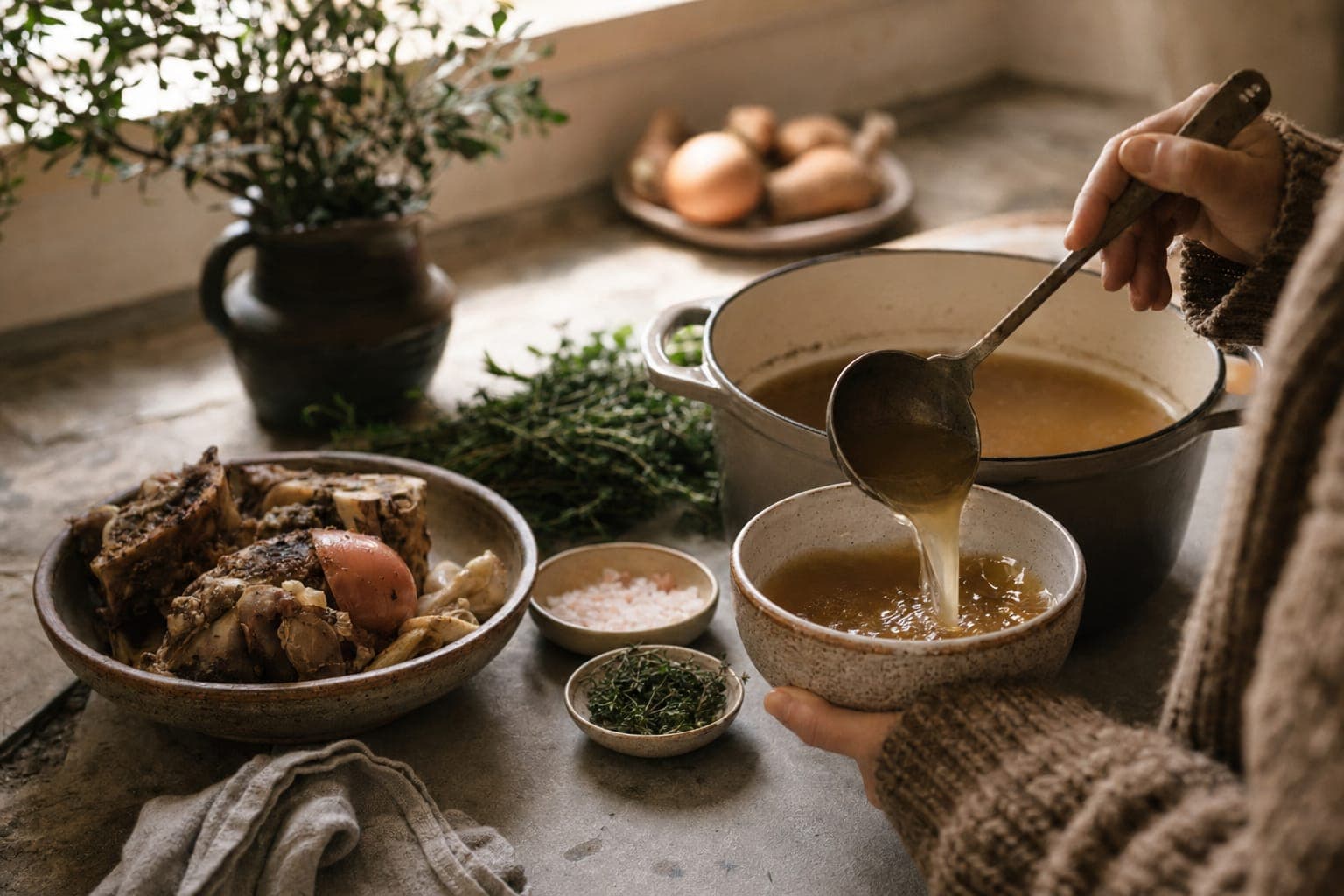
Bone Broth from Scratch: A Step-by-Step Guide
Step-by-step guide to making bone broth at home. Stovetop, slow cooker, and Instant Pot methods. Rich in collagen and gut-healing minerals.
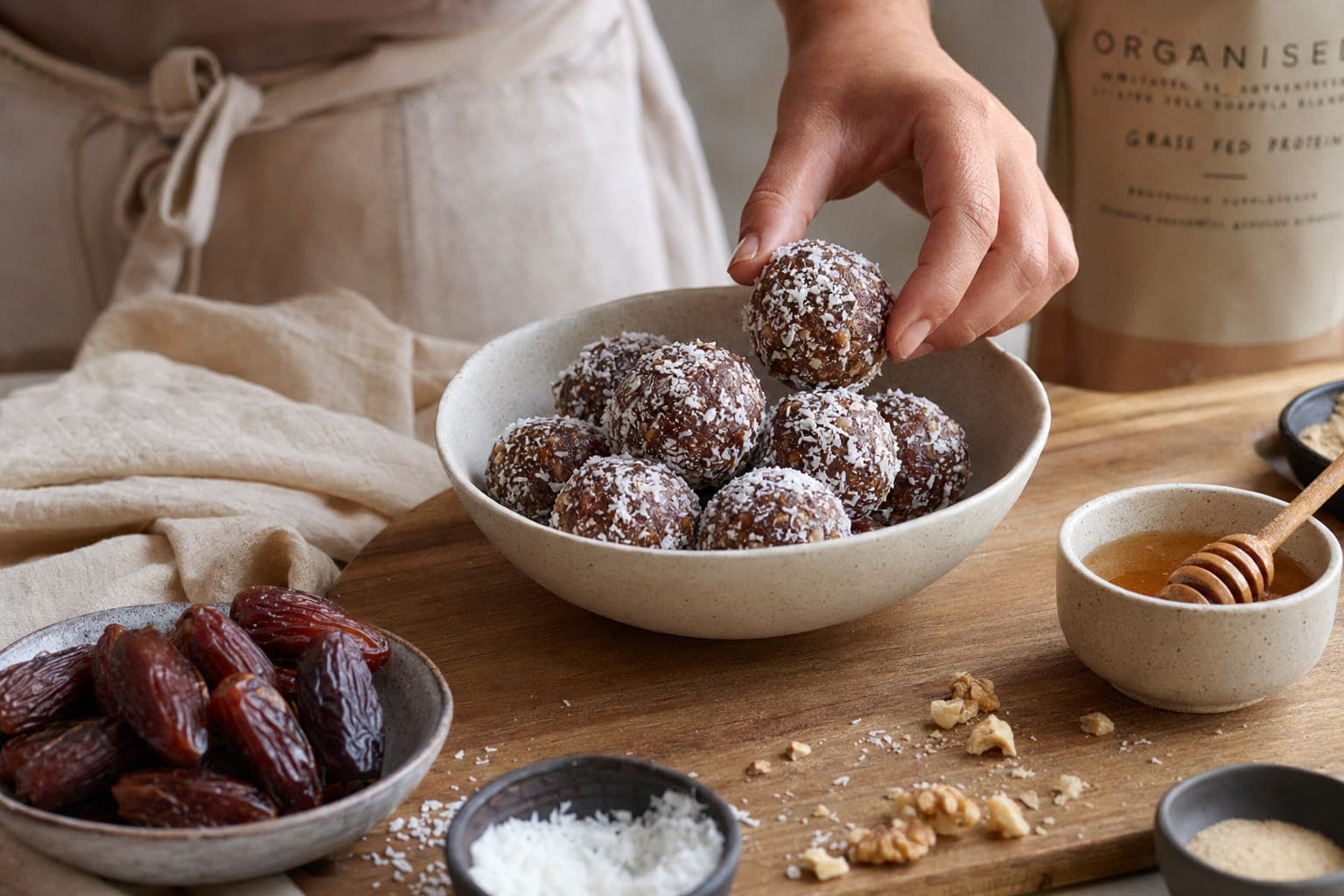
Energy Balls with Organised, Dates and Raw Honey
Make no-bake energy balls with Organised, dates, and raw honey. Perfect lunch box, pre-workout, or on-the-go snack. Simple recipe.
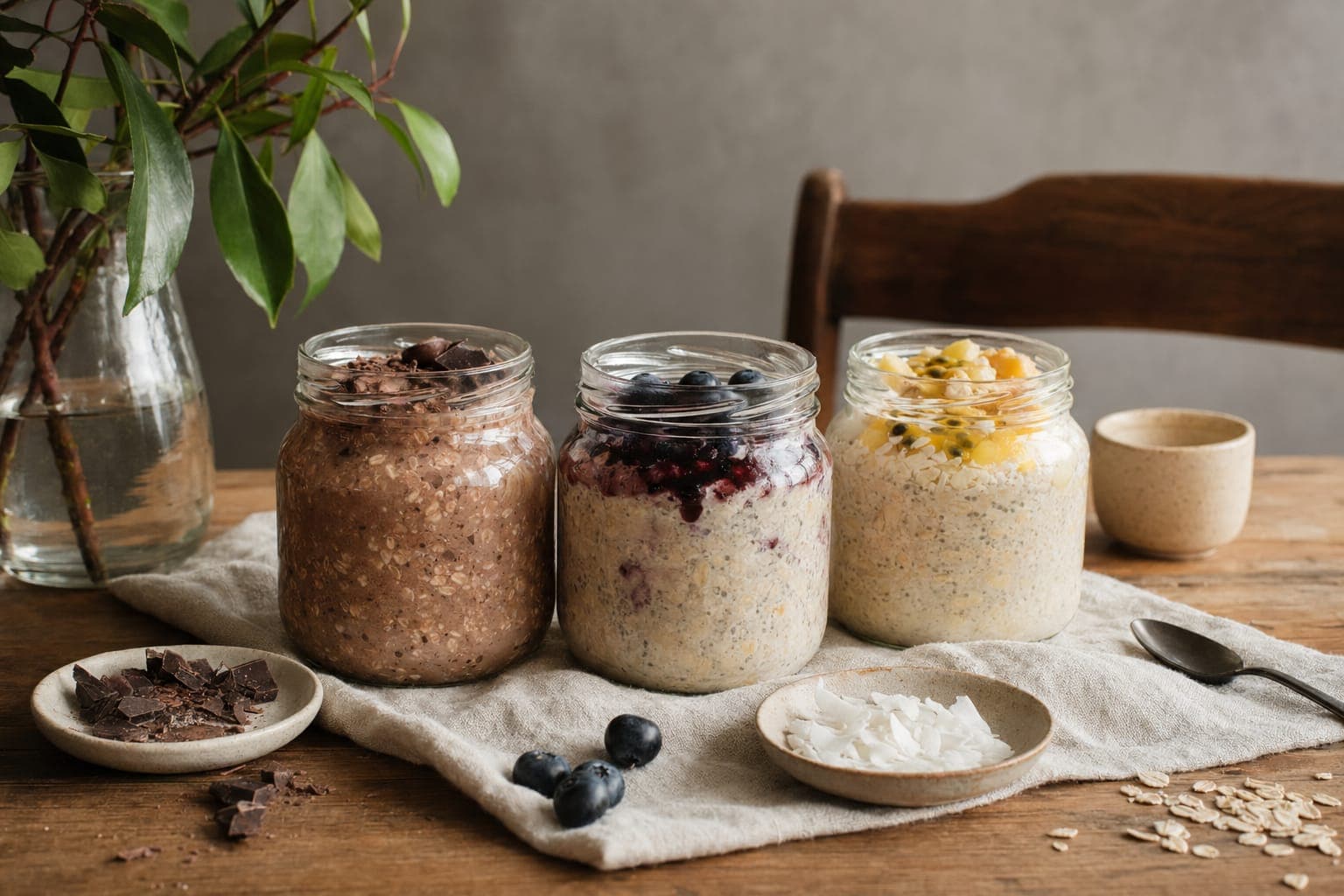
Organised Overnight Oats: 3 Variations
Three delicious overnight oats variations with Organised. Chocolate, berry, tropical flavours. Make them Sunday, eat them all week.


 Join over 100,000+ members
Build a better food system with us
The Organised community is thousands of people choosing real food and backing the farmers who grow it, all of us trying to leave the world a little better than we found it. If that is what you care about too, you belong here.