SIBO: What It Is and How Nutrition Can Help
You're bloated after nearly every meal. You feel full quickly. Your energy crashes mid-afternoon. You've tried every probiotic on the shelf and nothing helps. You might have SIBO, and standard gut health advice could be making it worse.
By Niall Kiddle, Founder, Organised

Reviewed by Pedro Rodrigues, Agronomist (farming and sourcing only) ·
6 min read · Published · Updated · 3 cited sources
Makers of the Organised Daily blend, a grass-fed beef organ supplement from regenerative UK farms
What SIBO actually is
SIBO stands for Small Intestinal Bacterial Overgrowth.1 The small intestine is not meant to house large numbers of bacteria. The colon is. But when bacteria colonise the small intestine, they ferment food in the wrong place, causing bloating, gas, cramping, and malabsorption.
This is different from IBS. With IBS, your small intestine is sensitive but not necessarily overgrown. With SIBO, there's an actual overpopulation of bacteria where bacteria shouldn't be abundant.
SIBO develops when three things align: impaired stomach acid (leading to reduced bacterial killing), slow gut motility (allowing bacteria to accumulate rather than being swept down into the colon), and dysbiosis (a compromised defence against colonisation).2 Fix any one of these and SIBO becomes less likely to develop or recur.
SIBO is a motility problem with a bacterial consequence. You can kill the bacteria, but if motility doesn't improve, they'll return.

The migrating motor complex and why it matters
Between meals, your small intestine doesn't just sit idle. It contracts in a specific pattern called the migrating motor complex (MMC). This wave of contractions travels the length of your small intestine, physically sweeping bacteria, undigested food particles, and debris downward into the colon.
When you eat, the MMC stops. Your small intestine focuses on breaking down and absorbing food. When you stop eating, the MMC restarts. It's a cleaning cycle. In healthy people, the MMC fires every 90-120 minutes during the fasting state.
In SIBO, the MMC is dysfunctional. It fires too slowly, too weakly, or not at all. Bacteria accumulate because they're not being swept away. This is why meal spacing matters so much in SIBO recovery: you're not giving the MMC enough time to complete its cycle.
Why probiotics might be harming you
This is controversial, but it's real: taking probiotics when you have SIBO is like adding more water to an overflowing sink. You're adding more bacteria to an intestine that already has too many.
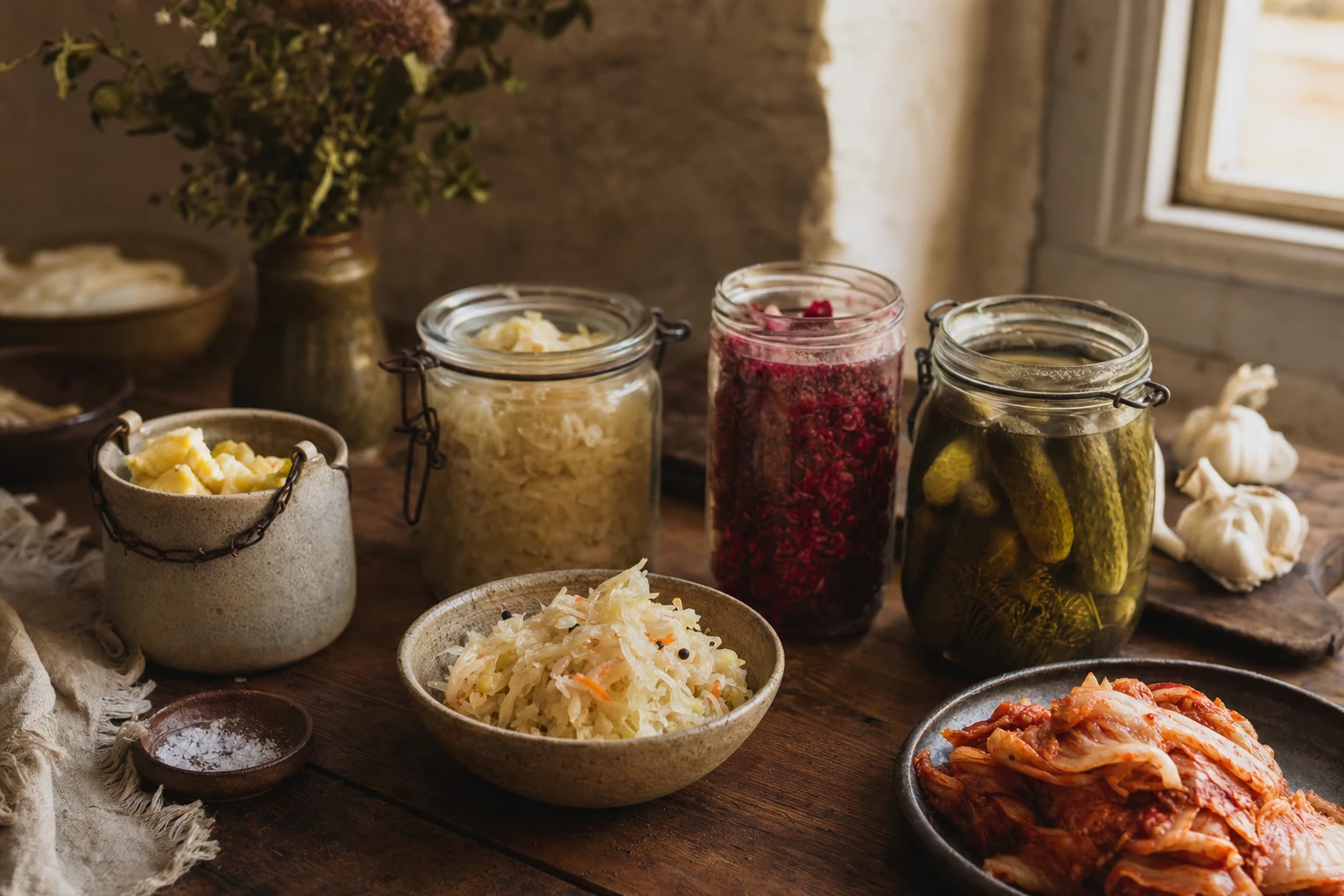
Standard probiotics (Lactobacillus, Bifidobacterium) are meant for the colon, not the small intestine. In SIBO, they can actually feed the overgrowth. Fermented foods are the same problem: they introduce bacteria that belong in the colon, not the small intestine.
This doesn't mean you'll never tolerate probiotics again. It means that during the active phase of SIBO, probiotics are not your first intervention. The goal is first to reduce the bacterial load and restore motility. Then, later, you can safely reintroduce bacteria.
The instinct to add probiotics is strong. But if your small intestine is colonised, adding more bacteria is counterproductive. Motility first. Bacteria later.
Meal spacing: the overlooked intervention
Here's the thing nobody tells you about SIBO: the most powerful intervention is free. It's spacing your meals correctly.
Stop grazing. Stop snacking. Stop the constant stream of food. Eat three meals separated by at least 3-4 hours. Nothing between meals except water, herbal tea, or bone broth. This consistent fasting window allows the MMC to fire properly.
This is hard if you're accustomed to eating every 2-3 hours. But your symptoms are the price of constant eating. The MMC never gets a chance to clean. Your small intestine becomes a petri dish.
For most people with SIBO, correct meal spacing alone improves symptoms within 2-4 weeks. Bloating decreases. Energy stabilises. The constant brain fog lifts. You're not treating SIBO pharmacologically, you're treating it mechanically.
Bitters and stomach acid
Stomach acid kills bacteria before they reach the small intestine. Low stomach acid is a risk factor for SIBO. If you have low acid (common after years of antacid use, or with age, or with chronic stress), SIBO is more likely.
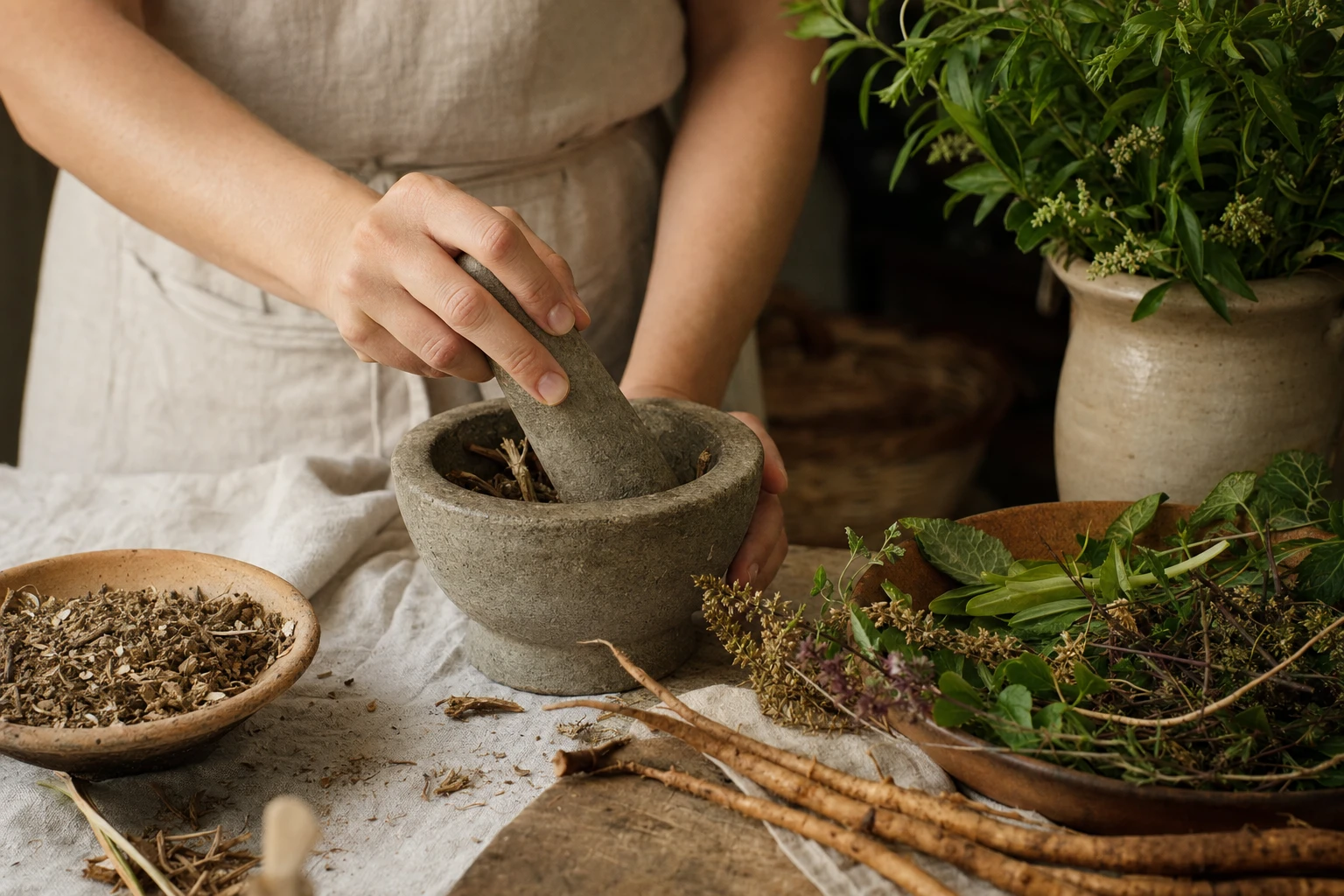
Bitters are compounds that stimulate stomach acid production and digestive enzyme release. A small glass of bitter herbal tea or a tincture before meals can meaningfully improve stomach acid, which reduces the bacterial load reaching your small intestine.
Take dandelion, gentian, or other bitter herbs 10 minutes before meals. This is not a cure, but it supports the natural defence that should be killing bacteria before they overgrow.
Get health guides like this, free
Two short reads a week on eating for energy, gut health, skin, sleep and more.
By signing up you agree to receive emails from us. No spam, unsubscribe anytime.
The low-fermentation approach
Because probiotics and fermented foods can feed SIBO, your diet during active SIBO needs to avoid fermentation both in your food and in your gut.
This means: no fermented foods (sauerkraut, kimchi, kefir, kombucha, aged cheeses, miso). Yes, these are normally healthy. Not right now. Right now they're feeding an overgrowth.
Focus instead on fresh foods, cooked vegetables, simple proteins, and minimal fibre. This sounds restrictive, but it's temporary. Most people follow a low-fermentation diet for 4-8 weeks whilst also addressing motility and acid. Then, as SIBO resolves, they reintroduce fermented foods slowly.
Specific foods that support recovery
During SIBO recovery, favour foods that are easy to digest, don't feed bacteria, and support motility and acid production:
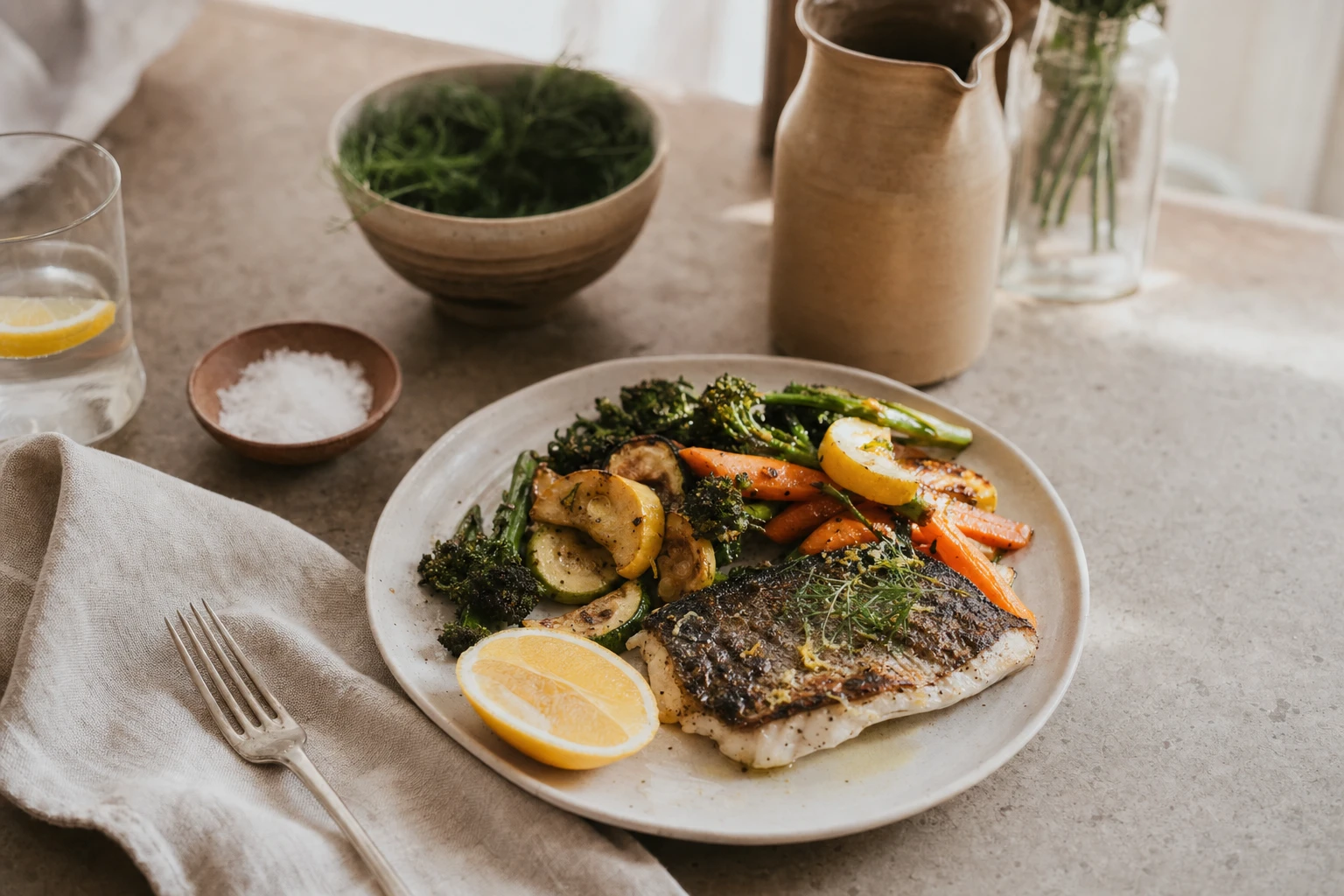
- Well-cooked vegetables (carrots, courgettes, broccoli, asparagus, green beans) easier than raw
- Meat, fish, eggs (fresh, not aged) antimicrobial compounds, high in protein
- White rice, potatoes (cooked and cooled contain resistant starch, which feeds butyrate producers in the colon, not the small intestine)
- Bone broth (supports gut lining, doesn't feed SIBO)
- Olive oil, ghee (provide fat, which supports nutrient absorption)
- Herbs and spices (turmeric, ginger, garlic) with antimicrobial properties
- Herbal teas (chamomile, ginger, peppermint) support digestion without fermenting
SIBO recovery food isn't complicated. It's simple, fresh, cooked, and spaced correctly. You're not treating the diet. You're treating the condition through the diet.
1 of 9
Daily blend
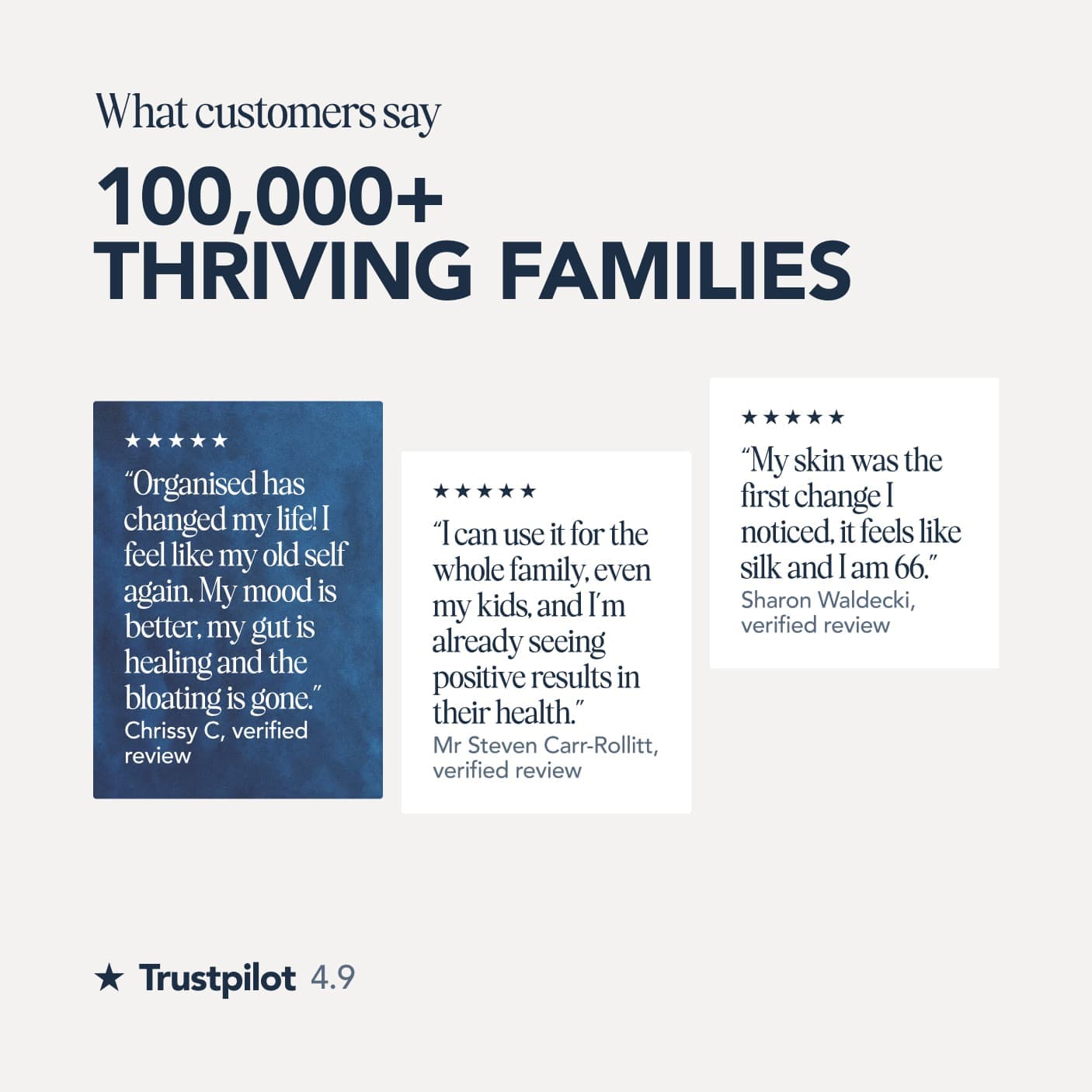
100,000+ thriving families4.9 on Trustpilot
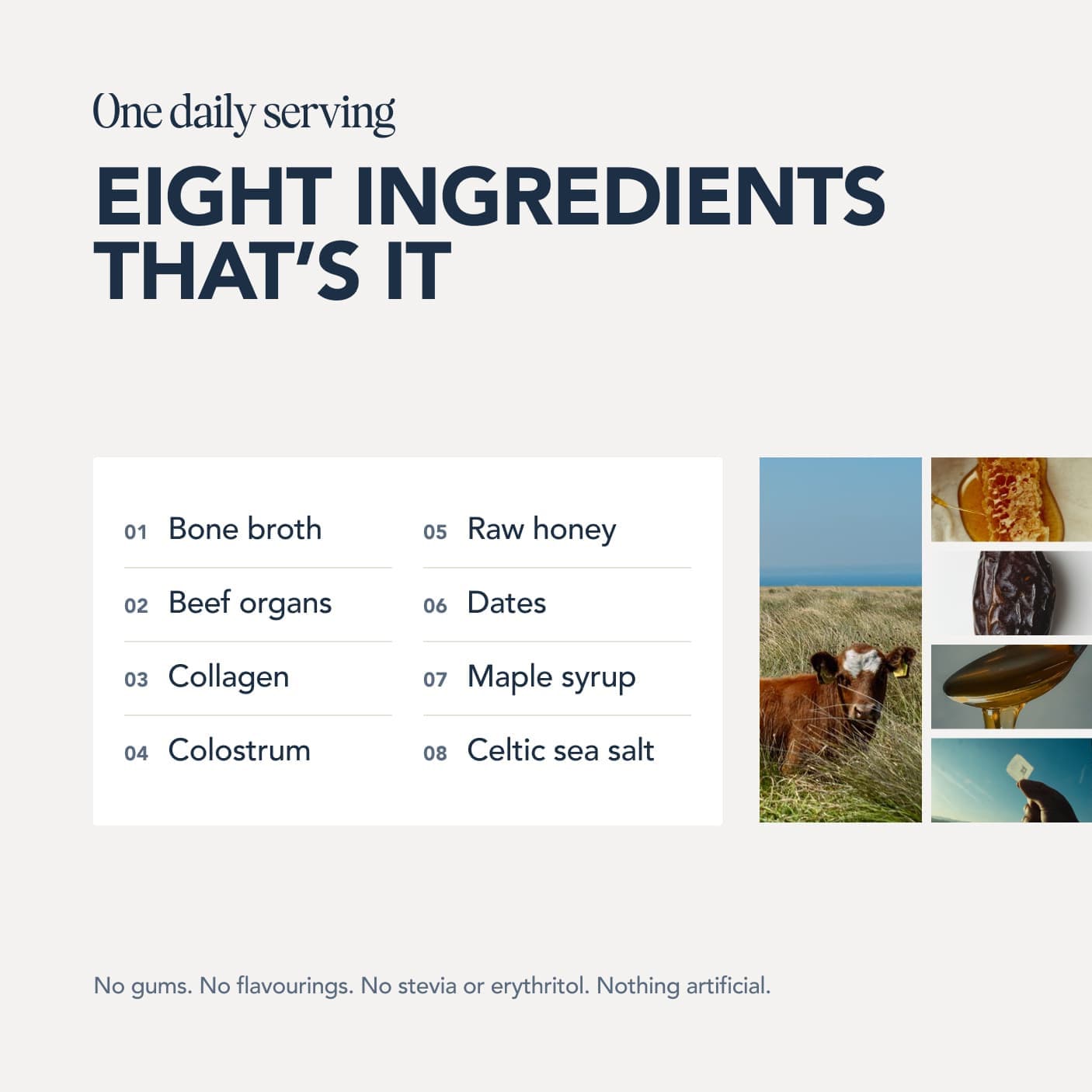
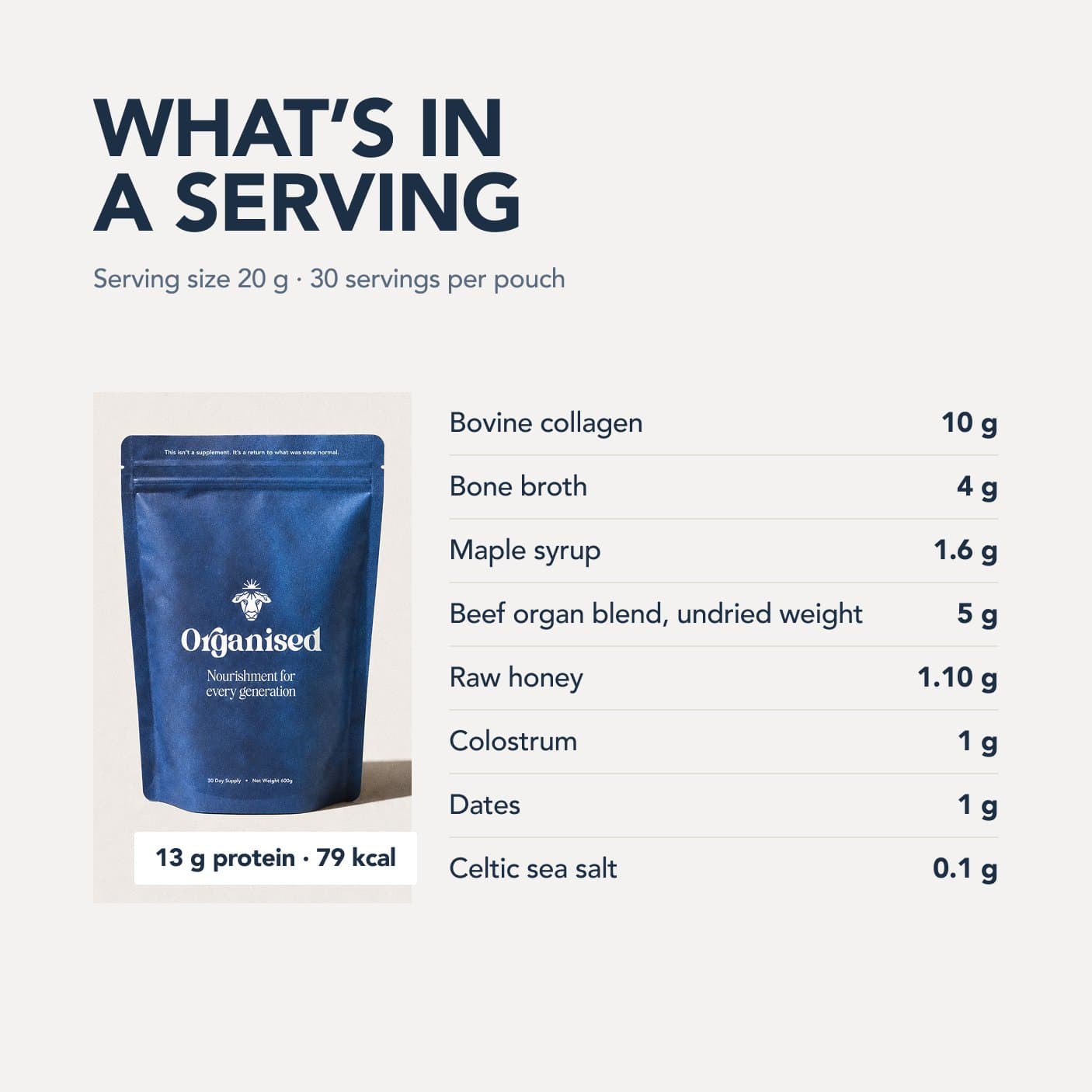
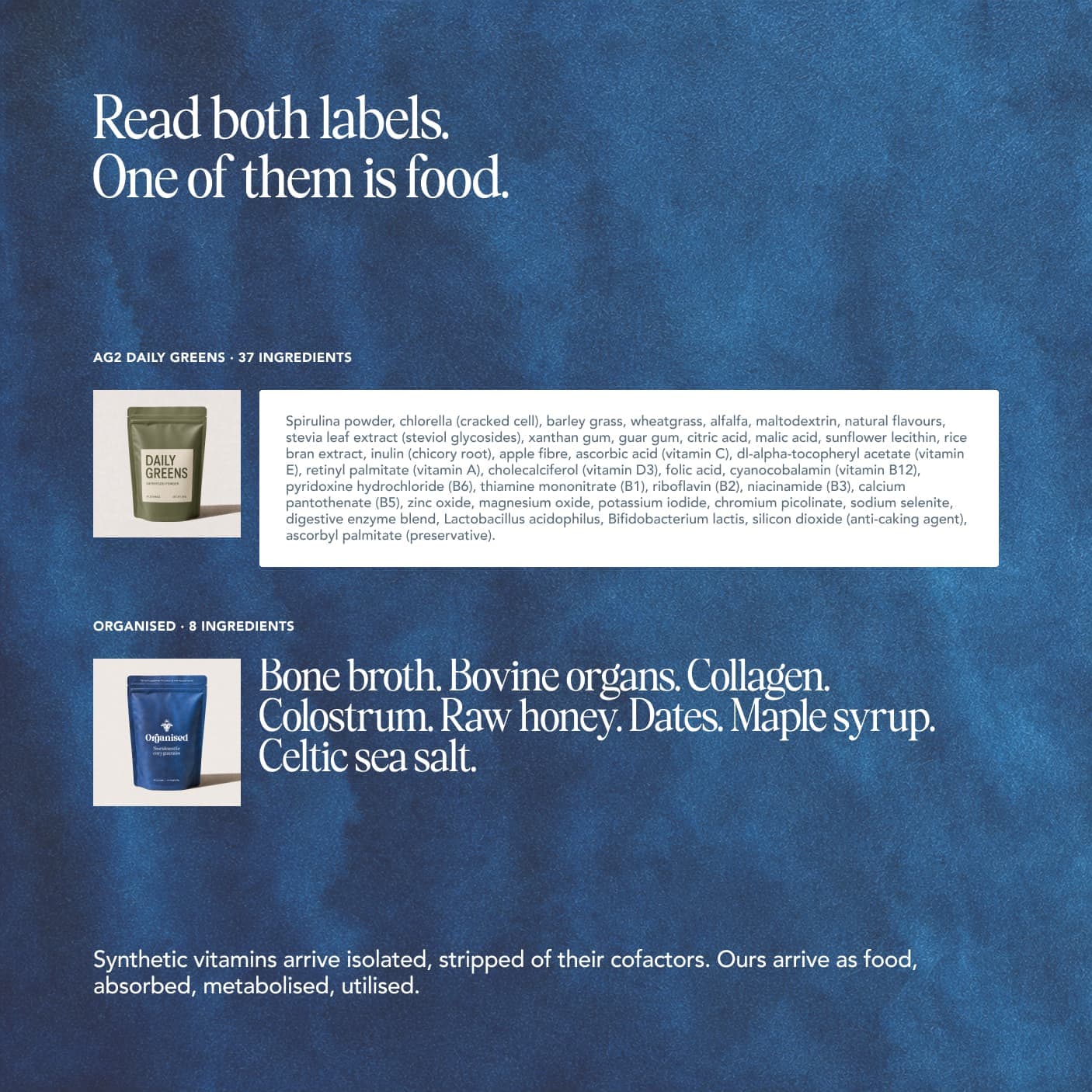
Eight real ingredients built around grass-fed beef organs, collagen and colostrum. Nothing synthetic added.
Free with your first order, worth £38. Plus £10 off the pouch with a subscription.
Free UK shipping · Made in England · 100 day money back guarantee on your first pouch · Skip, pause or cancel anytime
Herbal antimicrobials and SIBO recovery
Some SIBO cases resolve with motility improvement and meal spacing alone. Others require additional antimicrobial support. Rather than pharmaceutical antibiotics (which often lead to recurrence because motility isn't fixed), many practitioners use herbal antimicrobials first.
Herbs with antimicrobial properties that target small intestinal bacteria include oregano oil, thyme, garlic, and ginger. These are traditionally used in Mediterranean and Asian cuisines precisely because they inhibit bacterial fermentation in food. Your ancestors weren't using them medicinally in the modern sense, they were using them culinarily, and the antimicrobial effects were built in.
Oregano oil is the most researched herbal antimicrobial for SIBO. Studies suggest 4 to 6 weeks of oregano oil (at therapeutic doses of 500-1000 mg daily) can reduce bacterial overgrowth. Thyme works similarly. Garlic and ginger are gentler but also contribute.
The practical approach is adding these foods liberally to your diet whilst in the active SIBO recovery phase. Cook with garlic, season with oregano and thyme, grate fresh ginger into herbal teas. You're not medicating, you're eating in a way that naturally inhibits bacterial fermentation.
Herbal antimicrobials aren't a replacement for motility work and meal spacing. They're a supportive tool that gives your gut the advantage whilst you rebuild its natural defences.
The bottom line
SIBO is a motility and bacterial load problem. The nutritional interventions are: correct meal spacing (3-4 hours between meals), avoid fermented foods and probiotics (temporarily), support stomach acid with bitters, and eat foods that don't feed bacterial fermentation in the small intestine.
Most people see symptom improvement within 4 weeks of implementing these changes. Full recovery takes 8-12 weeks. Some people benefit from antimicrobial herbs or pharmaceutical interventions3, but the foundation is always motility and meal spacing. Get those right and the rest becomes possible.
References
Every source below was checked on 27 August 2026. Each PubMed, PMC and DOI identifier was resolved against NCBI or Crossref, and what it opens is printed under the citation, so you can see the link goes where the citation says without leaving the page. Where a citation and its identifier disagreed, the citation was corrected to the record or the reference was deleted along with the sentence marker that pointed at it, and where the resolved paper turned out not to support the sentence, the sentence was cut back to what it does support. Borrowed authority is worse than none, because it looks like rigour.
- Pimentel M, et al. ACG clinical guideline: small intestinal bacterial overgrowth. Am J Gastroenterol. 2020. PMID 32023228.Checked 27 August 2026: PMID 32023228 opens Pimentel M, Saad RJ, Long MD et al, ACG Clinical Guideline: Small Intestinal Bacterial Overgrowth. Am J Gastroenterol 2020;115(2):165-178. PubMed indexes it as: Practice Guideline.
- Achufusi TG, et al. Small Intestinal Bacterial Overgrowth: Comprehensive Review of Diagnosis, Prevention, and Treatment. Cureus. 2020. PMC7386065.Checked 27 August 2026: PMC7386065 opens Achufusi TGO, Sharma A, Zamora EA et al, Small Intestinal Bacterial Overgrowth: Comprehensive Review of Diagnosis, Prevention, and Treatment Methods. Cureus 2020;12(6):e8860. PubMed indexes it as: Review.The authors' own declaration, from the record: The authors have declared that no competing interests exist.
- Chedid V, et al. Herbal therapy is equivalent to rifaximin for the treatment of small intestinal bacterial overgrowth. Glob Adv Health Med. 2014. PMID 24891990.Checked 27 August 2026: PMID 24891990 opens Chedid V, Dhalla S, Clarke JO et al, Herbal therapy is equivalent to rifaximin for the treatment of small intestinal bacterial overgrowth. Glob Adv Health Med 2014;3(3):16-24.
Who wrote and reviewed this guide
Niall Kiddle
Author · Founder, Organised
Niall is the founder of Organised. He started the company in 2024 after fixing his own health the slow way: in 2022 he swapped a cupboard of synthetic supplements for real food, raw milk, organ meats, bone broth and honey, and felt the difference within months.
Areas of expertise: Ancestral nutrition, Organ meats, Whole-food supplementation, Gut health, Regenerative sourcing
Read Niall's full profile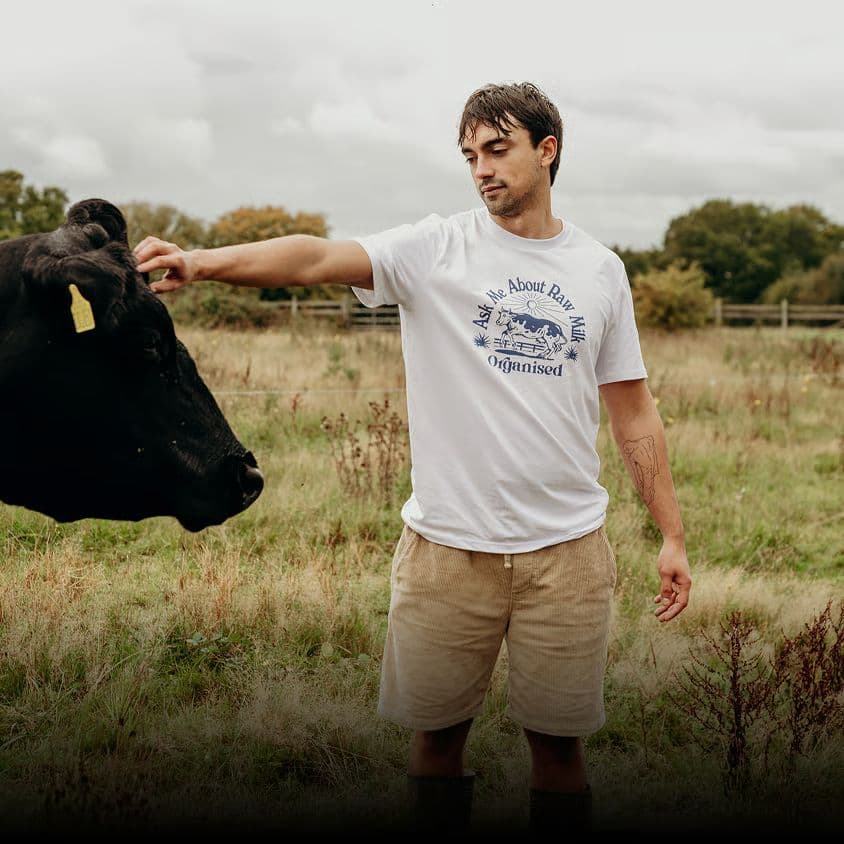
Pedro Rodrigues
Reviewer · Agronomist (farming and sourcing only)
Pedro is the agronomist Organised works with on farming and sourcing. His job on the guides is to keep the science honest: he reviews what we publish about soil health, regenerative agriculture, grazing and the way food is actually produced.
Areas of expertise: Regenerative agriculture, Agronomy, Soil health, Grass-fed farming, Food sourcing
Reviewed this guide on
Read Pedro's full profileMore on gut health
View all- The Complete Guide to Healing Your Gut with Whole Foods
- Why Your Gut Health Affects Everything (Not Just Digestion)
- 5 Foods You Think Are Healthy (But Are Secretly Ruining Your Gut)
- Acid Reflux and Low Stomach Acid: A Nutritional Perspective
- Bloating After Eating: Common Causes and Whole Food Solutions
- Bone Broth for Gut Health: What the Science Says
- Candida Overgrowth: What It Is and How Nutrition Can Help
- Histamine Intolerance: Could Your Gut Be the Cause?
- How Colostrum and Collagen Work Together to Repair the Gut Lining
- How Stress Destroys Your Gut (And What to Do About It)
- How to Recognise the Early Signs of Poor Gut Health
- How to Reset Your Gut After Antibiotics
Browse the guides library
All guidesKeep reading
Health goals
IBS and Nutrition: A Whole Food Approach
Manage IBS symptoms with whole foods, elimination protocols, and low-histamine eating. Includes fermented foods, broth, and reintroduction strategies.
Health goals
Why Your Gut Health Affects Everything (Not Just Digestion)
Around 70% of your immune system lives in your gut. Learn how the gut-brain axis, gut-skin axis, and microbiome influence health system-wide.
Health goals
Pre-Workout Nutrition Without the Chemicals
Skip synthetic pre-workout. Black coffee, beef liver, banana, sea salt, and raw honey fuel training naturally, with no artificial sweeteners or colours.
Real food, made effortless
Start my daily blendA few ways to use it
All recipes
10 Ways to Use Organised That Aren't Just a Shake
Move beyond the basic shake. Discover 10 creative ways to use Organised in smoothie bowls, oats, yoghurt, baking, and more.
How to Make Bone Marrow Butter
Roast grass-fed marrow bones, scoop the marrow, and mix with butter and herbs. A nutrient-dense spread with fat-soluble vitamins.
5-Minute High-Protein Breakfasts Using Organised
Quick, high-protein breakfast ideas using Organised. Five recipes you can make in minutes with real food. No fussing around.


 Join over 100,000+ members
Build a better food system with us
The Organised community is thousands of people choosing real food and backing the farmers who grow it, all of us trying to leave the world a little better than we found it. If that is what you care about too, you belong here.