Collagen for Anti-Ageing: What the Clinical Trials Show
Collagen supplements are everywhere. Marketing claims promise to turn back time. But what does the actual science show? The evidence is stronger than you'd expect, but with important caveats about which forms work and how much time you actually need.
By Niall Kiddle, Founder, Organised

Reviewed by Pedro Rodrigues, Agronomist (farming and sourcing only) ·
7 min read · Published · Updated · 4 cited sources
Makers of the Organised Daily blend, a grass-fed beef organ supplement from regenerative UK farms


Why collagen matters for skin ageing
Your skin is approximately 70 percent collagen by dry weight. Collagen provides structure, elasticity, and resilience. From your twenties onward, you lose roughly 1 percent of your skin collagen per year. By your fifties, you've lost half your collagen. This is why skin loses firmness, develops lines and wrinkles, and becomes thinner and more fragile.
The conventional approach to this is topical: creams that claim to boost collagen production. They don't work significantly because collagen molecules are too large to penetrate skin, and telling your skin cells to make more collagen (when they're lacking building blocks) is futile.
The overlooked approach is internal: providing the actual building blocks collagen requires, allowing your fibroblasts (collagen-producing cells) to rebuild the structure they've lost.
You cannot topically apply collagen molecules and have them integrate into your skin structure. But you can eat collagen peptides, absorb them, and have your fibroblasts use them to rebuild.

What the clinical trials show
A landmark double-blind, placebo-controlled trial (Proksch et al. 2014) examined hydrolysed collagen peptides in women aged 35-55. After eight weeks of 2.5g daily collagen peptides, women showed a statistically significant improvement in skin elasticity compared to placebo, particularly in older participants.1
A 2023 systematic review and meta-analysis of collagen supplementation trials found consistent improvements in skin hydration and elasticity across multiple studies. Most trials used doses between 2.5 and 10 grams daily. The majority showed measurable improvements within 8-12 weeks.2
Important context: the trials used hydrolysed collagen (also called collagen peptides), not whole collagen molecules. Hydrolysed collagen has been broken down into smaller peptides that your digestive system can absorb. Unhydrolysed collagen cannot be absorbed effectively.
Additionally, the evidence is strongest for type I and III collagen (which make up roughly 90 percent of your skin collagen). Type II collagen is primarily cartilage and is less relevant to skin ageing.
The research quality is moderate. Many studies are industry-sponsored and small. But the consistency across multiple independent trials suggests the effect is real, not just placebo.
The key mechanisms
When you consume hydrolysed collagen peptides, your digestive system breaks them into amino acids and dipeptides. Your intestines absorb these, and they enter your bloodstream. From there, your fibroblasts can uptake them and use them as building blocks for new collagen synthesis.
The glycine pathway. Roughly 35 percent of collagen is glycine. This amino acid is not abundant in typical modern diets. Your fibroblasts need a constant supply of glycine to synthesise new collagen. Collagen peptides provide it directly. Additionally, glycine is required for glutathione production (your master antioxidant), so the anti-ageing benefits extend beyond collagen itself.
Signalling molecules. Some collagen peptides contain dipeptides (two amino acids joined together) like hydroxyproline and hydroxylysine. These aren't incorporated directly into collagen, but they signal to your fibroblasts that collagen building blocks are available. Your cells respond by upregulating collagen synthesis.
The cofactor dependency. Collagen synthesis requires vitamin C, copper, lysine, and iron as cofactors.3 Collagen peptides alone aren't sufficient. This is why the trials combining collagen with vitamin C showed better results than collagen alone. Similarly, if you're deficient in copper or iron, collagen supplementation won't achieve full results.

Collagen types and their roles
Type I collagen. Makes up roughly 80 percent of skin collagen. Provides tensile strength and is responsible for maintaining firmness and preventing wrinkles. This is the primary target for anti-ageing.
Type III collagen. Makes up roughly 10 percent of skin collagen. Provides elasticity and is particularly important in younger skin. Type III decreases faster than Type I as you age, contributing to loss of elasticity and sagging.
Type IV collagen. Part of the basement membrane under your skin. Supports the epidermal layer and is important for skin barrier function. Less discussed in anti-ageing contexts but relevant for overall skin health.
Most collagen supplements contain predominantly type I and III from bovine (cow) or marine sources. This is appropriate for skin ageing. Type II (from chicken) is primarily for joints and cartilage, not skin.

Bioavailability and absorption
Not all collagen supplements are created equal. The manufacturing process determines bioavailability.
Hydrolysed collagen (peptides). The form shown effective in research. Hydrolysed means the large collagen molecules have been broken into small peptides (2-3 kilodaltons). This size is optimal for intestinal absorption. Your body absorbs roughly 90 percent of hydrolysed collagen consumed.
Gelatin. Also bioavailable. Gelatin is partially hydrolysed collagen (larger peptides than hydrolysed collagen but smaller than whole collagen). Bone broth contains gelatin naturally and is an excellent whole-food source.
Whole collagen. Not bioavailable in meaningful quantities. If a supplement claims to contain "collagen" but doesn't specify hydrolysation, it's probably whole collagen and largely unabsorbed.
Plant-based collagen." A marketing fabrication. Plants don't contain collagen. They contain amino acids and peptides that may support collagen synthesis, but they're not collagen itself. Real collagen comes from animals.
If it doesn't say "hydrolysed" or "peptides", it's not being absorbed effectively. The label matters more than the marketing.

Get health guides like this, free
Two short reads a week on eating for energy, gut health, skin, sleep and more.
By signing up you agree to receive emails from us. No spam, unsubscribe anytime.
Dosing based on research
The effective dose from clinical trials ranges from 2.5 to 10 grams daily. Most studies showing measurable results used 2.5 to 5 grams daily. More is not necessarily better.
The minimum effective dose. 2.5 grams daily (the dose used in Proksch et al.) appears sufficient for measurable results in 8-12 weeks.1 This equals roughly two capsules or one heaping teaspoon of powder.
The optimal dose. Most practitioners recommend 10 grams daily (split into two 5-gram doses) for maximum effect. This is roughly double the research minimum but still modest in terms of total protein intake.
Timing." Collagen is absorbed more efficiently when consumed with vitamin C (which enhances collagen synthesis). Taking collagen with orange juice or alongside a vitamin C-rich meal is more effective than collagen alone.
Consistency." The trials used daily dosing for 8-12 weeks. Sporadic use is ineffective. Daily consumption is non-negotiable for results.

Collagen combined with other nutrients
The research gets more interesting when collagen is combined with other skin nutrients. A 2022 study combining collagen peptides with hyaluronic acid and vitamin C showed even greater improvements in skin elasticity and hydration than collagen alone. The synergistic effect was measurable.
This makes mechanistic sense. Hyaluronic acid improves water retention in skin, collagen provides structure, and vitamin C supports collagen synthesis. Together, they address multiple aspects of skin ageing simultaneously.
Similarly, collagen combined with adequate copper and iron (from supplementation or increased intake of organ meats) produces better results than collagen without these minerals. Copper is essential for lysyl oxidase, which cross-links collagen molecules and gives them strength.4
The takeaway: collagen supplementation works better when combined with the cofactors it needs. This is why the most effective anti-ageing protocol combines collagen peptides (2.5-10g daily) with vitamin C intake (from food or supplement), mineral status optimisation (especially copper and iron), and dietary collagen sources like bone broth and gelatin.
Collagen versus bone broth
Both are collagen sources, but they're not identical. Hydrolysed collagen peptides are a concentrated, isolated source of collagen amino acids. Bone broth is a whole-food source that contains collagen, but also minerals, other amino acids, and gelatin in varying ratios.
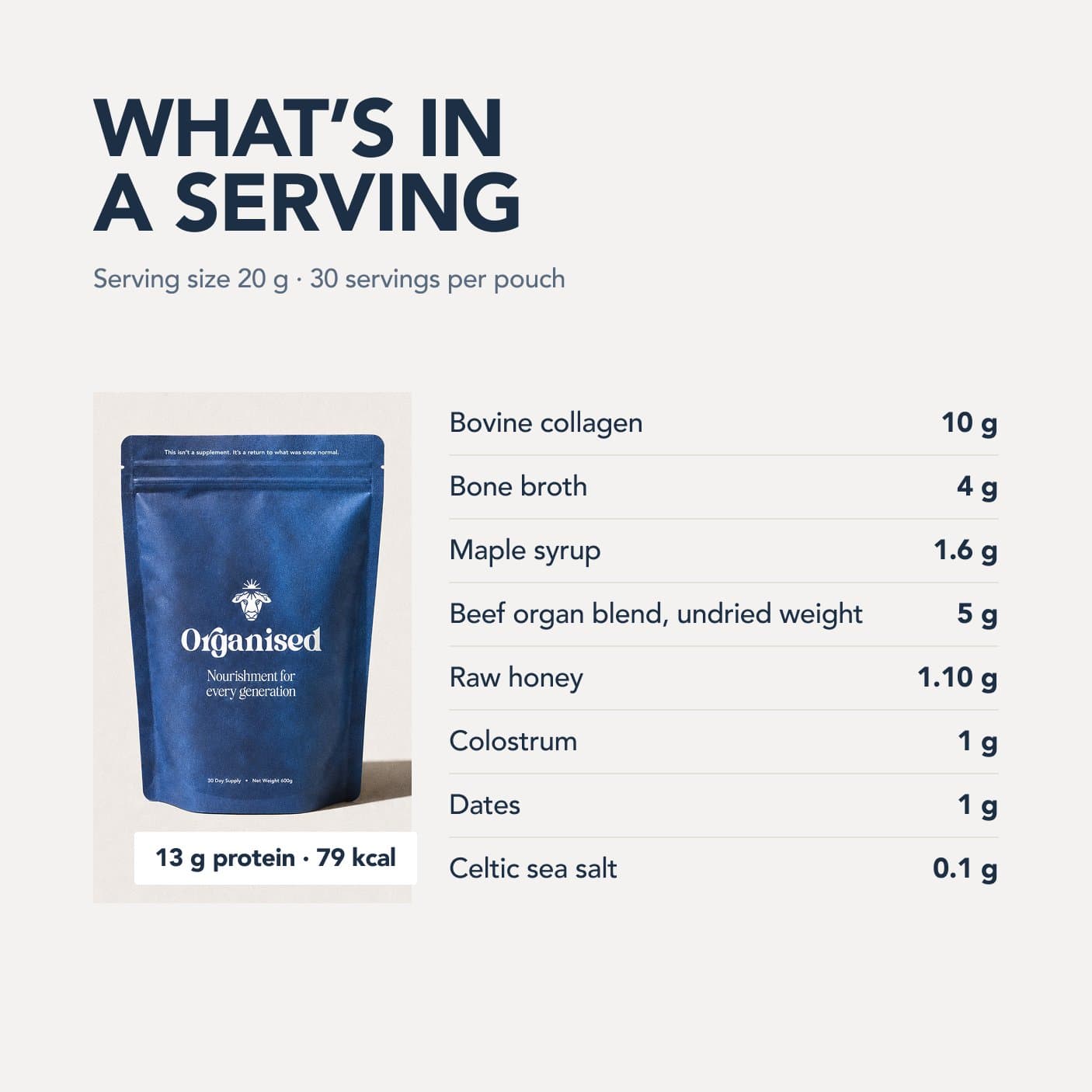
If you want maximum collagen intake, hydrolysed collagen supplements are more efficient (10 grams of collagen per serving). Bone broth is less concentrated but provides additional nutrients. The ideal approach is often both: supplemental collagen peptides for consistency and dose, plus bone broth for whole-food synergies.
1 of 9
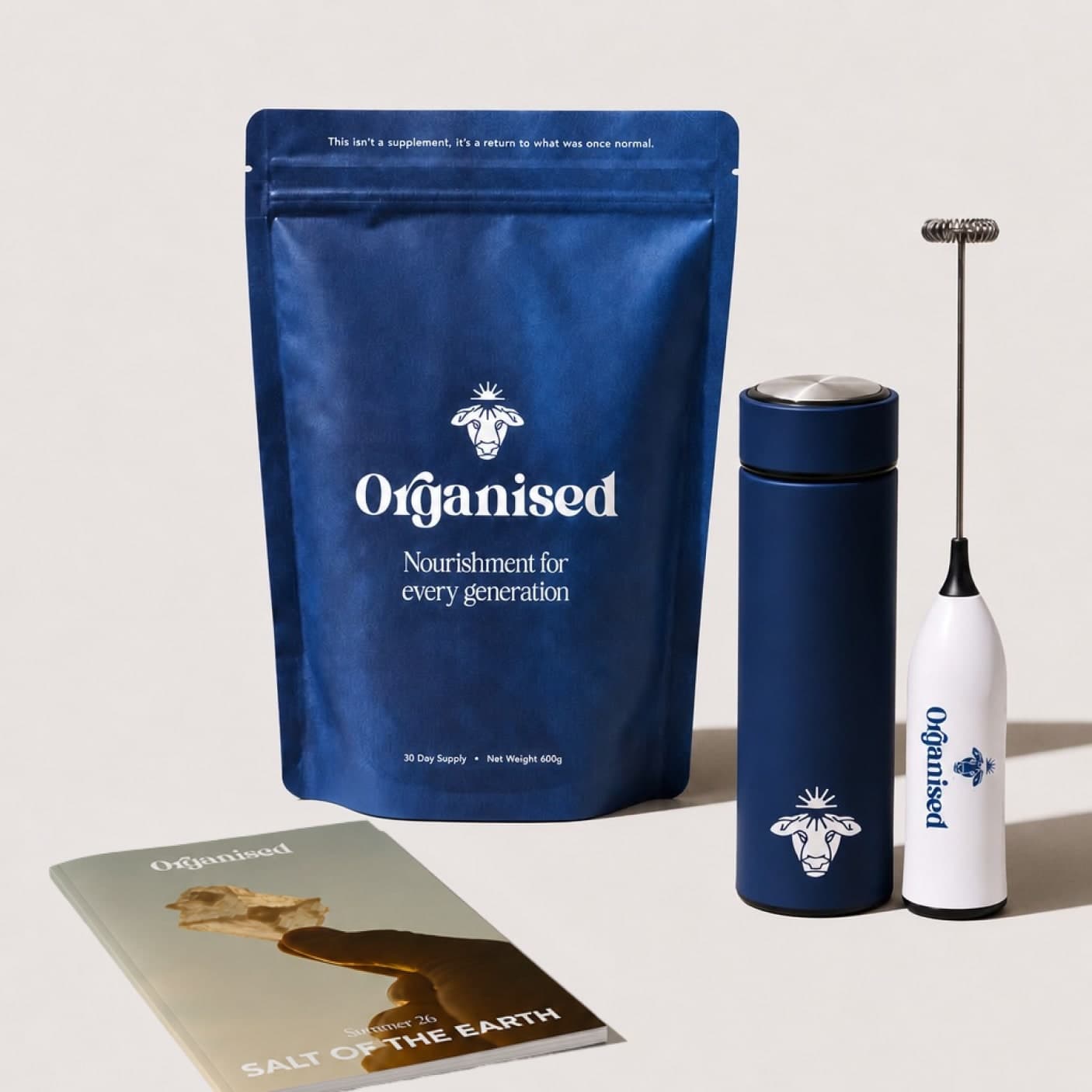
Daily blend
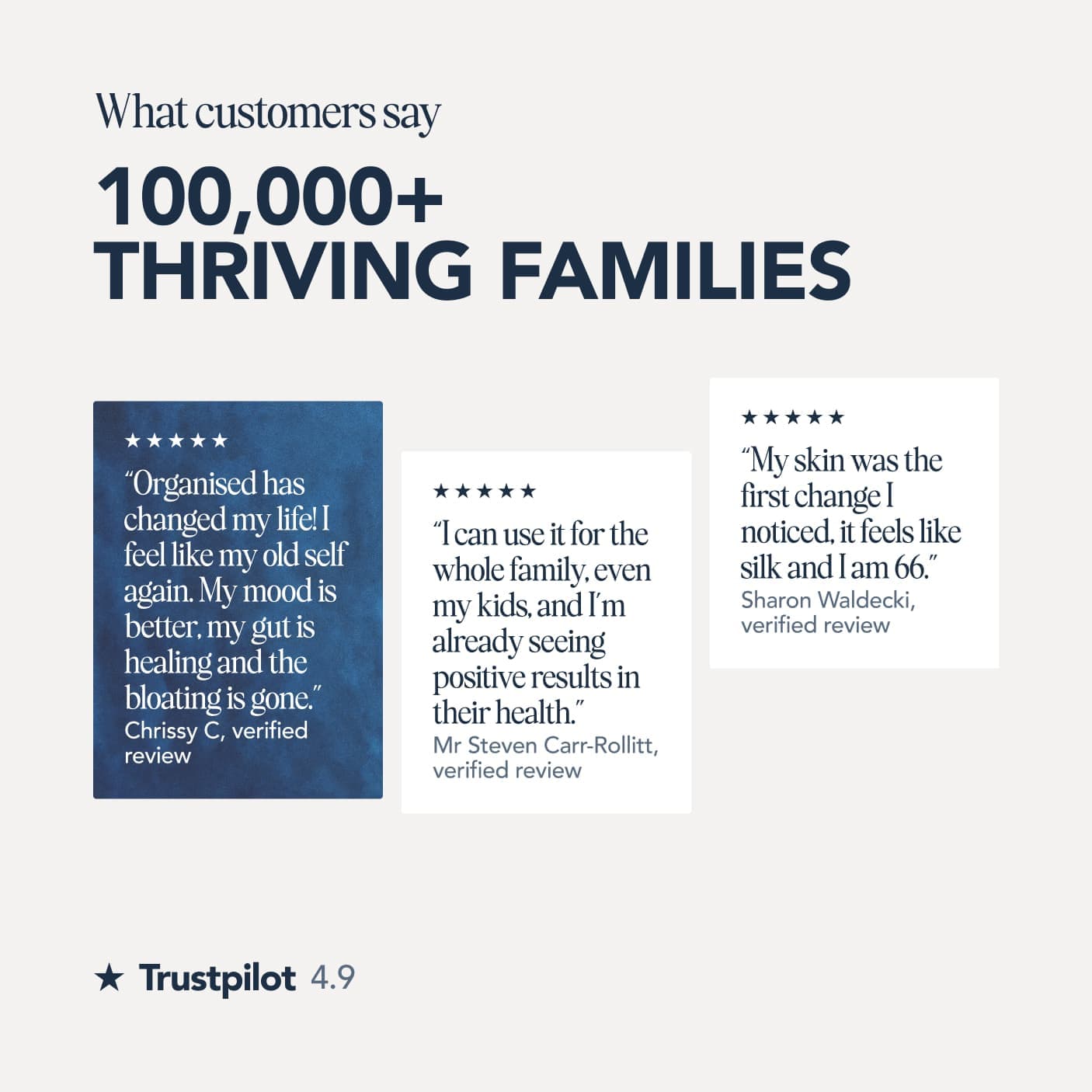
100,000+ thriving families4.9 on Trustpilot
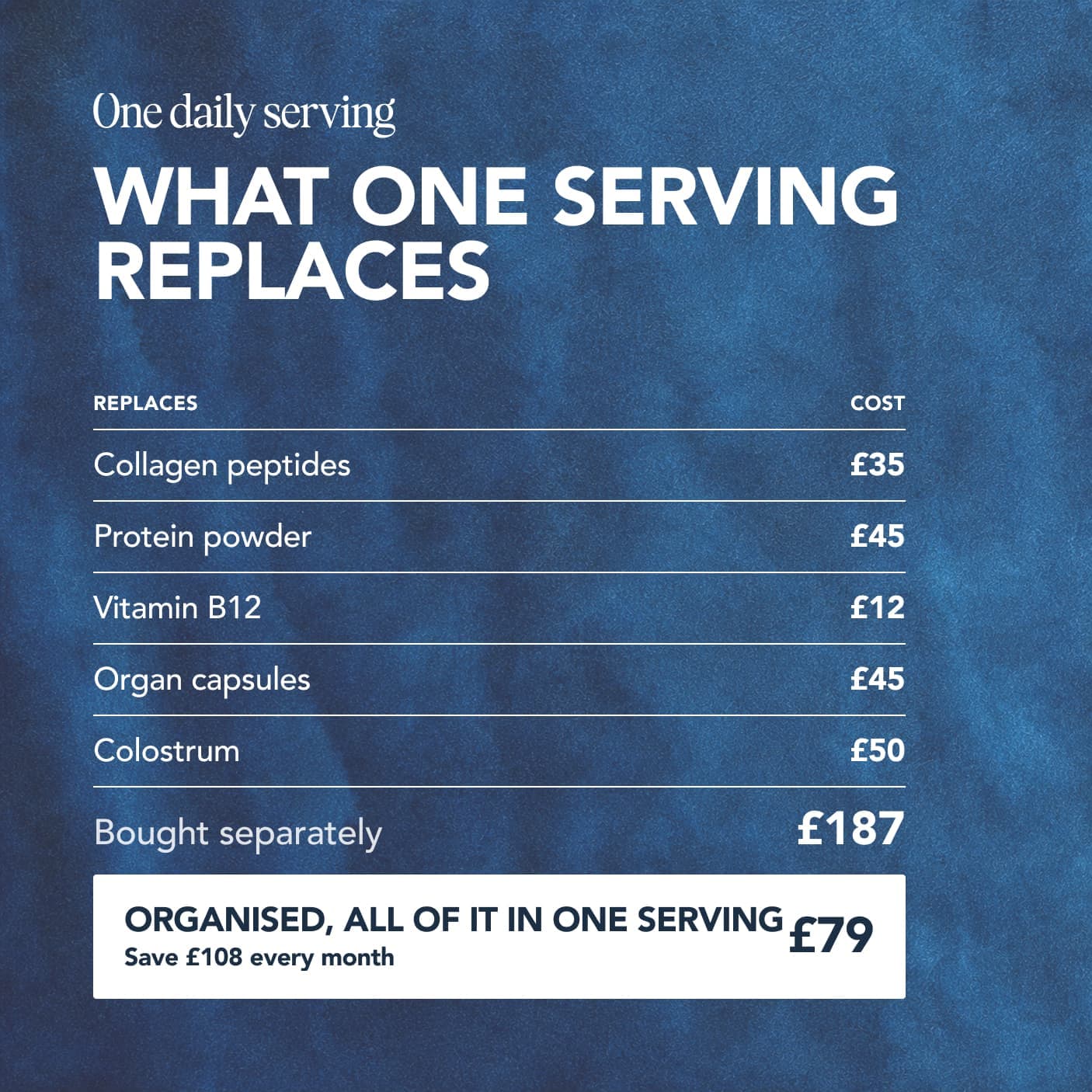
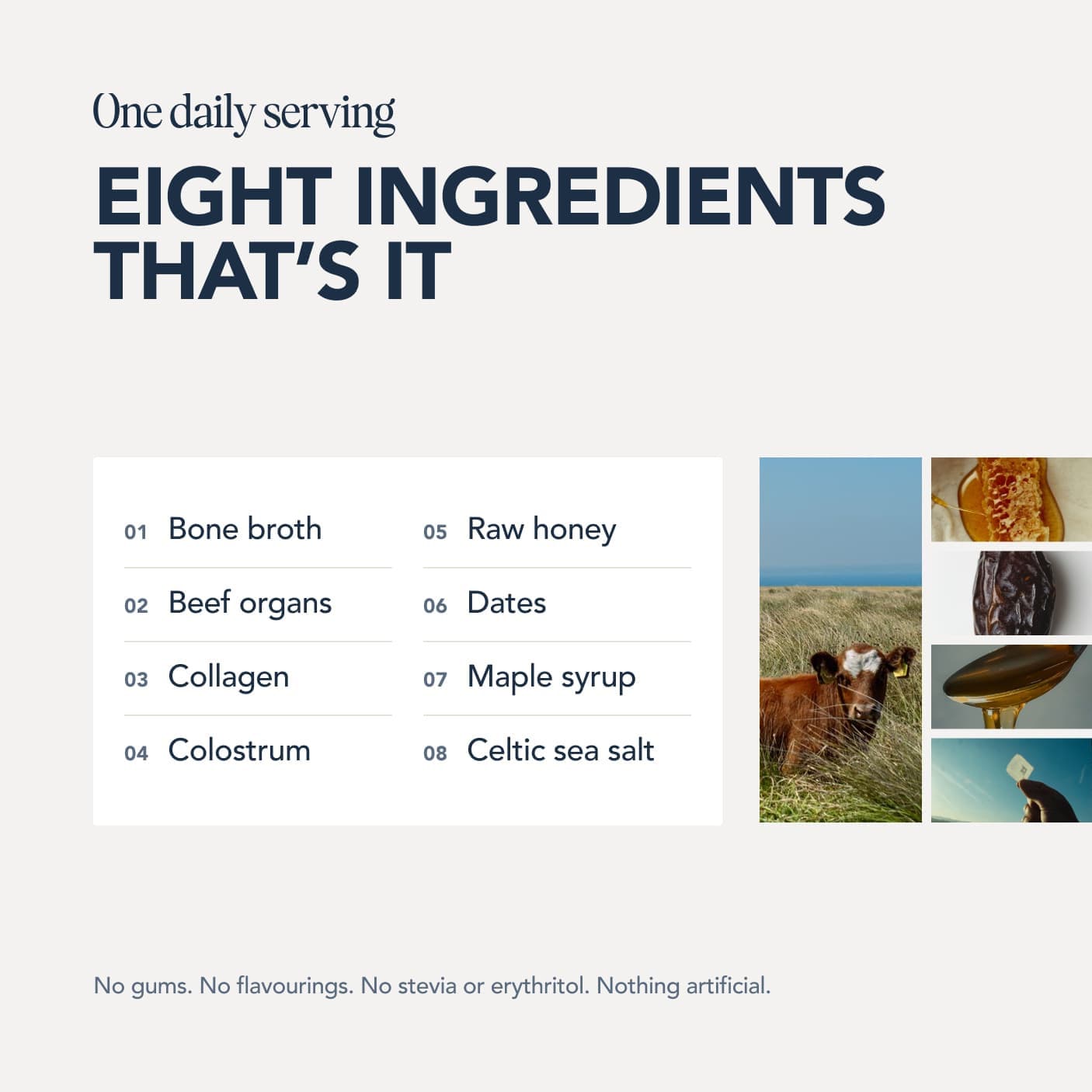
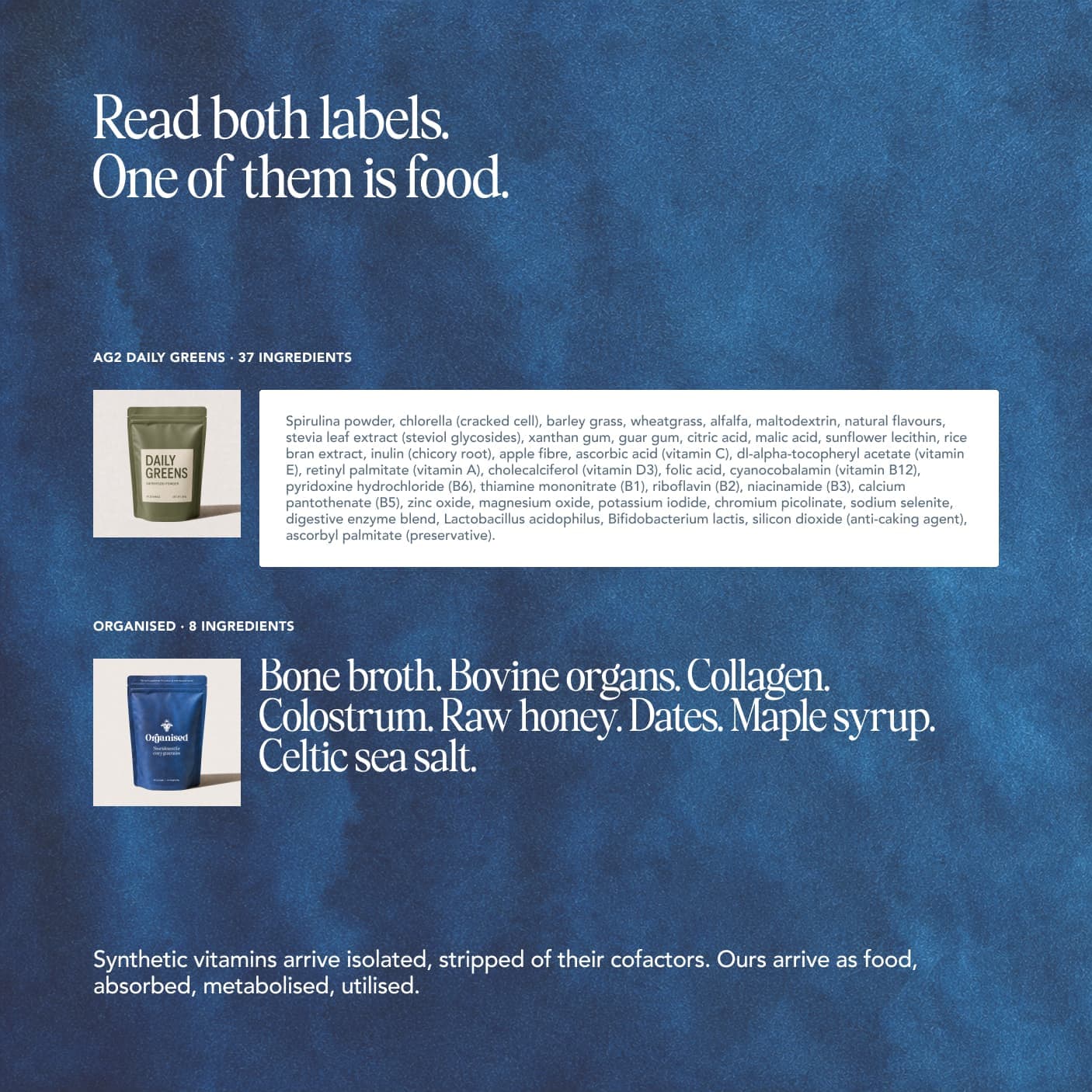
Eight real ingredients built around grass-fed beef organs, collagen and colostrum. Nothing synthetic added.
Free with your first order, worth £38. Plus £10 off the pouch with a subscription.
Free UK shipping · Made in England · 100 day money back guarantee on your first pouch · Skip, pause or cancel anytime
The timeline to real results
Week 1-2: Skin hydration often improves. This is partly from increased water retention (collagen holds water) and partly from improved barrier function. People often notice skin looks dewier.
Week 4-6: Fine lines often become less pronounced. Skin texture improves. This is early collagen remodelling.
Week 8-12: The most dramatic improvements appear. Wrinkles soften visibly. Skin elasticity increases measurably. Skin thickness often increases (you can feel this). This is active collagen deposition by fibroblasts.
Week 16-24: Further refinement. Skin continues to improve as the new collagen integrates and matures. The longest studies (three months) showed continued improvement, suggesting benefits compound over time.
This timeline assumes consistent daily dosing, adequate cofactors (vitamin C, copper, iron), and lifestyle support (sleep, stress management, sun protection). If you're deficient in cofactors or sleep-deprived, results will be slower.
Eight weeks is the minimum to assess whether collagen supplementation is working for you. Give it that long before deciding it's not effective.
The bottom line
Collagen peptides have solid clinical evidence supporting their use for anti-ageing. Statistically significant improvements in skin elasticity have been demonstrated in multiple trials. The dose is modest (2.5-10 grams daily), the form matters (hydrolysed), and the timeline is realistic (8+ weeks).
Collagen supplementation is not a magic anti-ageing solution. It's one component of skin health, which also requires vitamin A (from liver), vitamin C, minerals (copper, zinc, iron), good gut health, sleep, and stress management. But within that context, collagen is evidence-supported and effective. For the complete approach to skin nutrition and anti-ageing, see our comprehensive skin nutrition guide.
References
Every source below was checked on 27 August 2026. Each PubMed, PMC and DOI identifier was resolved against NCBI or Crossref, and what it opens is printed under the citation, so you can see the link goes where the citation says without leaving the page. Where a citation and its identifier disagreed, the citation was corrected to the record or the reference was deleted along with the sentence marker that pointed at it, and where the resolved paper turned out not to support the sentence, the sentence was cut back to what it does support. Borrowed authority is worse than none, because it looks like rigour.
- Proksch E, Segger D, Degwert J, et al. Oral supplementation of specific collagen peptides has beneficial effects on human skin physiology: a double-blind, placebo-controlled study. Skin Pharmacol Physiol. 2014. https://pubmed.ncbi.nlm.nih.gov/23949208/ [accessed May 2026].Checked 27 August 2026: PMID 23949208 opens Proksch E, Segger D, Degwert J et al, Oral supplementation of specific collagen peptides has beneficial effects on human skin physiology: a double-blind, placebo-controlled study. Skin Pharmacol Physiol 2014;27(1):47-55. PubMed indexes it as: Randomized Controlled Trial.
- de Miranda RB, Weimer P, Rossi RC. Effects of hydrolyzed collagen supplementation on skin aging: a systematic review and meta-analysis. https://pubmed.ncbi.nlm.nih.gov/33742704/ [accessed May 2026].Checked 27 August 2026: PMID 33742704 opens de Miranda RB, Weimer P, Rossi RC, Effects of hydrolyzed collagen supplementation on skin aging: a systematic review and meta-analysis. Int J Dermatol 2021;60(12):1449-1461. PubMed indexes it as: Meta-Analysis, Systematic Review.
- National Institutes of Health, Office of Dietary Supplements. Vitamin C - Health Professional Fact Sheet. https://ods.od.nih.gov/factsheets/VitaminC-HealthProfessional/ [accessed May 2026].
- National Institutes of Health, Office of Dietary Supplements. Copper - Health Professional Fact Sheet. https://ods.od.nih.gov/factsheets/Copper-HealthProfessional/ [accessed May 2026].
Corrections
What this page used to say, and why it no longer says it. Corrections are dated and are never removed, because deleting the record of an error is a second error. Every guide we have corrected is listed at our corrections log.
- 27 August 2026. Reference 2 named the de Miranda meta-analysis and linked a different one. It now links de Miranda's own record.
Who wrote and reviewed this guide
Niall Kiddle
Author · Founder, Organised
Niall is the founder of Organised. He started the company in 2024 after fixing his own health the slow way: in 2022 he swapped a cupboard of synthetic supplements for real food, raw milk, organ meats, bone broth and honey, and felt the difference within months.
Areas of expertise: Ancestral nutrition, Organ meats, Whole-food supplementation, Gut health, Regenerative sourcing
Read Niall's full profile
Pedro Rodrigues
Reviewer · Agronomist (farming and sourcing only)
Pedro is the agronomist Organised works with on farming and sourcing. His job on the guides is to keep the science honest: he reviews what we publish about soil health, regenerative agriculture, grazing and the way food is actually produced.
Areas of expertise: Regenerative agriculture, Agronomy, Soil health, Grass-fed farming, Food sourcing
Reviewed this guide on
Read Pedro's full profileMore on skin
View all- How to Build Collagen Naturally Without Injections
- How to Feed Your Skin from the Inside Out
- A Whole Food Skincare Routine: Morning to Night
- Dark Circles Under Your Eyes? It Might Be a Nutrient Deficiency
- Eczema and Nutrition: What the Research Suggests
- How to Eat for a Natural Glow (Without Products)
- How Zinc, Copper and Selenium Work Together for Clear Skin
- Psoriasis and Nutrition: What Helps and What Hinders
- Retinol from Beef Liver vs Retinol in Skincare: Which Actually Works?
- Rosacea and Gut Health: Is There a Connection?
- The Foods That Age Your Skin Fastest
- Why Your Skin Looks Better When You Eat Organ Meats
Browse the guides library
All guidesKeep reading
Health goals
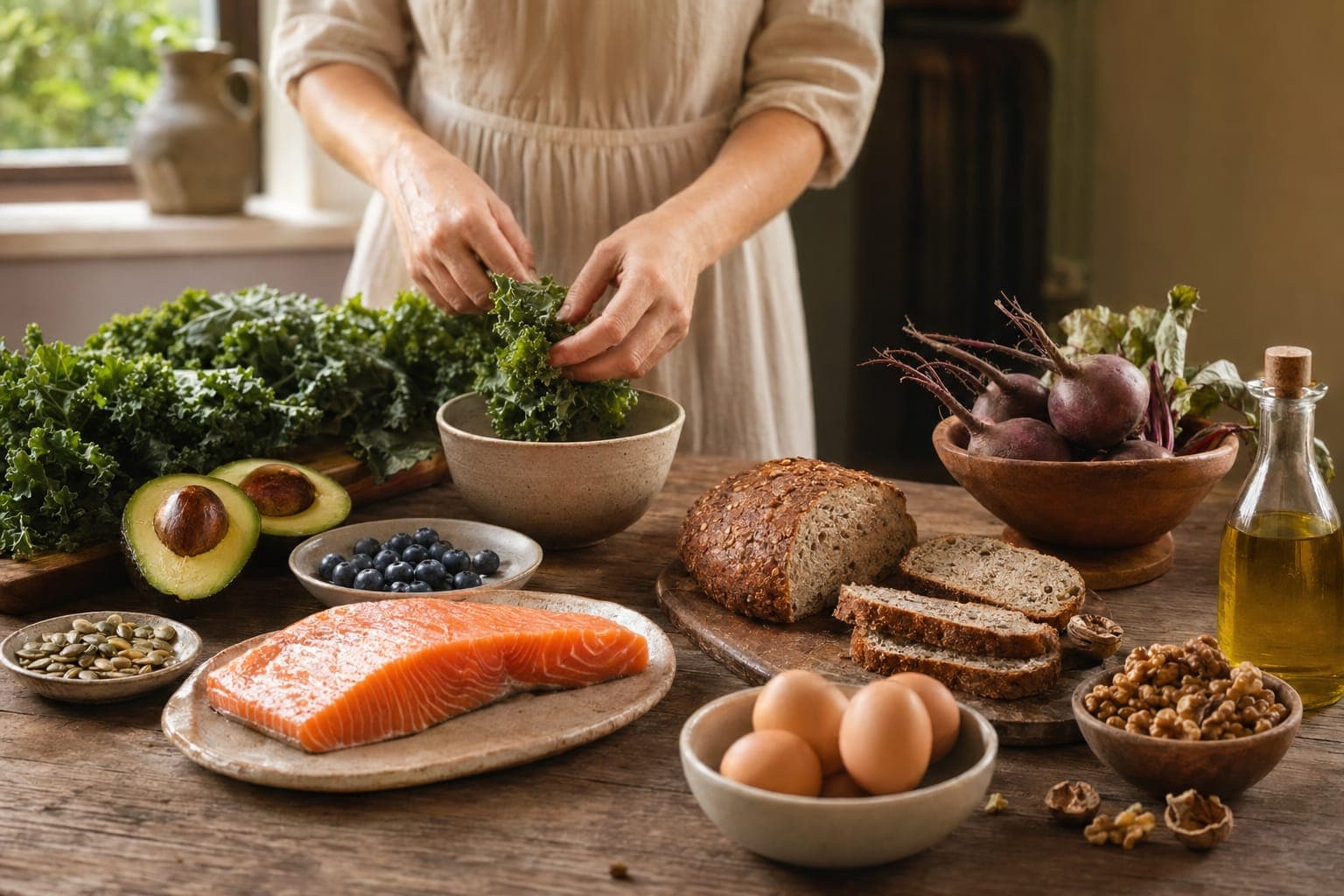
How to Feed Your Skin from the Inside Out
The complete guide to skin nutrition. Learn which nutrients transform your skin and the specific food sources to eat them from.
Ingredients
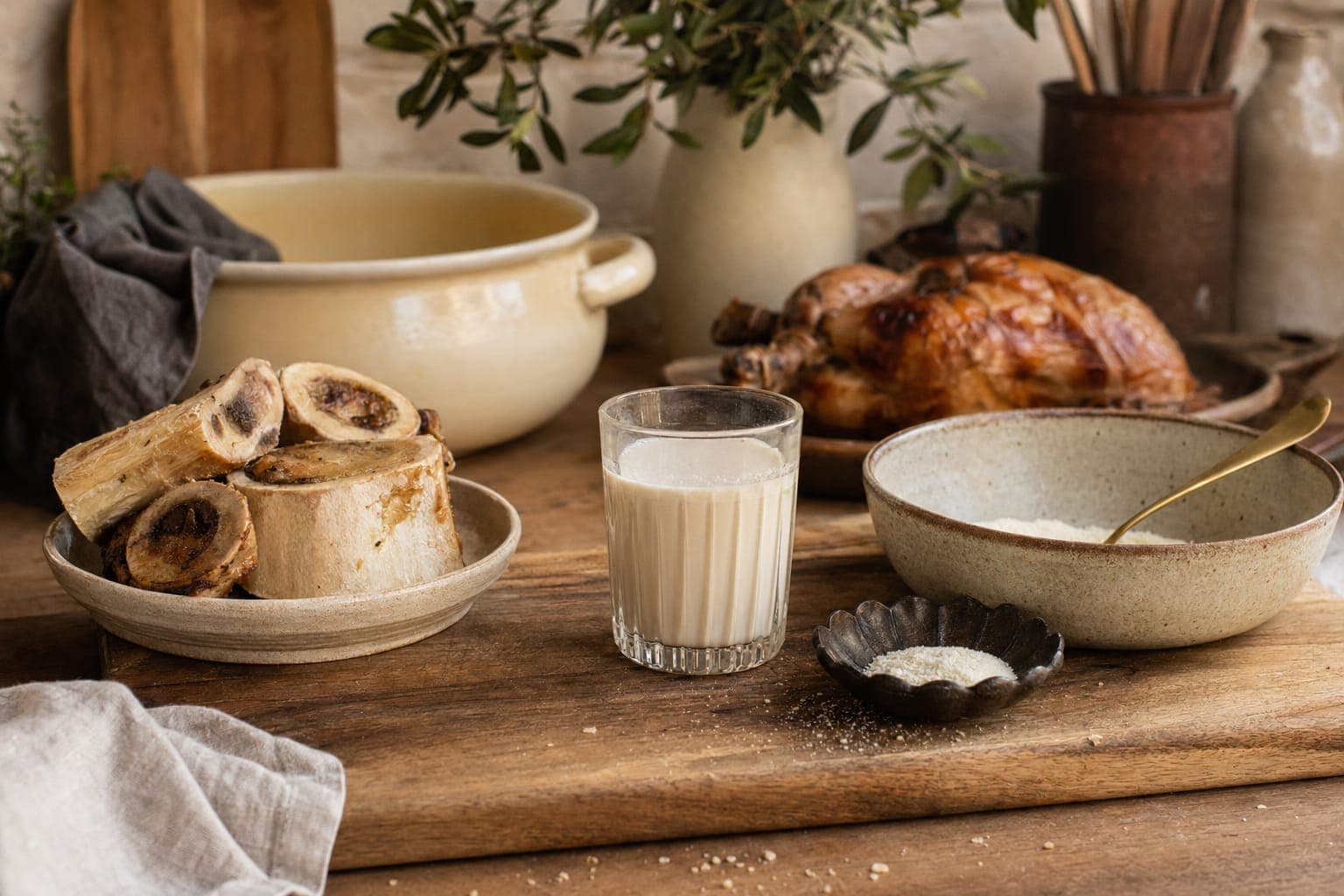
Collagen Peptides: A Complete Guide to Types, Sources and Benefits
Complete guide to collagen peptides. What they are, why type I and III matter, grass-fed vs marine, and the research behind them.

Health goals
The Role of Collagen in Ageing Gracefully
Learn how collagen supports your skin, joints, bone and blood vessels, and how to maintain it as you age so you can keep moving and feeling strong for longer.
Real food, made effortless
Start my daily blendA few ways to use it
All recipes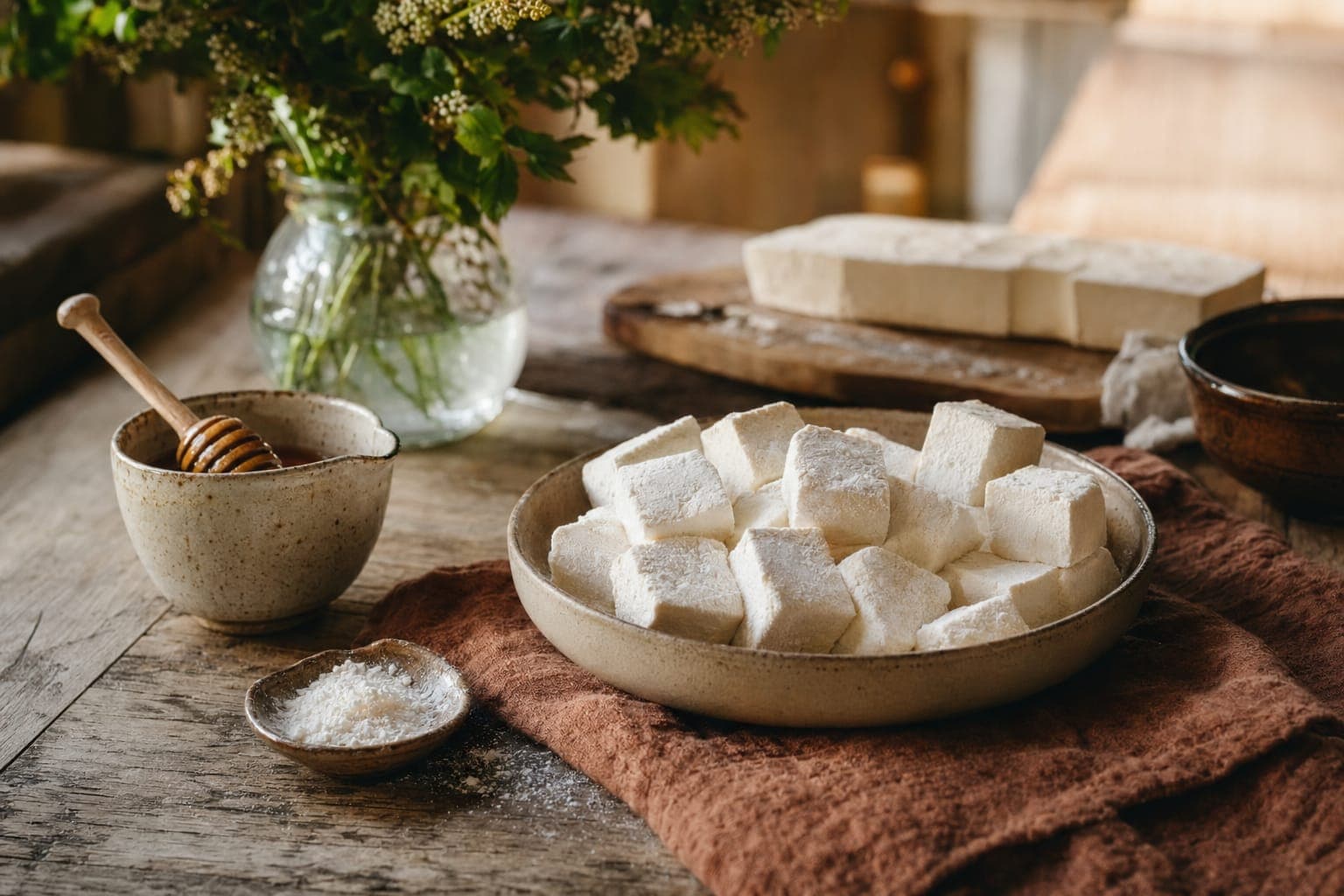
Gut-Healing Marshmallows with Collagen and Raw Honey
Learn to make gut-healing marshmallows with collagen and raw honey. A shareable treat that sneaks nutrition into every bite. Easy recipe with video tips.
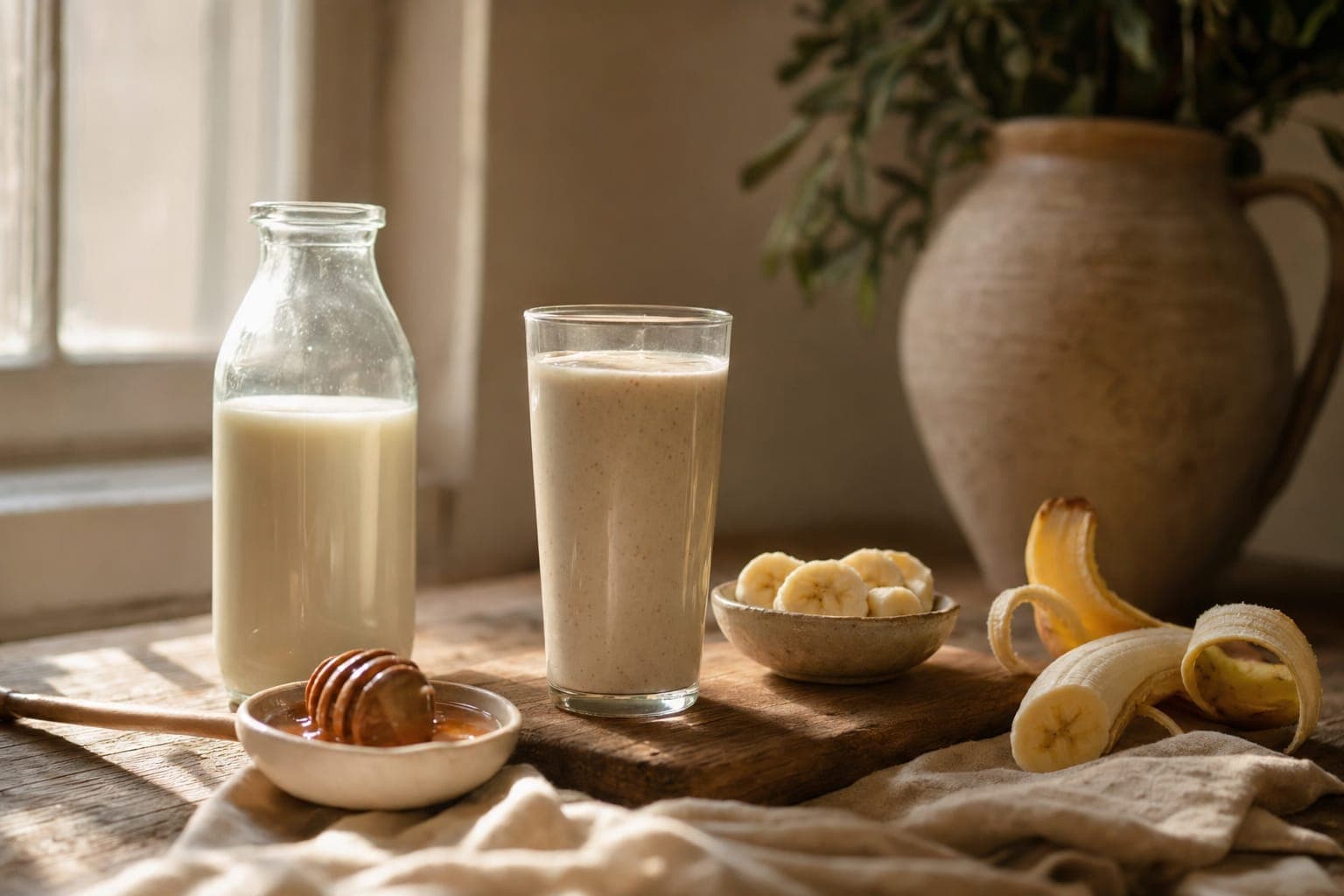
The Perfect Organised Morning Shake: Our Favourite Recipe
Our signature morning shake: Organised, raw milk, banana, honey. Simple, nourishing, and optimised for an empty stomach.
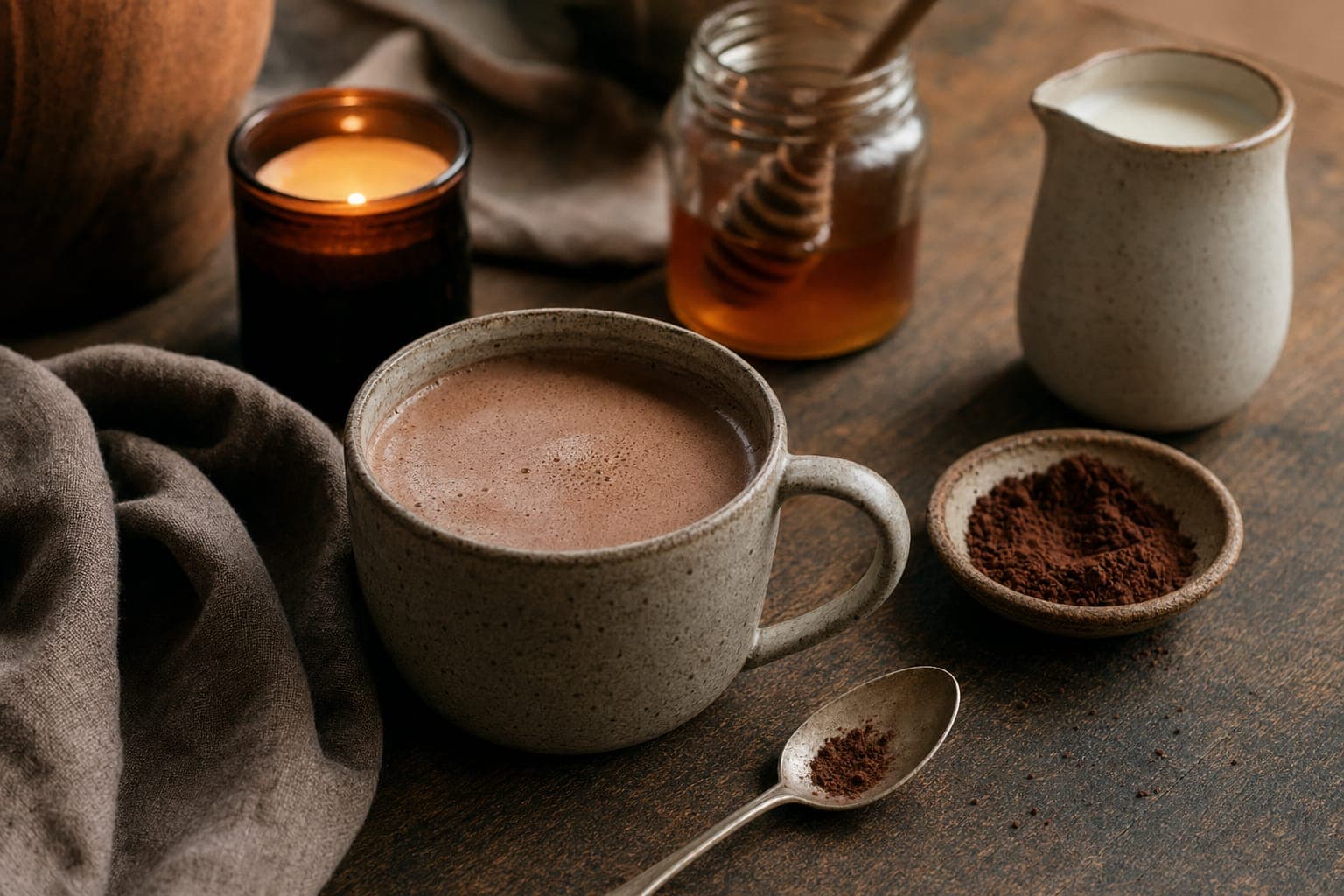
Raw Milk Hot Chocolate with Collagen
A nourishing evening hot chocolate made with raw milk, grass-fed collagen, raw cacao, and honey. A nighttime ritual that supports sleep and gut health.


 Join over 100,000+ members
Build a better food system with us
The Organised community is thousands of people choosing real food and backing the farmers who grow it, all of us trying to leave the world a little better than we found it. If that is what you care about too, you belong here.