Candida Overgrowth: What It Is and How Nutrition Can Help
You have thrush again. Or maybe it's the bloating, the brain fog, the persistent fatigue, or the skin issues that won't settle. You've been to the doctor. Nothing obvious shows up on tests. But something is wrong, and you sense it's related to your gut. It might be candida. And it's more common than you'd think.
By Niall Kiddle, Founder, Organised

Reviewed by Pedro Rodrigues, Agronomist (farming and sourcing only) ·
5 min read · Published · Updated · 2 cited sources
Makers of the Organised Daily blend, a grass-fed beef organ supplement from regenerative UK farms

It might be candida. And it's more common than you'd think.

What candida overgrowth actually is
Candida albicans is a yeast that lives in your gut naturally. In a healthy gut, it's kept in check by beneficial bacteria and the immune system.1 The bacteria compete for resources, and the immune system monitors the candida population and prevents overgrowth. It's a balance.
But when the balance is disrupted, candida proliferates. It transforms from single-cell yeast into a pathogenic fungal form. It produces toxins. It damages the gut lining. It triggers immune activation. The body becomes chronically inflamed.
The problem is that candida overgrowth doesn't show up clearly on standard testing. Your GP might culture for thrush (genital candida) and find nothing, missing systemic overgrowth. Even if they test your gut, candida can be difficult to culture. Many cases go undiagnosed and untreated.
The result is people suffering from persistent symptoms, being told nothing is wrong, and increasingly despairing of finding a solution.
Candida overgrowth is real. It's not all in your head. But it won't show up on a standard test. You have to infer it from your symptoms and address it nutritionally.
Why the immune system stops controlling it
The immune system controls candida through several mechanisms. Beneficial bacteria like Lactobacillus and Bifidobacterium produce organic acids that lower the pH of the gut. Candida doesn't like acidic environments. When these bacteria are depleted, the gut becomes less acidic and candida thrives.
Second, beneficial bacteria produce compounds that directly inhibit fungal growth. Bacteriocins and other antimicrobial compounds keep candida suppressed. When the beneficial bacteria are gone, so is this suppression.
Third, the immune system itself needs to be activated to control candida. T cells, in particular, are required to mount an immune response against candida. When the immune system is suppressed, from stress, poor sleep, nutrient deficiency, or chronic inflammation, candida proliferation increases.
The typical sequence is: antibiotic use (which kills beneficial bacteria), followed by sugar consumption (which feeds candida), followed by immune suppression (from stress or poor health), and suddenly candida is thriving.
The symptoms that point to candida
Candida overgrowth causes a wide range of symptoms. Some are local to the gut: bloating, constipation or diarrhoea, gas, abdominal pain. Others are systemic because candida and its byproducts enter the bloodstream through a damaged gut lining.
Brain fog and poor concentration are common. Candida produces acetaldehyde, which crosses the blood-brain barrier and impairs cognitive function. You might feel drunk or confused despite not drinking. You might struggle to focus or remember things.
Fatigue is another classic symptom. Candida suppresses the immune system while your body is working overtime trying to fight it. You feel exhausted.
Skin issues often accompany candida. Itchy skin, rashes, eczema, or fungal skin infections suggest systemic candida. The immune system is struggling to contain the infection, so it leaks out into the skin.
Mood problems also occur. Candida dysbiosis disrupts the production of neurotransmitters like serotonin. You might experience depression, anxiety, or mood swings.
Recurrent thrush in women, athlete's foot, or other fungal infections are direct signs of systemic candida overgrowth.
If you have multiple vague symptoms that don't quite fit any diagnosis, and they all improve when you eliminate sugar and rebuild your gut, candida was likely the culprit.
The nutritional approach to restoration
The goal is to starve the candida, restore beneficial bacteria, and rebuild the immune system's ability to control fungal growth. This takes time. Most people need three to six months of consistent dietary strategy before symptoms fully resolve.
First, eliminate all sugar and refined carbohydrates. Candida feeds on glucose. When you eliminate dietary sugar, you starve the yeast. Within days, candida starts dying off. This is where most people find symptom relief.
Second, avoid alcohol. Beer and wine are made from fermented grains and contain sugar. They feed candida directly. Alcohol also impairs immune function.
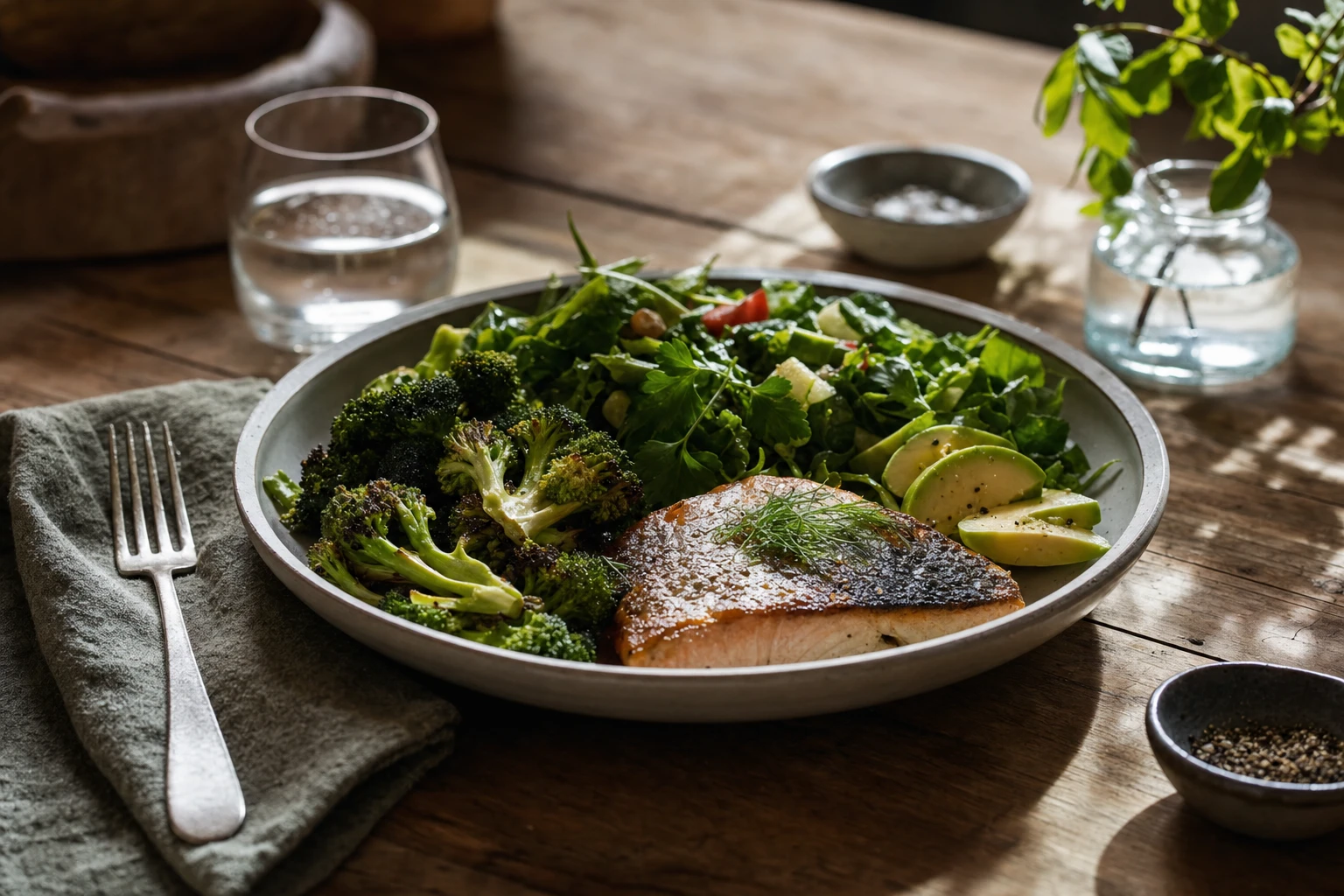
Third, focus your diet on foods that support immune function and beneficial bacteria. Quality protein, organ meats, bone broth, and fermented foods should make up the bulk of your diet. Eggs, fish, and red meat provide zinc, selenium, and other immune-supporting nutrients.
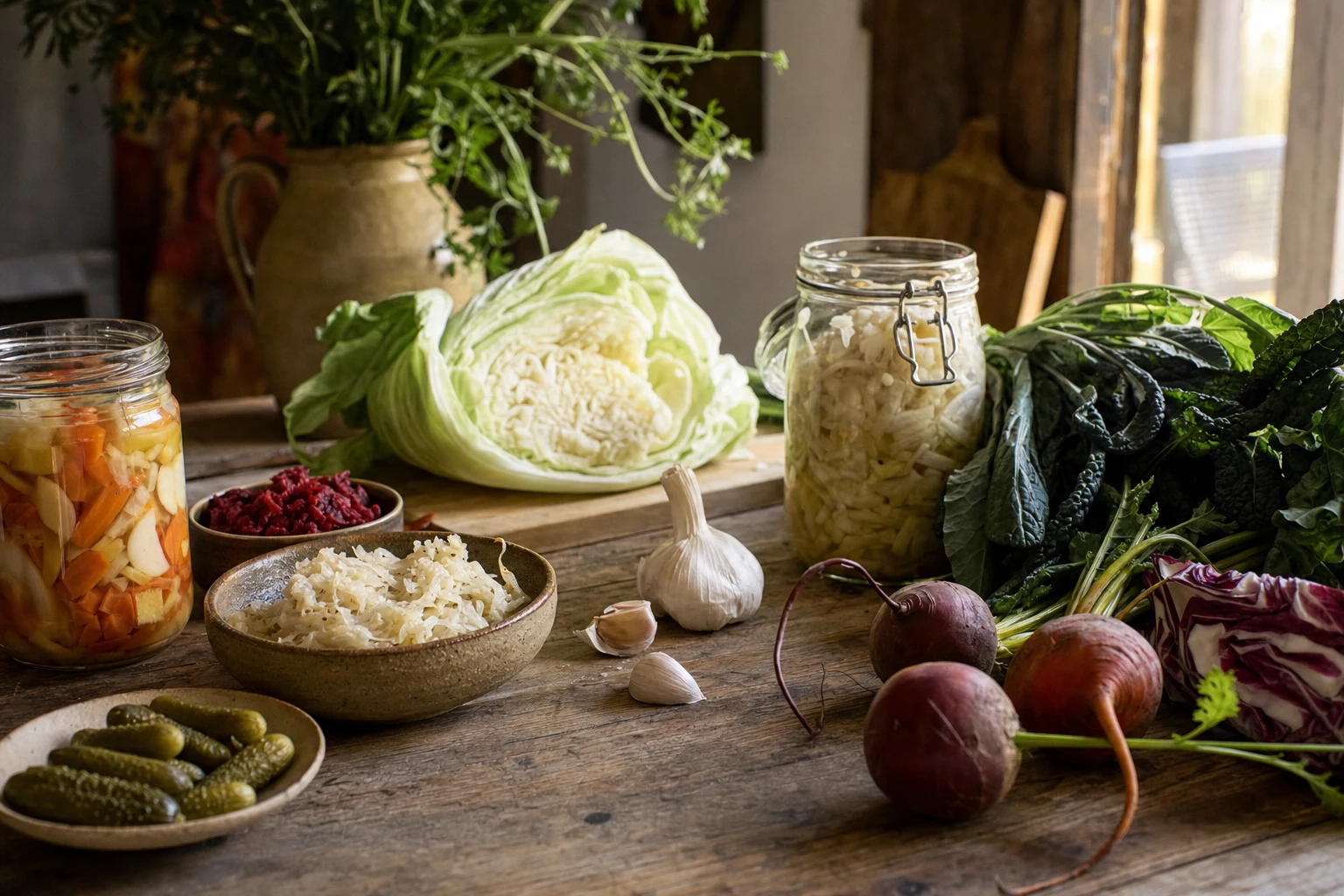
Fermented foods, especially sauerkraut and kimchi, provide beneficial bacteria and organic acids that restore the gut environment. Aim for fermented vegetables with every meal, starting slowly if you've had significant dysbiosis, as the bacterial die-off can cause symptoms.
Get health guides like this, free
Two short reads a week on eating for energy, gut health, skin, sleep and more.
By signing up you agree to receive emails from us. No spam, unsubscribe anytime.
Why sugar feeds the problem
Sugar is candida's fuel of choice. Every gram of sugar you consume feeds the yeast and allows it to proliferate. This includes all forms of sugar: glucose, fructose, honey, fruit juice, and even most starchy carbohydrates, which are broken down into glucose.
Some people ask about fruit. Whole fruit, eaten with the fibre intact, is less problematic because the fibre slows absorption and provides food for beneficial bacteria. But even fruit should be limited during active candida overgrowth. Focus on lower-sugar fruits like berries, and eat them with fat (like coconut oil or butter) to further slow absorption.
Grains are also problematic. Even whole grains are broken down into glucose relatively quickly. For someone with active candida, avoiding grains entirely for three months, then reintroducing them slowly, is the most effective approach.

1 of 9
Daily blend
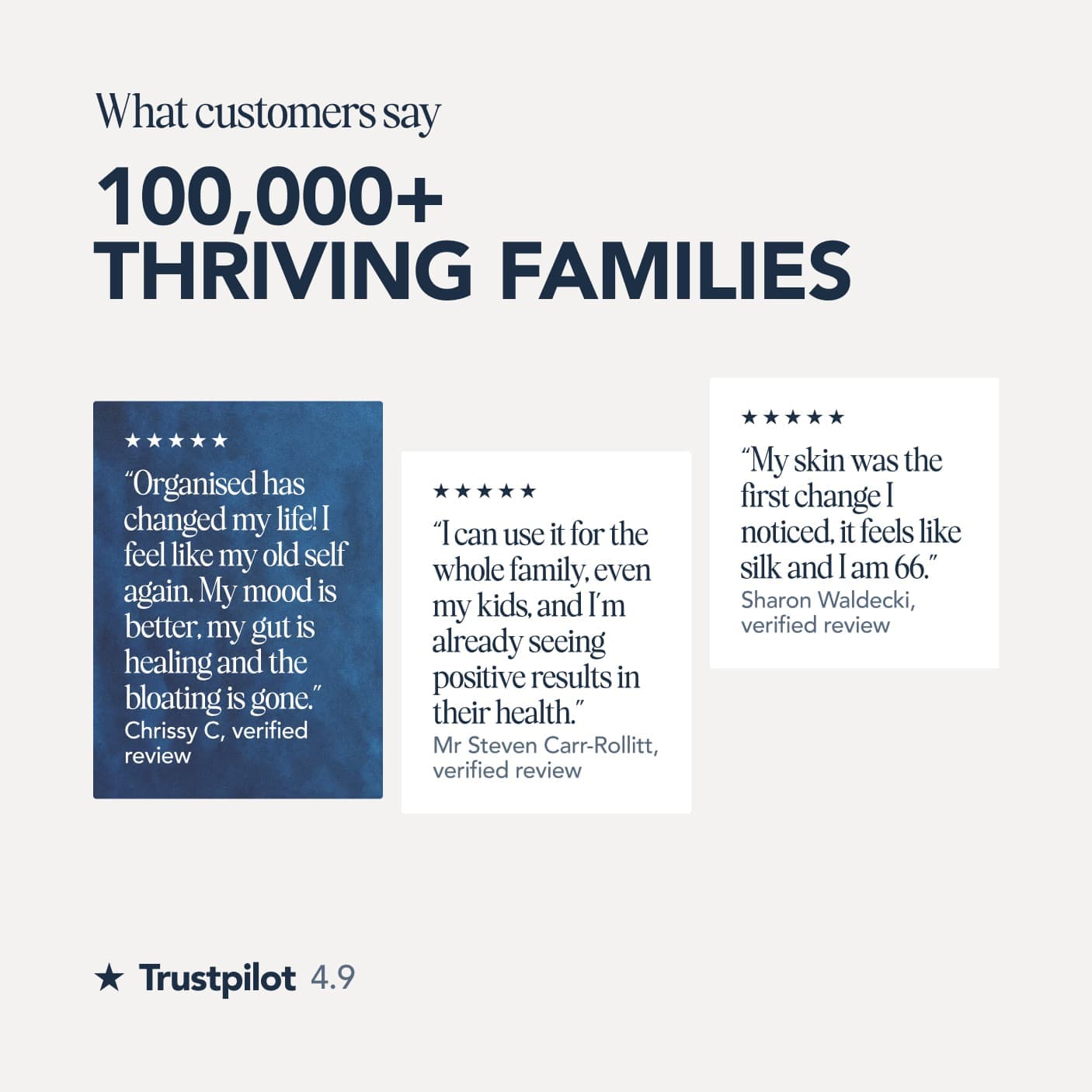
100,000+ thriving families4.9 on Trustpilot
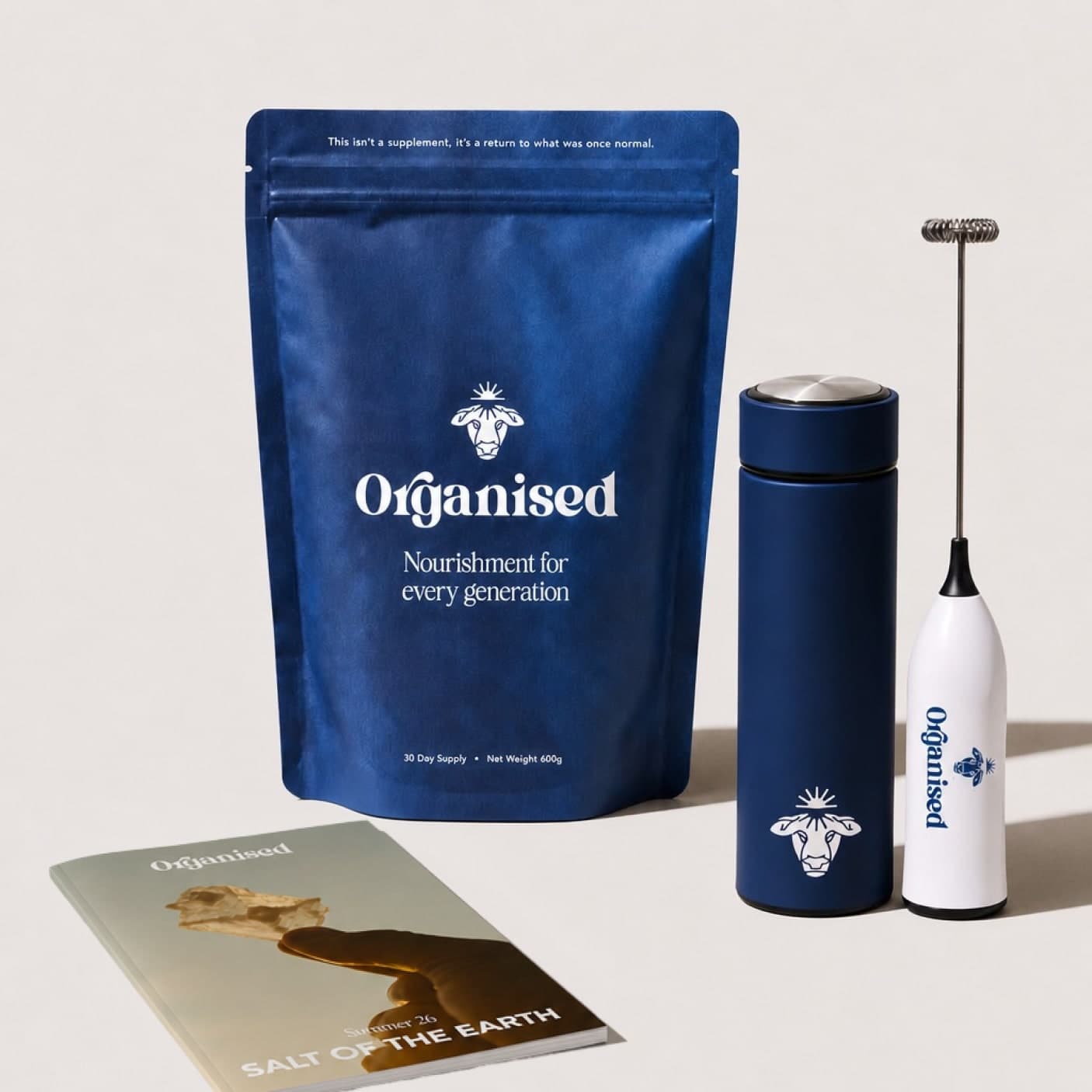
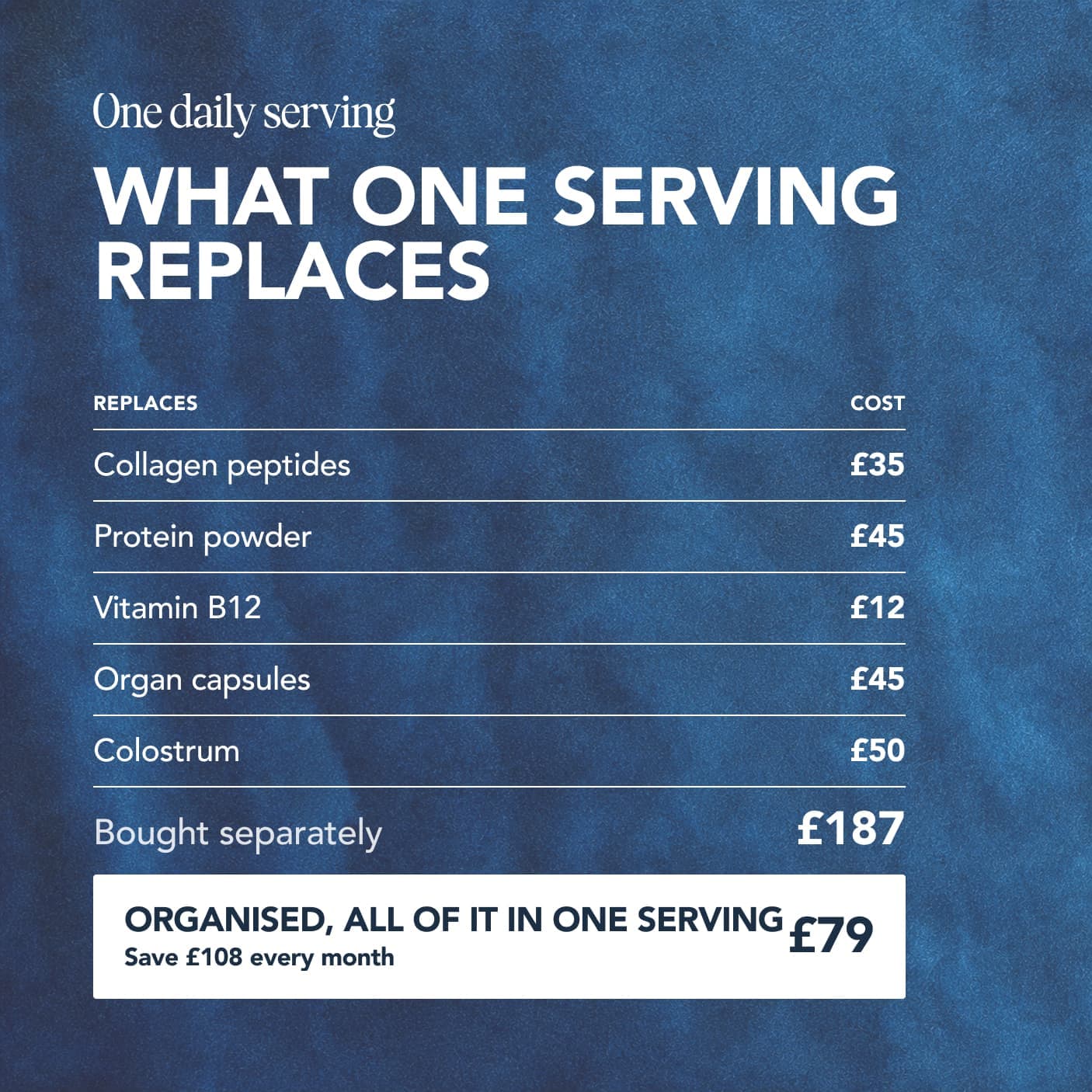
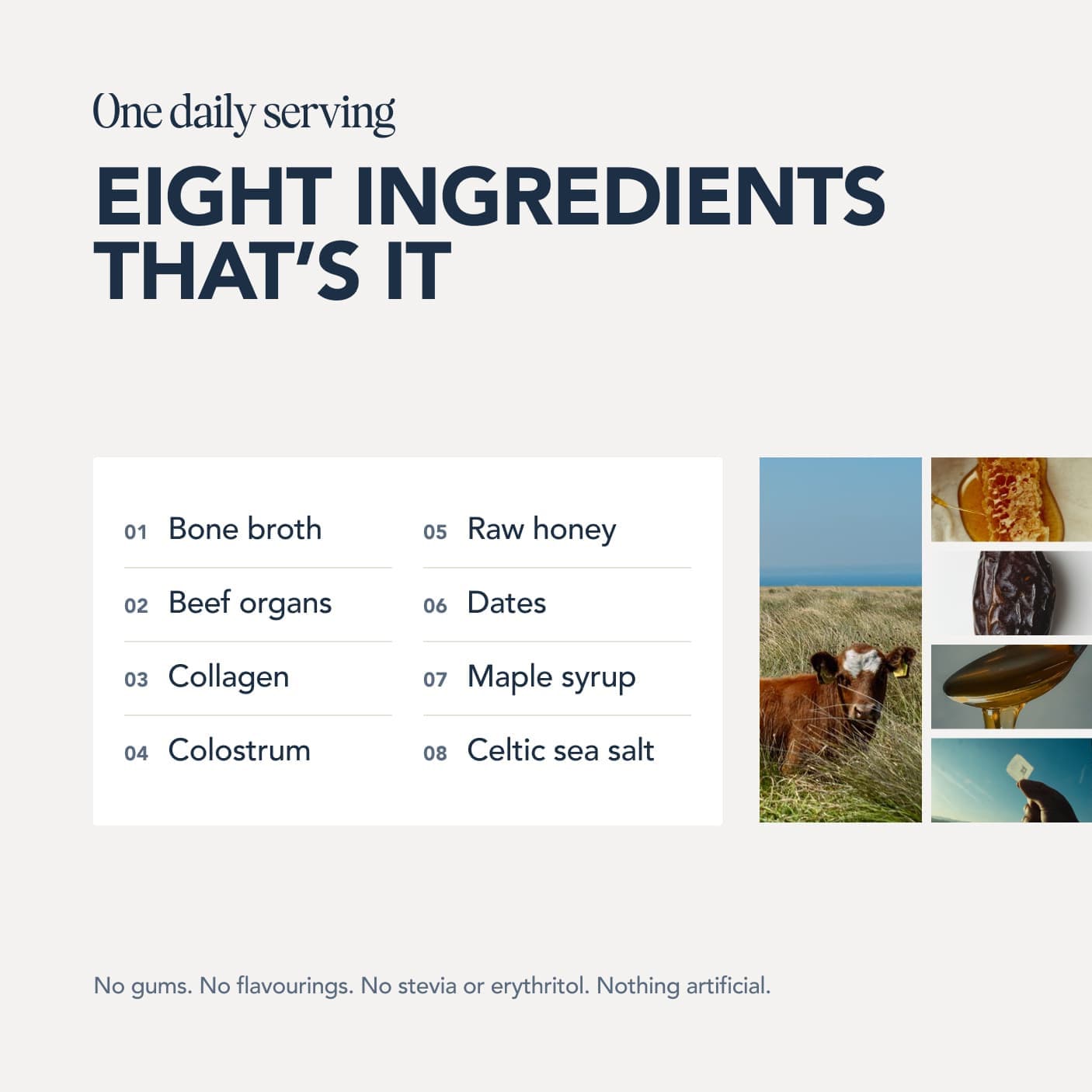
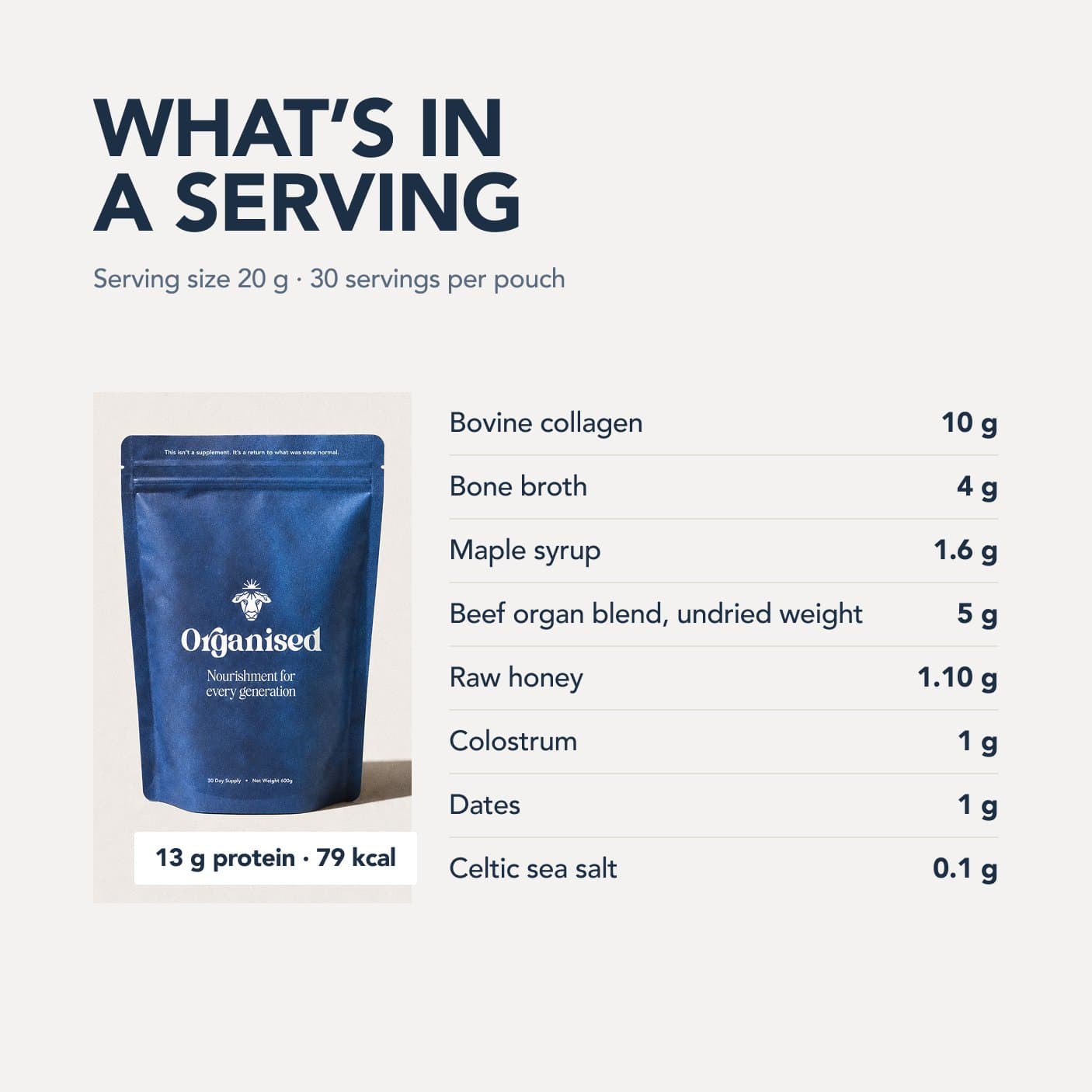
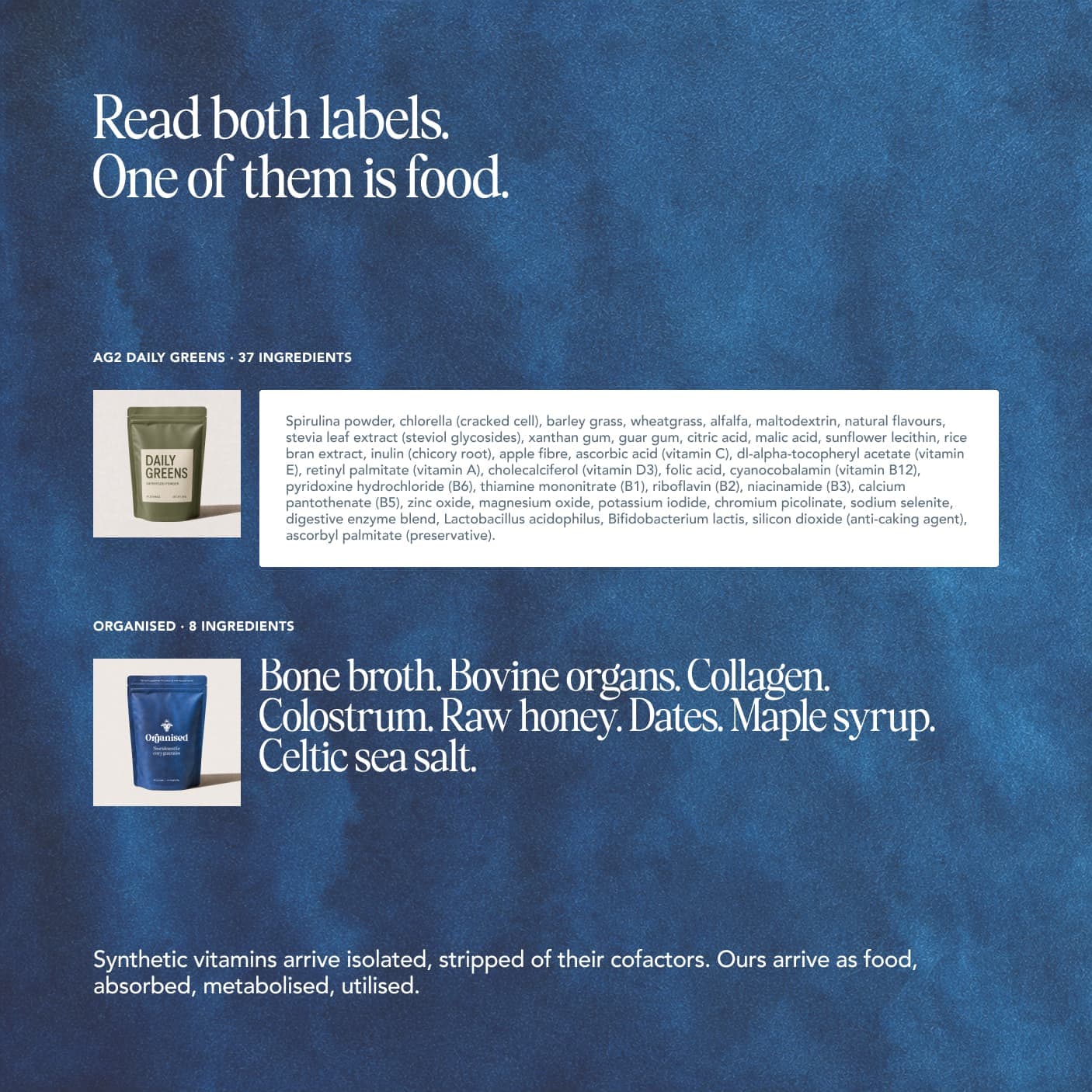
Eight real ingredients built around grass-fed beef organs, collagen and colostrum. Nothing synthetic added.
Free with your first order, worth £38. Plus £10 off the pouch with a subscription.


Free UK shipping · Made in England · 100 day money back guarantee on your first pouch · Skip, pause or cancel anytime
Building immune defence with food
Colostrum, the first milk produced after birth, contains antibodies and immune factors specifically designed to protect against fungal overgrowth. Colostrum supplementation has shown promise in candida treatment. A dose of 10 to 20 grams daily, taken on an empty stomach, can strengthen immune defences against candida.
Bone broth provides gelatin and amino acids that heal the gut lining. A damaged gut lining is what allows candida toxins to leak into the bloodstream. Healing the lining is essential. A cup of bone broth daily, especially taken first thing in the morning on an empty stomach, supports this healing.
Organ meats, particularly beef liver, are rich in nutrients the immune system needs. Vitamin A supports immune cells. B vitamins support energy and mood. Iron supports immune function. Eating liver once or twice a week provides these nutrients in highly bioavailable form.
Coconut oil contains lauric acid and caprylic acid, both of which have antifungal properties.2 Adding a tablespoon to your coffee or using it for cooking can provide some additional antifungal activity beyond diet alone.
Candida treatment isn't about supplements or expensive protocols. It's about removing the fuel (sugar), healing the gut lining, and rebuilding the immune system through whole food.

The bottom line
Candida overgrowth is a condition of modern living. Antibiotics, excess sugar, and chronic stress have created an environment where candida thrives. The symptoms are real, even if standard testing misses it. The solution is not complicated, though it requires consistency. Eliminate sugar for at least three months. Eat fermented foods daily. Consume bone broth and organ meats regularly. Consider colostrum supplementation. Rebuild the gut environment, and candida will lose its foothold. Your energy returns. Your brain clears. Your skin settles. Recovery happens.
References
Every source below was checked on 27 August 2026. Each PubMed, PMC and DOI identifier was resolved against NCBI or Crossref, and what it opens is printed under the citation, so you can see the link goes where the citation says without leaving the page. Where a citation and its identifier disagreed, the citation was corrected to the record or the reference was deleted along with the sentence marker that pointed at it, and where the resolved paper turned out not to support the sentence, the sentence was cut back to what it does support. Borrowed authority is worse than none, because it looks like rigour.
- Kumamoto CA. Inflammation and gastrointestinal Candida colonization. Curr Opin Microbiol. https://pmc.ncbi.nlm.nih.gov/articles/PMC3163673/ [accessed May 2026].Checked 27 August 2026: PMC3163673 opens Kumamoto CA, Inflammation and gastrointestinal Candida colonization. Curr Opin Microbiol 2011;14(4):386-91. PubMed indexes it as: Review.
- Bergsson G, Arnfinnsson J, Steingrimsson O, Thormar H. In vitro killing of Candida albicans by fatty acids and monoglycerides. Antimicrob Agents Chemother. https://pmc.ncbi.nlm.nih.gov/articles/PMC90807/ [accessed May 2026].Checked 27 August 2026: PMC90807 opens Bergsson G, Arnfinnsson J, Steingrímsson O et al, In vitro killing of Candida albicans by fatty acids and monoglycerides. Antimicrob Agents Chemother 2001;45(11):3209-12.
Who wrote and reviewed this guide
Niall Kiddle
Author · Founder, Organised
Niall is the founder of Organised. He started the company in 2024 after fixing his own health the slow way: in 2022 he swapped a cupboard of synthetic supplements for real food, raw milk, organ meats, bone broth and honey, and felt the difference within months.
Areas of expertise: Ancestral nutrition, Organ meats, Whole-food supplementation, Gut health, Regenerative sourcing
Read Niall's full profile
Pedro Rodrigues
Reviewer · Agronomist (farming and sourcing only)
Pedro is the agronomist Organised works with on farming and sourcing. His job on the guides is to keep the science honest: he reviews what we publish about soil health, regenerative agriculture, grazing and the way food is actually produced.
Areas of expertise: Regenerative agriculture, Agronomy, Soil health, Grass-fed farming, Food sourcing
Reviewed this guide on
Read Pedro's full profileMore on gut health
View all- The Complete Guide to Healing Your Gut with Whole Foods
- Why Your Gut Health Affects Everything (Not Just Digestion)
- 5 Foods You Think Are Healthy (But Are Secretly Ruining Your Gut)
- Acid Reflux and Low Stomach Acid: A Nutritional Perspective
- Bloating After Eating: Common Causes and Whole Food Solutions
- Bone Broth for Gut Health: What the Science Says
- Histamine Intolerance: Could Your Gut Be the Cause?
- How Colostrum and Collagen Work Together to Repair the Gut Lining
- How Stress Destroys Your Gut (And What to Do About It)
- How to Recognise the Early Signs of Poor Gut Health
- How to Reset Your Gut After Antibiotics
- IBS and Nutrition: A Whole Food Approach
Browse the guides library
All guidesKeep reading

Health goals
The Complete Guide to Healing Your Gut with Whole Foods
Learn how to heal your gut lining with whole foods. Covers the five Rs protocol, nutrients, and specific foods that repair intestinal permeability.

Health goals
Adrenal Fatigue: Is It Real and What Can You Do About It?
Adrenal fatigue is contested, but HPA axis dysregulation is real. Support cortisol rhythm with salt, protein, sleep, and blood sugar stability.

Health goals
The Ancestral Guide to Fertility Nutrition
Fertility depends on fat-soluble vitamins A, D, K2, choline, B12, iodine, zinc, and selenium. Here's what both partners need to conceive and thrive.
Real food, made effortless
Start my daily blendA few ways to use it
All recipes
10 Ways to Use Organised That Aren't Just a Shake
Move beyond the basic shake. Discover 10 creative ways to use Organised in smoothie bowls, oats, yoghurt, baking, and more.

The Organised Recovery Smoothie for After Exercise
A recovery smoothie made with beef protein, raw milk, frozen berries, collagen, and honey. Optimal nutrition in the 30-minute window after exercise.

Whole Food Snacks for Busy Days
Practical whole food snacks that travel well and sustain energy. No refined carbs, no seed oils. Real food options for when you're busy.


 Join over 100,000+ members
Build a better food system with us
The Organised community is thousands of people choosing real food and backing the farmers who grow it, all of us trying to leave the world a little better than we found it. If that is what you care about too, you belong here.