Choline and Brain Development: From Pregnancy to Old Age
Your brain began developing months before you were born. Every neuron, every synapse, every neural connection was being constructed from nutrients your mother consumed. One nutrient shaped that development more than almost any other: choline. And today, you're likely not eating enough of it.
By Niall Kiddle, Founder, Organised

Reviewed by Pedro Rodrigues, Agronomist (farming and sourcing only) ·
6 min read · Published · Updated · 2 cited sources
Makers of the Organised Daily blend, a grass-fed beef organ supplement from regenerative UK farms
And today? You're likely not eating enough of it. Analyses of US dietary intake data have found that the majority of adults fail to meet the Adequate Intake for choline.1 That's not a fringe problem. That's a public health crisis nobody talks about.

The choline blueprint for brain development
Choline is the precursor to acetylcholine, one of the brain's most critical neurotransmitters. Acetylcholine powers learning, memory formation, attention, and focus. But choline's role in brain development goes deeper than neurotransmitter production.
Choline is a major structural component of phosphatidylcholine, a molecule that makes up cell membranes. Your brain is roughly 60% fat. Most of that fat is choline-containing compounds. Without adequate choline, brain cell membranes cannot form properly. The architecture of the brain itself depends on it.
During foetal development, the brain undergoes rapid cell division and migration. Billions of neurons are being created and positioned. The neural connections that will form the basis of all future learning and memory are being established. This process demands choline in quantities that match maternal intake.
Choline during pregnancy doesn't just help with brain development. It literally shapes the structure and function of the brain your child will live with for the next eighty years.
Pregnancy and foetal brain architecture
The evidence here is unambiguous. Pregnant women who consume adequate choline give birth to children with measurably sharper attention, better memory, and faster processing speeds. These differences persist into adulthood. Decades later, the children of mothers who ate enough choline perform better on cognitive tasks than those whose mothers were deficient.
One landmark study followed children from birth through age seven. A randomised controlled trial of higher (930 mg/day) versus lower (480 mg/day) maternal choline intake in the third trimester reported improved infant information processing speed.2 The difference wasn't marginal. It was substantial.
The critical window is pregnancy and the early postnatal period. During this time, the brain is most plastic, most sensitive to nutrient availability, and when nutrient adequacy is most likely to produce lasting effects. A mother's choline intake during these months shapes her child's cognitive potential for life.
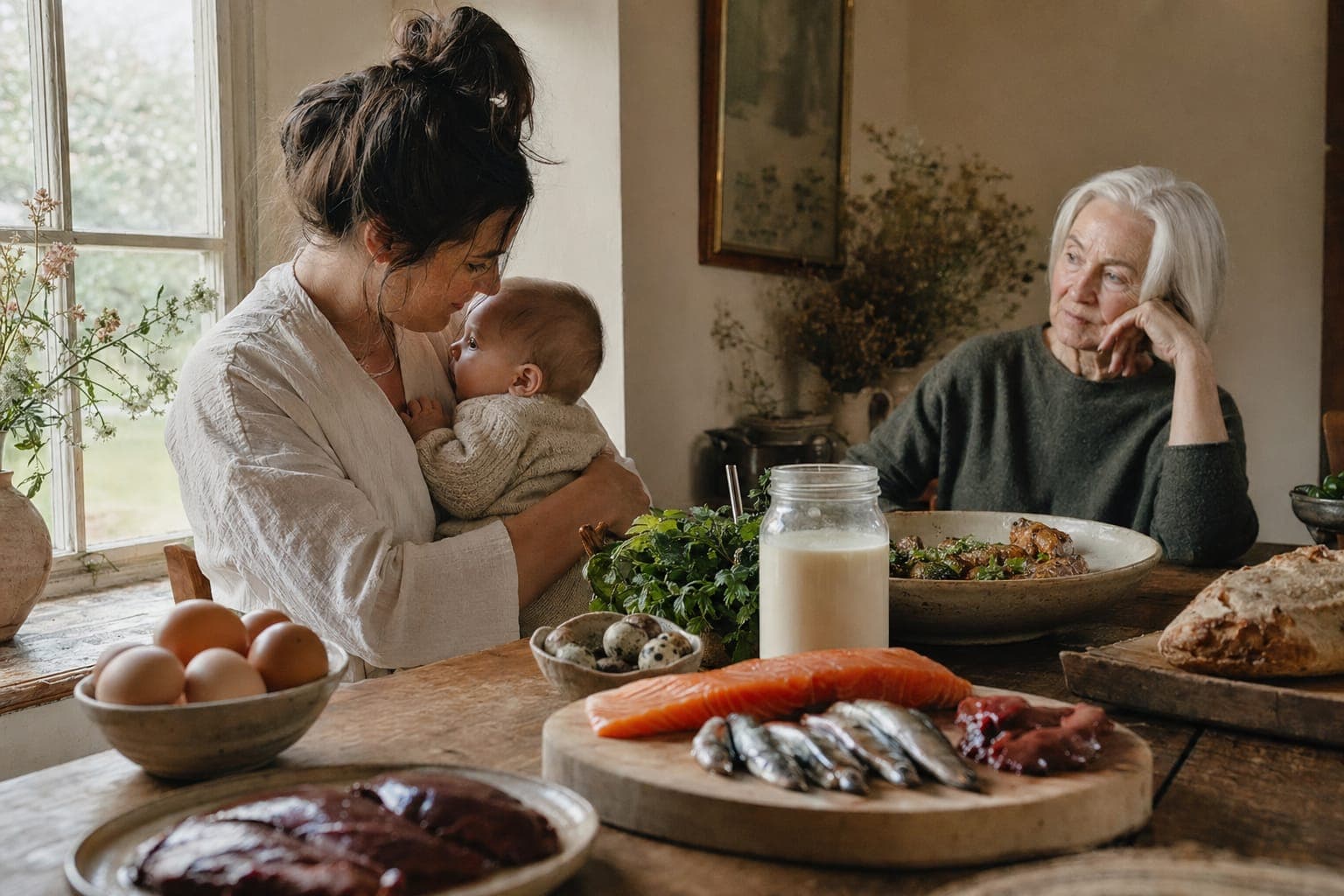
The Adequate Intake for choline is 450 mg/day in pregnancy and 550 mg/day during lactation.1 These are not high amounts. A single large egg contains around 147 mg of choline.1 A 100-gram serving of beef liver contains over 400 mg of choline.1 Meeting this requirement is straightforward if you know where to look.
Choline and memory across the lifespan
Brain development doesn't end at birth. Your brain continues to form new neural connections throughout your life. Learning new information, acquiring new skills, creating memories. All of these processes require acetylcholine. And acetylcholine requires choline.
Choline deficiency in childhood and adolescence shows up as difficulty concentrating, poor memory, difficulty learning new information, and reduced academic performance. In adults, deficiency manifests as brain fog, poor memory, reduced mental processing speed, and difficulty accessing information you know you know.
As you age, the relationship between choline and brain health becomes even more critical. Adequate choline is associated with better cognitive function, reduced decline, and lower rates of neurodegenerative disease. Deficiency accelerates age-related cognitive decline and increases risk of dementia.
One reason choline becomes more important with age is that choline synthesis declines. Your body does synthesise choline endogenously, but the rate of production decreases with age. This means you become increasingly dependent on dietary intake to maintain adequate levels.
Why deficiency is so common
Despite being critical for brain function throughout the entire lifespan, roughly 9 out of 10 adults in developed countries fail to meet their choline requirements. Why?
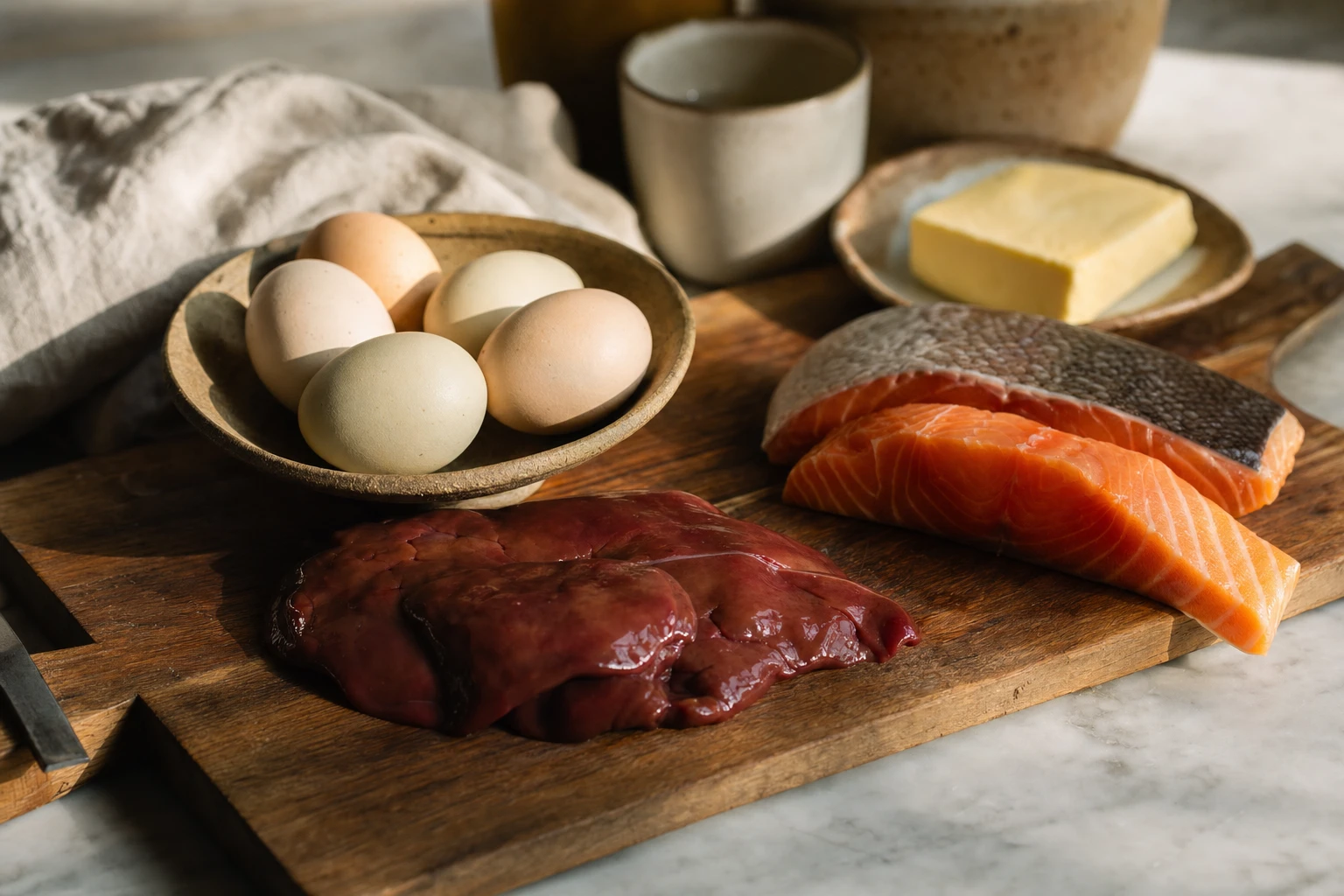
The primary culprit is that choline is concentrated in specific foods that modern diets have systematically eliminated. Egg yolks, liver, and other organ meats. These are the three most choline-dense foods available. They're also the three foods most people stopped eating sometime in the last fifty years.
Eggs were demonised by dietary fat fears. Organ meats fell out of fashion as red meat became affordable and readily available. Modern diets centre on muscle meat, processed foods, and vegetables. Choline-dense whole foods disappeared from the table.
The result is that a significant portion of the population, particularly children and young adults, is running on choline intake below what their brains need to function optimally. Nobody is acutely deficient in a way that produces clinical symptoms. But the brain is chronically undernourished in a way that subtly degrades function.
Choline deficiency doesn't announce itself with emergency symptoms. It whispers. It shows up as difficulty remembering, trouble concentrating, slower processing. By the time you notice, years of suboptimal brain function may have already occurred.
Get health guides like this, free
Two short reads a week on eating for energy, gut health, skin, sleep and more.
By signing up you agree to receive emails from us. No spam, unsubscribe anytime.
The best food sources of choline
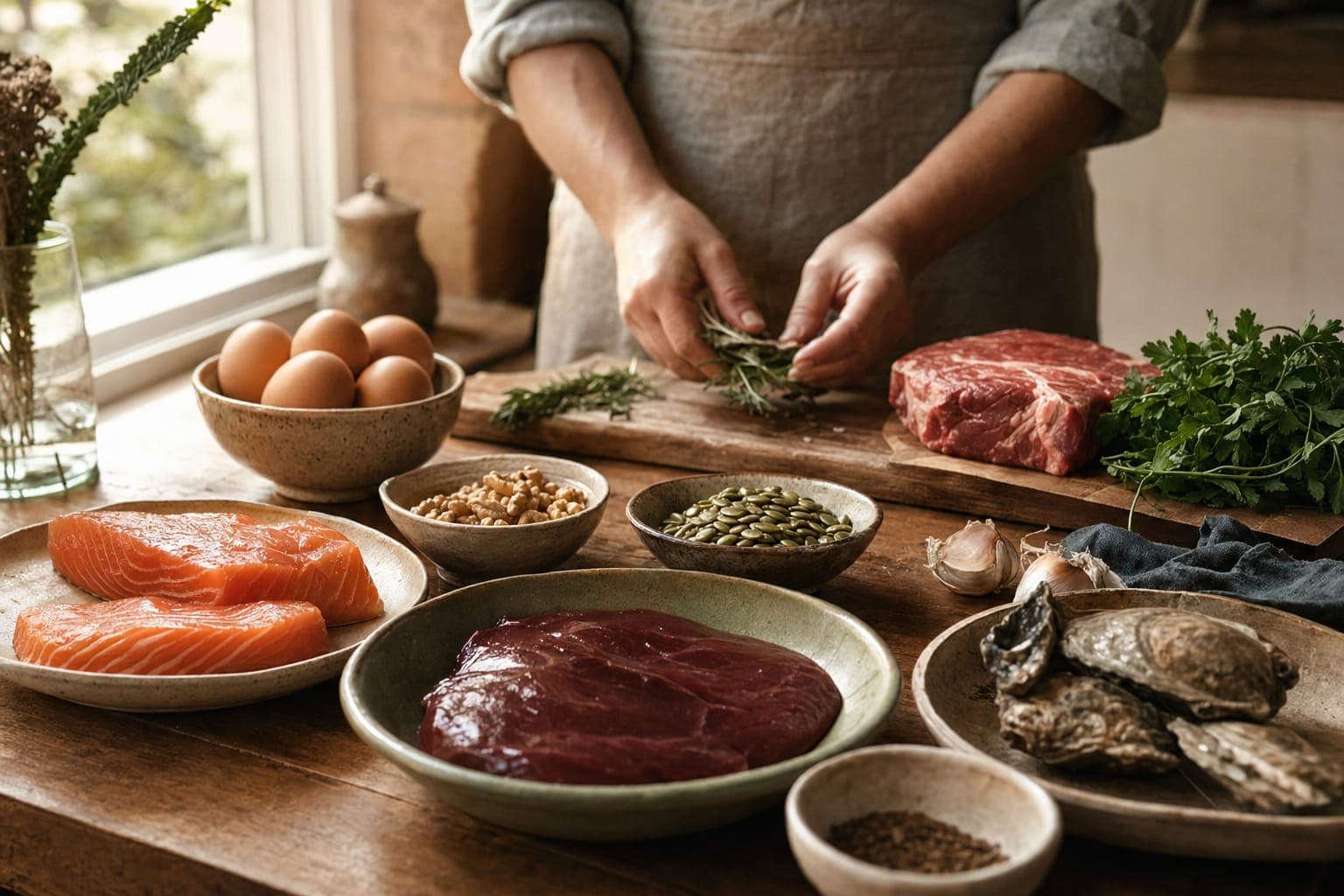
Egg yolks are the most accessible source. A single large egg yolk contains roughly 140 mg of choline. The white contains almost none. If you're eating egg whites only, you're missing the entire nutritional point of the egg.
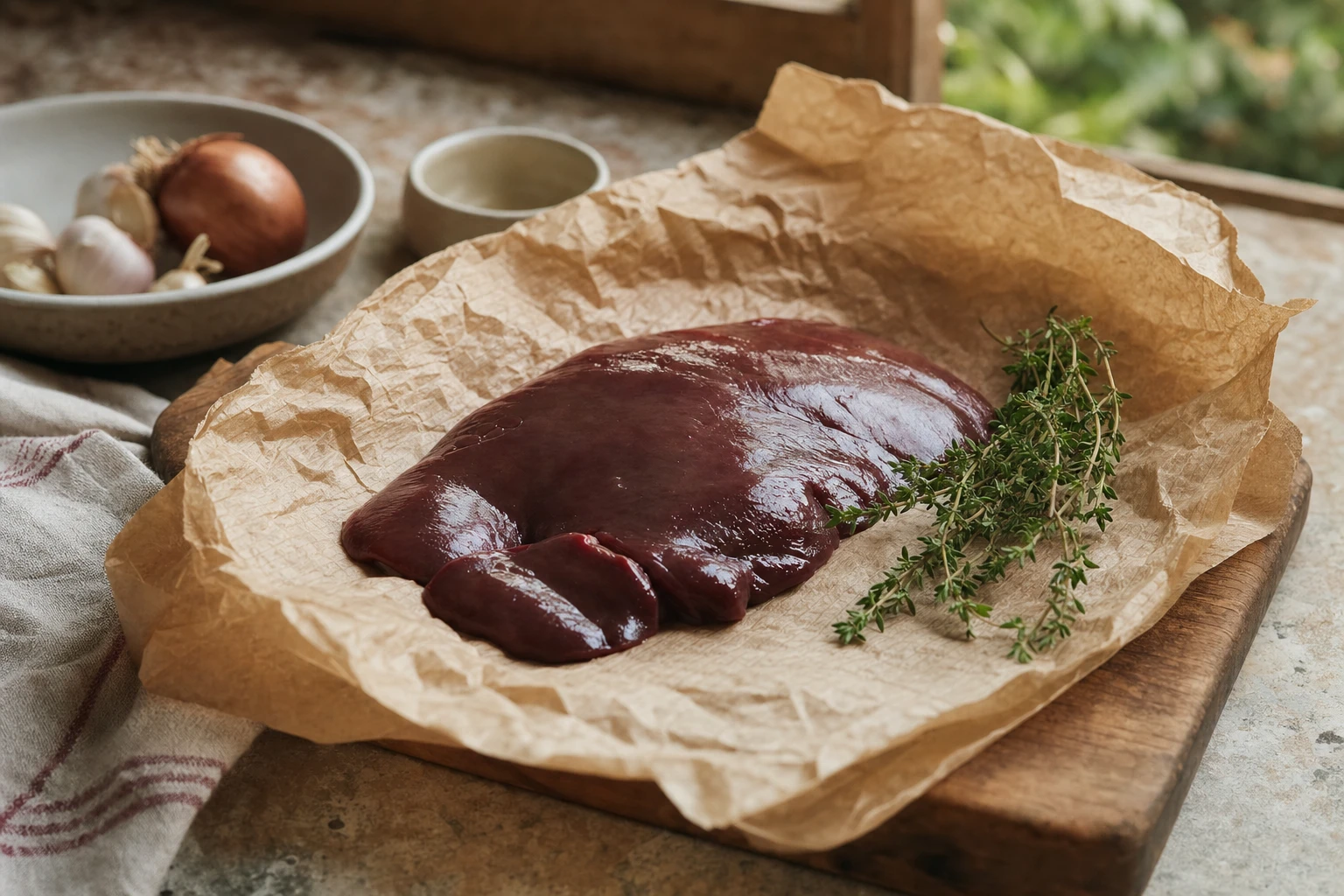
Beef liver is exceptionally dense in choline. A 100-gram serving contains over 400 mg. Other organ meats like chicken liver, pork liver, and kidney also contain substantial amounts, though beef liver is the densest source.
Fish, particularly fatty fish like salmon and mackerel, contains meaningful choline. A 100-gram serving of salmon contains roughly 70-90 mg of choline. It's not as dense as eggs or organs, but it's a solid contributor.
Red meat contains choline, though less than organs. A 100-gram serving of beef contains roughly 80-100 mg. Poultry is similar. These are useful contributors but shouldn't be your primary source if choline is your target.
Cruciferous vegetables like broccoli and Brussels sprouts contain choline, but the amount per serving is modest. A cup of broccoli contains roughly 60 mg. They're useful as supporting players, but won't meet your choline needs alone.
1 of 9
Daily blend
100,000+ thriving families4.9 on Trustpilot
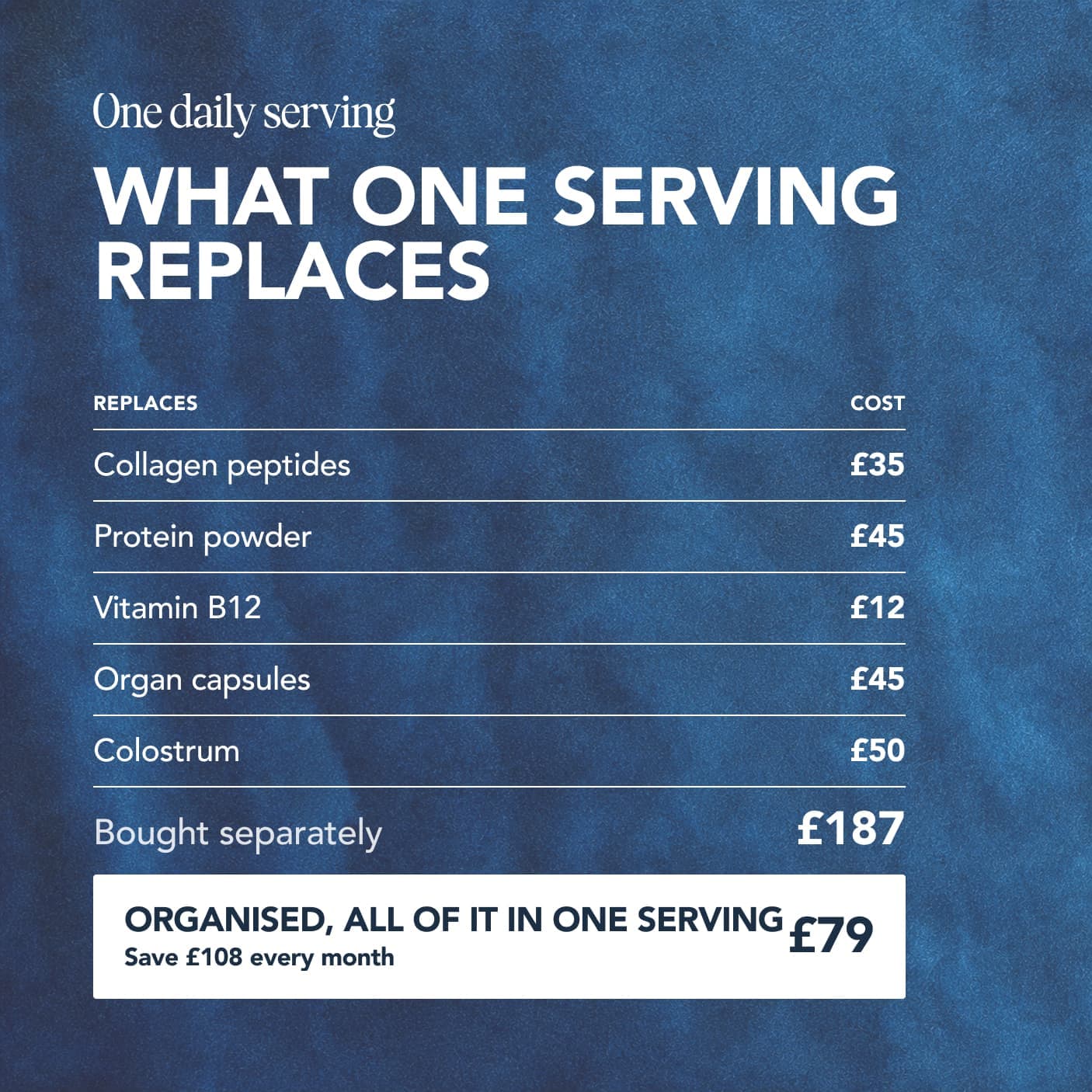
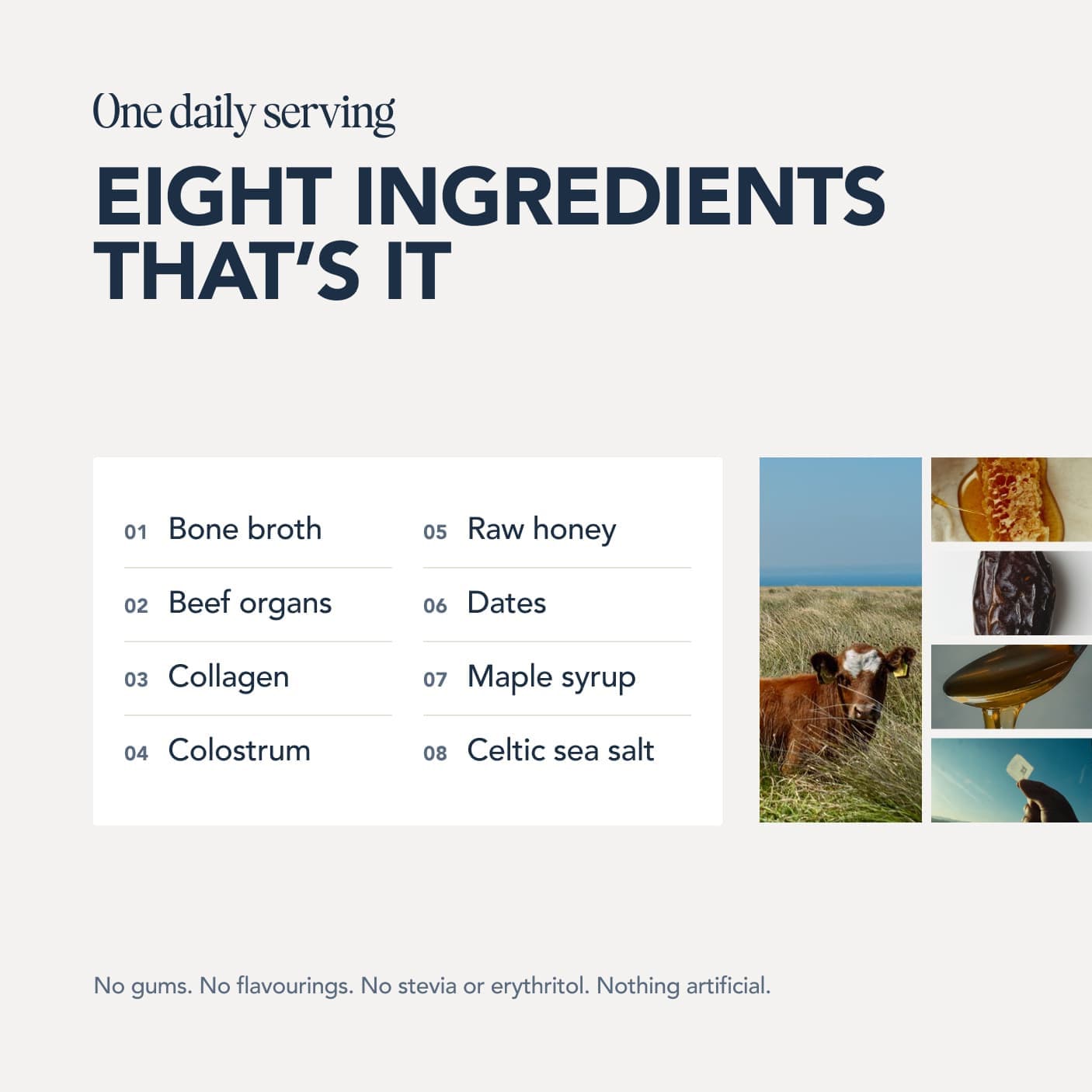
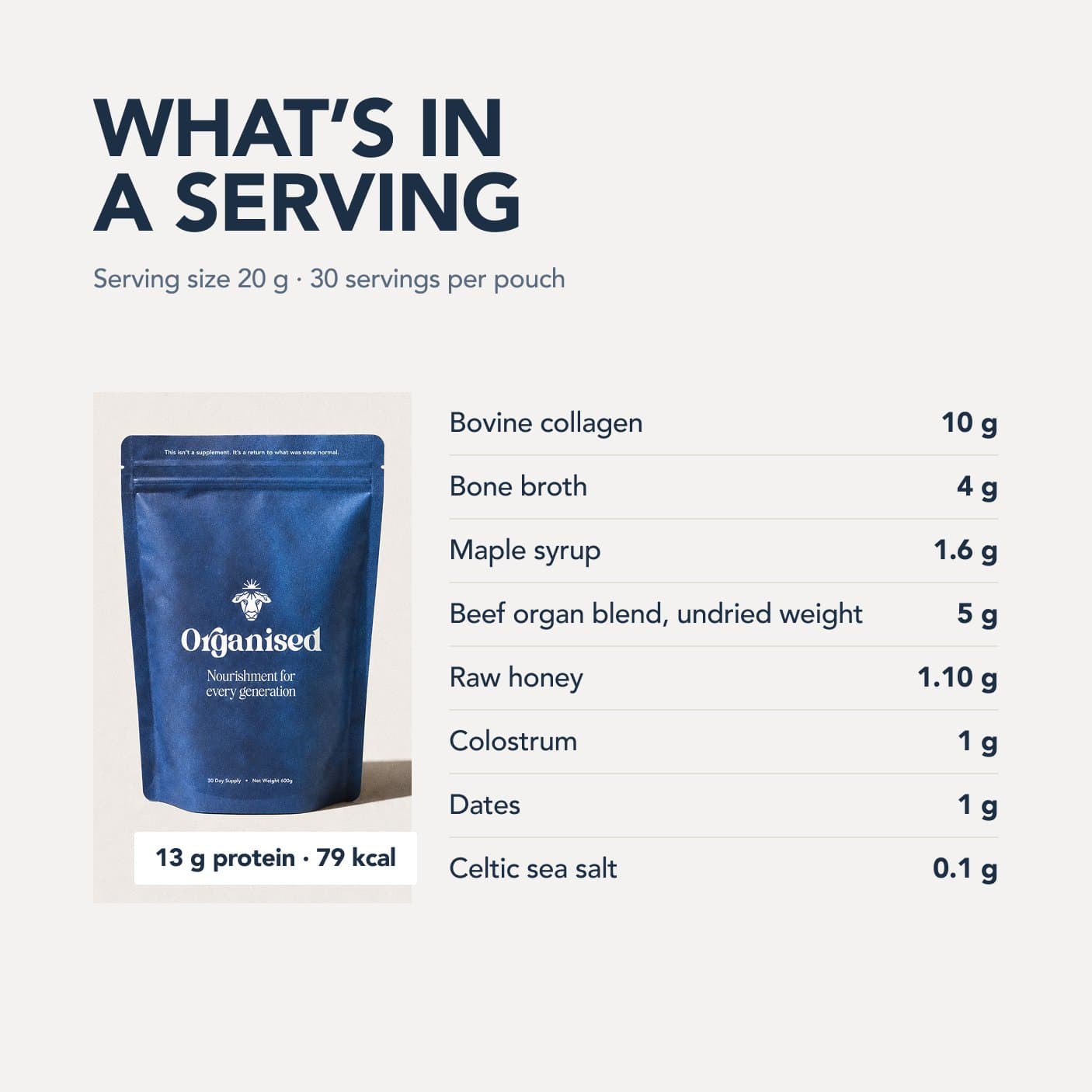
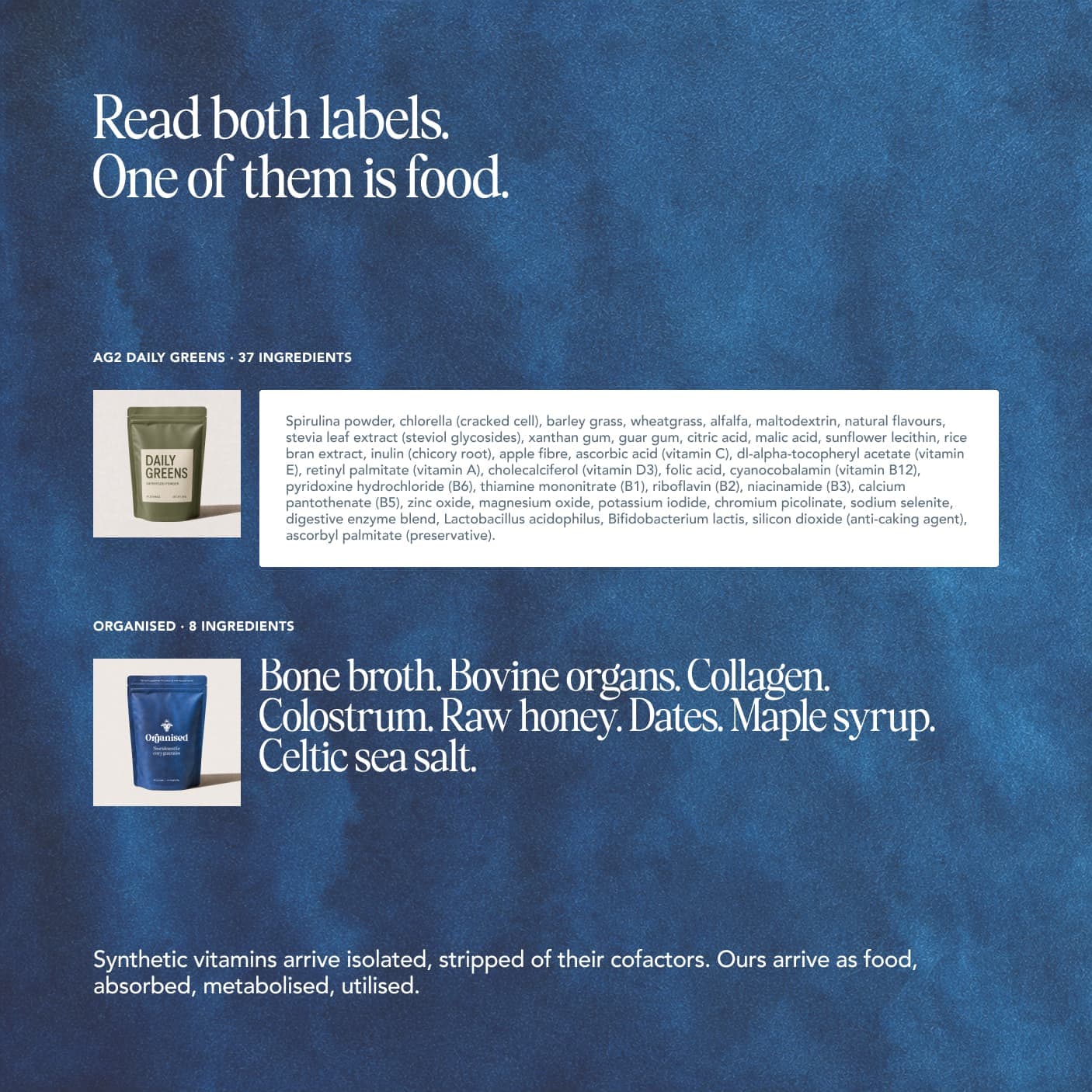
Eight real ingredients built around grass-fed beef organs, collagen and colostrum. Nothing synthetic added.
Free with your first order, worth £38. Plus £10 off the pouch with a subscription.

Free UK shipping · Made in England · 100 day money back guarantee on your first pouch · Skip, pause or cancel anytime
How much choline do you actually need
The Adequate Intake (AI) for choline is 425 mg daily for adult women and 550 mg daily for adult men.1 Pregnant women need 450 mg daily. Breastfeeding women need 550 mg daily.
These are the baseline amounts needed for basic neurological function. If your brain is working fine and you're not pregnant, 425-550 mg daily keeps the lights on. But if you're pregnant, recovering from brain injury, ageing, or dealing with cognitive symptoms like brain fog or poor memory, higher intake may be beneficial.
The absolute ceiling of safety for choline is not firmly established, but the Tolerable Upper Intake Level for choline in adults is 3,500 mg/day.1 Excess choline does produce a fishy body odour in some people due to metabolism of trimethylamine, but this is a metabolic variation, not toxicity.
Meeting your choline needs is simple if you eat the right foods. Two egg yolks plus a serving of salmon or a small amount of liver easily covers your daily requirement. If you don't eat animal products, plant sources exist but are less dense and less bioavailable, making deficiency more likely.
The bottom line
Your brain is built from the food you eat. During pregnancy, that food is consumed by your mother and transferred to you. During childhood and adulthood, it's the food you choose to eat.
Choline is one of the most critical nutrients for that process. It shapes your brain's architecture during development, powers your memory and learning throughout life, and protects your cognitive function as you age. Yet 90% of people are deficient.
The fix is not complicated. Eat egg yolks. Eat liver. Eat fatty fish. These three foods, eaten regularly, will provide more choline than most people currently consume. The difference in how you feel, how you think, and how you remember will be noticeable.
If you're pregnant or planning to become pregnant, prioritise choline intake. The cognitive benefits to your child will extend throughout their entire life. If you're an adult dealing with brain fog or memory issues, consider whether you're actually eating the foods your brain needs. Most of the time, the answer is no, and the fix is simple.
References
Every source below was checked on 27 August 2026. Each PubMed, PMC and DOI identifier was resolved against NCBI or Crossref, and what it opens is printed under the citation, so you can see the link goes where the citation says without leaving the page. Where a citation and its identifier disagreed, the citation was corrected to the record or the reference was deleted along with the sentence marker that pointed at it, and where the resolved paper turned out not to support the sentence, the sentence was cut back to what it does support. Borrowed authority is worse than none, because it looks like rigour.
- National Institutes of Health, Office of Dietary Supplements. Choline - Health Professional Fact Sheet. ods.od.nih.gov
- Caudill MA, et al. Maternal choline supplementation during the third trimester of pregnancy improves infant information processing speed. FASEB J. 2018;32(4):2172-2180. PMID 29217669Checked 27 August 2026: PMID 29217669 opens Caudill MA, Strupp BJ, Muscalu L et al, Maternal choline supplementation during the third trimester of pregnancy improves infant information processing speed: a randomized, double-blind, controlled feeding study. FASEB J 2018;32(4):2172-2180. PubMed indexes it as: Randomized Controlled Trial.The authors' own declaration, from the record: The authors thank the women participants for their extraordinary cooperation and compliance with the controlled feeding trial and for making their infants available for this neurobehavioral follow-up study. This work was funded, in part, by the Egg Nutrition Center, The Beef Checkoff, the U.S. Department of Agriculture (USDA) Cooperative State Research, Education, and Extension Service (special research Grant … (abridged; the full declaration is on the record)
Who wrote and reviewed this guide
Niall Kiddle
Author · Founder, Organised
Niall is the founder of Organised. He started the company in 2024 after fixing his own health the slow way: in 2022 he swapped a cupboard of synthetic supplements for real food, raw milk, organ meats, bone broth and honey, and felt the difference within months.
Areas of expertise: Ancestral nutrition, Organ meats, Whole-food supplementation, Gut health, Regenerative sourcing
Read Niall's full profile
Pedro Rodrigues
Reviewer · Agronomist (farming and sourcing only)
Pedro is the agronomist Organised works with on farming and sourcing. His job on the guides is to keep the science honest: he reviews what we publish about soil health, regenerative agriculture, grazing and the way food is actually produced.
Areas of expertise: Regenerative agriculture, Agronomy, Soil health, Grass-fed farming, Food sourcing
Reviewed this guide on
Read Pedro's full profileMore on brain & cognition
View all- Feeding Your Brain: The Nutrients Behind Focus, Memory and Clarity
- ADHD and Nutrition: Emerging Research and Practical Approaches
- Brain Fog: Nutritional Causes and How to Clear It
- Memory and Nutrition: Feeding Your Brain at Every Age
- Neuroinflammation: The Hidden Driver of Brain Fog and Low Mood
- The Link Between Iron Deficiency and Poor Concentration
Browse the guides library
All guidesKeep reading
Health goals
Feeding Your Brain: The Nutrients Behind Focus, Memory and Clarity
Discover which nutrients power your brain: DHA, choline, B12, iron, zinc, creatine. Food sources for lasting focus, memory, and mental clarity.

Health goals
How to Recognise the Early Signs of Poor Gut Health
The signs of poor gut health reach beyond digestion: fatigue, skin issues, brain fog, and mood. Learn what to watch for and when to take action.

Health goals
Hair Loss in Men: Nutrition Beyond Finasteride
Male hair loss is not only about genetics or DHT. Learn the nutritional deficiencies that can drive thinning and the whole-food approach to support your hair.
Real food, made effortless
Start my daily blendA few ways to use it
All recipes
Organised Protein Pancakes: A Weekend Favourite
A high-protein pancake recipe using beef protein, eggs, and raw milk. Cooked in cast iron, naturally sweetened with banana and honey. Real food breakfast.
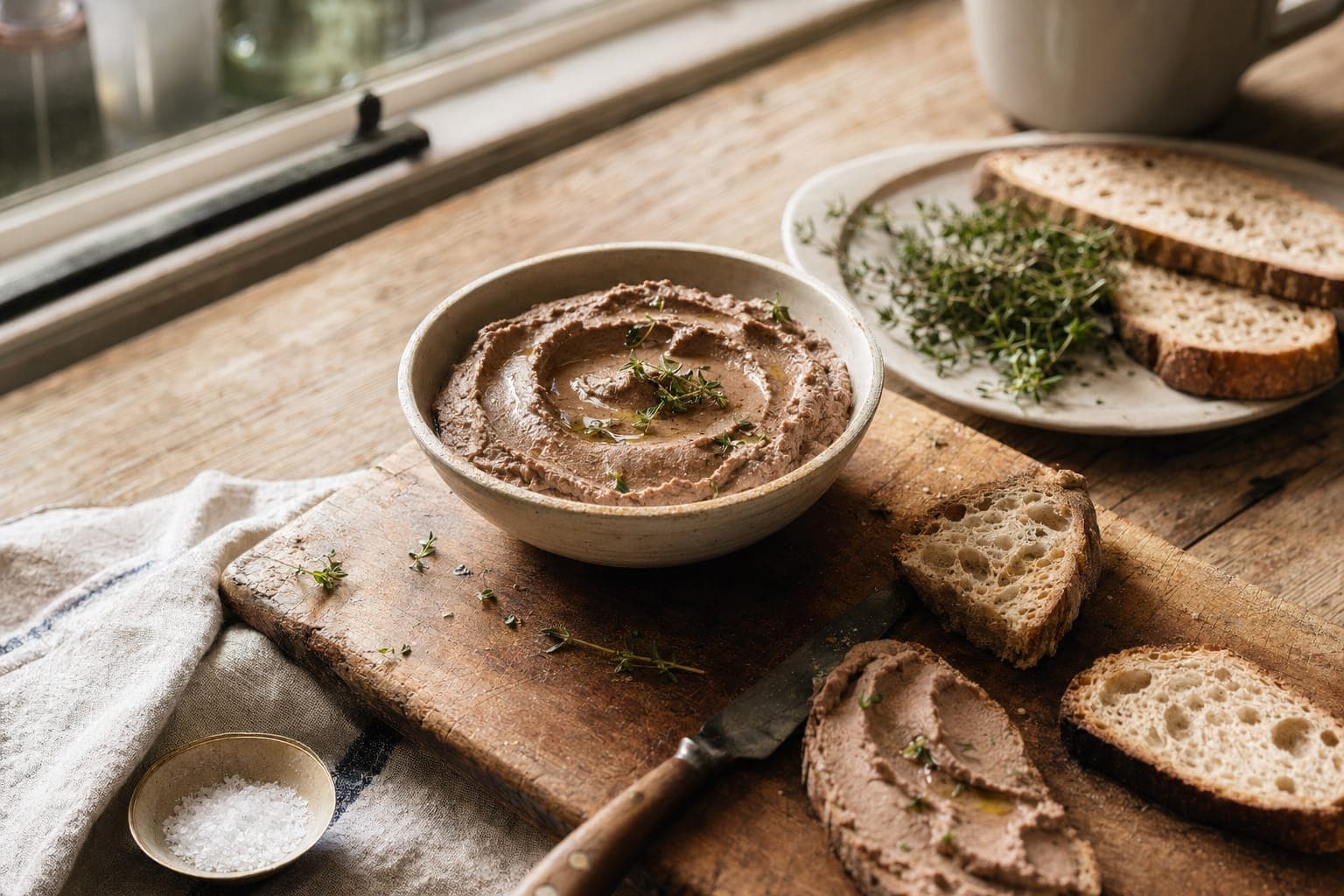
Liver Pate for Beginners: A Gentle Introduction to Organ Meats
Simple liver pate recipe to start eating organ meats. Chicken liver, butter, and herbs. Gentle introduction to nutrient-dense whole foods.
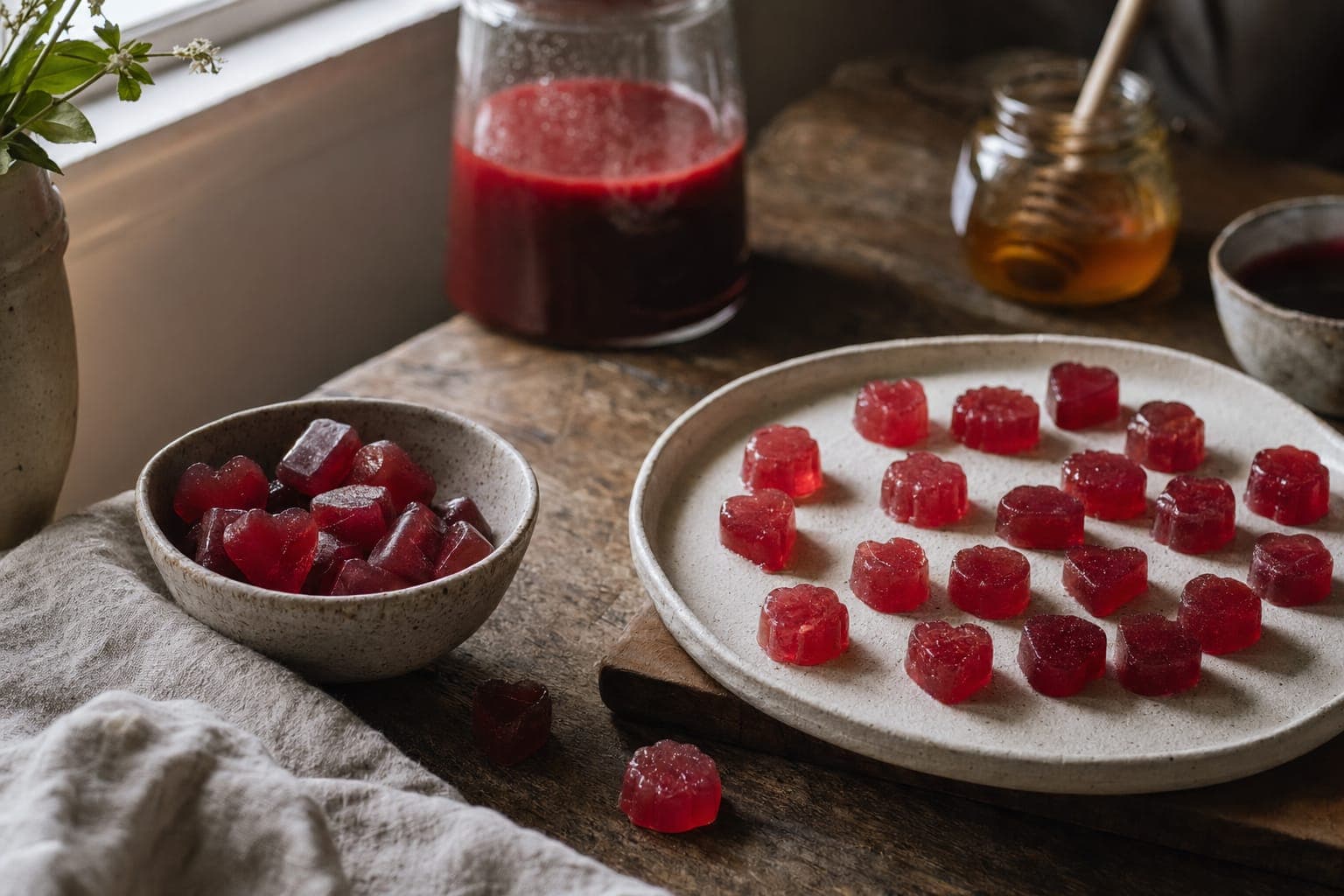
How to Make Your Own Gelatine Gummies
A simple recipe for homemade gelatine gummies using grass-fed gelatine, fresh juice, and raw honey. Better than shop-bought, kids love them.


 Join over 100,000+ members
Build a better food system with us
The Organised community is thousands of people choosing real food and backing the farmers who grow it, all of us trying to leave the world a little better than we found it. If that is what you care about too, you belong here.