Feeding Your Brain: The Nutrients Behind Focus, Memory and Clarity
Your brain is the hungriest organ in your body. It makes up about 2% of your bodyweight but consumes 20% of your daily energy. Yet most modern diets leave it perpetually undernourished. Here are the nutrients your brain desperately needs, and where to actually find them.
By Niall Kiddle, Founder, Organised

Reviewed by Pedro Rodrigues, Agronomist (farming and sourcing only) ·
9 min read · Published · Updated · 9 cited sources
Makers of the Organised Daily blend, a grass-fed beef organ supplement from regenerative UK farms
The catch? Brain function depends not just on calories, but on specific micronutrients that modern processed foods contain in almost laughable quantities. You can be eating plenty of food and still starving your brain of the building blocks it needs to think clearly, remember well, and sustain focus.
The brain's nutrient crisis
Here's the uncomfortable truth: your brain is built from the food you eat. Its membranes, its neurotransmitters, its myelin sheaths, its mitochondria. All of it is constructed from nutrients you put in your mouth.
When those nutrients are missing, the brain doesn't just feel a bit fuzzy. It degrades. Synaptic connections weaken. Neurotransmitter production slows. Energy production falters. The organ that runs everything starts failing to run itself properly.
Most people blame their brain fog on stress, age, or lifestyle. Sometimes it's actually malnutrition. Not starvation. Malnutrition. Eating plenty of food while missing the specific nutrients the brain needs to function.
The brain is built from the food you eat. Without the right raw materials, thinking clearly becomes nearly impossible no matter how much you rest or how hard you try.
DHA and omega-3 fatty acids
DHA, or docosahexaenoic acid, is one of the most critical nutrients for brain structure and function.2 DHA doesn't just sit there either. It actively controls inflammation, supports neurotransmitter production, and protects against cognitive decline.
The research here is unambiguous. Higher DHA intake correlates with better cognitive performance, sharper memory, and lower rates of neurodegenerative disease. Low DHA is associated with depression, ADHD, and accelerated cognitive decline.
The problem is where DHA lives. It's found almost exclusively in animal foods, particularly oily fish and marine sources. Salmon, mackerel, sardines, herring, and anchovies are among the richest sources. A single serving of wild salmon contains more DHA than most people consume in a month.
Other animal sources include pasture-raised eggs (the yolks specifically), grass-fed beef, and organ meats like liver. Plant sources like flaxseed and walnuts contain ALA, a precursor to DHA, but conversion is inefficient. You need roughly 10-20 grams of ALA to produce 1 gram of DHA.3 That's a losing game if you're relying on plants alone.
Your brain needs DHA. The richest source is oily fish eaten 2-3 times weekly, or a consistent pattern of pasture-raised eggs and grass-fed meat.
Choline: the memory molecule
Choline is the precursor to acetylcholine, the neurotransmitter responsible for learning, memory formation, and attention. Choline is also a major structural component of cell membranes, including the membranes of brain cells. Without adequate choline, your brain literally cannot build itself properly.
The data on choline deficiency is startling. Research suggests roughly 90% of adults in developed countries fail to meet the recommended intake of choline.4 And the symptoms are not subtle. Deficiency shows up as poor memory, inability to concentrate, and reduced cognitive speed.
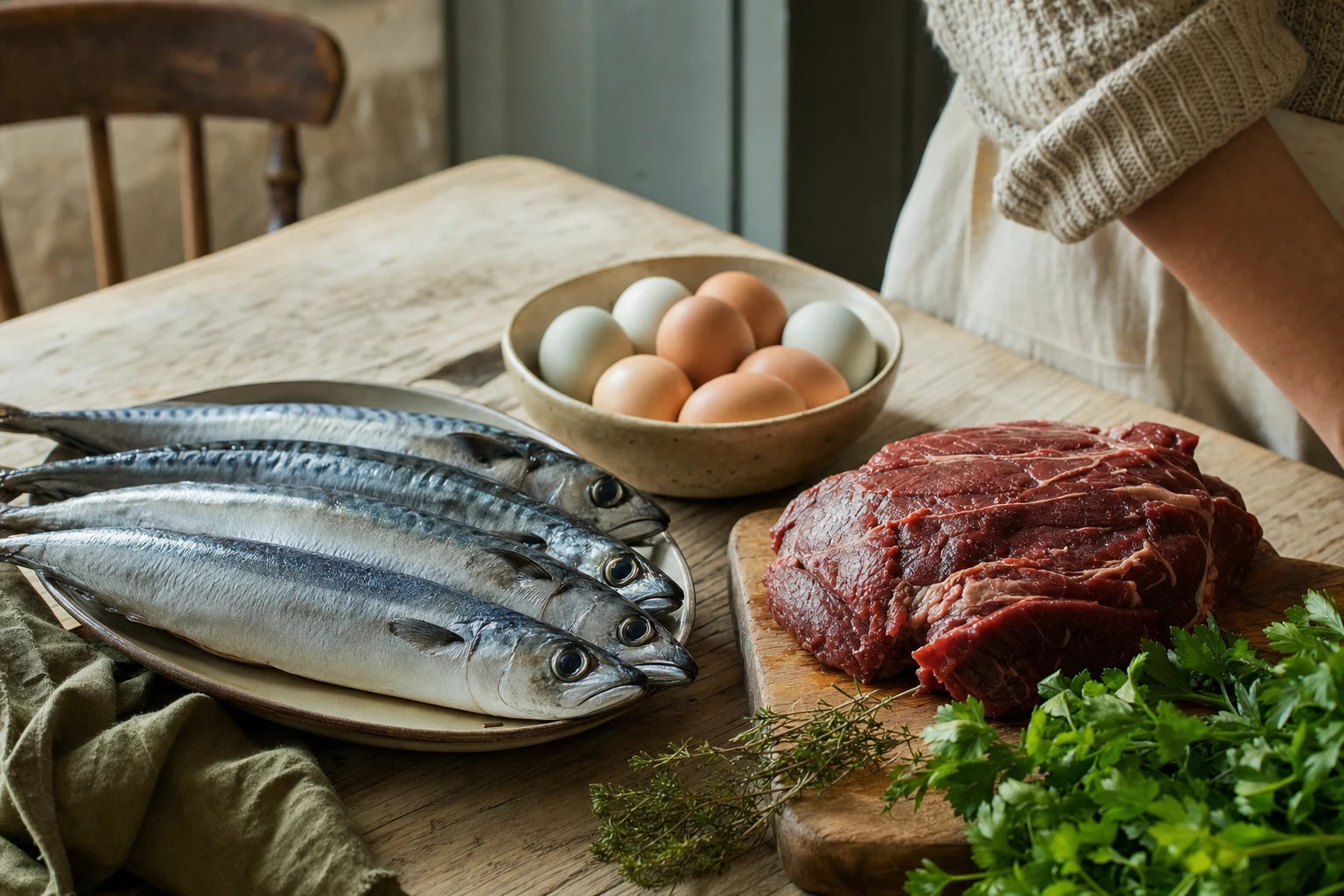
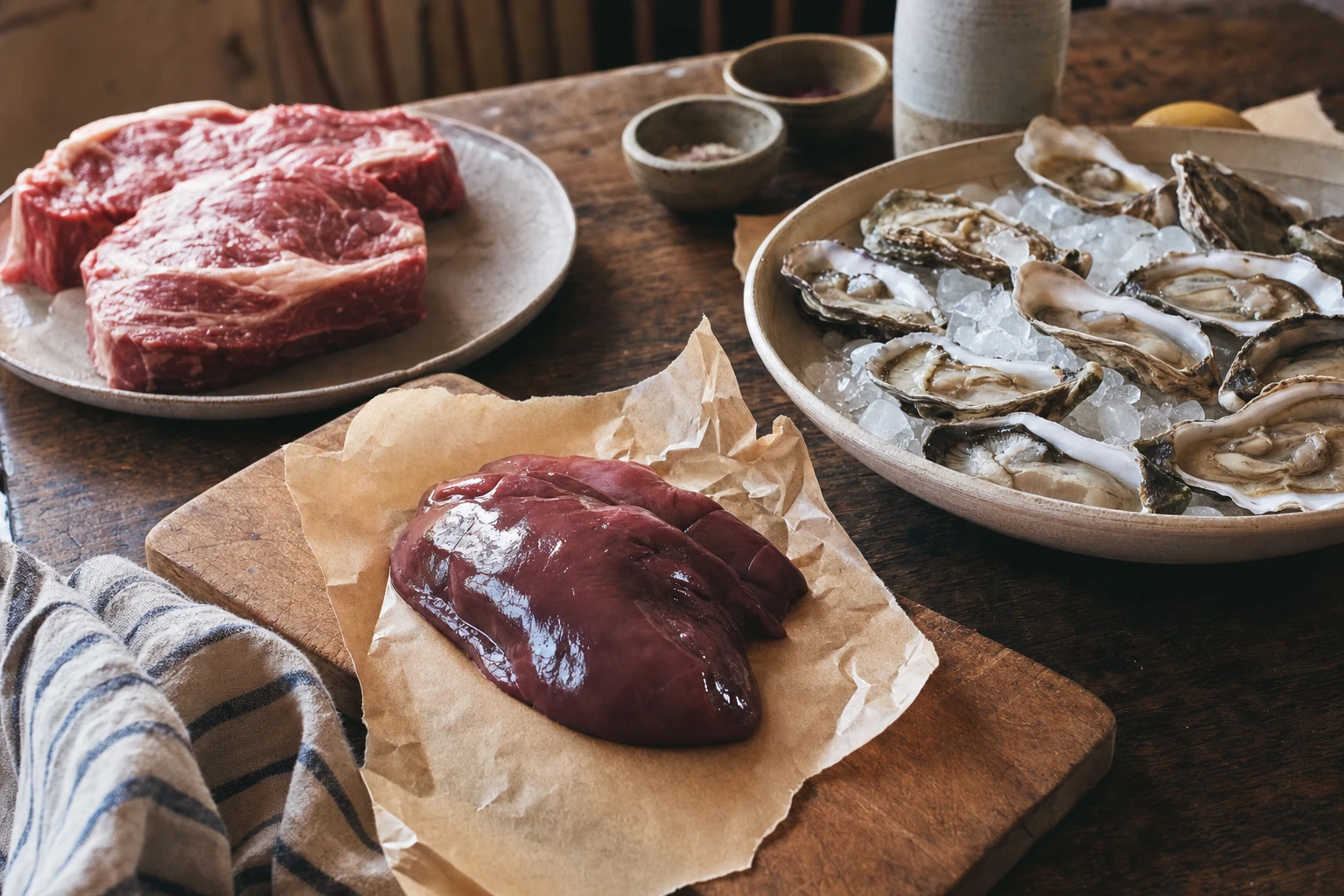
Choline is found in the highest concentrations in egg yolks, liver, and other organ meats. A single large egg yolk contains about 140 mg of choline. Beef liver contains over 400 mg per 100 grams.5 These are not close sources. The concentration gap between organ meats and other foods is enormous.
Fish, particularly fatty fish, also delivers meaningful choline. Chicken, red meat, and dairy contribute as well, but the difference in density is significant. If you want to reliably meet your choline needs, you're looking at eggs and organs. Full stop.
To protect your memory as you age, eat the choline-richest foods available. That means egg yolks regularly, beef liver or other organs weekly, and fatty fish multiple times a week.
B12 and the nervous system
B12 is essential for nervous system function, myelin formation, and energy production. Your brain uses B12 to produce the myelin sheaths that insulate nerves and allow electrical signals to travel. B12 also helps regulate homocysteine, an amino acid that, when elevated, damages the brain and accelerates cognitive decline.6
B12 deficiency presents as brain fog, memory loss, confusion, difficulty concentrating, and in severe cases, neurological damage that can become permanent. The scary part is that you can be deficient without obvious symptoms until significant damage has occurred.
B12 is found almost exclusively in animal foods. The richest sources are organ meats, particularly liver. Red meat, fish, eggs, and dairy also contain meaningful quantities. There is no reliable plant source of B12 that doesn't involve fortification or fermentation, and the bioavailability of fermented plant sources is poor.
If you eat animal products regularly, particularly if you include organs and fish, B12 deficiency is unlikely. If you're vegetarian or vegan, supplementation or fortified foods are essential. If you eat meat but rarely organs or fish, you might be approaching deficiency without realising it.
Iron and oxygen delivery to the brain
Iron is critical because it's the core of haemoglobin and myoglobin, the proteins that carry oxygen throughout your body and to your brain. When iron is low, oxygen delivery to the brain falters. Cognitive function follows suit.
Iron deficiency anaemia presents as brain fog, difficulty concentrating, reduced mental processing speed, and mood changes including depression and anxiety. Your brain is oxygen-hungry. Cut that supply and thinking becomes harder immediately.
Iron comes in two forms. Haem iron, found in animal foods, is highly bioavailable. You absorb 15-35% of the haem iron you consume. Non-haem iron, from plant sources, is absorbed at only 2-20%7, and absorption is further reduced if you drink tea or coffee with the meal.
The richest sources of haem iron are red meat and organ meats. A single 100-gram serving of beef liver contains about 5-7 mg of iron, most of it highly absorbable. Shellfish like oysters and clams are also exceptional sources. Fish and poultry contain moderate amounts.
For the fastest route to restored iron levels and improved brain function, focus on red meat and organs. If you prefer plant-based iron, pair it with vitamin C sources and avoid tannins during meals.
Get health guides like this, free
Two short reads a week on eating for energy, gut health, skin, sleep and more.
By signing up you agree to receive emails from us. No spam, unsubscribe anytime.
Zinc and cognitive processing
Zinc is involved in over 300 enzymatic reactions in the body, many of them in the brain.8 It supports synaptic plasticity, the brain's ability to form new connections and learn. Zinc also modulates neurotransmitter function and protects against neuroinflammation.
Zinc deficiency appears as reduced cognitive processing speed, poor memory, impaired immune function, and delayed wound healing. It's particularly important during development, but remains critical throughout life for maintaining cognitive sharpness.
Zinc is found in animal foods, particularly meat, seafood, and organ meats. Red meat and poultry contain meaningful amounts. Oysters are exceptionally zinc-dense. Dairy and eggs contribute as well. Plant sources like legumes contain zinc, but absorption is compromised by phytates, compounds that bind zinc and prevent absorption.
If you eat meat or seafood regularly, zinc deficiency is unlikely. If you rely on plant sources, absorption is considerably lower, making deficiency more possible.
Creatine for mental energy
Creatine is a compound synthesised in the body from amino acids, and it plays a major role in cellular energy production. Your brain uses creatine to regenerate ATP, the energy currency of cells. When creatine is available, brain cells can maintain energy production more efficiently. When it's deficient, cognitive fatigue sets in faster.
Research on creatine supplementation shows improvements in memory, processing speed, and mental fatigue, particularly in people who are cognitively stressed or vegetarian. Supplementation with 5 grams of creatine daily for 6-8 weeks shows measurable improvements in cognitive function.9
Creatine is synthesised endogenously, meaning your body makes it. But the rate of production depends on dietary intake of its precursor amino acids, particularly arginine and methionine. Red meat, particularly beef, is the richest source of creatine from food. Fish and poultry contain smaller amounts. Vegetarian diets provide minimal creatine.
If you eat red meat regularly, you're getting creatine from your diet. If you don't, or if you're under chronic cognitive stress, creatine supplementation offers genuine cognitive benefits supported by research.
How to build a brain-supportive diet
Given what we now know about brain nutrition, a brain-supportive diet looks fairly specific.
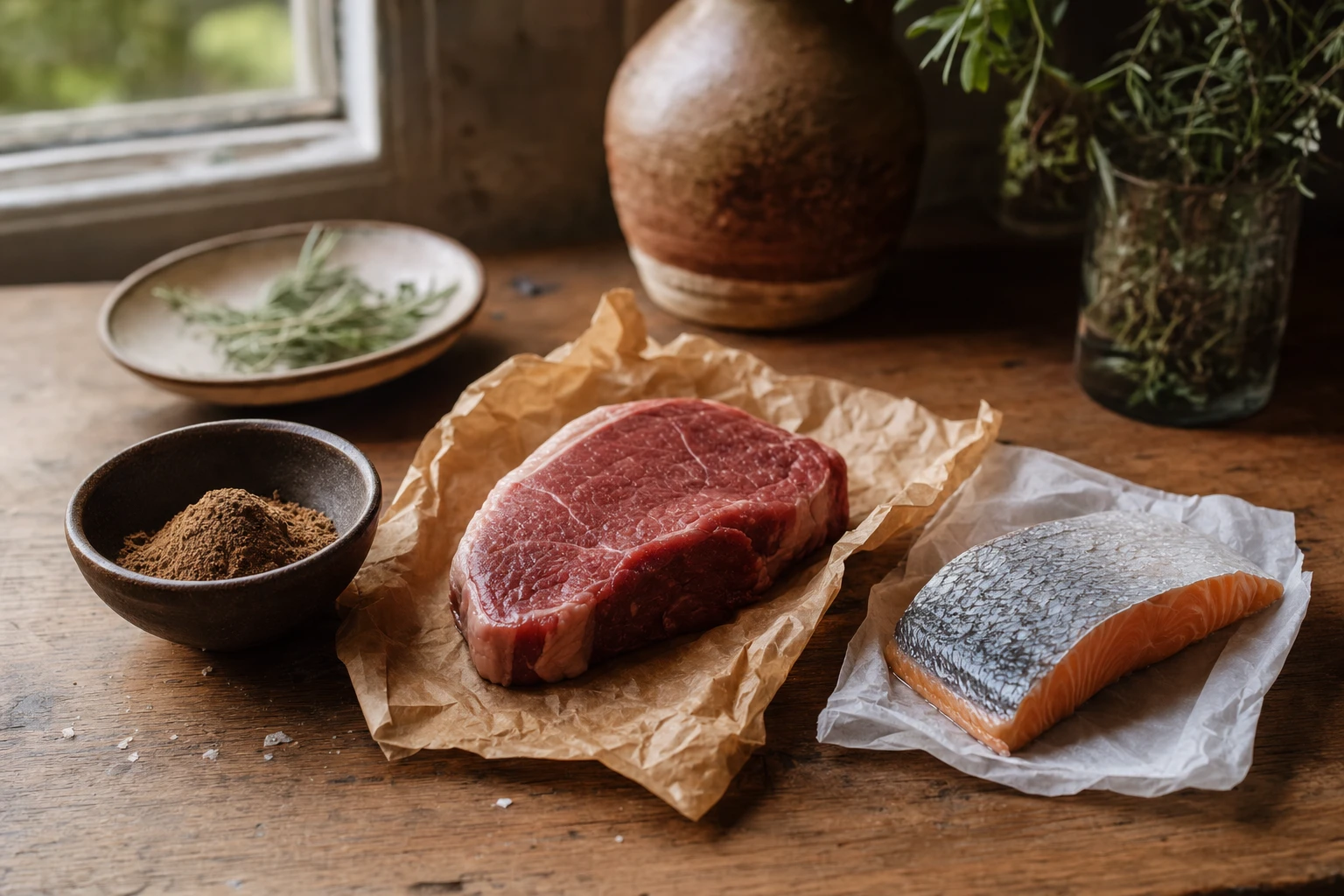
Start with oily fish 2-3 times weekly. Salmon, mackerel, sardines, herring. Wild is preferable to farmed due to nutrient density, but any oily fish is infinitely better than none.
Add pasture-raised eggs regularly. The yolks are where the choline and DHA live. Three to four eggs per day is a reasonable target, though more is fine if that's your preference.
Include red meat 4-5 times per week. Beef, lamb, venison if available. Focus on nutrient density per serving rather than portion size. You don't need to eat beef constantly, but consistency matters more than volume.
Add organ meats. This is the most critical lever for brain health. Liver, kidney, heart, brain itself. Start with liver if organs feel intimidating. Liver pâté is an easy entry point. Aim for organ meats 1-2 times per week minimum.
Include full-fat dairy if you tolerate it. Raw milk, aged cheese, butter, full-fat yoghurt. The fat carries fat-soluble vitamins and the nutrient density is considerably higher than low-fat versions.
Round it out with vegetables, particularly those rich in minerals and phytochemicals. Leafy greens, cruciferous vegetables, colourful vegetables for their antioxidants. These aren't the stars of brain nutrition, but they're important supporting players.
A brain-supporting diet is simple: oily fish regularly, pasture-raised eggs frequently, red meat consistently, organ meats prioritised, and whole vegetables across the plate. Everything else is secondary.
1 of 9
Daily blend
100,000+ thriving families4.9 on Trustpilot
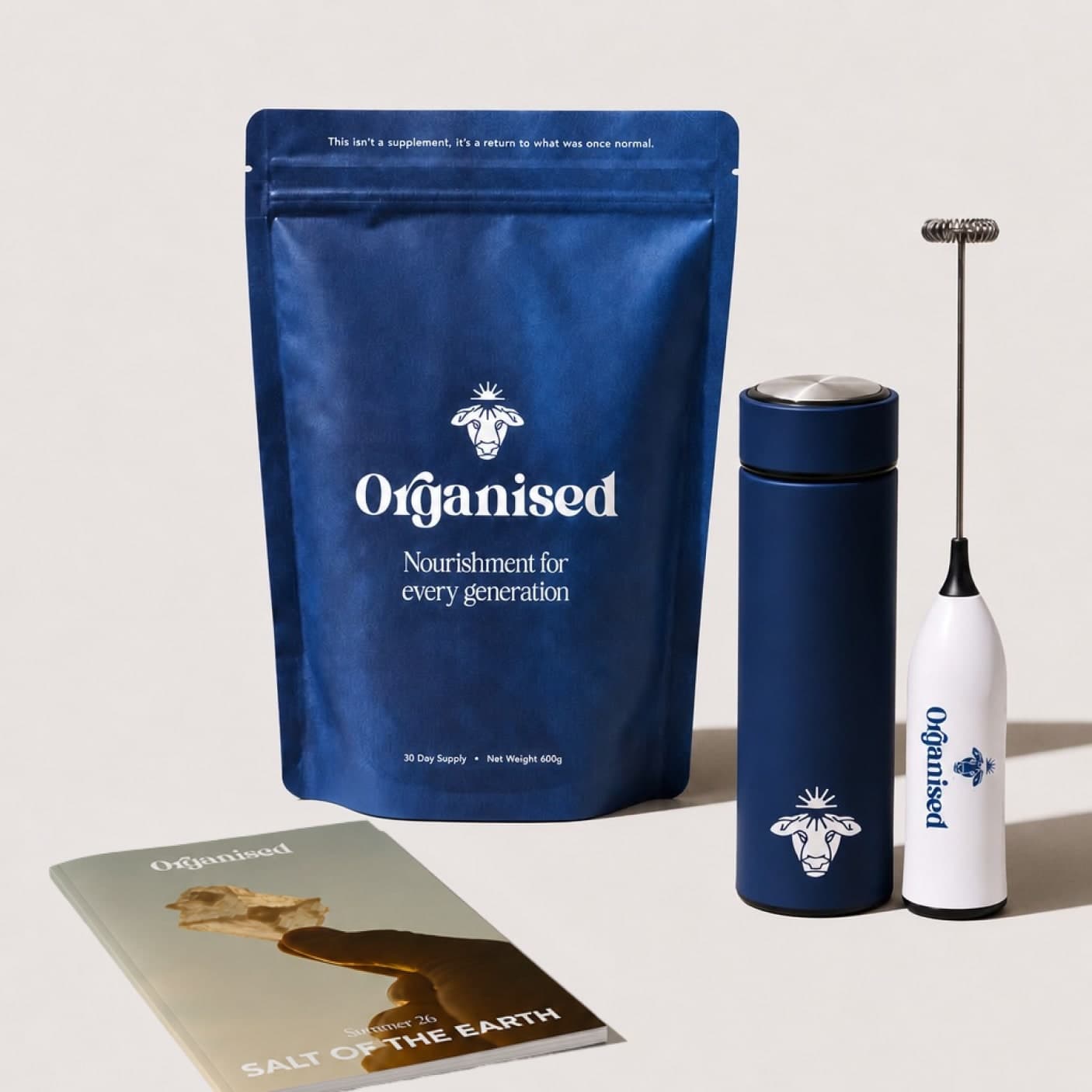
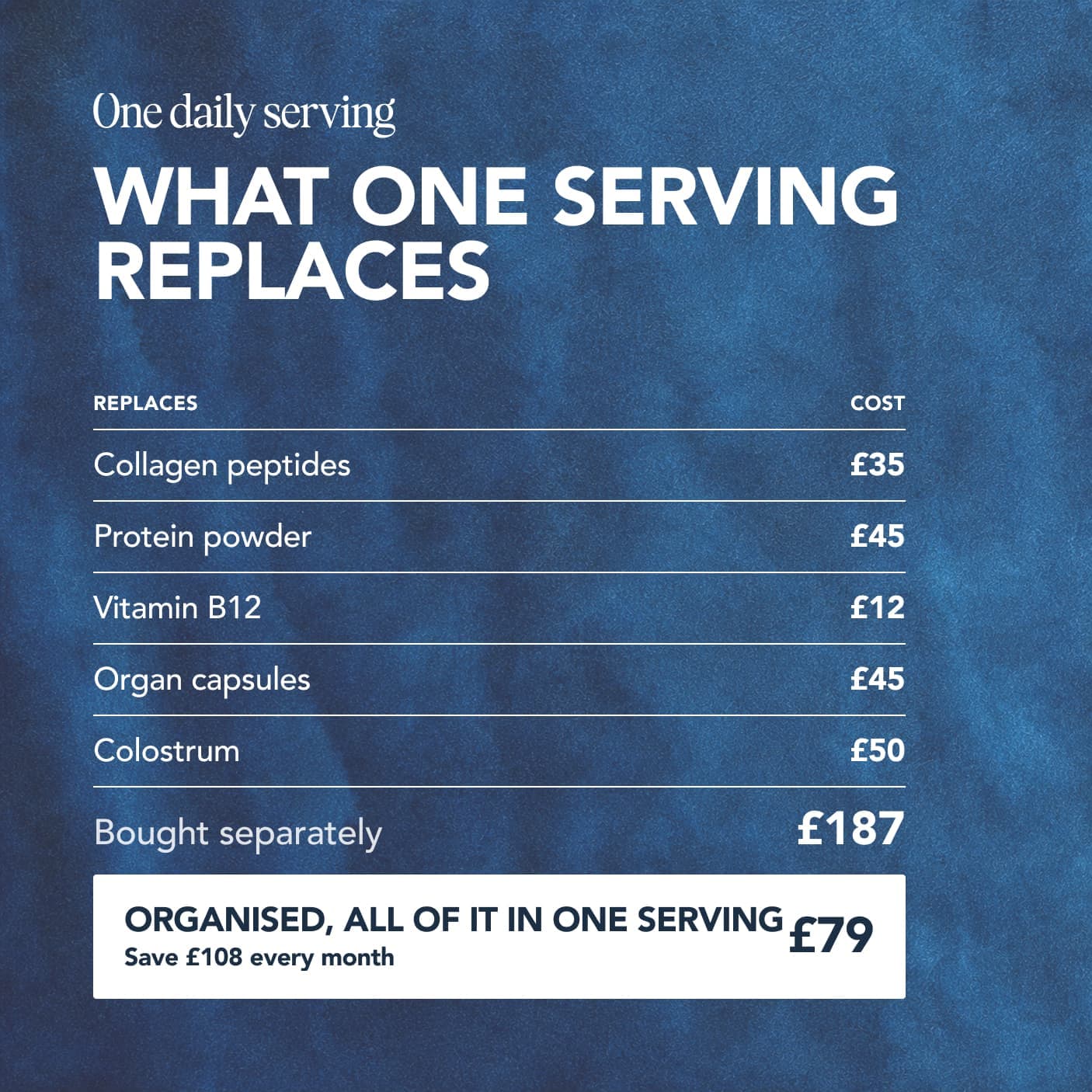
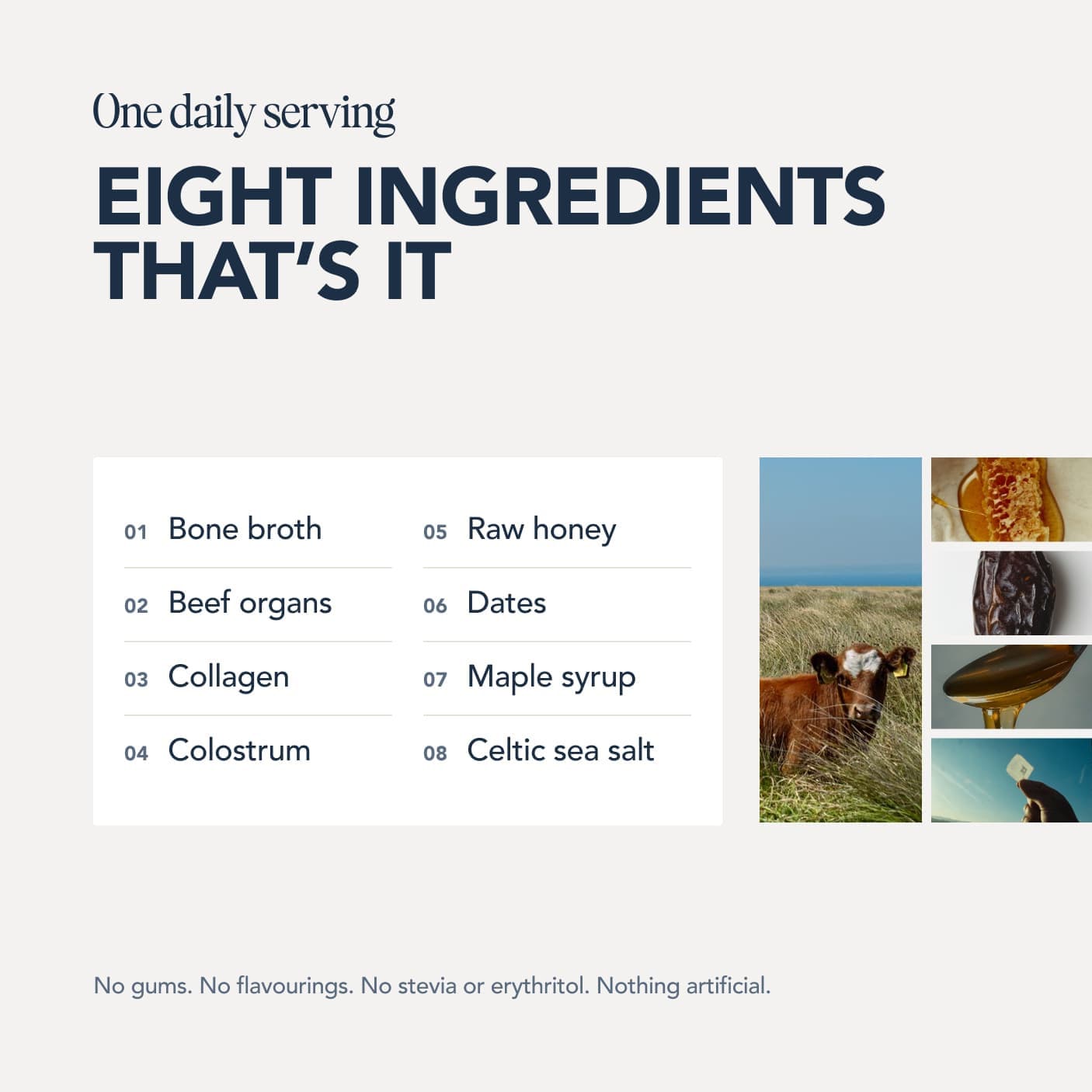
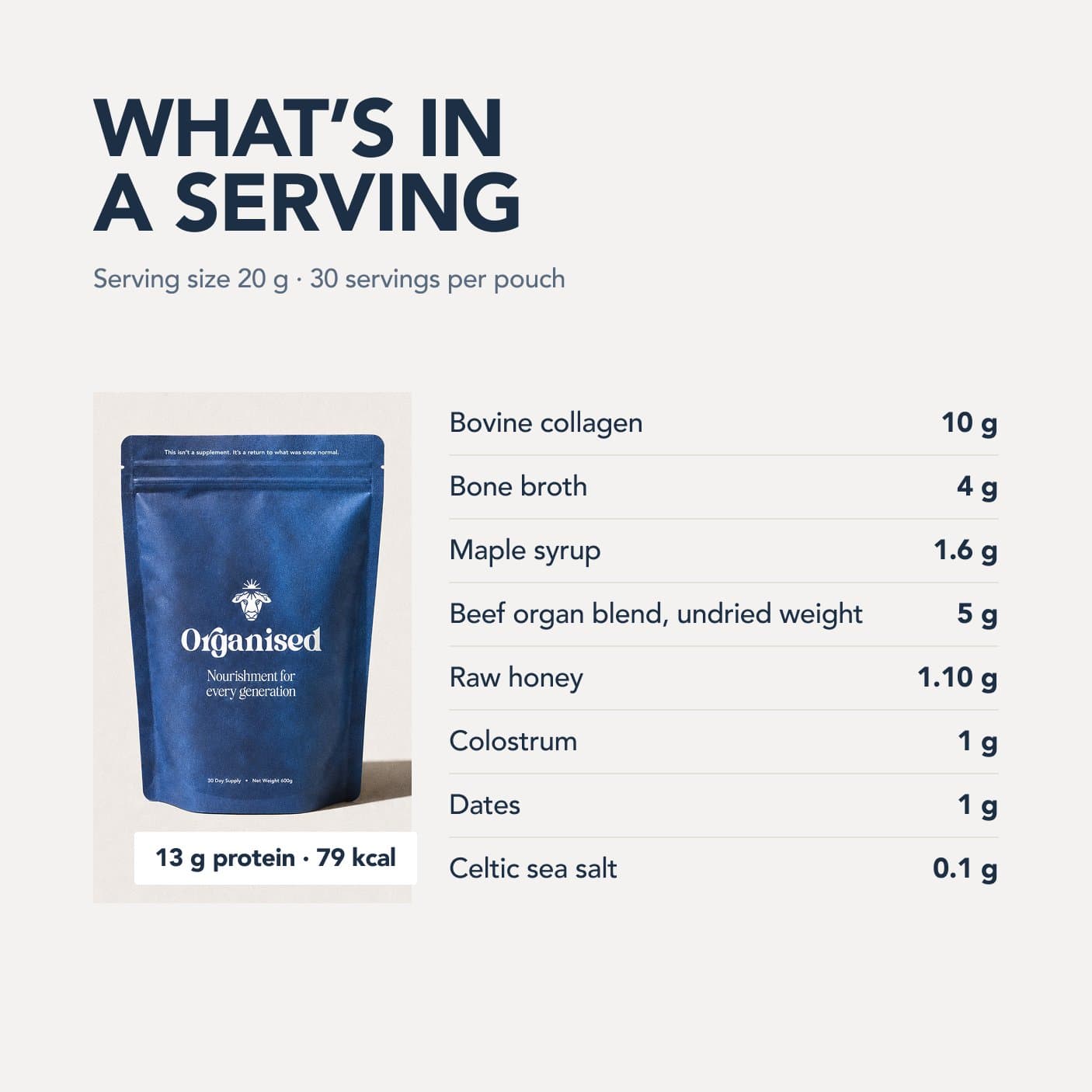
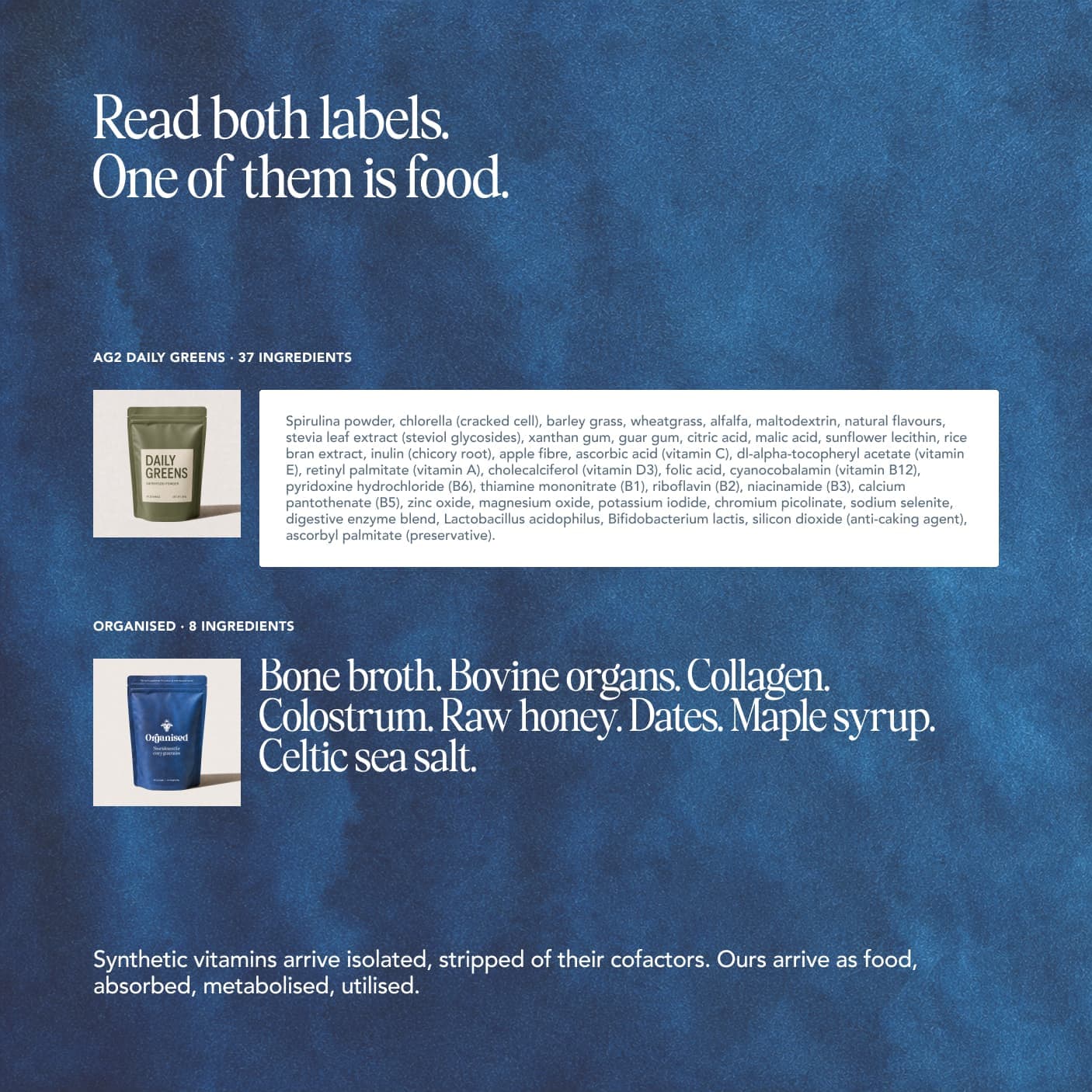
Eight real ingredients built around grass-fed beef organs, collagen and colostrum. Nothing synthetic added.
Free with your first order, worth £38. Plus £10 off the pouch with a subscription.
Free UK shipping · Made in England · 100 day money back guarantee on your first pouch · Skip, pause or cancel anytime
The bottom line
Your brain is not failing because you're not trying hard enough. It may be failing because you're not feeding it what it needs. Brain fog, poor memory, reduced focus, difficulty concentrating. These aren't personality flaws or age-related inevitabilities. They're often symptoms of nutritional deficiency.
The nutrients that power your brain are concentrated in a specific category of foods. Oily fish. Pasture-raised eggs. Red meat. Organs. Full-fat dairy. These foods are nutritionally dense in a way that processed alternatives cannot match.
If you're struggling cognitively, before you reach for nootropics or focus supplements, ask whether you're actually eating the foods your brain needs. Most of the time, the answer is no. And most of the time, eating these foods consistently produces cognitive improvements that feel like night and day.
Your brain built itself from the food your mother ate during pregnancy. It continues to rebuild itself throughout your life from the food you eat now. Feed it properly, and it will reward you with clarity, focus, and memory. Starve it of what it needs, and no amount of willpower will overcome the nutritional deficit.
References
Every source below was checked on 27 August 2026. Each PubMed, PMC and DOI identifier was resolved against NCBI or Crossref, and what it opens is printed under the citation, so you can see the link goes where the citation says without leaving the page. Where a citation and its identifier disagreed, the citation was corrected to the record or the reference was deleted along with the sentence marker that pointed at it, and where the resolved paper turned out not to support the sentence, the sentence was cut back to what it does support. Borrowed authority is worse than none, because it looks like rigour.
- Mink JW, Blumenschine RJ, Adams DB. Ratio of central nervous system to body metabolism in vertebrates. Am J Physiol. 1981;241(3):R203-12. PMID: 7282965.Checked 27 August 2026: PMID 7282965 opens Mink JW, Blumenschine RJ, Adams DB, Ratio of central nervous system to body metabolism in vertebrates: its constancy and functional basis. Am J Physiol 1981;241(3):R203-12. PubMed indexes it as: Comparative Study.
- Weiser MJ, Butt CM, Mohajeri MH. Docosahexaenoic acid and cognition throughout the lifespan. Nutrients. 2016;8(2):99.Checked 27 August 2026: PMC4772061 opens Weiser MJ, Butt CM, Mohajeri MH, Docosahexaenoic Acid and Cognition throughout the Lifespan. Nutrients 2016;8(2):99. PubMed indexes it as: Review.
- Brenna JT et al. alpha-Linolenic acid supplementation and conversion to n-3 long-chain polyunsaturated fatty acids in humans. Prostaglandins Leukot Essent Fatty Acids. 2009;80(2-3):85-91. PMID: 19269799.Checked 27 August 2026: PMID 19269799 opens Brenna JT, Salem N Jr, Sinclair AJ et al, alpha-Linolenic acid supplementation and conversion to n-3 long-chain polyunsaturated fatty acids in humans. Prostaglandins Leukot Essent Fatty Acids 2009;80(2-3):85-91. PubMed indexes it as: Review.
- Wallace TC, Fulgoni VL. Assessment of total choline intakes in the United States. J Am Coll Nutr. 2016;35(2):108-12. PMID: 26886842.Checked 27 August 2026: PMID 26886842 opens Wallace TC, Fulgoni VL 3rd, Assessment of Total Choline Intakes in the United States. J Am Coll Nutr 2016;35(2):108-12.
- National Institutes of Health, Office of Dietary Supplements. Choline: Fact Sheet for Health Professionals.
- National Institutes of Health, Office of Dietary Supplements. Vitamin B12: Fact Sheet for Health Professionals.
- National Institutes of Health, Office of Dietary Supplements. Iron: Fact Sheet for Health Professionals.
- National Institutes of Health, Office of Dietary Supplements. Zinc: Fact Sheet for Health Professionals.
- Avgerinos KI et al. Effects of creatine supplementation on cognitive function of healthy individuals: a systematic review of randomized controlled trials. Exp Gerontol. 2018;108:166-173. PMID: 29704637.Checked 27 August 2026: PMID 29704637 opens Avgerinos KI, Spyrou N, Bougioukas KI et al, Effects of creatine supplementation on cognitive function of healthy individuals: A systematic review of randomized controlled trials. Exp Gerontol 2018;108:166-173. PubMed indexes it as: Systematic Review.
Who wrote and reviewed this guide
Niall Kiddle
Author · Founder, Organised
Niall is the founder of Organised. He started the company in 2024 after fixing his own health the slow way: in 2022 he swapped a cupboard of synthetic supplements for real food, raw milk, organ meats, bone broth and honey, and felt the difference within months.
Areas of expertise: Ancestral nutrition, Organ meats, Whole-food supplementation, Gut health, Regenerative sourcing
Read Niall's full profile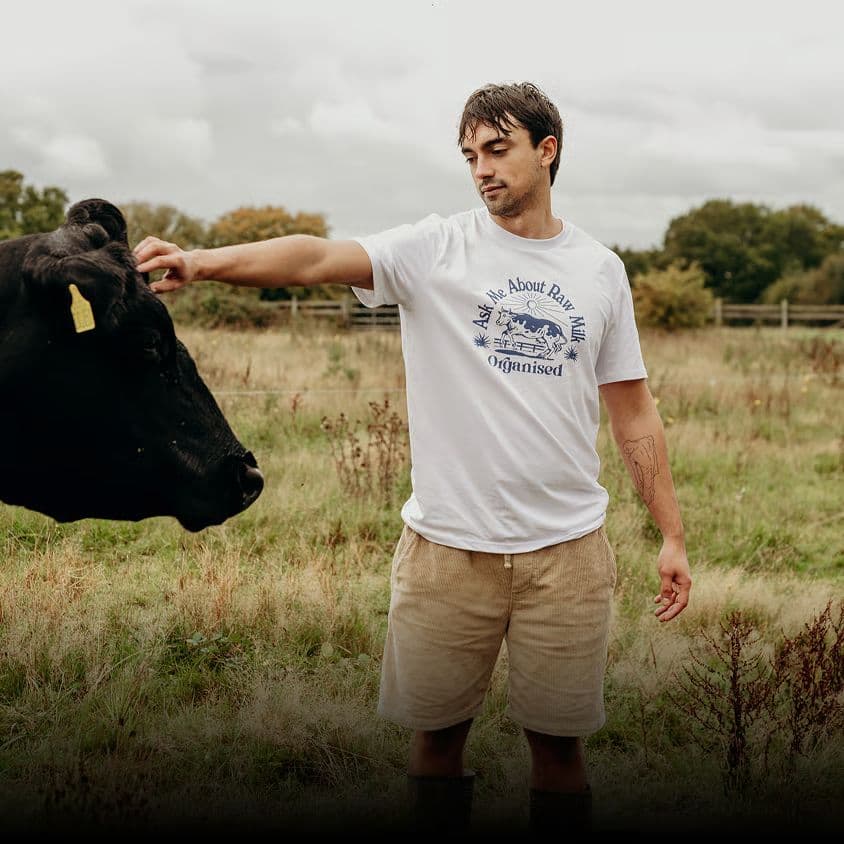
Pedro Rodrigues
Reviewer · Agronomist (farming and sourcing only)
Pedro is the agronomist Organised works with on farming and sourcing. His job on the guides is to keep the science honest: he reviews what we publish about soil health, regenerative agriculture, grazing and the way food is actually produced.
Areas of expertise: Regenerative agriculture, Agronomy, Soil health, Grass-fed farming, Food sourcing
Reviewed this guide on
Read Pedro's full profileMore on brain & cognition
View all- ADHD and Nutrition: Emerging Research and Practical Approaches
- Brain Fog: Nutritional Causes and How to Clear It
- Choline and Brain Development: From Pregnancy to Old Age
- Memory and Nutrition: Feeding Your Brain at Every Age
- Neuroinflammation: The Hidden Driver of Brain Fog and Low Mood
- The Link Between Iron Deficiency and Poor Concentration
Browse the guides library
All guidesKeep reading

Health goals
Choline and Brain Development: From Pregnancy to Old Age
Choline powers brain development from the womb onwards. Why 90% are deficient and how to get enough from real food sources.

Health goals
Brain Fog: Nutritional Causes and How to Clear It
Brain fog isn't your fault. B12 deficiency, iron, blood sugar dysregulation, poor sleep, and gut dysfunction often hide behind the mental haze.

Health goals
Protecting Your Joints as You Age: A Nutritional Blueprint
Protect your joints as you age. The role of collagen, glycine, vitamin C, glucosamine, and real food in joint longevity.
Real food, made effortless
Start my daily blendA few ways to use it
All recipes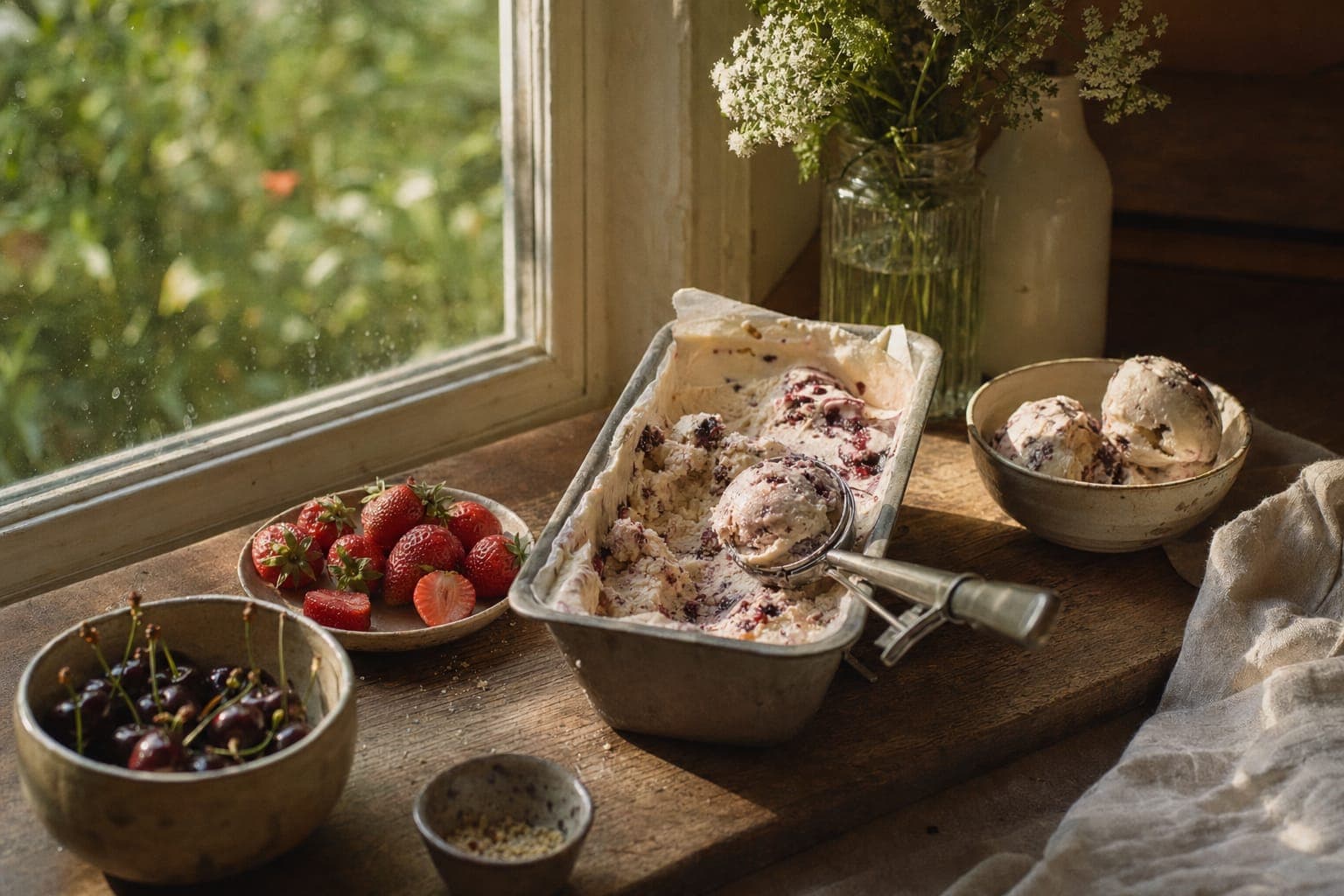
Raw Milk Ice Cream with Organised
Make raw milk ice cream at home with Organised for a seasonal, nutrient-dense treat. Three simple flavours to try whenever the craving strikes.
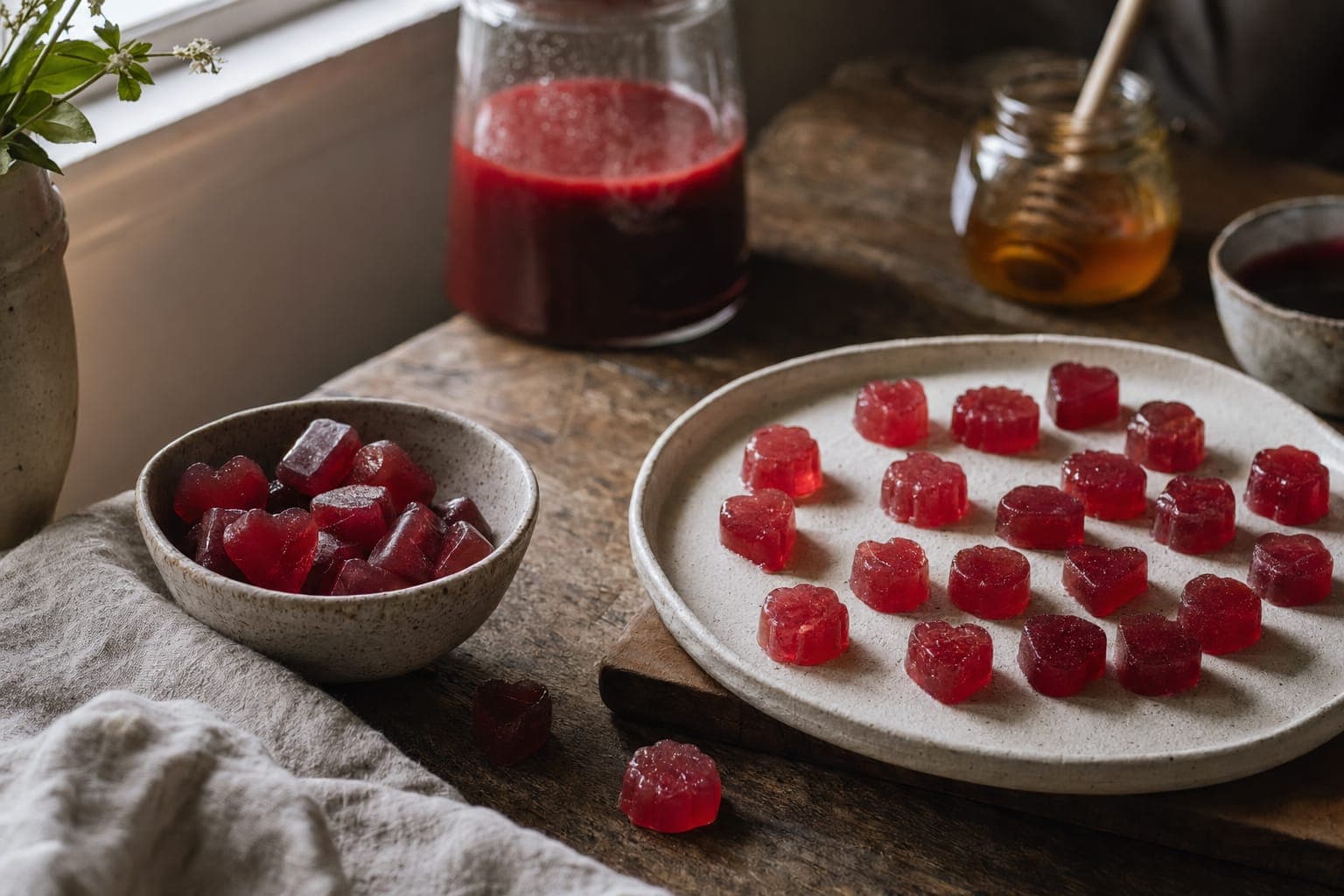
How to Make Your Own Gelatine Gummies
A simple recipe for homemade gelatine gummies using grass-fed gelatine, fresh juice, and raw honey. Better than shop-bought, kids love them.
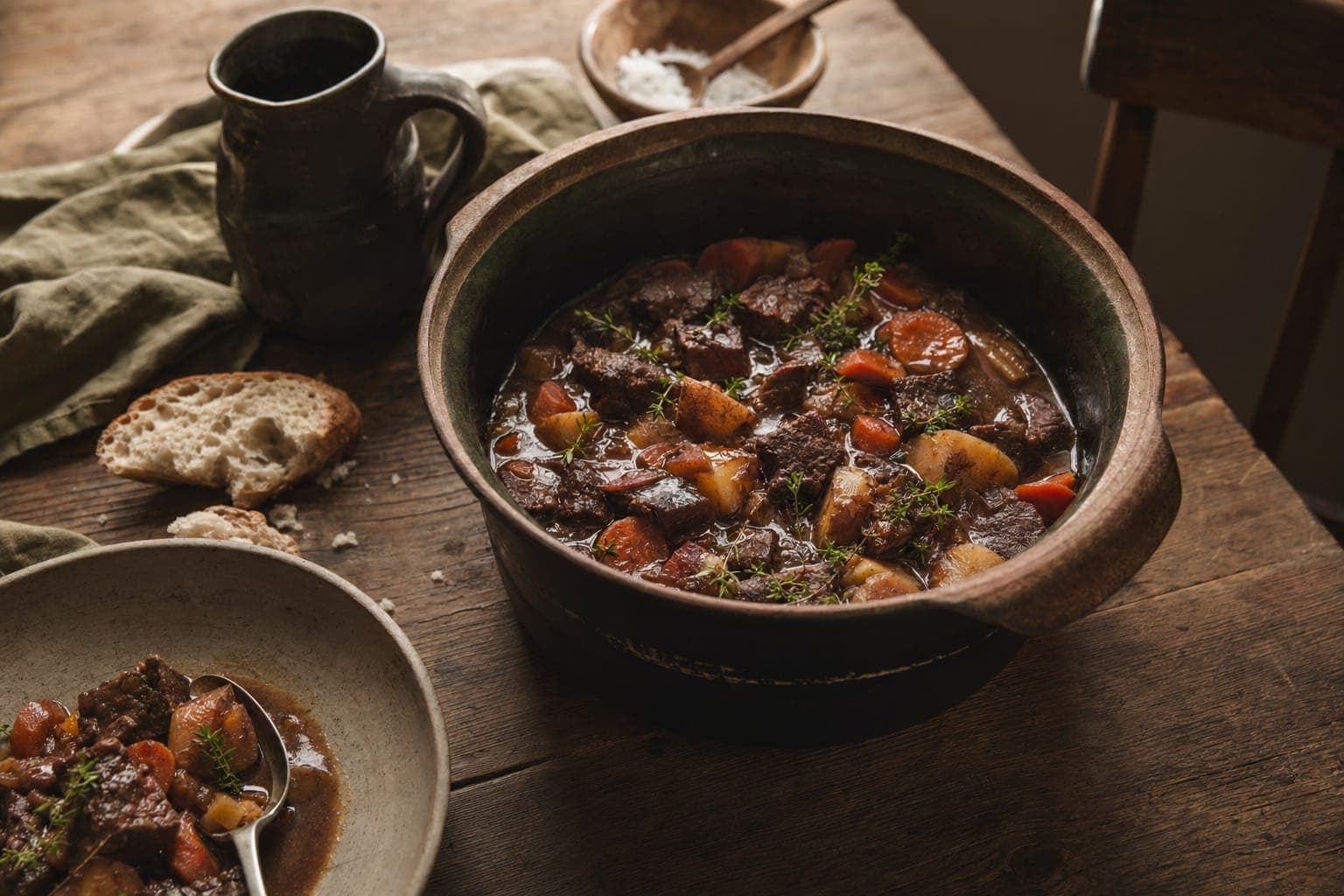
Collagen-Rich Beef Stew: Slow-Cooked Nourishment
Beef stew that delivers collagen from connective tissue and bone broth. Winter comfort food that actually nourishes. Simple slow cooker recipe.


 Join over 100,000+ members
Build a better food system with us
The Organised community is thousands of people choosing real food and backing the farmers who grow it, all of us trying to leave the world a little better than we found it. If that is what you care about too, you belong here.