Collagen Loading Protocol: When and How Much
Collagen is the most abundant protein in your body, yet most people are slowly becoming deficient in it. Loading collagen at the right time delivers outsized returns.
By Niall Kiddle, Founder, Organised

Reviewed by Pedro Rodrigues, Agronomist (farming and sourcing only) ·
5 min read · Published · Updated · 2 cited sources
Makers of the Organised Daily blend, a grass-fed beef organ supplement from regenerative UK farms

Collagen is the most abundant protein in your body, yet most people are slowly becoming deficient in it. Joints creak. Skin loses elasticity. Recovery from exercise slows. But loading collagen (especially around exercise) can reverse a significant portion of this decline.
The protocol is simple, but timing and dose matter precisely. Do it wrong and you're wasting money. Do it right and you'll feel it within three weeks.

Why collagen matters for movement
Collagen provides the structural integrity of tendons, ligaments, cartilage, and fascia. Without adequate collagen, connective tissue becomes brittle and inelastic. Joints stiffen. Recovery from training slows. The body's ability to adapt to stress and regenerate diminishes. Injury risk increases.
Most people get negligible collagen from their modern diet unless they're regularly eating bone broth made from real bones, gelatinous cuts of meat like oxtail and lamb neck, or nose-to-tail offal. Modern eating patterns (lean muscle meat, no bones, no organ tissue) have created a widespread collagen deficit.
This deficit doesn't show up as acute pain immediately. It shows up as slow recovery, increased soreness after training, stiffness on cold mornings, and a vague sense that your body doesn't bounce back the way it used to. Athletes notice it first. Desk workers notice it when they try to move.
15 to 20 grams pre-exercise
Shaw and colleagues (2017) reported that 15 g of vitamin-C-enriched gelatin consumed roughly one hour before exercise increased systemic markers of collagen synthesis (PINP) more than 5 g, with the larger dose producing a clearer effect.1
This isn't guesswork. The peptides from collagen (particularly glycine and proline) are rapidly absorbed and incorporated into connective tissue. When collagen amino acids are available at the moment the tissue is being mechanically stressed, the body up-regulates collagen synthesis in that tissue. It's a signalling mechanism.
Less than 15 grams appears to be suboptimal. More than 20 grams doesn't appear to offer additional benefit, and collagen is expensive enough that you want to use the minimum effective dose.
Collagen loading is one of the rare interventions where the timing and dose are backed by genuine research, not guesswork or marketing.
30 to 60 minutes timing
Take your collagen 30 to 60 minutes before exercise. This timing allows absorption without creating gastrointestinal distress, and it ensures circulating amino acids are elevated when you begin the workout. The amino acids arrive in the bloodstream as the mechanical stress begins.
If you take it too close to exercise (within 30 minutes), digestion is compromised and cramping is possible. If you take it too far in advance (more than 90 minutes), the amino acids are metabolised and used for other purposes before the mechanical stress begins. They won't be available when the tissue needs them.
The 30 to 60-minute window is the sweet spot. If you have a 9 AM workout, take collagen at 8:15 to 8:30 AM. If you train at 6 PM, take it at 5:15 to 5:30 PM.
Vitamin C is essential
Collagen synthesis requires vitamin C as a cofactor for prolyl and lysyl hydroxylases that hydroxylate proline and lysine residues during procollagen formation; without adequate vitamin C, collagen cross-linking is impaired.1
Vitamin C is abundant in fresh produce: citrus, berries, peppers, broccoli, kiwis, and tomatoes. A simple approach is to mix your collagen powder in fresh lemon juice or orange juice, or to take it alongside a piece of fruit. The synergy is measurable within four weeks.
If you're taking collagen powder mixed in water, pair it with a vitamin C source within the same meal window. Aim for 100 to 200 mg of vitamin C alongside your collagen dose. This supports the cross-linking and incorporation of collagen into tissue.
Get health guides like this, free
Two short reads a week on eating for energy, gut health, skin, sleep and more.
By signing up you agree to receive emails from us. No spam, unsubscribe anytime.
What the research suggests
A 2021 systematic review concluded that collagen peptide supplementation, particularly when paired with resistance exercise, can support body composition, joint function and recovery from exercise-related joint injury, although effect sizes are modest and inter-trial heterogeneity is high.2
The best outcomes appear in people who are actively training with resistance (resistance training appears to signal more strongly than endurance training alone), eating adequate total protein (at least 100 to 120 grams daily), and taking the collagen consistently around exercise rather than haphazardly throughout the day.
Collagen alone won't fix a badly injured joint or give you immediate pain relief. But in someone with chronic joint stiffness or slow recovery, the improvement is usually noticeable by week three and measurable by week eight.
Collagen powder vs whole food
Bone broth made from real bones simmered for 12 to 24 hours contains collagen and gelatin naturally. Nose-to-tail cuts like oxtail, lamb neck, beef short ribs, and chicken feet contain collagen. These are superior to powder in one sense: they're whole food with additional nutrients. But they're inconsistent in dose and inconvenient for the pre-workout window.
Collagen powder is standardised, portable, and easily dosed. For the pre-workout protocol, powder is practical. But if you're eating bone broth and gelatinous cuts regularly (twice or three times weekly), supplementation becomes less critical.
If you eat whole-food sources of collagen regularly, you may not need to supplement. If you don't, supplementation around training is worthwhile.
Consistency matters more than heroics
Taking 20 grams of collagen before three consecutive workouts, then forgetting it for two weeks, is less effective than taking 15 grams before every single workout. Consistency signals the body to invest in connective tissue remodelling. Sporadic dosing sends a mixed signal.
If you train four days weekly, take collagen four days weekly. Make it automatic. Mix it, drink it, move on. The cumulative effect over 12 weeks is significant.
1 of 9
Daily blend
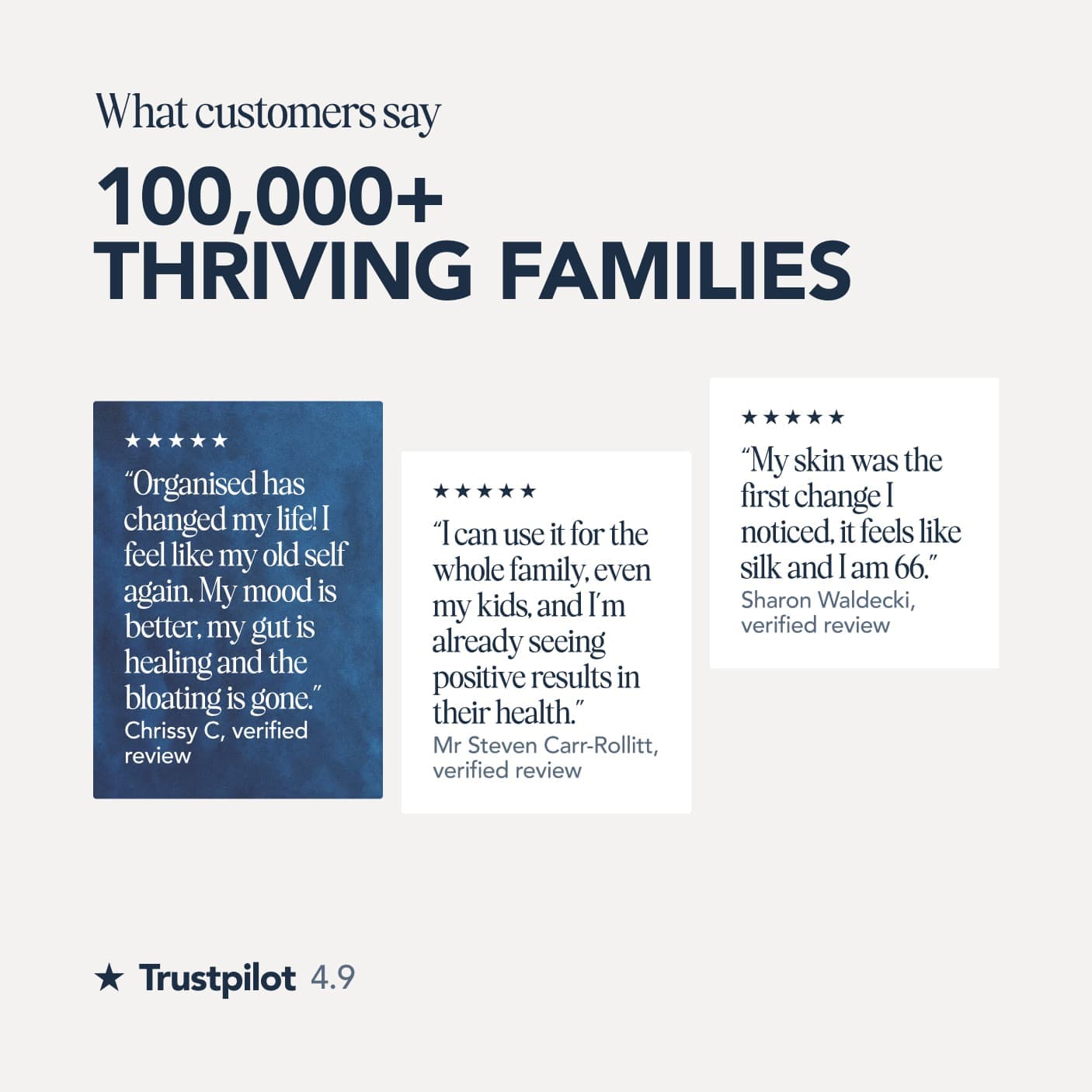
100,000+ thriving families4.9 on Trustpilot
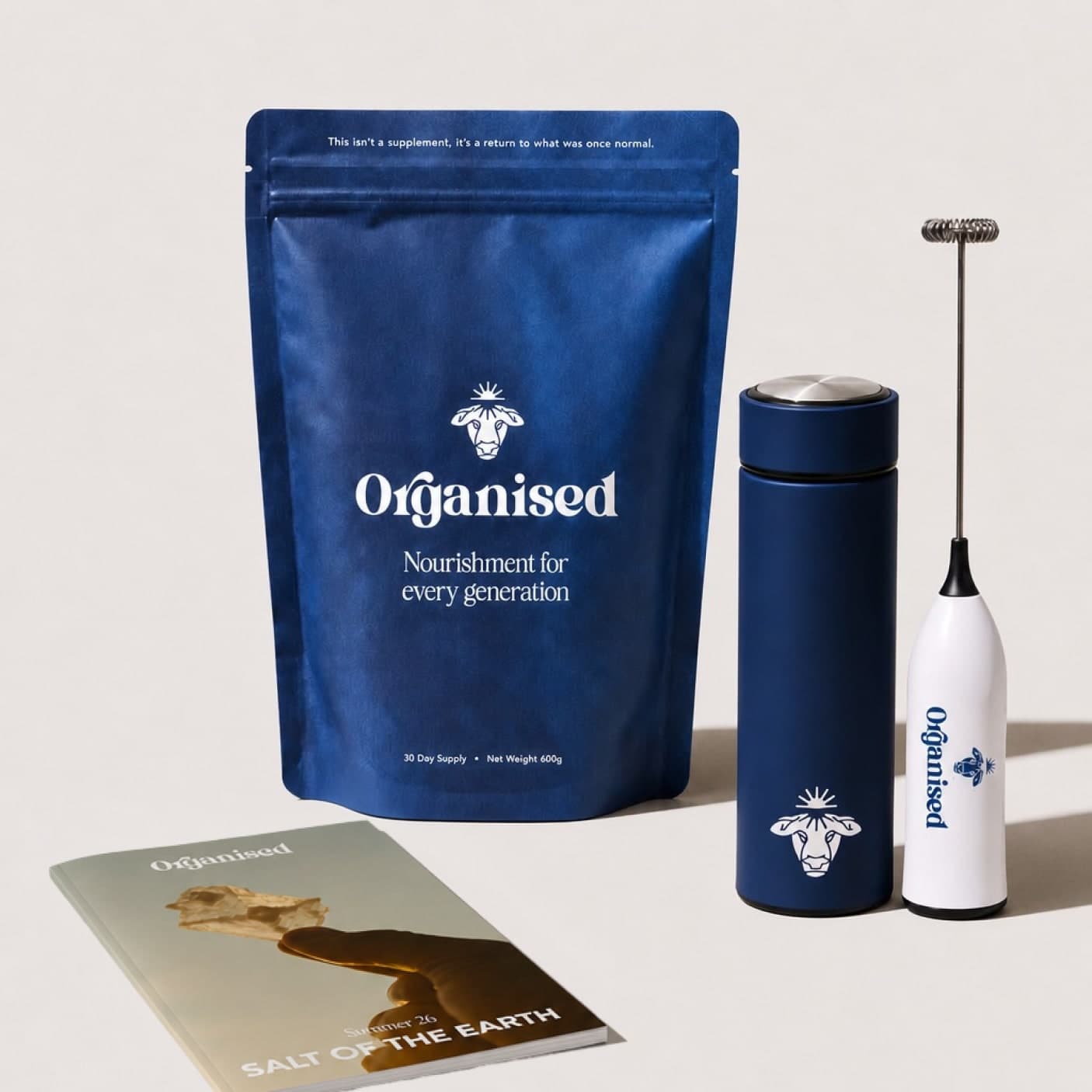
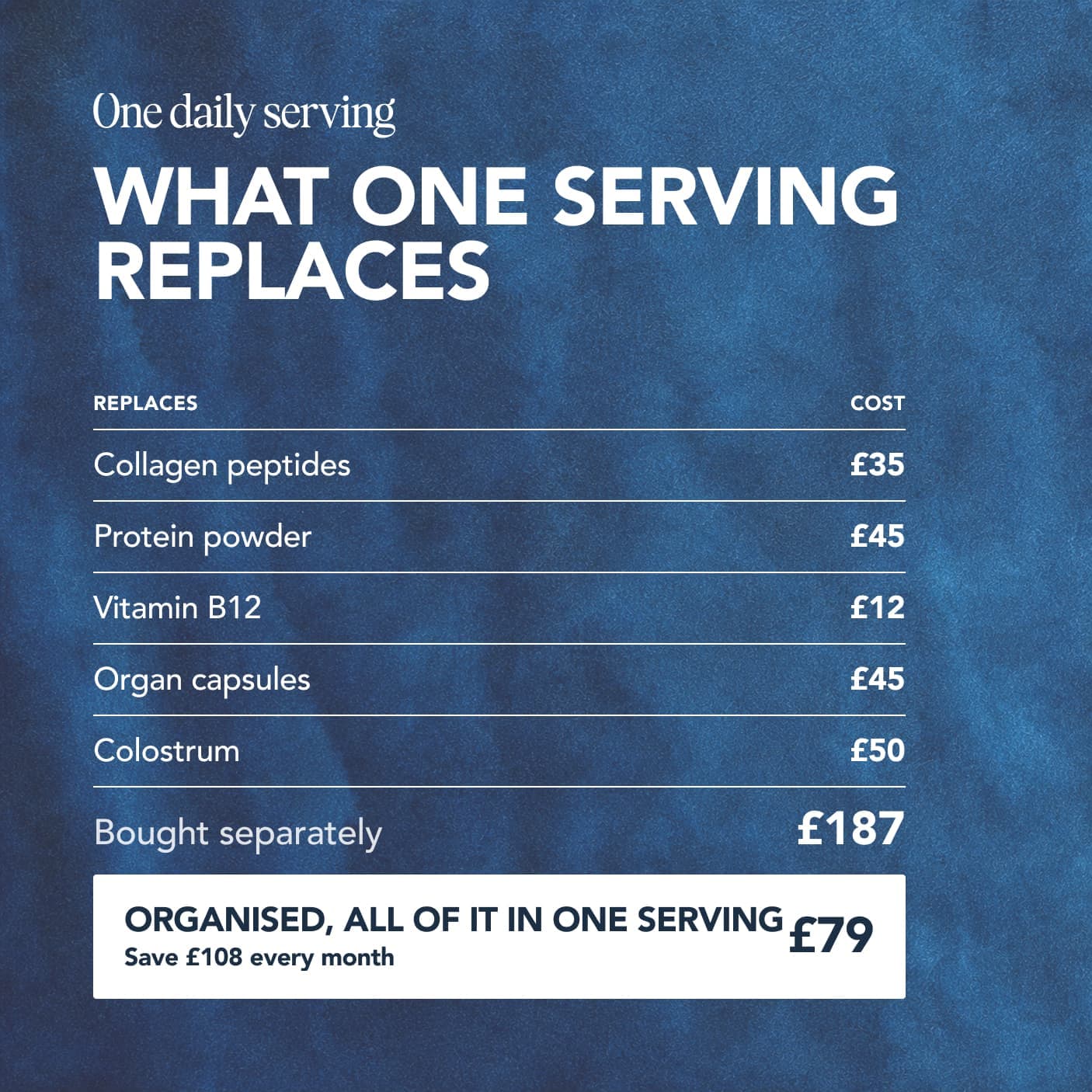
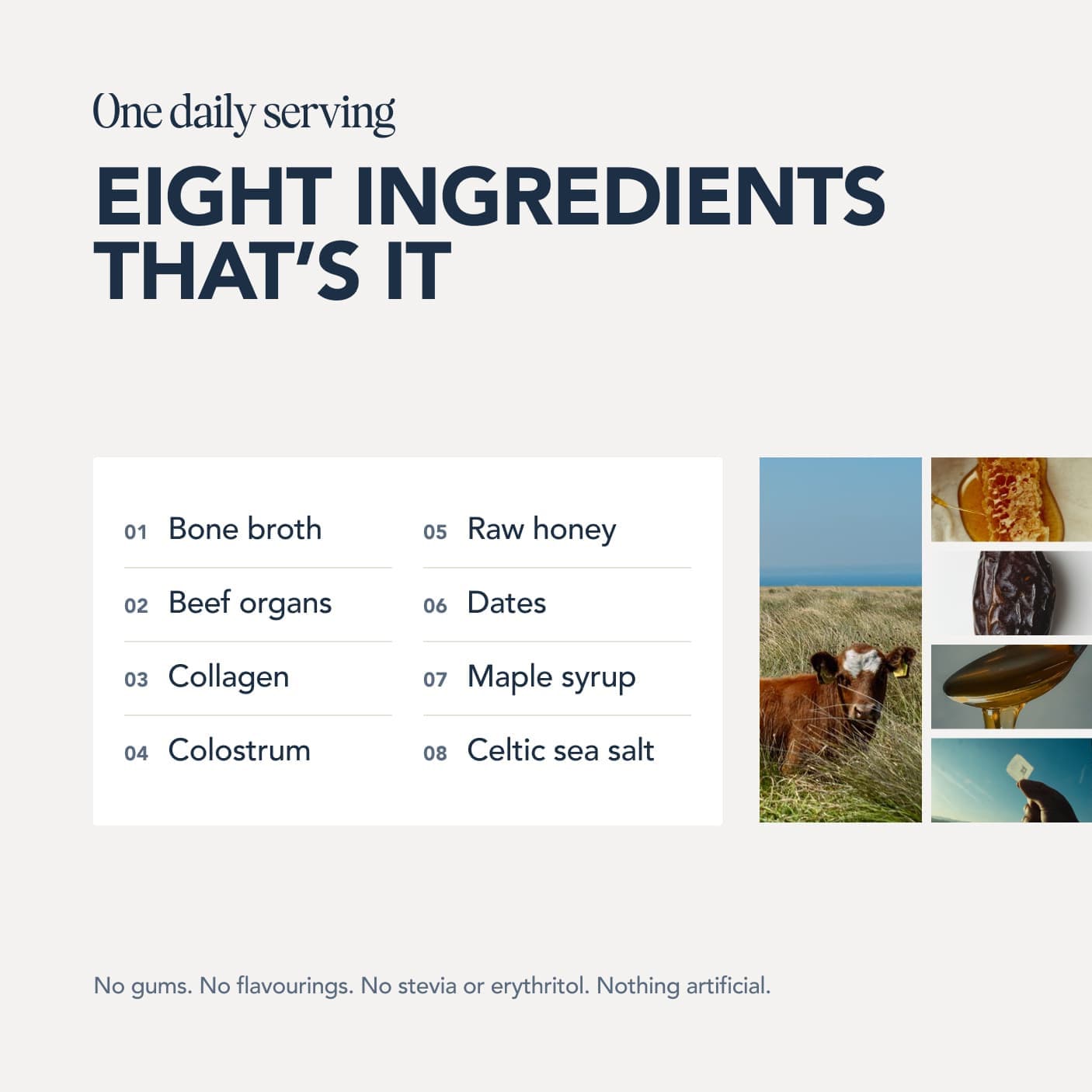
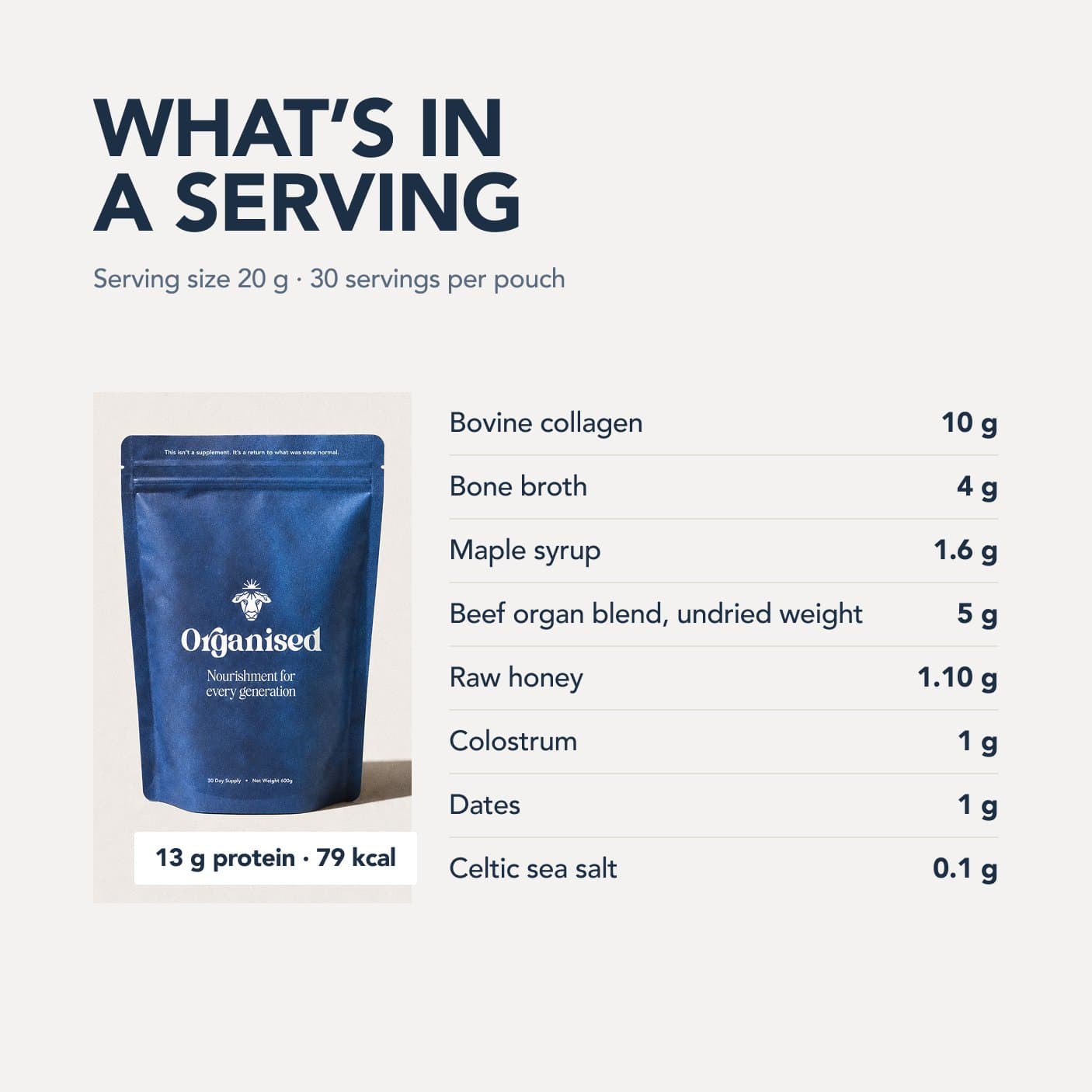
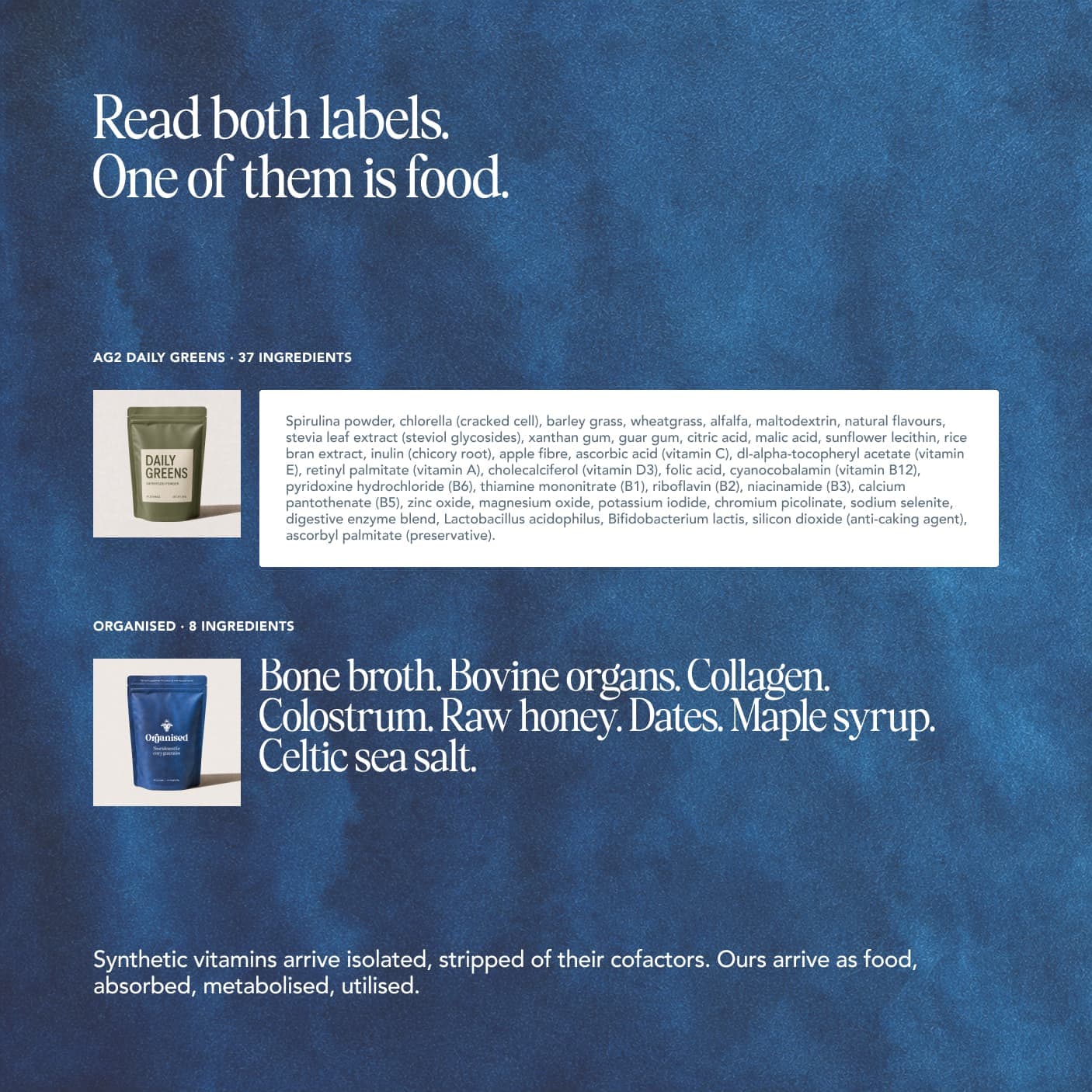
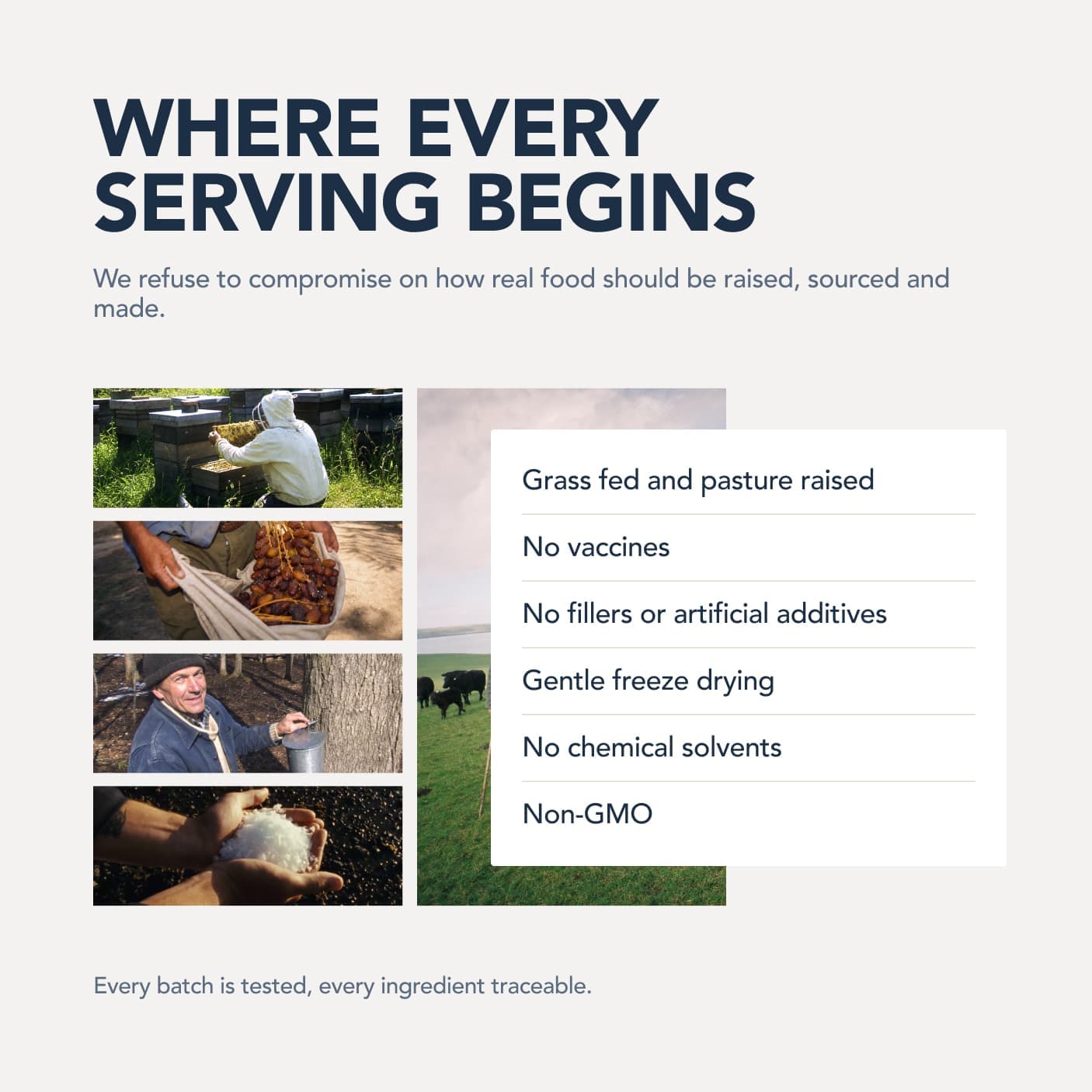
Eight real ingredients built around grass-fed beef organs, collagen and colostrum. Nothing synthetic added.
Free with your first order, worth £38. Plus £10 off the pouch with a subscription.

Free UK shipping · Made in England · 100 day money back guarantee on your first pouch · Skip, pause or cancel anytime
Who needs extra collagen
If you're eating nose-to-tail offal (liver, kidney, heart), consuming bone broth multiple times weekly, and eating gelatinous cuts regularly, you're getting 15 to 20 grams from food. Supplementation becomes optional.
If your diet is primarily lean muscle meat, you're getting almost no collagen from food. If you train regularly and are over 35, supplementation becomes worthwhile. If you have chronic joint stiffness, pain with movement, or are recovering from injury, collagen loading becomes a priority.
The bottom line
Collagen loading around exercise is one of the few supplement interventions where timing, dose, and supporting nutrients (vitamin C) genuinely matter according to research. 15 to 20 grams, 30 to 60 minutes before training, with adequate vitamin C, taken consistently, will improve connective tissue health and recovery. Anything less consistent than this is just expensive urine. Anything more disciplined and you might be getting one of the best returns on supplement investment available.
References
Every source below was checked on 27 August 2026. Each PubMed, PMC and DOI identifier was resolved against NCBI or Crossref, and what it opens is printed under the citation, so you can see the link goes where the citation says without leaving the page. Where a citation and its identifier disagreed, the citation was corrected to the record or the reference was deleted along with the sentence marker that pointed at it, and where the resolved paper turned out not to support the sentence, the sentence was cut back to what it does support. Borrowed authority is worse than none, because it looks like rigour.
- Shaw G, Lee-Barthel A, Ross MLR, Wang B, Baar K. Vitamin C–enriched gelatin supplementation before intermittent activity augments collagen synthesis. Am J Clin Nutr. 2017. https://pmc.ncbi.nlm.nih.gov/articles/PMC5183725/Checked 27 August 2026: PMC5183725 opens Shaw G, Lee-Barthel A, Ross ML et al, Vitamin C-enriched gelatin supplementation before intermittent activity augments collagen synthesis. Am J Clin Nutr 2017;105(1):136-143. PubMed indexes it as: Randomized Controlled Trial.
- Khatri M, et al. The effects of collagen peptide supplementation on body composition, collagen synthesis, and recovery from joint injury and exercise: a systematic review. Amino Acids. 2021. https://pmc.ncbi.nlm.nih.gov/articles/PMC8521576/Checked 27 August 2026: PMC8521576 opens Khatri M, Naughton RJ, Clifford T et al, The effects of collagen peptide supplementation on body composition, collagen synthesis, and recovery from joint injury and exercise: a systematic review. Amino Acids 2021;53(10):1493-1506. PubMed indexes it as: Systematic Review.The authors' own declaration, from the record: The company did not have any involvement in the conception or writing of this review. All the other authors have no relevant financial or non-financial interests to disclose.
Who wrote and reviewed this guide
Niall Kiddle
Author · Founder, Organised
Niall is the founder of Organised. He started the company in 2024 after fixing his own health the slow way: in 2022 he swapped a cupboard of synthetic supplements for real food, raw milk, organ meats, bone broth and honey, and felt the difference within months.
Areas of expertise: Ancestral nutrition, Organ meats, Whole-food supplementation, Gut health, Regenerative sourcing
Read Niall's full profile
Pedro Rodrigues
Reviewer · Agronomist (farming and sourcing only)
Pedro is the agronomist Organised works with on farming and sourcing. His job on the guides is to keep the science honest: he reviews what we publish about soil health, regenerative agriculture, grazing and the way food is actually produced.
Areas of expertise: Regenerative agriculture, Agronomy, Soil health, Grass-fed farming, Food sourcing
Reviewed this guide on
Read Pedro's full profileBrowse the guides library
All guidesKeep reading

Health goals
The Desk Worker's Guide to Staying Strong and Energised
Desk work erodes energy and muscle. This guide fixes it with protein timing, movement breaks, light exposure, and cortisol management.

Health goals
How to Build Collagen Naturally Without Injections
Build collagen from the inside out. Bone broth, connective tissue cuts, vitamin C, and glycine create more youthful skin than any injection.

Health goals
Why Your Grandparents Ate Better Than You
Explore the nutritional shift since the 1970s. Your grandparents' whole-food diet contained far more nutrient density than modern food. Here's what changed.
Real food, made effortless
Start my daily blendA few ways to use it
All recipes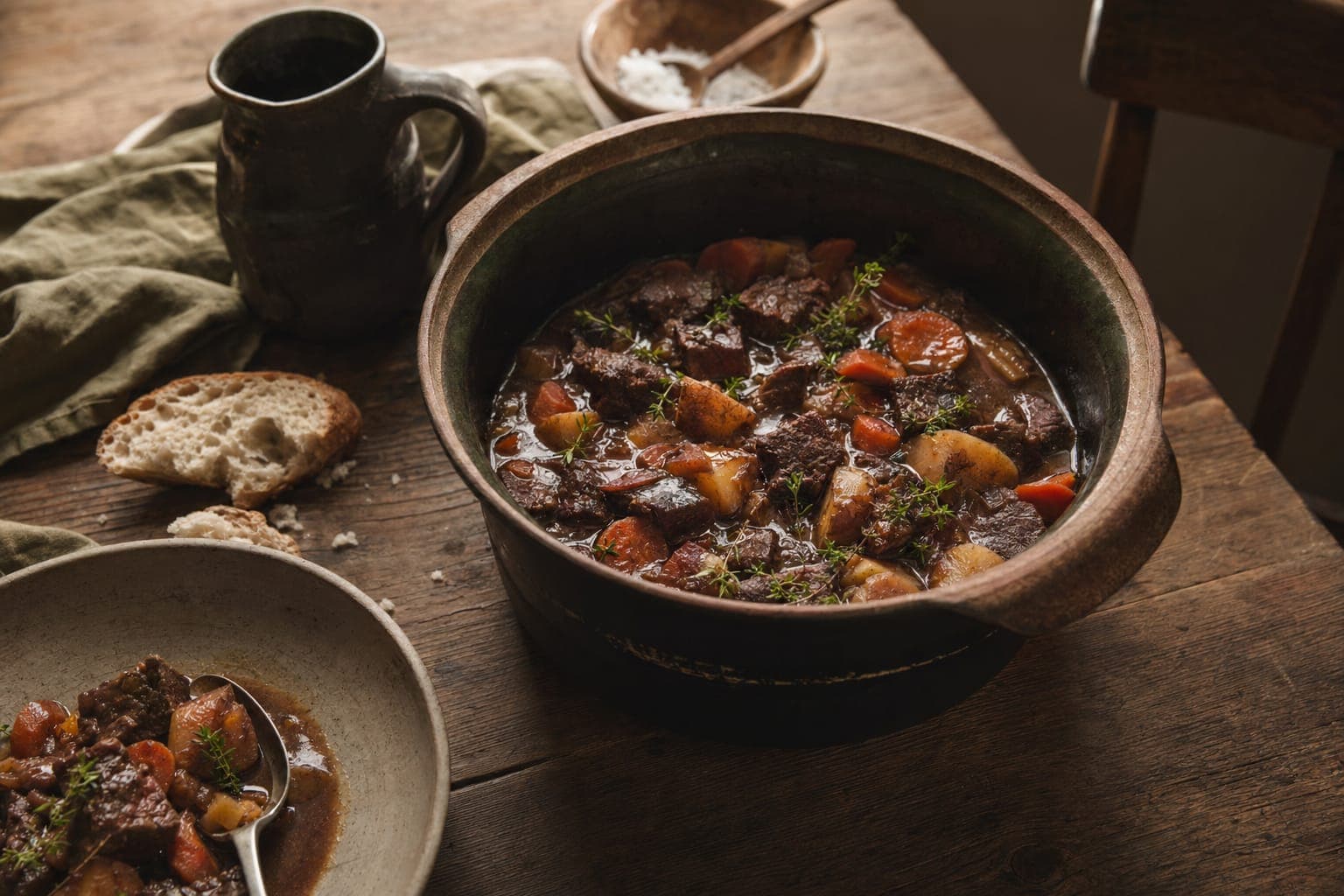
Collagen-Rich Beef Stew: Slow-Cooked Nourishment
Beef stew that delivers collagen from connective tissue and bone broth. Winter comfort food that actually nourishes. Simple slow cooker recipe.
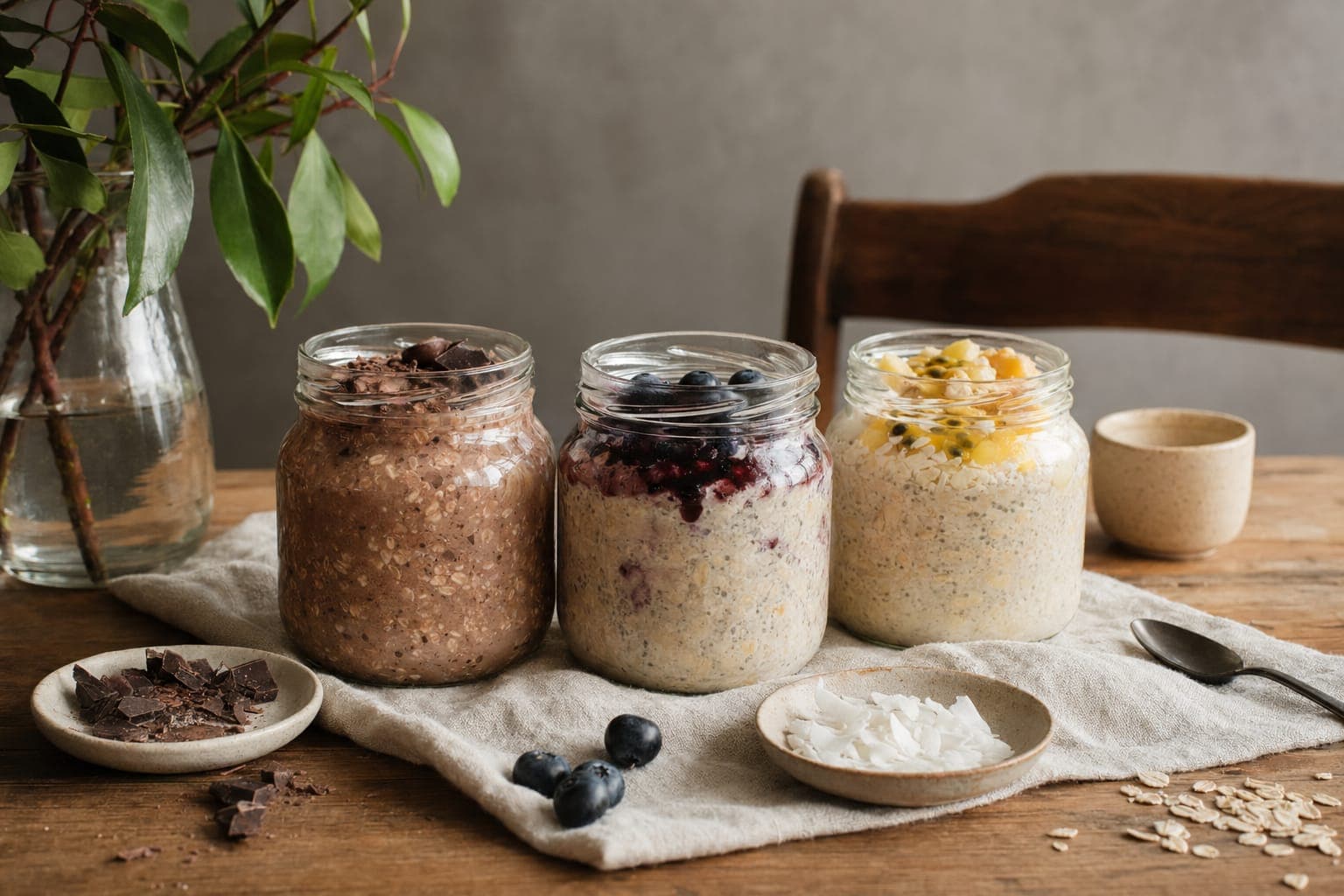
Organised Overnight Oats: 3 Variations
Three delicious overnight oats variations with Organised. Chocolate, berry, tropical flavours. Make them Sunday, eat them all week.
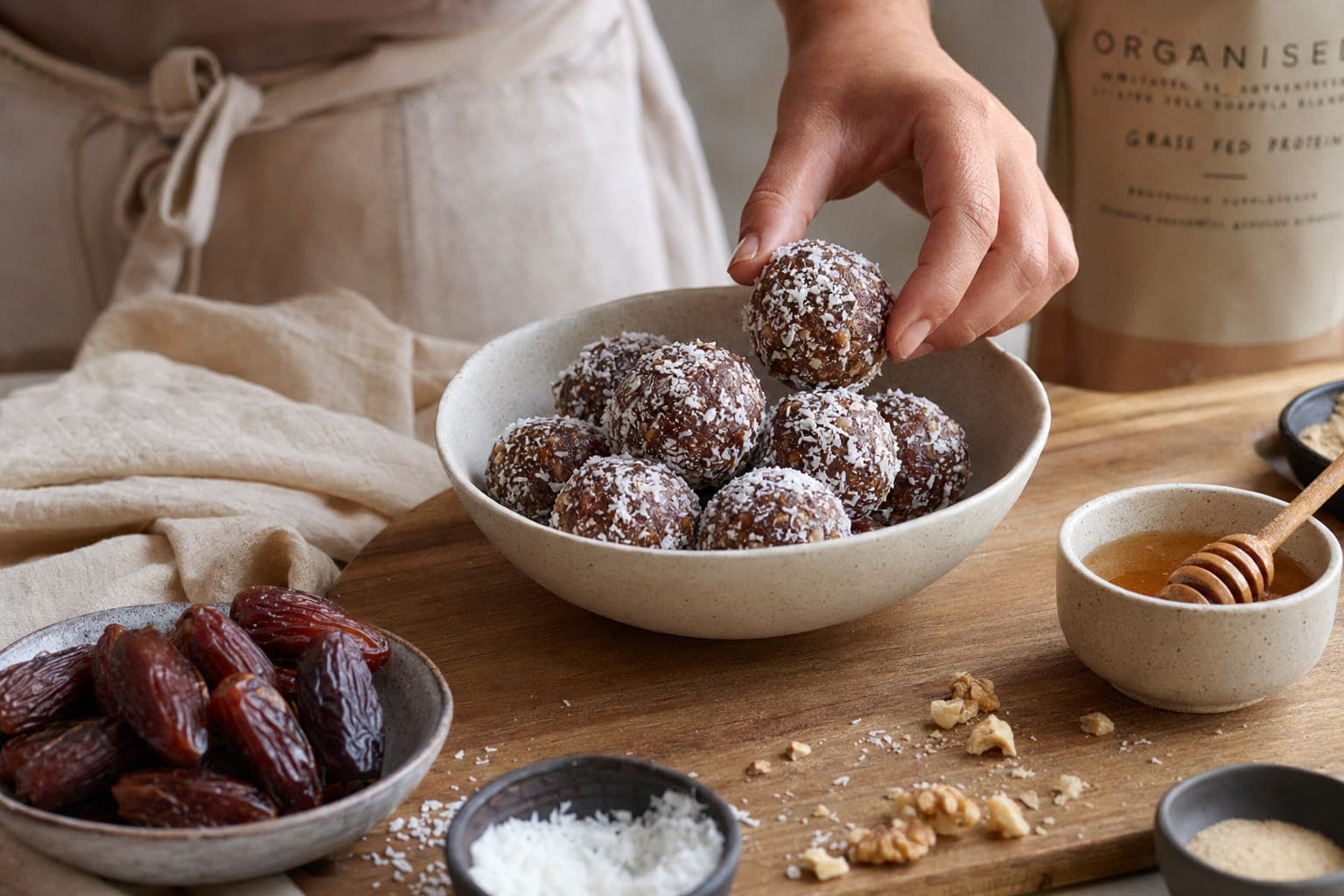
Energy Balls with Organised, Dates and Raw Honey
Make no-bake energy balls with Organised, dates, and raw honey. Perfect lunch box, pre-workout, or on-the-go snack. Simple recipe.


 Join over 100,000+ members
Build a better food system with us
The Organised community is thousands of people choosing real food and backing the farmers who grow it, all of us trying to leave the world a little better than we found it. If that is what you care about too, you belong here.