Why Your Grandparents Ate Better Than You
Your grandparents didn't take supplements. They didn't count calories. They didn't agonise over macros. And somehow, they were healthier. It wasn't luck. It was what they ate.
By Niall Kiddle, Founder, Organised

Reviewed by Pedro Rodrigues, Agronomist (farming and sourcing only) ·
7 min read · Published · Updated · 5 cited sources
Makers of the Organised Daily blend, a grass-fed beef organ supplement from regenerative UK farms
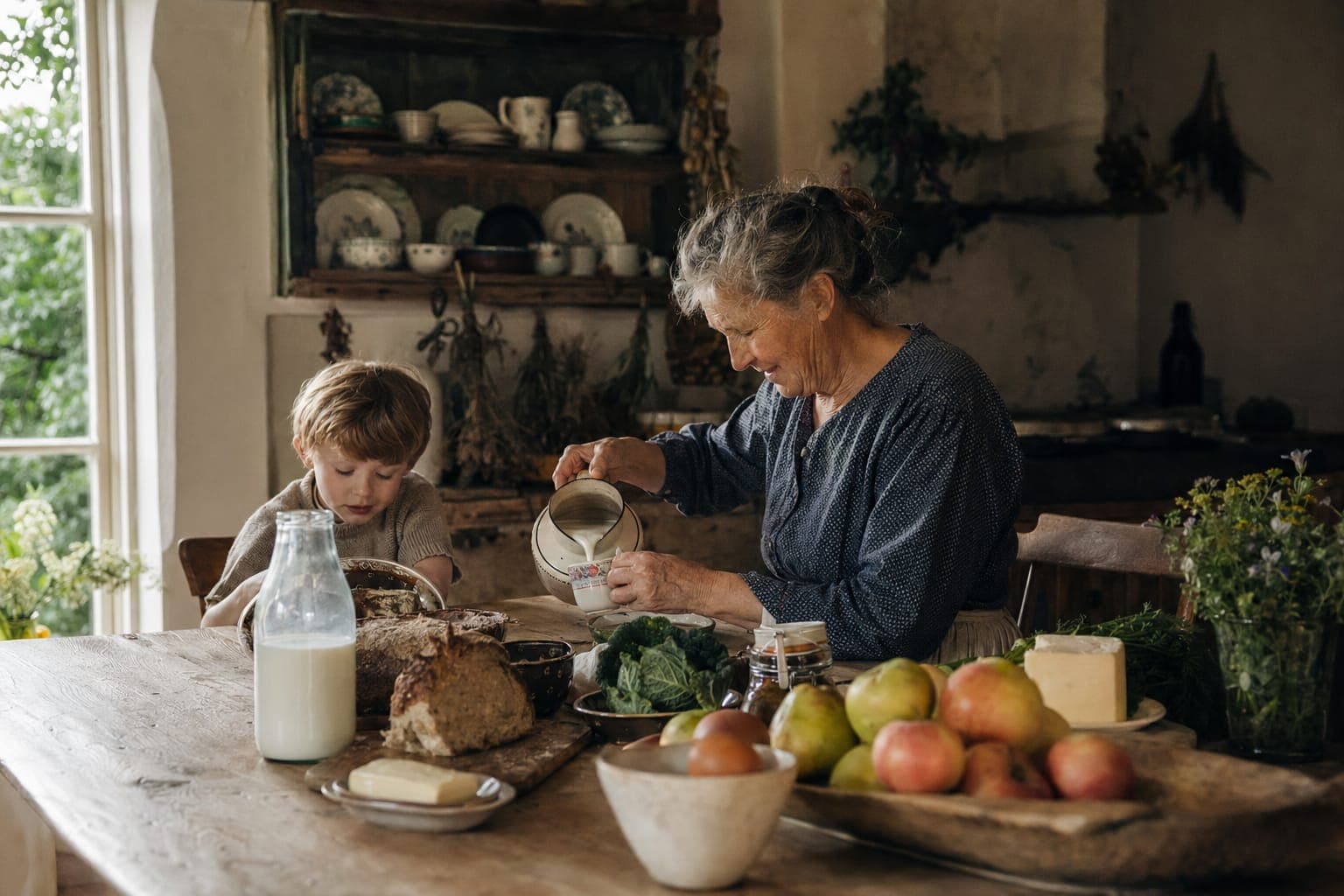
The food available to them was fundamentally different. Not just in variety, but in density. A meal of butter, liver, vegetables, and fresh cream contained more bioavailable nutrition than most of what passes for food today. That's not nostalgia. That's biochemistry.
The nutrient density collapse
Something shifted in the food system around 1970. Not immediately obvious at first. The supermarkets got bigger. The range got wider. Convenience exploded. And yet, the human body began to malfunction in ways it hadn't before.
Chronic disease skyrocketed. Type 2 diabetes emerged as a common condition. Dental cavities increased despite better toothbrushes and more aggressive fluoridation. Energy crashed despite more convenient calories. Children needed glasses earlier. Skin problems became endemic. Digestion became unreliable. Joint pain became normal.
The official story blamed individual behaviour. Eat less. Move more. But the real story was in the nutrient density of the food on the plate. Your grandparents' diet didn't just have more food volume. It had more of what actually matters to keep a body functioning.
A handful of liver contains more vitamin A, B12, and iron than a week of modern chicken breast and broccoli.
Nutrient density is the amount of vitamins, minerals, and cofactors per calorie of food. And it's collapsed. Modern wheat has less minerals than heritage wheat because the soil is depleted.1 Modern beef has less omega-3s and more omega-6s because the cows eat corn instead of grass. Modern milk is stripped of fat (where the fat-soluble vitamins live) and heated so far beyond recognition that many people cannot digest it.
Your body keeps signalling that something is missing. But the signal is interpreted as needing more food, more calories, more volume. So people eat more and become more undernourished.
Butter, not seed oil
Your grandmother's kitchen had a single cooking fat. Butter. Real butter. Yellow with fat-soluble vitamins, stable at cooking temperatures, capable of supporting every cell in the body. It came from grass-fed cows and had the fat-soluble vitamins A, D, and K2 in abundance.
Then came the seed oils. Polyunsaturated, unstable, highly oxidised even before they hit your kitchen. The oils were cheaper to produce, easier to store, and infinitely more profitable. And so the campaign began. Saturated fat was dangerous. Butter was poison. Switch to vegetable oil.
The irony is stark: your grandparents' immune systems didn't attack themselves. Their joints didn't inflame chronically. Their skin didn't age prematurely. Their blood vessels remained flexible. Their hormones stayed regulated.
The data now shows that saturated fat consumption declined sharply between 1970 and now, yet chronic disease rates exploded in exactly that window.2 Simultaneously, seed oil consumption skyrocketed. The official theory has it backwards.
Butter contains fat-soluble vitamins A, D, K2, and butyrate for the microbiome. Seed oils contain oxidised omega-6 and high levels of linoleic acid. Your body knows which one to choose.
Organ meat was dinner
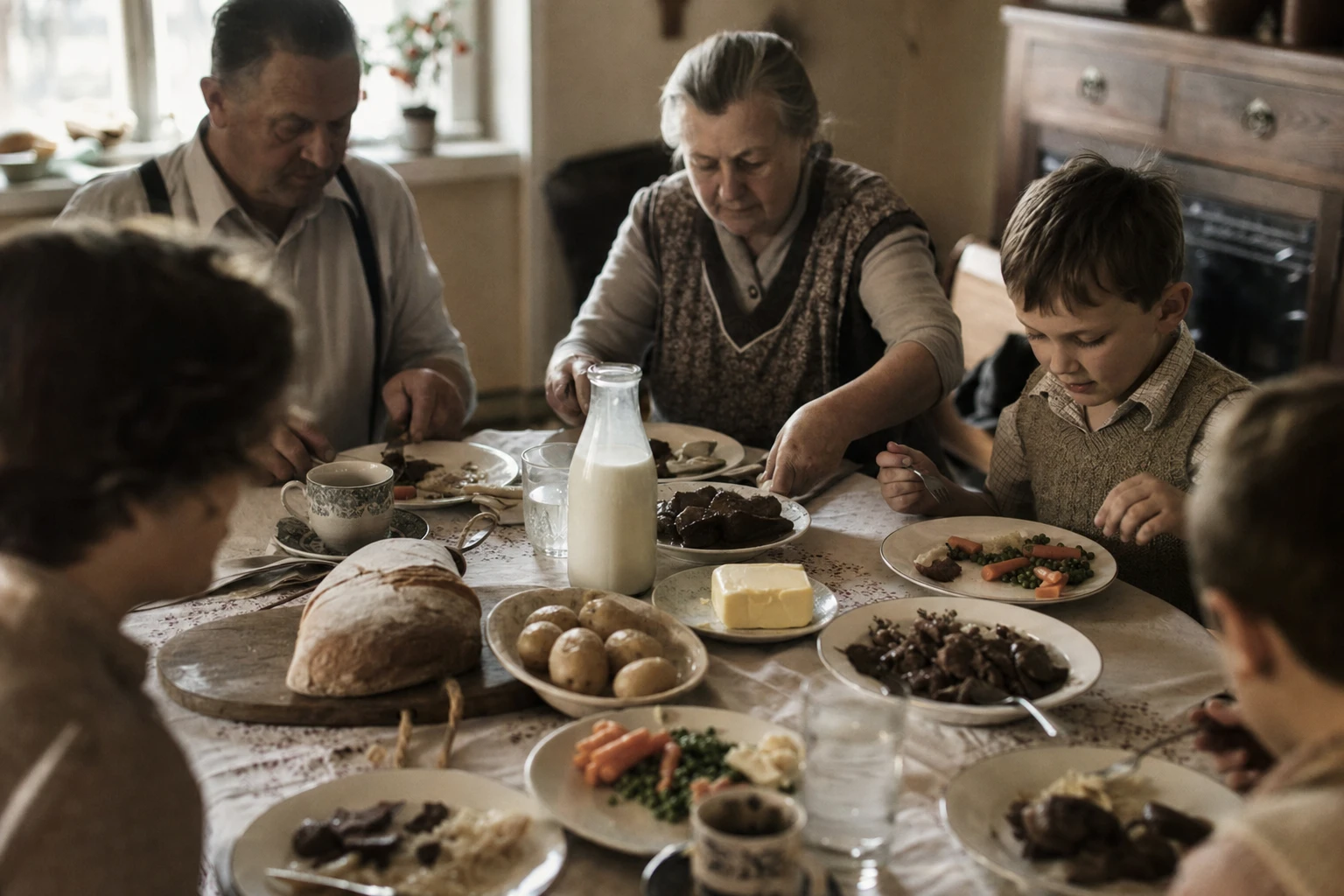
Liver wasn't a special occasion. It was Tuesday. A cheap cut from the butcher, cooked simply in butter with onions, and packed with more micronutrients than anything else available. Kids ate liver. Adults ate liver. It was normal food.
Organs contain the highest concentration of vitamins and minerals found in any food. Liver is the most nutrient-dense organ, containing more vitamin A per gram than any plant source, plus B12 (exclusively from animals), copper, iron, zinc, and folate.3 A single serving provides more B12, copper, and selenium than most people get in a week. Kidney provides similar density. Heart is rich in CoQ10 and taurine.
By the 1980s, organ meat had become something eaten only by the poor or the traditional. The middle class rejected it as primitive. Chicken breast became the status symbol. Lean, mild, and almost nutritionally empty relative to its calorie density.
Children grew up deficient in the exact nutrients organs provided. Iron anaemia became common, particularly in girls. B12 deficiency emerged even in people who ate meat. Copper imbalance (vital for mood, collagen, and immune function) became endemic. And nobody connected it to the absence of liver from the family table.
Bread that actually had value
Bread was fermented. Real fermentation, which took time. Twelve to 24 hours of slow fermentation allowed beneficial bacteria and enzymes to break down antinutrients in the grain, making minerals bioavailable and gluten digestible.4 The long fermentation also created lactic acid, which preserved the bread and improved digestive health.
Modern bread is made in four hours with commercial yeast, no fermentation, and chemical dough conditioners to speed production. The gluten is intact and undigested. The phytates haven't been broken down. The mineral content is technically present but locked away, chemically unavailable to your body.
So you eat more bread, absorb less of the minerals, and your body starts signalling for more food because it's still deficient. The appetite is real. The satiation never comes.
A slice of sourdough fermented for 24 hours feeds you. Modern commercial bread leaves you hungry an hour later.
Get health guides like this, free
Two short reads a week on eating for energy, gut health, skin, sleep and more.
By signing up you agree to receive emails from us. No spam, unsubscribe anytime.
Raw milk and real dairy
Milk came from a cow you knew, unpasteurised, raw, alive with beneficial bacteria and enzymes. The fat-soluble vitamins (A, D, K2) were intact. The proteins hadn't been damaged by high heat, which would make them harder to digest and reduce their nutritional value. The lactose-digesting enzyme, lactase, was still present in the milk itself, helping digestion.
Pasteurisation killed the beneficial bacteria along with the pathogens. Ultra-high-temperature processing turned the milk into a shelf-stable liquid that resembled milk but had lost most of what made it nutritious.5 The proteins became damaged (denatured). The vitamins decreased. The enzymes were destroyed.
The irony again: children and adults who drank raw milk from healthy, grass-fed cows had fewer allergies, better bone health, and better digestion. The officially sanctioned version of milk is longer-lasting and more profitable. It's also more likely to trigger inflammation and lactose intolerance.
The portions were smaller
Your grandmother didn't eat until she felt uncomfortably full. A portion of liver was three ounces. Bread was two slices. Butter was a pat. Cream was used sparingly. The meal satisfied because it was nutrient-dense, not because it was voluminous.
Modern portions are engineered for appetite stimulation. Food scientists have optimised the ratio of salt, sugar, and fat to hit the reward centres in your brain without triggering satiety. So you eat more. And more. And your body remains undernourished despite the excess calories. The brain never gets the signal to stop.
Smaller portions of whole food satisfy more than large portions of processed food because satisfaction is about nutrient density, not volume. Your grandmother's plate was smaller. Her body was healthier. Her energy was stable. Her appetite was regulated.
Home cooking was non-negotiable
Food was prepared at home. Not from components. Not from kits. From raw ingredients. A chicken was plucked and butchered, and stock was made from the bones and carcass. Vegetables came from the garden or the market in season. Preparation took time and skill.
This wasn't virtue or lifestyle choice. It was necessity. But the necessity created a result that modern convenience cannot replicate. Bone broth made from real bones simmered for 12 to 24 hours contains gelatine, glycine, minerals, and collagen. It heals the gut and supports the immune system. Instant broth made from packets contains none of this.
The nutrient value of home-cooked food is higher. The time investment created a diet that supported rather than undermined health. People also ate slower, chewed more, digested better.
1 of 9
Daily blend
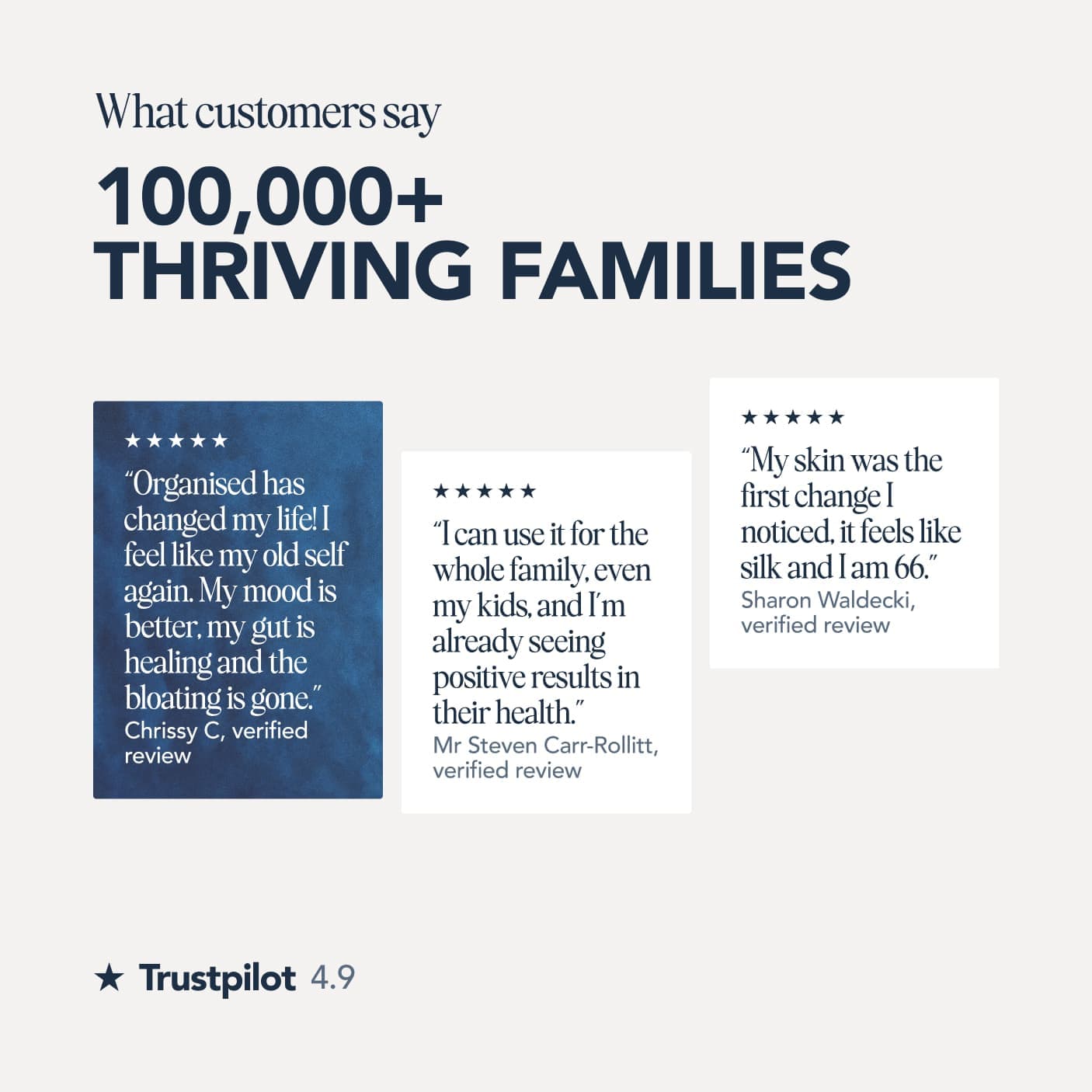
100,000+ thriving families4.9 on Trustpilot
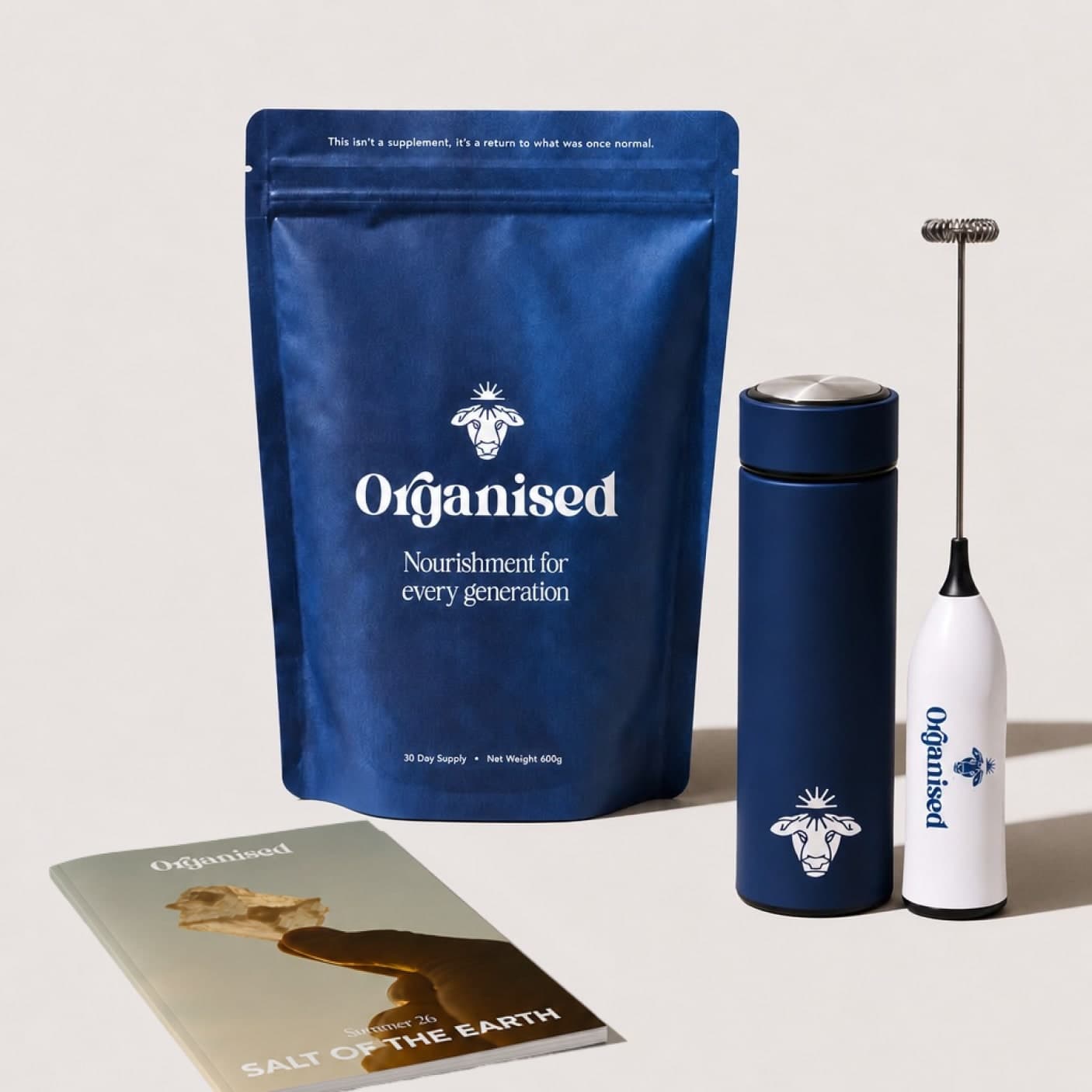
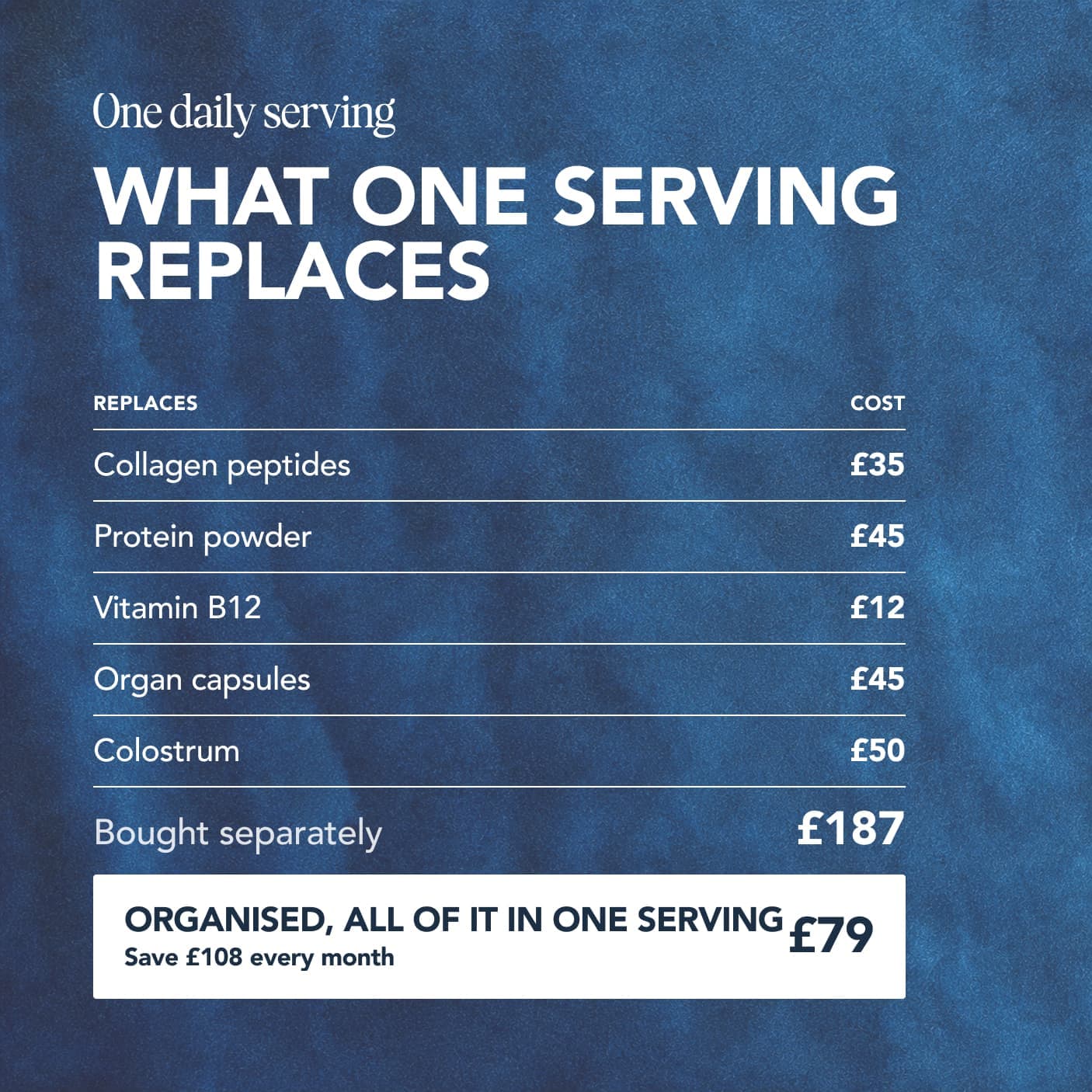
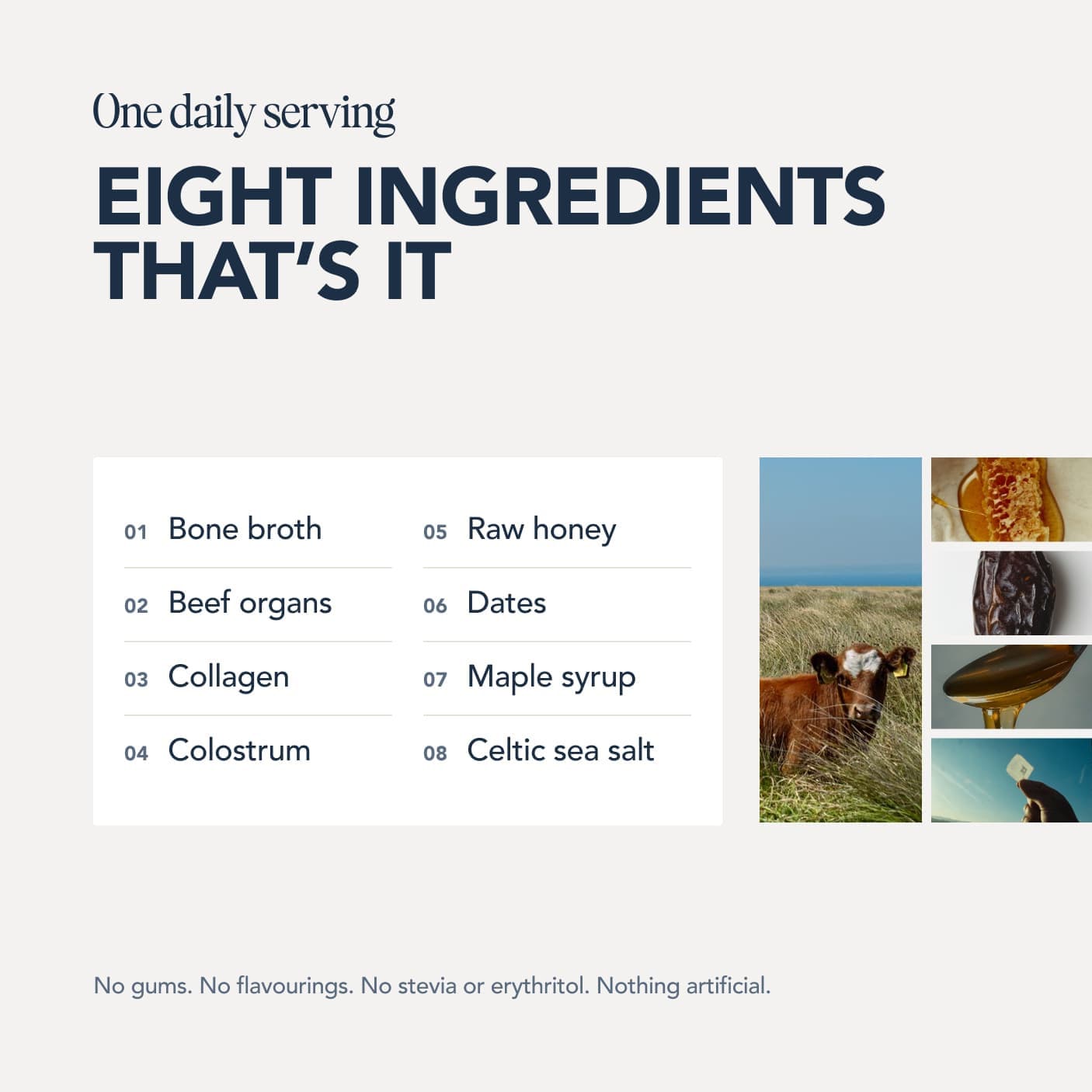
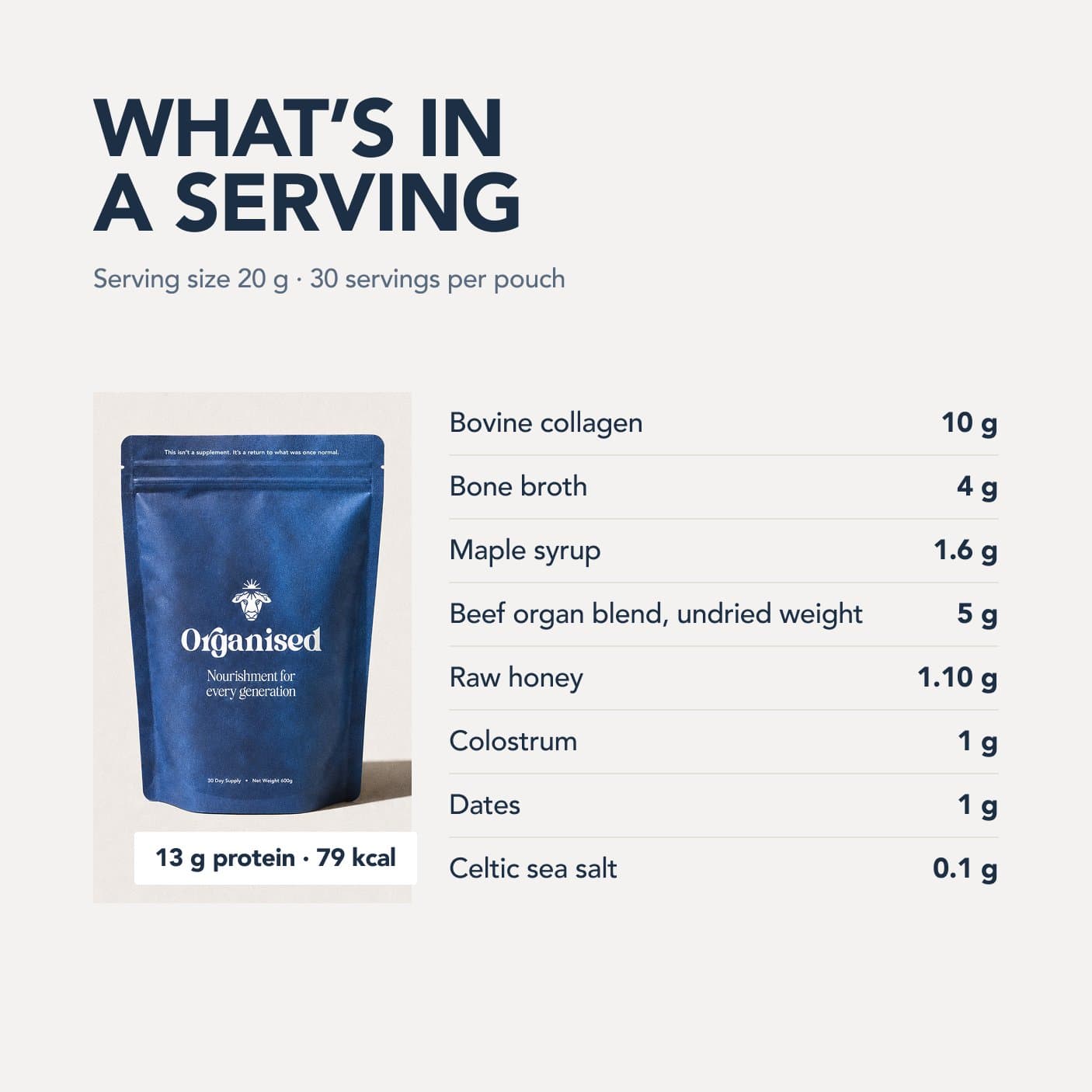
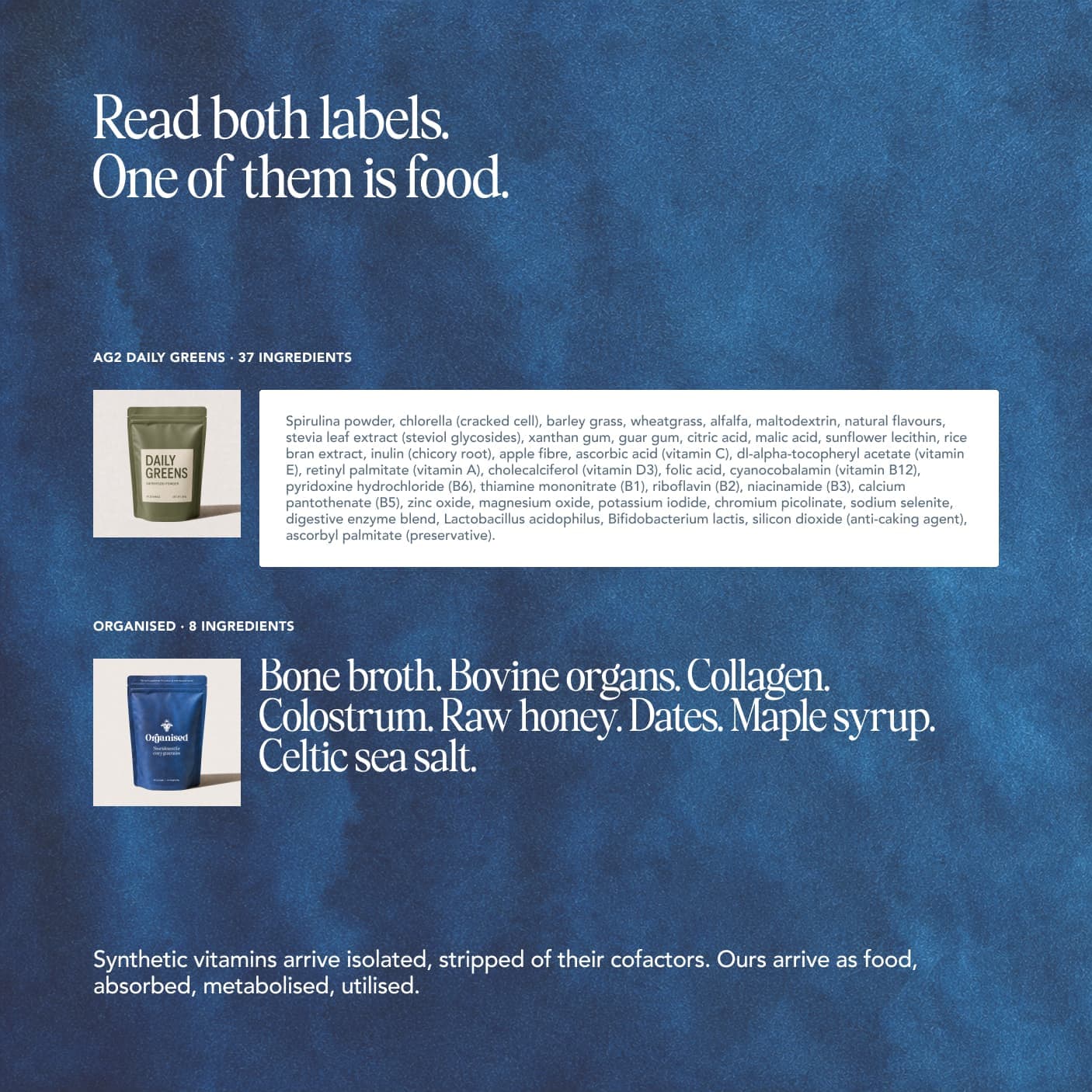
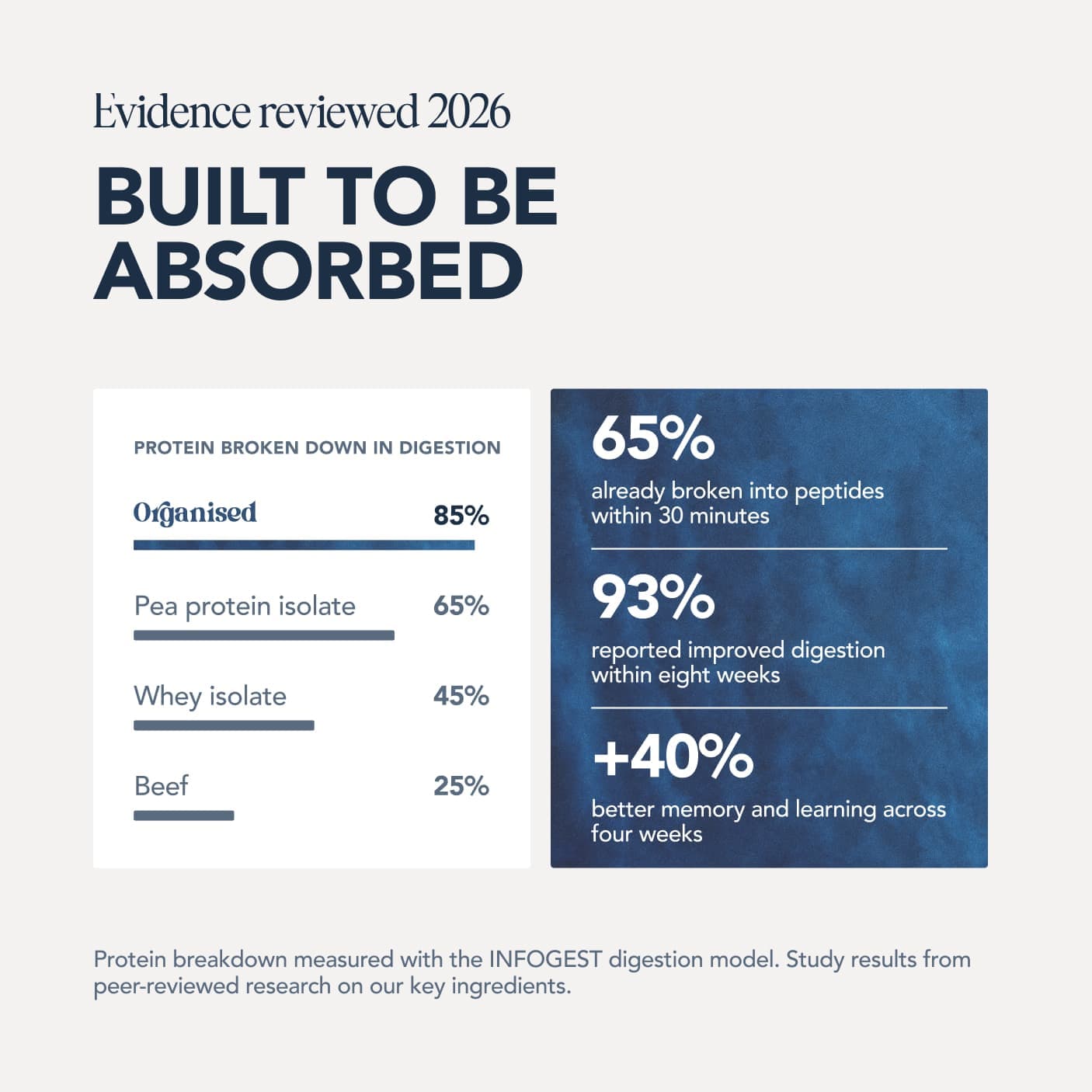
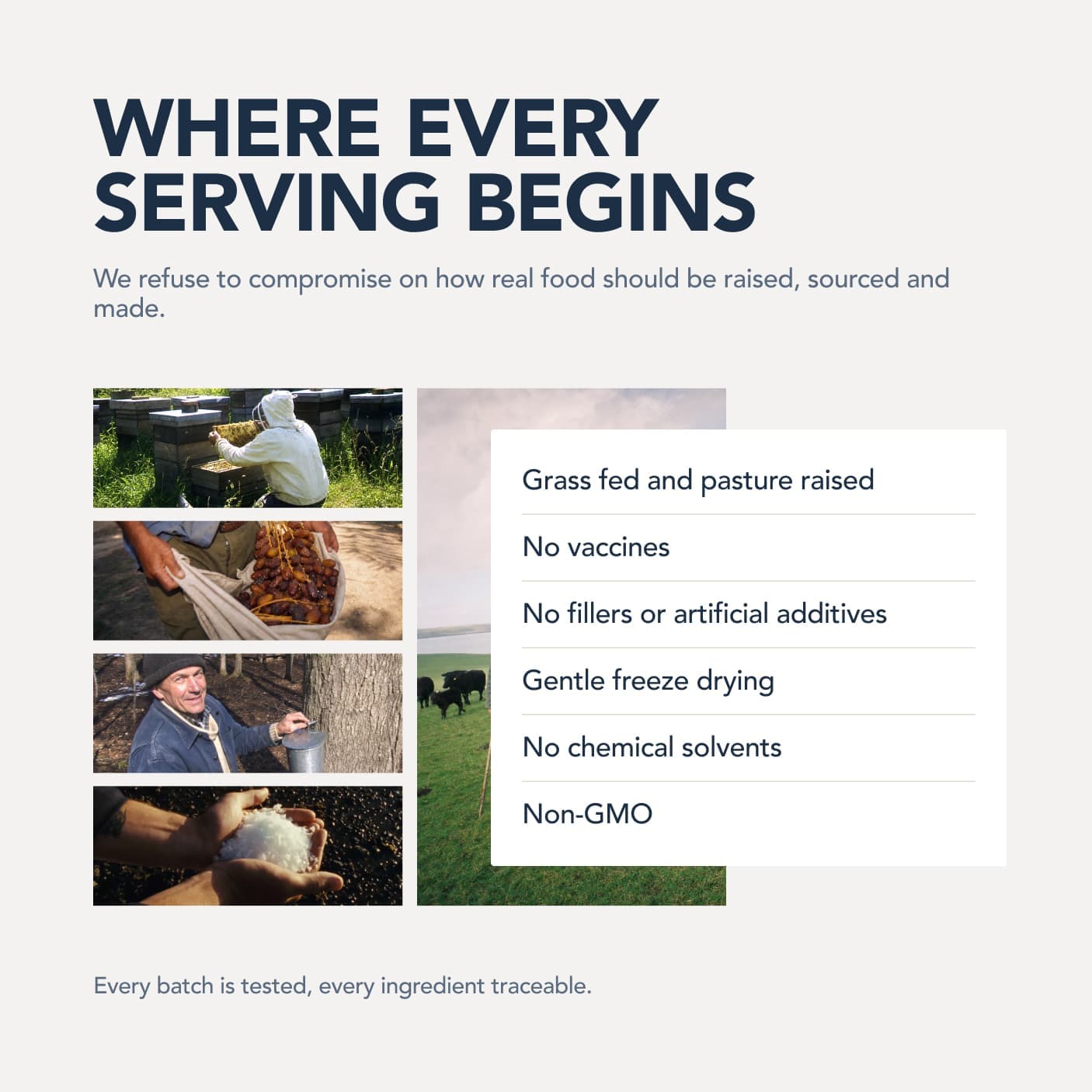
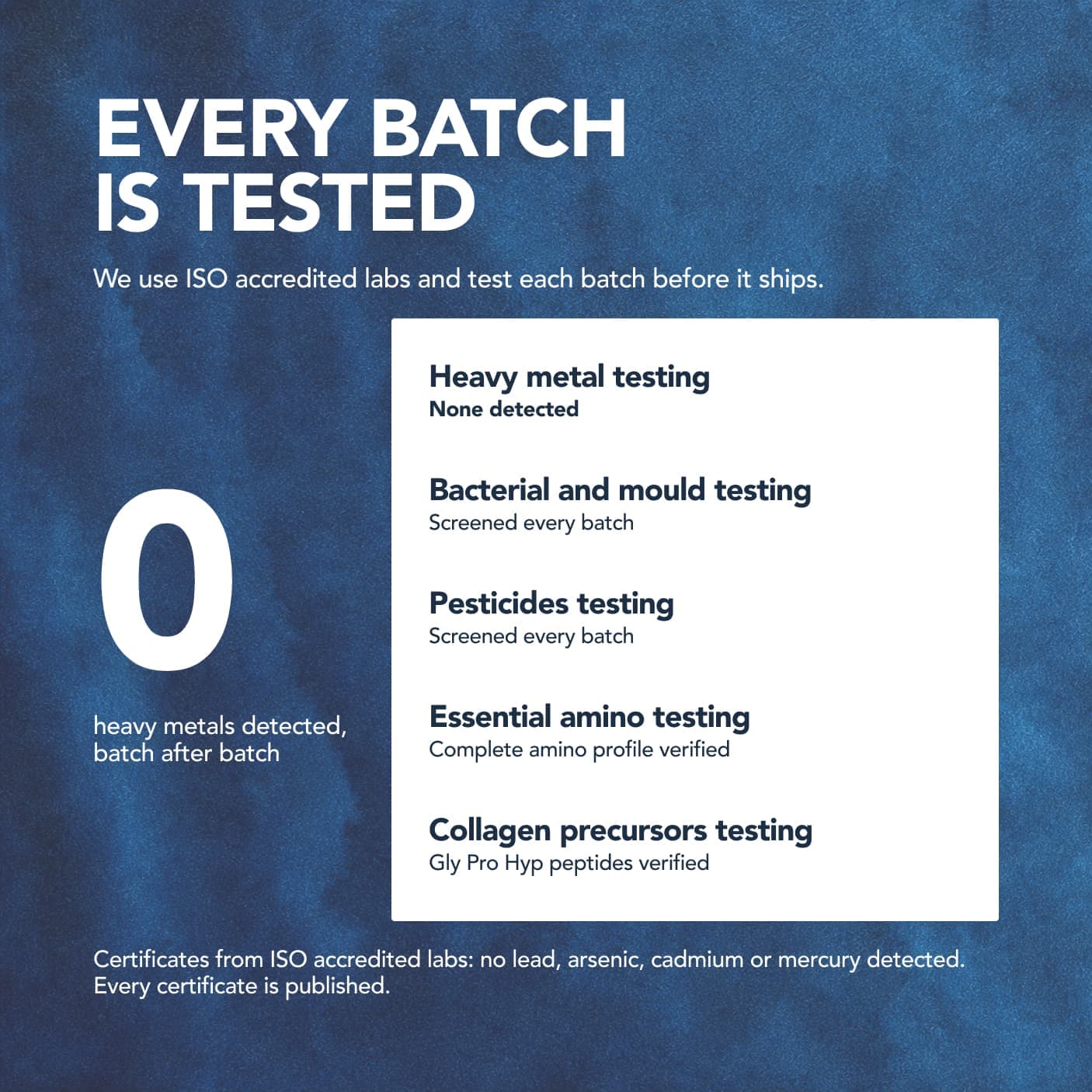
Eight real ingredients built around grass-fed beef organs, collagen and colostrum. Nothing synthetic added.
Free with your first order, worth £38. Plus £10 off the pouch with a subscription.
Free UK shipping · Made in England · 100 day money back guarantee on your first pouch · Skip, pause or cancel anytime
What changed after 1970
The shift was seismic. Industrial agriculture abandoned diversity for monoculture. Monoculture farming depleted the soil of minerals. Chemical fertilisers replaced mineral-rich composted earth. Animals were confined in factories, fed grain and soy, and dosed with antibiotics to keep them alive in those conditions. Milk came from stressed cows in industrial sheds. Eggs came from cages stacked ten high. Vegetables were bred for shelf-life rather than nutrition.
Ultra-processed food exploded. Seed oils replaced butter. White flour replaced fermented bread. Powdered milk replaced real milk. Chicken breast replaced liver. Convenience replaced time. Profit replaced health.
The cost fell. The shelf-life extended. The profit margins soared. And the human body stopped receiving the nutrients it needed to build and repair itself. Disease rates climbed accordingly.
Your grandparents ate less food, more nutrition. You eat more food, less nutrition. That's the difference.
The bottom line
Your grandparents weren't superhuman. They weren't genetically superior. They simply ate food that was far denser in the nutrients their bodies required. Butter instead of seed oil. Organs instead of muscle meat. Fermented bread instead of refined bread. Real milk instead of processed milk. Smaller portions. Home cooking. Minimal processed food.
You don't need expensive supplements to reclaim what they had. You need to eat like they did. Prioritise nutrient density over convenience. Seek out real butter from grass-fed sources, organs from quality butchers, fermented foods, and dairy from grass-fed cows. Cook at home. Eat smaller, more nourishing portions. Your body will respond because it's finally getting what it's been asking for all along.
References
Every source below was checked on 27 August 2026. Each PubMed, PMC and DOI identifier was resolved against NCBI or Crossref, and what it opens is printed under the citation, so you can see the link goes where the citation says without leaving the page. Where a citation and its identifier disagreed, the citation was corrected to the record or the reference was deleted along with the sentence marker that pointed at it, and where the resolved paper turned out not to support the sentence, the sentence was cut back to what it does support. Borrowed authority is worse than none, because it looks like rigour.
- Davis DR et al. Changes in USDA food composition data for 43 garden crops, 1950 to 1999. J Am Coll Nutr. PubMed PMID: 15637215.Checked 27 August 2026: PMID 15637215 opens Davis DR, Epp MD, Riordan HD, Changes in USDA food composition data for 43 garden crops, 1950 to 1999. J Am Coll Nutr 2004;23(6):669-82. PubMed indexes it as: Comparative Study.
- Siri-Tarino PW et al. Meta-analysis of prospective cohort studies evaluating the association of saturated fat with cardiovascular disease. Am J Clin Nutr. PubMed PMID: 20071648.Checked 27 August 2026: PMID 20071648 opens Siri-Tarino PW, Sun Q, Hu FB et al, Meta-analysis of prospective cohort studies evaluating the association of saturated fat with cardiovascular disease. Am J Clin Nutr 2010;91(3):535-46. PubMed indexes it as: Meta-Analysis.
- National Institutes of Health Office of Dietary Supplements. Vitamin A and Carotenoids - Health Professional Fact Sheet. NIH ODS Vitamin A.
- Gobbetti M et al. How the sourdough may affect the functional features of leavened baked goods. Food Microbiol. PubMed PMID: 24230470.Checked 27 August 2026: PMID 24230470 opens Gobbetti M, Rizzello CG, Di Cagno R et al, How the sourdough may affect the functional features of leavened baked goods. Food Microbiol 2014;37:30-40. PubMed indexes it as: Review.
- Lacroix M et al. Compared with casein or total milk protein, digestion of milk soluble proteins is too rapid to sustain the anabolic postprandial amino acid requirement. Am J Clin Nutr. PubMed PMID: 17093159.Checked 27 August 2026: PMID 17093159 opens Lacroix M, Bos C, Léonil J et al, Compared with casein or total milk protein, digestion of milk soluble proteins is too rapid to sustain the anabolic postprandial amino acid requirement. Am J Clin Nutr 2006;84(5):1070-9. PubMed indexes it as: Comparative Study.
Who wrote and reviewed this guide
Niall Kiddle
Author · Founder, Organised
Niall is the founder of Organised. He started the company in 2024 after fixing his own health the slow way: in 2022 he swapped a cupboard of synthetic supplements for real food, raw milk, organ meats, bone broth and honey, and felt the difference within months.
Areas of expertise: Ancestral nutrition, Organ meats, Whole-food supplementation, Gut health, Regenerative sourcing
Read Niall's full profile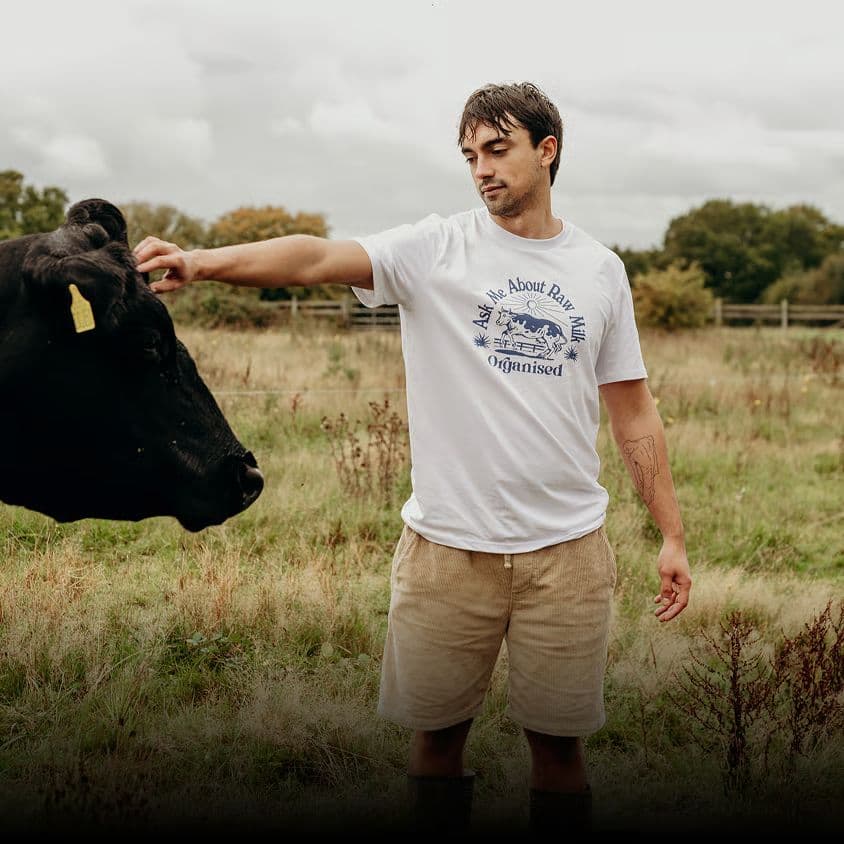
Pedro Rodrigues
Reviewer · Agronomist (farming and sourcing only)
Pedro is the agronomist Organised works with on farming and sourcing. His job on the guides is to keep the science honest: he reviews what we publish about soil health, regenerative agriculture, grazing and the way food is actually produced.
Areas of expertise: Regenerative agriculture, Agronomy, Soil health, Grass-fed farming, Food sourcing
Reviewed this guide on
Read Pedro's full profileMore on nutrition
View allBrowse the guides library
All guidesKeep reading
Health goals
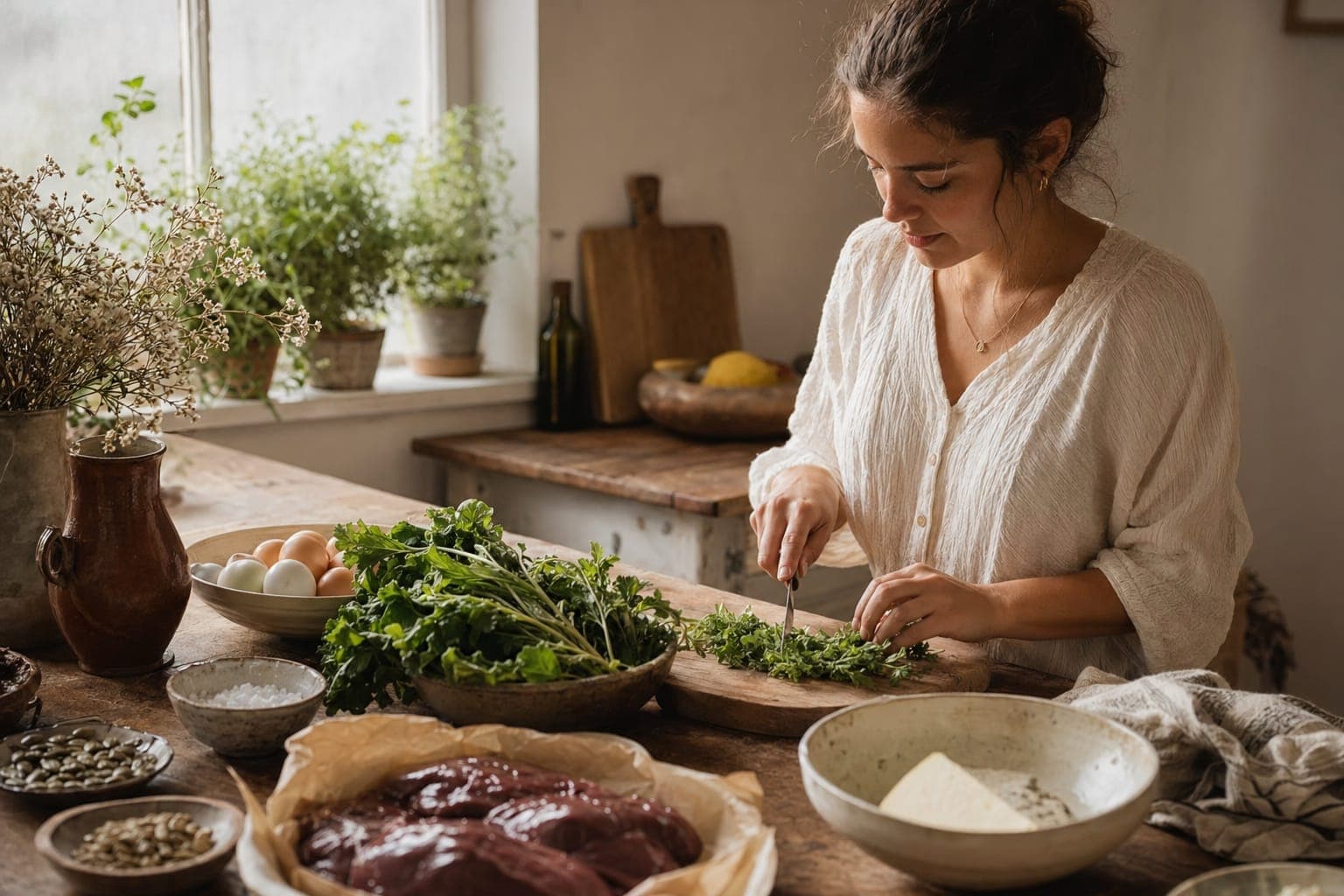
How Long Should You Prepare Your Body Before Trying to Conceive?
Preconception nutrition matters more than most people realise. A 3 to 6-month prep window allows sperm and egg quality to optimise.
Health goals
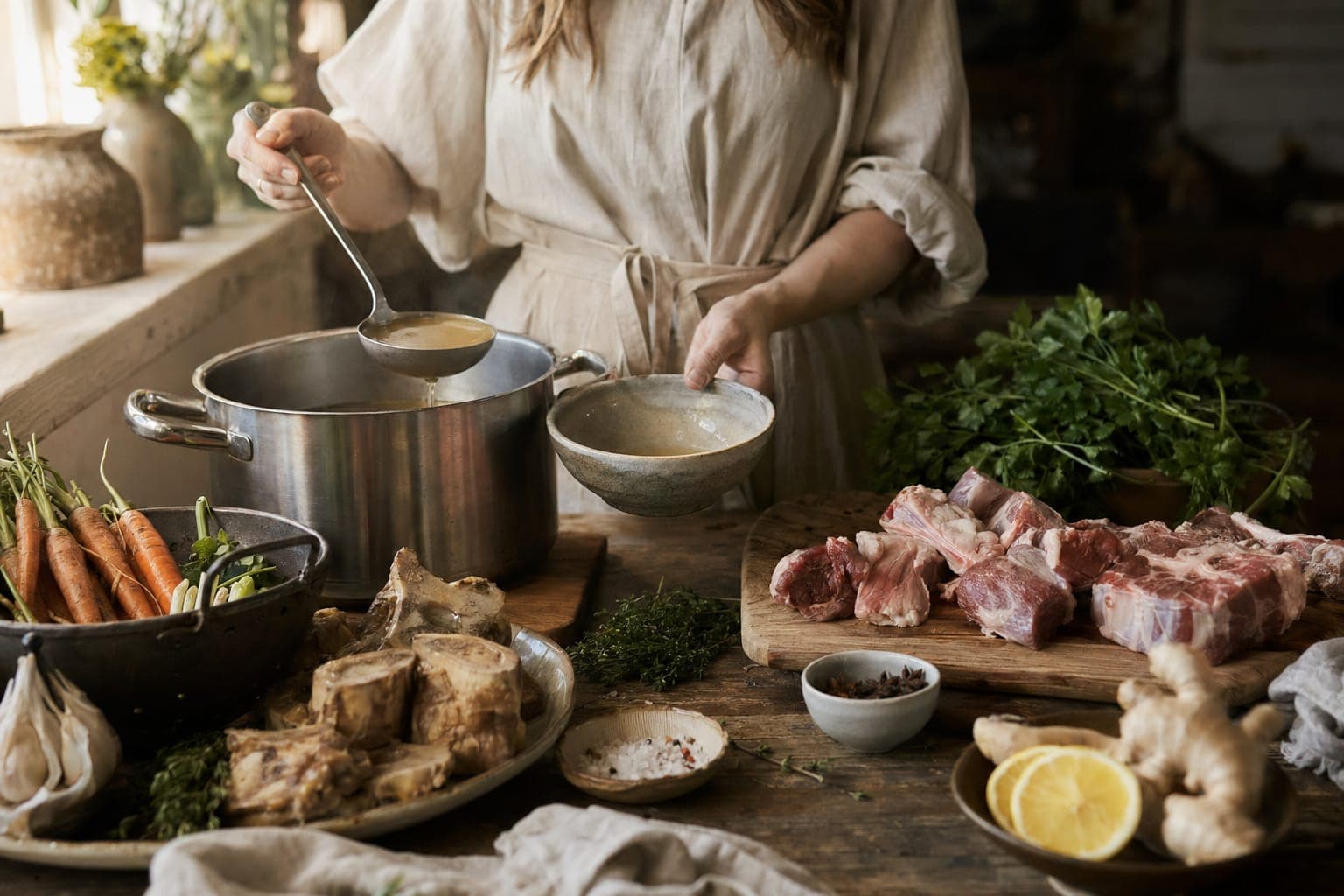
How to Build Collagen Naturally Without Injections
Build collagen from the inside out. Bone broth, connective tissue cuts, vitamin C, and glycine create more youthful skin than any injection.
Health goals
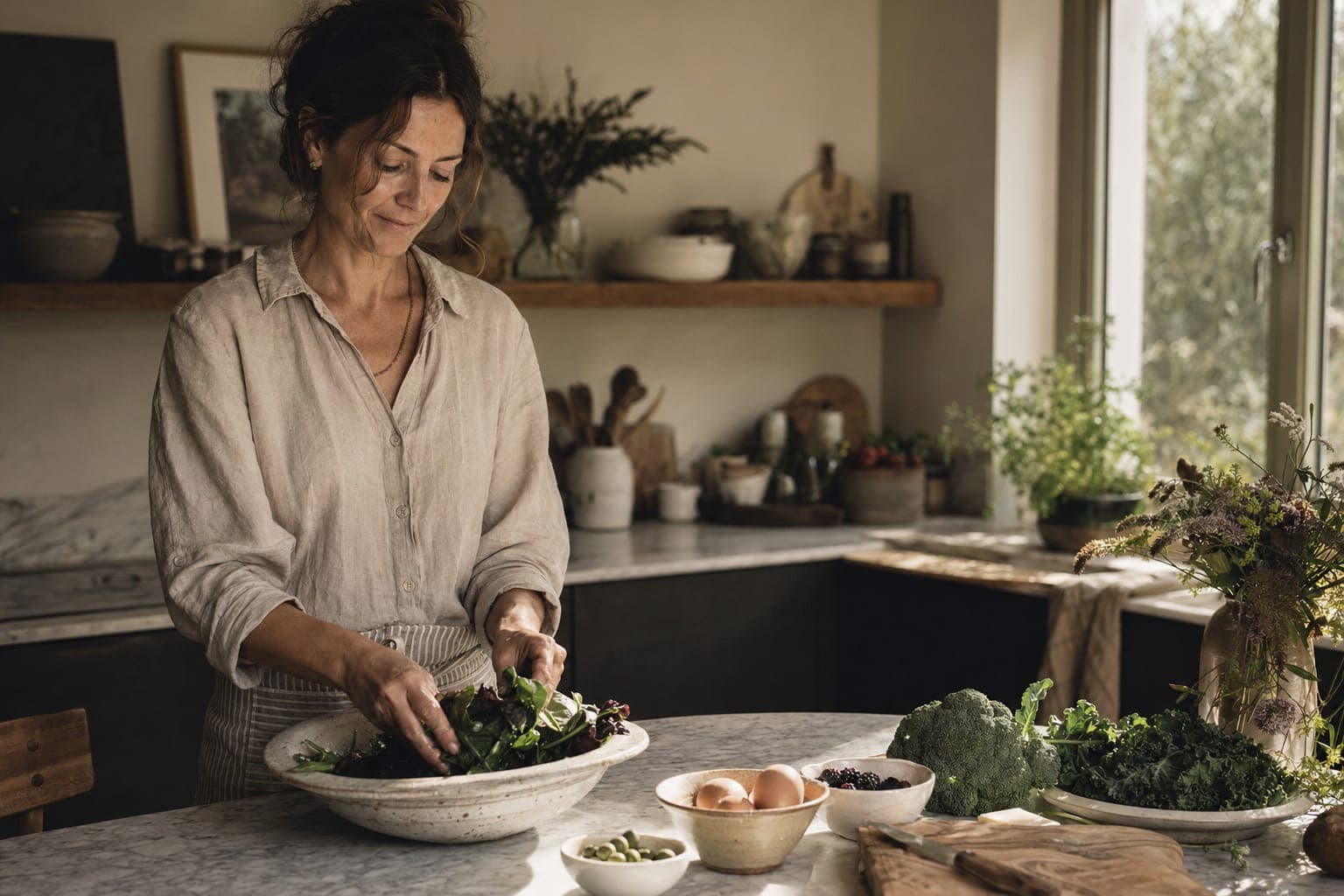
Perimenopause Nutrition: What Changes and What to Eat
Perimenopause isn't a deficiency disease. It's a transition requiring nutritional adjustment. Here's what changes and what to prioritise.
Real food, made effortless
Start my daily blendA few ways to use it
All recipes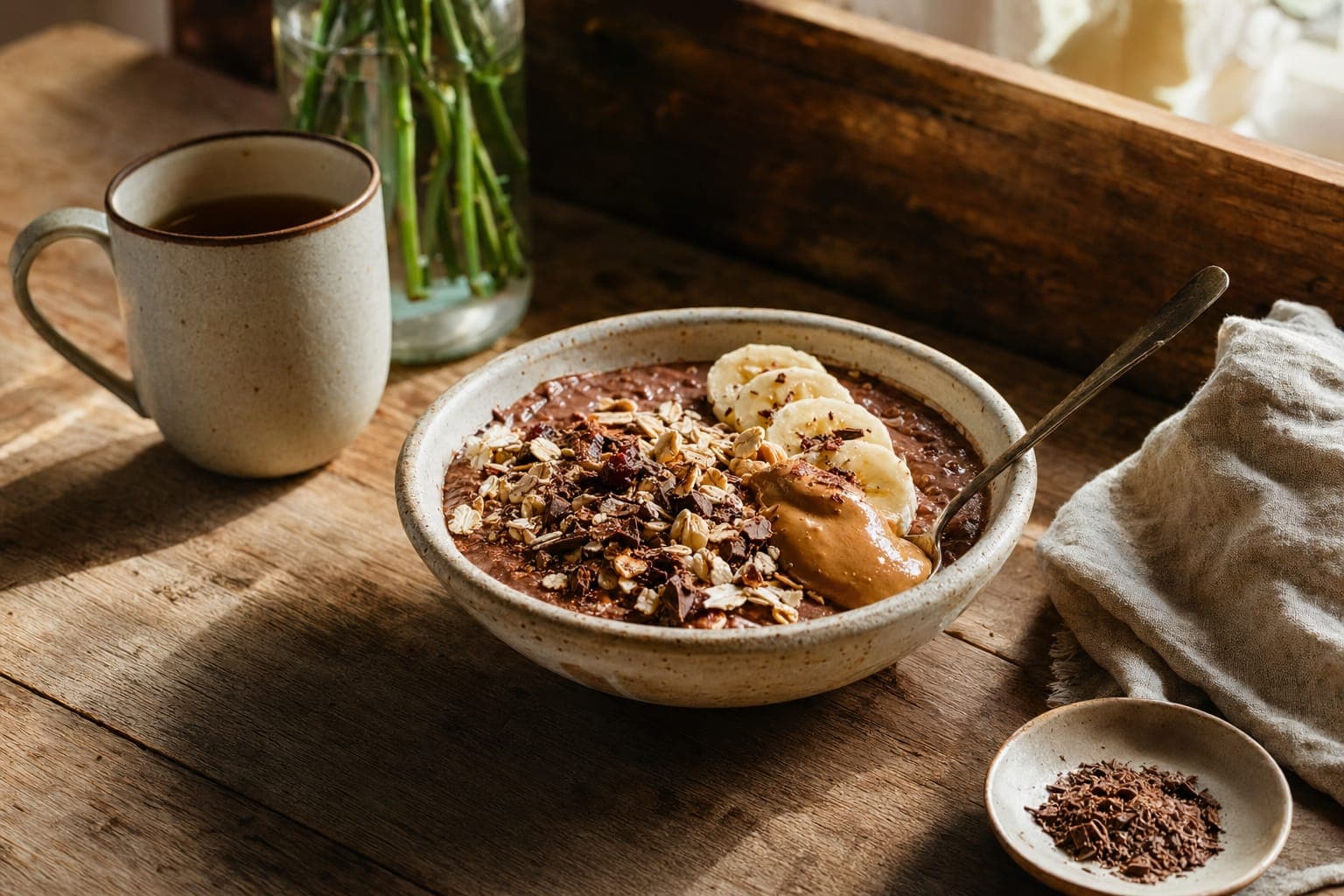
10 Ways to Use Organised That Aren't Just a Shake
Move beyond the basic shake. Discover 10 creative ways to use Organised in smoothie bowls, oats, yoghurt, baking, and more.
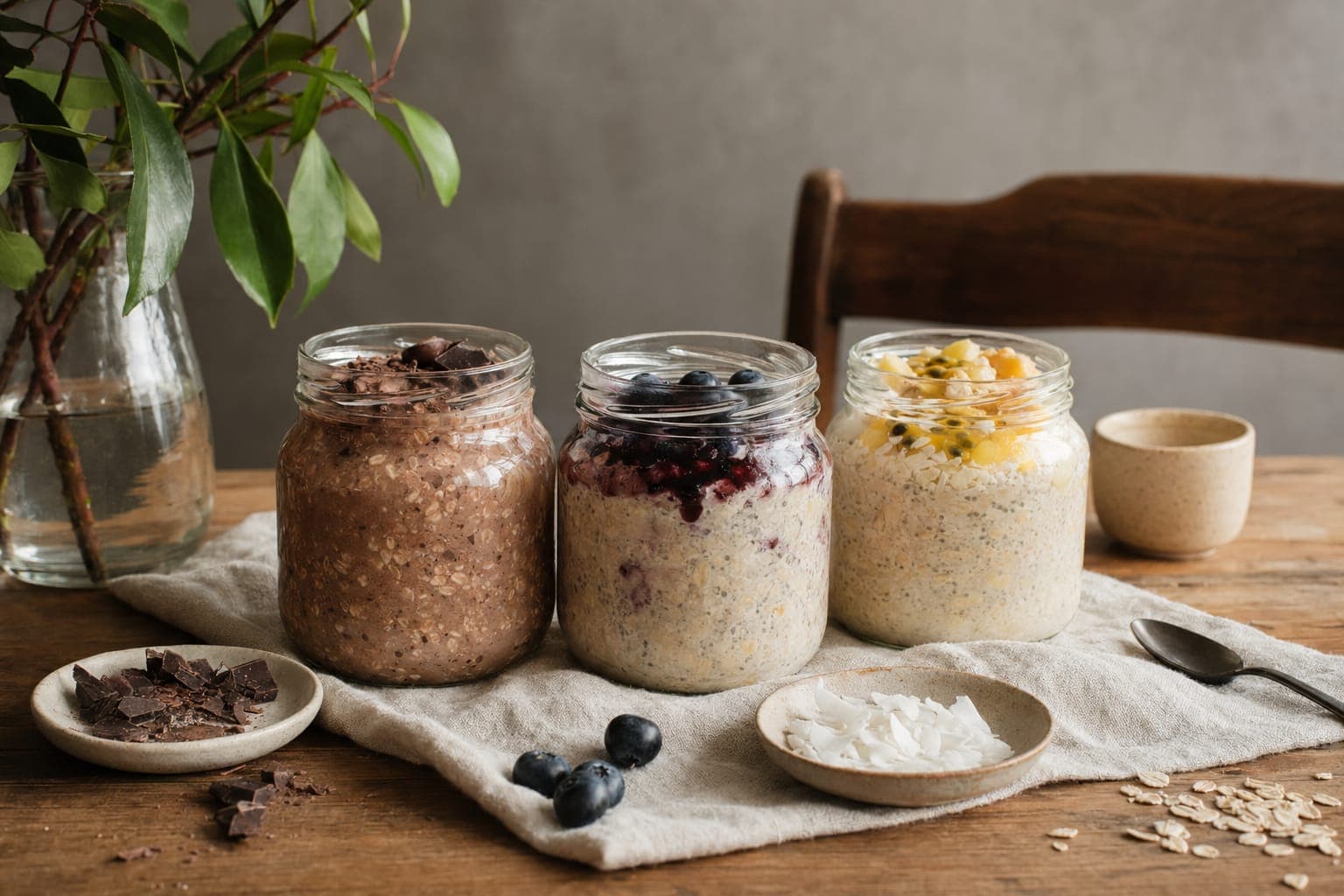
Organised Overnight Oats: 3 Variations
Three delicious overnight oats variations with Organised. Chocolate, berry, tropical flavours. Make them Sunday, eat them all week.
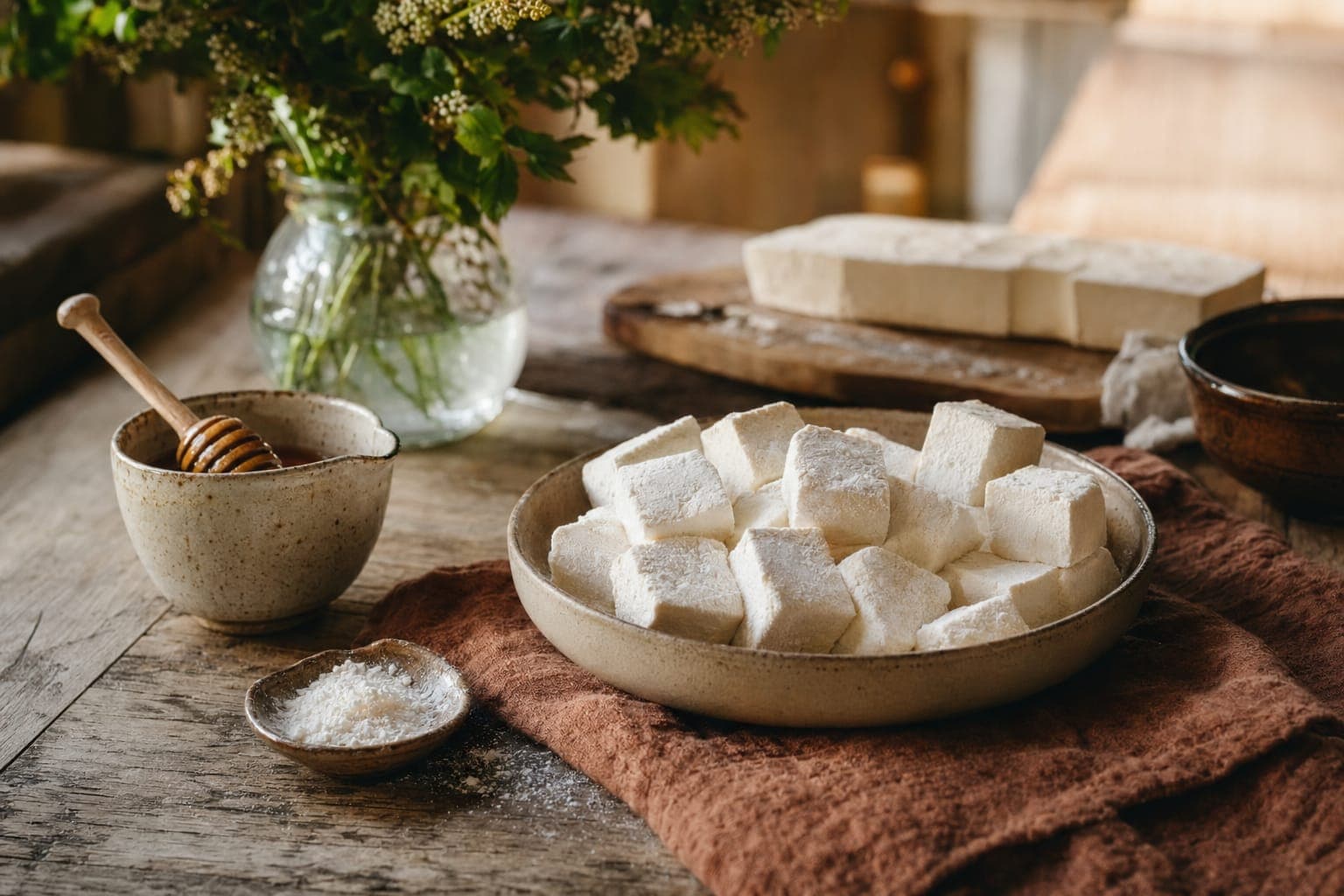
Gut-Healing Marshmallows with Collagen and Raw Honey
Learn to make gut-healing marshmallows with collagen and raw honey. A shareable treat that sneaks nutrition into every bite. Easy recipe with video tips.


 Join over 100,000+ members
Build a better food system with us
The Organised community is thousands of people choosing real food and backing the farmers who grow it, all of us trying to leave the world a little better than we found it. If that is what you care about too, you belong here.