Collagen for Runners: Protecting Your Joints and Tendons
Runners take collagen seriously. Not as a fad. As injury prevention. A runner who ignores tendon health is one who's counting down to a sidelined season.
By Niall Kiddle, Founder, Organised

Reviewed by Pedro Rodrigues, Agronomist (farming and sourcing only) ·
6 min read · Published · Updated · 1 cited source
Makers of the Organised Daily blend, a grass-fed beef organ supplement from regenerative UK farms

The injury pattern in running is predictable: first it's fine. Then one day you feel a twinge in the tendon. It feels like nothing. You run through it. Six weeks later, you can barely walk and training is off the table for months.
This isn't weakness. This is the reality of running without actively supporting tendon adaptation.

Why runners get injured (it's not what you think)
Running is a repetitive impact sport. Every footfall, you're landing with 2 to 3 times your body weight compressing through your joints and transferring force through your tendons.
Your muscles adapt relatively quickly to this load. Within weeks, they're stronger. But your tendons adapt much slower. Much, much slower.
This is why runners frequently get injured. The mismatch between muscular strength and tendon capacity. Your legs feel ready to run faster and harder. Your tendons are still adapting. You push. The tendon breaks.
Tendon injuries in runners are rarely sudden. They're the result of months of inadequate adaptation.
The reason tendons adapt slowly is they're made of collagen, which is metabolically expensive to rebuild. Collagen turnover is a slow process. Months, not weeks. If you're not actively feeding that process, it stays slow.
Most runners fuel their training by fueling their muscles. They're missing half the equation.
The tendon adaptation window
After a run, your tendons are primed for adaptation. The damage has been done. The biochemical signals are present. Your body is ready to repair and strengthen.
But that window is narrow. It lasts hours, not days. In that window, if you provide the nutrients to support collagen synthesis, adaptation accelerates. Outside that window, the signal fades and adaptation slows back to baseline.
This is where most runners miss the boat. They finish a run, they refuel their muscles with protein and carbs, and they never think about their tendons.
The athletes who take this seriously ingest collagen in the hours after running, specifically with vitamin C, during that window of heightened adaptation.

Pre-exercise collagen, the research
The most-cited study in this area is Shaw and colleagues (2017) in the American Journal of Clinical Nutrition. In a randomised, double-blinded crossover design, healthy male subjects who consumed 15 g of vitamin-C-enriched gelatin one hour before exercise showed increased markers of collagen synthesis (PINP), and serum amino-acids from the supplement increased the collagen content and mechanical properties of engineered ligaments in vitro.1
Stiffer sounds bad. It's not. In tendons, stiffness is strength. A stiff, well-organised collagen matrix can handle load better than a loose, disorganised one.
The collagen you ingest before running becomes the raw material your body uses to rebuild tendons during the run itself.
The mechanism is elegant. You ingest collagen. Your body breaks it down into amino acids, particularly glycine and proline. During the run, those amino acids are available at exactly the moment your tendons are signalling for repair. They're incorporated into new collagen. The next run, your tendons are slightly stronger.
Over weeks and months, this compounds. The runner taking collagen strategically shows measurably better tendon adaptation than the runner ignoring it.
Collagen and vitamin C timing
The timing matters. Collagen alone doesn't work without vitamin C, which is required as a cofactor for prolyl and lysyl hydroxylases that hydroxylate proline and lysine residues during collagen synthesis.1
Without vitamin C, new collagen is laid down, but it's weak. It hasn't been properly cross-linked. It can't handle load. With vitamin C, the collagen becomes resilient.
The optimal window is 30 to 90 minutes before running. Your body digests the collagen, breaks it down into amino acids, and those amino acids are in your bloodstream during the run when they're needed.
If you ingest collagen hours after the run, you're still supporting overall tendon health, but you're outside the window where it's most impactful.
Vitamin C should be taken at the same time. Not a megadose (that's not how nutrition works), but a solid amount, 50 to 150 milligrams. That's roughly the amount in an orange or a handful of berries.

How much, and when
The Shaw 2017 trial used 5 g and 15 g doses; the higher dose produced larger increases in collagen synthesis markers, suggesting a dose response within this range.1
The vitamin C can come from food (citrus fruit, berries, peppers) or a simple supplement.
Do this before hard runs. Before long runs. Before speed work. These are the sessions that stress your tendons most.
Easy run days can be skipped. You're not creating the same tendon stress signal, so the collagen isn't as critical.
The consistency matters. This isn't something you do once and feel the effects. It's something you do regularly, before most running sessions, for weeks and months. The adaptation is gradual.
Get health guides like this, free
Two short reads a week on eating for energy, gut health, skin, sleep and more.
By signing up you agree to receive emails from us. No spam, unsubscribe anytime.
Real food sources versus supplements
Can you get collagen from food? Yes. Bone broth is the richest source. Gelatinous cuts of meat. Chicken with skin. Fish with skin.
But here's the practical reality: most runners can't consume a cup of bone broth before a run. It's too heavy. It sits in your stomach. It compromises performance.
Collagen peptides (also called hydrolysed collagen) are collagen that's been broken down into smaller peptides. Your body can digest them quickly. They don't sit heavy. They're absorbed rapidly.
Collagen peptides are a supplement, but they're a supplement solving a real problem. Without them, you're eating hours before your run, which defeats the timing advantage.
That said, if you can eat gelatinous meat or bone broth 4 to 6 hours before a run, that's excellent. It's supporting your tendons and provides a broader nutrient profile than collagen peptides alone.
Most runners combine both: collagen peptides 60 minutes before the run (for the timing advantage), and whole food collagen sources throughout the day (for the broader nutrition).
1 of 9
Daily blend
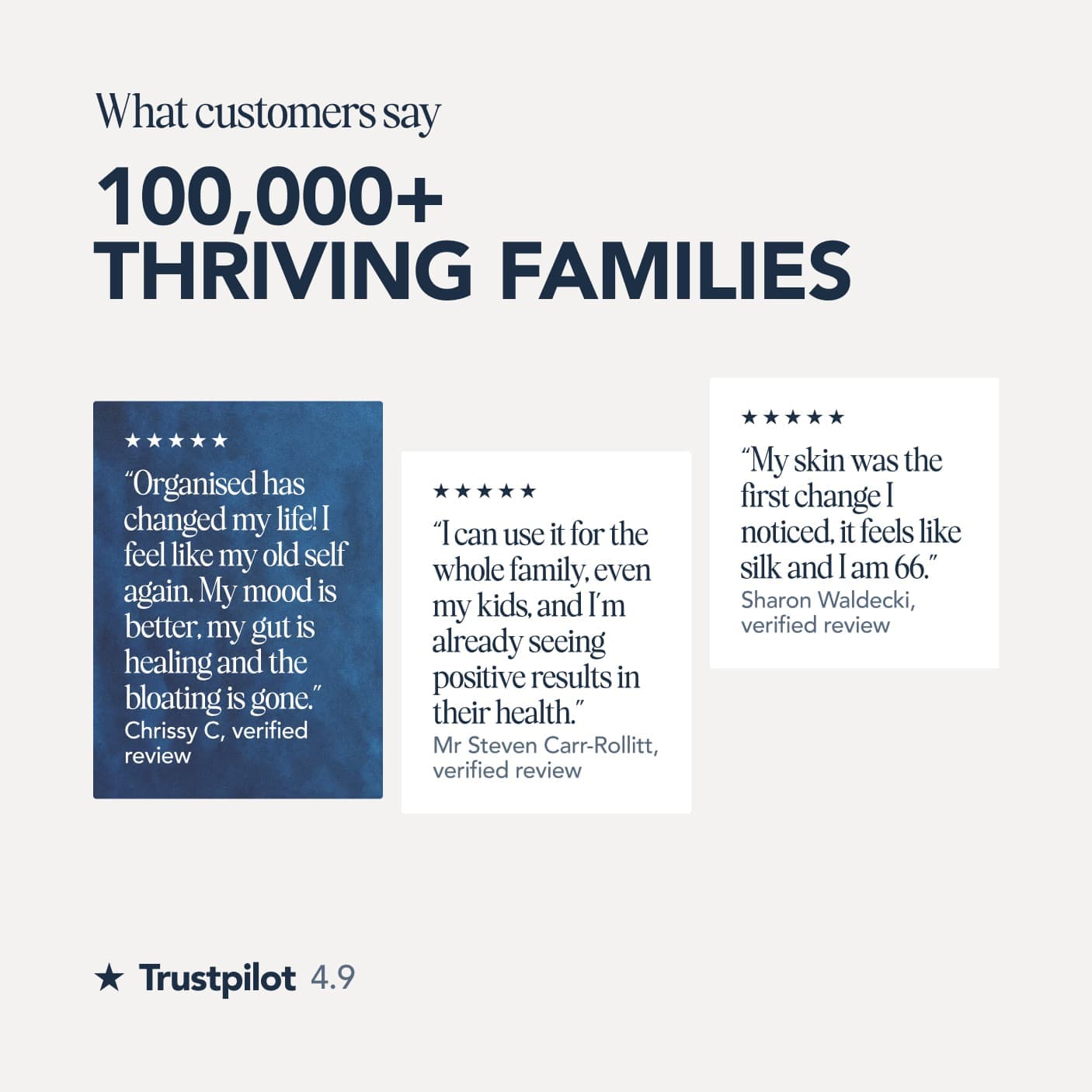
100,000+ thriving families4.9 on Trustpilot
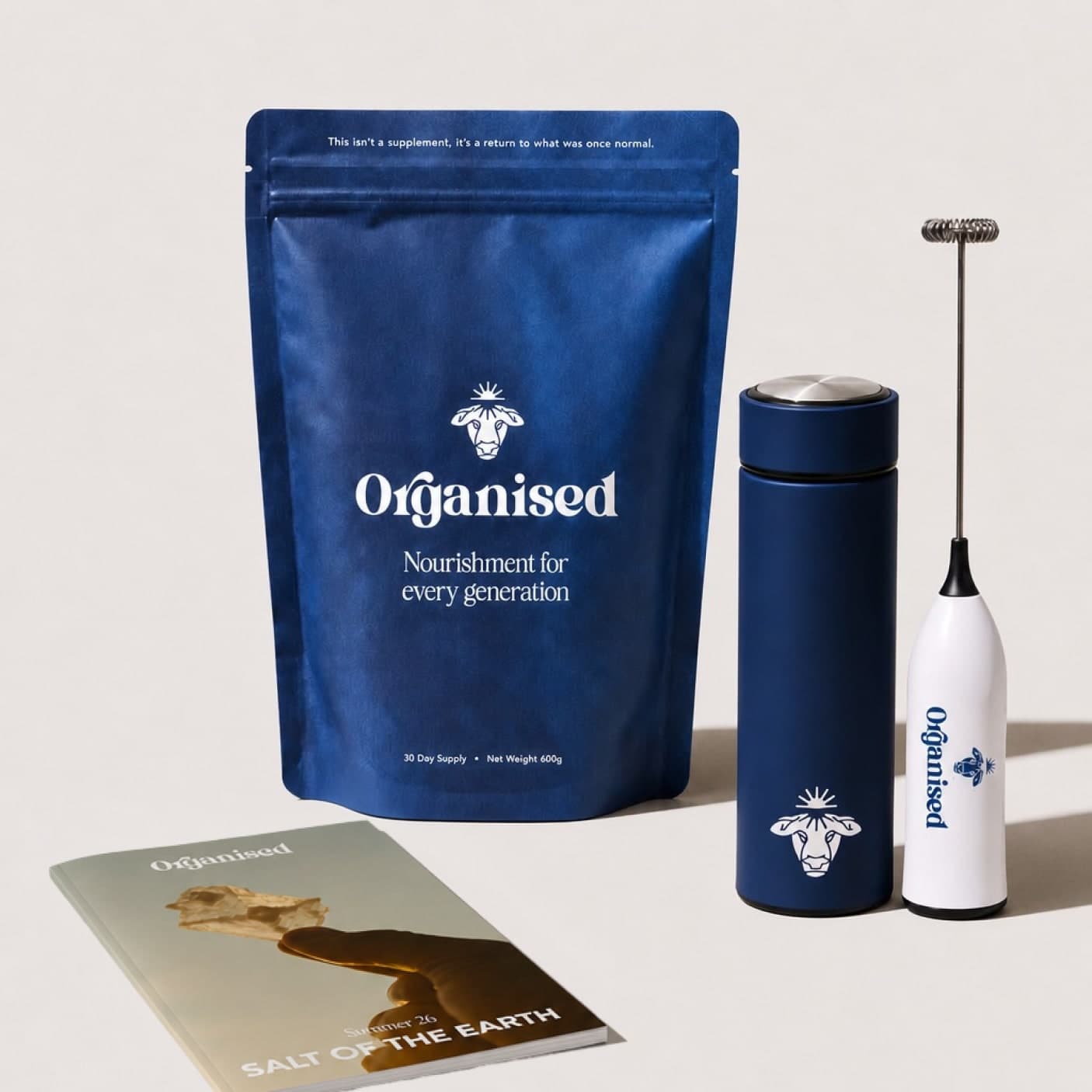
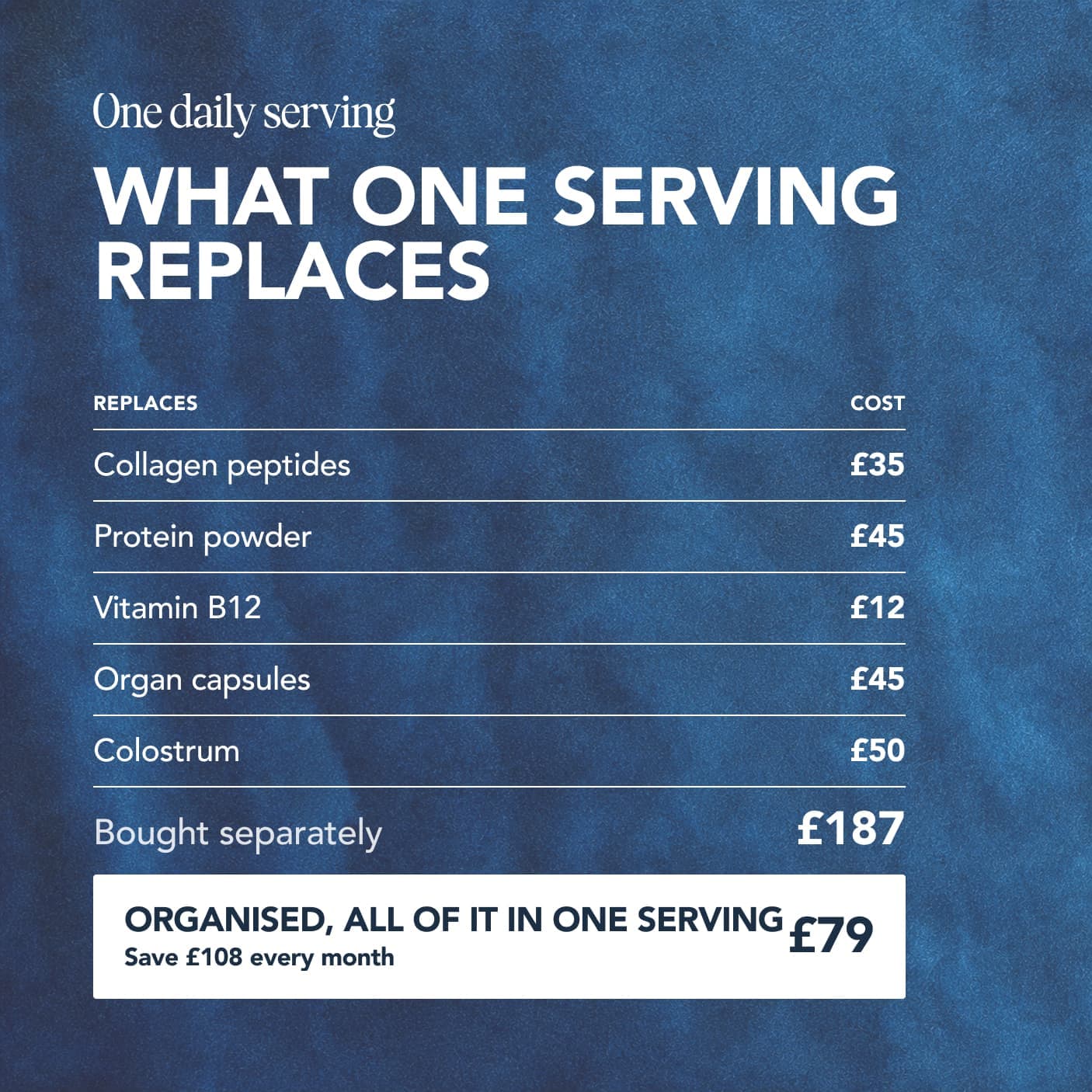
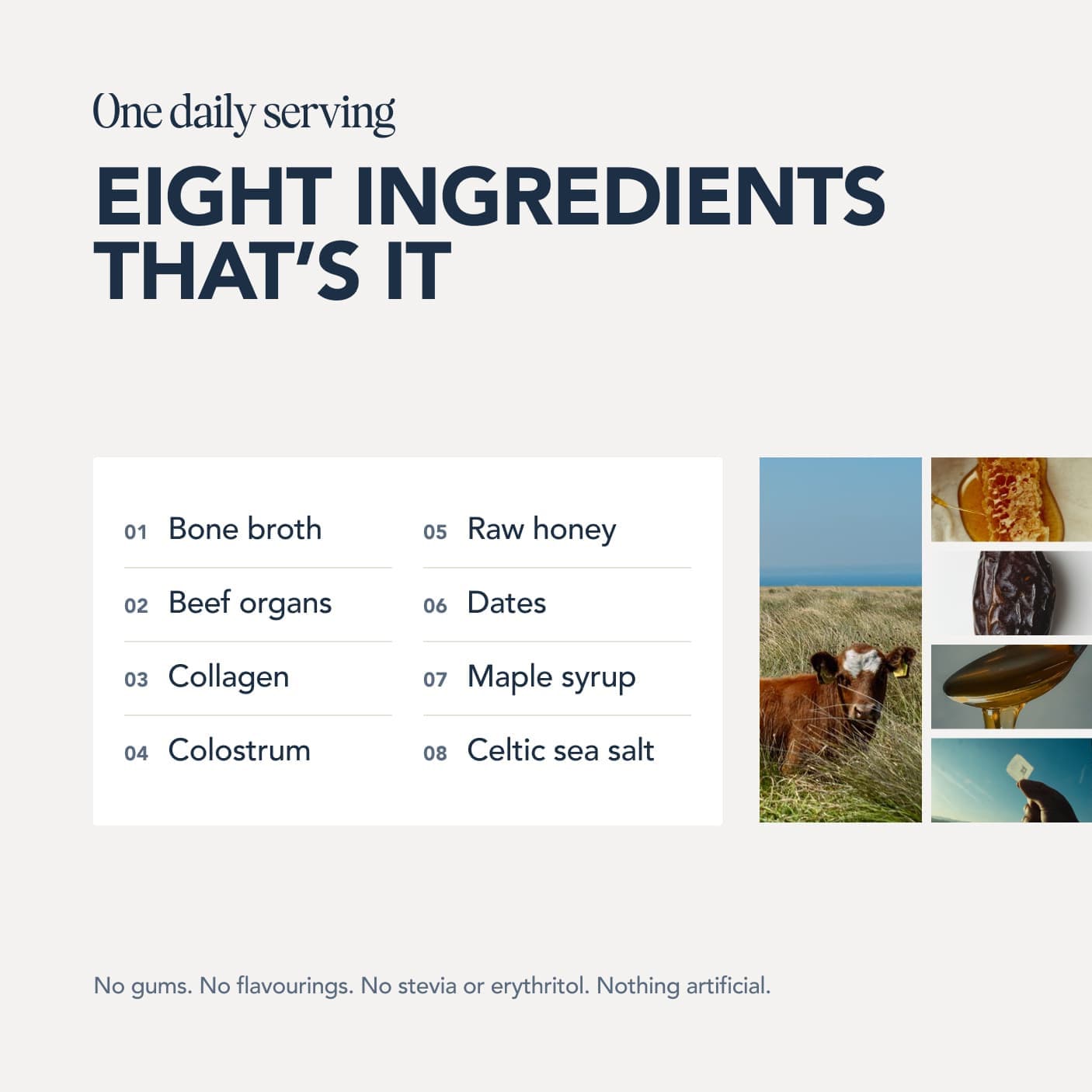
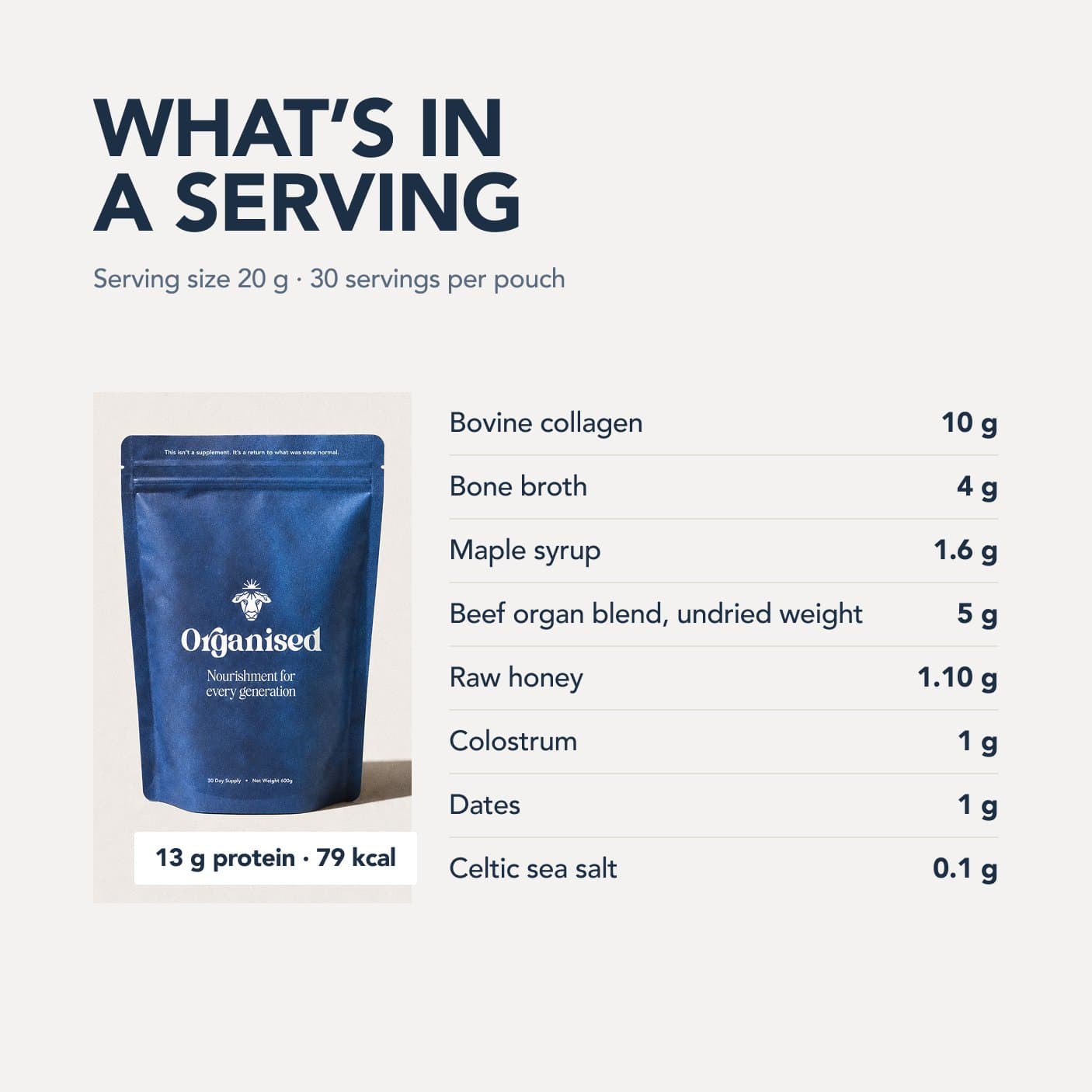
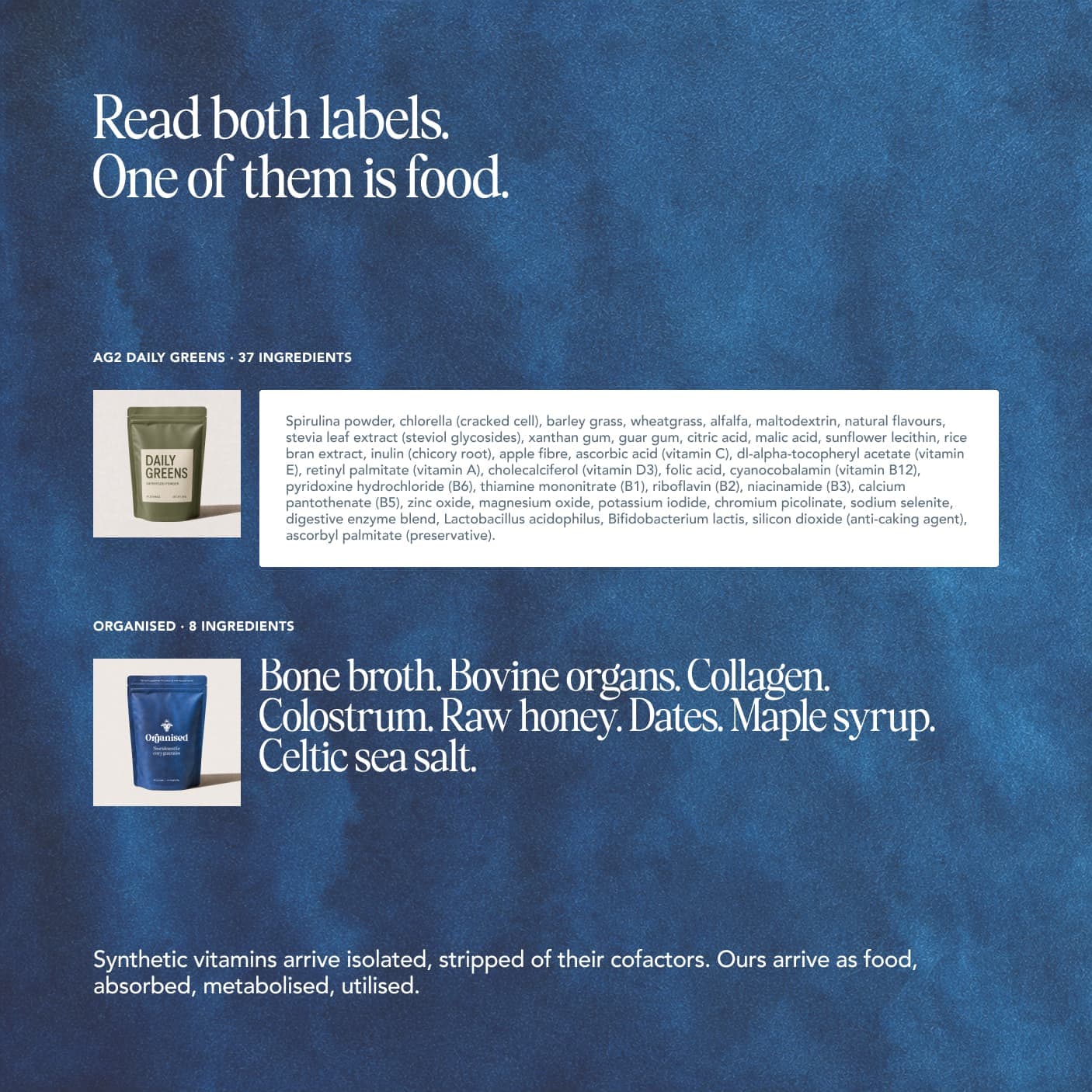
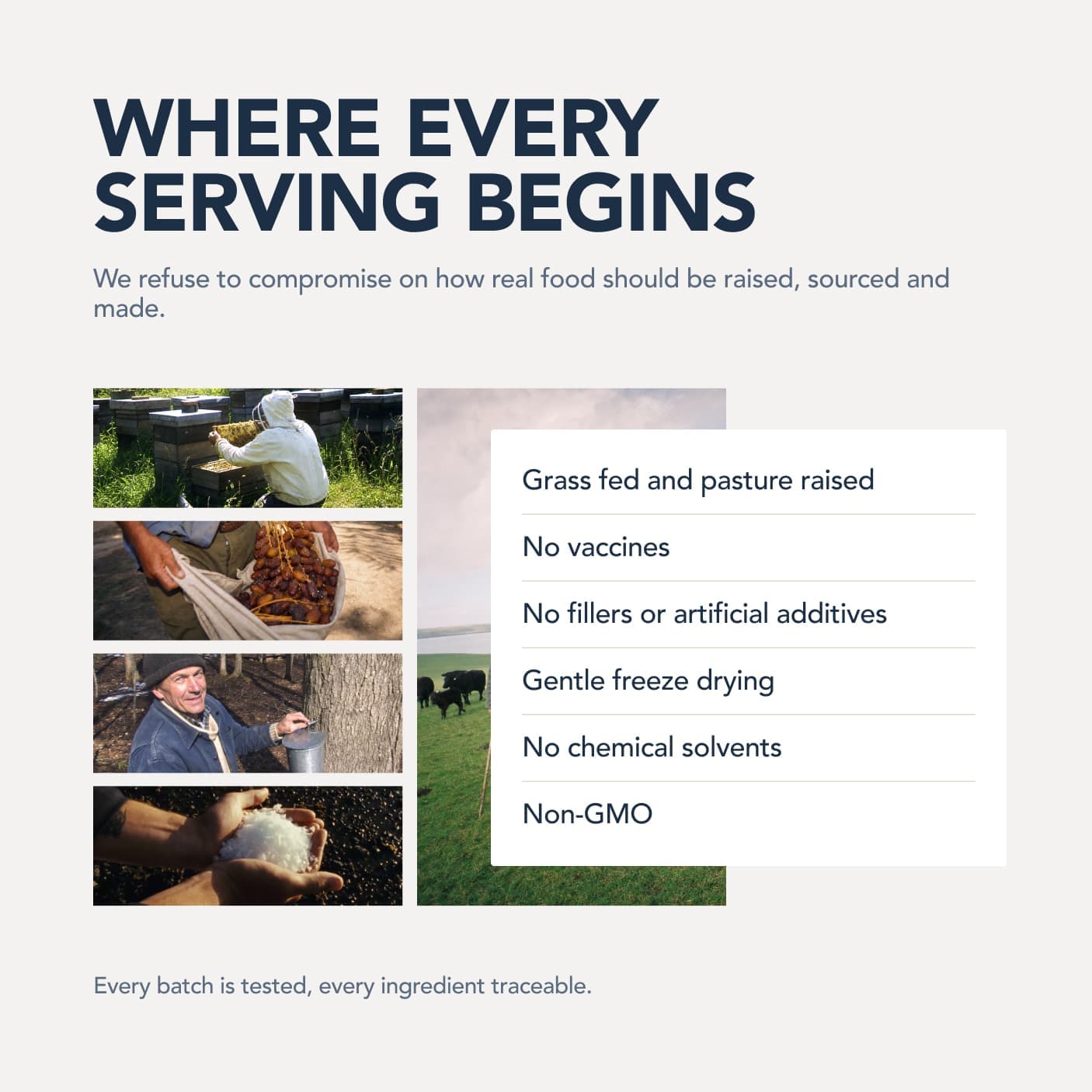
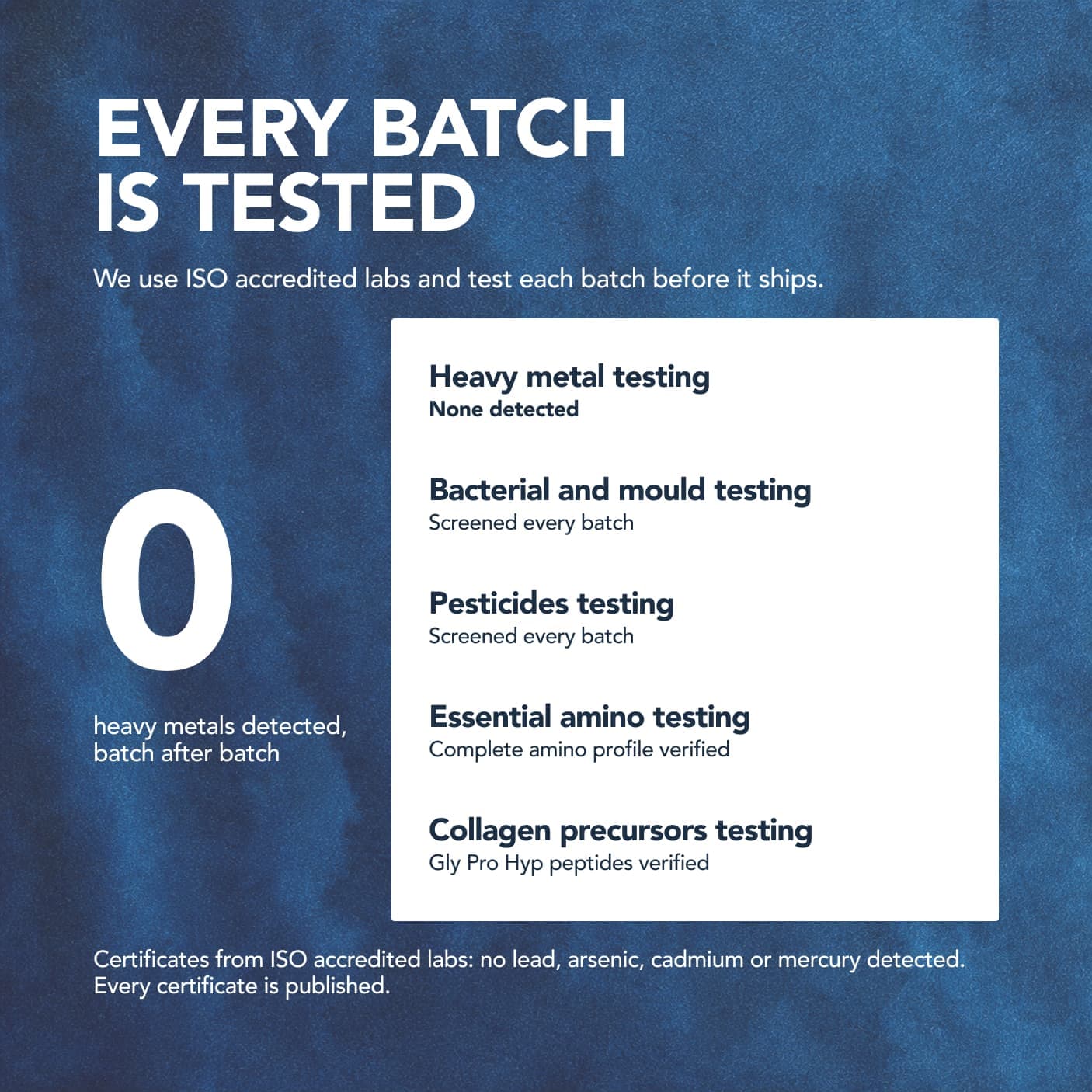
Eight real ingredients built around grass-fed beef organs, collagen and colostrum. Nothing synthetic added.
Free with your first order, worth £38. Plus £10 off the pouch with a subscription.

Free UK shipping · Made in England · 100 day money back guarantee on your first pouch · Skip, pause or cancel anytime
Beyond the supplement
Collagen support is critical, but it's not everything. A runner's tendon health depends on multiple factors.
Magnesium is essential for muscle relaxation and recovery. Omega-3 fatty acids support the anti-inflammatory response that's part of healthy adaptation. Adequate protein (from varied sources, not just chicken breast) supplies the amino acids that tendons are built from.
Strength training, particularly eccentric loading (where you lengthen a muscle under load), specifically strengthens tendons. A runner doing single-leg squats or hill repeats is directly stressing the tendon in a controlled way, signalling it to adapt.
Sleep matters. Tendons don't adapt during the run or immediately after. They adapt at night, when you're sleeping and your body is in deep repair mode.
A runner taking collagen but getting four hours of sleep, living in chronic stress, and eating low-quality food is still going to get injured.
The collagen is a tool, not a magic fix. It's one piece of a larger picture that includes strength work, sleep, nutrition, and managing training load intelligently.
The bottom line
If you run regularly, taking collagen before hard sessions is one of the highest-ROI investments you can make in your injury prevention.
It's inexpensive. It's evidence-backed. The window for impact is narrow (60 minutes before running), but if you hit that window consistently, your tendons will thank you.
Pair it with vitamin C, do your strength work, sleep adequately, and eat real food. That combination is how runners stay healthy season after season.
A runner ignoring tendon health is just waiting for injury. A runner taking it seriously is the one running years from now.
References
Every source below was checked on 27 August 2026. Each PubMed, PMC and DOI identifier was resolved against NCBI or Crossref, and what it opens is printed under the citation, so you can see the link goes where the citation says without leaving the page. Where a citation and its identifier disagreed, the citation was corrected to the record or the reference was deleted along with the sentence marker that pointed at it, and where the resolved paper turned out not to support the sentence, the sentence was cut back to what it does support. Borrowed authority is worse than none, because it looks like rigour.
- Shaw G, Lee-Barthel A, Ross MLR, Wang B, Baar K. Vitamin C–enriched gelatin supplementation before intermittent activity augments collagen synthesis. Am J Clin Nutr. 2017. https://pmc.ncbi.nlm.nih.gov/articles/PMC5183725/Checked 27 August 2026: PMC5183725 opens Shaw G, Lee-Barthel A, Ross ML et al, Vitamin C-enriched gelatin supplementation before intermittent activity augments collagen synthesis. Am J Clin Nutr 2017;105(1):136-143. PubMed indexes it as: Randomized Controlled Trial.
Who wrote and reviewed this guide
Niall Kiddle
Author · Founder, Organised
Niall is the founder of Organised. He started the company in 2024 after fixing his own health the slow way: in 2022 he swapped a cupboard of synthetic supplements for real food, raw milk, organ meats, bone broth and honey, and felt the difference within months.
Areas of expertise: Ancestral nutrition, Organ meats, Whole-food supplementation, Gut health, Regenerative sourcing
Read Niall's full profile
Pedro Rodrigues
Reviewer · Agronomist (farming and sourcing only)
Pedro is the agronomist Organised works with on farming and sourcing. His job on the guides is to keep the science honest: he reviews what we publish about soil health, regenerative agriculture, grazing and the way food is actually produced.
Areas of expertise: Regenerative agriculture, Agronomy, Soil health, Grass-fed farming, Food sourcing
Reviewed this guide on
Read Pedro's full profileMore on sports & performance
View allBrowse the guides library
All guidesKeep reading
Health goals
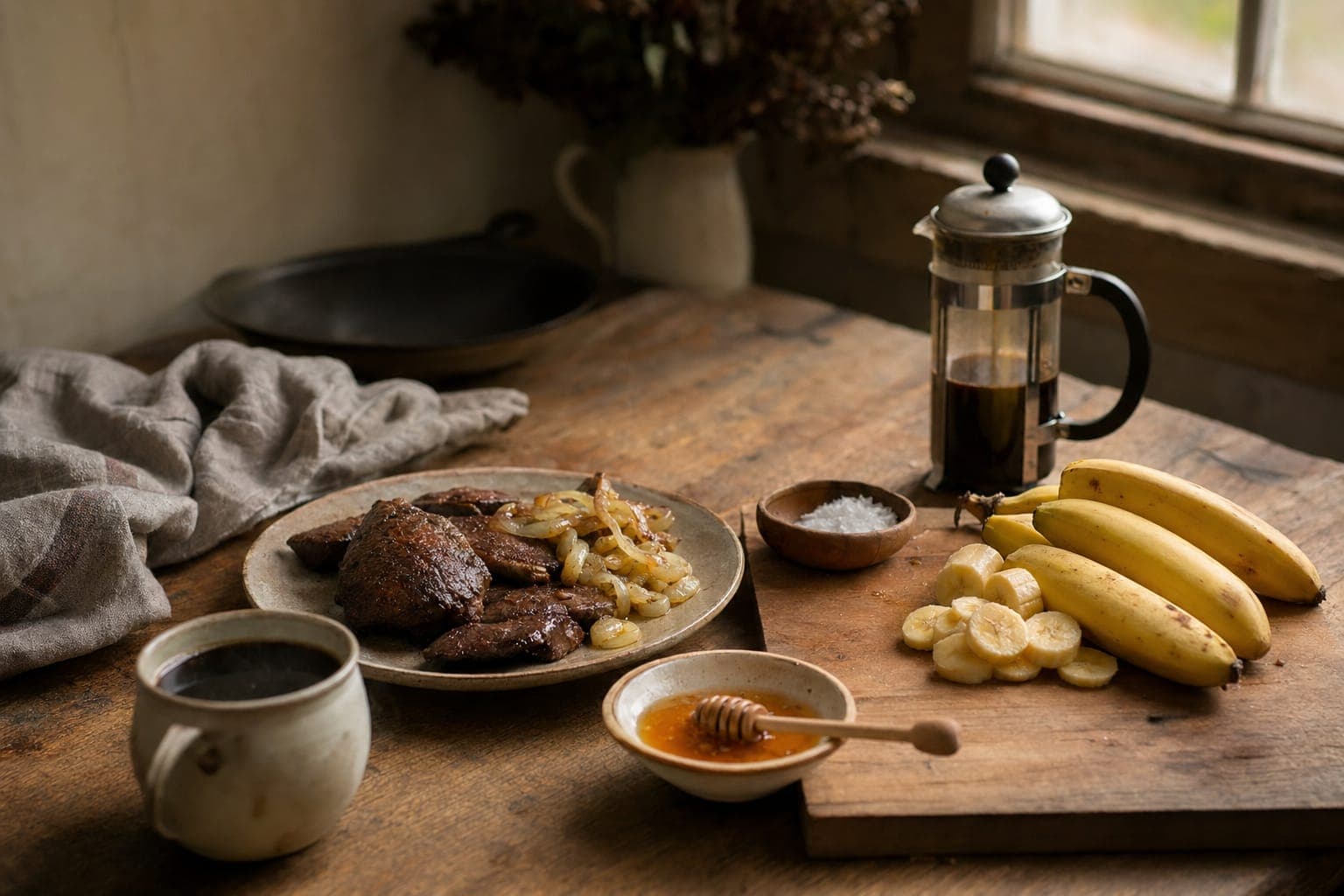
Pre-Workout Nutrition Without the Chemicals
Skip synthetic pre-workout. Black coffee, beef liver, banana, sea salt, and raw honey fuel training naturally, with no artificial sweeteners or colours.
Health goals
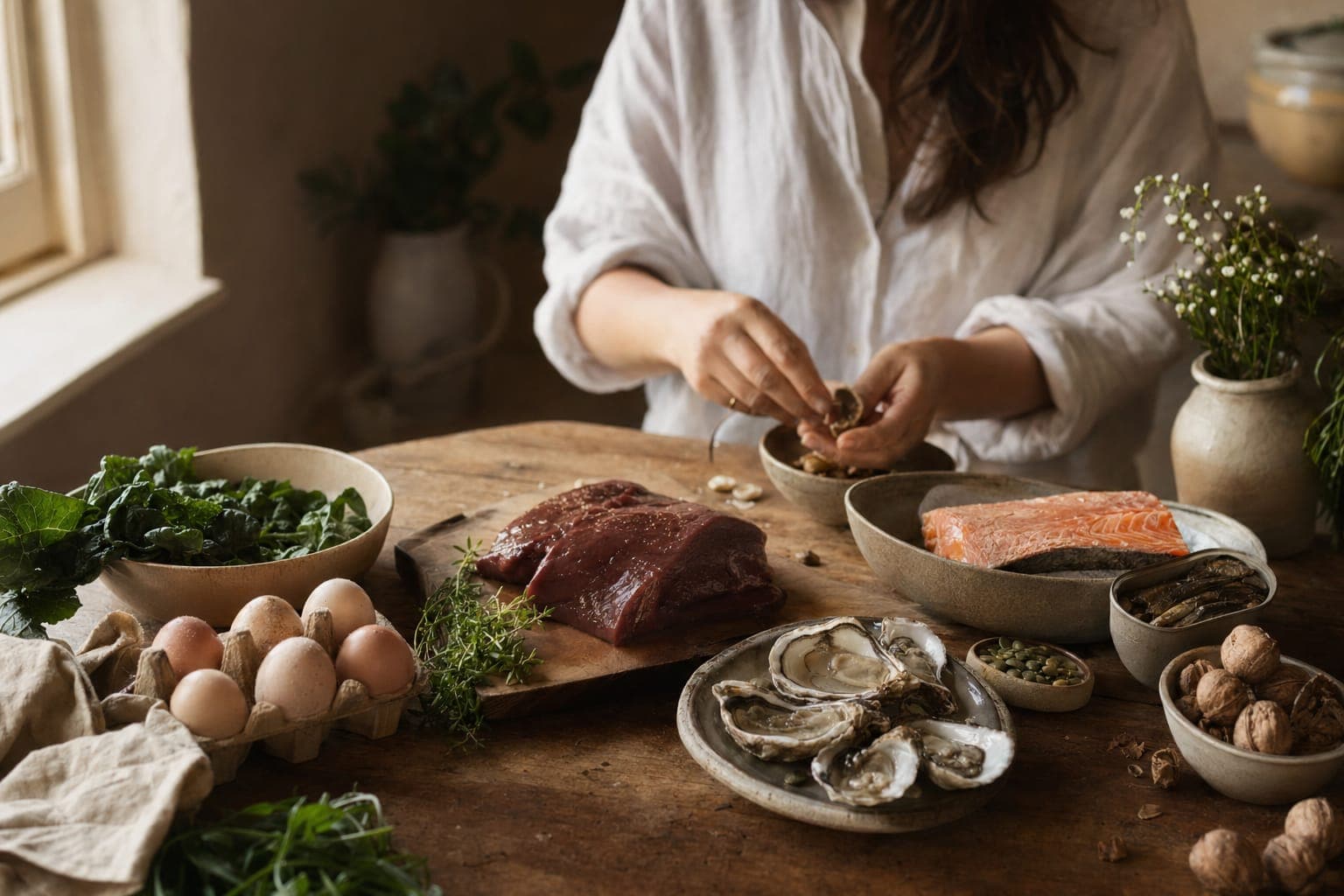
The Nutritional Root Causes of Hair Loss
Discover the nutritional causes of hair loss, from iron, zinc and biotin to thyroid health, and how nutrient-dense whole foods can help support regrowth.
Health goals
The Ancestral Guide to Fertility Nutrition
Fertility depends on fat-soluble vitamins A, D, K2, choline, B12, iodine, zinc, and selenium. Here's what both partners need to conceive and thrive.
Real food, made effortless
Start my daily blendA few ways to use it
All recipes
Organised Smoothie Bowl Recipes for Every Season
Four seasonal smoothie bowl recipes using Organised. Berry in summer, apple-cinnamon in autumn, tropical in spring, warming chocolate in winter.

5-Minute High-Protein Breakfasts Using Organised
Quick, high-protein breakfast ideas using Organised. Five recipes you can make in minutes with real food. No fussing around.
Whole Food Snacks for Busy Days
Practical whole food snacks that travel well and sustain energy. No refined carbs, no seed oils. Real food options for when you're busy.


 Join over 100,000+ members
Build a better food system with us
The Organised community is thousands of people choosing real food and backing the farmers who grow it, all of us trying to leave the world a little better than we found it. If that is what you care about too, you belong here.