Pre-Workout Nutrition Without the Chemicals
Pre-workout supplements are built on a lie. The pitch is that you need chemicals to perform. You don't. Every nutrient you actually need comes from food.
By Niall Kiddle, Founder, Organised

Reviewed by Pedro Rodrigues, Agronomist (farming and sourcing only) ·
6 min read · Published · Updated · 3 cited sources
Makers of the Organised Daily blend, a grass-fed beef organ supplement from regenerative UK farms
Walk into any supplement shop and you'll see shelves of powders. Neon-coloured. Packed with artificial sweeteners. Laden with synthetic caffeine and chemicals with names you can't pronounce. The label promises enhanced endurance, focus, pump, strength.
The reality? Most of what you're paying for is marketing and artificial colour.
Why pre-workout supplements fail
Pre-workout supplements are designed to be shelf-stable, scalable, and profitable. Not to be optimal for your body.
Most contain artificial sweeteners (sucralose, aspartame) that taste sweet but provide no metabolic value and have been shown to disrupt glucose metabolism and gut bacteria.2 They contain artificial colours and dyes that serve no nutritional purpose and are banned in several European countries.
They contain stimulants, usually synthetic caffeine rather than caffeine from natural sources. Your body processes these differently. The hit is sharper, the crash is harder.
You're paying premium prices for convenience and marketing. You could buy real food for a fraction of the cost and perform better.
The chemicals that make the powders shelf-stable and the packaging pretty are not nutrients. Your body doesn't need them. It needs food.
Black coffee: the actual performance enhancer
Caffeine is a legitimate performance enhancer. It's evidence-backed. It increases alertness, delays fatigue, and improves muscular power output.1
But you don't need a supplement to get caffeine. Coffee contains it. Strong, reliable, cheap, and without the artificial additives.
Black coffee, 20 to 30 minutes before training, delivers 100 to 150 milligrams of caffeine depending on the brew strength. That's enough to increase performance for most people.
The difference between coffee and synthetic pre-workout caffeine: coffee is absorbed more gradually and steadily. Your nervous system doesn't spike and crash. You get sustained energy without the jitters or the afternoon collapse.
Additionally, coffee contains compounds called polyphenols. Chlorogenic acid, for example. These have anti-inflammatory properties and may enhance fat oxidation during exercise.
A cup of black coffee is a complete, evidence-backed pre-workout. There is nothing in a supplement that improves on this.
Beef liver: nutrient density on demand
If you want to optimise performance, you need micronutrients. Iron for oxygen transport. B vitamins for energy production. Copper and zinc for enzyme function.
Beef liver contains all of these in extraordinary concentrations. A single ounce of liver contains more iron, B12, and folate than most people consume in a week.3
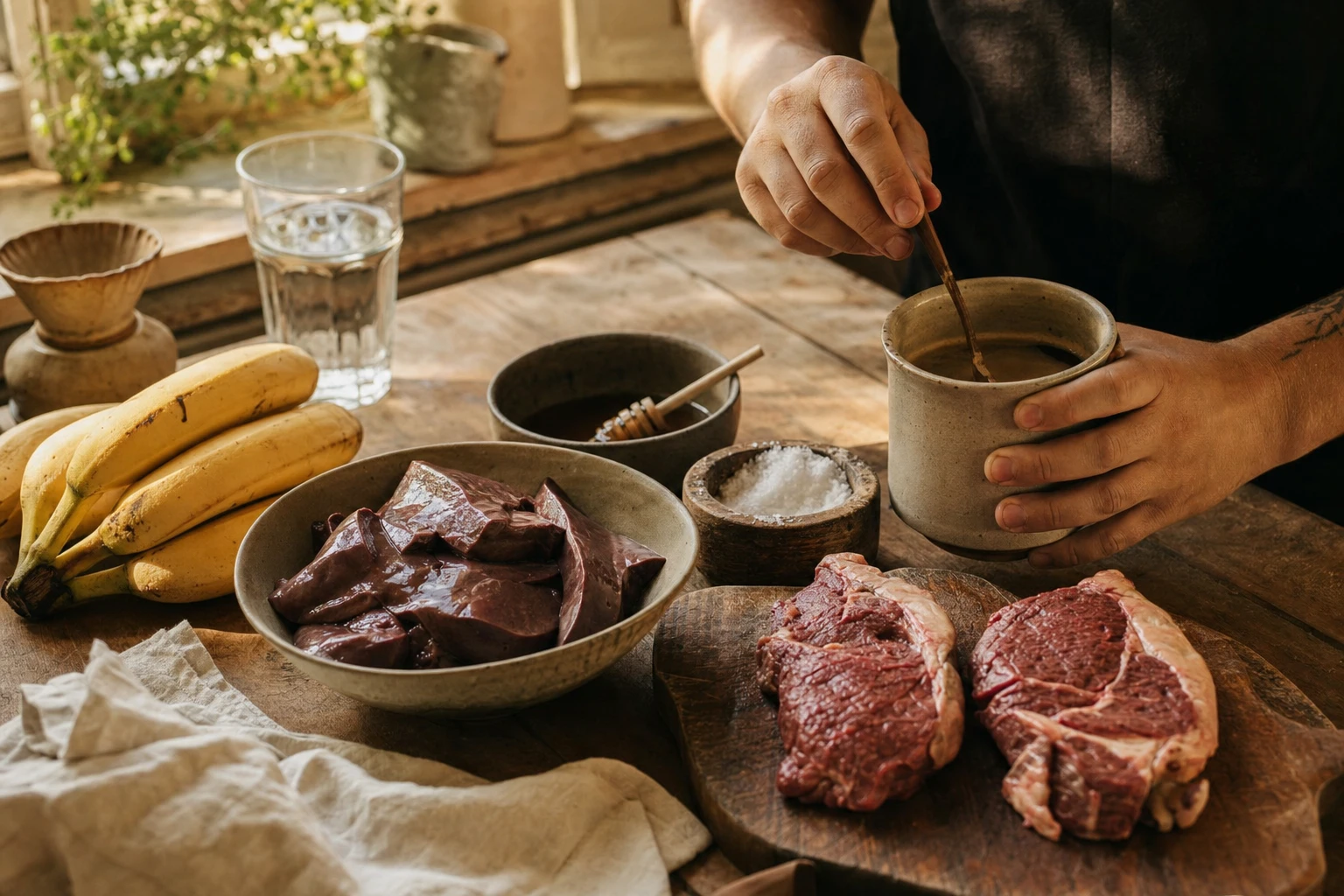
Here's the practical hack: eat a small portion of liver, 1 to 2 ounces, 60 to 90 minutes before training. You can do this as liver pate on a cracker, or fried liver with salt. The nutrient delivery is immediate and complete.
Your body uses these nutrients during training. Better oxygen delivery. Better energy production. Better recovery signalling.
The difference between liver and a supplement vitamin: liver delivers the nutrients in whole-food form, with cofactors and co-nutrients that allow your body to actually utilise them. Synthetic supplements are isolated compounds. Your body doesn't absorb and use them as efficiently.
Bananas: carbohydrate plus minerals
Before intense training, you need carbohydrates. They're your body's primary fuel source during high-intensity effort.
Bananas are the perfect pre-workout carbohydrate. They contain approximately 25 to 30 grams of carbs in an easy-to-consume package. They're also rich in potassium and magnesium, the minerals that support muscle contraction and nervous system function.
Eat one banana 30 to 45 minutes before training. It's digested quickly, delivering carbs to your muscles right when they're needed. It's cheap. It's portable. It's real food.
A banana is more effective pre-workout fuel than any carbohydrate supplement. And it costs a fraction of the price.
The additional benefit: bananas contain tryptophan, the amino acid precursor to serotonin. A small amount before training can improve mood and reduce perceived effort. You feel like the work is easier.

Raw honey: immediate fuel
Raw honey is almost pure carbohydrate, but it's carbohydrate in the form your ancestors ate it. It's absorbed quickly, raising blood glucose and fuelling your muscles immediately.
A tablespoon of raw honey, 15 to 20 minutes before training, delivers instant fuel without spiking insulin as dramatically as refined sugar.
Raw honey also contains trace minerals and enzymes that processed sugar doesn't. It's a more complete fuel source.
Mix it into your coffee, eat it straight, or dissolve it in water with sea salt (see below). The effect is rapid blood glucose elevation and immediate energy availability.
Get health guides like this, free
Two short reads a week on eating for energy, gut health, skin, sleep and more.
By signing up you agree to receive emails from us. No spam, unsubscribe anytime.
Sea salt: electrolytes without the marketing
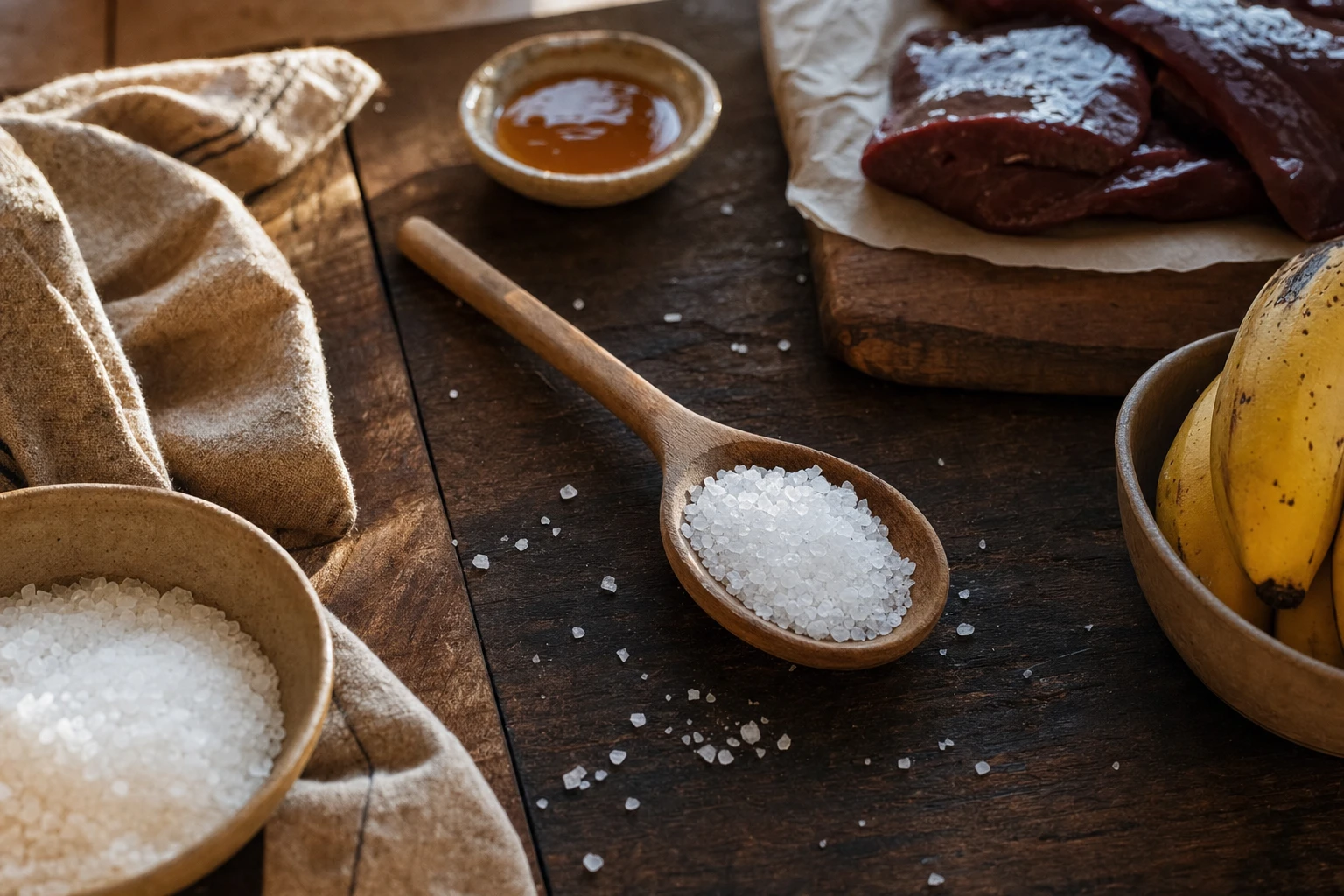
Pre-workout supplements often contain electrolyte additions, sold as performance enhancers. Sodium, potassium, magnesium. You do need these before training, particularly if you're training intensely or in heat.
But you don't need a supplement to get them. Sea salt is cheap, it's real, and it delivers sodium directly.
A pinch of sea salt in your coffee, or mixed into water with honey, before training, ensures your nervous system has the sodium it needs for muscle contraction and hydration.
Your body needs electrolytes. Not synthetic electrolyte blends. Real salt.
For potassium and magnesium, bananas and the liver mentioned above cover these. You don't need additional supplementation if you're eating real food.
Building a pre-workout meal
Two hours before training, if you have time: a meal containing protein, carbs, and fat. Eggs and toast. Chicken and rice. Fish and potatoes. Something substantial that sits well and fuels you.
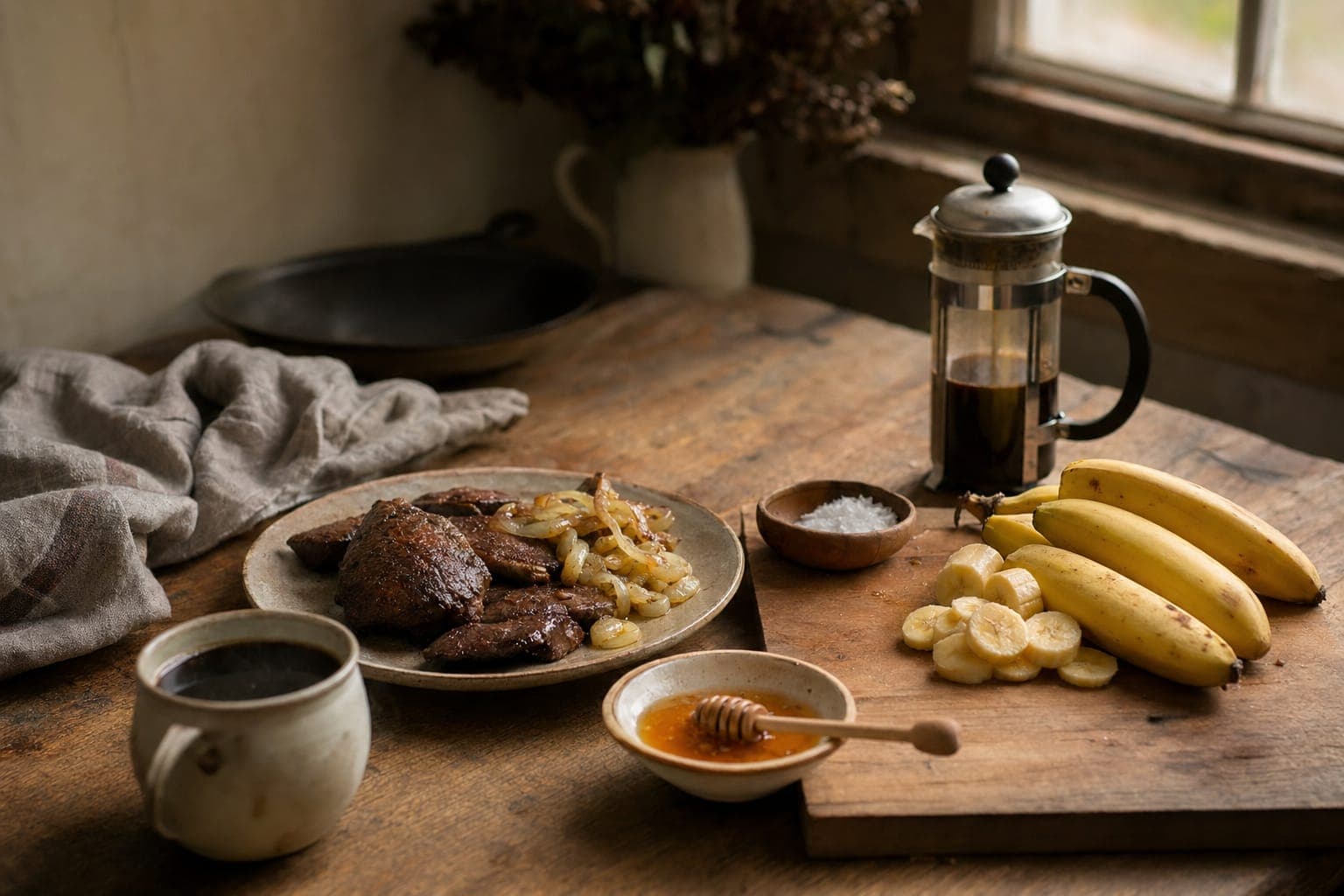
45 to 60 minutes before training, if you're training on a shorter timescale: black coffee and a banana. Simple. Effective. No chemicals.
If you want to add one more element: a small portion of liver pate. 1 to 2 ounces. Or if that's not practical, skip it. The coffee and banana are sufficient.
30 to 45 minutes before: if you're doing this timing, black coffee plus a tablespoon of raw honey mixed in, plus a pinch of sea salt. That's complete pre-workout nutrition.
The beauty of this approach is it's individualised. You can adjust portions based on how you respond. You can eat it anytime, anywhere. It costs less than a single tub of supplement powder.
Recovery nutrition: what comes after
Pre-workout nutrition gets you into the training session properly fuelled. But what you eat after training is equally important for adaptation and recovery. Your muscles are primed to accept nutrients immediately after intense effort. The window of opportunity for maximal protein synthesis and glycogen replenishment is roughly 30 minutes to 2 hours post-training.
This is where whole foods again outperform supplements. A post-workout meal of eggs, potatoes, and vegetables is more effective at driving recovery than any recovery shake. The protein from eggs is complete, with all amino acids your muscles need. The carbohydrates from potatoes replenish glycogen depleted during training. The vegetables provide minerals lost through sweat (magnesium, potassium, sodium).
If you've eaten well before training (banana, honey, black coffee), a simple post-workout meal, grilled fish with rice and greens, or beef with sweet potato and butter, is all you need. Your body will recover faster, adapt better, and build muscle more efficiently than if you relied on supplement powders.
The recovery meal is where most athletes fall short. They nail pre-workout nutrition and then drink a protein shake that provides calories but almost none of the cofactors their body needs to adapt. Real food works better, costs less, and tastes better.
1 of 9
Daily blend
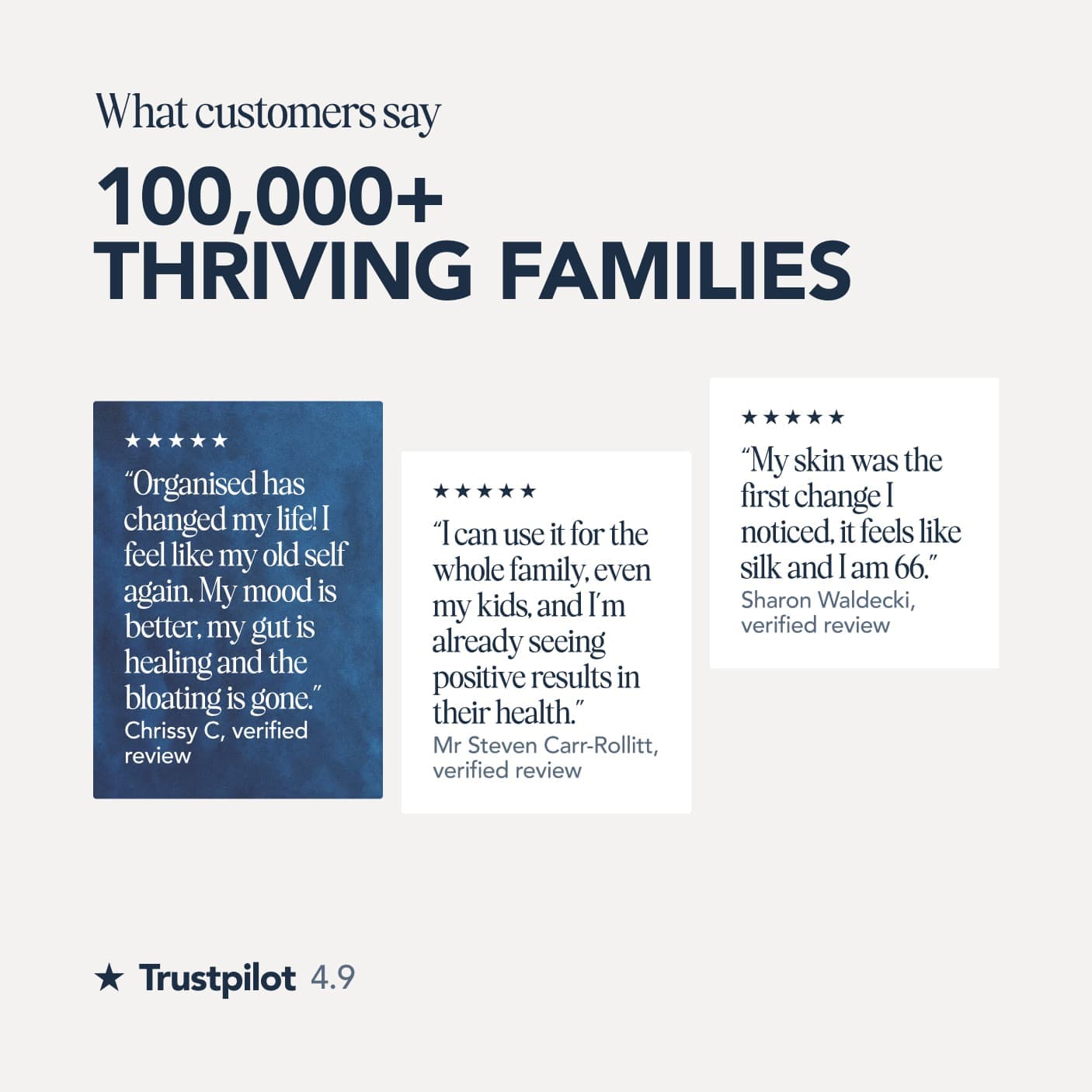
100,000+ thriving families4.9 on Trustpilot
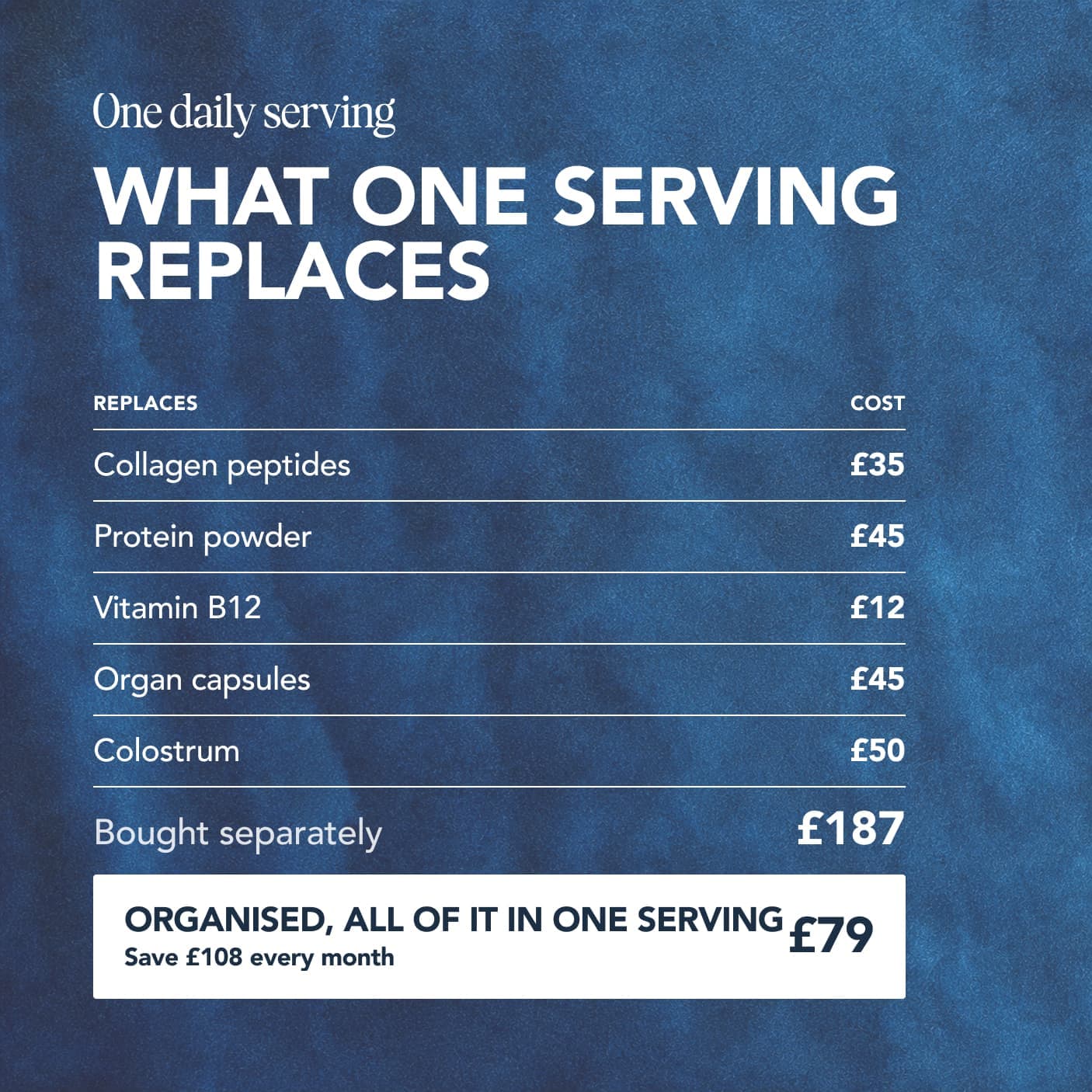
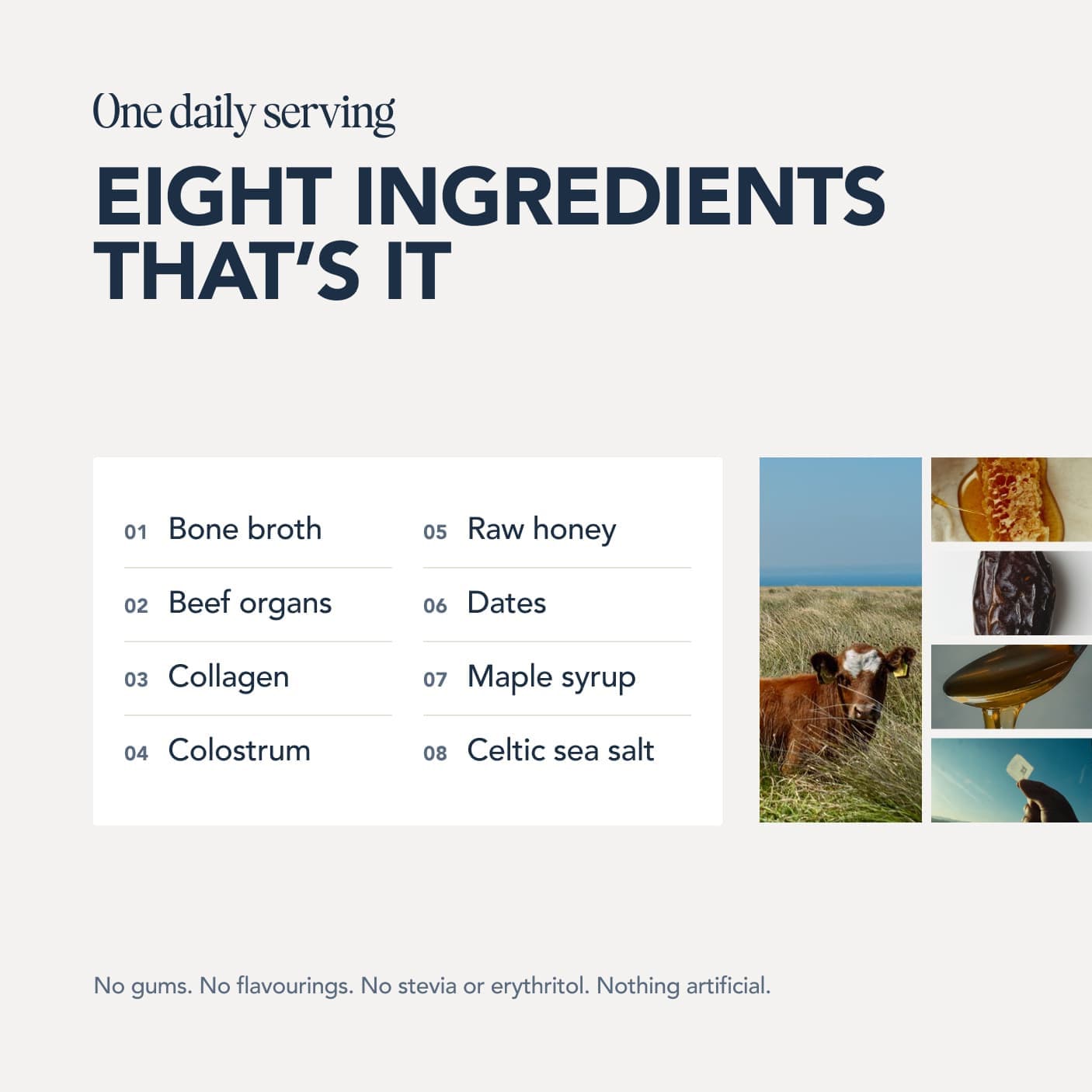
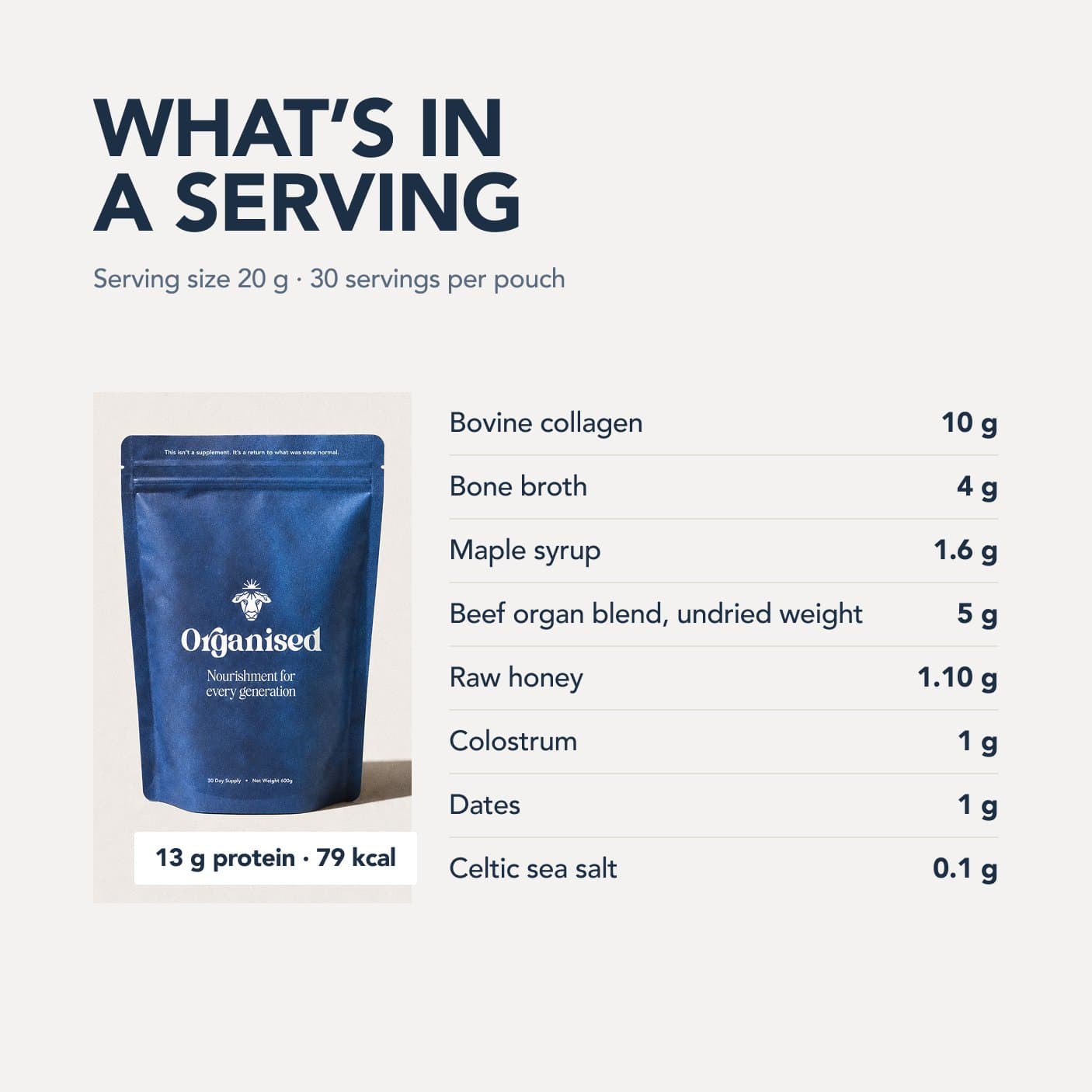
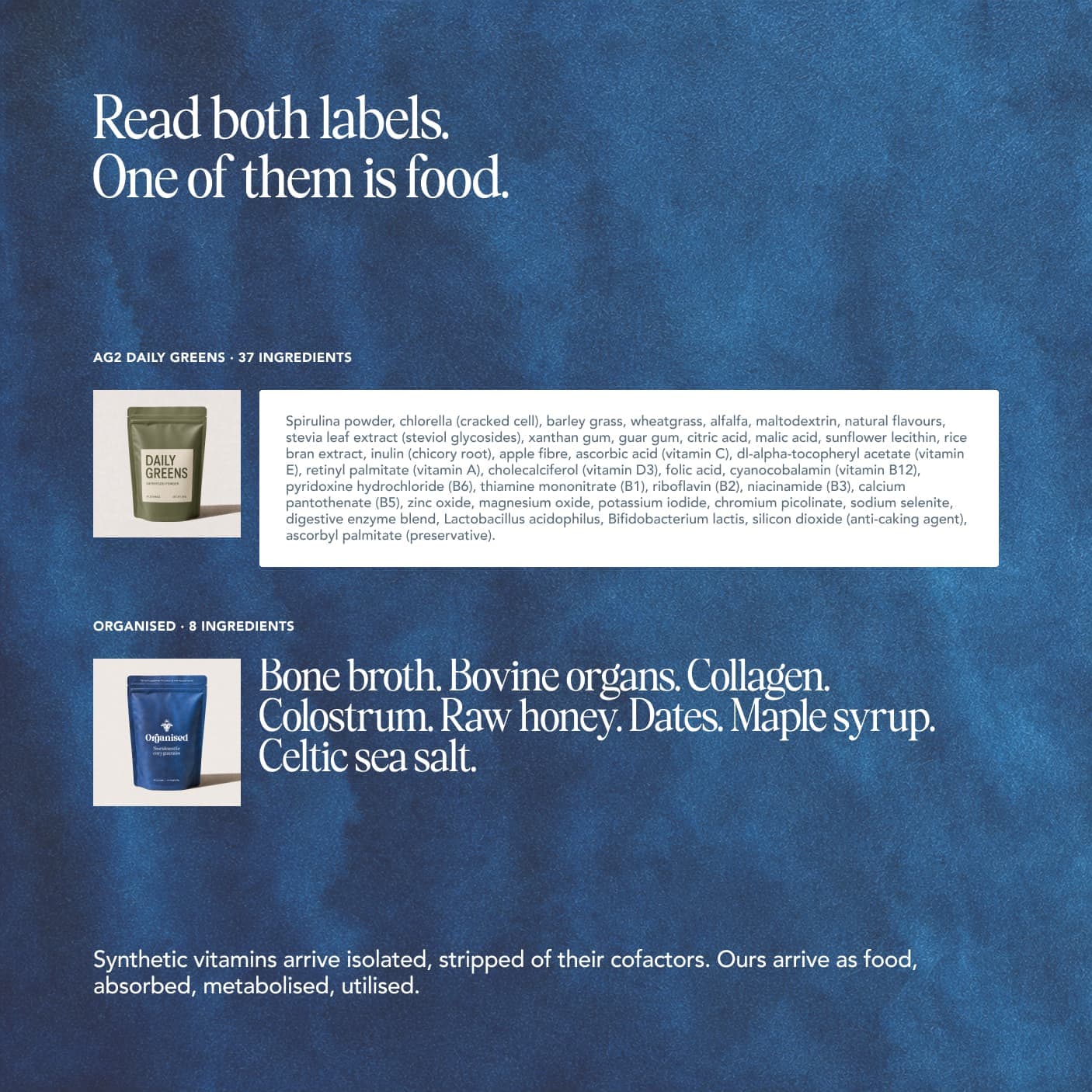
Eight real ingredients built around grass-fed beef organs, collagen and colostrum. Nothing synthetic added.
Free with your first order, worth £38. Plus £10 off the pouch with a subscription.

Free UK shipping · Made in England · 100 day money back guarantee on your first pouch · Skip, pause or cancel anytime
The bottom line
Pre-workout supplements are a solution to a problem you don't have. Performance requires fuel, caffeine, and micronutrients. All of these come from food, and food is cheaper and more effective than supplements.
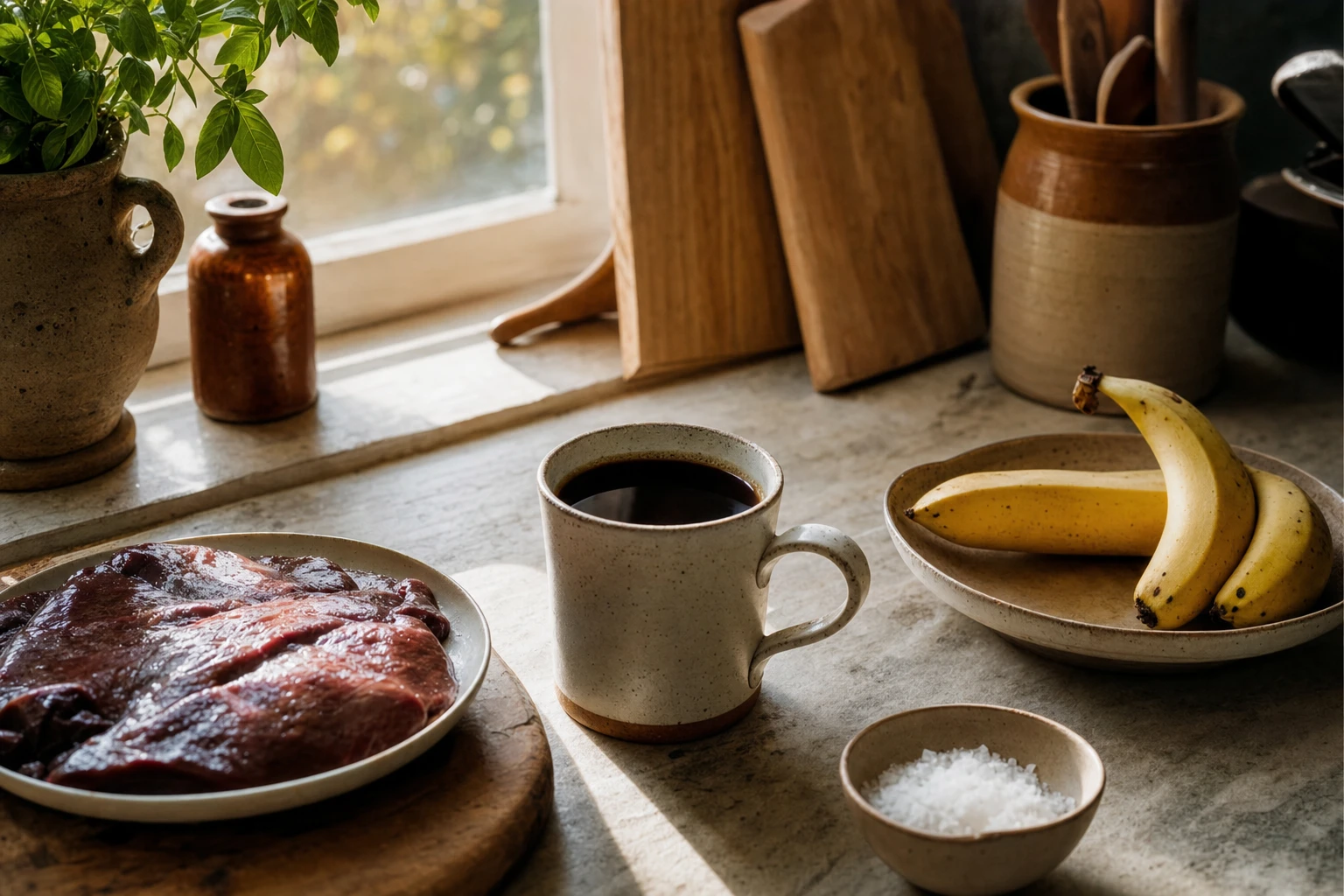
Black coffee. A banana. Raw honey. Sea salt. That's your pre-workout stack. No neon colours. No artificial sweeteners. No chemicals you can't pronounce.
Your performance will improve. Your wallet will thank you. And you won't be consuming things designed for shelf stability rather than human health.
References
Every source below was checked on 27 August 2026. Each PubMed, PMC and DOI identifier was resolved against NCBI or Crossref, and what it opens is printed under the citation, so you can see the link goes where the citation says without leaving the page. Where a citation and its identifier disagreed, the citation was corrected to the record or the reference was deleted along with the sentence marker that pointed at it, and where the resolved paper turned out not to support the sentence, the sentence was cut back to what it does support. Borrowed authority is worse than none, because it looks like rigour.
- Grgic J, et al. Wake up and smell the coffee: caffeine supplementation and exercise performance. Br J Sports Med. 2020. PMID 30926628.Checked 27 August 2026: PMID 30926628 opens Grgic J, Grgic I, Pickering C et al, Wake up and smell the coffee: caffeine supplementation and exercise performance-an umbrella review of 21 published meta-analyses. Br J Sports Med 2020;54(11):681-688. PubMed indexes it as: Meta-Analysis, Systematic Review.The authors' own declaration, from the record: Competing interests: None declared.
- Suez J, et al. Personalized microbiome-driven effects of non-nutritive sweeteners on human glucose tolerance. Cell. 2022. PMID 35987213.Checked 27 August 2026: PMID 35987213 opens Suez J, Cohen Y, Valdés-Mas R et al, Personalized microbiome-driven effects of non-nutritive sweeteners on human glucose tolerance. Cell 2022;185(18):3307-3328.e19. PubMed indexes it as: Randomized Controlled Trial.The authors' own declaration, from the record: Declaration of interests E.S. is a scientific co-founder of DayTwo. E.E. is a scientific co-founder of DayTwo and BiomX, and a paid consultant to Hello Inside and Aposense. E.E. is a member of the Cell scientific advisory board.
- USDA FoodData Central. Beef liver, raw. fdc.nal.usda.gov.
Corrections
What this page used to say, and why it no longer says it. Corrections are dated and are never removed, because deleting the record of an error is a second error. Every guide we have corrected is listed at our corrections log.
- 27 August 2026. “Artificial colours and dyes… are banned in several European countries” was removed. We have no source for it.
- 27 August 2026. Aspartame was named alongside sucralose as disrupting glucose metabolism. In the trial cited (Suez et al., Cell 2022) all four sweeteners altered the microbiome but only saccharin and sucralose significantly impaired glycemic responses. Aspartame was one of the two that did not, and the page now says so.
Who wrote and reviewed this guide
Niall Kiddle
Author · Founder, Organised
Niall is the founder of Organised. He started the company in 2024 after fixing his own health the slow way: in 2022 he swapped a cupboard of synthetic supplements for real food, raw milk, organ meats, bone broth and honey, and felt the difference within months.
Areas of expertise: Ancestral nutrition, Organ meats, Whole-food supplementation, Gut health, Regenerative sourcing
Read Niall's full profile
Pedro Rodrigues
Reviewer · Agronomist (farming and sourcing only)
Pedro is the agronomist Organised works with on farming and sourcing. His job on the guides is to keep the science honest: he reviews what we publish about soil health, regenerative agriculture, grazing and the way food is actually produced.
Areas of expertise: Regenerative agriculture, Agronomy, Soil health, Grass-fed farming, Food sourcing
Reviewed this guide on
Read Pedro's full profileMore on sports & performance
View allBrowse the guides library
All guidesKeep reading

Health goals
What to Eat Before Bed for Better Sleep
Your sleep quality is determined by what you ate at dinner. Discover which foods naturally support deep sleep, from bone broth to tart cherry.
Health goals
Psoriasis and Nutrition: What Helps and What Hinders
Manage psoriasis with targeted nutrition: vitamin D, omega-3 balance, zinc, elimination trials. Complementary to medical care.
Health goals
PCOS and Nutrition: A Whole Food Approach
Manage PCOS through nutrition by tackling insulin resistance and inflammation. See how nutrient-dense whole foods help restore insulin sensitivity.
Real food, made effortless
Start my daily blendA few ways to use it
All recipes
Organ Bolognese: The Family Dinner That Heals
Practical organ meat recipe using fresh beef liver and heart. Family-friendly bolognese that bridges supplements to whole food.
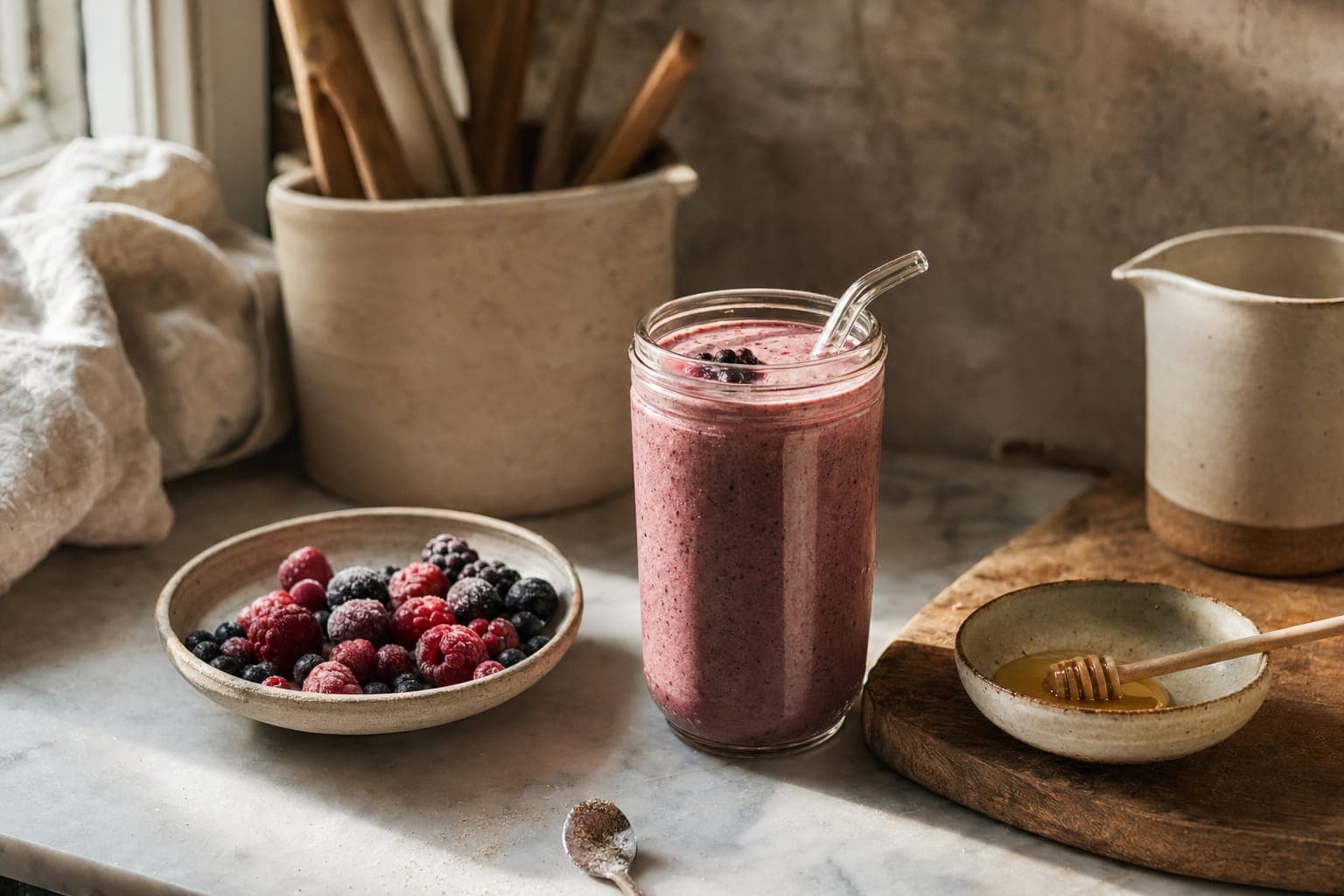
The Organised Recovery Smoothie for After Exercise
A recovery smoothie made with beef protein, raw milk, frozen berries, collagen, and honey. Optimal nutrition in the 30-minute window after exercise.
Gut-Healing Marshmallows with Collagen and Raw Honey
Learn to make gut-healing marshmallows with collagen and raw honey. A shareable treat that sneaks nutrition into every bite. Easy recipe with video tips.


 Join over 100,000+ members
Build a better food system with us
The Organised community is thousands of people choosing real food and backing the farmers who grow it, all of us trying to leave the world a little better than we found it. If that is what you care about too, you belong here.