How Colostrum Trains Your Immune System
Your immune system isn't a fortress that needs boosting. It's a learning system that needs training. That's where colostrum comes in. The first milk a mother produces after birth is packed with information. It's liquid immune education, teaching the newborn's gut which molecules are food, which are threats, and how to respond appropriately. That same education is available to you as an adult.
By Niall Kiddle, Founder, Organised

Reviewed by Pedro Rodrigues, Agronomist (farming and sourcing only) ·
6 min read · Published · Updated · 4 cited sources
Makers of the Organised Daily blend, a grass-fed beef organ supplement from regenerative UK farms
Your immune system isn't a fortress that needs boosting. It's a learning system that needs training.
That's where colostrum comes in. The first milk a mother produces after birth is packed with information. It's liquid immune education, teaching the newborn's gut which molecules are food, which are threats, and how to respond appropriately. That same education is available to you as an adult.
Immune training, not boosting
The wellness industry talks about immune boosting. Boost your immunity. Strengthen your immune response. This is backwards thinking. An immune system that's too strong becomes allergic and autoimmune. An immune system that's appropriately calibrated responds to genuine threats and tolerates benign exposure.
Colostrum doesn't boost immunity. It trains it. It teaches your immune system what deserves a response and what doesn't. This is called immune tolerance. It's the difference between a healthy immune system and an overactive, inflamed one.
Colostrum trains your immune system to respond appropriately. Not to attack everything. Not to miss real threats. To discriminate.
The newborn's immune system is naive. It's never encountered bacteria, viruses, food proteins. Colostrum is the guidebook. It contains antibodies (immunoglobulins) that coat the infant's intestine and teach it, passively, what the mother has encountered and tolerated. The baby absorbs this information and builds its own immune responses based on this education.
As an adult, your immune system is already trained. But it may be over-trained, inflammatory, reactive. It may be attacking things that aren't actually threatening: food, pollen, your own tissues. Colostrum retrains it. It reminds the gut, and through the gut, the whole immune system, what genuine threats look like versus what benign exposure looks like.
How colostrum speaks to the gut
Your gut is the immune system's classroom. Seventy percent of your immune system lives in the gut lining. Every molecule of food, every bacterium, every virus your immune cells encounter first in the gut. The gut decides the initial immune response. That response shapes the whole system.
Colostrum is rich in immunoglobulin A (IgA), an antibody that coats the intestinal lining.1 IgA doesn't kill pathogens. It marks them. It says to the immune system, "I've seen this before. The appropriate response is tolerance." When the gut sees these marked molecules, it tolerates them, doesn't attack.
This is crucial for people with food sensitivities and autoimmune conditions. The gut lining has become hyper-reactive. It's attacking molecules it shouldn't. Colostrum recoats the lining with IgA and retrains the local immune response.
Colostrum teaches the gut what to attack and what to allow. The gut teaches the whole immune system.
Colostrum also contains lactoferrin, a protein that supports healthy bacteria whilst resisting pathogenic bacteria.2 It's selectivity. Not sterilisation. The point is not to eliminate all bacteria. The point is to build a bacterial community that's beneficial, resilient, and trained to recognise threats.
Immunoglobulins and tolerance
Colostrum contains five classes of immunoglobulins: IgA, IgG, IgM, IgD, IgE. Each has a specific role. IgA coats the gut. IgG circulates in the bloodstream. IgM is the rapid-response antibody. IgD helps with immune memory. IgE is involved in allergic responses.
When you consume colostrum, you're not absorbing intact antibodies as an adult. Your stomach breaks them down. But the amino acids and peptide fragments they release still carry immune signalling information. They still teach the gut and immune system how to respond.
Additionally, colostrum is rich in growth factors, particularly insulin-like growth factor (IGF-1) and transforming growth factor (TGF-beta). These factors support the repair and training of the intestinal lining.1 They signal the immune cells to calm down, to become more tolerant, less reactive.
Colostrum is immune communication. It tells your gut and your immune system how to behave.
For people with leaky gut, food sensitivities, or autoimmune conditions, this is valuable. Colostrum supports the lining's physical integrity and trains the immune cells to be less reactive. Both are necessary for healing.

Get health guides like this, free
Two short reads a week on eating for energy, gut health, skin, sleep and more.
By signing up you agree to receive emails from us. No spam, unsubscribe anytime.
The barrier function
Your intestinal lining is a selective barrier. Small molecules pass through. Large molecules, pathogens, and food proteins are held back. When this barrier breaks down (leaky gut), large molecules cross the lining and trigger immune responses. Food becomes an allergen because the barrier is compromised, not because the food is inherently dangerous.
Colostrum rebuilds this barrier. The growth factors in colostrum stimulate the cells that form the tight junctions, the seals between intestinal cells. Glutamine, an amino acid found in colostrum, fuels the energy-intensive process of barrier repair. Zinc, also present, is essential for cell division and barrier maintenance.3
When the barrier is restored and the immune system is retrained via IgA and the growth factors, food sensitivities often resolve. The food didn't change. The barrier and immune response did.
A healthy barrier means a calm immune system. Colostrum rebuilds both.
This process takes time. Intestinal cells are replaced every three to five days, but the immune retraining takes weeks.4 Consistent colostrum intake for eight to twelve weeks is the typical timeline for noticeable improvement in food sensitivities and inflammatory symptoms.
When colostrum works best
Colostrum is most effective when combined with dietary changes. Removing the inflammatory foods that triggered the leaky gut in the first place (seed oils, ultra-processed foods, excess sugar) while simultaneously taking colostrum creates the optimal environment for healing. It's colostrum plus clean food, not colostrum as a band-aid for continued inflammatory eating.
It works best for people with food sensitivities, autoimmune flares, and chronic digestive inflammation. Less effective for acute infections. Not a replacement for sleep, stress management, and real food.
Colostrum vs supplements
This is the critical distinction: colostrum is food information, not a drug. It's not fighting inflammation. It's teaching your immune system to stop fighting benign things. This is fundamentally different from anti-inflammatory supplements that suppress immune response.
Turmeric supplements reduce inflammation broadly. Colostrum teaches your immune system to be less reactive. The first fixes the symptom. The second fixes the cause.
This is why colostrum works so well for autoimmune conditions and food sensitivities. It's addressing the core issue: immune miseducation and barrier breakdown. Not suppressing the immune response, but retraining it to respond appropriately.
1 of 9
Daily blend
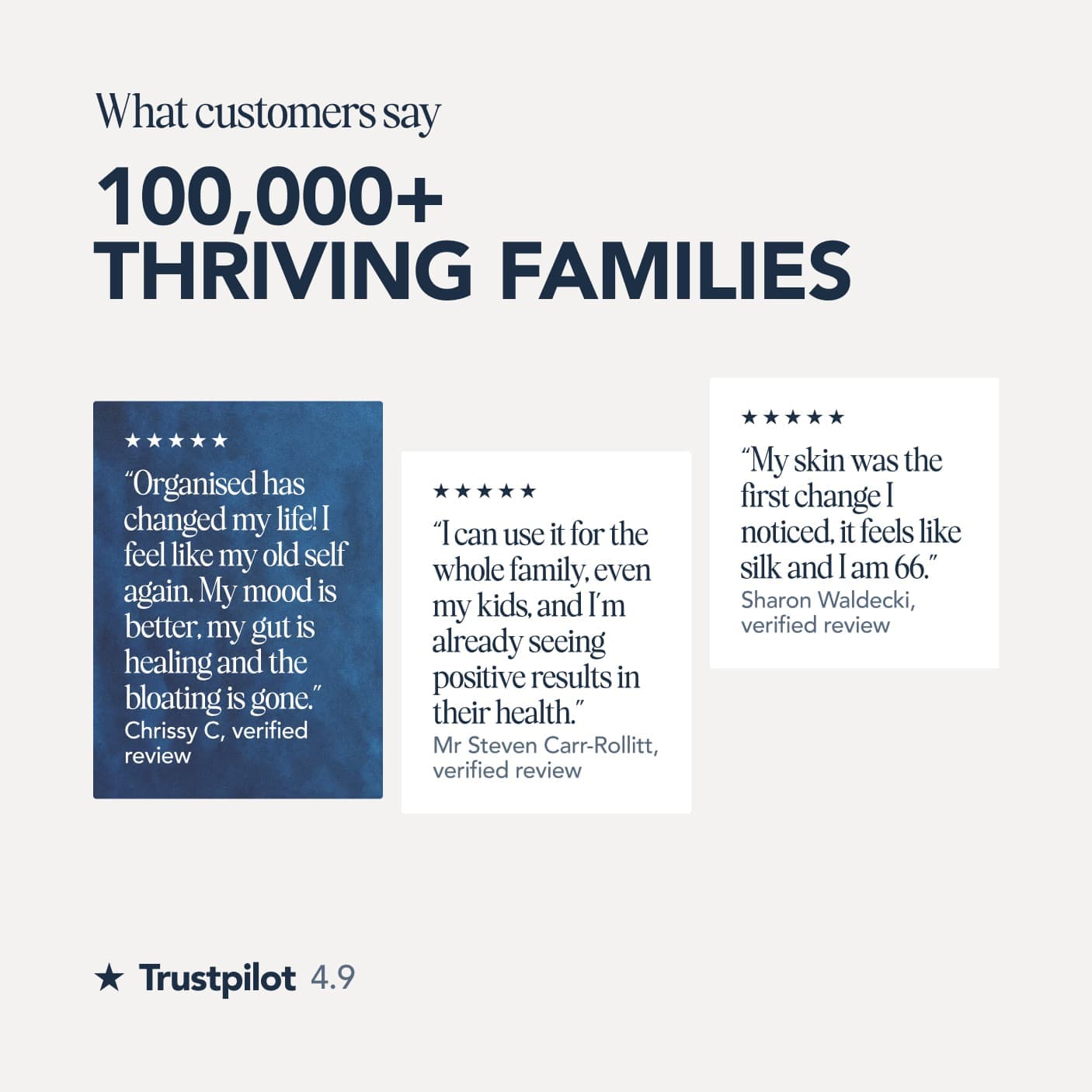
100,000+ thriving families4.9 on Trustpilot
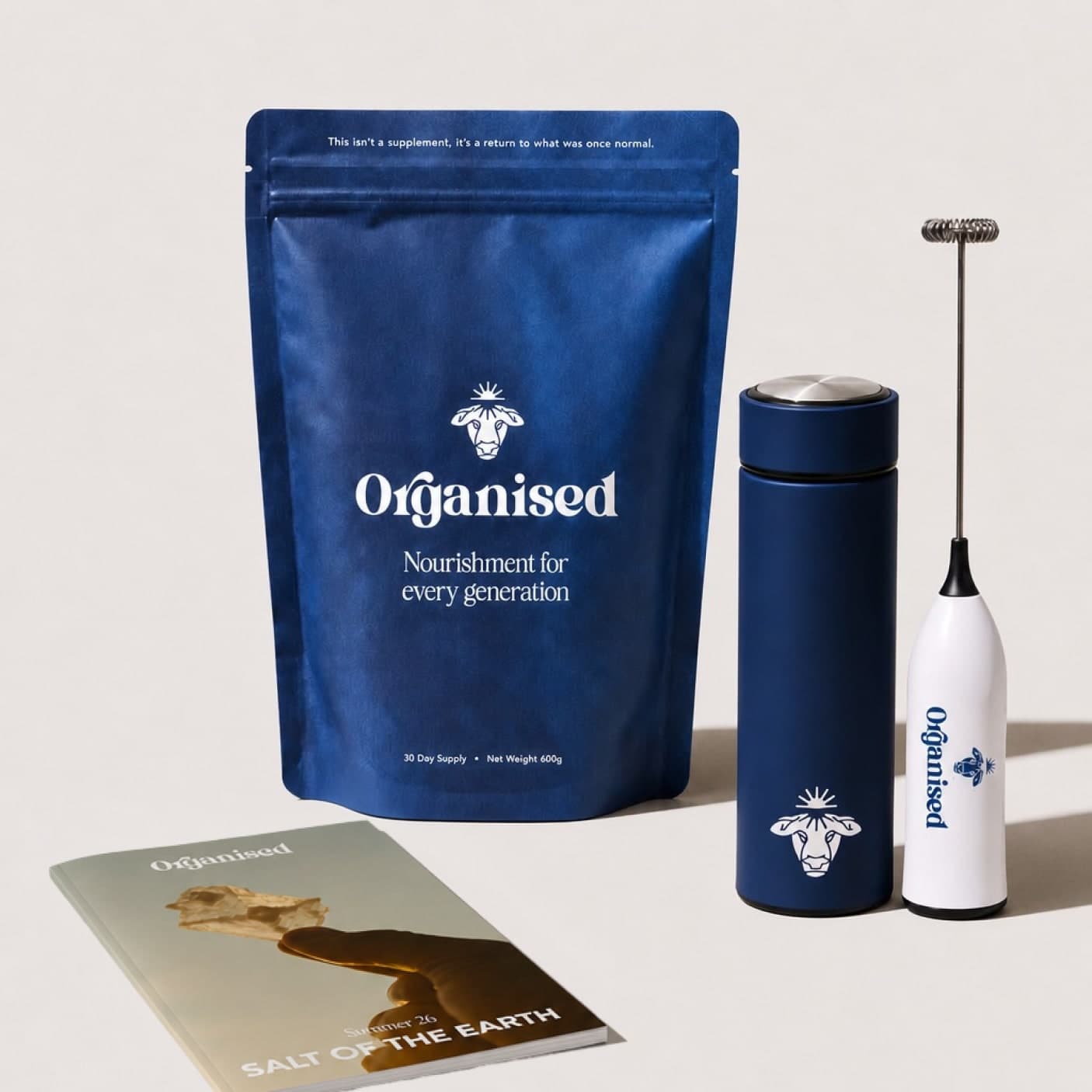
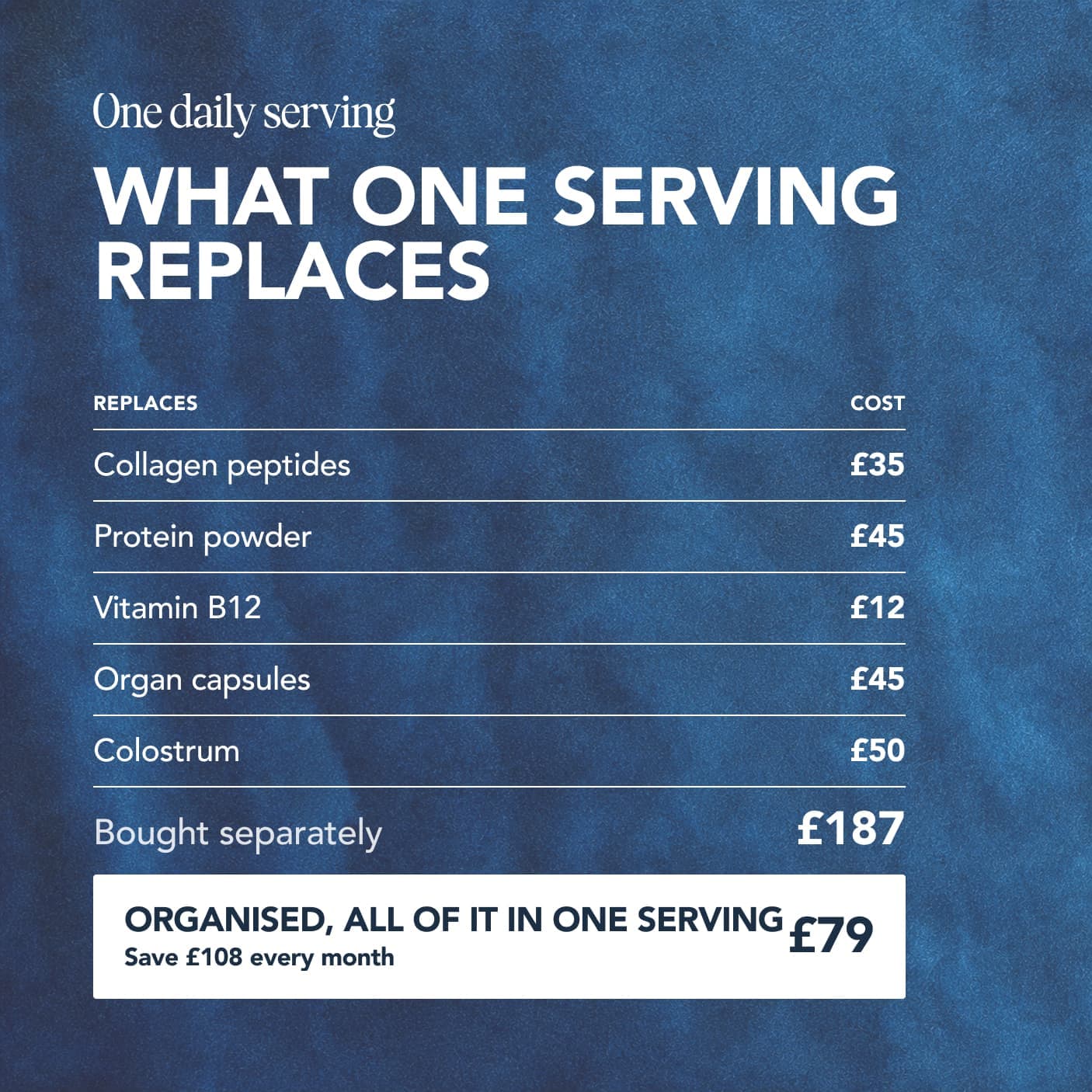
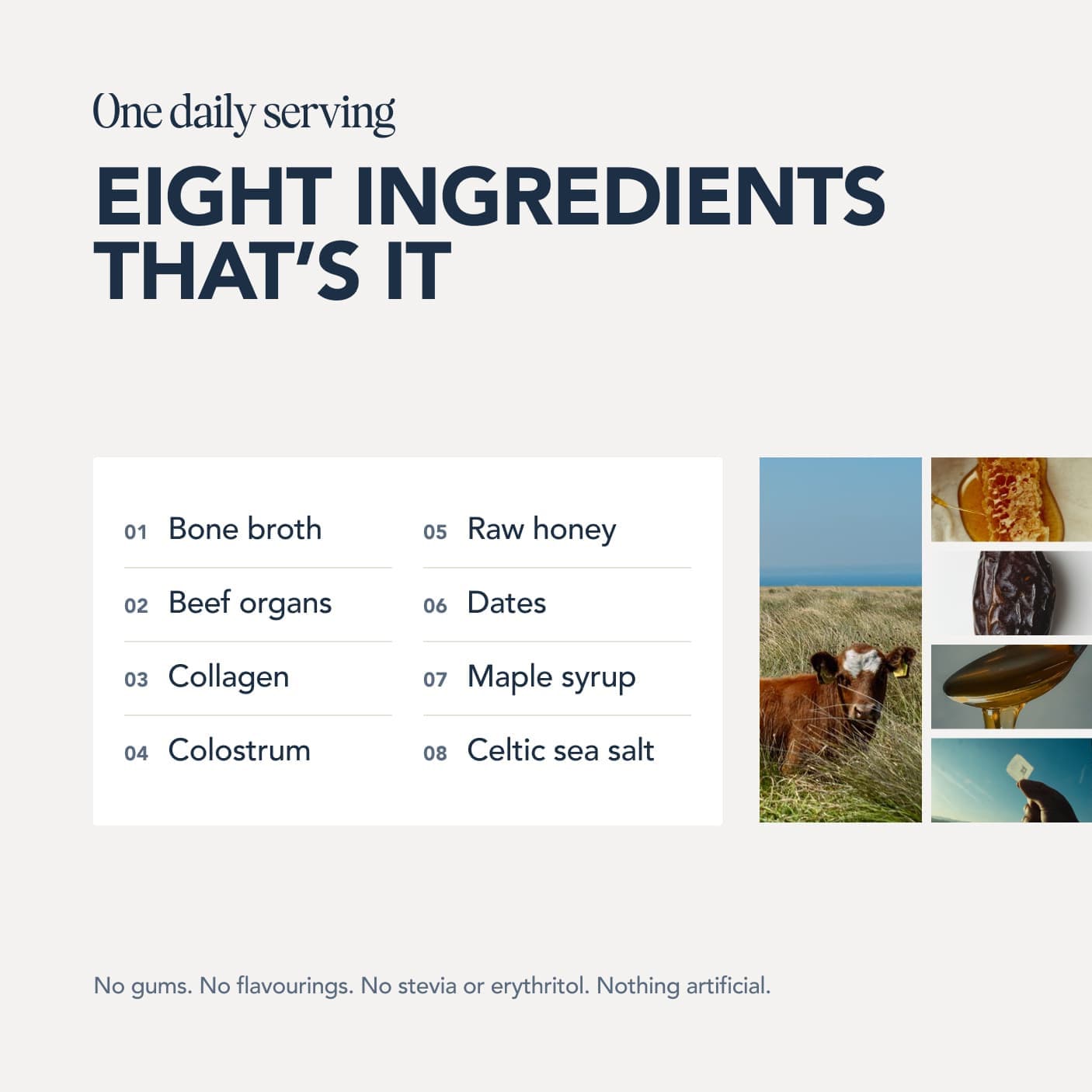
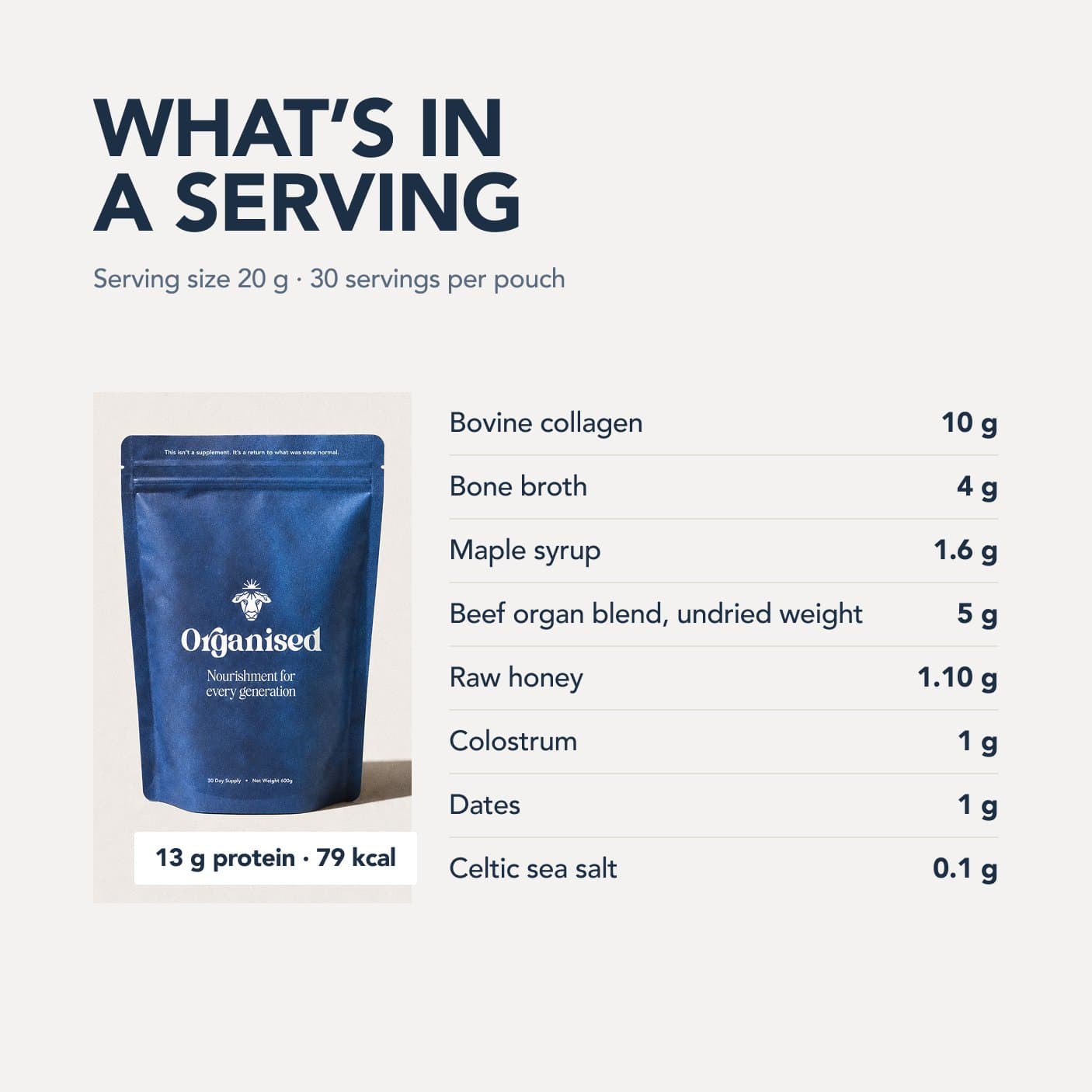
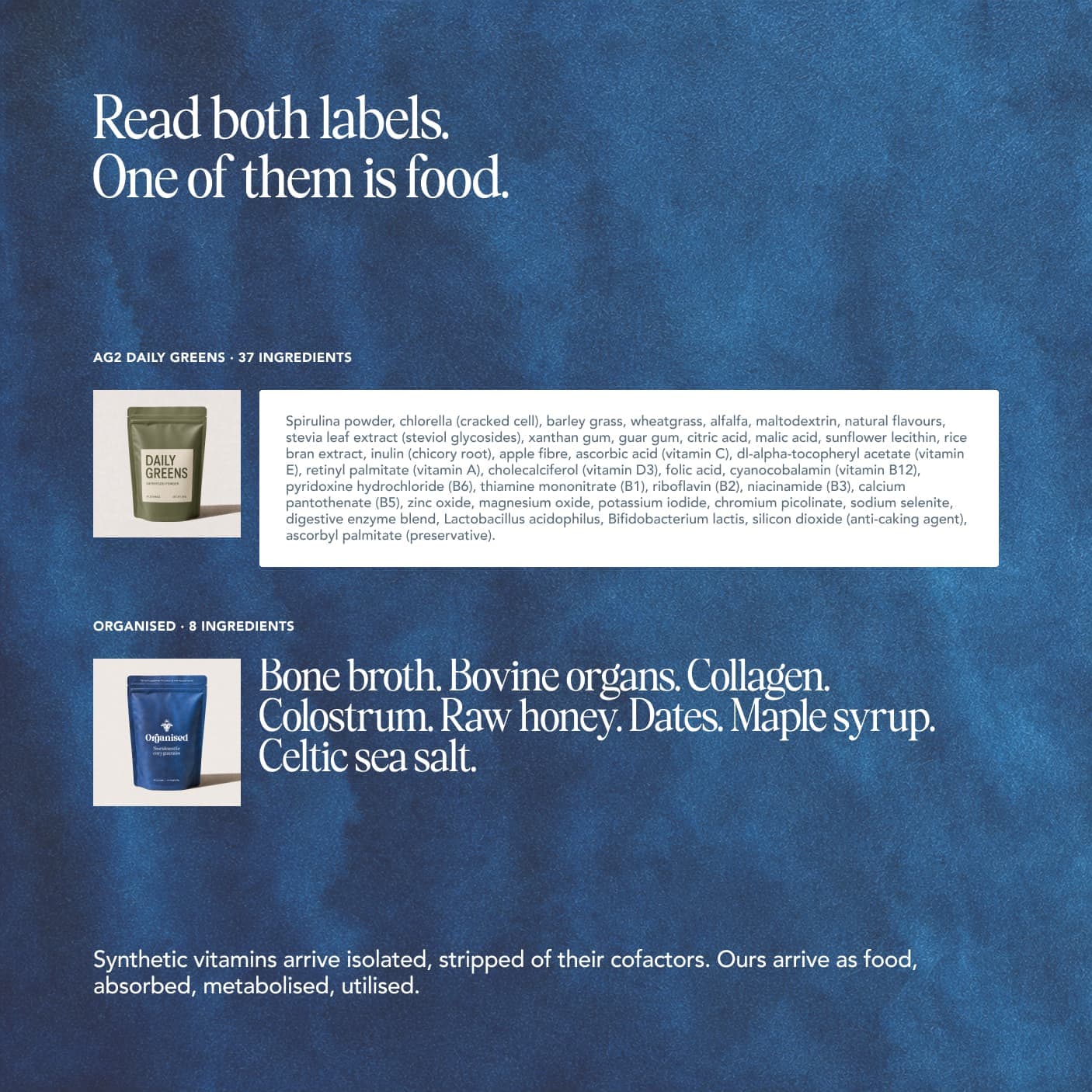
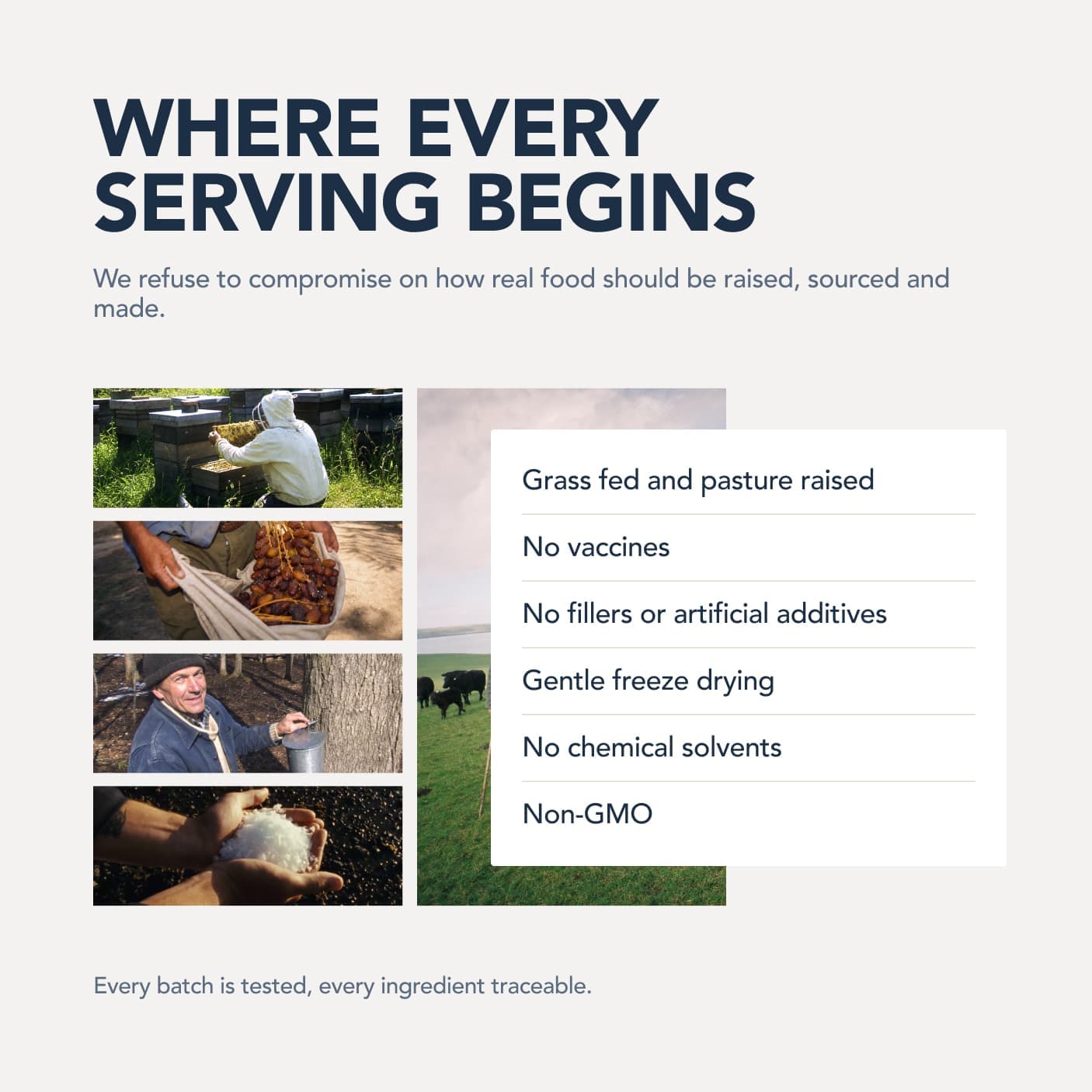
Eight real ingredients built around grass-fed beef organs, collagen and colostrum. Nothing synthetic added.
Free with your first order, worth £38. Plus £10 off the pouch with a subscription.
Free UK shipping · Made in England · 100 day money back guarantee on your first pouch · Skip, pause or cancel anytime
Real-world results
People with celiac disease can't eat gluten ever. But people with gluten sensitivity sometimes find that after colostrum treatment plus healing foods and stress management, they can tolerate gluten again. Not because they've cured celiac (which is different), but because they've reduced intestinal inflammation and retrained their immune response.
Women with severe PMS symptoms driven by gut dysbiosis often find that colostrum, combined with dietary changes, reduces hormone-driven inflammation. When the gut barrier is healthy and the bacterial community is beneficial, hormone metabolism improves.
Colostrum is not magic. Combined with real food, stress management, and sleep, it accelerates immune healing. On its own, without those foundations, it's less effective.
The bottom line
Colostrum doesn't boost immunity in the sense of making you stronger and more aggressive. It trains immunity. It educates your immune system to respond appropriately to genuine threats whilst tolerating benign exposure. It rebuilds the intestinal barrier that's often compromised from years of inflammatory foods and chronic stress.
For someone with food sensitivities, autoimmune tendencies, or chronically inflamed digestion, bovine colostrum is one of the few supplements that actually works because it addresses the root cause: immune miseducation and barrier breakdown. The immune system doesn't need boosting. It needs training. Colostrum is the teacher.
References
Every source below was checked on 27 August 2026. Each PubMed, PMC and DOI identifier was resolved against NCBI or Crossref, and what it opens is printed under the citation, so you can see the link goes where the citation says without leaving the page. Where a citation and its identifier disagreed, the citation was corrected to the record or the reference was deleted along with the sentence marker that pointed at it, and where the resolved paper turned out not to support the sentence, the sentence was cut back to what it does support. Borrowed authority is worse than none, because it looks like rigour.
- Playford RJ, Weiser MJ. Bovine Colostrum: Its Constituents and Uses. Nutrients. https://pmc.ncbi.nlm.nih.gov/articles/PMC7831509/ [accessed May 2026].Checked 27 August 2026: PMC7831509 opens Playford RJ, Weiser MJ, Bovine Colostrum: Its Constituents and Uses. Nutrients 2021;13(1). PubMed indexes it as: Review.The authors' own declaration, from the record: PanTheryx Inc supply BC to U.S., European, and Asia-Pacific markets. This does not affect our adherence to the Nutrients policies regarding sharing data and materials.
- Legrand D. Overview of Lactoferrin as a Natural Immune Modulator. J Pediatr. https://pubmed.ncbi.nlm.nih.gov/27234406/ [accessed May 2026].Checked 27 August 2026: PMID 27234406 opens Legrand D, Overview of Lactoferrin as a Natural Immune Modulator. J Pediatr 2016;173 Suppl:S10-5. PubMed indexes it as: Review.
- National Institutes of Health, Office of Dietary Supplements. Zinc - Health Professional Fact Sheet. https://ods.od.nih.gov/factsheets/Zinc-HealthProfessional/ [accessed May 2026].
- Williams JM, Duckworth CA, Burkitt MD, et al. Epithelial Cell Shedding and Barrier Function. Vet Pathol. https://pmc.ncbi.nlm.nih.gov/articles/PMC4441880/ [accessed May 2026].Checked 27 August 2026: PMC4441880 opens Williams JM, Duckworth CA, Burkitt MD et al, Epithelial cell shedding and barrier function: a matter of life and death at the small intestinal villus tip. Vet Pathol 2015;52(3):445-55.The authors' own declaration, from the record: Declaration of Conflicting Interests: The author(s) declared no potential conflicts of interest with respect to the research, authorship, and/or publication of this article.
Who wrote and reviewed this guide
Niall Kiddle
Author · Founder, Organised
Niall is the founder of Organised. He started the company in 2024 after fixing his own health the slow way: in 2022 he swapped a cupboard of synthetic supplements for real food, raw milk, organ meats, bone broth and honey, and felt the difference within months.
Areas of expertise: Ancestral nutrition, Organ meats, Whole-food supplementation, Gut health, Regenerative sourcing
Read Niall's full profile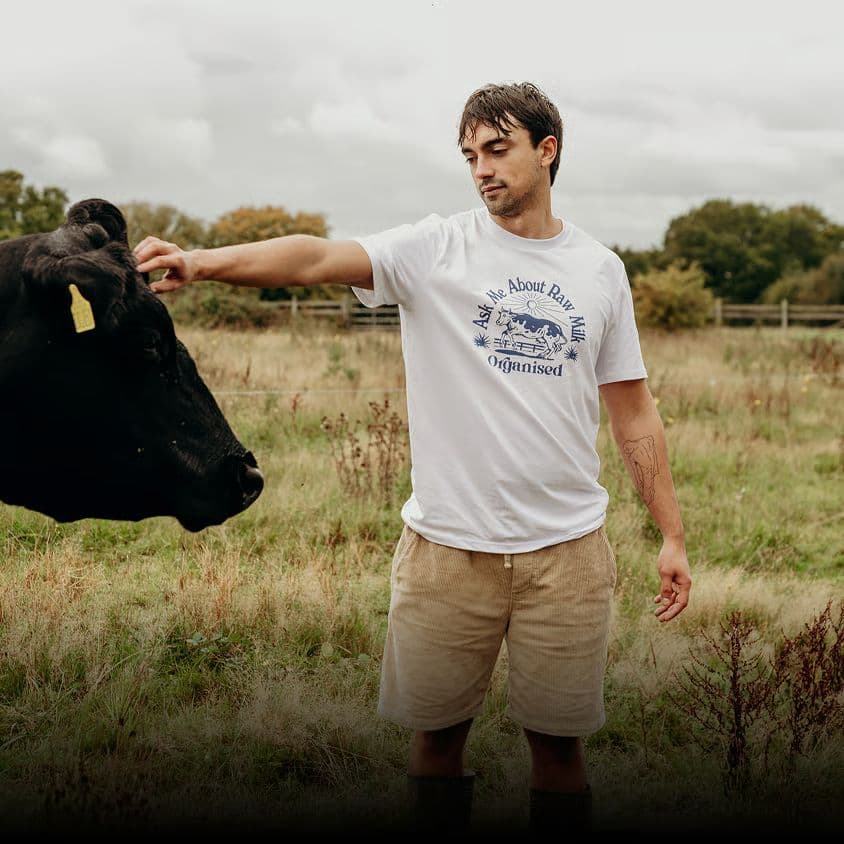
Pedro Rodrigues
Reviewer · Agronomist (farming and sourcing only)
Pedro is the agronomist Organised works with on farming and sourcing. His job on the guides is to keep the science honest: he reviews what we publish about soil health, regenerative agriculture, grazing and the way food is actually produced.
Areas of expertise: Regenerative agriculture, Agronomy, Soil health, Grass-fed farming, Food sourcing
Reviewed this guide on
Read Pedro's full profileMore on immunity
View all- Building Immune Resilience with Whole Food Nutrition
- Autoimmune Conditions and Nutrition: What the Research Shows
- Seasonal Illness: A Whole Food Survival Kit
- The Best Nutrients for Fighting Off Colds and Flu
- Vitamin D and Immunity: Why Winter Is a Risky Time
- Why Zinc Is the Most Underrated Immune Nutrient
Browse the guides library
All guidesKeep reading

Health goals
Vitamin D and Immunity: Why Winter Is a Risky Time
Winter is vitamin D crisis season in the UK. Here's how deficiency breaks your immunity and what you need to do about it.
Health goals
How Nutrient Deficiencies Drive Overeating
You overeat because you're undernourished. Your body is asking for minerals and protein, not calories. Here's how to stop.
Health goals
Mitochondrial Health: The Key to Ageing Well
Ageing is mitochondrial decline. Here's how to keep your powerhouse cells working and what that means for longevity and vitality.
Real food, made effortless
Start my daily blendA few ways to use it
All recipes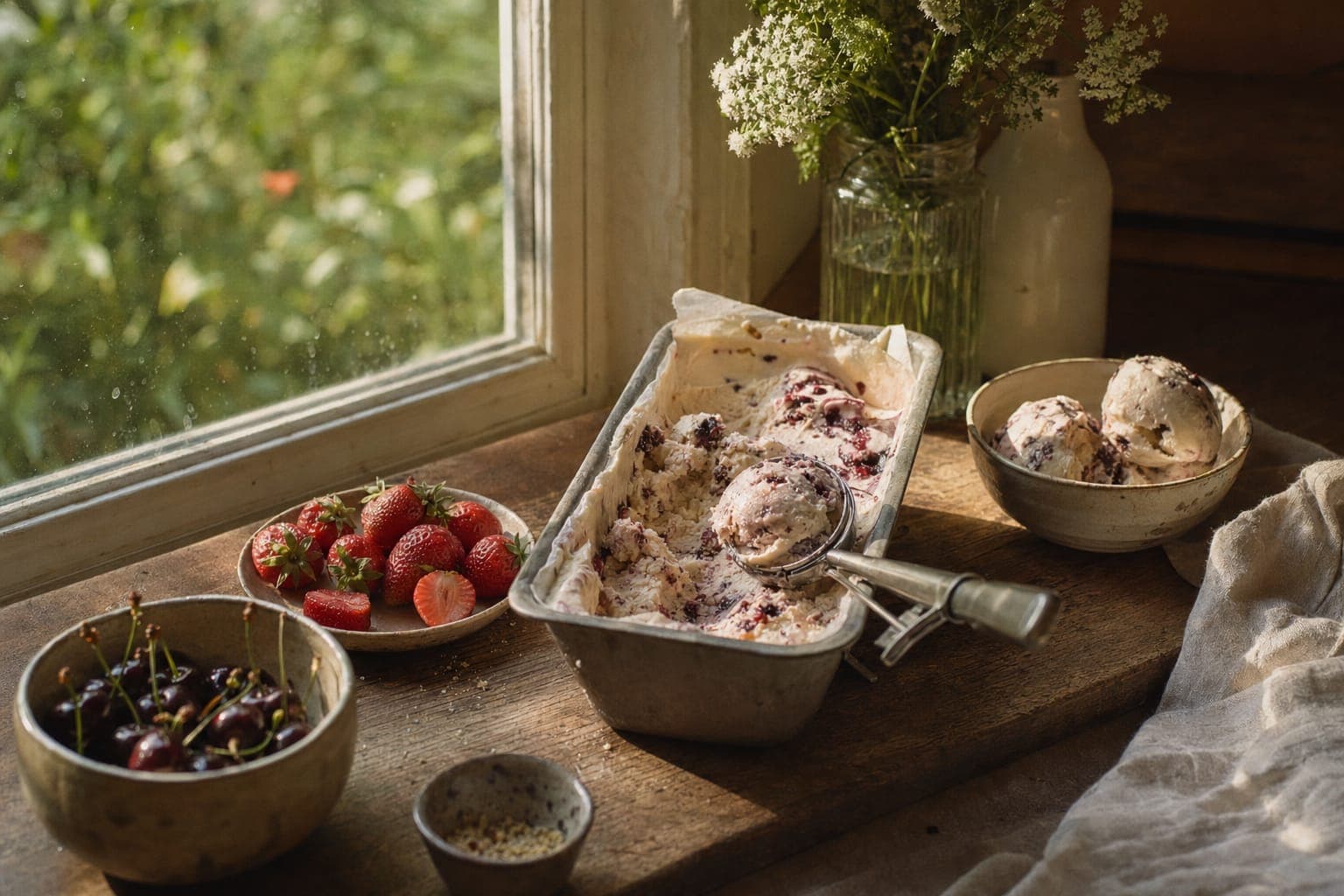
Raw Milk Ice Cream with Organised
Make raw milk ice cream at home with Organised for a seasonal, nutrient-dense treat. Three simple flavours to try whenever the craving strikes.
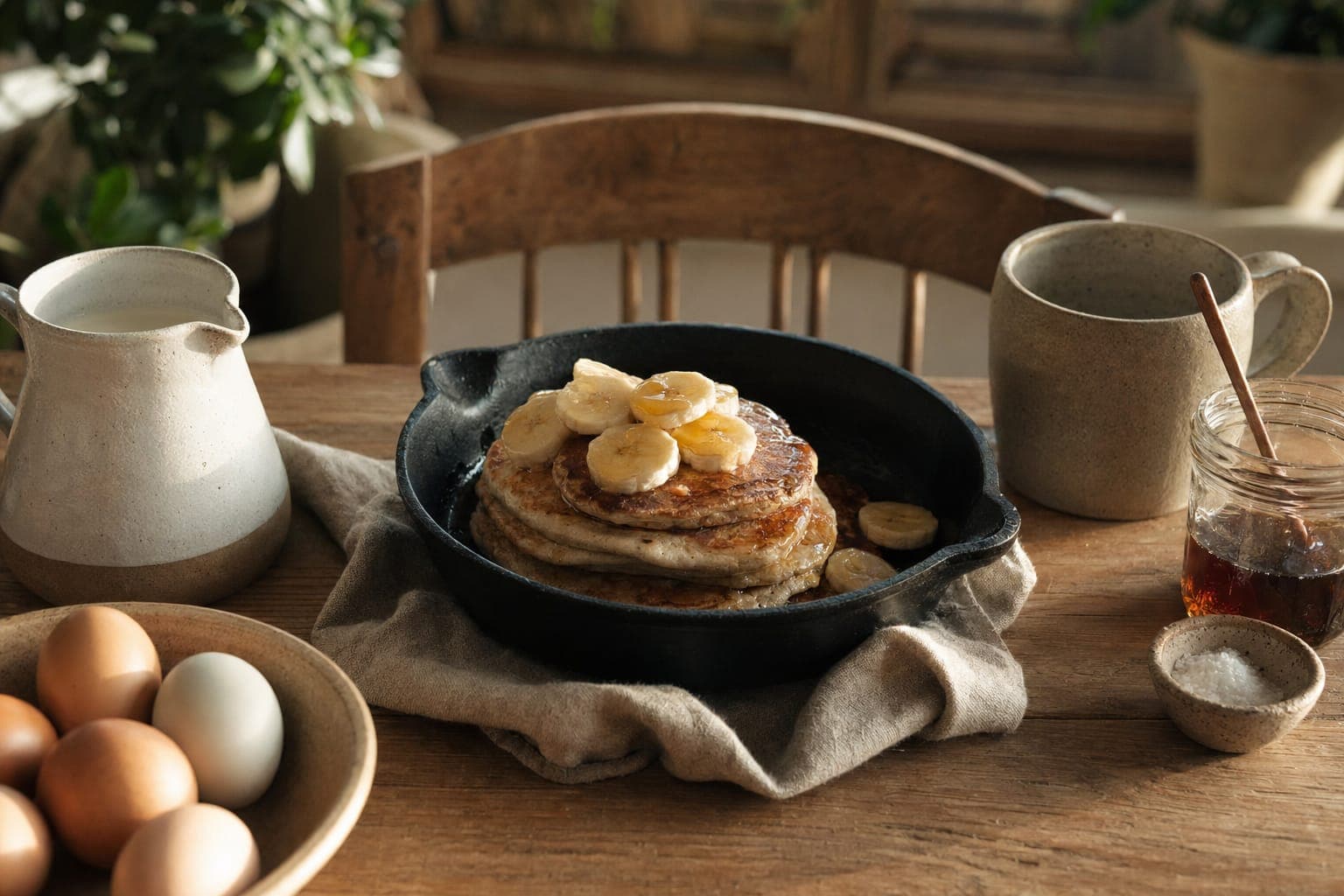
Organised Protein Pancakes: A Weekend Favourite
A high-protein pancake recipe using beef protein, eggs, and raw milk. Cooked in cast iron, naturally sweetened with banana and honey. Real food breakfast.
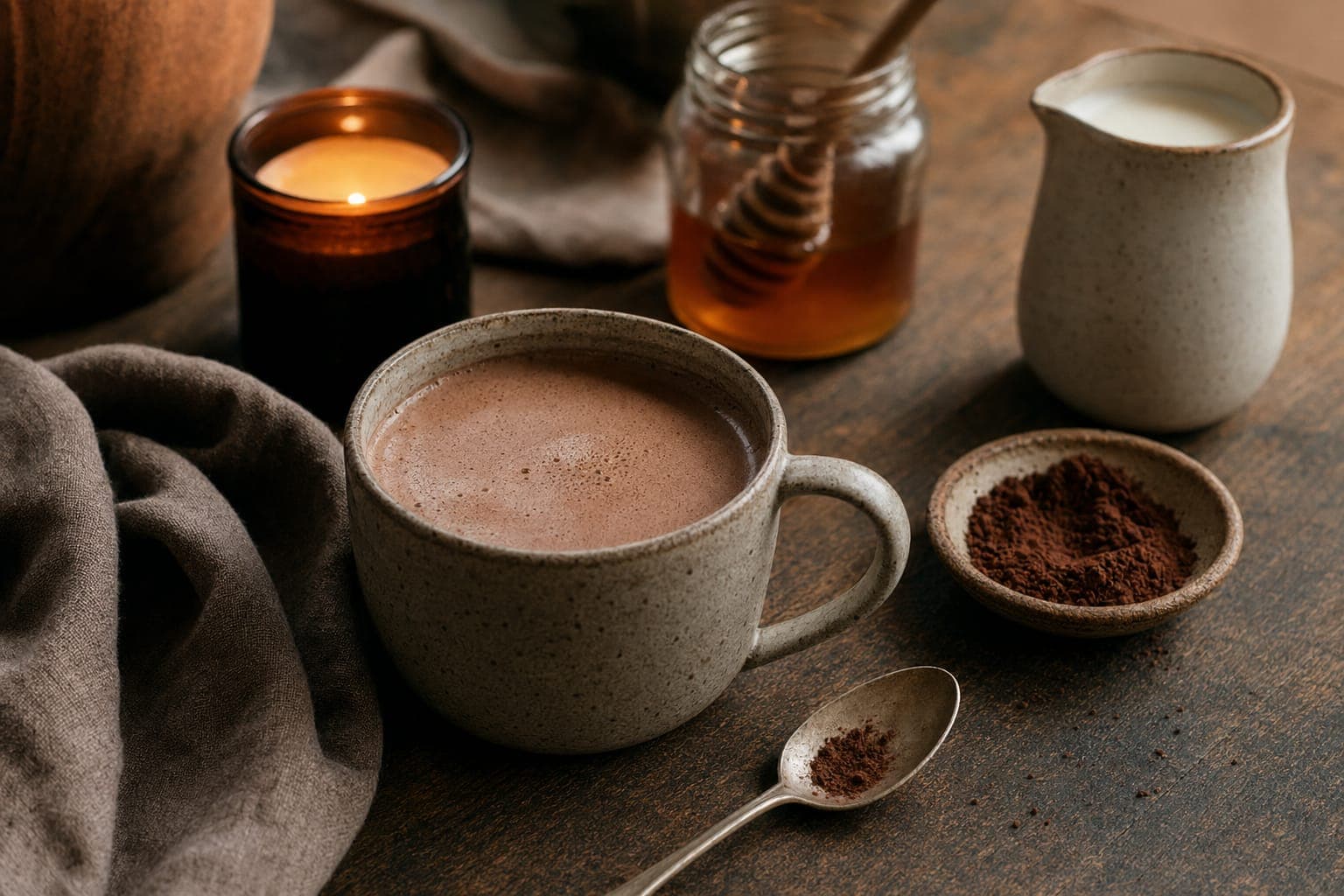
Raw Milk Hot Chocolate with Collagen
A nourishing evening hot chocolate made with raw milk, grass-fed collagen, raw cacao, and honey. A nighttime ritual that supports sleep and gut health.


 Join over 100,000+ members
Build a better food system with us
The Organised community is thousands of people choosing real food and backing the farmers who grow it, all of us trying to leave the world a little better than we found it. If that is what you care about too, you belong here.