Dark Circles Under Your Eyes? It Might Be a Nutrient Deficiency
You look exhausted even after eight hours of sleep. Your concealer never quite covers the darkness. You might assume it's genetics or lack of sleep. But dark circles are information. They're often telling you that something is missing: iron, B12, folate, sleep quality, or allergy tolerance.
By Niall Kiddle, Founder, Organised

Reviewed by Pedro Rodrigues, Agronomist (farming and sourcing only) ·
6 min read · Published · Updated · 5 cited sources
Makers of the Organised Daily blend, a grass-fed beef organ supplement from regenerative UK farms

But dark circles are information. They're often telling you that something is missing: iron, B12, folate, sleep quality, or allergy tolerance.
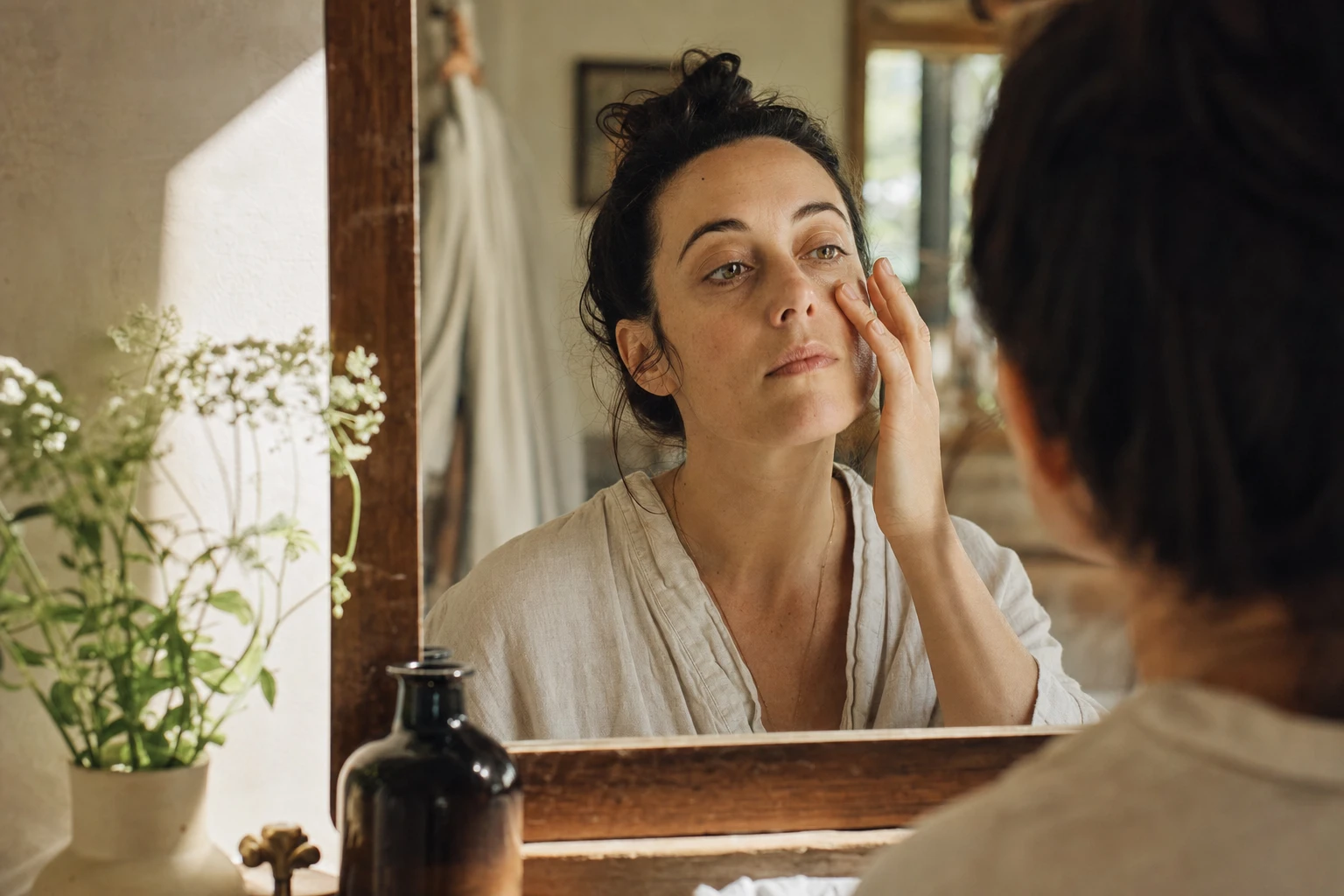
Why dark circles appear
The skin under your eyes is the thinnest skin on your body. The blood vessels are close to the surface. Dark circles appear when blood is pooling rather than flowing, when the tissue is inflamed, or when the skin is so pale (from anaemia) that the underlying blood vessels are visible in stark contrast.
Sleep deprivation increases cortisol and inflammatory markers.4 Your blood vessels dilate. Fluid pools under the eyes. That's one cause. But it's not the only one, and it's not the most addressable one.
Nutrient deficiencies contribute: iron deficiency causes anaemia and pale skin, making vessels more visible. B12 and folate deficiency impair energy production and cellular repair in the eye area. Allergies cause histamine release and blood vessel dilation. Liver congestion impairs lymphatic drainage. All of these show up under your eyes before anywhere else.
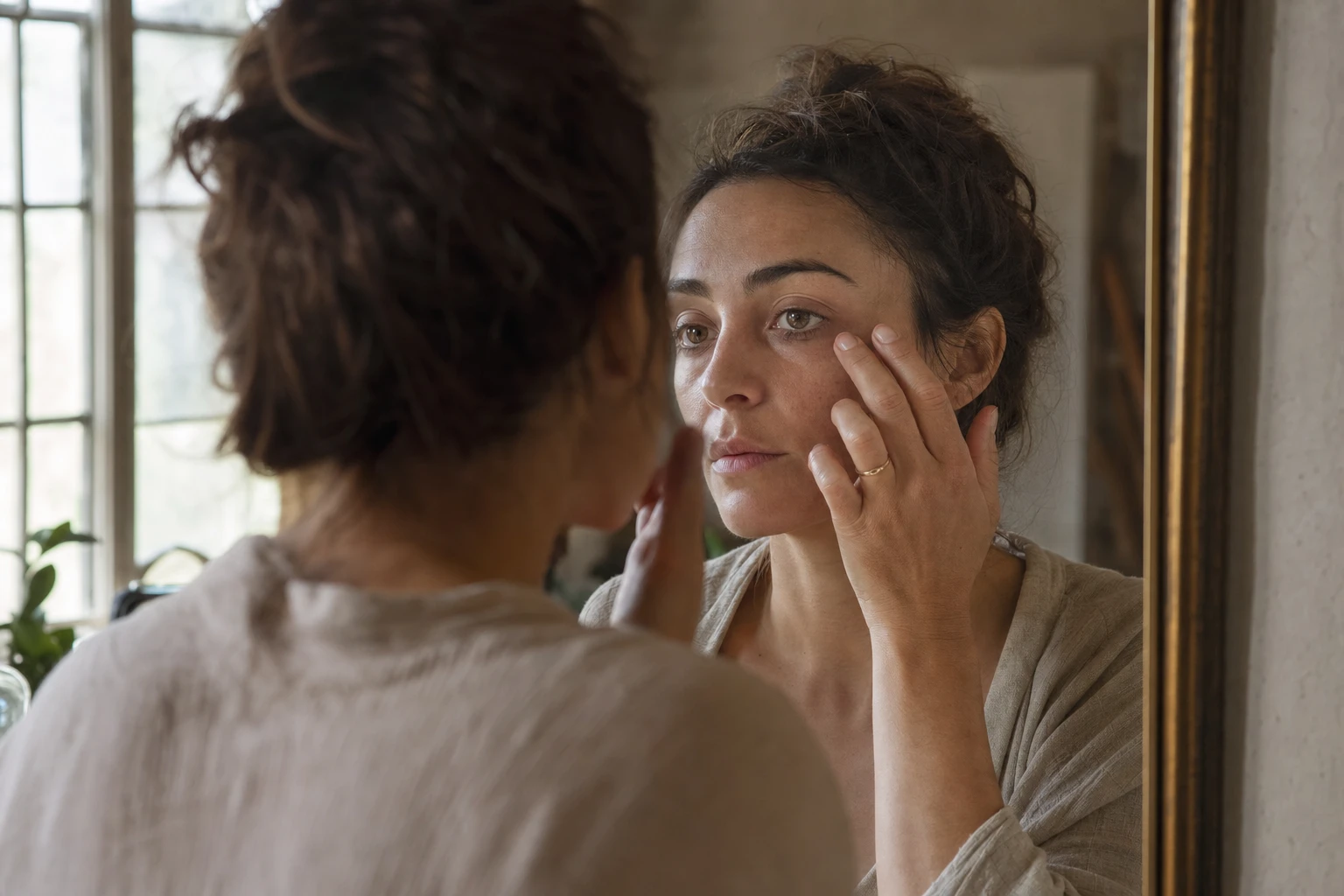
Iron deficiency and dark circles
Iron is essential for haemoglobin production. Haemoglobin is what makes blood red.1 Without sufficient iron, your blood is paler. The skin under your eyes is thin enough that this pallor becomes visible, and the contrast between skin and the visible blood vessels darkens.
Iron deficiency is also extremely common, particularly in menstruating people. You might not have the full constellation of anaemia symptoms (fatigue, shortness of breath, dizziness). But you might have dark circles, low energy, poor sleep quality, and difficulty recovering from exercise.
Check your ferritin level (the iron storage marker) and iron saturation. The conventional range says you're fine if your ferritin is above 12 ng/ml. But for optimal energy, mental health, and appearance, ferritin should be at least 30 ng/ml, ideally 50-100 ng/ml for menstruating people. Many people feel substantially better once ferritin rises above 40.
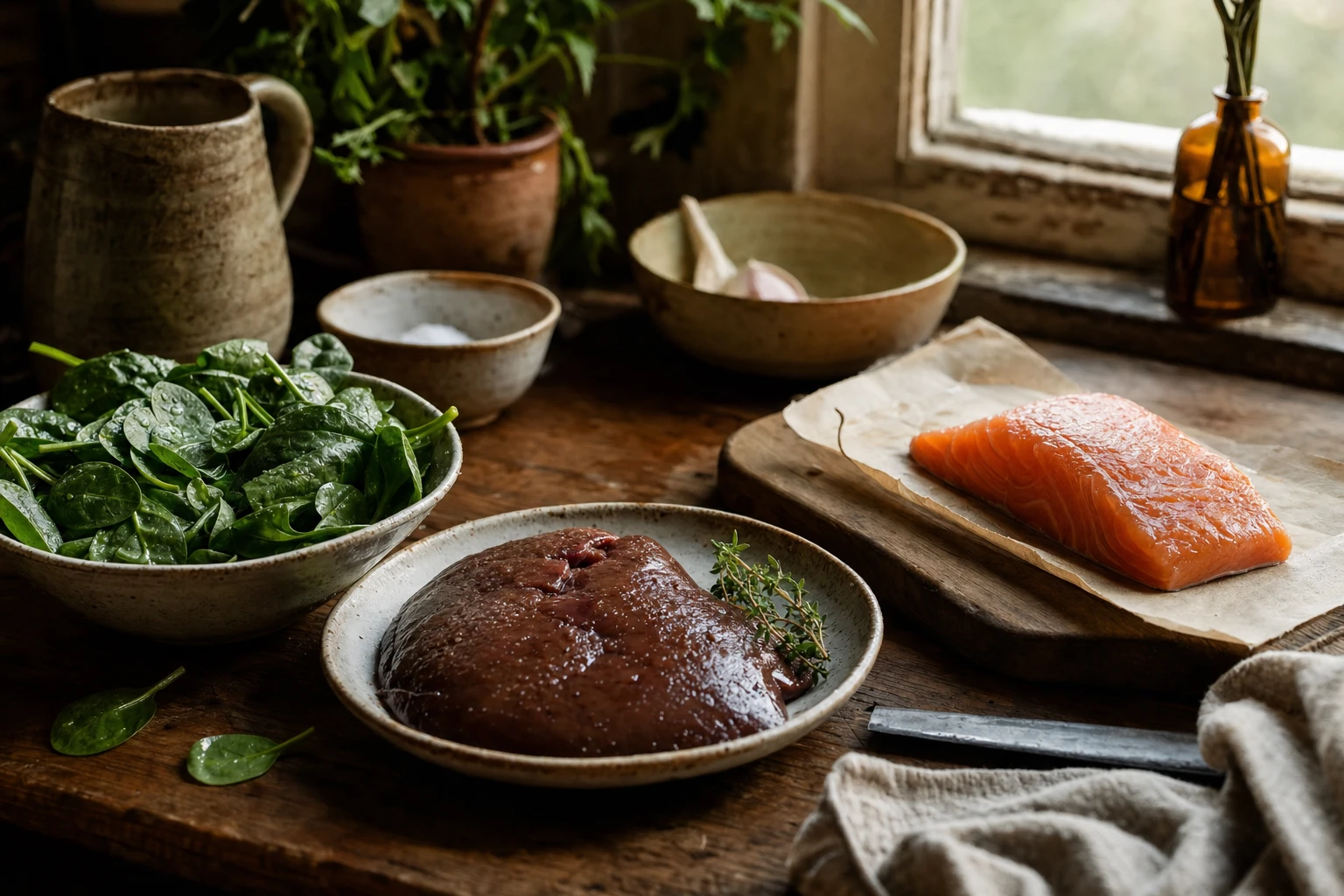
Iron-rich foods: red meat, organ meats (liver especially), shellfish, beans (though plant iron is less bioavailable than animal iron). If you're vegetarian or can't meet iron needs through food, supplementation is appropriate. Pair iron with vitamin C (citrus, tomatoes) for absorption.
B12 and folate deficiency: the neurological connection
B12 and folate are cofactors in cellular energy production and DNA synthesis. When you're deficient, your cells can't repair themselves efficiently. The delicate under-eye area shows this first: cells don't turn over properly, tissue becomes thin and inflamed, circulation becomes sluggish.
B12 deficiency is common in vegans and vegetarians (B12 comes almost exclusively from animal foods) and in people with gut dysbiosis or absorption problems.2 Folate deficiency is common in people eating ultraprocessed foods (folate is abundant in leafy greens, which processed food diets often lack).
B12 is found almost exclusively in animal foods: meat, fish, eggs, dairy. The richest sources are organ meats, followed by red meat and shellfish. If you're vegetarian and not supplementing, your B12 is declining. Get it checked.
Folate is abundant in leafy greens (spinach, kale, lettuce, rocket), asparagus, Brussels sprouts, beans, and lentils.3 If you're not eating a large handful of raw or lightly cooked greens daily, you're probably deficient.
Dark circles under the eyes are often the first visible sign that B12 or folate is missing. By the time you feel tired, your stores are already depleted.
Sleep quality, not just sleep quantity
Eight hours of poor sleep does less for you than six hours of deep, restorative sleep. Dark circles reflect sleep quality more than quantity.
Poor sleep quality is usually caused by: blood sugar dysregulation (you fall asleep fine, but wake at 2-3 AM when blood sugar crashes), circadian rhythm disruption (too much blue light after sunset, irregular bedtimes), high cortisol (a body in sympathetic activation can't sleep deeply), or gut dysbiosis (which impairs GABA and serotonin production).
Improve sleep quality before assuming you need more sleep. Get early morning light exposure (30 minutes of sunlight within an hour of waking sets your circadian rhythm). Remove blue light after sunset (stop screens two hours before bed, use blue light glasses if you must use screens). Stabilise blood sugar by eating protein and fat with carbohydrates at dinner. Add magnesium (300-400mg in the evening) to support deep sleep.
Get health guides like this, free
Two short reads a week on eating for energy, gut health, skin, sleep and more.
By signing up you agree to receive emails from us. No spam, unsubscribe anytime.
Allergies and dark circles
Allergies, whether seasonal or year-round, cause histamine release in the under-eye tissue.5 Histamine dilates blood vessels and increases permeability, causing swelling and darkening.
If your dark circles worsen during pollen season or after certain foods, allergy is likely. The interventions: identify and avoid your allergens (common culprits are tree pollen, dust, dairy, wheat), support your immune system with vitamin D and omega-3, and consider a natural antihistamine like quercetin (a plant compound found in apples, onions, and berries) which can reduce histamine effects without the drowsiness of pharmaceutical antihistamines.

Liver health and detoxification
Your liver is responsible for detoxifying substances and metabolising waste. When liver congestion occurs (from processed food, alcohol, environmental toxins, or chronic stress), your lymphatic system struggles to drain fluid from your face. Dark circles and puffiness result.
Support liver health: eliminate processed foods, reduce alcohol, increase bitter vegetables (dandelion greens, radicchio, rocket) which stimulate bile production, stay hydrated, and ensure adequate sleep (the liver does much of its repair work at night).
Hydration and circulatory health
Dehydration reduces blood volume and circulation. Your skin becomes dull and dark circles worsen. But this is rarely the primary cause unless you're genuinely chronically dehydrated.
Hydration here means: drinking enough water (roughly half your body weight in ounces, adjusted for exercise and climate), but also eating hydrating foods (vegetables, fruit, bone broth) which carry water plus electrolytes for actual cellular hydration. Pure water without electrolytes doesn't hydrate as effectively as water plus sodium, potassium, and magnesium.
1 of 9
Daily blend
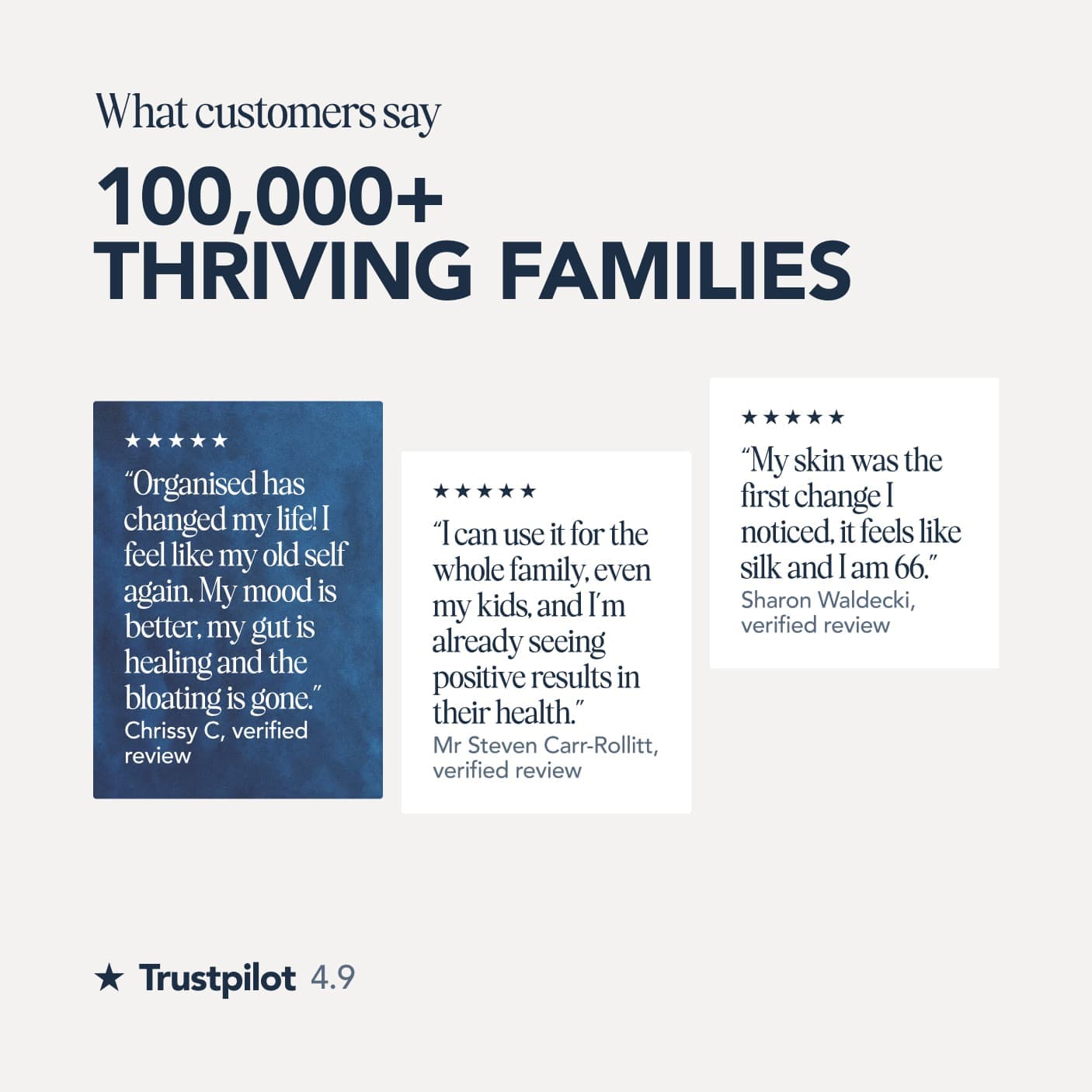
100,000+ thriving families4.9 on Trustpilot
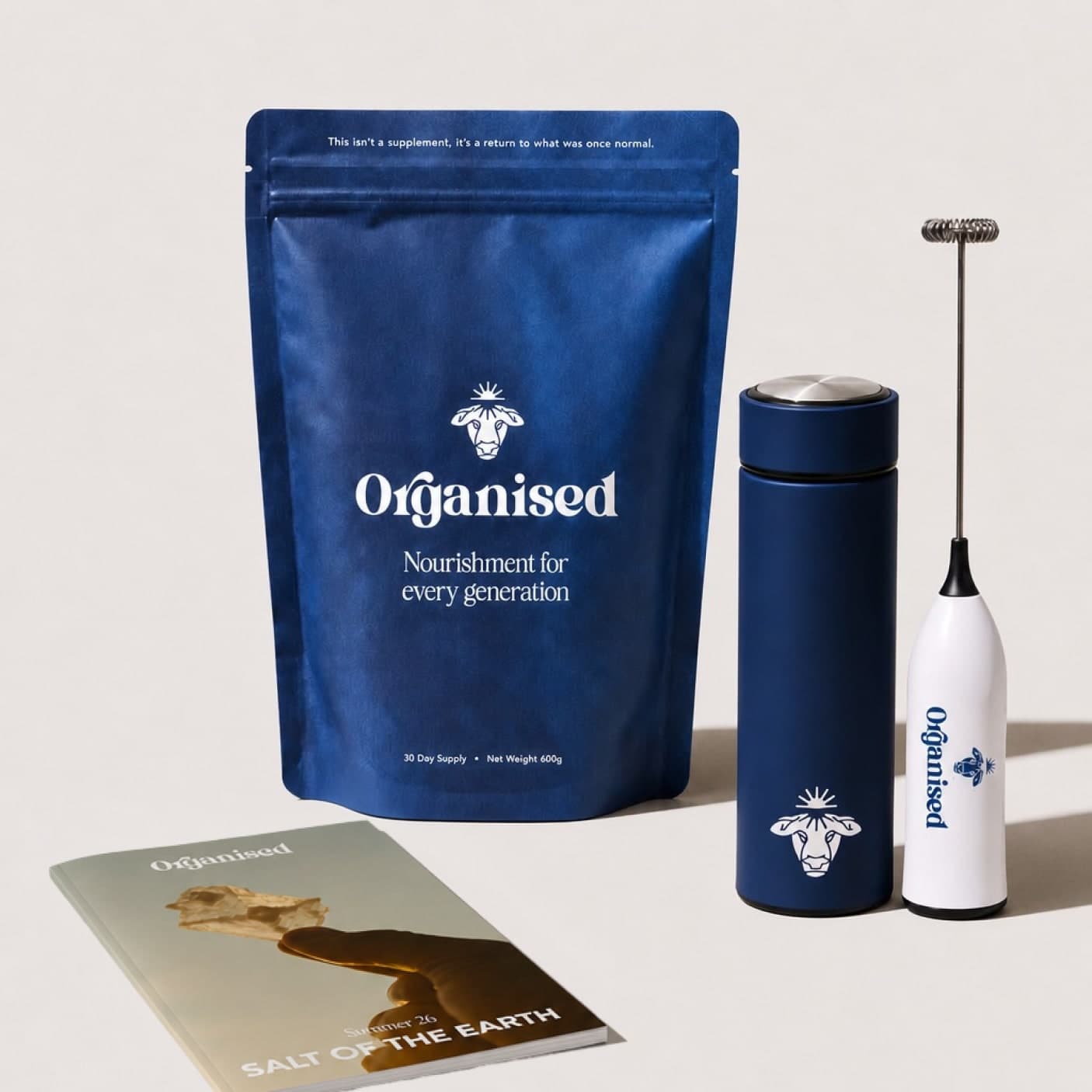
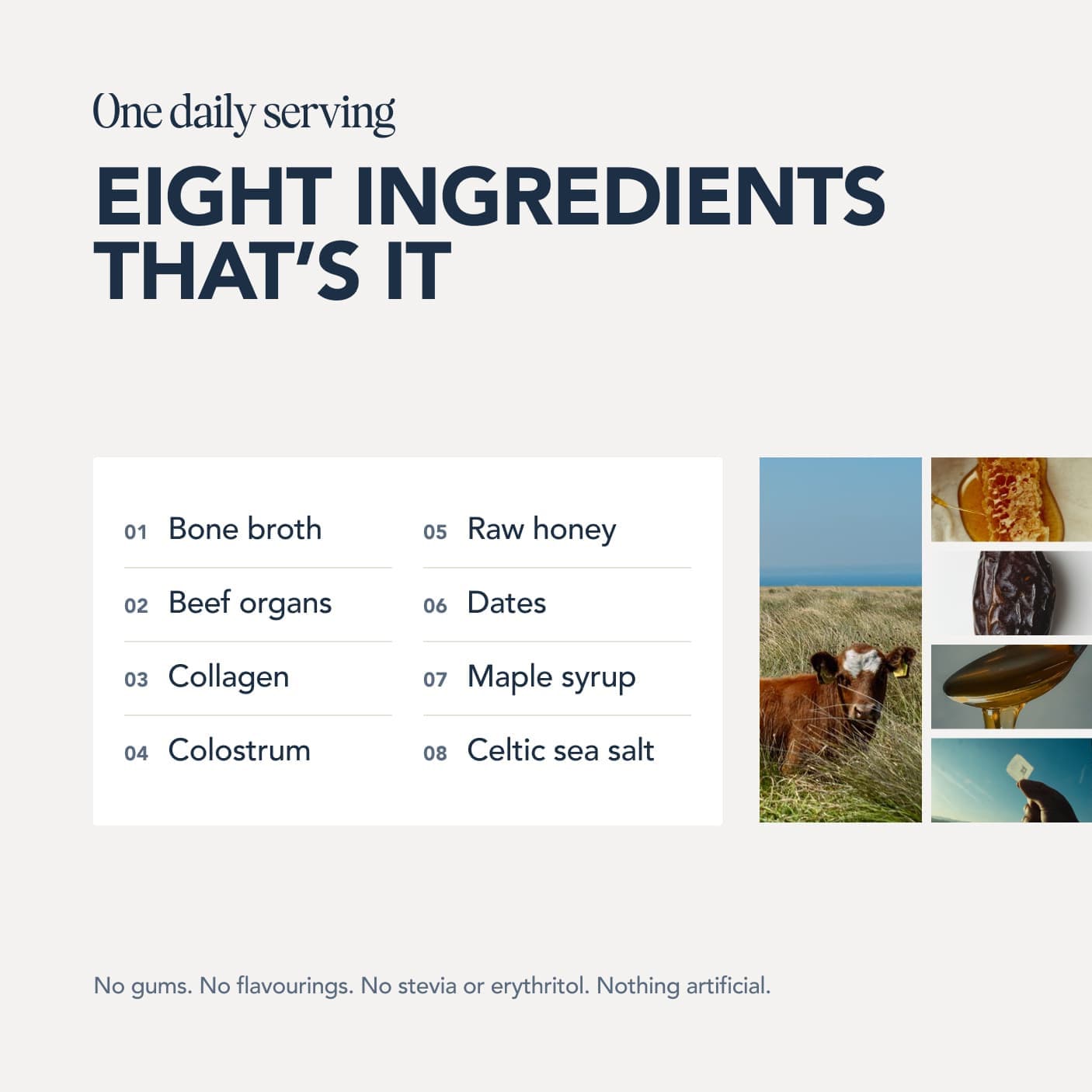
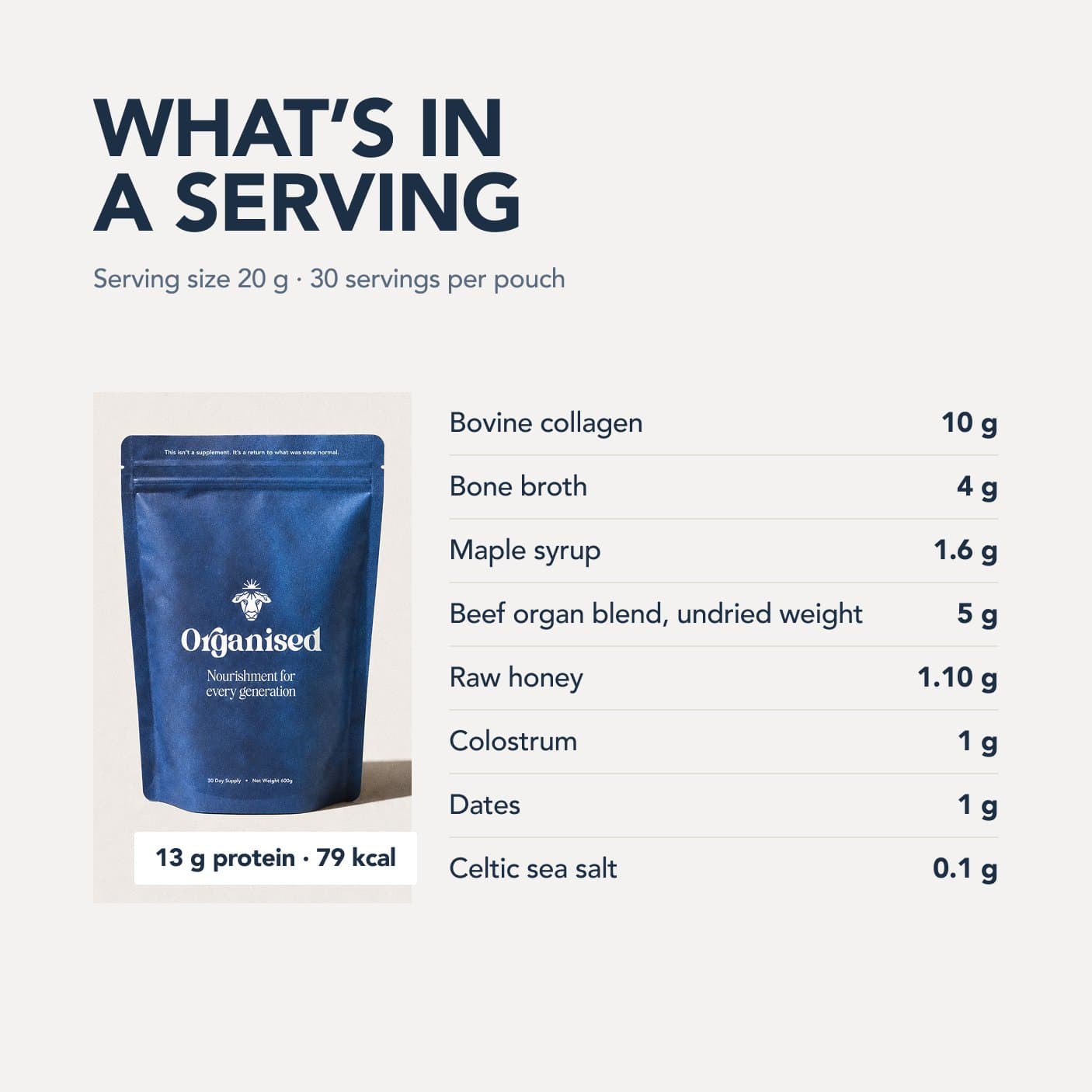
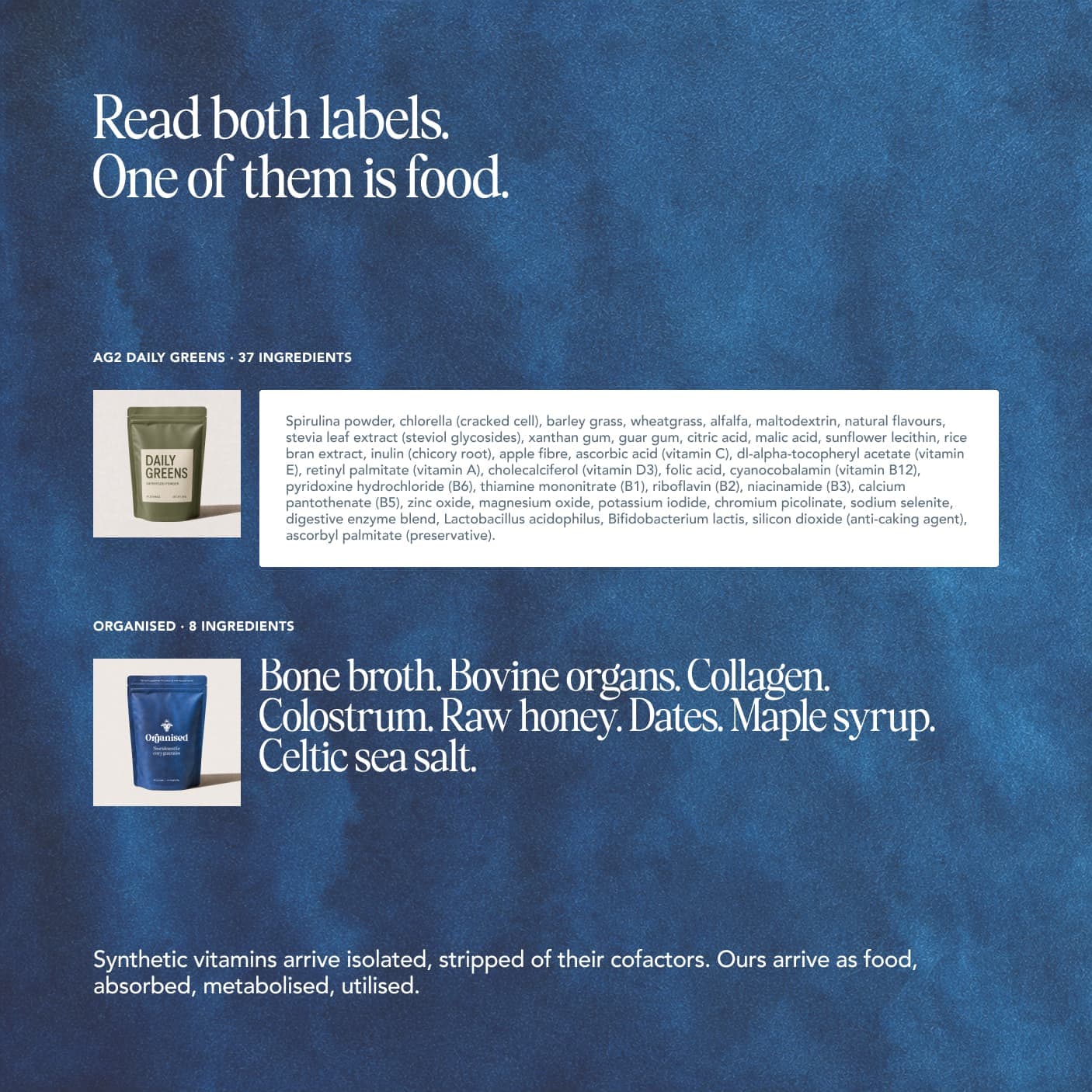
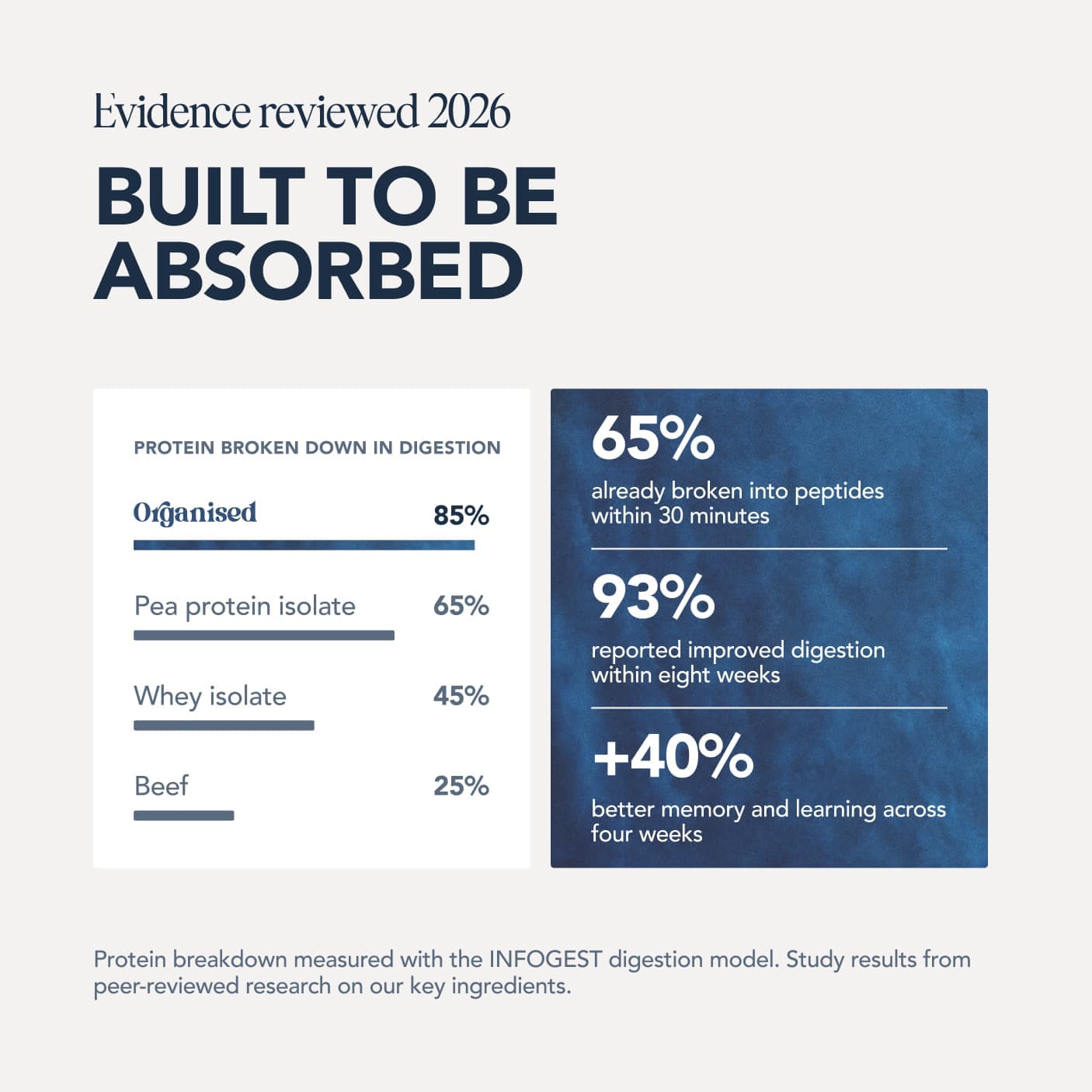
Eight real ingredients built around grass-fed beef organs, collagen and colostrum. Nothing synthetic added.
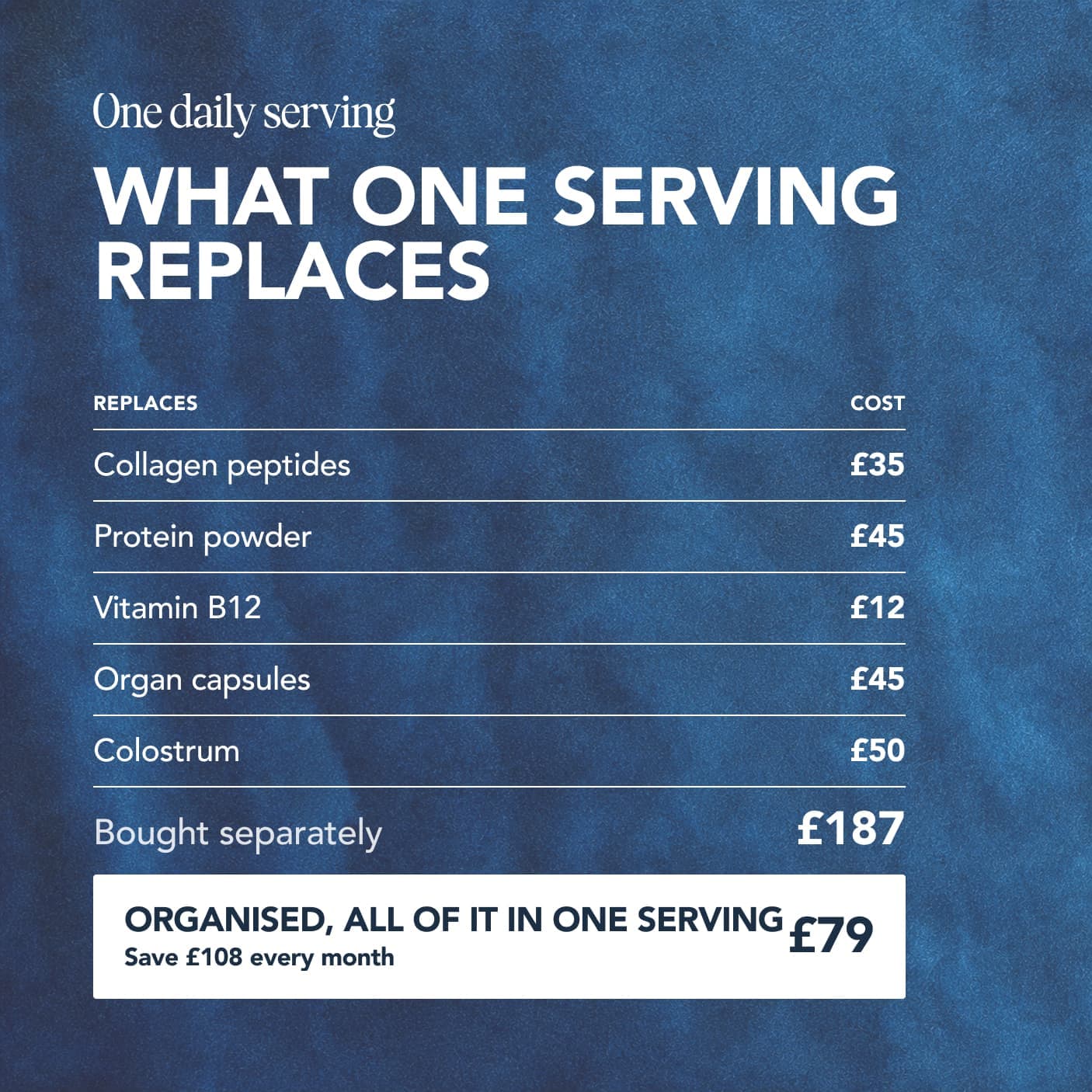
Free with your first order, worth £38. Plus £10 off the pouch with a subscription.
Free UK shipping · Made in England · 100 day money back guarantee on your first pouch · Skip, pause or cancel anytime
The lymphatic drainage and circulation component
Dark circles often involve impaired fluid drainage under the eyes. The lymphatic system relies on movement to function. If you're sedentary, dehydrated, or have poor circulation, fluid pools under the eyes overnight and appears as dark circles or puffiness the next morning.
Improving lymphatic drainage requires three things. First, movement. A 20-minute walk after dinner (or any time) activates the lymphatic system. Bouncing gently (on a trampoline or just gentle movement) helps. Second, hydration. If you're chronically dehydrated, your body retains fluid in tissues, making puffiness worse. Drink adequate water throughout the day (not all at once before bed). Third, sodium intake. Paradoxically, adequate salt helps regulate fluid balance. If you're salt-deficient, your body retains fluid in strange places, including under your eyes.
Additionally, iron-deficient circulation shows as dark circles because blood isn't delivering oxygen efficiently to delicate under-eye skin. The tissue becomes slightly hypoxic and appears darker. This is why adding iron-rich foods (organ meats, grass-fed beef, clams) can improve dark circles within two weeks in some people.
The comprehensive approach: check your iron and B12 status (ask your GP for testing), improve hydration and salt intake, add daily movement, and ensure you're eating enough liver and red meat. Dark circles are often the body's visible sign that circulation and nutrient status need attention. Addressing them is a marker that you're fixing something deeper.
Dark circles are usually a sign your circulation or nutrient status needs attention. Fixing them means improving your overall health, not just your appearance.
The bottom line
Dark circles are a sign that something is missing or imbalanced. Don't assume it's genetics or exhaustion. Run the investigation: check iron (ferritin, iron saturation), B12, and folate. Assess sleep quality, not just duration. Note whether allergies worsen the circles. Support your liver. Stay genuinely hydrated. Within 6-12 weeks of addressing the underlying deficiency, dark circles usually fade substantially. Your eyes will look less tired because the tissue is actually healthier.
References
Every source below was checked on 27 August 2026. Each PubMed, PMC and DOI identifier was resolved against NCBI or Crossref, and what it opens is printed under the citation, so you can see the link goes where the citation says without leaving the page. Where a citation and its identifier disagreed, the citation was corrected to the record or the reference was deleted along with the sentence marker that pointed at it, and where the resolved paper turned out not to support the sentence, the sentence was cut back to what it does support. Borrowed authority is worse than none, because it looks like rigour.
- National Institutes of Health, Office of Dietary Supplements. Iron — Health Professional Fact Sheet.
- National Institutes of Health, Office of Dietary Supplements. Vitamin B12 — Health Professional Fact Sheet.
- National Institutes of Health, Office of Dietary Supplements. Folate — Health Professional Fact Sheet.
- Irwin MR. Why sleep is important for health: a psychoneuroimmunology perspective. Annual Review of Psychology, 2015. PMID 25061767.Checked 27 August 2026: PMID 25061767 opens Irwin MR, Why sleep is important for health: a psychoneuroimmunology perspective. Annu Rev Psychol 2015;66:143-72. PubMed indexes it as: Review.
- NHS. Allergies.
Who wrote and reviewed this guide
Niall Kiddle
Author · Founder, Organised
Niall is the founder of Organised. He started the company in 2024 after fixing his own health the slow way: in 2022 he swapped a cupboard of synthetic supplements for real food, raw milk, organ meats, bone broth and honey, and felt the difference within months.
Areas of expertise: Ancestral nutrition, Organ meats, Whole-food supplementation, Gut health, Regenerative sourcing
Read Niall's full profile
Pedro Rodrigues
Reviewer · Agronomist (farming and sourcing only)
Pedro is the agronomist Organised works with on farming and sourcing. His job on the guides is to keep the science honest: he reviews what we publish about soil health, regenerative agriculture, grazing and the way food is actually produced.
Areas of expertise: Regenerative agriculture, Agronomy, Soil health, Grass-fed farming, Food sourcing
Reviewed this guide on
Read Pedro's full profileMore on skin
View all- How to Build Collagen Naturally Without Injections
- How to Feed Your Skin from the Inside Out
- A Whole Food Skincare Routine: Morning to Night
- Collagen for Anti-Ageing: What the Clinical Trials Show
- Eczema and Nutrition: What the Research Suggests
- How to Eat for a Natural Glow (Without Products)
- How Zinc, Copper and Selenium Work Together for Clear Skin
- Psoriasis and Nutrition: What Helps and What Hinders
- Retinol from Beef Liver vs Retinol in Skincare: Which Actually Works?
- Rosacea and Gut Health: Is There a Connection?
- The Foods That Age Your Skin Fastest
- Why Your Skin Looks Better When You Eat Organ Meats
Browse the guides library
All guidesKeep reading
Health goals
Why Your Gut Health Affects Everything (Not Just Digestion)
Around 70% of your immune system lives in your gut. Learn how the gut-brain axis, gut-skin axis, and microbiome influence health system-wide.

Health goals
Exercising with Joint Pain: How Nutrition Can Help Recovery
Moving with joint pain gets easier when nutrition supports recovery. Collagen, vitamin C, and anti-inflammatory foods for exercise recovery.

Health goals
Glycine: The Amino Acid That May Slow Ageing
Glycine is essential for collagen synthesis, sleep quality, and connective tissue repair. Here's why bone broth and gelatinous meat matter.
Real food, made effortless
Start my daily blendA few ways to use it
All recipes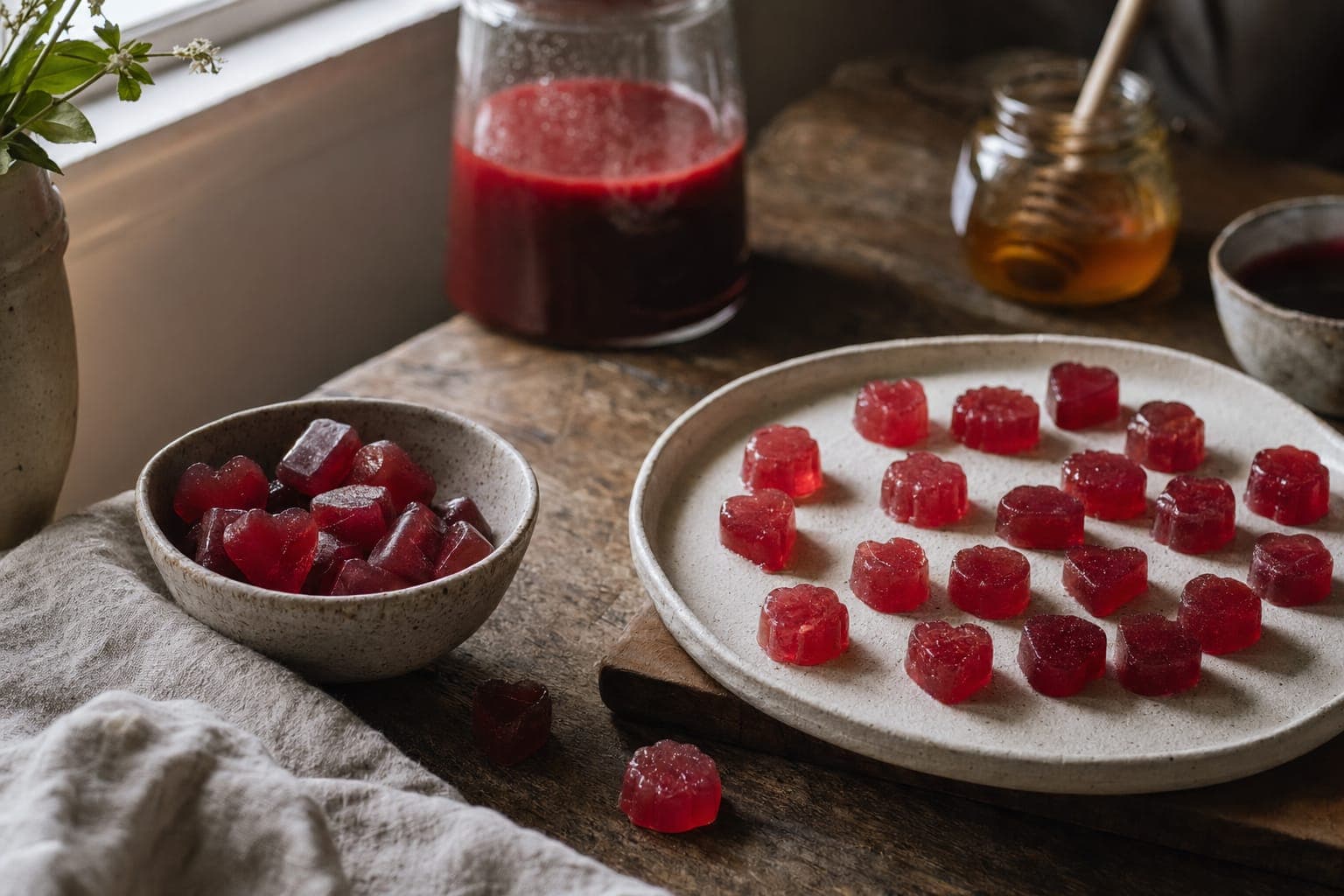
How to Make Your Own Gelatine Gummies
A simple recipe for homemade gelatine gummies using grass-fed gelatine, fresh juice, and raw honey. Better than shop-bought, kids love them.

Ancestral Breakfast Ideas from Around the World
Traditional breakfast recipes from cultures that got nutrition right. Japanese, Turkish, Scottish, and more. Whole-food breakfast inspiration.
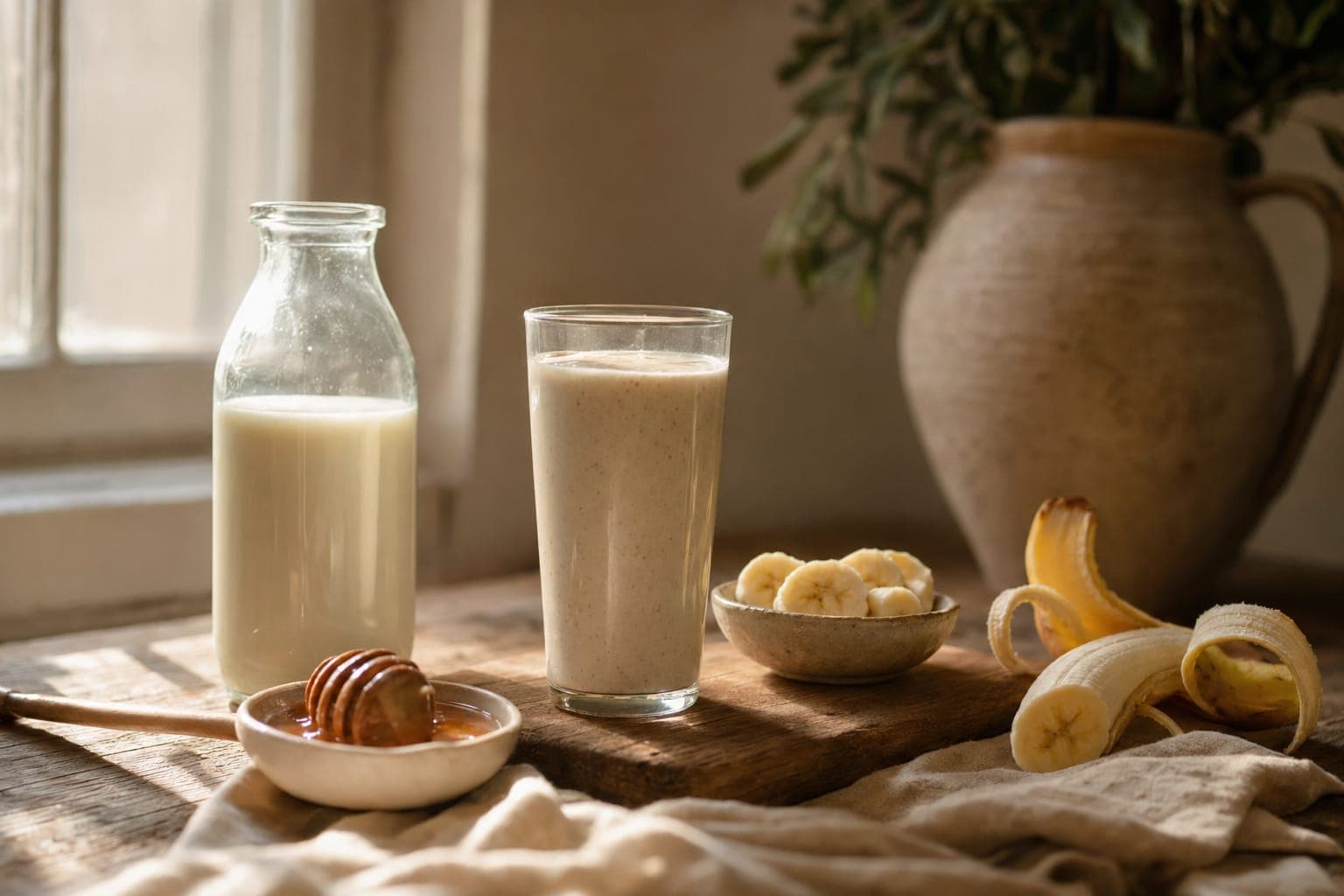
The Perfect Organised Morning Shake: Our Favourite Recipe
Our signature morning shake: Organised, raw milk, banana, honey. Simple, nourishing, and optimised for an empty stomach.


 Join over 100,000+ members
Build a better food system with us
The Organised community is thousands of people choosing real food and backing the farmers who grow it, all of us trying to leave the world a little better than we found it. If that is what you care about too, you belong here.