Exercising with Joint Pain: How Nutrition Can Help Recovery
Your joints hurt when you move. So you stop moving. Your joints get stiffer. The pain gets worse. This is the trap many people with joint discomfort fall into. But the solution isn't stopping exercise. It's supporting recovery with the right nutrition so that exercise actually improves your joints rather than harming them.
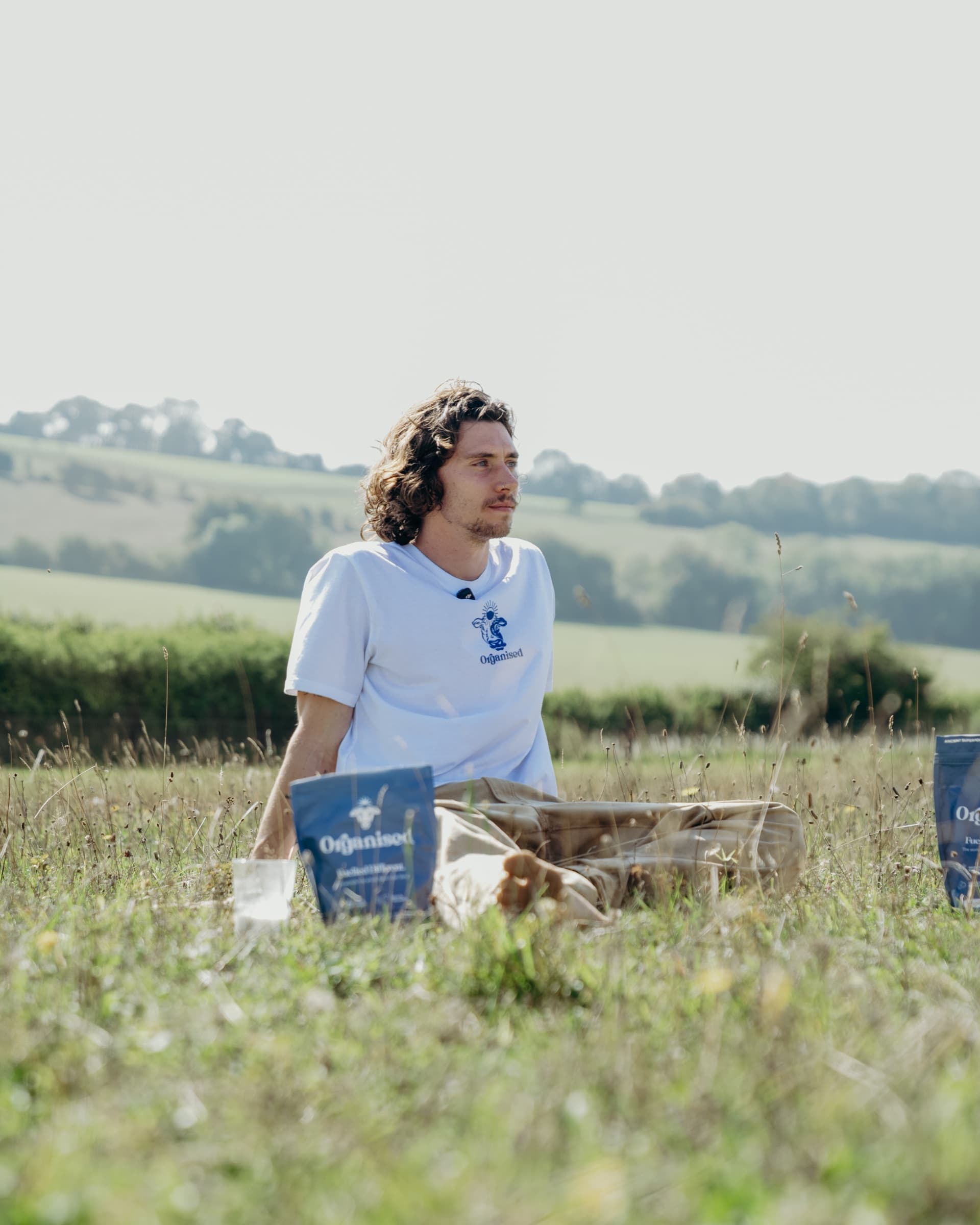
By Niall Kiddle, Founder, Organised

Reviewed by Pedro Rodrigues, Agronomist (farming and sourcing only) ·
6 min read · Published · Updated · 4 cited sources
Makers of the Organised Daily blend, a grass-fed beef organ supplement from regenerative UK farms

But the solution isn't stopping exercise. It's supporting recovery with the right nutrition so that exercise actually improves your joints rather than harming them.

Exercise and joint health are inseparable
Joints need movement to stay healthy. The synovial fluid that lubricates joints is only produced when joints move.1 The muscles that support joints only stay strong with use. The bones underneath cartilage remodel in response to loading.
Stopping exercise to protect painful joints actually accelerates degradation. The joints get less mobile, the supporting muscles atrophy, and the problem worsens. This is the opposite of what you want.
The answer is progressive, intelligent exercise combined with nutrition that supports recovery. Start gently. Build gradually. Give your body the raw materials to adapt and repair. Over weeks and months, joint pain often improves as the joint tissues strengthen and adapt.
Joint pain is often a signal to move differently, not to stop moving. Pair intelligent movement with nutritional support and most joints adapt and strengthen.
Why joint pain increases with activity
When you exercise, you create micro-damage in muscle, connective tissue, and joint structures. This is normal. It's what triggers adaptation. The body repairs the damage and comes back stronger.
But if the body doesn't have the raw materials to repair this damage efficiently, or if systemic inflammation is high, the healing process stalls. Inflammation increases. Pain increases. The joints don't adapt. The next time you exercise, it hurts more.
This cycle can be broken by providing the body with what it needs to repair efficiently and by reducing systemic inflammation so that local inflammation can resolve. This is where nutrition becomes essential.

Pre-exercise nutrition for joint support
Before intense activity that stresses your joints, give your body collagen and vitamin C. This isn't about fuelling the workout. It's about preparing your joints for the stress about to come.
Consume collagen peptides or bone broth about 30-60 minutes before activity. Include vitamin C from citrus or berries. This gives your body the building blocks it needs to support collagen synthesis and repair as you exercise.
Some research suggests that consuming collagen before exercise actually improves recovery and reduces post-exercise joint soreness.2 The mechanism likely involves having adequate collagen precursors available when the body needs to repair. Your joints are about to be stressed. Giving them raw materials beforehand optimises the repair response.
This doesn't require supplements. A bowl of bone broth with some citrus zest, or bone broth with berries, consumed an hour before activity works beautifully. It tastes good and provides exactly what your joints need. If you have access to chicken sternum or gelatinous cuts of meat, these are equally effective pre-workout preparations.
Collagen timing and effectiveness
The timing of collagen intake matters more than most people realise. Collagen consumed 30-60 minutes before exercise provides amino acids and glycine available when your body is under stress and initiating repair.
Collagen consumed immediately post-exercise provides the building blocks when muscle protein synthesis is elevated. Research suggests that the timing window for muscle protein synthesis is broader than once thought, so post-workout collagen is valuable.
The most effective approach is collagen both before and after challenging activity. Pre-workout gives your body what it needs during the stress. Post-workout gives your body what it needs during recovery. Combined, they optimise the repair process.
Vitamin C and collagen synthesis during exercise
Vitamin C is a critical cofactor in collagen synthesis. Your body cannot build new collagen without it.3 When you exercise and create micro-damage that requires collagen repair, adequate vitamin C is essential.
Many people are running low on vitamin C even if they don't have scurvy. The amount needed for optimal collagen synthesis exceeds the amount needed to prevent deficiency disease. If you're exercising regularly and your joints are experiencing stress, vitamin C intake should be generous.
Include citrus fruits, berries, and coloured vegetables regularly. Consider prioritising vitamin C intake on days you exercise. Some people find that supplementing 500-1000 mg of vitamin C on workout days improves recovery and reduces joint soreness.
Get health guides like this, free
Two short reads a week on eating for energy, gut health, skin, sleep and more.
By signing up you agree to receive emails from us. No spam, unsubscribe anytime.
Post-workout anti-inflammatory nutrition
After exercise, your body is in a primed state. Inflammation is elevated, which is necessary for repair. But if systemic inflammation is already high, the local inflammation can spiral out of control.
Post-workout nutrition should prioritise protein and anti-inflammatory foods. This means adequate protein for muscle repair and amino acids for collagen synthesis. It means vegetables for antioxidants. It means healthy fats and omega-3 to dampen inflammation.
A post-workout meal of salmon with roasted vegetables and citrus, or beef with leafy greens and butter, provides everything your body needs. The protein drives muscle adaptation. The collagen precursors drive joint repair. The vitamin C supports collagen synthesis. The omega-3 reduces inflammation.
Omega-3 and exercise recovery
Omega-3 fatty acids are anti-inflammatory and support muscle recovery.4 They also support neural recovery and reduce exercise-induced soreness. Most people are running low on omega-3 whilst consuming excessive omega-6, creating a pro-inflammatory state.
Eating oily fish 3-4 times weekly alongside exercise dramatically improves recovery and reduces joint and muscle soreness.4 The anti-inflammatory effect of omega-3 allows the repair process to proceed without excessive inflammation.
If you're exercising regularly and experiencing joint pain, correcting your omega balance is one of the highest leverage interventions. Remove seed oils. Add oily fish. The changes in recovery and soreness often appear within weeks.


1 of 9
Daily blend
100,000+ thriving families4.9 on Trustpilot
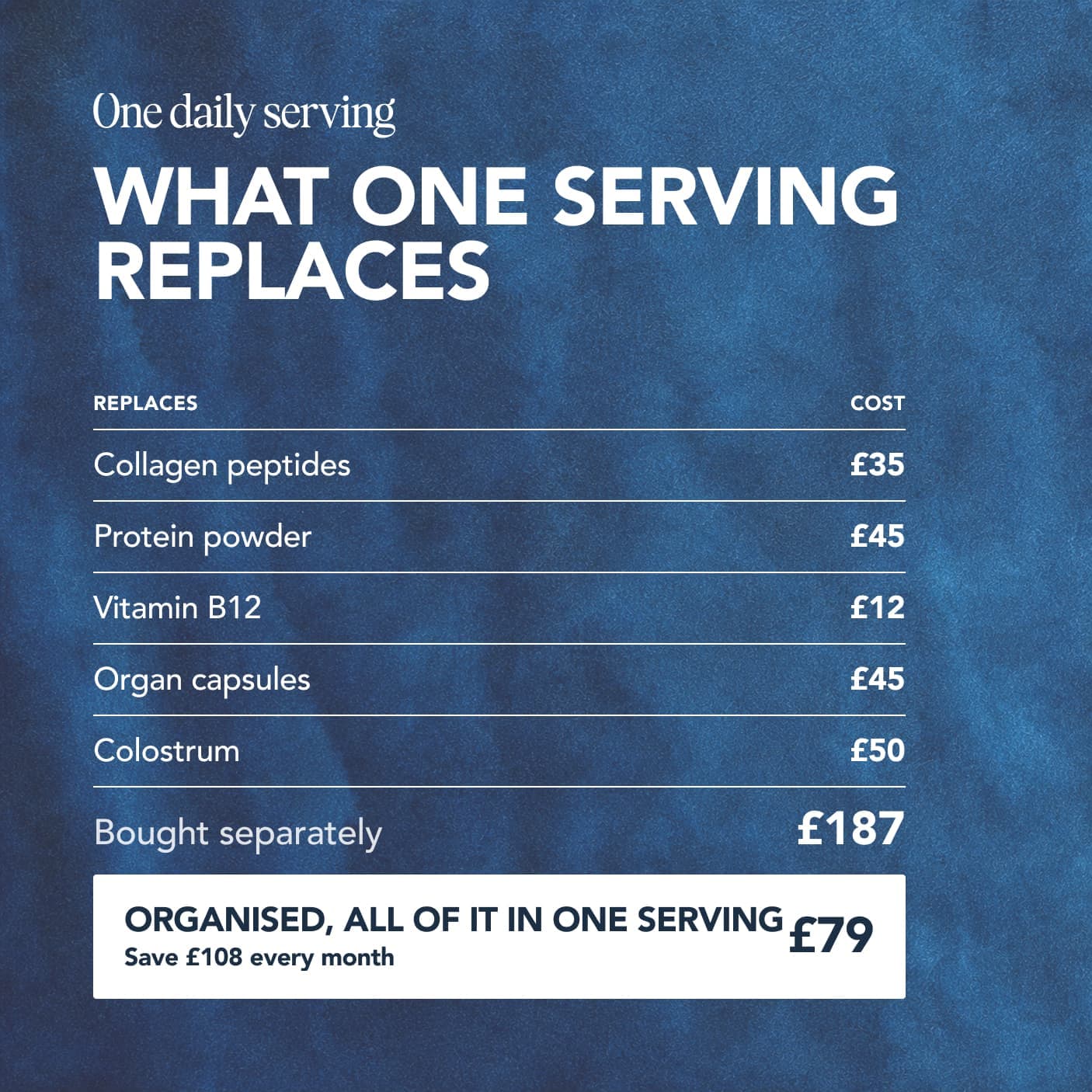
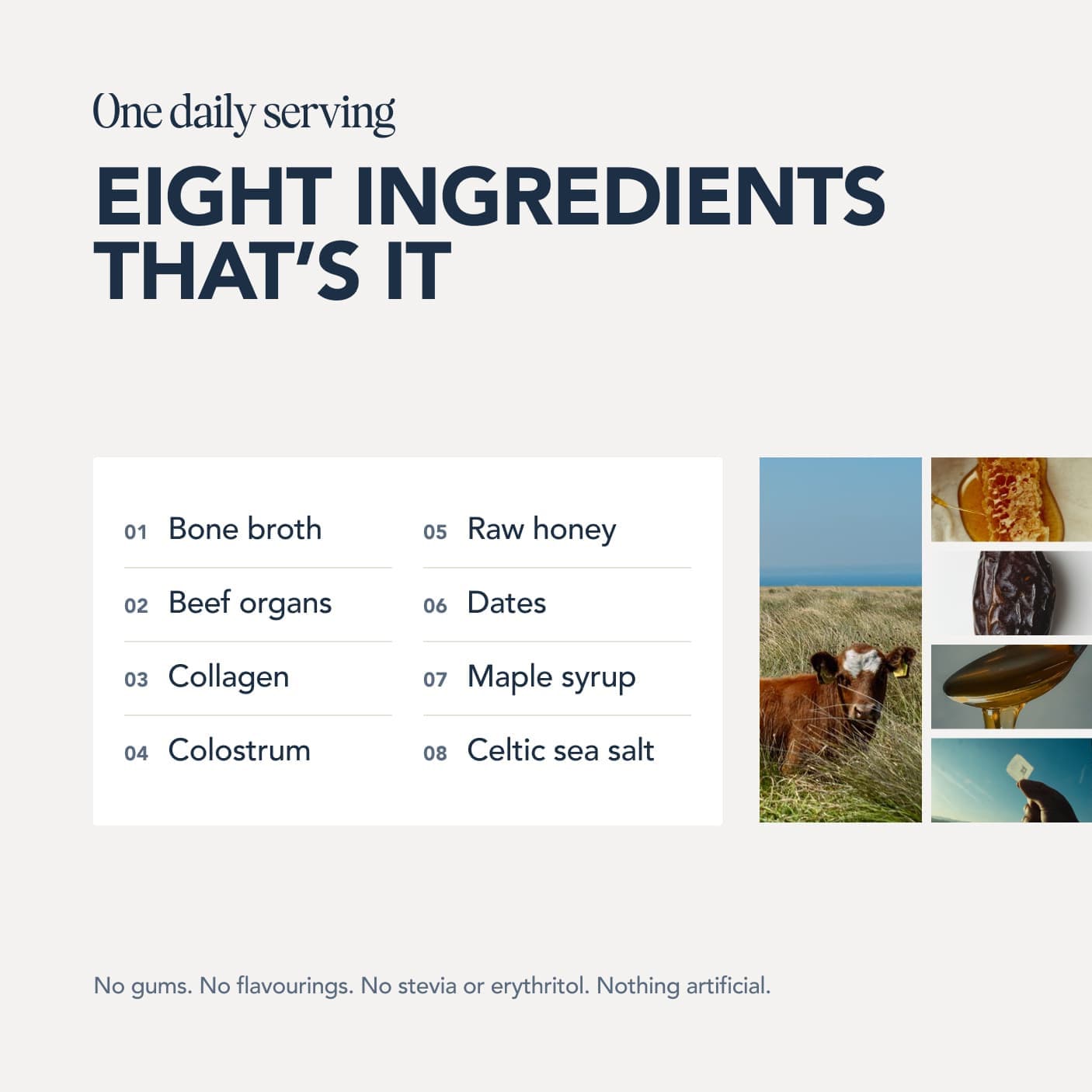
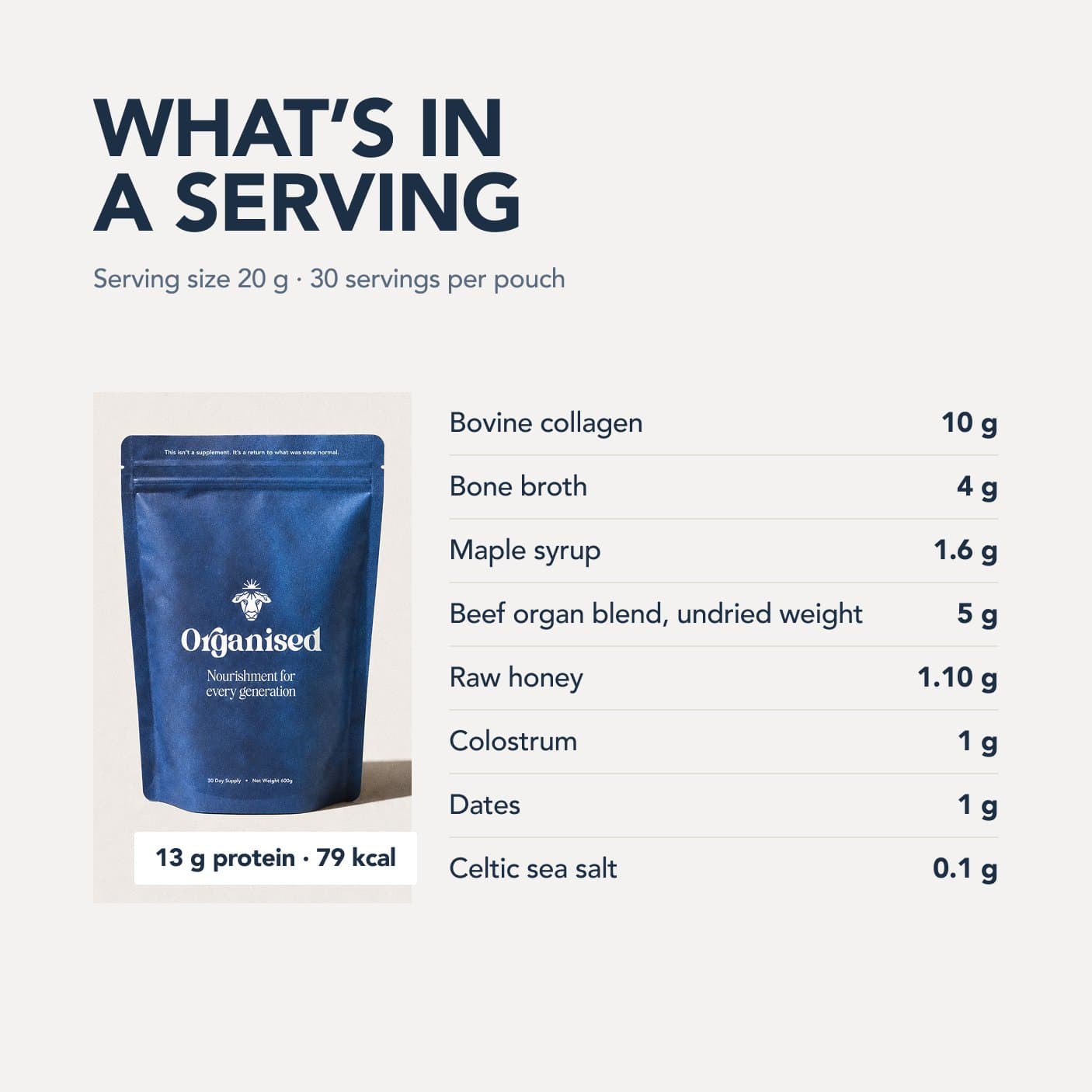
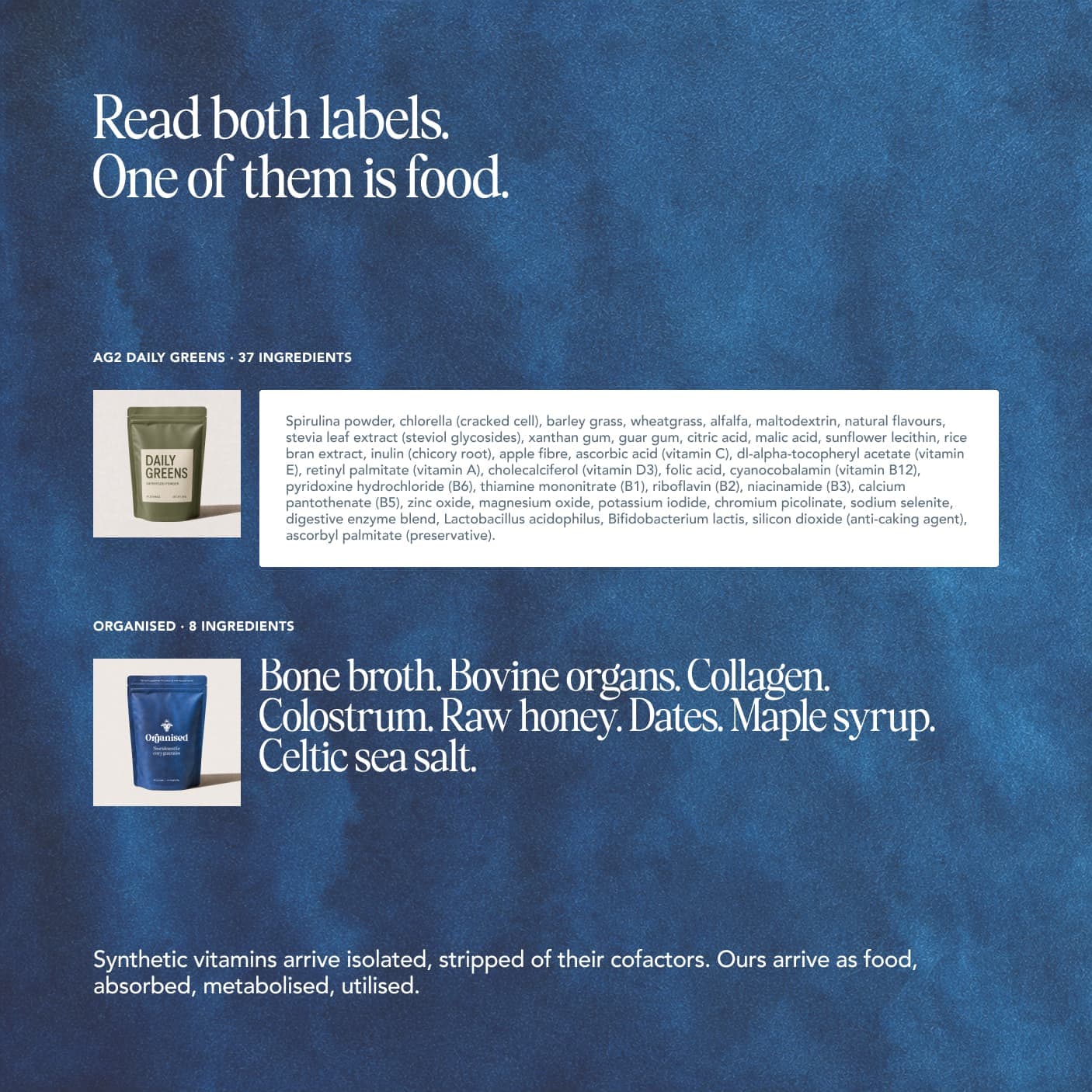
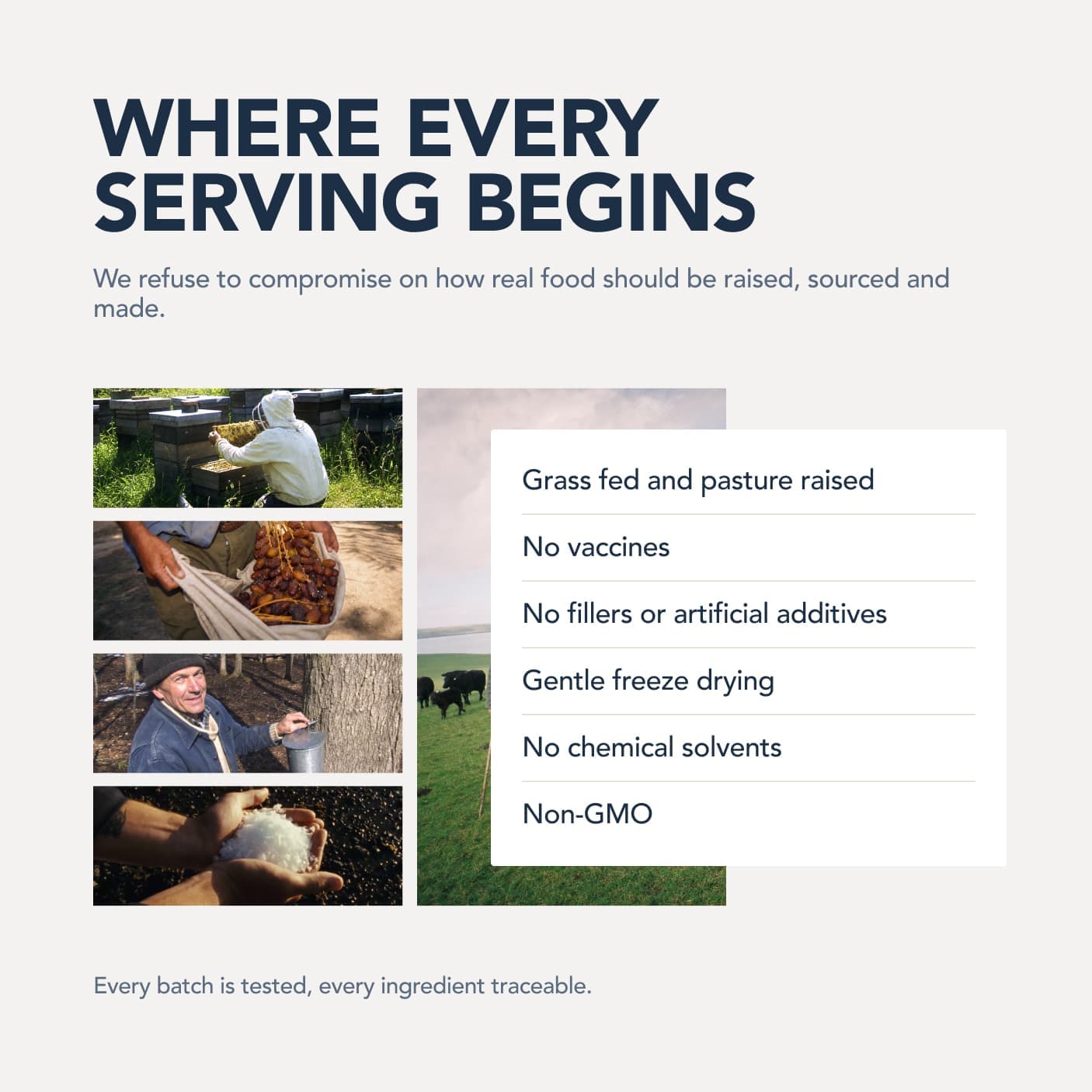
Eight real ingredients built around grass-fed beef organs, collagen and colostrum. Nothing synthetic added.
Free with your first order, worth £38. Plus £10 off the pouch with a subscription.


Free UK shipping · Made in England · 100 day money back guarantee on your first pouch · Skip, pause or cancel anytime
Progressive exercise and nutritional support
Smart exercise with joint pain looks like this. Start very gently. Do not create severe pain. Mild discomfort is okay. Severe pain is a signal to stop.
Progress gradually. Add slightly more volume or intensity each week, not each session. Give your joints time to adapt to the stimulus.
Support recovery with collagen pre and post-workout, abundant vitamin C, oily fish, and whole foods that reduce inflammation. Give your body the raw materials to repair.
Over 8-12 weeks, you'll typically notice that pain decreases, mobility improves, and you can exercise harder without pain increasing. This is the joint adapting and strengthening, exactly what you want.
Joint pain improves fastest when you exercise at an appropriate intensity and give your body the nutrition it needs to adapt. This combination works reliably if you stay consistent.
The bottom line
Joint pain is not a signal to stop exercising. It's a signal to exercise more intelligently and provide better nutritional support. Give your joints what they need to repair and adapt. Be consistent with both the movement and the nutrition.
Collagen before and after activity. Abundant vitamin C. Oily fish regularly. Anti-inflammatory whole foods. Progressive exercise at a sustainable intensity. This combination addresses both the mechanical stress on joints and provides the nutritional foundation for repair.
Most people find that their joints adapt and pain improves substantially within 8-12 weeks when they combine intelligent exercise with proper nutrition. Your joints want to be strong. Give them what they need. The combination of movement and nutritional support is far more powerful than either alone, and the improvement often comes faster than most people expect.
References
Every source below was checked on 27 August 2026. Each PubMed, PMC and DOI identifier was resolved against NCBI or Crossref, and what it opens is printed under the citation, so you can see the link goes where the citation says without leaving the page. Where a citation and its identifier disagreed, the citation was corrected to the record or the reference was deleted along with the sentence marker that pointed at it, and where the resolved paper turned out not to support the sentence, the sentence was cut back to what it does support. Borrowed authority is worse than none, because it looks like rigour.
- Hui AY et al. A systems biology approach to synovial joint lubrication. WIREs Systems Biology and Medicine, 2012. PMID 21826801.Checked 27 August 2026: PMID 21826801 opens Hui AY, McCarty WJ, Masuda K et al, A systems biology approach to synovial joint lubrication in health, injury, and disease. Wiley Interdiscip Rev Syst Biol Med 2012;4(1):15-37. PubMed indexes it as: Review.
- Shaw G et al. Vitamin C-enriched gelatin supplementation before intermittent activity augments collagen synthesis. American Journal of Clinical Nutrition, 2017. PMID 27852613.Checked 27 August 2026: PMID 27852613 opens Shaw G, Lee-Barthel A, Ross ML et al, Vitamin C-enriched gelatin supplementation before intermittent activity augments collagen synthesis. Am J Clin Nutr 2017;105(1):136-143. PubMed indexes it as: Randomized Controlled Trial.
- National Institutes of Health, Office of Dietary Supplements. Vitamin C — Health Professional Fact Sheet.
- National Institutes of Health, Office of Dietary Supplements. Omega-3 Fatty Acids — Health Professional Fact Sheet.
Who wrote and reviewed this guide
Niall Kiddle
Author · Founder, Organised
Niall is the founder of Organised. He started the company in 2024 after fixing his own health the slow way: in 2022 he swapped a cupboard of synthetic supplements for real food, raw milk, organ meats, bone broth and honey, and felt the difference within months.
Areas of expertise: Ancestral nutrition, Organ meats, Whole-food supplementation, Gut health, Regenerative sourcing
Read Niall's full profile
Pedro Rodrigues
Reviewer · Agronomist (farming and sourcing only)
Pedro is the agronomist Organised works with on farming and sourcing. His job on the guides is to keep the science honest: he reviews what we publish about soil health, regenerative agriculture, grazing and the way food is actually produced.
Areas of expertise: Regenerative agriculture, Agronomy, Soil health, Grass-fed farming, Food sourcing
Reviewed this guide on
Read Pedro's full profileMore on joints & bones
View allBrowse the guides library
All guidesKeep reading

Health goals
Protecting Your Joints as You Age: A Nutritional Blueprint
Protect your joints as you age. The role of collagen, glycine, vitamin C, glucosamine, and real food in joint longevity.

Health goals
Collagen for Runners: Protecting Your Joints and Tendons
Running stresses tendons and joints. See how collagen and running fit together, why pre-run timing with vitamin C matters, and what the research shows.
Health goals
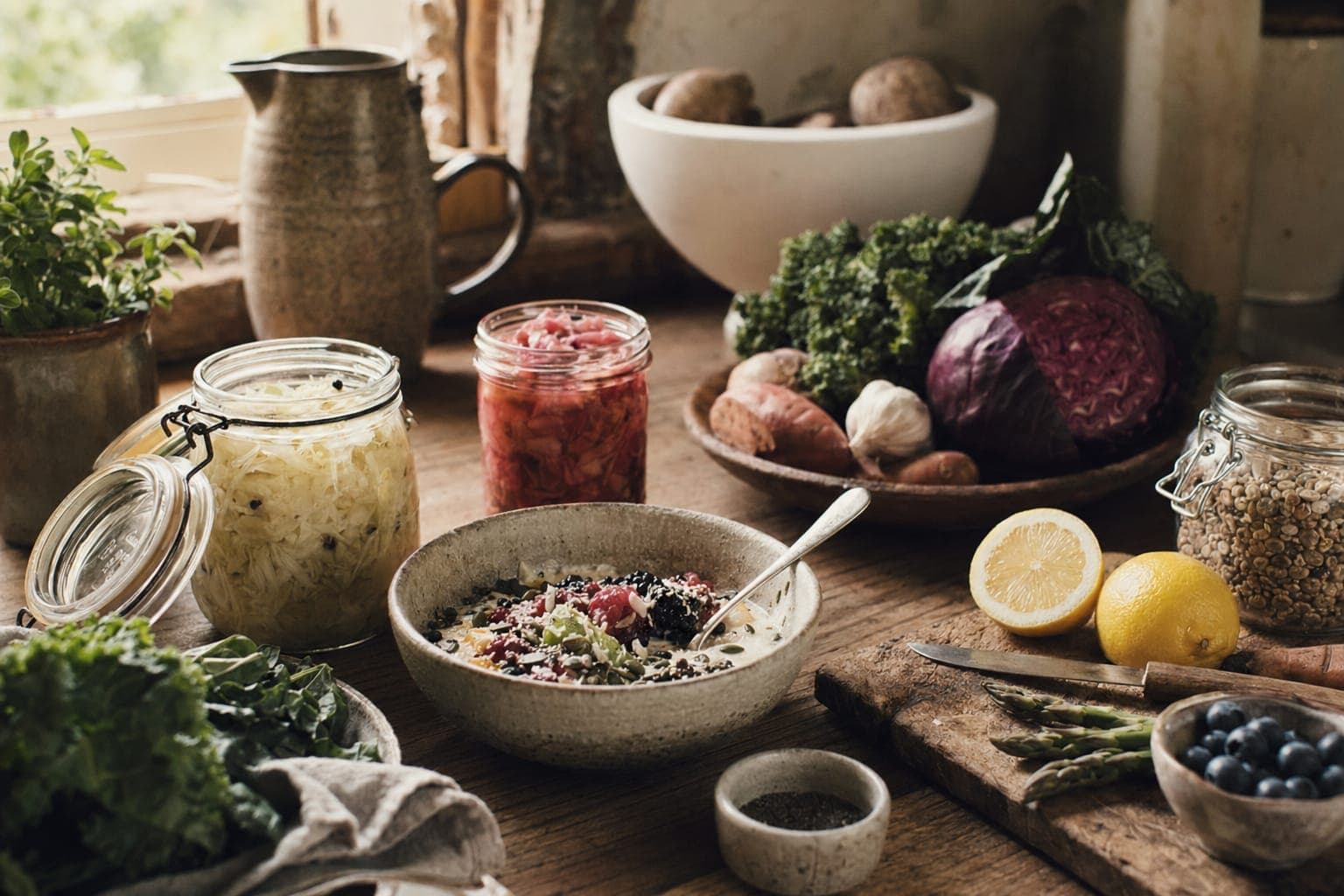
The Microbiome: A Beginner's Guide to the Bacteria in Your Gut
Your gut holds around 100 trillion bacteria, some helpful, some harmful. See how fibre, polyphenols and fermented foods feed the good ones for better health.
Real food, made effortless
Start my daily blendA few ways to use it
All recipes
How to Make Your Own Gelatine Gummies
A simple recipe for homemade gelatine gummies using grass-fed gelatine, fresh juice, and raw honey. Better than shop-bought, kids love them.

Ancestral Breakfast Ideas from Around the World
Traditional breakfast recipes from cultures that got nutrition right. Japanese, Turkish, Scottish, and more. Whole-food breakfast inspiration.
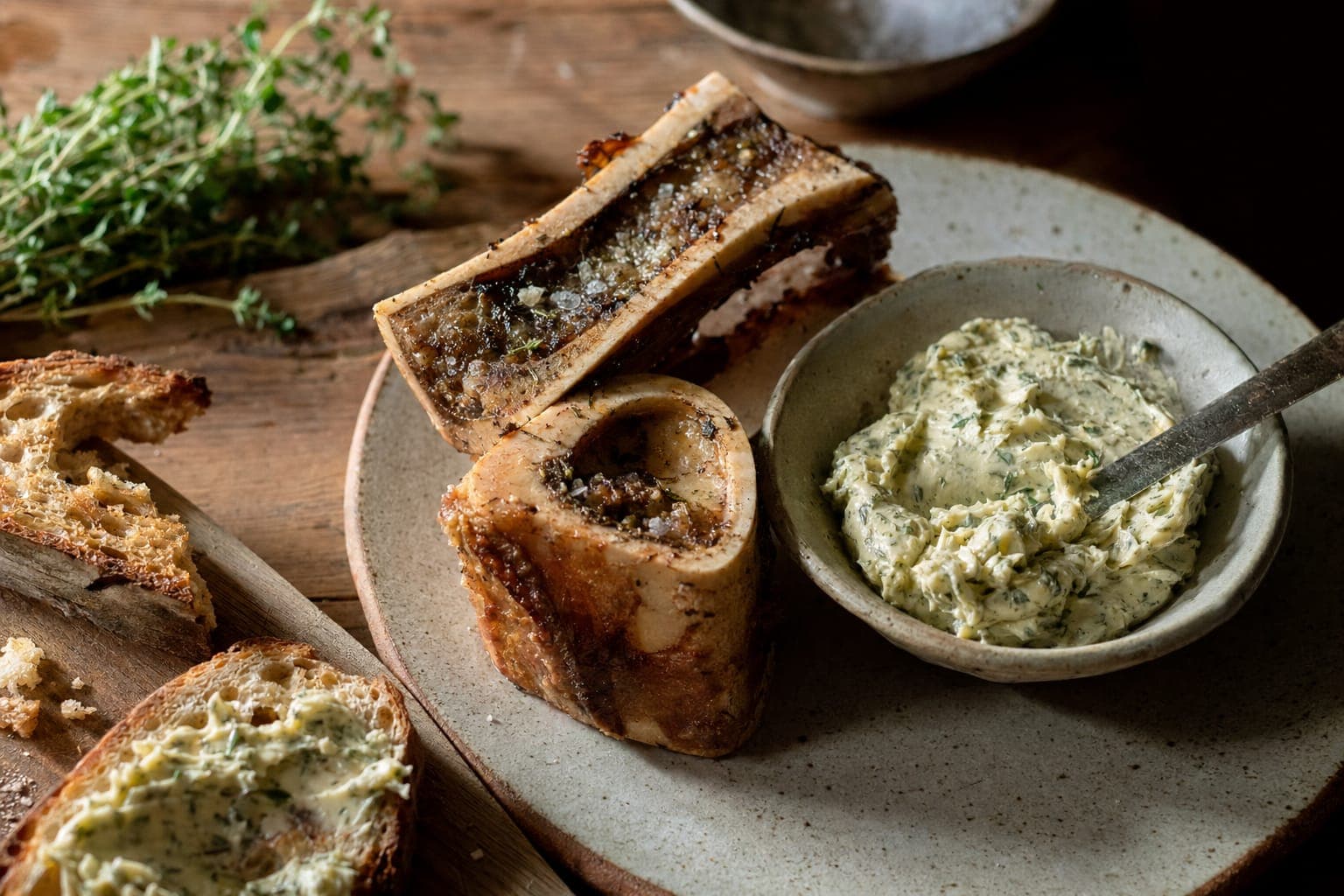
How to Make Bone Marrow Butter
Roast grass-fed marrow bones, scoop the marrow, and mix with butter and herbs. A nutrient-dense spread with fat-soluble vitamins.


 Join over 100,000+ members
Build a better food system with us
The Organised community is thousands of people choosing real food and backing the farmers who grow it, all of us trying to leave the world a little better than we found it. If that is what you care about too, you belong here.