Why Your Gut Health Affects Everything (Not Just Digestion)
Your gut is not a isolated system. It's the control centre of your entire body. The bacteria living in your digestive tract influence your mood, your skin, your immunity, your energy, and your ability to think clearly. When your gut is healthy, everything else becomes easier. When it's compromised, everything suffers.
By Niall Kiddle, Founder, Organised

Reviewed by Pedro Rodrigues, Agronomist (farming and sourcing only) ·
7 min read · Published · Updated · 4 cited sources
Makers of the Organised Daily blend, a grass-fed beef organ supplement from regenerative UK farms

Your gut is not an isolated system. It's the control centre of your entire body. The bacteria living in your digestive tract influence your mood, your skin, your immunity, your energy, and your ability to think clearly.
When your gut is healthy, everything else becomes easier. When it's compromised, everything suffers.

The gut microbiome runs more than digestion
Your gut contains trillions of bacteria, collectively weighing around 2 kilograms.1 This isn't a passenger load. These bacteria are metabolically active, producing compounds that directly influence your health.
Your microbiome synthesises B vitamins (including B12), produces short-chain fatty acids (especially butyrate, which feeds your gut cells and brain), manufactures neurotransmitters (serotonin, dopamine, GABA), and regulates oestrogen metabolism through the oestrobolome. Your gut bacteria are not guests. They're infrastructure.
When dysbiosis occurs (when beneficial bacteria are depleted and pathogenic or opportunistic species overgrow), this entire system fails. You're not just experiencing digestive symptoms. You're experiencing cascade effects throughout your body.
Your microbiome is an organ. Treat dysbiosis like you'd treat any organ failure: with urgency and intention.
The gut-brain axis: more than just mood
The gut-brain axis is a bidirectional communication system between your enteric nervous system (the neurons in your gut) and your central nervous system (your brain).2 Your gut is so densely innervated that some call it the second brain.
Your gut bacteria communicate with your brain through several pathways: the vagus nerve (literally a direct line between gut and brain), bacterial metabolites (short-chain fatty acids), and neurotransmitters. A dysbiotic gut means a noisy communication channel. Your brain hears static.
This manifests as: anxiety, depression, brain fog, poor focus, racing thoughts, difficulty making decisions, low mood. You might blame stress or your job. But the root cause could be bacterial.
People often notice that their mood shifts, sleep improves, and anxiety decreases within 2-3 weeks of addressing dysbiosis. Not completely. But noticeably. Your brain is calmer because your gut is quieter.
The gut-skin axis: acne, eczema, and beyond
If you have acne that doesn't respond to topical treatments, eczema that worsens despite moisturiser, or unexplained skin inflammation, your gut is likely involved.
The gut-skin axis operates through bacterial metabolites (short-chain fatty acids maintain skin barrier function and regulate inflammation), intestinal permeability (a leaky gut allows endotoxins to enter circulation and trigger systemic inflammation visible on the skin), and oestrogen metabolism (dysbiosis impairs oestrogen metabolism, leading to hormonal acne).
People with acne often have dysbiotic microbiomes. People with eczema often have reduced diversity and specific bacterial depletion (particularly Faecalibacterium prausnitzii). Clearing the skin often requires healing the gut, not just treating the skin.
Your skin is a window into your gut. If the window is dirty, clean what's behind it, not what's in front of it.

The gut-immune connection: 70% of your immune system
A substantial proportion of your immune system, often estimated at around 70 percent, lives in your gut.3 This is not an exaggeration. The gut-associated lymphoid tissue (GALT) contains more immune cells than your entire rest of your body combined.
These immune cells are in constant dialogue with your gut bacteria. Beneficial bacteria train your immune system to recognise friend from foe. When dysbiosis occurs, this training breaks down. Your immune system becomes trigger-happy, attacking things it shouldn't (this is the basis of many autoimmune conditions) or failing to attack things it should (allowing pathogens and tumour cells to proliferate).
This is why people with dysbiosis often experience increased infection susceptibility (viral colds, UTIs, fungal infections linger longer), food sensitivities (the immune system misidentifies food proteins as threats), and autoimmune flares. The immune system isn't broken. It's poorly trained because the gut bacteria that should be training it are absent.
Rebuilding the microbiome literally rebuilds immune tolerance and function. People often report that they stop getting recurrent infections, food sensitivities improve, and their autoimmune markers stabilise within 3-6 months of addressing dysbiosis.

The vagus nerve: the communication highway
The vagus nerve is the longest cranial nerve in your body. It runs from your brain stem down through your chest and into your gut, essentially creating a direct telephone line between your brain and your intestines.
Signals travel both directions. Your brain sends signals to your gut (telling it to contract, to secrete mucus, to control inflammation). Your gut sends signals back to your brain (reporting on bacterial metabolites, immune status, nutrient absorption). This is vagal tone, and it's critical for parasympathetic (rest and digest) function.
When your gut is dysbiotic, this communication is garbled. The signals are stressed, inflammatory, dysregulated. Your nervous system stays in sympathetic (fight or flight) mode. Your digestion suffers. Your sleep suffers. Your recovery suffers.
Healing the gut restores vagal tone. People often report that their nervous system feels calmer, their digestion improves, and their ability to sleep and relax returns within weeks.

Get health guides like this, free
Two short reads a week on eating for energy, gut health, skin, sleep and more.
By signing up you agree to receive emails from us. No spam, unsubscribe anytime.
Intestinal permeability: the root of systemic inflammation
Your intestinal lining is a selective barrier. It's supposed to let nutrients in and keep pathogens out. It's held together by tight junctions, which are literal protein connections between intestinal cells.
When dysbiosis occurs, the lining becomes permeable. Bacterial lipopolysaccharides (LPS, essentially bacterial endotoxin) cross this compromised barrier. Your immune system sees LPS in the bloodstream and triggers systemic inflammation.4 This inflammation can then settle anywhere: your joints (arthritis), your brain (brain fog, neuroinflammation), your skin (acne, eczema, psoriasis), your airways (asthma, rhinitis).
This is why addressing the gut often improves seemingly unrelated conditions. Arthritis pain decreases. Brain fog lifts. Skin clears. Asthma improves. You're not treating those conditions directly. You're removing the inflammatory insult that's driving all of them.
Leaky gut is not an official diagnosis. But intestinal permeability is a measurable physiological state that drives systemic inflammation. Fix it and everything downstream improves.

Rebuilding the microbiome: the food-first approach
Understanding that your microbiome is critical is one thing. Actually rebuilding it is another. Probiotics are popular, but they're not the foundation. The foundation is feeding the bacteria you already have with the foods they thrive on.
Beneficial bacteria (particularly Faecalibacterium prausnitzii, Akkermansia muciniphila, and the Bacteroides family) thrive on fibre, particularly the insoluble fibre found in vegetables and the resistant starch found in cooked and cooled potatoes and rice. These bacteria ferment fibre to produce short-chain fatty acids, especially butyrate, which feeds your gut cells and maintains barrier function.
A person eating refined carbohydrates and no whole foods starves these bacteria. A person eating processed foods with seed oils and additives actively poisons them. A person eating real food, vegetables, whole grains, legumes, potatoes, fermented foods, feeds them.
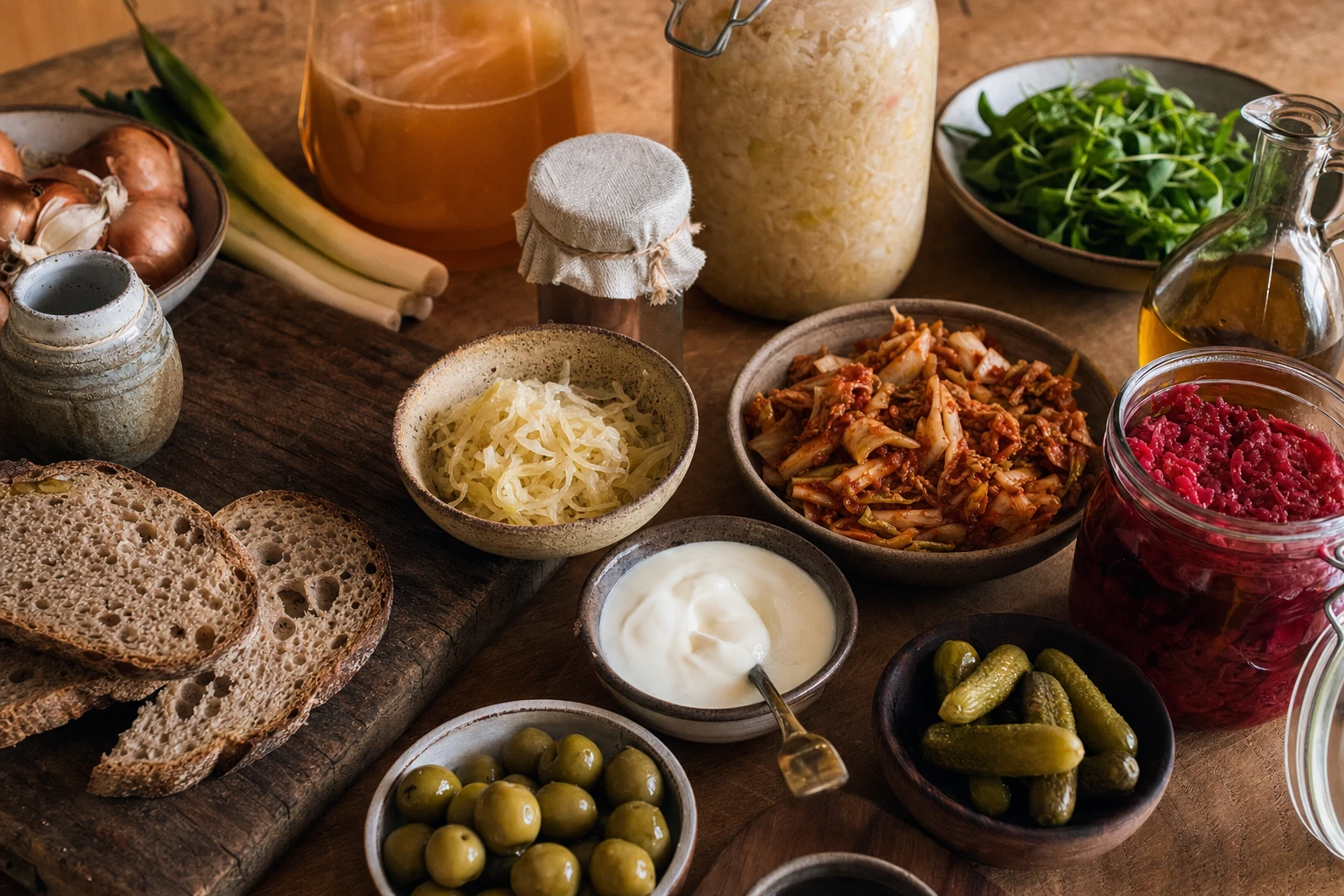
The practical framework for microbiome recovery is straightforward: eliminate processed foods entirely for 4 to 6 weeks. Eat whole foods, emphasising variety. Different bacterial species prefer different fibre types, so eating a range of vegetables, whole grains, legumes, and fruits ensures diverse bacterial populations. Include fermented foods like sauerkraut, kimchi, and kefir to introduce beneficial bacteria directly. Most people see measurable improvement in digestion, energy, mood, and immune function within 4 to 6 weeks of this simple dietary shift.
Timeline for microbiome recovery
Microbiome diversity changes take time. You won't feel different in a week. But you will in 4 to 6 weeks if you're eating real food consistently. The timeline is roughly:
- Weeks 1-2: Digestion may temporarily worsen as the dying pathogenic bacteria release endotoxins. This is called a Jarisch-Herxheimer reaction. It's temporary and signals change is happening.
- Weeks 2-4: Bloating and gas decrease. Bowel regularity improves. Energy begins to shift.
- Weeks 4-6: Mood noticeably improves. Brain fog lifts. Sleep quality improves. Skin often clears.
- Weeks 6-12: Immune function stabilises. Recurrent infections decrease. Autoimmune markers often improve.
This isn't universal. Some people recover faster. Some take longer. But the pattern is consistent: give the right bacteria the right food and they repopulate, producing metabolites your body has been starving for.

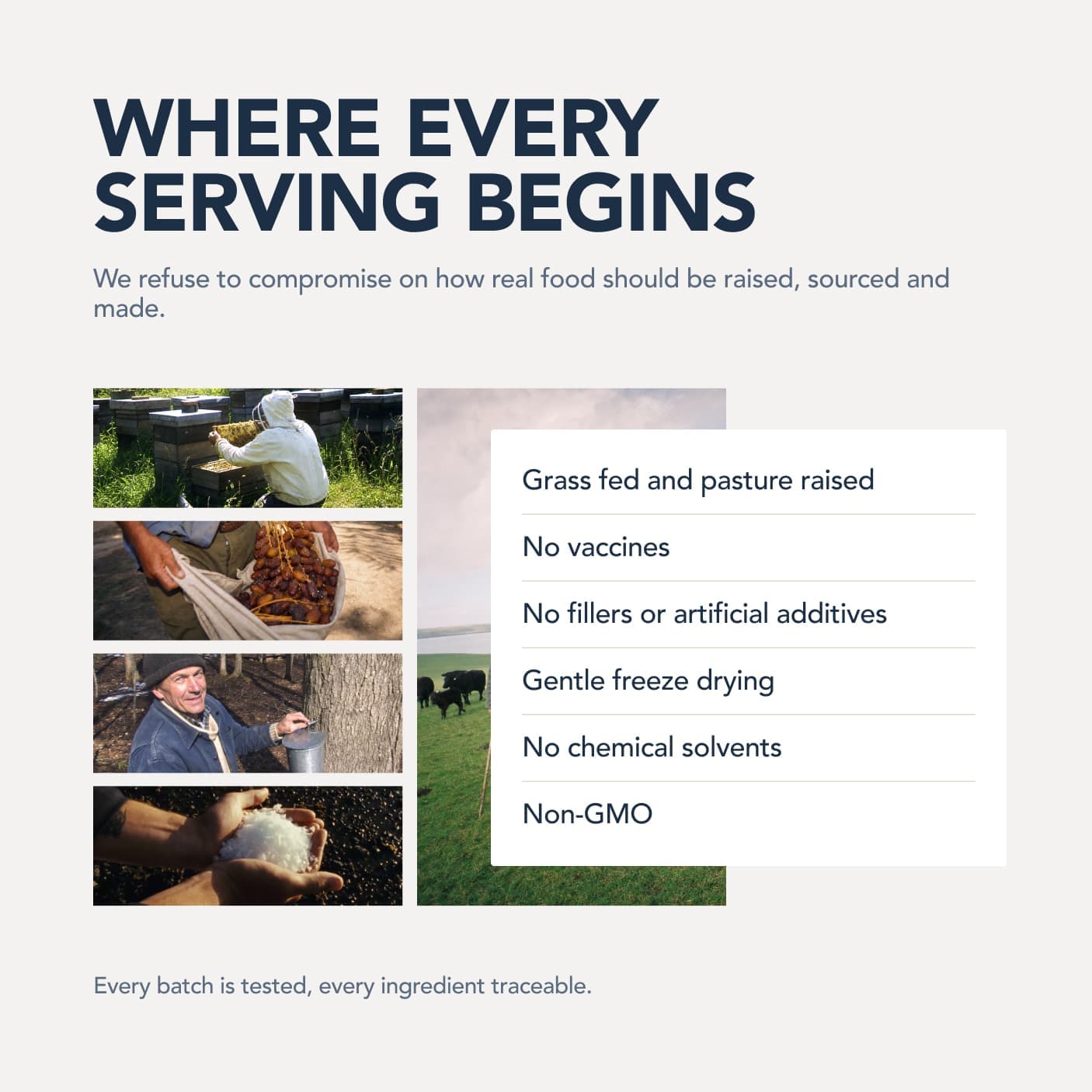
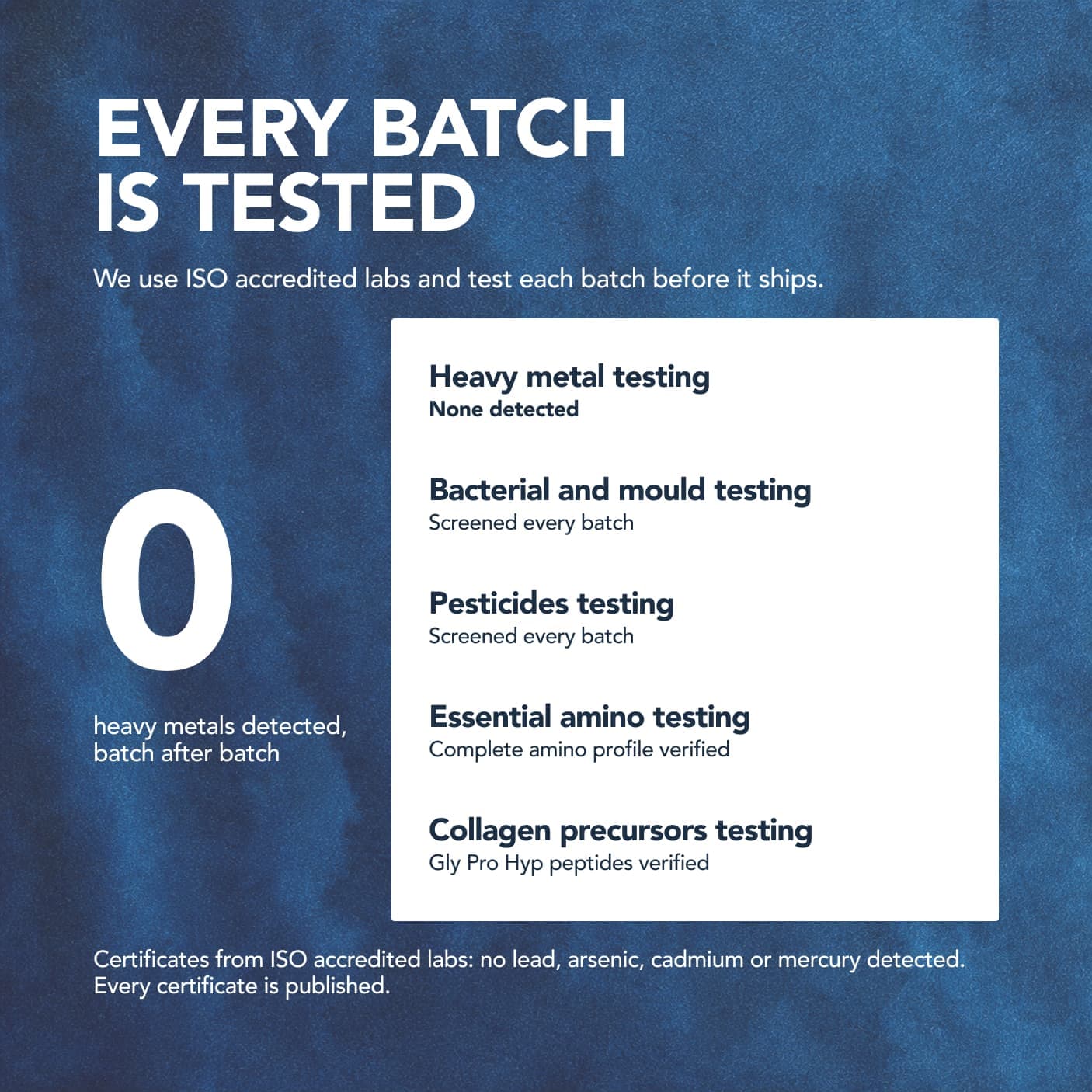
1 of 9
Daily blend
100,000+ thriving families4.9 on Trustpilot
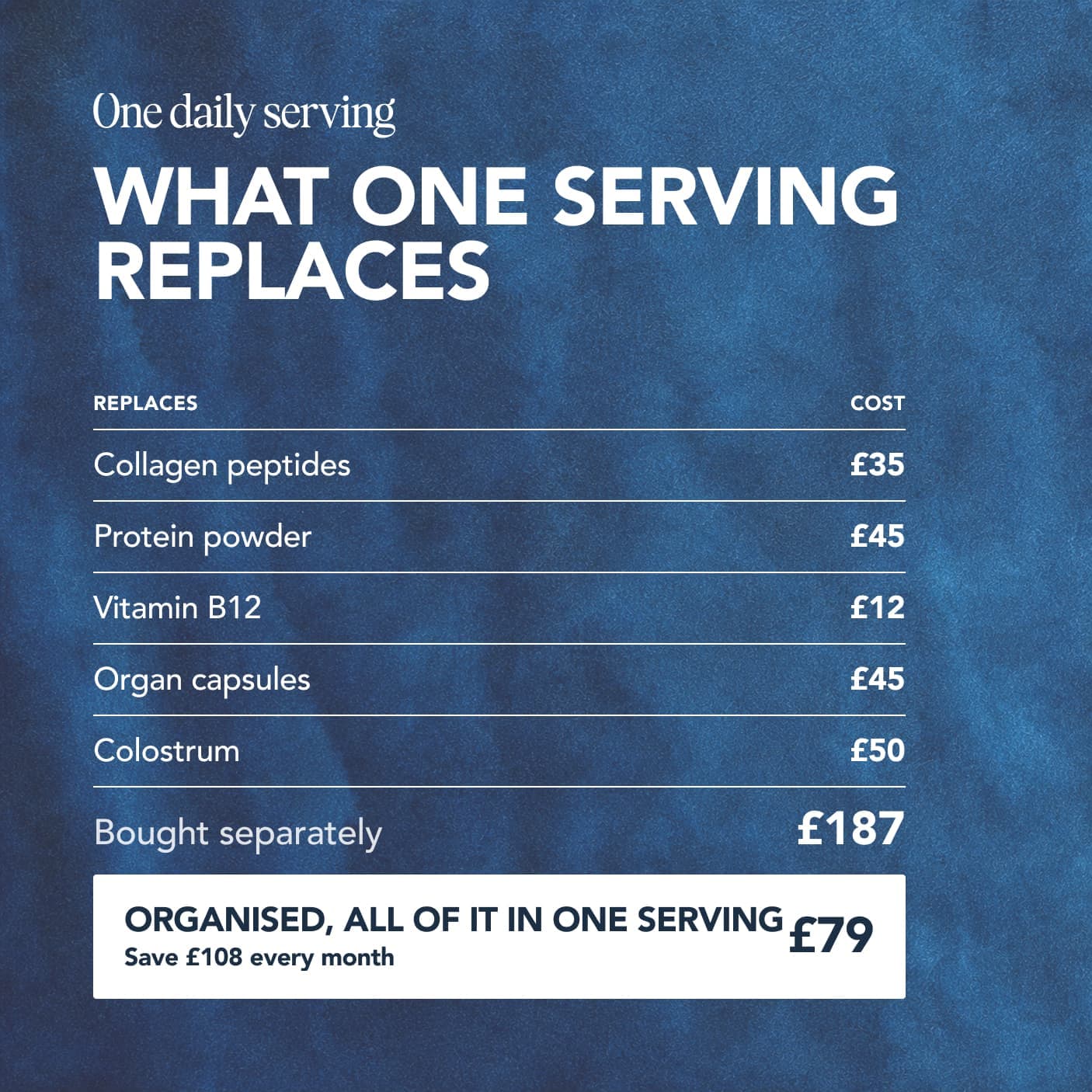
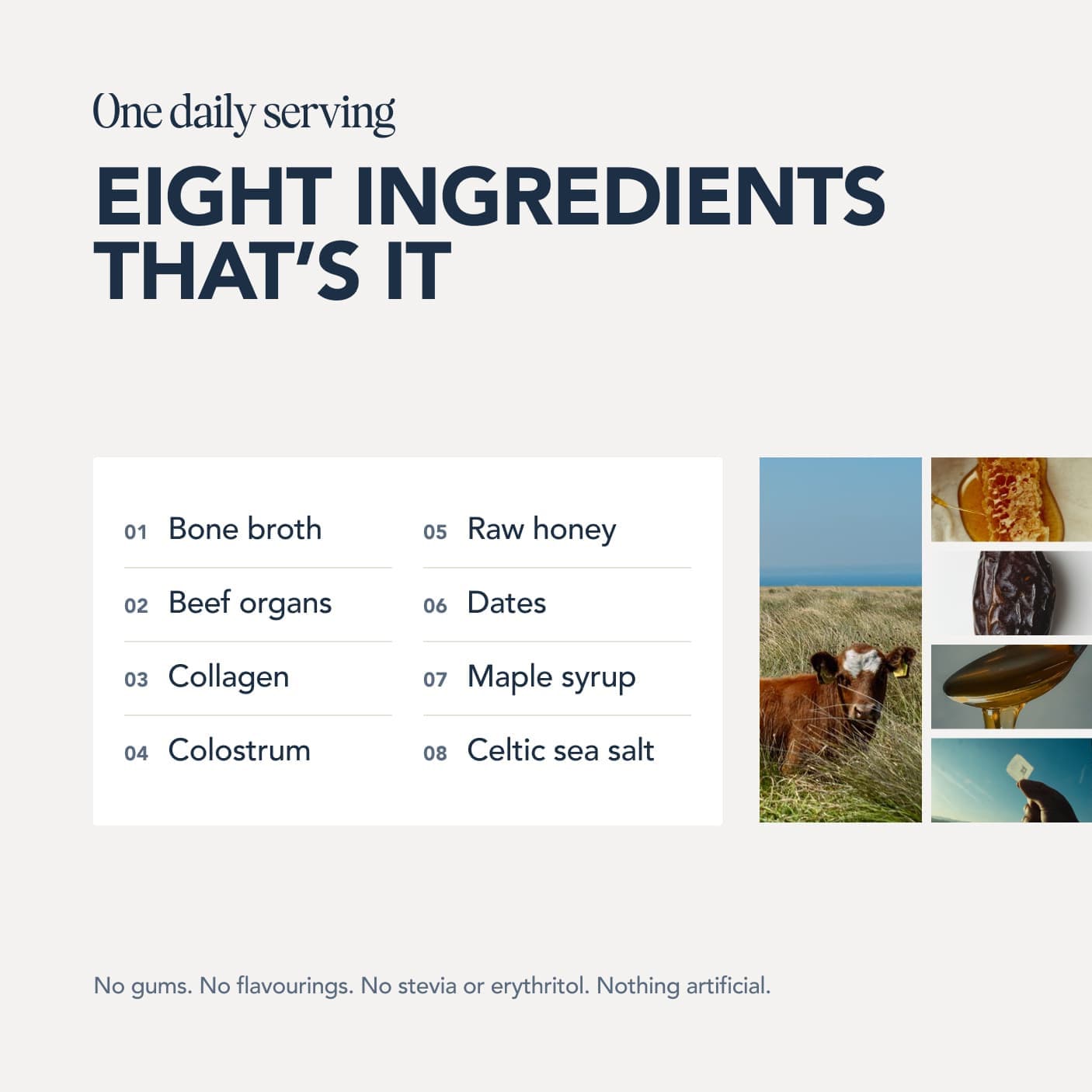
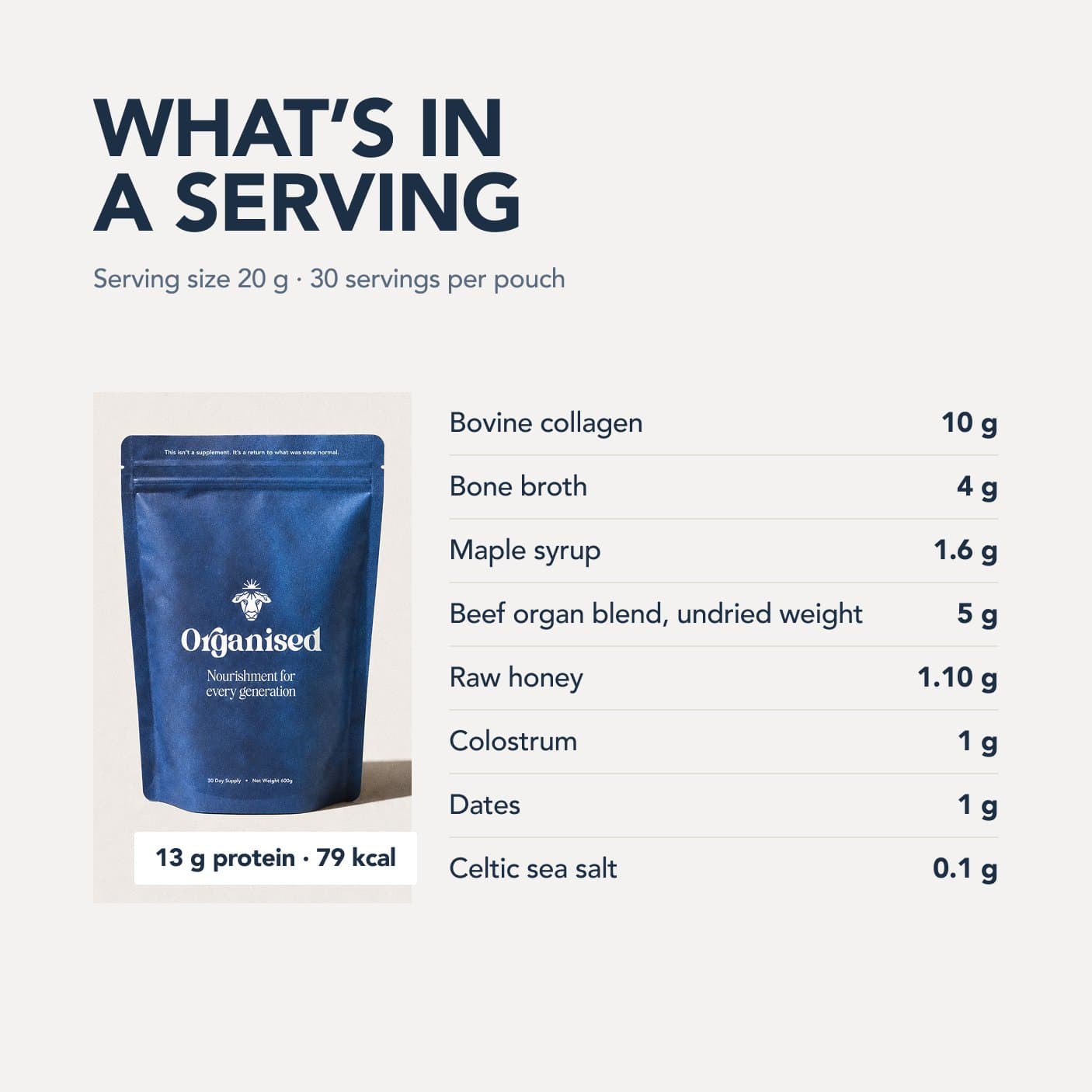
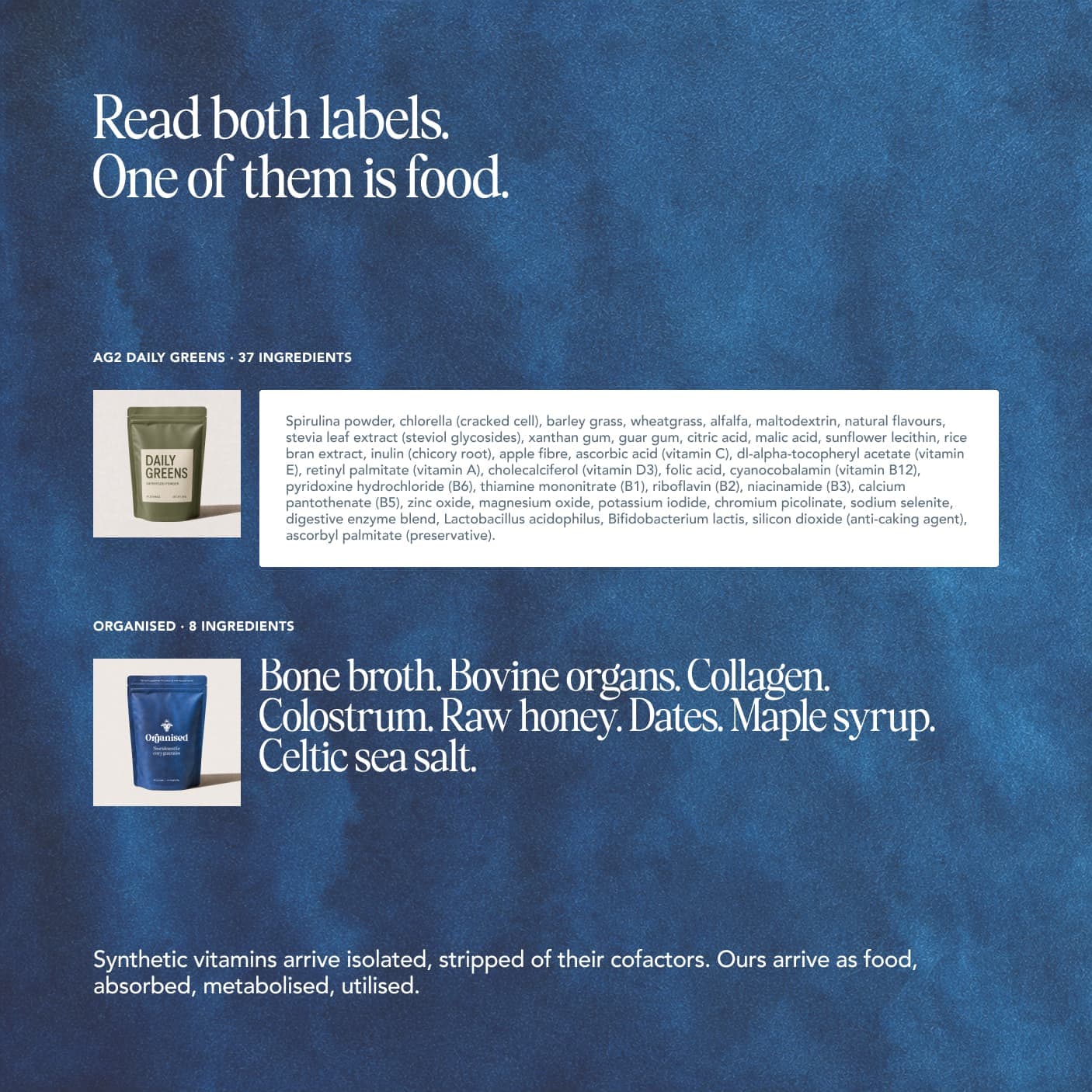
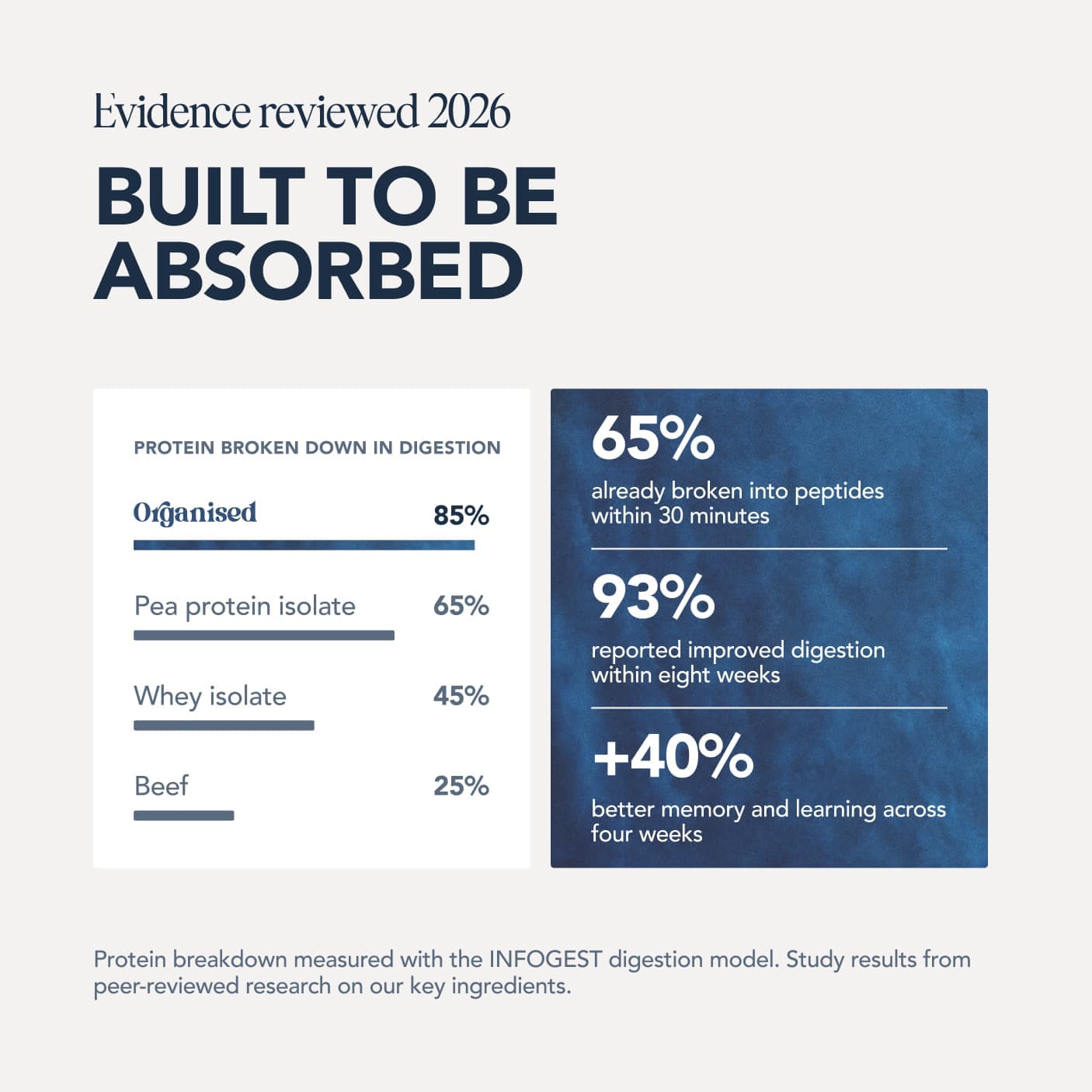
Eight real ingredients built around grass-fed beef organs, collagen and colostrum. Nothing synthetic added.
Free with your first order, worth £38. Plus £10 off the pouch with a subscription.

Free UK shipping · Made in England · 100 day money back guarantee on your first pouch · Skip, pause or cancel anytime
The bottom line
Your gut is not a digestive system sitting in isolation. It's the epicentre of your immune system, your mood regulation, your skin health, and your systemic inflammation status. When it's dysbiotic, these systems cascade into dysfunction.
The good news is that dysbiosis is addressable. Rebuild your microbiome with whole foods, fermented foods, bone broth, and time, and you'll often see improvements in mood, energy, skin, immunity, and overall health that seem to have nothing to do with digestion. But they do. They all stem from a healthier gut.
Stop treating these systems in isolation. Treat the root. Fix your gut, and the rest often follows.
References
Every source below was checked on 27 August 2026. Each PubMed, PMC and DOI identifier was resolved against NCBI or Crossref, and what it opens is printed under the citation, so you can see the link goes where the citation says without leaving the page. Where a citation and its identifier disagreed, the citation was corrected to the record or the reference was deleted along with the sentence marker that pointed at it, and where the resolved paper turned out not to support the sentence, the sentence was cut back to what it does support. Borrowed authority is worse than none, because it looks like rigour.
- Sender R, Fuchs S, Milo R. Revised Estimates for the Number of Human and Bacteria Cells in the Body. PLoS Biol. https://pmc.ncbi.nlm.nih.gov/articles/PMC4991899/ [accessed May 2026].Checked 27 August 2026: PMC4991899 opens Sender R, Fuchs S, Milo R, Revised Estimates for the Number of Human and Bacteria Cells in the Body. PLoS Biol 2016;14(8):e1002533.The authors' own declaration, from the record: The authors have declared that no competing interests exist.
- Mayer EA, Tillisch K, Gupta A. Gut/brain axis and the microbiota. J Clin Invest. https://pmc.ncbi.nlm.nih.gov/articles/PMC4362231/ [accessed May 2026].Checked 27 August 2026: PMC4362231 opens Mayer EA, Tillisch K, Gupta A, Gut/brain axis and the microbiota. J Clin Invest 2015;125(3):926-38. PubMed indexes it as: Review.
- Wiertsema SP, van Bergenhenegouwen J, Garssen J, Knippels LMJ. The Interplay between the Gut Microbiome and the Immune System in the Context of Infectious Diseases throughout Life and the Role of Nutrition in Optimizing Treatment Strategies. Nutrients. https://pmc.ncbi.nlm.nih.gov/articles/PMC8001875/ [accessed May 2026].Checked 27 August 2026: PMC8001875 opens Wiertsema SP, van Bergenhenegouwen J, Garssen J et al, The Interplay between the Gut Microbiome and the Immune System in the Context of Infectious Diseases throughout Life and the Role of Nutrition in Optimizing Treatment Strategies. Nutrients 2021;13(3). PubMed indexes it as: Review.The authors' own declaration, from the record: S.W., J.v.B., J.G., L.K are employed by Danone Nutricia Research. The authors declare no conflict of interest.
- Camilleri M. Leaky gut: mechanisms, measurement and clinical implications in humans. Gut. https://pmc.ncbi.nlm.nih.gov/articles/PMC6790068/ [accessed May 2026].Checked 27 August 2026: PMC6790068 opens Camilleri M, Leaky gut: mechanisms, measurement and clinical implications in humans. Gut 2019;68(8):1516-1526. PubMed indexes it as: Review.The authors' own declaration, from the record: Competing interests: None declared.
Corrections
What this page used to say, and why it no longer says it. Corrections are dated and are never removed, because deleting the record of an error is a second error. Every guide we have corrected is listed at our corrections log.
- 27 August 2026. “Your gut contains trillions of bacteria, collectively weighing around 2 kilograms” was cited to the exact paper written to refute it. Sender, Fuchs and Milo put the number at about 38 trillion in a 70 kg adult, roughly the same order as the body's own 30 trillion human cells, and the total mass at about 0.2 kilograms. The sentence now says what the paper says, and names the 2 kilogram figure as the folklore it is.
Who wrote and reviewed this guide
Niall Kiddle
Author · Founder, Organised
Niall is the founder of Organised. He started the company in 2024 after fixing his own health the slow way: in 2022 he swapped a cupboard of synthetic supplements for real food, raw milk, organ meats, bone broth and honey, and felt the difference within months.
Areas of expertise: Ancestral nutrition, Organ meats, Whole-food supplementation, Gut health, Regenerative sourcing
Read Niall's full profile
Pedro Rodrigues
Reviewer · Agronomist (farming and sourcing only)
Pedro is the agronomist Organised works with on farming and sourcing. His job on the guides is to keep the science honest: he reviews what we publish about soil health, regenerative agriculture, grazing and the way food is actually produced.
Areas of expertise: Regenerative agriculture, Agronomy, Soil health, Grass-fed farming, Food sourcing
Reviewed this guide on
Read Pedro's full profileMore on gut health
View all- The Complete Guide to Healing Your Gut with Whole Foods
- 5 Foods You Think Are Healthy (But Are Secretly Ruining Your Gut)
- Acid Reflux and Low Stomach Acid: A Nutritional Perspective
- Bloating After Eating: Common Causes and Whole Food Solutions
- Bone Broth for Gut Health: What the Science Says
- Candida Overgrowth: What It Is and How Nutrition Can Help
- Histamine Intolerance: Could Your Gut Be the Cause?
- How Colostrum and Collagen Work Together to Repair the Gut Lining
- How Stress Destroys Your Gut (And What to Do About It)
- How to Recognise the Early Signs of Poor Gut Health
- How to Reset Your Gut After Antibiotics
- IBS and Nutrition: A Whole Food Approach
Browse the guides library
All guidesKeep reading

Health goals
How to Reset Your Gut After Antibiotics
Rebuild your microbiome after antibiotics with fermented foods, bone broth, glutamine, and prebiotics. Evidence-based recovery timeline.

Health goals
IBS and Nutrition: A Whole Food Approach
Manage IBS symptoms with whole foods, elimination protocols, and low-histamine eating. Includes fermented foods, broth, and reintroduction strategies.

Health goals
SIBO: What It Is and How Nutrition Can Help
Understand SIBO, the migrating motor complex, and how nutrition supports recovery. Meal spacing, bitters, and non-fermented approaches.
Real food, made effortless
Start my daily blendA few ways to use it
All recipes
Raw Milk Ice Cream with Organised
Make raw milk ice cream at home with Organised for a seasonal, nutrient-dense treat. Three simple flavours to try whenever the craving strikes.

Collagen-Rich Beef Stew: Slow-Cooked Nourishment
Beef stew that delivers collagen from connective tissue and bone broth. Winter comfort food that actually nourishes. Simple slow cooker recipe.

Whole Food Snacks for Busy Days
Practical whole food snacks that travel well and sustain energy. No refined carbs, no seed oils. Real food options for when you're busy.


 Join over 100,000+ members
Build a better food system with us
The Organised community is thousands of people choosing real food and backing the farmers who grow it, all of us trying to leave the world a little better than we found it. If that is what you care about too, you belong here.