Eating for Each Phase of Your Menstrual Cycle
You're not meant to eat the same way every day of your cycle. Your body's nutrient needs shift dramatically as hormones rise and fall. Honour that rhythm, and your cycle normalises. Your mood stabilises. Your energy levels stop being so erratic.
By Niall Kiddle, Founder, Organised

Reviewed by Pedro Rodrigues, Agronomist (farming and sourcing only) ·
6 min read · Published · Updated · 6 cited sources
Makers of the Organised Daily blend, a grass-fed beef organ supplement from regenerative UK farms


The four phases and what happens in each
Your menstrual cycle isn't a single event that happens once a month. It's four distinct physiological phases, each driven by different hormones, each demanding different things from your nutrition.
The cycle begins on day one of bleeding. From there, you move through the menstrual phase (days 1-5, roughly), the follicular phase (days 6-13, roughly), the ovulatory phase (days 14-15, a brief spike), and the luteal phase (days 16-28, roughly). The exact timing varies from person to person, from cycle to cycle. But the pattern is consistent.
In the follicular and ovulatory phases, oestrogen rises. Your metabolism shifts. Your nutritional needs change. You feel more energetic. Your appetite is lower. In the luteal phase, progesterone rises. Your metabolic rate actually increases. You burn more calories. Your body needs more food, and different kinds of food, to run properly.
The menstrual phase
Days 1 to 5. You're bleeding. Iron is leaving your body.
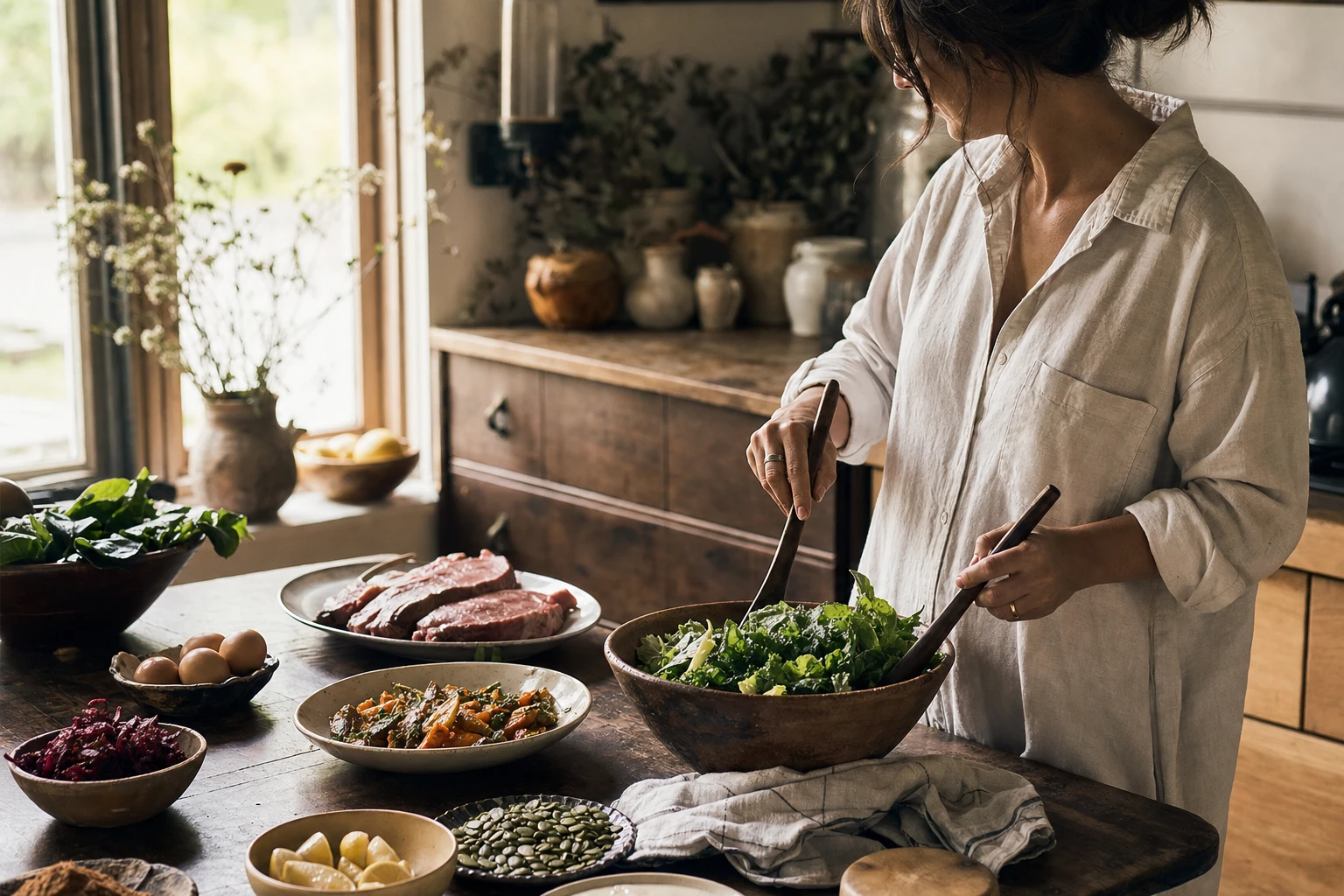
This is the phase to prioritise iron-rich foods. Beef, liver, organ meats, oysters, clams. These aren't just iron sources. They're bioavailable iron that your body can actually absorb. Animal iron (haem iron) is absorbed at roughly 15-35% of intake. Plant-based iron is absorbed at 2-20%.1 If you're losing iron through menstruation, whole-food animal sources matter.
Add vitamin C to boost absorption. Orange juice with your steak. Sauerkraut with your oysters. The acid helps.
You might also feel fatigue, perhaps low mood. This is partly the iron loss, partly oestrogen dropping. B vitamins become important. Get them from liver, eggs, and whole foods. Folate specifically supports mood. Liver is rich in it.
Your menstrual phase isn't weakness. It's your body's signal that it needs specific nutrients. Listen.
Calories are fine here. You don't need extra. Your metabolic rate is relatively low during bleeding and early follicular. Eat enough, but don't force extra food in the name of "refuelling".
The follicular phase
Days 6 to 13. Oestrogen rises. FSH (follicle-stimulating hormone) climbs. Your body is preparing to ovulate.
You'll notice your appetite drops. You're actually less hungry than usual. This is correct. Your metabolic rate is lower. Your body needs fewer calories. Honour this. Eat when hungry, stop when satisfied. Don't force extra food because you think you should.
Oestrogen is rising, so oestrogen metabolism becomes important. Your liver processes oestrogen conjugates via methylation pathways that require B vitamins (especially B6 and folate) and other cofactors.2 These support the methylation pathways that allow oestrogen to be metabolised cleanly.
Your energy is highest now. This is when you'll naturally want to move more, train harder, be more social. Your body is primed for it. The carbohydrate sensitivity is also higher. You can handle more carbs during this phase without destabilising blood sugar. Include them. White rice, fruit, honey, potatoes.
Fresh vegetables, lighter meals, higher volume foods. You feel like salads and grilled fish. That's not a mistake. Your body is signalling what it needs.
The ovulatory phase
Days 14 to 15, roughly. This is brief. Oestrogen peaks. LH (luteinising hormone) surges. You ovulate.
Your metabolic rate spikes. Your appetite might increase for a day or two. You feel energised, confident, social. Your body is optimised for reproduction and activity.
Antioxidants become important here because ovulation is an oxidative event. Your body produces reactive oxygen species as part of the ovulation process. Eat colourful vegetables: beets, carrots, peppers, leafy greens. These are rich in carotenoids and polyphenols that neutralise oxidative stress.
Zinc is also important. Zinc supports reproductive hormone synthesis and function.3 It's found richly in oysters, beef, pumpkin seeds, and sesame seeds. A serving of oysters during this phase is genuinely strategic nutrition, not indulgence.
The ovulatory phase is brief, but it's your body's signal that you're fertile. Feed it what it needs to complete the process cleanly.
Get health guides like this, free
Two short reads a week on eating for energy, gut health, skin, sleep and more.
By signing up you agree to receive emails from us. No spam, unsubscribe anytime.
The luteal phase
Days 16 to 28. This is where everything changes. Progesterone rises. Your metabolism increases.
You'll notice your appetite returns. You're actually hungrier now, and this is biologically accurate. Resting energy expenditure rises modestly during the luteal phase, with most studies showing a small increase of roughly 100-300 kcal/day.4 You need more calories. Eating less during this phase is the fastest way to dysregulate your cycle and tank your mood.
Your body is also less insulin-sensitive during the luteal phase. Carbs that your body handled fine in the follicular phase now spike your blood sugar more readily. This doesn't mean avoiding carbs. It means choosing the carbs more carefully. Include fibre. Eat carbs with protein and fat. Sweet potato with butter and eggs. Fruit with full-fat yogurt and nuts.
Progesterone itself requires cholesterol as its precursor.5 Your body will be pulling cholesterol from your liver to synthesise progesterone. This is why saturated fat becomes important during the luteal phase. Butter, coconut oil, egg yolks. These support progesterone production.
Magnesium becomes critical. Progesterone increases magnesium excretion. Many women become deficient in the second half of the cycle. The result is worse PMS, worse mood, worse sleep. Magnesium-rich foods: dark leafy greens, pumpkin seeds, dark chocolate (yes, really), seafood, nuts.6 Some women benefit from a magnesium supplement during the luteal phase.
Calcium is also important. Progesterone and calcium work together to regulate serotonin and GABA. Low calcium in the luteal phase is associated with worse mood symptoms. Dairy, leafy greens, sardines with bones.
The luteal phase is when you might crave more substantial foods. Warming meals. Soups. Roasted vegetables. Stews with bone broth. These aren't cravings to fight. They're your body asking for the nutrient density and warmth it actually needs.
Putting it together
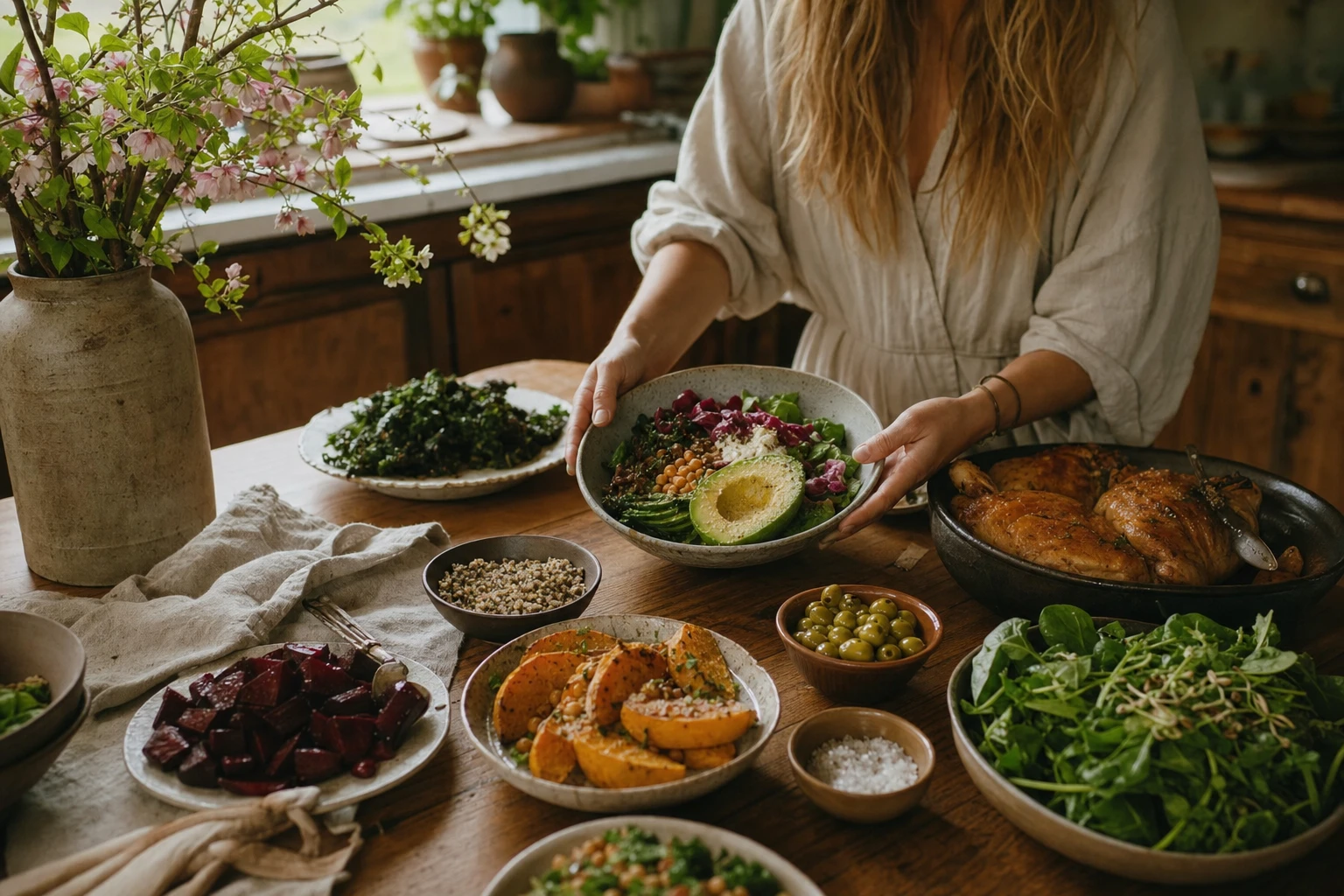
You don't need separate meal plans for each phase. You need awareness of your needs and flexibility in how you feed yourself.
Track your cycle for two or three months. Write down not just when you're bleeding, but when your energy peaks, when your appetite shifts, when your mood changes. Map it against the phases. You'll see the pattern.
Then, adjust your food choices to match what your body is asking for. During follicular, lighter foods when that's what you crave. During luteal, more substantial meals and more calories. During ovulation, antioxidant-rich foods. During menstruation, iron-rich animal foods.
This isn't complicated. You're not meal-prepping four separate diets. You're simply paying attention to your body's signals and feeding yourself accordingly.
Cycle syncing is just eating in alignment with what your body actually needs, rather than forcing the same routine every single day.
1 of 9
Daily blend
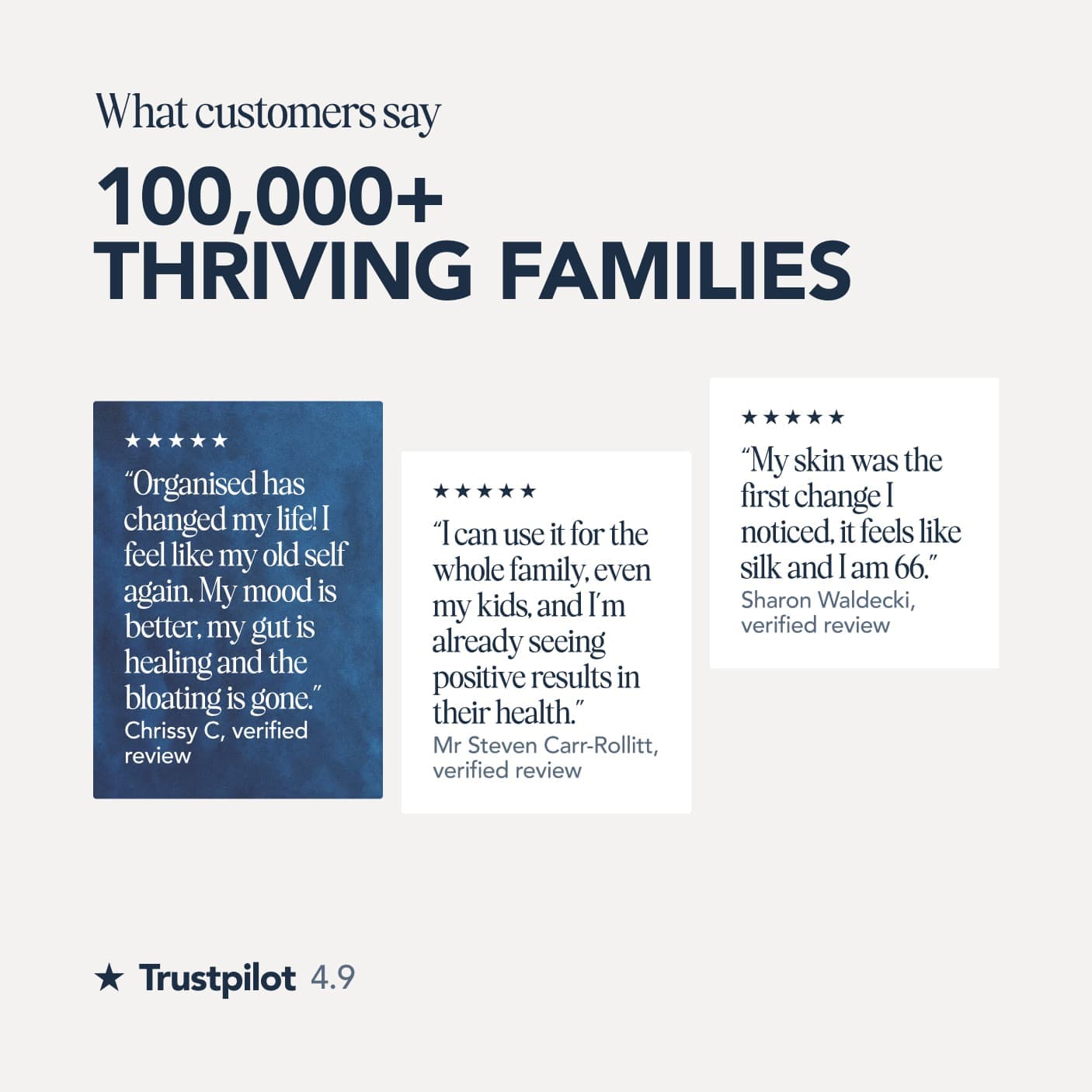
100,000+ thriving families4.9 on Trustpilot
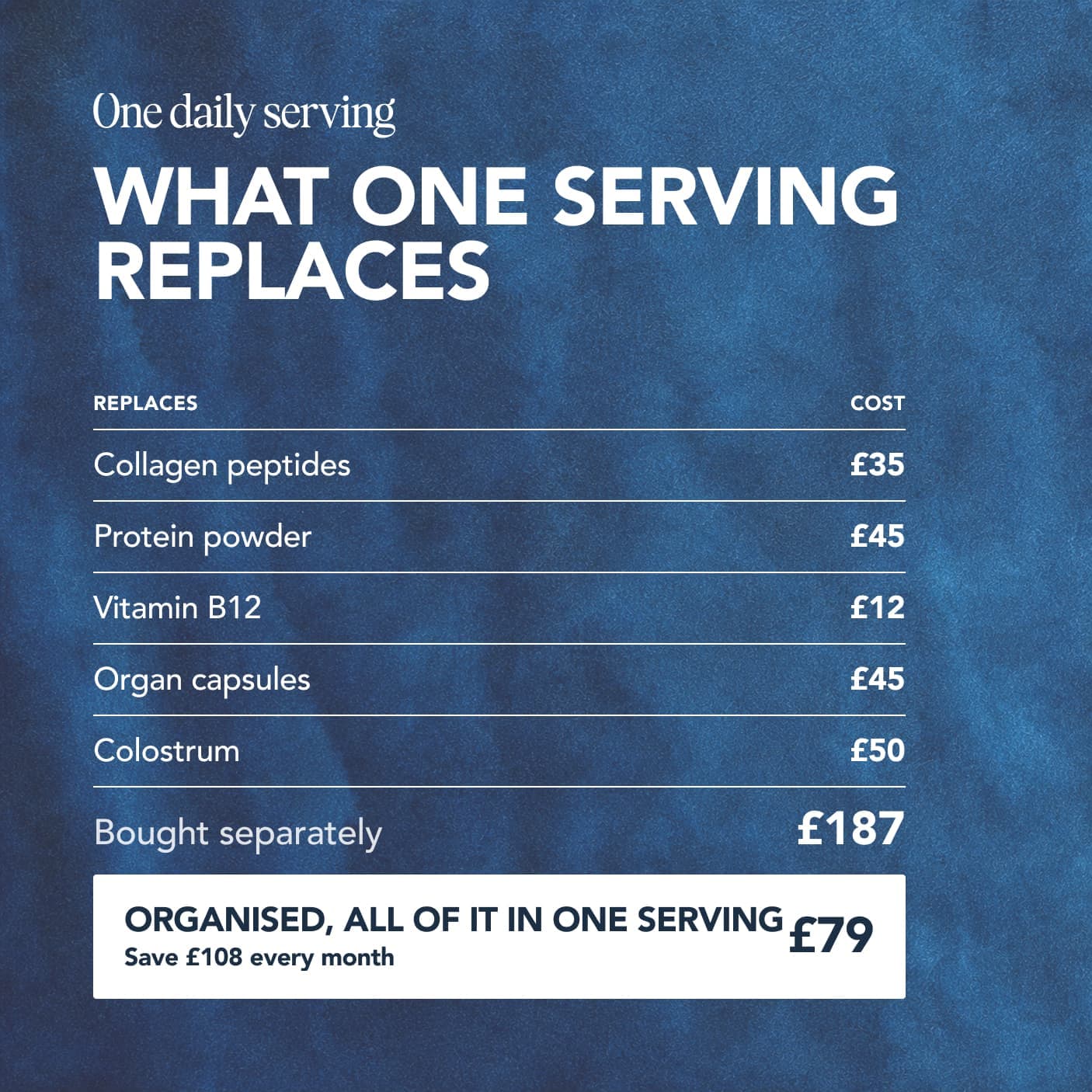
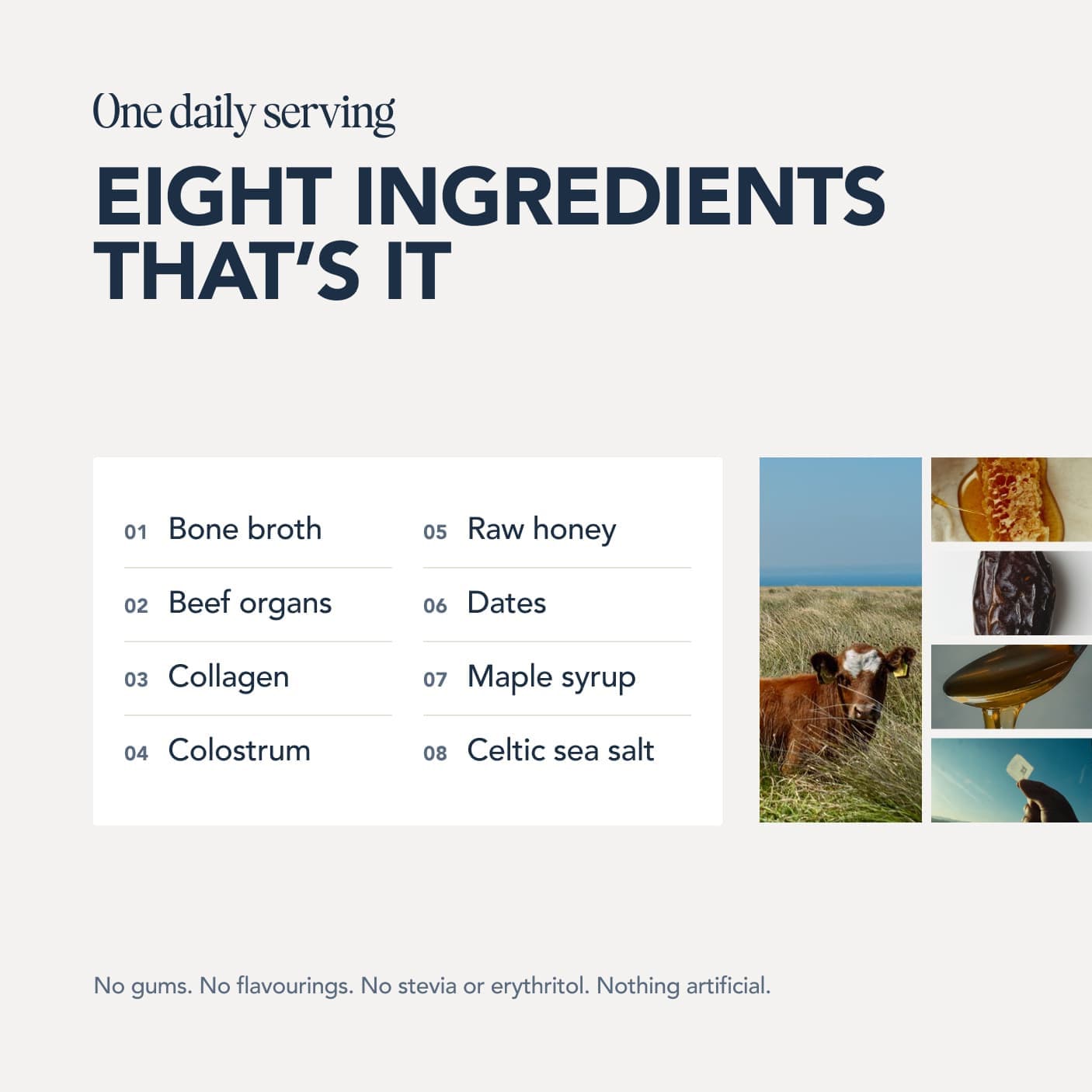
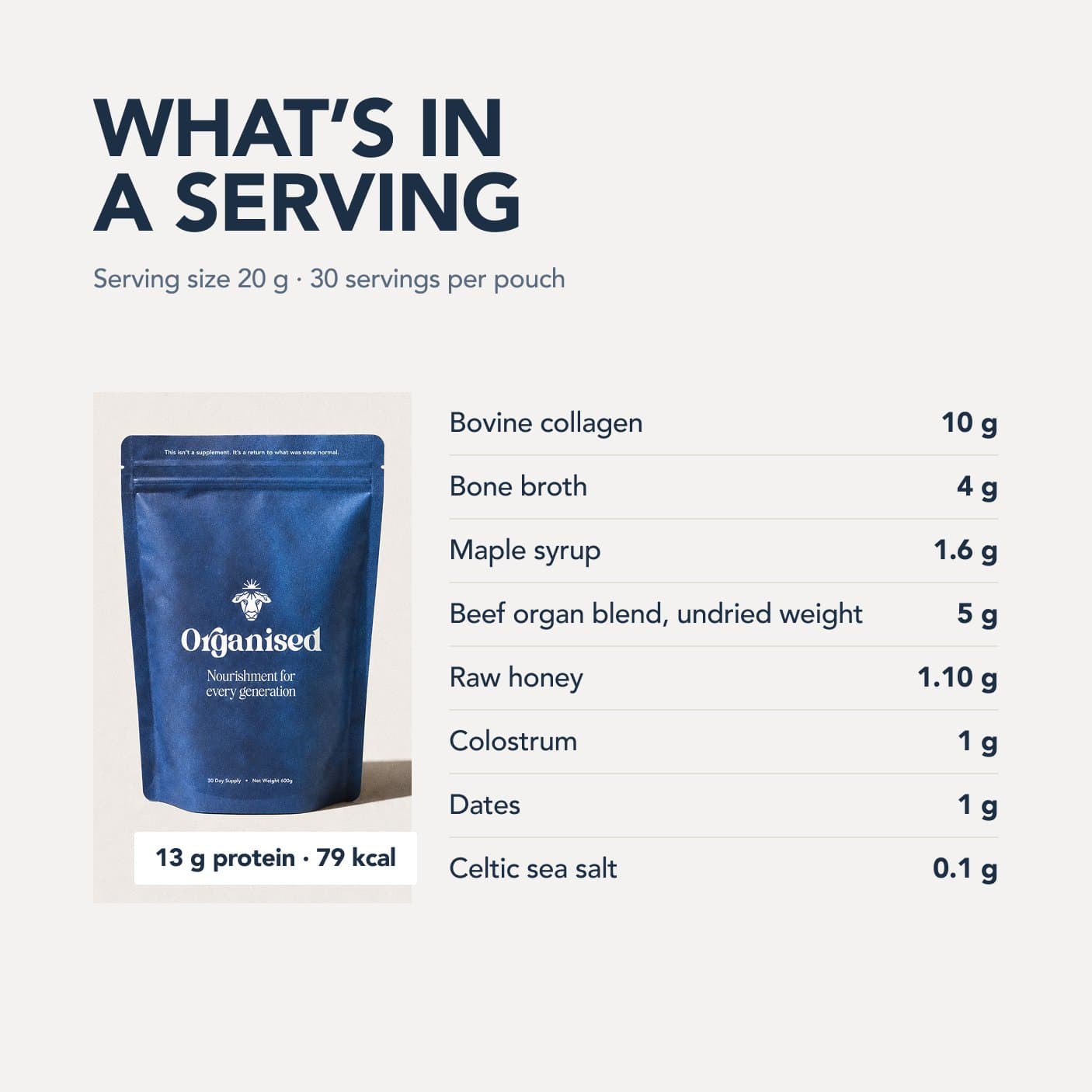
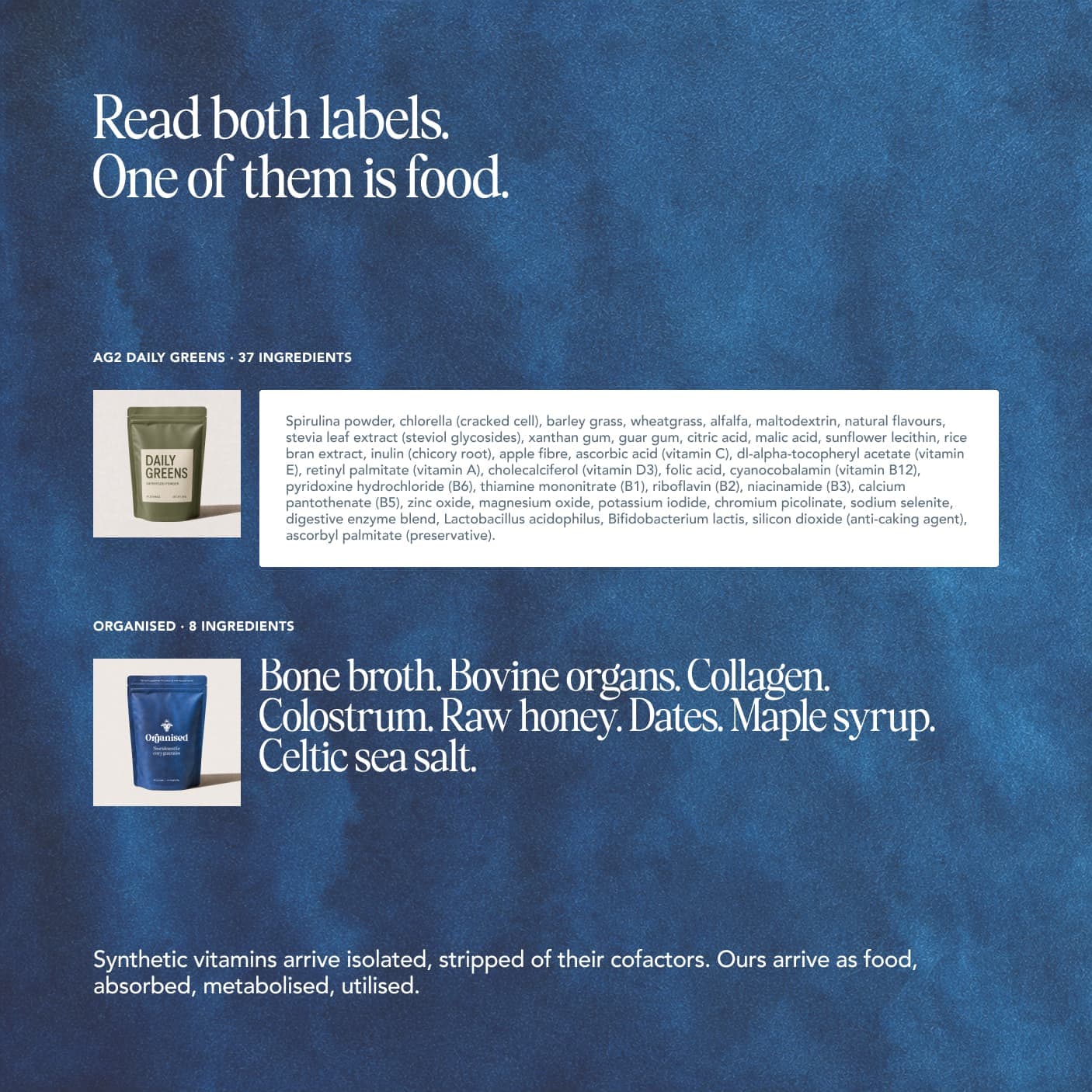
Eight real ingredients built around grass-fed beef organs, collagen and colostrum. Nothing synthetic added.
Free with your first order, worth £38. Plus £10 off the pouch with a subscription.
Free UK shipping · Made in England · 100 day money back guarantee on your first pouch · Skip, pause or cancel anytime
The tracking advantage
The biggest advantage of cycle syncing is clarity. When you start tracking, you realise your body is profoundly predictable. It's not random. The energy crashes, the mood shifts, the appetite changes. They're not failures on your part. They're signals from your body telling you what it needs.
Once you've tracked for two or three cycles, you can almost predict your needs before they arrive. You know that on day 18, you're going to need more food and more fat. You know that on day 6, you're going to want to move more. You plan accordingly. You stop fighting your biology and start working with it.
This awareness alone is transformative. You stop seeing your cycle as an inconvenience or an obstacle to a single "ideal" diet. You see it as information. As feedback. As your body telling you how to feed yourself well.
The bottom line
Your cycle is information. It's your body talking, telling you what it needs. The menstrual phase asks for iron. The follicular phase wants lighter foods and carbs. Ovulation needs antioxidants. The luteal phase demands more calories, more magnesium, more fat. Feed your body what each phase requires, and you'll notice your cycle becomes more regular, your mood more stable, your energy more predictable. You don't have to fight against your biology. You can eat with it instead.
References
Every source below was checked on 27 August 2026. Each PubMed, PMC and DOI identifier was resolved against NCBI or Crossref, and what it opens is printed under the citation, so you can see the link goes where the citation says without leaving the page. Where a citation and its identifier disagreed, the citation was corrected to the record or the reference was deleted along with the sentence marker that pointed at it, and where the resolved paper turned out not to support the sentence, the sentence was cut back to what it does support. Borrowed authority is worse than none, because it looks like rigour.
- National Institutes of Health, Office of Dietary Supplements. Iron - Health Professional Fact Sheet. ods.od.nih.gov
- Tsuchiya Y, et al. Cytochrome P450-mediated metabolism of estrogens and its regulation in human. Cancer Lett. 2005. PMID 16112414Checked 27 August 2026: PMID 16112414 opens Tsuchiya Y, Nakajima M, Yokoi T, Cytochrome P450-mediated metabolism of estrogens and its regulation in human. Cancer Lett 2005;227(2):115-24. PubMed indexes it as: Review.
- National Institutes of Health, Office of Dietary Supplements. Zinc - Health Professional Fact Sheet. ods.od.nih.gov
- Solomon SJ, et al. Menstrual cycle and basal metabolic rate in women. Am J Clin Nutr. 1982;36(4):611-6. PMID 7124662Checked 27 August 2026: PMID 7124662 opens Solomon SJ, Kurzer MS, Calloway DH, Menstrual cycle and basal metabolic rate in women. Am J Clin Nutr 1982;36(4):611-6.
- Stocco DM. The role of the StAR protein in steroidogenesis. Steroids. 1997. PMID 9029711Checked 27 August 2026: PMID 9029711 opens Stocco DM, Clark BJ, The role of the steroidogenic acute regulatory protein in steroidogenesis. Steroids 1997;62(1):29-36. PubMed indexes it as: Review.
- National Institutes of Health, Office of Dietary Supplements. Magnesium - Health Professional Fact Sheet. ods.od.nih.gov
Who wrote and reviewed this guide
Niall Kiddle
Author · Founder, Organised
Niall is the founder of Organised. He started the company in 2024 after fixing his own health the slow way: in 2022 he swapped a cupboard of synthetic supplements for real food, raw milk, organ meats, bone broth and honey, and felt the difference within months.
Areas of expertise: Ancestral nutrition, Organ meats, Whole-food supplementation, Gut health, Regenerative sourcing
Read Niall's full profile
Pedro Rodrigues
Reviewer · Agronomist (farming and sourcing only)
Pedro is the agronomist Organised works with on farming and sourcing. His job on the guides is to keep the science honest: he reviews what we publish about soil health, regenerative agriculture, grazing and the way food is actually produced.
Areas of expertise: Regenerative agriculture, Agronomy, Soil health, Grass-fed farming, Food sourcing
Reviewed this guide on
Read Pedro's full profileMore on hormones
View all- Hormonal Health Starts in the Kitchen: A Whole Food Guide
- Perimenopause Nutrition: What Changes and What to Eat
- Coming Off the Pill? How to Support Your Body's Transition
- Cortisol, Stress and Nutrition: Breaking the Cycle
- How Blood Sugar Instability Wrecks Your Hormones
- How Liver Supports Oestrogen Detoxification
- How Seed Oils Disrupt Your Hormones
- Insulin Resistance: The Silent Metabolic Crisis
- Is Polyester Bad For Hormones? Your Guide To Hormone Safe Clothing
- PCOS and Nutrition: A Whole Food Approach
- Testosterone and Nutrition: What Men Need to Know
- Thyroid Health: The Nutrients Your Thyroid Needs to Function
Browse the guides library
All guidesKeep reading

Health goals
Hair Loss in Men: Nutrition Beyond Finasteride
Male hair loss is not only about genetics or DHT. Learn the nutritional deficiencies that can drive thinning and the whole-food approach to support your hair.
Health goals
How to Fuel a Workout Without Synthetic Supplements
Power your training with natural workout fuel instead of synthetic supplements. Simple whole food energy strategies for before, during, and after exercise.

Health goals
Why Your Skin Looks Dull in Winter (And How to Fix It From Within)
Winter skin dullness isn't inevitable. Discover the role of vitamin D, collagen, hydration, and nutrition in keeping skin radiant through the dark months.
Real food, made effortless
Start my daily blendA few ways to use it
All recipes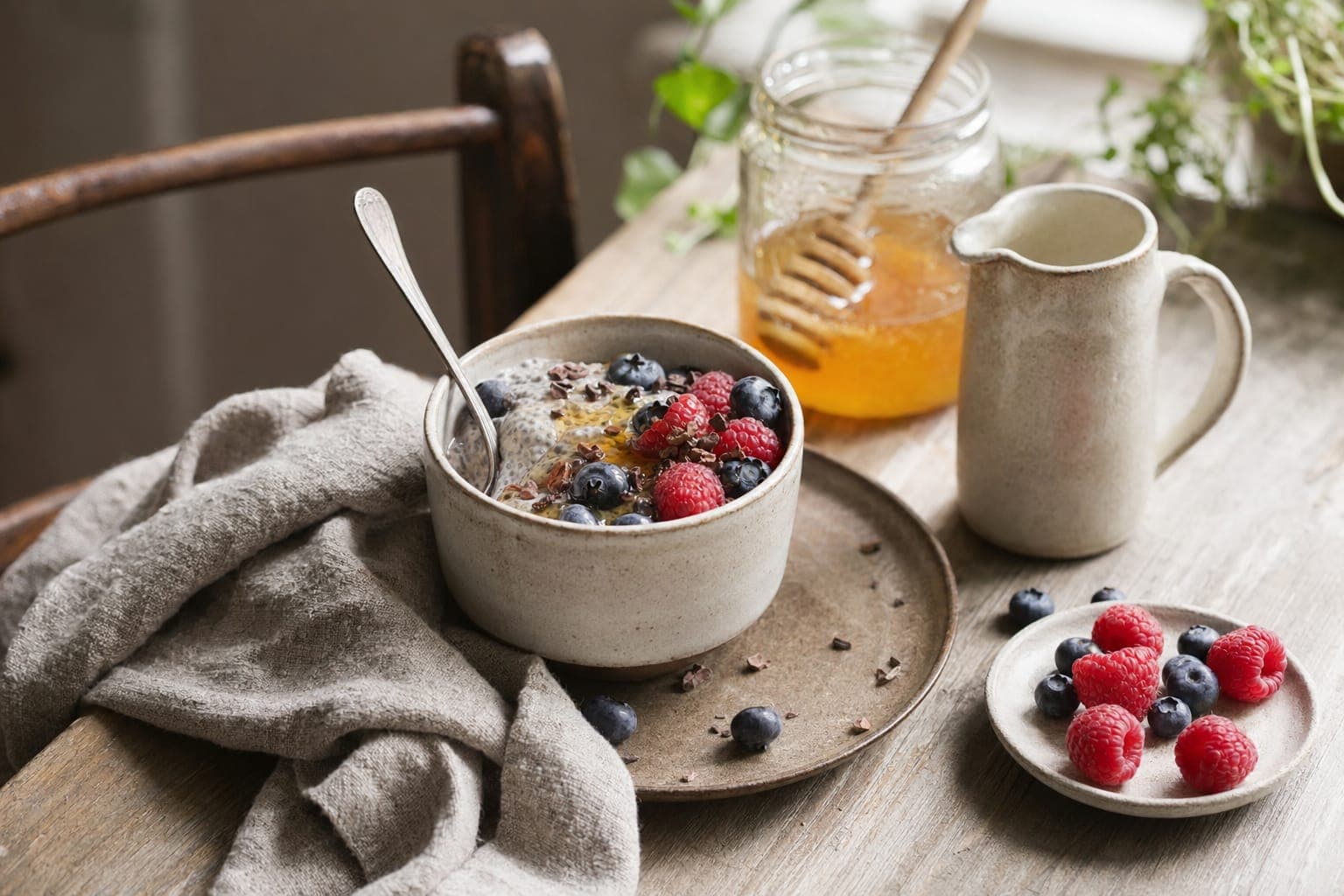
Organised Chia Pudding with Raw Honey and Berries
A no-cook chia seed pudding made with raw milk, collagen, berries, and raw honey. Prep it the night before and eat for breakfast.
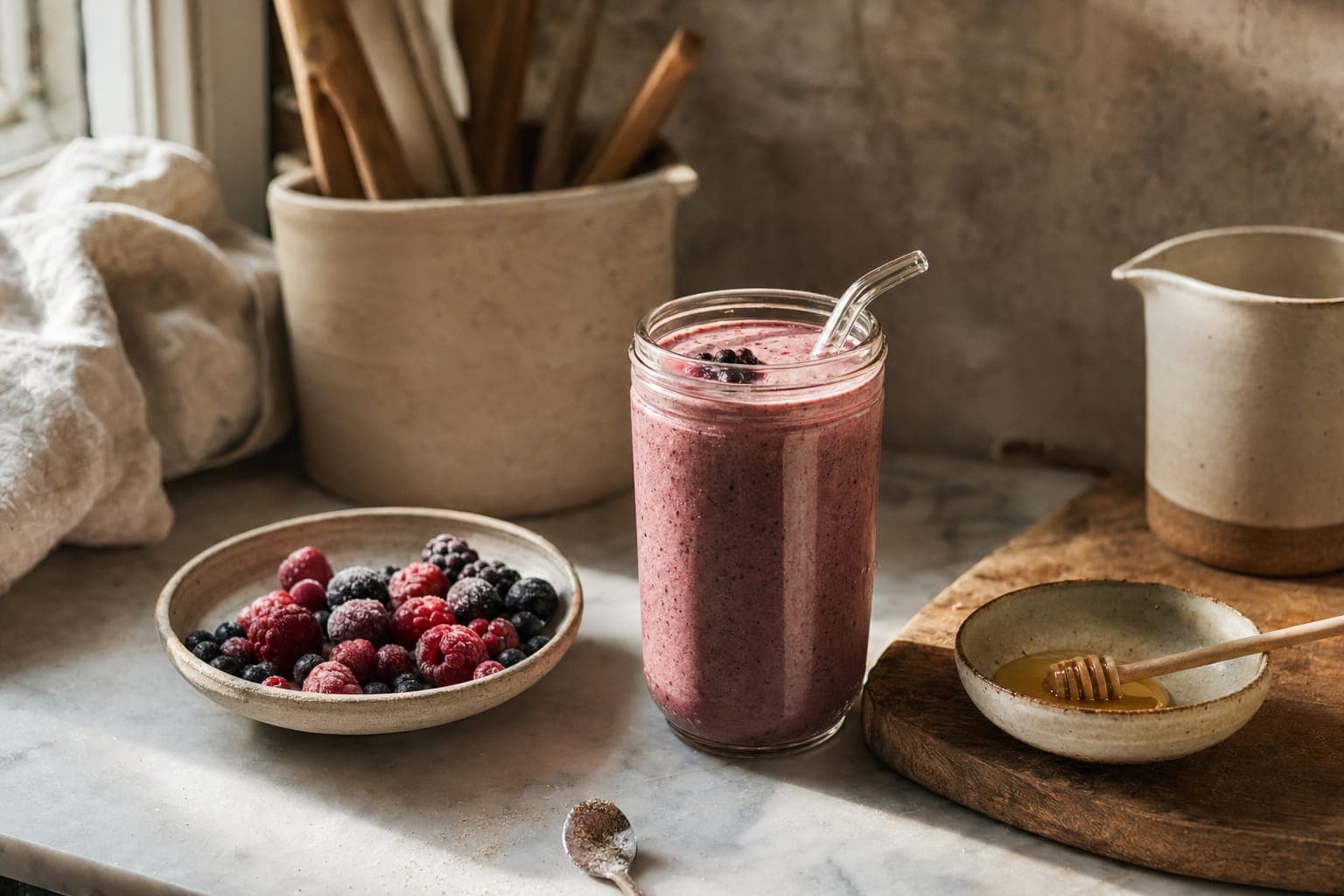
The Organised Recovery Smoothie for After Exercise
A recovery smoothie made with beef protein, raw milk, frozen berries, collagen, and honey. Optimal nutrition in the 30-minute window after exercise.
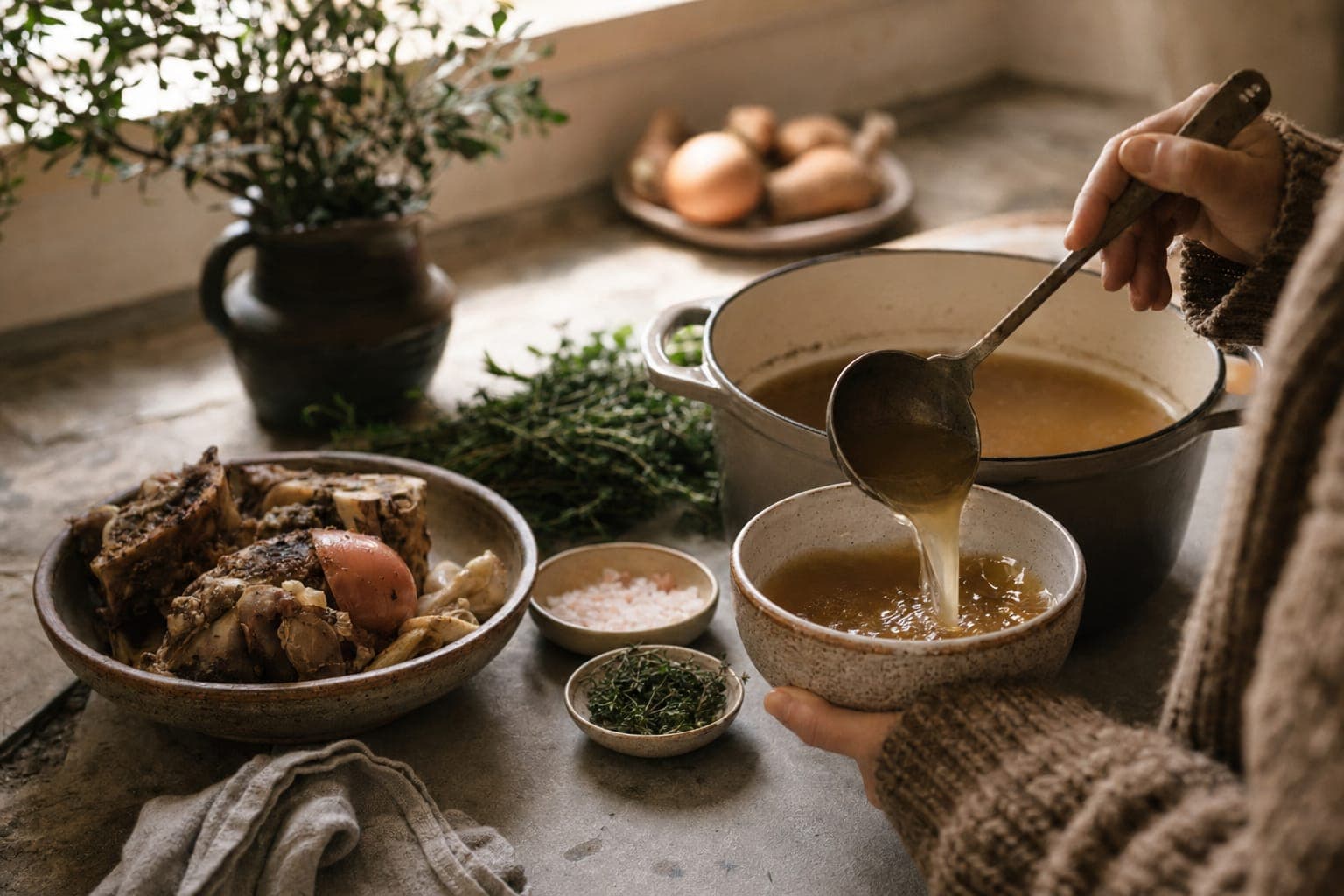
Bone Broth from Scratch: A Step-by-Step Guide
Step-by-step guide to making bone broth at home. Stovetop, slow cooker, and Instant Pot methods. Rich in collagen and gut-healing minerals.


 Join over 100,000+ members
Build a better food system with us
The Organised community is thousands of people choosing real food and backing the farmers who grow it, all of us trying to leave the world a little better than we found it. If that is what you care about too, you belong here.