Why Your Skin Looks Dull in Winter (And How to Fix It From Within)
Your skin loses its glow somewhere around November. It's not your imagination. The dull, tired look that settles in during winter isn't just about dry air and central heating. It's about what happens to your body, and your skin, when the sun disappears.
By Niall Kiddle, Founder, Organised

Reviewed by Pedro Rodrigues, Agronomist (farming and sourcing only) ·
5 min read · Published · Updated · 4 cited sources
Makers of the Organised Daily blend, a grass-fed beef organ supplement from regenerative UK farms

Most people think winter skin problems are external. They buy richer moisturisers, add more serums, increase humidifiers. And they're working against the problem. The real issue is happening underneath.
The vitamin D dimension
Vitamin D is synthesised in the skin when exposed to UVB radiation from the sun. In winter, depending on where you live, the sun is too low in the sky for meaningful UVB exposure.1 Your body's vitamin D production plummets. Most people spend eight months of the year becoming increasingly deficient.
Vitamin D is far more than a bone health nutrient. It's a hormone that regulates immune function, reduces inflammation, and is critical for skin cell turnover and renewal.1 When vitamin D drops, your skin's natural renewal processes slow down. Dull skin is partly the accumulation of old, dead cells that should have been shed.
Research shows that vitamin D deficiency correlates with increased eczema, psoriasis, and general skin dullness.2 The mechanism is both local (vitamin D directly regulates skin cell health) and systemic (low vitamin D drives chronic inflammation throughout the body, which surfaces in the skin).
Winter dullness is often vitamin D deficiency expressing itself on your face. Restore vitamin D levels and luminosity often returns within weeks.
The practical takeaway: don't wait for spring. Supplementing vitamin D3 (the active form, not D2) in winter is one of the simplest interventions for skin health. Dose ranges from 2000-4000 IU daily, though some people need more depending on baseline status and geography.1

Collagen synthesis shuts down
Collagen is the protein that gives skin its structure, elasticity, and plumpness. In winter, your body produces less of it. Why? Because collagen synthesis is vitamin C dependent3, and vitamin C levels drop when you're not getting enough sun exposure and fresh vegetation.
More importantly, collagen synthesis is temperature-regulated. Your body runs slightly cooler in winter as part of the seasonal shift toward conservation. At lower temperatures, the enzymatic reactions that build collagen slow down. Add vitamin C deficiency to lower skin temperature, and collagen production drops significantly.
The result is subtle at first: your skin looks less plump, fine lines seem more pronounced, and overall radiance dims. Winter skin isn't thinner because it's dry. It's thinner because you're literally building less collagen.
Your skin is made of collagen. When collagen production slows, everything about your skin's appearance changes. Winter amplifies that natural slowdown.
Vitamin C from food (citrus fruits, berries, leafy greens, particularly raw) supports collagen synthesis. But equally important is ensuring your body has the amino acids and minerals needed for collagen production: glycine, proline, copper, and vitamin C itself. Bone broth, gelatinous meat cuts, organ meats, and seafood all provide these building blocks.
Winter hydration goes deeper than water
You're told to drink more water in winter. But water alone doesn't hydrate skin effectively. Hydration is about holding water in the skin, and that requires electrolytes, glycerol, and intact skin barrier function.
Winter air is dry, and indoor heating makes it worse. Your skin's natural lipid barrier is compromised more easily in winter. But the bigger issue is that your body is dehydrating from the inside. You're not sweating, so you're not conscious of fluid loss. But your breath is drier in winter air, you're urinating more frequently, and your cells are less willing to hold onto fluid when the body senses scarcity (which is the metabolic signal winter sends).
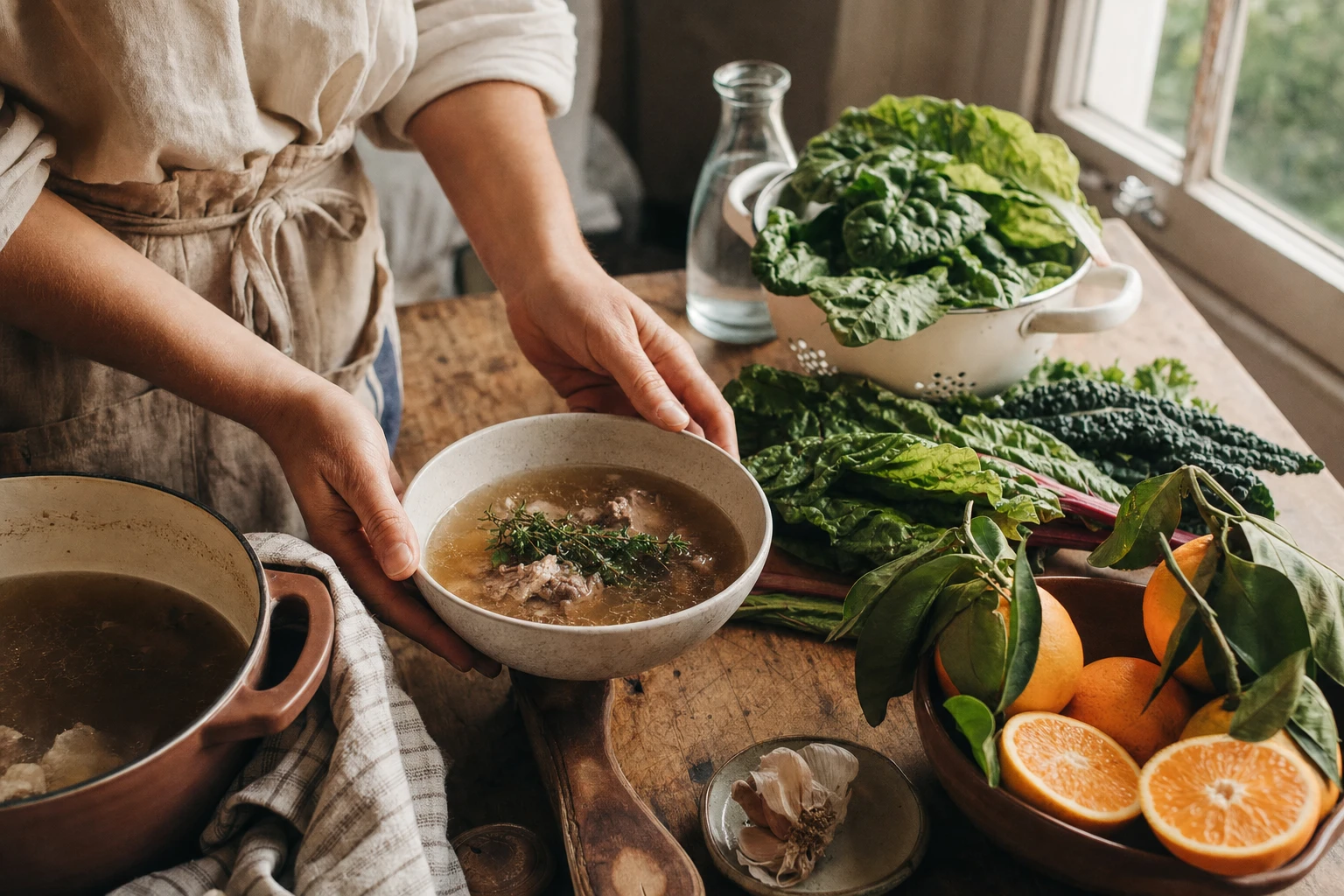
Real hydration in winter comes from electrolyte-rich foods and drinks: bone broth, sea salt on your food, coconut water if you want something lighter, even simple milk. These provide sodium, potassium, and minerals that actually help cells retain water. Plain water alone can paradoxically dehydrate cells by diluting electrolyte concentrations.
Hydrated skin in winter isn't about drinking more plain water. It's about electrolytes, minerals, and a skin barrier protected by healthy fats.
Your skin's barrier is largely made of lipids. Supporting that barrier requires adequate fat intake, particularly saturated fats and monounsaturated fats that are stable and don't easily oxidise. Tallow, butter, and olive oil all support barrier function. Seed oil consumption makes the barrier more permeable and fragile.
Get health guides like this, free
Two short reads a week on eating for energy, gut health, skin, sleep and more.
By signing up you agree to receive emails from us. No spam, unsubscribe anytime.
The role of healthy fats
Omega-3 fats are particularly critical for winter skin health. They're anti-inflammatory, they support the skin barrier4, and they're precursors to molecules that regulate skin blood flow.
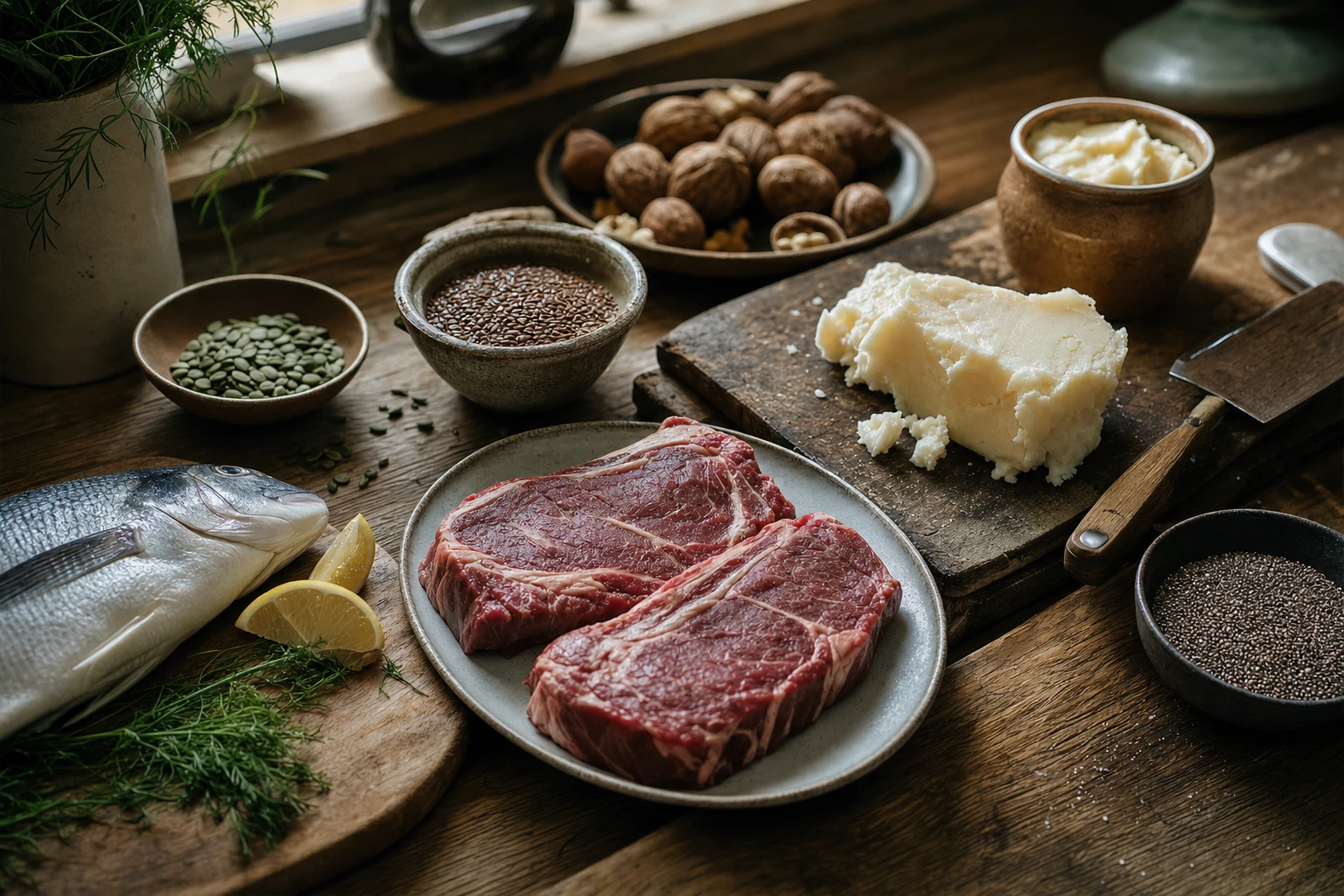
Fish, shellfish, grass-fed meat, and flax seeds are your sources. Most people eating processed food are severely omega-3 deficient, particularly in winter when they're not eating fresh seafood and aren't getting as much opportunity for fishing or hunting that ancestral populations would have had.
Skin that glows is skin with good blood flow delivering oxygen and nutrients. Omega-3 fats improve microcirculation. Your skin gets rosy not because of makeup, but because blood is actually flowing through the capillaries. In winter, when circulation naturally reduces (the body conserves heat by reducing blood flow to the skin), ensuring adequate omega-3 intake becomes even more important.
Glowing skin is well-nourished, well-hydrated, and well-perfused with blood. Winter challenges all three. Nutrition addresses all three.
Tallow deserves specific mention. It's similar in composition to the lipids in human skin, and it was used for centuries before modern skincare became a thing. Rendered beef or lamb fat, applied topically or consumed, supports skin lipid composition and barrier function in ways that no modern moisturiser can truly replicate.


1 of 9
Daily blend
100,000+ thriving families4.9 on Trustpilot
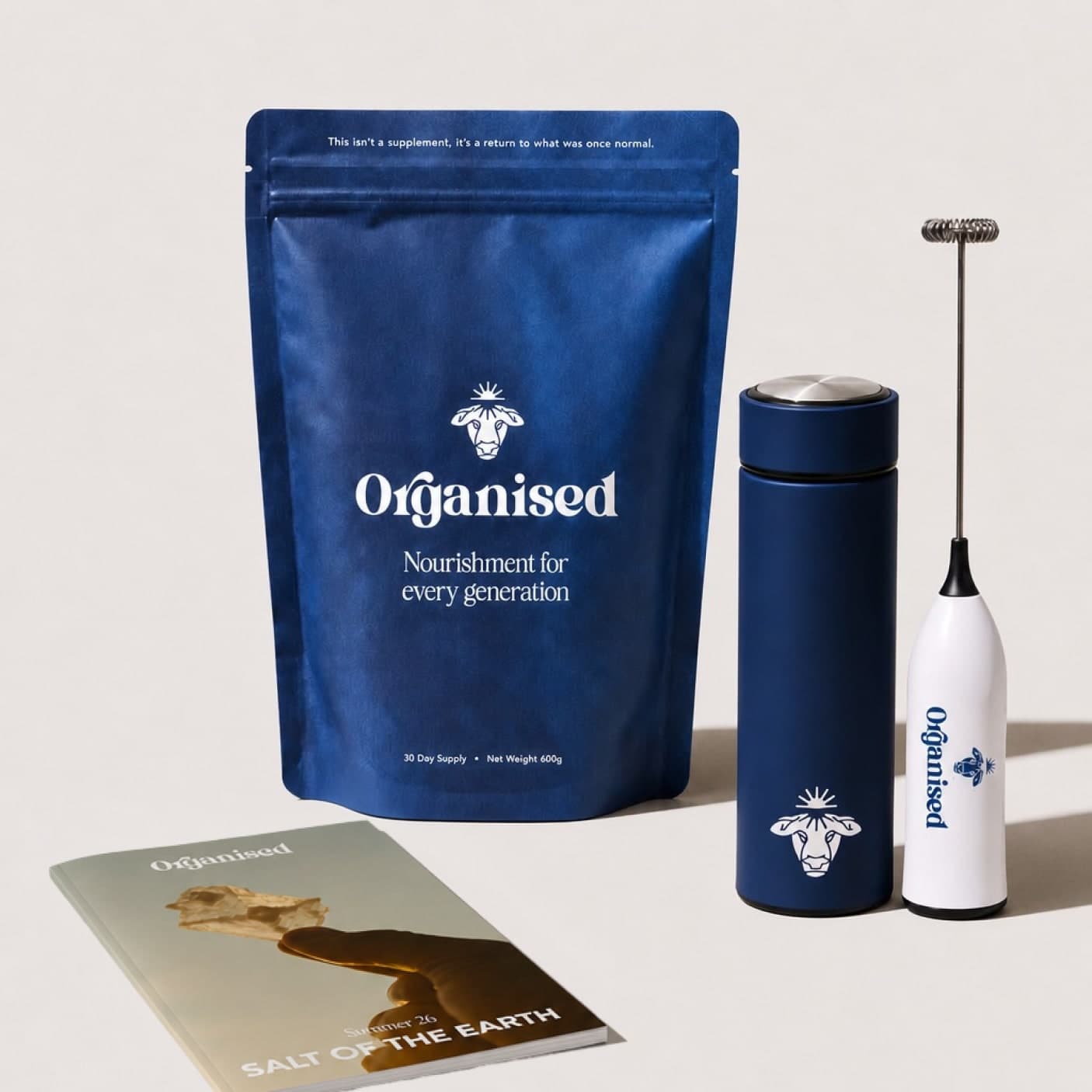
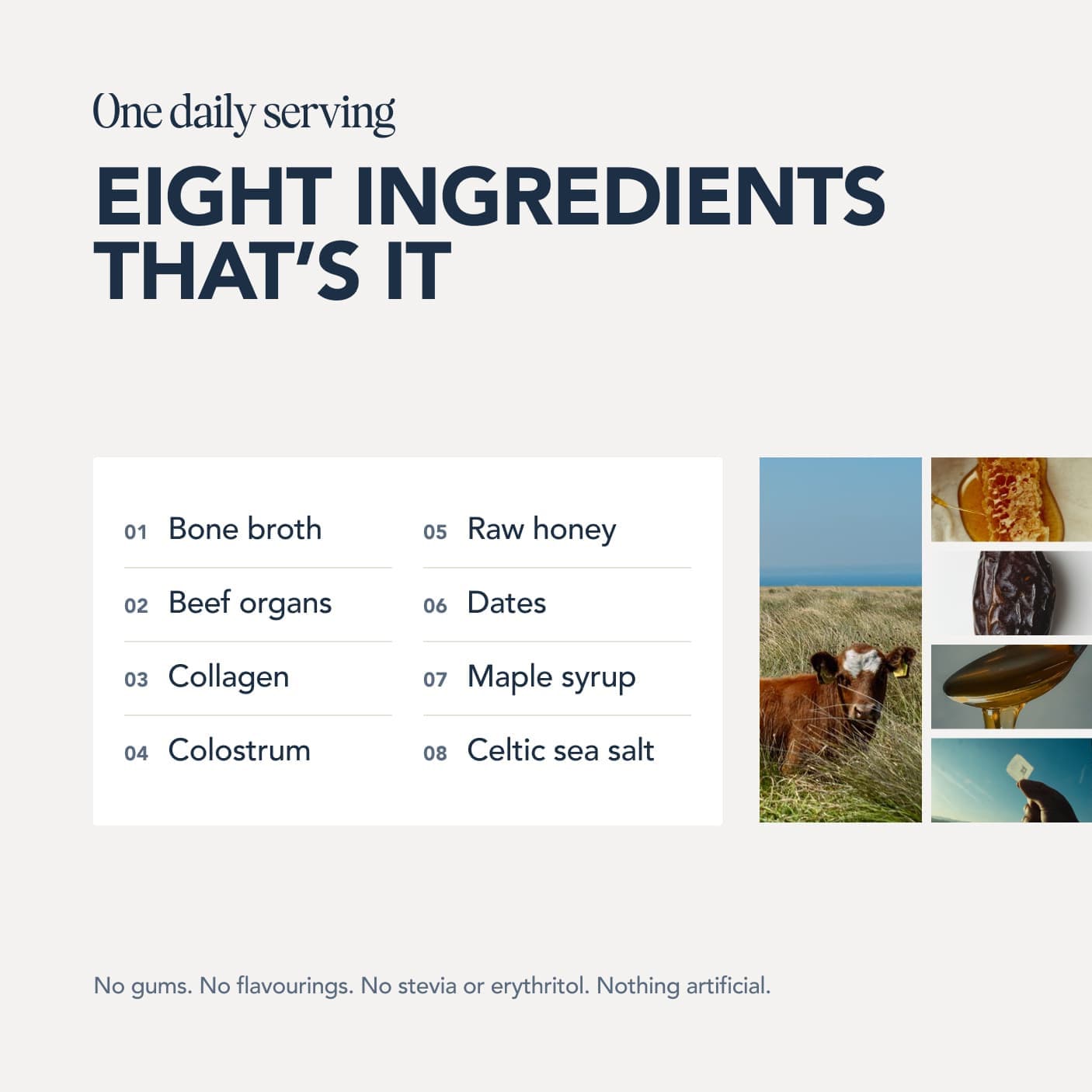
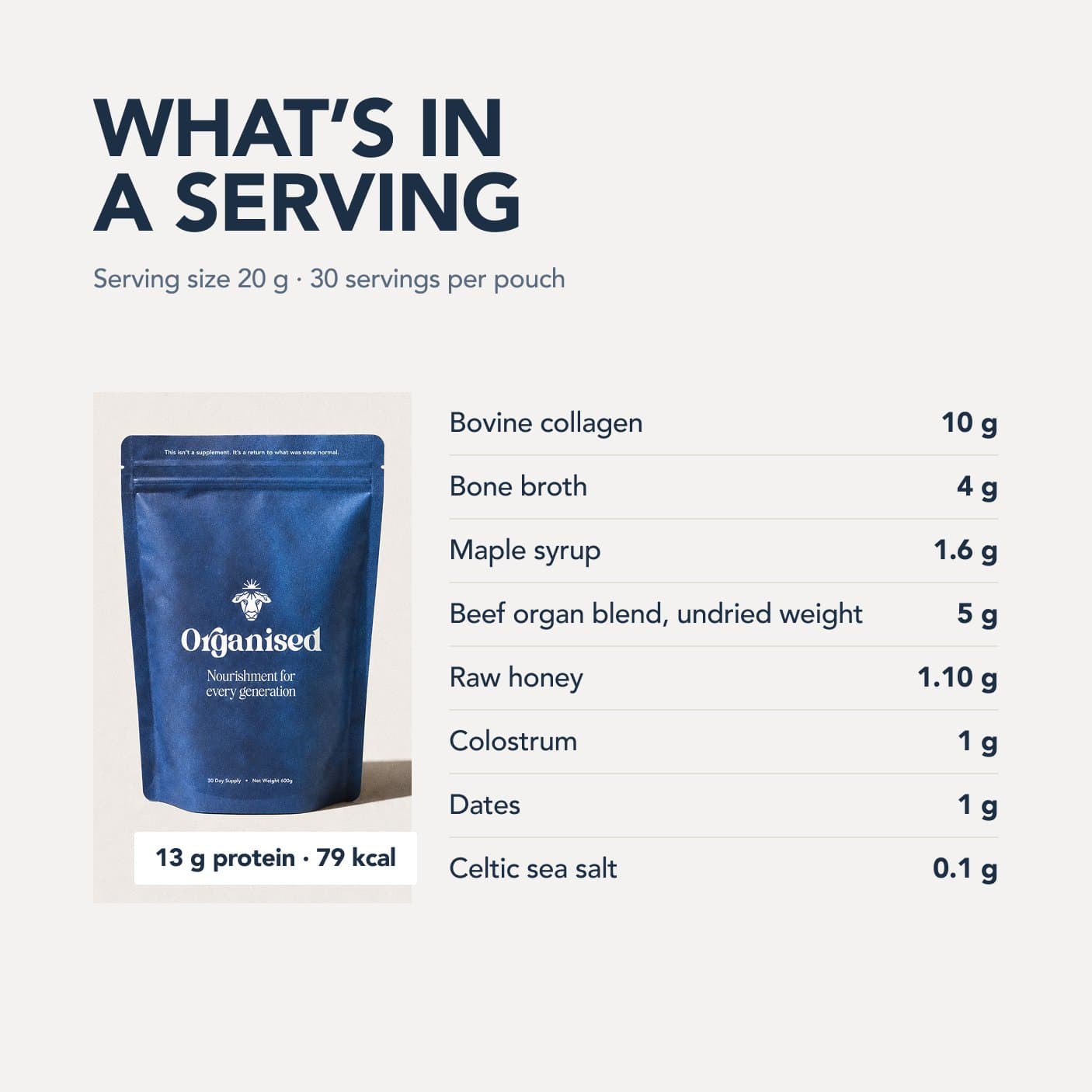
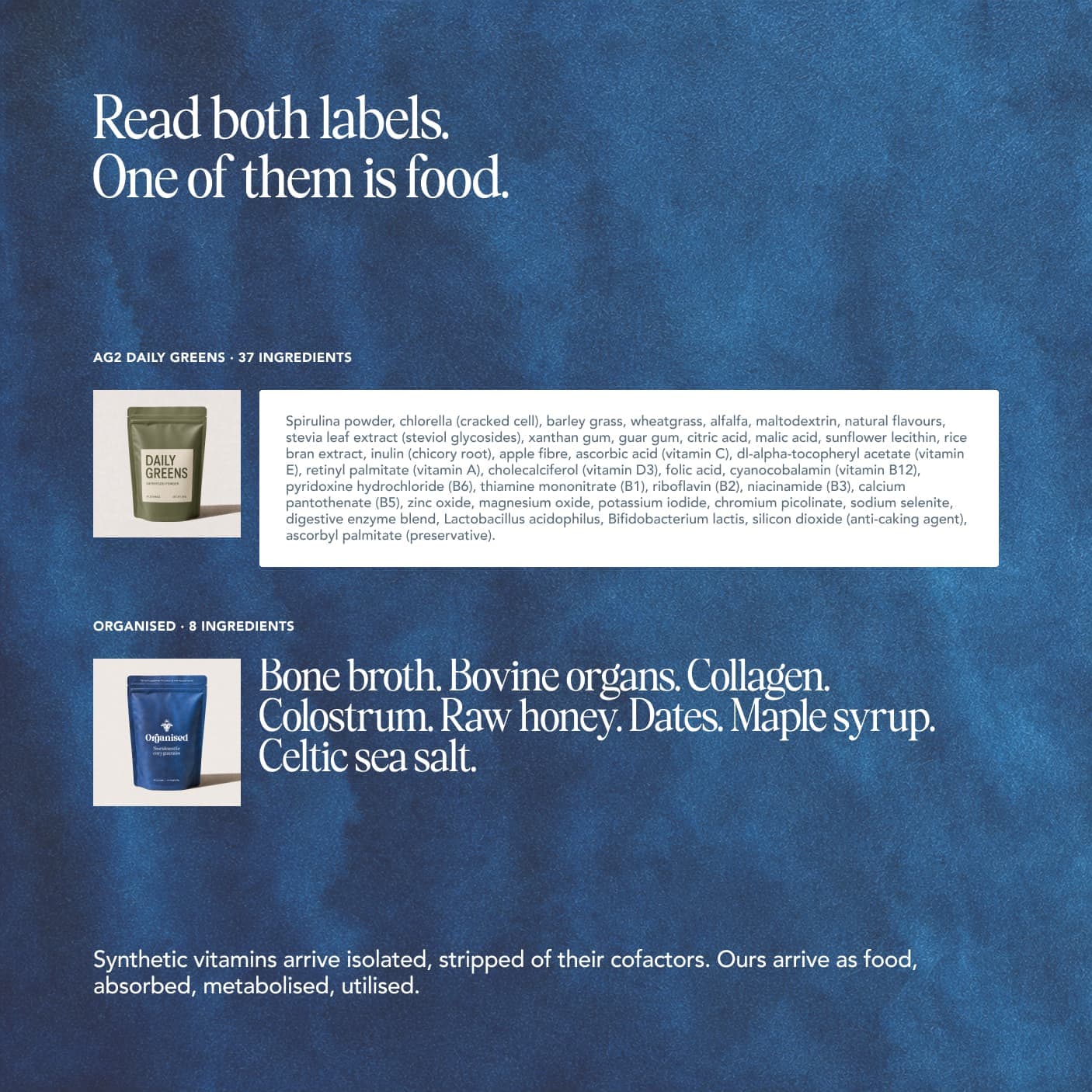
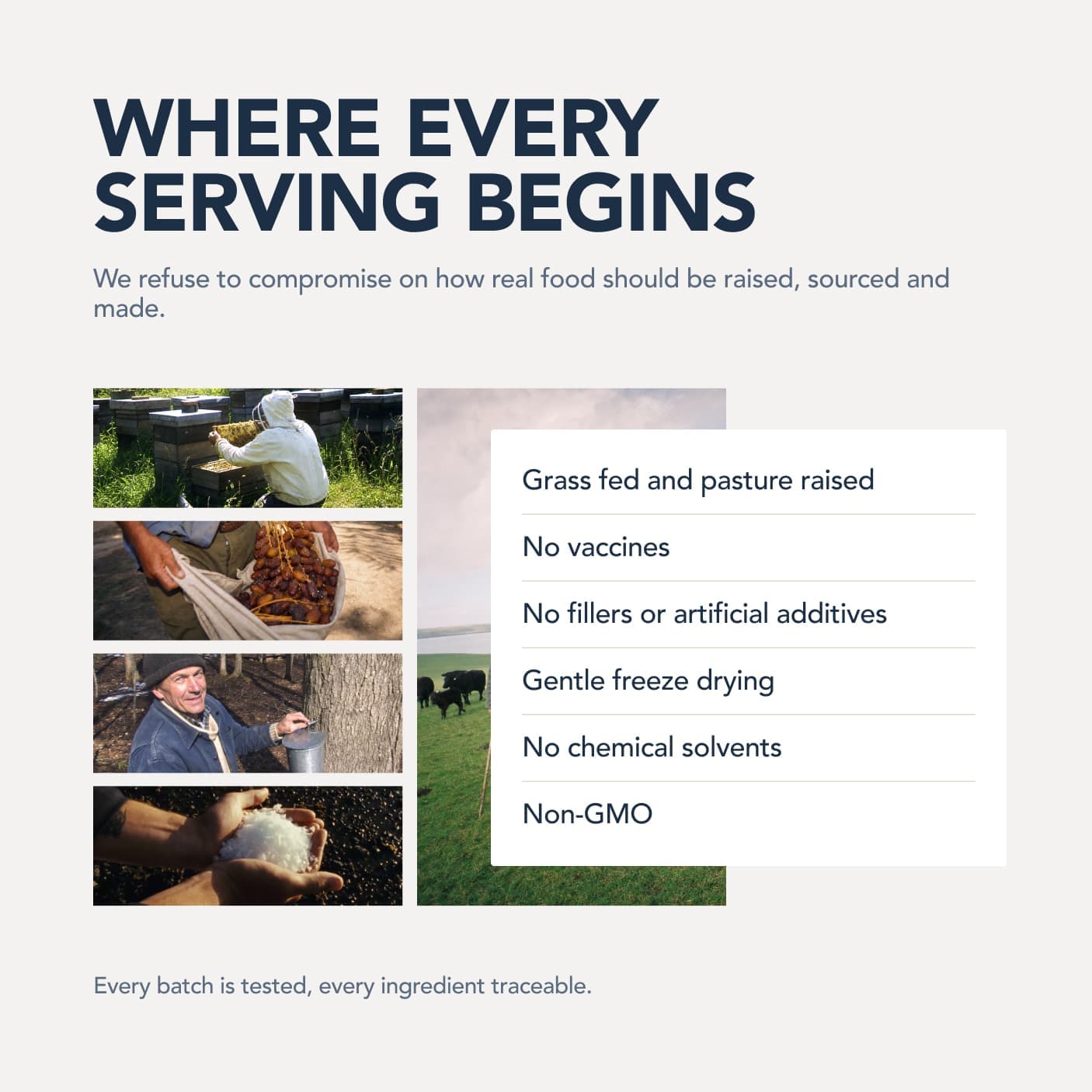
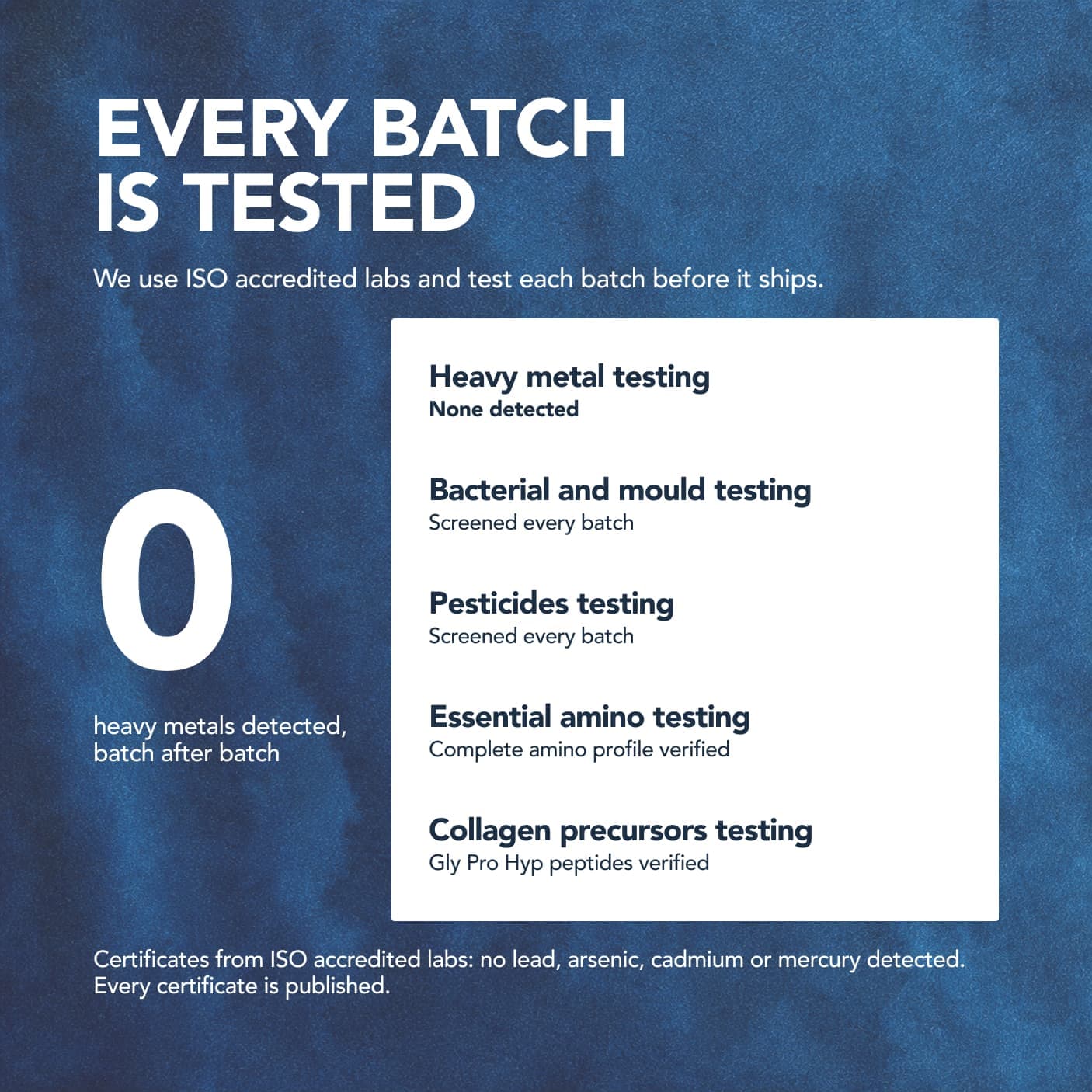
Eight real ingredients built around grass-fed beef organs, collagen and colostrum. Nothing synthetic added.
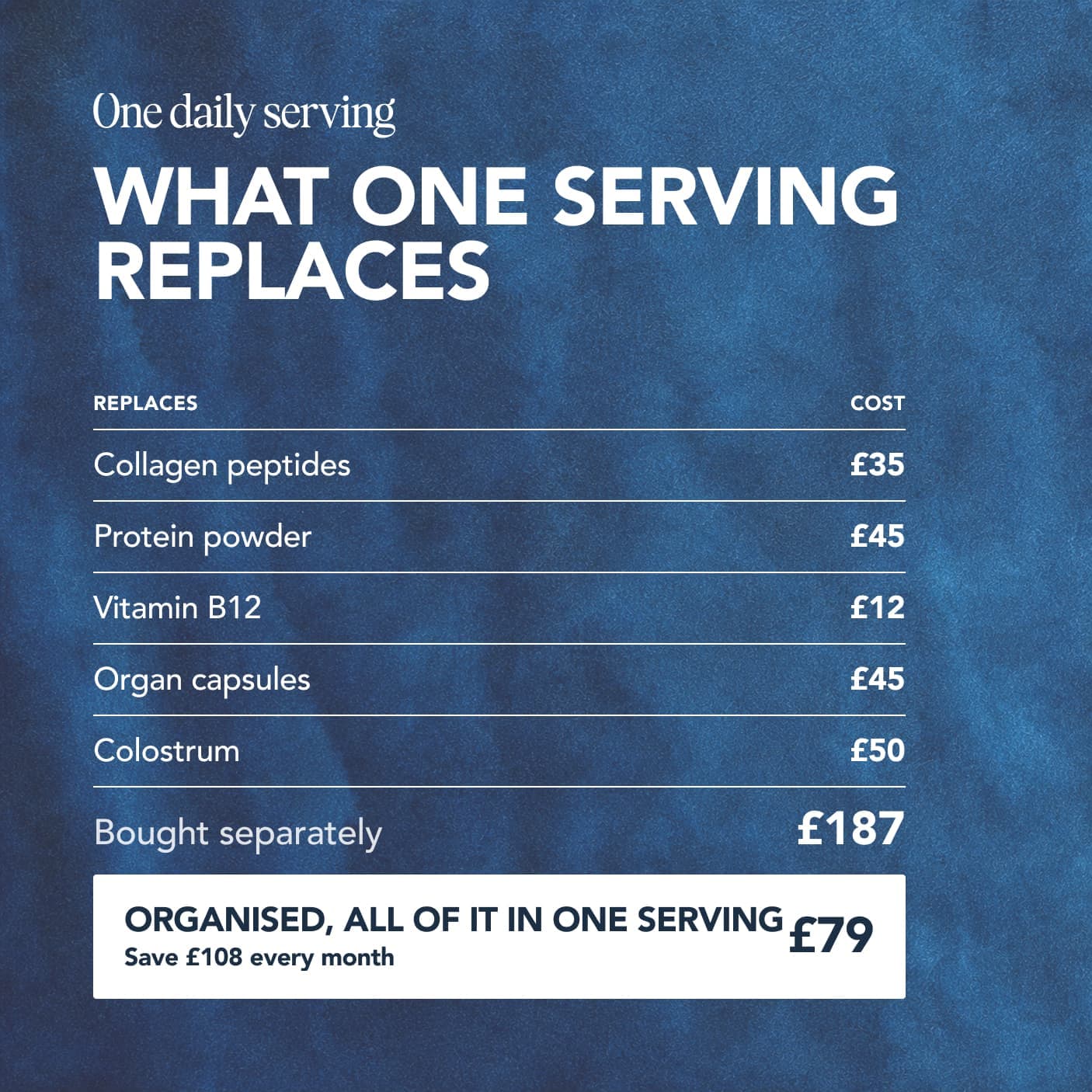
Free with your first order, worth £38. Plus £10 off the pouch with a subscription.

Free UK shipping · Made in England · 100 day money back guarantee on your first pouch · Skip, pause or cancel anytime
How to restore radiance from within
Winter dullness is preventable and reversible. The strategy is simple: address the underlying nutritional and hormonal shifts that winter triggers. Vitamin D supplementation, adequate vitamin C from food, collagen-supporting amino acids and minerals, electrolytes, and omega-3 fats. Combine that with a skin barrier protected by healthy fats and you've created an internal environment where skin can remain radiant even when the sun has disappeared.
The difference between glowing skin and dull skin in winter often isn't topical. It's nutritional. Fix the nutrition and your skin will often recover faster than any moisturiser could promise.
References
Every source below was checked on 27 August 2026. Each PubMed, PMC and DOI identifier was resolved against NCBI or Crossref, and what it opens is printed under the citation, so you can see the link goes where the citation says without leaving the page. Where a citation and its identifier disagreed, the citation was corrected to the record or the reference was deleted along with the sentence marker that pointed at it, and where the resolved paper turned out not to support the sentence, the sentence was cut back to what it does support. Borrowed authority is worse than none, because it looks like rigour.
- National Institutes of Health, Office of Dietary Supplements. Vitamin D: Fact Sheet for Health Professionals.
- Umar M et al. Vitamin D and the pathophysiology of inflammatory skin diseases. Skin Pharmacol Physiol. 2018;31(2):74-86. PMID: 29306952.Checked 27 August 2026: PMID 29306952 opens Umar M, Sastry KS, Al Ali F et al, Vitamin D and the Pathophysiology of Inflammatory Skin Diseases. Skin Pharmacol Physiol 2018;31(2):74-86. PubMed indexes it as: Review.
- Gelse K, Pöschl E, Aigner T. Collagens — structure, function, and biosynthesis. Adv Drug Deliv Rev. 2003;55(12):1531-46. PMID: 14623400.Checked 27 August 2026: PMID 14623400 opens Gelse K, Pöschl E, Aigner T, Collagens--structure, function, and biosynthesis. Adv Drug Deliv Rev 2003;55(12):1531-46. PubMed indexes it as: Review.
- National Institutes of Health, Office of Dietary Supplements. Omega-3 Fatty Acids: Fact Sheet for Health Professionals.
Who wrote and reviewed this guide
Niall Kiddle
Author · Founder, Organised
Niall is the founder of Organised. He started the company in 2024 after fixing his own health the slow way: in 2022 he swapped a cupboard of synthetic supplements for real food, raw milk, organ meats, bone broth and honey, and felt the difference within months.
Areas of expertise: Ancestral nutrition, Organ meats, Whole-food supplementation, Gut health, Regenerative sourcing
Read Niall's full profile
Pedro Rodrigues
Reviewer · Agronomist (farming and sourcing only)
Pedro is the agronomist Organised works with on farming and sourcing. His job on the guides is to keep the science honest: he reviews what we publish about soil health, regenerative agriculture, grazing and the way food is actually produced.
Areas of expertise: Regenerative agriculture, Agronomy, Soil health, Grass-fed farming, Food sourcing
Reviewed this guide on
Read Pedro's full profileMore on skin
View all- How to Build Collagen Naturally Without Injections
- How to Feed Your Skin from the Inside Out
- A Whole Food Skincare Routine: Morning to Night
- Collagen for Anti-Ageing: What the Clinical Trials Show
- Dark Circles Under Your Eyes? It Might Be a Nutrient Deficiency
- Eczema and Nutrition: What the Research Suggests
- How to Eat for a Natural Glow (Without Products)
- How Zinc, Copper and Selenium Work Together for Clear Skin
- Psoriasis and Nutrition: What Helps and What Hinders
- Retinol from Beef Liver vs Retinol in Skincare: Which Actually Works?
- Rosacea and Gut Health: Is There a Connection?
- The Foods That Age Your Skin Fastest
Browse the guides library
All guidesKeep reading
Health goals
The Ancestral Guide to Fertility Nutrition
Fertility depends on fat-soluble vitamins A, D, K2, choline, B12, iodine, zinc, and selenium. Here's what both partners need to conceive and thrive.
Health goals
How to Fuel a Workout Without Synthetic Supplements
Power your training with natural workout fuel instead of synthetic supplements. Simple whole food energy strategies for before, during, and after exercise.
Health goals
Why Your Gut Health Affects Everything (Not Just Digestion)
Around 70% of your immune system lives in your gut. Learn how the gut-brain axis, gut-skin axis, and microbiome influence health system-wide.
Real food, made effortless
Start my daily blendA few ways to use it
All recipes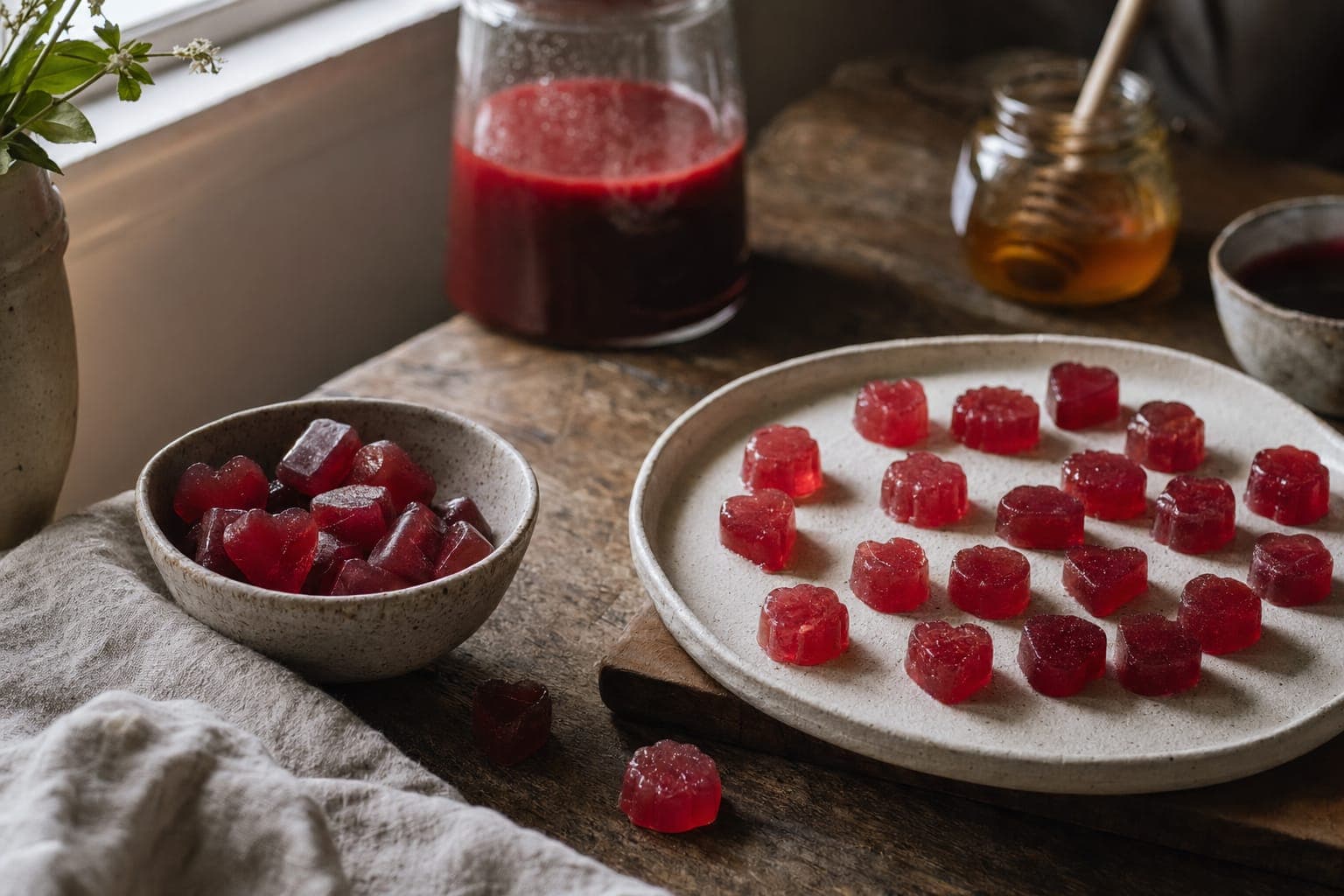
How to Make Your Own Gelatine Gummies
A simple recipe for homemade gelatine gummies using grass-fed gelatine, fresh juice, and raw honey. Better than shop-bought, kids love them.
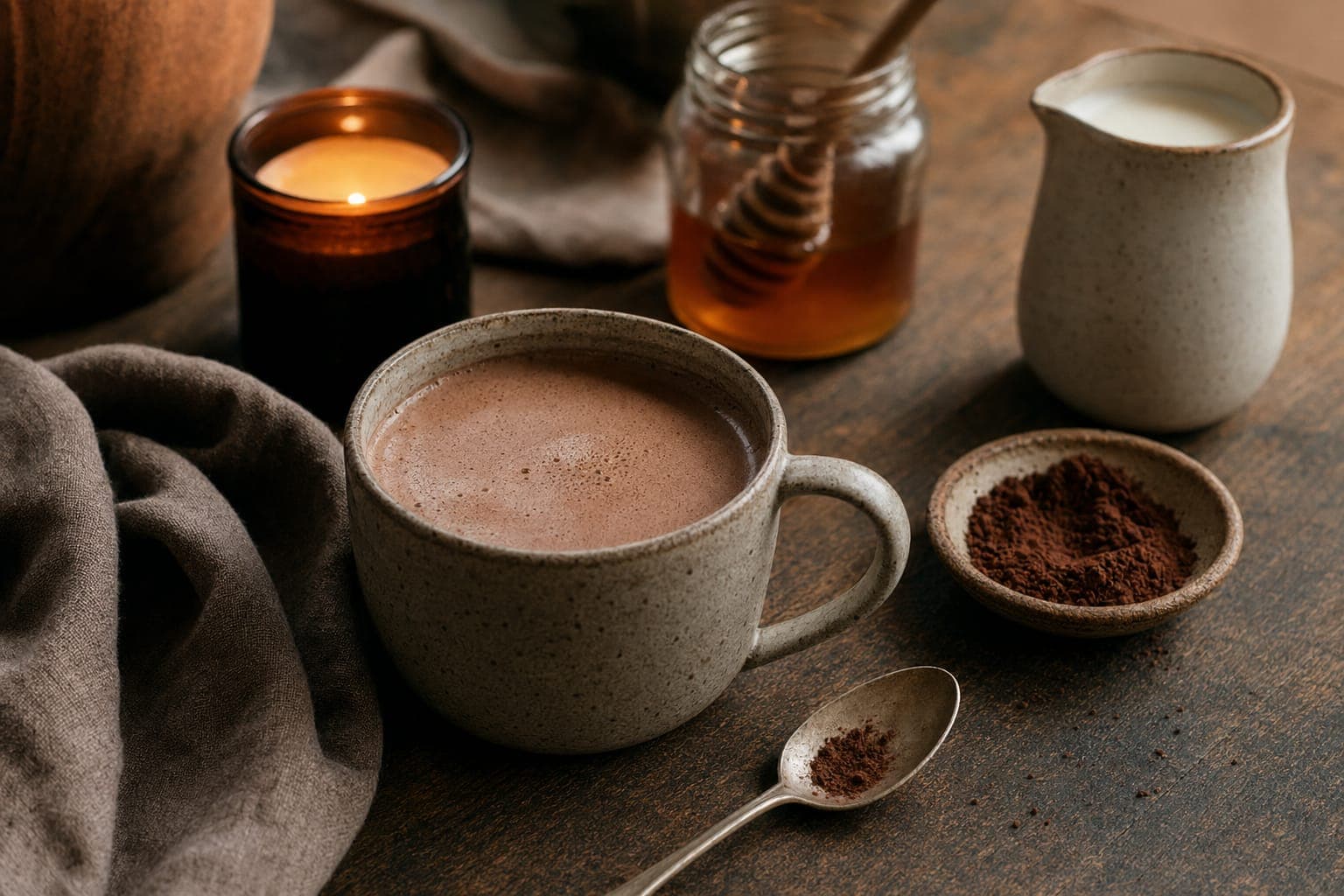
Raw Milk Hot Chocolate with Collagen
A nourishing evening hot chocolate made with raw milk, grass-fed collagen, raw cacao, and honey. A nighttime ritual that supports sleep and gut health.
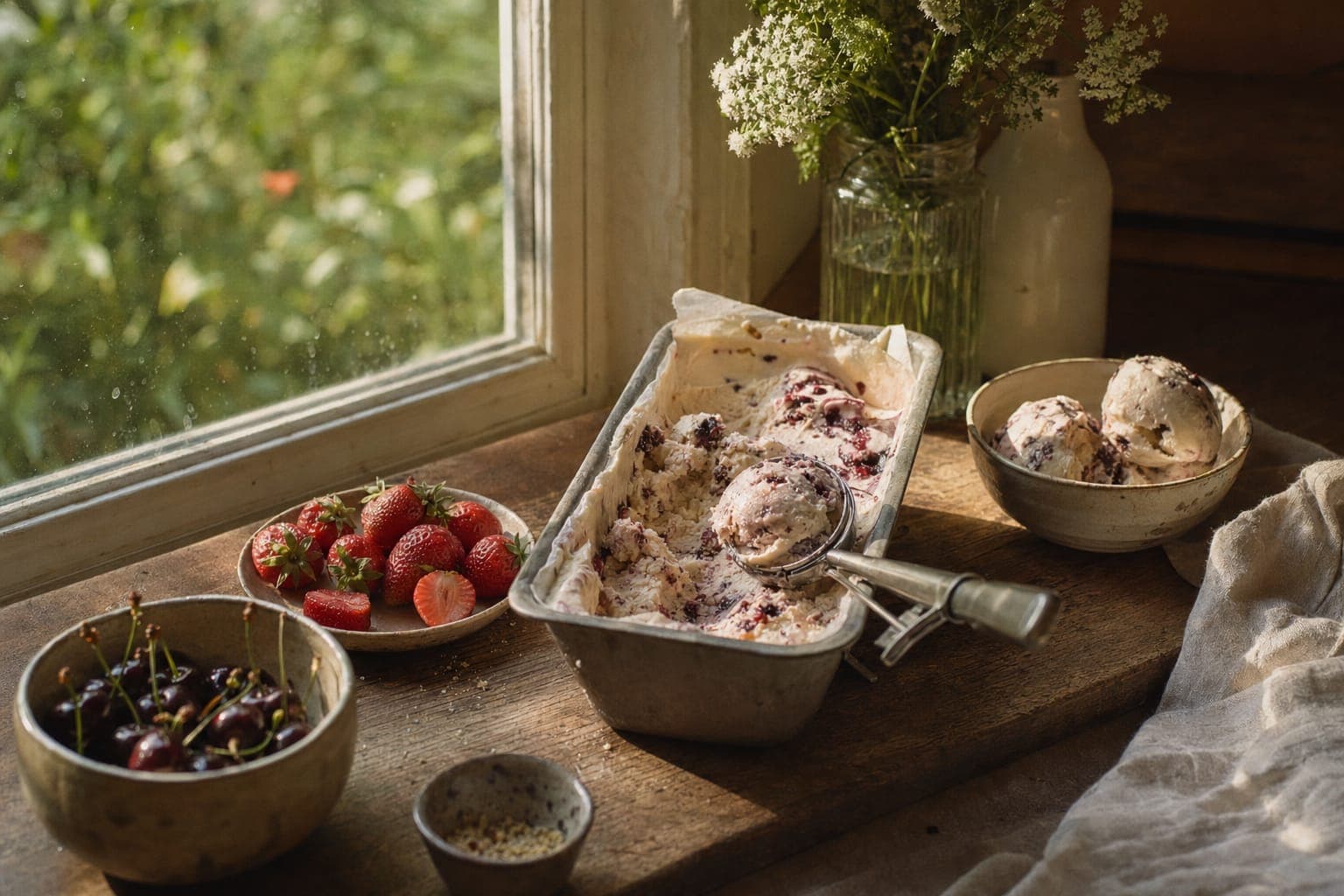
Raw Milk Ice Cream with Organised
Make raw milk ice cream at home with Organised for a seasonal, nutrient-dense treat. Three simple flavours to try whenever the craving strikes.


 Join over 100,000+ members
Build a better food system with us
The Organised community is thousands of people choosing real food and backing the farmers who grow it, all of us trying to leave the world a little better than we found it. If that is what you care about too, you belong here.