Eczema and Nutrition: What the Research Suggests
Eczema isn't something that happens to your skin. It's something your body does when it's nutritionally or immunologically stressed. And for most people, it's reversible.
By Niall Kiddle, Founder, Organised

Reviewed by Pedro Rodrigues, Agronomist (farming and sourcing only) ·
6 min read · Published · Updated · 5 cited sources
Makers of the Organised Daily blend, a grass-fed beef organ supplement from regenerative UK farms

The dermatology textbook says eczema is a genetic condition. You have it or you don't. You manage it with topical steroids and hope it doesn't get worse. But eczema severity shifts dramatically based on what you're eating, your stress levels, and your gut health. People whose eczema is supposedly genetic find it clears completely when their nutrition improves. That's not a coincidence. That's biology.

What eczema actually is nutritionally
Eczema is an inflammatory response in your skin barrier. Your skin cells are chronically inflamed. Your barrier is compromised. Water escapes. Irritants enter. It itches relentlessly. You scratch. It worsens. The cycle continues.
What triggers the inflammation? For some, allergens. For some, irritants. But for most people with eczema, the underlying issue is nutritional insufficiency or gut dysbiosis. Your skin is inflaming because your body doesn't have the nutrients to maintain barrier integrity, or because your gut is permeable and allowing inflammatory substances to enter your bloodstream.
Research published across dermatology journals over the past decade points to specific nutritional patterns in eczema: low vitamin D, low essential fatty acids, low zinc, dysbiotic microbiota, and frequently, undiagnosed food sensitivities. People with eczema often have significantly lower intakes of whole foods and significantly higher intakes of processed foods. The pattern is consistent enough that treating the nutritional deficiency often resolves the eczema.
Eczema is not a skin problem that happens to originate in your skin. It's a nutritional deficiency showing up on your skin.
The gut-eczema connection
Your gut lining is only one cell layer thick. It has to be permeable enough to absorb nutrients but selective enough to keep harmful substances out. When your gut is compromised, what's called leaky gut, inflammatory molecules pass directly into your bloodstream. Your immune system recognises them as threats and mounts an inflammatory response. Your skin becomes inflamed because your gut is leaking.
What causes a leaky gut? Usually, a combination of factors: high intake of processed food, low fibre intake, insufficient fermented foods for beneficial bacteria, food sensitivities, and chronic stress. In other words, a modern diet and lifestyle.
People with eczema almost invariably have dysbiotic microbiota. Their gut bacteria is imbalanced. They lack the beneficial bacteria that produce short-chain fatty acids and maintain barrier integrity. They have overgrowth of inflammatory-promoting species.
Here's the good news. Gut dysbiosis is reversible. You can change your microbiota significantly within weeks, and substantially within months, by shifting what you eat. And when the gut heals, the eczema usually improves dramatically. It's remarkable how quickly skin improves when the underlying gut inflammation resolves.
Nutrients commonly deficient in eczema
Vitamin D
People with eczema typically have lower vitamin D levels than the general population.1 Vitamin D is critical for immune tolerance, for skin barrier function, and for maintaining healthy gut bacteria.2 Low vitamin D means a dysregulated immune system that's more prone to inflammatory responses.
Vitamin D comes from sun exposure and from animal foods, particularly oily fish, eggs, and full-fat dairy. Most people with eczema are both sun-avoiding (because sun often triggers flares in the short term) and eating very little of these foods. The deficit compounds.
Essential fatty acids
Your skin barrier is made of lipids. Not topical moisturisers. Lipids. Built from the fats you eat. If you're eating vegetable oil, seed oil, and low-fat foods, your skin barrier is made of poor-quality lipids. It's weak. It leaks.
People with eczema need higher intakes of omega-3 fatty acids and fat-soluble vitamins. Fatty fish, grass-fed meat, eggs, and full-fat dairy provide these. The standard advice to eat low-fat foods makes eczema worse.
Zinc and copper
Zinc is essential for immune tolerance and barrier repair.3 Copper is essential for collagen formation and is involved in pigmentation. Both are typically low in eczema. People with eczema who eat red meat, liver, and seafood regularly see significant improvements within weeks.
Fibre and resistant starch
Your beneficial gut bacteria eat fibre. They ferment it and produce short-chain fatty acids, particularly butyrate, which fuels your gut barrier and reduces systemic inflammation.4 People with eczema typically eat very little fibre and almost no resistant starch (cooked and cooled potatoes, rice, green bananas). Their microbiota starves.
Get health guides like this, free
Two short reads a week on eating for energy, gut health, skin, sleep and more.
By signing up you agree to receive emails from us. No spam, unsubscribe anytime.
Foods that reduce flare severity
Research and consistent customer patterns point to a clear pattern: when people with eczema shift to whole foods, especially animal foods rich in fat-soluble vitamins, minerals, and omega-3s, their eczema severity drops dramatically. Flares become less frequent. When they do happen, they're less severe.
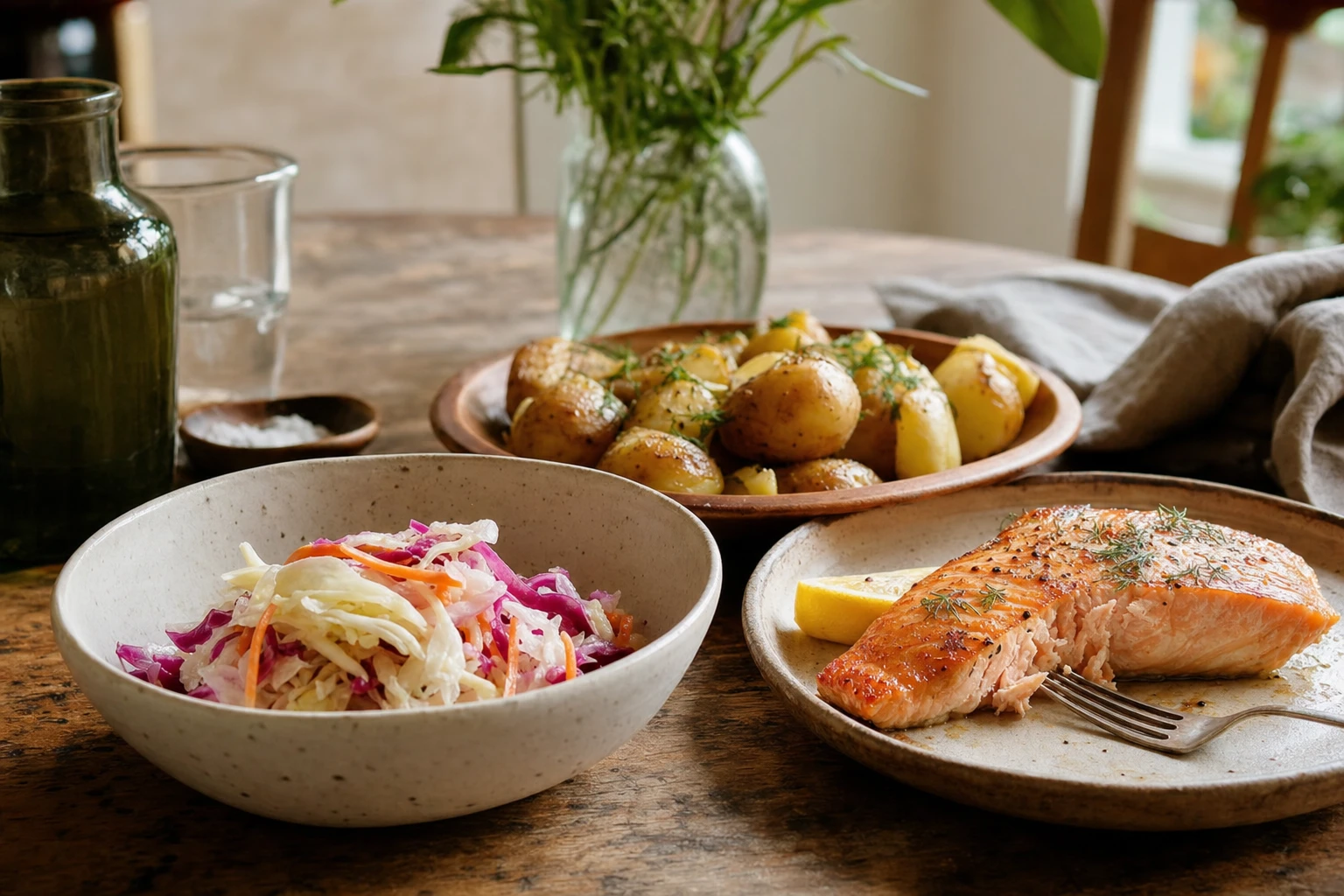
Oily fish, particularly wild salmon, contains omega-3s, vitamin D, and selenium.5 Weekly consumption is associated with reduced eczema severity. Eggs provide choline, retinol, and fat-soluble vitamins. Red meat provides zinc, copper, carnitine, and iron. Liver provides all of these plus vitamin A in preformed, highly bioavailable form.
Fermented foods matter. Sauerkraut, kimchi, kefir, and aged cheeses contain beneficial bacteria and compounds that support gut health. People who add fermented foods daily see microbiota shifts within weeks and corresponding skin improvements. This is one of the fastest interventions for reducing eczema.
Fibre-rich foods, particularly vegetables, legumes, and whole grains, feed beneficial bacteria. But the key is the combination: fibre plus fat, fermented foods plus whole foods, whole food nutrients plus consistent intake. Isolated foods don't work. Patterns do.
Customer testimonials and patterns
We've seen hundreds of customers report dramatic eczema improvements after shifting their nutrition. The pattern is remarkably consistent. Within two to four weeks of eating regular liver, adding fermented foods, and increasing fat-soluble vitamin intake from whole sources, people report less itching, less inflammation, and fewer flares.
One customer, a woman in her 40s who'd had severe eczema for 20 years, reported that eating liver once weekly plus increasing her dairy intake from full-fat sources reduced her flare frequency by 70% within six weeks. She'd tried every topical treatment, every supplement. The shift that worked was nutritional.
Another customer, a parent of a child with atopic dermatitis, reported that removing processed foods and adding bone broth, fatty fish, and organ meats to her child's diet resulted in visible skin improvement within weeks. The child's itching decreased. The flares became less severe. By month two, the skin looked genuinely healthy.
These aren't isolated stories. They're part of a pattern we see repeatedly. Eczema severity correlates strongly with whole food intake, with omega-3 intake, with fermented food intake, and with animal food intake. The relationship is so consistent it's hard to attribute to placebo.
Eczema doesn't resolve overnight. But the improvements are visible within weeks when your nutrition is right. That's not psychology. That's biology working the way it's supposed to.


1 of 9
Daily blend
100,000+ thriving families4.9 on Trustpilot
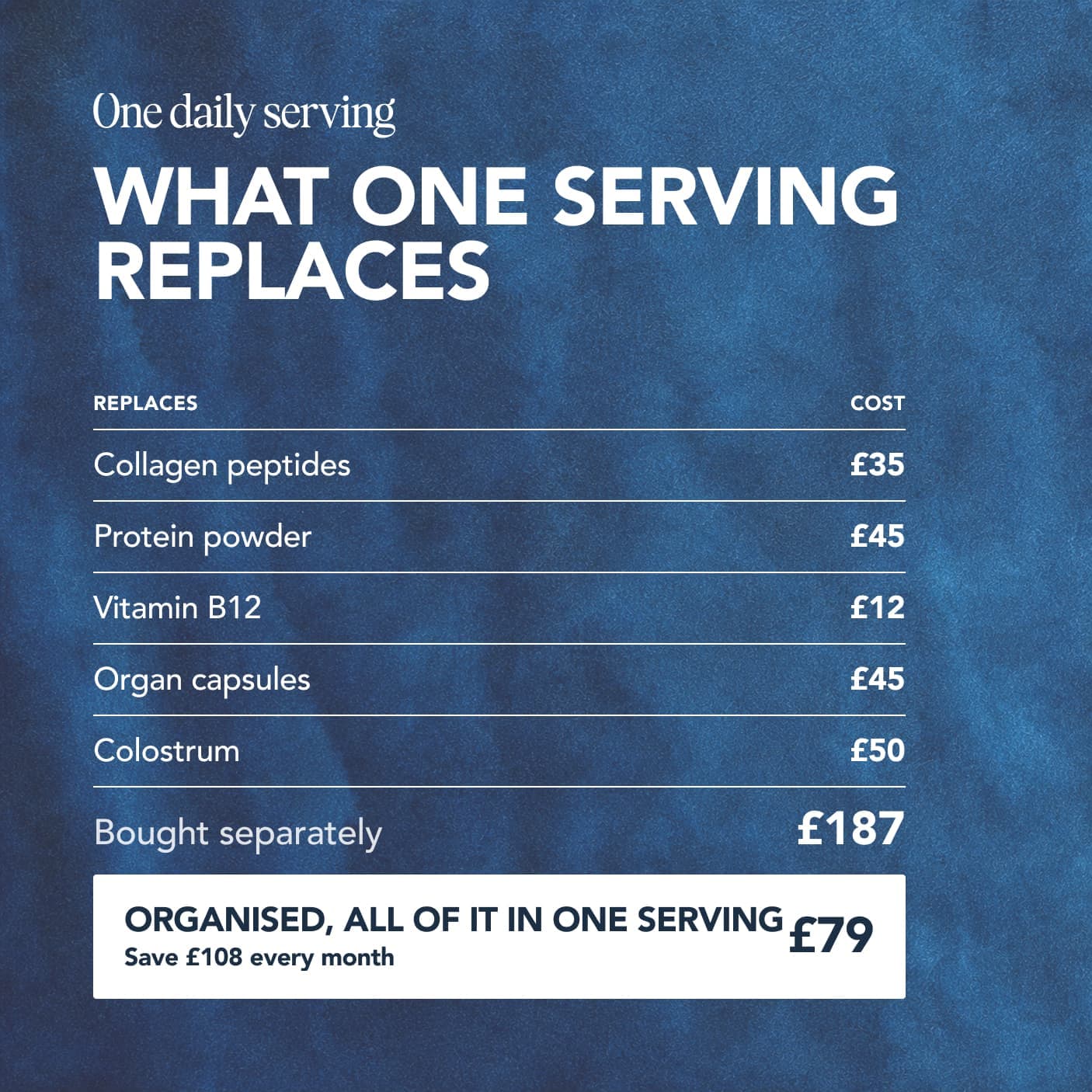
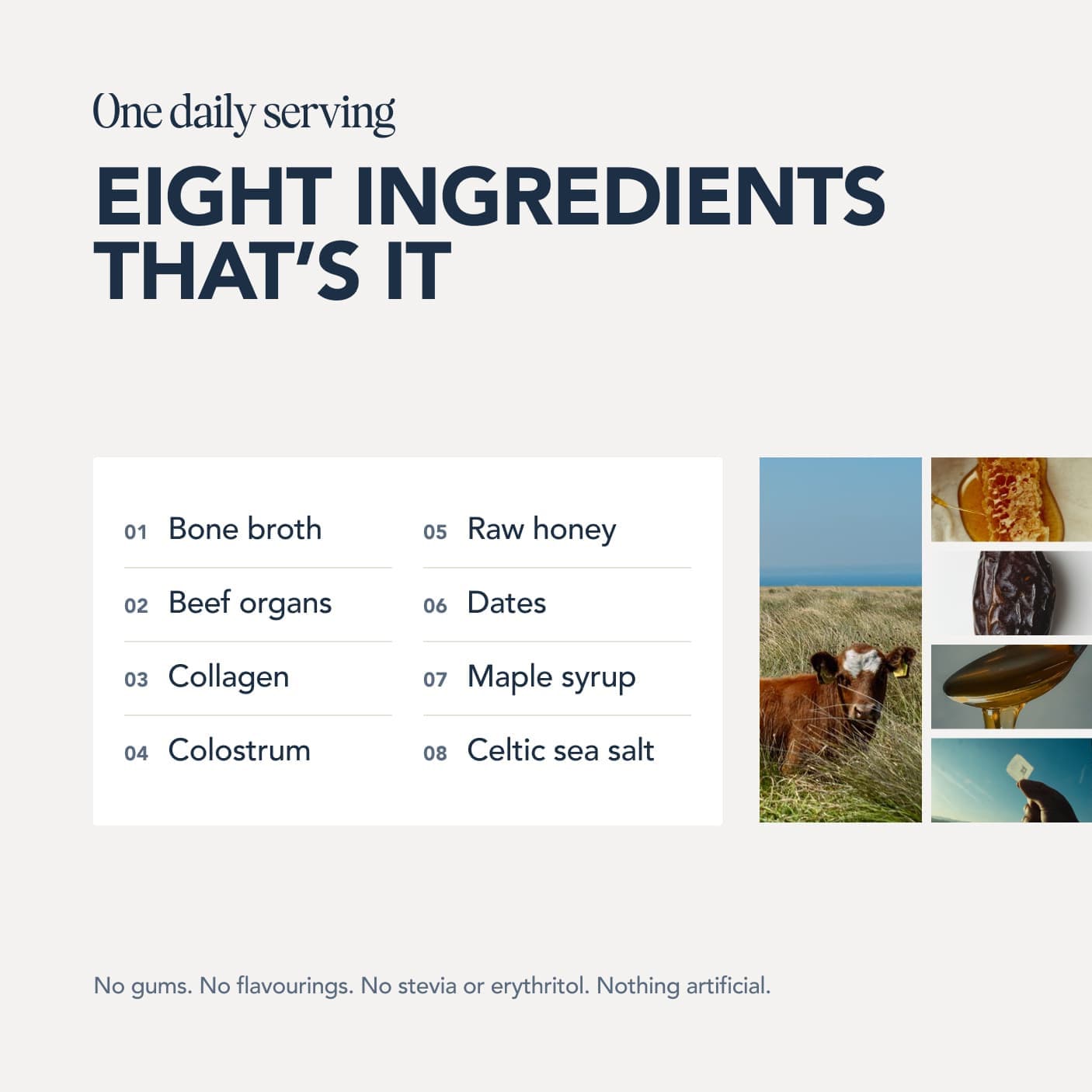
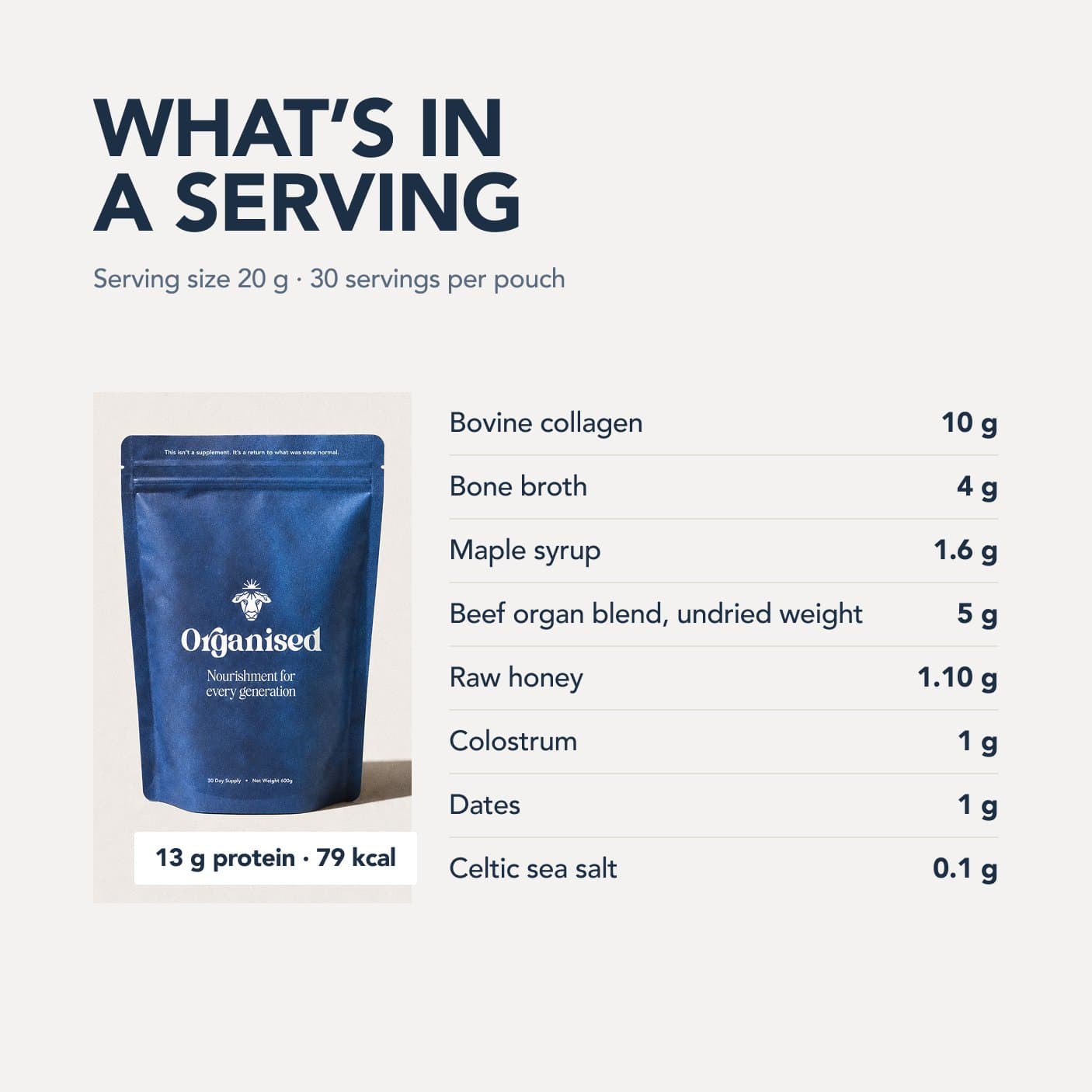
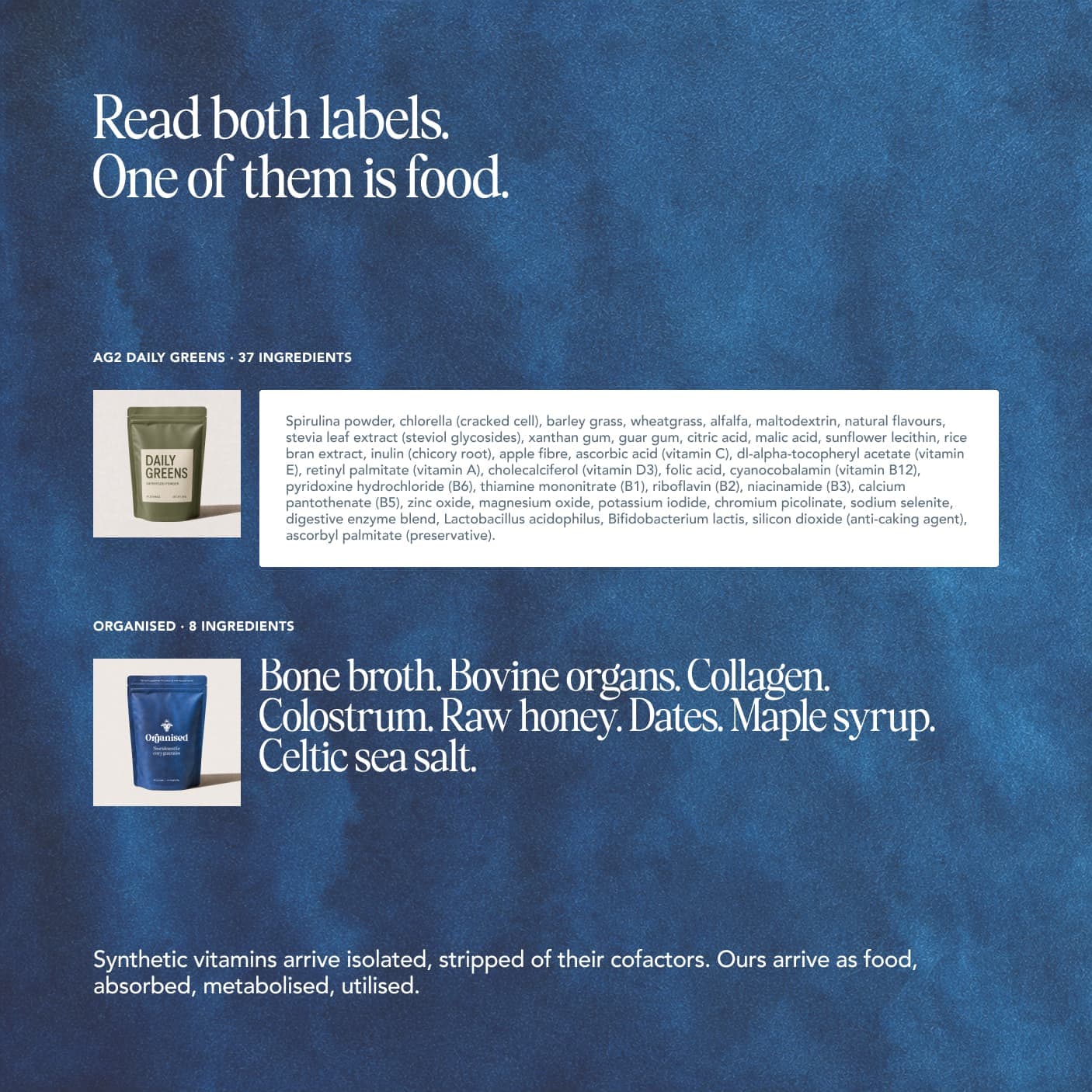
Eight real ingredients built around grass-fed beef organs, collagen and colostrum. Nothing synthetic added.
Free with your first order, worth £38. Plus £10 off the pouch with a subscription.


Free UK shipping · Made in England · 100 day money back guarantee on your first pouch · Skip, pause or cancel anytime
Practical dietary shifts
Week one
Stop eating seed oils: vegetable oil, sunflower oil, soya oil. Cook with butter, ghee, or extra virgin olive oil instead. This single shift reduces inflammatory load significantly. Many people find their eczema improves noticeably within days of making this change.
Week two
Add fermented foods: sauerkraut, kefir, or aged cheese. Once daily, a small amount. This begins reshaping your microbiota. You might notice your digestion improves alongside the skin improvement.
Week three
Add fatty fish: sardines, mackerel, or wild salmon. Once or twice weekly. If cost is a concern, tinned fish works perfectly well. The omega-3s begin rebuilding your skin barrier.
Week four
Add organ meat: liver, in whatever form you can tolerate. Once weekly is enough to significantly shift nutrient status. Combined with the other changes, the effect on eczema is usually dramatic by this point.
By week four, you've made four substantial changes without restriction. You haven't removed foods (except seed oils). You've added nutrient density. Most people see meaningful eczema improvement by week six to eight.
The bottom line
Eczema is not a condition you're stuck with. It's a signal that your nutrition and gut health need attention. The standard dermatological approach, topical steroids indefinitely, treats the symptom, not the cause. Nutritional healing addresses the cause.
It doesn't happen overnight. But the improvements are visible within weeks. Your skin will show you when something is working. Trust that signal. Feed it properly.
References
Every source below was checked on 27 August 2026. Each PubMed, PMC and DOI identifier was resolved against NCBI or Crossref, and what it opens is printed under the citation, so you can see the link goes where the citation says without leaving the page. Where a citation and its identifier disagreed, the citation was corrected to the record or the reference was deleted along with the sentence marker that pointed at it, and where the resolved paper turned out not to support the sentence, the sentence was cut back to what it does support. Borrowed authority is worse than none, because it looks like rigour.
- Kim G, Bae JH. Vitamin D and atopic dermatitis: a systematic review and meta-analysis. Nutrition, 2016. PMID 27061361.Checked 27 August 2026: PMID 27061361 opens Kim G, Bae JH, Vitamin D and atopic dermatitis: A systematic review and meta-analysis. Nutrition 2016;32(9):913-20. PubMed indexes it as: Meta-Analysis, Systematic Review.
- National Institutes of Health, Office of Dietary Supplements. Vitamin D — Health Professional Fact Sheet.
- National Institutes of Health, Office of Dietary Supplements. Zinc — Health Professional Fact Sheet.
- Koh A et al. From Dietary Fiber to Host Physiology: Short-Chain Fatty Acids as Key Bacterial Metabolites. Cell, 2016. PMID 27259147.Checked 27 August 2026: PMID 27259147 opens Koh A, De Vadder F, Kovatcheva-Datchary P et al, From Dietary Fiber to Host Physiology: Short-Chain Fatty Acids as Key Bacterial Metabolites. Cell 2016;165(6):1332-1345. PubMed indexes it as: Review.
- National Institutes of Health, Office of Dietary Supplements. Omega-3 Fatty Acids — Health Professional Fact Sheet.
Who wrote and reviewed this guide
Niall Kiddle
Author · Founder, Organised
Niall is the founder of Organised. He started the company in 2024 after fixing his own health the slow way: in 2022 he swapped a cupboard of synthetic supplements for real food, raw milk, organ meats, bone broth and honey, and felt the difference within months.
Areas of expertise: Ancestral nutrition, Organ meats, Whole-food supplementation, Gut health, Regenerative sourcing
Read Niall's full profile
Pedro Rodrigues
Reviewer · Agronomist (farming and sourcing only)
Pedro is the agronomist Organised works with on farming and sourcing. His job on the guides is to keep the science honest: he reviews what we publish about soil health, regenerative agriculture, grazing and the way food is actually produced.
Areas of expertise: Regenerative agriculture, Agronomy, Soil health, Grass-fed farming, Food sourcing
Reviewed this guide on
Read Pedro's full profileMore on skin
View all- How to Build Collagen Naturally Without Injections
- How to Feed Your Skin from the Inside Out
- A Whole Food Skincare Routine: Morning to Night
- Collagen for Anti-Ageing: What the Clinical Trials Show
- Dark Circles Under Your Eyes? It Might Be a Nutrient Deficiency
- How to Eat for a Natural Glow (Without Products)
- How Zinc, Copper and Selenium Work Together for Clear Skin
- Psoriasis and Nutrition: What Helps and What Hinders
- Retinol from Beef Liver vs Retinol in Skincare: Which Actually Works?
- Rosacea and Gut Health: Is There a Connection?
- The Foods That Age Your Skin Fastest
- Why Your Skin Looks Better When You Eat Organ Meats
Browse the guides library
All guidesKeep reading
Health goals
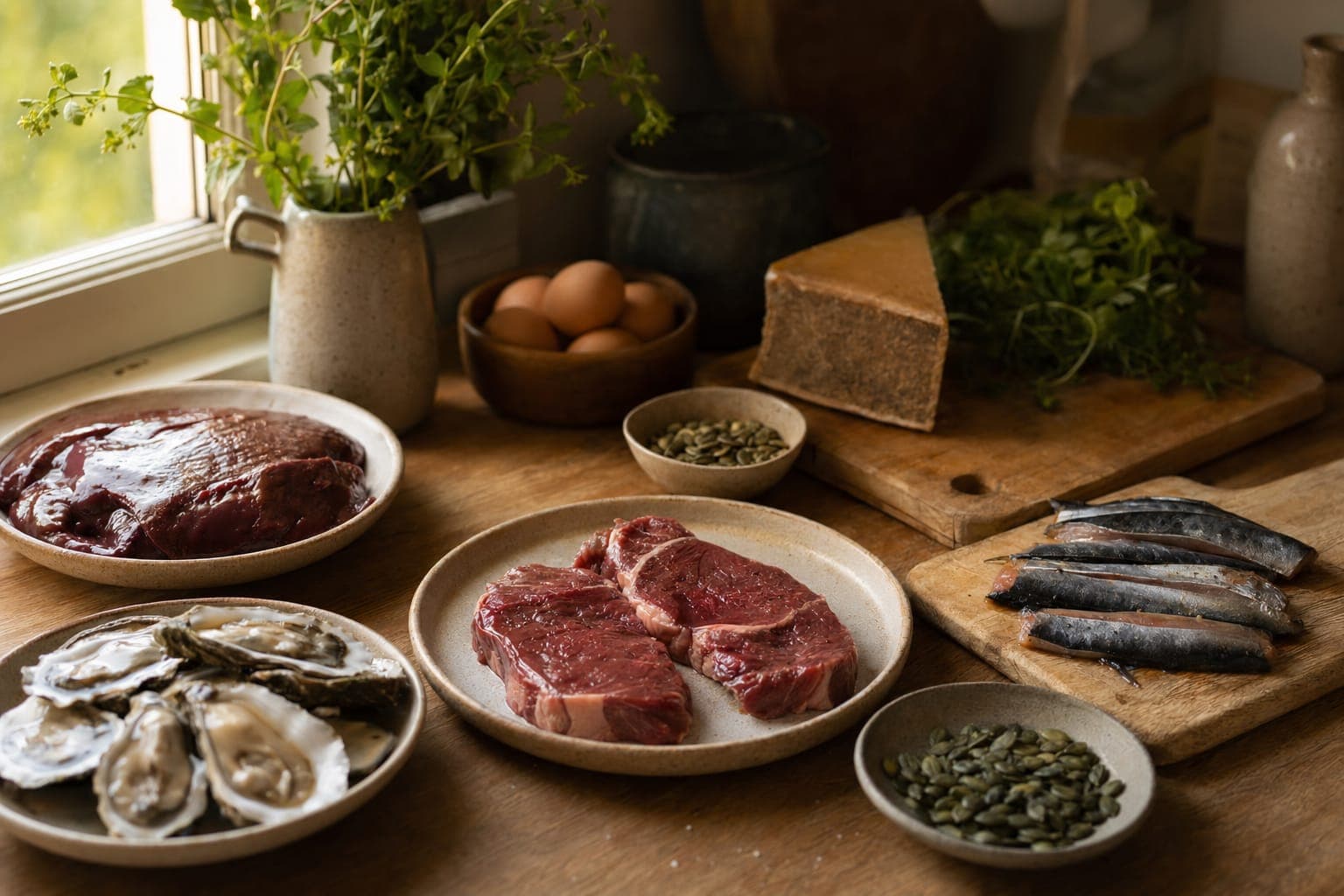
How Zinc, Copper and Selenium Work Together for Clear Skin
Isolated zinc supplements often backfire. Here's why these three minerals must work together, and how food sources keep them balanced.
Health goals
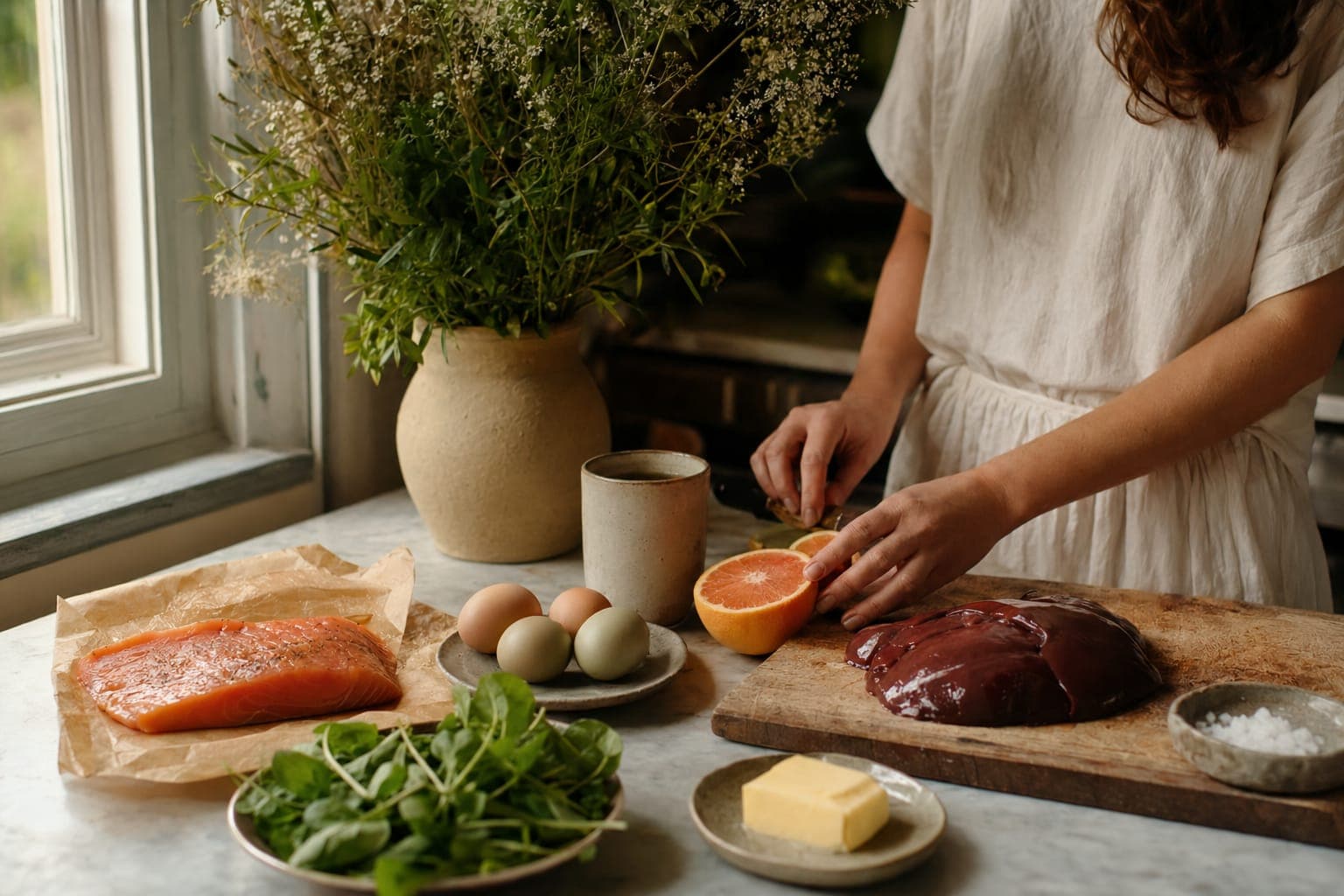
A Whole Food Skincare Routine: Morning to Night
Forget serums and moisturisers. Your skin's true routine happens three times a day, at the table. Here's the nutritional protocol that works.

Health goals
Eating for Each Phase of Your Menstrual Cycle
Sync your food to your cycle for steadier energy. See the nutrient needs of the follicular, ovulatory, luteal, and menstrual phases, with simple swaps.
Real food, made effortless
Start my daily blendA few ways to use it
All recipes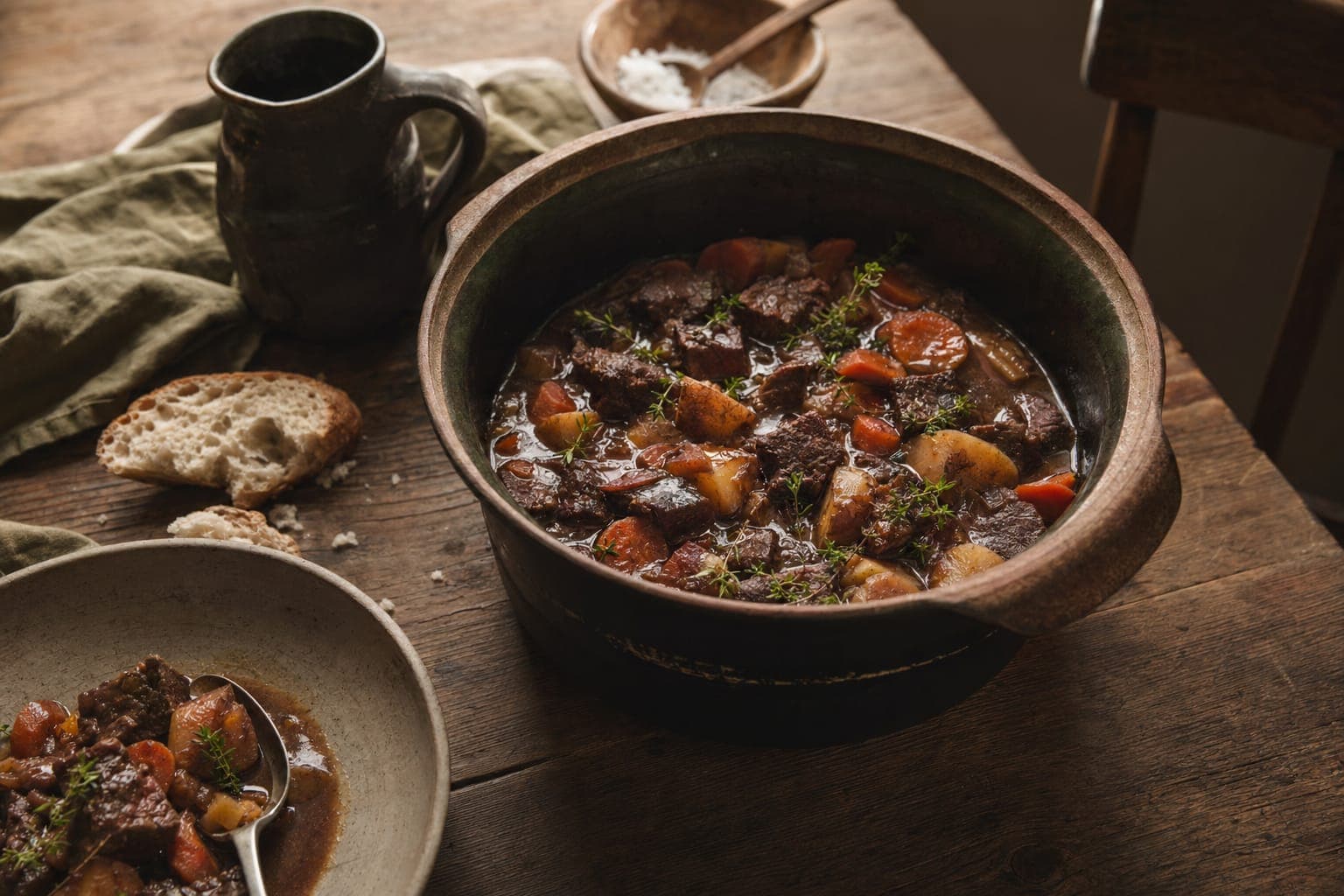
Collagen-Rich Beef Stew: Slow-Cooked Nourishment
Beef stew that delivers collagen from connective tissue and bone broth. Winter comfort food that actually nourishes. Simple slow cooker recipe.
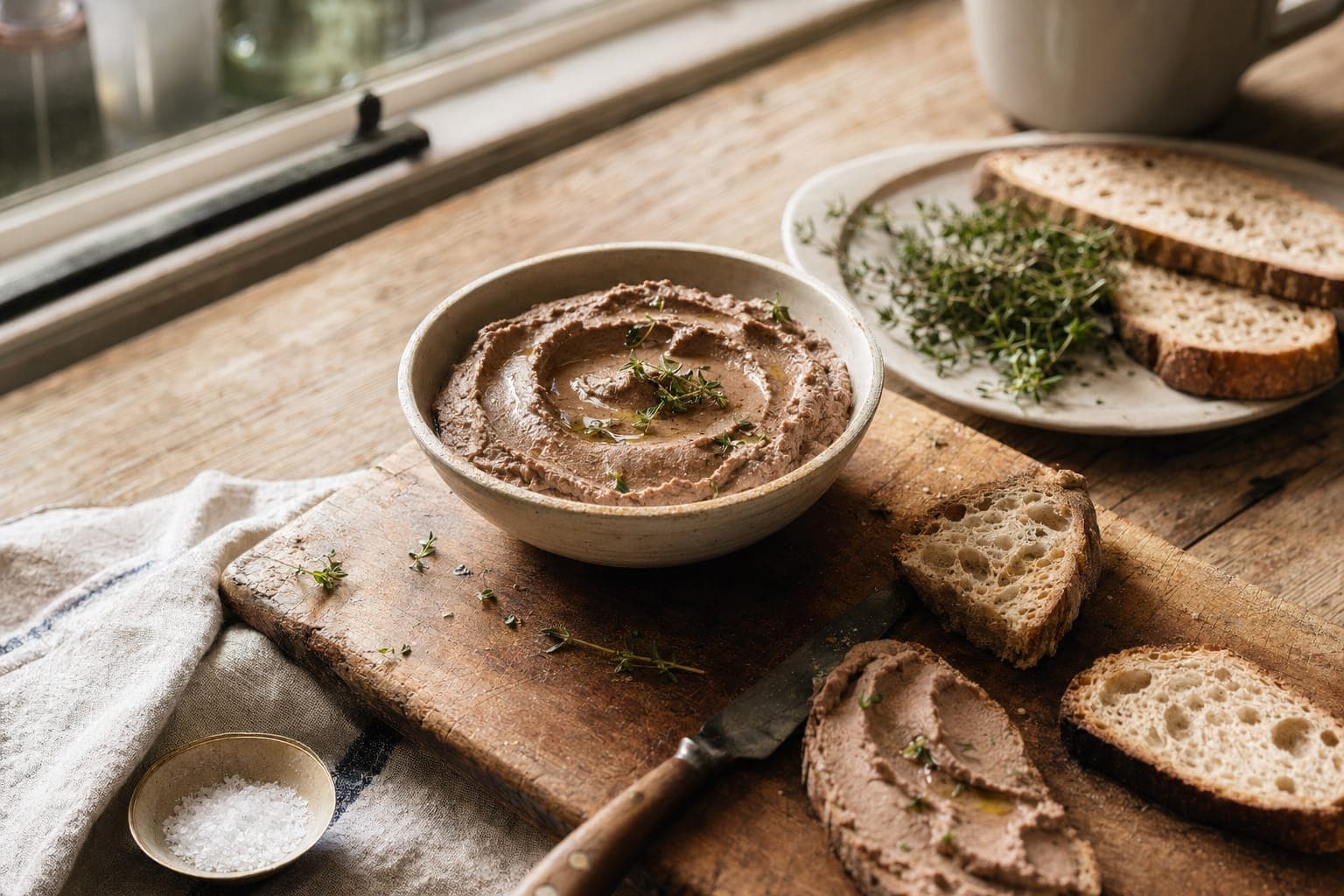
Liver Pate for Beginners: A Gentle Introduction to Organ Meats
Simple liver pate recipe to start eating organ meats. Chicken liver, butter, and herbs. Gentle introduction to nutrient-dense whole foods.
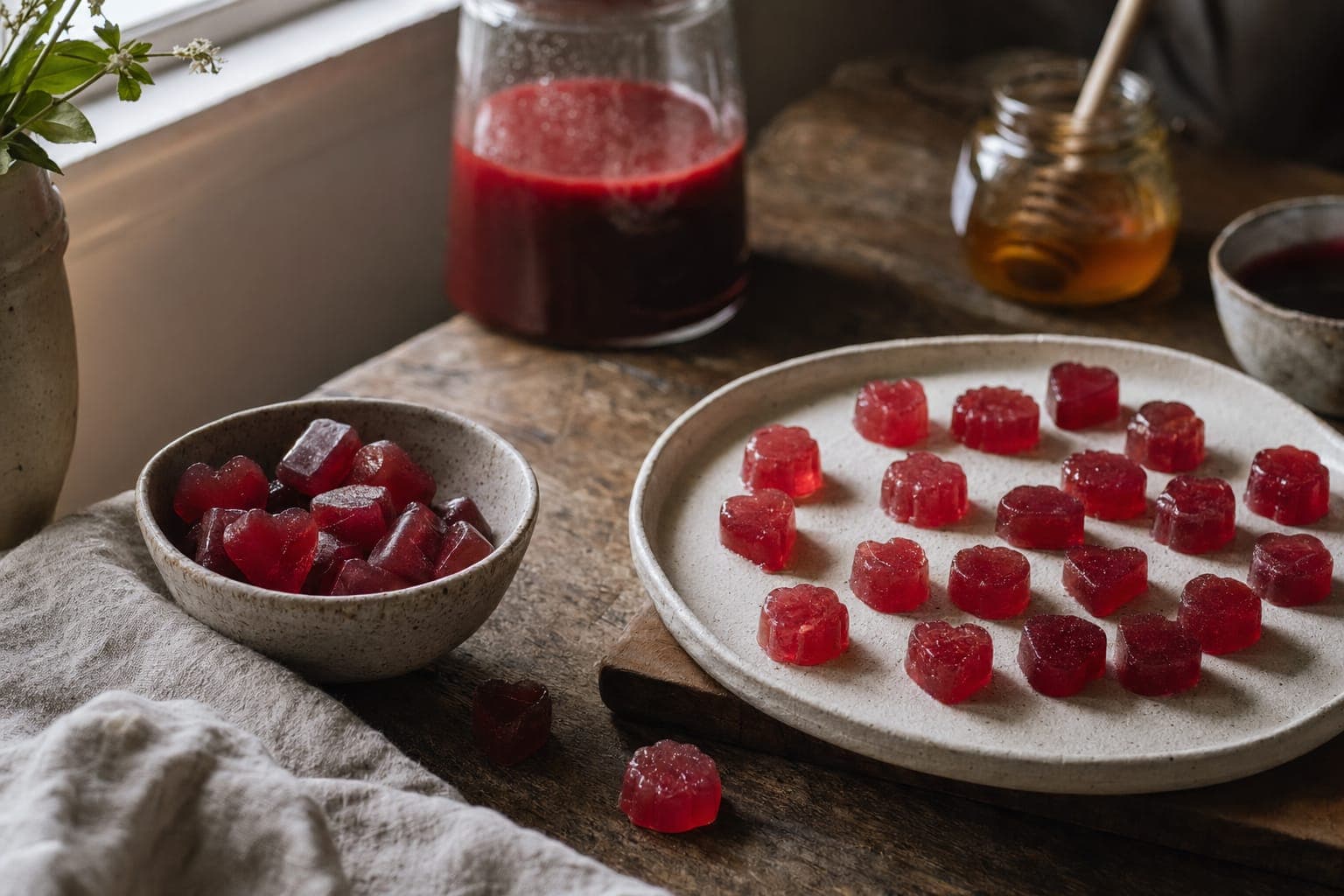
How to Make Your Own Gelatine Gummies
A simple recipe for homemade gelatine gummies using grass-fed gelatine, fresh juice, and raw honey. Better than shop-bought, kids love them.


 Join over 100,000+ members
Build a better food system with us
The Organised community is thousands of people choosing real food and backing the farmers who grow it, all of us trying to leave the world a little better than we found it. If that is what you care about too, you belong here.