How Zinc, Copper and Selenium Work Together for Clear Skin
You've probably heard that zinc is good for skin. But isolated zinc supplementation can actually make skin worse. And there's a mineral you've likely never heard of that's equally critical. This is about mineral synergy, not single nutrients.
By Niall Kiddle, Founder, Organised

Reviewed by Pedro Rodrigues, Agronomist (farming and sourcing only) ·
6 min read · Published · Updated · 5 cited sources
Makers of the Organised Daily blend, a grass-fed beef organ supplement from regenerative UK farms
The skincare industry loves single nutrients. Zinc serum. Zinc supplement. Zinc this, zinc that. It's easier to sell one ingredient than to explain complex mineral relationships. But skin doesn't work with single nutrients. It works with mineral systems. And when you break those systems, your skin pays the price.
The myth of isolated zinc
Zinc is genuinely important for skin. It's involved in over 300 enzymatic reactions in your body, including immune function, collagen synthesis, wound healing, and inflammation regulation.1 Low zinc and your skin rebels. Acne worsens. Healing slows. Barrier integrity drops.
But here's where most people go wrong. They take a zinc supplement. Often 30 to 50 milligrams daily. They expect their skin to improve. Instead, one of two things happens. Either nothing changes, or their skin gets worse. They develop copper deficiency symptoms: brittle hair, fatigue, weak connective tissue. Or they develop imbalances that trigger new skin problems.
The reason is straightforward: zinc and copper compete for absorption. They use the same transporters in your small intestine. When you flood your system with high-dose zinc, it outcompetes copper. Your copper levels drop. And copper is absolutely essential for skin.2
Taking isolated zinc without balancing copper is like trying to build a house with wood but no nails. One without the other doesn't work.
Why mineral balance matters
Your skin is made of collagen, elastin, and other structural proteins. These proteins need copper to form proper crosslinks.3 Without sufficient copper, your collagen is structurally weak, even if you're producing a lot of it. Your skin is fragile. It loses elasticity. It ages faster.
Copper also works with zinc in many enzymatic reactions. They're not competing. They're cooperating. Zinc helps copper work. Copper helps zinc work. When you take high-dose zinc in isolation, you're breaking that cooperation. Your body can't maintain the balance it evolved to maintain.
The same applies to selenium. Selenium is a trace mineral most people have never heard of. It's absolutely critical for skin health. It works with vitamin E to protect cells from oxidative damage. It's involved in thyroid function, which affects skin quality dramatically. It plays a role in inflammation regulation. And like zinc and copper, it doesn't work in isolation.
How copper and zinc work together
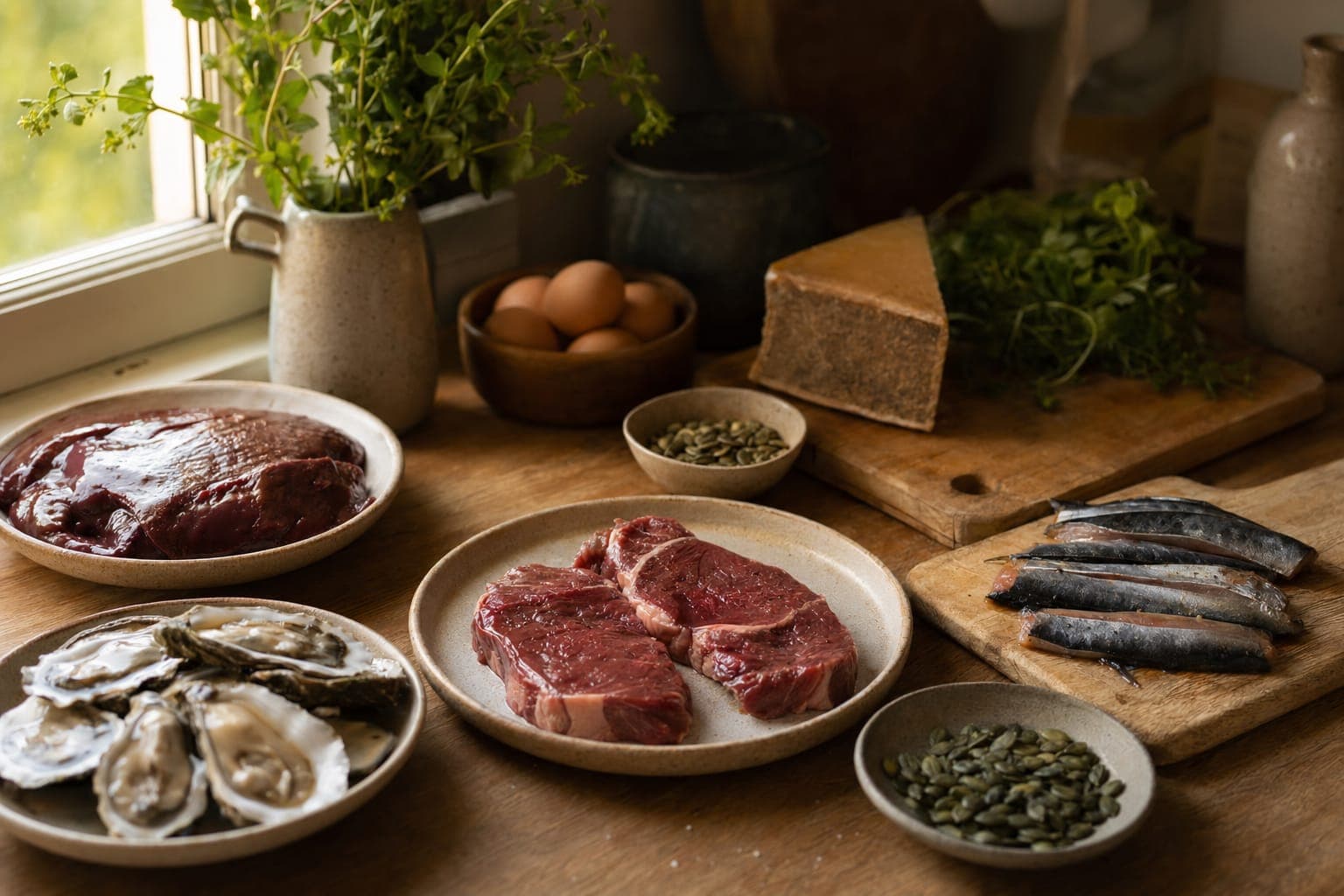
The optimal ratio of zinc to copper is roughly 8:1 to 12:1, depending on your source and your individual needs. Most whole foods naturally land in this range. Beef contains zinc and copper. Oysters contain both. Pumpkin seeds contain both. Liver contains both.
When you eat these foods, you're not getting a supplement dose of one mineral. You're getting a balanced amount of multiple minerals alongside other cofactors that help them work. Your body handles the distribution. Your copper levels stay sufficient. Your zinc levels stay adequate. Both work together to build and maintain skin.
This is why whole food sources are so much more effective than isolated supplementation. A person eating one oyster a week plus regular red meat and liver is almost certainly getting optimal zinc and copper balance. A person taking a 30-milligram zinc supplement once daily is likely creating an imbalance, regardless of how good their intentions.
Food sources that keep minerals balanced
- Beef and lamb: zinc and copper in roughly optimal ratio
- Oysters and shellfish: extremely high in both, in balanced form
- Liver: copper and zinc plus vitamin A and iron
- Pumpkin seeds: zinc and copper plus magnesium
- Chickpeas and legumes: zinc, copper, and manganese together
- Mushrooms: selenium, copper, and other trace minerals

Get health guides like this, free
Two short reads a week on eating for energy, gut health, skin, sleep and more.
By signing up you agree to receive emails from us. No spam, unsubscribe anytime.
Selenium's role in skin protection
Selenium is the mineral that does most of its work quietly. You won't feel different when you're selenium-sufficient. You'll just notice, over weeks, that your skin looks better. Acne heals faster. Your skin tone evens out. Inflammation reduces slightly.
Selenium works as part of selenoproteins, particularly glutathione peroxidase, which is your skin's primary internal antioxidant system.4 When selenium is sufficient, your skin cells are protected from oxidative damage. When selenium is low, your cells are exposed to free radical damage daily. This ages skin, worsens acne, and reduces barrier function.
Selenium also plays a critical role in thyroid function. Your thyroid hormone directly affects skin quality: collagen production, moisture retention, barrier integrity, and overall metabolism.5 Low selenium means low thyroid output, which means dull, ageing skin. The connection is so direct that dermatologists rarely recognise it, but it's one of the most important relationships in skin health.
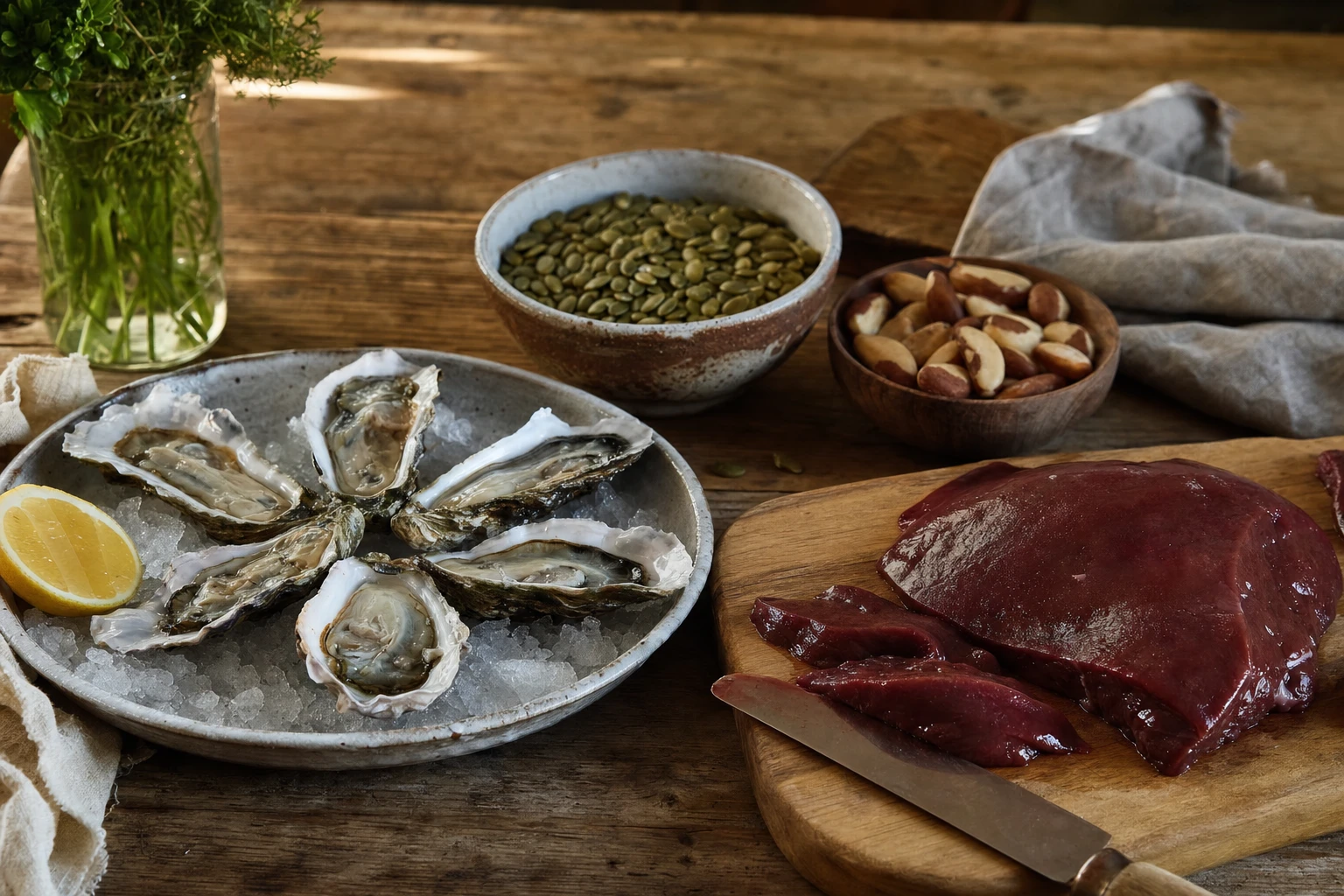
Brazil nuts are famously high in selenium. One or two Brazil nuts per day is often enough to maintain adequacy.4 Fish, particularly wild-caught, carries selenium. Liver carries selenium. Eggs carry selenium. The foods that provide zinc and copper usually provide selenium too.
Selenium is the quiet mineral. You won't notice when it's sufficient. You'll notice when it's lacking: dull skin, slow healing, persistent inflammation.
Why whole food sources stay balanced
Nature doesn't package nutrients in isolation. A piece of liver contains retinol, copper, zinc, selenium, iron, B vitamins, and dozens of other micronutrients, all in quantities and ratios that reflect how humans have been eating for thousands of years. Your body is designed to handle these ratios. Your absorption systems are calibrated for them. Your storage systems manage them effectively.
When you take a supplement, you're introducing a concentration that doesn't exist in nature. Your body doesn't know what to do with 30 milligrams of isolated zinc daily. It doesn't happen in food. It triggers compensatory responses: mineral imbalances, malabsorption, disruption of the careful ratios you spent years building.
This doesn't mean all supplementation is bad. If you've had blood tests and identified a deficiency, and you're supplementing specifically to address that gap, then temporary supplementation makes sense. But as a casual practice, taking zinc supplements without balancing copper, or supplementing any single mineral in isolation, is a good way to create imbalances you can't see but your skin will show.
1 of 9
Daily blend
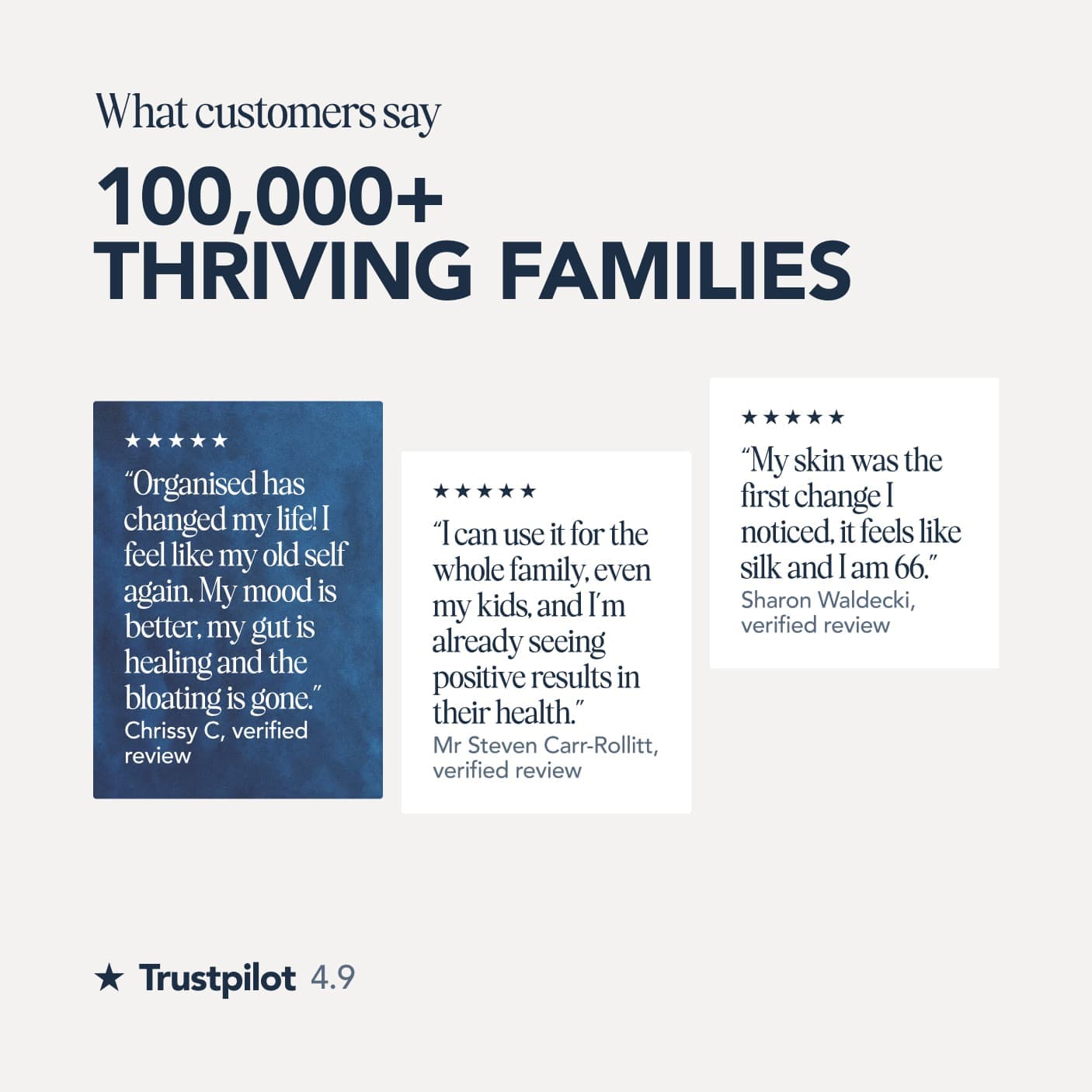
100,000+ thriving families4.9 on Trustpilot
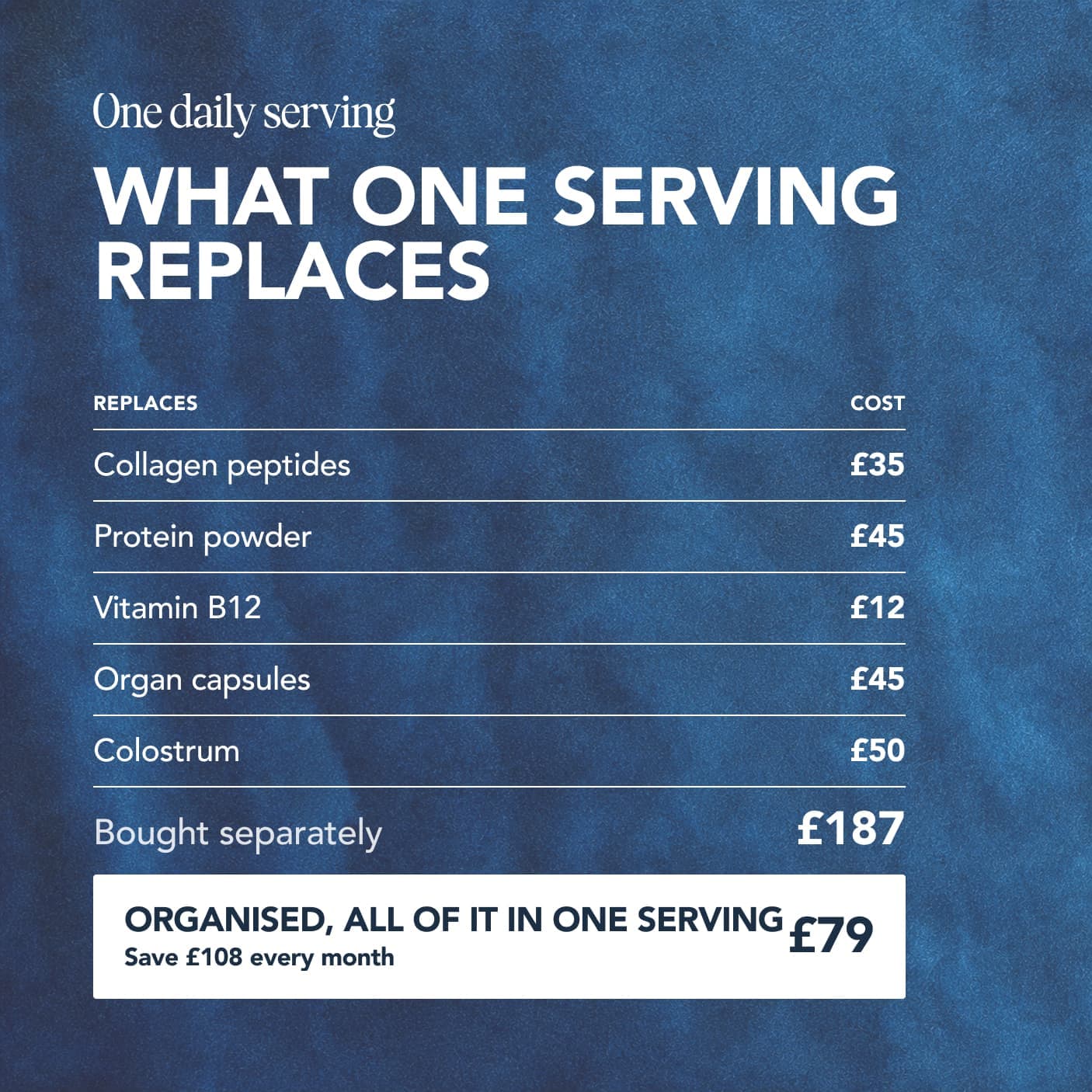
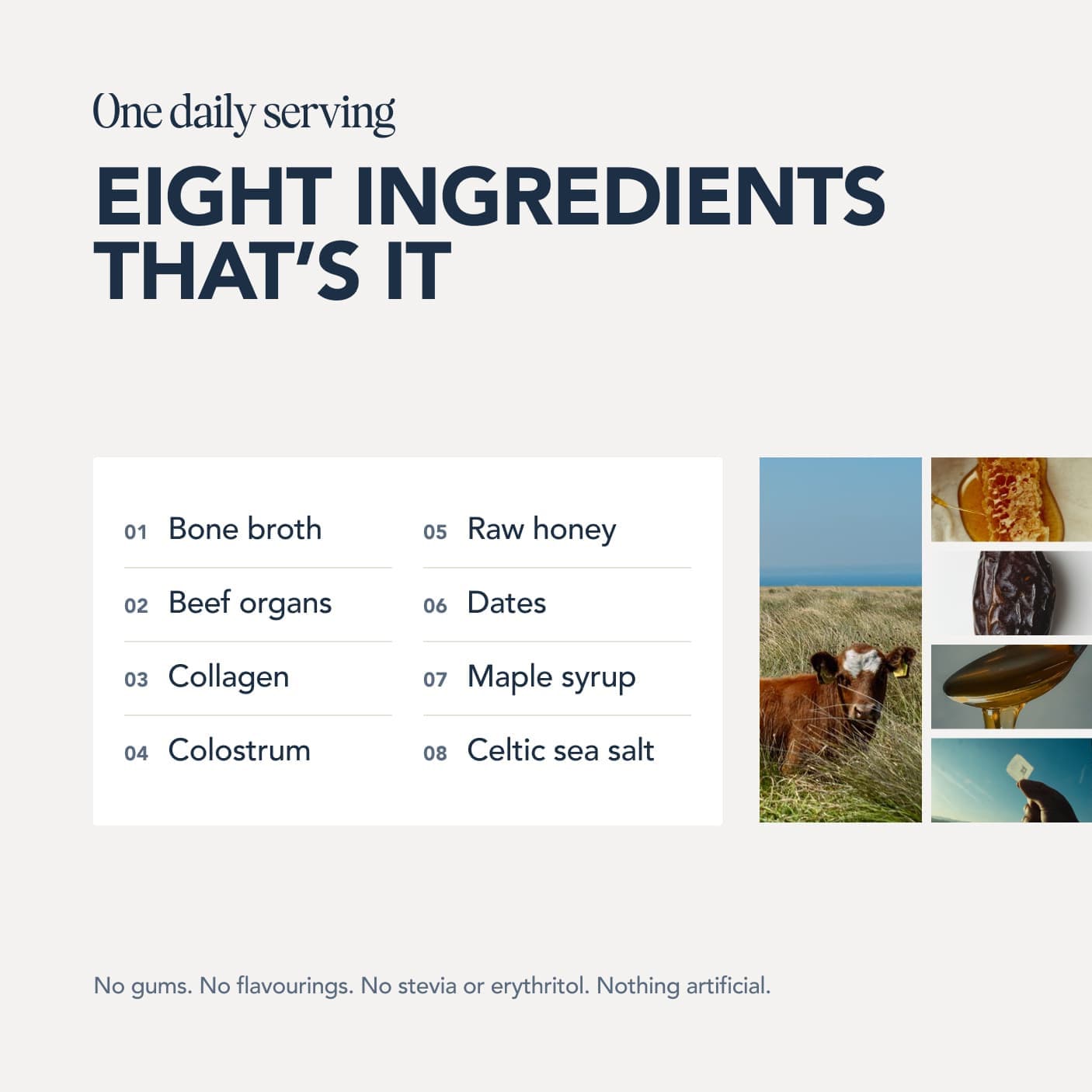
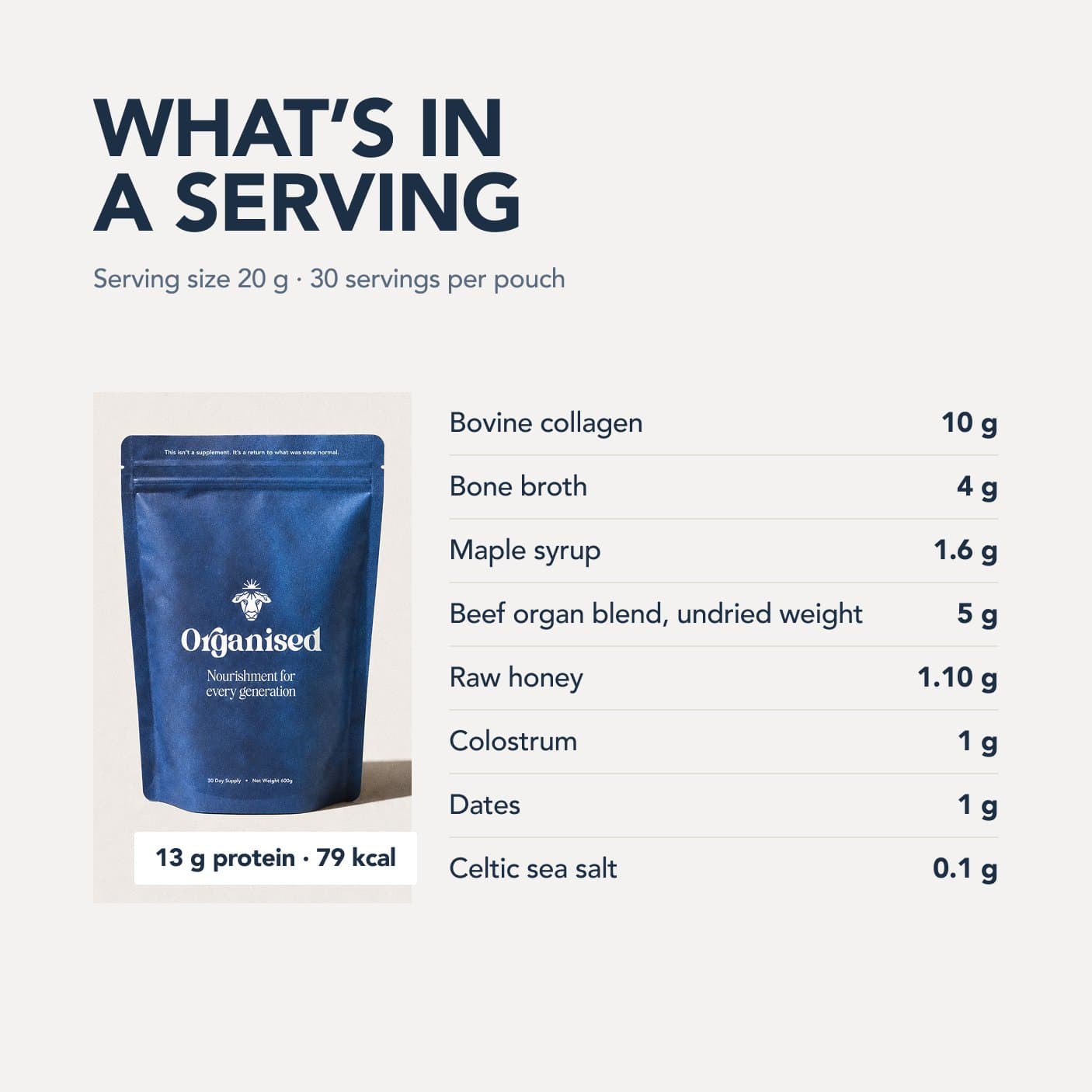
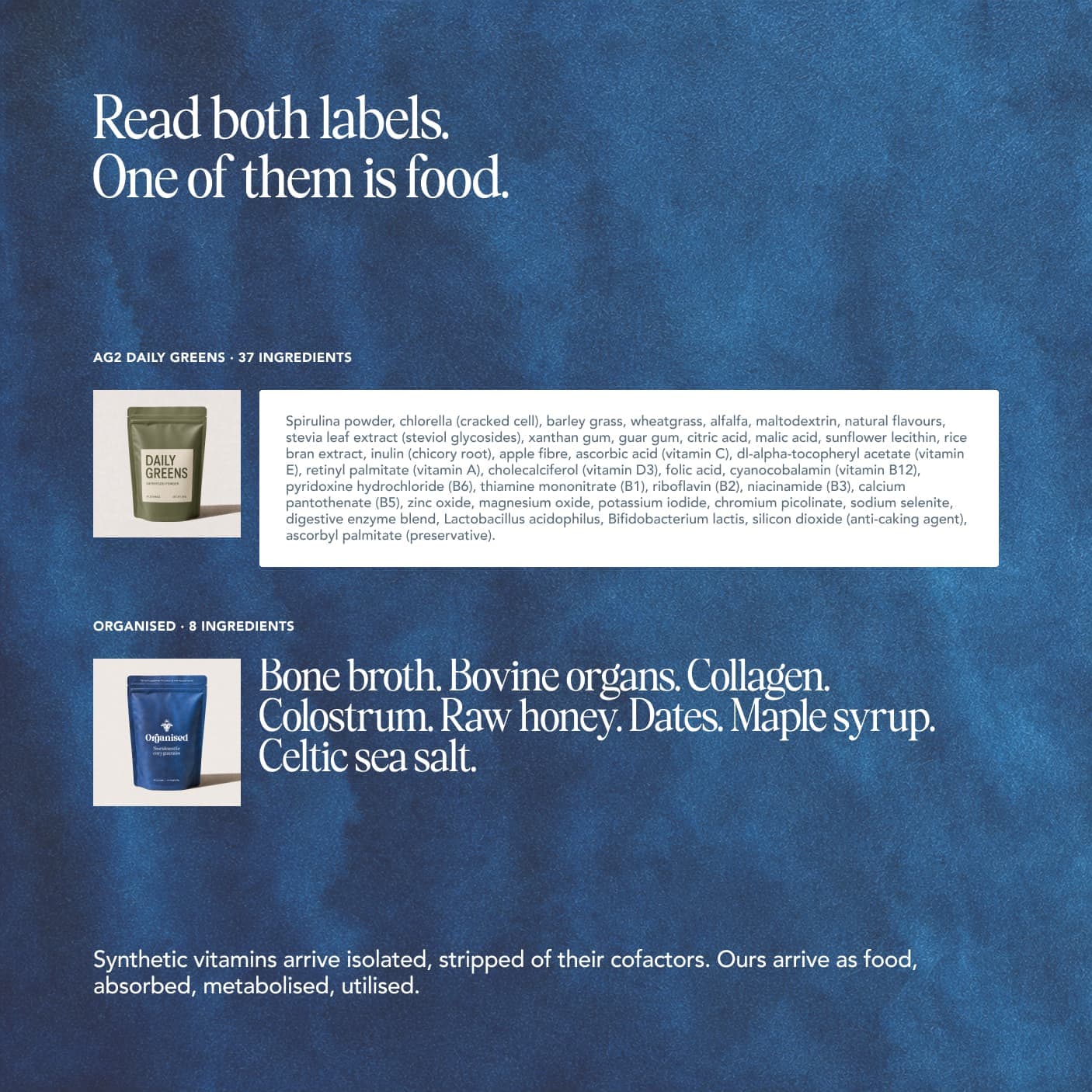
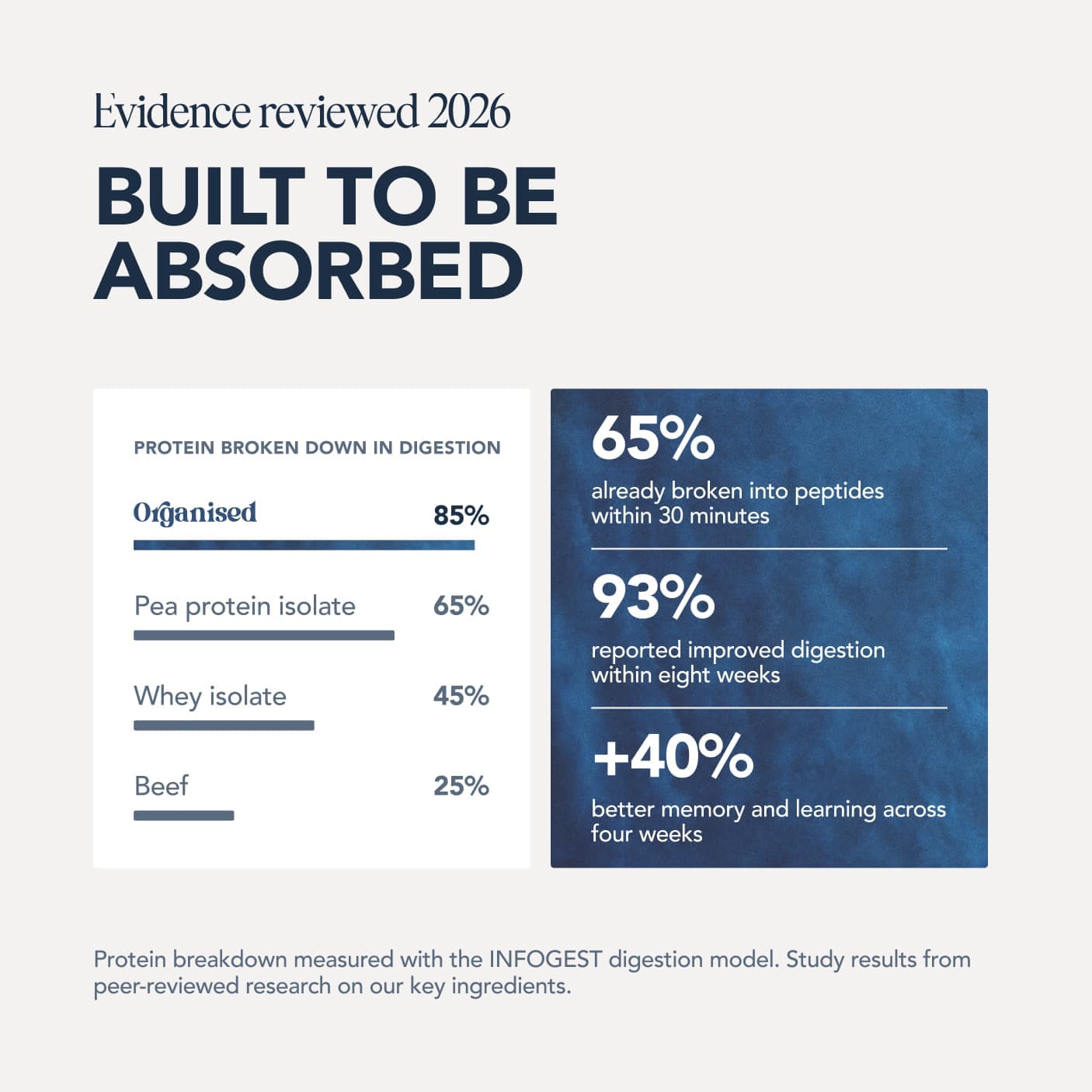
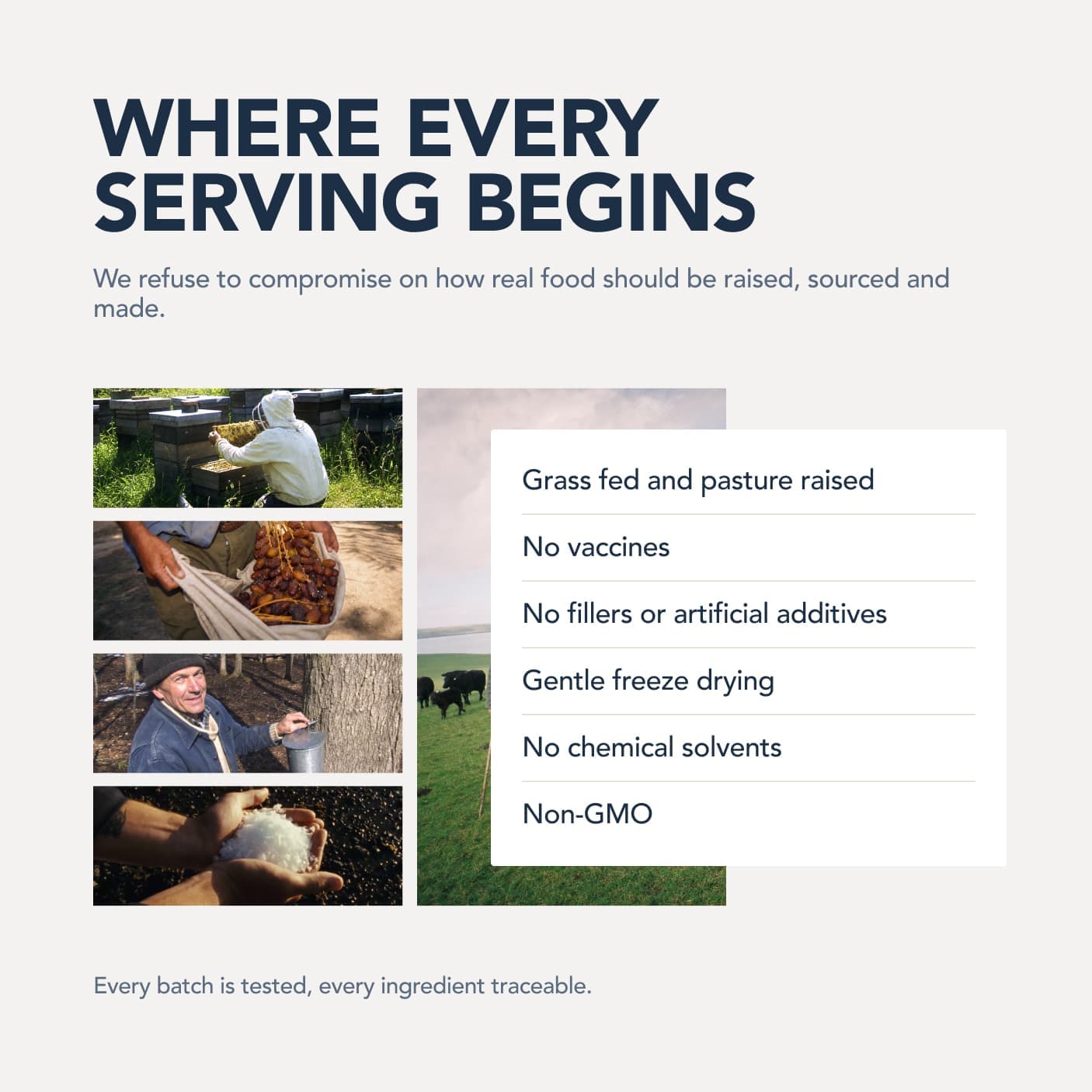
Eight real ingredients built around grass-fed beef organs, collagen and colostrum. Nothing synthetic added.
Free with your first order, worth £38. Plus £10 off the pouch with a subscription.
Free UK shipping · Made in England · 100 day money back guarantee on your first pouch · Skip, pause or cancel anytime
Practical food protocol
Eat red meat twice weekly. Beef or lamb, cooked at moderate temperature, with fat included (the fat-soluble vitamins need fat). This gives you consistent zinc, copper, and other minerals in balanced form.
Eat liver once weekly. 100 to 150 grams is enough. This tops up your mineral stores and provides retinol, which works synergistically with the minerals to support skin.
Eat oysters or shellfish occasionally if you can access them. Once a month is enough. Oysters are extraordinarily mineral-dense, and the balance is perfect. If oysters aren't accessible or affordable, don't stress. Red meat and liver cover what you need.
Add Brazil nuts occasionally, or other selenium-rich foods. One or two Brazil nuts a few times a week is enough to ensure selenium sufficiency. This is not a food you need to eat daily.
Skip the isolated mineral supplements unless you have specific blood test evidence of deficiency and a practitioner's guidance on supplementation. Your skin will be better served by eating the foods that naturally carry these minerals in balanced form.
The bottom line
Zinc matters for skin. But copper matters just as much. Selenium matters. And they only work properly when they work together. Whole food sources naturally provide them in the ratios your body needs. Isolated supplements create imbalances that often make skin worse, not better.
Stop taking the single-mineral supplement. Start eating the foods that provide them all, in balance. Your skin will respond within weeks, not with irritation and setbacks, but with genuine improvement.
References
Every source below was checked on 27 August 2026. Each PubMed, PMC and DOI identifier was resolved against NCBI or Crossref, and what it opens is printed under the citation, so you can see the link goes where the citation says without leaving the page. Where a citation and its identifier disagreed, the citation was corrected to the record or the reference was deleted along with the sentence marker that pointed at it, and where the resolved paper turned out not to support the sentence, the sentence was cut back to what it does support. Borrowed authority is worse than none, because it looks like rigour.
- National Institutes of Health, Office of Dietary Supplements. Zinc: Fact Sheet for Health Professionals. https://ods.od.nih.gov/factsheets/Zinc-HealthProfessional/ [accessed May 2026].
- Willis MS, Monaghan SA, Miller ML, et al. Zinc-induced copper deficiency: a report of three cases initially recognized on bone marrow examination. American Journal of Clinical Pathology. 2005;123(1):125-131. https://pubmed.ncbi.nlm.nih.gov/15762288/Checked 27 August 2026: PMID 15762288 opens Willis MS, Monaghan SA, Miller ML et al, Zinc-induced copper deficiency: a report of three cases initially recognized on bone marrow examination. Am J Clin Pathol 2005;123(1):125-31. PubMed indexes it as: Case Reports.
- National Institutes of Health, Office of Dietary Supplements. Copper: Fact Sheet for Health Professionals. https://ods.od.nih.gov/factsheets/Copper-HealthProfessional/ [accessed May 2026].
- National Institutes of Health, Office of Dietary Supplements. Selenium: Fact Sheet for Health Professionals. https://ods.od.nih.gov/factsheets/Selenium-HealthProfessional/ [accessed May 2026].
- Kohrle J. Selenium and the thyroid. Current Opinion in Endocrinology, Diabetes & Obesity. 2015;22(5):392-401. https://pubmed.ncbi.nlm.nih.gov/26313901/Checked 27 August 2026: PMID 26313901 opens Köhrle J, Selenium and the thyroid. Curr Opin Endocrinol Diabetes Obes 2015;22(5):392-401. PubMed indexes it as: Review.
Who wrote and reviewed this guide
Niall Kiddle
Author · Founder, Organised
Niall is the founder of Organised. He started the company in 2024 after fixing his own health the slow way: in 2022 he swapped a cupboard of synthetic supplements for real food, raw milk, organ meats, bone broth and honey, and felt the difference within months.
Areas of expertise: Ancestral nutrition, Organ meats, Whole-food supplementation, Gut health, Regenerative sourcing
Read Niall's full profile
Pedro Rodrigues
Reviewer · Agronomist (farming and sourcing only)
Pedro is the agronomist Organised works with on farming and sourcing. His job on the guides is to keep the science honest: he reviews what we publish about soil health, regenerative agriculture, grazing and the way food is actually produced.
Areas of expertise: Regenerative agriculture, Agronomy, Soil health, Grass-fed farming, Food sourcing
Reviewed this guide on
Read Pedro's full profileMore on skin
View all- How to Build Collagen Naturally Without Injections
- How to Feed Your Skin from the Inside Out
- A Whole Food Skincare Routine: Morning to Night
- Collagen for Anti-Ageing: What the Clinical Trials Show
- Dark Circles Under Your Eyes? It Might Be a Nutrient Deficiency
- Eczema and Nutrition: What the Research Suggests
- How to Eat for a Natural Glow (Without Products)
- Psoriasis and Nutrition: What Helps and What Hinders
- Retinol from Beef Liver vs Retinol in Skincare: Which Actually Works?
- Rosacea and Gut Health: Is There a Connection?
- The Foods That Age Your Skin Fastest
- Why Your Skin Looks Better When You Eat Organ Meats
Browse the guides library
All guidesKeep reading

Health goals
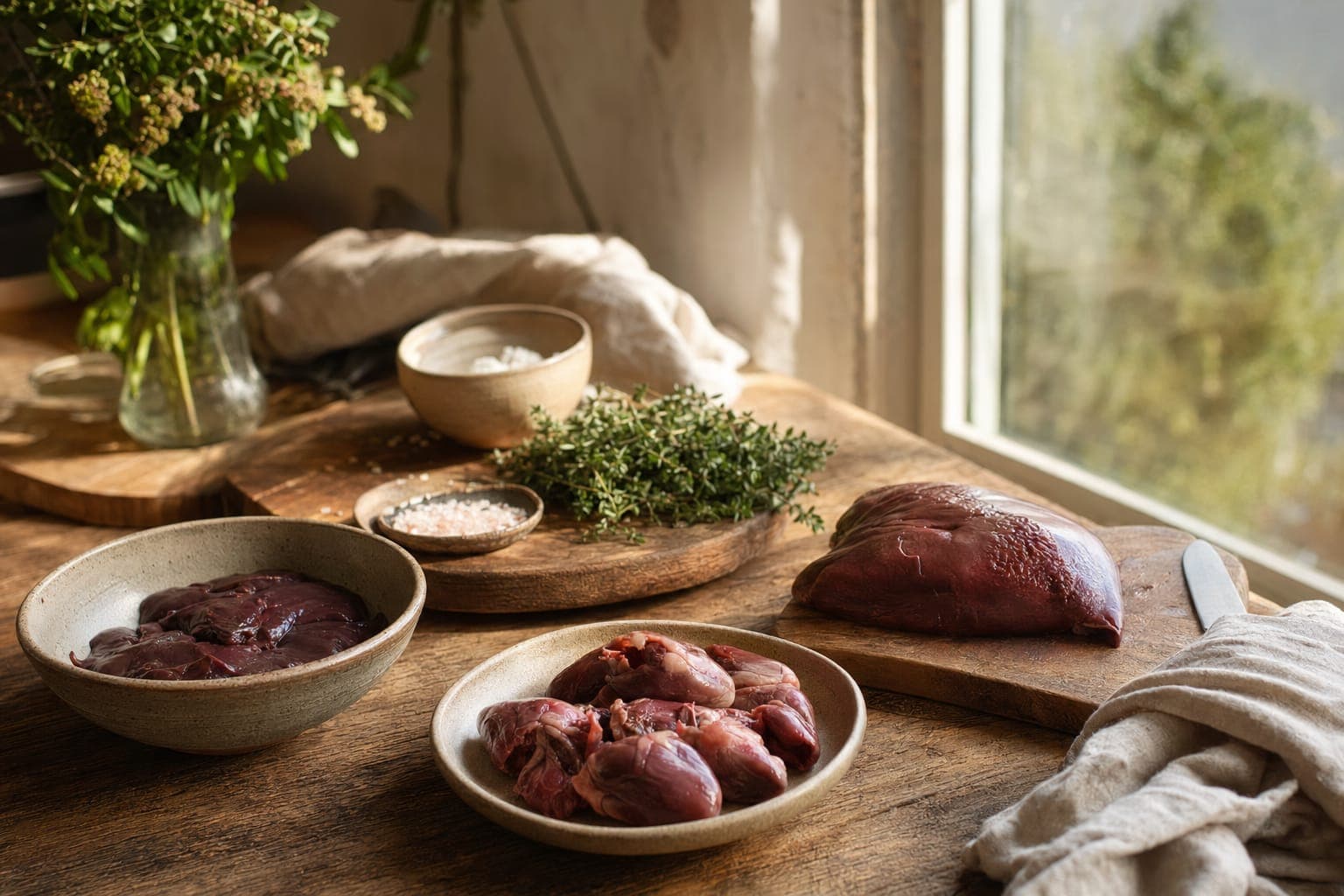
Retinol from Beef Liver vs Retinol in Skincare: Which Actually Works?
Retinol from liver vs skincare creams: get more bioavailable retinol from a single serving of beef liver. Here is why oral often beats topical for skin.
Health goals
Why Your Skin Looks Better When You Eat Organ Meats
Organ meats are the most nutrient-dense foods on the planet. Here's exactly how they change your skin, from the inside out.

Health goals
How to Stop Hair Shedding with Ancestral Nutrition
Hair shedding is a sign of nutritional deficiency. Learn the minerals that stop hair loss and the protocol that reverses it.
Real food, made effortless
Start my daily blendA few ways to use it
All recipes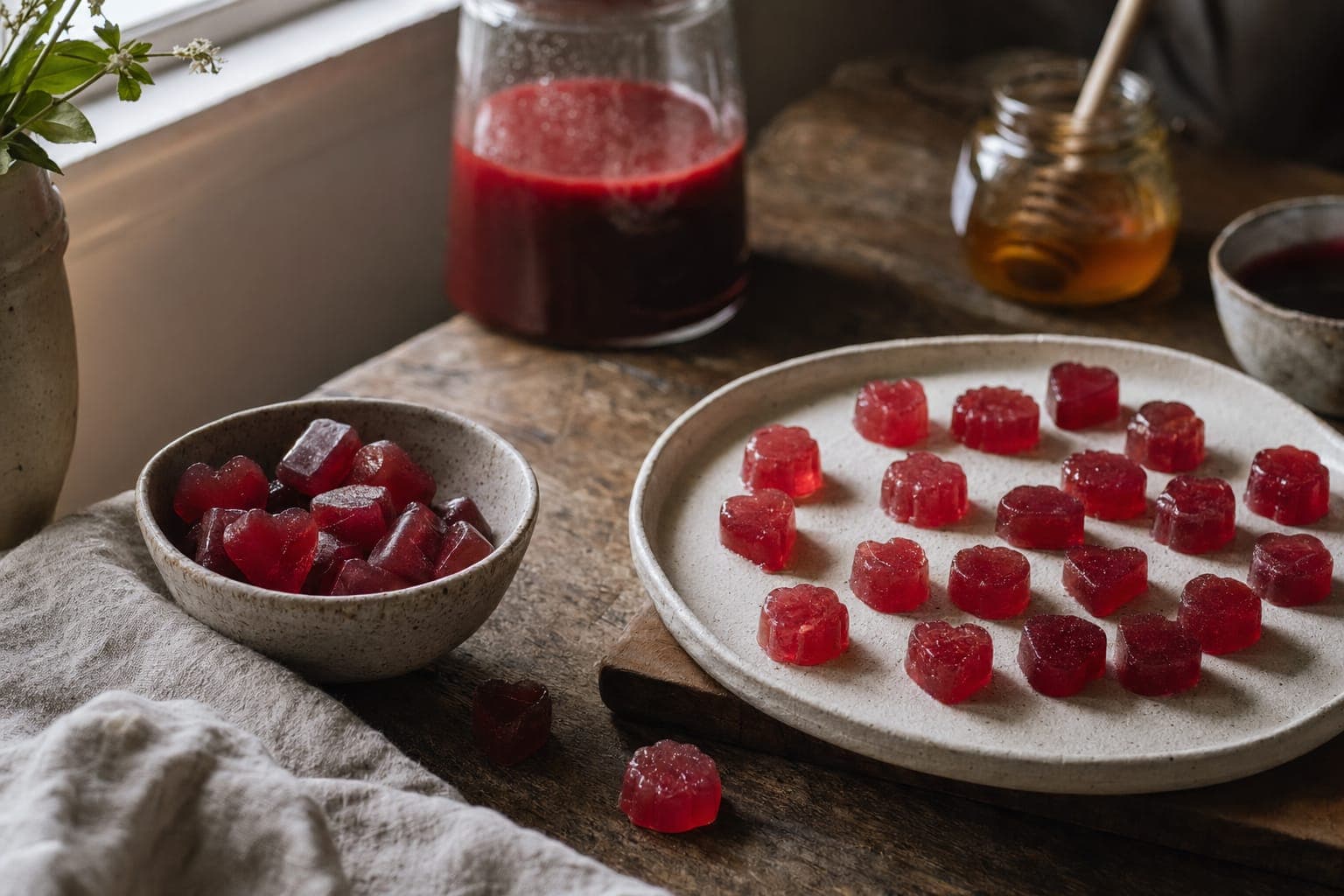
How to Make Your Own Gelatine Gummies
A simple recipe for homemade gelatine gummies using grass-fed gelatine, fresh juice, and raw honey. Better than shop-bought, kids love them.
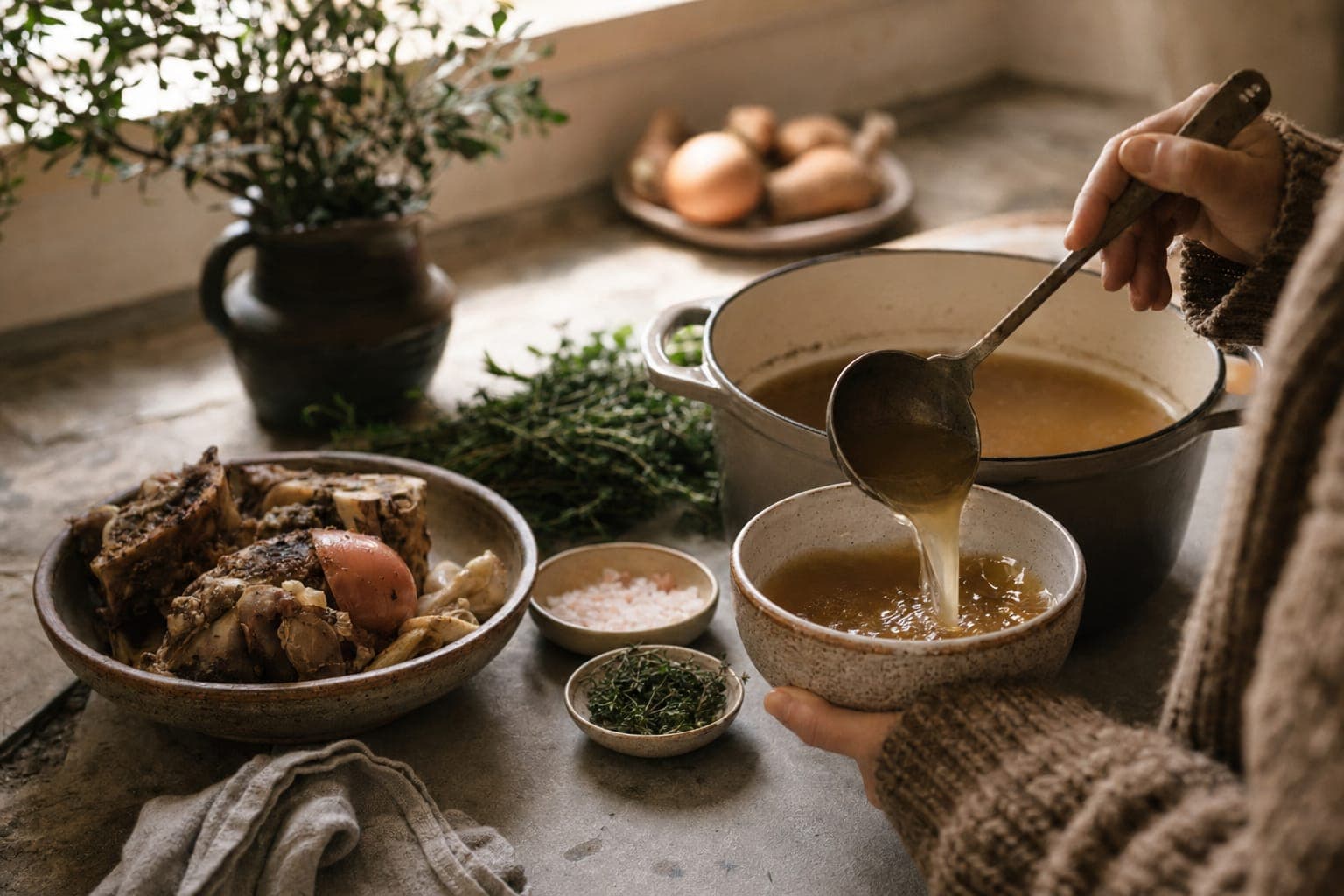
Bone Broth from Scratch: A Step-by-Step Guide
Step-by-step guide to making bone broth at home. Stovetop, slow cooker, and Instant Pot methods. Rich in collagen and gut-healing minerals.
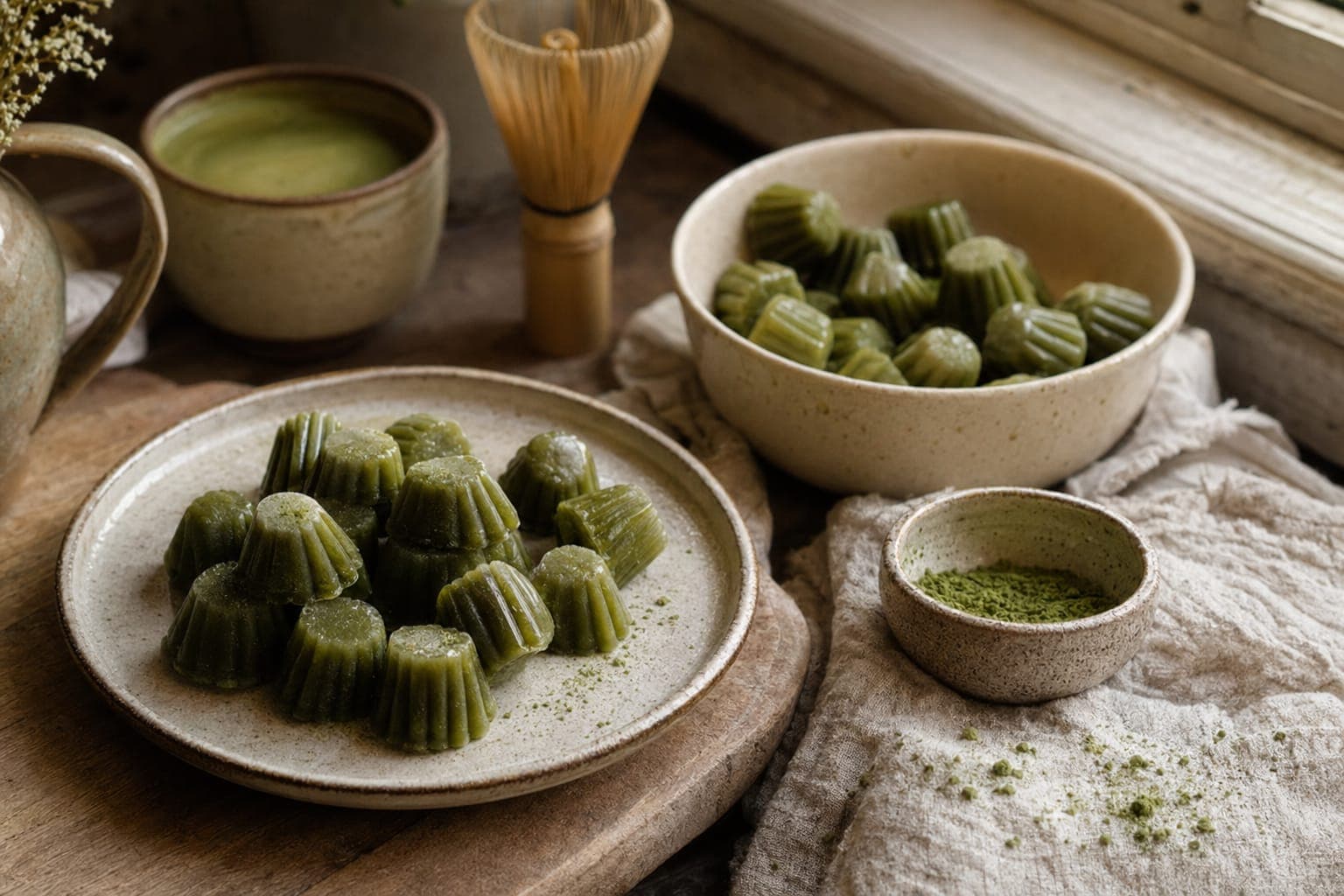
Matcha Latte Gummies with Collagen and Gelatine
Make visually stunning matcha latte gummies infused with collagen and gelatine. Simple recipe for gut-healing sweets you'll actually want to eat.


 Join over 100,000+ members
Build a better food system with us
The Organised community is thousands of people choosing real food and backing the farmers who grow it, all of us trying to leave the world a little better than we found it. If that is what you care about too, you belong here.